1. Search Result
Search Result
Results for "

NAD(P)H

" in MedChemExpress (MCE) Product Catalog:

189

阻害剤およびアゴニスト

1

スクリーニングライブラリ

5

蛍光色素

1

生化学アッセイ試薬

9

ペプチド

1

MCE キット

28

天然物

15

組換えタンパク質

7

同位体標識化合物

19

抗体

7

オリゴヌクレオチド

Targets Recommended:
製品番号 製品名 Target 研究分野 構造式
  • HY-F0003
    NADPH tetrasodium salt
    Maximum Cited Publications
    18 Publications Verification

    Ferroptosis Endogenous Metabolite Metabolic Disease Cancer
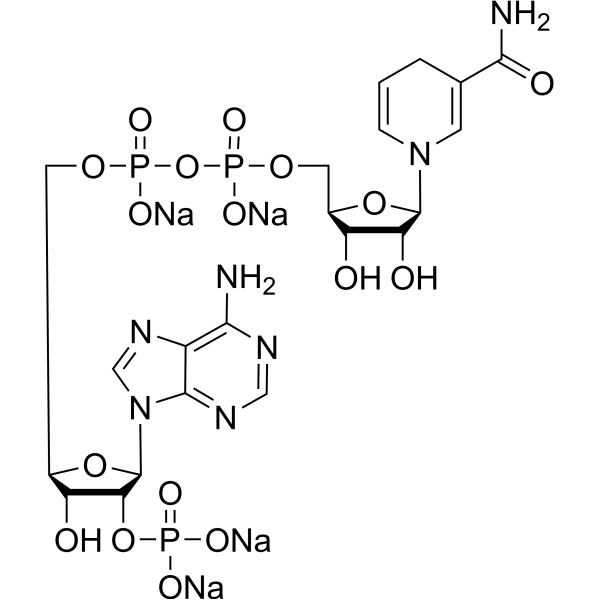
    NADPH tetrasodium salt functions as an important cofactor in a variety of metabolic and biosynthetic pathways. NADPH tetrasodium salt is an endogenous inhibitor of ferroptosis. NADPH tetrasodium salt plays a vital role in the biosynthesis of agents, chiral alcohols, fatty acids and biopolymers, while also being required for lipid biosynthesis, biomass formation, and cell replication .
    NADPH tetrasodium salt
  • HY-15924
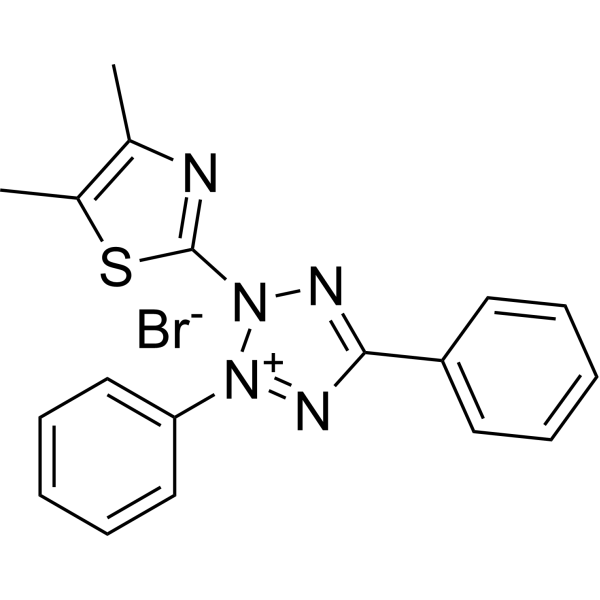
    Thiazolyl Blue
    180+ Cited Publications

    MTT; Thiazolyl Blue Tetrazolium bromide; Methylthiazolyldiphenyl-tetrazolium bromide

    Fluorescent Dye Others
    Thiazolyl Blue (MTT) is a cell-permeable and positively charged tetrazolium dye that is used to detect reductive metabolism in cells. Thiazolyl Blue is taken up by cells through the plasma membrane and then reduced to formazan by intracellular NAD (P) H-oxidoreductases. Thiazolyl Blue is frequently used in colorimetric assays to measure cell proliferation, cytotoxicity, and apoptosis .
    Thiazolyl Blue
  • HY-113324
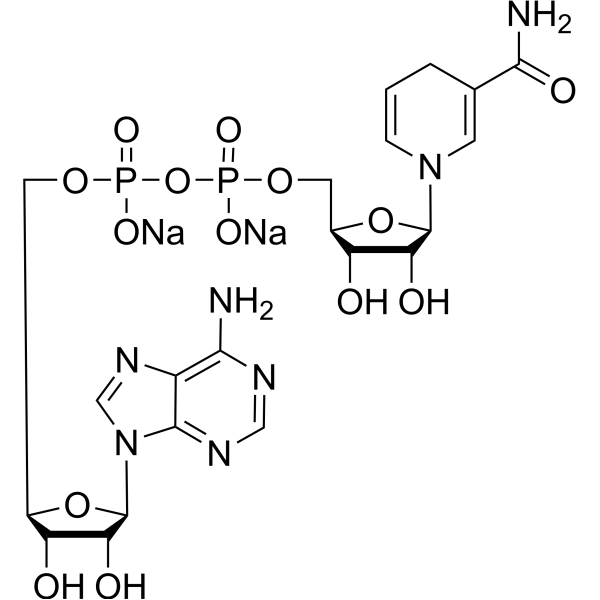
    NADPH
    15+ Cited Publications

    Endogenous Metabolite Cancer
    NADPH is a coenzyme of glutathione reductase (GR), thioredoxin reductase (TrxR) and NADPH oxidase (NOX), and participates in redox reactions as a hydrogen donor. NADPH has the characteristic of selectively participating in the regulation of cellular redox homeostasis. NADPH exerts antioxidant activity and resists reactive oxygen species (ROS) damage by providing reducing equivalents for the regeneration of glutathione (GSH) and thioredoxin (Trx); at the same time, it acts as a substrate of NOX to generate superoxide anions, mediating oxidative stress and immune response. NADPH participates in maintaining the intracellular reducing environment, biosynthesis and regulating gene expression (such as the Nrf2 pathway), and is mainly used in the study of oxidative stress-related diseases (such as cardiovascular diseases, neurodegenerative diseases, cancer) and immune regulation mechanisms .
    NADPH
  • HY-12298
    Setanaxib
    25+ Cited Publications

    GKT137831; GKT831

    NADPH Oxidase Ferroptosis Cardiovascular Disease
    Setanaxib (GKT137831) is a selective NADPH oxidase (NOX1/4) inhibitor with Kis of 140 and 110 nM, respectively.
    Setanaxib
  • HY-100965
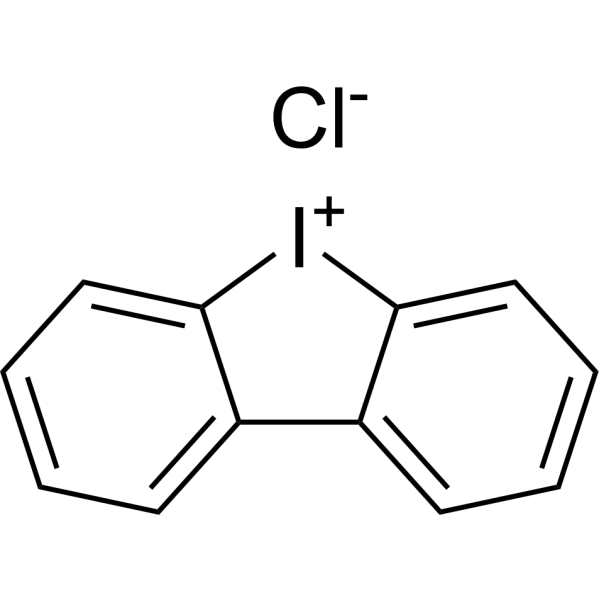
    Diphenyleneiodonium chloride
    55+ Cited Publications

    DPI

    TRP Channel NADPH Oxidase Reactive Oxygen Species (ROS) Neurological Disease Inflammation/Immunology
    Diphenyleneiodonium chloride is a NADPH oxidase (NOX) inhibitor and also functions as a TRPA1 activator with an EC50 of 1 to 3 μM. Diphenyleneiodonium chloride selectively inhibits intracellular reactive oxygen species.
    Diphenyleneiodonium chloride
  • HY-N0645
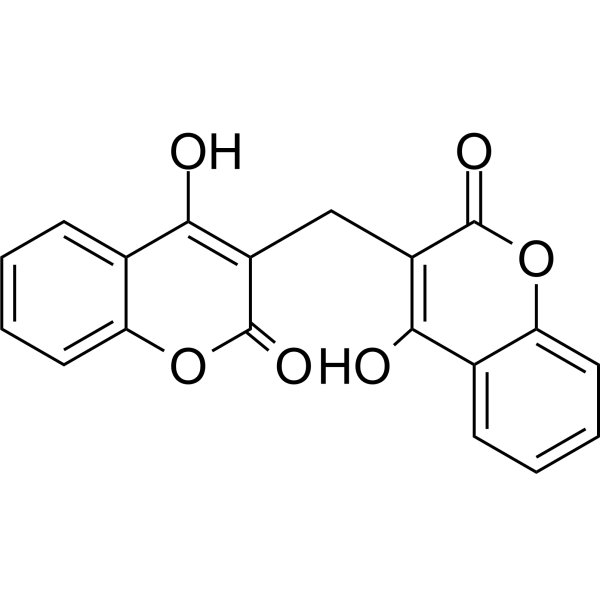
    Dicoumarol
    10+ Cited Publications

    Dicumarol

    Quinone Reductase PDHK Cancer
    Dicoumarol is an inhibitor of both NAD(P)H:quinone oxidoreductase 1 (NQO1) and PDK1 with IC50s of 0.37 and 19.42 μM, respectively.
    Dicoumarol
  • HY-18950
    GSK2795039
    70+ Cited Publications

    NADPH Oxidase Reactive Oxygen Species (ROS) Apoptosis Cancer
    GSK2795039 is a NADPH oxidase 2 (NOX2) inhibitor with a mean pIC50 of 6 in different cell-free assays. GSK2795039 inhibits reactive oxygen species (ROS) production and NADPH consumption . GSK2795039 reduces apoptosis .
    GSK2795039
  • HY-108537
    L 012 sodium salt
    2 Publications Verification

    Reactive Oxygen Species (ROS) Inflammation/Immunology
    L 012 sodium salt is a luminal-based chemiluminescent probe. L 012 sodium salt can detect NADPH oxidase (Nox)-derived superoxide and nitrogen species (reactive oxygen species (ROS) and reactive nitrogen species (RNS)) .
    L 012 sodium salt
  • HY-D0937
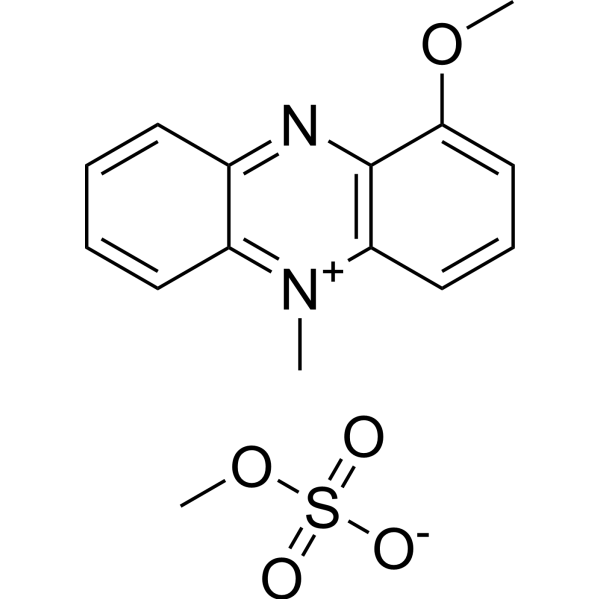
    Methoxy-PMS
    5+ Cited Publications

    1-Methoxy PMS; 1-Methoxyphenazine methosulfate

    Reactive Oxygen Species (ROS) Others
    Methoxy-PMS (1-Methoxy PMS), an active oxygen formation inducer, is stable electron-transport mediator between NAD(P)H and tetrazolium dyes .
    Methoxy-PMS
  • HY-F0002
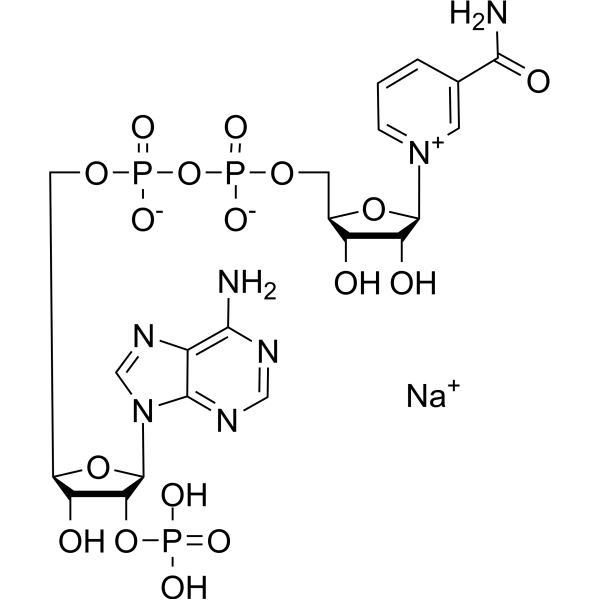
    NADP sodium salt
    5+ Cited Publications

    Sodium NADP

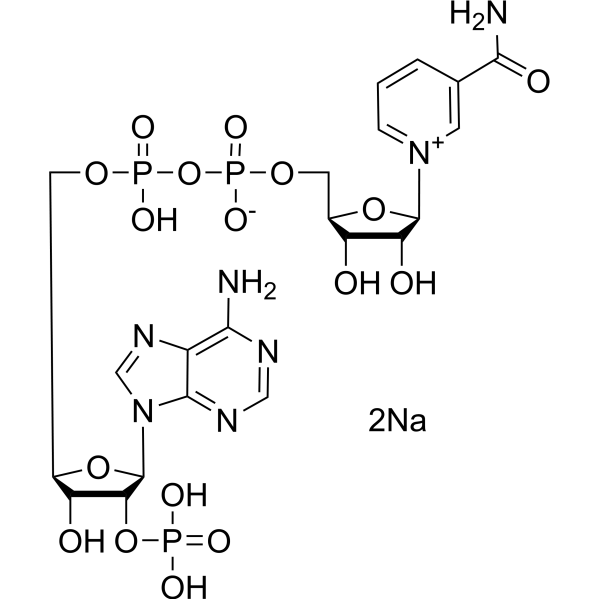
    Endogenous Metabolite Metabolic Disease Inflammation/Immunology Cancer
    NADP sodium salt is the sodium salt form of NADP (HY-113325). NADP is a coenzyme involved in cellular electron transfer reactions in biological metabolism, which is alternately oxidized (NADP+) and reduced (NADPH), and can maintain cellular redox homeostasis and regulate many biological events, including cellular metabolism. NADPH is a universal electron donor that provides reducing ability for synthetic metabolic reactions and redox balance. NADPH plays a multifunctional role in regulating inflammation, redox homeostasis, and synthetic metabolism processes .
    NADP sodium salt
  • HY-F0002A
    NADP disodium salt
    5+ Cited Publications

    Disodium NADP

    Endogenous Metabolite Metabolic Disease Inflammation/Immunology Cancer
    NADP disodium salt is the disodium salt form of NADP (HY-113325). NADP is a coenzyme involved in cellular electron transfer reactions in biological metabolism, which is alternately oxidized (NADP+) and reduced (NADPH), and can maintain cellular redox homeostasis and regulate many biological events, including cellular metabolism. NADPH is a universal electron donor that provides reducing ability for synthetic metabolic reactions and redox balance. NADPH plays a multifunctional role in regulating inflammation, redox homeostasis, and synthetic metabolism processes .
    NADP disodium salt
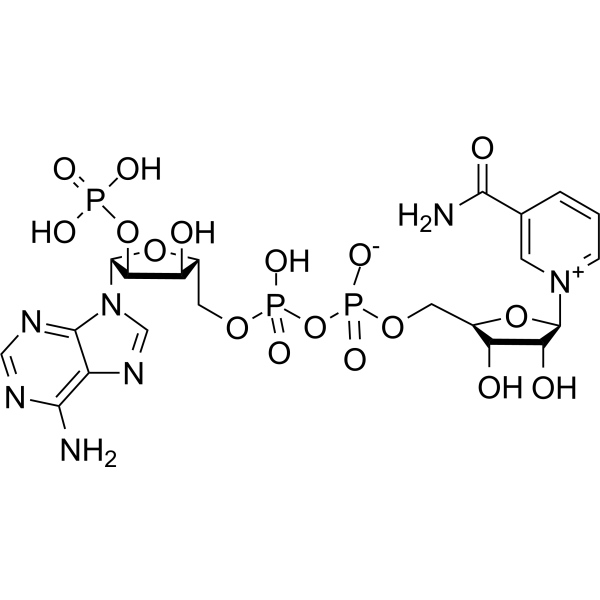
  • HY-113325
    NADP
    5+ Cited Publications

    Endogenous Metabolite Metabolic Disease Inflammation/Immunology Cancer
    NADP is a coenzyme involved in cellular electron transfer reactions in biological metabolism, which is alternately oxidized (NADP+) and reduced (NADPH), and can maintain cellular redox homeostasis and regulate many biological events, including cellular metabolism. NADPH is a universal electron donor that provides reducing ability for synthetic metabolic reactions and redox balance. NADPH plays a multifunctional role in regulating inflammation, redox homeostasis, and synthetic metabolism processes .
    NADP
  • HY-100111
    GLX351322
    45+ Cited Publications

    NADPH Oxidase Metabolic Disease
    GLX351322 is an inhibitor of NADPH oxidase 4 (Nox4), and inhibits hydrogen peroxide production from NOX4-overexpressing cells with an IC50 of 5 μM.
    GLX351322
  • HY-130750

    Reactive Oxygen Species (ROS) Neurological Disease
    Phycocyanobilin, an orally active antioxidative agent, is an effective scavenger for various reactive oxygen species. Phycocyanobilin can be used for the research of Alzheimer’s disease .
    Phycocyanobilin
  • HY-113449

    Endogenous Metabolite NADPH Oxidase Metabolic Disease
    Ubiquinone-1 is an intermediate in the synthesis of Coenzyme Q. Ubiquinone-1 can be reduced by NADPH oxidase, hepatoma cells, Ascorbic acid (HY-B0166) .
    Ubiquinone-1
  • HY-P2996
    NAD(P)H-Nitrate reductase
    1 Publications Verification

    Others Others
    NAD(P)H-Nitrate reductase is isolated from Aspergillus niger that catalyses the reduction of nitrate to nitrite via a two-electron transfer. In plants, the electron donor for Nitrate reductase is NADPH is NADH:Nitrate reductase and a bispecific NAD(P)H: Nitrate reductase .
    NAD(P)H-Nitrate reductase
  • HY-12804
    VAS2870
    15+ Cited Publications

    NADPH Oxidase Cardiovascular Disease
    VAS2870 is a NADPH oxidase (NOX) inhibitor.
    VAS2870
  • HY-128895
    KL1333
    1 Publications Verification

    Quinone Reductase Mitochondrial Metabolism Metabolic Disease
    KL1333, a derivative of β-lapachone, is an orally available NAD+ modulator. KL1333 reacts with NAD(P)H:quinone oxidoreductase 1 (NQO1) as a substrate, resulting in increases in intracellular NAD+ levels via NADH oxidation. KL1333 improves energy metabolism and mitochondrial dysfunction in MELAS fibroblasts. KL1333 protects against Cisplatin-induced ototoxicity in mouse cochlear cultures .
    KL1333
  • HY-125863

    G6PD

    Endogenous Metabolite Metabolic Disease Cancer
    Glucose-6-phosphate dehydrogenase, Microorganism (G6PD) is the rate-limiting enzyme of the pentose phosphate pathway. Glucose-6-phosphate dehydrogenase, Microorganism is a primary source of NADPH in antioxidant pathways, nitric oxide synthase, NADPH oxidase, cytochrome p450 systems, and others. Glucose-6-phosphate dehydrogenase, Microorganism is applicable in research related to diabetes, endothelial dysfunction, cancer, and cardiomyopathy .
    Glucose-6-phosphate dehydrogenase, Microorganism
  • HY-125027

    IB-DNQ

    Quinone Reductase Cancer
    Isobutyl-deoxynyboquinone (IB-DNQ) is a selective substrate for NAD(P)H:quinone oxidoreductase (NQO1). Isobutyl-deoxynyboquinone can be used for the research of anticancer .
    Isobutyl-deoxynyboquinone
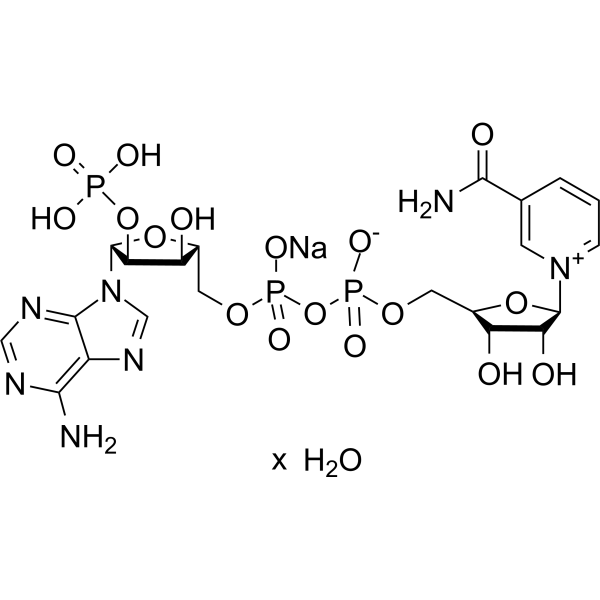
  • HY-113325A
    NADP sodium hydrate
    5+ Cited Publications

    Endogenous Metabolite Metabolic Disease Inflammation/Immunology Cancer
    NADP sodium hydrate is the sodium salt hydrate form of NADP (HY-113325). NADP is a coenzyme involved in cellular electron transfer reactions in biological metabolism, which is alternately oxidized (NADP+) and reduced (NADPH), and can maintain cellular redox homeostasis and regulate many biological events, including cellular metabolism. NADPH is a universal electron donor that provides reducing ability for synthetic metabolic reactions and redox balance. NADPH plays a multifunctional role in regulating inflammation, redox homeostasis, and synthetic metabolism processes .
    NADP sodium hydrate
  • HY-P2947

    Aldehyde dehydrogenase (NAD(P))

    Aldehyde Dehydrogenase (ALDH) Others Cancer
    ALDH (Aldehyde dehydrogenase (NAD(P))) catalyzes the oxidation of aldehydes into their corresponding carboxylic acids with the concomitant reduction of the cofactor NAD(P) into NAD(P)H, is often used in biochemical studies. The ALDHs are one of many enzyme systems the body utilizes to alleviate aldehyde stress .
    ALDH
  • HY-13543

    CB 1954

    Quinone Reductase DNA Alkylator/Crosslinker Cancer
    Tretazicar (CB 1954), an antitumor proagent, is highly selective against the Walker 256 rat tumour line. Tretazicar is enzymatically activated to generate a bifunctional agent, which can form DNA-DNA interstrand cross-links. Tretazicar in rat cells involves the reduction of its 4-nitro group to a 4-hydroxylamine by the enzyme NAD(P)H:quinone oxidoreductase 1 (NQO1) .
    Tretazicar
  • HY-128799
    CL097
    2 Publications Verification

    Toll-like Receptor (TLR) Reactive Oxygen Species (ROS) Inflammation/Immunology
    CL097, a potent TLR7 and TLR8 agonist, induces pro-inflammatory cytokines in macrophages . CL097 induces NADPH oxidase priming, resulting in an increase of the fMLF-stimulated ROS production .
    CL097
  • HY-118315
    L-012
    2 Publications Verification

    Fluorescent Dye Inflammation/Immunology
    L-012 is a luminal-based chemiluminescent probe. L-012 sodium salt can detect NADPH oxidase (Nox)-derived superoxide and nitrogen species (reactive oxygen species (ROS) and reactive nitrogen species (RNS)) .
    L-012
  • HY-163002
    viFSP1
    4 Publications Verification

    Ferroptosis Cancer
    viFSP1 is a species-independent FSP1 inhibitor. viFSP1 directly inhibits FSP1 by targeting the highly conserved NAD(P)H binding pocket of FSP1. viFSP1 can induce Ferroptosis in FSP1-dependent cells. viFSP1 can be used in renal and breast cancer research .
    viFSP1
  • HY-F0003A
    NADPH tetracyclohexanamine
    Maximum Cited Publications
    18 Publications Verification

    Ferroptosis Endogenous Metabolite Metabolic Disease Cancer
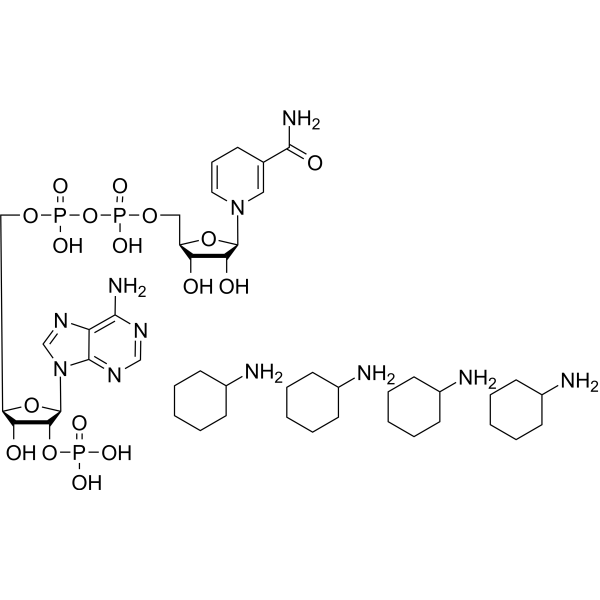
    NADPH tetracyclohexanamine functions as an important cofactor in a variety of metabolic and biosynthetic pathways. NADPH tetracyclohexanamine is an endogenous inhibitor of ferroptosis. NADPH tetracyclohexanamine plays a vital role in the biosynthesis of agents, chiral alcohols, fatty acids and biopolymers, while also being required for lipid biosynthesis, biomass formation, and cell replication .
    NADPH tetracyclohexanamine
  • HY-W050000
    OR-1855
    1 Publications Verification

    Drug Metabolite Reactive Oxygen Species (ROS) ERK p38 MAPK Cardiovascular Disease Inflammation/Immunology
    OR-1855, an active metabolite of Levosimendan (HY-14286), has effect on myometrial contractility. OR-1855 exerts anti-inflammatory effects by inhibiting IL-1β-induced ROS formation and NAD(P)H oxidase-dependent superoxide radical generation in HUVECs. OR-1855 inhibits IL-1β-induced phosphorylation p38 MAPK, ERK1/2, c-Jun and JNK in HUVECs. OR-1855 can be used for the study of inflammation .
    OR-1855
  • HY-103667
    2-HBA
    3 Publications Verification

    Quinone Reductase Caspase Cancer
    2-HBA is a potent inducer of NAD(P)H:quinone acceptor oxidoreductase 1 (NQO1) which can also activate caspase-3 and caspase-10.
    2-HBA
  • HY-W015422

    PARP Metabolic Disease
    1,5-Isoquinolinediol is a potent PARP inhibitor, with an IC50 of 0.18-0.37 μM. 1,5-Isoquinolinediol attenuates diabetes-induced NADPH oxidase-derived oxidative stress in retina .
    1,5-Isoquinolinediol
  • HY-P5381
    gp91 ds-tat
    1 Publications Verification

    NADPH Oxidase Ferroptosis Reactive Oxygen Species (ROS) Glutathione Peroxidase TRP Channel Cardiovascular Disease Neurological Disease Inflammation/Immunology
    gp91 ds-tat, a biological active peptide, is a NADPH oxidase 2 (Nox2) inhibitor. gp91 ds-tat blocks NADPH oxidase-dependent superoxide production. gp91 ds-tat ameliorates high glucose-induced increase in total ROS, LPOs and iron levels. gp91 ds-tat inhibits homocysteine (Hcy)-induced activation of NLRP3 inflammasomes and restores Hcy-inhibited lysosomal TRPML1 channel activity. gp91 ds-tat improves cerebrovascular and cognitive function in APP/PS1 mice. gp91 ds-tat can be used for the study of Alzheimer’s disease (AD), glomerular inflammation and cardiovascular disease .
    gp91 ds-tat
  • HY-152026

    NADPH Oxidase Neurological Disease
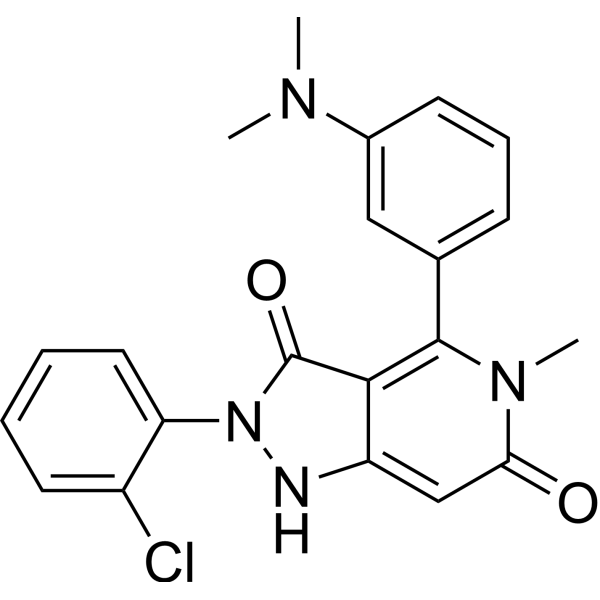
    NADPH oxidase-IN-1 is an orally active NADPH oxidase (Nox) inhibitor, related with neuronal inflammation. NADPH oxidase-IN-1 can cross the blood-brain barrier (BBB), inhibits Nox2 and Nox4 with IC50s of 1.9 μM and 2.47 μM, respectively. NADPH oxidase-IN-1 suppresses pro-inflammatory cytokines production and LPS-mediated microglial migration, also has in vivo efficacy .
    NADPH oxidase-IN-1
  • HY-126195

    ML-090

    NADPH Oxidase Neurological Disease
    Fluoflavine (ML-090) is a selective NOX1 inhibitor and reactive oxygen species inhibitor. Fluoflavine reduces reactive oxygen species production, NOX1-mediated downstream signaling events, and oxygen-glucose deprivation-induced retinal ganglion cell death. Fluoflavine inhibits NADPH oxidase activity and pathological retinal neovascularization induced by oxygen-induced retinopathy in the retinas of ischemic mice. Fluoflavine can be used in studies related to retinal ischemia-reperfusion injury and proliferative retinopathy .
    Fluoflavine
  • HY-P3186

    Endogenous Metabolite Metabolic Disease
    Glucose dehydrogenase, recombinant Microorganisms is a FDA-dependent oxidoreductase. Glucose dehydrogenase (GDH) catalyzes the oxidation of β-D-glucose to β-D-glucono-1,5-lactone with simultaneous reduction of the cofactor NADP + to NADPH or, to a lesser extent, NAD + to NADH. Glucose dehydrogenase (GDH) accepts both NAD + and NADP + as cofactors and can be used for the regeneration of NADH and NADPH .
    Glucose dehydrogenase, recombinant Microorganisms
  • HY-F0003R

    Reference Standards Ferroptosis Endogenous Metabolite Metabolic Disease Cancer
    NADPH tetrasodium salt (Standard) is the analytical standard of NADPH tetrasodium salt (HY-F0003). This product is intended for research and analytical applications. NADPH tetrasodium salt functions as an important cofactor in a variety of metabolic and biosynthetic pathways. NADPH tetrasodium salt is an endogenous inhibitor of ferroptosis. NADPH tetrasodium salt plays a vital role in the biosynthesis of agents, chiral alcohols, fatty acids and biopolymers, while also being required for lipid biosynthesis, biomass formation, and cell replication.
    NADPH tetrasodium salt (Standard)
  • HY-W002555

    Drug Intermediate Others
    4-Aminonicotinic acid is a building block, that can be used for synthesis of pharmaceutical agents. 4-Aminonicotinic acid can be used as the substrate or inhibitor in the research of NAD(P)H metabolism and the activity of related enzymes .
    4-Aminonicotinic acid
  • HY-N7335

    Quinone Reductase Others Neurological Disease Inflammation/Immunology Cancer
    Dehydroglyasperin C, a isoflavone, is a potent NAD(P)H:oxidoquinone reductase (NQO1) and phase 2 enzyme inducer. Dehydroglyasperin C has antioxidant, neuroprotective, cancer chemopreventive, and anti-inflammatory activities .
    Dehydroglyasperin C
  • HY-113325AR

    Endogenous Metabolite Reference Standards Metabolic Disease Inflammation/Immunology Cancer
    NADP sodium hydrate (Standard) is the analytical standard of NADP sodium hydrate (HY-113325A). This product is intended for research and analytical applications. NADP sodium hydrate is the sodium salt hydrate form of NADP (HY-113325). NADP is a coenzyme involved in cellular electron transfer reactions in biological metabolism, which is alternately oxidized (NADP+) and reduced (NADPH), and can maintain cellular redox homeostasis and regulate many biological events, including cellular metabolism. NADPH is a universal electron donor that provides reducing ability for synthetic metabolic reactions and redox balance. NADPH plays a multifunctional role in regulating inflammation, redox homeostasis, and synthetic metabolism processes.
    NADP sodium hydrate (Standard)
  • HY-119576
    Phox-I2
    1 Publications Verification

    NADPH Oxidase Reactive Oxygen Species (ROS) Inflammation/Immunology
    Phox-I2 is a selective inhibitor of p67 phox-Rac1 interaction, binds to p67 phox with high affinity with a Kd of ~150 nM. Phox-I2 is a NADPH oxidase 2 (NOX2) inhibitor and inhibits reactive oxygen species (ROS) production .
    Phox-I2
  • HY-P2996B

    Others Others
    Nitrate Reductase (NAD[P]H), Pichia pastoris (recombinant) is a simplified version of nitrate reductase S-NaR1 expressed and purified by Pichia pastoris. Nitrate Reductase (NAD[P]H), Pichia Pastoris (recombinant) contains sites binding molybdenum-molybdenopyridine (Mo-MPT) and nitrate reduction active sites and only contains two domains instead of the five domains of the complete NaR. This simplified form of nitrate reductase was expressed in high density in P. pastoris and purified to homogeneity in one step by fixed metal affinity chromatography (IMAC). Nitrate Reductase (NAD[P]H), Pichia Pastoris (recombinant) can be used in the development of biosensors and environmental monitoring .
    Nitrate Reductase (NAD[P]H), Pichia Pastoris (recombinant)
  • HY-F0002R

    Sodium NADP (Standard)

    Endogenous Metabolite Reference Standards Metabolic Disease Inflammation/Immunology Cancer
    NADP (sodium salt) (Standard) is the analytical standard of NADP (sodium salt). This product is intended for research and analytical applications. NADP sodium salt is the sodium salt form of NADP (HY-113325). NADP is a coenzyme involved in cellular electron transfer reactions in biological metabolism, which is alternately oxidized (NADP+) and reduced (NADPH), and can maintain cellular redox homeostasis and regulate many biological events, including cellular metabolism. NADPH is a universal electron donor that provides reducing ability for synthetic metabolic reactions and redox balance. NADPH plays a multifunctional role in regulating inflammation, redox homeostasis, and synthetic metabolism processes[1][4].
    NADP sodium salt (Standard)
  • HY-P1118

    Formyl Peptide Receptor (FPR) Inflammation/Immunology
    Ac9-25, a N-terminal peptide of Annexin I, acts as a formyl peptide receptor (FPR) agonist and activates the neutrophil NADPH oxidase through FPR .
    Ac9-25
  • HY-128799A
    CL097 hydrochloride
    2 Publications Verification

    Toll-like Receptor (TLR) Reactive Oxygen Species (ROS) Inflammation/Immunology
    CL097, a potent TLR7 and TLR8 agonist, induces pro-inflammatory cytokines in macrophages . CL097 induces NADPH oxidase priming, resulting in an increase of the fMLF-stimulated ROS production .
    CL097 hydrochloride
  • HY-111447

    NADPH Oxidase Apoptosis Cardiovascular Disease Cancer
    VAS 3947, a specific NADPH oxidase (NOX) inhibitor, exerts a potent antiplatelet effect. VAS3947 induces apoptosis independently of anti-NOX activity, via UPR activation, mainly due to aggregation and misfolding of proteins .
    VAS 3947
  • HY-P1121A

    Formyl Peptide Receptor (FPR) Inflammation/Immunology
    WKYMVM-NH2 TFA is a potent N-formyl peptide receptor (FPR1) and FPRL1/2 agonist, also activates several leukocyte effector functions such as chemotaxis, mobilization of complement receptor-3, and activation of the NADPH oxidase .
    WKYMVM-NH2 TFA
  • HY-P2993

    ICDH; IDH

    Isocitrate Dehydrogenase (IDH) Metabolic Disease Cancer
    Isocitrate dehydrogenase, Porcine heart (ICDH) is a citric acid or tricarboxylic acid cycle enzyme, is often used in biochemical studies. Isocitrate dehydrogenase catalyzes the oxidative decarboxylation of isocitrate to α-ketoglutarate and reduces NAD(P) + to NAD(P)H, it plays important roles in cellular metabolism .
    Isocitrate dehydrogenase, Porcine heart
  • HY-107855S

    (±)-Mevalonolactone-d7; Mevalolactone-d7

    Endogenous Metabolite Metabolic Disease
    DL-Mevalonolactone-d7 is the deuterium labeled DL-Mevalonolactone. DL-Mevalonolactone ((±)-Mevalonolactone) is the δ-lactone form of mevalonic acid, a precursor in the mevalonate pathway. DL-Mevalonolactone (Mevalonolactone) decreases mitochondrial membrane potential (?Ψm), NAD(P)H content and the capacity to retain Ca2+ in the brain, besides inducing mitochondrial swelling .
    DL-Mevalonolactone-d7
  • HY-125863B

    G6PD (yeast, recombinant)

    Endogenous Metabolite Cardiovascular Disease Metabolic Disease Cancer
    Glucose 6-phosphate dehydrogenase (yeast, recombinant) is the rate-limiting enzyme of the pentose phosphate pathway and a major source of NADPH in antioxidant pathways, nitric oxide synthase, NADPH oxidase, and cytochrome P450 systems. Glucose 6-phosphate dehydrogenase helps cells resist oxidative stress and regulates metabolic rates. It holds potential for research in fields such as diabetes, endothelial dysfunction, cancer, and cardiomyopathy .
    Glucose 6-phosphate dehydrogenase (yeast, recombinant)
  • HY-P2944

    Biochemical Assay Reagents Metabolic Disease
    Ferredoxin-NADP reductase in plants receives electrons from ferredoxin (Fd) at the end of the photosynthetic electron transfer chain and converts NADP + to NADPH .
    Ferredoxin-NADP reductase
  • HY-N0088S

    Acetovanillone-d3

    Apoptosis Autophagy Cancer
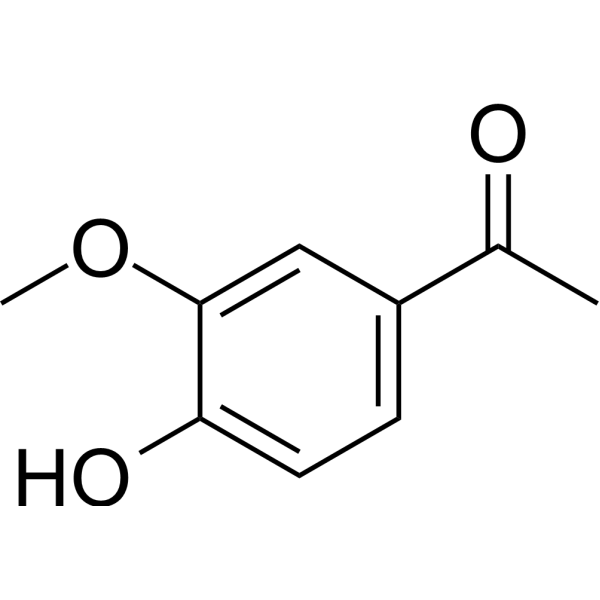
    Apocynin-d3 is the deuterium labeled Apocynin . Apocynin is a selective NADPH-oxidase inhibitor with an IC50 of 10 μM .
    Apocynin-d3

オンラインお問い合わせ

入力情報は安全に管理されます. 必須入力項目.

タイトル


国或いは地域 *

お名前 *


組纖名 *

デパートメント *


メールアドレス *


製品名 *

製品番号


カスタマ需要量 *

電話番号 *


必ず会社名を記載ください。個人への返信は行いません。

備考

バルクお問い合わせ

Inquiry Information

製品名:
製品番号:
数量:
MCE 日本正規代理店:

