1. Search Result
Search Result
Results for "

OXPHOS

" in MedChemExpress (MCE) Product Catalog:

52

Inhibitors & Agonists

1

Screening Libraries

1

Fluorescent Dye

4

Natural
Products

1

Isotope-Labeled Compounds

1

Antibodies

1

Click Chemistry

Cat. No. Product Name Target Research Areas Chemical Structure
  • HY-100941
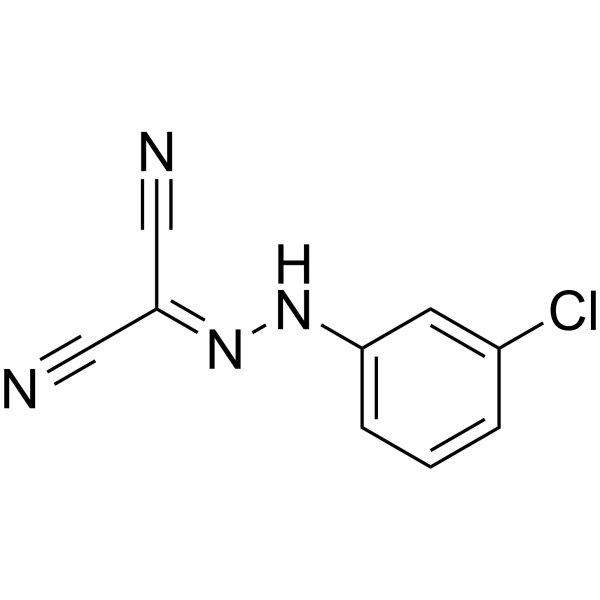
    CCCP
    Maximum Cited Publications
    176 Publications Verification

    Carbonyl cyanide 3-chlorophenylhydrazone; Carbonyl Cyanide m-Chlorophenylhydrazone

    Oxidative Phosphorylation PINK1/Parkin STING IFNAR Mitochondrial Metabolism Bacterial Apoptosis Inflammation/Immunology Cancer
    CCCP is an oxidative phosphorylation (OXPHOS) uncoupler. CCCP induces activation of PINK1 leading to Parkin Ser65 phosphorylation .
    CCCP
  • HY-100410
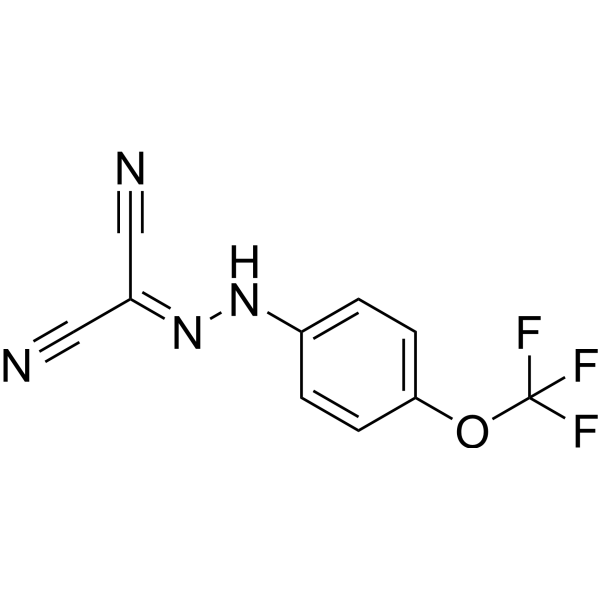
    FCCP
    105+ Cited Publications

    Carbonyl cyanide 4-(trifluoromethoxy)phenylhydrazone

    Oxidative Phosphorylation PINK1/Parkin Mitochondrial Metabolism Cancer
    FCCP is an uncoupler of oxidative phosphorylation (OXPHOS) in mitochondria. FCCP induces activation of PINK1 leading to Parkin Ser65 phosphorylation .
    FCCP
  • HY-N6687
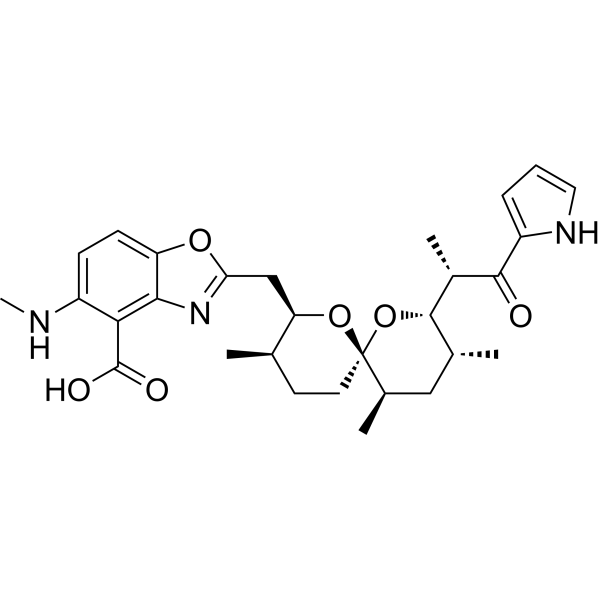
    Calcimycin
    20+ Cited Publications

    A-23187; Antibiotic A-23187

    Oxidative Phosphorylation Bacterial Fungal Apoptosis Autophagy Antibiotic Infection Inflammation/Immunology Cancer
    Calcimycin (A-23187) is an antibiotic and a unique divalent cation ionophore (like calcium and magnesium). Calcimycin induces Ca 2+-dependent cell death by increasing intracellular calcium concentration. Calcimycin inhibits the growth of Gram-positive bacteria and some fungi. Calcimycin also inhibits the activity of ATPase and uncouples oxidative phosphorylation (OXPHOS) of mammalian cells. Calcimycin induces apoptosis and autophagy .
    Calcimycin
  • HY-112037
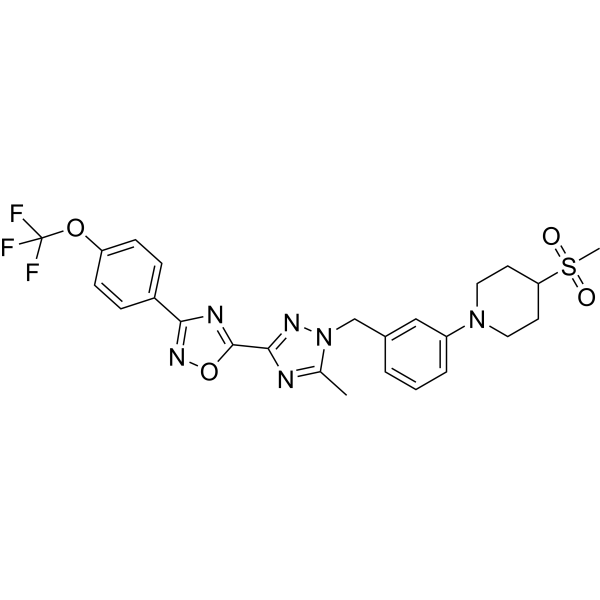
    IACS-010759
    25+ Cited Publications

    IACS-10759

    Oxidative Phosphorylation Mitochondrial Metabolism Apoptosis Cancer
    IACS-010759 is an orally active, potent mitochondrial complex I of oxidative phosphorylation (OXPHOS) inhibitor. IACS-010759 inhibits proliferation and induces apoptosis in models of brain cancer and acute myeloid leukemia (AML) reliant on OXPHOS. IACS-010759 has the potential for relapsed/refractory AML and solid tumors research .
    IACS-010759
  • HY-110284
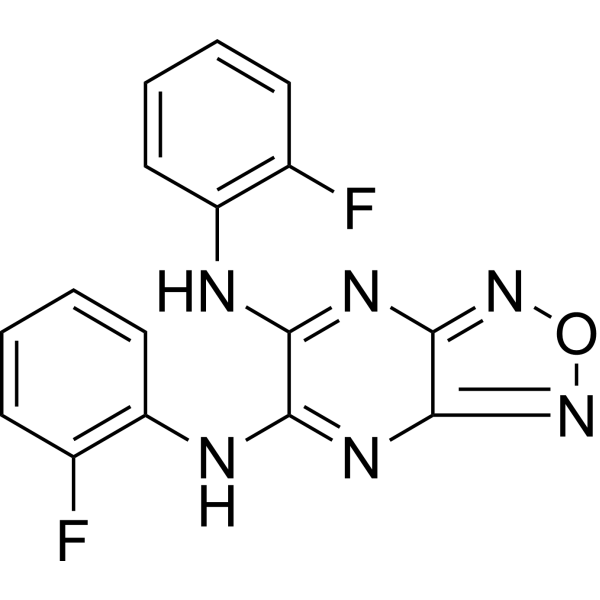
    BAM 15
    10+ Cited Publications

    Oxidative Phosphorylation Mitochondrial Metabolism Others
    BAM 15 is a mitochondrial protonophore uncoupler. BAM 15 is an oxidative phosphorylation (OXPHOS) uncoupler .
    BAM 15
  • HY-B0404A
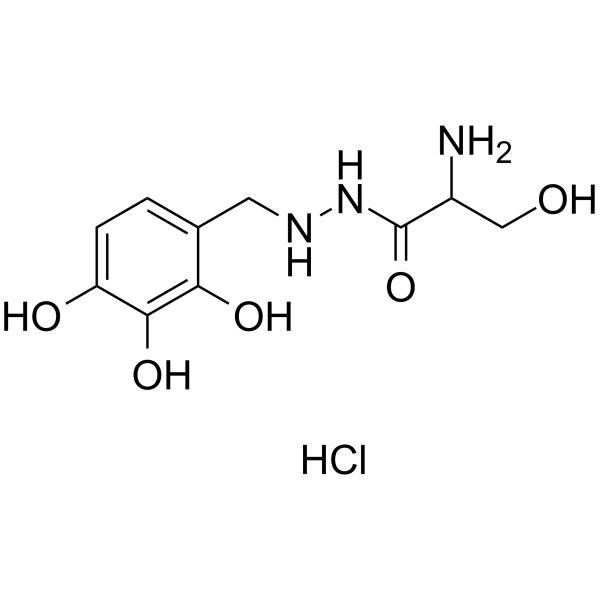
    Benserazide hydrochloride
    5+ Cited Publications

    Ro 4-4602 hydrochloride

    Pyruvate Kinase Neurological Disease Cancer
    Benserazide hydrochloride (Serazide) is an aromatic L-amino acid decarboxylase (AADC) and L-DOPA decarboxylase inhibitor. Benserazide hydrochloride is also a PKM2 inhibitor. Benserazide hydrochloride directly binds to and blocks PKM2 enzyme activity, leading to inhibition of aerobic glycolysis concurrent up-regulation of OXPHOS. Benserazide hydrochloride can be used for the study of Parkinson's disease and melanoma .
    Benserazide hydrochloride
  • HY-134539
    IMT1
    5+ Cited Publications

    Oxidative Phosphorylation Mitochondrial Metabolism DNA/RNA Synthesis Metabolic Disease Cancer
    IMT1 is a first-in-class specific and noncompetitive human mitochondrial RNA polymerase (POLRMT) inhibitor. IMT1 causes a conformational change of POLRMT, which blocks substrate binding and transcription in a dose-dependent way in vitro. IMT1 reduces deoxynucleoside triphosphate levels and citric acid cycle intermediates, resulting in a marked depletion of cellular amino acid levels. IMT1 has the potential for mitochondrial transcription disorders related diseases .
    IMT1
  • HY-137067
    IMT1B
    5+ Cited Publications

    LDC203974

    DNA/RNA Synthesis Cancer
    IMT1B (LDC203974) is an orally active, noncompetitive and specific allosteric inhibitor of mitochondrial RNA polymerase (POLRMT) and inhibits mitochondrial DNA (mtDNA) expression. IMT1B has anti-tumour effects .
    IMT1B
  • HY-111651
    Gboxin
    4 Publications Verification

    Oxidative Phosphorylation ATP Synthase Mitochondrial Metabolism Cancer
    Gboxin is an oxidative phosphorylation (OXPHOS) inhibitor that targets glioblastoma. Gboxin inhibits the activity of F0F1 ATP synthase. Antitumour activity .
    Gboxin
  • HY-N2787
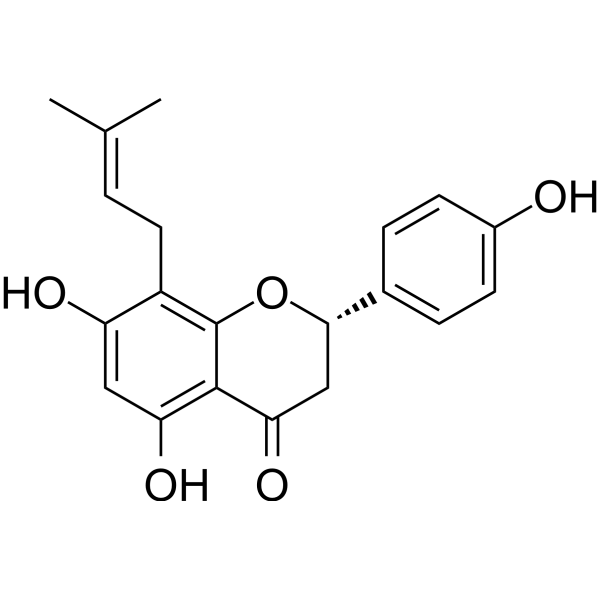
    8-​Prenylnaringenin
    1 Publications Verification

    PI3K Akt AMPK Sirtuin Reactive Oxygen Species (ROS) SOD Cardiovascular Disease Neurological Disease Metabolic Disease Endocrinology Cancer
    8-Prenylnaringenin is an orally active prenyl flavonoid. 8-Prenylnaringenin can be isolated from the hop spike Humulus lupulus. 8-Prenylnaringenin activates the PI3K/Akt pathway and the AMPK pathway, upregulates OXPHOS complexes (II, III, and V) and Sirt1, and reduces ROS production and SOD activity. 8-Prenylnaringenin improves muscle atrophy and obesity and inhibits angiogenesis. 8-Prenylnaringenin exhibits anticancer activity against glioblastoma and colon cancer. 8-Prenylnaringenin also has LH/FSH regulatory activity. 8-prenylnaringenin may be used in bone health research .
    8-​Prenylnaringenin
  • HY-121275
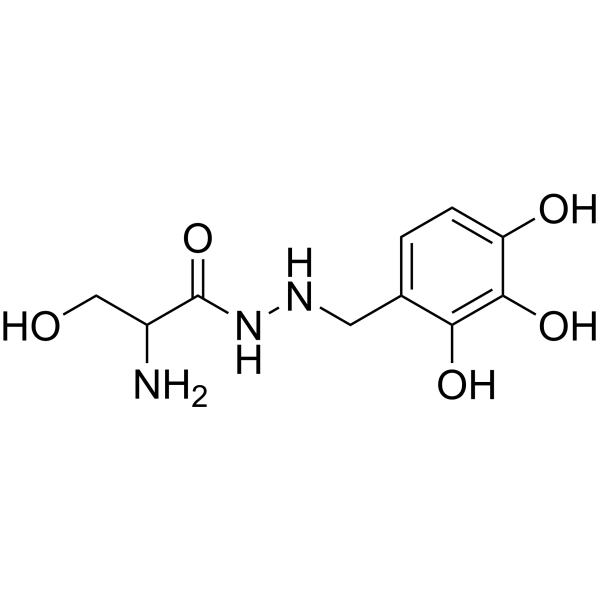
    Benserazide
    5+ Cited Publications

    Ro 4-4602

    Pyruvate Kinase Neurological Disease Cancer
    Benserazide is an aromatic L-amino acid decarboxylase (AADC) and L-DOPA decarboxylase inhibitor. Benserazide is also a PKM2 inhibitor. Benserazide directly binds to and blocks PKM2 enzyme activity, leading to inhibition of aerobic glycolysis concurrent up-regulation of OXPHOS. Benserazide can be used for the study of Parkinson's disease and melanoma .
    Benserazide
  • HY-12406
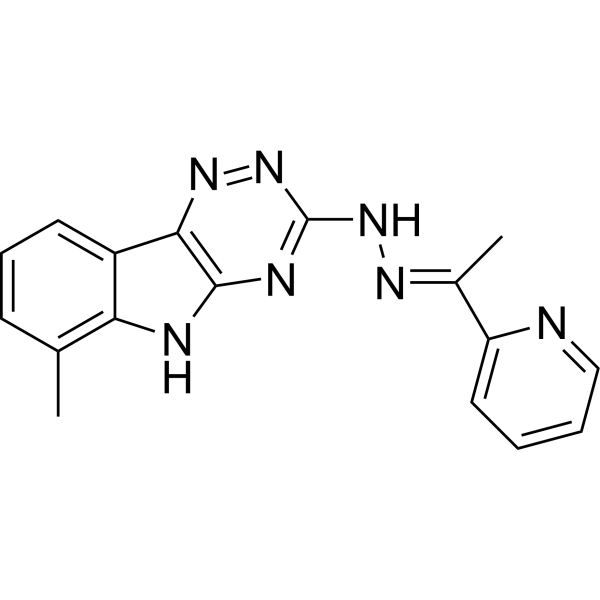
    VLX600
    2 Publications Verification

    Oxidative Phosphorylation Mitochondrial Metabolism Autophagy Cancer
    VLX600 is an iron-chelating inhibitor of oxidative phosphorylation (OXPHOS). VLX600 causes mitochondrial dysfunction and induces a strong shift to glycolysis. VLX600 displays selective cytotoxic activity against malignant cell and induces autophagy. Anticancer activity .
    VLX600
  • HY-111652
    S-Gboxin
    2 Publications Verification

    Drug Derivative Cancer
    S-Gboxin is a functional analog of the oxidative phosphorylation (OXPHOS) inhibitor Gboxin and has antitumor activity. S-Gboxin inhibits the growth of mouse and human glioblastoma with an IC50 of 470 nM. S-Gboxin has antitumor activity .
    S-Gboxin
  • HY-134832
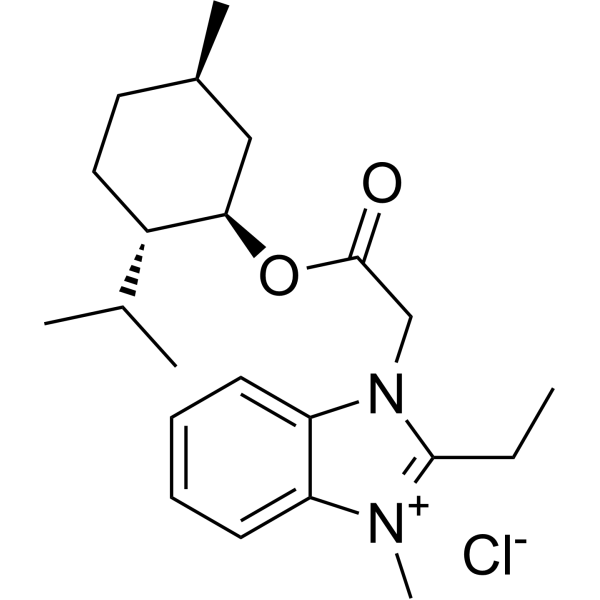
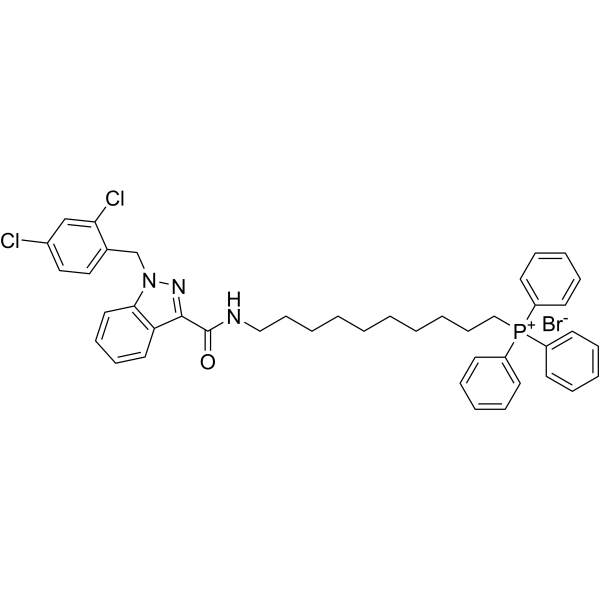
    Mito-LND
    3 Publications Verification

    Mito-Lonidamine

    Oxidative Phosphorylation Mitochondrial Metabolism Reactive Oxygen Species (ROS) Autophagy Cancer
    Mito-LND (Mito-Lonidamine) is an orally active and mitochondria-targeted inhibitor of oxidative phosphorylation (OXPHOS). Mito-LND inhibits mitochondrial bioenergetics, stimulates the formation of reactive oxygen species, and induces autophagic cell death in lung cancer cells .
    Mito-LND
  • HY-112037A
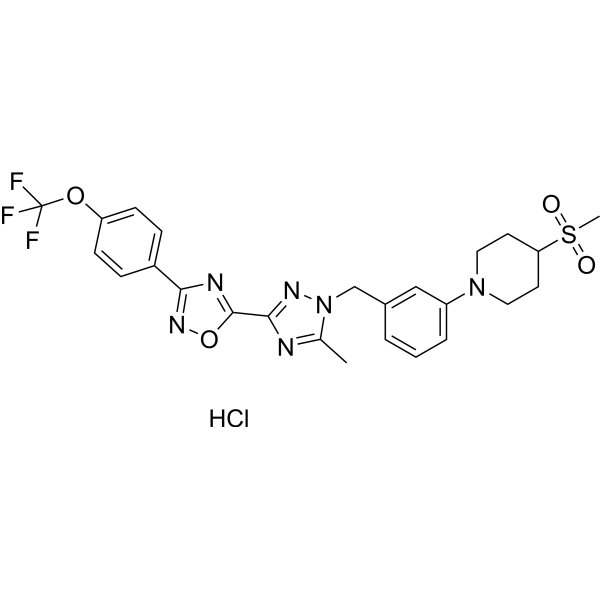
    IACS-010759 hydrochloride
    25+ Cited Publications

    IACS-10759 hydrochloride

    Oxidative Phosphorylation Mitochondrial Metabolism Apoptosis Cancer
    IACS-010759 hydrochlorideis an orally active, potent mitochondrial complex I of oxidative phosphorylation (OXPHOS) inhibitor. IACS-010759 hydrochlorideinhibits proliferation and induces apoptosis in models of brain cancer and acute myeloid leukemia (AML) reliant on OXPHOS. IACS-010759 hydrochloride has the potential for relapsed/refractory AML and solid tumors research .
    IACS-010759 hydrochloride
  • HY-136093A
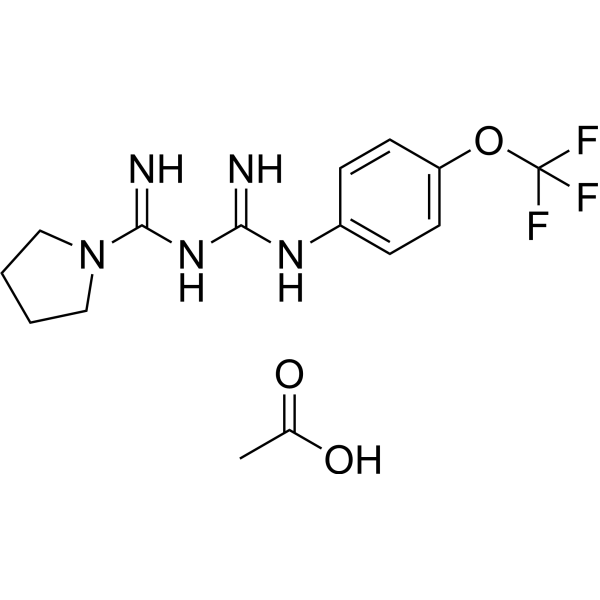
    Lixumistat acetate
    1 Publications Verification

    IM156; HL156A; HL271 acetate

    Mitochondrial Metabolism AMPK Neurological Disease Metabolic Disease Inflammation/Immunology Cancer
    Lixumistat (IM156) acetate is a potent and orally active AMPK activator and OXPHOS inhibitor. Lixumistat acetate strongly activates AMPK, while it lacks the systemic metabolic regulatory effects of classic metformin, such as hypoglycemic and weight-lowering activities. Lixumistat acetate exhibits significant therapeutic effects on cognitive decline associated with brain aging and pulmonary fibrosis .
    Lixumistat acetate
  • HY-159730

    Aminotransferases (Transaminases) Inflammation/Immunology Cancer
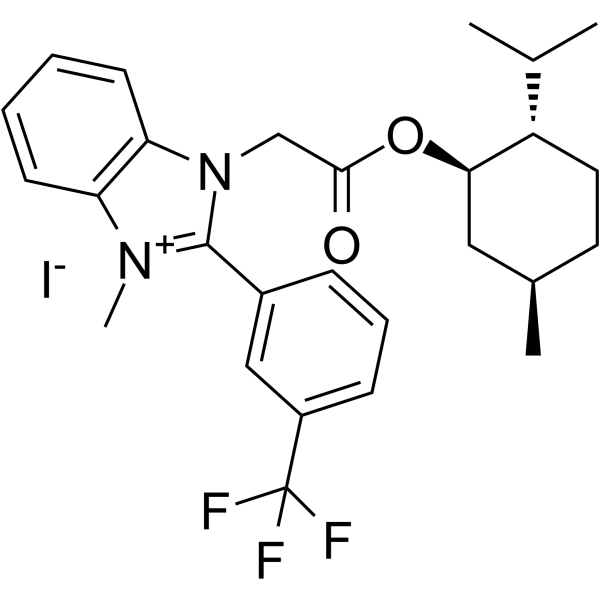
    ERG245 is a selective amino acid aminotransferase (BCAT1) inhibitor with a human IC50 of 0.5 nM. ERG245 enhances oxidative phosphorylation (OXPHOS) in CD8 + T cells by specifically inhibiting BCAT1 activity, thereby increasing the cytotoxicity of CD8 + T cells. ERG245 shows anti-inflammatory and anti-tumor activities. ERG245 can be used for the researches of cancer anf inflammation, such as colitis and colon cancer .
    ERG245
  • HY-W762011

    Apoptosis Reactive Oxygen Species (ROS) JNK Oxidative Phosphorylation Neurological Disease Cancer
    BDE 47 targets mitochondria, inhibits mitochondrial oxidative phosphorylation (OXPHOS), decreases mitochondrial membrane potential (MMP) and induces apoptosis in embryonic cell. BDE 47 induces the generation of ROS, and activates the JNK signaling pathway. BDE 47 exhibits embryonic developmental toxicity in zebrafish .
    BDE 47
  • HY-125283

    2-Me-Phen hydrochloride; 2-Me-Phenformin hydrochloride

    Mitochondrial Metabolism Oxidative Phosphorylation Metabolic Disease
    IM176OUT05 (2-Me-Phen hydrochloride), a biguanide, is a mitochondrial OXPHOS inhibitor. IM176OUT0 inhibits mitochondrial electron transport chain (ETC) activity with an IC50 of 3.2 μM. IM176OUT05 activates stem cell metabolism, promotes hair regrowth and increases stemness induction and maintenance during the pluripotent stem cell generation process .
    IM176OUT05
  • HY-137042

    Alkyne-Cy5

    Oxidative Phosphorylation Mitochondrial Metabolism Cancer
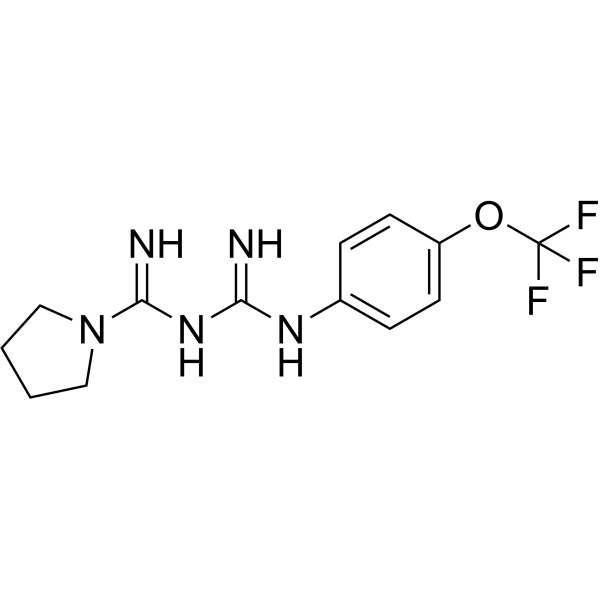
    Cyanine5 alkyne (Alkyne-Cy5) is a fluorescent dye used to label azide proteins and can be used to analyse post-translational modifications of proteins, glycosylation etc. Cyanine5 alkyne can also be used as a mitochondrial OXPHOS inhibitor to inhibit the growth of cancer stem cells (CSC) . Cyanine5 alkyne is a click chemistry reagent, it contains an Alkyne group and can undergo copper-catalyzed azide-alkyne cycloaddition (CuAAc) with molecules containing Azide groups.
    Cyanine5 alkyne
  • HY-144310

    Oxidative Phosphorylation Mitochondrial Metabolism Cancer
    DX3-213B is a highly potent, orally active oxidative phosphorylation (OXPHOS) complex I inhibitor (IC50=3.6 nM). DX3-213B impairs ATP generation (IC50=11 nM), and blocks MIA PaCa-2 cell growth (GI50=11 nM). DX3-213B is used for the research of the pancreatic cancer .
    DX3-213B
  • HY-158421

    Oxidative Phosphorylation Mitochondrial Metabolism Cancer
    MS-L6 is a potent inhibitor of oxidative phosphorylation (OXPHOS) that can acts as electron transport chain complexes I (ETC-I) combining inhibition of NADH oxidation and uncoupling effect .
    MS-L6
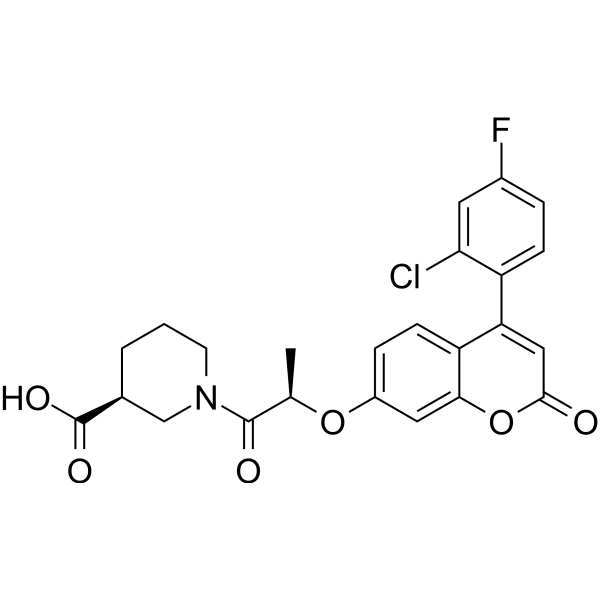
  • HY-120332

    KH176 hydrochloride

    Reactive Oxygen Species (ROS) Metabolic Disease
    Sonlicromanol (KH176) hydrochloride, a chemical entity derivative of Trolox, is a blood-brain barrier permeable ROS-redox modulator. Sonlicromanol (KH176) hydrochloride is used in the study for mitochondrial disorders .
    Sonlicromanol hydrochloride
  • HY-145707

    Mitochondrial Metabolism Cancer
    BAY-179, a chemical probe, is a potent, selective, and species cross-reactive complex I inhibitor. BAY-179 shows IC50 values of 79 nM, 38 nM, 27 nM, and 47 nM for human, mouse, rat, and dog complex I, respectively .
    BAY-179
  • HY-155554

    Mitochondrial Metabolism Oxidative Phosphorylation Reactive Oxygen Species (ROS) MMP Cancer
    SCAL-255 is a potent mitochondrial complex I (CI) inhibitor with an IC50 of 1.14 μM. SCAL-255 blocks mitochondrial function, inhibits oxygen consumption rate (OCR), induces reactive oxygen species (ROS) production, and reduces MMP. SCAL-255 can be used in the research of oxidative phosphorylation (OXPHOS)-dependent cancers, such as colorectal cancer (CRC) and acute myeloid leukemia (AML), etc .
    SCAL-255
  • HY-136093B
    Lixumistat
    1 Publications Verification

    IM156 free base; HL156A free base; HL271 free base

    Mitochondrial Metabolism AMPK Neurological Disease Inflammation/Immunology
    Lixumistat (IM156 free base) is a potent and orally active AMPK activator and OXPHOS inhibitor. Lixumistat strongly activates AMPK, while it lacks the systemic metabolic regulatory effects of classic metformin, such as hypoglycemic and weight-lowering activities. Lixumistat exhibits significant therapeutic effects on cognitive decline associated with brain aging and pulmonary fibrosis .
    Lixumistat
  • HY-155063

    HSP Mitochondrial Metabolism Cancer
    TRAP1-IN-1 (compound 35) is a potent and selective inhibitor of TRAP1,a mitochondrial isoform of Hsp90. TRAP1-IN-1 has >250-fold TRAP1 selectivity over Grp94,and disrupts TRAP1 tetramer stability,induces TRAP1 client protein degradation. TRAP1-IN-1 also inhibits mitochondrial complex I of oxidative phosphorylation OXPHOS,disrupts the mitochondrial membrane potential,and enhances glycolysis metabolism .
    TRAP1-IN-1
  • HY-136093
    Lixumistat hydrochloride
    1 Publications Verification

    HL271; IM156 hydrochloride; HL156A hydrochloride

    Mitochondrial Metabolism AMPK Neurological Disease
    Lixumistat (IM156) hydrochloride is a potent and orally active AMPK activator and OXPHOS inhibitor. Lixumistat hydrochloride strongly activates AMPK, while it lacks the systemic metabolic regulatory effects of classic metformin, such as hypoglycemic and weight-lowering activities. Lixumistat hydrochloride exhibits significant therapeutic effects on cognitive decline associated with brain aging and pulmonary fibrosis .
    Lixumistat hydrochloride
  • HY-100941R

    Carbonyl cyanide 3-chlorophenylhydrazone (Standard); Carbonyl Cyanide m-Chlorophenylhydrazone (Standard)

    Oxidative Phosphorylation PINK1/Parkin Reference Standards STING IFNAR Mitochondrial Metabolism Bacterial Apoptosis Inflammation/Immunology Cancer
    CCCP (Standard) is the analytical standard of CCCP. This product is intended for research and analytical applications. CCCP is an oxidative phosphorylation (OXPHOS) uncoupler. CCCP induces activation of PINK1 leading to Parkin Ser65 phosphorylation .
    CCCP (Standard)
  • HY-100410R

    Carbonyl cyanide 4-(trifluoromethoxy)phenylhydrazone (Standard)

    Oxidative Phosphorylation PINK1/Parkin Reference Standards Mitochondrial Metabolism Cancer
    FCCP (Standard) is the analytical standard of FCCP. This product is intended for research and analytical applications. FCCP is an uncoupler of oxidative phosphorylation (OXPHOS) in mitochondria. FCCP induces activation of PINK1 leading to Parkin Ser65 phosphorylation .
    FCCP (Standard)
  • HY-B0404AR

    Ro 4-4602 hydrochloride (Standard)

    Reference Standards Pyruvate Kinase Neurological Disease Cancer
    Benserazide hydrochloride (Standard) (Serazide (Standard)) is the analytical standard of Benserazide hydrochloride (HY-B0404A). This product is intended for research and analytical applications. Benserazide hydrochloride (Serazide) is an aromatic L-amino acid decarboxylase (AADC) and L-DOPA decarboxylase inhibitor. Benserazide hydrochloride is also a PKM2 inhibitor. Benserazide hydrochloride directly binds to and blocks PKM2 enzyme activity, leading to inhibition of aerobic glycolysis concurrent up-regulation of OXPHOS. Benserazide hydrochloride can be used for the study of Parkinson's disease and melanoma .
    Benserazide hydrochloride (Standard)
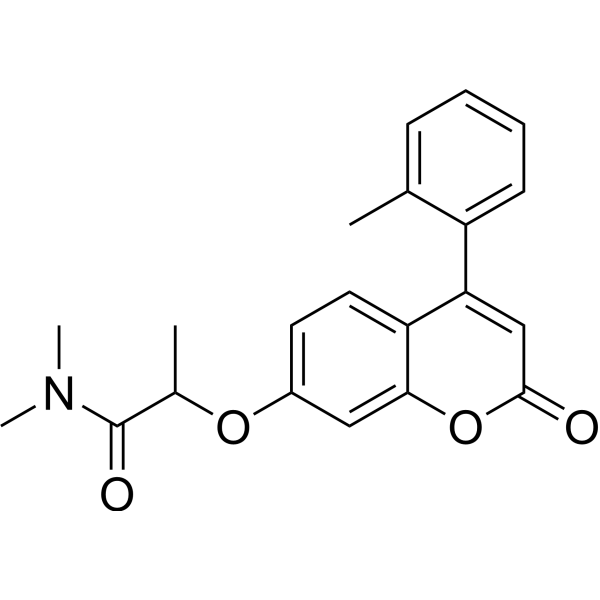
  • HY-176284

    Oxidative Phosphorylation Mitochondrial Metabolism Apoptosis Reactive Oxygen Species (ROS) AMPK Keap1-Nrf2 Cancer
    OXPHOS-IN-2 is an orally active OXPHOS inhibitor. OXPHOS-IN-2 exhibits potent inhibitory activity in PC9 (IC50 = 12.3 nM) and Bxpc-3 cells (IC50 = 250 nM in glucose medium, IC50 = 17.5 nM in galactose medium). OXPHOS-IN-2 decreases the NADH/NAD + ratio and reduces ATP levels. OXPHOS-IN-2 induces tumor cells apoptosis by activating reactive oxygen species (ROS) and downregulating the level of Nrf2. OXPHOS-IN-2 can be used for research on cancer such as non-small cell lung cancer and pancreatic cancer .
    OXPHOS-IN-2
  • HY-B0404AS

    Ro 4-4602-d3 hydrochloride

    Isotope-Labeled Compounds Pyruvate Kinase Neurological Disease Cancer
    Benserazide-d3 (hydrochloride) is the deuterium labeled Benserazide hydrochloride (HY-B0404A). Benserazide hydrochloride (Serazide) is an aromatic L-amino acid decarboxylase (AADC) and L-DOPA decarboxylase inhibitor. Benserazide hydrochloride is also a PKM2 inhibitor. Benserazide hydrochloride directly binds to and blocks PKM2 enzyme activity, leading to inhibition of aerobic glycolysis concurrent up-regulation of OXPHOS. Benserazide hydrochloride can be used for the study of Parkinson's disease and melanoma .
    Benserazide-d3 hydrochloride
  • HY-115507

    AMPK mTOR ERK Oxidative Phosphorylation Reactive Oxygen Species (ROS) Ras Cancer
    NMac1 is an orally active Nm23/NDPK activator. NMac1 directly binds to Nm23-H1 and activates the NDPK activity of recombinant Nm23-H1 with an EC50 of 10.7 uM. NMac1 induces AMPK activation and inhibits mTOR and ERK, leading to mitochondrial OXPHOS dysregulation and suppressing mitochondrial ROS production, which in turn induces mitochondrial dysfunction in MDA-MB-231 cells. NMac1 inhibits Complex I activity and suppresses changes in morphology and actin cytoskeleton organization following Rac1 activation in MDA-MB-231 cells. NMac1 inhibits tumor invasion, migration and metastasis. NMac1 is useful for studying metastatic tumors, such as breast cancer. NMac1 can be isolated from the ginger cassumunar Roxb .
    NMac1
  • HY-145303

    Oxidative Phosphorylation Mitochondrial Metabolism Cancer
    DX2-201 is a potent and selective oxidative phosphorylation (OXPHOS) complex I inhibitor with an IC50 of 312 nM. DX2-201 has anticancer effects .
    DX2-201
  • HY-154973

    Oxidative Phosphorylation Mitochondrial Metabolism AMPK Metabolic Disease Cancer
    AMPK activator 11 is an AMP-activated protein kinase (AMPK) activator with nanomolelevel antiproliferation activities against several CRCs. AMPK activator 11 selectively inhibits the RKO xenograft growth along by activating AMPK and upregulating oxidative phosphorylation (OXPHOS) ( mitochondrial metabolism ) and can be used for anti-tumor and metabolic disease research .
    AMPK activator 11
  • HY-144311

    Oxidative Phosphorylation Mitochondrial Metabolism Cancer
    OXPHOS-IN-1 (compound 2) is a oxidative phosphorylation (OXPHOS) inhibitor. OXPHOS-IN-1 inhibits the cells growth of MIA PaCa-2 and BxPC-3 cells with IC50s of 2.34 μM and 13.82 μM, respectively .
    OXPHOS-IN-1
  • HY-N6687B

    A-23187 hemimagnesium; Antibiotic A-23187 hemimagnesium

    Oxidative Phosphorylation Antibiotic Bacterial Fungal Apoptosis Autophagy Infection Cancer
    Calcimycin (A-23187) hemimagnesium is an antibiotic and a unique divalent cation ionophore (like calcium and magnesium). Calcimycin hemimagnesium induces Ca 2+-dependent cell death by increasing intracellular calcium concentration. Calcimycin hemimagnesium inhibits the growth of Gram-positive bacteria and some fungi. Calcimycin hemimagnesium also inhibits the activity of ATPase and uncouples oxidative phosphorylation (OXPHOS) of mammalian cells. Calcimycin hemimagnesium induces apoptosis and autophagy .
    Calcimycin hemimagnesium
  • HY-175454

    DNA/RNA Synthesis PDGFR Oxidative Phosphorylation Mitochondrial Metabolism Cancer
    YH-0623 is an orally active mitochondrial RNA polymerase (POLRMT) inhibitor (IC50 = 50.48 nM, Nanoluciferase Bioluminescence Resonance Energy Transfer (NanoBRET) assay). YH-0623 exhibits antiproliferative effects on 22Rv1 cells by reducing the expression of mitochondrial-related genes. YH-0623 inhibits 22Rv1 cell growth, colony formation, and the expression of OXPHOS-related proteins. YH-0623 significantly inhibits tumor growth in a prostate cancer xenograft mouse model. YH-0623 is indicated for prostate cancer research .
    YH-0623
  • HY-162516

    AMPK Mitochondrial Metabolism Cancer
    DBI-2 is an AMPK activator targeting mitochondrial complex I. DBI-2 disrupts the OXPHOS process, and reduces ATP generation in mitochondria. DBI-2 inhibits the proliferation of colorectal cancer (CRC) cells .
    DBI-2
  • HY-155555

    Oxidative Phosphorylation Mitochondrial Metabolism Cancer
    SCAL-266 is a potent mitochondrial complex I (CI) inhibitor with IC50 of 0.83 μM. SCAL-266 blocks mitochondrial function, inhibits OCR, induces ROS production, and reduces MMP. SCAL-266 displays a considerable antiproliferation effect against oxidative phosphorylation (OXPHOS)-dependent cancer cells .
    SCAL-266
  • HY-155064

    HSP Metabolic Disease
    TRAP1-IN-2 (compound 36) is a selective degrader of TRAP1 downstream proteins without affecting Hsp90's cytoplasmic downstream proteins. TRAP1-IN-2 also inhibits OXPHOS and alters cellular glycolysis metabolism. TRAP1-IN-2 destabilizes TRAP1 tetramers and disrupts mitochondrial membrane potential.
    TRAP1-IN-2
  • HY-145306

    Oxidative Phosphorylation Mitochondrial Metabolism Cancer
    DX3-234 is an oxidative phosphorylation (OXPHOS) inhibitor. DX3-234 shows significant tumor suppression in the Pan02 syngeneic model of pancreatic cancer .
    DX3-234
  • HY-145304

    Oxidative Phosphorylation Mitochondrial Metabolism Cancer
    DX3-235 is an oxidative phosphorylation (OXPHOS) inhibitor. DX3-235 shows nanomolar inhibition of complex I function and ATP production in a galactose-containing medium resulting in significant cytotoxicity .
    DX3-235
  • HY-W762011R

    Reference Standards Apoptosis Reactive Oxygen Species (ROS) JNK Oxidative Phosphorylation Neurological Disease Cancer
    BDE 47 (Standard) is the analytical standard of BDE 47. This product is intended for research and analytical applications. BDE 47 targets mitochondria, inhibits mitochondrial oxidative phosphorylation (OXPHOS), decreases mitochondrial membrane potential (MMP) and induces apoptosis in embryonic cell. BDE 47 induces the generation of ROS, and activates the JNK signaling pathway. BDE 47 exhibits embryonic developmental toxicity in zebrafish .
    BDE 47 (Standard)
  • HY-115507A

    Oxidative Phosphorylation Mitochondrial Metabolism Cancer
    (Z)-NMac1 is an Nm23-H1 activator found in Zingiber cassumunar Roxb. (Z)-NMac1 has dual anti-metastatic and anti-proliferative biological activities. (Z)-NMac1 selectively inhibits cancer cell proliferation under glucose starvation conditions by inhibiting mitochondrial complex I activity, leading to ATP depletion and mitochondrial dysfunction. (Z)-NMac1 can be used to study tumors with high oxidative phosphorylation, especially in the glucose-restricted tumor microenvironment .
    (Z)-NMac1
  • HY-N6687R

    A-23187 (Standard); Antibiotic A-23187 (Standard)

    Oxidative Phosphorylation Reference Standards Bacterial Fungal Apoptosis Autophagy Antibiotic Infection Cancer
    Calcimycin (Standard) is the analytical standard of Calcimycin. This product is used for research and analytical applications. Calcimycin is an antibiotic and a unique divalent cation ionophore, such as calcium ions and magnesium ions. Calcimycin induces Ca 2+ -dependent cell death by increasing the intracellular calcium concentration. Calcimycin inhibits the growth of Gram-positive bacteria and some fungi, and also inhibits the activity of ATPase and uncouples the oxidative phosphorylation (OXPHOS) of mammalian cells, inducing apoptosis and autophagy.
    Calcimycin (Standard)
  • HY-125283A

    2-Me-Phen; 2-Me-Phenformin

    Oxidative Phosphorylation Mitochondrial Metabolism Metabolic Disease
    IM176OUT05 free base (2-Me-Phen), a biguanide, is a mitochondrial OXPHOS inhibitor. IM176OUT0 free base inhibits mitochondrial electron transport chain (ETC) activity with an IC50 of 3.2 μM. IM176OUT05 free base activates stem cell metabolism, promotes hair regrowth and increases stemness induction and maintenance during the pluripotent stem cell generation process .
    IM176OUT05 free base
  • HY-N6687A

    A-23187 hemicalcium salt; Antibiotic A-23187 hemicalcium salt

    Oxidative Phosphorylation Bacterial Fungal Apoptosis Autophagy Antibiotic Infection Cancer
    Calcimycin (A-23187) hemicalcium salt is an antibiotic and a unique divalent cation ionophore (like calcium and magnesium). Calcimycin hemicalcium salt induces Ca 2+-dependent cell death by increasing intracellular calcium concentration. Calcimycin hemicalcium salt inhibits the growth of Gram-positive bacteria and some fungi. Calcimycin hemicalcium salt also inhibits the activity of ATPase and uncouples oxidative phosphorylation (OXPHOS) of mammalian cells. Calcimycin hemicalcium salt induces apoptosis and autophagy .
    Calcimycin hemicalcium salt
  • HY-N6687C

    A-23187 hemicalcium hemimagnesium; Antibiotic A-23187 hemicalcium hemimagnesium

    Oxidative Phosphorylation Bacterial Fungal Apoptosis Autophagy Antibiotic Infection Cancer
    Calcimycin (A-23187) hemicalcium hemimagnesium is an antibiotic and a unique divalent cation ionophore (like calcium and magnesium). Calcimycin hemicalcium hemimagnesium induces Ca 2+-dependent cell death by increasing intracellular calcium concentration. Calcimycin hemicalcium hemimagnesium inhibits the growth of Gram-positive bacteria and some fungi. Calcimycin hemicalcium hemimagnesium also inhibits the activity of ATPase and uncouples oxidative phosphorylation (OXPHOS) of mammalian cells. Calcimycin hemicalcium hemimagnesium induces apoptosis and autophagy .
    Calcimycin hemicalcium hemimagnesium

Inquiry Online

Your information is safe with us. * Required Fields.

Salutation


Country or Region *

Applicant Name *


Organization Name *

Department *


Email Address *


Product Name *

Cat. No.


Requested quantity *

Phone Number *


Remarks

Inquiry Online

Inquiry Information

Product Name:
Cat. No.:
Quantity:
MCE Japan Authorized Agent:

