1. Search Result
Search Result
Pathways Recommended: Stem Cell/Wnt Cell Cycle/DNA Damage
Results for "

PBMC cells

" in MedChemExpress (MCE) Product Catalog:

164

Inhibitors & Agonists

2

Biochemical Assay Reagents

7

Peptides

4

MCE Kits

28

Inhibitory Antibodies

9

Natural
Products

3

Isotope-Labeled Compounds

1

Click Chemistry

10

Oligonucleotides

Cat. No. Product Name Target Research Areas Chemical Structure
  • HY-17427
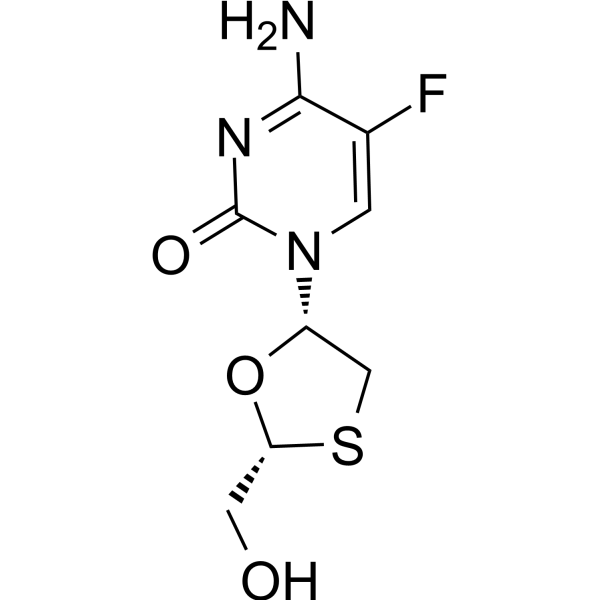
    Emtricitabine
    5+ Cited Publications

    BW1592

    HIV Reverse Transcriptase Endogenous Metabolite Infection
    Emtricitabine is a nucleoside reverse transcriptase inhibitor (NRTI) with an EC50 of 0.01 μM in PBMC cell. It is an antiviral agent for the treatment of HIV infection.
    Emtricitabine
  • HY-19836
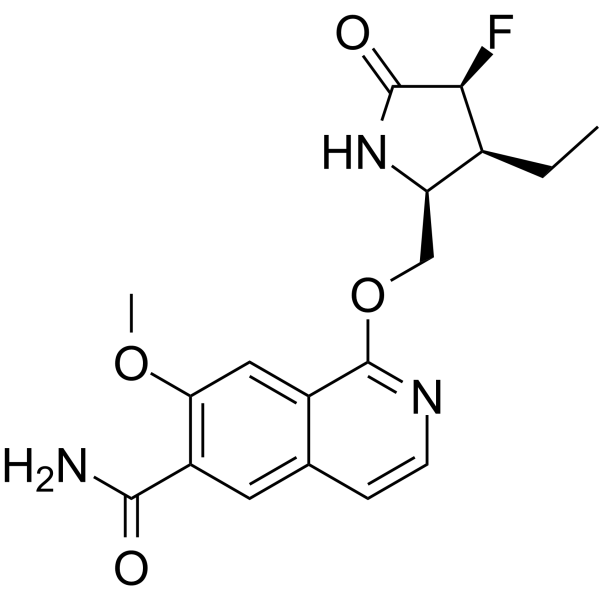
    Zimlovisertib
    5+ Cited Publications

    PF-06650833

    IRAK Inflammation/Immunology
    Zimlovisertib (PF-06650833) is a potent, selective and orally active inhibitor of interleukin-1 receptor associated kinase 4 (IRAK4) with IC50s of 0.2 and 2.4 nM in the cell and PBMC assay, respectively. Zimlovisertib is used to treat diseases such as rheumatoid arthritis, lupus, and lymphomas .
    Zimlovisertib
  • HY-100870

    ABX464

    HIV Infection
    Obefazimod (ABX464) is a potent anti-HIV agent. Obefazimod inhibits HIV-1 replication in stimulated peripheral blood mononuclear cells (PBMCs) with an IC50 ranging between 0.1 μM and 0.5 μM.
    Obefazimod
  • HY-P99931
    Epcoritamab
    1 Publications Verification

    GEN3013

    CD3 CD20 Cancer
    Epcoritamab (GEN3013) is an bispecific IgG1 antibody redirecting T-cells toward CD3×CD20 + tumor cells. Epcoritamab induces potent T-cell-mediated cytotoxicity towards B-cell NHL cell lines .
    Epcoritamab
  • HY-B0689
    Indinavir
    5+ Cited Publications

    MK-639 free base; L-735524 free base

    HIV HIV Protease Apoptosis MMP SARS-CoV Inflammation/Immunology Cancer
    Indinavir (MK-639 free base) is an orally active and selective HIV-1 protease inhibitor with a Ki of 0.54 nM for PR. Indinavir exhibits anticancer activity by inhibiting the activation of MMPs-2 hydrolysis, anti-angiogenesis and inducing apoptosis. Indinavir is also a SARS-CoV 3CL pro inhibitor .
    Indinavir
  • HY-103697

    Toll-like Receptor (TLR) Cancer
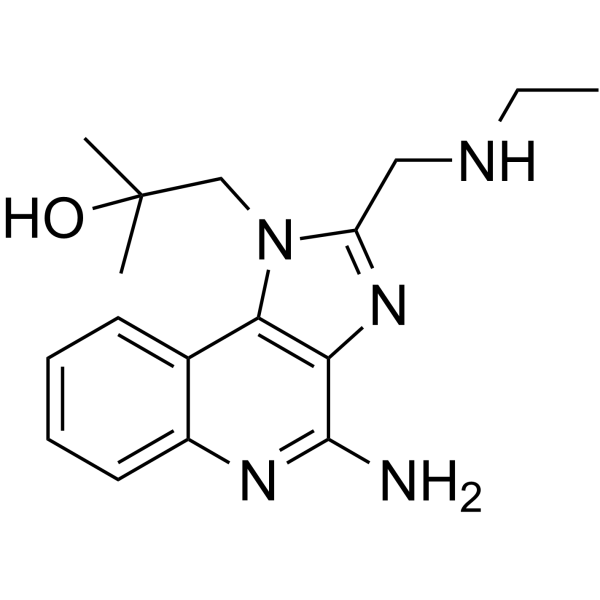
    Gardiquimod is an imidazoline TLR7/8 agonist. Gardiquimod inhibits HIV-1 infection of macrophages and activated peripheral blood mononuclear cells (PBMCs). Gardiquimod specifically activates TLR7 at concentrations below 10 μM.
    Gardiquimod
  • HY-50101A
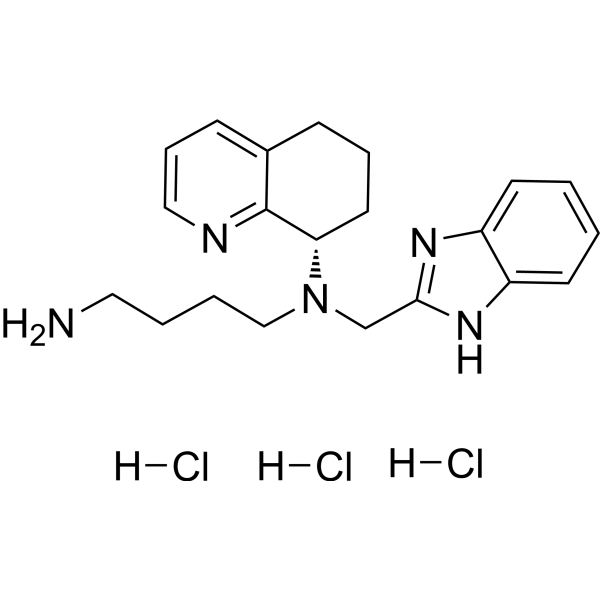
    Mavorixafor trihydrochloride
    5+ Cited Publications

    AMD-070 trihydrochloride; AMD-11070 trihydrochloride

    CXCR HIV Infection Endocrinology Cancer
    Mavorixafor trihydrochloride (AMD-070 trihydrochloride) is a potent, selective and orally available CXCR4 antagonist, with an IC50 value of 13 nM against CXCR4 125I-SDF binding, and also inhibits the replication of T-tropic HIV-1 (NL4.3 strain) in MT-4 cells and PBMCs with an IC50 of 1 and 9 nM, respectively.Mavorixafor trihydrochloride can be used for the study of WHIM syndrome .
    Mavorixafor trihydrochloride
  • HY-50101
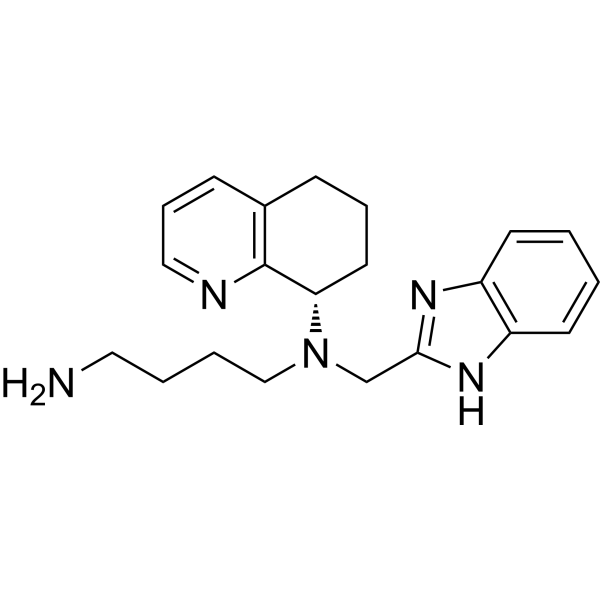
    Mavorixafor
    5+ Cited Publications

    AMD-070; AMD-11070

    CXCR HIV Infection Endocrinology Cancer
    Mavorixafor (AMD-070) is a potent, selective and orally available CXCR4 antagonist, with an IC50 value of 13 nM against CXCR4 125I-SDF binding, and also inhibits the replication of T-tropic HIV-1 (NL4.3 strain) in MT-4 cells and PBMCs with an IC50 of 1 and 9 nM, respectively. Mavorixafor can be used for the study of WHIM syndrome .
    Mavorixafor
  • HY-150738
    ODN 2088
    3 Publications Verification

    Toll-like Receptor (TLR) Inflammation/Immunology
    ODN 2088 is a potent TLR3, TLR7 and TLR9 inhibitor. ODN 2088 shows no cytotoxic. ODN 2088 inhibits the release of IFN-α and IL-6 .
    ODN 2088
  • HY-P99222

    MGA-031; PRV-031

    CD3 Metabolic Disease
    Teplizumab (MGA-031) is a Fc receptor non-binding anti-human CD3 monoclonal antibody. Teplizumab reduces the loss of beta-cell function. Teplizumab can be used in the research of type 1 diabetes .
    Teplizumab
  • HY-156438

    NT-0796

    NOD-like Receptor (NLR) Interleukin Related Neurological Disease
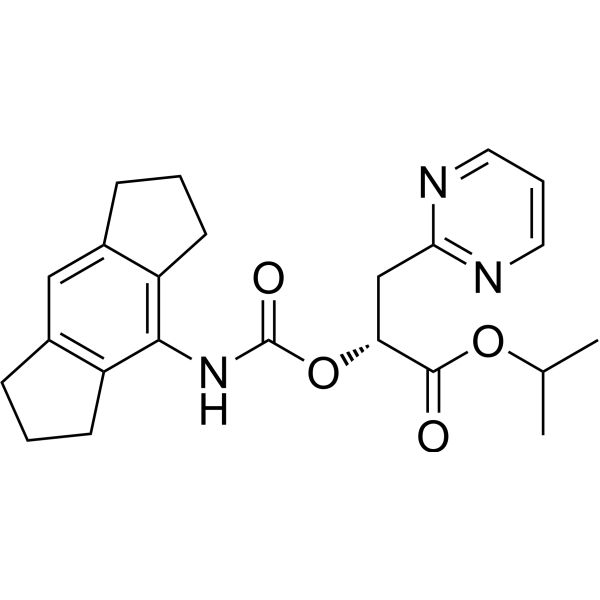
    Ruvonoflast (NT-0796) is an orally active, selective and CNS-penetrant NLRP3 inflammasome inhibitor. Ruvonoflast inhibits IL-1β release in human PBMC cells with an IC50 value of 0.32 nM. Ruvonoflast is an isopropyl ester that undergoes intracellular conversion to Ruvonoflast, the carboxylic acid active species. Ruvonoflast reverses high fat diet-induced obesity, systemic inflammation and astrogliosis in the diet-induced obesity mouse model. Ruvonoflast is promising for research of neurodegenerative disorders, including Alzheimer’s disease, Parkinson’s disease, multiple sclerosis, and amyotrophic lateral sclerosis .
    Ruvonoflast
  • HY-117937
    BC-1215
    2 Publications Verification

    Ligands for E3 Ligase Inflammation/Immunology
    BC-1215 is a F-box protein 3 (Fbxo3) inhibitor. BC-1215 works by antagonizing of Fbxo3 on TRAF cytokine signaling and exhibits a low IC50 in vitro. BC-1215 can be used for the research of inflammation .
    BC-1215
  • HY-B0689A
    Indinavir sulfate
    5+ Cited Publications

    MK-639; L735524

    HIV HIV Protease SARS-CoV Apoptosis MMP Infection Cancer
    Indinavir sulfate (MK-639) is an orally active and selective HIV-1 protease inhibitor with a Ki of 0.54 nM for PR. Indinavir sulfate exhibits anticancer activity by inhibiting the activation of MMPs-2 hydrolysis, anti-angiogenesis and inducing apoptosis. Indinavir sulfate is also a SARS-CoV 3CL pro inhibitor .
    Indinavir sulfate
  • HY-N2116
    Ginkgolic acid C17:1
    1 Publications Verification

    PTEN Fatty Acid Synthase (FASN) STAT Apoptosis SARS-CoV Infection Cancer
    Ginkgolic acid C17:1 is a fatty acid synthase (FAS) inhibitor with an IC50 of 10.5 µM. Ginkgolic acid C17:1 shows anti-tumor activity by inhibiting the phosphorylation of STAT3 and inducing apoptosis. Ginkgolic acid C17:1 can block the interaction between S-RBD and ACE2, and has anti-SARS-CoV-2-S pseudovirus activity. Ginkgolic acid C17:1 inhibits the biofilm formation of enterohemorrhagic Escherichia coli and Staphylococcus aureus .
    Ginkgolic acid C17:1
  • HY-P99670

    CFZ-533; OM11-62MF

    TNF Receptor Metabolic Disease Inflammation/Immunology
    Iscalimab (CFZ-533) is a non-depleting IGg1 monoclonal antibody targeting CD40 (KD: 0.3 nM). Iscalimab can be used for research of Graves' hyperthyroidism and autoimmune diseases .
    Iscalimab
  • HY-144987
    RBN013209
    1 Publications Verification

    CD38 LAG-3 Tim3 PD-1/PD-L1 Inflammation/Immunology Cancer
    RBN013209 is an orally active small molecule inhibitor of CD38 with an IC50 of 0.01 to 0.1 μM for human CD38. RBN013209 prevents the conversion of extracellular NAD + to ADPR or cADPR in tumor cells and PBMCs. RBN013209 can be used in the study of tumor. In addition, RBN013209 enables CAR-T cells to maintain the naive state and central memory state, and decreases the expression of cell activation markers and exhaustion-related inhibitory receptors .
    RBN013209
  • HY-153225

    HIV Reverse Transcriptase Infection
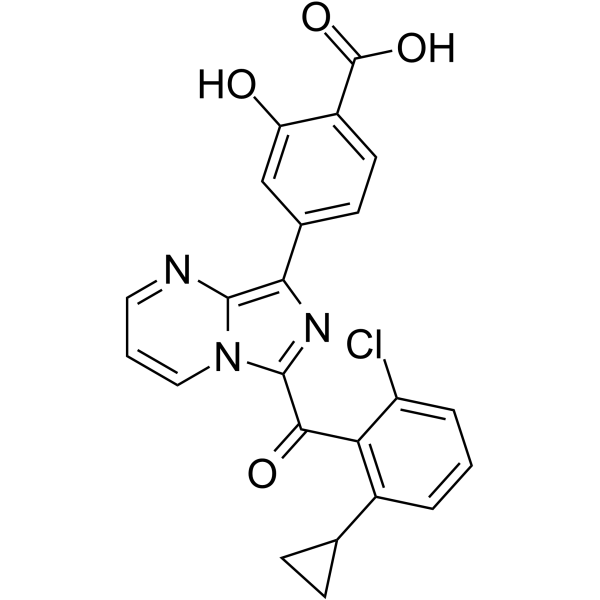
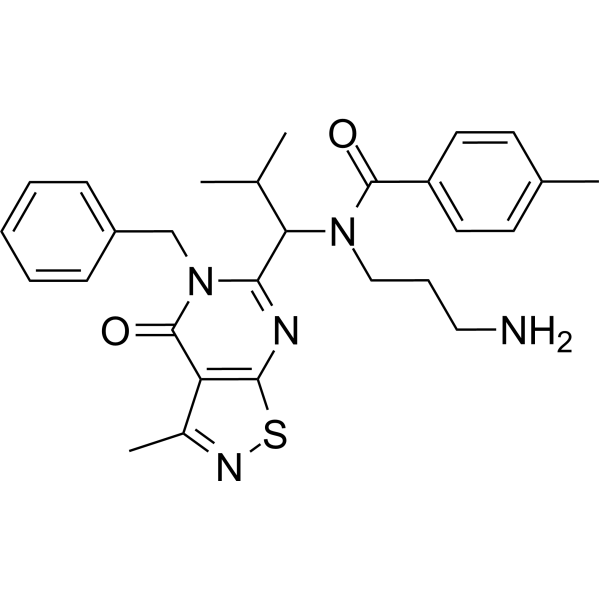
    PYR01 is a non-nucleoside reverse transcriptase inhibitor and a killing activator targeting HIV infected cells. PYR01 has cytokilling and antiviral properties of HIV-1 infection with the IC50 values of 27.5nM and 39.7nM, respectively. PYR01 leads to selective cytotoxicity by promoting HIV-1 Gag-Pol dimerization and HIV-1 protease intracellular activation. PYR01 can be used in the study of HIV .
    PYR01
  • HY-138568

    MAP4K Inflammation/Immunology
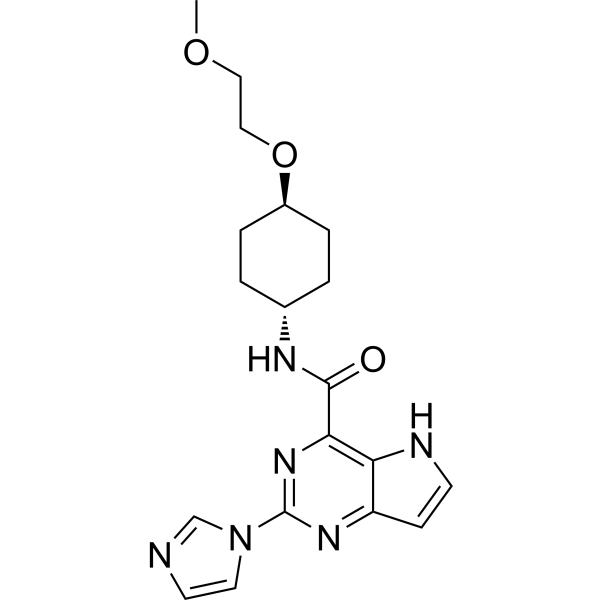
    HPK1-IN-3 is a potent and selective ATP-competitive hematopoietic progenitor kinase 1 (HPK1; MAP4K1) inhibitor with an IC50 of 0.25 nM. HPK1-IN-3 has IL-2 cellular potency with an EC50 of 108 nM in human peripheral blood mononuclear cells (PBMCs) .
    HPK1-IN-3
  • HY-17377

    SCH-417690 maleate; SCH-D maleate

    CCR HIV Infection Endocrinology Cancer
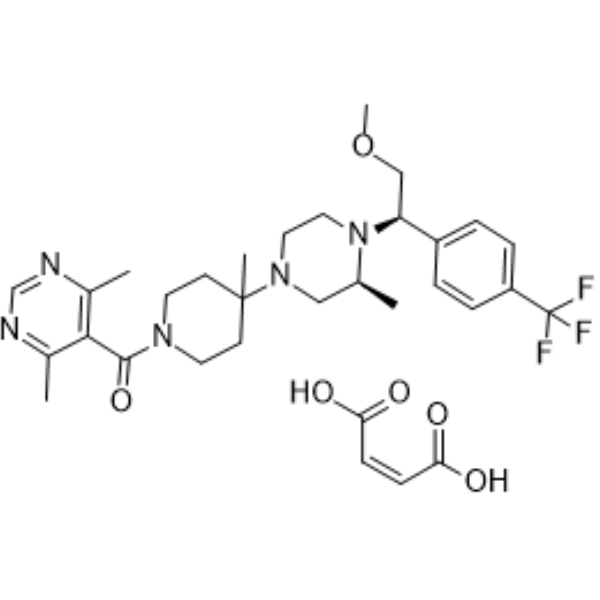
    Vicriviroc maleate (SCH-417690 maleate; SCH-D maleate) is a potent, selective, oral bioavailable and CNS penetrated antagonist of CCR5, with a Ki of 2.5 nM, and also inhibits HIV-1 in PBMC cells, with IC90s of 3.3 nM (JrFL), 2.8 nM (ADA-M), 1.8 nM (301657), 4.9 nM (JV1083) and 10 nM (RU 570).
    Vicriviroc maleate
  • HY-50101C
    Mavorixafor hydrochloride
    5+ Cited Publications

    AMD-070 hydrochloride; AMD-11070 hydrochloride

    CXCR HIV Infection Cancer
    Mavorixafor (AMD-070) hydrochloride is a potent, selective and orally available CXCR4 antagonist, with an IC50 value of 13 nM against CXCR4 125I-SDF binding. Mavorixafor hydrochloride also inhibits the replication of T-tropic HIV-1 (NL4.3 strain) in MT-4 cells and PBMCs with an IC50 of 1 nM and 9 nM, respectively. Mavorixafor hydrochloride can be used for the study of WHIM syndrome .
    Mavorixafor hydrochloride
  • HY-162501
    Yaddle1
    1 Publications Verification

    Piezo Channel Inflammation/Immunology
    Yaddle1 is an agonist of the mechano-activated ion channel (Piezo1) with a half-maximal effective concentration (MEC50) of 0.40 μM. Yaddle1 can significantly trigger Ca 2+ inflow in T cells and induce T cell activation response. Yaddle1 can be used in the study of vaccine adjuvants .
    Yaddle1
  • HY-113953

    Caspase Apoptosis Inflammation/Immunology
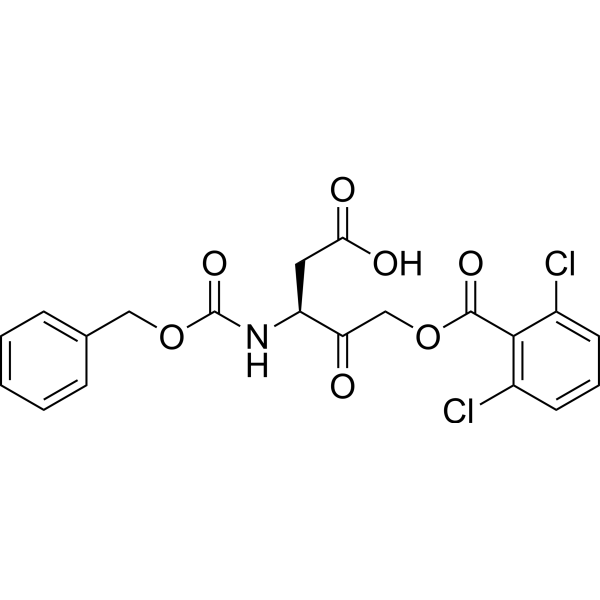
    Z-Asp-CH2-DCB is an irreversible broad spectrum caspase inhibitor. Z-Asp-CH2-DCB also inhibits proteases with caspase-like activity. Z-D-CH2-DCB blocks the production of IL-1β, TNF-α, IL-6, and IFN-γ in staphylococcal enterotoxin B (SEB)-stimulated peripheral blood mononuclear cells (PBMC), and reduces SEB-1-stimulated T-cell proliferation in a dose-dependent manner. Z-Asp-CH2-DCB prevents SU5416-induced septal cell apoptosis and emphysema development .
    Z-Asp-CH2-DCB
  • HY-P9958A
    Denosumab (anti-TNFSF11)
    2 Publications Verification

    RANKL/RANK Apoptosis NF-κB Neurological Disease Endocrinology Cancer
    Denosumab (anti-TNFSF11) is a human monoclonal antibody that targets the protein RANKL. Denosumab binds to the receptor activator of nuclear factor kappa-B ligand (RANKL) and prevents its binding to the RANK receptor (KD of 0.003 nM for human RANKL). Denosumab promotes proliferation and spermatogenesis. Denosumab prevents bone resorption through inhibition of the NF-κB pathway. Denosumab can be used in bone-related studies .
    Denosumab (anti-TNFSF11)
  • HY-177338

    STING Cyclic GMP-AMP Synthase IFNAR TNF Receptor Interleukin Related Inflammation/Immunology Cancer
    STING agonist-45 is a selective STING agonist (EC50 = 0.28 μM). STING agonist-45 activates the innate immune response through the cGAS-STING pathway, upregulating key markers such as p-TBK1 and IRF3. STING agonist-45 exhibits robust STING activation in human peripheral blood mononuclear cells (PBMCs), inducing the production of type I interferons (such as IFN-β) and downstream cytokines (such as TNF-α and IL-6). STING agonist-45 enhances anti-tumor immunity, inhibits tumor growth, and increases CD8 + T cell infiltration in mouse models. STING agonist-45 is promising for the study of STING-related diseases .
    STING agonist-45
  • HY-141831

    Phosphodiesterase (PDE) Cancer
    STF-1084 is a specific, cell-impermeable, competitive inhibitor of ENPP1 (Ki = 33 nM). STF-1084 increases extracellular cGAMP concentrations by preventing its degradation by ENPP1, thereby enhancing immune infiltration. STF-1084 acts synergistically with ionizing radiation (IR) and cGAMP to delay tumor progression. STF-1084 can be used to study cancers with low immunogenicity .
    STF-1084
  • HY-P99167

    HCD122

    TNF Receptor Cancer
    Lucatumumab (HCD122) is a fully human anti-CD40 antagonist monoclonal antibody, which blocks CD40/CD40L-mediated signaling. Lucatumumab efficiently mediates antibody-dependent cell-mediated cytotoxicity (ADCC) and clearance of tumor cells, can be used for refractory lymphomas, CLL and multiple myeloma research .
    Lucatumumab
  • HY-147506

    NOD-like Receptor (NLR) Inflammation/Immunology
    NOD2 antagonist 1 (compound 32) is a potent and selective NOD2 antagonist with an IC50 of 5.23 μM. NOD2 antagonist 1 inhibits Muramyl dipeptide (MDP)-induced IL-8 secretion in THP-1 cells and inhibits MDP-induced IL-6, IL-10, TNF-α release in PBMCs .
    NOD2 antagonist 1
  • HY-13224

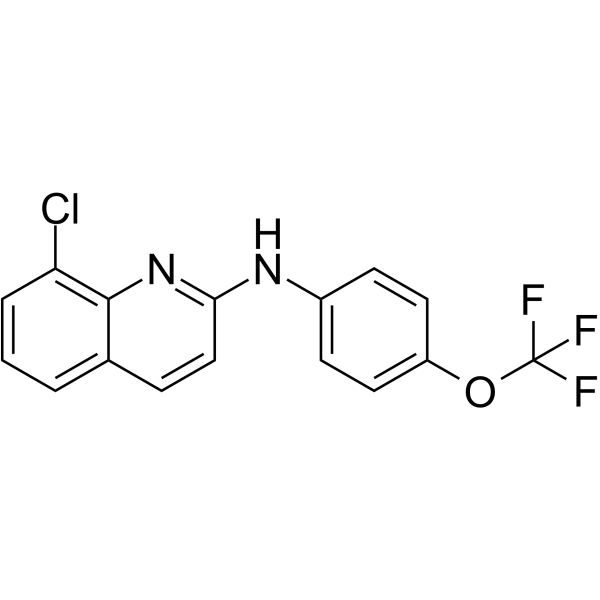
    Kinesin Apoptosis Mitosis Cancer
    AZD4877 is another isostere to Ispinesib (HY-50759)and also a kinesin spindle protein (Eg5) inhibitor with IC50 of 2 nM.AZD4877 arrests cell mitosis, leads to the formation of the monopolar spindle phenotype and induces apoptosis. AZD4877 inhibits circulating peripheral blood mononuclear cells (PBMCs) and has anti-cancer activity .
    AZD4877
  • HY-156961

    GLPG3667

    JAK Inflammation/Immunology
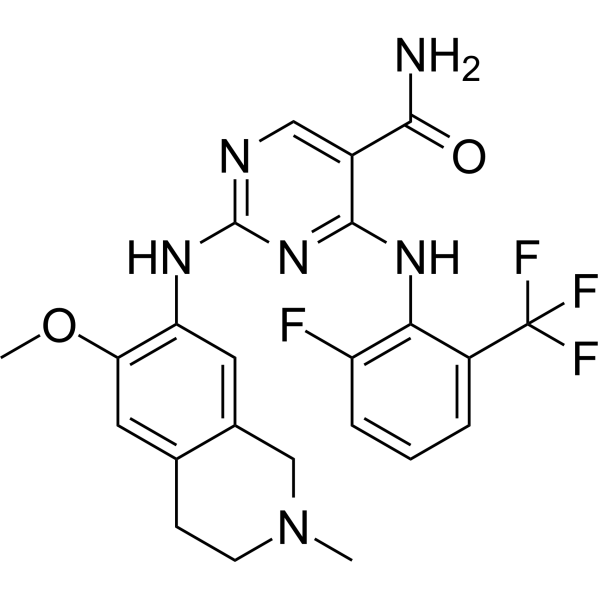
    Cadefrecitinib (GLPG3667) is a reversible, ATP-competitive and orally active TYK2 inhibitor with an IC50 of 2.3 nM. Cadefrecitinib inhibits IFNα/pSTAT1, and the IC50 values ​​in human peripheral blood mononuclear cell (PBMC) and whole blood assays are 70 nM and 623 nM, respectively. Cadefrecitinib has the potential for the study of inflammatory and autoimmune diseases .
    Cadefrecitinib
  • HY-158024

    NOD-like Receptor (NLR) Neurological Disease Inflammation/Immunology
    NDT-19795 is an effective inhibitor of the NLRP3 inflammasome with an IC50 value of 66 nM in the PBMC method and 4.7 μM in the WB method. NDT-19795 is a carboxylic acid-active substance that can be converted from NT-0796 (HY-156438) within cells. NDT-19795 can be used for the studies of inflammation and neurological diseases .
    NDT-19795
  • HY-147832

    Eukaryotic Initiation Factor (eIF) Cancer
    EIF2α activator 2 (Compound 1) is an activator of eukaryotic initiation factor 2 alpha (eIF2α) phosphorylation. EIF2α activator 2 exhibits high potency in SRB cell proliferation assays (IC50=0.46 μM). EIF2α activator 2 exhibits antiproliferative activity againist K562 and PBMC cells with IC50s of 4.79 and 10.52 μM, respectively .
    EIF2α activator 2
  • HY-P99390

    MCLA 117

    CD3 Interleukin Related IFNAR TNF Receptor Inflammation/Immunology Cancer
    Tepoditamab (MCLA-117) is a full-length human IgG1 bispecific monoclonal antibody that binds to CLEC12A of myeloid cells and CD3 of cytotoxic T cells. Among others, CLEC12A is a myeloid differentiation antigen. Tepoditamab kills AML leukaemia mother cells and AML leukaemia stem cells, induces T cell-mediated proliferative lysis of AML cells. Tepoditamab induces upto 30-fold T-cell expansion. Tepoditamab results in moderate to strong cytokine (IFNγ, IL-6, IL-8, IL-10, and TNFα) and IFNγ release in human whole blood and PBMC, respectively. Tepoditamab can be used in acute myeloid leukaemia (AML) research .
    Tepoditamab
  • HY-142989

    Liposome HIV HCV HBV Infection Cancer
    1,2-Didocosahexaenoyl-sn-glycero-3-phosphocholine is a polyunsaturated phospholipid that serves as a component of lipid monolayers and small unilamellar vesicles. 1,2-Didocosahexaenoyl-sn-glycero-3-phosphocholine can be used to prepare endoplasmic reticulum-targeted liposomes (PERLs), which are composed of 1,2-didocosahexaenoyl-sn-glycero-3-phosphoethanolamine, l-α-phosphatidylinositol and l-α-phosphatidylserine at a molar ratio of 1.5:1.5:1:1. PERLs reduce cholesterol levels in human peripheral blood mononuclear cells (PBMCs) and decrease HIV-1 particle secretion from HIV-1-infected PBMCs. Liposomes formed from 1,2-Didocosahexaenoyl-sn-glycero-3-phosphocholine exhibit cytotoxicity against leukemia cells. 1,2-Didocosahexaenoyl-sn-glycero-3-phosphocholine is applicable to studies related to hepatitis C virus infection, HIV infection, hepatitis B virus infection and leukemia .
    1,2-Didocosahexaenoyl-sn-glycero-3-phosphocholine
  • HY-18325
    AN-3485
    1 Publications Verification

    Toll-like Receptor (TLR) NF-κB Interleukin Related Inflammation/Immunology Cancer
    AN-3485 is a benzoxaborole analogue and an orally active antagonist of the Toll-like pathway. AN-3485 can inhibit TLR-mediated inflammatory cytokine secretion and has significant anti-inflammatory activity. In addition, AN-3485 also has certain anti-tumor activity .
    AN-3485
  • HY-120559

    Itk Inflammation/Immunology
    GSK-2250665A (Compound 13) is a selective Itk inhibitor with a pKi of 9.2.
    GSK-2250665A
  • HY-P991424

    Interleukin Related STAT Inflammation/Immunology
    GSK2618960 is a human monoclonal antibody (mAb) targeting IL-7Ra/CD127. GSK2618960 inhibits IL-7-induced STAT5 phosphorylation. GSK2618960 enhances CD4 T cell proliferation response and increases CD83, CD86, and CD209 expression in PBMCs. GSK2618960 can be used for the research of autoimmune and allergic inflammatory diseases. Recommended isotype control: Human IgG1 kappa, Isotype Control (HY-P99001) .
    GSK2618960
  • HY-126328

    PKC Interleukin Related Inflammation/Immunology
    PKC-theta inhibitor 1 is an orally active and selective ATP-competitive inhibitor of Protein Kinase Cθ (PKCθ), with a Ki value of 6 nM. PKC-theta inhibitor 1 inhibits T-cell-mediated inflammatory responses by suppressing the release of proinflammatory cytokines (IL-2 IC50 = 0.21 μM in anti-CD3/CD28-stimulated PBMCs; IL-17 IC50 = 1 μM in CD3/CD28-stimulated Th17 cells) PKC-theta inhibitor 1 significantly reduces symptoms in mice with ongoing experimental autoimmune encephalomyelitis (EAE). PKC-theta inhibitor 1 can be used for the study of T-cell-mediated inflammatory diseases such as multiple sclerosis .
    PKC-theta inhibitor 1
  • HY-103697A

    Toll-like Receptor (TLR) Cancer
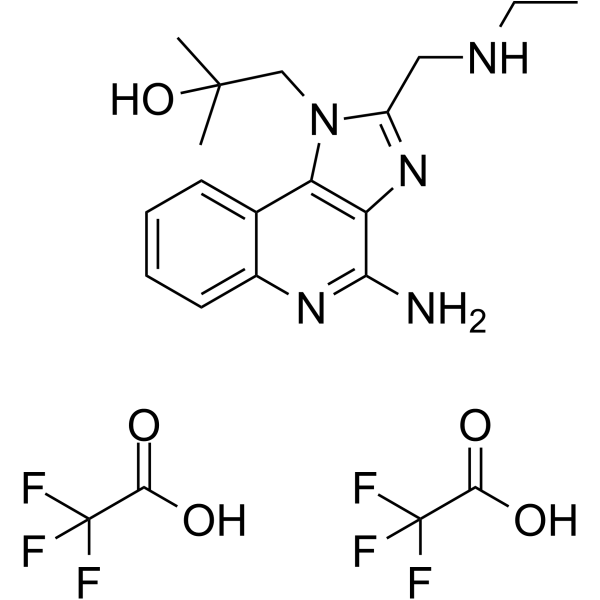
    Gardiquimod diTFA is an imidazoline TLR7/8 agonist. Gardiquimod diTFA inhibits HIV-1 infection of macrophages and activated peripheral blood mononuclear cells (PBMCs). Gardiquimod diTFA specifically activates TLR7 at concentrations below 10 μM.
    Gardiquimod diTFA
  • HY-19775
    GNE-6468
    1 Publications Verification

    ROR Inflammation/Immunology
    GNE-6468 is a highly potent and selective RORγ (RORc) inverse agonist with an EC50 value of 13 nM for HEK-293 cell. GNE-6468 exhibits an EC50 of 30 nM for IL-17 PBMC .
    GNE-6468
  • HY-N1196

    NF-κB Inflammation/Immunology
    Suberosin, isolated from Plumbago zeylanica, exhibits anti-inflammatory and anticoagulant activity. Suberosin suppresses PHA-induced PBMC proliferation and arrested cell cycle progression from the G1 transition to the S phase through the modulation of the transcription factors NF-AT and NF-κB .
    Suberosin
  • HY-P3143

    PD-1/PD-L1 Cancer
    BMSpep-57 is a potent and competitive macrocyclic peptide inhibitor of PD-1/PD-L1 interaction with an IC50 of 7.68 nM. BMSpep-57 binds to PD-L1 with Kds of 19 nM and 19.88 nM in MST and SPR assays, respectively. BMSpep-57 facilitates T cell function by in creasing IL-2 production in PBMCs .
    BMSpep-57
  • HY-150738C
    ODN 2088 sodium
    3 Publications Verification

    Toll-like Receptor (TLR) Inflammation/Immunology
    ODN 2088 sodium is a potent TLR3, TLR7 and TLR9 inhibitor. ODN 2088 sodium shows no cytotoxic. ODN 2088 inhibits the release of IFN-α and IL-6 .
    ODN 2088 sodium
  • HY-P990090

    CBP-201

    Interleukin Related Inflammation/Immunology
    Rademikibart (CBP-201) is a human monoclonal antibody targeting IL-4Rα with a KD of 20.7 pM when binding to human IL-4Rα epitopes. Rademikibart does not bind to IL-4Rα from other species. Rademikibart inhibits IL-4 and IL-13-mediated STAT6 signaling, TF-1 cell proliferation and TARC production in PBMCs. Rademikibart has the potential for moderate-to-severe Th2 inflammatory diseases research .
    Rademikibart
  • HY-122883
    BC-1471
    1 Publications Verification

    Deubiquitinase Interleukin Related Caspase Inflammation/Immunology
    BC-1471 is a STAMBP deubiquitinase inhibitor with an IC50 of 0.33 μM. BC-1471 can inhibit the activity of the NALP7 inflammasome. BC-1471 has anti-inflammatory activity and can be used for the research of inflammatory diseases .
    BC-1471
  • HY-106850

    AzdU; AzddU; CS-87

    HIV Infection
    3′-Azido-2′,3′-dideoxyuridine (AzdU) is a nucleoside analog of Zidovudine (HY-17413). 3′-Azido-2′,3′-dideoxyuridine is a potent inhibitor of human immunodeficiency virus (HIV) replication in human peripheral blood mononuclear cells (PBMC) with limited toxicity for human bone marrow cells (BMC) . 3′-Azido-2′,3′-dideoxyuridine is a click chemistry reagent, it contains an Azide group and can undergo copper-catalyzed azide-alkyne cycloaddition reaction (CuAAc) with molecules containing Alkyne groups. It can also undergo strain-promoted alkyne-azide cycloaddition (SPAAC) reactions with molecules containing DBCO or BCN groups.
    3′-Azido-2′,3′-dideoxyuridine
  • HY-155830

    ME3183; PDE4-IN-14

    Phosphodiesterase (PDE) Interleukin Related Neurological Disease Metabolic Disease Inflammation/Immunology Cancer
    Morcamilast (ME3183) is a selective and orally active PDE4 inhibitor, with IC50s of 1.28 nM (PDE4A1A), 2.33 nM (PDE4B1), and 1.63 nM (PDE4D2) respectively. Morcamilast shows weak inhibition of PDEs other than PDE4s Morcamilast is an anti-inflammatory agent and inhibits LPS (HY-D1056)-induced release of TNF-α, IL-12/23p40, IL-23, and IL-17A in human PBMCs and T cells. Morcamilast has antipruritic effect and can be used in the study of psoriasis, atopic dermatitis, and other inflammatory diseases .
    Morcamilast
  • HY-175167

    STING IFNAR Inflammation/Immunology
    diABZI-i is an orthogonal STING inhibitor. diABZI-i significantly inhibits cGAMP-induced IFNβ in PBMCs. diABZI-i also activates constitutive signaling of V155M SAVI and exerts potent agonistic effects in the STING V155M THP-1 cell model. diABZI-i can be used for research on monogenic autoinflammatory diseases such as SAVI .
    diABZI-i
  • HY-159884

    Tim3 TNF Receptor IFNAR Cancer
    MG-T-19 is an effective TIM-3 inhibitor that can suppress the interaction of TIM-3 with PtdSer, CEACAM1, and Gal-9. MG-T-19 can increase the production of tumor necrosis factor-α (TNF-α) and interferon-γ (IFN-γ) in peripheral blood mononuclear cells (PBMCs) from healthy donors, and enhance the ability of PBMCs to inhibit the proliferation of Kasumi-1 cells (an acute myelogenous leukemia cell line) .
    MG-T-19
  • HY-17427R

    BW1592 (Standard)

    Reference Standards HIV Reverse Transcriptase Endogenous Metabolite Infection
    Emtricitabine (Standard) is the analytical standard of Emtricitabine. This product is intended for research and analytical applications. Emtricitabine is a nucleoside reverse transcriptase inhibitor (NRTI) with an EC50 of 0.01 μM in PBMC cell. It is an antiviral agent for the treatment of HIV infection.
    Emtricitabine (Standard)
  • HY-W105318

    PBP

    TGF-beta/Smad Apoptosis Cancer
    Pentabromophenol (PBP) is a brominated flame retardant (BFR) widely used in various consumer products to reduce the flammability of materials used in different utility items. Pentabromophenol can accelerate the degradation of transforming growth factor-β (TGF-β) receptors by promoting clathrin-mediated endocytosis, thereby inhibiting the TGF-β signaling pathway. Additionally, Pentabromophenol can also induce apoptosis in peripheral blood mononuclear cells (PBMCs) .
    Pentabromophenol

Inquiry Online

Your information is safe with us. * Required Fields.

Salutation


Country or Region *

Applicant Name *


Organization Name *

Department *


Email Address *


Product Name *

Cat. No.


Requested quantity *

Phone Number *


Remarks

Inquiry Online

Inquiry Information

Product Name:
Cat. No.:
Quantity:
MCE Japan Authorized Agent:

