Search Result
Results for "
PC-3cells
" in MedChemExpress (MCE) Product Catalog:
| Cat. No. |
Product Name |
Target |
Research Areas |
Chemical Structure |
-
- HY-130709
-
|
|
PROTACs
CDK
|
Cancer
|
|
PROTAC CDK2/9 Degrader-1 (Compound F3) is a potent dual degrader for CDK2 (DC50=62 nM) and CDK9 (DC50=33 nM). PROTAC CDK2/9 Degrader-1 suppresses prostate cancer PC-3 cell proliferation (IC50=0.12 µM) by effectively blocking the cell cycle in S and G2/M phases. PROTAC CDK2/9 Degrader-1 is a PROTAC by tethering CDK inhibitor with Cereblon ligand .
|
-
-
- HY-108361
-
|
|
Ras
|
Inflammation/Immunology
Cancer
|
|
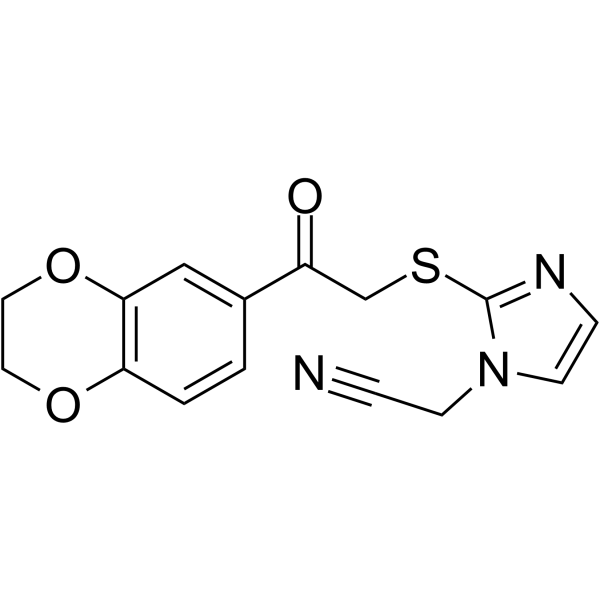
CCG-203971 is a second-generation Rho/MRTF/SRF pathway inhibitor. CCG-203971 potently targets RhoA/C-activated SRE-luciferase (IC50 =6.4 μM). CCG-203971 inhibits PC-3 cell migration with an IC50 of 4.2 μM. Potential anti-metastasis Agent .
|
-
-
- HY-18696
-
AMG-337
3 Publications Verification
|
c-Met/HGFR
Caspase
Apoptosis
|
Cancer
|
|
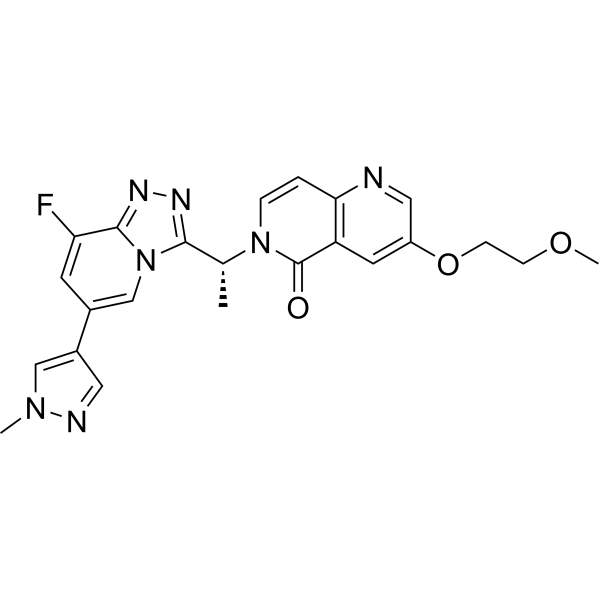
AMG-337 is a potent, orally active, selective MET kinase inhibitor with IC50 values of 1, 1, 4.7, 5, 21.5, 1077 and >4000 nM of WT MET, H1094R MET, M1250T MET, HGF-stimulated pMET (PC3 cells) MET, V1092I MET, Y1230H MET, and D1228H MET, respectively. AMG 337 inhibits the phosphorylation of MET and downstream effectors in MET-amplified cancer cell lines, resulting in an inhibition of MET-dependent cell proliferation and induction of apoptosis .
|
-
-
- HY-101947
-
SMI-16a
Maximum Cited Publications
6 Publications Verification
PIM1/2 Kinase Inhibitor VI
|
Pim
|
Cancer
|
|
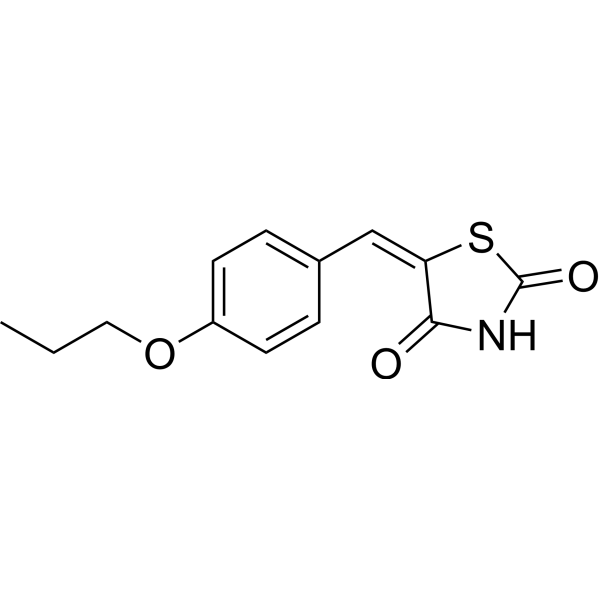
SMI-16a is a selective Pim kinase inhibitor with IC50 values of 0.15, 0.02 and 48 μM for Pim1, Pim2 and PC3 cells, respectively.
|
-
-
- HY-N3544
-
-
-
- HY-16160
-
|
|
Autophagy
ICMT
|
Neurological Disease
Cancer
|
|
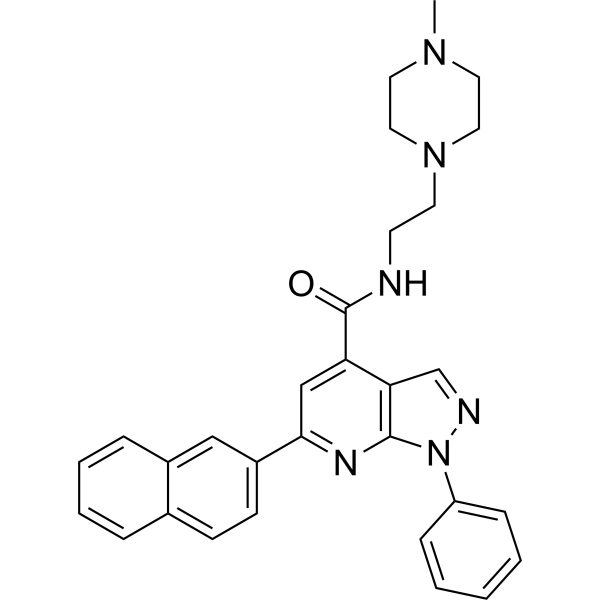
Cysmethynil is an Icmt inhibitor(IC50 = 2.4 μM). Cysmethynil inhibites RAS membrane binding and EGF signal transduction. Cysmethynil prevents the cells in the G1 phase and induces autophagy. Cysmethynil inhibits PC3 cells proliferation, has synergistic effect with Paclitaxel (HY-B0015) and Doxorubicin (HY-15142A). Cysmethynil has anti-tumor effects and can be used for solid tumor (such as prostate cancer et al.) research [3].
|
-
-
- HY-146985
-
|
|
Cathepsin
|
Neurological Disease
Cancer
|
|
Cathepsin X-IN-1 (compound 25) is a potent Cathepsin X inhibitor with an IC50 of 7.13 µM. Cathepsin X-IN-1 decreases PC-3 cell migration with low cytotoxic .
|
-
-
- HY-102067
-
|
|
Wnt
|
Cancer
|
|
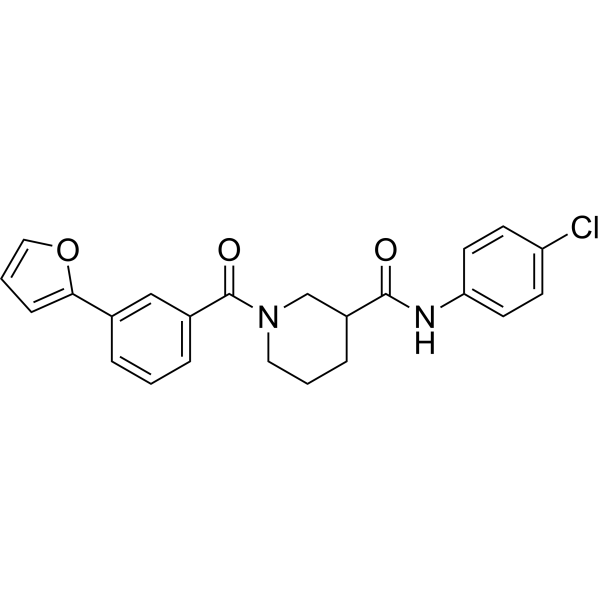
3289-8625 is an inhibitor of the PDZ domain of Dishevelled (Dvl) protein (Kd=10.6 μM) and has an inhibitory effect on Wnt signaling. In addition, 3289-8625 can slow the growth of prostate cancer PC-3 cells (IC50=12.5 μM). 3289-8625 can be used in the study of embryonic development and cancer .
|
-
-
- HY-132197
-
|
|
Epigenetic Reader Domain
Histone Acetyltransferase
|
Cancer
|
|
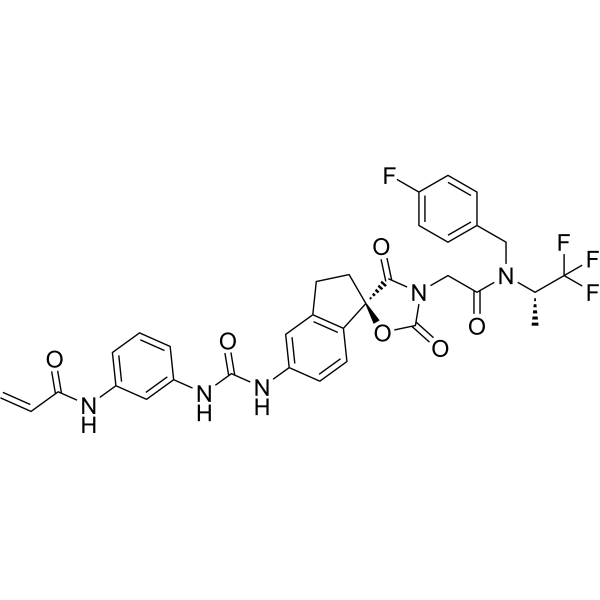
CBP/p300-IN-12 is a potent and selective covalent histone acetyltransferases p300 (IC50 of 166 nM) and CBP inhibitor. CBP/p300-IN-12 decreases the levels of H3K27Ac of PC-3 cells (EC50 of 37 nM). CBP/p300-IN-12 forms a covalent adduct with C1450 .
|
-
-
- HY-143883
-
|
|
PROTACs
Akt
|
Cancer
|
|
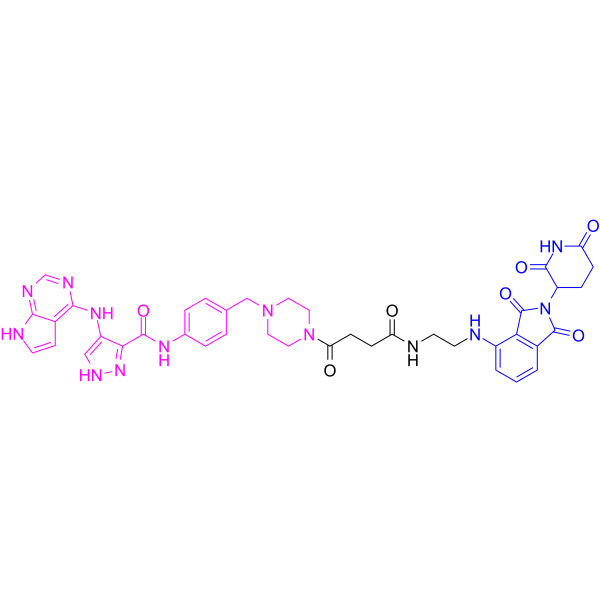
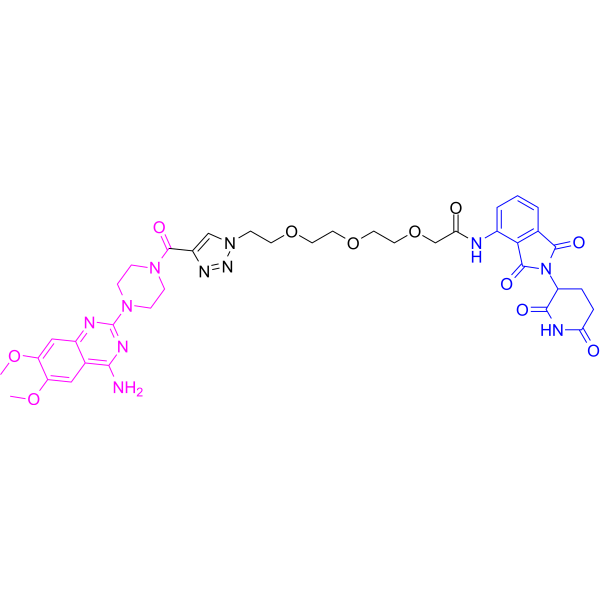
MS143 is a potent PROTAC AKT degrader (DC50=46 nM and GI50=0.8 μM in PC3 cells). MS143 induces rapid and robust AKT degradation in a concentration- and time-dependent manner via hijacking the ubiquitin-proteasome system. MS143 can suppress cancer cell growth (Pink: AKT ligand (HY-15431); Blue: E3 ligase ligand (HY-125845); Black: linker) .
|
-
-
- HY-149091
-
|
|
Histone Demethylase
|
Cancer
|
|
KDM5B-IN-4 (compound 11ad) is a lysine demethylase 5B (KDM5B) inhibitor with an IC50 of 0.025 μM KDM5B-IN-4 increases substrate H3K4me1/2/3 level by inhibiting KDM5B in PC-3 cells. KDM5B-IN-4 downregulates PI3K/AKT. KDM5B-IN-4 reduces tumor volume in mice and shows less toxic to organs .
|
-
-
- HY-147100
-
|
|
PROTACs
Adrenergic Receptor
|
Cancer
|
|
α1A-AR Degrader 9c (compound 9c) is a potent, selective and reversible α1A-AR (Adrenergic receptor) PROTAC degrader, with a DC50 of 2.86 μM. α1A-AR Degrader 9c induces α1A-AR degradation can be attributed to proteasomal degradation. α1A-AR Degrader 9c inhibits the proliferation of PC-3 cells, with an IC50 of 6.12 μM. α1A-AR Degrader 9c shows antitumor activity, and can be used for prostate cancer research .
|
-
-
- HY-N7019
-
|
|
Others
|
Cancer
|
|
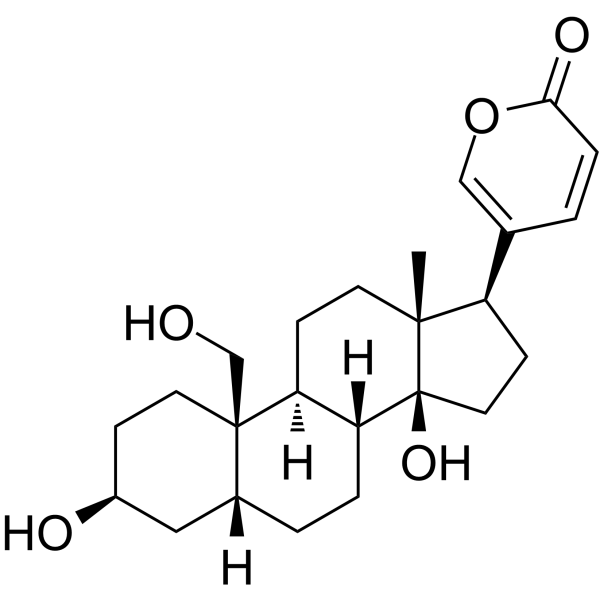
19-Hydroxybufalin is a bufadienolide, inhibits epithelial-mesenchymal transition and attenuates the migration and invasion of PC3 cells .
|
-
-
- HY-N10687
-
|
NSC 648341
|
Others
|
Cancer
|
|
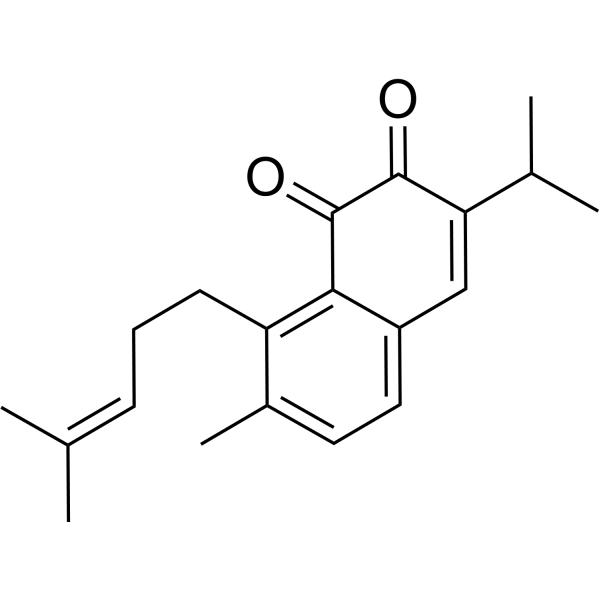
Saprorthoquinone (NSC 648341) is a diterpenoid that can be found in salvia atropatana. Saprorthoquinone shows cytotoxicity for PC3 cells .
|
-
-
- HY-N7972
-
|
|
Others
|
Cancer
|
|
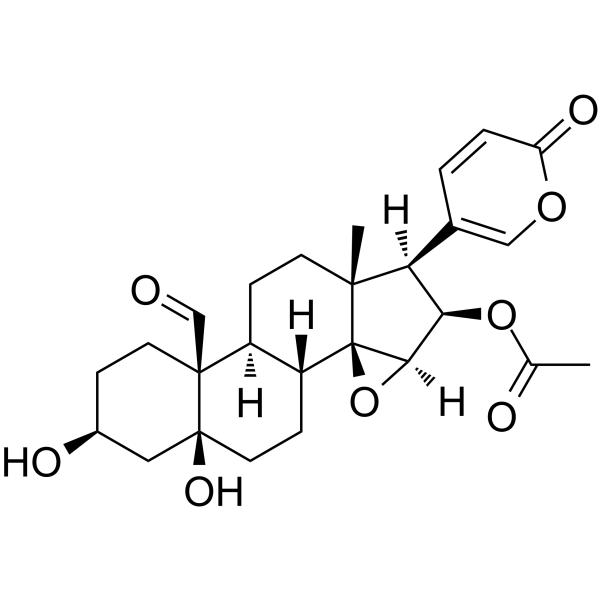
19-Oxocinobufotalin is capable of suppressing EMT (Epithelial-mesenchymal transition) and weakening the migratory and invasive potential of PC3 cells .
|
-
-
- HY-143882
-
|
|
PROTACs
Akt
|
Cancer
|
|
MS5033 is a potent PROTAC-based AKT (protein kinase B) degrader, with a DC50 of 430 nM in PC3 cells .
|
-
-
- HY-168757
-
|
|
PSMA
|
Cancer
|
|
PSMA precursor-1 is a precursor in the synthesis of prostate-specific membrane antigen (PSMA) ligands and fluorescent probes that have been used in the detection of PSMA in LNCaP and PC3 cells .
|
-
-
- HY-137225
-
-
-
- HY-118147
-
|
|
Fatty Acid Synthase (FASN)
|
Cancer
|
|
ML356 (Compound 16) is an inhibitor for fatty acid synthase (FAS), that inhibits the thioesterase domain of FAS (FAS TE) with an IC50 of 0.334 μM, and blocks the de novo palmitate synthesis in PC-3 cell with an IC50 of 20 μM. ML356 exhibits good membrane permeability, and good stability in human and mouse plasma .
|
-
-
- HY-107640
-
|
|
MMP
|
Cancer
|
|
WAY-170523 is a potent and selective MMP-13 (matrix metalloproteinase-13) inhibitor, with an IC50 of 17 nM. WAY-170523 can directly attenuate ERK1/2 phosphorylation. WAY-170523 inhibits the invasion of PC-3 cells, can be used for prostate cancer research .
|
-
-
- HY-125010
-
|
|
DNA/RNA Synthesis
Apoptosis
|
Cancer
|
|
Dicycloplatin is a DNA damage inducer. Dicycloplatin induces DNA damage by activating biphosphorylated checkpoint kinase 2 (CHK2), breast cancer 1 (BRCA1) and triphosphorylated p53. Dicycloplatin can induce cell cycle arrest, inhibit proliferation and lead to apoptosis in prostate cancer PC3 cells and lung cancer NCI/H446 cells. Dicycloplatin can be used in cancer researchr .
|
-
-
- HY-175017
-
|
|
Survivin
|
Cancer
|
|
Survivin-IN-2 is a survivin inhibitor. Survivin-IN-2 shows cytotoxicity in cells with IC50s of 0.53 μM (C4-2 cells) and 1.06 μM (PC-3 cells). Survivin-IN-2 effectively suppresses xenograft tumor growth without apparent toxicity and eliminates survivin in the tumors. Survivin-IN-2 can be used for the study of prostate cancer .
|
-
-
- HY-175826
-
|
|
Deubiquitinase
Ferroptosis
Reactive Oxygen Species (ROS)
Glutathione Peroxidase
|
Cancer
|
|
USP30-IN-20 is an orally active USP30 inhibitor (Kd = 1.61 μM, IC50 = 12.8 μM). USP30-IN-20 induces ferroptosis by promoting ubiquitination-mediated degradation of GPX4. USP30-IN-20 inhibits the proliferation, migration, invasion, and stemness of prostate cancer cells. USP30-IN-20 induces G0/G1 cell cycle arrest and ROS levels in prostate cancer cells. USP30-IN-20 exhibits significant anti-tumor efficacy in PC3 cell subcutaneous xenografts in mice. USP30-IN-20 can be used for the study of advanced prostate cancer .
|
-
-
- HY-178133
-
|
|
Pim
Apoptosis
Caspase
|
Cancer
|
|
Pim-1 kinase-IN-14 is a PIM-1 kinase inhibitor with an IC50 value of 94 nM. Pim-1 kinase-IN-14 shows broad-spectrum and high-efficiency anticancer activity against multiple human cancer cell lines, including liver cancer (HepG-2), colon cancer (Caco-2), myeloid leukemia (NFS-60), and prostate cancer (PC-3) cells. Pim-1 kinase-IN-14exerts its anticancer effects by inducing apoptosis and activating caspase 3/7. Pim-1 kinase-IN-14 can be used for the study of cancers associated with PIM-1 kinase overexpression .
|
-
-
- HY-142958
-
-
-
- HY-179050
-
|
|
Androgen Receptor
Reactive Oxygen Species (ROS)
|
Cancer
|
|
Androgen receptor-IN-7 is a potent androgen receptor (AR) inhibitor. Androgen receptor-IN-7 exhibits potent anticancer activity against PC-3 cells (IC50 =370.37 nM) and LNCaP cells via both AR-dependent and AR-independent pathways. Androgen receptor-IN-7 induces ROS production in PC-3 cells. Androgen receptor-IN-7 can be used for prostate cancer research .
|
-
-
- HY-162304
-
|
|
MAGL
|
Neurological Disease
|
|
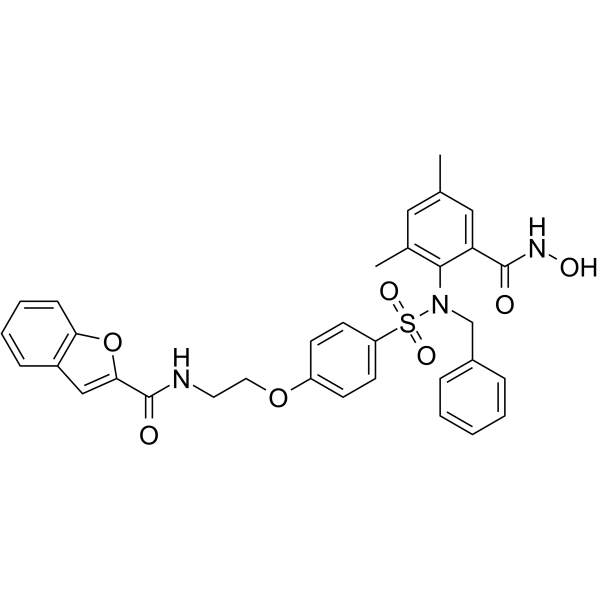
MAGL-IN-14 (compound 2) is a potent inhibitor of MAGL, with IC50 of 0.00289 μM and 0.002 μM in HEK293 and PC3 cells, respectively .
|
-
-
- HY-149976
-
|
|
Pim
|
Cancer
|
|
Pim-1 kinase inhibitor 4 (Compound 10f) is a Pim-1 kinase inhibitor (IC50: 17.01 nM). Pim-1 kinase inhibitor 4 also has antioxidant activity and inhibits DPPH. Pim-1 kinase inhibitor 4 induces apoptosis in PC-3 cell, and inhibits PC-3 cell growth with an IC50 of 16 nM. Pim-1 kinase inhibitor 4 can be used for research of prostate cancer .
|
-
-
- HY-158025
-
|
|
DNA/RNA Synthesis
|
Cancer
|
|
Anticancer agent 198 (compound 18b) is a potent anticancer agent and potential WRN protein inhibitor. Anticancer agent 198 was significantly toxic to K562 cells and WRN-overexpressing PC3 cells .
|
-
-
- HY-179018
-
|
|
Topoisomerase
Reactive Oxygen Species (ROS)
Apoptosis
|
Cancer
|
|
Topoisomerase II-IN-25 (Compound 6a) is a selective inhibitor of topoisomerase II and has no inhibitory activity on topoisomerase I. Topoisomerase II-IN-25 exhibits significant anti-PC-3 cell activity. Topoisomerase II-IN-25 significantly increases intracellular ROS levels, inducing oxidative stress. Topoisomerase II-IN-25 causes depolarization of mitochondrial membrane potential and promotes cell apoptosis. Topoisomerase II-IN-25 blocks PC-3 cells in the G2/M phase. Topoisomerase II-IN-25 can be used for the study of prostate cancer .
|
-
-
- HY-173039
-
|
|
Microtubule/Tubulin
Keap1-Nrf2
Reactive Oxygen Species (ROS)
Apoptosis
|
Cancer
|
|
α-Tubulin polymerization-IN-1 (Compound 8l) is an inhibitor for α-Tubulin polymerization. α-Tubulin polymerization-IN-1 modulates the NRF2/KEAP-1 signaling pathway, induces ROS generation in PC-3 cell, thereby inducing apoptosis in PC-3. α-Tubulin polymerization-IN-1 inhibits the proliferation of PC-3 cell with a GI50 of 0.17 µM, arrests the cell cycle at G2/M phase. α-Tubulin polymerization-IN-1 exhibits antitumor efficacy in mouse model .
|
-
-
- HY-141863
-
|
|
Apoptosis
|
Cancer
|
|
Lepidozin G inhibits the growth of a panel of cancer cell lines with IC50 values ranging from 4.2 ± 0.2 to 5.7 ± 0.5 μM. Lepidozin G induces PC-3 cell death via mitochondrial-related apoptosis.
|
-
-
- HY-149715
-
|
|
ICMT
|
Cancer
|
|
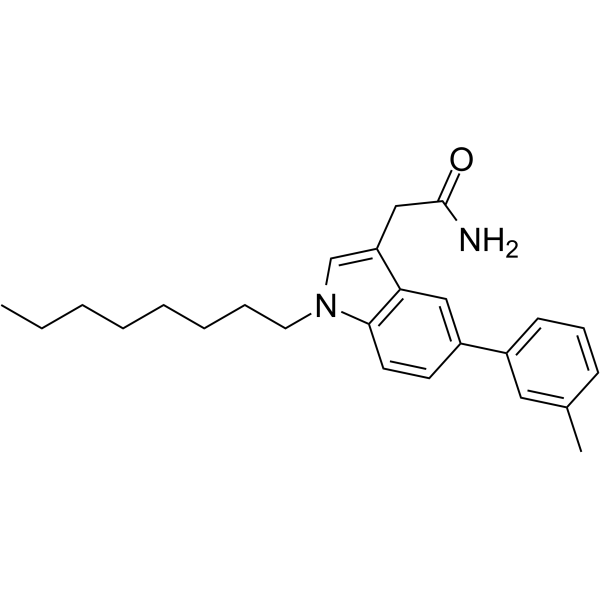
R1-11 is an indole ICMT inhibitor with an IC50 of 0.6 μM and has anticancer activity. R1-11 inhibits MDA-MB231 and PC3 cells with IC50s of 2.2 μM and 2.0 μM, respectively .
|
-
-
- HY-154861
-
|
|
Bacterial
Apoptosis
Necroptosis
|
Cancer
|
|
Anticancer agent 118, a N‑acylated ciprofloxacin derivative, has anti-bacterial and anticancer activities. Anticancer agent 118 shows high activity against Gram-positive strains and antiproliferative activities against prostate PC3 cells. Anticancer agent 118 can be used for antitumor research .
|
-
-
- HY-155610
-
|
|
VEGFR
|
Cancer
|
|
VEGFR-2-IN-32 (Comp 3a) is an inhibitor of VEGFR-2 with an IC50 of 8.93 nM. VEGFR-2-IN-32 has cytotoxic activity against PC-3 cells with an IC50 of 1.22 μM. VEGFR-2-IN-32 can be used for anti-prostate cancer research .
|
-
-
- HY-162380
-
|
|
Topoisomerase
|
Cancer
|
|
Topoisomerase II inhibitor 18 (Compound IV) is a Quinoxaline derivative, which inhibits topoisomerase II with IC50 of 7.5 μM. Topoisomerase II inhibitor 18 inhibits proliferation, cell cycle at S phase and induces apoptosis in PC-3 cells. Topoisomerase II inhibitor 18 reveals antitumor activity against cancer .
|
-
-
- HY-155718
-
|
|
Apoptosis
|
Cancer
|
|
fac-[Re(CO)3(L6)(H2O)][NO3] (compound 6), the rhenium(I) tricarbonyl aqua complex, is an anticancer agent associated with mitochondrial dysfunction. fac-[Re(CO)3(L6)(H2O)][NO3] is cytotoxic to prostate cancer cells, IC50=50 nM (PC-3 cells). fac-[Re(CO)3(L6)(H2O)][NO3] mainly accumulates in the nucleus, down-regulates ATP production in PC3 cells, and promotes apoptosis. However, fac-[Re(CO)3(L6)(H2O)][NO3] did not induce necrosis, pyrodeath and autophagy .
|
-
-
- HY-N3544R
-
|
(-)-Caryophyllene oxide (Standard)
|
Reference Standards
Apoptosis
Bacterial
Fungal
Parasite
|
Infection
Neurological Disease
Inflammation/Immunology
Cancer
|
|
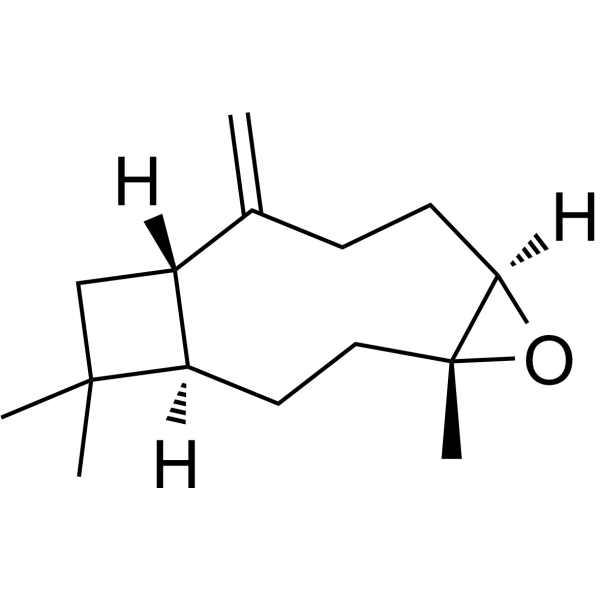
Caryophyllene oxide (Standard) ((-)-Caryophyllene oxide (Standard)) is the analytical standard of Caryophyllene oxide (HY-N3544). This product is intended for research and analytical applications. Caryophyllene oxide is a bicyclic sesquiterpene with anticancer effects. Caryophyllene oxide induces apoptosis of PC-3 cells. Caryophyllene oxide shows analgesic and anti-inflammatory activities. Caryophyllene oxide has insecticidal, antioxidant, antimicrobial, antifungal, and antiparasitic properties.
|
-
-
- HY-147854
-
|
|
Raf
Apoptosis
|
Cancer
|
|
B-Raf IN 9 (compound 8b) is a potent B-Raf inhibitor, with an IC50 of 24.79 nM. B-Raf IN 9 induces apoptosis and shows cell cycle arrest at G2/M phase. B-Raf IN 9 exhibits potent antitumor activity against human prostate cancer PC-3 cell line, with an IC50 of 7.83 µM .
|
-
-
- HY-155719
-
|
|
Paraptosis
|
Cancer
|
|
fac-[Re(CO)3(L3)(H2O)][NO3] (compound 3), the rhenium(I) tricarbonyl aqua complex, is an anticancer agent associated with mitochondrial dysfunction. fac-[Re(CO)3(L3)(H2O)][NO3] is cytotoxic to prostate cancer cells with IC50=0.32 μM (PC-3 cells). fac-[Re(CO)3(L3)(H2O)][NO3] mainly accumulates in mitochondria, down-regulates ATP production in PC3 cells, and promotes paraptosis. However, fac-[Re(CO)3(L3)(H2O)][NO3] did not induce necrosis, apoptosis and autophagy .
|
-
-
- HY-W778562
-
|
|
Others
|
Cancer
|
|
10-Deacetyl-13-oxobaccatin III is an taxane that can be isolated from Taxus sumatrana. 10-Deacetyl-13-oxobaccatin III (30 μg/mL) shows cytotoxicity against A498, NCI-H226, A549, PC-3 cells, with inhibition a rate of 29.7%, 49.2%, 43.9%, 65.3% .
|
-
-
- HY-115959
-
|
|
Bacterial
|
Inflammation/Immunology
Cancer
|
|
Anticancer agent 34 (compound 9), a sulfonylurea derivative, is a potent antimicrobial and anticancer agent. Anticancer agent 34 inhibits the microbial growth of B. mycoides, E. coli, and C. albicans with a MIC between 0.156 and 0.039 mg/ml. Anticancer agent 34 inhibits A549, PC3 cell growth with IC50s of 8.4 µg/ml, 7.8 µg/ml, respectively .
|
-
-
- HY-115961
-
|
|
Bacterial
|
Inflammation/Immunology
Cancer
|
|
Anticancer agent 36 (compound 11), a sulfonylurea derivative, is a potent antimicrobial and anticancer agent. Anticancer agent 36 inhibits the microbial growth of B. mycoides, E. coli, and C. albicans with a MIC between 0.156 and 0.039 mg/L. Anticancer agent 36 inhibits A549, PC3 cell growth with IC50s of 19.7 µg/mL, 11.9 µg/mL, respectively .
|
-
-
- HY-N1107
-
|
NSC 119993; NSC 277290; Odorigeni
|
Others
|
Cancer
|
|
Uzarigenin (NSC 119993; NSC 277290; Odorigeni) is a carnolide can be isolated from Pergularia tomentosa and exhibits antiproliferative activity. Uzarigenin resists the proliferation of PC3 cells, HeLa cells, Calu-1 cells, MCF-7 cells and U251MG cells, with IC50 values of 0.3 μM, 3.0 μM, 8.0 μM, 6.0 μM and 6.0 μM respectively .
|
-
-
- HY-147853
-
|
|
Raf
|
Cancer
|
|
B-Raf IN 8 (compound 7g) is a potent B-Raf inhibitor, with an IC50 of 70.65 nM. B-Raf IN 8 exhibits antitumor activity against hepatocellular carcinoma (HEPG-2), colon carcinoma (HCT-116), mammary gland (MCF-7) and human prostate cancer (PC-3) cells, with IC50 values of 9.78, 13.78, 18.52 and 29.85 µM .
|
-
-
- HY-147852
-
|
|
Raf
|
Cancer
|
|
B-Raf IN 7 (compound 6a) is a potent B-Raf inhibitor, with an IC50 of 110.23 nM. B-Raf IN 7 exhibits antitumor activity against colon carcinoma (HCT-116), mammary gland (MCF-7), hepatocellular carcinoma (HEPG-2), human cervical carcinoma (Hela) and human prostate cancer (PC-3) cells, with IC50 values of 7.50, 9.87, 10.57, 11.63 and 12.83 µM .
|
-
-
- HY-174397
-
|
|
Histone Methyltransferase
Epigenetic Reader Domain
|
Cancer
|
|
EED-IN-3 is an orally active EED inhibitor. EED-IN-3 effectively inhibits PRC2 by binding to EED (IC50 = 0.62 μM for EED) and downregulates H3K27me3. EED-IN-3 can efficiently and selectively inhibit PC3 cells with the IC50 of 3.69 μΜ and could significantly suppress colony formation and migration. EED-IN-3 can be used for research on prostate cancer.
|
-
-
- HY-172872
-
|
|
CDK
Apoptosis
|
Cancer
|
|
CDK2-IN-45 (Compound 8f) is a CDK2 inhibitor (IC50: 0.64 μM). CDK2-IN-45 inhibits the proliferation of DU-145 and PC-3 cell lines with IC50 of 2.20 μM and 4.17 μM, respectively. CDK2-IN-45 induces G0/G1 cell cycle arrest and apoptosis. CDK2-IN-45 can be used in prostate cancer research .
|
-
-
- HY-403733C
-
|
|
Androgen Receptor
|
Cancer
|
|
JJ-450 is a non-competitive antagonist androgen receptor (AR) that inhibits the transcriptional activity of wild-type AR and mutant AR F876L. JJ-450 has an IC50 of approximately 1-10 μM in inhibiting AR transcriptional activity in PC3 cells. It is selective for AR binding and does not compete with androgens for binding to the ligand binding domain (LBD) of AR. JJ-450 inhibits the transcriptional activity of AR and its splice variants (such as AR F876L) by inhibiting AR nuclear translocation and promoting the degradation of unliganded AR in the nucleus. JJ-450 can be used in castration-resistant prostate cancer (CRPC) studies that are resistant to Enzalutamide (MDV3100) (HY-70003) .
|
-
-
- HY-N17795
-
|
|
Others
|
Cancer
|
|
26-Hydroxyl-20(S)-protopanaxadiol is an inhibitor of prostate cancer cell proliferation, with an IC50 value of 27.2 μM against human prostate cancer cells DU-145 and an IC50 value of 18.5 μM against PC-3 cells .
|
-
- HY-101947R
-
|
PIM1/2 Kinase Inhibitor VI (Standard)
|
Reference Standards
Pim
|
Cancer
|
|
SMI-16a (Standard) is the analytical standard of SMI-16a (HY-101947). This product is intended for research and analytical applications. SMI-16a is a selective Pim kinase inhibitor with IC50 values of 0.15, 0.02 and 48 μM for Pim1, Pim2 and PC3 cells, respectively.
|
-
- HY-181688
-
|
|
Reactive Oxygen Species (ROS)
|
Cancer
|
|
2α-Ferrocenylmethyl-DHT is a dihydrotestosterone-derived ferrocene-steroid conjugate. 2α-Ferrocenylmethyl-DHT inhibits the growth of various cancer cells. 2α-Ferrocenylmethyl-DHT induces S-phase cell cycle arrest in ovarian cancer cells, elevates intracellular iron levels, triggers ROS-dependent cell death, and disrupts the integrity of multicellular tumor spheroids of ovarian cancer cells. 2α-Ferrocenylmethyl-DHT can be used in the research of prostate cancer and ovarian cancer .
|
-
- HY-108361R
-
|
|
Reference Standards
Ras
|
Inflammation/Immunology
Cancer
|
|
CCG-203971 (Standard) is the analytical standard of CCG-203971 (HY-108361). This product is intended for research and analytical applications. CCG-203971 is a second-generation Rho/MRTF/SRF pathway inhibitor. CCG-203971 potently targets RhoA/C-activated SRE-luciferase (IC50 =6.4 μM). CCG-203971 inhibits PC-3 cell migration with an IC50 of 4.2 μM. Potential anti-metastasis Agent .
|
-
- HY-W753557
-
|
|
Drug Derivative
Insecticide
Bacterial
|
Infection
Inflammation/Immunology
Cancer
|
|
Avocadene is a natural product isolated from Persea americana leaves, with anticancer, insecticidal, anti-Helicobacter pylori, and anti-inflammatory activity. Avocadene exerts antibacterial and anti‑inflammatory effects by suppressing Helicobacter pylori growth and inhibiting protein denaturation. Avocadene displays obvious cytotoxic activity against human prostate cancer PC‑3 cells with an IC50 of 0.5 μg/mL. Avocadene can be used for research of Helicobacter pylori‑associated gastrointestinal inflammation, gastroduodenal injury and prostate tumors .
|
-
- HY-W472153
-
|
|
β-glucuronidase
|
Inflammation/Immunology
Cancer
|
|
β-Glucuronidase-IN-5 (Compound 19; Compound 5c) is a β-glucuronidase inhibitor with an IC50 of 39.8 μM. β-Glucuronidase-IN-5 does not show significant cytotoxicity towards PC-3 cells, with its IC50 > 30 μM. β-Glucuronidase-IN-5 shows no affinity for adenosine receptors (A₁ and A₂A receptors). β-Glucuronidase-IN-5 can be used to study diseases related to excessive expression of β-glucuronidase (such as colon cancer, arthritis, and AIDS complications) .
|
-
| Cat. No. |
Product Name |
Category |
Target |
Chemical Structure |
-
- HY-N3544
-
-
-
- HY-N7019
-
-
-
- HY-N10687
-
-
-
- HY-N7972
-
-
-
- HY-N3544R
-
-
-
- HY-W778562
-
-
-
- HY-N1107
-
|
NSC 119993; NSC 277290; Odorigeni
|
Apocynaceae
Cardiacglycosides
Plants
Steroids
Source Classification
|
Others
|
|
Uzarigenin (NSC 119993; NSC 277290; Odorigeni) is a carnolide can be isolated from Pergularia tomentosa and exhibits antiproliferative activity. Uzarigenin resists the proliferation of PC3 cells, HeLa cells, Calu-1 cells, MCF-7 cells and U251MG cells, with IC50 values of 0.3 μM, 3.0 μM, 8.0 μM, 6.0 μM and 6.0 μM respectively .
|
-
-
- HY-N17795
-
-
-
- HY-W753557
-
|
|
Persea americana Mill
Structural Classification
Natural Products
Plants
Lauraceae
Source Classification
|
Drug Derivative
Insecticide
Bacterial
|
|
Avocadene is a natural product isolated from Persea americana leaves, with anticancer, insecticidal, anti-Helicobacter pylori, and anti-inflammatory activity. Avocadene exerts antibacterial and anti‑inflammatory effects by suppressing Helicobacter pylori growth and inhibiting protein denaturation. Avocadene displays obvious cytotoxic activity against human prostate cancer PC‑3 cells with an IC50 of 0.5 μg/mL. Avocadene can be used for research of Helicobacter pylori‑associated gastrointestinal inflammation, gastroduodenal injury and prostate tumors .
|
-
Your information is safe with us. * Required Fields.
Inquiry Information
- Product Name:
- Cat. No.:
- Quantity:
- MCE Japan Authorized Agent:

