
1. Search Result
Search Result
Results for "

PDX models

" in MedChemExpress (MCE) Product Catalog:

38

Inhibitors & Agonists

1

Fluorescent Dye

10

Inhibitory Antibodies

3

Natural
Products

1

Oligonucleotides

Cat. No. Product Name Target Research Areas Chemical Structure
  • HY-109061
    Lazertinib
    3 Publications Verification

    YH25448; GNS-1480

    Apoptosis Akt TRP Channel EGFR ERK Infection Neurological Disease Metabolic Disease Cancer
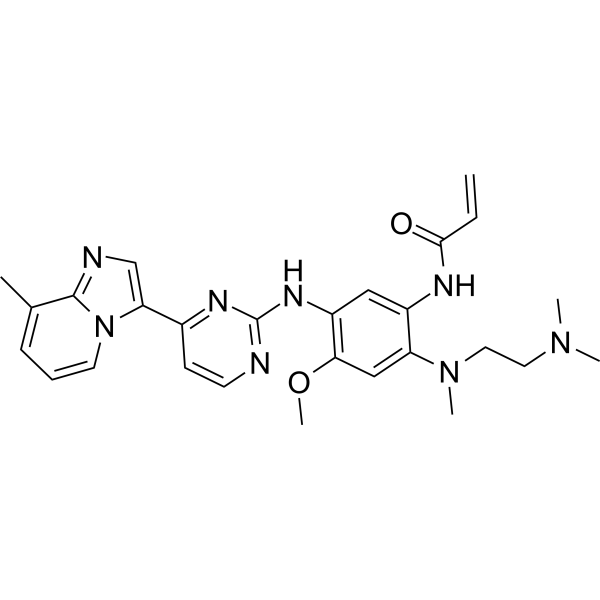
    Lazertinib (YH25448; GNS-1480) is an orally active, blood-brain barrier permeable third-generation EGFR tyrosine kinase inhibitor, as well as an ABCB1/ABCG2 inhibitor and a TRPA1 activator. Lazertinib exhibits IC50 values of 0.4 mM and 0.2 mM against human ABCB1 and ABCG2, respectively. By inhibiting mutant EGFR signaling, EGFR phosphorylation and the downstream ERK/AKT pathway, as well as upregulating surface expression of EGFR/MET, Lazertinib induces cell cycle arrest, apoptosis, spontaneous calcium responses, hyperexcitability of dorsal root ganglion (DRG) neurons, and TRPA1-dependent pain-like behaviors. Lazertinib competitively binds to the substrate-binding sites of ABCB1/ABCG2, stimulates their ATPase activity without altering their expression or plasma membrane localization, thereby enhancing ADCC activity, acting as a chemosensitizer, and reversing ABCB1-mediated multidrug resistance. It exerts antitumor activity as a single agent or in combination with other drugs. Lazertinib is applicable to research related to non-small cell lung cancer, multidrug-resistant cancers, and paresthesia .
    Lazertinib
  • HY-164992
    Trastuzumab vedotin
    2 Publications Verification

    MRG002; Trastuzumab MMAE

    Antibody-Drug Conjugates (ADCs) EGFR Microtubule/Tubulin Cancer
    Trastuzumab vedotin (MRG002; Trastuzumab MMAE) is an antibody-drug conjugate and cytotoxin targeting HER2, with a Kd of 7.50E-11 M for human HER2. After binding to HER2, Trastuzumab vedotin undergoes internalization and lysosomal trafficking, delivering a cytotoxic payload to HER2-expressing cells and inducing tumor regression in in vivo xenograft models with HER2-expressing tumors. The anti-tumor activity of Trastuzumab vedotin is enhanced when used in combination with anti-PD-1 antibodies, and it exhibits preclinical anti-tumor activity in drug-resistant breast cancer, gastric cancer, and urothelial carcinoma PDX models. Trastuzumab vedotin has low antibody-dependent cellular cytotoxicity activity and can be used in studies related to HER2-positive breast cancer, HER2-positive gastric cancer, and unresectable locally advanced or metastatic HER2-positive urothelial carcinoma .
    Trastuzumab vedotin
  • HY-104048
    QC6352
    Maximum Cited Publications
    11 Publications Verification

    Histone Demethylase Cancer
    QC6352 is an orally active KDM4 inhibitor with anti-tumor and anti-proliferative activity. QC6352 has in vivo inhibitory effects on PDX models of breast and colon cancer and reduces the number of chemoresistant cell populations. QC6352 inhibits KDM4 different isoforms with IC50s of 104 nM (KDM4A), 56 nM (KDM4B), 35 nM (KDM4C), and 104 nM (KDM4D), respectively. QC6352 has moderate inhibitory activity against KDM5 with an IC50 of 750 nM (KDM5B) .
    QC6352
  • HY-P99849

    ABT-806

    EGFR Cancer
    Depatuxizumab is a brain-penetrant and humanized tumor-specific anti EGFR monoclonal antibody. Depatuxizumab inhibits the growth of xenograft models of mutant EGFRvIII and wild-type EGFR. Depatuxizumab can be used for research on cancer .
    Depatuxizumab
  • HY-P99623

    MGD006; S80880

    CD3 Cancer
    Flotetuzumab (MGD006; S80880) is an investigational CD123/CD3 bispecific dual-affinity retargeting antibody (DART) molecule. Flotetuzumab reactivates T cells by simultaneously binding to CD123 in target cells and CD3 in effector T cells, leading to T-cell-mediated cytotoxicity in target cells. Flotetuzumab shows inhibitory effect on a mouse model of patient-derived xenograft (PDX) in acute myeloid leukemia (AML) .
    Flotetuzumab
  • HY-P991372

    RN927C antibody

    TROP2 Cancer
    Anti-TROP2 Antibody (RN927C antibody) is a human monoclonal antibody targeting Trop-2. Anti-TROP2 Antibody exerts in vitro inhibitory effects on a variety of tumor cell lines. Anti-TROP2 Antibody exhibits anti-tumor activity in mouse pancreatic PDX, ovarian PDX, lung PDX and triple-negative breast cancer (TNB) PDX models. Anti-TROP2 Antibody can be used for research on pancreatic cancer, ovarian cancer, lung cancer and triple-negative breast cancer .
    Anti-TROP2 Antibody
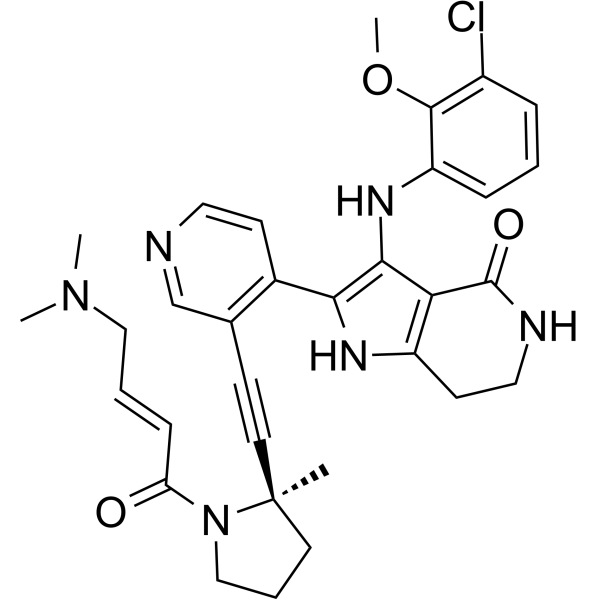
  • HY-157229
    STX-721
    1 Publications Verification

    EGFR ERK Cancer
    STX-721 is an orally active, irreversible, covalent EGFR exon 20 insertion (ex20ins) inhibitor that selectively targets ex20ins-mutant dynamic protein states. STX-721 potently inhibits the kinase activity of EGFR ex20ins mutants (NPG, ASV, SVD). STX-721 inhibits phosphorylation of EGFR (pEGFR Y1068) and downstream ERK (pERK Thr202/Tyr204), and suppresses proliferation of ex20ins-mutant Ba/F3 cells and human NSCLC cell lines (NCI-H2073 ASV KI, CUTO-14 ASV). STX-721 induces tumor regression in EGFR ex20ins-mutant PDX/CDX models. STX-721 can be used for the study of non-small cell lung cancer (NSCLC) harboring EGFR or HER2 ex20ins mutations .
    STX-721
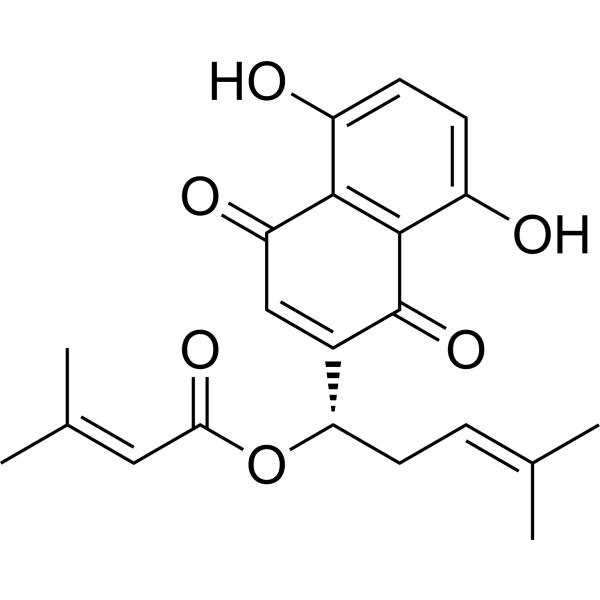
  • HY-N5112A
    β,β-Dimethylacrylalkannin
    3 Publications Verification

    Arnebin 1

    FGFR Necroptosis Apoptosis CDK JNK Inflammation/Immunology
    β,β-Dimethylacrylalkannin (Arnebin 1) is an orally active FGFR1 inhibitor (IC50=2.5 μM) and the main active component of Lithospermum erythrorhizon. β,β-Dimethylacrylalkannin blocks downstream signaling by binding to the ATP pocket of FGFR1, and regulates the CDK1/Cdc25C pathway and ROS-JNK axis, thereby inducing G2/M phase arrest, necrosis and apoptosis in cancer cells, and inhibiting tumor proliferation. β,β-Dimethylacrylalkannin also acts as a colistin adjuvant to disrupt the cell membrane of Gram-negative bacteria. β,β-Dimethylacrylalkannin exhibits significant tumor-inhibitory effects with no obvious toxicity in PDX models, but chronic exposure to high doses may alter the relative lung/liver weights of rats, while acute exposure to high doses causes responses such as reduced motor activity. β,β-Dimethylacrylalkannin finds wide application in studies related to hepatocellular carcinoma, colorectal cancer, colistin-resistant bacterial infections, hepatitis and psoriasis .
    β,β-Dimethylacrylalkannin
  • HY-171955

    Lipoxygenase Apoptosis Reactive Oxygen Species (ROS) FAK Cancer
    LXG6403 is an orally active and irreversible LOX inhibitor (IC50 = 1.3 μM). LXG6403 is ~3.5-fold more specific for LOX than LOXL2 and does not inhibit LOXL1. LXG6403 inhibits FAK signaling and induces ROS generation and DNA damage, leading to G1 arrest and apoptosis in chemoresistant triple-negative breast cancer (TNBC) cell lines. LXG6403 alters the extracellular matrix (ECM) and collagen structure, reducing collagen cross-linking and deposition, thereby increasing drug penetration and reducing tumor stiffness. LXG6403 overcomes Doxorubicin (HY-15142) resistance in chemoresistant TNBC PDX in vivo and can be used to study high-stiffness resistant tumors .
    LXG6403
  • HY-173320

    Hsp-targeting Chimeras Wee1 HSP Cancer
    HEMTAC WEE1 degrader-1 is a HSP90-mediated targeting chimera (HEMTAC) degrader of WEE1 (HSP90 enzyme inhibitory activity is IC50: 16.76 nM). HEMTAC WEE1 degrader-1 promotes the ubiquitination and degradation of WEE1. HEMTAC WEE1 degrader-1 blocks the G2/M cell cycle. HEMTAC WEE1 degrader-1 has anticancer activity in acute myeloid leukemia (AML) patient-derived xenograft (PDX) models. HEMTAC WEE1 degrader-1 can be used in AML research. (Pink: HSP90 binder; Blue: WEE1 ligand; Black: linker) .
    HEMTAC WEE1 degrader-1
  • HY-153190
    W1131
    1 Publications Verification

    Oxidative Phosphorylation STAT Ferroptosis Cancer
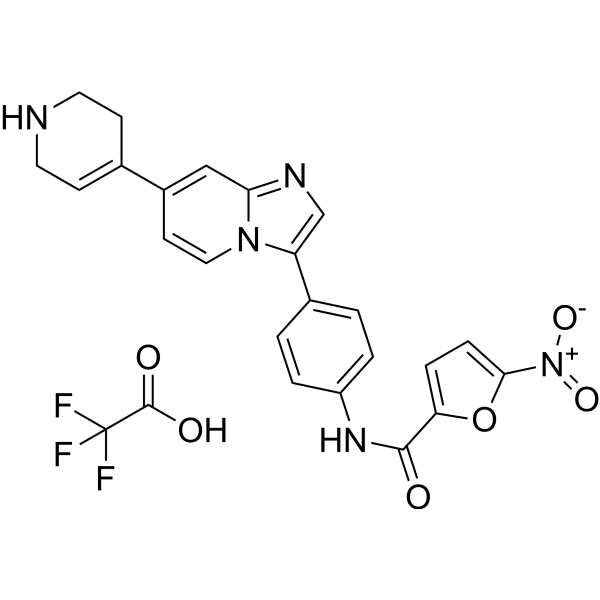
    W1131 is a potent STAT3 inhibitor, triggering ferroptosis. W1131 suppresses cancer progression in gastric cancer cell subcutaneous xenograft model, organoids model, and PDX model. W1131 effectively alleviates chemical resistance of cancer cells to 5-FU (HY-90006). W1131 regulates cell cycle, DNA damage response, and oxidative phosphorylation, including IL6-JAK-STAT3 pathway and ferroptosis pathway .
    W1131
  • HY-155537
    Pruvonertinib
    1 Publications Verification

    YK-029A

    EGFR Cancer
    YK-029A is an orally active inhibitor of mutant EGFR,targeting to both the T790M mutations (EGFR T790M) and exon 20 insertion of EGFR (EGFRex20ins). YK-029A exhibits significant antitumor activity,and results tumor regression in EGFRex20ins-driven PDX models .
    Pruvonertinib
  • HY-122830

    PROTACs Btk NF-κB Cardiovascular Disease Cancer
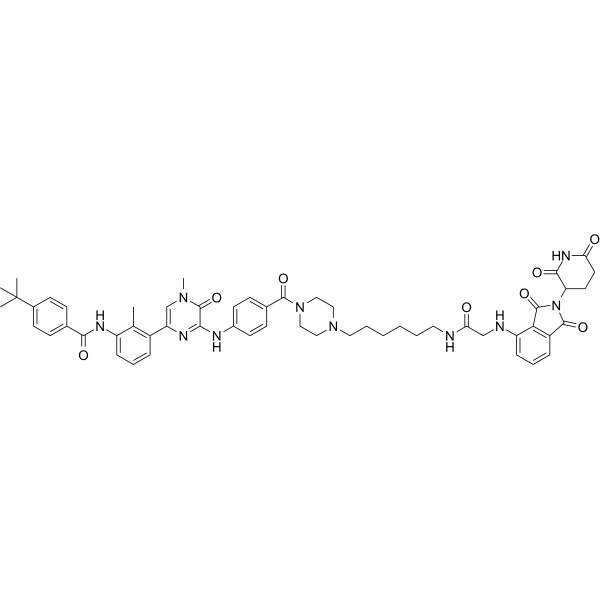
    DD-03-171 is a PROTAC BTK degrader. DD-03-171 inhibits mantle cell lymphoma (MCL) cell proliferation (IC50 = 5.1 nM) and prolongs the survival of mice bearing a lymphoma PDX model by degrading BTK, IKFZ1, and IKFZ3. DD-03-171 also inhibits platelet function and thrombosis. (Pink: BTK ligand 9 (HY-168292); Black: linker (HY-28875); Blue: Thalidomide-NH-CH2-COOH (HY-131717)) .
    DD-03-171
  • HY-P990953

    Gen1047

    CD3 Cancer
    Zubotamig (Gen1047) is an CD3E/VTCN1-targeting Ig(G1 -κ_G1 -λ2) type chimeric human antibody. The recommed isotype control is Human IgG1 kappa, Isotype Control (HY-P99001). Zubotamig induces T-cell mediated cytotoxicity of B7H4-positive tumor cells, triggers T-cell activation, and induces cytokine release from T cells in the presence of B7H4-expressing tumor cells. Zubotamig demonstrates antitumor activity in mouse patient-derived xenograft (PDX) models. Zubotamig can be used for the research of solid cancers (including breast, ovarian and lung cancer) .
    Zubotamig
  • HY-175652

    PROTACs Adenosine Receptor Cancer
    AZD9750 is an orally active, Cereblon (CRBN)-recruiting, androgen receptor (AR)-targeted PROTAC degrader. AZD9750 induces the proteasome-dependent degradation of both wild-type AR and the drug-resistant mutant AR L702H, thereby inhibiting the AR signaling pathway. AZD9750 suppresses tumor growth in mouse prostate cancer xenograft models and has been utilized in prostate cancer research .
    AZD9750
  • HY-149040

    (S)-OBI-3424; (S)-TH-3424; AST-3424

    17β-HSD Cancer
    Odafosfamide ((S)-OBI-3424) is a highly selective prodrug bis-alkylating agent activated by aldehyde-keto reductase 1C3 (AKR1C3(). Odafosfamide is highly cytotoxic to cell lines with high AKR1C3 expression. Odafosfamide exhibits antitumor activity in a variety of tumors with high AKR1C3 expression (such as liver cancer, non-small cell lung cancer, and leukemia). Odafosfamide can be used in cancer research .
    Odafosfamide
  • HY-178061

    ERK RET Cancer
    APS03118 is an orally active, potent and selective rearranged during transfection (RET) inhibitor. APS03118 broadly inhibits RET fusions and mutations (including G810, V804, L730, and Y806 variants), with IC50 values predominantly below 1 nM (0.095 nM for WT; ranging from 0.00438 to 5.72 nM for mutants), and demonstrates marked superiority against RET G810 mutations. APS03118 inhibits the entire RET signaling pathway (including RET, Shc, and ERK1/2), with >20-fold selectivity over most off-target kinases (except FLT3 and YES). APS03118 induces complete tumor regression in KIF5B-RET and CCDC6-RET V804 M patient derived xenografts (PDXs) and significantly prolongs survival in an intracranial CCDC6-RET metastasis mice model. APS03118 can be used for selective RET inhibitor (SRI)-resistant, RET-driven cancer research .
    APS03118
  • HY-164492

    Raf Cancer
    LSN3074753, an analog of LY3009120 (HY-12558), is a pan-RAF and Raf dimer inhibitor. LSN3074753 demonstrates activity against tumor cells with MAPK pathway activation driven by BRAF monomer or RAF dimers including BRAF- or KRAS-mutant colorectal cancer. LSN3074753 combined with Cetuximab (HY-P9905) shows additive and synergistic effects for colorectal cancer PDX models, particularly those with KRAS or BRAF mutation .
    LSN3074753
  • HY-178964

    PROTACs RET Cancer
    PROTAC RET Degrader 1 (Compound 20) is an orally active and blood-brain barrier-crossing RET PROTAC degrader with DC50 values for RET (WT), RET (G810S), RET (G810C), and RET (G810R) of 1.7, 3, 12, and 21 nM, respectively. PROTAC RET Degrader 1 exhibits potent anti-proliferative activity in cancer cell lines carrying oncogenic RET fusions (such as KIF5B-RET, CCDC6-RET) or mutations (such as RET (C634W)). PROTAC RET Degrader 1 shows significant anti-tumor activity in human tumor xenograft (PDX) mouse models. PROTAC RET Degrader 1 can be used for the study of RET-positive cancers Pink: RET ligand (HY-179308); Blue: CRBN ligand (HY-179307); Black: Linker) .
    PROTAC RET Degrader 1
  • HY-P991432

    TNF Receptor NF-κB c-Myc Cancer
    VTX-0811 is a human IgG4 monoclonal antibody (mAb) targeting PSGL1/CD162. VTX-0811 up-regulates TNF-α/NF-κB and chemokine-mediated signaling and down-regulates oxidative phosphorylation, fatty acid metabolism, and Myc signaling pathways. VTX-0811 increases the proportion of CD8+ T cells among infiltrating T cells. VTX-0811 has antitumor activity in a humanized mouse PDX model of melanoma .
    VTX-0811
  • HY-P991294

    ADC Antibody Cancer
    MGTA-117 is a humanized monoclonal antibody targeting CD117. MGTA-117 can be used for synthesis of antibody-drug conjugate (ADC), utilizing an amanitin payload. MGTA-117 has potent anti-tumor activity and increases survival in three acute myeloid leukemia (AML) xenograft hNSG mice models (Kasumi-1, AML PDX 1 and AML PDX 2). MGTA-117 enables hematopoietic stem cell transplantation (HSCT) preprocessing in AML, myelodysplasia with excess blasts (MDS-EB) and gene therapy .
    MGTA-117 Antibody
  • HY-161736

    CDK Cancer
    ARN25499 (compound 15) is a CDC42 inhibitor. ARN25499 can be used in cancer-related research .
    ARN25499
  • HY-P991353

    PD-1/PD-L1 Cancer
    Sym-021 is a human monoclonal antibody (mAb) targeting PDCD1/PD-1/CD279. Sym-021 blocks the binding of PD-L1 and PD-L2 ligands, inducing the secretion of interferon IFN-γ and IL-2 and the proliferation of T cells. Sym-021 has anti-tumor activity in PDX mouse models .
    Sym-021
  • HY-153190A
    W1131 TFA
    1 Publications Verification

    Ferroptosis STAT Cancer
    W1131 TFA is a potent STAT3 inhibitor that induces ferroptosis. W1131 inhibits cancer progression in subcutaneous xenograft, organoid, and PDX models of gastric cancer. W1131 effectively alleviates cancer cell chemoresistance to 5-FU (HY-90006). W1131 regulates the cell cycle, DNA damage response, and oxidative phosphorylation, including the IL6-JAK-STAT3 pathway and the ferroptosis pathway .
    W1131 TFA
  • HY-149695

    EGFR Cancer
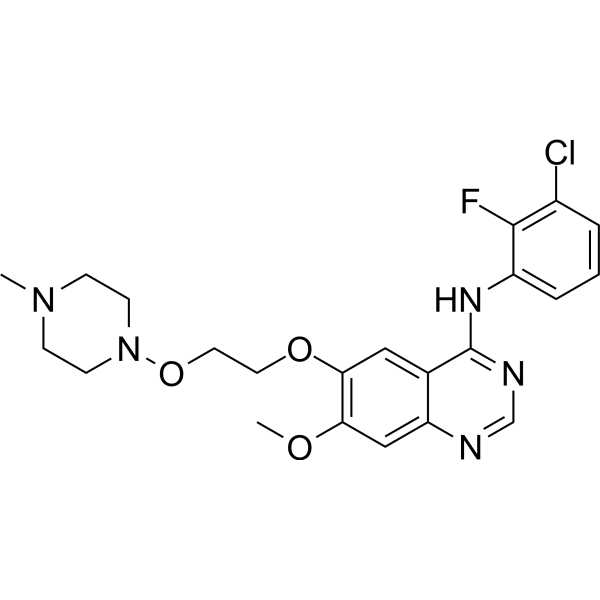
    EGFR-IN-91 (compound 9) is an orally available EGFR inhibitor with blood-brain barrier penetrability. EGFR-IN-91 inhibits EGFR L858R/C797S and EGFR exon 19del/C797S, inducing tumor regression in xenograft (PDX) mouse models. EGFR-IN-91 has the potential to inhibit localized and metastatic non-small cell lung cancer (NSCLC) driven by EGFR mutants .
    EGFR-IN-91
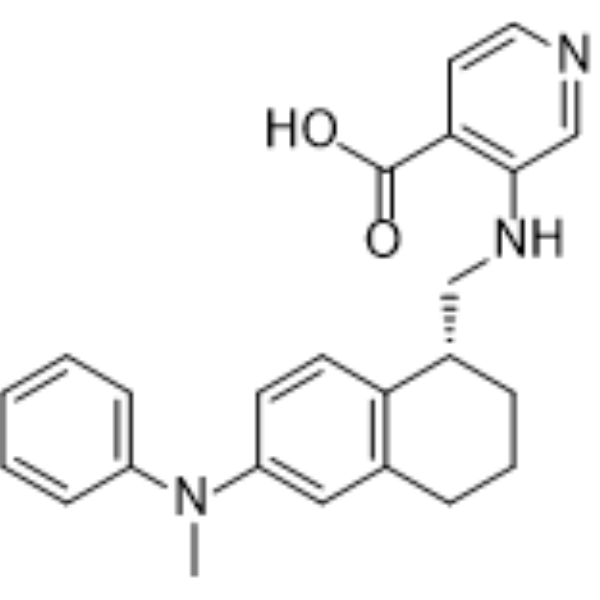
  • HY-N4189

    PI3K Akt p38 MAPK STAT Apoptosis Cancer
    Isocucurbitacin B is a natural terpenoid compound found in Pedicellus Melo. Isocucurbitacin B can inhibit the PI3K/AKT, MAPK, and STAT3 signaling pathways and downregulate CAV1 expression. Isocucurbitacin B can inhbit cancer cell proliferation, migration and invision. Isocucurbitacin B can induce apoptosis and cause G2/M phase arrest. Isocucurbitacin B can decrease intracellular cholesterol and PH levels and increase intracellular calcium levels. Isocucurbitacin B can be used for the research of cancer, such as glioma [1][2].

    Isocucurbitacin B
  • HY-171509

    Drug-Linker Conjugates for ADC Apoptosis Cancer
    Mal-N(Me)-C6-N(Me)-PNU-159682 (Compound 27), an agent-linker conjugate for ADC, consists the ADC linker Mal-N(Me)-C6-N(Me) and a potent ADC cytotoxin PNU-159682. Mal-N(Me)-C6-N(Me)-PNU-159682 (Compound 27) selectively delivers the payload to CD46-expressing cells, where the linker is cleaved by cathepsin B to release PNU-159682, inducing DNA damage and apoptosis. Mal-N(Me)-C6-N(Me)-PNU-159682 shows durable tumor regression in xenograft (PDX) models of non-small cell lung cancer (NSCLC) and colorectal cancer (CRC) .
    Mal-N(Me)-C6-N(Me)-PNU-159682
  • HY-178271

    Drug Intermediate Cancer
    P-SCN-Bn-NOTA is a metal chelator and molecular imaging probe precursor that allows radiolabeling with Ga-68. P-SCN-Bn-NOTA can be conjugated to CD70-specific molecules B3, B6, ABDB3 and ABDB6 to form NOTA-labeled derivatives. P-SCN-Bn-NOTA is applicable for preclinical PET/CT imaging of CD70-expressing tumors in NCG mouse PDX models. P-SCN-Bn-NOTA can be used in studies related to CD70-positive tumors .
    P-SCN-Bn-NOTA
  • HY-N19830

    Reactive Oxygen Species (ROS) Apoptosis Cancer
    Guavenoic acid is a triterpenoid compound that can be isolated from fresh leaves of Psidium guajava. Guavenoic acid protects cells in cellular oxidative damage models, inhibits intracellular ROS production, and suppresses cell apoptosis. Guavenoic acid significantly enhances cellular proliferation, promotes insulin synthesis and secretion, and upregulates the messenger RNA expression of insulin gene, PDX-1 and MafA. Guavenoic acid can be used in the research of diseases such as pancreatic islet β-cell tumors .
    Guavenoic acid
  • HY-182918

    Drug Intermediate Apoptosis Ferroptosis Cuproptosis Cancer
    DMAPT-DTCs-1,3-diaminopropane-DTCs-DMAPT dimethanesulfonate is an orally active prodrug of MMB-DTCs-1,3-diaminopropane-DTCs-MMB (HY-182917). DMAPT-DTCs-1,3-diaminopropane-DTCs-DMAPT dimethanesulfonate induces apoptosis, ferroptosis, and cuproptosis in lung cancer cells. DMAPT-DTCs-1,3-diaminopropane-DTCs-DMAPT dimethanesulfonate can be used in the research of lung cancer .
    DMAPT-DTCs-1,3-diaminopropane-DTCs-DMAPT dimethanesulfonate
  • HY-P991995

    OMTX705 antibody

    ADC Antibody FAP Cancer
    OMTX005 (OMTX705 antibody) is a humanized anti-FAP IgG1 monoclonal antibody that specifically binds to human (EC50: 0.33 nM)/mouse (EC50: 0.14 nM) FAP proteins and FAP-positive cells. OMTX005 exhibits no cytotoxicity when used alone and fails to induce an increase in caspase 3/7 activity in relevant cells. OMTX005 can be used to synthesize the ADC molecule OMTX705 for tumor research .
    OMTX005
  • HY-104048R

    Reference Standards Histone Demethylase Cancer
    QC6352 (Standard) is the analytical standard of QC6352 (HY-104048). This product is intended for research and analytical applications. QC6352 is an orally active KDM4 inhibitor with anti-tumor and anti-proliferative activity. QC6352 has in vivo inhibitory effects on PDX models of breast and colon cancer and reduces the number of chemoresistant cell populations. QC6352 inhibits KDM4 different isoforms with IC50s of 104 nM (KDM4A), 56 nM (KDM4B), 35 nM (KDM4C), and 104 nM (KDM4D), respectively. QC6352 has moderate inhibitory activity against KDM5 with an IC50 of 750 nM (KDM5B) .
    QC6352 (Standard)
  • HY-P992467

    ADC Antibody Cancer
    SOT102 Antibody is an IgG1 monoclonal antibody targeting CLDN18.2. SOT102 Antibody binds selectively to CLDN18.2, and promotes internalization. SOT102 Antibody can be used for the research of cancer [2].
    SOT102 Antibody
  • HY-P992316

    Claudin ADC Antibody Cancer
    ATG-022 Antibody is a humanized monoclonal antibody targeting Claudin 18.2 (CLDN 18.2). ATG-022 Antibody binds with VcMMAE (HY-15575) to form an Antibody-Drug Conjugate (ADC). ATG-022 Antibody can be used for the research of advanced/metastatic solid tumors and gastric cancer .
    ATG-022 Antibody
  • HY-109061A

    YH25448 mesylate hydrate; GNS-1480 mesylate hydrate

    Apoptosis Akt TRP Channel EGFR ERK Cancer
    Lazertinib (YH25448; GNS-1480) mesylate hydrate is an orally active, blood-brain barrier permeable third-generation EGFR tyrosine kinase inhibitor, as well as an ABCB1/ABCG2 inhibitor and a TRPA1 activator. Lazertinib mesylate hydrate exhibits IC50 values of 0.4 mM and 0.2 mM against human ABCB1 and ABCG2, respectively. By inhibiting mutant EGFR signaling, EGFR phosphorylation and the downstream ERK/AKT pathway, as well as upregulating surface expression of EGFR/MET, Lazertinib mesylate hydrate induces cell cycle arrest, apoptosis, spontaneous calcium responses, hyperexcitability of dorsal root ganglion (DRG) neurons, and TRPA1-dependent pain-like behaviors. Lazertinib mesylate hydrate competitively binds to the substrate-binding sites of ABCB1/ABCG2, stimulates their ATPase activity without altering their expression or plasma membrane localization, thereby enhancing ADCC activity, acting as a chemosensitizer, and reversing ABCB1-mediated multidrug resistance. It exerts antitumor activity as a single agent or in combination with other drugs. Lazertinib mesylate hydrate is applicable to research related to non-small cell lung cancer, multidrug-resistant cancers, and paresthesia .
    Lazertinib mesylate hydrate
  • HY-109061R

    YH25448 (Standard); GNS-1480 (Standard)

    Apoptosis Akt TRP Channel EGFR ERK Reference Standards Infection Neurological Disease Metabolic Disease Cancer
    Lazertinib (Standard) is the analytical standard of Lazertinib (HY-109061). This product is intended for research and analytical applications. Lazertinib (YH25448) is a potent, selective, CNS-penetrant, orally available and irreversible EGFR tyrosine Kinase inhibitor, exhibiting high selectivity for activating (EGFRm) and T790M resistance mutations. Lazertinib inhibits phosphorylation of EGFR, AKT and ERK, leading to apoptosis and suppression of tumor growth in mouse H1975-luc brain metastasis xenograft models. Lazertinib can be used in the study of non-small cell lung cancer .
    Lazertinib (Standard)
  • HY-185426

    SC-011

    Antibody-Drug Conjugates (ADCs) Cancer
    ABBV-011 (SC-011) is a SEZ6-targeted, antibody-drug conjugate (ADC). ABBV-011 binds cell surface-expressed SEZ6 by anti-SEZ6 antibody Turmetabart (HY-P991041), triggers ADC-receptor complex internalization into lysosomes, releases Calicheamicin (HY-19609) payload, and mediates cytotoxicity. ABBV-011 induces tumor regression and mediates selective killing of SEZ6-positive cells. ABBV-011 can be used for the research of small cell lung cancer .
    ABBV-011
  • HY-181986

    Lipase Apoptosis Cancer
    ERX-208 is an anticancer agent that induces endoplasmic reticulum stress by targeting lysosomal acid lipase A (LIPA), ultimately leading to cancer cell apoptosis. ERX-208 can be used in ovarian cancer research .
    ERX-208

Inquiry Online

Your information is safe with us. * Required Fields.

Salutation


Country or Region *

Applicant Name *


Organization Name *

Department *


Email Address *


Product Name *

Cat. No.


Requested quantity *

Phone Number *


Remarks

Inquiry Online

Inquiry Information

Product Name:
Cat. No.:
Quantity:
MCE Japan Authorized Agent:

