

140 Results for "

Salmonella typhimurium KCTC2515

" in MedChemExpress (MCE) Product Catalog:
Products (140)

140 Results for "Salmonella typhimurium KCTC2515" in MCE Product Catalog:

2
2 Cited Publications
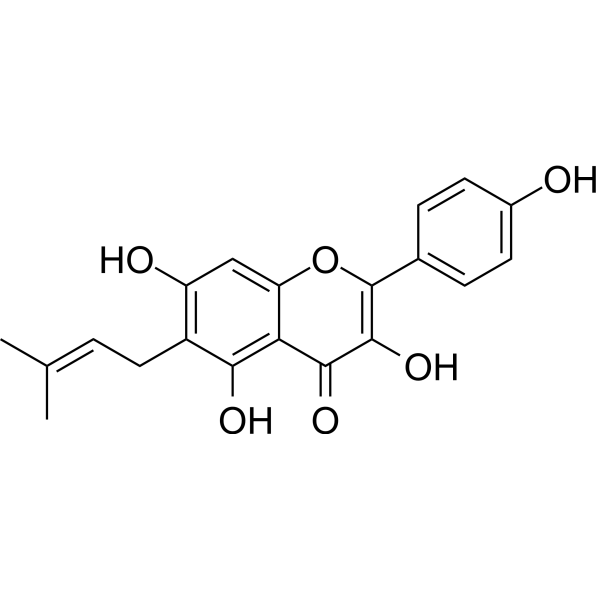
Cat. No.: HY-N6583
CAS No.: 60197-60-6
Licoflavonol, a minor flavone from the roots of Glycyrrhiza uralensis, is an inhibitor of the Salmonella type III secretion system (T3SS) .
loading...
    loading...
2
2 Cited Publications
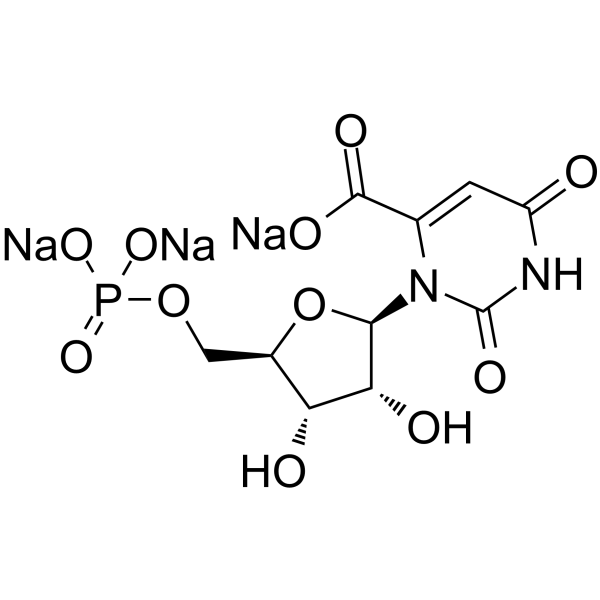
Cat. No.: HY-N8060A
CAS No.: 68244-58-6
Synonyms: Orotidine monophosphate trisodium; Orotidylic acid trisodium
Orotidine 5'-monophosphate trisodium is a pyrimidine nucleotide. Orotidine 5'-monophosphate trisodium is synthesized via the de novo synthesis pathway for DNA synthesis in a large number of microorganisms including M. tuberculosis, S. cerevisiae, S. typhimurium and P. falciparum to name a few. The synthesis of orotidine 5'-monophosphate trisodium uses phosphoribosyl pyrophosphate (PRPP) and orotic acid (OA) as the substrates catalyzed by orotate phosphoribosyltransferase (OPRT) .
loading...
    loading...
2
2 Cited Publications
Cat. No.: HY-146244
CAS No.: 525625-52-9
Purity:  98.32%
Synonyms: ODN 2006; PF-3512676; CpG 7909; ODN 7909
Agatolimod ((ODN 2006; PF-3512676; CpG 7909)) is a TLR9 agonist and immunomodulator with an EC50 of 180 nM against human TLR9. Agatolimod activates and upregulates the expression of both TLR9 and TLR6, and mediates downstream signaling pathways via IRAK4, IRF5, IRF7. Agatolimod induces Th1-type innate and adaptive immune responses, activates various immune cells and promotes antigen presentation, regulates antibody levels and immune cell infiltration, upregulates the secretion of multiple cytokines, induces apoptosis and cell cycle arrest, enhances cytotoxicity, and clears intracellular Salmonella. Agatolimod is applicable to research on COVID-19, breast cancer, lung adenocarcinoma, HPV-related tumors, melanoma, and salmonellosis .
loading...
    loading...
1
1 Cited Publications
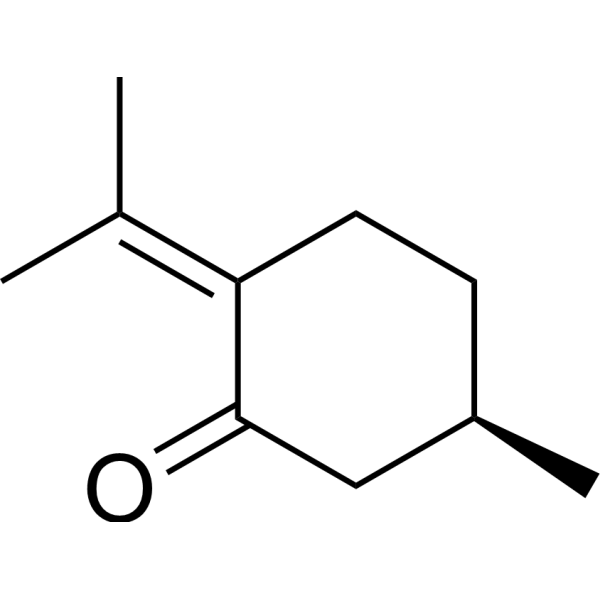
Cat. No.: HY-N1500
CAS No.: 89-82-7
Pulegone is a monoterpene ketone compound widely present in the essential oils of many plants. Pulegone can also be used as a bird repellent. Pulegone has multiple activities such as anti-inflammatory, antibacterial, antifungal, and anti-hyperalgesic effects. Pulegone is particularly effective against bacteria of the Salmonella species .
loading...
    loading...
1
1 Cited Publications
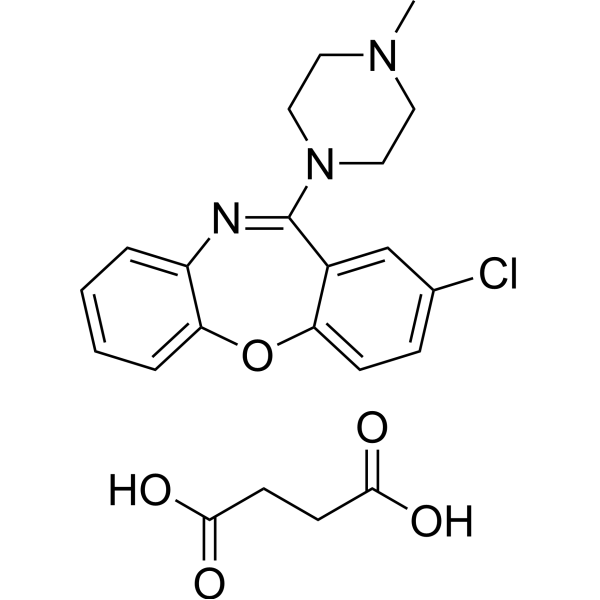
Cat. No.: HY-17390A
CAS No.: 27833-64-3
Loxapine succinate is an orally active dopamine inhibitor, 5-HT receptor antagonist and also a dibenzoxazepine anti-psychotic agent. Loxapine can also suppresses bacterial efflux pump activity and inhibit intracellular multiple-antibiotic-resistant Salmonella enterica serovar Typhimurium in macrophages .
loading...
    loading...
1
1 Cited Publications
Cat. No.: HY-B1148
CAS No.: 3759-92-0
Synonyms: Altafur hydrochloride
Target:  

Bacterial

Research Areas:  

Infection Inflammation/Immunology

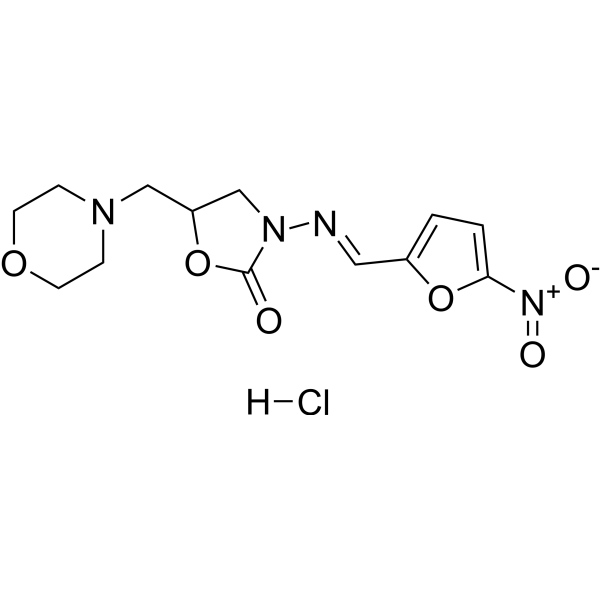
Furaltadone hydrochloride is an orally active antibacterial agent that can be used for the study of intestinal Salmonella infections. Furaltadone has in vitro inhibitory effects on Staphylococcus. In addition, Furaltadone shows inhibitory effects on allergic reactions .
loading...
    loading...
1
1 Cited Publications
Cat. No.: HY-B1703
CAS No.: 16915-70-1
Research Areas:  

Infection

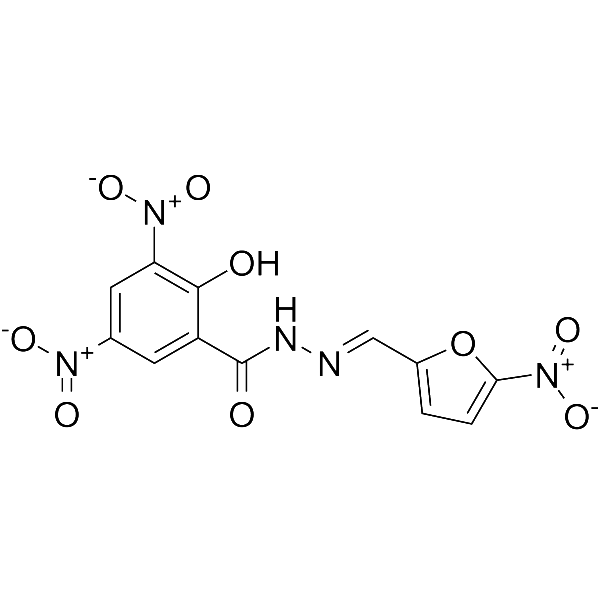
Nifursol is an orally active veterinary antibiotic. Nifursol inhibits Histomonas meleagridis. Nifursol prevents histomoniasis in turkeys. Nifursol is widely used in studies of Escherichia coli gastroenteritis in Salmonella-infected poultry and aquatic animals .
loading...
    loading...
1
1 Cited Publications
Cat. No.: HY-N0885
CAS No.: 472-26-4
Synonyms: Telobufotoxin; Telocinobufogenin
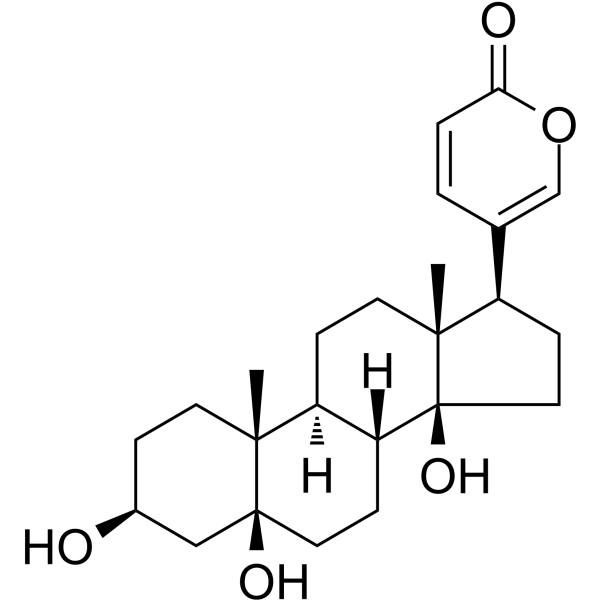
Telocinobufagin (Telobufotoxin; Telocinobufogenin) is an orally active bufadienolide with potential anti-tumor effects. Telocinobufagin exerts its anti-cancer effects on non-small cell carcinoma, osteosarcoma, thyroid cancer, breast cancer and head and neck squamous cell carcinoma by inhibiting the STAT3, JAK2/STAT3, LARP1-mTOR, PI3K/Akt/Snail and PLK1 pathways, and can also induce tumor cell apoptosis. Telocinobufagin enhances the Th1 immune response and protects against Salmonella typhimurium infection. Telocinobufagin has a strong cardiac-stimulating effect by inhibiting the activity of Na +/K +-ATPase, and it can promote renal fibrosis. Telocinobufagin demonstrates non-opioid analgesic effects in various acute pain models .
loading...
    loading...
1
1 Cited Publications
Cat. No.: HY-B1148A
CAS No.: 139-91-3
Synonyms: Altafur
Target:  

Bacterial

Research Areas:  

Infection

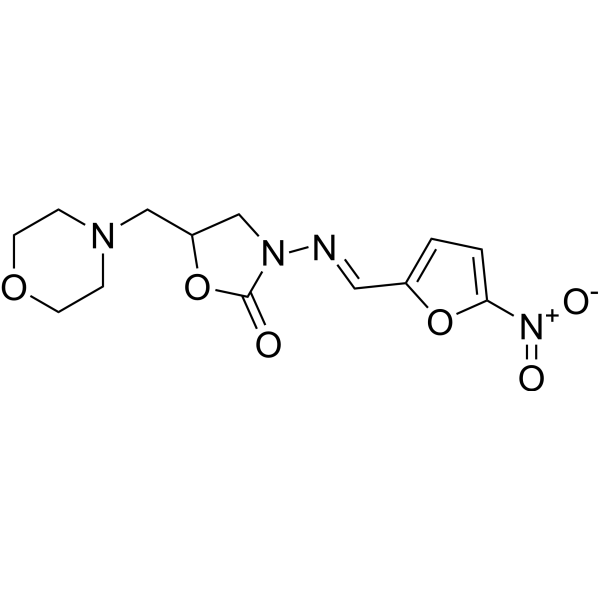
Furaltadone, a nitrofuran agent, has the potential for the study in infections of chickens with salmonella enteritidis. Furaltadone is inhibitory and bactericidal in vitro for staphylococci .
loading...
    loading...
1
1 Cited Publications
Cat. No.: HY-N4104
CAS No.: 666-99-9
Synonyms: Agaricinic Acid
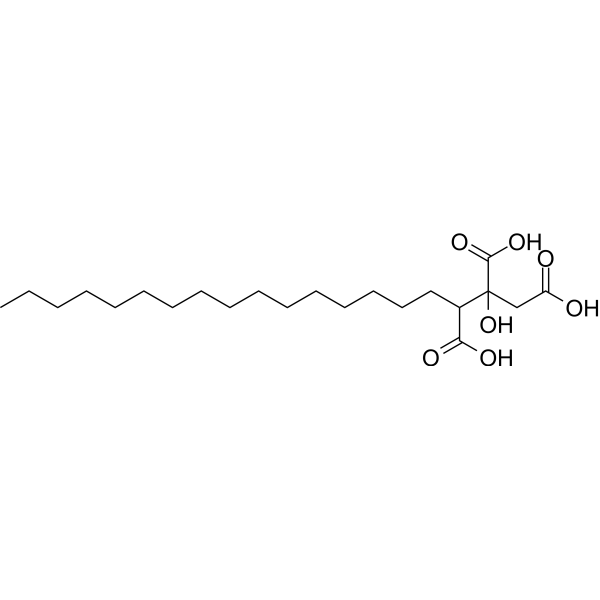
Agaric acid (Agaricinic Acid) is an orally active inhibitor of adenine nucleotide translocase found in specific fungi. Agaric acid can inhibit the biofilm formation of various bacteria such as Salmonella. Agaric acid can also induce mitochondrial permeability transition, prompting mitochondria to release Ca 2+, disrupting the transmembrane potential, and causing mitochondrial swelling. In addition, Agaric acid can also inhibit citrate transport in liver mitochondria and participate in the inhibition of fatty acid synthesis, affecting multiple metabolic processes .
loading...
    loading...
Cat. No.: HY-130320
CAS No.: 1246298-63-4
Purity:  98.17%
Synonyms: Glucopyranosyl lipid A
Research Areas:  

Inflammation/Immunology Cancer

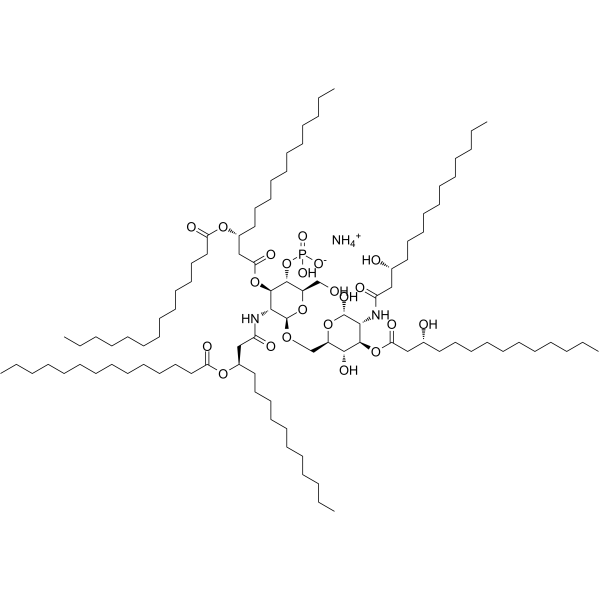
Monophosphoryl lipid A (Glucopyranosyl lipid A) is a toll-like receptor 4 agonist. Monophosphoryl lipid A is derived from the cell wall of nonpathogenic Salmonella. Monophosphoryl lipid A can be used for the research of immunization and vaccine .
loading...
    loading...
Cat. No.: HY-128525
CAS No.: 28384-96-5
Purity:  98.82%
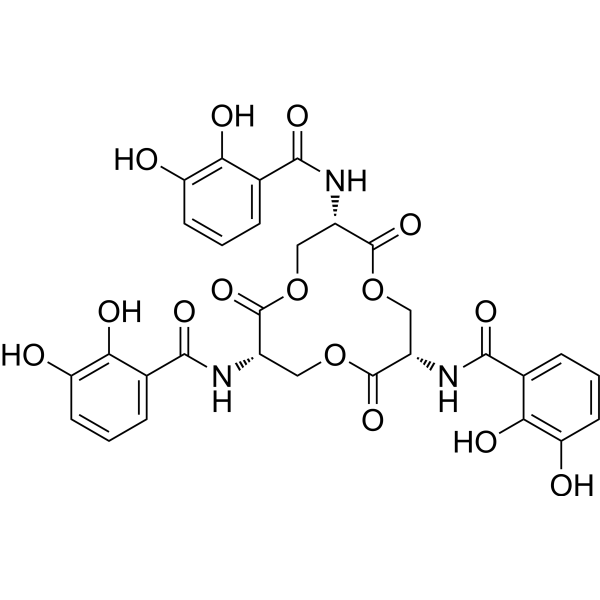
Enterobactin is a siderophore produced by Gram-negative bacteria and has an extremely high affinity for iron. During the process of Salmonella typhimurium infecting macrophages, Enterobactin can not only help bacteria uptake iron but also reduce the antibacterial activity of macrophages. In addition, Enterobactin is also involved in the oxidative stress response of Escherichia coli. Enterobactin can be hydrolyzed by Fes in the cell and exert antioxidant effects by scavenging free radicals .
loading...
    loading...
Cat. No.: HY-B0455
CAS No.: 98079-52-8
Synonyms: SC47111A hydrochloride; NY-198 hydrochloride
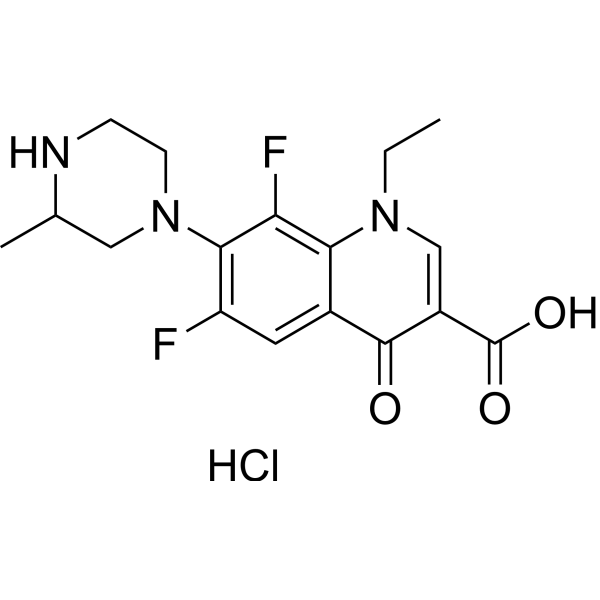
Lomefloxacin hydrochloride (NY-198 hydrochloride) is an orally active difluoroquinolone antibiotic. Lomefloxacin hydrochloride prevents DNA supercoiling and replication by inhibiting bacterial topoisomerase II. Lomefloxacin hydrochloride induces ROS production and Apoptosis. Lomefloxacin hydrochloride has broad-spectrum bactericidal activity against Gram-positive and Gram-negative bacteria. Lomefloxacin hydrochloride has anticancer effects against melanoma. Lomefloxacin hydrochloride can be used in the study of systemic bacterial infections (such as Salmonella typhimurium infections), skin and melanoma .
loading...
    loading...
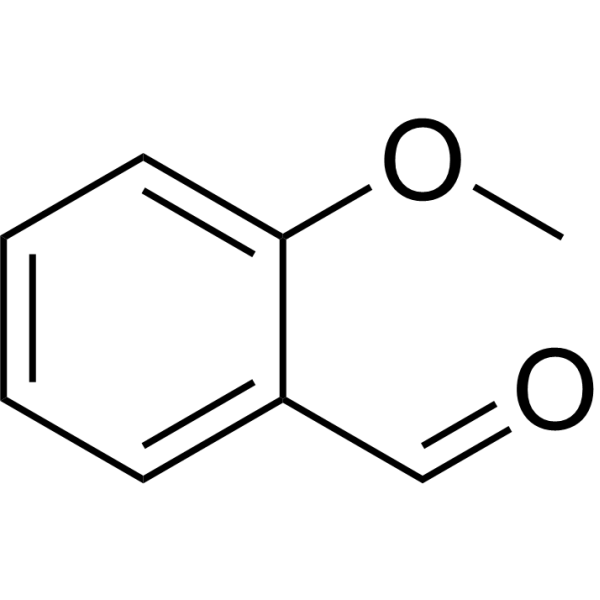
Cat. No.: HY-77995
CAS No.: 135-02-4
Synonyms: o-Anisaldehyde
2-Methoxybenzaldehyde (o-Anisaldehyde) is a bacterial/fungal inhibitor with a BA50 value of 0.19 for Salmonella. 2-Methoxybenzaldehyde can be used for the study of bacterial and fungal infectious diseases .
loading...
    loading...
Cat. No.: HY-W088066
CAS No.: 10101-89-0
Target:  

Bacterial

Research Areas:  

Infection

Trisodium phosphate dodecahydrate is an Antibacterial agent. Trisodium phosphate dodecahydrate reduces the counts of Escherichia coli O157:H7 and Salmonella typhimurium attached to the surfaces of beef fat and fascia. Trisodium phosphate dodecahydrate modulates the growth parameters of Listeria monocytogenes in vitro: low concentrations shorten the lag phase and increase the maximum growth rate, while high concentrations prolong the lag phase and decrease the maximum growth rate. Trisodium phosphate dodecahydrate is used in poultry processing .
loading...
    loading...
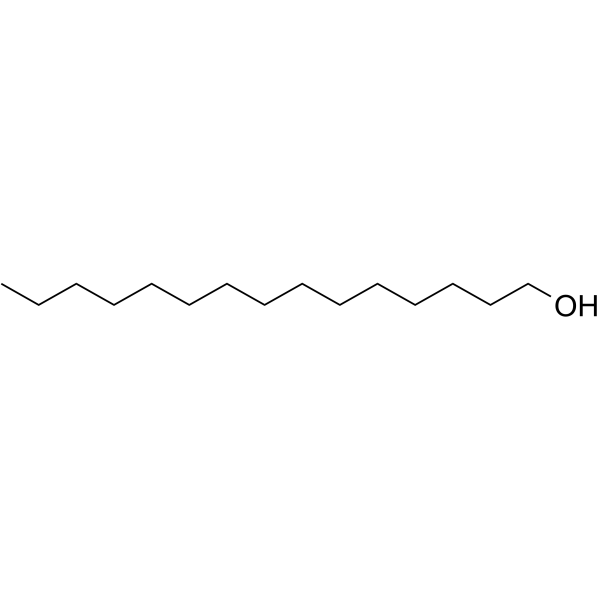
Cat. No.: HY-W004295
CAS No.: 629-76-5
1-Pentadecanol is a long-chain fatty alcohol found in the leaves of Solena amplexicaulis. 1-Pentadecanol shows antibacterial activity with a MIC of 20 μg/mL against Salmonella gallinarum. 1-Pentadecanol can be used for the research of Salmonella gallinarum infection .
loading...
    loading...
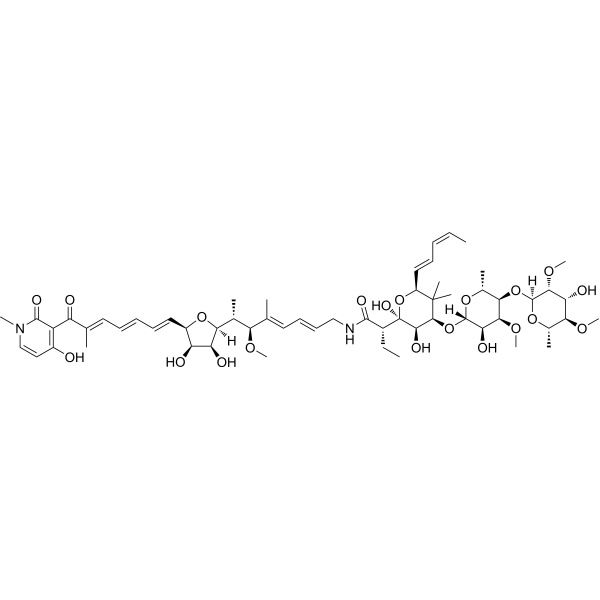
Cat. No.: HY-126569
CAS No.: 56592-32-6
Target:  

Antibiotic Bacterial

Research Areas:  

Infection

Efrotomycin is an orally active antibiotic. Efrotomycin can be isolated from the Streptomyces Lactamdurans. Efrotomycin has insignificant effect on Salmonella typhimurium quantity, duration, shedding rate, and antimicrobial susceptibility in infected pigs .
loading...
    loading...
Cat. No.: HY-D1056C5
Synonyms: LPS, from Salmonella enterica (Serotype minnesota Re 595 (Re mutant))
Lipopolysaccharides (LPS), from S. enterica (Salmonella enterica) serotype minnesota Re 595 (Re mutant) is prepared from Salmonella enterica strain Re 595 (Re mutant). The structure in the LPS of strain Re 595 was shown to induce secretion and aggregation in human platelets .
It is recommended to prepare a solution with concentration ≥2 mg/mL. Vortex thoroughly for more than 10 minutes. Due to the adsorption characteristics of LPS, silanized container or low adsorption centrifuge tubes should be used for aliquoting and storage, and mix thoroughly before use.
loading...
    loading...
Cat. No.: HY-B0455A
CAS No.: 98079-51-7
Synonyms: SC47111A; NY-198
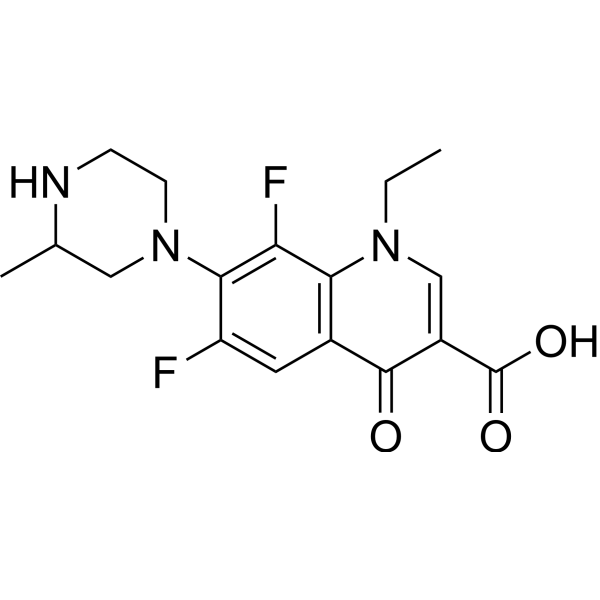
Lomefloxacin (SC47111A) is an orally active difluoroquinolone antibiotic. Lomefloxacin prevents DNA supercoiling and replication by inhibiting bacterial topoisomerase II. Lomefloxacin induces ROS production and Apoptosis. Lomefloxacin has broad-spectrum bactericidal activity against Gram-positive and Gram-negative bacteria. Lomefloxacin has anticancer effects against melanoma. Lomefloxacin can be used in the study of systemic bacterial infections (such as Salmonella typhimurium infections), skin and melanoma .
loading...
    loading...
Cat. No.: HY-P3302
CAS No.: 189035-43-6
Target:  

Bacterial

Research Areas:  

Infection

Sialylglycopeptide is an orally active glycopeptide found in egg yolk. Sialylglycopeptide inhibits the binding of Salmonella enteritidis and Escherichia coli to intestinal cells, and protects mice from Salmonella infection. Sialylglycopeptide can be used in the research of Salmonella infection .
loading...
    loading...

