
1. Search Result
Search Result
Results for "

Streptococcus pyogenes

" in MedChemExpress (MCE) Product Catalog:

46

Inhibitors & Agonists

1

Fluorescent Dye

1

Biochemical Assay Reagents

5

Peptides

7

Natural
Products

7

Recombinant Proteins

1

Oligonucleotides

1

GMP Molecules

Cat. No. Product Name Target Research Areas Chemical Structure
  • HY-E70069

    Others Others
    Endo-β-N-acetylglucosaminidase (Endo S2) is a key enzyme involved in the processing of free oligosaccharides in the cytosol. Endo-β-N-acetylglucosaminidase catalyzes hydrolysis of N-linked oligosaccharides .
    Endo S2, Streptococcus pyogenes
  • HY-B1190
    Cefadroxil
    5 Publications Verification

    BL-S 578

    Bacterial Antibiotic EAAT Infection Neurological Disease
    Cefadroxil is an orally active broad-spectrum cephalosporin antibiotic. Cefadroxil inhibits bacterial cell wall synthesis and enhances the expression of glutamate transporter-1. Cefadroxil is dependent on the intestinal peptide transporter PepT1 for small intestinal absorption. Cefadroxil has inhibitory and bactericidal activity against a variety of Gram-positive and Gram-negative bacteria and has analgesic effects on neuropathic pain .
    Cefadroxil
  • HY-B1256A
    Cefuroxime
    Maximum Cited Publications
    10 Publications Verification

    Kefurox

    Beta-lactamase Bacterial Antibiotic Infection Cancer
    Cefuroxime is an orally active second-generation cephalosporin antibiotic with increased stability to β-lactamase. Cefuroxime has a broad spectrum activity against Gram-positive and Gram-negative bacteria .
    Cefuroxime
  • HY-E70068

    Others Others
    Endo-β-N-acetylglucosaminidase (Endo S) is a family 18 glycosyl hydrolase secreted by Streptococcus pyogenes. Endo-β-N-acetylglucosaminidase (Endo S) exclusively hydrolyzes the β-1,4-di-N-acetylchitobiose core of the asparagine-linked complex-type glycan on Asn-297 of the γ-chains of IgG antibody .
    Endo-β-N-acetylglucosaminidase (Endo S)
  • HY-162457

    DNA/RNA Synthesis Infection
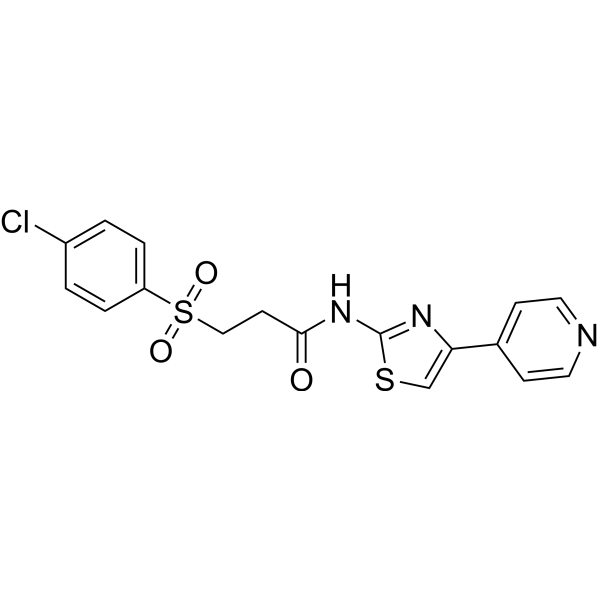
    Mn007 is a potent inhibitor of bovine pancreatic DNase I, with the IC50 of 45 μM, by forming molecular aggregation. Mn007 shows suppression of S. pyogenes growth in human whole blood .
    Mn007
  • HY-B1256
    Cefuroxime sodium
    Maximum Cited Publications
    10 Publications Verification

    Beta-lactamase Bacterial Antibiotic Infection Cancer
    Cefuroxime sodium is an orally active second-generation cephalosporin antibiotic with increased stability to β-lactamase. Cefuroxime sodium has a broad spectrum activity against Gram-positive and Gram-negative bacteria .
    Cefuroxime sodium
  • HY-P1698

    AB-103

    Bacterial CD28 Infection Inflammation/Immunology Cancer
    Reltecimod (AB-103) is a T-cell-specific surface glycoprotein CD28 (TP44) antagonist. Reltecimod has beneficial effects against different bacterial infections, their exotoxins and endotoxins, and ionizing radiation. Reltecimod modulates the inflammatory response by targeting and attenuating the critical CD28/B7-2 co-stimulatory pathway, without inhibiting it. Reltecimod can be used to research necrotizing soft-tissue infections (NSTIs) .
    Reltecimod
  • HY-P1883A

    Fluorescent Dye Infection
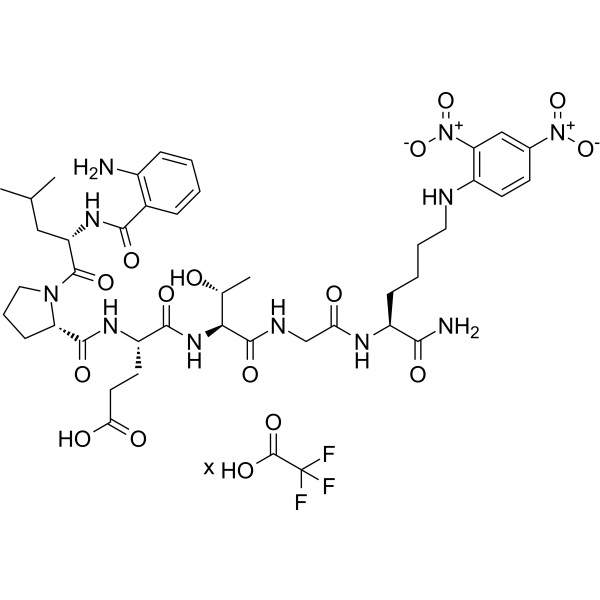
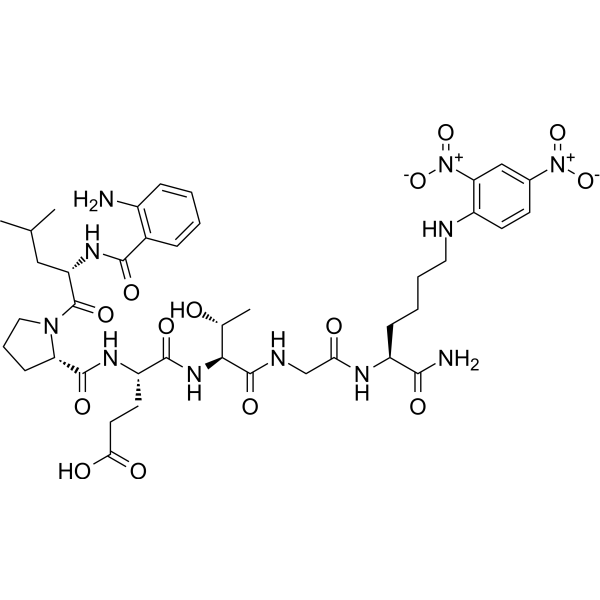
    Bacterial Sortase Substrate III, Abz/DNP TFA is a fluorescent peptide substrate. Bacterial Sortase Substrate III, Abz/DNP TFA undergoes cleavage catalyzed by Staphylococcus aureus sortase A (SrtAΔN24) and Streptococcus pyogenes sortase A (SrtAΔN81), and catalyzes the formation of an amide bond between the carboxyl group of threonine and the amino group of the cell wall cross-bridge. Cleavage of this substrate can be detected at Ex/Em=320 nm/420 nm .
    Bacterial Sortase Substrate III, Abz/DNP TFA
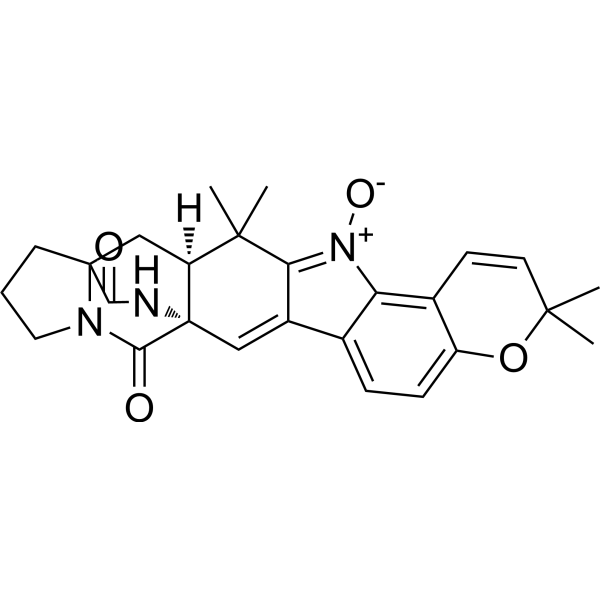
  • HY-N10264

    (+)-Avrainvillamide; CJ-17,665

    Antibiotic Infection Cancer
    Avrainvillamide ((+)-Avrainvillamide) is a naturally occurring alkaloid with antiproliferative effects, binds to the nuclear chaperone nucleophosmin, a proposed oncogenic protein that is overexpressed in many different human tumors. Avrainvillamide affects cell biology both by directly binding NPM1 and Crm1 as well as by inhibiting the association of these proteins with certain native cellular partners. Avrainvillamide, an antibiotic, inhibits growth of multi-agent resistant Staphylococcus aureus, Streptococcus pyogenes, and Enterococcus faecalis, with MICs of 12.5, 12.5 and 25 μg/ml, respectively .
    Avrainvillamide
  • HY-148730
    BRD7586
    1 Publications Verification

    Bacterial Cancer
    BRD7586 is a potent and selective Streptococcus pyogenes Cas9 (SpCas9) inhibitor. BRD7586 specifically engages SpCas9 but not Cas12a in cells and enhances SpCas9 specificity at multiple loci. BRD7586 inhibits SpCas9 at multiple genomic loci irrespective of the mode of SpCas9 delivery .
    BRD7586
  • HY-E70573

    Biochemical Assay Reagents Others
    Endo SH is a fusion protein of Endo S (from Streptococcus pyogenes) and Endo H (from Streptomyces plicatus), expressed in Escherichia coli. Endo SH can cleave the chitobiose core structure of high mannose, complex and some hybrid oligosaccharides in N-glycoproteins, remove N-linked high mannose in glycoproteins, and can completely replace Endo S and Endo H.
    Endo SH
  • HY-159688
    Cefditoren
    1 Publications Verification

    Antibiotic Bacterial Penicillin-binding protein (PBP) Interleukin Related Infection
    Cefditoren is a broad-spectrum oral active cephalosporin that acts as a penicillin-binding protein (PBP) inhibitor. Cefditoren binds to specific PBPs in Gram-positive and Gram-negative bacteria, thereby inhibiting cell wall synthesis. Cefditoren also reduces serum levels of the inflammatory biomarkers IL-6 and KL-6. Cefditoren can be used in research related to acute exacerbation of chronic bronchitis, pharyngitis-tonsillitis, uncomplicated skin and skin structure infections, respiratory tract infections, acute pyelonephritis, and enterococcal endocarditis .
    Cefditoren
  • HY-N13668

    Antibiotic Bacterial Infection
    Rhodomyrtone is an antibiotic that can be found in the leaves of Rhodomyrtus tomentosa. Rhodomyrtone kills Gram-positive bacterial cells without causing bacteriolysis. Rhodomyrtone exhibits activity against a variety of Gram-positive bacteria, including Bacillus cereus, Bacillus subtilis, Enterococcus faecalis, Staphylococcus epidermidis, Streptococcus gordonii, Streptococcus pneumoniae, Streptococcus pyogenes and Streptococcus salivarius. Rhodomyrtone is applicable to studies related to bacterial infections .
    Rhodomyrtone
  • HY-B0771A

    SCE-2787 hydrochloride

    Antibiotic Bacterial Penicillin-binding protein (PBP) Infection
    Cefozopran (SCE-2787) hydrochloride is a potent antibiotic with broad-spectrum antibacterial activity. Cefozopran hydrochloride binds PBPs, induces cell wall destruction, cell elongation, filamentation, irregular septa formation, and bactericidal, bacteriolytic activity. Cefozopran hydrochloride reduces bacterial counts and eradicates bacteria in mouse respiratory, urinary, and thigh muscle infections. Cefozopran hydrochloride can be used for the research of bacterial infections .
    Cefozopran hydrochloride
  • HY-136251

    Bacterial Infection
    BRD0539 is a Streptococcus pyogenes Cas9 (SpCas9) inhibitor with an IC50 of 22 μM in an in vitro DNA cleavage assay .
    BRD0539
  • HY-B1128A

    Cephamandole sodium

    Antibiotic Bacterial Infection
    Cefamandole (Cephamandole) sodium is a semi-synthetic second-generation cephalosporin antibiotic with broad-spectrum antimicrobial activity. Cefamandole sodium is resistant to hydrolysis by β-lactamases produced by some Gram-negative bacteria. Cefamandole sodium kills Gram-positive cocci and various Gram-negative bacilli mainly by inhibiting cell wall synthesis, but it is inactive against Pseudomonas, Proteus vulgaris and Providencia stuartii, and its efficacy is affected by inoculum size. The plasma elimination half-life of Cefamandole sodium in rats is only 0.4 h, it is mainly excreted in urine in biologically active form, and it hardly penetrates the non-inflamed blood-brain barrier. Cefamandole sodium is widely used in studies related to bacterial infections .
    Cefamandole sodium
  • HY-E70069GL

    Biochemical Assay Reagents Infection
    Endo S2, Streptococcus pyogenes (GMP Like) is Endo S2, Streptococcus pyogenes (HY-E70069) produced by using GMP like guidelines. Endo-β-N-acetylglucosaminidase (Endo S2) is a key enzyme involved in the processing of free oligosaccharides in the cytosol. Endo-β-N-acetylglucosaminidase catalyzes hydrolysis of N-linked oligosaccharides .
    Endo S2, Streptococcus pyogenes (GMP Like)
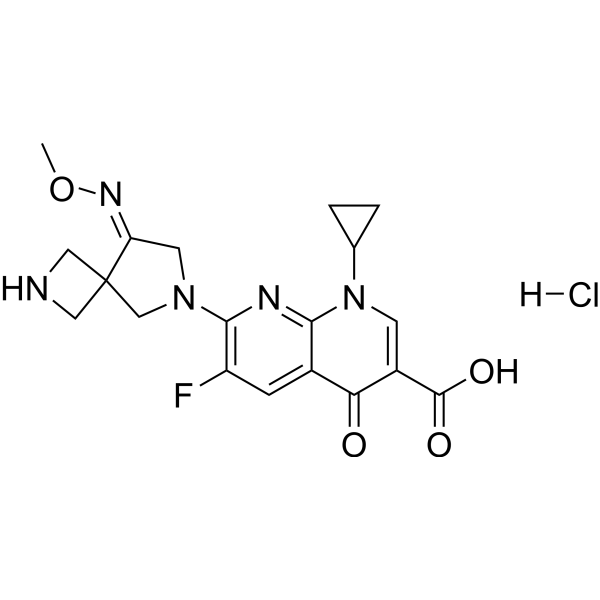
  • HY-106410A

    DW-224a

    Bacterial Topoisomerase Antibiotic Infection
    Zabofloxacin hydrochloride (DW-224a) is a potent and seletive inhibitor of the bacterial type II and IV topoisomerases. Zabofloxacin hydrochloride has excellent activity against gram-positive pathogens including Steptococcus aureus, Streptococcus pyogenes and S.pneumonia. Zabofloxacin hydrochloride is a novel fluoronaphthyridone quinolone that is considered as an alternative antibiotic for treatment of quinolone-susceptible (QSSP) and quinolone-resistant gonorrhea (QRSP) .
    Zabofloxacin hydrochloride
  • HY-116863

    Bacterial Infection
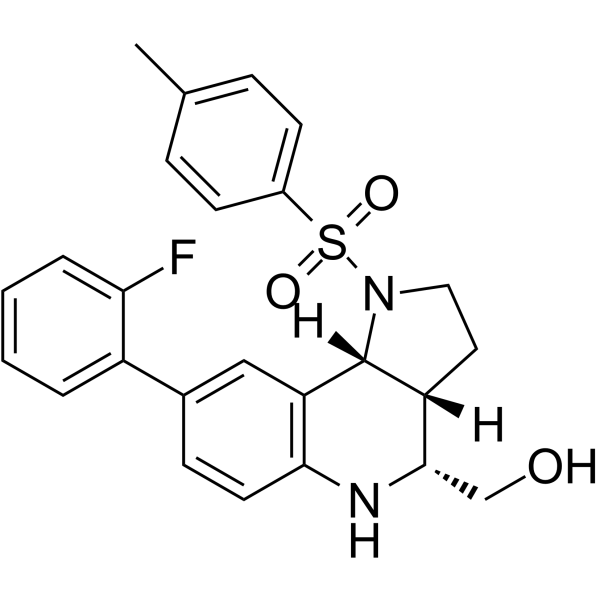
    KKL-40 is a small molecule inhibitor that targets the trans-transcription process and is effective against methicillin-sensitive and -resistant Staphylococcus aureus (S. aureus) as well as other Gram-positive pathogens including vancomycin-resistant Enterococcus faecium, Bacillus subtilis, and Streptococcus pyogenes. KKL-40 synergizes with the human antimicrobial peptide LL-37 to inhibit S. aureus, but does not synergize with other antibiotics such as daptomycin, kanamycin, or erythromycin. Trans-transcription is an extreme form of recoding, and KKL-40 inhibits trans-transcription but is nontoxic to HeLa cells .
    KKL-40
  • HY-B0771

    SCE-2787

    Antibiotic Bacterial Penicillin-binding protein (PBP) Infection
    Cefozopran (SCE-2787) is a potent antibiotic with broad-spectrum antibacterial activity. Cefozopran binds PBPs, induces cell wall destruction, cell elongation, filamentation, irregular septa formation, and bactericidal, bacteriolytic activity. Cefozopran reduces bacterial counts and eradicates bacteria in mouse respiratory, urinary, and thigh muscle infections. Cefozopran can be used for the research of bacterial infections .
    Cefozopran
  • HY-P1883

    Fluorescent Dye Infection
    Bacterial Sortase Substrate III, Abz/DNP is a fluorescent peptide substrate. Bacterial Sortase Substrate III, Abz/DNP undergoes cleavage catalyzed by Staphylococcus aureus sortase A (SrtAΔN24) and Streptococcus pyogenes sortase A (SrtAΔN81), and catalyzes the formation of an amide bond between the carboxyl group of threonine and the amino group of the cell wall cross-bridge. Cleavage of this substrate can be detected at Ex/Em=320 nm/420 nm .
    Bacterial Sortase Substrate III, Abz/DNP
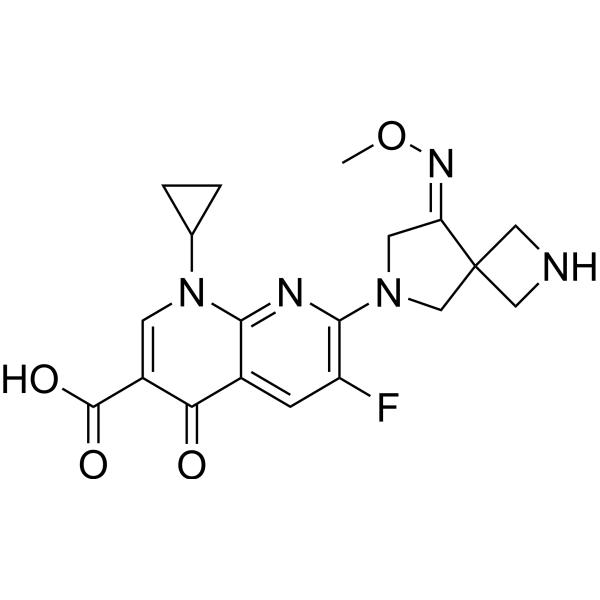
  • HY-106410

    DW-224a Free base

    Bacterial Topoisomerase Antibiotic Infection
    Zabofloxacin (DW-224a Free base) is a potent and seletive inhibitor of the bacterial type II and IV topoisomerases. Zabofloxacin has excellent activity against gram-positive pathogens including Steptococcus aureus, Streptococcus pyogenes and S.pneumonia. Zabofloxacin is a novel fluoronaphthyridone quinolone that is considered as an alternative antibiotic for treatment of quinolone-susceptible (QSSP) and quinolone-resistant gonorrhea (QRSP) .
    Zabofloxacin
  • HY-B1128

    Cephamandole

    Antibiotic Bacterial Infection
    Cefamandole (Cephamandole) is a semi-synthetic second-generation cephalosporin antibiotic with broad-spectrum antimicrobial activity. Cefamandole is resistant to hydrolysis by β-lactamases produced by some Gram-negative bacteria. Cefamandole kills Gram-positive cocci and various Gram-negative bacilli mainly by inhibiting cell wall synthesis, but it is inactive against Pseudomonas, Proteus vulgaris and Providencia stuartii, and its efficacy is affected by inoculum size. The plasma elimination half-life of Cefamandole in rats is only 0.4 h, it is mainly excreted in urine in biologically active form, and it hardly penetrates the non-inflamed blood-brain barrier. Cefamandole is widely used in studies related to bacterial infections .
    Cefamandole
  • HY-106526

    Bactacine; Nanbacine

    Bacterial Infection Inflammation/Immunology
    Xibornol (Bactacine) has strong antibacterial action against Streptococcus pneumoniae, Streptococcus pyogenes, and Staphyloccus aureus, as well as against Actinomyces israelii and Corynebacterium ulcerans. Xibornol has the potential for using for the antisepsis of the oral cavity and as adjuvant in pharyngeal infections caused by Gram-positive microorganisms .
    Xibornol
  • HY-E70218

    Others Others
    Cas9 Nuclease is cloned from wild-type Streptococcus pyogenes. Cas9 Nuclease can be used in the area of molecular diagnosis to achieve highly sensitive and specific detection of pathogens [1] .
    Cas9 Nuclease
  • HY-P3913

    Bacterial Infection
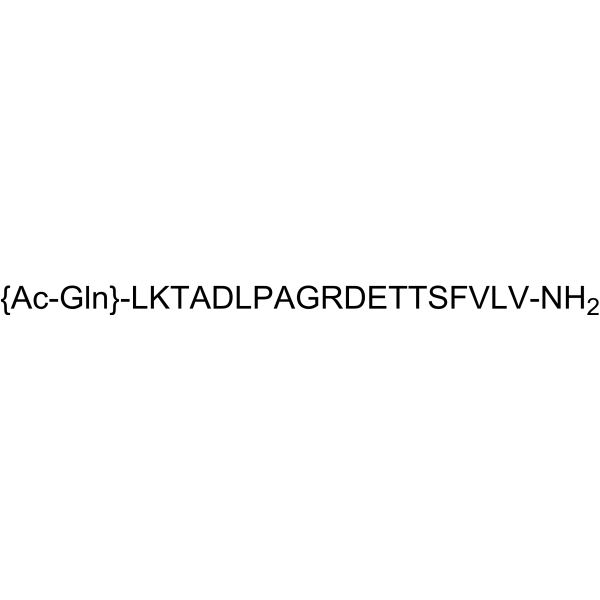
    Acetyl-Adhesin (1025-1044) amide is a 20-peptide fragment of Streptococcus pyogenes cell surface adhesin that acts as an antimicrobial peptide to specifically inhibit the binding of adhesin to salivary receptors and prevent recolonization of Streptococcus pyogenes .
    Acetyl-Adhesin (1025-1044) amide
  • HY-123216

    S-1090 free base

    Antibiotic Bacterial Infection
    Cefmatilen (S-1090) is an orally-active cephalosporin antibiotic that shows high activity against a variety of Gram-positive and Gram-negative bacteria, including Streptococcus pyogenes and Neisseria gonorrhoeae .
    Cefmatilen
  • HY-117845

    LL-E19085α

    Antibiotic Bacterial Infection
    Citreamicin alpha (LL-E 19085-alpha) is an antibiotic whose in vitro antimicrobial activity against 429 clinical isolates of Gram-positive cocci has been tested by the agar dilution method. These microorganisms included 313 strains of Staphylococci and 116 strains of Streptococci. The in vitro activity of Citreamicin alpha was compared with that of ampicillin, amoxicillin, ceftriaxone, erythromycin, and vancomycin. For Staphylococci, the MIC values of Citreamicin alpha ranged from 0.12-4.0 μg/ml, and for Streptococcus pyogenes of the genus Streptococcus, it was 0.03-0.12 μg/ml. However, enterococci were relatively resistant, requiring 2.0 μg/ml of the agent to inhibit 64% of the 62 tested strains. The in vitro activity of this antibiotic was much better than that of ampicillin, amoxicillin, ceftriaxone, and erythromycin, but comparable or slightly inferior to that of vancomycin.
    Citreamicin alpha
  • HY-121182

    Antibiotic Bacterial Infection
    Chalcomycin is a macrolide antibiotic, which exhibits antimicrobial activities against gram-positive Staphylococcus aureus and Streptococcus pyogenes. Chalcomycin protects mice from infection with a variety of staphylococci and streptococc, without significant toxicity (LD50 >2500 mg/kg) .
    Chalcomycin
  • HY-174499

    mRNA Others
    Cas9 Nickase D10A mRNA expresses a version of the Streptococcus pyogenes SF370 Cas9 protein (CRISPR Associated Protein 9) that contains a D10A amino acid substitution. This mRNA also contains a C-terminal nuclear localization signal followed by a HA tag.Cas9 functions as part of the CRISPR (clustered regularly interspaced short palindromic repeats) genome editing system. In the CRISPR system, an RNA guide sequence targets the site of interest and the Cas9 protein is employed to perform the DNA cleavage. While wild-type Cas9 creates a double-stranded break at the target site, Cas9 nickase creates a single-stranded break. This favors homology-directed repair and decreases the occurrence of non-homologous end joining.
    Cas9 Nickase D10A mRNA (5moU)
  • HY-161788

    DNA/RNA Synthesis Bacterial Infection
    DNA Gyrase-IN-11 (Compound 23Be) is an inhibitor for protein synthesis (IC50 is 0.74 μM) and DNA replication. DNA Gyrase-IN-11 inhibits DNA gyrase, that inhibits E. coli DNA supercoiling with IC50 of 11.9 μM. DNA Gyrase-IN-11 exhibits antibacterial efficacy, that inhibits Streptococcus pneumoniae, Streptococcus pyogenes, Haemophilus influenzae and Staphylococcus aureus, with MICs of 0.008-0.25 μg/mL .
    DNA Gyrase-IN-11
  • HY-105213

    MC-352

    Antibiotic Bacterial Infection
    YM-17K (MC-352) is a macrolide antibiotic. YM-17K exhibits antimicrobial activity against Gram-positive bacteria, Gram-negative bacteria, and anaerobic bacteria. YM-17K exhibits stable activity in serum and is less affected by pH values .
    YM-17K
  • HY-N14655

    Bacterial Infection
    Paulomenol A has the effect of anti-Gram-positive bacteria including Staphylococcus aureus, Streptococcus pyogenes, Streptococcus pneumoniae and so on .
    Paulomenol A
  • HY-173219

    Bacterial Infection
    SrtA-IN-1 (Compound T10) is an inhibitor of Streptococcus pyogenes sortase A (SpSrtA), with an IC50 value of 0.7 μM. SrtA-IN-1 can be used in the research of the anti-infection field .
    SrtA-IN-1
  • HY-106940

    Bacterial DNA/RNA Synthesis Infection
    DV-7751A is a new Fluoroquinolone and antibacterial agent. DV-7751A inhibits the supercoiling activity of DNA gyrases. DV-7751A exhibits antimicrobial activity against Streptococcus pneumonae, Streptococcus pyogenes, and Peptostreptococcus spp. DV-7751A has a rapid bactericidal effect against S. aureus, Escherichia coli, and P. aeruginosa .
    DV-7751A
  • HY-B1256AR

    Kefurox (Standard)

    Beta-lactamase Reference Standards Bacterial Antibiotic Infection Cancer
    Cefuroxime (Standard) is the analytical standard of Cefuroxime. This product is intended for research and analytical applications. Cefuroxime is an orally active second-generation cephalosporin antibiotic with increased stability to β-lactamase. Cefuroxime has a broad spectrum activity against Gram-positive and Gram-negative bacteria .
    Cefuroxime (Standard)
  • HY-B1256R

    Beta-lactamase Reference Standards Bacterial Antibiotic Infection
    Cefuroxime (sodium) (Standard) is the analytical standard of Cefuroxime (sodium). This product is intended for research and analytical applications. Cefuroxime sodium is an orally active second-generation cephalosporin antibiotic with increased stability to β-lactamase. Cefuroxime sodium has a broad spectrum activity against Gram-positive and Gram-negative bacteria .
    Cefuroxime sodium (Standard)
  • HY-P1698B

    AB-103 TFA

    Bacterial CD28 Infection Inflammation/Immunology Cancer
    Reltecimod (AB-103) TFA is a T-cell-specific surface glycoprotein CD28 (TP44) antagonist. Reltecimod TFA has beneficial effects against different bacterial infections, their exotoxins and endotoxins, and ionizing radiation. Reltecimod TFA modulates the inflammatory response by targeting and attenuating the critical CD28/B7-2 co-stimulatory pathway, without inhibiting it. Reltecimod TFA can be used to research necrotizing soft-tissue infections (NSTIs) .
    Reltecimod TFA
  • HY-N11415

    Antibiotic Bacterial Infection
    Aurachin SS is a nature product that could be isolated from Streptomyces sp. NA04227. Aurachin SS is an antibiotic and has antibacterial activity .
    Aurachin SS
  • HY-43806

    Fungal Bacterial Infection
    Antifungal agent 143 is potent antifungal agent which also exihibits antibacterial activity. Antifungal agent 143 inhibits growth of Candida albicans and Aspergillus niger, Escherichia coli, Pseudomonas aeruginosa, Staphylococcus aureus, and Streptococcus pyogenes. Antifungal agent 143 can be used for antimicrobial research .
    Antifungal agent 143
  • HY-N14656

    Bacterial Infection
    Paulomenol B has the effect of anti-Gram-positive bacteria including Staphylococcus aureus, Streptococcus pyogenes, Streptococcus pneumoniae and so on .
    Paulomenol B
  • HY-106911

    GV 118819X

    Antibiotic Bacterial Infection
    Sanfetrinem cilexetil (GV 118819X), a prodrug of Sanfetrinem (HY-106922), is an orally active antibiotic. Sanfetrinem cilexetil shows potent efficacy against experimental murine septicemia caused by Staphylococcus aureus, Streptococcus pyogenes, and Escherichia coli and against murine respiratory infections caused by Streptococcus pneumoniae .
    Sanfetrinem cilexetil
  • HY-106410AR

    DW-224a (Standard)

    Reference Standards Bacterial Topoisomerase Antibiotic Infection
    Zabofloxacin hydrochloride (Standard) is the analytical standard of Zabofloxacin hydrochloride (HY-106410A). This product is intended for research and analytical applications. Zabofloxacin hydrochloride (DW-224a) is a potent and seletive inhibitor of the bacterial type II and IV topoisomerases. Zabofloxacin hydrochloride has excellent activity against gram-positive pathogens including Steptococcus aureus, Streptococcus pyogenes and S.pneumonia. Zabofloxacin hydrochloride is a novel fluoronaphthyridone quinolone that is considered as an alternative antibiotic for treatment of quinolone-susceptible (QSSP) and quinolone-resistant gonorrhea (QRSP) .
    Zabofloxacin hydrochloride (Standard)
  • HY-105560

    Bacterial Beta-lactamase Infection
    Cefcanel is an orally active cephalosporin and antibacterial agent. Cefcanel inhibits growth of methicillin-susceptible Staphylococcus aureus, methicillin-susceptible Staphylococcus epidermidis, Haemophilus influenzae, Moraxella catarrhalis. Cefcanel acts as a substrate hydrolyzed by TEM-1, TEM-3, and Moraxella Bro-1 beta-lactamases .
    Cefcanel
  • HY-119555

    Bacterial Infection
    Nifurpipone is an orally active broad-spectrum antimicrobial agent. Nifurpipone acts against Gram-positive and Gram-negative bacteria, and reduces bacterial loads in systemic, intramuscular and urinary tract infections in mouse models. Nifurpipone can be used in studies related to bacterial infections .
    Nifurpipone
  • HY-W740077

    SCE-2787 dihydrochloride

    Antibiotic Bacterial Penicillin-binding protein (PBP) Infection
    Cefozopran (SCE-2787) dihydrochloride is a potent antibiotic with broad-spectrum antibacterial activity. Cefozopran dihydrochloride binds PBPs, induces cell wall destruction, cell elongation, filamentation, irregular septa formation, and bactericidal, bacteriolytic activity. Cefozopran dihydrochloride reduces bacterial counts and eradicates bacteria in mouse respiratory, urinary, and thigh muscle infections. Cefozopran dihydrochloride can be used for the research of bacterial infections .
    Cefozopran dihydrochloride

Inquiry Online

Your information is safe with us. * Required Fields.

Salutation


Country or Region *

Applicant Name *


Organization Name *

Department *


Email Address *


Product Name *

Cat. No.


Requested quantity *

Phone Number *


Remarks

Inquiry Online

Inquiry Information

Product Name:
Cat. No.:
Quantity:
MCE Japan Authorized Agent:

