48 Results for "

TASK

" in MedChemExpress (MCE) Product Catalog:
Products (48)

48 Results for "TASK" in MCE Product Catalog:

11
11 Publications Verification
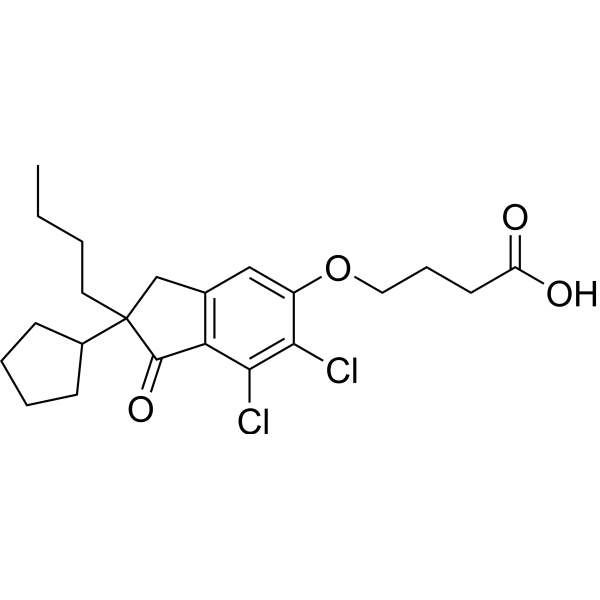
Cat. No.: HY-103371
CAS No.: 82749-70-0
Purity:  99.83%
Research Areas:  

Neurological Disease

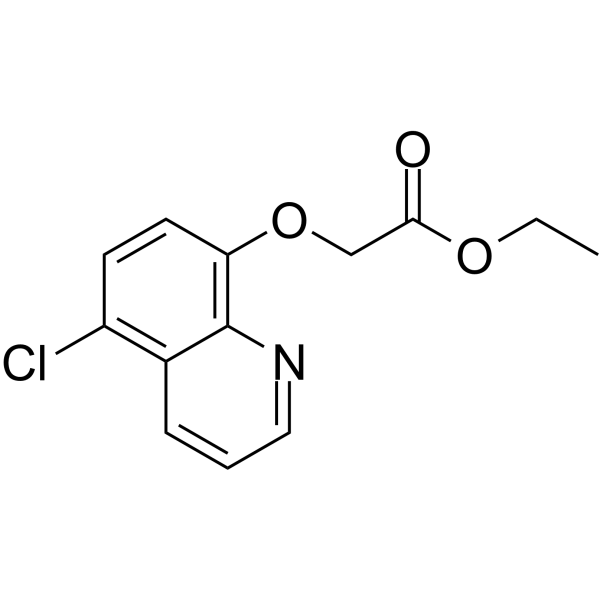
DCPIB is a selective, reversible and potent inhibitor of volume-regulated anion channels (VRAC). DCPIB voltage-dependently activates potassium channels TREK1 and TRAAK, and inhibits TRESK, TASK1 and TASK3 (IC50s: 0.14, 0.95, 50.72 μM, respectively). DCPIB is also a selective blocker of swelling-induced chloride current (ICl,swell), with an IC50 of 4.1 μM. DCPIB is a useful tool for investigating structure-function studies of K2P channels .
loading...
    loading...
6
6 Cited Publications
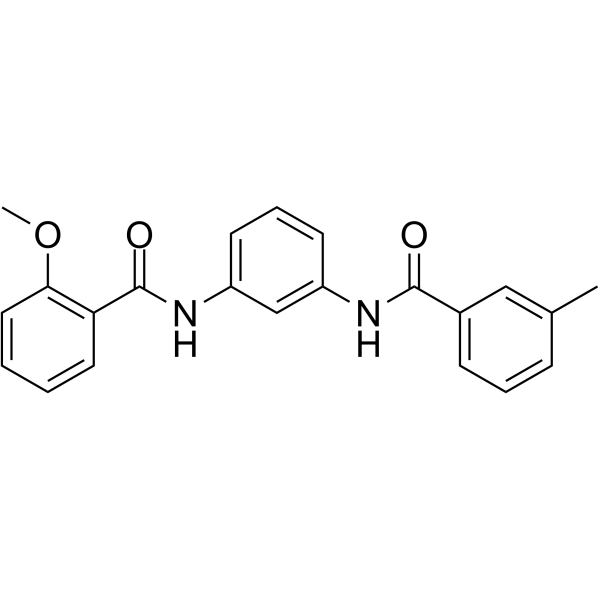
Cat. No.: HY-12345
CAS No.: 947914-18-3
Purity:  98.62%
Target:  

Potassium Channel

Research Areas:  

Cardiovascular Disease

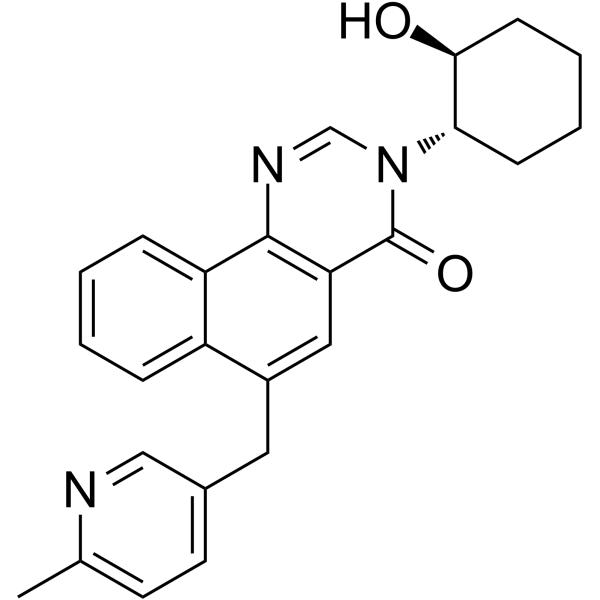
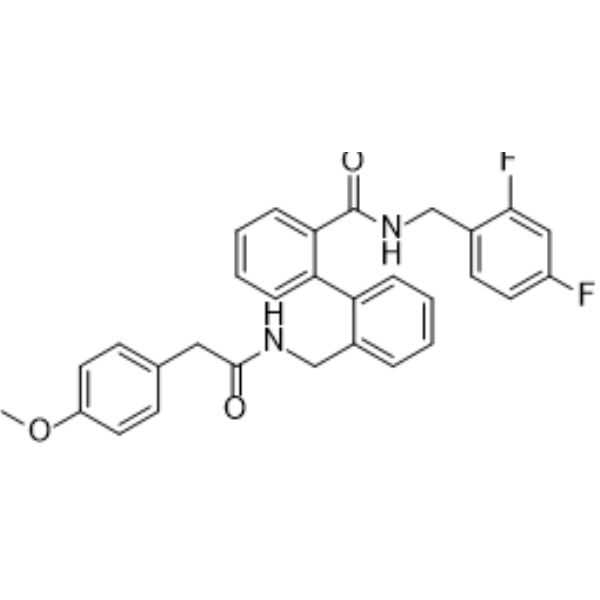
ML365 is a selective two-pore domain potassium channel KCNK3/TASK1 inhibitor, with an IC50 of 4 nM. ML365 acts as a pharmacological tool that can be used to examine the specific roles of TASK1 channels .
loading...
    loading...
2
2 Cited Publications
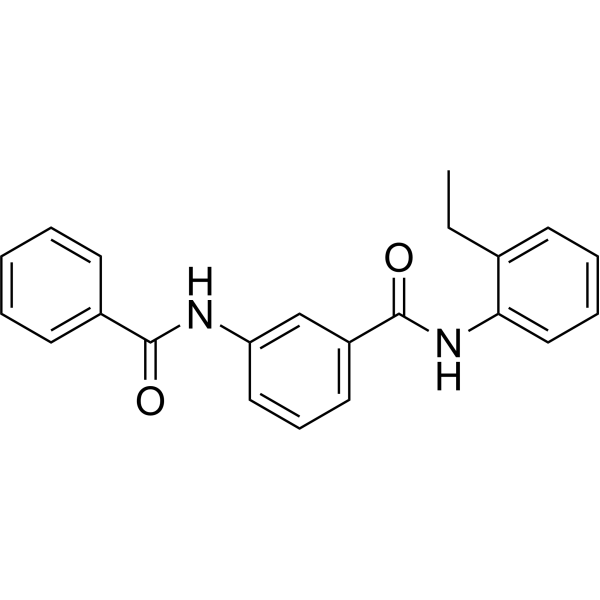
Cat. No.: HY-151891
CAS No.: 600125-11-9
Purity:  98.36%
Target:  

Potassium Channel

Research Areas:  

Cancer

TASK-1-IN-1 is a potent and selective TASK-1 (Potassium Channel) inhibitor with an IC50 of 148 nM. TASK-1-IN-1 shows a reduced inhibition of TASK-3 channels (IC50 of 1750 nM) and not a significant effect on other K+ channels. TASK-1-IN-1 has anticancer effects.
loading...
    loading...
1
1 Cited Publications
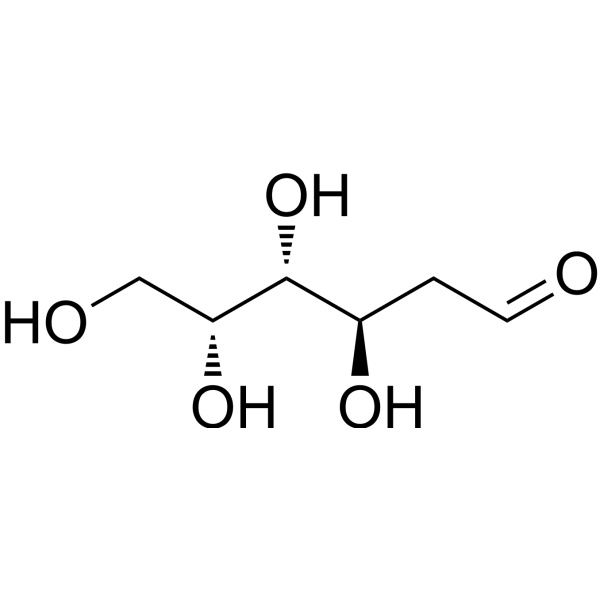
Cat. No.: HY-131892
CAS No.: 1949-89-9
Purity:  99.90%
Target:  

Endogenous Metabolite

Research Areas:  

Metabolic Disease Cancer

2-Deoxy-D-galactose is a glucose analog. 2-Deoxy-D-galactose inhibits glycolysis to inhibits tumor growth. 2-Deoxy-D-galactose is a substance interfering with the fucosylation of glycomacromolecules and impairing memory consolidation in various learning tasks. 2-Deoxy-d-galactose hinders glycoprotein fucosylation in vivo .
loading...
    loading...
1
1 Cited Publications
Cat. No.: HY-122815
CAS No.: 20108-30-9
Synonyms: Fusicoccin A
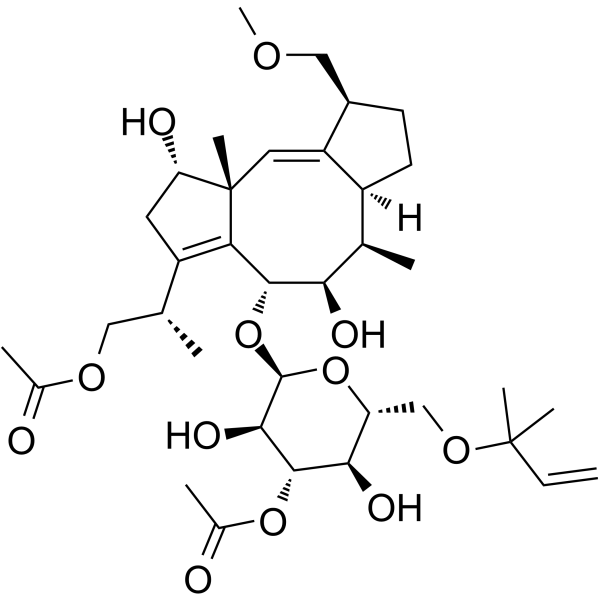
Fusicoccin (Fusicoccin A), a fungal pytotoxin, is a stabilizer of specific 14-3-3 protein-protein interactions. Fusicoccin sabilizes H +-ATPase/14-3-3 cmplex in pants, maintaining the enzyme in activated state. Fusicoccin also stabilizes 14-3-3 protein interactions with binding partners containing a C-terminal 14-3-3 recognition motif (a mode 3 motif), such as ERα, GPIbα, TASK3, CTFR, and p53. Fusicoccin induces apoptosis in cancer cells and has anticancer activity .
loading...
    loading...
Cat. No.: HY-B0551
CAS No.: 309-29-5
Target:  

Potassium Channel

Research Areas:  

Neurological Disease

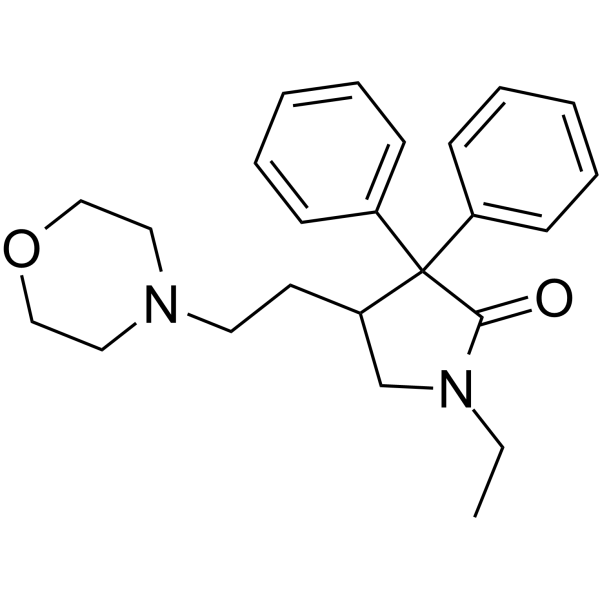
Doxapram is a respiratory stimulant. Doxapram increases breathing rate and depth by acting on the brain's respiratory centers and peripheral chemoreceptors. Doxapram inhibits TASK-1, TASK-3, TASK-1/TASK-3 heterodimeric channel function with EC50s of 410 nM, 37 μM, 9 μM, respectively. Doxapram inhibits the Ca²⁺-activated potassium current (IC50 ≈ 13 μM) and Ca²⁺-independent potassium current (IC50 ≈ 20 μM) in type I cells of the carotid body. Doxapram significantly prolongs the effective refractory period of the atrium and has an anti-arrhythmic effect. Doxapram can be used for the study of respiratory depression such as post-anesthesia respiratory depression, chronic obstructive pulmonary disease and apnea of prematurity .
loading...
    loading...
Cat. No.: HY-B0551A
CAS No.: 7081-53-0
Target:  

Potassium Channel

Research Areas:  

Neurological Disease

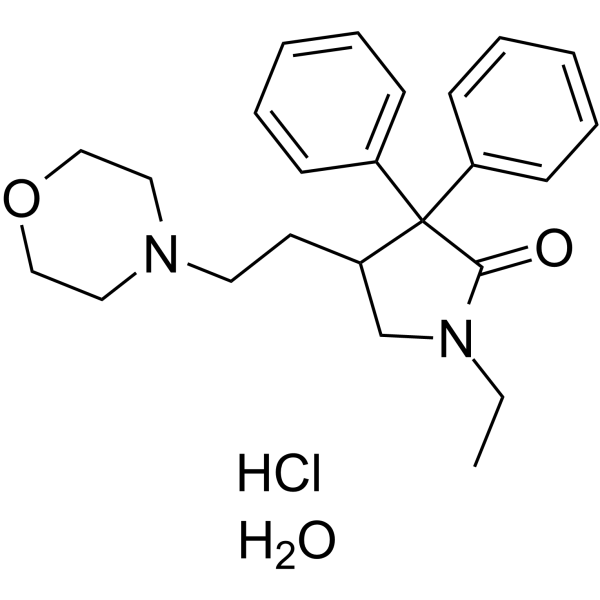
Doxapram hydrochloride hydrate is a respiratory stimulant. Doxapram hydrochloride hydrate increases breathing rate and depth by acting on the brain's respiratory centers and peripheral chemoreceptors. Doxapram hydrochloride hydrate inhibits TASK-1, TASK-3, TASK-1/TASK-3 heterodimeric channel function with EC50s of 410 nM, 37 μM, 9 μM, respectively. Doxapram hydrochloride hydrate inhibits the Ca²⁺-activated potassium current (IC50 ≈ 13 μM) and Ca²⁺-independent potassium current (IC50 ≈ 20 μM) in type I cells of the carotid body. Doxapram hydrochloride hydrate significantly prolongs the effective refractory period of the atrium and has an anti-arrhythmic effect. Doxapram hydrochloride hydrate can be used for the study of respiratory depression such as post-anesthesia respiratory depression, chronic obstructive pulmonary disease and apnea of prematurity .
loading...
    loading...
Cat. No.: HY-15618
CAS No.: 1227923-29-6
Purity:  99.89%
Synonyms: M1 receptor modulator
Target:  

mAChR Calcium Channel

Research Areas:  

Neurological Disease

MK-7622 (M1 receptor modulator) is an orally active positive allosteric modulator of muscarinic M1 acetylcholine receptors (mAChRs). MK-7622 enhances ACh-induced calcium flux in CHO cells expressing human M1 receptors (EC50 = 21 nM) and shows robust agonist activity in rat M1-expressing CHO cells, increasing intracellular calcium. MK-7622 reverses Scopolamine (HY-N0296)-induced cognitive deficits in rhesus macaques in an object retrieval detour task. MK-7622 can be used for the study of Alzheimer's disease (AD) .
loading...
    loading...
Cat. No.: HY-137563
CAS No.: 88349-90-0
Purity:  98.50%
Target:  

Potassium Channel

Research Areas:  

Neurological Disease

A2793 is an efficient dual TWIK-related acid-sensitive K + channel (TASK)-1/TRESK inhibitor, with an IC50 of 6.8 μM for mTRESK. A2764 is more selective for TRESK, and it only moderately influences TREK-1 and TALK-1 .
loading...
    loading...
Cat. No.: HY-W013712
CAS No.: 69563-88-8
Target:  

Potassium Channel

Research Areas:  

Neurological Disease

GI-530159 is a selective opener of TREK1 and TREK2 potassium channels. GI-530159 displays selectivity for TREK1/2 over TRAAK, TASK3 and other potassium channels, with an EC50 of 0.76 μM for TREK1. GI-530159 reduces rat dorsal root ganglion neuron excitability and shows potential analgesic effect .
loading...
    loading...
Cat. No.: HY-110184
CAS No.: 1332454-07-5
Purity:  ≥99.0%
Target:  

Potassium Channel

Research Areas:  

Neurological Disease

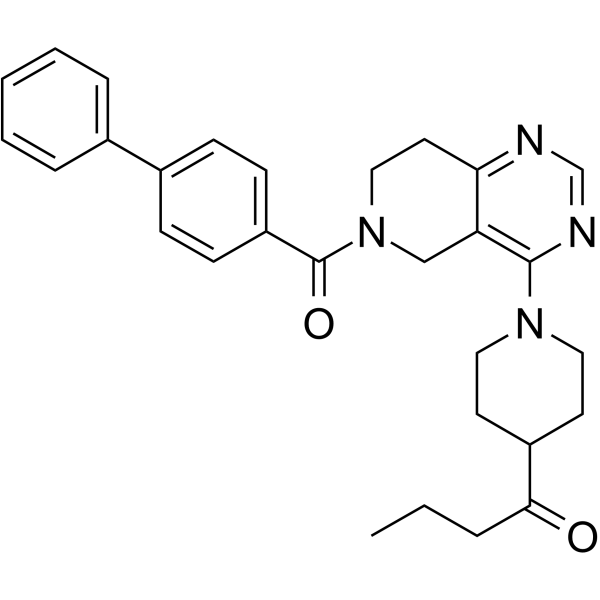
PK-THPP is a potent and brain-penetrant TWIK-related acid-sensitive K + ion channel (K2P9.1 or TASK-3) blocker with IC50s of 35 nM and 300 nM for TASK-3 and TASK-1, respectively. PK-THPP shows no or less activity against other K + channels. PK-THPP is an effective breathing stimulant and can be used for the study of breathing disorders .
loading...
    loading...
Cat. No.: HY-14826
CAS No.: 166741-91-9
Synonyms: AVE8112
Research Areas:  

Neurological Disease

Tilivapram (AVE8112) is an orally active PDE4 inhibitor with procognitive effects. Tilivapram exhibits in vivo efficacy and improves processing speed and psychomotor speed. Oral administration of tilivapram may induce dose-related adverse reactions such as nausea and dizziness, but transdermal delivery enables slow, controlled elevation of plasma concentrations, thereby significantly reducing gastrointestinal discomfort and dizziness. Tilivapram is applicable to research related to neuropsychiatric disorders .
loading...
    loading...
Cat. No.: HY-139064
CAS No.: 524033-40-7
Purity:  99.98%
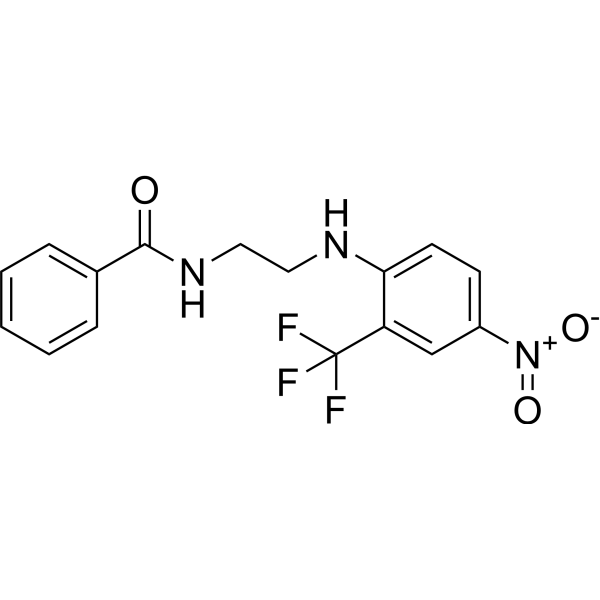
NPBA, a potassium K2P channel TASK-3 (KCNK9) agonist, is a tandem pore domain weak inward rectifying K + channel (TWIK2) channel blocker. NPBA suppresses NLRP3 inflammasome activation in macrophages .
loading...
    loading...
Cat. No.: HY-126486
CAS No.: 767334-89-4
Purity:  98.61%
Synonyms: A293
Target:  

Potassium Channel

Research Areas:  

Cardiovascular Disease

AVE1231 (A293) is a dual-pore potassium channel TASK-1 inhibitor. AVE1231 blocks carbamoylcholine chloride (HY-B1208)-activated IKACh (IC50=8.4 μM). AVE1231 can be used in the study of arrhythmias and atrial fibrillation .
loading...
    loading...
Cat. No.: HY-172182
CAS No.: 2230296-66-7
Synonyms: VU6011887
Target:  

Potassium Channel

Research Areas:  

Neurological Disease

ONO-2920632 is an orally active and central nervous system (CNS)-penetrant TREK activator, with EC50 values of 0.3 µM and 2.8 μM for TREK-1 and TREK-2, respectively. ONO-2920632 exhibits selectivity for other K2P channels (>91-fold selective versus TASK1, TASK2, TASK3, TRAAK, and TWIK2; 31-fold selective versus TRESK). ONO-2920632 possesses analgesic effects and can be used in research on pain, migraine, and neurological disorders.
loading...
    loading...
Cat. No.: HY-103067
CAS No.: 498577-46-1
Purity:  99.72%
Synonyms: S20951
A1899 is a potent and highly selective blocker of the K2P channel TASK-1. A1899 has IC50 values of 35.1 nM and 7 nM for TASK-1 channels expressed in oocytes and CHO cells, respectively. A1899 is also an IKur blocker that can be used for the research of cardiovascular diseases .
loading...
    loading...
Cat. No.: HY-128174
CAS No.: 69954-48-9
Synonyms: Beta-CCM; Ro 22-7497
Target:  

GABA Receptor

Research Areas:  

Neurological Disease

β-CCM is a benzodiazepine receptor inverse agonist with anxiogenic and proconvulsant effects. β-CCM enhances emotional reactivity and reduces vulnerability to interference in spatial working memory tasks. β-CCM can be used for research on anxiety-related disorders .
loading...
    loading...
Cat. No.: HY-100782
CAS No.: 85797-13-3
Synonyms: 2-APH; 2-Amino-7-phosphonoheptanoic acid
Target:  

iGluR

Research Areas:  

Neurological Disease

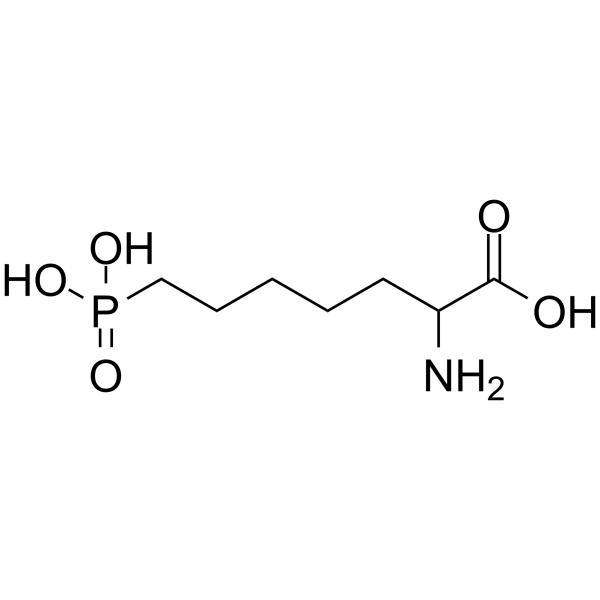
DL-AP7 is a competitive NMDA antagonist and an anticonvulsant. DL-AP7 blocks the NMDA-induced convulsions and impairs learning performance in a passive avoidance task in mice .
loading...
    loading...
Cat. No.: HY-153369
CAS No.: 1609342-18-8
Synonyms: BAY 1165747
BAY-747 (BAY 1165747) is an orally active and brain-penetrant stimulator of soluble guanylate cyclase (sGC). BAY-747 reverses L-NAME induced memory impairments and enhances cognition of rats in the object location task (OLT). BAY-747 also decreases blood pressure in both conscious normotensive and spontaneously hypertensive rats (SHR). BAY-747 improves function of the skeletal muscle associated with Duchenne muscular dystrophy (DMD) in mdx/mTRG2 mice model .
loading...
    loading...
Cat. No.: HY-168166
CAS No.: 2489231-47-0
Target:  

Endogenous Metabolite

Research Areas:  

Neurological Disease

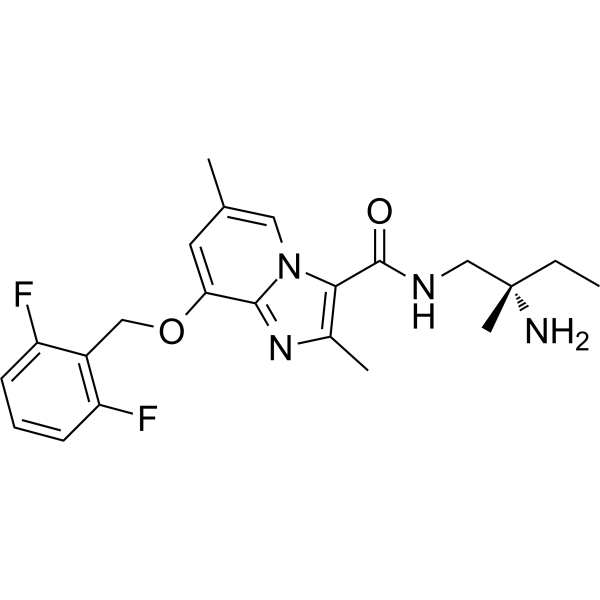
CHET3 is a sex-selective activator with potent analgesic activity. CHET3 was discovered to be a highly selective omnidirectional modulator of TASK-3-containing K2P channels, including TASK-3 homologues and TASK-3/TASK-1 heterologues. CHET3 exhibited significant analgesic effects in multiple acute and chronic pain models in mice, which could be abolished by pharmacological means or genetic knockout of TASK-3. CHET3 is able to functionally modulate the membrane excitability of specific small sensory neurons, which supports its analgesic effects on thermal hypersensitivity and mechanical hyperalgesia in chronic pain .
loading...
    loading...

