



1. Search Result
Search Result
Results for "

TH

" in MedChemExpress (MCE) Product Catalog:

306

Inhibitors & Agonists

1

Screening Libraries

3

Fluorescent Dye

12

Biochemical Assay Reagents

37

Peptides

21

Inhibitory Antibodies

45

Natural
Products

6

Recombinant Proteins

11

Isotope-Labeled Compounds

5

Antibodies

4

Click Chemistry

28

Oligonucleotides

Targets Recommended:
Cat. No. Product Name Target Research Areas Chemical Structure
  • HY-100754
    Ritlecitinib
    5+ Cited Publications

    PF-06651600

    JAK Interleukin Related STAT Inflammation/Immunology
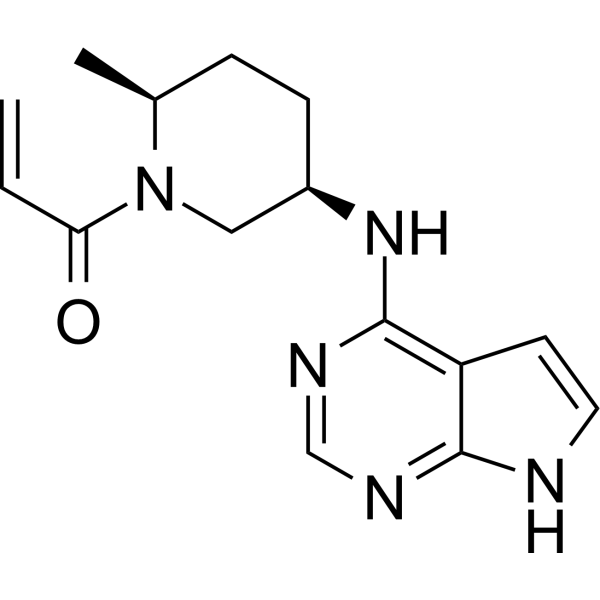
    Ritlecitinib (PF-06651600) is a highly selective, orally active, irreversible covalent JAK3 inhibitor (IC50=33 nM) without inhibitory activity towards JAK1, JAK2, and TYK2 (IC50 >10 μ M). Ritlecitinib rapidly inactivates the JAK3 kinase, and blocks signaling and downstream STAT phosphorylation mediated by common gamma chain cytokines such as IL-2 and IL-15. Ritlecitinib can inhibit Th1/Th17 cell differentiation and function, and effectively suppress preclinical animal models such as alopecia areata, adjuvant-induced arthritis (AIA), and experimental autoimmune encephalomyelitis (EAE) .
    Ritlecitinib
  • HY-126360

    TNF Receptor Interleukin Related Inflammation/Immunology
    Oxazolone is a haptenizing agent that induces acute or chronic inflammation of the large intestine and is used to construct models of colitis. Oxazolone can cause Th1/Th2-dependent colitis with weight loss and diarrhea. Oxazolone-induced inflammation can be mitigated by neutralizing anti-IL-4 or anti-TNF-α antibodies or decoy IL-13R2-α-FC proteins .
    Oxazolone
  • HY-147313
    TH10785
    2 Publications Verification

    DNA/RNA Synthesis Metabolic Disease Cancer
    TH10785 is a DNA glycosylase 1 (OGG1) activator, TH10785 can interact with the phenylalanine-319 and glycine-42 amino acids of OGG1 and increase the enzyme activity, generates β, δ-lyase enzymatic function. TH10785 can control the catalytic activity mediated by a nitrogen base within its molecular structure. TH10785 can be used for the research of various diseases and aging connected with DNA oxidative lesions .
    TH10785
  • HY-N2279
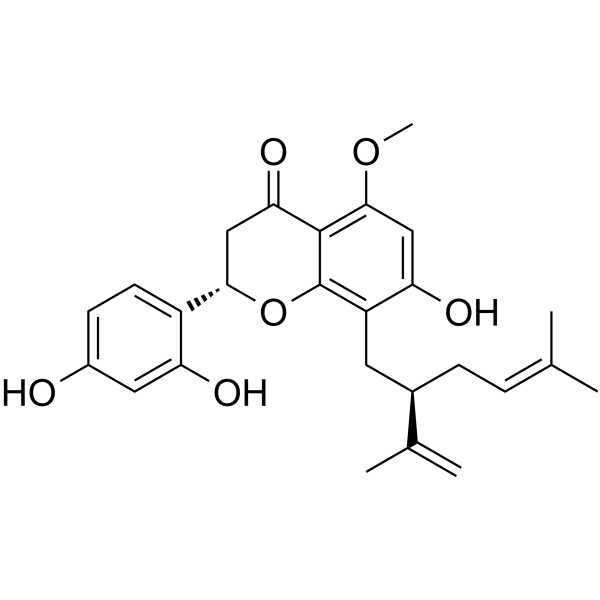
    Kurarinone
    5 Publications Verification

    Eukaryotic Initiation Factor (eIF) Inflammation/Immunology Cancer
    Kurarinone is an orally active flavonoid isolated from matrine that inhibits the pathogenesis of experimental autoimmune encephalomyelitis by inhibiting cell differentiation of Th1 and Th17. Kurarinone has antitumor and anti-inflammatory activity .
    Kurarinone
  • HY-P99396

    BI 655130

    Interleukin Related Inflammation/Immunology
    Spesolimab (BI 655130) is a mouse-derived humanized IgG1k antibody against IL-36R. IL-36 plays an important role in the immune system and Spesolimab is being investigated in palmoplantar pustulosis (PPP). Spesolimab was associated with a reduction in biomarkers associated with the innate, Th1/Th17 and neutrophil pathways .
    Spesolimab
  • HY-116961
    TH1020
    10+ Cited Publications

    Toll-like Receptor (TLR) Bacterial Infection Inflammation/Immunology
    TH1020 is a potent and selective toll-like receptor 5 (TLR5)/flagellin complex antagonist with an IC50 of 0.85 μM. TH1020 inhbits flagellin-induced TLR5 signaling. TH1020 is inactive against TLR2, TLR3, TLR4, TLR7 and TLR8 .
    TH1020
  • HY-10535
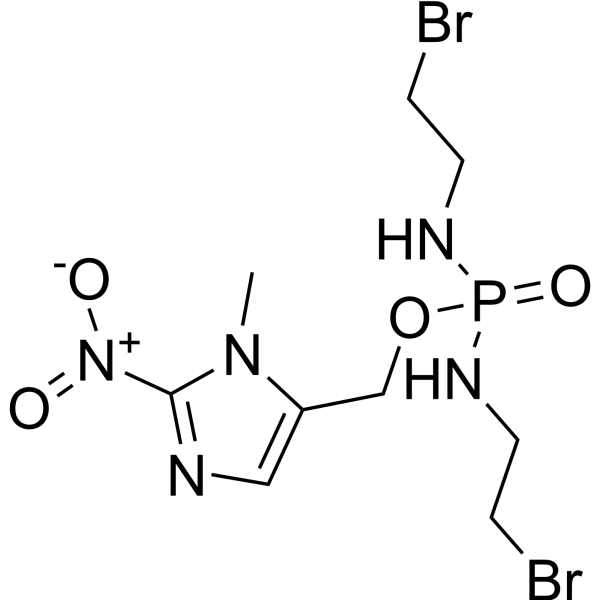
    Evofosfamide
    5+ Cited Publications

    TH-302

    Apoptosis Cancer
    Evofosfamide (TH-302) is a hypoxia-activated proagent with IC50 of 10 μM and 1000 μM in hypoxia (N2) and normoxia (21% O2), respectively.
    Evofosfamide
  • HY-B0976

    TH-1165; Phenoterol

    Adrenergic Receptor Inflammation/Immunology Endocrinology
    Fenoterol (Th-1165), a sympathomimetic agent, is a selective and orally active β2-adrenoceptor agonist. Fenoterol is an effective bronchodilator and can be used for bronchospasm associated with asthma, bronchitis and other obstructive airway diseases research .
    Fenoterol
  • HY-B0976A

    TH-1165a; Phenoterol hydrobromide

    Adrenergic Receptor Inflammation/Immunology Endocrinology
    Fenoterol hydrobromide (Th-1165a), a sympathomimetic agent, is a selective and orally active β2-adrenoceptor agonist. Fenoterol hydrobromide is an effective bronchodilator and can be used for bronchospasm associated with asthma, bronchitis and other obstructive airway diseases research .
    Fenoterol hydrobromide
  • HY-107916
    Thyrotropin
    1 Publications Verification

    TSH; Pretiron

    TSH Receptor PKC Apoptosis Metabolic Disease Inflammation/Immunology Endocrinology Cancer
    Thyrotropin (TSH, Pretiron) is a thyroid-stimulating hormone produced by thyrotrope cells in the anterior pituitary gland. Thyrotropin regulates the endocrine function of the thyroid. Thyrotropin induces transcriptional regulation of TH-gatekeeper genes in tanycytes through the Tshr/Gαq/PKC pathway. Thyrotropin prevents Apoptosis. Thyrotropin has an association of low levels with increased bone remodeling, reduced bone mass and a high fracture risk in mice. Thyrotropin is promising for research of skeletal remodeling, hyperthyroidism .
    Thyrotropin
  • HY-150168

    Bacterial Infection
    TH-Z145, a lipophilic bisphosphonate, is a FPPS inhibitor (IC50: 210 nM) .
    TH-Z145
  • HY-12814
    TH588
    2 Publications Verification

    DNA/RNA Synthesis Cancer
    TH588 is first-in-class nudix hydrolase family inhibitor that potently and selectively engage and inhibit the MTH1 (IC50= 5 nM).
    TH588
  • HY-W010520

    Environmental Pollutants MMP Bacterial Fungal Apoptosis Infection Inflammation/Immunology
    Methylothiazolinone is a bacterial and fungal inhibitor and preservative, as well as a sensitizer. Methylisothiazolinone can activate matrix metalloproteinases (MMPs) in human bronchial epithelial cells to induce apoptosis and inflammatory response. Methylisothiazolinone can promote the development of atopic dermatitis in mice by disrupting Th2/Th17 related immune responses. Methylisothiazolinone can cause mitochondrial damage in the endothelium of rat cerebral blood vessels .
    Methylisothiazolinone
  • HY-112137

    Caspase Interleukin Related MyD88 Inflammation/Immunology
    Trehalose-6,6'-dibehenate is an orally active glycolipid. Trehalose-6,6'-dibehenate activates Mincle and inflammasome, inducing IL-1β secretion in a caspase activity-dependent manner. Trehalose-6,6'-dibehenate exerts a Myd88-dependent adjuvant activity. Trehalose-6,6'-dibehenate induces Th-1/Th-17 immune responses .
    Trehalose-6,6'-dibehenate
  • HY-N4084

    Apoptosis Cancer
    Thonningianin A, an ellagitannin, is isolated from the methanolic extract of the African medicinal herb, Thonningia sanguinea. The antioxidant properties of Th A involve radical scavenging, anti-superoxide formation and metal chelation. Anti-cancer activities .
    Thonningianin A
  • HY-123604
    TH1834
    3 Publications Verification

    Histone Acetyltransferase Apoptosis Cancer
    TH1834 is a specific Tip60 (KAT5) histone acetyltransferase (HAT) inhibitor. TH1834 induces apoptosis and increases DNA damage in breast cancer. TH1834 does not affect the activity of related histone acetyltransferase MOF. Anticancer activity .
    TH1834
  • HY-155950

    Methylenetetrahydrofolate Dehydrogenase (MTHFD) Apoptosis Cancer
    TH9619 is a potent inhibitor of dehydrogenase and cyclohydrolase activities in both MTHFD1 and MTHFD2 with a IC50 value of 47 nM, and selectively kills cancer cells. TH9619 induces apoptosis by blocking the S phase. TH9619 has antitumor activity .
    TH9619
  • HY-125209

    DNA/RNA Synthesis Cancer
    TH5427 is a promising, targeted inhibitor that can be used to further study NUDT5 activity and ADP-ribose metabolism. TH5427, blocks progestin-dependent, PAR-derived nuclear ATP synthesis and subsequent chromatin remodeling, gene regulation and proliferation in breast cancer cells. NUDT5 is recently identified as a rheostat of hormone-dependent gene regulation and proliferation in breast cancer cells .
    TH5427
  • HY-108522
    PA452
    1 Publications Verification

    RAR/RXR Metabolic Disease
    PA452, retinoic X receptor (RXR) specific antagonist, inhibits the effect of Retinoic acid (RA) on Th1/Th2 development .
    PA452
  • HY-114360
    Taurohyodeoxycholic acid
    2 Publications Verification

    Endogenous Metabolite COX Interleukin Related Glutathione Peroxidase TNF Receptor Neurological Disease Metabolic Disease Inflammation/Immunology Cancer
    Taurohyodeoxycholic acid is an orally active 6 alpha-hydroxylated bile acid. Taurohyodeoxycholic acid decreases colonic MPO activity, TNF-α, lL-6 serum levels and the expression of COX-2. Taurohyodeoxycholic acid alleviates trinitrobenzene sulfonic acid induced ulcerative colitis via regulating Th1/Th2 and Th17/Treg cells balance. Taurohyodeoxycholic acid ameliorates high-fat diet-induced nonalcoholic fatty liver disease in mice. Taurohyodeoxycholic acid prevents Taurochenodeoxycholic acid (HY-N2027)-induced hepatotoxicity in bile fistula rats. Taurohyodeoxycholic acid can be used for the study of nonalcoholic fatty liver disease (NAFLD), colitis and biliary fistula .
    Taurohyodeoxycholic acid
  • HY-124573

    OBI-3424; TH-3424; (R)-AST-3424

    DNA Alkylator/Crosslinker Cancer
    (R)-Odafosfamide (OBI-3424) is a proagent that is selectively converted by AKR1C3 (aldo-keto reductase 1C3) to a potent DNA-alkylating agent. (R)-Odafosfamide can be used for hepatocellular carcinoma, castrate-resistant prostate cancer, and acute lymphoblastic leukemia (ALL) research .
    (R)-Odafosfamide
  • HY-100754C
    Ritlecitinib tosylate
    5+ Cited Publications

    PF-06651600 tosylate

    JAK Interleukin Related STAT Inflammation/Immunology
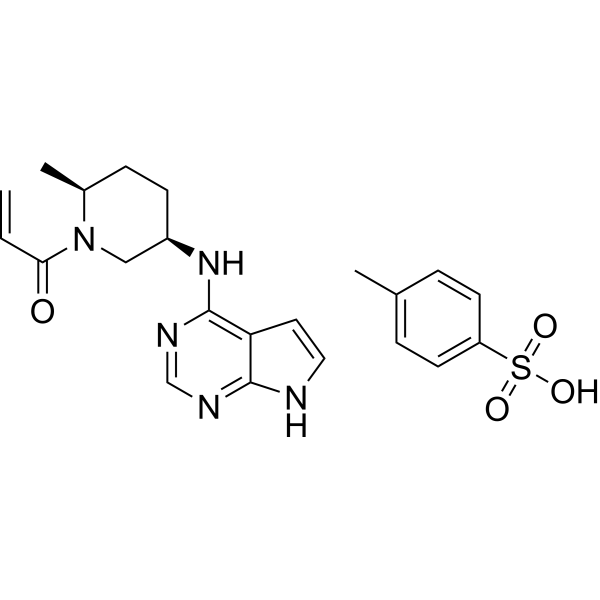
    Ritlecitinib (PF-06651600) tosylate is a highly selective, orally active, irreversible covalent JAK3 inhibitor (IC50=33 nM) without inhibitory activity towards JAK1, JAK2, and TYK2 (IC50 >10 μ M). Ritlecitinib tosylate rapidly inactivates the JAK3 kinase, and blocks signaling and downstream STAT phosphorylation mediated by common gamma chain cytokines such as IL-2 and IL-15. Ritlecitinib tosylate can inhibit Th1/Th17 cell differentiation and function, and effectively suppress preclinical animal models such as alopecia areata, adjuvant-induced arthritis (AIA), and experimental autoimmune encephalomyelitis (EAE) .
    Ritlecitinib tosylate
  • HY-122630
    TH-257
    1 Publications Verification

    LIM Kinase (LIMK) Cancer
    TH-257 is a potent inhibitor of LIMK1 and LIMK2 with IC50 values of 84 nM and 39 nM for LIMK1 and LIMK2, respectively, and it can be used as a chemical probe for LIMK1 and LIMK2. TH-257 is an allosteric inhibitor targeting a binding pocket induced by an αC and DFG-out conformation. TH257 is exquisitely selective and no significant activity against the wider kinome has been observed in the KINOMEscan assay at 1 μM .
    TH-257
  • HY-16965
    TH287
    3 Publications Verification

    DNA/RNA Synthesis Cancer
    TH287 is a potent and selective inhibitor of MTH1, with an IC50 of 0.8 nM. TH287 is highly selective towards MTH1, with no relevant inhibition of MTH2, NUDT5, NUDT12, NUDT14, NUDT16, dCTPase, dUTPase and ITPA at 100 μM. TH287 could act as a chemotherapeutic agent for cancer research .
    TH287
  • HY-111818
    TH34
    1 Publications Verification

    HDAC Cancer
    TH34, an HDAC6/8/10 inhibitor with IC50s of 4.6 μM, 1.9 μM, and 7.7 μM respectively, shows high selectivity over HDAC1/2/3 .
    TH34
  • HY-101092B

    Drug Intermediate Inflammation/Immunology Cancer
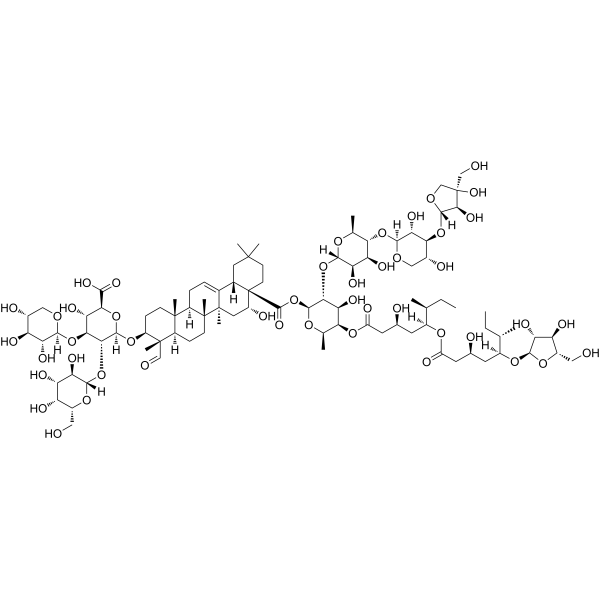
    QS-21-Xyl is a active component of QS-21 (HY-101092A). QS-21 is a natural vaccine adjuvant and induces a balanced Th1/Th2 immune response, particularly cellular immunity .
    QS-21-Xyl
  • HY-W012732
    Isoquinoline
    2 Publications Verification

    Environmental Pollutants Parasite Drug Isomer TNF Receptor HIV NF-κB Interleukin Related Neurological Disease Cancer
    Isoquinoline is an analog of pyridine. Isoquinoline-based alkaloids, such as p-tolyl bisisoquinoline, phthaloyl isoquinoline, and naphthyl isoquinoline, exhibit anticancer activity. Berberine, an isoquinoline alkaloid, exerts anti-inflammatory effects in diabetic mice by downregulating the gene expression ratios of pro-/anti-inflammatory and Th1/Th2 cytokines. Additionally, some isoquinoline-based compounds also possess antidepressant, antibacterial, antimalarial, and anti-HIV activities .
    Isoquinoline
  • HY-N0440
    Germacrone
    2 Publications Verification

    Influenza Virus NF-κB 5 alpha Reductase Keap1-Nrf2 Lactate Dehydrogenase Apoptosis Infection Neurological Disease Inflammation/Immunology Endocrinology Cancer
    Germacrone is a sesquiterpene compound with multiple biological activities. Germacrone inhibits the H1N1 and H3N2 influenza A virus and the influenza B virus. Germacrone blocks the progressionof arthritis by regulating Th1/Th2 balance and inhibiting NF-κB signaling. Germacrone can arrest the cell cycle at G0/G1 and G2/M phases and induce apoptosis in breast cancer cells. Germacrone inhibits 5α-reductase and has anti-androgenic effect. Germacrone has neuroprotective functions and can be used for the study of traumatic brain injury (TBI). Germacrone also has antioxidant activity .
    Germacrone
  • HY-123604A
    TH1834 dihydrochloride
    3 Publications Verification

    Histone Acetyltransferase Apoptosis Cancer
    TH1834 dihydrochloride is a specific Tip60 (KAT5) histone acetyltransferase inhibitor. TH1834 dihydrochloride induces apoptosis and increases DNA damage in breast cancer. TH1834 dihydrochloride does not affect the activity of related histone acetyltransferase MOF. Anticancer activity .
    TH1834 dihydrochloride
  • HY-17632
    Tarloxotinib bromide
    1 Publications Verification

    TH-4000

    EGFR Cancer
    Tarloxotinib bromide (TH-4000) is an irreversible EGFR/HER2 inhibitor.
    Tarloxotinib bromide
  • HY-153663

    Ras Cancer
    TH-Z827 is a mutant selective KRAS(G12D) inhibitor with an IC50 of 2.4 μM. TH-Z827 does not bind KRAS(WT) or KRAS(G12C). TH-Z827 blocked the KRAS(G12D)-CRAF interaction with an IC50 value of 42 μM .
    TH-Z827
  • HY-146243

    Ras Apoptosis Cancer
    TH-Z835 is a mutant selective KRAS (G12D) inhibitor with an IC50 of 1.6 μM. TH-Z835 inhibits both mantGMPPNP/GPPNP exchange and GPPNP/mantGMPPNP exchange .
    TH-Z835
  • HY-161296

    Bacterial HIV Infection
    TH6342 is a SAMHD1 modulator that binds to pretetrameric SAMHD1 and prevents its oligomerization and allosteric activation. SAMHD1 is a dNTP triphosphohydrolase and an HIV-1 restriction factor. SAMHD1 can limit the replication of retroviruses and DNA viruses and has antiviral effects. The inhibitory mechanism of TH6342 does not occupy the SAMHD1 nucleotide-binding pocket, gently binds the target, and functions as a chemical probe .
    TH6342
  • HY-W010243

    Bacterial MMP Apoptosis Fungal Infection Inflammation/Immunology
    Methylisothiazolinone hydrochloride is a bacterial and fungal inhibitor and preservative, as well as a sensitizer. Methylisothiazolinone hydrochloride can activate matrix metalloproteinases (MMPs) in human bronchial epithelial cells to induce apoptosis and inflammatory response. Methylisothiazolinone hydrochloride can promote the development of atopic dermatitis in mice by disrupting Th2/Th17 related immune responses. Methylisothiazolinone hydrochloride can cause mitochondrial damage in the endothelium of rat cerebral blood vessels .
    Methylisothiazolinone hydrochloride
  • HY-W018829

    Undecylenic aldehyde

    Environmental Pollutants Biochemical Assay Reagents Others
    10-Undecenal consists of an 11-carbon chain with a double bond between the 9th and 10th carbon atoms and an aldehyde group attached to the 1st carbon atom. This compound has a pungent or fatty smell and is commonly used as a flavoring commodity in foods such as bakery, confectionary and beverages.
    10-Undecenal
  • HY-155219

    Methylenetetrahydrofolate Dehydrogenase (MTHFD) Cancer
    TH9028 is an inhibitor of MTHFD2 (IC50 = 11 nM) with IC50 values against hMTHFD2, MTHFD2L, and MTHFD1 being 7.97 nM, 27 nM, and 0.5 nM, respectively. TH9028 also exhibits anti-cancer cell proliferation activity .
    TH9028
  • HY-135909
    TH1217
    1 Publications Verification

    ZINC1775962367

    SARS-CoV Infection Cancer
    TH1217 (ZINC1775962367) is a potent and selective dCTPase pyrophosphatase 1 (dCTPase) inhibitor, with an IC50 of 47 nM. TH1217 enhances the cytotoxic effect of cytidine analogues in leukemia cells. TH1217 also could modulate SARS-Cov-2 interactors, so it shows activity of against COVID-19 .
    TH1217
  • HY-150167

    Bacterial Infection
    TH-Z93, a lipophilic bisphosphonate, is a FPPS inhibitor (IC50: 90 nM) .
    TH-Z93
  • HY-151539

    LIM Kinase (LIMK) Neurological Disease
    TH470 is a highly selective LIMK1/2 (LIM kinase1/2) inhibitor (LIMK1 IC50=9.8 nM; LIMK2 IC50=13 nM), and can be used in orphan disease research .
    TH470
  • HY-W010243S

    Isotope-Labeled Compounds Bacterial MMP Apoptosis Fungal Infection Inflammation/Immunology
    Methylisothiazolinone-d3 hydrochloride is the deuterium labeled Methylisothiazolinone hydrochloride (HY-W010243). Methylisothiazolinone hydrochloride is a bacterial and fungal inhibitor and preservative, as well as a sensitizer. Methylisothiazolinone hydrochloride can activate matrix metalloproteinases (MMPs) in human bronchial epithelial cells to induce apoptosis and inflammatory response. Methylisothiazolinone hydrochloride can promote the development of atopic dermatitis in mice by disrupting Th2/Th17 related immune responses. Methylisothiazolinone hydrochloride can cause mitochondrial damage in the endothelium of rat cerebral blood vessels .
    Methylisothiazolinone-d3 hydrochloride
  • HY-125209A

    Apoptosis PARP DNA/RNA Synthesis Cancer
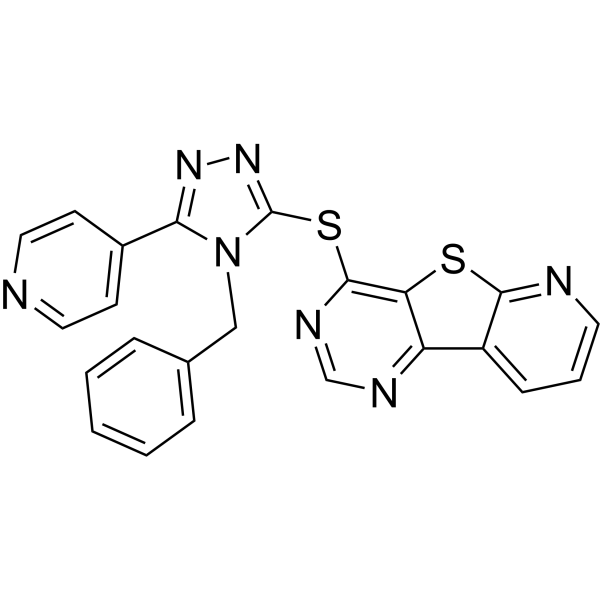
    TH5427 hydrochloride is a NUDT5 inhibitor with a human target IC50 of 29 nM, ~690-fold selectivity over MTH1 in vitro, and selective functional inhibition over other NUDIX hydrolases including NUDT9 [1].TH5427 hydrochloride binds to the active site of NUDT5, blocking enzymatic activity related to ADP-ribose metabolism and PAR-derived ATP synthesis [1].TH5427 hydrochloride blocks progestin-dependent nuclear ATP synthesis, impairs progestin-induced chromatin remodeling, inhibits histone H1 displacement, disrupts progestin-dependent gene regulation, and abrogates progestin-dependent proliferation in breast cancer cells [1].TH5427 hydrochloride functions as a versatile probe to study nuclear ATP dynamics and ADP-ribose-related metabolism in cells [1].TH5427 hydrochloride engages NUDT5 at physiological temperatures, as demonstrated by Drug Affinity Responsive Target Stability (DARTS) assay [1].TH5427 hydrochloride stabilizes NUDT5 against thermal denaturation in cell lysates and intact cells, as shown by cellular thermal shift assay (CETSA) [1].TH5427 hydrochloride functionally inhibits NUDT5 activity, leading to downstream effects on oxidative DNA damage and DNA replication in triple-negative breast cancer (TNBC) cells [2].TH5427 hydrochloride suppresses proliferation of TNBC cells without inducing cell death or apoptosis, slows DNA replication in TNBC cells, promotes accumulation of oxidative DNA lesions, and triggers DNA damage response in TNBC cells [2].TH5427 hydrochloride suppresses growth of TNBC cells in vitro, inhibits growth of TNBC xenograft tumors in nude mice in vivo, and shows greater potency against TNBC cell lines compared to ER-positive and normal-like breast cell lines [2].TH5427 hydrochloride can be used for the research of breast cancer and triple-negative breast cancer .
    TH5427 hydrochloride
  • HY-139193

    DNA/RNA Synthesis Cancer
    TH1760 is an inhibitor of NUDIX-type 15 (NUDT15) with an IC50 value of 25 nM. TH1760 sensitizes cells to 6-thioguanine by enhancing the accumulation of 6-thio- (d) GTP in nucleic acids. TH1760 enhances the anti-leukemia effect of thiopurine .
    TH1760
  • HY-168207

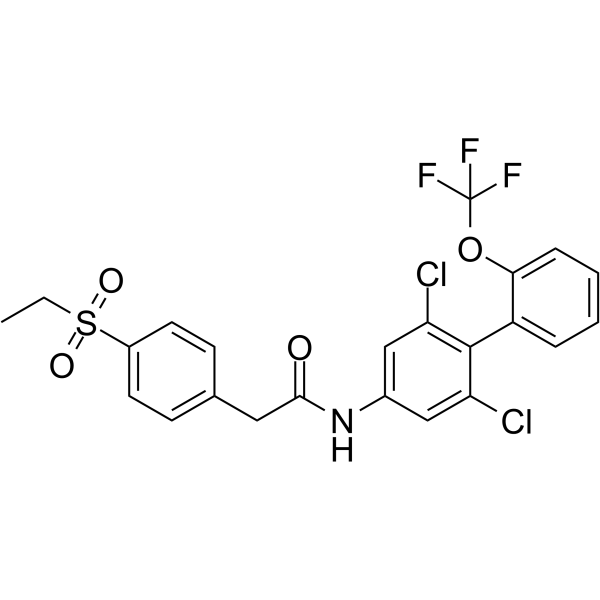
    Toll-like Receptor (TLR) NF-κB Inflammation/Immunology
    TH023 is an inhibitor for the TLR4 signaling pathway, that targets especially the formation of TLR4 homodimer. TH023 inhibits secreted embryonic alkaline phosphatase in cell HEK-Blue hTLR4 with an IC50 of 0.354 μM, and inhibits the NO expression in RAW264.7 with an IC50 of 1.61μM. TH023 also inhibits the activation of NF-κB, reduces the nuclear translocation of NF-κB p65. TH023 exhibits anti-inflammatory efficacy in LPS (HY-D1056)-induced mouse acute sepsis model, and ameliorates the mouse lung injury .
    TH023
  • HY-137292

    Biochemical Assay Reagents Others
    PTB7-Th is a classic organic photovoltaic (OPV) cell donor polymer that can be added as a dielectric to increase the short-circuit current and fill factor of polymer solar cells, improving the photovoltaic efficiency of the device .
    PTB7-Th
  • HY-159507

    Brezivaptanum; TH1773; TS-121

    Vasopressin Receptor Endocrinology
    Brezivaptan (Brezivaptanum; TH1773; TS-121) is a vasopressin receptor antagonist .
    Brezivaptan
  • HY-134113

    CBZ-Chromozym TH

    Biochemical Assay Reagents Others
    Z-Gly-Pro-Arg-pNA (z-GPR-pNA) is a photometric substrate in Prostate-Specific Antigen (PSA) activation protease assays. Z-Gly-Pro-Arg-pNA (z-GPR-pNA) can be used for the test of trypsin activity .
    Z-Gly-Pro-Arg-pNA
  • HY-149040

    (S)-OBI-3424; (S)-TH-3424; AST-3424

    17β-HSD Cancer
    Odafosfamide ((S)-OBI-3424) is a highly selective prodrug bis-alkylating agent activated by aldehyde-keto reductase 1C3 (AKR1C3(). Odafosfamide is highly cytotoxic to cell lines with high AKR1C3 expression. Odafosfamide exhibits antitumor activity in a variety of tumors with high AKR1C3 expression (such as liver cancer, non-small cell lung cancer, and leukemia). Odafosfamide can be used in cancer research .
    Odafosfamide
  • HY-138143

    Chromozym-TH

    Fluorescent Dye Others
    N-(p-Tosyl)-GPR-pNA acetate (Chromozym-TH) is a chromogenic substrate targeting the synthetic peptides Hirunorm IV and Hirunorm V and can be used to detect the dissociation constants (KI) of both peptides. Hirunorm IV and Hirunorm V are reversible inhibitors of amidolytic thrombin activity. By varying the peptide concentration at a fixed concentration of the chromogenic substrate N-(p-Tosyl)-GPR-pNA acetate, the dissociation constants determined were 0.134 nM (Hirunorm IV) and 0.245 nM (Hirunorm V) .
    N-(p-Tosyl)-GPR-pNA acetate
  • HY-P2299A

    HPV Cancer
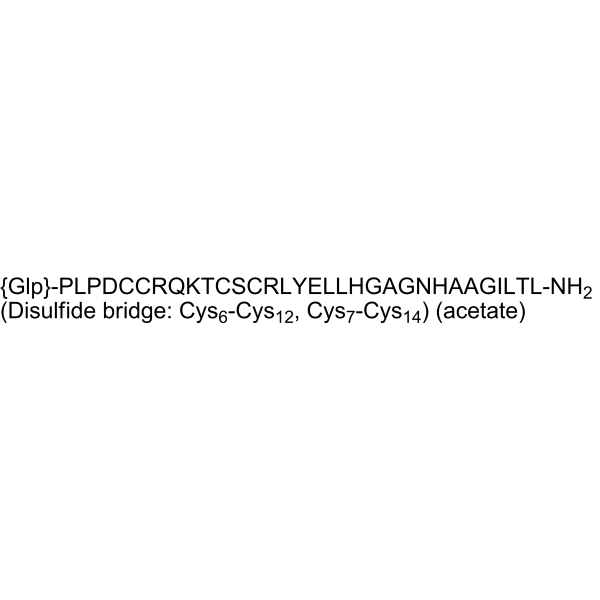
    Protein E7(43-62) TFA is an E7-derived peptide with anti-tumor effects (short peptide spanning the 43th to 62th amino acid residues in the E7 protein) .
    Protein E7(43-62) TFA
  • HY-W130878

    Complement System Toll-like Receptor (TLR) NF-κB Inflammation/Immunology
    4-Octylphenol is a hormone disruptor that has gender-specific effects on male reproductive cells, significantly reducing the mitotic index and the number of spermatogonia. 4-Octylphenol can cause inflammatory damage to fish gills by activating the complement system through the C3a/C3aR axis and the C5a/C5aR1 axis, this leads to complement activation and causes immune suppression due to the imbalance between Th1/Th2 cells and regulatory T cells (Treg)/Th17 cells, as well as inflammatory damage via the Toll-like receptor 7 (Toll-like Receptor (TLR))/IκBα/NF-κB pathway .
    4-Octylphenol

Inquiry Online

Your information is safe with us. * Required Fields.

Salutation


Country or Region *

Applicant Name *


Organization Name *

Department *


Email Address *


Product Name *

Cat. No.


Requested quantity *

Phone Number *


Remarks

Inquiry Online

Inquiry Information

Product Name:
Cat. No.:
Quantity:
MCE Japan Authorized Agent:

