
300 Results for "

TNF-α/NF-κB

" in MedChemExpress (MCE) Product Catalog:
Products (300)

300 Results for "TNF-α/NF-κB" in MCE Product Catalog:

507
507 Publications Verification
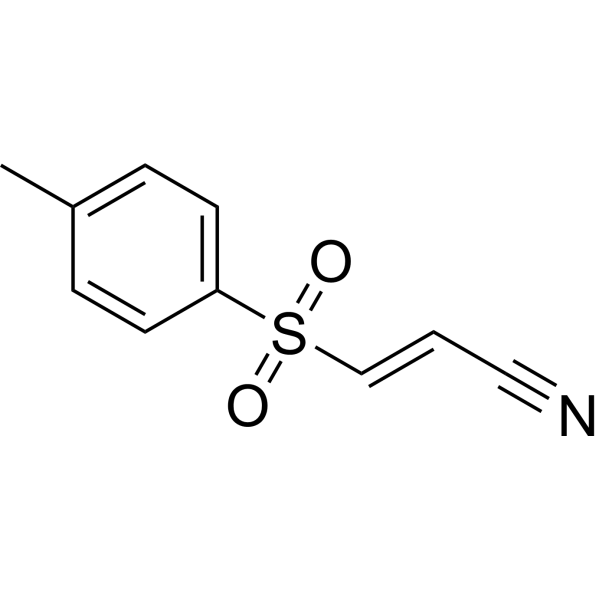
Cat. No.: HY-13453
CAS No.: 19542-67-7
Purity:  99.98%
Synonyms: BAY 11-7821
BAY 11-7082 is an IκBα phosphorylation and NF-κB inhibitor. BAY 11-7082 selectively and irreversibly inhibits the TNF-α-induced phosphorylation of IκB-α, and decreases NF-κB and expression of adhesion molecules. BAY 11-7082 inhibits ubiquitin-specific protease USP7 and USP21 (IC50=0.19, 0.96 μM, respectively). BAY 11-7082 inhibits gasdermin D (GSDMD) pore formation in liposomes and inflammasome-mediated pyroptosis and IL-1β secretion in human and mouse cells .
loading...
    loading...
74
74 Cited Publications
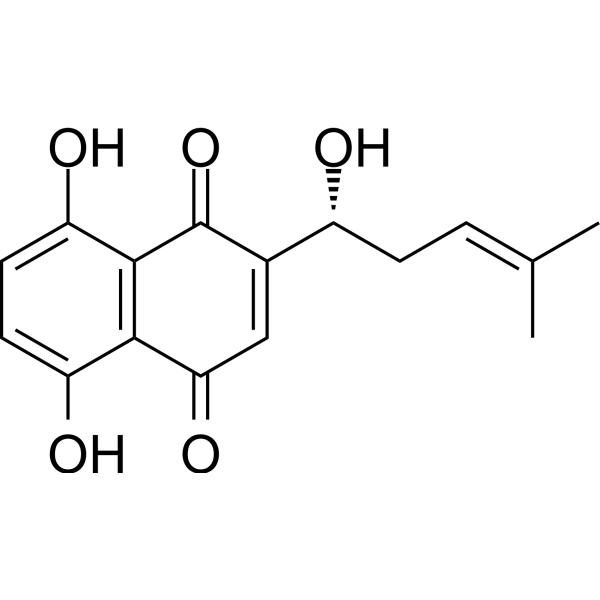
Cat. No.: HY-N0822
CAS No.: 517-89-5
Synonyms: C.I. 75535; Isoarnebin 4
Shikonin is a major component of a Chinese herbal medicine named zicao. Shikonin is a potent TMEM16A chloride channel inhibitor with an IC50 of 6.5 μM . Shikonin is a specific pyruvate kinase M2 (PKM2) inhibitor and can also inhibit TNF-α and NF-κB pathway . Shikonin decreases exosome secretion through the inhibition of glycolysis . Shikonin inhibits AIM2 inflammasome activation .
loading...
    loading...
56
56 Cited Publications
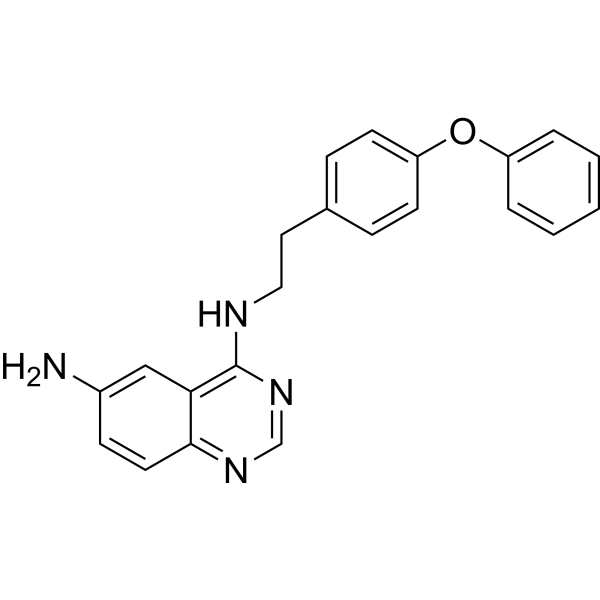
Cat. No.: HY-13812
CAS No.: 545380-34-5
Purity:  99.50%
Synonyms: EVP4593
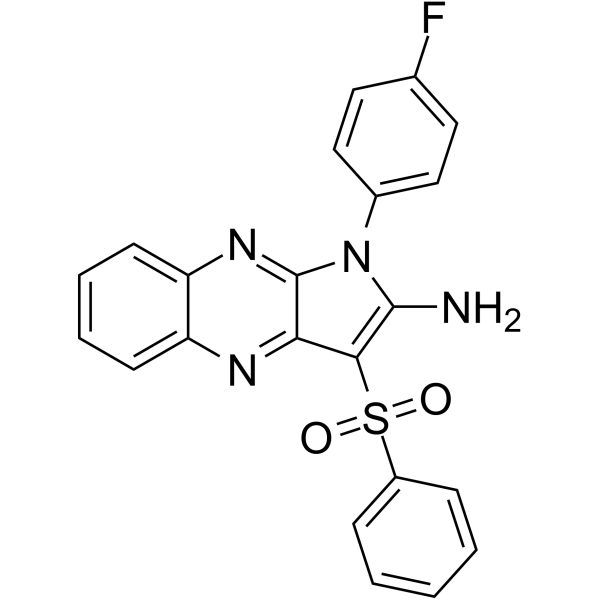
QNZ (EVP4593) shows strong inhibitory effects on NF-κB transcriptional activation and TNF-α production with IC50s of 11 and 7 nM, respectively. QNZ (EVP4593) is a neuroprotective inhibitor of SOC channel.
loading...
    loading...
26
26 Cited Publications
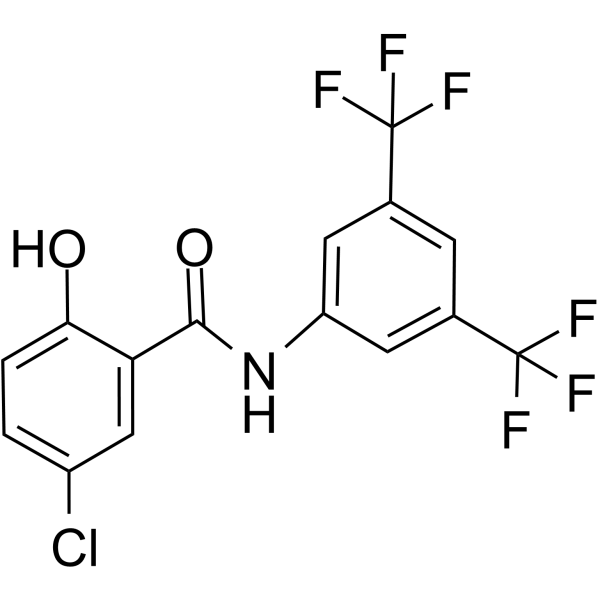
Cat. No.: HY-10172
CAS No.: 978-62-1
Purity:  99.26%
Synonyms: IKK2 Inhibitor V
Target:  

IKK

Research Areas:  

Cancer

IMD-0354 (IKK2 Inhibitor V) is a selective IKKβ inhibitor which inhibits NF-κB activity . IMD0354 inhibits TNF-α induced NF-κB transcription activity with an IC50 of 1.2 uM .
loading...
    loading...
24
24 Cited Publications
Cat. No.: HY-N0171
CAS No.: 83-46-5
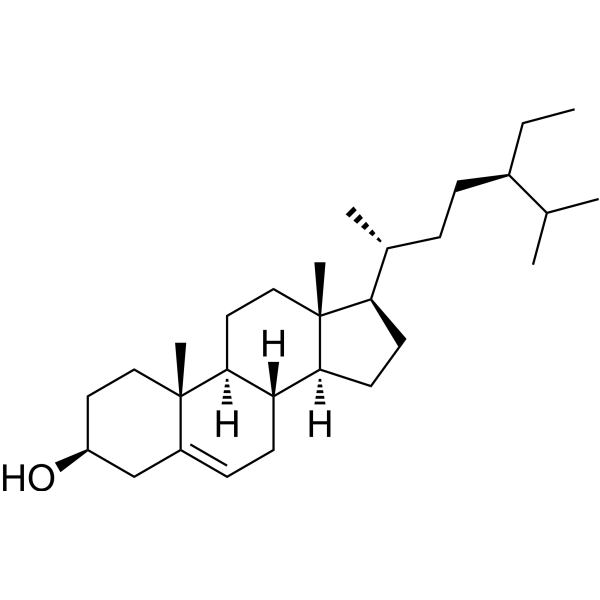
Beta-Sitosterol (purity≥80%) is orally active. Beta-Sitosterol exhibits multiple activities, including anti-inflammatory, anticancer, antioxidant, antimicrobial, antidiabetic, antioxidant enzyme, and analgesic. Beta-Sitosterol inhibits inflammation and impaired adipogenesis in bovine mammary epithelial cells by reducing levels of ROS, TNF-α, IL-1β, and NF-κB p65 and restoring the activity of the HIF-1α/mTOR signaling pathway. Beta-Sitosterol induces apoptosis in cancer cells through ROS-mediated mitochondrial dysregulation and p53 activation. Beta-Sitosterol exerts its anticancer effects in cancer cells by activating caspase-3, caspase-8, and caspase-9, mediating PARP inactivation, MMP loss, altered Bcl-2-Bax ratio, and cytochrome c release. Beta-Sitosterol modulates macrophage polarization and reduces rheumatoid inflammation in mice. Beta-Sitosterol inhibits tumor growth in multiple mouse cancer models. Beta-Sitosterol can be used in the research of arthritis, lung cancer, breast cancer and other cancers, diabetes, etc .
loading...
    loading...
24
24 Cited Publications
Cat. No.: HY-N0171A
CAS No.: 83-46-5
Synonyms: β-Sitosterol (purity>98%); 22,23-Dihydrostigmasterol (purity>98%)
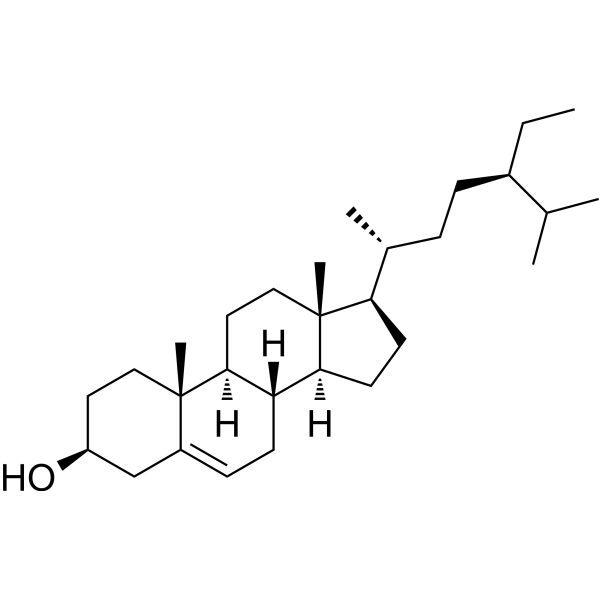
Beta-Sitosterol (purity>98%) is orally active. Beta-Sitosterol exhibits multiple activities, including anti-inflammatory, anticancer, antioxidant, antimicrobial, antidiabetic, antioxidant enzyme, and analgesic. Beta-Sitosterol inhibits inflammation and impaired adipogenesis in bovine mammary epithelial cells by reducing levels of ROS, TNF-α, IL-1β, and NF-κB p65 and restoring the activity of the HIF-1α/mTOR signaling pathway. Beta-Sitosterol induces apoptosis in cancer cells through ROS-mediated mitochondrial dysregulation and p53 activation. Beta-Sitosterol exerts its anticancer effects in cancer cells by activating caspase-3, caspase-8, and caspase-9, mediating PARP inactivation, MMP loss, altered Bcl-2-Bax ratio, and cytochrome c release. Beta-Sitosterol modulates macrophage polarization and reduces rheumatoid inflammation in mice. Beta-Sitosterol inhibits tumor growth in multiple mouse cancer models. Beta-Sitosterol can be used in the research of arthritis, lung cancer, breast cancer and other cancers, diabetes, etc .
loading...
    loading...
18
18 Cited Publications
Cat. No.: HY-B1272
CAS No.: 58-28-6
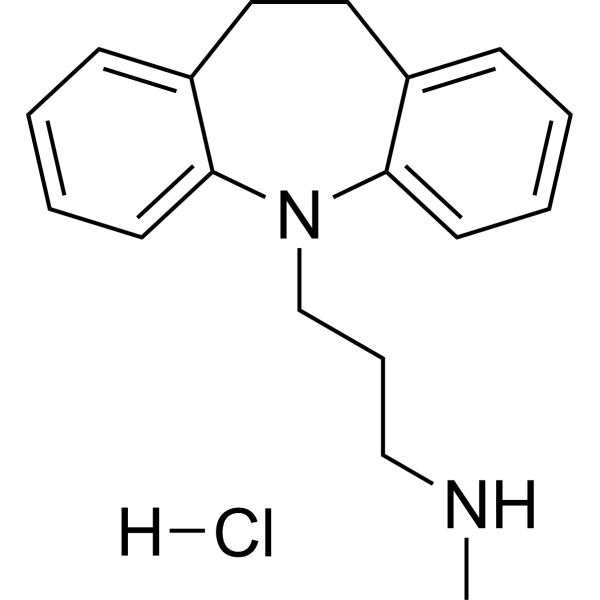
Desipramine hydrochloride is a first-generation tricyclic antidepressant. Desipramine hydrochloride selectively binds to norepinephrine transporter and blocks neuronal norepinephrine reuptake. Desipramine hydrochloride activates MAPK signaling via ERK1/2, JNK, and p38, represses NF-κB and AP-1 activity, and induces apoptosis via ROS elevation, mitochondrial membrane potential reduction, and intracellular calcium increase. Desipramine hydrochloride also shows anyi-inflammatory activity, inhibiting TNF-α production. Desipramine hydrochloride can be used for the research of hepatocellular cancer, inflammation, and neurological diseases .
loading...
    loading...
16
16 Cited Publications
Cat. No.: HY-16657
CAS No.: 163847-77-6
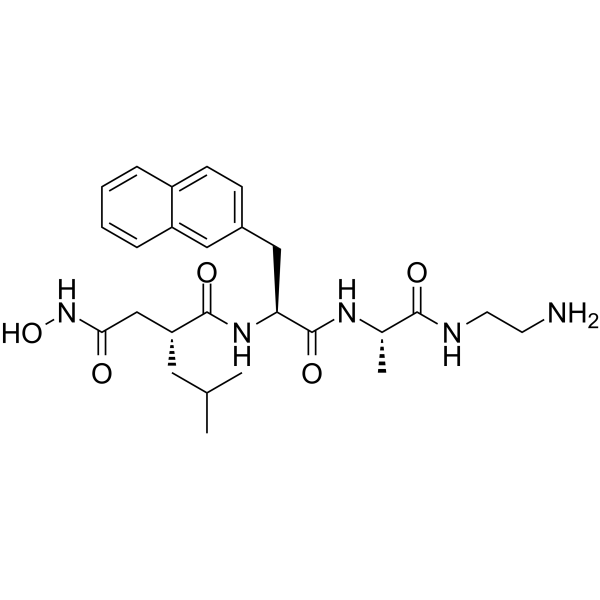
TAPI-1 is a broad-spectrum MMP inhibitor and NF-κB p65 inhibitor that targets ADAM17/TACE, ADAM10 and other proteins. TAPI-1 reduces the proteolytic cleavage of membrane-bound TNF-α, decreases TNF-α levels, inhibits NF-κB pathway activation, and downregulates profibrotic markers. TAPI-1 reduces the proportion of proinflammatory immune cells, alleviates cardiac and airway fibrosis, and improves cardiac function after myocardial infarction. Meanwhile, TAPI-1 inhibits the viability, migration and invasion of esophageal squamous cell carcinoma cells, enhances the chemosensitivity of Cisplatin (HY-17394), induces apoptosis, and shows low toxicity to normal esophageal epithelial cells. TAPI-1 can be widely used in studies related to myocardial infarction-induced heart failure, severe traumatic tracheal stenosis, esophageal squamous cell carcinoma and other conditions .
loading...
    loading...
16
16 Cited Publications
Cat. No.: HY-19744
CAS No.: 2437475-16-4
Target:  

MyD88

Research Areas:  

Inflammation/Immunology

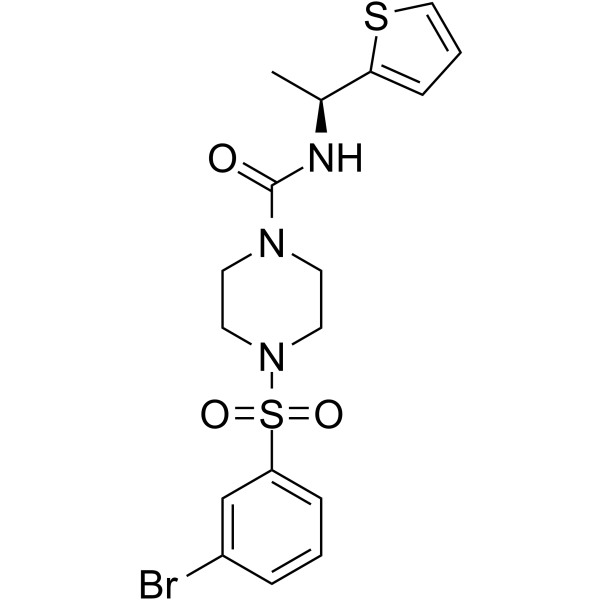
T6167923 is a selective inhibitor of MyD88-dependent signaling pathways. T6167923 directly binds to Toll/IL1 receptor (TIR) domain of MyD88 and disrupts MyD88 homodimeric formation. T6167923 inhibits NF-κB driven Staphylococcus enterotoxin AP (SEAP) activity, and improves anti-inflammatory activity with IC50s of 2.7 μM, 2.9 μM, 2.66 μM and 2.66 μM for IFN-γ, IL-1β, IL-6 and TNF-α, respectively .
loading...
    loading...
15
15 Cited Publications
Cat. No.: HY-123942
CAS No.: 2170867-89-5
Purity:  98.82%
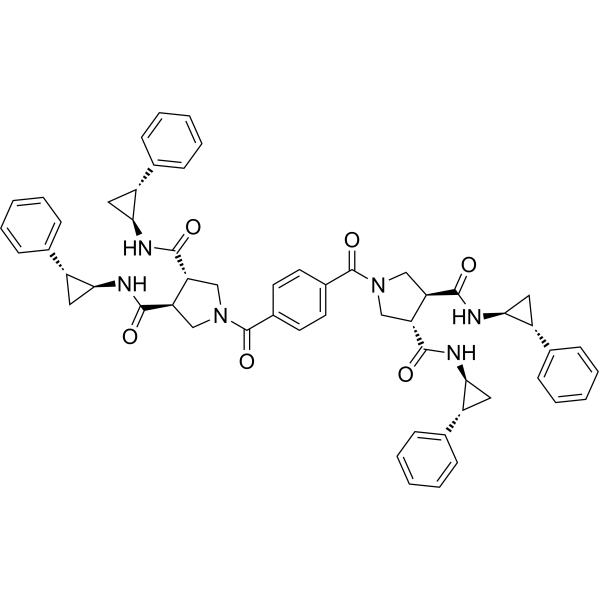
Diprovocim is a potent TLR1/TLR2 agonist. Diprovocim elicits full agonist activity in human THP-1 cells (EC50=110 pM). Diprovocim stimulates the release of TNF-α from mouse macrophages (EC50=1.3 nM). Diprovocim activates downstream MAPK and NF-κB signaling pathway. Diprovocim displays strong adjuvant activity in mice, particularly abetting cellular immune responses .
loading...
    loading...
14
14 Cited Publications
Cat. No.: HY-110353
CAS No.: 1821387-73-8
Purity:  99.96%
Research Areas:  

Inflammation/Immunology Cancer

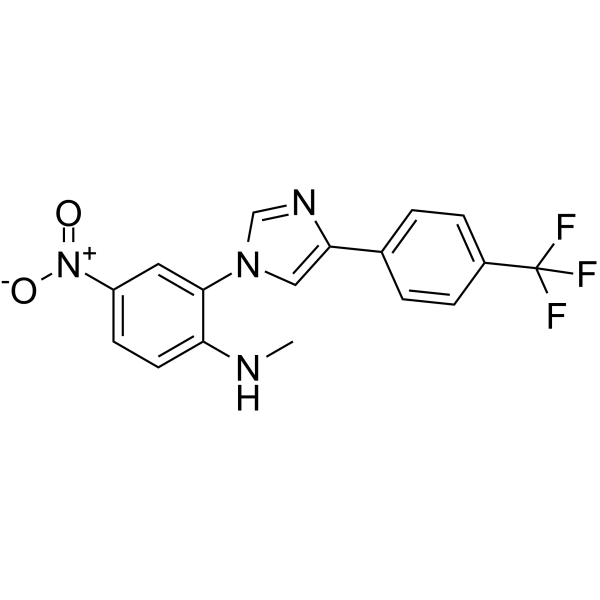
CU-T12-9 is a specific TLR1/2 agonist with EC50 of 52.9 nM in HEK-Blue hTLR2 SEAP assay. CU-T12-9 activates both the innate and the adaptive immune systems. CU-T12-9 selectively activates the TLR1/2 heterodimer, not TLR2/6. CU-T12-9 signals through NF-κB and invokes an elevation of the downstream effectors TNF-α, IL-10, and iNOS .
loading...
    loading...
13
13 Cited Publications
Cat. No.: HY-P1860
CAS No.: 144796-71-4
Research Areas:  

Inflammation/Immunology Cancer

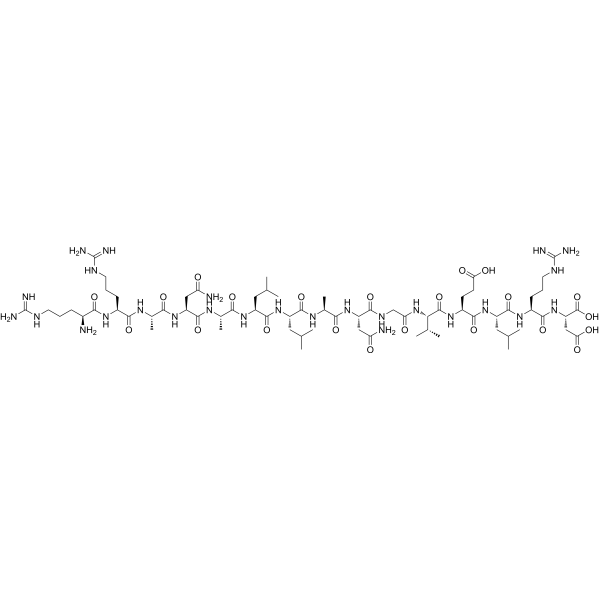
TNF-α (31-45), human is a potent NF-kB pathway activator. TNF-αis a proinflammatory cytokine that induces necrosis or apoptosis. TNF alpha stimulates NF-κB pathway via TNFR2 promotes cancer growth, invasion, and metastasis .
loading...
    loading...
13
13 Cited Publications
Cat. No.: HY-P1860A
Research Areas:  

Inflammation/Immunology

TNF-α (31-45), human TFA is a potent NF-kB pathway activator. TNF-αis a proinflammatory cytokine that induces necrosis or apoptosis. TNF alpha stimulates NF-κB pathway via TNFR2 promotes cancer growth, invasion, and metastasis .
loading...
    loading...
9
9 Cited Publications
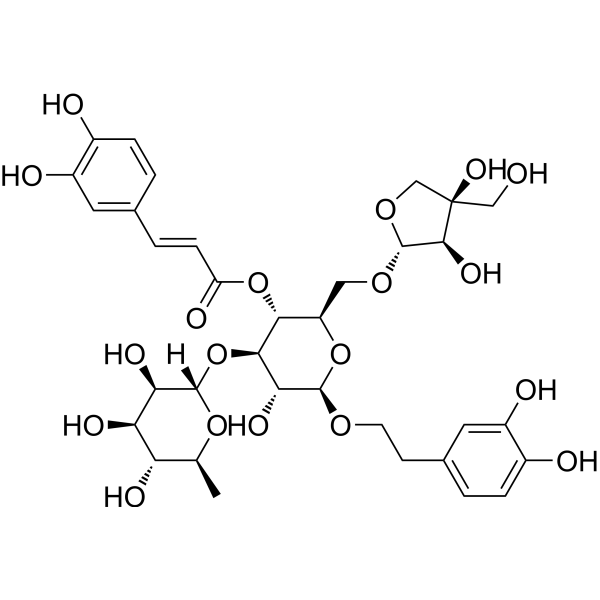
Cat. No.: HY-N0029
CAS No.: 81525-13-5
Forsythoside B is a phenylethanoid glycoside isolated from Forsythia suspensa (Thunb.) Vahl, a Chinese folk medicinal plant for treating inflammatory diseases and promoting blood circulation. Forsythoside B could inhibit TNF-alpha, IL-6, IκB and modulate NF-κB.
loading...
    loading...
9
9 Cited Publications
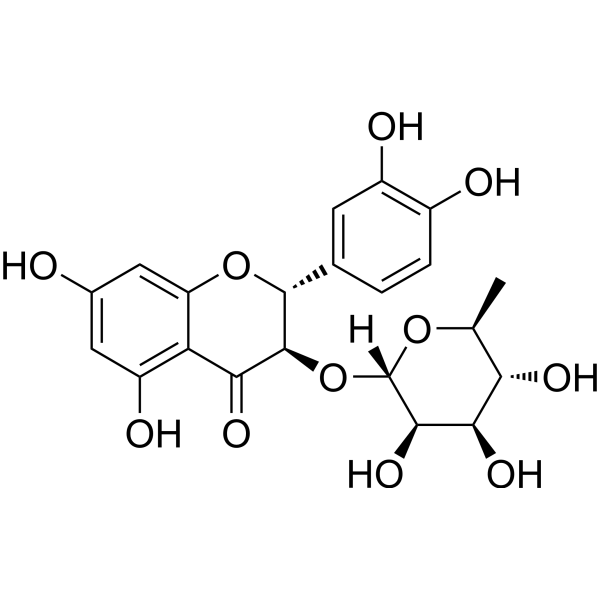
Cat. No.: HY-N0509
CAS No.: 29838-67-3
Astilbin is a flavonoid compound and enhances NRF2 activation. Astilbin also suppresses TNF-α expression and NF-κB activation.
loading...
    loading...
8
8 Cited Publications
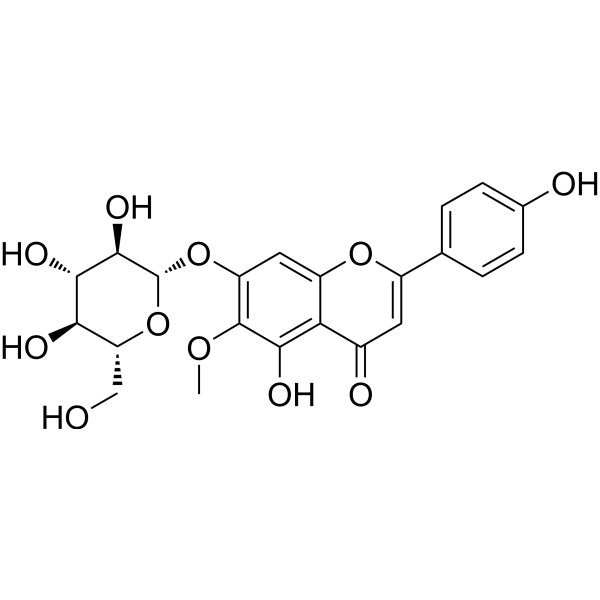
Cat. No.: HY-N1949
CAS No.: 17680-84-1
Homoplantaginin is a flavonoid from a traditional Chinese medicine Salvia plebeia with antiinflammatory and antioxidant properties. Homoplantaginin could inhibit TNF-α and IL-6 mRNA expression, IKKβ and NF-κB phosphorylation.
loading...
    loading...
8
8 Cited Publications
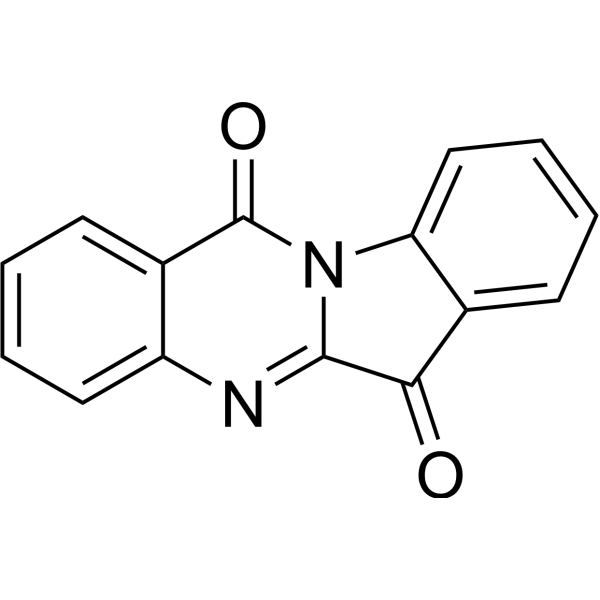
Cat. No.: HY-N6607
CAS No.: 13220-57-0
Tryptanthrin is an indole quinazoline that could be an alkaloid from indigo-bearing plants. Tryptanthrin is a potent and orally active cellular Leukotriene (LT) biosynthesis inhibitor. Tryptanthrin has anticancer activity. Tryptanthrin suppresses the expression levels of NOS1, COX-2, and NF-κB and regulates the expression levels of IL-2, IL-10, and TNF-α .
loading...
    loading...
8
8 Cited Publications
Cat. No.: HY-104073
CAS No.: 374922-43-7
Purity:  98.65%
Target:  

Sirtuin

CAY10602 is a SIRT1 activator. CAY10602 dose-dependently suppresses the NF-κB-dependent induction of TNF-α by lipopolysaccharide in THP-1 cells .
loading...
    loading...
7
7 Cited Publications
Cat. No.: HY-N0631
CAS No.: 131189-57-6
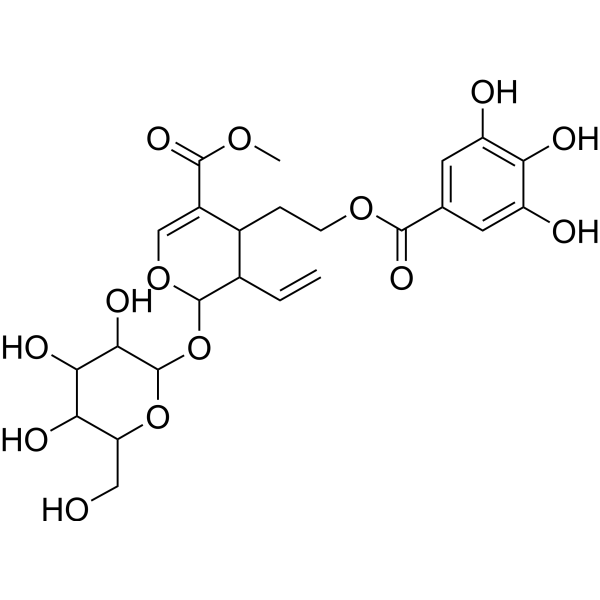
Cornuside is an iridoid glycoside with anti-allergic, anti-inflammatory, and neuroprotective activities. Cornuside exerts anti-allergic activity by downregulating the p38 MAPK, JNK, and NF-κB signaling pathways, and inhibits IgE-mediated histamine release from mast cells. Cornuside improves cognitive impairment in mice by inhibiting BACE1 activity (IC50 = 55.84 μg/mL) and enhancing ChAT activity. Cornuside inhibits LPS (HY-D1056)-induced inflammatory mediators, including iNOS, COX-2, PGE2, TNF-α, IL-6, and IL-1β, by suppressing NF-κB activation .
loading...
    loading...
6
6 Cited Publications
Cat. No.: HY-B0026
CAS No.: 103980-44-5
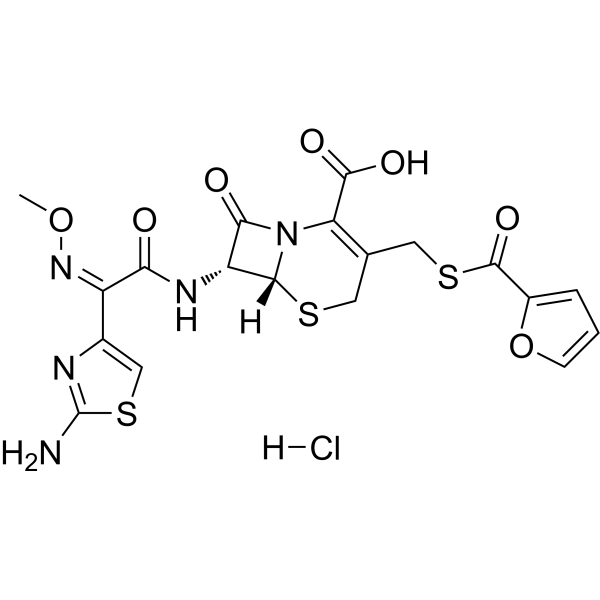
Ceftiofur hydrochloride is a cell wall synthesis inhibitor that targets bacterial penicillin-binding proteins (PBPs) and has anti-inflammatory effects in endotoxemia. Ceftiofur hydrochloride exerts bactericidal effects by inhibiting the synthesis of bacterial cell wall peptidoglycan, leading to bacterial cell lysis. Ceftiofur hydrochloride also inhibits the activation of NF-κB and MAPKs, thereby reducing the secretion of pro-inflammatory cytokines such as TNF-α, IL-1β, and IL-6 .
loading...
    loading...

