Search Result
Results for "
Temozolomide
" in MedChemExpress (MCE) Product Catalog:
5
Isotope-Labeled Compounds
| Cat. No. |
Product Name |
Target |
Research Areas |
Chemical Structure |
-
- HY-17364
-
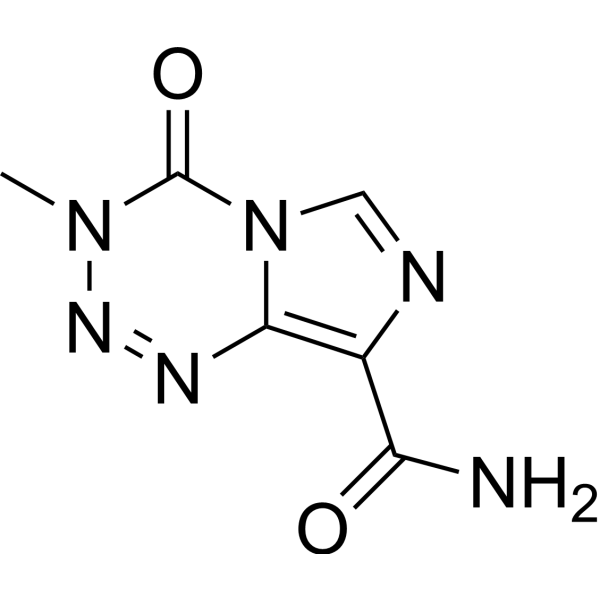
Temozolomide
Maximum Cited Publications
189 Publications Verification
NSC 362856; CCRG 81045; TMZ
|
DNA Alkylator/Crosslinker
Autophagy
Apoptosis
|
Cancer
|
|
Temozolomide (NSC 362856) is an oral active DNA alkylating agent that crosses the blood-brain barrier. Temozolomide is also a proautophagic and proapoptotic agent. Temozolomide is effective against tumor cells that are characterized by low levels of O6-alkylguanine DNA alkyltransferase (OGAT) and a functional mismatch repair system. Temozolomide has antitumor and antiangiogenic effects .
|
-
-
- HY-B0106
-
|
UCB L059
|
DNA Methyltransferase
|
Neurological Disease
Cancer
|
|
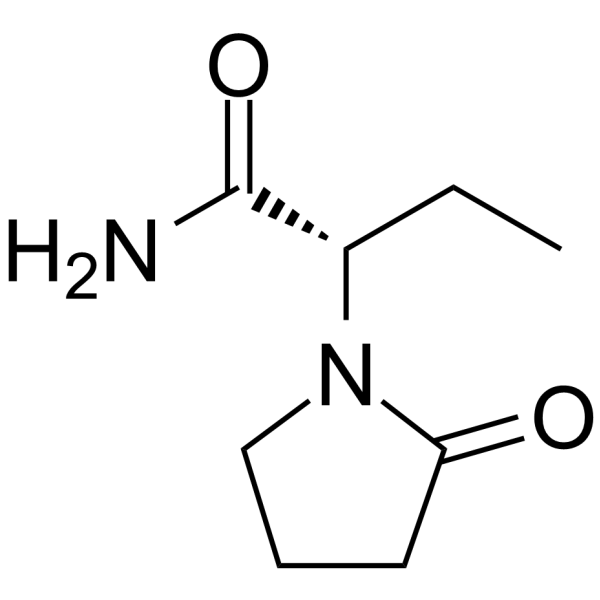
Levetiracetam, an antiepileptic agent, binds the synaptic vesicle protein SV2A. Levetiracetam enhances Temozolomide effect on glioblastoma stem cell proliferation and apoptosis. Levetiracetam modulates HDAC levels ultimately silencing MGMT, thus increasing Temozolomide effectiveness. A chemosensitizer agent .
|
-
-
- HY-B0896
-
|
Glyceryl triacetate; 1,2,3-Triacetoxypropane
|
Environmental Pollutants
Fungal
Endogenous Metabolite
|
Cancer
|
|
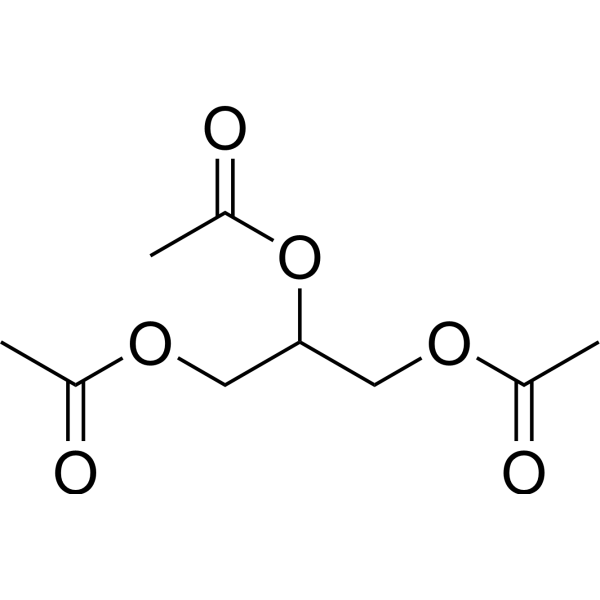
Triacetin (Glyceryl triacetate) is a synthetic compound that is a triester of glycerol and acetic acid, orally active. Triacetin increases acetate bioavailability in glioma cells. Triacetin induces glioma cell growth arrest and Apoptosis. Triacetin freely crosses the blood brain barrier/plasma membrane. Triacetin increases histone acetylation and enhances Temozolomide (HY-17364) (TMZ) chemotherapeutic efficacy .
|
-
-
- HY-119696
-
-
-
- HY-W018326
-
|
|
DNA/RNA Synthesis
|
Cancer
|
|
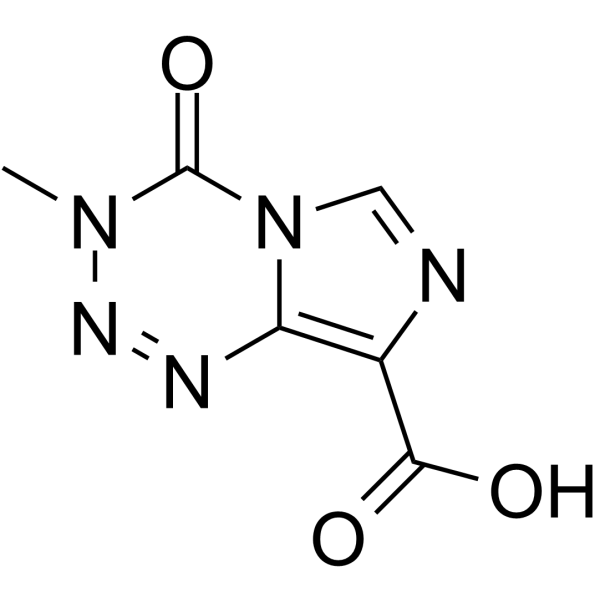
Temozolomide acid is a carboxylic acid derivative of Temozolomide (HY-17364) with anticancer activity. Temozolomide is a DNA alkylating agent, methylating the guanine and adenine bases of DNA, causing breaks in DNA double strand, cell cycle arrest, and eventually cell death. Temozolomide acid is promising for research of glioblastoma and brain cancer .
|
-
-
- HY-10261B
-
|
(E/Z)-BIBW 2992
|
EGFR
Apoptosis
c-Met/HGFR
Akt
p38 MAPK
Autophagy
|
Others
Cancer
|
|
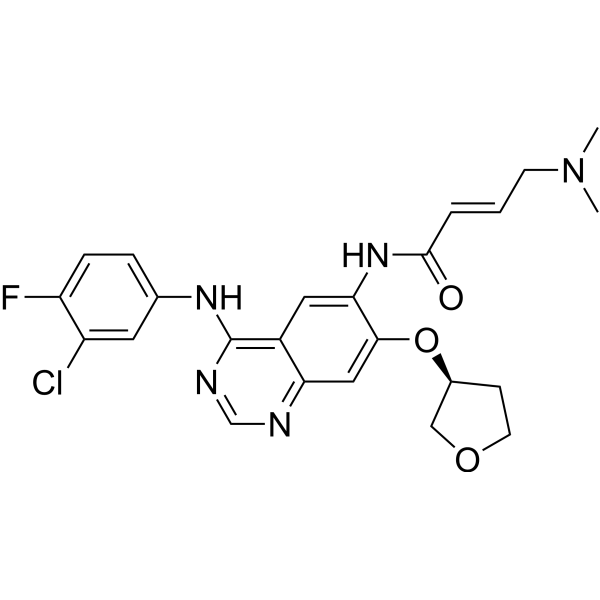
(E/Z)-Afatinib ((E/Z)-BIBW 2992) is the mixture of (E)-Afatinib and (Z)-Afatinib. Afatinib (HY-10261) is an irreversible inhibitor of EGFR, by irreversibly binding to their ATP binding site to block activation of EGFR, HER2, HER4, and EGFRvIII. Afatinib used in co-administration with Temozolomide (HY-17364), potently targeting to EGFRvIII-cMet signaling in glioblastoma cells .
|
-
-
- HY-136731
-
|
|
DNA/RNA Synthesis
|
Cancer
|
|
APE1-IN-1 is a potent and blood-brain barrier (BBB) penetrant apurinic/apyrimidinic (AP) endonuclease 1 (APE1) inhibitor with an IC50 value of 2 μM. APE1-IN-1 can potentiate the cytotoxicity of the alkylating agents Methylmethane sulfonate and Temozolomide (HY-17364) to cancer cells .
|
-
-
- HY-17364S
-
|
|
DNA Alkylator/Crosslinker
Autophagy
Apoptosis
|
Cancer
|
|
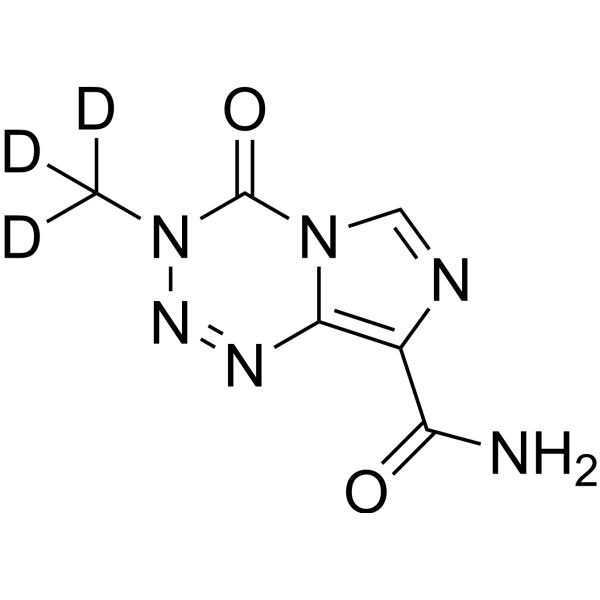
Temozolomide-d3 is the deuterium labeled Temozolomide. Temozolomide (NSC 362856) is an oral active DNA alkylating agent that crosses the blood-brain barrier. Temozolomide is also a proautophagic and proapoptotic agent. Temozolomide is effective against tumor cells that are characterized by low levels of O6-alkylguanine DNA alkyltransferase (OGAT) and a functional mismatch repair system. Temozolomide has antitumor and antiangiogenic effects .
|
-
-
- HY-153773
-
Z4P
3 Publications Verification
|
IRE1
|
Cancer
|
|
Z4P is a BBB-penetrable IRE1 inhibitor with an IC50 of 1.13 μM. Z4P in combination with Temozolomide (HY-17364) inhibits the growth and recurrence of glioblastoma and has anti-tumor activity .
|
-
-
- HY-155888
-
|
|
Epigenetic Reader Domain
|
Cancer
|
|
IV-255 is a selective small molecule inhibitor of the BRG1 bromodomain. IV-255 increases the extent of DNA damage induced by Temozolomide (HY-17364) and Bleomycin (HY-108345). IV-255 inhibits the invasiveness of GBM cells. IV-255 enhances Temozolomide-induced cell death and the apoptosis-inducing activity of Temozolomide .
|
-
-
- HY-B0106R
-
|
UCB L059 (Standard)
|
Reference Standards
DNA Methyltransferase
|
Neurological Disease
Cancer
|
|
Levetiracetam (Standard) is the analytical standard of Levetiracetam. This product is intended for research and analytical applications. Levetiracetam, an antiepileptic agent, binds the synaptic vesicle protein SV2A. Levetiracetam enhances Temozolomide effect on glioblastoma stem cell proliferation and apoptosis. Levetiracetam modulates HDAC levels ultimately silencing MGMT, thus increasing Temozolomide effectiveness. A chemosensitizer agent .
|
-
-
- HY-119993
-
|
BMH-23
|
DNA/RNA Synthesis
|
Cancer
|
|
AR03 (BMH-23) is an apurinic/apyrimidinic endonuclease 1 (Ape1) inhibitor with an IC50 of 2.1 µM. AR03 has low affinity for double-stranded DNA. AR03 potentiates the cytotoxicity of methyl methanesulfonate and temozolomide in SF767 cells .
|
-
-
- HY-115567
-
|
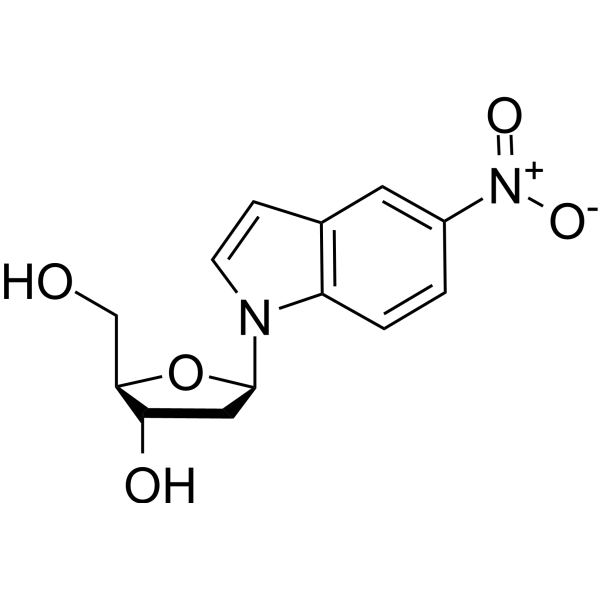
1-(β-D-2-Deoxyribofuranosyl)-5-nitroindole
|
Apoptosis
|
Cancer
|
|
5-NIdR (1-(β-D-2-Deoxyribofuranosyl)-5-nitroindole), an artificial nucleoside, exhibits the ability to inhibit the replication of DNA lesions generated by Temozolomide (HY-17364). 5-NIdR induces cancer cells apoptosis and arrests cell cycle at G0 phase. 5-NIdR enhances Temozolomide anti-tumor efficacy in murine glioblastoma model .
|
-
-
- HY-162384
-
|
|
Histone Methyltransferase
|
Cancer
|
|
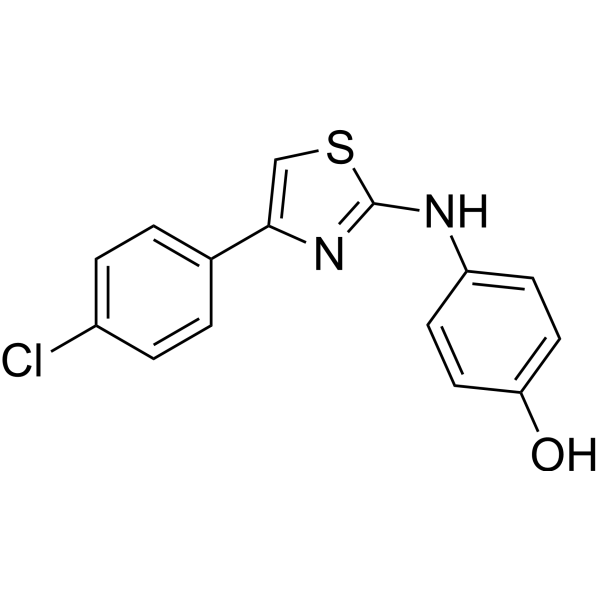
EPIC-0628 is an inhibitor of the HOTAIR-EZH2 interaction and promotes ATF3 expression. The long noncoding RNA HOTAIR has been found to regulate glioblastoma (GBM) progression and mediate DNA damage repair (DDR) by interacting with the catalytic subunit EZH2 of PRC2. EPIC-0628 also inhibits the ATF3-p38-E2F1 DDR pathway to inhibit the HR pathway and upregulates CDKN1A (p21) expression, causing cell cycle arrest. EPIC-0628 also synergizes with Temozolomide (TMZ) (HY-17364) to enhance its in vivo potency .
|
-
-
- HY-144720
-
|
|
SWI/SNF Complex
|
Cancer
|
|
BRG1-IN-1 (Compound 11d) is a potent inhibitor of SMARCA4/BRG1. BRG1-IN-1 shows better efficacy than PFI-3 in sensitizing GBM cells to the antiproliferative and cell death inducing effects of Temozolomide in vitro. BRG1-IN-1 enhances the inhibitor effect of Temozolomide on the growth of subcutaneous GBM tumors .
|
-
-
- HY-B0106S
-
|
UCB L059-d6
|
Isotope-Labeled Compounds
DNA Methyltransferase
|
Neurological Disease
Cancer
|
|
Levetiracetam-d6 is the deuterium labeled Levetiracetam. Levetiracetam, an antiepileptic agent, binds the synaptic vesicle protein SV2A. Levetiracetam enhances Temozolomide effect on glioblastoma stem cell proliferation and apoptosis. Levetiracetam modulates HDAC levels ultimately silencing MGMT, thus increasing Temozolomide effectiveness. A chemosensitizer agent .
|
-
-
- HY-17364R
-
|
NSC 362856 (Standard); CCRG 81045 (Standard); TMZ (Standard)
|
Reference Standards
DNA Alkylator/Crosslinker
Autophagy
Apoptosis
|
Cancer
|
|
Temozolomide (Standard) is the analytical standard of Temozolomide. This product is intended for research and analytical applications. Temozolomide (NSC 362856) is an oral active DNA alkylating agent that crosses the blood-brain barrier. Temozolomide is also a proautophagic and proapoptotic agent. Temozolomide is effective against tumor cells that are characterized by low levels of O6-alkylguanine DNA alkyltransferase (OGAT) and a functional mismatch repair system. Temozolomide has antitumor and antiangiogenic effects .
|
-
-
- HY-15882
-
|
|
Endogenous Metabolite
|
Cancer
|
|
GNE-783 is a selective CHK1 inhibitor that enhances the activity of gemcitabine. GNE-783 improves the efficacy of anti-metabolite DNA damage drugs by inactivating S-phase and G2-phase cell cycle checkpoints following DNA damage. GNE-783 selectively enhances the chemical synergy of certain drugs in different tumor types, for example, enhancing the activity of temozolomide only in melanoma cell lines .
|
-
-
- HY-10615
-
|
|
PARP
|
Cancer
|
|
A-620223 is a PARP-1 inhibitor with a Ki of 8 nM against PARP-1 and EC50 of 3 nM in a whole cell assay. A-620223 demonstrates good in vivo efficacy in a B16F10 subcutaneous murine melanoma model in combination with Temozolomide (TMZ) (HY-17364) and in an MX-1 breast xenograph model in combination with Cisplatin (HY-17394). A-620223 can be used for the studies of melanoma and breast cancer .
|
-
-
- HY-173116
-
|
|
Carbonic Anhydrase
|
Cancer
|
|
DOTA-XYIMSR-01 is a molecular probe targeting CAIX that can be labeled with 177Lu for the inhibition and localization of malignant gliomas. The uptake of [177Lu] Lu-XYIMSR-01 in U87MG tumors is 6.19 % of the injected dose per gram (% ID/g), and the tumor-to-muscle uptake ratio is 20.14. In the orthotopic glioma model, combined injection with Temozolomide (HY-17364) can significantly improve the survival rate of mice and inhibit tumor growth. DOTA-XYIMSR-01 shows promise for research in the field of anti-cancer therapy .
|
-
-
- HY-175299
-
|
|
Hedgehog
Apoptosis
DNA Methyltransferase
|
Cancer
|
|
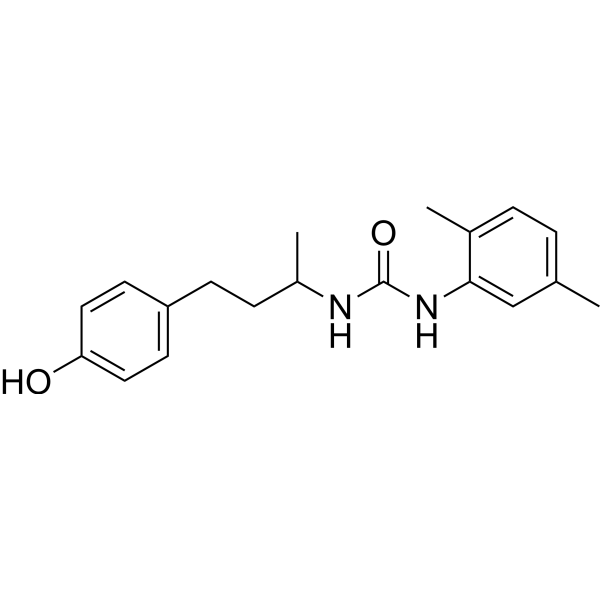
Hedgehog IN-11 is an orally active Hedgehog inhibitor. Hedgehog IN-11 downregulates the expression of O6-methylguanine-DNA methyltransferase (MGMT) to impair the Temozolomide (TMZ) (HY-17364) resistance by inhibiting the Hedgehog pathway. Hedgehog IN-11 shows improved inhibition of cell migration and invasion, and induced cell apoptosis in TMZ-resistant GBM cell lines. Hedgehog IN-11 is predicted by computer simulation to have good blood-brain barrier penetration. Hedgehog IN-11 can be used for the study of glioblastoma (GBM) .
|
-
-
- HY-155580
-
|
|
Monoamine Oxidase
HSP
|
Cancer
|
|
MAO A/HSP90-IN-2 (compound 4-C) is a dual inhibitor of HSP90and MAO A with the IC50 values of 0.016 and 4.58 μM, respectively. MAO A/HSP90-IN-2 increases HSP70 expression and reduces HER2 and phospho-Akt expression, and decreases IFN-γ induced PD-L1 expression in GL26 cells. MAO A/HSP90-IN-2 inhibits the growth of Temozolomide (HY-17364) -sensitive and -resistant GBM cells, colon cancer, leukemia, non-small cell lung and other cancers, and has potential to inhibit tumor immune escape [1] sup >.
|
-
-
- HY-169439
-
-
-
- HY-155889
-
|
|
Epigenetic Reader Domain
|
Cancer
|
|
IV-275 is an inhibitor of both BRG1 and BRM bromodomains. IV-275 increases the extent of DNA damage induced by Temozolomide (HY-17364) and Bleomycin (HY-108345). IV-275 inhibits the invasiveness of GBM cells. IV-275 enhances Temozolomide-induced cell death and the apoptosis-inducing activity of Temozolomide .
|
-
-
- HY-14688
-
|
|
PARP
|
Cancer
|
|
CEP-8983 is a PARP-1 and PARP-2 inhibitor (IC50: 20 and 6 nM). CEP-8983 is an effective chemosensitizing agent, and can sensitize chemotherapy-resistant cell lines and subcutaneous xenografts to Temozolomide (HY-17364) and Camptothecin (HY-16560) .
|
-
-
- HY-119696R
-
|
|
Reference Standards
Drug Metabolite
|
Neurological Disease
Cancer
|
|
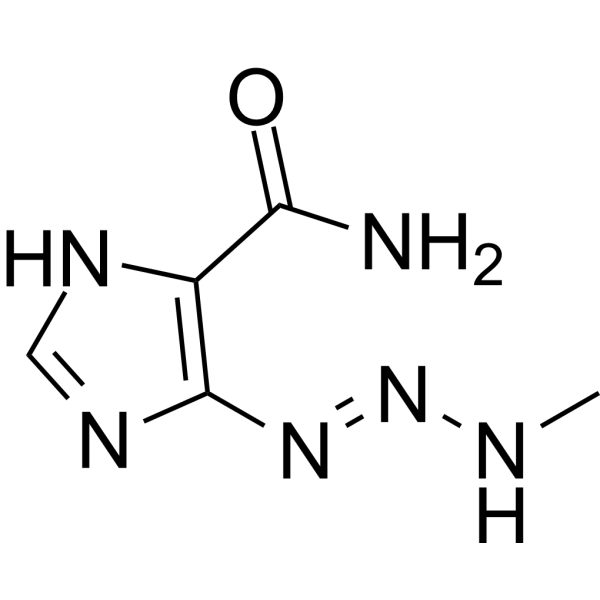
MTIC (Standard) is the analytical standard of MTIC. This product is intended for research and analytical applications. MTIC, the active metabolite of Temozolomide (TMZ), is a DNA alkylating agent. MTIC has antitumor activity
[1][2][3][4].
|
-
-
- HY-B0106S1
-
|
UCB L059-d3
|
DNA Methyltransferase
|
Neurological Disease
Cancer
|
|
Levetiracetam-d3 is the deuterium labeled Levetiracetam. Levetiracetam, an antiepileptic agent, binds the synaptic vesicle protein SV2A. Levetiracetam enhances Temozolomide effect on glioblastoma stem cell proliferation and apoptosis. Levetiracetam modulates HDAC levels ultimately silencing MGMT, thus increasing Temozolomide effectiveness. A chemosensitizer agent .
|
-
-
- HY-12772R
-
|
Itraconazole metabolite Hydroxy Itraconazole (Standard); R-63373 (Standard)
|
Reference Standards
Fungal
Drug Metabolite
|
Others
|
|
Levetiracetam (Standard) is the analytical standard of Levetiracetam. This product is intended for research and analytical applications. Levetiracetam, an antiepileptic agent, binds the synaptic vesicle protein SV2A. Levetiracetam enhances Temozolomide effect on glioblastoma stem cell proliferation and apoptosis. Levetiracetam modulates HDAC levels ultimately silencing MGMT, thus increasing Temozolomide effectiveness. A chemosensitizer agent .
|
-
-
- HY-169433
-
|
|
PROTACs
HDAC
|
Cancer
|
|
Naph-Se-TMZ is a PROTAC-like HDAC1 degrader. Naph-Se-TMZ can reduce the total HDAC activity in glioma cells and enhance the inhibitory effect of Temozolomide (HY-17364). Naph-Se-TMZ consists of the target protein ligand (red part) Temozolomide (HY-17364), the DNA-targeting intercalator (blue part) Nitro-Naphthalimide-C2-acylamide (HY-169437) and the molecular linker (black part). At the same time, the active control of the target protein ligand is: Temozolomide-amino hydrochloride (HY-169439), and the DNA targeting intercalator + linker is: NNISC-2 (HY-169438) .
|
-
-
- HY-157168
-
|
|
Trk Receptor
|
Neurological Disease
|
|
TrkA-IN-6 (compound R48) is a hydrazone-like, selective inhibitor of tropomyosin kinase type A receptor kinase (TrkA). TrkA-IN-6 exhibited a higher cytotoxic effect on U87 GBM cells than Temozolomide (HY-17364), with an IC50 of 68.99 μM .
|
-
-
- HY-119696S
-
|
|
Isotope-Labeled Compounds
Drug Metabolite
|
Neurological Disease
Cancer
|
|
MTIC-d3 is deuterium labeled MTIC. MTIC is the active metabolite of Temozolomide (TMZ). MITC has lower bioavailability in the brain compared with TMZ, because the agent’s permeability through biological barriers and tumor cell membranes affects bioavailability. MITC exhibits low affinity to biological membrane .
|
-
-
- HY-14206
-
|
|
PARP
|
Cancer
|
|
NU 1085 is a potent poly(ADP-ribose) polymerase (PARP) inhibitor with a Ki of 6 nM. NU 1085 shows strong cytotoxicity to cancer cells (LC50 = 83-94 μM) and can enhance the anticancer effect of Temozolomide (HY-17364). NU 1085 can be used for the research of cancer, such as lung cancer .
|
-
-
- HY-149003
-
|
|
PARP
Apoptosis
|
Cancer
|
|
PARP1-IN-10 (compound 12c) is a no-cytotoxicity and potent PARP1 inhibitor with an IC50 value of 50.62 nM in vitro. PARP1-IN-10 causes cell cycle arrest at G2/M phase and apoptosis, and enhances the cytotoxicity of temozolomide (TMZ) .
|
-
-
- HY-119992
-
|
|
PARP
|
Cancer
|
|
CEP-6800 is an inhibitor of PARP-1 with chemopotentiating ability. CEP-6800 attenuates irinotecan (HY-16562)- and Temozolomide (HY-17364)-induced poly(ADP-ribose) accumulation in LoVo as well as HT29 xenografts. CEP-6800 can suppress Calu-6 tumor growth. CEP-6800 can be studied in anti-cancer research .
|
-
-
- HY-169002
-
|
|
Phosphatase
|
Cancer
|
|
PP5-IN-2 is an orally active and selective protein phosphatase 5 (PP5) inhibitor with an IC50 value of 0.9 μM. PP5-IN-2 activates p53 and downregulates cyclin D1 and MGMT, which shows potency in cell cycle arrest and reverses Temozolomide (TMZ) (HY-17364) resistance in the U87 MG cell line. PP5-IN-2 effectively inhibits tumor growth in the xenograft mouse model .
|
-
-
- HY-10261BR
-
|
(E/Z)-BIBW 2992 (Standard)
|
EGFR
Apoptosis
c-Met/HGFR
Akt
p38 MAPK
Autophagy
Reference Standards
|
Others
|
|
(E/Z)-Afatinib (Standard) is the analytical standard of (E/Z)-Afatinib. This product is intended for research and analytical applications. (E/Z)-Afatinib ((E/Z)-BIBW 2992) is the mixture of (E)-Afatinib and (Z)-Afatinib. Afatinib (HY-10261) is an irreversible inhibitor of EGFR, by irreversibly binding to their ATP binding site to block activation of EGFR, HER2, HER4, and EGFRvIII. Afatinib used in co-administration with Temozolomide (HY-17364), potently targeting to EGFRvIII-cMet signaling in glioblastoma cells .
|
-
-
- HY-159580
-
|
|
STAT
|
Cancer
|
|
STAT3-IN-31 (compound K2071) is a STATtic-derived STAT3 and mitotic inhibitor. STAT3-IN-31 blocks mitotic progression and affects the formation of mitotic spindles. STAT3-IN-31 also affects glioblastoma cell migration and inhibits cell proliferation in tumor spheroids. STAT3-IN-31 is also able to induce glioblastoma senescence, inhibit the growth of Temozolomide (HY-17364)-resistant cells and the secretion of the pro-inflammatory cytokine monocyte chemoattractant protein MCP-1 .
|
-
-
- HY-101349
-
|
|
Dopamine Receptor
Apoptosis
Autophagy
PDGFR
ERK
mTOR
|
Neurological Disease
Cancer
|
|
L 741742 is a highly selective and brain-penetrant D4 dopamine receptor antagonist, with Ki values of 3.5 nM, 770 nM and >1700 nM for human D4, D3 and D2 receptors, respectively. L 741742 suppresses PDGFRβ, ERK1/2, and mTOR signaling pathways, and impairs autophagic flux while disrupting lysosomal function.L 741742 induces G0/G1 cell-cycle arrest and apoptosis, promotes neuronal differentiation of normal human neural stem cells, selectively inhibits growth and clonogenic potential of glioblastoma neural stem cells and primary glioblastoma tumor cells, exerts synergistic effects with Temozolomide (TMZ) (HY-17364) against glioblastoma neural stem cells in vitro, and inhibits glioblastoma neural stem cell xenograft growth in immunocompromised mice. L 741742 can be used for the research of schizophrenia and glioblastoma .
|
-
-
- HY-101349A
-
|
|
Dopamine Receptor
Apoptosis
Autophagy
PDGFR
ERK
mTOR
|
Neurological Disease
Cancer
|
|
L 741742 hydrochloride is a highly selective and brain-penetrant D4 dopamine receptor antagonist, with Ki values of 3.5 nM, 770 nM and >1700 nM for human D4, D3 and D2 receptors, respectively. L 741742 hydrochloride suppresses PDGFRβ, ERK1/2, and mTOR signaling pathways, and impairs autophagic flux while disrupting lysosomal function.L 741742 hydrochloride induces G0/G1 cell-cycle arrest and apoptosis, promotes neuronal differentiation of normal human neural stem cells, selectively inhibits growth and clonogenic potential of glioblastoma neural stem cells and primary glioblastoma tumor cells, exerts synergistic effects with Temozolomide (TMZ) (HY-17364) against glioblastoma neural stem cells in vitro, and inhibits glioblastoma neural stem cell xenograft growth in immunocompromised mice. L 741742 hydrochloride can be used for the research of schizophrenia and glioblastoma .
|
-
-
- HY-180540
-
|
|
DNA Methyltransferase
|
Neurological Disease
Cancer
|
|
MGMT-IN-1 (Compound 2) is a light-activated MGMT inhibitor. MGMT-IN-1 can effectively enhance the cytotoxicity of Temozolomide (TMZ) (HY-17364) only under light conditions, significantly increasing the DNA damage caused by TMZ. MGMT-IN-1 can be used for the study of chordoma .
|
-
-
- HY-181627
-
|
|
MNK
DNA/RNA Synthesis
Interleukin Related
Eukaryotic Initiation Factor (eIF)
|
Cancer
|
|
ETC-501 is a blood-brain barrier-permeable, orally active, and selective MNK1/MNK2 inhibitor, with an IC50 of 0.033 μM against MNK1 and 0.111 μM against MNK2. ETC-501 inhibits glioblastoma cell proliferation, impairs DNA damage repair function, delays cell cycle progression, and suppresses ribosome biogenesis. ETC-501 enhances Temozolomide (HY-17364)-induced cellular senescence, attenuates the senescence-associated secretory phenotype, and increases cellular sensitivity to Navitoclax (HY-10087). ETC-501 is applicable to research related to glioblastoma .
|
-
-
- HY-119696S1
-
-
-
- HY-180392
-
|
|
DNA/RNA Synthesis
|
Cancer
|
|
IAG-10 is a selective DNA polymerase kappa (hpol κ) inhibitor with an IC50 value of 7.2 μM. IAG-10 exerts its function by disrupting the formation of the binary complex between the enzyme and DNA. IAG-10 enhances the antiproliferative and DNA-damaging activities of Temozolomide (HY-17364) in tumor cells with functional hpol κ expression. IAG-10 can be used in the research of cancers such as malignant brain tumors .
|
-
-
- HY-138195
-
|
|
DNA/RNA Synthesis
Apoptosis
FAK
Src
MMP
Autophagy
|
Cancer
|
|
NEO212 is an orally active, blood-brain barrier permeable conjugate of Temozolomide (TMZ) (HY-17364) and Perillyl Alcohol (POH) (HY-N7000), with potent anticancer activity. NEO212 overcomes classical TMZ resistance and DNA alkylation by depleting MGMT. By inhibiting the FAK/Src signaling pathway, NEO212 reduces the production of MMP2 and MMP9, induces mesenchymal-epithelial transition, and inhibits the migration, invasion and tumor progression of glioma stem cells. NEO212 disrupts autophagy flux to enhance mitochondrial apoptosis; it induces differentiation of acute myeloid leukemia (AML) cells into macrophages and proliferation arrest .
|
-
-
- HY-183638
-
-
| Cat. No. |
Product Name |
Category |
Target |
Chemical Structure |
| Cat. No. |
Product Name |
Chemical Structure |
-
- HY-17364S
-
|
|
|
Temozolomide-d3 is the deuterium labeled Temozolomide. Temozolomide (NSC 362856) is an oral active DNA alkylating agent that crosses the blood-brain barrier. Temozolomide is also a proautophagic and proapoptotic agent. Temozolomide is effective against tumor cells that are characterized by low levels of O6-alkylguanine DNA alkyltransferase (OGAT) and a functional mismatch repair system. Temozolomide has antitumor and antiangiogenic effects .
|
-
-
- HY-B0106S
-
|
|
|
Levetiracetam-d6 is the deuterium labeled Levetiracetam. Levetiracetam, an antiepileptic agent, binds the synaptic vesicle protein SV2A. Levetiracetam enhances Temozolomide effect on glioblastoma stem cell proliferation and apoptosis. Levetiracetam modulates HDAC levels ultimately silencing MGMT, thus increasing Temozolomide effectiveness. A chemosensitizer agent .
|
-
-
- HY-B0106S1
-
|
|
|
Levetiracetam-d3 is the deuterium labeled Levetiracetam. Levetiracetam, an antiepileptic agent, binds the synaptic vesicle protein SV2A. Levetiracetam enhances Temozolomide effect on glioblastoma stem cell proliferation and apoptosis. Levetiracetam modulates HDAC levels ultimately silencing MGMT, thus increasing Temozolomide effectiveness. A chemosensitizer agent .
|
-
-
- HY-119696S
-
|
|
|
MTIC-d3 is deuterium labeled MTIC. MTIC is the active metabolite of Temozolomide (TMZ). MITC has lower bioavailability in the brain compared with TMZ, because the agent’s permeability through biological barriers and tumor cell membranes affects bioavailability. MITC exhibits low affinity to biological membrane .
|
-
-
- HY-119696S1
-
|
|
|
MTIC- 13C is the 13C-labeled MTIC (HY-119696). MTIC, the active metabolite of Temozolomide (TMZ), is a DNA alkylating agent. MTIC has antitumor activity
|
-
| Cat. No. |
Product Name |
|
Classification |
-
- HY-115567
-
|
1-(β-D-2-Deoxyribofuranosyl)-5-nitroindole
|
|
Nucleoside Analogs
|
|
5-NIdR (1-(β-D-2-Deoxyribofuranosyl)-5-nitroindole), an artificial nucleoside, exhibits the ability to inhibit the replication of DNA lesions generated by Temozolomide (HY-17364). 5-NIdR induces cancer cells apoptosis and arrests cell cycle at G0 phase. 5-NIdR enhances Temozolomide anti-tumor efficacy in murine glioblastoma model .
|
Your information is safe with us. * Required Fields.
Inquiry Information
- Product Name:
- Cat. No.:
- Quantity:
- MCE Japan Authorized Agent:

