Search Result
Results for "
Tobacco
" in MedChemExpress (MCE) Product Catalog:
5
Biochemical Assay Reagents
16
Isotope-Labeled Compounds
| Cat. No. |
Product Name |
Target |
Research Areas |
Chemical Structure |
-
- HY-B1178
-
|
(-)-Cotinine; (S)-Cotinine; NIH-10498
|
Endogenous Metabolite
nAChR
|
Cardiovascular Disease
Inflammation/Immunology
|
|
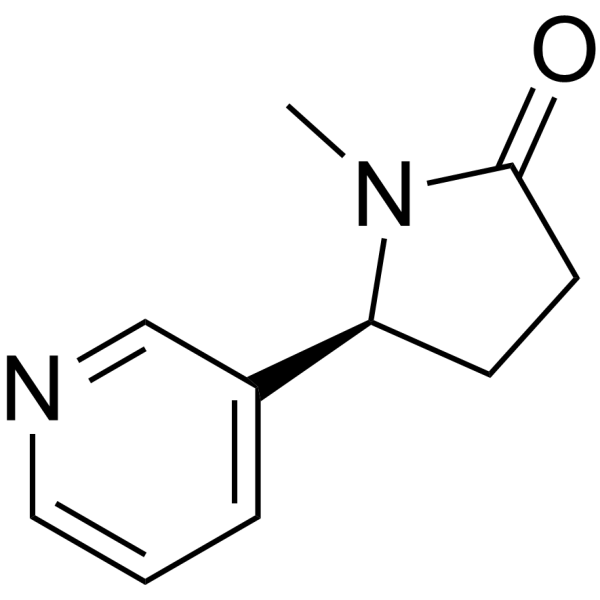
Cotinine ((-)-Cotinine) is an orally active alkaloid found in tobacco and is the primary metabolite of nicotine. Cotinine is metabolized by CYP2A13 into trans-3'-hydroxycotinine. Cotinine is used as a biomarker to measure exposure to tobacco smoke components. Cotinine has vasodepressor activity. The mixture of cotinine and nicotine (Nicotine) has antiproliferative activity against pterygium. (S)-(-)-Cotinine activates nicotinic acetylcholine receptors (nAChR) in a calcium-dependent manner, leading to the release of dopamine (Dopamine, HY-B0451). Cotinine ((-)-Cotinine) is used in research related to cardiovascular and inflammatory diseases .
|
-
-
- HY-Y0189
-
|
Salicylic acid methyl ester
|
Environmental Pollutants
COX
|
Inflammation/Immunology
|
|
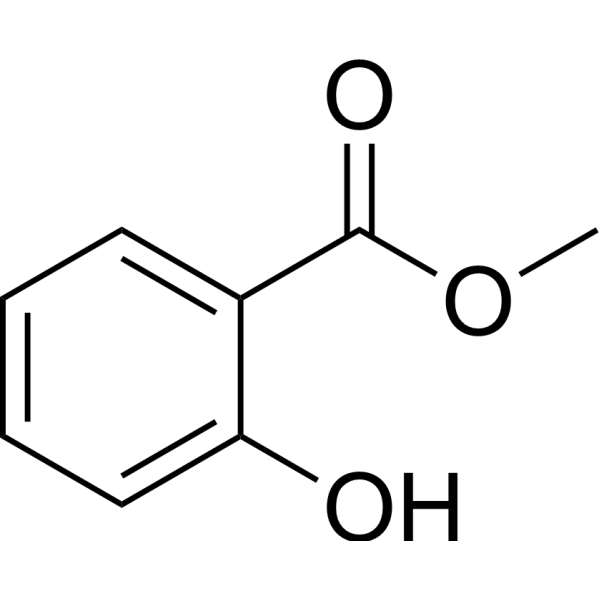
Methyl Salicylate (Wintergreen oil) is a topical analgesic and anti-inflammatory agent. Also used as a pesticide, a denaturant, a fragrance ingredient, and a flavoring agent in food and tobacco products . A systemic acquired resistance (SAR) signal in tobacco . A topical nonsteroidal anti-inflammatory agent (NSAID). Methyl salicylate lactoside is a COX inhibitor .
|
-
-
- HY-W041301
-
|
|
Drug Isomer
|
Inflammation/Immunology
|
|
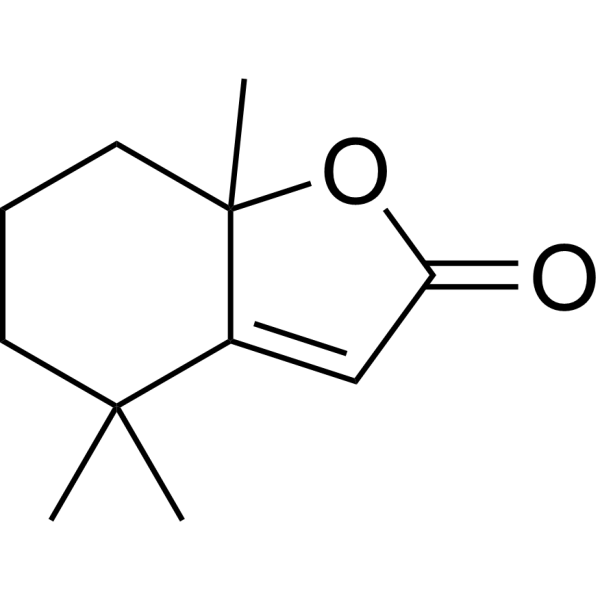
(±)-Dihydroactinidiolide is the dextrorotatory form of Dihydroactinidiolide (HY-107805). (±)-Dihydroactinidiolide has a strong, pleasant musky, tea-like and tobacco-like aroma and is mainly found in black tea, tobacco and fruits. (±)-Dihydroactinidiolide has antioxidant activity and can be derived from β-carotene.or light adaptation in Arabidopsis .
|
-
-
- HY-126047A
-
-
-
- HY-Y0507
-
|
|
TMV
|
Infection
Cancer
|
|
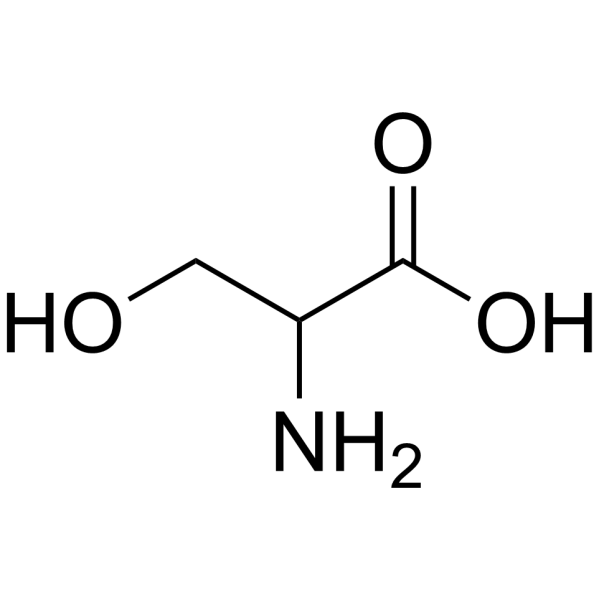
DL-Serine, a fundamental metabolite, is a mixture of D-Serine and L-Serine. DL-Serine has antiviral activity against the multiplication of tobacco mosaic virus (TMV) .
|
-
-
- HY-B1972
-
|
Napropamid
|
Environmental Pollutants
DNA/RNA Synthesis
Herbicide
|
Others
|
|
Napropamide (Napropamid) is an amide herbicide that can be used to control weeds in fruits, vegetables, tobacco, and ornamental plants. Napropamide mainly exerts its effect by inhibiting DNA synthesis and cell division. Napropamide has moderate to high persistence in the field, with a half-life of 24-131 days, and is prone to photodegradation .
|
-
-
- HY-B1532
-
|
(S)-Anabasine; (+)-Anabasine
|
Environmental Pollutants
nAChR
|
Neurological Disease
|
|
Anabasine ((S)-Anabasine) is an alkaloid that found as a minor component in tobacco (Nicotiana). Anabasine is a botanical pesticide nicotine, acts as a full agonist of nicotinic acetylcholine receptors (nAChRs). Anabasine induces depolarization of TE671 cells endogenously expressing human fetal muscle-type nAChRs (EC50=0.7 μM) .
|
-
-
- HY-121999
-
|
(Z)-Abienol
|
Bacterial
|
Infection
|
|
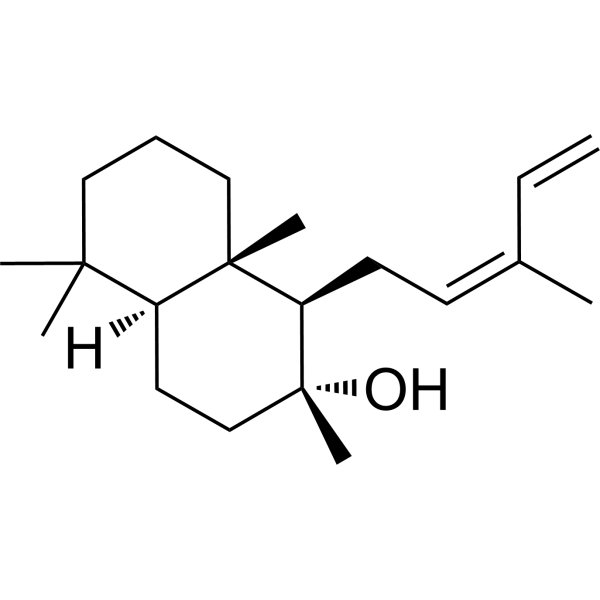
(+)-cis-Abienol (Compound Z-abienol), a diterpenoid, can be isolated from leaves of tobacco. (+)-cis-Abienol inhibits hyphal growth of P. nicotianae .
|
-
-
- HY-B1673
-
|
|
Environmental Pollutants
Bacterial
|
Infection
Cancer
|
|
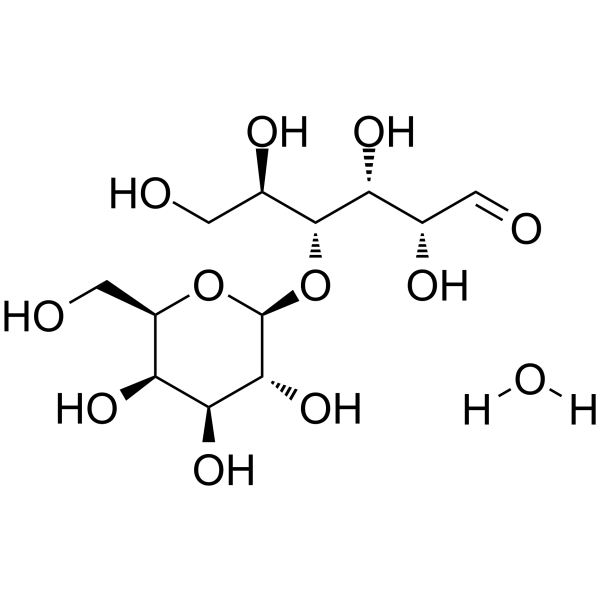
D-Lactose monohydrate is a sugar. D-Lactose monohydrate can be utilized by most bacteria. D-Lactose monohydrate promotes the growth of tobacco B6S3 tumor tissue. D-Lactose monohydrate is used in the research of the growth mechanism of plant tumor tissues and the sugar utilization of bacteria .
|
-
-
- HY-W001909
-
|
|
nAChR
|
Metabolic Disease
|
|
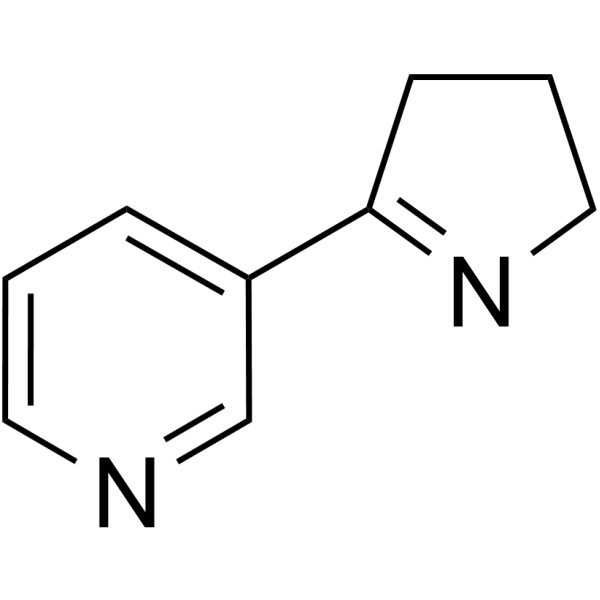
Myosmine, a specific tobacco alkaloid in nuts and nut products, has low affinity for a4b2 nicotinic acetylcholinergic receptors (nAChR) with a Ki of 3300 nM .
|
-
-
- HY-W011151
-
|
|
Phytohormone
|
Others
|
|
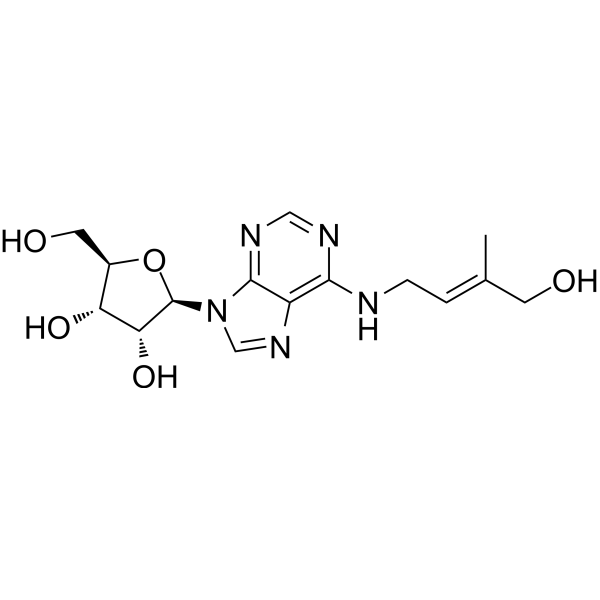
trans-Zeatinriboside is a zeatin-type cytokinin and plant growth regulator. trans-Zeatinriboside is produced by the terrestrial filamentous cyanobacterium Nostoc sp. HK-01 and Agrobacterium tumefaciens (including Ti plasmid-dependent and Ti plasmid-independent strains). trans-Zeatinriboside is detectable as a cytokinin component in growing crown galls, and accumulates in large amounts in CHRK1-silenced transgenic tobacco accompanied by pleiotropic developmental abnormalities. trans-Zeatinriboside can be used in studies related to crown galls .
|
-
-
- HY-34516
-
|
(R)-Ornithine hydrochloride
|
Endogenous Metabolite
Bacterial
|
Metabolic Disease
|
|
D-Ornithine ((R)-Ornithine) hydrochloride is a constituent of bacterial cell wall. D-Ornithine hydrochloride promotes the production of L-arginine (HY-N0455). D-Ornithine hydrochloride enhances the expression of pyrrolysine-containing proteins .
|
-
-
- HY-103673
-
|
|
Adenosine Deaminase
|
Neurological Disease
|
|
AMPD2 inhibitor 1 is an adenosine monophosphate deaminase 2 (AMPD2) inhibitor, used in the research of sugar craving, salt craving, umami craving, and addictions including agent, tobacco, nicotine and alcohol addictions.
|
-
-
- HY-Y0507S
-
|
|
TMV
Isotope-Labeled Compounds
|
Infection
Cancer
|
|
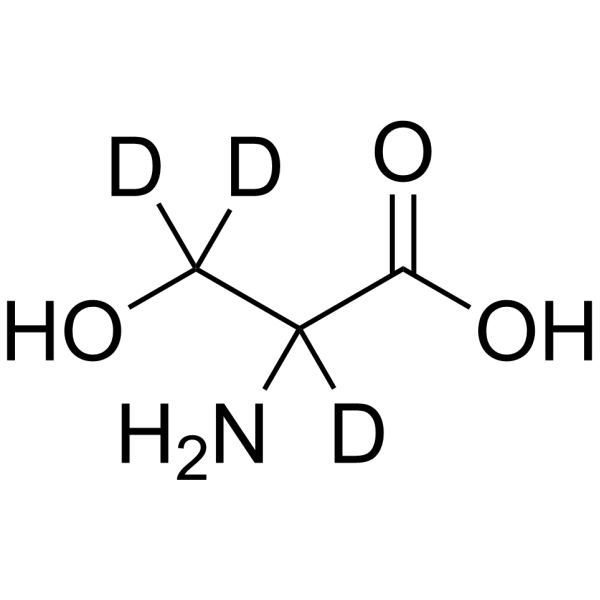
DL-Serine-2,3,3-d3 is the deuterium labeled DL-Serine. DL-Serine, a fundamental metabolite, is a mixture of D-Serine and L-Serine. DL-Serine has antiviral activity against the multiplication of tobacco mosaic virus (TMV) .
|
-
-
- HY-145476
-
|
N-NAT; N'-Nitrosoanatabine
|
Biochemical Assay Reagents
|
Cancer
|
|
(R,S)-N-Nitrosoanatabine (N-NAT) is a tobacco-specific nitrosamine (TSNA) that has been found in tobacco, tobacco products, and electronic cigarettes. The (S) enantiomer comprises approximately 80% of the N-NAT found in commercial and research cigarettes and smokeless tobacco.3 Unlike other TSNAs, N-NAT is not carcinogenic in rats when administered at doses of 1, 3, and 9 mmol/kg.
|
-
-
- HY-W001084
-
|
|
Others
|
Infection
Cancer
|
|
Methyl 4-hydroxyphenylacetate is a compound found in the marine fungus Penicillium oxalicum 0312F1. Methyl 4-hydroxyphenylacetate can be Methyl 4-hydroxyphenylacetate inhibits replication of tobacco mosaic virus (TMV) in Nicotiana tabacum leaf discs. Methyl 4-hydroxyphenylacetate shows inhibitory activity against proliferation of cancer cells. Methyl 4-hydroxyphenylacetate can be used for the researches of TMV infection and cancer .
|
-
-
- HY-N4210
-
|
|
TMV
|
Infection
Cancer
|
|
Yadanziolide A, isolated from the cultivated dry seeds of Brucea javanica, has strong antiviral activities with IC50 of 5.5 μM against tobacco mosaic virus. Yadanziolide A shows significant antitumor effects .
|
-
-
- HY-118614
-
|
|
Drug Metabolite
|
Neurological Disease
|
|
β-Nicotyrine is a metabolite of Nicotine.β-Nicotyrine, isolated from the leaves of Nicotiana tabacum plants and from cigarette smoke condensate, is a minor tobacco alkaloid .
|
-
-
- HY-N15133
-
|
(-)-Solanacol
|
Drug Derivative
|
Others
|
|
Solanacol ((-)-Solanacol) is a strigolactone germination stimulant that can be isolated from tobacco (Nicotiana tabacum L.). Solanacol stimulates the germination of root parasitic weed seeds .
|
-
-
- HY-W588194
-
|
|
Drug Metabolite
|
Neurological Disease
Metabolic Disease
|
|
Cotinine N-β-D-Glucuronide is a glucuronide conjugate of the tobacco metabolite Cotinine (HY-B1178). Cotinine N-β-D-Glucuronide is promising for research of tobacco carcinogen metabolism and cognitive function .
|
-
-
- HY-114652
-
|
2-Amino-α-carboline; AαC
|
Endogenous Metabolite
|
Cancer
|
|
AalphaC (AαC) is a potential carcinogen with carcinogenic activity. AalphaC is an important biomarker in tobacco smoke and is associated with tobacco smoke exposure. Urinary concentrations of AalphaC are significantly higher in dedicated smokers than in non-smokers, indicating its importance in monitoring tobacco exposure. AalphaC levels increase significantly with increasing serum nicotine levels, indicating its close relationship with tobacco use. In addition, consuming high-temperature cooked beef significantly increases the amount of AalphaC in urine, while consuming vegetables is associated with a decrease in AalphaC concentrations. Smoking half a pack of cigarettes is associated with a significant increase in the amount of AalphaC, which further confirms the biological activity of AalphaC and its association with dietary habits .
|
-
-
- HY-126047AR
-
|
|
Biochemical Assay Reagents
Reference Standards
|
Inflammation/Immunology
|
|
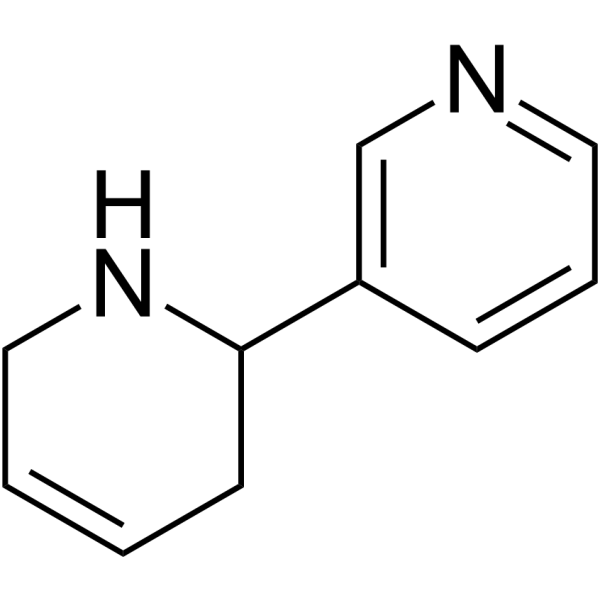
(R,S)-Anatabine (Standard) is the analytical standard of (R,S)-Anatabine (HY-126047A). This product is intended for research and analytical applications. (R,S)-Anatabine is a a minor tobacco alkaloid found in the Solanaceae family of plants that can be used as a specific marker for the detection of tobacco use .
|
-
-
- HY-W127341
-
|
|
Biochemical Assay Reagents
|
Others
|
|
Phytanic acid methyl esteris an esterified form of long-chain fatty acid methyl esters and phytanic acid, which has been found in Greek tobacco.
|
-
-
- HY-145731
-
|
Fru-Leu
|
Endogenous Metabolite
|
Others
|
|
Fructose-leucine (Fru-Leu) is an Amadori compound that can be found in tobacco and is a precursor of aroma formed during the early stages of the Maillard reaction .
|
-
-
- HY-Y0189R
-
|
Salicylic acid methyl ester (Standard)
|
Reference Standards
COX
|
Inflammation/Immunology
|
|
Methyl Salicylate (Standard) is the analytical standard of Methyl Salicylate. This product is intended for research and analytical applications. Methyl Salicylate (Wintergreen oil) is a topical analgesic and anti-inflammatory agent. Also used as a pesticide, a denaturant, a fragrance ingredient, and a flavoring agent in food and tobacco products . A systemic acquired resistance (SAR) signal in tobacco . A topical nonsteroidal anti-inflammatory agent (NSAID). Methyl salicylate lactoside is a COX inhibitor .
|
-
-
- HY-W683760
-
|
(2S)-N'-Nitrosonornicotine
|
DNA/RNA Synthesis
|
Cancer
|
|
N-Nitrosonornicotine is a tobacco-specific nitrosamine that has carcinogenic and mutagenic activity, and it can induce micronuclei in C3A cells. N-Nitrosonornicotine can form DNA adducts .
|
-
-
- HY-W001909S
-
|
|
nAChR
|
Metabolic Disease
|
|
Myosmine-d4 is the deuterium labeled Myosmine. Myosmine, a specific tobacco alkaloid in nuts and nut products, has low affinity for a4b2 nicotinic acetylcholinergic receptors (nAChR) with a Ki of 3300 nM .
|
-
-
- HY-121255
-
|
(R)-Cryptopleurine; NSC 19912
|
TMV
|
Cancer
|
|
(–)-Cryptopleurine is an alkaloid that has been found in Lauraceae and has diverse biological activities. It inhibits the growth of human A375 melanoma, A431 epidermoid carcinoma, A549 lung, MES-SA uterine sarcoma, and MCF-7 breast cancer cells (IC50=3 nM for all).2 (–)-Cryptopleurine inhibits hypoxia-induced gene expression in a hypoxia response element (HRE) reporter assay (IC50=8.7 nM).3 (–)-Cryptopleurine (500 μg/mL) prevents lesion formation in tobacco (N. tabacum) plants infected with tobacco mosaic virus (TMV). It also inhibits protein synthesis by yeast and mammalian ribosomes.
|
-
-
- HY-117085
-
|
|
Phosphatase
TMV
Lipoxygenase
|
Cancer
|
|
Lobaric acid is a depsipeptide metabolite isolated from Stereocaulon lichen with antioxidant, antiproliferative, antiviral and enzyme inhibitory activities. Lobaric acid scavenges superoxide free radicals (IC50=97.9 μM) and inhibits cancer cell proliferation (EC50 of 15.2-63.9 μg/mL against leukemia, colorectal, gastric, breast, ovarian, prostate, pancreatic and lung cancer cell lines). Lobaric acid inhibits protein tyrosine phosphatase 1B (PTP1B; IC50=0.87 μM for human recombinant enzyme) and 12(S)-HETE produced by 12(S)-lipoxygenase (IC50=28.5 μM). Lobaric acid (250 μM) also reduced pathological changes in tobacco leaves infected with tobacco mosaic virus (TMV).
|
-
-
- HY-W004515
-
|
|
Endogenous Metabolite
|
Others
|
|
3-Pyridineacetic acid hydrochloride is a high homolog of nicotinic acid and is a decomposition product of nicotine (and other tobacco alkaloids). 3-Pyridylacetic acid hydrochloride can be used to synthesize anti-inflammatory agents or as a precursor for the preparation of herbicides .
|
-
-
- HY-119458
-
|
|
Topoisomerase
TMV
Fungal
|
Infection
|
|
Luotonin A is an antiviral and antiphytopathogenic fungus agent. Luotonin A has good antiviral activity against tobacco mosaic virus (TMV). Luotonin A also has certain inhibitory activity on topoisomerase I and topoisomerase II. Luotonin A shows antitumor activity .
|
-
-
- HY-W679891
-
|
|
Drug Derivative
|
Cancer
|
|
N-Nitroso-N-methyl-4-aminobutyric acid is a tobacco-specific nitrosamine carcinogen .
|
-
-
- HY-Y0189S
-
|
Wintergreen oil-d4
|
COX
|
Inflammation/Immunology
|
|
Methyl Salicylate-d4 is the deuterium labeled Methyl Salicylate . Methyl Salicylate (Wintergreen oil) is a topical analgesic and anti-inflammatory agent. Also used as a pesticide, a denaturant, a fragrance ingredient, and a flavoring agent in food and tobacco products . A systemic acquired resistance (SAR) signal in tobacco . A topical nonsteroidal anti-inflammatory agent (NSAID). Methyl salicylate lactoside is a COX inhibitor .
|
-
-
- HY-20313
-
|
|
Cytochrome P450
|
Cancer
|
|
3-Methylbenzofuran is a cytochrome P450 CYP2A6 inhibitor. With an IC50 of 7.35 μM. 3-Methylbenzofuran can be used for the research of tobacco-related cancer .
|
-
-
- HY-N8024
-
|
|
TMV
|
Infection
|
|
Rubinaphthin A is a naphthohydroquinone that can be found in the roots of Rubia yunnanensis. Rubinaphthin A exhibits inhibitory activity against tobacco mosaic virus (TMV) .
|
-
-
- HY-N12249
-
|
|
Amyloid-β
TMV
|
Infection
Neurological Disease
Inflammation/Immunology
|
|
7-Deoxy-trans-dihydronarciclasine, an alkaloid, is a tobacco mosaic virus (TMV) inhibitor (IC50: 1.80 μM). 7-Deoxy-trans-dihydronarciclasine is an anti-neuroinflammatory agent. 7-Deoxy-trans-dihydronarciclasine decreases the Aβ and APP levels in the cerebral cortex of Tg2576 mice .
|
-
-
- HY-148568
-
|
|
TMV
Bacterial
|
Infection
Inflammation/Immunology
Cancer
|
|
TMV-IN-2, chalcone derivative, is a tobacco mosaic virus (TMV) inhibitor. TMV-IN-2 has antiviral activity against TMV with an EC50 value of 89.9 μg/mL. TMV-IN-2 can be used for the research of infection, inflammation and tumor .
|
-
-
- HY-N6085
-
|
|
Others
|
Others
|
|
N-Caffeoylputrescine,(E)- is a caffeic acid amide found in the tobacco plants (Nicotiana tabacum L.) .
|
-
-
- HY-N10004
-
|
Fru-Pro
|
Others
|
Others
|
|
Fructose-proline (Fru-Pro) is a major amino acid-sugar compound in tobacco leaves .
|
-
-
- HY-N7532
-
|
|
TMV
|
Infection
|
|
Yadanzioside I is a potent anti-tobacco mosaic virus (TMV) quassinoid with an IC50 of 4.22 μM .
|
-
-
- HY-P10871
-
|
|
Virus Protease
|
Infection
|
|
cTEV6-2 binds to the cysteine residue (C151) of tobacco etch virus protease (TEV protease), and covalently inhibits TEV protease with an IC50 of 81.7 nM .
|
-
-
- HY-135078
-
|
NSC 270912
|
DNA/RNA Synthesis
|
Others
|
|
2,5-Deoxyfructosazine is a pyrazine derivative that can be found in cured tobacco and is used as a flavoring agent in the food and tobacco industry. Pyrazines, including 2,5-deoxyfructosazine, can be produced either by pyrolytic decomposition of natural compounds or by the reaction of sugars with alcoholic ammonia. 2,5-Deoxyfructosazine is also formed by the breakdown of D-glucosamine at neutral pH. Like glucosamine, 2,5-deoxyfructosazine has DNA strand breakage activity and strongly inhibits IL-2 production by Jurkat cells stimulated with phytohemagglutinin (IC50=~1.25 mM).
|
-
-
- HY-135862
-
|
|
Insecticide
|
Infection
|
|
Tetraniliprole is an insecticide that can be used in the study of tobacco cutworms (TCW) .
|
-
-
- HY-152259
-
|
|
DNA/RNA Synthesis
TMV
|
Infection
|
|
TMV-IN-4 (compound 3) is a tobacco mosaic virus (TMV) inhibitor that effectively induces resistance and enhances plant tolerance to TMV infection by interacting with TMV helicase. TMV-IN-4 enhances peroxidase and superoxide dismutase activity, thereby increasing resistance to TMV in tobacco .
|
-
-
- HY-W585933
-
|
Fru-Ala
|
Others
|
Others
|
|
Fructose-alanine, an amadori compound, is an aroma precursor that formed in the initial phase of the Maillard reaction (MR). Fructose-alanine can be isolated from tobacco, miso and white wine. Fructose-alanine significantly induces oxidative browning and correlates with Maillard product (furfuryl alcohol) with a roasted and sweet aroma. Fructose-alanine can be used for food industry and tobacco processing research .
|
-
-
- HY-N1836
-
|
3-Hydroxy-3-acetonyloxindole
|
TMV
|
Infection
|
|
3-Acetonyl-3-hydroxyoxindole (AHO) is a potent systemic acquired resistance (SAR) inducer in plants. 3-Acetonyl-3-hydroxyoxindole induces resistance in tobacco plants against infection with tobacco mosaic virus (TMV) and the fungal pathogen Erysiphe cichoracearum. 3-Acetonyl-3-hydroxyoxindole increases the level of pathogenesis-related gene 1 (PR-1) expression, salicylic acid (SA) accumulation and phenylalanine ammonia-lyase activity .
|
-
-
- HY-W041301R
-
|
|
Reference Standards
Drug Isomer
|
Inflammation/Immunology
|
|
(±)-Dihydroactinidiolide (Standard) is the analytical standard of (±)-Dihydroactinidiolide (HY-W041301). This product is intended for research and analytical applications. (±)-Dihydroactinidiolide is the dextrorotatory form of Dihydroactinidiolide (HY-107805). (±)-Dihydroactinidiolide has a strong, pleasant musky, tea-like and tobacco-like aroma and is mainly found in black tea, tobacco and fruits. (±)-Dihydroactinidiolide has antioxidant activity and can be derived from β-carotene.
|
-
-
- HY-W585933S
-
|
Fru-Ala-13C6
|
Isotope-Labeled Compounds
|
Others
|
|
Fructose-alanine- 13C6 is 13C labeled Fructose-alanine. Fructose-alanine, an amadori compound, is an aroma precursor that formed in the initial phase of the Maillard reaction (MR). Fructose-alanine can be isolated from tobacco, miso and white wine. Fructose-alanine significantly induces oxidative browning and correlates with Maillard product (furfuryl alcohol) with a roasted and sweet aroma. Fructose-alanine can be used for food industry and tobacco processing research .
|
-
-
- HY-121109
-
|
|
Environmental Pollutants
Fungal
|
Infection
|
|
Benalaxyl is a systemic fungicide. Benalaxyl exhibits inhibitory activity against downy mildew (Peronospora tabacina) in tobacco plants. Benalaxyl can be used in studies related to downy mildew .
|
-
-
- HY-155044
-
|
|
TMV
Fungal
|
Infection
|
|
TMV-IN-5 (compound 1a) is an anti-plant virus/fungal agent. TMV-IN-5 inhibits viral assembly by binding to tobacco mosaic virus (TMV) CP. TMV-IN-5 can be used in the development of pesticides .
|
-
- HY-W001909R
-
|
|
Reference Standards
nAChR
|
Metabolic Disease
|
|
Myosmine (Standard) is the analytical standard of Myosmine. This product is intended for research and analytical applications. Myosmine, a specific tobacco alkaloid in nuts and nut products, has low affinity for a4b2 nicotinic acetylcholinergic receptors (nAChR) with a Ki of 3300 nM .
|
-
- HY-131844
-
|
N6-Benzoyladenosine-5'-O-monophosphate
|
Endogenous Metabolite
|
Others
|
|
6-Bnz-5'-AMP is a lipophilic analogue of adenosine-5'-O-monophosphate and a potential metabolite of N 6-Benzoyl-cAMP. 6-Bnz-5'-AMP exhibits some cytokinin activity in tobacco and soybean tissue culture assays .
|
-
- HY-W004515R
-
|
|
Reference Standards
Endogenous Metabolite
|
Others
|
|
3-Pyridylacetic acid (hydrochloride) (Standard) is the analytical standard of 3-Pyridylacetic acid (hydrochloride). This product is intended for research and analytical applications. 3-Pyridineacetic acid hydrochloride is a higher homologue of nicotinic acid, a breakdown product of nicotine (and other tobacco alkaloids). 3-Pyridylacetic acid hydrochloride can be used to synthesize anti-inflammatory agents or as a precursor for the preparation of herbicides .
|
-
- HY-145324
-
|
|
TMV
|
Infection
|
|
Antiviral agent 14 is an antiviral agent against the tobacco mosaic virus (TMV) and cucumber mosaic virus (CMV). The EC50 values of Antiviral agent 14 against TMV and CMV with EC50 values of 135.5 μg/mL and 178.6 μg/mL, respectively .
|
-
- HY-148569
-
|
|
TMV
Bacterial
|
Infection
Inflammation/Immunology
Cancer
|
|
TMV-IN-3, chalcone derivative, is a tobacco mosaic virus (TMV) inhibitor. TMV-IN-3 has antiviral activity against TMV with an EC50 value of 120.3 μg/mL. TMV-IN-3 can be used for the research of infection, inflammation and tumor .
|
-
- HY-N8521
-
|
|
TMV
Parasite
|
Infection
|
|
6-O-Methacrylate, a trilobolide, is isolated from the leaves of Wedelia trilobata. 6-O-Methacrylate displays marked antimalarial activity, with IC50 of 8.9 μg/mL against P. falciparum parasite. 6-O-Methacrylate also has anti-tobacco mosaic virus (TMV) activity .
|
-
- HY-148567
-
|
|
TMV
Bacterial
|
Infection
Inflammation/Immunology
Cancer
|
|
TMV-IN-1, chalcone derivative, is a tobacco mosaic virus (TMV) inhibitor. TMV-IN-1 has good therapeutic activity and protective activity against TMV with EC50 values of 70.7 μg/mL and 60.8 μg/mL, respectively. TMV-IN-1 can be used for the research of infection, inflammation and tumor .
|
-
- HY-156533
-
|
|
5-HT Receptor
|
Cancer
|
|
5-HT2 agonist-1 (Compound 24) is a 5-HT2A & 5-HT2B & 5-HT2C agonist, with IC50s of 10 nM, 8.3, and 1.6 nM respectively. 5-HT2 agonist-1 free base can be used for research of depression, alcoholism, tobacco and cocaine addiction, inflammation, cluster headache, PTSD, seizure disorders and other CNS disorders .
|
-
- HY-156533A
-
|
|
5-HT Receptor
|
Neurological Disease
Inflammation/Immunology
Cancer
|
|
5-HT2 agonist-1 (Compound 24) free base is a 5-HT2A & 5-HT2B & 5-HT2C agonist, with IC50s of 10 nM, 8.3, and 1.6 nM respectively. 5-HT2 agonist-1 free base can be used for research of depression, alcoholism, tobacco and cocaine addiction, inflammation, cluster headache, PTSD, seizure disorders and other CNS disorders .
|
-
- HY-156534
-
|
|
5-HT Receptor
|
Neurological Disease
Inflammation/Immunology
Cancer
|
|
5-HT2A&5-HT2C agonist-1 (Example 2) is a 5-HT2A & 5-HT2C agonist, with IC50s of 196 nM and 0.9 nM respectively. 5-HT2A&5-HT2C agonist-1 can be used for research of depression, alcoholism, tobacco and cocaine addiction, inflammation, cluster headache, PTSD, seizure disorders and other CNS disorders .
|
-
- HY-B1178R
-
|
(-)-Cotinine (Standard); (S)-Cotinine (Standard); NIH-10498 (Standard)
|
Reference Standards
Endogenous Metabolite
nAChR
|
Cardiovascular Disease
Inflammation/Immunology
|
|
Cotinine (Standard) is the analytical standard of Cotinine. This product is intended for research and analytical applications. Cotinine ((-)-Cotinine), an alkaloid in tobacco and a major metabolite of nicotine, is used as a biological indicator to measure the composition of tobacco smoke
|
-
- HY-126047AS
-
-
- HY-133185
-
-
- HY-N10110
-
|
|
TMV
|
Infection
|
|
(±)-Phrymarolin II is a promising new class of plant virus (tobacco mosaic virus) inhibitors.
|
-
- HY-163999
-
|
|
TMV
|
Infection
|
|
TMV-IN-12 (compound 4) is an inhibitor of tobacco mosaic virus (TMV) with antifungal properties. TMV-IN-12 effectively prevents TMV particle aggregation and self-assembly of TMV capsid protein (TMV-CP) (Kd=0.142 μM), preventing TMV from infecting tobacco plants .
|
-
- HY-34516R
-
|
(R)-Ornithine hydrochloride (Standard)
|
Endogenous Metabolite
Bacterial
Reference Standards
|
Metabolic Disease
|
|
D-Ornithine (hydrochloride) (Standard) is the analytical standard of D-Ornithine (hydrochloride). This product is intended for research and analytical applications. D-Ornithine ((R)-Ornithine) hydrochloride is a constituent of bacterial cell wall. D-Ornithine hydrochloride promotes the production of L-arginine (HY-N0455). D-Ornithine hydrochloride enhances the expression of pyrrolysine-containing proteins .
|
-
- HY-W700491
-
|
2-Amino-α-carboline-15N3; AαC-15N3
|
Isotope-Labeled Compounds
Endogenous Metabolite
|
Cancer
|
|
AalphaC- 15N3 (2-Amino-α-carboline- 15N3) is 15N labeled AalphaC. AalphaC (AαC) is a potential carcinogen with carcinogenic activity. AalphaC is an important biomarker in tobacco smoke and is associated with tobacco smoke exposure. Urinary concentrations of AalphaC are significantly higher in dedicated smokers than in non-smokers, indicating its importance in monitoring tobacco exposure. AalphaC levels increase significantly with increasing serum nicotine levels, indicating its close relationship with tobacco use. In addition, consuming high-temperature cooked beef significantly increases the amount of AalphaC in urine, while consuming vegetables is associated with a decrease in AalphaC concentrations. Smoking half a pack of cigarettes is associated with a significant increase in the amount of AalphaC, which further confirms the biological activity of AalphaC and its association with dietary habits .
|
-
- HY-150159S
-
|
|
Isotope-Labeled Compounds
Drug Metabolite
|
Neurological Disease
Metabolic Disease
|
|
Cotinine-d3 N-β-D-Glucuronide is the deuterium labeled Cotinine N-β-D-Glucuronide (HY-W588194). Cotinine N-β-D-Glucuronide is a glucuronide conjugate of the tobacco metabolite Cotinine (HY-B1178). Cotinine N-β-D-Glucuronide is promising for research of tobacco carcinogen metabolism and cognitive function .
|
-
- HY-N7194
-
|
|
TMV
|
Infection
|
|
Yadanzioside L is a quassinoid and shows anti-tobacco mosaic virus (TMV) activity (IC50=4.86 μM) .
|
-
- HY-126744
-
|
|
Parasite
|
Others
|
|
Juncin E is a diterpenoid found in the soft coral Junceella juncea that exhibits significant insecticidal activity against the larvae of two important agricultural pests: southern corn rootworm and tobacco armyworm [2].
|
-
- HY-163201
-
|
|
TMV
|
Infection
|
|
TMV-IN-7 (compound G2) is a potent inhibitor of tobacco mosaic virus (TMV). TMV-IN-7 exhibits strong hydrophobic interactions to obstructing the virus’s self-assembly .
|
-
- HY-W004515S
-
|
|
Endogenous Metabolite
|
Others
|
|
3-Pyridylacetic acid-d4 (hydrochloride) is the deuterium labeled 3-Pyridylacetic acid hydrochloride . 3-Pyridineacetic acid hydrochloride is a higher homologue of nicotinic acid, a breakdown product of nicotine (and other tobacco alkaloids) .
|
-
- HY-159488
-
|
|
Protoporphyrinogen IX oxidase
|
Others
|
|
PPO-IN-14 (compound B11) is a Nicotiana tobacco Protoporphyrinogen oxidase (NtPPO) inhibitor, with a Ki value of 9.05 nM. PPO-IN-14 (compound B11) could help control weeds in agricultural production .
|
-
- HY-N15076
-
|
|
Src
Antibiotic
Bacterial
|
Infection
Cancer
|
|
Herbimycin B is an ansamycin antibiotic that acts as a Src family kinase inhibitor. Herbimycin B has herbicidal effect on most monocotyledons and dicotyledons, inhibits the activity of tobacco Mosaic virus (TMV), HeLa cells and Ehrlich cells .
|
-
- HY-137970
-
|
A-83543D aglycone
|
Parasite
|
Infection
|
|
Spinosyn D aglycone is an aglycone form of the insecticide Spinosyn D (HY-125326). Unlike spinosyn D, spinosyn D aglycone is not lethal to H. virescens (tobacco budworm) neonate larvae (LC50=>64 ppm).
|
-
- HY-121801
-
|
|
Fungal
Microtubule/Tubulin
Mitosis
|
Infection
|
|
Zarilamid is a fungicide which is active against a broad spectrum of Oomycete fungi. Zarilamid inhibits nuclear division in germinating zoospore cysts of Phytophthora capsici. Zarilamide inhibits growth of tobacco roots and causes swelling of the root tips, destructs microtubule cytoskeleton and inhibits mitosis .
|
-
- HY-Y0507R
-
|
|
Reference Standards
TMV
|
Infection
Cancer
|
|
DL-Serine (Standard) is the analytical standard of DL-Serine. This product is intended for research and analytical applications. DL-Serine, a fundamental metabolite, is a mixture of D-Serine and L-Serine. DL-Serine has antiviral activity against the multiplication of tobacco mosaic virus (TMV)[1].
|
-
- HY-W718796
-
|
|
Isotope-Labeled Compounds
TMV
|
Cancer
|
|
DL-Serine- 15N is 15N-labeled DL-Serine (HY-Y0507) DL-Serine, a fundamental metabolite, is a mixture of D-Serine and L-Serine. DL-Serine has antiviral activity against the multiplication of tobacco mosaic virus (TMV).
|
-
- HY-N6740R
-
|
|
Reference Standards
Apoptosis
|
Metabolic Disease
|
|
(±)-Nornicotine (Standard) is the analytical standard of (±)-Nornicotine. This product is intended for research and analytical applications. (±)-Nornicotine is the primary metabolite of nicotine that is formed through demethylation of nicotine in the genus Nicotiana tabacum L. (±)-Nornicotine is a precursor of tobacco-specific nitrosamine N-nitrosonornicotine. (±)-Nornicotine has detrimental effects to human health .
|
-
- HY-135186
-
|
|
Biochemical Assay Reagents
|
Others
|
|
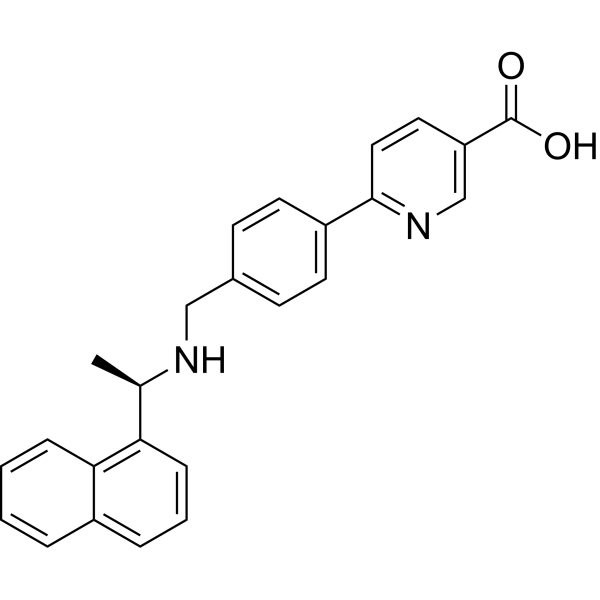
L-Monomenthyl glutarate is a menthol coolant. L-Monomenthyl glutarate has a strong volatility and permeability, high concentration of menthol vapor has a strong irritation and erosion effect on human skin and mucosa. L-Monomenthyl glutarate can be used in food, tobacco and other daily chemical products .
|
-
- HY-W777675
-
|
NSC 270912-13C4
|
Isotope-Labeled Compounds
DNA/RNA Synthesis
|
Others
|
|
2,5-Deoxyfructosazine- 13C4 (NSC 270912- 13C4) is the 13C-labeled 2,5-Deoxyfructosazine (HY-135078). 2,5-Deoxyfructosazine is a pyrazine derivative that can be found in cured tobacco and is used as a flavoring agent in the food and tobacco industry. Pyrazines, including 2,5-deoxyfructosazine, can be produced either by pyrolytic decomposition of natural compounds or by the reaction of sugars with alcoholic ammonia. 2,5-Deoxyfructosazine is also formed by the breakdown of D-glucosamine at neutral pH. Like glucosamine, 2,5-deoxyfructosazine has DNA strand breakage activity and strongly inhibits IL-2 production by Jurkat cells stimulated with phytohemagglutinin (IC50=~1.25 mM).
|
-
- HY-162400
-
|
|
TMV
|
Infection
|
|
TMV-IN-8 (compound 7 d) is an anti tobacco mosaic virus (TMV) agent with an antiviral EC50 of 157.6 μg/mL.TMV-IN-8 blocks the assembly of TMV by binding with coat protein (Kd = 0.7 μM) and suppressed TMV coat protein gene expression and biosynthesis process .
|
-
- HY-162807
-
|
|
TMV
|
Infection
|
|
TMV-IN-10 (compound 4h) is an arecoline derivative with anti-tobacco mosaic virus (TMV) activity (EC50=146 µg/mL). TMV-IN-10 can be used in research on controlling crop pests and diseases and improving crop yields by acting on the viral coat protein (CP) to cause viral fragmentation .
|
-
- HY-W743781
-
|
(2S)-N'-Nitrosonornicotine-d4
|
Isotope-Labeled Compounds
DNA/RNA Synthesis
|
Cancer
|
|
N-Nitrosonornicotine-d4 ((2S)-N'-Nitrosonornicotine-d4) is deuterium labeled N-Nitrosonornicotine. N-Nitrosonornicotine is a tobacco-specific nitrosamine that has carcinogenic and mutagenic activity, and it can induce micronuclei in C3A cells. N-Nitrosonornicotine can form DNA adducts .
|
-
- HY-W014928
-
|
(S)-Anabasine hydrochloride; (+)-Anabasine hydrochloride
|
nAChR
|
Neurological Disease
|
|
Anabasine ((S)-Anabasine) hydrochloride is an alkaloid that found as a minor component in tobacco (Nicotiana). Anabasine is a botanical pesticide nicotine, acts as a full agonist of nicotinic acetylcholine receptors (nAChRs). Anabasine induces depolarization of TE671 cells endogenously expressing human fetal muscle-type nAChRs (EC50=0.7 µM) .
|
-
- HY-137838
-
|
|
Fluorescent Dye
Tyrosine Hydroxylase
|
Infection
|
|
H-Tyr-AMC is a fluorogenic substrate for tyrosine aminopeptidases. H-Tyr-AMC is an inhibitor of tobacco and potato hydroxycinnamoyl-CoA:tyramine N-(hydroxycinnamoyl)transferase (THT) with Ki values of 0.72 μM (tobacco) and 0.42 μM (potato) .
|
-
- HY-W585888
-
|
|
Reactive Oxygen Species (ROS)
|
Others
|
|
Fructose-isoleucine, an amadori compound, is an aroma precursor that formed in the initial phase of the Maillard reaction (MR). Fructose-isoleucine can be isolated from tobacco. Fructose-isoleucine can be isolated from tobacco, miso and white wine. Fructose-isoleucine significantly induces oxidative browning and correlates Maillard product (such as Maltol, furaneol and 5-methyl furfural) with a roasted and sweet aroma. Fructose-isoleucine can be used for food industry and tobacco processing research .
|
-
- HY-N18141
-
|
|
TMV
|
Infection
|
|
Meliatoosenin N is a limonoid compound. Meliatoosenin N inhibits the replication of tobacco mosaic virus in vitro .
|
-
- HY-N17527
-
|
|
Others
|
Infection
|
|
7-Demethoxytylophorine N-oxide is an alkaloid inhibitor of Tobacco Mosaic Virus. 7-Demethoxytylophorine N-oxide can be isolated from the aerial parts of Cynanchum komarovii. 7-Demethoxytylophorine N-oxide is applicable to research related to Tobacco Mosaic Virus infection .
|
-
- HY-118614R
-
|
|
Reference Standards
Drug Metabolite
|
Neurological Disease
|
|
β-Nicotyrine (Standard) is the analytical standard of β-Nicotyrine. This product is intended for research and analytical applications. β-Nicotyrine is a metabolite of Nicotine.β-Nicotyrine, isolated from the leaves of Nicotiana tabacum plants and from cigarette smoke condensate, is a minor tobacco alkaloid .
|
-
- HY-145476S2
-
|
N-NAT-d3; N'-Nitrosoanatabine-d3
|
Isotope-Labeled Compounds
Biochemical Assay Reagents
|
Cancer
|
|
N-Nitrosoanatabine-d3 (N-NAT-d3) is the deuterium labeled N-Nitrosoanatabine (HY-145476). (R,S)-N-Nitrosoanatabine (N-NAT) is a tobacco-specific nitrosamine (TSNA) that has been found in tobacco, tobacco products, and electronic cigarettes. The (S) enantiomer comprises approximately 80% of the N-NAT found in commercial and research cigarettes and smokeless tobacco.3 Unlike other TSNAs, N-NAT is not carcinogenic in rats when administered at doses of 1, 3, and 9 mmol/kg.
|
-
- HY-W681749
-
|
Morphactin
|
Biochemical Assay Reagents
|
Others
|
|
Morphactin Chlorflurenol methyl (Morphactin) is a plant growth regulator. Morphactin Chlorflurenol methyl preserves chlorophyll and suppresses senescence. Morphactin Chlorflurenol methyl regulates chlorophyll metabolic enzymes and alleviates heat-induced leaf senescence by enhancing chlorophyll content and reducing electrolyte leakage. Morphactin Chlorflurenol methyl promotes shoot redifferentiation and tracheary element development in tobacco calluses. Morphactin Chlorflurenol methyl can be applied to the investigation of heat-induced leaf senescence .
|
-
- HY-133986
-
-
- HY-179187
-
-
- HY-W653722
-
|
(S)-N-NAT; (S)-N'-Nitrosoanatabine
|
Drug Isomer
|
Cancer
|
|
(S) -N-Nitrosoanatabine ( (S) -N-NAT) is a potent carcinogen and biomarker of exposure to cigarette smoke. It′s found in a variety of tobacco products and oral snuff.
|
-
- HY-N18809
-
|
|
Others
|
Infection
|
|
Rose oil is widely used as a flavoring agent in beauty, body care, food, tobacco, perfumes, and cosmetics. Rose oil also has benefits in preventing infectious diseases and regulating the endocrine system.
|
-
- HY-N12938
-
|
|
Others
|
Endocrinology
|
|
(Z)-7-Hexadecenyl acetate is a pheromone used for capturing male tobacco budworm moths (Heliothis virescens), which can be isolated from the brush glands or hair pencils on the abdomen or hind wings of insects .
|
-
- HY-W015806R
-
|
|
Reference Standards
Endogenous Metabolite
|
Metabolic Disease
|
|
3-Pyridineacetic acid (Standard) is an analytical standard for 3-Pyridineacetic acid (HY-W015806). This product is for research and analytical applications. 3-Pyridineacetic acid is an orally active nicotinic acid analog. 3-Pyridineacetic acid enhances cholesterol oxidation in rat liver mitochondria. 3-Pyridineacetic acid inhibits Triton-induced hypercholesterolemia in rats. 3-Pyridineacetic acid can be used in research related to hypercholesterolemia.
|
-
- HY-183066
-
|
|
Insecticide
Cholinesterase (ChE)
|
Infection
|
|
AChE-IN-115 is an acetylcholinesterase (AChE) inhibitor. AChE-IN-115 forms stable complexes with AChE from Spodoptera litura (tobacco cutworm) and Tribolium castaneum (red flour beetle). AChE-IN-115 exhibits insecticidal activity .
|
-
- HY-N12873
-
|
|
Others
|
Others
|
|
(E,E,E,)-10,12,14-Hexadecatrienal is a pheromone that can be produced by female Manduca sexta .
|
-
- HY-103673R
-
|
|
Reference Standards
Adenosine Deaminase
|
Neurological Disease
|
|
AMPD2 inhibitor 1 (Standard) is the analytical standard of AMPD2 inhibitor 1 (HY-103673). This product is intended for research and analytical applications. AMPD2 inhibitor 1 is an adenosine monophosphate deaminase 2 (AMPD2) inhibitor, used in the research of sugar craving, salt craving, umami craving, and addictions including agent, tobacco, nicotine and alcohol addictions.
|
-
- HY-W017143
-
|
|
Fungal
|
Infection
|
|
Antifungal agent 158 is an α-pyrone derivative that can be found in Trichoderma harzianum, exhibiting antifungal activity against select plant-pathogenic fungi, including Chaetomium spp., Curvularia lunata, and Aspergillus flavus. Antifungal agent 158 is non-toxic to greenhouse-grown bean, corn, and tobacco plants. Antifungal agent 158 can be used for research on Aspergillus flavus infection .
|
-
- HY-P2717
-
|
|
Caspase
|
Infection
|
|
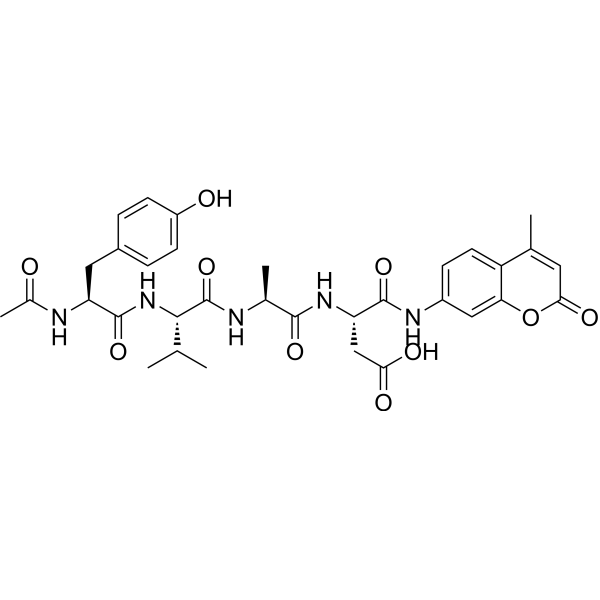
Ac-YVAD-AMC is an inhibitor for caspase. Ac-YVAD-AMC inhibits bacteria-induced cell death of hypersensitive response (HR) cells .
|
-
- HY-183675
-
|
|
Insecticide
|
Infection
|
|
SfUAP-IN-1 is an inhibitor of SfUAP (UDP-N-acetylglucosamine pyrophosphorylase from Spodoptera frugiperda) with an IC50 value of 108 nM. As a growth and development inhibitor, SfUAP-IN-1 impairs larval growth and development of Plutella xylostella (diamondback moth), Spodoptera frugiperda (fall armyworm) and Spodoptera litura (tobacco cutworm). SfUAP-IN-1 can be used in research on green pesticides targeting insect UAP .
|
-
- HY-N7434
-
|
Diethylnitrosamine; DEN; DENA
|
DNA/RNA Synthesis
|
Cancer
|
|
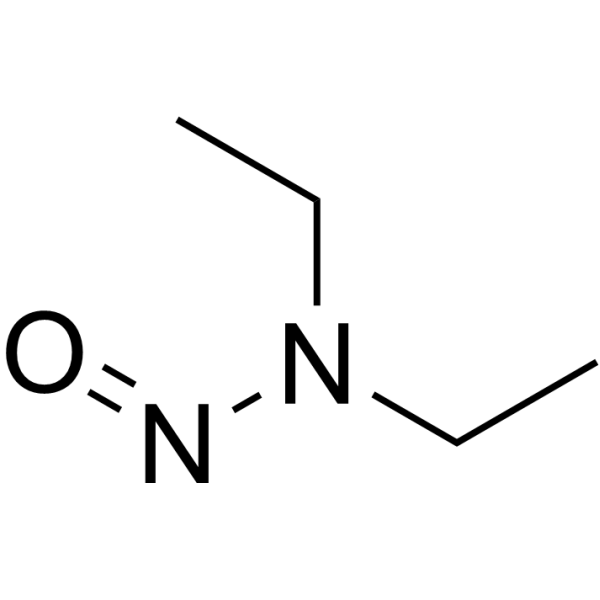
N-Nitrosodiethylamine (Diethylnitrosamine) is a potent hepatocarcinogenic dialkylnitrosoamine. N-Nitrosodiethylamine is mainly present in tobacco smoke, water, cheddar cheese, cured, fried meals and many alcoholic beverages. N-Nitrosodiethylamine is responsible for the changes in the nuclear enzymes associated with DNA repair/replication. N-Nitrosodiethylamine results in various tumors in all animal species. The main target organs are the nasal cavity, trachea, lung, esophagus and liver.
|
-
- HY-135560
-
|
Nicotellin
|
Cytochrome P450
|
Neurological Disease
|
|
Nicotelline (Nicotellin) is a nicotine-related alkaloid, as well as a weak inhibitor of human cDNA-expressed cytochrome P-450 2A6 (CYP2A6). CYP2A6 mediates coumarin 7-hydroxylation, while Nicotelline fails to exhibit inhibition at 300 μM. Nicotelline can be used as a tracer and biomarker of particulate matter (PM) derived from tobacco smoke .
|
-
- HY-119698
-
|
SD 8339; N-Benzyl-9-(tetrahydro-2h-pyran-2-yl)adenine
|
Environmental Pollutants
Drug Derivative
|
Others
|
|
BAP9THP is a synthetic cytokinin derivative and a growth regulator. BAP9THP promotes chlorophyll retention (and senescence delay) in plant tissues exceptionally strongly, and growth of tobacco callus almost as strongly as 6-Benzylaminopurine (BAP). BAP9THP induces adventitious shoot formation ignificantly more strongly than N6-isopentenyladenine or Kinetin .
|
-
- HY-B1532R
-
|
(S)-Anabasine (Standard); (+)-Anabasine (Standard)
|
Reference Standards
nAChR
|
Neurological Disease
|
|
Anabasine (Standard) is the analytical standard of Anabasine. This product is intended for research and analytical applications. Anabasine ((S)-Anabasine) is an alkaloid that found as a minor component in tobacco (Nicotiana). Anabasine is a botanical pesticide nicotine, acts as a full agonist of nicotinic acetylcholine receptors (nAChRs). Anabasine induces depolarization of TE671 cells endogenously expressing human fetal muscle-type nAChRs (EC50=0.7 μM) .
|
-
- HY-163754
-
|
|
TMV
|
Infection
|
|
TMV-IN-9 (compound A6) is an antiviral agent that displays excellent inactivating against tobacco mosaic virus (TMV) with an EC50 of 62.8 μg/mL. TMV-IN-9 shows strong binding capacity to TMV coat protein with a binding affinity value of 1.862 μM. TMV-IN-9 obviously destroys the integrity of the TMV particles and blocked the virus from infecting the host .
|
-
- HY-B1673R
-
|
|
Reference Standards
Bacterial
|
Infection
Cancer
|
|
D-Lactose monohydrate (Standard) is the analytical standard of D-Lactose monohydrate (HY-B1673). This product is intended for research and analytical applications. D-Lactose monohydrate is a sugar. D-Lactose monohydrate can be utilized by most bacteria. D-Lactose monohydrate promotes the growth of tobacco B6S3 tumor tissue. D-Lactose monohydrate is used in the research of the growth mechanism of plant tumor tissues and the sugar utilization of bacteria .
|
-
- HY-B1972R
-
|
Napropamid (Standard)
|
Herbicide
Reference Standards
DNA/RNA Synthesis
|
Others
|
|
Napropamide (Standard) (Napropamid (Standard)) is the analytical standard of Napropamide (HY-B1972). This product is intended for research and analytical applications. Napropamide (Napropamid) is an amide herbicide that can be used to control weeds in fruits, vegetables, tobacco, and ornamental plants. Napropamide mainly exerts its effect by inhibiting DNA synthesis and cell division. Napropamide has moderate to high persistence in the field, with a half-life of 24-131 days, and is prone to photodegradation.
|
-
- HY-W724357
-
|
Napropamid-d10
|
Isotope-Labeled Compounds
DNA/RNA Synthesis
Herbicide
|
Others
|
|
Napropamide-d10 (Napropamid-d10) is the deuterium labeled Napropamide (HY-B1972). Napropamide (Napropamid) is an amide herbicide that can be used to control weeds in fruits, vegetables, tobacco, and ornamental plants. Napropamide mainly exerts its effect by inhibiting DNA synthesis and cell division. Napropamide has moderate to high persistence in the field, with a half-life of 24-131 days, and is prone to photodegradation .
|
-
- HY-19918A
-
|
|
NF-κB
Amyloid-β
nAChR
|
Neurological Disease
Inflammation/Immunology
|
|
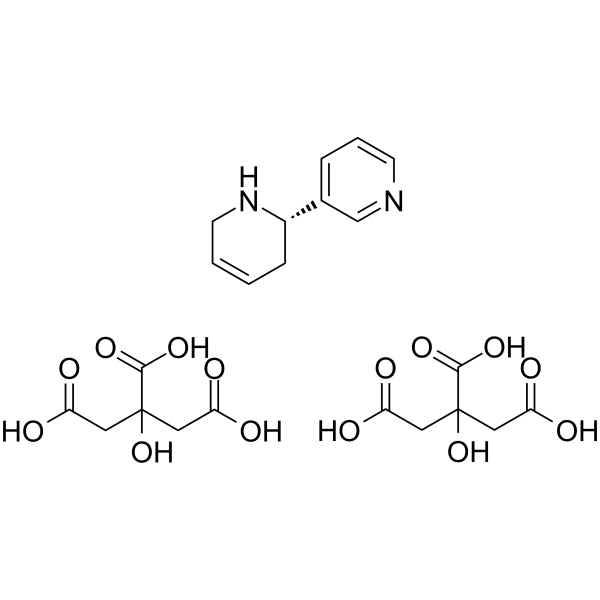
Anatabine dicitrate is a tobacco alkaloid that can cross the blood-brain barrier. Anatabine dicitrate is a potent α4β2 nAChR agonist. Anatabine dicitrate inhibits NF-κB activation lower amyloid-β (Aβ) production by preventing the β-cleavage of amyloid precursor protein (APP). Anatabine dicitrate has anti-inflammatory effects and has the potential for neurodegenerative disorders treatment .
|
-
- HY-162376
-
|
|
Bacterial
|
Infection
|
|
T3SS-IN-4 (Compound Z-8) is a T3SS inhibitor that can inhibit the expression of Xanthomonas oryzae pv oryzae (Xoo) T3SS-related genes without affecting bacterial growth. T3SS-IN-4 can effectively reduce the hypersensitive response (HR) induced by Xoo in tobacco and lower the pathogenicity of Xoo in rice .
|
-
- HY-N7434S
-
|
Diethylnitrosamine-d4; DEN-d4; DENA-d4
|
DNA/RNA Synthesis
|
Cancer
|
|
N-Nitrosodiethylamine-d4 is the deuterium labeled N-Nitrosodiethylamine . N-Nitrosodiethylamine (Diethylnitrosamine) is a potent hepatocarcinogenic dialkylnitrosoamine. N-Nitrosodiethylamine is mainly present in tobacco smoke, water, cheddar cheese, cured, fried meals and many alcoholic beverages. N-Nitrosodiethylamine is responsible for the changes in the nuclear enzymes associated with DNA repair/replication. N-Nitrosodiethylamine results in various tumors in all animal species. The main target organs are the nasal cavity, trachea, lung, esophagus and liver.
|
-
- HY-W016393
-
|
|
Endogenous Metabolite
|
Others
|
|
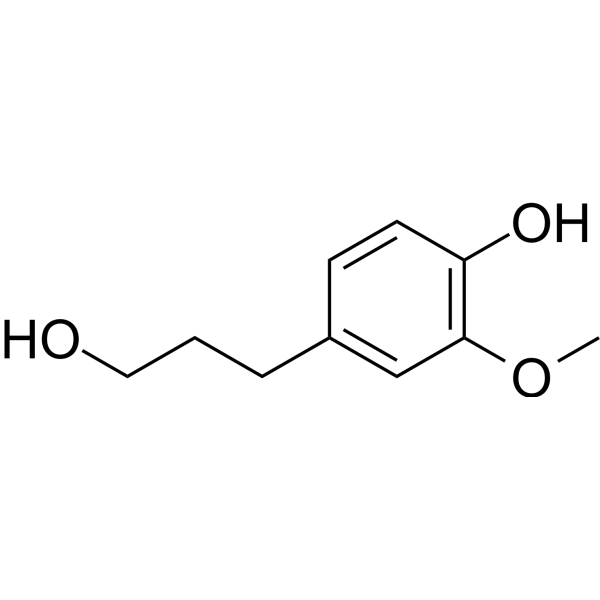
Dihydroconiferyl alcohol is a cell division factor. Dihydroconiferyl alcohol can be isolated from the American sycamore (Acer pseudoplatanus L.). Dihydroconiferyl alcohol inhibits the degradation of Indole-3-acetic acid (HY-18569). Dihydroconiferyl alcohol can stimulate the growth of soybean and tobacco callus tissue and synergistically enhance Indole-3-acetic acid-induced hypocotyl elongation in cucumber. Dihydroconiferyl alcohol can be used in the research of plant growth regulation .
|
-
- HY-N7434S1
-
|
Diethylnitrosamine-d10; DEN-d10; DENA-d10
|
DNA/RNA Synthesis
|
Cancer
|
|
N-Nitrosodiethylamine-d10 is the deuterium labeled N-Nitrosodiethylamine . N-Nitrosodiethylamine (Diethylnitrosamine) is a potent hepatocarcinogenic dialkylnitrosoamine. N-Nitrosodiethylamine is mainly present in tobacco smoke, water, cheddar cheese, cured, fried meals and many alcoholic beverages. N-Nitrosodiethylamine is responsible for the changes in the nuclear enzymes associated with DNA repair/replication. N-Nitrosodiethylamine results in various tumors in all animal species. The main target organs are the nasal cavity, trachea, lung, esophagus and liver.
|
-
- HY-Y1683
-
|
Racementhol
|
Environmental Pollutants
GABA Receptor
|
Infection
Neurological Disease
|
|
DL-Menthol (Racementhol) is an orally active, GABAaR positive allosteric modulator and UDP-glucuronosyltransferase (UGT) inhibitor that can cross the blood-brain barrier. DL-Menthol binds to GABAAR and exhibits an allosteric activation effect, enhancing GABA-mediated chloride influx and inhibiting neuronal excitability. DL-Menthol can induce surgical anesthesia in fish and inhibit the metabolic detoxification of tobacco carcinogens by human liver and intestinal UGT enzymes, resulting in reduced NNAL-N-Gluc production .
|
-
- HY-119698R
-
|
SD 8339 (Standard); N-Benzyl-9-(tetrahydro-2h-pyran-2-yl)adenine (Standard)
|
Drug Derivative
Reference Standards
|
Others
|
|
BAP9THP (Standard) is the analytical standard of BAP9THP. This product is intended for research and analytical applications. BAP9THP is a synthetic cytokinin derivative and a growth regulator. BAP9THP promotes chlorophyll retention (and senescence delay) in plant tissues exceptionally strongly, and growth of tobacco callus almost as strongly as 6-Benzylaminopurine (BAP). BAP9THP induces adventitious shoot formation ignificantly more strongly than N6-isopentenyladenine or Kinetin .
|
-
- HY-N7434R
-
|
Diethylnitrosamine (Standard); DEN (Standard); DENA (Standard)
|
Reference Standards
DNA/RNA Synthesis
|
Cancer
|
|
N-Nitrosodiethylamine (Standard) is the analytical standard of N-Nitrosodiethylamine. This product is intended for research and analytical applications. N-Nitrosodiethylamine (Diethylnitrosamine) is a potent hepatocarcinogenic dialkylnitrosoamine. N-Nitrosodiethylamine is mainly present in tobacco smoke, water, cheddar cheese, cured, fried meals and many alcoholic beverages. N-Nitrosodiethylamine is responsible for the changes in the nuclear enzymes associated with DNA repair/replication. N-Nitrosodiethylamine results in various tumors in all animal species. The main target organs are the nasal cavity, trachea, lung, esophagus and liver.
|
-
- HY-W017463
-
|
|
Drug Intermediate
TMV
Isocitrate Dehydrogenase (IDH)
|
Infection
|
|
trans-3-(3-Pyridyl) acrylic acid is an unsaturated carboxylic acid and synthetic building block, which serves as a synthetic precursor of 3-(3-pyridyl) propanoic acid. trans-3-(3-Pyridyl) acrylic acid can be used to prepare dual mutant IDH1/NAMPT inhibitors and PGE2 antagonist analogs. In addition, trans-3-(3-Pyridyl) acrylic acid exhibits antiviral activity against tobacco mosaic virus (TMV) .
|
-
- HY-119963A
-
|
|
Bacterial
|
Infection
Inflammation/Immunology
|
|
trans-β-Terpineol is a cyclic monoterpene alcohol present in Greek propolis and the essential oil of Peganum harmala seeds, with biological activities. trans-β-Terpineol serves as a substrate for biotransformation in tobacco suspension cells, where allylic hydroxylation occurs at specific sites. trans-β-Terpineol can be isolated from the leaves of Euryops arabicus. Terpineol (HY-N7851) exhibits antioxidant and antibacterial activities, and trans-β-terpineol is the bioactive compound responsible for the antibacterial effect in Euryops arabicus .
|
-
- HY-17517
-
|
|
Fungal
Biochemical Assay Reagents
|
Infection
|
|
Tiadinil is a systemic acquired resistance (SAR) inducer, plant elicitor and antifungal agent. Tiadinil promotes the production of herbivore-induced plant volatiles in Camellia sinensis (tea plant). Tiadinil inhibits mycelial growth, spore germination and germ tube elongation of Stagonosporopsis citrulli in vitro. Tiadinil can be used in studies related to vine blight .
|
-
- HY-W019817
-
|
NNAL
|
Endogenous Metabolite
|
Cancer
|
|
4-(Methylnitrosamino)-1-(3-pyridyl)-1-butanol (NNAL) is the main metabolite of 4-(methylnitrosamino)-1-(3-pyridyl)-1-butanone (NNK), a tobacco-specific lung carcinogen. The oxidative metabolic pathway in which NNAL is oxidized to NNK and other products exhibits carcinogenic activity. 4-(Methylnitrosamino)-1-(3-pyridyl)-1-butanol can be used in research on carcinogenic mechanisms related to lung cancer .
|
-
- HY-N0576
-
-
- HY-W017232
-
|
p-Quinanisole
|
Biochemical Assay Reagents
|
Others
|
|
6-Methoxyquinoline consists of a quinoline ring system with a methoxy group attached to the sixth carbon atom. This compound occurs naturally in certain plants, such as tobacco and tea, and has been shown to have biological activities, including antioxidant, anti-inflammatory and antitumor properties. Furthermore, 6-Methoxyquinoline can be used as a building block for the synthesis of other organic compounds, especially those with potential pharmaceutical applications. Due to its ability to bind nucleic acids and proteins, it can also be used as a fluorescent probe in biochemical and biomedical research.
|
-
- HY-172151
-
|
|
Herbicide
Protoporphyrinogen IX oxidase
|
Others
|
|
PPO-IN-17 (Compound 6R) is the inhibitor protoporphyrinogen IX oxidase (PPO) that inhibits Nicotiana tobacco PPO (NtPPO) with Ki of 30.34 nM. PPO-IN-17 exhibits herbicidal activity that inhibits barnyardgrass (E. crus-galli), foxtail grass (D. sanguinalis), alfalfa (M. sativa) and Canada cocklebur (C. canadensis) (>95% inhibition rate at a concentration of 37.5 g/hm 2). PPO-IN-17 exhibits no toxicity on rice (at a concentration of 75 g/hm 2) or on honeybees (at a concentration of 6400 mg/kg) .
|
-
- HY-N18035
-
|
|
Insecticide
|
Infection
|
|
Spinosyn K is an insecticide found in the actinomycete Saccharopolyspora spinosa. Spinosyn K shows strong insecticidal activity .
|
-
- HY-W585976
-
|
|
p38 MAPK
|
Cancer
|
|
Benzo[a]pyrene diol epoxide is a carcinogen present in tobacco smoke as well as in environmental pollution. Benzo[a]pyrene diol epoxide is a metabolite of benzo[a]pyrene (BaP) , which is polycyclic aromatic hydrocarbon (PAH) . Benzo[a]pyrene diol epoxide induces esophageal carcinogenesis. Benzo[a]pyrene diol epoxide may act to induce activation of ERKs and p38 MAPK marked by an increased level of phosphorylation of both the ERKs and p38 MAPK which corresponds with the increased activation of both kinases as evidenced by increased phsosphorylation of their substrates Elk-1 and ATF-2, respectively.
|
-
- HY-100958
-
4-DAMP
4 Publications Verification
4-DAMP methiodide
|
mAChR
Apoptosis
MMP
EGFR
Interleukin Related
|
Inflammation/Immunology
Cancer
|
|
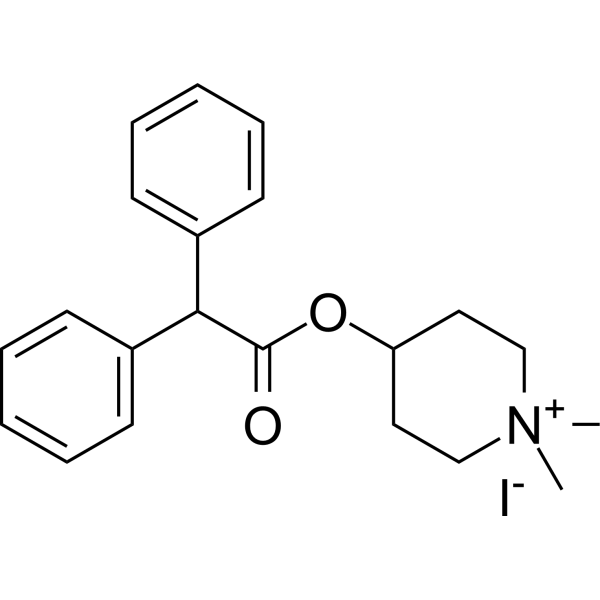
4-DAMP (4-DAMP methiodide) is a potent and selective antagonist of M3 receptors and also has a high affinity for the closely-related M5 receptors. 4-DAMP combined with 5-Fluorouracil (5-Fu) (HY-90006) could significantly reduce the cell viability and enhance apoptosis in MKN45 and BGC823 gastric cancer cells. 4-DAMP inhibits lipopolysaccharide (LPS)- and tobacco-induced pulmonary inflammation and reduces mucin 5AC (MUC5AC), oligomeric mucus/gel-forming secretion .
|
-
- HY-W001084R
-
|
|
Reference Standards
|
Others
|
|
Methyl 4-hydroxyphenylacetate (Standard) is the analytical standard of Methyl 4-hydroxyphenylacetate (HY-W001084). This product is intended for research and analytical applications. Methyl 4-hydroxyphenylacetate is a compound found in the marine fungus Penicillium oxalicum 0312F1. Methyl 4-hydroxyphenylacetate can be Methyl 4-hydroxyphenylacetate inhibits replication of tobacco mosaic virus (TMV) in Nicotiana tabacum leaf discs. Methyl 4-hydroxyphenylacetate shows inhibitory activity against proliferation of cancer cells. Methyl 4-hydroxyphenylacetate can be used for the researches of TMV infection and cancer .
|
-
- HY-W016393R
-
|
|
Reference Standards
Endogenous Metabolite
|
Others
|
|
Dihydroconiferyl alcohol (Standard) is an analytical standard of Dihydroconiferyl alcohol (HY-W016393). This product is intended for research and analytical applications. Dihydroconiferyl alcohol is a cell division factor. Dihydroconiferyl alcohol can be isolated from the American sycamore (Acer pseudoplatanus L.). Dihydroconiferyl alcohol inhibits the degradation of Indole-3-acetic acid (HY-18569). Dihydroconiferyl alcohol can stimulate the growth of soybean and tobacco callus tissue and synergistically enhance Indole-3-acetic acid-induced hypocotyl elongation in cucumber. Dihydroconiferyl alcohol can be used in the research of plant growth regulation .
|
-
- HY-N18115A
-
|
|
Drug Derivative
|
Cancer
|
|
Toosendansin A is a salannin-type limonoid and cytotoxic agent found in the fruits of Melia azedarach. Toosendansin A can be used for the research of leukemia, stomach cancer, breast cancer .
|
-
- HY-N13047
-
|
|
TMV
SOD
|
Infection
|
|
Ningnanmycin is a plant antiviral agent. Ningnanmycin binds to specific residues on the TMV CP disc, inhibits CP assembly, disassembles the CP disc into monomers, and disrupts the structure of the TMV CP disc to reduce pathogenicity. Ningnanmycin binds to key amino acids of PVY CP, interferes with CP-CP interactions, inhibits CP assembly and virion formation, and blocks PVY replication. Ningnanmycin induces the expression of antiviral response genes PRXIIB, PRXIIE, PUB4 and PER42, thereby activating the host defense system. Ningnanmycin can be used in studies related to Tobacco Mosaic Virus infection and Potato Virus Y infection .
|
-
- HY-N0576R
-
|
|
Reference Standards
Endogenous Metabolite
Heme Oxygenase (HO)
HSP
p38 MAPK
Akt
Apoptosis
Caspase
PARP
|
Neurological Disease
Metabolic Disease
Inflammation/Immunology
|
|
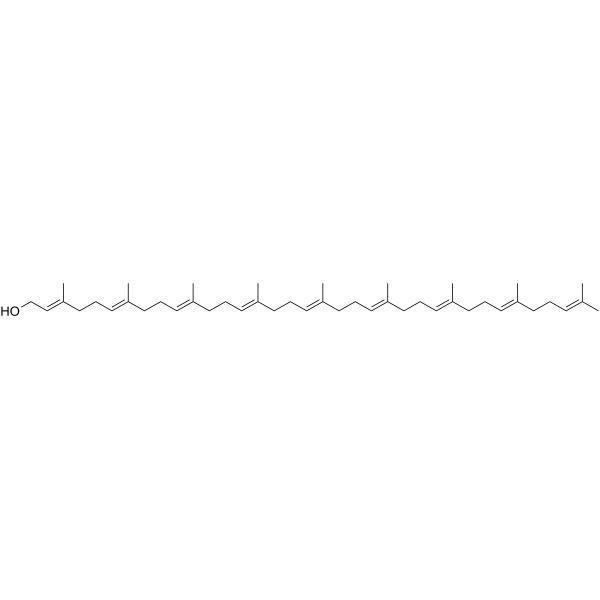
Solanesol (Standard) is the analytical standard of Solanesol (HY-N0576). This product is intended for research and analytical applications. Solanesol is an orally active aliphatic terpene alcohol. Solanesol is mainly found in tobacco and other Solanaceae plants. Solanesol induces HO-1 and Hsp70 expression, activates p38 and Akt signaling pathways, and inhibits Apoptosis (reduces caspase-3 and PARP cleavage). Solanesol has antioxidant, anti-inflammatory, and neuroprotective activities. Solanesol can be used in the research of Huntington's disease, alcoholic liver disease, chronic inflammatory pain, anxiety, Alzheimer's disease, and bipolar disorder .
|
-
- HY-41404R
-
|
2H-1,3-benzodioxole-5-carboxylic acid (Standard)
|
Cytochrome P450
Interleukin Related
EGFR
IGF-1R
Reference Standards
|
Infection
Others
Cancer
|
|
Piperonylic acid (Standard) is the analytical standard of Piperonylic acid. This product is intended for research and analytical applications. Piperonylic acid is a natural molecule bearing a methylenedioxy function that closely mimics the structure of trans-cinnamic acid. Piperonylic Acid is a selective, mechanism-based inactivator of the trans-cinnamate 4-Hydroxylase. Piperonylic acid has anticancer, antioxidant and antibacterial activities .
|
-
- HY-41404
-
|
2H-1,3-benzodioxole-5-carboxylic acid
|
Cytochrome P450
Interleukin Related
EGFR
IGF-1R
|
Infection
Others
Cancer
|
|
Piperonylic acid is a natural molecule bearing a methylenedioxy function that closely mimics the structure of trans-cinnamic acid. Piperonylic Acid is a selective, mechanism-based inactivator of the trans-cinnamate 4-Hydroxylase. Piperonylic acid has anticancer, antioxidant and antibacterial activities .
|
-
- HY-N18080
-
|
|
Parasite
DNA Alkylator/Crosslinker
Bacterial
|
Infection
Inflammation/Immunology
Cancer
|
|
Parthenin is a pseudoguaianolide-type sesquiterpene lactone present in Parthenium hysterophorus L. Parthenin induces chromosomal aberrations, mainly chromatid breaks, in human peripheral blood lymphocytes. Parthenin exhibits toxicity against Salmonella typhimurium and Escherichia coli strains, with reduced toxicity in the presence of a metabolic activation system (S9). Parthenin acts as an antifeedant against the 6th instar larvae of the tobacco cutworm (Spodoptera litura). Parthenin shows insecticidal activity against adult cowpea weevils (Callosobruchus maculatus). Parthenin inhibits seed germination and seedling growth of sicklepod (Cassia tora). Parthenin possesses nematicidal activity against the 2nd instar larvae of the southern root-knot nematode (Meloidogyne incognita). Parthenin serves as a research agent for studies related to cancer, malaria, amoebiasis, inflammatory diseases, and bacterial infections .
|
-
- HY-P5712
-
|
Gramicidin soviet
|
Antibiotic
Bacterial
Na+/K+ ATPase
|
Infection
|
|
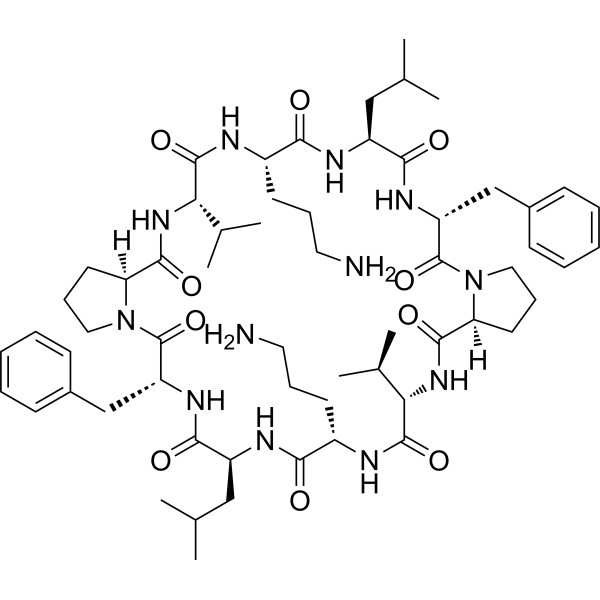
Gramicidin S (Gramicidin soviet) is a cationic cyclic peptide antibiotic that selectively targets bacterial cell membranes and has anticancer activity. Gramicidin S also exerts antibacterial activity by destroying membrane integrity and interfering with membrane protein function. Gramicidin S inserts into the phospholipid bilayer through hydrophobic amino acid residues, specifically binds to negatively charged membrane lipids and disrupts membrane structure, thereby inhibiting cell division and cell wall synthesis, and ultimately causing bacterial death. Gramicidin S also inhibits ion channels, with IC50s of 41 μM, 24 μM, and 3 μM for Na +/K +-ATPase, tobacco leaf plasma membrane Mg 2+/K +-ATPase, and rat heart plasma membrane Ca 2+-ATPase, respectively .
|
-
- HY-W019817S1
-
|
|
Isotope-Labeled Compounds
Endogenous Metabolite
|
Cancer
|
|
4-(Methylnitrosamino)-1-(3-pyridyl)-1-butanol-d3 is the deuterium labeled 4-(Methylnitrosamino)-1-(3-pyridyl)-1-butanol (HY-W019817). 4-(Methylnitrosamino)-1-(3-pyridyl)-1-butanol (NNAL) is the main metabolite of 4-(methylnitrosamino)-1-(3-pyridyl)-1-butanone (NNK), a tobacco-specific lung carcinogen. The oxidative metabolic pathway in which NNAL is oxidized to NNK and other products exhibits carcinogenic activity. 4-(Methylnitrosamino)-1-(3-pyridyl)-1-butanol can be used in research on carcinogenic mechanisms related to lung cancer .
|
-
- HY-N9497
-
|
|
Galectin
Fungal
|
Infection
|
|
Galactinol is a disaccharide carbohydrate serving as a galactosyl donor, which belongs to the raffinose family oligosaccharide pathway and acts as an important osmoprotectant. Galactinol not only induces disease resistance in plants against fungal and bacterial pathogens, but also significantly enhances plant tolerance to abiotic stresses such as drought, high salinity, low temperature and oxidative damage. In addition, Galactinol has the ability to scavenge hydroxyl radicals, can act as a signaling component for root colonization-induced systemic resistance, and is positively correlated with seed longevity in various crops, making it a potential biomarker for evaluating seed vigor. Therefore, Galactinol can be used in the research of various plant diseases including fungal leaf spot, bacterial angular leaf spot, gray mold and soft rot .
|
-
- HY-W748338
-
|
|
Herbicide
Protoporphyrinogen IX oxidase
|
Others
|
|
Flumiclorac-pentyl is a herbicide and NtPPO inhibitor, with a Ki value of 46.02 nM against NtPPO. Flumiclorac-pentyl exhibits herbicidal activity against Abutilon theophrasti, Amaranthus retroflexus, Portulaca oleracea, Setaria viridis, Digitaria sanguinalis and Echinochloa crusgalli .
|
-
- HY-P10533
-
|
|
Tyrosinase
|
Others
|
|
Cysteine peptide is a tyrosinase inhibitor with skin-whitening, antioxidant and multi-regulatory activities. Cysteine peptide inhibits enzyme activity and blocks melanin transport, effectively reducing UV-B-induced skin erythema and pigmentation. Cysteine peptide synergistically maintains skin health by quenching ROS, resisting oxidative stress and promoting pheomelanin production. Cysteine peptide safely prevents daily ultraviolet damage and supports moderate sun exposure for vitamin D synthesis. Cysteine peptide also acts as a plant signaling factor to regulate vegetative growth, development and stress resistance responses .
|
-
- HY-183648
-
|
|
Endogenous Metabolite
|
Others
|
|
N-Acetyl-S-(3-hydroxy-1-methylpropyl)-L-cysteine (3HMPMA) is a mercapturic acid and biomarker for crotonaldehyde exposure. N-Acetyl-S-(3-hydroxy-1-methylpropyl)-L-cysteine helps distinguish smokers from non-smokers .
|
-
- HY-W547534
-
|
2,4-Dichlorophenoxyacetic acid ammonium
|
Herbicide
DNA/RNA Synthesis
Apoptosis
|
Cancer
|
|
2,4-D (2, 4-dichlorophenoxyacetic acid) ammonium is a selective herbicide that can be used for the control of broad-leaved weeds. 2,4-D ammonium can induce apoptosis. 2,4-D ammonium inhibits DNA and protein synthesis, thereby preventing normal plant growth and development .
|
-
- HY-118989
-
|
|
Insecticide
Endogenous Metabolite
|
Infection
|
|
Ajugalactone is a phytoecdysteroid found in plants of the Ajuga genus. Ajugalactone shows both ecdysone (HY-N0179) agonist activity and anti‑ponasterone A (HY-N1534) antagonist activity. Ajugalactone significantly disrupts insect molting and developmental processes. Ajugalactone acts as an insect growth regulator that interferes with insect molting. Ajugalactone induces complete mortality in first‑instar larvae of the greenhouse whitefly. Ajugalactone can be used for research on insect‑plant interactions and insect growth regulation .
|
-
- HY-Y0262
-
|
Ethanedioic acid
|
Environmental Pollutants
Endogenous Metabolite
|
Infection
Inflammation/Immunology
|
|
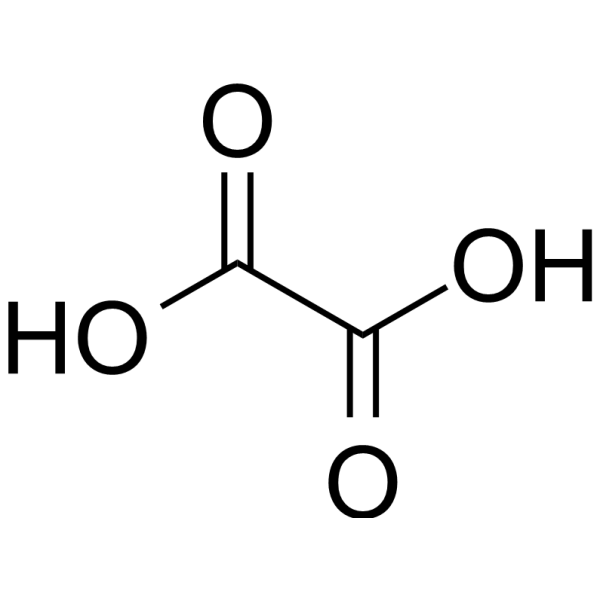
Oxalic acid, 99% (Ethanedioic acid) is a dicarboxylic acid found in a wide variety of plants. Oxalic acid, 99% shows antioxidant acyivity and suppresses lipid peroxidation. Oxalic acid, 99% is a pathogenicity factor for sclerotinia sclerotiorum, and suppresses the oxidative burst of the host plant. Oxalic acid, 99% exerts acaricidal activity. Oxalic acid can be used for the researches of sclerotinia disease, varroatosis and inflammatory diseases .
|
-
- HY-Y0262A
-
|
Ethanedioic acid diammonium monohydrate
|
Environmental Pollutants
Endogenous Metabolite
|
Infection
Inflammation/Immunology
|
Oxalic acid (Ethanedioic acid) diammonium monohydrate is a dicarboxylic acid found in a wide variety of plants. Oxalic acid diammonium monohydrate shows antioxidant acyivity and suppresses lipid peroxidation. Oxalic acid diammonium monohydrate is a pathogenicity factor for sclerotinia sclerotiorum, and suppresses the oxidative burst of the host plant. Oxalic acid diammonium monohydrate exerts acaricidal activity. Oxalic acid can be used for the researches of sclerotinia disease varroatosis and inflammatory diseases .
|
-
- HY-P5642A
-
|
RC-101 TFA
|
HIV
SARS-CoV
Influenza Virus
Flavivirus
HSV
Bacterial
Fungal
Toll-like Receptor (TLR)
Ser/Thr Protease
|
Infection
Inflammation/Immunology
|
|
Retrocyclin-101 (RC-101) TFA is an artificially synthesized, cyclic-structured θ-defensin, a broad-spectrum agent with antimicrobial (covering viruses, bacteria, and fungi) activity and anti-inflammatory activity. Retrocyclin-101 TFA can inhibit the serine protease activity of ZIKV NS2B-NS3, with an IC50 of 7.20 μM. Retrocyclin-101 TFA has significant inhibitory activity against HIV, SARS-CoV-2, flaviviruses, influenza viruses, HSV-1/2, Staphylococcus aureus, etc. Retrocyclin-101 TFA inhibits the signal transduction mediated by TLR4 and TLR2, reducing the expression of pro-inflammatory cytokines .
|
-
- HY-P5642
-
-
- HY-N7659
-
|
|
Phytohormone
Apoptosis
Microtubule/Tubulin
|
Cancer
|
|
Glucobrassicin is an indole-based anticancer agent and plant growth-regulating hormone. Glucobrassicin exerts its biological activity by disrupting the integrity of microtubule networks in both plant and mammalian cells. At high concentrations, Glucobrassicin inhibits seed germination and root growth; it can also specifically induce apoptosis in mammalian cancer cells and interfere with the intercellular transmission of viruses that rely on microtubules. In plants, Glucobrassicin can be catalyzed by myrosinase to release growth-regulating substances, exhibiting a concentration-dependent growth-regulating effect .
|
-
| Cat. No. |
Product Name |
Type |
-
- HY-N9497
-
|
|
Biochemical Assay Reagents
|
|
Galactinol is a disaccharide carbohydrate serving as a galactosyl donor, which belongs to the raffinose family oligosaccharide pathway and acts as an important osmoprotectant. Galactinol not only induces disease resistance in plants against fungal and bacterial pathogens, but also significantly enhances plant tolerance to abiotic stresses such as drought, high salinity, low temperature and oxidative damage. In addition, Galactinol has the ability to scavenge hydroxyl radicals, can act as a signaling component for root colonization-induced systemic resistance, and is positively correlated with seed longevity in various crops, making it a potential biomarker for evaluating seed vigor. Therefore, Galactinol can be used in the research of various plant diseases including fungal leaf spot, bacterial angular leaf spot, gray mold and soft rot .
|
-
- HY-W017232
-
|
p-Quinanisole
|
Biochemical Assay Reagents
|
|
6-Methoxyquinoline consists of a quinoline ring system with a methoxy group attached to the sixth carbon atom. This compound occurs naturally in certain plants, such as tobacco and tea, and has been shown to have biological activities, including antioxidant, anti-inflammatory and antitumor properties. Furthermore, 6-Methoxyquinoline can be used as a building block for the synthesis of other organic compounds, especially those with potential pharmaceutical applications. Due to its ability to bind nucleic acids and proteins, it can also be used as a fluorescent probe in biochemical and biomedical research.
|
-
- HY-W127341
-
|
|
Biochemical Assay Reagents
|
|
Phytanic acid methyl esteris an esterified form of long-chain fatty acid methyl esters and phytanic acid, which has been found in Greek tobacco.
|
-
- HY-Y0262A
-
|
Ethanedioic acid diammonium monohydrate
|
Biochemical Assay Reagents
|
Oxalic acid (Ethanedioic acid) diammonium monohydrate is a dicarboxylic acid found in a wide variety of plants. Oxalic acid diammonium monohydrate shows antioxidant acyivity and suppresses lipid peroxidation. Oxalic acid diammonium monohydrate is a pathogenicity factor for sclerotinia sclerotiorum, and suppresses the oxidative burst of the host plant. Oxalic acid diammonium monohydrate exerts acaricidal activity. Oxalic acid can be used for the researches of sclerotinia disease varroatosis and inflammatory diseases .
|
-
- HY-179187
-
| Cat. No. |
Product Name |
Target |
Research Area |
-
- HY-P10533
-
|
|
Tyrosinase
|
Others
|
|
Cysteine peptide is a tyrosinase inhibitor with skin-whitening, antioxidant and multi-regulatory activities. Cysteine peptide inhibits enzyme activity and blocks melanin transport, effectively reducing UV-B-induced skin erythema and pigmentation. Cysteine peptide synergistically maintains skin health by quenching ROS, resisting oxidative stress and promoting pheomelanin production. Cysteine peptide safely prevents daily ultraviolet damage and supports moderate sun exposure for vitamin D synthesis. Cysteine peptide also acts as a plant signaling factor to regulate vegetative growth, development and stress resistance responses .
|
-
- HY-P5712
-
|
Gramicidin soviet
|
Antibiotic
Bacterial
Na+/K+ ATPase
|
Infection
|
|
Gramicidin S (Gramicidin soviet) is a cationic cyclic peptide antibiotic that selectively targets bacterial cell membranes and has anticancer activity. Gramicidin S also exerts antibacterial activity by destroying membrane integrity and interfering with membrane protein function. Gramicidin S inserts into the phospholipid bilayer through hydrophobic amino acid residues, specifically binds to negatively charged membrane lipids and disrupts membrane structure, thereby inhibiting cell division and cell wall synthesis, and ultimately causing bacterial death. Gramicidin S also inhibits ion channels, with IC50s of 41 μM, 24 μM, and 3 μM for Na +/K +-ATPase, tobacco leaf plasma membrane Mg 2+/K +-ATPase, and rat heart plasma membrane Ca 2+-ATPase, respectively .
|
-
- HY-P2717
-
|
|
Caspase
|
Infection
|
|
Ac-YVAD-AMC is an inhibitor for caspase. Ac-YVAD-AMC inhibits bacteria-induced cell death of hypersensitive response (HR) cells .
|
-
- HY-P10244F
-
|
|
Peptides
|
Infection
|
|
Biotin-YVAD-FMK is an inhibitor for vacuolar processing enzyme (VPE), with a 64% inhibition at 5 μM. Biotin-YVAD-FMK is an irreversible substrate for caspase 1 .
|
-
- HY-P10871
-
|
|
Virus Protease
|
Infection
|
|
cTEV6-2 binds to the cysteine residue (C151) of tobacco etch virus protease (TEV protease), and covalently inhibits TEV protease with an IC50 of 81.7 nM .
|
-
- HY-P3825
-
|
CCAP
|
Peptides
|
Cardiovascular Disease
|
|
Crustacean cardioactive peptide (CCAP) is a insect cardioregulatory peptides that contmns 9 amino acid, first isolated from the tobacco hawkmoth, Manduca sexta. There are two cystemes at pnsttons 3 and 9 forming a disulfide bridge and the carboxyl-terminns is amldated .
|
-
- HY-P5642
-
-
- HY-P5642A
-
|
RC-101 TFA
|
HIV
SARS-CoV
Influenza Virus
Flavivirus
HSV
Bacterial
Fungal
Toll-like Receptor (TLR)
Ser/Thr Protease
|
Infection
Inflammation/Immunology
|
|
Retrocyclin-101 (RC-101) TFA is an artificially synthesized, cyclic-structured θ-defensin, a broad-spectrum agent with antimicrobial (covering viruses, bacteria, and fungi) activity and anti-inflammatory activity. Retrocyclin-101 TFA can inhibit the serine protease activity of ZIKV NS2B-NS3, with an IC50 of 7.20 μM. Retrocyclin-101 TFA has significant inhibitory activity against HIV, SARS-CoV-2, flaviviruses, influenza viruses, HSV-1/2, Staphylococcus aureus, etc. Retrocyclin-101 TFA inhibits the signal transduction mediated by TLR4 and TLR2, reducing the expression of pro-inflammatory cytokines .
|
-
- HY-K0539
-
|
|
|
MCE Plant Tissue Direct PCR Kit (with Dye) is specifically designed for direct amplification from various plant leaf samples. The kit enables rapid release of genomic DNA from plant tissues (such as rice, maize, tobacco, rapeseed, etc.) in a single step. The resulting lysate can be directly used for downstream PCR amplification without the need for conventional DNA extraction and purification, thereby significantly simplifying the experimental workflow.
|
| Cat. No. |
Product Name |
Category |
Target |
Chemical Structure |
-
- HY-N7434
-
-
-
- HY-Y1683
-
-
-
- HY-N0576
-
-
-
- HY-Y0262
-
-
-
- HY-B1178
-
-
-
- HY-Y0189
-
-
-
- HY-N9497
-
|
|
Source Classification
|
Galectin
Fungal
|
|
Galactinol is a disaccharide carbohydrate serving as a galactosyl donor, which belongs to the raffinose family oligosaccharide pathway and acts as an important osmoprotectant. Galactinol not only induces disease resistance in plants against fungal and bacterial pathogens, but also significantly enhances plant tolerance to abiotic stresses such as drought, high salinity, low temperature and oxidative damage. In addition, Galactinol has the ability to scavenge hydroxyl radicals, can act as a signaling component for root colonization-induced systemic resistance, and is positively correlated with seed longevity in various crops, making it a potential biomarker for evaluating seed vigor. Therefore, Galactinol can be used in the research of various plant diseases including fungal leaf spot, bacterial angular leaf spot, gray mold and soft rot .
|
-
-
- HY-W041301
-
-
-
- HY-Y0507
-
-
-
- HY-B1532
-
-
-
- HY-41404
-
-
-
- HY-121999
-
-
-
- HY-B1673
-
-
-
- HY-W001909
-
-
-
- HY-W011151
-
-
-
- HY-34516
-
-
-
- HY-W016393
-
-
-
- HY-W001084
-
-
-
- HY-N4210
-
-
-
- HY-N13047
-
|
|
Structural Classification
Microorganisms
Antibiotics
Other Antibiotics
Source Classification
|
TMV
SOD
|
|
Ningnanmycin is a plant antiviral agent. Ningnanmycin binds to specific residues on the TMV CP disc, inhibits CP assembly, disassembles the CP disc into monomers, and disrupts the structure of the TMV CP disc to reduce pathogenicity. Ningnanmycin binds to key amino acids of PVY CP, interferes with CP-CP interactions, inhibits CP assembly and virion formation, and blocks PVY replication. Ningnanmycin induces the expression of antiviral response genes PRXIIB, PRXIIE, PUB4 and PER42, thereby activating the host defense system. Ningnanmycin can be used in studies related to Tobacco Mosaic Virus infection and Potato Virus Y infection .
|
-
-
- HY-N15133
-
-
-
- HY-N7659
-
|
|
Structural Classification
Isatis tinctoria L.
Glucosinolates
Plants
Brassicaceae
Source Classification
|
Phytohormone
Apoptosis
Microtubule/Tubulin
|
|
Glucobrassicin is an indole-based anticancer agent and plant growth-regulating hormone. Glucobrassicin exerts its biological activity by disrupting the integrity of microtubule networks in both plant and mammalian cells. At high concentrations, Glucobrassicin inhibits seed germination and root growth; it can also specifically induce apoptosis in mammalian cancer cells and interfere with the intercellular transmission of viruses that rely on microtubules. In plants, Glucobrassicin can be catalyzed by myrosinase to release growth-regulating substances, exhibiting a concentration-dependent growth-regulating effect .
|
-
-
- HY-145731
-
-
-
- HY-Y0189R
-
-
-
- HY-B1673R
-
-
-
- HY-W004515
-
-
-
- HY-119458
-
-
-
- HY-W001084R
-
|
|
Structural Classification
Monophenols
Microorganisms
Phenols
Source Classification
|
Reference Standards
|
|
Methyl 4-hydroxyphenylacetate (Standard) is the analytical standard of Methyl 4-hydroxyphenylacetate (HY-W001084). This product is intended for research and analytical applications. Methyl 4-hydroxyphenylacetate is a compound found in the marine fungus Penicillium oxalicum 0312F1. Methyl 4-hydroxyphenylacetate can be Methyl 4-hydroxyphenylacetate inhibits replication of tobacco mosaic virus (TMV) in Nicotiana tabacum leaf discs. Methyl 4-hydroxyphenylacetate shows inhibitory activity against proliferation of cancer cells. Methyl 4-hydroxyphenylacetate can be used for the researches of TMV infection and cancer .
|
-
-
- HY-N8024
-
-
-
- HY-N12249
-
-
-
- HY-N6085
-
-
-
- HY-N10004
-
-
-
- HY-N7532
-
-
-
- HY-N7434R
-
|
Diethylnitrosamine (Standard); DEN (Standard); DENA (Standard)
|
Natural Products
other families
Plants
Source Classification
|
Reference Standards
DNA/RNA Synthesis
|
|
N-Nitrosodiethylamine (Standard) is the analytical standard of N-Nitrosodiethylamine. This product is intended for research and analytical applications. N-Nitrosodiethylamine (Diethylnitrosamine) is a potent hepatocarcinogenic dialkylnitrosoamine. N-Nitrosodiethylamine is mainly present in tobacco smoke, water, cheddar cheese, cured, fried meals and many alcoholic beverages. N-Nitrosodiethylamine is responsible for the changes in the nuclear enzymes associated with DNA repair/replication. N-Nitrosodiethylamine results in various tumors in all animal species. The main target organs are the nasal cavity, trachea, lung, esophagus and liver.
|
-
-
- HY-W016393R
-
|
|
Monophenols
other families
Phenols
Plants
Source Classification
|
Reference Standards
Endogenous Metabolite
|
|
Dihydroconiferyl alcohol (Standard) is an analytical standard of Dihydroconiferyl alcohol (HY-W016393). This product is intended for research and analytical applications. Dihydroconiferyl alcohol is a cell division factor. Dihydroconiferyl alcohol can be isolated from the American sycamore (Acer pseudoplatanus L.). Dihydroconiferyl alcohol inhibits the degradation of Indole-3-acetic acid (HY-18569). Dihydroconiferyl alcohol can stimulate the growth of soybean and tobacco callus tissue and synergistically enhance Indole-3-acetic acid-induced hypocotyl elongation in cucumber. Dihydroconiferyl alcohol can be used in the research of plant growth regulation .
|
-
-
- HY-N0576R
-
-
-
- HY-N1836
-
-
-
- HY-W041301R
-
-
-
- HY-W001909R
-
-
-
- HY-W004515R
-
|
|
Alkaloids
Pyridine Alkaloids
Endogenous metabolite
Source Classification
|
Reference Standards
Endogenous Metabolite
|
|
3-Pyridylacetic acid (hydrochloride) (Standard) is the analytical standard of 3-Pyridylacetic acid (hydrochloride). This product is intended for research and analytical applications. 3-Pyridineacetic acid hydrochloride is a higher homologue of nicotinic acid, a breakdown product of nicotine (and other tobacco alkaloids). 3-Pyridylacetic acid hydrochloride can be used to synthesize anti-inflammatory agents or as a precursor for the preparation of herbicides .
|
-
-
- HY-N8521
-
-
-
- HY-B1178R
-
-
-
- HY-133185
-
-
-
- HY-N10110
-
-
-
- HY-34516R
-
-
-
- HY-N7194
-
-
-
- HY-126744
-
-
-
- HY-N15076
-
-
-
- HY-Y0507R
-
-
-
- HY-N6740R
-
-
- HY-B1532R
-
-
- HY-41404R
-
-
- HY-N18141
-
-
- HY-N17527
-
-
- HY-N18809
-
|
|
Structural Classification
Extract
|
Others
|
|
Rose oil is widely used as a flavoring agent in beauty, body care, food, tobacco, perfumes, and cosmetics. Rose oil also has benefits in preventing infectious diseases and regulating the endocrine system.
|
-
- HY-N12938
-
|
|
Natural Products
Animals
Source Classification
|
Others
|
|
(Z)-7-Hexadecenyl acetate is a pheromone used for capturing male tobacco budworm moths (Heliothis virescens), which can be isolated from the brush glands or hair pencils on the abdomen or hind wings of insects .
|
-
- HY-W015806R
-
-
- HY-N12873
-
-
- HY-W017143
-
|
|
Structural Classification
Microorganisms
Ketones, Aldehydes, Acids
Source Classification
|
Fungal
|
|
Antifungal agent 158 is an α-pyrone derivative that can be found in Trichoderma harzianum, exhibiting antifungal activity against select plant-pathogenic fungi, including Chaetomium spp., Curvularia lunata, and Aspergillus flavus. Antifungal agent 158 is non-toxic to greenhouse-grown bean, corn, and tobacco plants. Antifungal agent 158 can be used for research on Aspergillus flavus infection .
|
-
- HY-N18035
-
-
- HY-N18115A
-
-
- HY-N18080
-
|
|
Structural Classification
Terpenoids
Sesquiterpenes
Antheroporum pierrei Gagnep.
Plants
Compositae
Source Classification
|
Parasite
DNA Alkylator/Crosslinker
Bacterial
|
|
Parthenin is a pseudoguaianolide-type sesquiterpene lactone present in Parthenium hysterophorus L. Parthenin induces chromosomal aberrations, mainly chromatid breaks, in human peripheral blood lymphocytes. Parthenin exhibits toxicity against Salmonella typhimurium and Escherichia coli strains, with reduced toxicity in the presence of a metabolic activation system (S9). Parthenin acts as an antifeedant against the 6th instar larvae of the tobacco cutworm (Spodoptera litura). Parthenin shows insecticidal activity against adult cowpea weevils (Callosobruchus maculatus). Parthenin inhibits seed germination and seedling growth of sicklepod (Cassia tora). Parthenin possesses nematicidal activity against the 2nd instar larvae of the southern root-knot nematode (Meloidogyne incognita). Parthenin serves as a research agent for studies related to cancer, malaria, amoebiasis, inflammatory diseases, and bacterial infections .
|
-
- HY-118989
-
-
| Cat. No. |
Compare |
Product Name |
Species |
Source |
Image |
Compare Products
|
| Products |
|
| Cat. No. |
|
| Species |
|
| Source |
|
| Tag |
|
| Accession |
|
| Gene ID |
|
| Molecular Weight |
|
| Purity |
|
| Endotoxin Level |
|
| Biological Activity |
|
| Appearance |
|
| Formulation |
|
| Storage & Stability |
|
| Shipping |
|
| Free Sample |
Yes
No
|
| Size |
* This product has been "discontinued".
Optimized version of product available:
|
| Cat. No. |
Product Name |
Chemical Structure |
-
- HY-N7434S1
-
|
|
|
N-Nitrosodiethylamine-d10 is the deuterium labeled N-Nitrosodiethylamine . N-Nitrosodiethylamine (Diethylnitrosamine) is a potent hepatocarcinogenic dialkylnitrosoamine. N-Nitrosodiethylamine is mainly present in tobacco smoke, water, cheddar cheese, cured, fried meals and many alcoholic beverages. N-Nitrosodiethylamine is responsible for the changes in the nuclear enzymes associated with DNA repair/replication. N-Nitrosodiethylamine results in various tumors in all animal species. The main target organs are the nasal cavity, trachea, lung, esophagus and liver.
|
-
-
- HY-Y0507S
-
|
|
|
DL-Serine-2,3,3-d3 is the deuterium labeled DL-Serine. DL-Serine, a fundamental metabolite, is a mixture of D-Serine and L-Serine. DL-Serine has antiviral activity against the multiplication of tobacco mosaic virus (TMV) .
|
-
-
- HY-W001909S
-
|
|
|
Myosmine-d4 is the deuterium labeled Myosmine. Myosmine, a specific tobacco alkaloid in nuts and nut products, has low affinity for a4b2 nicotinic acetylcholinergic receptors (nAChR) with a Ki of 3300 nM .
|
-
-
- HY-N7434S
-
|
|
|
N-Nitrosodiethylamine-d4 is the deuterium labeled N-Nitrosodiethylamine . N-Nitrosodiethylamine (Diethylnitrosamine) is a potent hepatocarcinogenic dialkylnitrosoamine. N-Nitrosodiethylamine is mainly present in tobacco smoke, water, cheddar cheese, cured, fried meals and many alcoholic beverages. N-Nitrosodiethylamine is responsible for the changes in the nuclear enzymes associated with DNA repair/replication. N-Nitrosodiethylamine results in various tumors in all animal species. The main target organs are the nasal cavity, trachea, lung, esophagus and liver.
|
-
-
- HY-Y0189S
-
|
|
|
Methyl Salicylate-d4 is the deuterium labeled Methyl Salicylate . Methyl Salicylate (Wintergreen oil) is a topical analgesic and anti-inflammatory agent. Also used as a pesticide, a denaturant, a fragrance ingredient, and a flavoring agent in food and tobacco products . A systemic acquired resistance (SAR) signal in tobacco . A topical nonsteroidal anti-inflammatory agent (NSAID). Methyl salicylate lactoside is a COX inhibitor .
|
-
-
- HY-W585933S
-
|
|
|
Fructose-alanine- 13C6 is 13C labeled Fructose-alanine. Fructose-alanine, an amadori compound, is an aroma precursor that formed in the initial phase of the Maillard reaction (MR). Fructose-alanine can be isolated from tobacco, miso and white wine. Fructose-alanine significantly induces oxidative browning and correlates with Maillard product (furfuryl alcohol) with a roasted and sweet aroma. Fructose-alanine can be used for food industry and tobacco processing research .
|
-
-
- HY-126047AS
-
|
|
|
(R,S)-Anatabine-d4 is a deuterated labeled (R,S)-Anatabine (HY-126047A). (R,S)-Anatabine is a a minor tobacco alkaloid found in the Solanaceae family of plants that can be used as a specific marker for the detection of tobacco use .
|
-
-
- HY-W700491
-
|
|
|
AalphaC- 15N3 (2-Amino-α-carboline- 15N3) is 15N labeled AalphaC. AalphaC (AαC) is a potential carcinogen with carcinogenic activity. AalphaC is an important biomarker in tobacco smoke and is associated with tobacco smoke exposure. Urinary concentrations of AalphaC are significantly higher in dedicated smokers than in non-smokers, indicating its importance in monitoring tobacco exposure. AalphaC levels increase significantly with increasing serum nicotine levels, indicating its close relationship with tobacco use. In addition, consuming high-temperature cooked beef significantly increases the amount of AalphaC in urine, while consuming vegetables is associated with a decrease in AalphaC concentrations. Smoking half a pack of cigarettes is associated with a significant increase in the amount of AalphaC, which further confirms the biological activity of AalphaC and its association with dietary habits .
|
-
-
- HY-150159S
-
|
|
|
Cotinine-d3 N-β-D-Glucuronide is the deuterium labeled Cotinine N-β-D-Glucuronide (HY-W588194). Cotinine N-β-D-Glucuronide is a glucuronide conjugate of the tobacco metabolite Cotinine (HY-B1178). Cotinine N-β-D-Glucuronide is promising for research of tobacco carcinogen metabolism and cognitive function .
|
-
-
- HY-W004515S
-
|
|
|
3-Pyridylacetic acid-d4 (hydrochloride) is the deuterium labeled 3-Pyridylacetic acid hydrochloride . 3-Pyridineacetic acid hydrochloride is a higher homologue of nicotinic acid, a breakdown product of nicotine (and other tobacco alkaloids) .
|
-
-
- HY-W718796
-
|
|
|
DL-Serine- 15N is 15N-labeled DL-Serine (HY-Y0507) DL-Serine, a fundamental metabolite, is a mixture of D-Serine and L-Serine. DL-Serine has antiviral activity against the multiplication of tobacco mosaic virus (TMV).
|
-
-
- HY-W777675
-
|
|
|
2,5-Deoxyfructosazine- 13C4 (NSC 270912- 13C4) is the 13C-labeled 2,5-Deoxyfructosazine (HY-135078). 2,5-Deoxyfructosazine is a pyrazine derivative that can be found in cured tobacco and is used as a flavoring agent in the food and tobacco industry. Pyrazines, including 2,5-deoxyfructosazine, can be produced either by pyrolytic decomposition of natural compounds or by the reaction of sugars with alcoholic ammonia. 2,5-Deoxyfructosazine is also formed by the breakdown of D-glucosamine at neutral pH. Like glucosamine, 2,5-deoxyfructosazine has DNA strand breakage activity and strongly inhibits IL-2 production by Jurkat cells stimulated with phytohemagglutinin (IC50=~1.25 mM).
|
-
-
- HY-W743781
-
|
|
|
N-Nitrosonornicotine-d4 ((2S)-N'-Nitrosonornicotine-d4) is deuterium labeled N-Nitrosonornicotine. N-Nitrosonornicotine is a tobacco-specific nitrosamine that has carcinogenic and mutagenic activity, and it can induce micronuclei in C3A cells. N-Nitrosonornicotine can form DNA adducts .
|
-
-
- HY-145476S2
-
|
|
|
N-Nitrosoanatabine-d3 (N-NAT-d3) is the deuterium labeled N-Nitrosoanatabine (HY-145476). (R,S)-N-Nitrosoanatabine (N-NAT) is a tobacco-specific nitrosamine (TSNA) that has been found in tobacco, tobacco products, and electronic cigarettes. The (S) enantiomer comprises approximately 80% of the N-NAT found in commercial and research cigarettes and smokeless tobacco.3 Unlike other TSNAs, N-NAT is not carcinogenic in rats when administered at doses of 1, 3, and 9 mmol/kg.
|
-
-
- HY-W724357
-
|
|
|
Napropamide-d10 (Napropamid-d10) is the deuterium labeled Napropamide (HY-B1972). Napropamide (Napropamid) is an amide herbicide that can be used to control weeds in fruits, vegetables, tobacco, and ornamental plants. Napropamide mainly exerts its effect by inhibiting DNA synthesis and cell division. Napropamide has moderate to high persistence in the field, with a half-life of 24-131 days, and is prone to photodegradation .
|
-
-
- HY-W019817S1
-
|
|
|
4-(Methylnitrosamino)-1-(3-pyridyl)-1-butanol-d3 is the deuterium labeled 4-(Methylnitrosamino)-1-(3-pyridyl)-1-butanol (HY-W019817). 4-(Methylnitrosamino)-1-(3-pyridyl)-1-butanol (NNAL) is the main metabolite of 4-(methylnitrosamino)-1-(3-pyridyl)-1-butanone (NNK), a tobacco-specific lung carcinogen. The oxidative metabolic pathway in which NNAL is oxidized to NNK and other products exhibits carcinogenic activity. 4-(Methylnitrosamino)-1-(3-pyridyl)-1-butanol can be used in research on carcinogenic mechanisms related to lung cancer .
|
-
Your information is safe with us. * Required Fields.
Inquiry Information
- Product Name:
- Cat. No.:
- Quantity:
- MCE Japan Authorized Agent:

