

1. Search Result
Search Result
Results for "

Type I diabetes

" in MedChemExpress (MCE) Product Catalog:

39

阻害剤およびアゴニスト

1

スクリーニングライブラリ

5

ペプチド

1

阻害性抗体

9

天然物

6

同位体標識化合物

1

オリゴヌクレオチド

製品番号 製品名 Target 研究分野 構造式
  • HY-113378
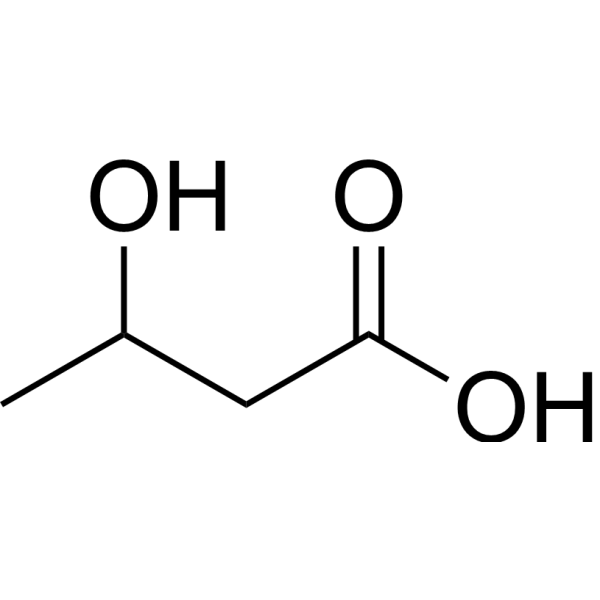
    3-Hydroxybutyric acid
    Maximum Cited Publications
    21 Publications Verification

    β-Hydroxybutyric acid

    Endogenous Metabolite Metabolic Disease
    3-Hydroxybutyric acid (β-Hydroxybutyric acid) is a metabolite that is elevated in type I diabetes. 3-Hydroxybutyric acid can modulate the properties of membrane lipids .
    3-Hydroxybutyric acid
  • HY-13012
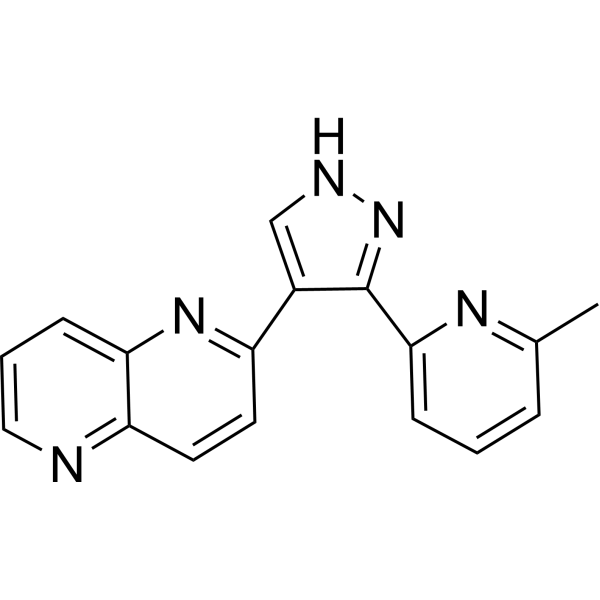
    RepSox
    Maximum Cited Publications
    21 Publications Verification

    E-616452; SJN 2511

    Organoid TGF-β Receptor Metabolic Disease
    RepSox (E-616452) is a potent and selective transforming growth factor-beta receptor I/activin like kinase 5 (TGF-β-RI/ALK5) inhibitor. RepSox inhibits ALK5 autophosphorylation with an IC50 value of 4 nM. RepSox can be used for the research of obesity and associated metabolic diseases such as type 2 diabetes .
    RepSox
  • HY-W010452
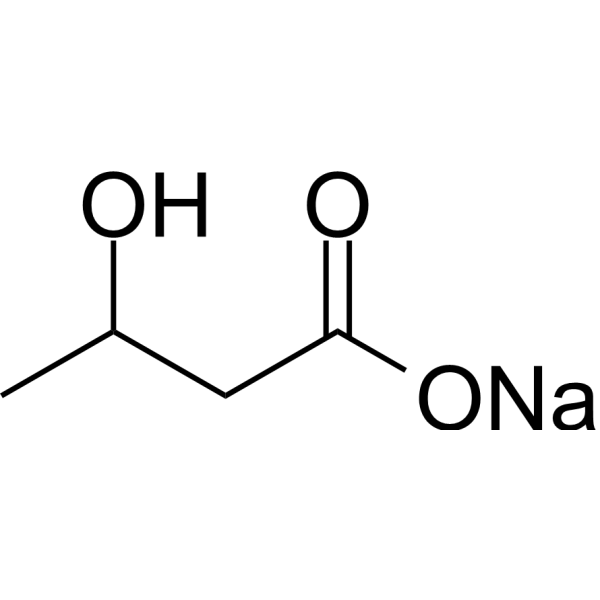
    3-Hydroxybutyric acid sodium
    Maximum Cited Publications
    21 Publications Verification

    β-Hydroxybutyric acid sodium

    Endogenous Metabolite Metabolic Disease
    3-Hydroxybutyric acid sodium (β-Hydroxybutyric acid sodium) is a metabolite that is elevated in type I diabetes. 3-Hydroxybutyric acid sodium can modulate the properties of membrane lipids .
    3-Hydroxybutyric acid sodium
  • HY-108743

    Insulin Receptor Endocrinology
    Insulin degludec is an ultra-long-acting form of insulin used for the research of hyperglycemia caused by type 1 and type 2 dabetes. Insulin degludec shows binding efficiency with an IC50 value of 19.59 nM for insulin receptor. Insulin degludec can be used for the research of type 1 and type 2 diabetes .
    Insulin degludec
  • HY-113166
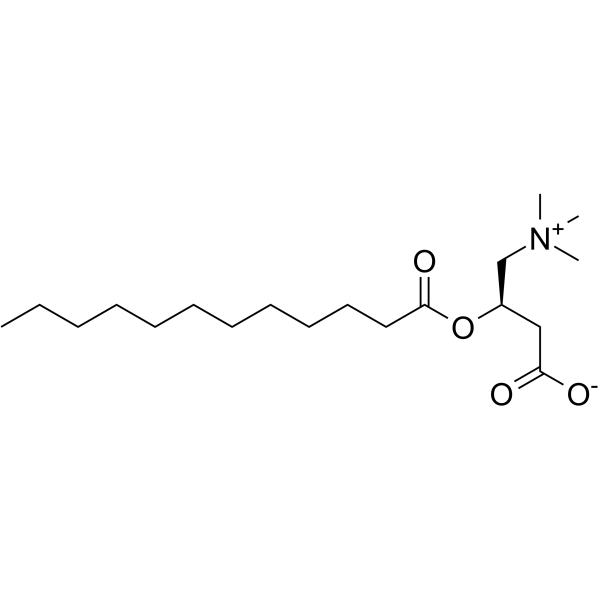
    Dodecanoylcarnitine
    1 Publications Verification

    (-)-Lauroylcarnitine

    Endogenous Metabolite Metabolic Disease Inflammation/Immunology
    Dodecanoylcarnitine ((-)-Lauroylcarnitine) is a medium long-chain acylcarnitine, an intermediate product in key energy metabolic pathways of fatty acid β-oxidation and amino acids catabolism. The abnormal decrease in the Dodecanoylcarnitine levels indicats that mitochondrial fuel metabolism, including fatty acid oxidation is significantly disturbed. Changes in plasma concentrations of Dodecanoylcarnitine are not only associated with type II diabetes, but also with pre-diabetes status. Dodecanoylcarnitine is present in fatty acid oxidation disorders such as long-chain acyl CoA dehydrogenase deficiency, carnitine palmitoyltransferase I/II deficiency, and is also associated with celiac disease. Dodecanoylcarnitine deomonstrates high sensitivities and specificities in predicting asthma. Combined model of Decanoylcarnitine (HY-113069), Dodecanoylcarnitine, PC (16:0/0:0), and Asp Arg Pro can be used as a potential biomarker for the diagnosis of Yin-deficiency-heat syndrome .
    Dodecanoylcarnitine
  • HY-16397
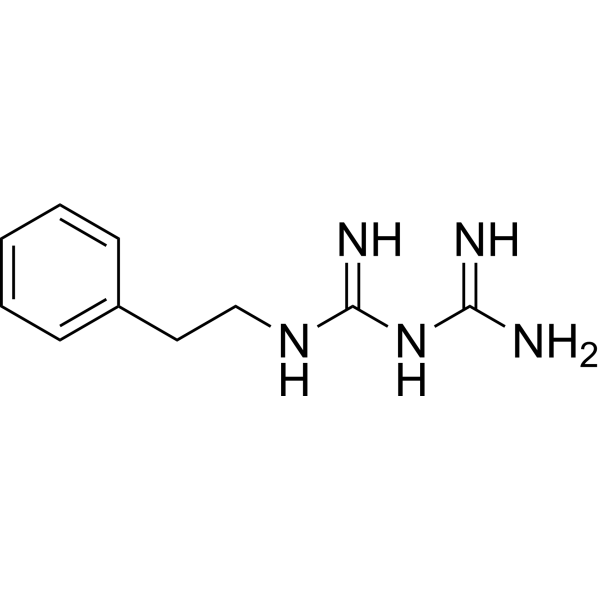
    Phenformin
    5+ Cited Publications

    Phenethylbiguanide

    Mitochondrial Metabolism AMPK Apoptosis Autophagy mTOR Neurological Disease Metabolic Disease Cancer
    Phenformin (Phenethylbiguanide) is an orally active biguanide hypoglycemic agent. Phenformin inhibits mitochondrial respiratory chain complex I, leading to an increased AMP/ATP ratio, activation of AMPK, and subsequent inhibition of the mTOR pathway, thereby suppressing cell proliferation, inducing apoptosis and autophagy. Phenformin inhibits cancer stem cells (CSCs) and possesses potent antitumor potential .
    Phenformin
  • HY-P99625

    SAR441344; INX-021

    TNF Receptor Metabolic Disease Inflammation/Immunology
    Frexalimab (SAR441344) is a second-generation monoclonal antibody targeting the CD40 ligand (CD40L) with a good safety profile. Frexalimab inhibits the binding between CD40 and CD40L to modulate immune response. Frexalimab is likely to help prevent the process of β-cell destruction. Frexalimab is proming for multiple sclerosis, lupus erythematosus, Sj gren’s syndrome and type I diabetes research .
    Frexalimab
  • HY-W010452S1

    β-Hydroxybutyric acid-13C4 sodium

    Isotope-Labeled Compounds Endogenous Metabolite Metabolic Disease
    3-Hydroxybutyric acid- 13C4 sodium is the 13C labeled 3-Hydroxybutyric acid sodium (HY-W010452). 3-Hydroxybutyric acid sodium is a metabolite that is elevated in type I diabetes, and can modulate the properties of membrane lipids .
    3-Hydroxybutyric acid-13C4 sodium
  • HY-P10102
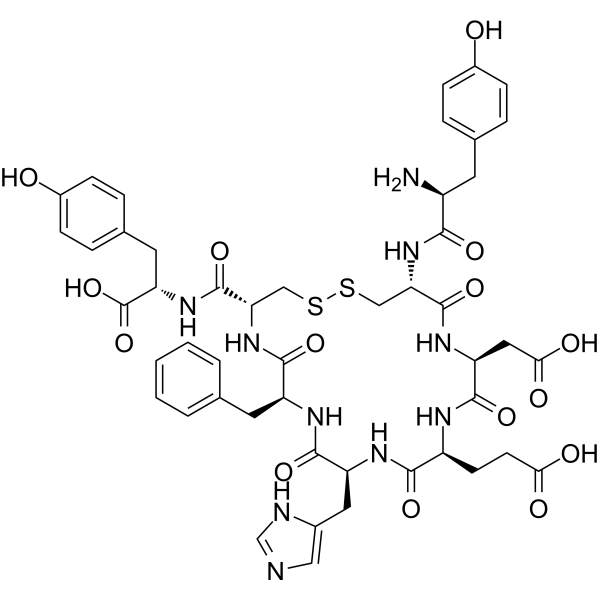
    Kp7-6
    2 Publications Verification

    Apoptosis PERK NF-κB Caspase JNK Inflammation/Immunology Cancer
    Kp7-6 is a Fas mimetic peptide and also a Fas/FasL antagonist. Kp7-6 specifically binds to Fas and FasL, disrupts receptor complexes, and blocks downstream apoptosis signaling pathways. Kp7-6 inhibits the phosphorylation of ERK1-2, induces the phosphorylation of IκBα, and activates NF-κB. Kp7-6 inhibits the activation of caspase-8, caspase-3 and JNK, and suppresses human amylin-induced β-cell apoptosis. Kp7-6 inhibits FasL-induced lymphoid cytotoxicity and apoptosis. Kp7-6 reduces local tumor FasL expression, increases CD8 +Fas + T cell infiltration, and decreases tumor volume in pancreatic neuroendocrine tumor models. Kp7-6 prevents concanavalin A-induced liver injury in mice. Kp7-6 is applicable to research related to type 2 diabetes, concanavalin A-induced hepatitis and pancreatic neuroendocrine tumors .
    Kp7-6
  • HY-136742

    Beta-secretase Metabolic Disease
    BACE2-IN-1 (compound 3l) is a highly selective BACE2 inhibitor with a K i value of 1.6 nM. BACE2 inhibitors can be used to research of Type 2 Diabetes .
    BACE2-IN-1
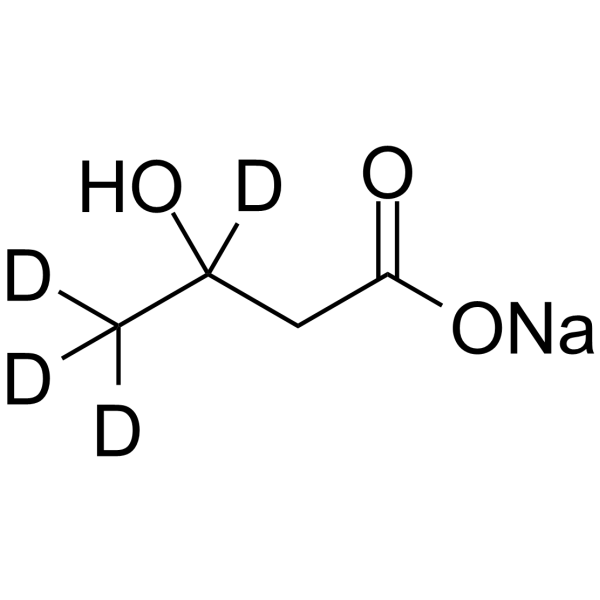
  • HY-113378S

    β-Hydroxybutyric acid-d4 sodium

    Endogenous Metabolite Metabolic Disease
    3-Hydroxybutyric acid-d4 (sodium) is the deuterium labeled 3-Hydroxybutyric acid. 3-Hydroxybutyric acid (β-Hydroxybutyric acid) is a metabolite that is elevated in type I diabetes. 3-Hydroxybutyric acid can modulate the properties of membrane lipids .
    3-Hydroxybutyric acid-d4 sodium
  • HY-W010452R

    β-Hydroxybutyric acid sodium (Standard)

    Reference Standards Endogenous Metabolite Metabolic Disease
    3-Hydroxybutyric acid sodium (β-Hydroxybutyric acid sodium) is a metabolite that is elevated in type I diabetes. 3-Hydroxybutyric acid sodium can modulate the properties of membrane lipids .
    3-Hydroxybutyric acid sodium (Standard)
  • HY-113378R

    β-Hydroxybutyric acid (Standard)

    Reference Standards Endogenous Metabolite Metabolic Disease
    3-Hydroxybutyric acid (Standard) is the analytical standard of 3-Hydroxybutyric acid. This product is intended for research and analytical applications. 3-Hydroxybutyric acid (β-Hydroxybutyric acid) is a metabolite that is elevated in type I diabetes. 3-Hydroxybutyric acid can modulate the properties of membrane lipids[1].
    3-Hydroxybutyric acid (Standard)
  • HY-P2802B

    Glycosidase Metabolic Disease
    α-Glucosidase, rice is a GH31 glycoside hydrolase in rice seeds, with high selectivity for α-1,4-glycosidic bonds. α-Glucosidase, rice can be inhibited by rice husk extracts (IC50 = 1.25 μg/mL) and steroidal components (IC50 = 1.83 μg/mL). α-Glucosidase, rice exists in two major isoforms, among which isoform II is more sensitive to inhibitors. α-Glucosidase, rice can directly bind to and degrade starch granules in rice seeds. α-Glucosidase, rice can form ONG2-I and ONG2-II via post-translational proteolysis. α-Glucosidase, rice can be used in type 2 diabetes research .
    α-Glucosidase, rice
  • HY-P2525

    MHC Inflammation/Immunology
    GAD65 (206-220) is glutamic acid decarboxylase (GAD) 65-derived peptide, corresponding to residues 180-188. GAD65 is presented to T cells in association with I-Ag7 MHC class II molecules and a major pancreatic antigens targeted by self-reactive T cells in type I diabetes mellitus .
    GAD65 (206-220)
  • HY-152158

    Glycosidase Metabolic Disease
    α-Glucosidase-IN-22 (Compound 7i) is a α-glucosidase inhibitor with an IC50 value of 0.64 μM. α-Glucosidase-IN-22 can be used for the research of type 2 diabetes .
    α-Glucosidase-IN-22
  • HY-122949
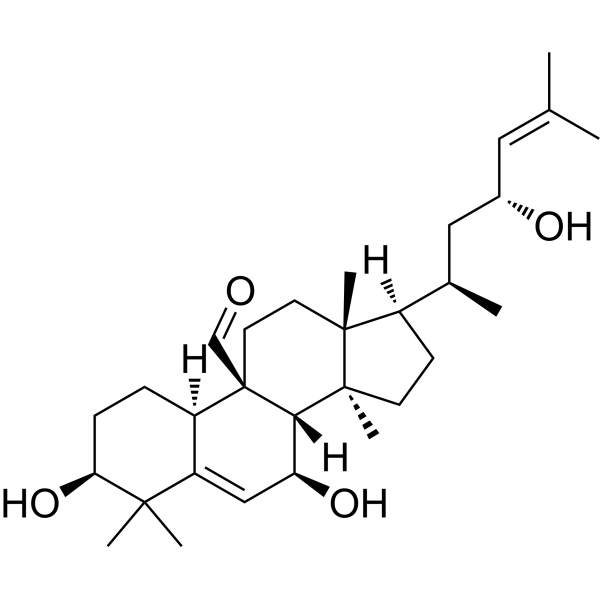
    Momordicine I
    2 Publications Verification

    Apoptosis Autophagy DGK Mitochondrial Metabolism NO Synthase PI3K Akt Interleukin Related Src AMPK mTOR NF-κB c-Met/HGFR STAT Keap1-Nrf2 Reactive Oxygen Species (ROS) Oxidative Phosphorylation Endogenous Metabolite Cardiovascular Disease Metabolic Disease Inflammation/Immunology Cancer
    Momordicine I is a cucurbitane-type triterpenoids. Momordicine I suppresses glioma growth by promoting apoptosis and impairing mitochondrial oxidative phosphorylation. Momordicine I inhibits glycolysis, lipid metabolism, induces autophagy in HNC cells to suppress head and neck cancer growth. Momordicine I alleviates isoproterenol-induced cardiomyocyte hypertrophy through suppression of PLA2G6 and DGK-ζ. Momordicine I exerts its cardiovascular benefits by upregulating nitric oxide, inhibiting the activity of angiotensin-converting enzyme (ACE), activating the PI3K/Akt pathway, reducing oxidative stress and inflammation. Momordicine I inhibits AKT1, IL-6, and SRC, suggesting its potential application in type 2 diabetes .
    Momordicine I
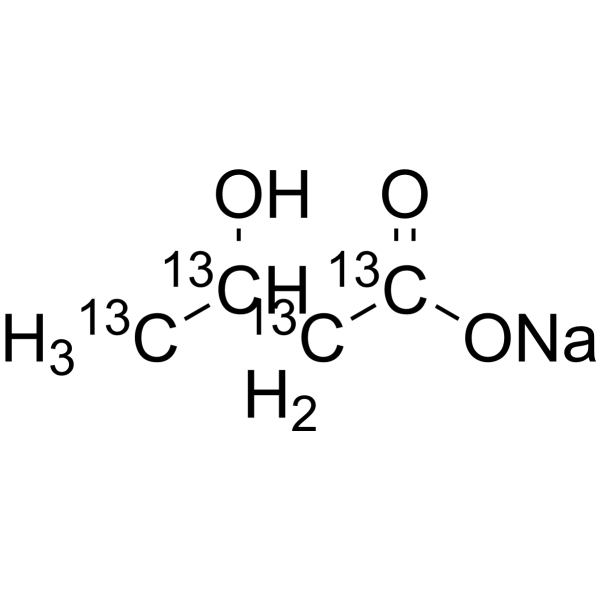
  • HY-W015851S

    3-Hydroxybutyric acid-13C sodium

    Isotope-Labeled Compounds Endogenous Metabolite Metabolic Disease
    3-Hydroxybutanoic acid-13C- 13C (sodium) is the 13C labeled 3-Hydroxybutanoic acid sodium (HY-W010452). 3-Hydroxybutyric acid sodium (β-Hydroxybutyric acid sodium) is a metabolite that is elevated in type I diabetes. 3-Hydroxybutyric acid sodium can modulate the properties of membrane lipids .
    3-Hydroxybutanoic acid-13C sodium
  • HY-W010452S2

    β-Hydroxybutyric acid-13C2 sodium

    Endogenous Metabolite Metabolic Disease
    3-Hydroxybutyric acid- 13C2 (sodium) is the 13C labeled 3-Hydroxybutyric acid sodium (HY-W010452). 3-Hydroxybutyric acid sodium is a metabolite that is elevated in type I diabetes, and can modulate the properties of membrane lipids .
    3-Hydroxybutyric acid-13C2 sodium
  • HY-13012R

    E-616452 (Standard); SJN 2511 (Standard)

    Organoid TGF-β Receptor Reference Standards Metabolic Disease
    RepSox (Standard) is the analytical standard of RepSox. This product is intended for research and analytical applications. RepSox (E-616452) is a potent and selective transforming growth factor-beta receptor I/activin like kinase 5 (TGF-β-RI/ALK5) inhibitor. RepSox inhibits ALK5 autophosphorylation with an IC50 value of 4 nM. RepSox can be used for the research of obesity and associated metabolic diseases such as type 2 diabetes .
    RepSox (Standard)
  • HY-147626

    GLP Receptor Metabolic Disease
    GLP-1R agonist 13 (Compound 24) is a GLP-1 receptor agonist .
    GLP-1R agonist 13
  • HY-147037

    AMPK Cardiovascular Disease Metabolic Disease
    AMPK activator 7 (compound I-3-24) is a an AMPK activator with the EC50 of 8.8 nM. AMPK activator 7 can be used for the research of diseases involving AMPK, particularly diseases such as type 2 diabetes, hyperglycemia, metabolic syndrome, obesity, hypercholesterolemia and/or hypertension .
    AMPK activator 7
  • HY-169707

    GCGR Metabolic Disease
    GCGR antagonist 3 (example 1) is an antagonist of the glucagon receptor (GCGR) and can be used in diabetes research .
    GCGR antagonist 3
  • HY-168621

    Dipeptidyl Peptidase Metabolic Disease
    DPP-4-IN-13 (compound 9i) is a competitive DPP4 inhibitor with the IC50 of 9.25 μM and can be used for study of type 2 diabetes .
    DPP-4-IN-13
  • HY-P5305A

    GABA Receptor Metabolic Disease
    GAD65(247-266) epitope TFA is the T cell epitopes of islet antigens,binding to I-A g7 (type I diabetes-associated molecule) competitively with poor affinity. GAD65 refers to Glutamic Acid Decarboxylase 65,involved in the conversion of glutamate to gamma-aminobutyric acid (GABA) .
    GAD65(247-266) epitope TFA
  • HY-W010452S

    β-Hydroxybutyric acid-d2 sodium

    Endogenous Metabolite Metabolic Disease
    3-Hydroxybutyric acid-d2 (sodium) is the deuterium labeled 3-Hydroxybutyric acid sodium . 3-Hydroxybutyric acid sodium (β-Hydroxybutyric acid sodium) is a metabolite that is elevated in type I diabetes. 3-Hydroxybutyric acid sodium can modulate the properties of membrane lipids .
    3-Hydroxybutyric acid-d2 sodium
  • HY-149332

    Glycosidase Metabolic Disease
    α-Glucosidase-IN-26 (Compound 7i) is an α-glucosidase inhibitor (IC50=4.63 µM). α-Glucosidase-IN-26 can be used in the study of type 2 diabetes mellitus (T2DM) .
    α-Glucosidase-IN-26
  • HY-W707119

    E-616452 hydrochloride; SJN 2511 hydrochloride

    TGF-beta/Smad Anaplastic lymphoma kinase (ALK) Metabolic Disease
    RepSox hydrochloride is a potent and selective inhibitor of transforming growth factor-β receptor I/activin-like kinase 5 (TGF-β-RI/ALK5). RepSox hydrochloride inhibits ALK5 autophosphorylation with an IC50 value of 4 nM. RepSox hydrochloride can be used in the study of obesity and related metabolic diseases such as type 2 diabetes.
    RepSox hydrochloride
  • HY-14156

    11β-HSD Metabolic Disease
    11β-HSD1-IN-15 is an inhibitor of 11β-hydroxysteroid dehydrogenase type I (11β-HSD1). 11β-HSD1-IN-15 blocks the conversion of corticosterone to cortisol by binding to the active site of the 11β-HSD1 enzyme. 11β-HSD1-IN-15 can be used to investigate the role of 11β-HSD1 enzymes IN the development of metabolic syndrome, obesity, cognitive decline and type 2 diabetes .
    11β-HSD1-IN-15
  • HY-113166R

    (-)-Lauroylcarnitine (Standard)

    Reference Standards Endogenous Metabolite Metabolic Disease Inflammation/Immunology
    Dodecanoylcarnitine (Standard) is the analytical standard of Dodecanoylcarnitine (HY-113166). This product is intended for research and analytical applications. Dodecanoylcarnitine ((-)-Lauroylcarnitine) is a medium long-chain acylcarnitine, an intermediate product in key energy metabolic pathways of fatty acid β-oxidation and amino acids catabolism. The abnormal decrease in the Dodecanoylcarnitine levels indicats that mitochondrial fuel metabolism, including fatty acid oxidation is significantly disturbed. Changes in plasma concentrations of Dodecanoylcarnitine are not only associated with type II diabetes, but also with pre-diabetes status. Dodecanoylcarnitine is present in fatty acid oxidation disorders such as long-chain acyl CoA dehydrogenase deficiency, carnitine palmitoyltransferase I/II deficiency, and is also associated with celiac disease. Dodecanoylcarnitine deomonstrates high sensitivities and specificities in predicting asthma. Combined model of Decanoylcarnitine (HY-113069), Dodecanoylcarnitine, PC (16:0/0:0), and Asp Arg Pro can be used as a potential biomarker for the diagnosis of Yin-deficiency-heat syndrome .
    Dodecanoylcarnitine (Standard)
  • HY-182248

    ST1326 chloride

    Carnitine Palmitoyltransferase (CPT) Acyltransferase Metabolic Disease
    Teglicar chloride (ST1326 chloride) is an orally active, reversible, mixed-type, selective inhibitor of hepatic carnitine palmitoyltransferase I (L-CPT I), with an IC50 of 1.1 μM against rat L-CPT I. Teglicar chloride reduces serum glucose levels. Teglicar chloride exhibits antiketotic activity in normal fasted rats. Teglicar chloride can be used in research related to type 2 diabetes and ketoacidosis .
    Teglicar chloride
  • HY-N8250

    Topoisomerase PEPCK Metabolic Disease
    cis-THSG is a selective and orally active DNA topoisomerase II inhibitor with no activity against DNA topoisomerase I. cis-THSG suppresses transcription of PEPCK. cis-THSG reduces blood glucose levels, ameliorates glucose intolerance, and alleviates insulin resistance in high fat diet-induced diabetic male CF-1 mice. cis-THSG can be used for the research of type 2 diabetes mellitus .
    cis-THSG
  • HY-178138

    Glycosidase Metabolic Disease
    α-Glucosidase-IN-97 (Compound 9i) is a highly selective α-glucosidase inhibitor (IC50=1.05 μM). α-Glucosidase-IN-97 is promising for research of type 2 diabetes mellitus (T2DM) .
    α-Glucosidase-IN-97
  • HY-P11604

    Phosphatase Inflammation/Immunology
    C16 acid-I-{Lys (C10 diacid)}-KQELRRIGDEF is a cell-permeable and internalizable PTPN1/2 inhibitor, with IC50 values of 107.6 nM and 3375 nM, respectively. C16 acid-I-{Lys (C10 diacid)}-KQELRRIGDEF restores insulin signaling in HepG2 cells. C16 acid-I-{Lys (C10 diacid)}-KQELRRIGDEF achieves glycemic control in db/db diabetic mice. C16 acid-I-{Lys (C10 diacid)}-KQELRRIGDEF can be used in the research of type 2 diabetes .
    C16 acid-I-{Lys(C10 diacid)}-KQELRRIGDEF
  • HY-124420

    Phosphatase Metabolic Disease
    MLS-0322825 is a selective low molecular weight protein tyrosine phosphatase (LMPTP) inhibitor with an IC50 of 3.3 μM for LMPTP-A. MLS-0322825 shows exquisite selectivity over other phosphatases (class I tyrosine-specific lymphoid phosphatase (LYP) and class I dual-specific vaccinia H1-related phosphatase (VHR)). MLS-0322825 can be used for the research of type 2 diabetes [1].
    MLS-0322825
  • HY-180220

    GLP Receptor Metabolic Disease
    GLP-1R agonist 40 (Compound I-1) is an orally active, potent and selective GLP-1R agonist (EC50 = 26.7 pM for cAMP accumulation). GLP-1R agonist 40 shows significant decrease in blood glucose levels. GLP-1R agonist 40 can be used in the research of type 2 diabetes .
    GLP-1R agonist 40
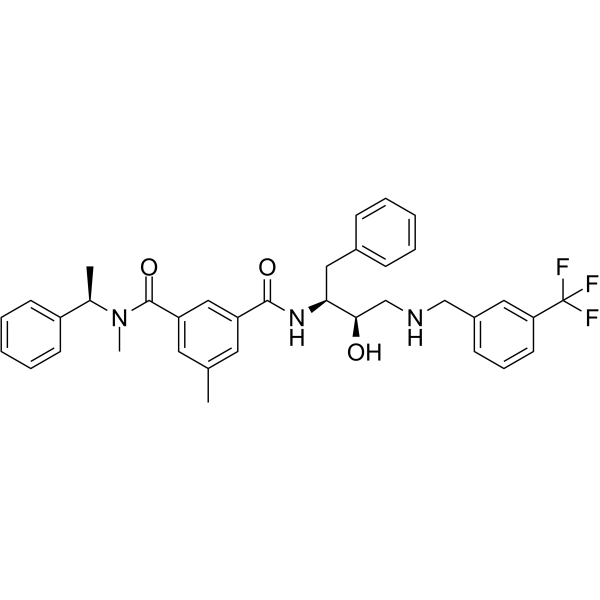
  • HY-13012S

    E-616452-d5; SJN 2511-d5

    Isotope-Labeled Compounds TGF-β Receptor Metabolic Disease
    RepSox-d5 (E-616452-d5) is the deuterium labeled RepSox (HY-13012). RepSox (E-616452) is a potent and selective transforming growth factor-beta receptor I/activin like kinase 5 (TGF-β-RI/ALK5) inhibitor. RepSox inhibits ALK5 autophosphorylation with an IC50 value of 4 nM. RepSox can be used for the research of obesity and associated metabolic diseases such as type 2 diabetes .
    RepSox-d5
  • HY-168168

    Endogenous Metabolite Metabolic Disease
    (5aS,6R,6aR)-MK-8666 is a selective GPR40 agonist with activity in promoting fatty acid-induced insulin secretion in pancreatic β cells and intestinal enteroendocrine cells. (5aS,6R,6aR)-MK-8666 has been studied for the inhibition of type 2 diabetes and has shown significant blood glucose lowering effects. Although (5aS,6R,6aR)-MK-8666 is considered to have potential inhibitory advantages, its development was stopped in Phase I clinical trials due to liver safety issues .
    (5aS,6R,6aR)-MK-8666
  • HY-N19401

    Cholinesterase (ChE) Carbonic Anhydrase Glycosidase JNK p38 MAPK Metabolic Disease Inflammation/Immunology
    Vescalagin is a hexahydroxyphenol. Vescalagin is isolable from Camu-camu (Myrciaria dubia) and immature wax apple fruits. Vescalagin exhibits inhibitory activity against a variety of enzymes, with a Ki value of 5.87 nM against AChE, 3.89 nM against BChE, 11.75 nM against hCA I, 16.23 nM against hCA II, and 16.08 nM against α-glucosidase. Vescalagin inhibits hCA I, hCA II and α-glucosidase in a non-competitive manner. Vescalagin downregulates JNK/p38 MAPK to protect pancreatic β-cells and improve insulin secretion in methylglyoxal-treated rats. Vescalagin reduces hyperglycemia and hypertriglyceridemia in rats fed a high-fructose diet. Vescalagin possesses anti-inflammatory and antioxidant properties .
    Vescalagin

オンラインお問い合わせ

入力情報は安全に管理されます. 必須入力項目.

タイトル


国或いは地域 *

お名前 *


組纖名 *

デパートメント *


メールアドレス *


製品名 *

製品番号


カスタマ需要量 *

電話番号 *


必ず会社名を記載ください。個人への返信は行いません。

備考

バルクお問い合わせ

Inquiry Information

製品名:
製品番号:
数量:
MCE 日本正規代理店:

