1. Search Result
Search Result
Results for "

acne

" in MedChemExpress (MCE) Product Catalog:

83

Inhibitors & Agonists

3

Peptides

15

Natural
Products

17

Isotope-Labeled Compounds

Cat. No. Product Name Target Research Areas Chemical Structure
  • HY-15127
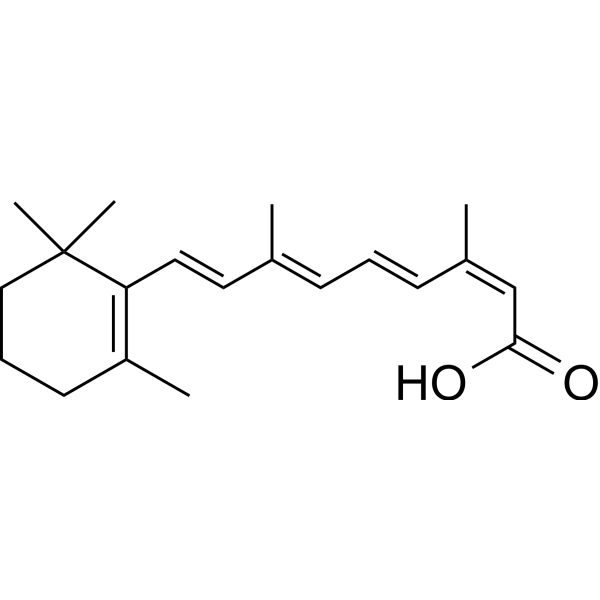
    Isotretinoin
    Maximum Cited Publications
    13 Publications Verification

    13-cis-Retinoic acid

    RAR/RXR Endogenous Metabolite Autophagy Cancer
    Isotretinoin (13-cis-Retinoic acid) is an orally active vitamin A derivative and is often be used for the research of severe acne. Isotretinoin also shows anticancer activity .
    Isotretinoin
  • HY-W011303
    Phytosphingosine
    4 Publications Verification

    4-Hydroxysphinganine

    Apoptosis Endogenous Metabolite Fungal Free Fatty Acid Receptor Infection Metabolic Disease Inflammation/Immunology Cancer
    Phytosphingosine is a phospholipid with anti-inflammatory, antibacterial, and anti-cancer activities, which can induce apoptosis. Phytosphingosine is an immune regulator and can be used in the study of inflammatory skin diseases. Phytosphingosine is also an activator of GPR120 with an IC50 value of 33.4 μM and can be used in the study of type II diabetes .
    Phytosphingosine
  • HY-Y0366
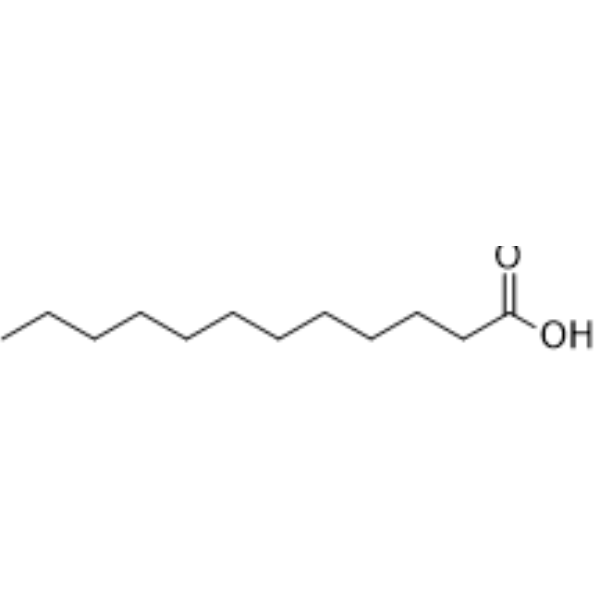
    Lauric acid
    5+ Cited Publications

    Environmental Pollutants Endogenous Metabolite Bacterial Infection
    Lauric acid is a middle chain-free fatty acid with strong bactericidal properties. The EC50s for P. acnes, S.aureus, S. epidermidis, are 2, 6, 4 μg/mL, respectively .
    Lauric acid
  • HY-B0091
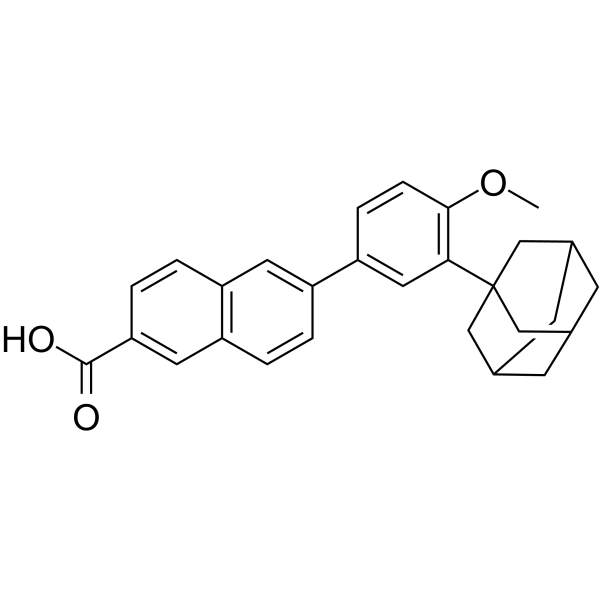
    Adapalene
    5 Publications Verification

    CD271

    RAR/RXR Autophagy Apoptosis Neurological Disease Inflammation/Immunology Cancer
    Adapalene (CD271), a third-generation synthetic retinoid, is widely used for the research of acne. Adapalene is a potent RAR agonist, with AC50s of 2.3 nM, 9.3 nM, and 22 nM for RARβ, RARγ, RARα, respectively. Adapalene also inhibits the enzymatic activity of GOT1 in a non-competitive manner. Adapalene exhibits anti-tumor activity .
    Adapalene
  • HY-100256

    CD5789

    RAR/RXR Autophagy Inflammation/Immunology
    Trifarotene (CD5789) is a potent and selective RARγ agonist. Trifarotene (CD5789) shows ~65-fold and ~16-fold selectivitiy for the RARγ (EC50=7.7 nM) over RARα (EC50=500 nM) and RARβ (EC50=125 nM), respectively .
    Trifarotene
  • HY-B0704
    Azelaic acid
    3 Publications Verification

    Nonanedioic acid

    Antibiotic Endogenous Metabolite PROTAC Linkers Inflammation/Immunology
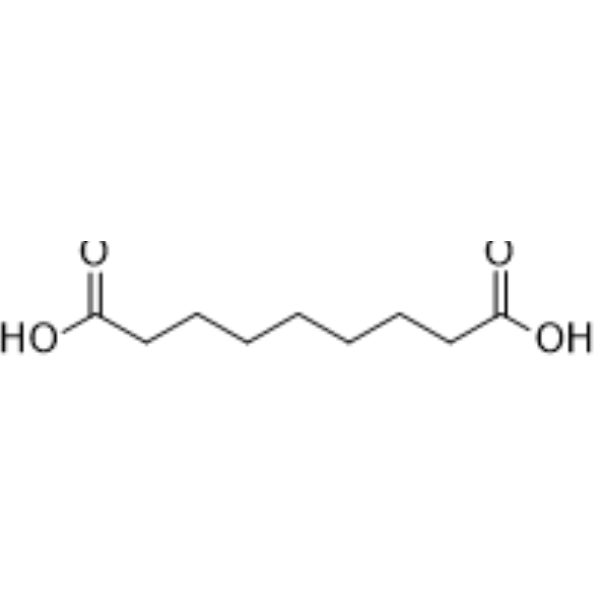
    Azelaic acid is a nine-carbon dicarboxylic acid. Azelaic acid has antimicrobial activity against Propionibacterium acnes and Staphylococcus epidermidis through inhibition of microbial cellular prorein synthesis. Azelaic acid has hypopigmentation action resulting from its ability to scavenge free radicals .
    Azelaic acid
  • HY-B0688
    Dapsone
    4 Publications Verification

    4,4′-Diaminodiphenyl sulfone; DDS

    Antibiotic Parasite Bacterial Reactive Oxygen Species (ROS) Infection Inflammation/Immunology
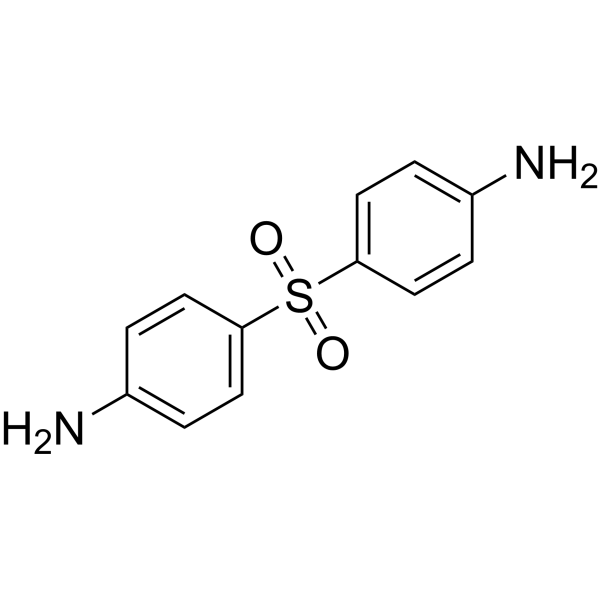
    Dapsone (4,4′-Diaminodiphenyl sulfone) is an orally active and blood-brain penetrant sulfonamide antibiotic with bacteriostatic, antimycobacterial and antiprotozoal activities . Dapsone?exerts effective antileprosy activity?and inhibits folate synthesis in cell extracts of?M. leprae. Dapsone is used for dermatologic disorder research, including leprosy, dermatitis herpetiformis, acne vulgaris et al .
    Dapsone
  • HY-15388
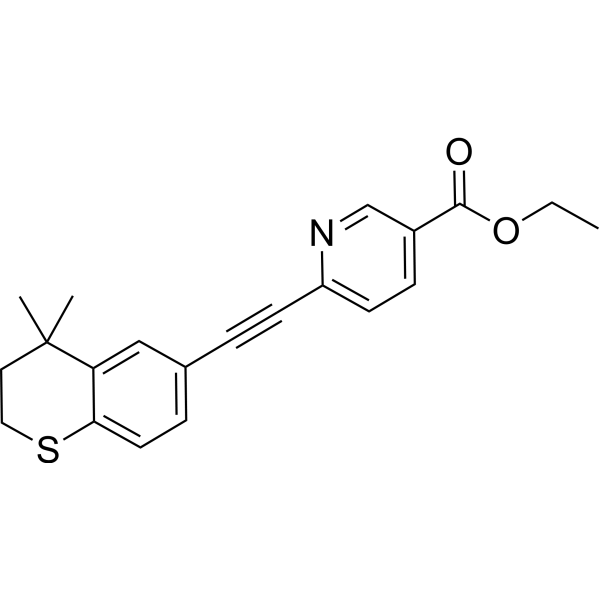
    Tazarotene
    2 Publications Verification

    AGN 190168

    RAR/RXR Autophagy Inflammation/Immunology Cancer
    Tazarotene (AGN 190168) is a selective retinoic acid receptor (RAR) agonist for the treatment of plaque psoriasis and acne vulgaris. Tazarotene is a click chemistry reagent, it contains an Alkyne group and can undergo copper-catalyzed azide-alkyne cycloaddition (CuAAc) with molecules containing Azide groups.
    Tazarotene
  • HY-13858A
    Sarecycline hydrochloride
    4 Publications Verification

    P-005672 hydrochloride

    Antibiotic Bacterial DNA/RNA Synthesis Infection
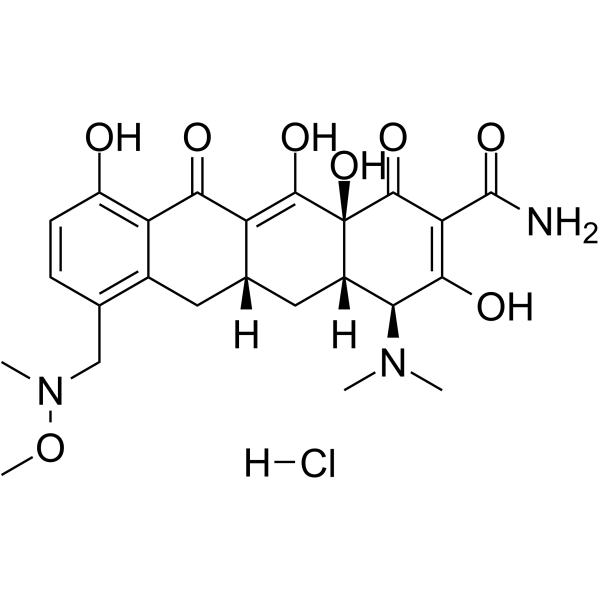
    Sarecycline hydrochloride is an orally active narrow-spectrum tetracycline derivative antibiotic. Sarecycline hydrochloride has anti-inflammatory activity. Sarecycline hydrochloride inhibits the activity of Gram-positive bacteria and several types of keratobacterium acnes. Sarecycline hydrochloride interferes with tRNA accommodation and tethers mRNA to the 70S ribosome. Sarecycline hydrochloride can be used to study moderate to severe acne .
    Sarecycline hydrochloride
  • HY-B1064
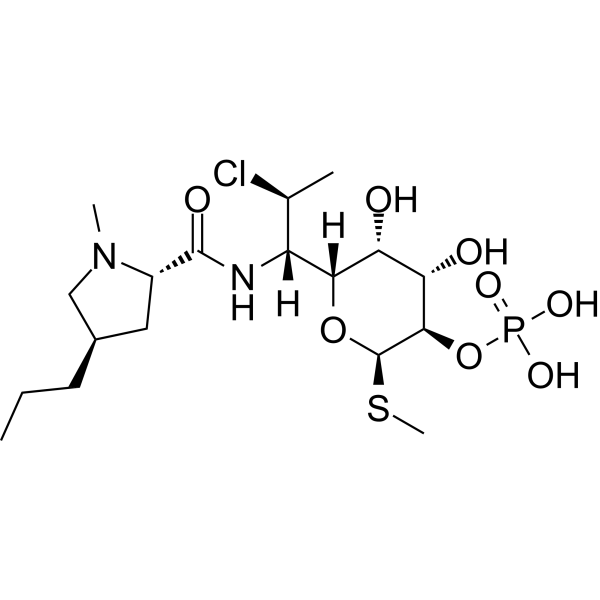
    Clindamycin phosphate
    4 Publications Verification

    Clindamycin 2-phosphate; U-28508

    Bacterial Antibiotic Parasite Infection Cancer
    Clindamycin phosphate (Clindamycin 2-phosphate) is a broad-spectrum bacteriostatic lincosamide antibiotic. Clindamycin phosphate is the proagent of Clindamycin (HY-B1455) with no antimicrobial activity in vitro but can be rapidly converted in vivo to the active parent agent, Clindamycin, by phosphatase ester hydrolysis. Clindamycin phosphate can be used for researching acne and bacterial vaginosis . Clindamycin phosphate has no cytotoxicity. Combined with platelet rich fibrin (PRF), PRF-Clindamycin phosphate enhances antimicrobial properties .
    Clindamycin phosphate
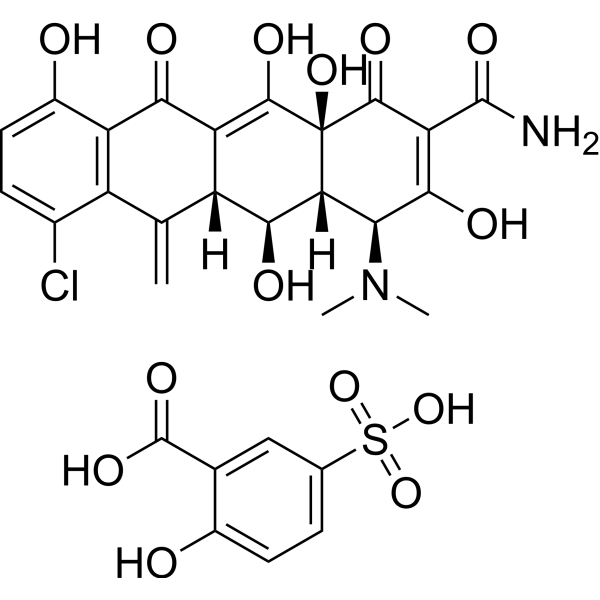
  • HY-B1366

    Antibiotic Bacterial Infection
    Meclocycline Sulfosalicylate Salt is a tetracycline antibiotic with broad-spectrum antibacterial activities, preventing skin bacterial infections such as acne vulgaris .
    Meclocycline Sulfosalicylate Salt
  • HY-W251181

    Tyrosinase Metabolic Disease
    Isobutylamido thiazolyl resorcinol is a selective hTyr inhibitor with an IC50 of 1.1  μM. Isobutylamido thiazolyl resorcinol shows an IC50 of 108  μM against mushroom Tyrosinase. Isobutylamido thiazolyl resorcinol effectively prevents pigmentation caused by UVB irradiation. Isobutylamido thiazolyl resorcinol significantly improves the visibility of acne-induced hyperpigmentation .
    Isobutylamido thiazolyl resorcinol
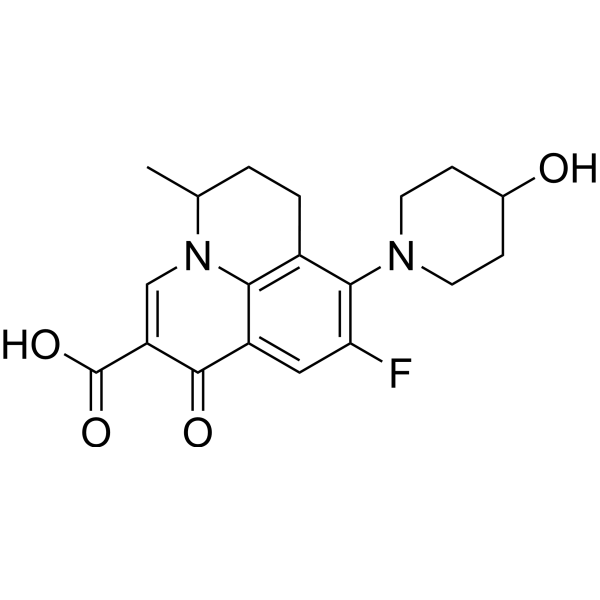
  • HY-B0506
    Nadifloxacin
    1 Publications Verification

    OPC7251

    Bacterial Antibiotic DNA/RNA Synthesis Interleukin Related Infection Inflammation/Immunology
    Nadifloxacin (OPC7251) is a broad-spectrum quinolone antibiotic. Nadifloxacin inhibits bacterial DNA gyrase and topoisomerase IV, interfering with DNA replication. It also suppresses the production of proinflammatory cytokines (such as IL-1α, IL-6, and IL-8). Nadifloxacin exhibits antibacterial activity against various pathogens, including Propionibacterium acnes and Staphylococcus aureus. Nadifloxacin also exhibits anti-inflammatory activity. Nadifloxacin can be used in the research of skin infections such as acne vulgaris, folliculitis, and impetigo .
    Nadifloxacin
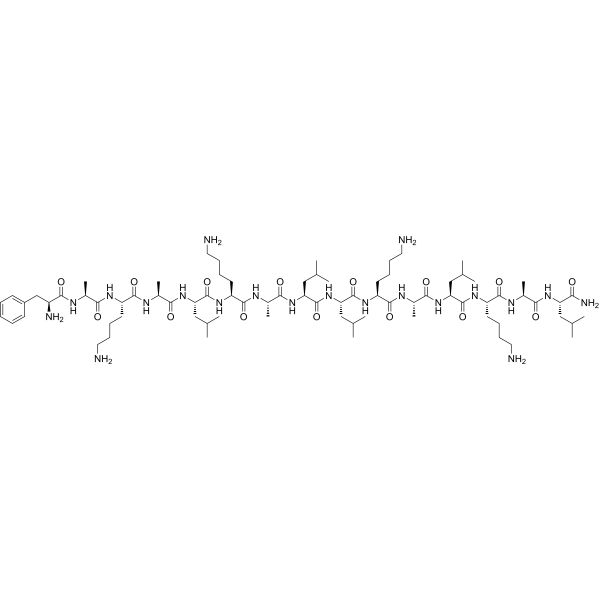
  • HY-P5255

    Bacterial Infection Inflammation/Immunology
    Oligopeptide-10 is a bioactive peptide with antimicrobial activity. Oligopeptide-10 exhibits broad-spectrum bactericidal effects against Gram-positive bacteria including Propionibacterium acnes and Staphylococcus aureus. Oligopeptide-10 targets lipoteichoic acid (LTA) on the surface of bacterial cell membranes, induces bacterial osmotic imbalance by disrupting the integrity of bacterial membranes, and reduces the release of pro-inflammatory cytokines induced by bacteria. Oligopeptide-10 possesses skin-protective activity. Oligopeptide-10 can be applied in research related to acne vulgaris, dandruff, seborrheic dermatitis, and tinea pedis .
    Oligopeptide-10
  • HY-107385
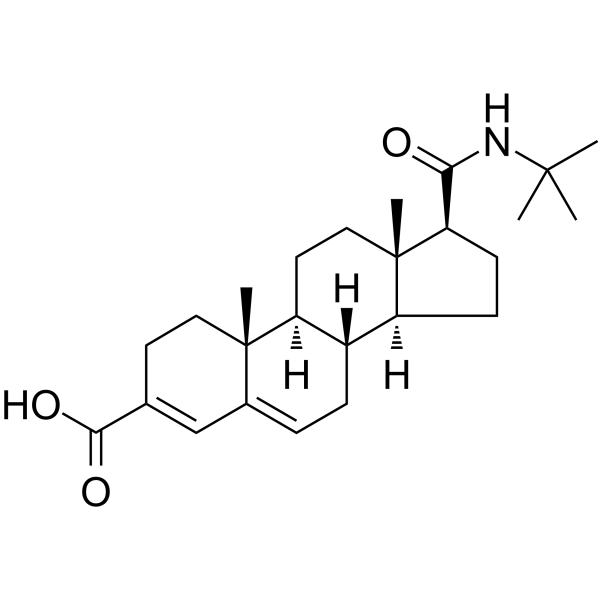
    Epristeride
    3 Publications Verification

    ONO-9302; SKF105657

    5 alpha Reductase Cancer
    Epristeride (ONO-9302) is a selective, specific and orally active uncompetitive inhibitor of human steroid 5 alpha-reductase isoform 2. Epristeride has inhibitory effects for SR isoenzymes types 2 with Ki value of 0.7-2 nM. Epristeride can be used for the research of prostatic hyperplasia and acne .
    Epristeride
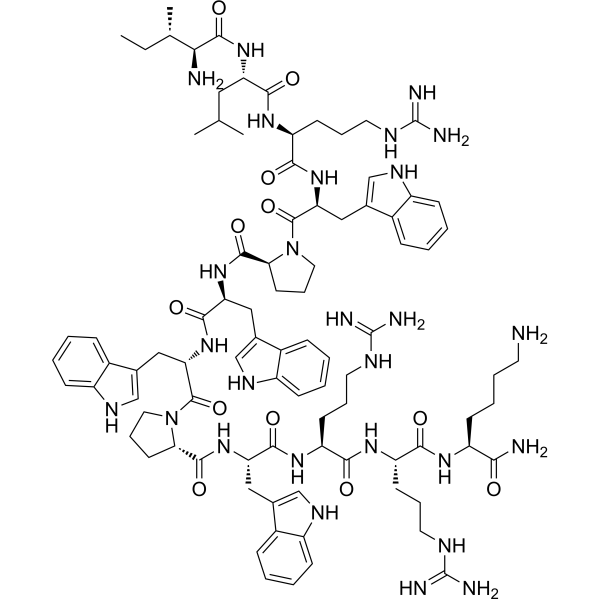
  • HY-105048
    Omiganan
    2 Publications Verification

    Bacterial Infection
    Omiganan is a cationic antimicrobial peptide. Omiganan as an analogue of indolicidin shows activity against gram-positive and gram-negative bacteria but also Candida spp. isolates. Omiganan can be used for the research of alcohol nose and acne .
    Omiganan
  • HY-N7123
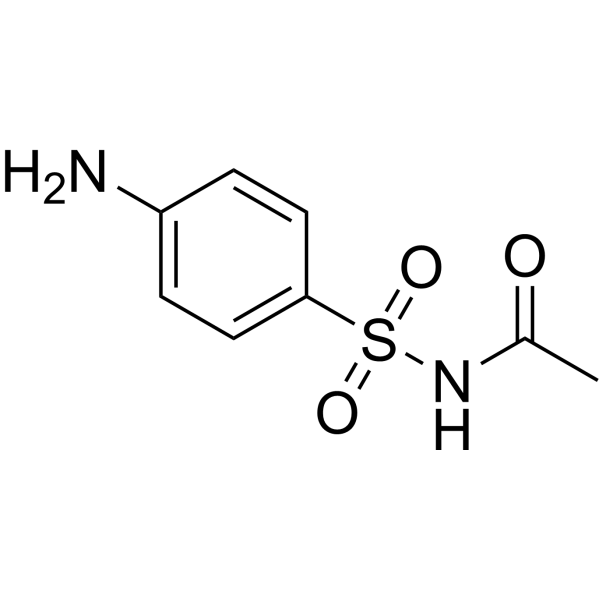
    Sulfacetamide
    3 Publications Verification

    Sulphacetamide

    Environmental Pollutants Antibiotic Bacterial Fungal Infection Inflammation/Immunology
    Sulfacetamide (Sulphacetamide) is a sulfonamide antibiotic. Sulfacetamide has antifungal and antibacterial activities. Sulfacetamide is employed as a topical formulation in various ophthalmic, dermatological, and hair solutions against bacterial infections, acne and scalp conditions. Sulfacetamide targets bacterial folic acid synthesis and is effective against various gram-positive and gram-negative bacteria. Sulfacetamide inhibits the synthesis of both dihydro-folic acid and para-aminobenzoic acid. Sulfacetamide can be used for the study of ocular infections .
    Sulfacetamide
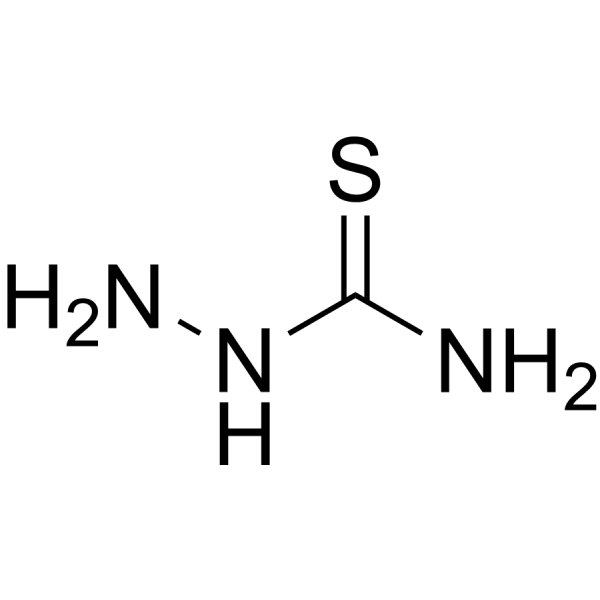
  • HY-Y0032
    Thiosemicarbazide
    1 Publications Verification

    Orthopoxvirus Infection Others Cancer
    Thiosemicarbazide is a vitamin B6 antagonist with anti-acne activity. Thiosemicarbazide is also a well-known source in the synthesis of heterocycles, and its derivatives have potential anticancer activity. Thiosemicarbazide (TSC: HL1) reacts with metal salts, urea (U), to prepare Co(II) and Cu(I) metal complexes. Thiosemicarbazide is also used in the fields of media communications and optical storage, and in the spectrophotometric detection of metals .
    Thiosemicarbazide
  • HY-W677042

    5α-Androst-16-en-3α-ol

    GABA Receptor Neurological Disease
    α-Androstenol (5α-Androst-16-en-3α-ol) is a steroid pheromone that has been found in boar testes and male axillary sweat. α-Androstenol is also a positive allosteric modulator of GABAA receptors, which enhances GABA-activated currents in primary mouse cerebellar granule cells (EC50 of 0.4 μM). α-Androstenol produces anxiolytic-like, antidepressant-like, and anticonvulsant effects in mice. α-Androstenol can be used for the research of seizures .
    α-Androstenol
  • HY-B0483

    Carbonic Anhydrase Parasite Autophagy Apoptosis Infection Inflammation/Immunology Cancer
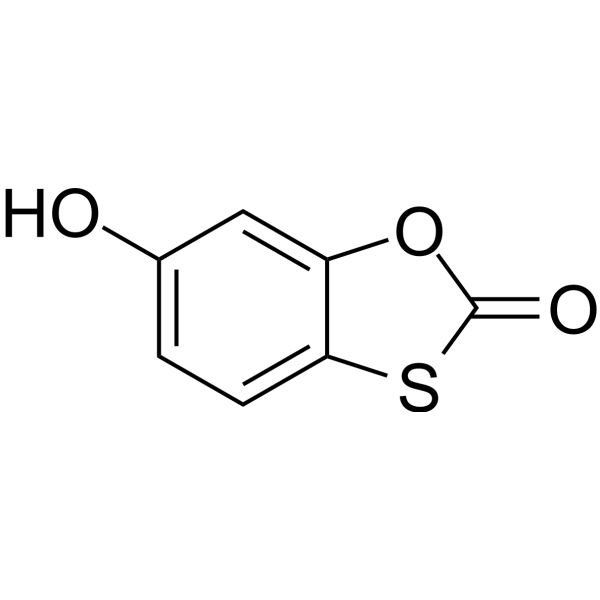
    Tioxolone is an inhibitor for the carbonic anhydrase. Tioxolone exhibits anti-leishmanial, antitumor, and anti-inflammatory activities. Tioxolone can be used in research of acne and psoriasis .
    Tioxolone
  • HY-B0894

    Acetylresorcinol; Resorcin monoacetate

    Fungal Infection
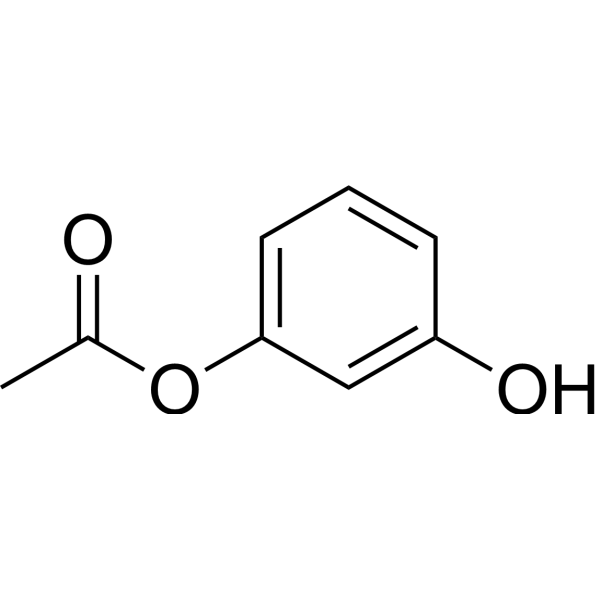
    Resorcinol monoacetate (Acetylresorcinol) is a derivative of Resorcinol (HY-B0907). Resorcinol monoacetate can be used in research of skin infections such as acne, seborrheic dermatitis and tinea pedis .
    Resorcinol monoacetate
  • HY-Y0366S

    Endogenous Metabolite Bacterial Infection
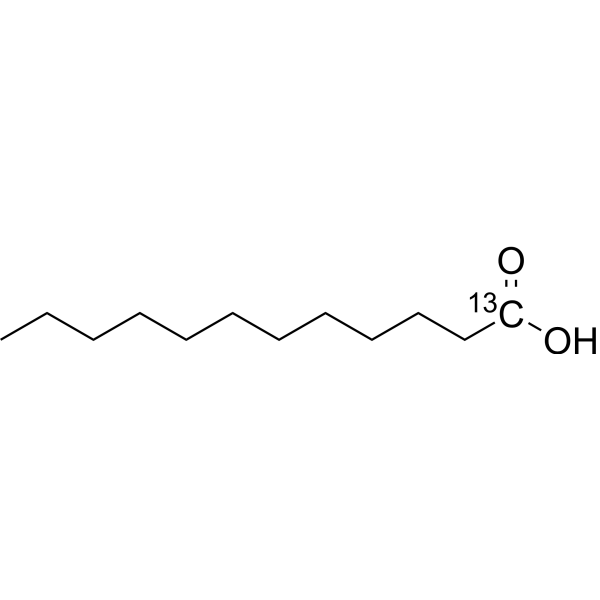
    Lauric acid- 13C is the 13C labeled Lauric acid. Lauric acid is a middle chain-free fatty acid with strong bactericidal properties. The EC50s for P. acnes, S.aureus, S. epidermidis, are 2, 6, 4 μg/mL, respectively.
    Lauric acid-13C
  • HY-Y0366R
    Lauric acid (Standard)
    5+ Cited Publications

    Reference Standards Endogenous Metabolite Bacterial Infection
    Lauric acid (Standard) is the analytical standard of Lauric acid. This product is intended for research and analytical applications. Lauric acid is a middle chain-free fatty acid with strong bactericidal properties. The EC50s for P. acnes, S.aureus, S. epidermidis, are 2, 6, 4 μg/mL, respectively.
    Lauric acid (Standard)
  • HY-15127R

    13-cis-Retinoic acid (Standard)

    Reference Standards RAR/RXR Endogenous Metabolite Autophagy Cancer
    Isotretinoin (Standard) is the analytical standard of Isotretinoin. This product is intended for research and analytical applications. Isotretinoin (13-cis-Retinoic acid) is an orally active vitamin A derivative and is often be used for the research of severe acne. Isotretinoin also shows anticancer activity .
    Isotretinoin (Standard)
  • HY-B1366A

    Antibiotic Bacterial Infection
    Meclocycline is a tetracycline antibiotic with broad-spectrum antibacterial activities, preventing skin bacterial infections such as acne vulgarisis .
    Meclocycline
  • HY-10979

    Bacterial Infection Inflammation/Immunology
    AN0128 is a boron-containing antibacterial and anti-inflammatory agent. AN0128 against S. aureus, S. epidermidis, P. acnes, B. subtilis with minimum inhibitory concentration (MIC) values of 1, 0.5, 0.3, 1 μg/mL. AN0128 can be used for the research of periodontal disease and cutaneous diseases .
    AN0128
  • HY-P3021
    Human milk lysozyme
    2 Publications Verification

    Bacterial Biochemical Assay Reagents Infection
    Human milk lysozyme is the lysozyme found in human milk. Human milk lysozyme is thought to be a key defense factor in protecting the gastrointestinal tract of newborns against bacterial infection .
    Human milk lysozyme
  • HY-126386A

    Biochemical Assay Reagents Others
    Pectinase, aspergillus acne is a mixed enzymes that hydrolyze pectic substances, it mostly presents in microorganisms and higher plants. Pectinase is involved in the metabolism of the cell wall as well as in the growth of the cell, senescence, ripening of fruits, pathogenesis and abscission process .
    Pectinase, aspergillus acne
  • HY-135319

    Bacterial Antibiotic ERK JNK NF-κB ROR Apoptosis Caspase GSK-3 Akt PI3K Infection Metabolic Disease Inflammation/Immunology Cancer
    Strictinin is an orally active phenolic compound. Strictinin reduces xanthine oxidase activity, uric acid production, and the activation of ERK1/2, JNK, NF-κB, and NLRP3 inflammasome components in hepatocytes treated with Xanthine (HY-W017389). Strictinin decreases elevated serum uric acid levels and enhanced xanthine oxidase activity in mice treated with potassium oxonate. Strictinin acts as a ROR1 inhibitor and exhibits anticancer activity against highly aggressive non-androgen-dependent prostate cancer. Strictinin induces cancer cell apoptosis (apoptosis), arrests cell cycle, and inhibits cancer cell migration, invasion, and epithelial-mesenchymal transition. Strictinin modulates gut microbiota, inhibits bacterial growth and biofilm formation, accelerates small intestinal transit, and blocks viral entry and replication. Strictinin can be used in research related to hyperuricemia, androgen receptor-negative non-androgen-dependent prostate cancer, triple-negative breast cancer, bacterial infections, constipation, coronavirus infections, dental caries, and infections caused by influenza A, influenza B, and human parainfluenza virus type 1 .
    Strictinin
  • HY-139077

    Stearoyl-CoA Desaturase (SCD) Metabolic Disease Cancer
    SCD1 inhibitor-3 is a safe, potent and orally active SCD1 inhibitor. SCD1 inhibitor-3 can be used for the research of metabolic diseases such as obesity, type II diabetes and dyslipidemia, as well as skin diseases, acne and cancer .
    SCD1 inhibitor-3
  • HY-112077A

    RAR/RXR Inflammation/Immunology
    Viaminate is a derivative of Retinoic acid, which is used for the study of severe acne and other keratinization disorders.
    Viaminate
  • HY-14802

    (R)-Talarozole

    Cytochrome P450 Cancer
    Talarozole R enantiomer is a potent and selective inhibitor of cytochrome P450 26-mediated breakdown of endogenous all-trans retinoic acid for the treatment of psoriasis and acne.
    Talarozole (R enantiomer)
  • HY-Y0366S3

    Isotope-Labeled Compounds Endogenous Metabolite Bacterial Infection
    Lauric acid-d33 is the deuterium labeled Lauric acid. Lauric acid is a middle chain-free fatty acid with strong bactericidal properties. The EC50s for P. acnes, S.aureus, S. epidermidis, are 2, 6, 4 μg/mL, respectively.
    Lauric acid-d3
  • HY-Y0366S1

    Endogenous Metabolite Bacterial Infection
    Lauric acid-d233 is the deuterium labeled Lauric acid. Lauric acid is a middle chain-free fatty acid with strong bactericidal properties. The EC50s for P. acnes, S.aureus, S. epidermidis, are 2, 6, 4 μg/mL, respectively.
    Lauric acid-d23
  • HY-108952

    5 alpha Reductase Endocrinology
    17,17-(Ethylenedioxy)androst-4-en-3-one (4- androstene- 3, 17- dione- 17- cyclic ethylene ketal) is an effective ingredient in cosmetics, which can be used for acne and promote hair growth research. 17,17-(Ethylenedioxy)androst-4-en-3-one can inhibit the reductase activity and inhibit the bond of a receptor protein and 5α-DHT .
    17,17-(Ethylenedioxy)androst-4-en-3-one
  • HY-B0688S2

    4,4′-Diaminodiphenyl sulfone-13C12; DDS-13C12

    Isotope-Labeled Compounds Antibiotic Parasite Bacterial Reactive Oxygen Species (ROS) Infection Inflammation/Immunology
    Dapsone- 13C12 is the 13C12 labeled Dapsone (HY-B0688). Dapsone (4,4′-Diaminodiphenyl sulfone) is an orally active and blood-brain penetrant sulfonamide antibiotic with bacteriostatic, antimycobacterial and antiprotozoal activities. Dapsone exerts effective antileprosy activity and inhibits folate synthesis in cell extracts of M. leprae. Dapsone is used for dermatologic disorder research, including leprosy, dermatitis herpetiformis, acne vulgaris et al .
    Dapsone-13C12
  • HY-106947

    Endogenous Metabolite Metabolic Disease
    SY-640 is an Acetamide derivative and has potent hepatoprotective effect. SY-640 reduces Propionibacterium acnes and Lipopolysaccharide-induced liver injury in mice .
    SY-640
  • HY-B0091A
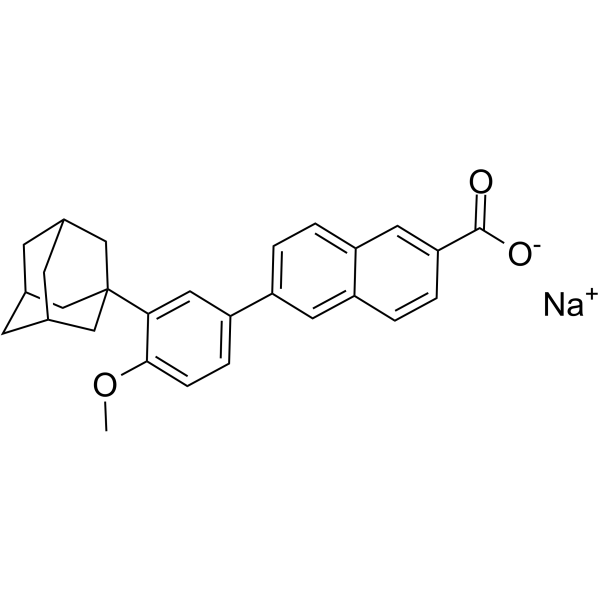
    Adapalene sodium salt
    5 Publications Verification

    CD 271 sodium salt

    RAR/RXR Autophagy Apoptosis Neurological Disease Inflammation/Immunology Cancer
    Adapalene (CD271) sodium salt, a third-generation synthetic retinoid, is widely used for the research of acne. Adapalene sodium salt is a potent RAR agonist, with AC50s of 2.3 nM, 9.3 nM, and 22 nM for RARβ, RARγ, RARα, respectively. Adapalene sodium salt also inhibits the enzymatic activity of GOT1 in a non-competitive manner. Adapalene sodium salt exhibits anti-tumor activity .
    Adapalene sodium salt
  • HY-N11546

    Cytochrome P450 Bacterial Fungal Infection Cancer
    Sapindoside B is a substance with hepatoprotective activity, and also acts as a cytochrome P-450 (cytochrome P-450) inhibitor, antibacterial agent and membrane-disrupting agent. Sapindoside B reversibly inhibits the content of cytochrome P-450 in liver microsomes, suppresses the phenobarbital-induced increase in enzyme content, reduces the production of active metabolites mediated by cytochrome P-450, and alleviates hepatotoxic injury. Sapindoside B binds to Cutibacterium acnes lipase, reduces lipase activity, inhibits biofilm formation, and decreases bacterial adhesion. Sapindoside B exhibits cytotoxicity against human cancer, liver cancer, leukemia and glioblastoma cells. Sapindoside B inhibits mycelial growth of phytopathogenic fungal strains, possesses antibacterial activity against dermatophytes, and also has hemolytic/membrane-lytic activity. Sapindoside B can be used in research related to liver injury, Cutibacterium acnes biofilm-associated infections, gastric cancer, carcinoma, promyelocytic leukemia, glioblastoma, apple scab and grape gray mold .
    Sapindoside B
  • HY-130675

    (±)15-hydroxyeicosapentaenoic acid; 15-OHEPA

    Lipoxygenase Bacterial Metabolic Disease
    (±)15-HEPE is a racemic mixture of the monohydroxy fatty acids 15(R)-HEPE and 15(S)-HEPE (HY-130675A). (±)15-HEPE is active against P. acnes and S. aureus (MICs = 128 and 512 mg/L, respectively). It inhibits aggregation of isolated rat neutrophils induced by the formyl peptide receptor agonist fMLP (IC50 = 4.7 µM). Bronchoalveolar lavage fluid (BALF) levels of (±)15-HEPE are increased in patients with allergic asthma or COVID-19.
    (±)15-HEPE
  • HY-16770

    P-005672

    Antibiotic Bacterial DNA/RNA Synthesis Infection
    Sarecycline is an orally effective narrow-spectrum tetracycline derivative antibiotic. Sarecycline has anti-inflammatory activity. Sarecycline inhibits the activity of Gram-positive bacteria and several types of keratobacterium acnes. Sarecycline interferes with tRNA accommodation and tethers mRNA to the 70S ribosome. Sarecycline can be used to study moderate to severe acne .
    Sarecycline
  • HY-P2170

    XOMA-629

    Antibiotic Bacterial Infection Inflammation/Immunology
    XMP-629 (XOMA-629), a cationic α-helical peptide, is a potent endotoxin inhibitor. XMP-629 exhibits broad-spectrum antimicrobial activity via an immunomodulatory mechanism. XOMA 629 has antimicrobial activity against Propionibacterium acnes, Staphylococcus aureus and Streptococcus pyogenesand .
    XMP-629
  • HY-15127S

    Isotope-Labeled Compounds RAR/RXR Endogenous Metabolite Autophagy Cancer
    Isotretinoin-d5 is the deuterium labeled Isotretinoin. Isotretinoin is an orally active vitamin A derivative and is often be used for the research of severe acne. Isotretinoin also shows anticancer activity .
    Isotretinoin-d5
  • HY-B0688S1

    4,4′-Diaminodiphenyl sulfone-d4; DDS-d4

    Isotope-Labeled Compounds Antibiotic Parasite Bacterial Reactive Oxygen Species (ROS) Infection Inflammation/Immunology
    Dapsone-d4 is the deuterium labeled Dapsone. Dapsone (4,4′-Diaminodiphenyl sulfone) is an orally active and blood-brain penetrant sulfonamide antibiotic with bacteriostatic, antimycobacterial and antiprotozoal activities . Dapsone?exerts effective antileprosy activity?and inhibits folate synthesis in cell extracts of?M. leprae. Dapsone is used for dermatologic disorder research, including leprosy, dermatitis herpetiformis, acne vulgaris et al .
    Dapsone-d4
  • HY-Y0032R

    Orthopoxvirus Reference Standards Infection Others Cancer
    Thiosemicarbazide is a vitamin B6 antagonist with anti-acne activity. Thiosemicarbazide is also a well-known source in the synthesis of heterocycles, and its derivatives have potential anticancer activity. Thiosemicarbazide (TSC: HL1) reacts with metal salts, urea (U), to prepare Co(II) and Cu(I) metal complexes. Thiosemicarbazide is also used in the fields of media communications and optical storage, and in the spectrophotometric detection of metals .
    Thiosemicarbazide (Standard)
  • HY-N7123R

    Sulphacetamide (Standard)

    Reference Standards Antibiotic Bacterial Fungal Infection Inflammation/Immunology
    Sulfacetamide (Standard) (Sulphacetamide (Standard)) is the analytical standard of Sulfacetamide (HY-N7123). This product is intended for research and analytical applications. Sulfacetamide (Sulphacetamide) is a sulfonamide antibiotic. Sulfacetamide has antifungal and antibacterial activities. Sulfacetamide is employed as a topical formulation in various ophthalmic, dermatological, and hair solutions against bacterial infections, acne and scalp conditions. Sulfacetamide targets bacterial folic acid synthesis and is effective against various gram-positive and gram-negative bacteria. Sulfacetamide inhibits the synthesis of both dihydro-folic acid and para-aminobenzoic acid. Sulfacetamide can be used for the study of ocular infections .
    Sulfacetamide (Standard)
  • HY-W011303R

    4-Hydroxysphinganine (Standard)

    Reference Standards Apoptosis Endogenous Metabolite Fungal Free Fatty Acid Receptor Infection Metabolic Disease Inflammation/Immunology Cancer
    Phytosphingosine (Standard) is the analytical standard of Phytosphingosine. This product is intended for research and analytical applications. Phytosphingosine is a phospholipid with anti-inflammatory, antibacterial, and anti-cancer activities, which can induce apoptosis. Phytosphingosine is an immune regulator and can be used in the study of inflammatory skin diseases. Phytosphingosine is also an activator of GPR120 with an IC50 value of 33.4 μM and can be used in the study of type II diabetes[1][2][3][4].
    Phytosphingosine (Standard)
  • HY-123156

    Bacterial Infection
    SC-23110 is a potent anti-acne agent. SC-23110 inhibits the growth of P. acnes, one of the organisms associated with acne, and most frequently mentioned as the organism involved in the pathogenesis of inflammatory pustules/lesions .
    SC-23110
  • HY-133949

    5 alpha Reductase Endocrinology
    8,11-Eicosadiynoic acid, an unsaturated fatty acid, is a steroid 5α-reductase inhibitor. 8,11-Eicosadiynoic acid can be used for the research of acne .
    8,11-Eicosadiynoic acid
  • HY-161976

    Acetyl-CoA Carboxylase Inflammation/Immunology
    ACC1-IN-2 (Compound 16) is an ACC1 inhibitor with an IC50 of 7.3 nM. ACC1-IN-2 can be used in the study of acne .
    ACC1-IN-2

Inquiry Online

Your information is safe with us. * Required Fields.

Salutation


Country or Region *

Applicant Name *


Organization Name *

Department *


Email Address *


Product Name *

Cat. No.


Requested quantity *

Phone Number *


Remarks

Inquiry Online

Inquiry Information

Product Name:
Cat. No.:
Quantity:
MCE Japan Authorized Agent:

