1. Search Result
Search Result
Pathways Recommended: Cell Cycle/DNA Damage
Results for "

antioxidant damage

" in MedChemExpress (MCE) Product Catalog:

195

Inhibitors & Agonists

1

Screening Libraries

2

Fluorescent Dyes

15

Biochemical Assay Reagents

14

Peptides

1

Inhibitory Antibodies

96

Natural
Products

14

Isotope-Labeled Compounds

3

Oligonucleotides

2

GMP Molecules

Cat. No. Product Name Target Research Areas Chemical Structure
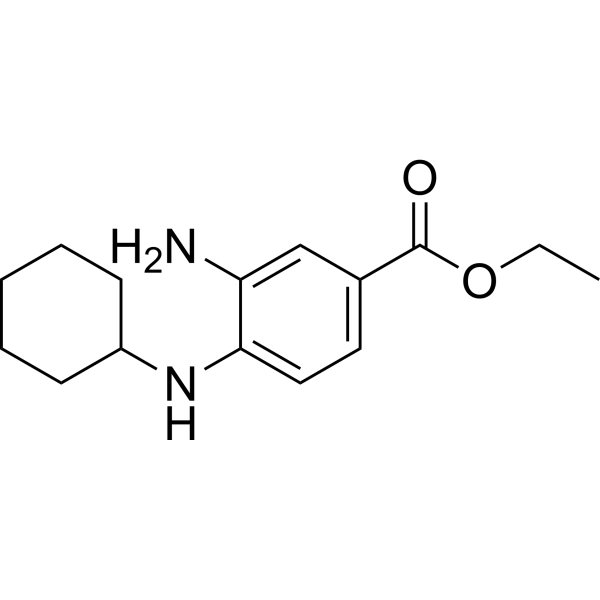
  • HY-100579
    Ferrostatin-1
    Maximum Cited Publications
    1548 Publications Verification

    Fer-1

    Ferroptosis Fungal Cancer
    Ferrostatin-1 (Fer-1), a potent and selective ferroptosis inhibitor, suppresses Erastin-induced ferroptosis in HT-1080 cells (EC50=60 nM). Ferrostatin-1, a synthetic antioxidant, acts via a reductive mechanism to prevent damage to membrane lipids and thereby inhibits cell death. Ferrostatin-1 exhibits antifungal activity .
    Ferrostatin-1
  • HY-B0166
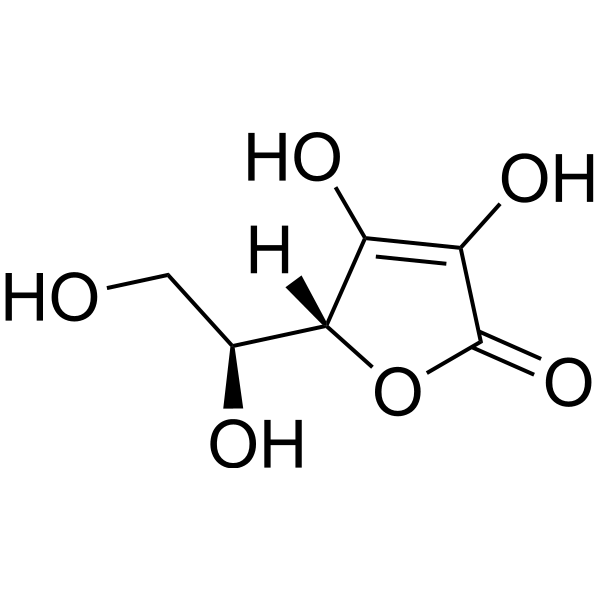
    L-Ascorbic acid
    Maximum Cited Publications
    80 Publications Verification

    L-Ascorbate; Vitamin C

    Environmental Pollutants Endogenous Metabolite Calcium Channel Reactive Oxygen Species (ROS) Apoptosis Neurological Disease Metabolic Disease Cancer
    L-Ascorbic acid (L-Ascorbate), an electron donor, is an endogenous antioxidant agent. L-Ascorbic acid inhibits selectively Cav3.2 channels with an IC50 of 6.5 μM. L-Ascorbic acid is also a collagen deposition enhancer and an elastogenesis inhibitor . L-Ascorbic acid exhibits anti-cancer effects through the generation of reactive oxygen species (ROS) and selective damage to cancer cells .
    L-Ascorbic acid
  • HY-100116A
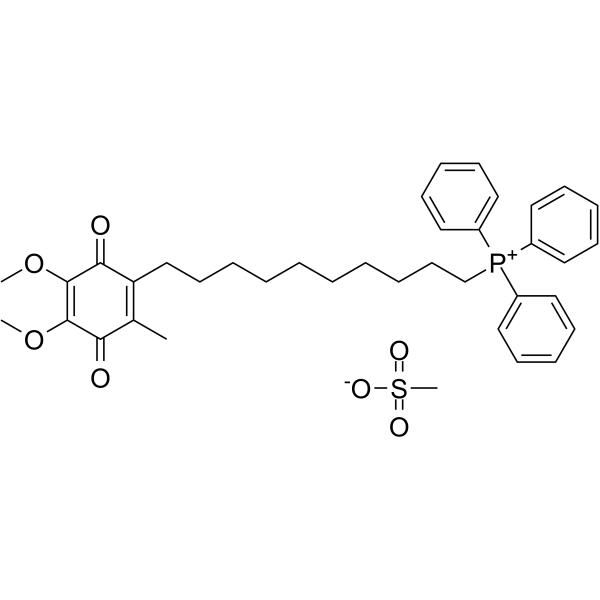
    Mitoquinone mesylate
    150+ Cited Publications

    MitoQ mesylate; MitoQ10 mesylate

    Reactive Oxygen Species (ROS) Metabolic Disease Cancer
    Mitoquinone mesylate is a TPP-based, mitochondrially targeted antioxidant in order to protect against oxidative damage .
    Mitoquinone mesylate
  • HY-101445
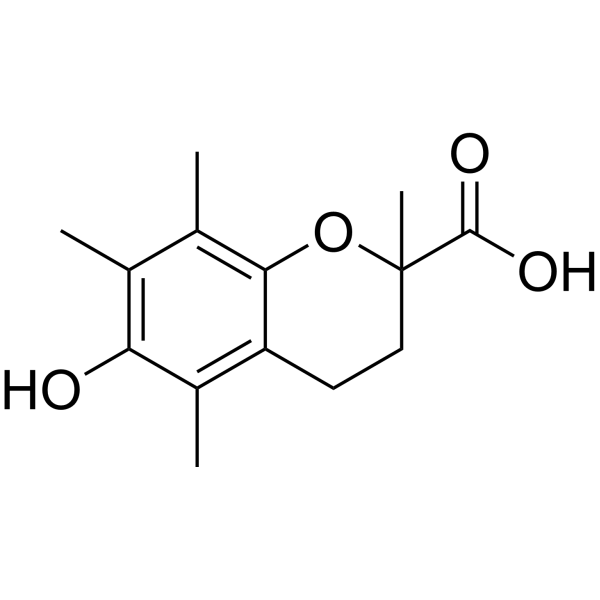
    Trolox
    30+ Cited Publications

    Reactive Oxygen Species (ROS) Ferroptosis Apoptosis Cancer
    Trolox is an analogue of vitamin E with a powerful antioxidant effect. Trolox is also a powerful inhibitor of membrane damage .
    Trolox
  • HY-B0581
    Dexrazoxane
    15+ Cited Publications

    ICRF-187; ADR-529; NSC-169780

    Ferroptosis Apoptosis Cardiovascular Disease Neurological Disease Inflammation/Immunology Cancer
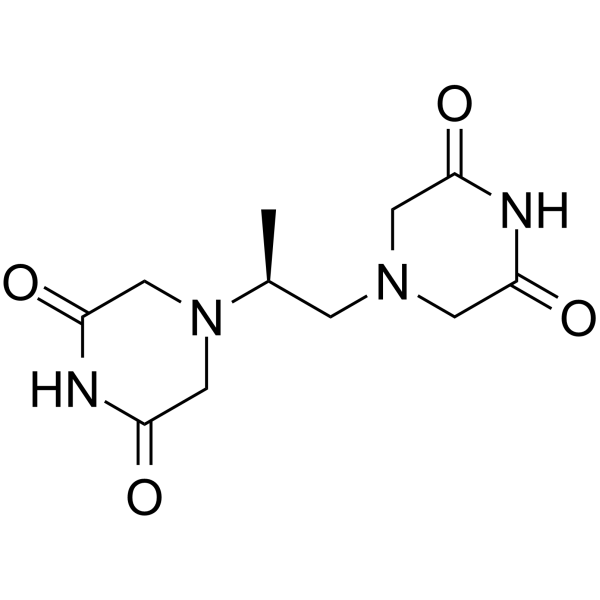
    Dexrazoxane, as an intracellular iron chelating agent, reduces the formation of superoxide radicals and has cardioprotective, anti-inflammatory, antioxidant, anti-tumor and neuroprotective activities. Dexrazoxane inhibits ferroptosis of H9c2 cells by inhibiting HMGB1. Dexrazoxane induces DNA damage and apoptosis in human fibrosarcoma cells .
    Dexrazoxane
  • HY-13315
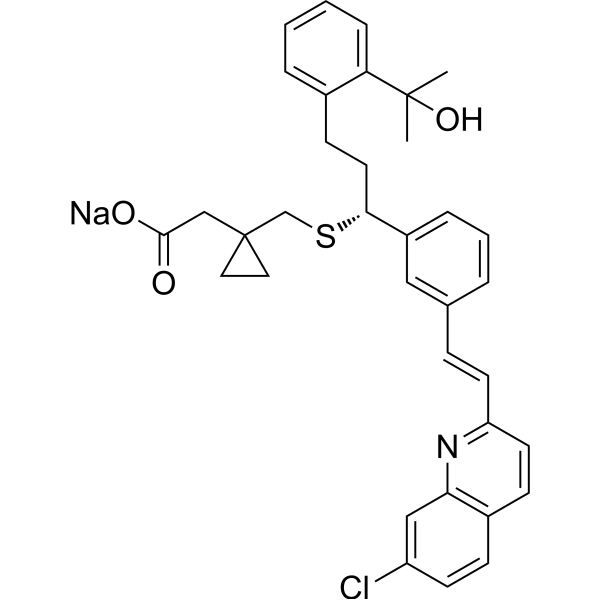
    Montelukast sodium
    10+ Cited Publications

    MK0476

    Leukotriene Receptor Inflammation/Immunology Cancer
    Montelukast sodium (MK0476) is a potent, selective and orally active antagonist of cysteinyl leukotriene receptor 1 (CysLT1). Montelukast sodium can be used for the reseach of asthma and liver injury. Montelukast sodium also has an antioxidant effect in intestinal ischemia-reperfusion injury, and could reduce cardiac damage. Montelukast sodium decreases eosinophil infiltration into the asthmatic airways. Montelukast sodium can also be used for COVID-19 research .
    Montelukast sodium
  • HY-13315A
    Montelukast
    10+ Cited Publications

    MK0476 free base

    Leukotriene Receptor Inflammation/Immunology Cancer
    Montelukast (MK0476 free base) is a potent, selective and orally active antagonist of cysteinyl leukotriene receptor 1 (CysLT1). Montelukast can be used for the reseach of asthma and liver injury. Montelukast also has an antioxidant effect in intestinal ischemia-reperfusion injury, and could reduce cardiac damage. Montelukast decreases eosinophil infiltration into the asthmatic airways. Montelukast can also be used for COVID-19 research .
    Montelukast
  • HY-N0321

    trans-Caftaric acid

    Others Cardiovascular Disease Neurological Disease Inflammation/Immunology
    Caftaric acid (trans-Caftaric acid) is a polyphenolic antidiuretic, antioxidant and anti-apoptotic agent that can be hydrolyzed by intestinal microbial esterases. Caftaric acid exerts its antioxidant and potential anti-inflammatory effects mainly through intestinal microbial metabolism. Caftaric acid can reduce renal damage, restore electrolyte balance, renal function indicators and antioxidant enzyme activities in a rat albinism model, and further exert anti-oxidative stress and anti-inflammatory activities .
    Caftaric acid
  • HY-134816

    Toll-like Receptor (TLR) Metabolic Disease Inflammation/Immunology Cancer
    D-Glucan is an orally effective Dectin-1 receptor immune activator with antioxidant properties (reducing TNF-α). D-Glucan activates macrophages and neutrophils to scavenge free radicals, inhibit oxidative stress and inflammatory responses, and improve insulin sensitivity. D-Glucan promotes glycolysis by enhancing the activity of the antioxidant enzyme glutathione, inhibiting gluconeogenesis and activating GK. D-Glucan can be used in the research of liver damage protection (antagonizing Acetaminophen (HY-66005) toxicity), radiation protection (synergistic with vitamin E) and diabetes (improving glucose metabolism) .
    D-Glucan
  • HY-B1092

    Calcium D-gluconate; Gluconic acid hemicalcium salt

    Environmental Pollutants Endogenous Metabolite Interleukin Related NO Synthase ERK Cardiovascular Disease Inflammation/Immunology Cancer
    Gluconate (D-Gluconic acid) Calcium is an orally active glucose derivative. Gluconate Calcium reduces nitric oxide and inflammatory cytokines (IL-1β and IL-6). Gluconate Calcium inhibits ERK phosphorylation. Gluconate Calcium has antioxidant and antiplatelet activation activities. Gluconate Calcium has antitumor activity against colorectal cancer. Gluconate Calcium improves osteoarthritis, intestinal damage and acute lung injury .
    Gluconate Calcium
  • HY-129064

    SOD

    SOD Inflammation/Immunology Cancer
    Superoxide dismutase, Porcine erythrocytes (SOD) is the only antioxidant enzyme that scavenges the superoxide anion by converting this free radical to oxygen and hydrogen peroxide, thus preventing peroxynitrite production and further damage. Superoxide dismutase, Porcine erythrocytes is extensively researched and used in anti-inflammatory, antitumor, radiation protection, and antisenility applications .
    Superoxide dismutase, Porcine erythrocytes
  • HY-N0272
    Eleutheroside E
    2 Publications Verification

    Apoptosis NF-κB Neurological Disease Inflammation/Immunology
    Eleutheroside E is an important component of ginseng that can be taken orally. Eleutheroside E has anti-inflammatory and antioxidant properties, and it helps reduce apoptosis in heart cells caused by hypoxia-reoxygenation (H/R) damage. Eleutheroside E can improve type 2 diabetes, enhance cognitive function, and has neuroprotective effects .
    Eleutheroside E
  • HY-B1092A

    D-Gluconic acid sodium salt; Sodium D-gluconate; D-Gluconate sodium salt

    Environmental Pollutants ERK NO Synthase Endogenous Metabolite Interleukin Related Cardiovascular Disease Inflammation/Immunology Cancer
    Gluconate sodium (D-Gluconic acid sodium salt) is an orally active glucose derivative. Gluconate sodium reduces nitric oxide and inflammatory cytokines (IL-1β and IL-6). Gluconate sodium inhibits ERK phosphorylation. Gluconate sodium has antioxidant and antiplatelet activation activities. Gluconate sodium has antitumor activity against colorectal cancer. Gluconate sodium improves osteoarthritis, intestinal damage and acute lung injury .
    Gluconate sodium
  • HY-W011956

    Drug Metabolite Endogenous Metabolite Neurological Disease Metabolic Disease
    6-Hydroxymelatonin is the main metabolite of melatonin (HY-B0075) after being metabolized by CYP1A2 and can cross the blood-brain barrier. 6-Hydroxymelatonin has strong free radical scavenging ability and antioxidant activity, and can alleviate oxidative damage caused by various neurotoxins. 6-Hydroxymelatonin can cause oxidative DNA damage in the presence of copper ions through a "non-quinone" type redox cycling mechanism .
    6-Hydroxymelatonin
  • HY-W012788
    Maltol
    2 Publications Verification

    Environmental Pollutants Endogenous Metabolite Apoptosis Infection Neurological Disease
    Maltol, a type of aromatic compound, is an antioxidant agent. Maltol enhances neural function by mitigating oxidative stress and cell apoptosis. Maltol is an inhibitor of oxidative damage in nerve cells and is effective in preventing diabetic peripheral neuropathy (DPN). Maltol is used extensively as a safe flavoring agent and food preservative. Maltol is a metal ion chelator that can be used in the field of catalysis, cosmetics, and medicine .
    Maltol
  • HY-100594
    EUK-134
    1 Publications Verification

    NF-κB Cardiovascular Disease
    EUK-134, a synthetic superoxide dismutase and catalase mimetic, protects rat kidneys from ischemia-reperfusion-induced damage. EUK-134 is a superoxide dismutase (SOD) mimetics (SODm) with catalase activity. EUK-134 is a mitoprotective antioxidant. EUK-134 reduces the expression of NF-κB, MDA level, and protein carbonylation in H9C2 cells .
    EUK-134
  • HY-B1065

    α-N-Acetyl-L-glutamine; N2-Acetylglutamine

    Keap1-Nrf2 Akt ASK1 Apoptosis Neurological Disease
    Aceglutamide (α-N-Acetyl-L-glutamine; N2-Acetylglutamine) is a neuroprotectant that can penetrate the blood-brain barrier. Aceglutamide can enhance the antioxidant systems of glutathione (GSH), thioredoxin (Trx) and Nrf2. Aceglutamide also inhibits ASK1 and TRAF1, activates the Akt/Bcl-2 anti-apoptotic pathway, enhances the activity of antioxidant enzymes and reduces oxidative damage. Aceglutamide can improve neurological deficits after cerebral ischemia, reduce infarct volume, and inhibit neuronal apoptosis, especially substantia nigra dopaminergic neurons. Aceglutamide can reduce cerebral ischemia/reperfusion injury, improve motor dysfunction, and is used in ischemic stroke-related research .
    Aceglutamide
  • HY-N4168A

    5-O-Caffeoylquinic acid methyl ester

    Quinone Reductase HBV Infection Cancer
    Neochlorogenic acid (5-O-Caffeoylquinic) methyl ester is a selective quinone reductase inducer (EC50 = 6.7 μM) and also exhibits hydroxyl radical scavenging activity (EC50 = 0.81 μM). Neochlorogenic acid methyl ester scavenges hydroxyl radicals by donating electrons or hydrogen atoms, while simultaneously inducing quinone reductase expression to enhance carcinogen detoxification, thus exerting antioxidant and cancer chemopreventive activities. Neochlorogenic acid methyl ester is used in research on antioxidant damage and promoting detoxification metabolism, primarily in the fields of cancer chemotherapy and antioxidant-related diseases. Neochlorogenic acid methyl ester is also an HBV inhibitor and can be isolated from the flower buds of *L. japonica* .
    Neochlorogenic acid methyl ester
  • HY-N2406
    Dihydrocaffeic acid
    2 Publications Verification

    3,4-Dihydroxy-benzenepropanoic acid

    p38 MAPK Endogenous Metabolite Reactive Oxygen Species (ROS) NO Synthase Inflammation/Immunology
    Dihydrocaffeic acid is a microbial metabolite of flavonoids. Dihydrocaffeic acid scavenges intracellular ROS and increases nitric oxide synthase activity. Dihydrocaffeic acid reduces phosphorylation of MAPK p38 and prevent UVB-induced skin damage. Dihydrocaffeic acid has antioxidant, anti-inflammatory and anti-cartilage degradation activities .
    Dihydrocaffeic acid
  • HY-N0310
    Soyasaponin Bb
    1 Publications Verification

    Aldose Reductase Heme Oxygenase (HO) Reactive Oxygen Species (ROS) Apoptosis Neurological Disease Metabolic Disease
    Soyasaponin Bb is an orally active, covalent inducer of heme oxygenase HO-1 and an inhibitor of aldose reductase AKR1B1. Soyasaponin Bb can regulate oxidative stress pathways, enhance antioxidant capacity, reduce reactive oxygen species (ROS) generation, and inhibit lipid peroxidation and hepatocyte apoptosis. Soyasaponin Bb improves alcohol-induced hepatocyte membrane damage and liver function abnormalities, and improves Scopolamine (HY-N0296)-induced memory impairment. Soyasaponin Bb has antioxidant, hepatoprotective, and neuroprotective activities .
    Soyasaponin Bb
  • HY-N6967

    (-)-α-Bisabolol

    Environmental Pollutants Apoptosis Neurological Disease Inflammation/Immunology
    Levomenol ((-)-α-Bisabolol), a monocyclic sesquiterpene alcohol, exerts antioxidant, anti-inflammatory, and anti-apoptotic activities. Levomenol also has neuroprotective effects and prevents neuronal damage and memory deficits through reduction of proinflammatory markers induced by permanent focal cerebral ischemia in mice. Levomenol attenuates nociceptive behaviour and central sensitisation in a rodent model of trigeminal neuropathic pain. Orally active .
    Levomenol
  • HY-N3121

    PERK Keap1-Nrf2 Apoptosis Cardiovascular Disease Neurological Disease Metabolic Disease Cancer
    Pachypodol is an orally active methoxyflavonoid compound. Pachypodol activates the ERK-dependent Nrf2 pathway and inhibits Apoptosis. Pachypodol exhibits activities such as antioxidant, cytoprotective, anti-inflammatory effects. Pachypodol improves cognition. Pachypodol exerts protective effects against cardiac and liver damage. Pachypodol has anticancer activity against colon cancer .
    Pachypodol
  • HY-19416
    AEOL-10150 pentachloride
    1 Publications Verification

    Reactive Oxygen Species (ROS) NF-κB Inflammation/Immunology Cancer
    AEOL-10150 pentachloride is a metalloporphyrin-catalyzed antioxidant and a superoxide dismutase mimetic. AEOL-10150 pentachloride scavenges ROS and RNS, and modulates the NF-κB signaling pathway. AEOL-10150 pentachloride has potent antioxidant and anti-inflammatory activities. AEOL-10150 pentachloride effectively mitigates tissue damage caused by radiation and chemical agents such as CEES (HY-W199190). AEOL-10150 pentachloride synergizes with radiotherapy to exert anticancer effects on prostate tumors .
    AEOL-10150 pentachloride
  • HY-B0655
    Zofenopril calcium
    1 Publications Verification

    SQ26991

    Angiotensin-converting Enzyme (ACE) Reactive Oxygen Species (ROS) Cardiovascular Disease
    Zofenopril Calcium (SQ26991) is an orally active angiotensin-converting enzyme (ACE) inhibitor with antioxidant activity and cardioprotective effects. Zofenopril Calcium reduces ROS production and GSH consumption and helps inhibit foam cell formation, thus slowing the progression of atherosclerosis. Zofenopril Calcium prevents cardiac damage caused by chronic Doxorubicin (HY-15142A) .
    Zofenopril calcium
  • HY-N4170
    Chebulic acid
    2 Publications Verification

    Keap1-Nrf2 Reactive Oxygen Species (ROS) Metabolic Disease
    Chebulic acid is a phenolic acid compound isolated from Terminalia chebula with strong antioxidant activity, which breaks protein cross-links induced by advanced glycation end products (AGEs) and inhibits the formation of AGEs. Chebulic acid is effective in controlling elevated metabolic parameters, oxidative stress, and liver damage, supporting its beneficial role in asthma, diabetes, and liver protection .
    Chebulic acid
  • HY-N1377

    Lysionotin

    Carboxylesterase (CES) DNA/RNA Synthesis Apoptosis Bacterial Infection Metabolic Disease Inflammation/Immunology Endocrinology Cancer
    Nevadensin (Lysionotin), a natural flavonoid, is a selective human carboxylesterase 1 (hCE1) inhibitor with an IC50 of 2.64 μM. Nevadensin is more selective for hCE1 than hCE2 (IC50 of 132.8 μM). Nevadensin can induce apoptosis and DNA damage in cancer cells. Nevadensin has a variety of pharmacological effects such as anti-inflammatory, anti-tumour, anti-hypertensive, anti-tubercular, antitussive, antioxidant and anti-microbial activities .
    Nevadensin
  • HY-113314

    Endogenous Metabolite Cancer
    AFMK, antioxidant metabolite of Melatonin, attenuates X-ray-induced oxidative damage to DNA, proteins and lipids in mice. AFMK is a poorer scavenger. The pKa of AFMK at physiological pH is 8.7. Antioxidant capacity . AFMK improves the anti-tumor effect of Gemcitabine in PANC-1 cells through the modulation of apoptotic pathway .
    AFMK
  • HY-G0004

    3-Hydroxyacetaminophen

    Drug Metabolite Inflammation/Immunology
    Acetaminophen metabolite 3-hydroxy-acetaminophen (3-Hydroxyacetaminophen) is a non-toxic metabolite and antioxidant of acetaminophen (HY-66005) with free radical scavenging activity. Acetaminophen metabolite 3-hydroxy-acetaminophen can reduce oxidative damage by exerting electron donation ability and antioxidant activity through phenolic hydroxyl groups. 3-hydroxy-acetaminophen can be used to study the toxicity mechanism and drug metabolism of acetaminophen .
    Acetaminophen metabolite 3-hydroxy-acetaminophen
  • HY-N6020B
    Butin
    1 Publications Verification

    Others Cardiovascular Disease Inflammation/Immunology
    Butin is a major biologically active flavonoid isolated from the heartwood of Dalbergia odorifera with oral activity, with strong antioxidant, antiplatelet and anti-inflammatory activities. Butin significantly alleviates myocardial infarction and improves heart function, together with prevents diabetes-induced cardiac oxidative damage in rat .
    Butin
  • HY-N7133

    N-Phenylaniline hydrochloride

    Fungal Bacterial Metabolic Disease
    Diphenylamine hydrochloride (N-Phenylaniline hydrochloride) is an antihyperglycemic agent with oral activity and a common structure in non-steroidal anti-inflammatory drugs (NSAIDs) that uncouples oxidative phosphorylation in mitochondria, leading to a decrease in hepatic cell ATP levels and causing liver cell damage. Diphenylamine hydrochloride is also an industrial antioxidant, a dyeing mordant, and is used in agriculture as an antifungal and antibacterial agent .
    Diphenylamine hydrochloride
  • HY-139427

    β-Methylglutaconic acid

    GABA Receptor Cardiovascular Disease Neurological Disease Metabolic Disease
    3-Methylglutaconic acid is the major metabolites accumulating in 3-Methylglutaconic aciduria (MGTA). 3-Methylglutaconic acid can induce lipid oxidative damage and protein oxidative. 3-Methylglutaconic acid decreases the non-enzymatic antioxidant defenses in cerebral cortex supernatants to elicit oxidative stress in the cerebral cortex. 3-Methylglutaconic acid can be used for brain damage disease research .
    3-Methylglutaconic acid
  • HY-114883

    L-Homocarnosine

    GABA Receptor Endogenous Metabolite Neurological Disease Inflammation/Immunology
    Homocarnosine is a dipeptide of γ-aminobutyric acid (GABA) and histidine unique to brain. Homocarnosine is an inhibitory neuromodulator synthesized in the neuron from GABA and exhibiting anticonvulsant effects .Homocarnosine has antioxidant and anti-inflammatory actions, prevention of DNA damage, and inhibition of advanced glycation end-product formation .
    Homocarnosine
  • HY-N7681
    Taxifolin 7-O-β-D-glucoside
    1 Publications Verification

    Taxifolin 7-O-glucoside

    Biochemical Assay Reagents Inflammation/Immunology
    Taxifolin 7-O-β-D-glucoside (Taxifolin 7-O-glucoside) is a flavonol and active antioxidant that can be isolated from Scutellaria baicalensis. Taxifolin 7-O-β-D-glucoside participates in pathogen defense and ultraviolet damage protection in the seed coat during seed germination of Scutellaria baicalensis .
    Taxifolin 7-O-β-D-glucoside
  • HY-109540

    AF-0150

    Heme Oxygenase (HO) Interleukin Related Inflammation/Immunology
    Perfluorohexane (AF-0150) is a perfluorocarbon. Perfluorohexane is also an enhancer of high-intensity focused ultrasound (HIFU) therapy. Perfluorohexane increases HO-1 and IL-10. Perfluorohexane exerts an antioxidant effect. Perfluorohexane alleviates lung injury induced by LPS (HY-D1056A1). Perfluorohexane improves the efficiency and precision of HIFU and reduces damage to surrounding normal tissues. Perfluorohexane can be used in the study of acute lung injury .
    Perfluorohexane
  • HY-B0166S1

    L-Ascorbate-13C; Vitamin C-13C

    Isotope-Labeled Compounds Reactive Oxygen Species (ROS) Calcium Channel Apoptosis Endogenous Metabolite Neurological Disease Metabolic Disease Cancer
    L-Ascorbic acid- 13C is the 13C-labeled L-Ascorbic acid. L-Ascorbic acid (L-Ascorbate), an electron donor, is an endogenous antioxidant agent. L-Ascorbic acid inhibits selectively Cav3.2 channels with an IC50 of 6.5 μM. L-Ascorbic acid is also a collagen deposition enhancer and an elastogenesis inhibitor . L-Ascorbic acid exhibits anti-cancer effects through the generation of reactive oxygen species (ROS) and selective damage to cancer cells .
    L-Ascorbic acid-13C
  • HY-129137

    Cy 3-soph

    Tyrosinase Others
    Cyanidin 3-sophoroside chloride is a potent non-competitive reversible polyphenol oxidase (PPO)/Tyrosinase inhibitor. Also, Cyanidin 3-sophoroside chloride can be used as an anti-browning agent to inhibit the degree of PPO browning, enhance the antioxidant damage capacity of fruits and prolong the storage period .
    Cyanidin 3-sophoroside chloride
  • HY-N6669
    Methyl 3-O-methylgallate
    2 Publications Verification

    M3OMG

    Others Neurological Disease
    Methyl 3-O-methylgallate (M3OMG) possesses antioxidant effect and can protect neuronal cells from oxidative damage .
    Methyl 3-O-methylgallate
  • HY-122951
    Eburicoic acid
    1 Publications Verification

    Reactive Oxygen Species (ROS) Cardiovascular Disease
    Eburicoic acid protects the liver from CCl4-induced hepatic damage via antioxidant and anti-inflammatory mechanisms . And Eburicoic acid has antidiabetic and antihyperlipidemic effects .
    Eburicoic acid
  • HY-N7541

    Others Inflammation/Immunology
    Antrodin A is one of the main active ingredients in the solid-state fermented A. camphorate mycelium. Antrodin A protects the liver from alcohol damage by improving the antioxidant and anti-inflammatory capacity of the liver and maintaining the stability of the intestinal flora .
    Antrodin A
  • HY-114883A

    L-Homocarnosine TFA

    GABA Receptor Endogenous Metabolite Neurological Disease
    Homocarnosine TFA is a dipeptide of γ-aminobutyric acid (GABA) and histidine unique to brain. Homocarnosine TFA is an inhibitory neuromodulator synthesized in the neuron from GABA and exhibiting anticonvulsant effects . Homocarnosine TFA has antioxidant and anti-inflammatory actions, prevention of DNA damage, and inhibition of advanced glycation end-product formation .
    Homocarnosine TFA
  • HY-N11499

    Bacterial Infection Inflammation/Immunology
    Myricetin 3-O-α-L-arabinopyranoside is a quercetin derivative and plant flavonoid with antioxidant, antibacterial and antiurease effects. Myricetin 3-O-α-L-arabinopyranoside inhibits A2E photooxidation-induced RPE cell death. Myricetin 3-O-α-L-arabinopyranoside is protective against retinal degeneration and protects against blue light (BL)-induced damage in RPE cells and mouse models .
    Myricetin 3-O-α-L-arabinopyranoside
  • HY-N9610

    Ubiquinone 30

    Endogenous Metabolite Inflammation/Immunology
    Coenzyme Q6 (Ubiquinone 30) is an isoprenylated benzoquinone lipid. Coenzyme Q6 exhibits functions in respiratory electron transport and as a lipid antioxidant. Coenzyme Q6 also has antioxidant effects, which can prevent the production of free radicals and oxidative damage .
    Coenzyme Q6
  • HY-W009732R

    Sinapic acid (Standard)

    Reference Standards HDAC Angiotensin-converting Enzyme (ACE) Reactive Oxygen Species (ROS) Apoptosis Cardiovascular Disease Metabolic Disease Cancer
    Sinapinic acid (Sinapic acid) is a phenolic compound isolated from Hydnophytum formicarum Jack. Rhizome, acts as an inhibitor of HDAC, with an IC50 of 2.27 mM , and also inhibits ACE-I activity . Sinapinic acid posssess potent anti-tumor activity, induces apoptosis of tumor cells . Sinapinic acid shows antioxidant and antidiabetic activities . Sinapinic acid reduces total cholesterol, triglyceride, and HOMA-IR index, and also normalizes some serum parameters of antioxidative abilities and oxidative damage in ovariectomized rats .
    Sinapinic acid (Standard)
  • HY-13315B

    MK0476 dicyclohexylamine

    Leukotriene Receptor Inflammation/Immunology Cancer
    Montelukast (MK0476) dicyclohexylamine is a potent, selective and orally active antagonist of cysteinyl leukotriene receptor 1 (CysLT1). Montelukast dicyclohexylamine can be used for the reseach of asthma and liver injury. Montelukast dicyclohexylamine also has an antioxidant effect in intestinal ischemia-reperfusion injury, and could reduce cardiac damage. Montelukast dicyclohexylamine decreases eosinophil infiltration into the asthmatic airways. Montelukast dicyclohexylamine can also be used for COVID-19 research .
    Montelukast dicyclohexylamine
  • HY-13315AR

    MK0476 free base (Standard)

    Reference Standards Leukotriene Receptor Inflammation/Immunology
    Montelukast (Standard) is the analytical standard of Montelukast. This product is intended for research and analytical applications. Montelukast (MK0476 free base) is a potent, selective and orally active antagonist of cysteinyl leukotriene receptor 1 (CysLT1). Montelukast can be used for the reseach of asthma and liver injury. Montelukast also has an antioxidant effect in intestinal ischemia-reperfusion injury, and could reduce cardiac damage. Montelukast decreases eosinophil infiltration into the asthmatic airways. Montelukast can also be used for COVID-19 research .
    Montelukast (Standard)
  • HY-N15684

    Others Metabolic Disease
    Rhodoxanthin is a carotenoid. Rhodoxanthin exerts antioxidant activity via free radical scavenging and lipid peroxidation inhibition. Rhodoxanthin is promising for research of oxidative stress-related diseases (e.g., UV-induced skin damage) .
    Rhodoxanthin
  • HY-N8598

    Others Cardiovascular Disease
    Caulophine is a fluoroketone alkaloid isolated from Caulophyllum robustum MAXIM. Caulophine has antioxidant activity and the ability to protect cardiomyocytes from oxidative and ischemic damage, providing potential value for coronary heart disease research .
    Caulophine
  • HY-W129230

    2-Hydroxybenzoic acid diethylamine

    Reactive Oxygen Species (ROS) Others
    Salicylic acid diethylamine (2-Hydroxybenzoic acid diethylamine) is a hormone involved in plant signaling. Salicylic acid diethylamine antagonizes the oxidative damaging effect of metal toxicity directly by acting as an antioxidant to scavenge the ROS and by activating the antioxidant systems of plants and indirectly by reducing uptake of metals from their medium of growth .
    Salicylic acid diethylamine
  • HY-N5057

    Others Cardiovascular Disease
    Przewalskinic acid A is a phenolic acid found in the Salvia przewalskii Maxim herb. Phenolic acids show potent antioxidant activities and potential effects in protecting against brain and heart damage caused by ischemia reperfusion .
    Przewalskinic acid A
  • HY-N15440

    Citroxanthin

    Reactive Oxygen Species (ROS) Endogenous Metabolite Inflammation/Immunology Cancer
    Mutatochrome (Citroxanthin) is a naturally occurring carotenoid pigment found in certain plants. Mutatochrome has antioxidant property to help protect cells from damage caused by free radicals. Mutatochrome can be used for anti-inflammatory and anticancer study .
    Mutatochrome

Inquiry Online

Your information is safe with us. * Required Fields.

Salutation


Country or Region *

Applicant Name *


Organization Name *

Department *


Email Address *


Product Name *

Cat. No.


Requested quantity *

Phone Number *


Remarks

Inquiry Online

Inquiry Information

Product Name:
Cat. No.:
Quantity:
MCE Japan Authorized Agent:

