176 Results for "

bacterial cell membrane

" in MedChemExpress (MCE) Product Catalog:
Products (176)

176 Results for "bacterial cell membrane" in MCE Product Catalog:

100
100 Publications Verification
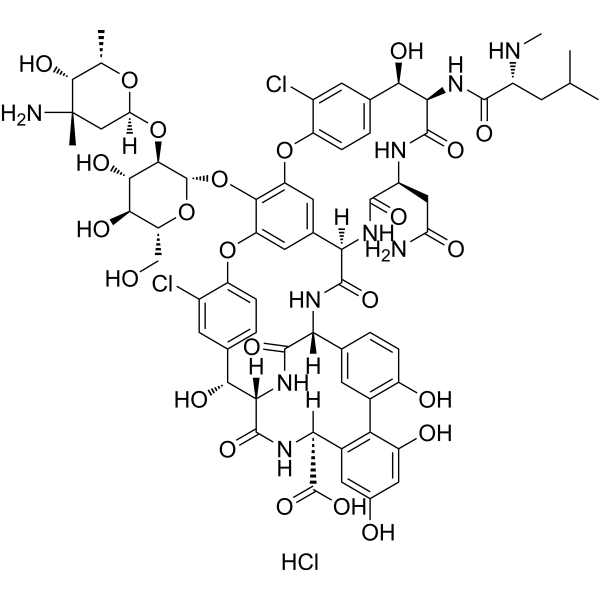
Cat. No.: HY-17362
CAS No.: 1404-93-9
Vancomycin hydrochloride is an antibiotic for the treatment of bacterial infections. It acts by inhibiting the second stage of cell wall synthesis of susceptible bacteria. Vancomycin also alters the permeability of the cell membrane and selectively inhibits ribonucleic acid synthesis.
loading...
    loading...
11
11 Cited Publications
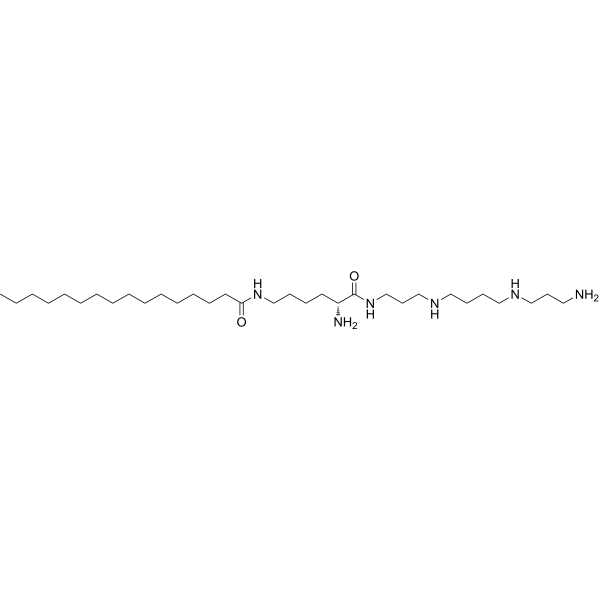
Cat. No.: HY-124617
CAS No.: 441022-64-6
Purity:  99.44%
Target:  

Apoptosis Bacterial

Research Areas:  

Infection Cancer

AMXT-1501 is a Bacterial agent and polyamine transport system inhibitor. AMXT-1501 targets membrane phospholipids and exhibits antibacterial activity against a variety of Gram-positive and Gram-negative multidrug-resistant bacteria . AMXT-1501 inhibits capsular biosynthesis in Streptococcus pneumoniae . AMXT-1501 targets ornithine decarboxylase and polyamines to inhibit the proliferation of neuroblastoma cells . AMXT-1501 in combination with DFMO (HY-B0744) induces Apoptosis in neuroblastoma cells. AMXT-1501 is applicable to research related to multidrug-resistant bacterial infections, pneumococcal infections, Streptococcus pneumoniae infections, and neuroblastoma .
loading...
    loading...
11
11 Cited Publications
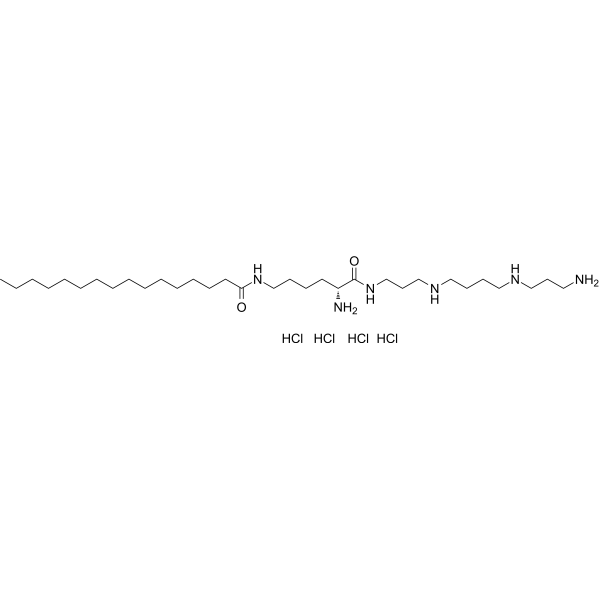
Cat. No.: HY-124617A
CAS No.: 2444815-84-1
Purity:  ≥98.0%
Target:  

Apoptosis Bacterial

AMXT-1501 tetrahydrochloride is a Bacterial agent and polyamine transport system inhibitor. AMXT-1501 tetrahydrochloride targets membrane phospholipids and exhibits antibacterial activity against a variety of Gram-positive and Gram-negative multidrug-resistant bacteria . AMXT-1501 tetrahydrochloride inhibits capsular biosynthesis in Streptococcus pneumoniae . AMXT-1501 tetrahydrochloride targets ornithine decarboxylase and polyamines to inhibit the proliferation of neuroblastoma cells . AMXT-1501 tetrahydrochloride in combination with DFMO (HY-B0744) induces Apoptosis in neuroblastoma cells. AMXT-1501 tetrahydrochloride is applicable to research related to multidrug-resistant bacterial infections, pneumococcal infections, Streptococcus pneumoniae infections, and neuroblastoma .
loading...
    loading...
8
8 Cited Publications
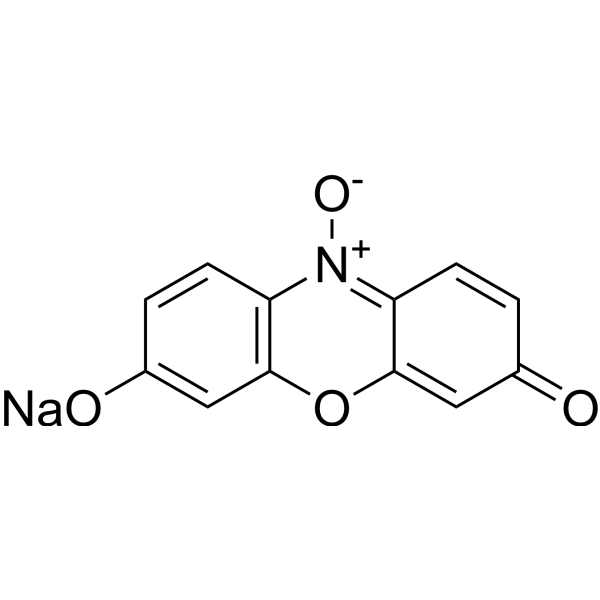
Cat. No.: HY-111391
CAS No.: 62758-13-8
Purity:  ≥98.0%
Synonyms: Diazoresorcinol sodium
Resazurin sodium (Diazoresorcinol sodium) is a non-toxic, stable, membrane-permeable blue non-fluorescent dye (faintly fluorescent). Resazurin sodium is used as a redox indicator, can be reduced to pink, highly fluorescent Resorufin (Ex=530-560 nm, Em=590 nm) in living cells. Resazurin sodium can be used for the detection of cell viability, toxicity, proliferation, migration and invasion in cells (human, plant and animal, bacterial and fungal) .
loading...
    loading...
3
3 Cited Publications
Cat. No.: HY-N5112A
CAS No.: 34539-65-6
Synonyms: Arnebin 1
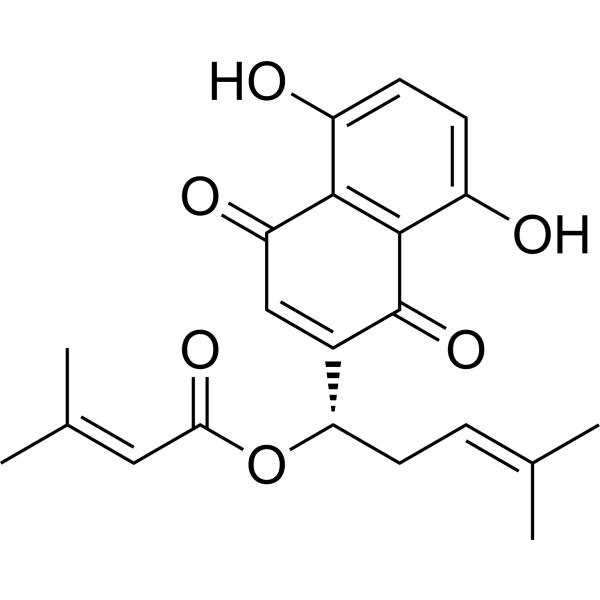
β,β-Dimethylacrylalkannin (Arnebin 1) is an orally active FGFR1 inhibitor (IC50=2.5 μM) and the main active component of Lithospermum erythrorhizon. β,β-Dimethylacrylalkannin blocks downstream signaling by binding to the ATP pocket of FGFR1, and regulates the CDK1/Cdc25C pathway and ROS-JNK axis, thereby inducing G2/M phase arrest, necrosis and apoptosis in cancer cells, and inhibiting tumor proliferation. β,β-Dimethylacrylalkannin also acts as a colistin adjuvant to disrupt the cell membrane of Gram-negative bacteria. β,β-Dimethylacrylalkannin exhibits significant tumor-inhibitory effects with no obvious toxicity in PDX models, but chronic exposure to high doses may alter the relative lung/liver weights of rats, while acute exposure to high doses causes responses such as reduced motor activity. β,β-Dimethylacrylalkannin finds wide application in studies related to hepatocellular carcinoma, colorectal cancer, colistin-resistant bacterial infections, hepatitis and psoriasis .
loading...
    loading...
2
2 Cited Publications
Cat. No.: HY-P4744
CAS No.: 597562-32-8
Research Areas:  

Infection Cancer

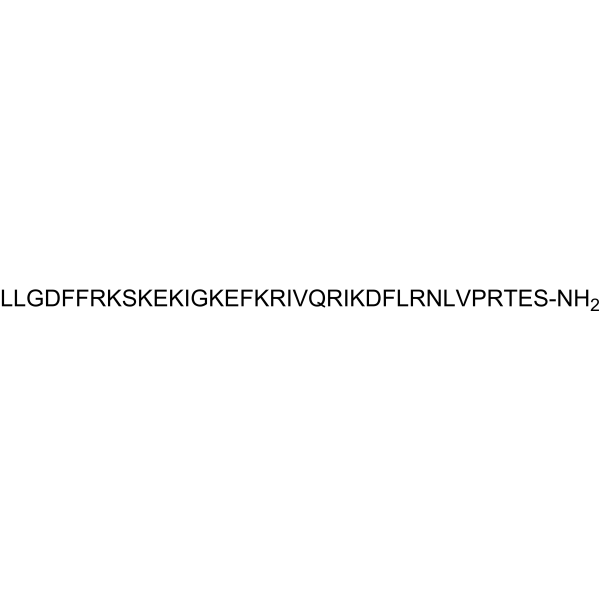
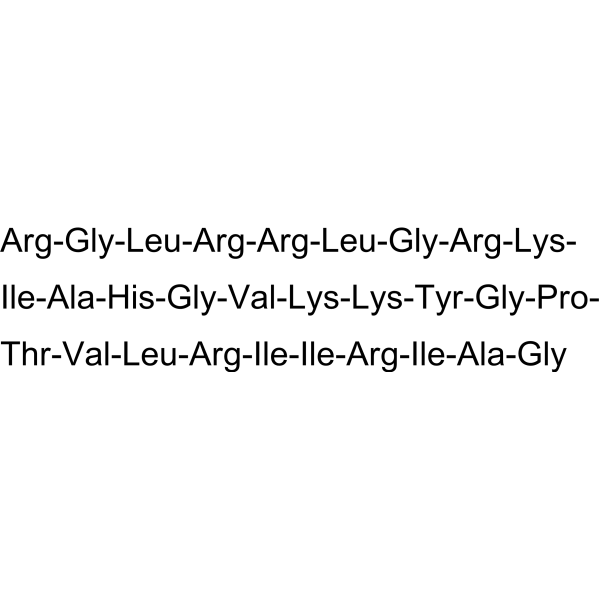
LL-37 amide is a selective agonist of formyl peptide receptor-like FPRL1, effectively inhibiting periodontal pathogens (ED99=8.5-8.7 μg/mL). LL-37 amide exerts its bactericidal effect by activating FPRL1-mediated immune cell chemotaxis and disrupting bacterial cell membrane integrity. It can also regulate inflammatory responses (inhibiting the release of factors such as TNF-α) and promote angiogenesis. Amidation modification reduces its sensitivity to serum inhibition and improves its stability. LL-37 amide possesses key activities in bactericidal action, immunomodulation, and wound healing, and is mainly used in research on infection-related diseases such as periodontal disease and deep tissue injuries (pressure ulcers), and wound healing .
loading...
    loading...
2
2 Cited Publications
Cat. No.: HY-P4744A
Research Areas:  

Infection Cancer

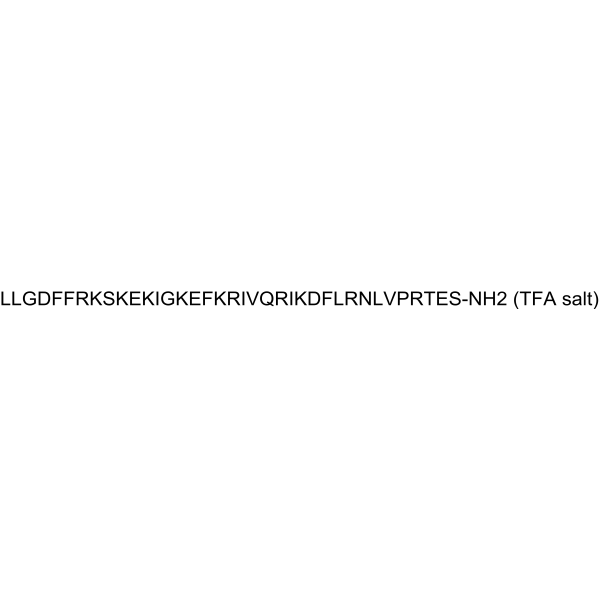
LL-37 amide TFA is a selective agonist of formyl peptide receptor-like FPRL1, effectively inhibiting periodontal pathogens (ED99=8.5-8.7 μg/mL). LL-37 amide TFA exerts its bactericidal effect by activating FPRL1-mediated immune cell chemotaxis and disrupting bacterial cell membrane integrity. It can also regulate inflammatory responses (inhibiting the release of factors such as TNF-α) and promote angiogenesis. Amidation modification reduces its sensitivity to serum inhibition and improves its stability. LL-37 amide TFA possesses key activities in bactericidal action, immunomodulation, and wound healing, and is mainly used in research on infection-related diseases such as periodontal disease and deep tissue injuries (pressure ulcers), and wound healing .
loading...
    loading...
1
1 Cited Publications
Cat. No.: HY-B1228
CAS No.: 53797-35-6
Synonyms: Vistamycin sulfate
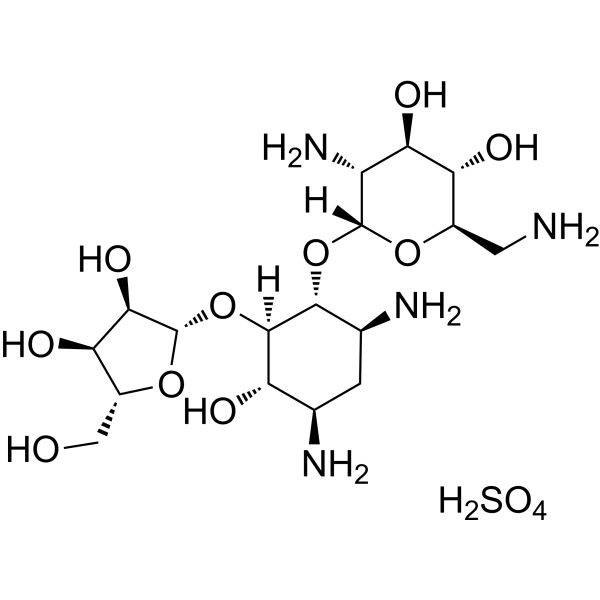
Ribostamycin sulfate (Vistamycin sulfate) is a broad-spectrum aminoglycoside Antibiotic with bactericidal activity against Gram-positive cocci, Gram-negative cocci, bacilli, and drug-resistant strains. Ribostamycin sulfate also acts as an inhibitor of protein disulfide isomerase (PDI), with a binding constant KD of 319 μM for bovine PDI. Ribostamycin sulfate targets bacterial 16S ribosomal RNA and the 30S ribosomal subunit, causing translational misreading and thereby inhibiting bacterial protein synthesis. Ribostamycin sulfate disrupts the integrity of bacterial cell membranes, induces membrane pore formation, and leads to bacterial death. Ribostamycin sulfate can be used in studies related to bacterial infections .
loading...
    loading...
1
1 Cited Publications
Cat. No.: HY-A0248A
CAS No.: 4135-11-9
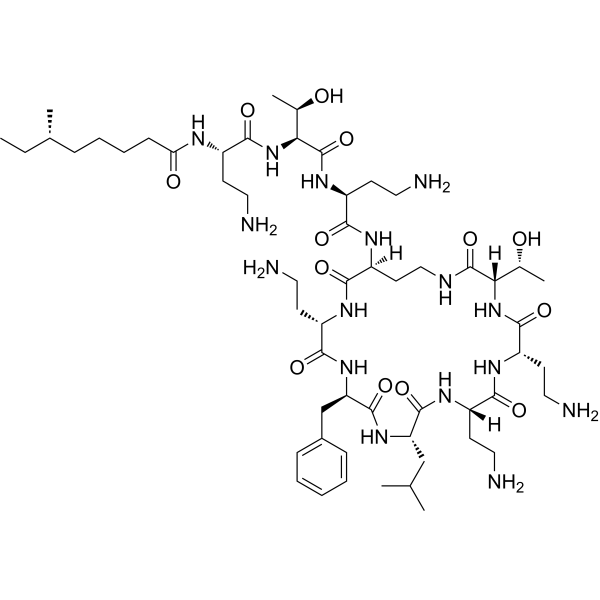
Polymyxin B1 is a potent antimicrobial lipopeptide first derived from Bacilus polymyxa. Polymyxin B1 is the major component in Polymyxin B (HY-A0248). Polymyxin B1 can induce lysis of bacterial cells through interaction with their membranes. Polymyxin B1 has the potential for multidrug-resistant Gram-negative bacterial infections treatment .
loading...
    loading...
1
1 Cited Publications
Cat. No.: HY-P5712
CAS No.: 113-73-5
Synonyms: Gramicidin soviet
Research Areas:  

Infection

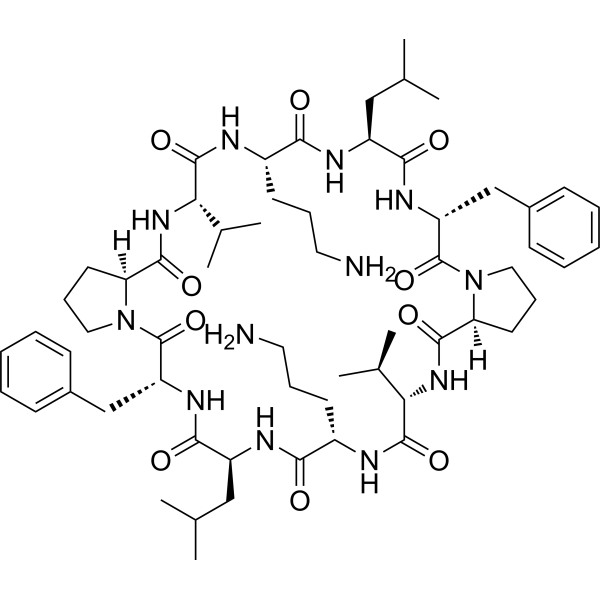
Gramicidin S (Gramicidin soviet) is a cationic cyclic peptide antibiotic that selectively targets bacterial cell membranes and has anticancer activity. Gramicidin S also exerts antibacterial activity by destroying membrane integrity and interfering with membrane protein function. Gramicidin S inserts into the phospholipid bilayer through hydrophobic amino acid residues, specifically binds to negatively charged membrane lipids and disrupts membrane structure, thereby inhibiting cell division and cell wall synthesis, and ultimately causing bacterial death. Gramicidin S also inhibits ion channels, with IC50s of 41 μM, 24 μM, and 3 μM for Na +/K +-ATPase, tobacco leaf plasma membrane Mg 2+/K +-ATPase, and rat heart plasma membrane Ca 2+-ATPase, respectively .
loading...
    loading...
1
1 Cited Publications
Cat. No.: HY-127032
CAS No.: 75345-27-6
Purity:  ≥99.0%
Synonyms: Polidronium chloride
Research Areas:  

Infection

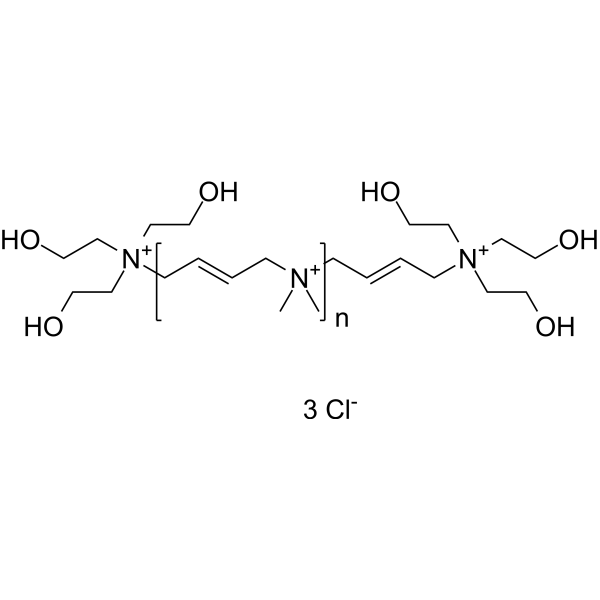
Polyquaternium-1 (Polidronium chloride; PQ-1) is an antimicrobial preservative and an activator of NF-κB. Polyquaternium-1 targets bacterial cell membranes, commonly used in ophthalmic surgery. Polyquaternium-1 adsorbs to the surface of microbial membranes through its polycationic properties, destroying membrane integrity and inducing potassium ion leakage, leading to bacterial death. Polyquaternium-1 exerts antimicrobial effects at a concentration of 0.001% and has low toxicity to mammalian cells. Polyquaternium-1 can be used to prepare products such as glaucoma eye drops (Travoprost preparations containing PQ-1), artificial tears, and contact lens solutions to reduce the ocular surface toxicity of traditional preservatives such as benzalkonium chloride (HY-B2232) .
loading...
    loading...
1
1 Cited Publications
Cat. No.: HY-16485
CAS No.: 560130-42-9
Synonyms: TD-6424 hydrochloride
Target:  

Antibiotic Bacterial

Research Areas:  

Infection

Telavancin hydrochloride (TD-6424 hydrochloride) is a bactericidal agent that exhibits inhibitory activity against Staphylococcus aureus. Telavancin hydrochloride inhibits bacterial cell wall synthesis by binding to the lipid-linked N-acetylglucosamine-N-muramyl pentapeptide (with a D-Ala-D-Ala terminus), a peptidoglycan precursor, and blocks the transglycosylation and transpeptidation steps. Telavancin hydrochloride disrupts bacterial membrane barrier function, induces dissipation of bacterial membrane potential, and causes leakage of cytoplasmic ATP and potassium ions, with its activity restricted exclusively to bacterial membranes. Telavancin hydrochloride can be used in research on bacterial infections, central venous catheter-related bloodstream infections, and Gram-positive bacterial pneumonia .
loading...
    loading...
1
1 Cited Publications
Cat. No.: HY-12638
CAS No.: 97-23-4
Purity:  98.55%
Synonyms: DDM
Research Areas:  

Infection

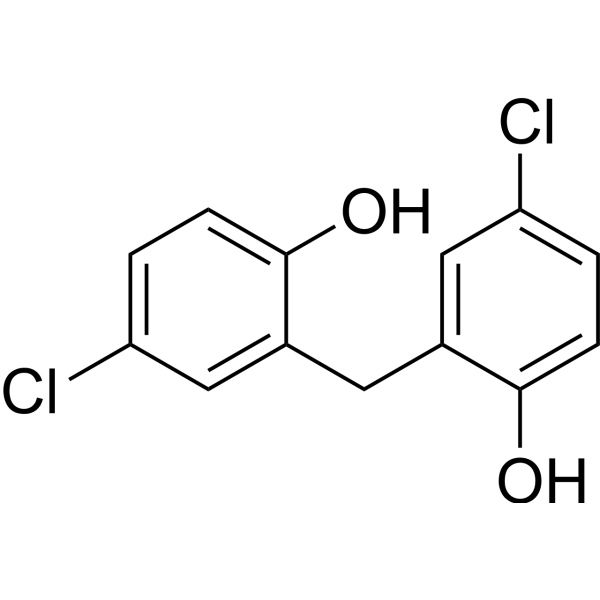
Dichlorophen is a chlorophenol antimicrobial agent that can destroy the integrity of microbial cell membranes and interfere with the activity of metabolic enzymes. Dichlorophen can covalently bind to the thiol groups of microbial proteins and has broad-spectrum antibacterial, antifungal and anthelmintic activity. Dichlorophen can be used as an antimicrobial agent in the study of drug-resistant bacterial infections .
loading...
    loading...
1
1 Cited Publications
Cat. No.: HY-P2460
CAS No.: 172485-26-6
SMAP‑29 is a cathelicidin antimicrobial peptide with LPS‑binding and anti‑inflammatory properties. SMAP‑29 exerts broad‑spectrum antimicrobial activity against bacteria, fungi and multidrug‑resistant isolates. SMAP‑29 kills pathogens by permeabilizing bacterial membranes, inducing depolarization and cell lysis, and also inhibits inflammatory cytokines while reducing lethality in septic shock and pneumonia models. SMAP-29 can be used for research on bacterial infections, drug-resistant infections, septic shock .
loading...
    loading...
1
1 Cited Publications
Cat. No.: HY-B1824
CAS No.: 98753-19-6
Synonyms: HR-810 sulfate
Target:  

Bacterial Antibiotic

Research Areas:  

Infection

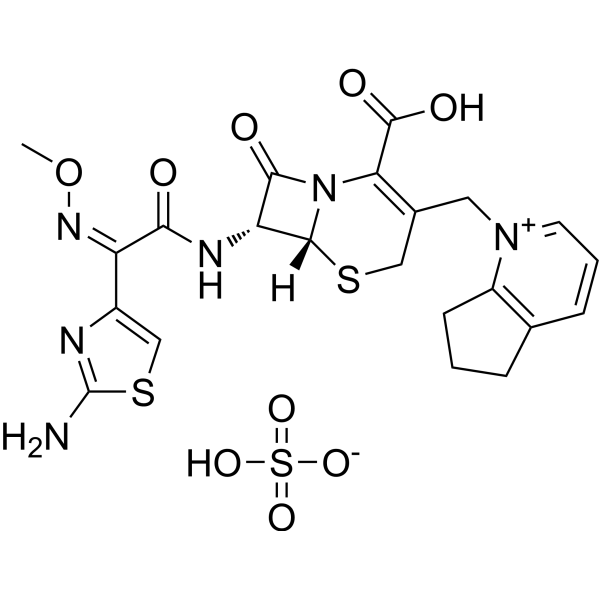
Cefpirome (HR-810) sulfate is a cephalosporin antibiotic that can cross cell membranes and the blood-brain barrier. Cefpirome sulfate binds to penicillin-binding proteins with high affinity, thereby inhibiting bacterial cell wall synthesis. Cefpirome sulfate exhibits bactericidal and growth-inhibitory activities against Gram-negative bacteria, Gram-positive bacteria, and susceptible anaerobic bacteria (including some β-lactamase-producing strains) .
loading...
    loading...
1
1 Cited Publications
Cat. No.: HY-P1116
CAS No.: 794466-43-6
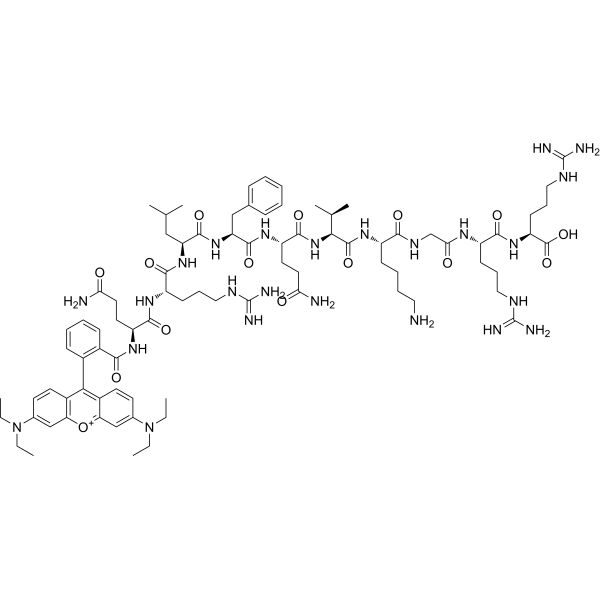
PBP10 is a decapeptide. PBP10 selectively binds to lipoteichoic acid (LTA), lipopolysaccharide (LPS) and phosphatidylinositol-4,5-bisphosphate (PIP2). PBP10 penetrates cell membranes and possesses bactericidal, anti-inflammatory, cell motility-inhibiting and actin assembly-regulating activities. PBP10 is applicable to relevant research on bacterial infections, microbe-induced inflammation, skin and soft tissue infections, as well as sepsis .
loading...
    loading...
1
1 Cited Publications
Cat. No.: HY-P1116A
Target:  

Bacterial

Research Areas:  

Infection Inflammation/Immunology

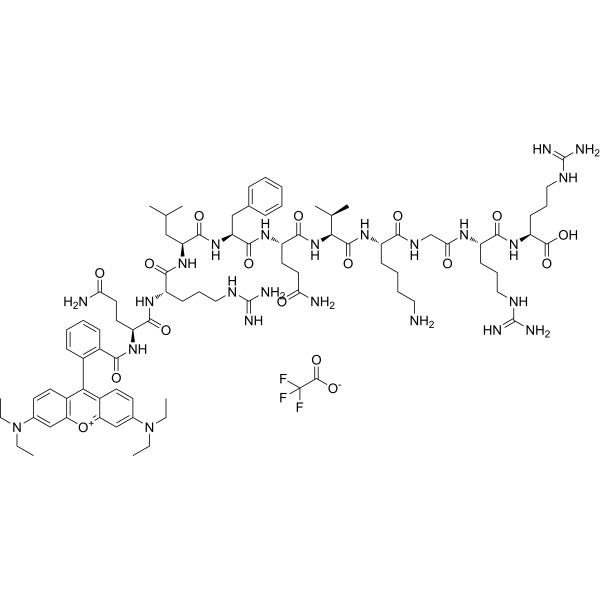
PBP10 TFA is a decapeptide. PBP10 TFA selectively binds to lipoteichoic acid (LTA), lipopolysaccharide (LPS) and phosphatidylinositol-4,5-bisphosphate (PIP2). PBP10 TFA penetrates cell membranes and possesses bactericidal, anti-inflammatory, cell motility-inhibiting and actin assembly-regulating activities. PBP10 TFA is applicable to relevant research on bacterial infections, microbe-induced inflammation, skin and soft tissue infections, as well as sepsis .
loading...
    loading...
1
1 Cited Publications
Cat. No.: HY-N0853A
CAS No.: 18674-16-3
Synonyms: Alisol A 24-monoacetate; Alisol A monoacetate
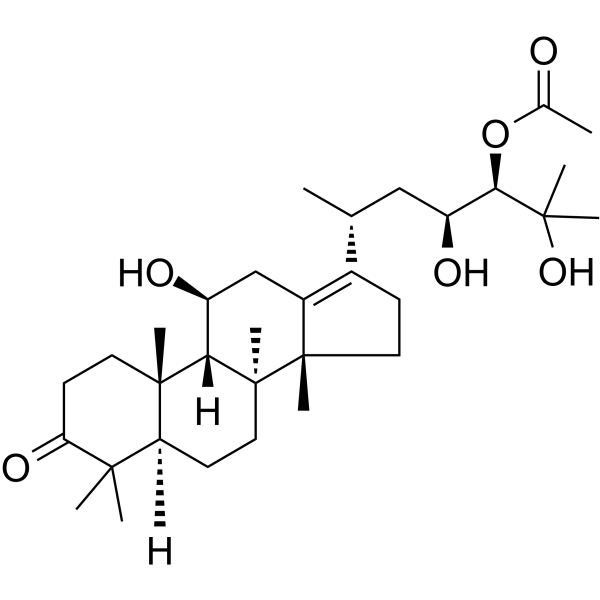
Alisol A 24-acetate (Alisol A monoacetate) is an orally active derivative of protostane-type tetracyclic triterpenoid. Alisol A 24-acetate upregulates the expression of adiponectin, AMPKα, CPT1, and ACOX1; downregulates the expression of SREBP-1c, ACC, FAS, Bcl-2, Bcl-xl, PPAR-γ, perilipin A, and NFATc1; inhibits the activity of PI3K/Akt/mTOR and HMGR; and activates the PKA and ERK signaling pathways. Alisol A 24-acetate regulates cell apoptosis (apoptosis), autophagy (Autophagy, hepatic lipid accumulation, inflammatory response, neuroprotection, MRSA membrane integrity, and osteoclast differentiation. Alisol A 24-acetate can be used in research related to non-alcoholic fatty liver disease, nephrotoxicity, obesity, global cerebral ischemia-reperfusion injury, bacterial infection, and osteoporosis .
loading...
    loading...
Cat. No.: HY-W012669
CAS No.: 643-79-8
Synonyms: Phthaldialdehyde
Phthalaldehyde (Phthaldialdehyde) reacts with proteins containing primary amines and blocked amino-terminal peptides of amino acids. Phthalaldehyde stabilizes bacterial outer membranes and cell walls, increases the optical density of bacterial cell suspensions, and inhibits bacterial lysis induced by ethylenediaminetetraacetic acid and sodium dodecyl sulfate. Phthalaldehyde exhibits bactericidal activity against Gram-negative vegetative bacteria .
loading...
    loading...
Cat. No.: HY-B1597
CAS No.: 122-18-9
Synonyms: Benzyldimethylhexadecylammonium chloride
Target:  

Bacterial

Research Areas:  

Infection Inflammation/Immunology

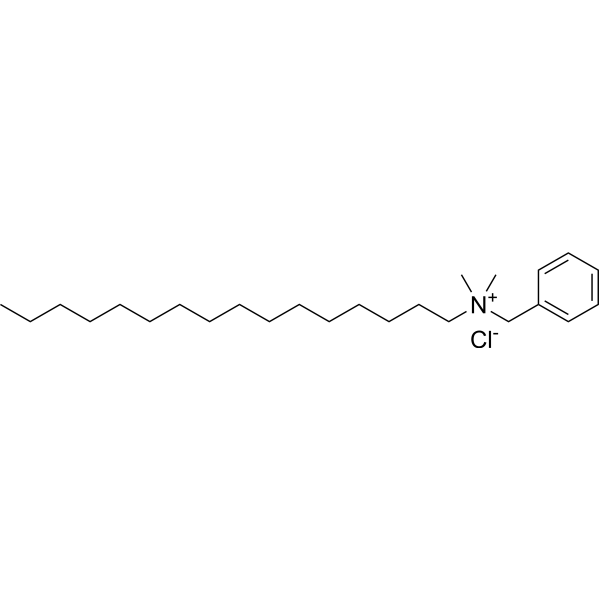
Cetalkonium chloride is an ammonium antiseptic agent used in many topical agents for infections of mouth, throat and eye. Cetalkonium chloride acts as anti-inflammatory amphiphilic agent. Cetalkonium chloride is a cationic surfactant, that improves the precorneal residence time and bioavailability of drugs. Cetalkonium chloride interacts with the negative charges on the bacterial cell membrane, disrupts the integrity of the cell membrane, causes leakage of cell contents and ultimately leading to bacterial death .
loading...
    loading...

