Search Result
Results for "
bc1
" in MedChemExpress (MCE) Product Catalog:
4
Isotope-Labeled Compounds
| Cat. No. |
Product Name |
Target |
Research Areas |
Chemical Structure |
-
- HY-13832
-
|
Atavaquone
|
Parasite
Cytochrome P450
Antibiotic
Bacterial
|
Infection
Cancer
|
|
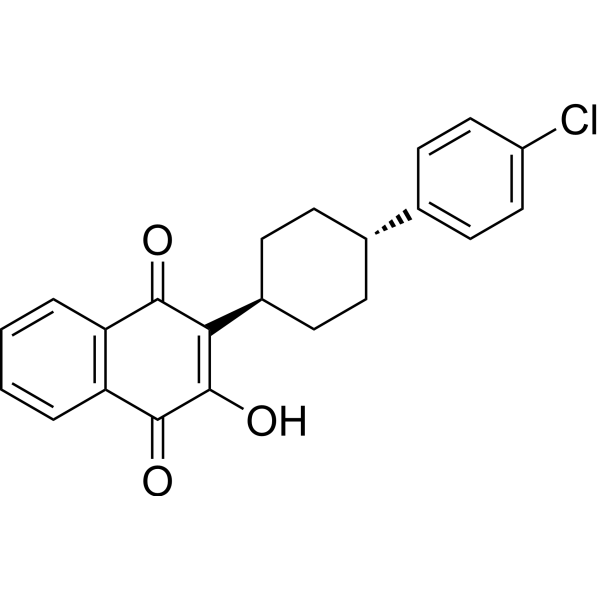
Atovaquone (Atavaquone) is a potent, selective and orally active inhibitor of the parasite’s mitochondrial cytochrome bc1 complex. Atovaquone is against human and P. falciparum cytochrome bc1 activity with IC50 values of 460 nM and 2.0 nM, respectively. Atovaquone is an antimalarial agent and has the potential for the investigation of neumocystis pneumonia, toxoplasmosis, malaria, and babesia [1] .
|
-
-
- HY-112177
-
|
|
Fungal
Mitochondrial Metabolism
Antibiotic
|
Infection
|
|
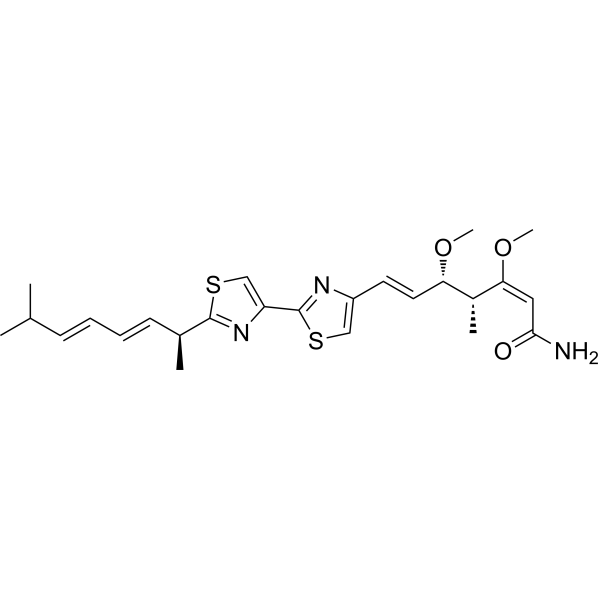
Myxothiazol, an antifungal antibiotic, is a mitochondrial electron transport chain complex III (bc1 complex) inhibitor. Myxothiazol inhibits the growth of many yeasts and fungi at concentrations between 0.01 and 3 μg/ml [1] .
|
-
-
- HY-B0849
-
-
-
- HY-N12257
-
|
|
Cytochrome P450
Reactive Oxygen Species (ROS)
Apoptosis
|
Infection
Cancer
|
|
Antimycin A2 is a selective inhibitor of the cytochrome b-c1 complex in the mitochondrial electron transport chain. Antimycin A2 disrupts mitochondrial membrane potential and produces reactive oxygen species (ROS) by inhibiting electron transfer between cytochrome b and c. Antimycin A2 has bactericidal and piscicidal activity, as well as tumor cell growth inhibitory effects, and can induce S-phase cell cycle arrest and apoptosis in HeLa cells. Antimycin A2 is suitable for research of cervical cancer and fisheries management. Antimycin A2 can be naturally isolated from the fermentation products of Streptomyces sp. strains [1].
|
-
-
- HY-13836
-
|
|
Parasite
|
Infection
|
|
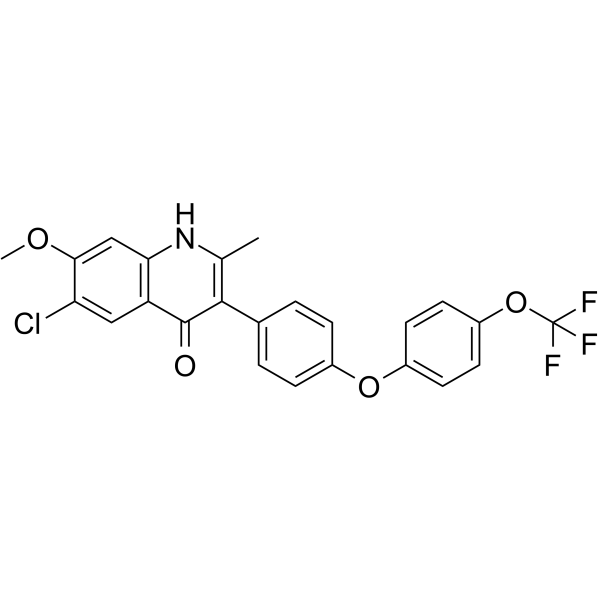
ELQ-300 is a potent and orally bioavailable antimalarial agent, acts as an inhibitor of the reductive (Qi) site of the cytochrome bc1 complex (cyt bc1). ELQ-300 inhibits growth of P. falciparum Dd2, Tm90-C2B, and D1 with IC50 values of 6.6, 4.6 and 160 nM, respectively. ELQ-300 can be used for the research of antimalarial [1] .
|
-
-
- HY-W714076
-
|
|
Fungal
|
Infection
Inflammation/Immunology
|
|
Ametoctradin is a potent Qo site inhibitor of bc1 complex in mitochondrial respiration. Ametoctradin is a highly selective and effective Oomycete-specific fungicide that can be used against late blight and downy mildews [1].
|
-
-
- HY-125776
-
|
BAS 490 F
|
Environmental Pollutants
Mitochondrial Metabolism
Fungal
|
Infection
|
|
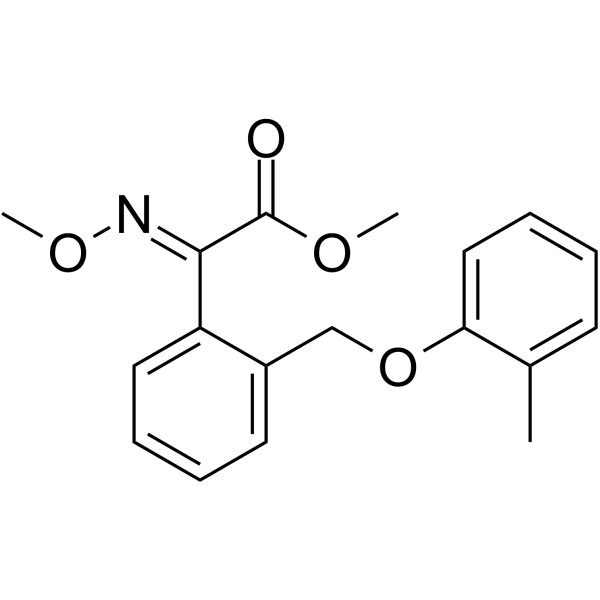
Kresoxim-methyl (BAS 490 F), a Strobilurin-based fungicide, inhibits the respiration at the complex III (cytochrome bc1 complex). Kresoxim-methyl binds to complex III from yeast with an apparent Kd of 0.07 μM proving a high affinity for this enzyme [1] .
|
-
-
- HY-B1036
-
|
|
Parasite
|
Infection
|
|
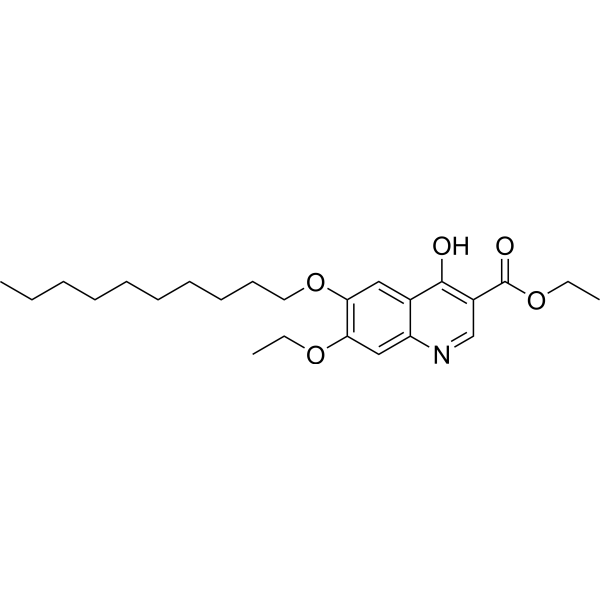
Decoquinate is an orally active, selective inhibitor of the mitochondrial bc1 complex, targeting Eimeria spp. sporozoites and first generation schizonts, and Plasmodium spp. Decoquinate inhibits electron transfer by competitively binding to the mitochondrial cytochrome b system, blocking the parasite's energy metabolism, thereby inhibiting its development and reproduction. Decoquinate has significant anticoccidial activity, preventing intestinal damage and improving host growth performance, and also has inhibitory effects on the liver and blood stages of Plasmodium. Decoquinate is mainly used in veterinary research to prevent and treat coccidiosis in ruminants and poultry [1] .
|
-
-
- HY-121721
-
|
|
Fungal
|
Infection
|
|
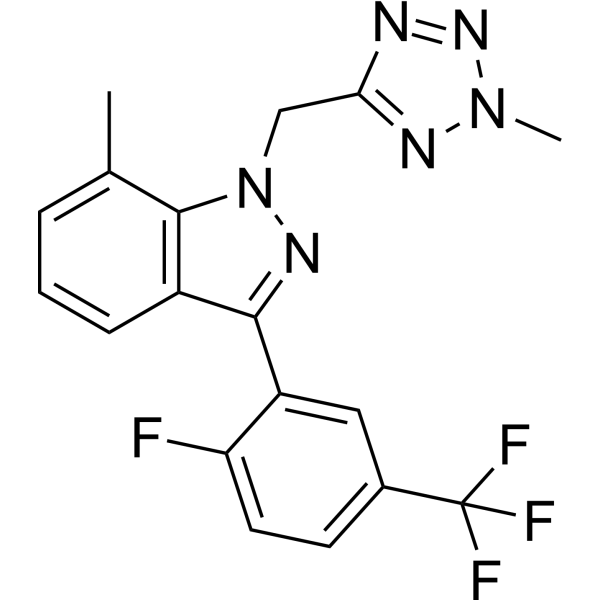
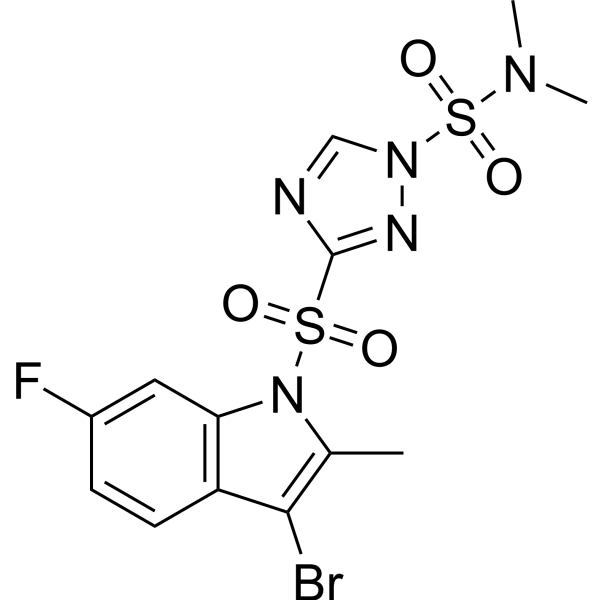
Inz-5 is a fungal-selective mitochondrial cytochrome bc1 inhibitor. Inz-5 impairs fungal virulence and prevents the evolution of agent resistance [1].
|
-
-
- HY-162066
-
|
|
Parasite
|
Infection
|
|
DNDI-6174 is an orally active Leishmania cytochrome b (Qi site of cytochrome bc1 complex/complex III) inhibitor. DNDI-6174 binds to the Qi site of Leishmania cytochrome b, inhibits cytochrome bc1 complex activity in the parasite's electron transport chain across promastigote and axenic amastigote stages. DNDI-6174 reduces parasite burden in rodent models, inhibits growth of various Leishmania species, drug-resistant clinical isolates, and Trypanosoma cruzi, with marginal activity against Trypanosoma brucei. DNDI-6174 can be used for the research of visceral leishmaniasis, cutaneous leishmaniasis [1].
|
-
-
- HY-N8540
-
|
|
Phosphoglycerate Kinase (PGK)
Fungal
Apoptosis
|
Infection
Cancer
|
|
Ilicicolin H is a selective and non-ATP-competitive phosphoglycerate kinase 1 (PGK1) (IC50 = 9.02 μM) and mitochondrial cytochrome bc1 reductase (IC50 = 2-3 ng/mL) inhibitor. Ilicicolin H directly binds to PGK1 with KD of 60 μM .Ilicicolin H can inhibit cell proliferation and induce apoptosis. Ilicicolin H can inhibit the lactate production and glucose uptake of hepatocellular carcinoma (HCC) cells. Ilicicolin H has a broad antifungal spectrum including C. albicans, Cryptococcus and A. fumigatus. Ilicicolin H can be used for the researches of cancer and infection, such as hepatocellular carcinoma (HCC) and C. albicans infection [1] .
|
-
-
- HY-B0849R
-
|
|
Reference Standards
Fungal
Reactive Oxygen Species (ROS)
Apoptosis
|
Infection
|
|
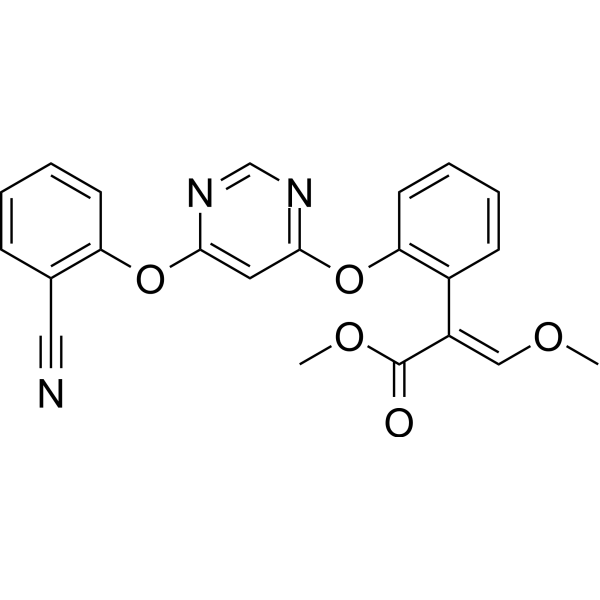
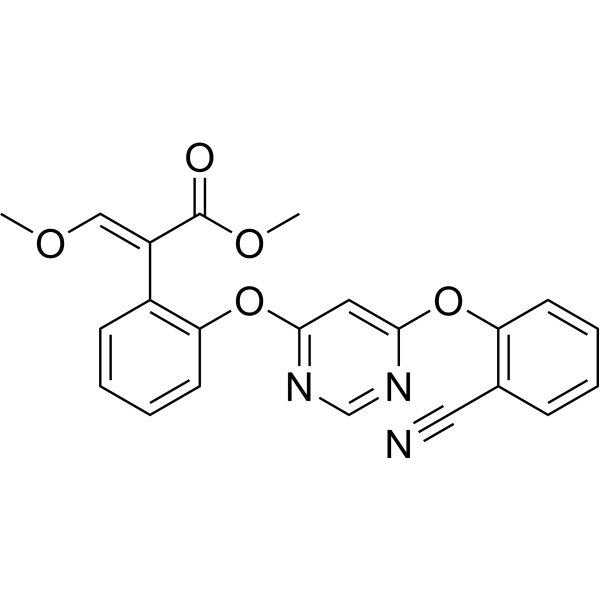
Azoxystrobin (Standard) is the analytical standard of Azoxystrobin. This product is intended for research and analytical applications. Azoxystrobin is a broad-spectrum β-methoxyacrylate fungicide. Azoxystrobin inhibits mitochondrial respiration by binding to the Qo site of the cytochrome bc1 complex and inhibiting electron transfer. Azoxystrobin induces the production of reactive oxygen species (ROS) and induces cell apoptosis.
|
-
-
- HY-169987
-
|
|
Fungal
|
Infection
|
|
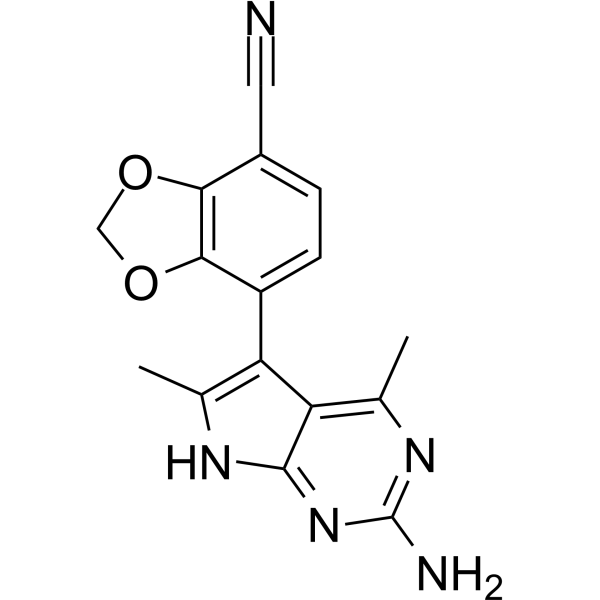
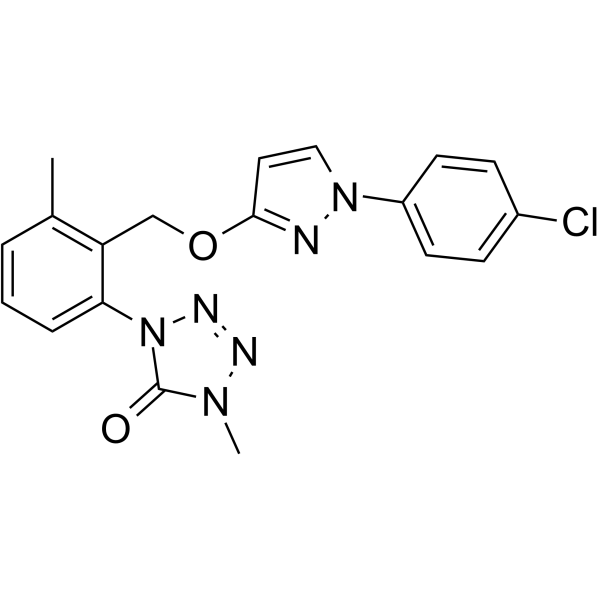
bc1 Complex-IN-1 (compound 12g) is a potent bc1 complex inhibitor. bc1 Complex-IN-1 shows fungicidal properties against Cucumber downy mildew (CDM) [1].
|
-
-
- HY-W715444
-
-
-
- HY-121214
-
-
-
- HY-13832R
-
|
Atavaquone (Standard)
|
Reference Standards
Parasite
Cytochrome P450
Antibiotic
Bacterial
|
Infection
Cancer
|
|
Atovaquone (Standard) is the analytical standard of Atovaquone. This product is intended for research and analytical applications. Atovaquone (Atavaquone) is a potent, selective and orally active inhibitor of the parasite’s mitochondrial cytochrome bc1 complex. Atovaquone is against human and P. falciparum cytochrome bc1 activity with IC50 values of 460 nM and 2.0 nM, respectively. Atovaquone is an antimalarial agent and has the potential for the investigation of neumocystis pneumonia, toxoplasmosis, malaria, and babesia [1] .
|
-
-
- HY-172349
-
|
|
Bacterial
|
Infection
|
|
JNJ-2901 is an inhibitor of M. tuberculosis cytochrome bc1:aa3. JNJ-2901 reduces bacterial load in the acute/chronic mouse infection models of M. tuberculosis H37Rv-ΔcydAB. JNJ-2901 can be used in tuberculosis (TB) research [1].
|
-
-
- HY-121248
-
|
AC217300
|
Mitochondrial Metabolism
|
Infection
|
|
Hydramethylnon (AC217300) is an amidinohydrazone insecticide. Hydramethylnon's mechanism of action is through inhibition of mitochondrial respiration by inhibiting the electron transport chain at the cytochrome b-c1 complex. Hydramethylnon can be used to eliminate red imported fire ants, cockroaches, and other insects [1].
|
-
-
- HY-174342
-
|
|
Cytochrome P450
Parasite
|
Infection
|
|
ELQ-453 is an inhibitor targeting the Qo site of the Plasmodium falciparum cytochrome bc1 complex (CytB) with an IC50 value of 0.57 nM. ELQ-453 blocks the mitochondrial function of the parasite, and suppresses Plasmodium infection in mosquitoes. ELQ-453 is promising for research of malaria [1].
|
-
-
- HY-126640
-
|
|
Parasite
|
Infection
Cancer
|
|
Phomoxanthone A is a xanthone dimer, which can be isolated from Phomopsis. Phomoxanthone A exhibits antimalarial and antitubercular activities against Plasmodium falciparum (K1, multidrug-resistant strain, IC50 is 0.11 µg/mL) and Mycobacterium tuberculosis (H37Ra strain, MIC is 0.50 µg/mL). Phomoxanthone A exhibits cytotoxicity in cells KB, BC-1 and Vero, IC50 is 0.99, 0.51 and 1.4 µg/mL, respectively [1].
|
-
-
- HY-117424
-
|
|
Fungal
|
Infection
|
|
Inz-4 is a fungal-selective inhibitor of mitochondrial cytochrome bc1, with the IC50 of 0.026 μM [1].
|
-
-
- HY-168656
-
|
|
Parasite
|
Infection
|
|
Ac-Atovaquone is a potent cytochrome bc1 inhibitor and also is an ester-linked acetyl derivative of atovaquone (HY-13832). Ac-Atovaquone has the potential for the research of malaria [1] [1] .
|
-
-
- HY-W714076R
-
|
|
Reference Standards
Fungal
|
Infection
Inflammation/Immunology
|
|
Ametoctradin (Standard) is the analytical standard of Ametoctradin. This product is intended for research and analytical applications. Ametoctradin is a potent Qo site inhibitor of bc1 complex in mitochondrial respiration. Ametoctradin is a highly selective and effective Oomycete-specific fungicide that can be used against late blight and downy mildews [1].
|
-
-
- HY-156137
-
-
-
- HY-13832S2
-
|
Atavaquone-d5
|
Isotope-Labeled Compounds
Parasite
Cytochrome P450
Antibiotic
|
Infection
|
|
Atovaquone-d5 is the deuterium labeled Atovaquone. Atovaquone (Atavaquone) is a potent, selective and orally active inhibitor of the parasite’s mitochondrial cytochrome?bc1?complex. Atovaquone is against human and ?P. falciparum?cytochrome?bc1?activity with IC50 values of 460 nM and 2.0 nM, respectively. Atovaquone is an antimalarial agent and has the potential for the investigation of neumocystis pneumonia, toxoplasmosis, malaria, and babesia [1] .
|
-
-
- HY-13834
-
|
|
Parasite
Cytochrome P450
|
Infection
|
|
GW844520 is an orally active inhibitor of cytochrome bc1 complex. GW844520 can be used in malaria and anti-plasmodium related research [1].
|
-
-
- HY-13832S3
-
|
cis-Atavaquone-d4
|
Isotope-Labeled Compounds
Parasite
Cytochrome P450
Antibiotic
|
Infection
|
|
cis-Atovaquone-d4 is deuterium labeled Atovaquone. Atovaquone (Atavaquone) is a potent, selective and orally active inhibitor of the parasite’s mitochondrial cytochrome bc1 complex. Atovaquone is against human and P. falciparum cytochrome bc1 activity with IC50 values of 460 nM and 2.0 nM, respectively. Atovaquone is an antimalarial agent and has the potential for the investigation of neumocystis pneumonia, toxoplasmosis, malaria, and babesia[1][2].
|
-
-
- HY-N14038
-
|
|
Fungal
|
Infection
|
|
Crocacin A has anti-yeast and filamentous fungal activity. Crocacin A can inhibit mouse fibroblasts L929. In the microsomes of the calf's heart, Crocacin A can interrupt the bc1 segment of electronic transmission, causes redshift of 569 nm peak in cytochrome B reduction spectrum [1].
|
-
-
- HY-N14040
-
|
|
Fungal
|
Infection
|
|
Crocacin B has anti-yeast and filamentous fungal activity. Crocacin B can inhibit mouse fibroblasts L929. In the microsomes of the calf's heart, Crocacin B can interrupt the bc1 segment of electronic transmission, causes redshift of 569 nm peak in cytochrome B reduction spectrum [1].
|
-
-
- HY-B0849S
-
|
|
Isotope-Labeled Compounds
Fungal
Reactive Oxygen Species (ROS)
Apoptosis
|
Infection
|
|
Azoxystrobin-d4 is deuterium labeled Azoxystrobin. Azoxystrobin is a broad-spectrum β-methoxyacrylate fungicide. Azoxystrobin inhibits mitochondrial respiration by binding to the Qo site of the cytochrome bc1 complex and inhibiting electron transfer. Azoxystrobin induces the production of reactive oxygen species (ROS) and induces cell apoptosis.
|
-
-
- HY-B0849S1
-
|
|
Isotope-Labeled Compounds
Fungal
Reactive Oxygen Species (ROS)
Apoptosis
|
Infection
|
|
Azoxystrobin-d3 is deuterium labeled Azoxystrobin. Azoxystrobin is a broad-spectrum β-methoxyacrylate fungicide. Azoxystrobin inhibits mitochondrial respiration by binding to the Qo site of the cytochrome bc1 complex and inhibiting electron transfer. Azoxystrobin induces the production of reactive oxygen species (ROS) and induces cell apoptosis [1].
|
-
-
- HY-B0849A
-
|
|
Fungal
Reactive Oxygen Species (ROS)
Apoptosis
Bacterial
Phosphatase
|
Infection
|
|
(Z)-Azoxystrobin is an enantiomer of Azoxystrobin. Azoxystrobin is an orally active, broad-spectrum β-methoxyacrylate fungicide. Azoxystrobin inhibits mitochondrial respiration by binding to the Qo site of the cytochrome bc1 complex and inhibiting electron transfer. Azoxystrobin induces the production of reactive oxygen species (ROS) and induces cell apoptosis [1] .
|
-
-
- HY-116686
-
|
|
Cytochrome P450
Fungal
|
Infection
|
|
Inz-1 is a potent and selective mitochondrial cytochrome bc1 inhibitor for yeast (IC50=8.092 μM) over humans (IC50=45.320 μM). Inz-1 reverses Fluconazole (HY-B0101) or other triazole antifungals’ resistance in the pathogenic fungus Candida albicans [1].
|
-
-
- HY-125776R
-
|
BAS 490 F (Standard)
|
Reference Standards
Fungal
Mitochondrial Metabolism
|
Infection
|
|
Kresoxim-methyl (Standard) is the analytical standard of Kresoxim-methyl. This product is intended for research and analytical applications. Kresoxim-methyl (BAS 490 F), a Strobilurin-based fungicide, inhibits the respiration at the complex III (cytochrome bc1 complex). Kresoxim-methyl binds to complex III from yeast with an apparent Kd of 0.07 μM proving a high affinity for this enzyme [1] .
|
-
-
- HY-19877
-
|
|
Parasite
|
Infection
|
|
GSK932121 is an antimalarial drug with activity that inhibits the electron transport chain of P. falciparum. GSK932121 acts selectively on this pathogen at the level of cytochrome bc1 (complex III). The synthesis method of GSK932121 is highly efficient, and the final structure can be obtained in only 5 steps. The synthesis of GSK932121 can be prepared atKilog scale to support clinical studies [1].
|
-
-
- HY-121214R
-
-
-
- HY-13837
-
|
|
Parasite
|
Infection
|
|
P4Q-391 is a Plasmodium cytochrome bc1 complex inhibitor with antimalarial activity. P4Q-391 is promising for research of parasites [1].
|
-
-
- HY-182711
-
|
|
Bacterial
Parasite
|
Infection
|
|
SCR0911 is an inhibitor of mycobacterial cytochrome bcc oxidase and Plasmodium falciparum cytochrome bc1. SCR0911 disrupts oxidative phosphorylation by binding to mycobacterial cytochrome bcc, binds to the Qi site of Plasmodium falciparum cytochrome bc1, inhibits mycobacterial cell growth and ATP synthesis, and exhibits broad-spectrum anti-mycobacterial and anti-malarial activities. SCR0911 can be used in research related to tuberculosis, malaria, and isolated persistent hypermethioninemia (iph) [1] .
|
-
-
- HY-103031
-
|
|
Bacterial
|
Infection
|
|
GSK 124576A (compound 8) is a Mycobacterium tuberculosis cytochrome bc1 complex inhibitor and member of the 2-(quinolin-4-yloxy)acetamide class. GSK 124576A can be used for the research of tuberculosis [1].
|
-
-
- HY-122480
-
|
SYP-1620
|
Fungal
ATP Synthase
Cytochrome P450
|
Infection
|
|
Fenaminstrobin (SYP-1620) is a strobilurin Fungicide. Fenaminstrobin binds to cytochrome bc1 in the mitochondrial respiratory chain, thereby inhibiting ATP production. Fenaminstrobin exhibits acute toxicity to Daphnia magna. Fenaminstrobin effectively controls diseases such as Fusarium ear rot, downy mildew, rice blast and pear scab [1].
|
-
-
- HY-183295
-
|
|
Fungal
Reactive Oxygen Species (ROS)
|
Infection
|
|
Antifungal agent 160 is a cytochrome bc1 complex inhibitor with activity against Alternaria solani, Gibberella zeae, Colletotrichum gloeosporioides, and Fusarium oxysporum f. sp. melonis. Antifungal agent 160 impairs ATP synthesis, suppresses ATPase activity, induces ROS bursts, compromises plasma membrane integrity, and suppresses fungal growth. Antifungal agent 160 can be used for the research of fungal infection [1].
|
-
-
- HY-N14043
-
|
|
Fungal
|
Infection
|
|
Crocacin C has anti-yeast and filamentous fungal activity. Crocacin C can inhibit mouse fibroblasts L929. In the microsomes of the calf's heart, Crocacin C can interrupt the bc1 segment of electronic transmission, causes redshift of 569 nm peak in cytochrome B reduction spectrum [1].
|
-
-
- HY-N14044
-
|
|
Fungal
|
Infection
|
|
Crocacin D has anti-yeast and filamentous fungal activity. Crocacin D can inhibit mouse fibroblasts L929. In the microsomes of the calf's heart, Crocacin D can interrupt the bc1 segment of electronic transmission, causes redshift of 569 nm peak in cytochrome B reduction spectrum [1].
|
-
-
- HY-156136
-
|
|
Biochemical Assay Reagents
|
Others
|
|
5-n-Heptyl-6-hydroxy-4,7-dioxobenzothiazole is a competitive Qo site inhibitor of the cytochrome bc 1 complex (cytochrome c oxidoreductase) from Saccharomyces cerevisiae [1].
|
-
-
- HY-151556
-
|
|
Fungal
|
Infection
|
|
Antifungal agent 45 is with fungicidal activities. Antifungal agent 45 shows excellent characteristics superior to Kresoxim-methyl (HY-125776), in which the activity enhancement against Phytophthora capsici was the most remarkable, with an EC50 value of about 5 μM [1].
|
-
-
- HY-163483
-
|
|
Parasite
|
Others
|
|
ELQ-598, as a prodrug, is converted into the active drug ELQ-596 upon oral administration. ELQ-598 demonstrates potent parasitic growth inhibition capabilities (IC50= 37 nM). ELQ-598 also shows low toxicity towards human cells (IC50= 19 μM). ELQ-598 can be used for research into babesiosis [1].
|
-
-
- HY-178724
-
|
|
Fungal
Bacterial
Parasite
|
Infection
Cancer
|
|
Mollicellin K is a depsidone that can be isolated from the fungus Chaetomium brasiliense. Mollicellin K exhibits antimicrobial activity against Myobacterium tuberculosis, antimalarial activity (IC50 = 1.2 μM) against Plasmodium falciparum as well as antifungal property (IC50 = 1.2 μM) against Candida albicans. Mollicellin K is cytotoxic against KB (IC50 = 1.9 μM), BC1 (IC50 = 6.8 μM), NCI-H187 (IC50 = 0.35 μM), and five cholangiocarcinoma cell lines. Mollicellin K also has an MIC of 12.5 μM for tuberculosis [1].
|
-
-
- HY-N19853
-
|
|
Drug Derivative
|
Cancer
|
|
Mangiferonic acid is a triterpenoid found in the stems of Vatica diospyroides. Mangiferonic acid can be used for cancer research [1].
|
-
| Cat. No. |
Product Name |
Category |
Target |
Chemical Structure |
-
- HY-112177
-
-
-
- HY-N12257
-
|
|
Structural Classification
Monophenols
Microorganisms
Phenols
Source Classification
|
Cytochrome P450
Reactive Oxygen Species (ROS)
Apoptosis
|
|
Antimycin A2 is a selective inhibitor of the cytochrome b-c1 complex in the mitochondrial electron transport chain. Antimycin A2 disrupts mitochondrial membrane potential and produces reactive oxygen species (ROS) by inhibiting electron transfer between cytochrome b and c. Antimycin A2 has bactericidal and piscicidal activity, as well as tumor cell growth inhibitory effects, and can induce S-phase cell cycle arrest and apoptosis in HeLa cells. Antimycin A2 is suitable for research of cervical cancer and fisheries management. Antimycin A2 can be naturally isolated from the fermentation products of Streptomyces sp. strains [1].
|
-
-
- HY-N8540
-
|
|
Natural Products
Microorganisms
Source Classification
|
Phosphoglycerate Kinase (PGK)
Fungal
Apoptosis
|
|
Ilicicolin H is a selective and non-ATP-competitive phosphoglycerate kinase 1 (PGK1) (IC50 = 9.02 μM) and mitochondrial cytochrome bc1 reductase (IC50 = 2-3 ng/mL) inhibitor. Ilicicolin H directly binds to PGK1 with KD of 60 μM .Ilicicolin H can inhibit cell proliferation and induce apoptosis. Ilicicolin H can inhibit the lactate production and glucose uptake of hepatocellular carcinoma (HCC) cells. Ilicicolin H has a broad antifungal spectrum including C. albicans, Cryptococcus and A. fumigatus. Ilicicolin H can be used for the researches of cancer and infection, such as hepatocellular carcinoma (HCC) and C. albicans infection [1] .
|
-
-
- HY-126640
-
|
|
Quinones
Microorganisms
Anthraquinones
Source Classification
|
Parasite
|
|
Phomoxanthone A is a xanthone dimer, which can be isolated from Phomopsis. Phomoxanthone A exhibits antimalarial and antitubercular activities against Plasmodium falciparum (K1, multidrug-resistant strain, IC50 is 0.11 µg/mL) and Mycobacterium tuberculosis (H37Ra strain, MIC is 0.50 µg/mL). Phomoxanthone A exhibits cytotoxicity in cells KB, BC-1 and Vero, IC50 is 0.99, 0.51 and 1.4 µg/mL, respectively [1].
|
-
-
- HY-N14038
-
|
|
Natural Products
Microorganisms
Source Classification
|
Fungal
|
|
Crocacin A has anti-yeast and filamentous fungal activity. Crocacin A can inhibit mouse fibroblasts L929. In the microsomes of the calf's heart, Crocacin A can interrupt the bc1 segment of electronic transmission, causes redshift of 569 nm peak in cytochrome B reduction spectrum [1].
|
-
-
- HY-N14040
-
|
|
Natural Products
Microorganisms
Source Classification
|
Fungal
|
|
Crocacin B has anti-yeast and filamentous fungal activity. Crocacin B can inhibit mouse fibroblasts L929. In the microsomes of the calf's heart, Crocacin B can interrupt the bc1 segment of electronic transmission, causes redshift of 569 nm peak in cytochrome B reduction spectrum [1].
|
-
-
- HY-N14043
-
|
|
Natural Products
Microorganisms
Source Classification
|
Fungal
|
|
Crocacin C has anti-yeast and filamentous fungal activity. Crocacin C can inhibit mouse fibroblasts L929. In the microsomes of the calf's heart, Crocacin C can interrupt the bc1 segment of electronic transmission, causes redshift of 569 nm peak in cytochrome B reduction spectrum [1].
|
-
-
- HY-N14044
-
|
|
Natural Products
Microorganisms
Source Classification
|
Fungal
|
|
Crocacin D has anti-yeast and filamentous fungal activity. Crocacin D can inhibit mouse fibroblasts L929. In the microsomes of the calf's heart, Crocacin D can interrupt the bc1 segment of electronic transmission, causes redshift of 569 nm peak in cytochrome B reduction spectrum [1].
|
-
-
- HY-N19853
-
-
| Cat. No. |
Compare |
Product Name |
Species |
Source |
Image |
Compare Products
|
| Products |
|
| Cat. No. |
|
| Species |
|
| Source |
|
| Tag |
|
| Accession |
|
| Gene ID |
|
| Molecular Weight |
|
| Purity |
|
| Endotoxin Level |
|
| Biological Activity |
|
| Appearance |
|
| Formulation |
|
| Storage & Stability |
|
| Shipping |
|
| Free Sample |
Yes
No
|
| Size |
* This product has been "discontinued".
Optimized version of product available:
|
| Cat. No. |
Product Name |
Chemical Structure |
-
- HY-13832S2
-
|
|
|
Atovaquone-d5 is the deuterium labeled Atovaquone. Atovaquone (Atavaquone) is a potent, selective and orally active inhibitor of the parasite’s mitochondrial cytochrome?bc1?complex. Atovaquone is against human and ?P. falciparum?cytochrome?bc1?activity with IC50 values of 460 nM and 2.0 nM, respectively. Atovaquone is an antimalarial agent and has the potential for the investigation of neumocystis pneumonia, toxoplasmosis, malaria, and babesia [1] .
|
-
-
- HY-13832S3
-
|
|
|
cis-Atovaquone-d4 is deuterium labeled Atovaquone. Atovaquone (Atavaquone) is a potent, selective and orally active inhibitor of the parasite’s mitochondrial cytochrome bc1 complex. Atovaquone is against human and P. falciparum cytochrome bc1 activity with IC50 values of 460 nM and 2.0 nM, respectively. Atovaquone is an antimalarial agent and has the potential for the investigation of neumocystis pneumonia, toxoplasmosis, malaria, and babesia[1][2].
|
-
-
- HY-B0849S
-
|
|
|
Azoxystrobin-d4 is deuterium labeled Azoxystrobin. Azoxystrobin is a broad-spectrum β-methoxyacrylate fungicide. Azoxystrobin inhibits mitochondrial respiration by binding to the Qo site of the cytochrome bc1 complex and inhibiting electron transfer. Azoxystrobin induces the production of reactive oxygen species (ROS) and induces cell apoptosis.
|
-
-
- HY-B0849S1
-
|
|
|
Azoxystrobin-d3 is deuterium labeled Azoxystrobin. Azoxystrobin is a broad-spectrum β-methoxyacrylate fungicide. Azoxystrobin inhibits mitochondrial respiration by binding to the Qo site of the cytochrome bc1 complex and inhibiting electron transfer. Azoxystrobin induces the production of reactive oxygen species (ROS) and induces cell apoptosis [1].
|
-
Your information is safe with us. * Required Fields.
Inquiry Information
- Product Name:
- Cat. No.:
- Quantity:
- MCE Japan Authorized Agent:

