1. Search Result
Search Result
Pathways Recommended: Stem Cell/Wnt Cell Cycle/DNA Damage
Results for "

cell biology

" in MedChemExpress (MCE) Product Catalog:

67

Inhibitors & Agonists

3

Screening Libraries

8

Fluorescent Dyes

20

Biochemical Assay Reagents

8

Peptides

6

MCE Kits

2

Inhibitory Antibodies

7

Natural
Products

5

Isotope-Labeled Compounds

4

Oligonucleotides

Cat. No. Product Name Target Research Areas Chemical Structure
  • HY-P0239
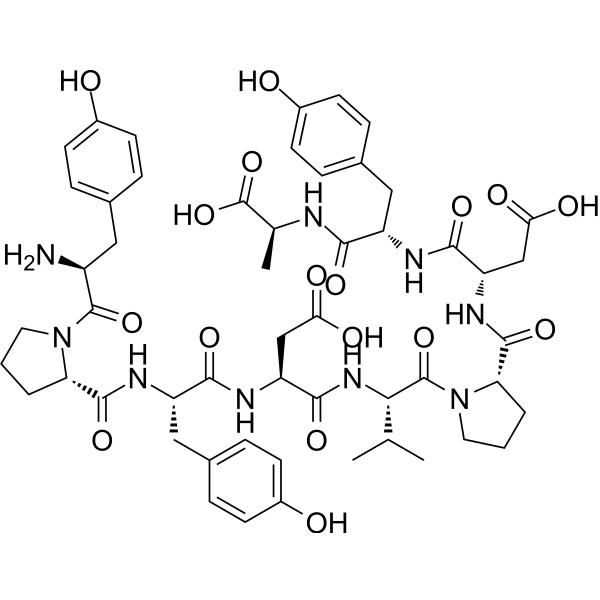
    HA Peptide
    Maximum Cited Publications
    15 Publications Verification

    Influenza Virus Inflammation/Immunology
    HA Peptide (HA tag) is a nine amino acids peptide derived from the human influenza hemagglutinin (HA). HA Peptide is extensively used to isolate, purify, detect, and track the protein of interest in cell biology and biochemistry.
    HA Peptide
  • HY-D0858
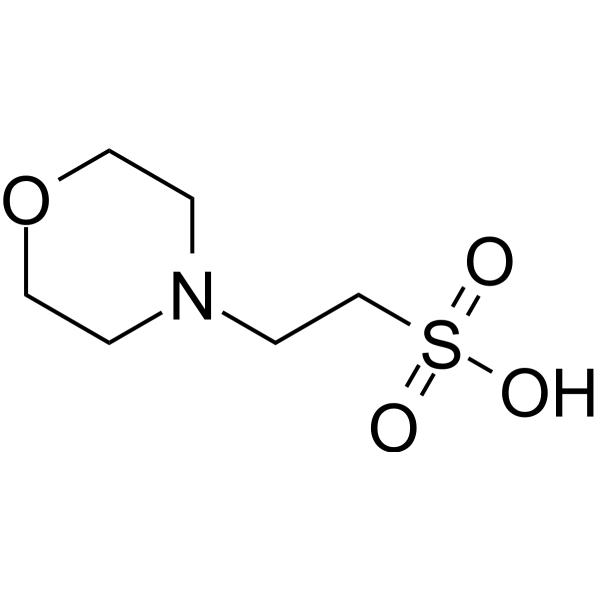
    MES
    4 Publications Verification

    2-Morpholinoethanesulphonic acid

    Biochemical Assay Reagents Others
    MES (2-Morpholinoethanesulphonic acid) is a kind of amphoteric ion buffer, the buffer capacity ranging pH 5.5-7.0. As a Good's buffer, MES is widely used in biochemistry and molecular biology experiments, such as cell culture, enzyme activity determination, electrophoresis and protein studies .
    MES
  • HY-W010572

    alpha-Thioglycerol

    Biochemical Assay Reagents Others
    1-Thioglycerol, commonly used as a reducing agent in various biochemical and biophysical applications, especially in protein chemistry and molecular biology, it can protect proteins from oxidation and denaturation, and can reduce disulfide bonds to thiols base, which can then be modified or analyzed. In addition, 1-Thioglycerol has been investigated for potential medical applications, including as an inhibitor of cystic fibrosis, which may help improve the function of lung cells, and has also been studied for Used in the preparation of metal nanoparticles and as a stabilizer for certain pharmaceutical preparations.
    1-Thioglycerol
  • HY-D0859
    MOPS
    1 Publications Verification

    Biochemical Assay Reagents Others
    MOPS is a buffering agent used in biology. MOPS buffer maintains the pH of mammalian cell culture media. MOPS significantly improves the thermal stability of BSA (HY-D0842) .
    MOPS
  • HY-109521A

    Manganese(Ⅱ) chloride tetrahydrate, molecular biology grade,≥99.0% (KT)

    Biochemical Assay Reagents Histone Acetyltransferase HDAC Neurological Disease
    Manganese chloride (tetrahydrate), molecular biology grade,≥99.0% (KT) is an orally active and a blood-brain barrier penetrant compound. It affects the activities of multiple enzymes in cells, such as regulating the activities of histone acetyltransferase (HAT) and histone deacetylase (HDAC), thereby affecting gene expression. It has multiple activities such as neurotoxicity, embryotoxicity, and reproductive toxicity. It is currently mainly used in neurodegenerative diseases and toxicology research.
    Manganese chloride tetrahydrate, molecular biology grade,≥99.0% (KT)
  • HY-D0227
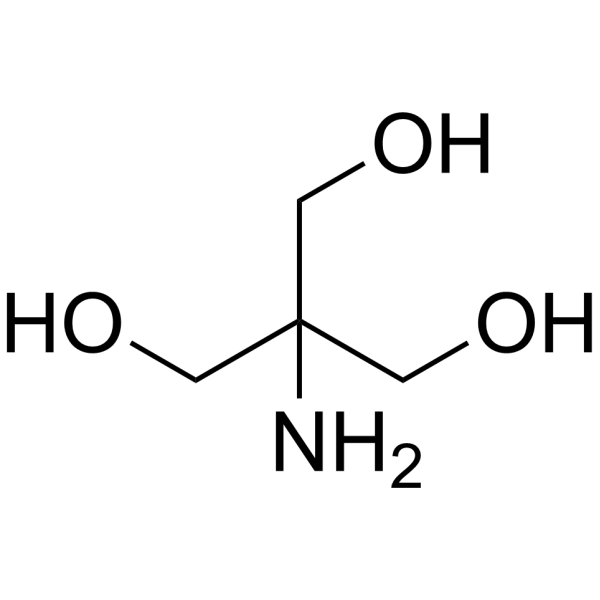
    THAM
    1 Publications Verification

    Tris; Tris(hydroxymethyl)aminomethane

    Biochemical Assay Reagents Metabolic Disease
    THAM (Tris) is a low-toxicity amino alcohol buffer, a specific CO2-consuming proton acceptor that buffers carbon dioxide and acid both in vitro and in vivo. THAM binds protons to form bicarbonate, reduces PaCO2, and induces intracellular alkalization, thereby ameliorating hypercapnia-induced elevation of pulmonary blood vessels and pulmonary arterial pressure. THAM may cause PaCO2 rebound, hypoglycemia, and respiratory depression. THAM removes amniotic epithelium and preserves the basement membrane, but depletes extracellular matrix and reduces the adhesion rate of limbal epithelial cells. THAM can act as a CO2 carrier to enhance the productivity and carbon utilization rate of Scenedesmus obliquus. THAM is a key component of buffer solutions used in various biological, cell culture, biochemical, and molecular biology applications .
    THAM
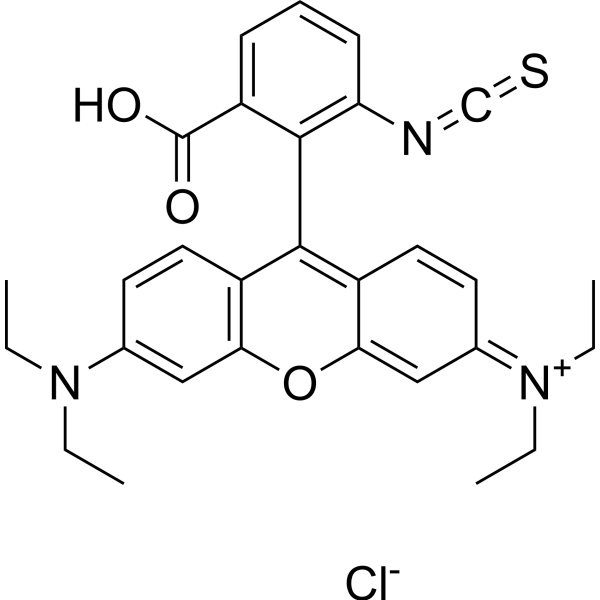
  • HY-112697
    Rhodamine B isothiocyanate
    1 Publications Verification

    Biochemical Assay Reagents Others
    Rhodamine B isothiocyanate (RBITC) is a fluorescent dye commonly used in biological imaging and labeling applications. It has an isothiocyanate functional group that can be covalently attached to amino groups on proteins and other biomolecules, making it useful for fluorescent labeling of cells and tissues. RBITC fluoresces bright orange-red under green light excitation, which makes it easy to detect and track labeled molecules in complex samples. Due to its stability and sensitivity, RBITC has been widely used in various research fields, including cell biology, immunology, and neurobiology.
    Rhodamine B isothiocyanate
  • HY-141613

    DOPS-NA

    Liposome Others
    1,2-Dioleoyl-sn-glycero-3-phospho-L-serine sodium (DOPS-NA) is a ubstitute for Phosphoserine/phosphatidylserine. 1,2-Dioleoyl-sn-glycero-3-phospho-L-serine sodium can be used together with DOPC and DOPE in lipid mixtures for the synthesis of liposomes. 1,2-Dioleoyl-sn-glycero-3-phospho-L-serine sodium can self-assemble into single-layer or double-layer membrane structures, similar to cell membranes, and possesses high membrane fluidity and flexibility. 1,2-Dioleoyl-sn-glycero-3-phospho-L-serine is widely applied in membrane biology, cell membrane research, lipid preparation, and drug delivery systems .
    1,2-Dioleoyl-sn-glycero-3-phospho-L-serine sodium
  • HY-D0858A
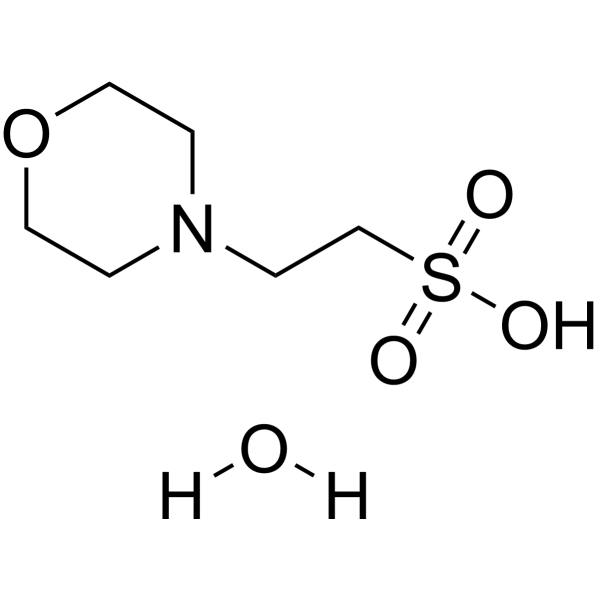
    MES monohydrate
    4 Publications Verification

    2-Morpholinoethanesulphonic acid monohydrate

    Biochemical Assay Reagents Others
    MES (2-Morpholinoethanesulphonic acid) monohydrate is a kind of amphoteric ion buffer, the buffer capacity ranging pH 5.5-7.0. As a Good's buffer, MES monohydrate is widely used in biochemistry and molecular biology experiments, such as cell culture, enzyme activity determination, electrophoresis and protein studies .
    MES monohydrate
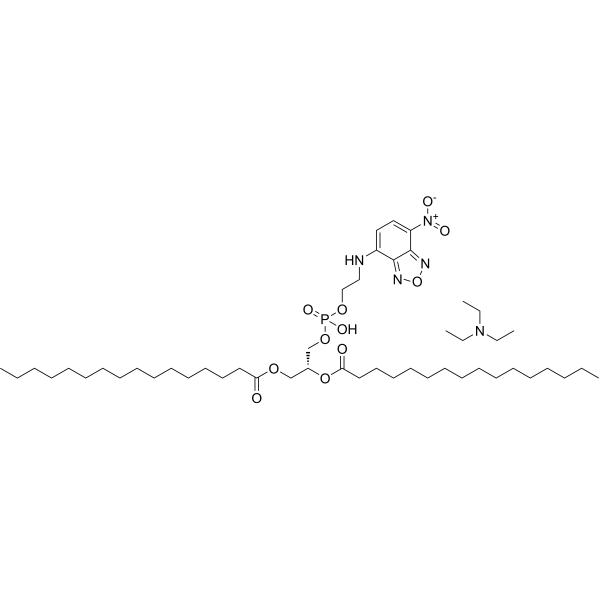
  • HY-D1683
    NBD-PE
    2 Publications Verification

    Fluorescent Dye Others
    NBD-PE is an effective lipid fluorescent probe (Excitation/Emission: 465/535 nm; Color: Green). NBD-PE offers a wide array of applications in membrane and cell biology .
    NBD-PE
  • HY-D0889
    Glycylglycine
    1 Publications Verification

    Gly-Gly; H-Gly-Gly-OH

    Endogenous Metabolite Metabolic Disease
    Glycylglycine is a non-selective glycylglycine dipeptidase substrate and iNOS inhibitor. Glycylglycine can cross the cell membrane by passive diffusion and is hydrolyzed to glycine in the cell, participating in energy metabolism and antioxidant processes. Glycylglycine promotes spermatogonial stem cells (SSCs) proliferation, inhibits astrocyte overactivation and reduces nitric oxide (NO) release, while upregulating the expression of neurotrophic factors (such as PDGFA, FGF2, CNTF) to support nerve myelin repair. Glycylglycine can be used to study male reproductive biology (such as SSCs proliferation regulation) and neurodegenerative diseases (such as neuroprotective mechanisms in multiple sclerosis) .
    Glycylglycine
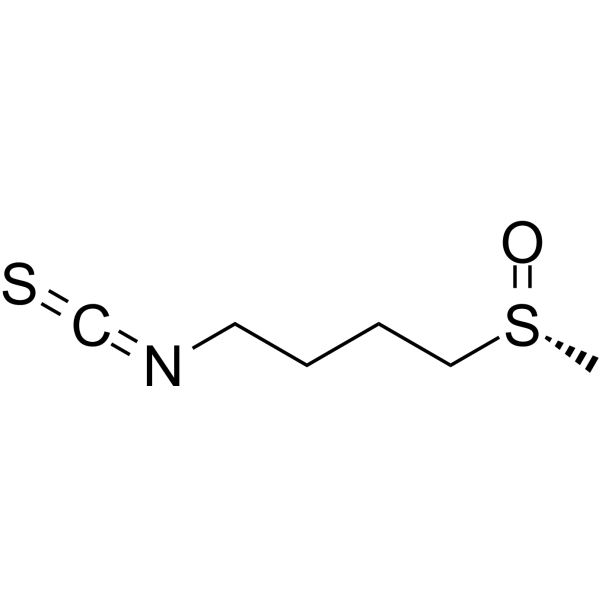
  • HY-13755A
    (R)-Sulforaphane
    2 Publications Verification

    L-Sulforaphane

    Keap1-Nrf2 Bcl-2 Family Caspase Reactive Oxygen Species (ROS) NF-κB Inflammation/Immunology Cancer
    (R)-Sulforaphane (L-Sulforaphane) is a orally active, potent inducer of the Keap1/Nrf2/ARE pathway, exhibiting antioxidant and anticancer activities. (R)-Sulforaphane primarily functions by upregulating phase II detoxifying enzymes in cells, aiding in the removal of carcinogens and combating oxidative stress. (R)-Sulforaphane is capable of modulating gene expression, influencing various signaling pathways, including Nrf2, NF-κB, and AP-1. (R)-Sulforaphane can be used in studies of tumor biology, antioxidant defense mechanisms, as well as inflammation and immune responses .
    (R)-Sulforaphane
  • HY-12316
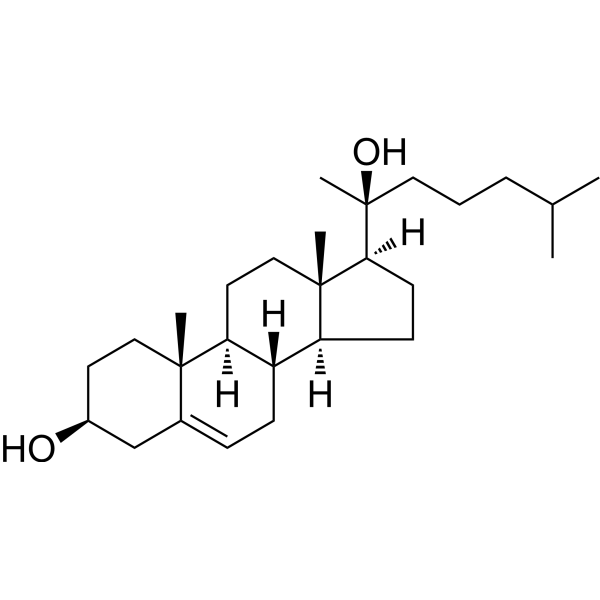
    20(S)-Hydroxycholesterol
    3 Publications Verification

    20α-Hydroxycholesterol

    Smo Endogenous Metabolite Cardiovascular Disease Metabolic Disease Cancer
    20(S)-Hydroxycholesterol (20α-Hydroxycholesterol) is an allosteric activator that selectively targets the Smoothened (Smo) of the Hedgehog pathway with an EC50 of ~30 μM (Hedgehog). 20(S)-Hydroxycholesterol binds to the extracellular cysteine-rich domain (CRD) of Smo in a stereoselective manner, activating downstream Gli transcription factors (without inducing transcription of receptor genes in the Wnt pathway). 20(S)-Hydroxycholesterol enhances osteogenic differentiation of bone marrow stromal cells and synergistically activates the Raf/MEK/ERK pathway with Simvastatin (HY-17502) to promote bone regeneration. 20(S)-Hydroxycholesterol can be used to study the mechanisms of developmental biology, oncology, bone, and angiogenesis .
    20(S)-Hydroxycholesterol
  • HY-D2906

    Fluorescent Dye Others
    Alexa fluor 647 maleimide is a bright, far-red-emitting fluorescent dye for labeling of protein SH groups (Ex/Em = 656/670 nm). Alexa fluor 647 maleimide can be used to attach AF 647 fluorophore to proteins and peptides containing cysteine residues, as well as to other thiolated molecules (such as thiol-containing oligonucleotides). Alexa Fluor 647 maleimide is promising for research of cell biology, neuroscience, and disease diagnostics .
    Alexa fluor 647 maleimide
  • HY-D0166A

    Biochemical Assay Reagents Others
    Neutral Red (IND) is an organic dye commonly used in biology and cytology laboratories. It can be used to stain living cells, secreted proteins and other molecular structures, etc., and has a wide range of applications in cell imaging and staining. In addition, Neutral Red (IND) is widely used in industrial fields such as water treatment, food processing and paper manufacturing, for example as an indicator or colorant. Although the compound has no direct medical application, it has important application value in the fields of biology, chemistry and industry.
    Neutral Red (IND)
  • HY-W127703
    Octadecyl Rhodamine B chloride
    1 Publications Verification

    Fluorescent Dye Biochemical Assay Reagents Others
    Octadecyl Rhodamine B chloride is an amphiphilic fluorescent probe with both membrane-binding ability and fluorescent properties, which easily forms aggregates in aqueous phase leading to self-quenching. Octadecyl Rhodamine B chloride can be used for cell membrane staining and further applied in membrane biology research. The maximum absorption/emission wavelengths of Octadecyl Rhodamine B chloride monomer in Triton X-100 are 565 nm/585 nm; the absorption peaks of aggregates in water are blue-shifted to 524 nm and 574 nm, with significantly quenched fluorescence .
    Octadecyl Rhodamine B chloride
  • HY-D0859A
    MOPS sodium salt
    1 Publications Verification

    Biochemical Assay Reagents Others
    MOPS sodium salt is a buffering agent used in biology. MOPS buffer maintains the pH of mammalian cell culture media. MOPS sodium salt significantly improves the thermal stability of BSA (HY-D0842) .
    MOPS sodium salt
  • HY-D0858C
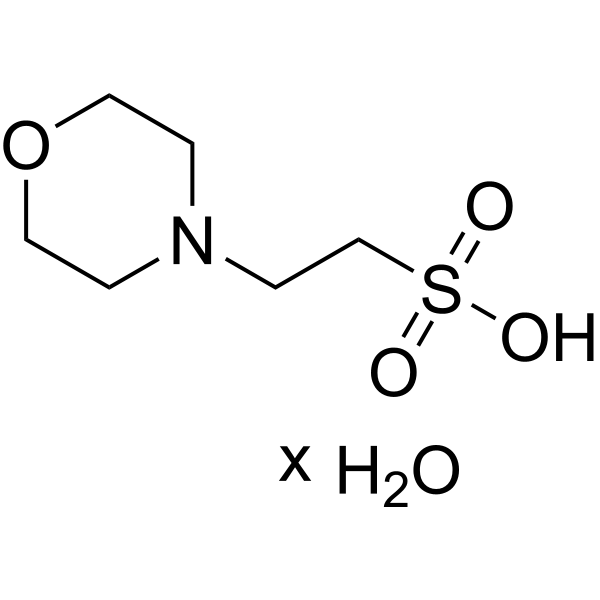
    MES hydrate
    4 Publications Verification

    2-Morpholinoethanesulphonic acid hydrate

    Biochemical Assay Reagents Others
    MES (2-Morpholinoethanesulphonic acid) hydrate is a kind of amphoteric ion buffer, the buffer capacity ranging pH 5.5-7.0. As a Good's buffer, MES hydrate is widely used in biochemistry and molecular biology experiments, such as cell culture, enzyme activity determination, electrophoresis and protein studies .
    MES hydrate
  • HY-D0858E
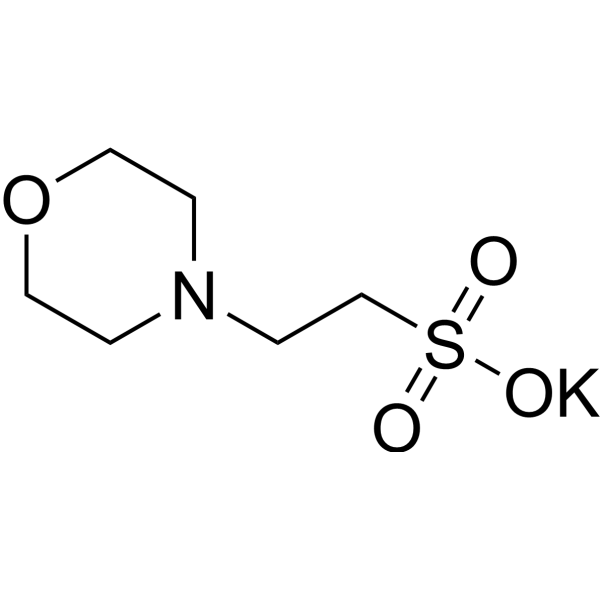
    MES potassium
    4 Publications Verification

    2-Morpholinoethanesulphonic acid potassium

    Biochemical Assay Reagents Others
    MES (2-Morpholinoethanesulphonic acid) potassium is a kind of amphoteric ion buffer, the buffer capacity ranging pH 5.5-7.0. As a Good's buffer, MES potassium is widely used in biochemistry and molecular biology experiments, such as cell culture, enzyme activity determination, electrophoresis and protein studies .
    MES potassium
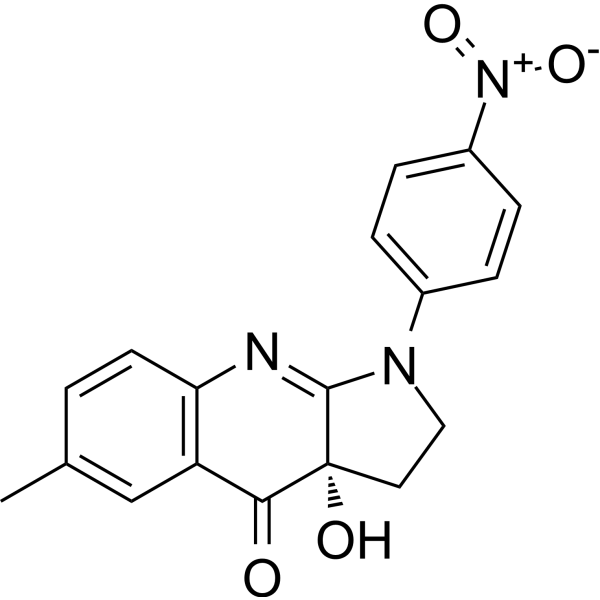
  • HY-120870
    para-Nitroblebbistatin
    2 Publications Verification

    Myosin Metabolic Disease
    para-Nitroblebbistatin is a derivative of Blebbistatin (HY-13813) and an inhibitor of myosin II. para-Nitroblebbistatin is photostable, non-cytotoxic, and non-phototoxic. para-Nitroblebbistatin can serve as an ideal substitute for Blebbistatin (HY-13813) to study the role of myosin II in physiology, development, and cell biology .
    para-Nitroblebbistatin
  • HY-N10264

    (+)-Avrainvillamide; CJ-17,665

    Antibiotic Infection Cancer
    Avrainvillamide ((+)-Avrainvillamide) is a naturally occurring alkaloid with antiproliferative effects, binds to the nuclear chaperone nucleophosmin, a proposed oncogenic protein that is overexpressed in many different human tumors. Avrainvillamide affects cell biology both by directly binding NPM1 and Crm1 as well as by inhibiting the association of these proteins with certain native cellular partners. Avrainvillamide, an antibiotic, inhibits growth of multi-agent resistant Staphylococcus aureus, Streptococcus pyogenes, and Enterococcus faecalis, with MICs of 12.5, 12.5 and 25 μg/ml, respectively .
    Avrainvillamide
  • HY-D0858B
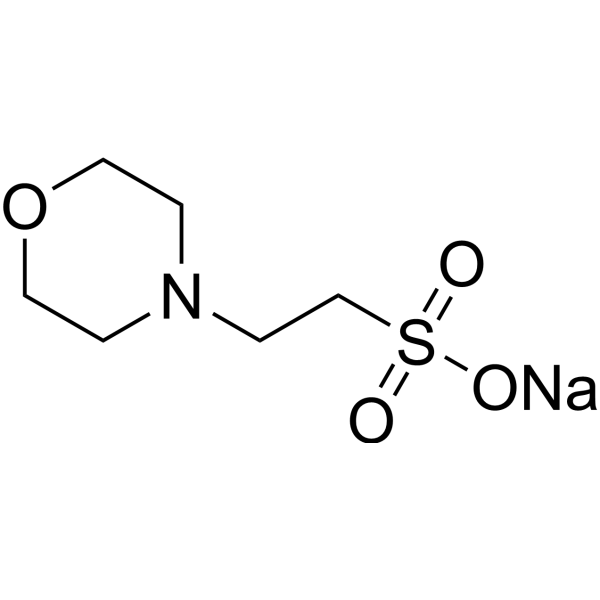
    MES sodium salt
    4 Publications Verification

    2-Morpholinoethanesulphonic acid sodium salt

    Biochemical Assay Reagents Others
    MES sodium salt (2-Morpholinoethanesulphonic acid) is a kind of amphoteric ion buffer, the buffer capacity ranging pH 5.5-7.0. As a Good's buffer, MES sodium salt is widely used in biochemistry and molecular biology experiments, such as cell culture, enzyme activity determination, electrophoresis and protein studies .
    MES sodium salt
  • HY-P0239A
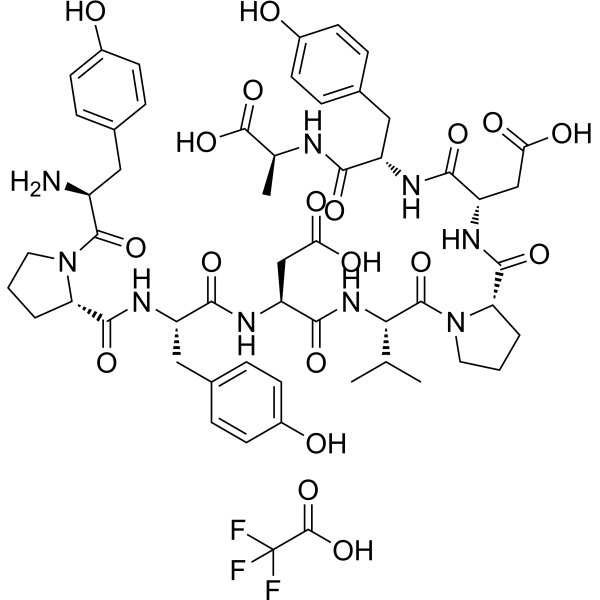
    HA Peptide TFA
    Maximum Cited Publications
    15 Publications Verification

    Influenza Virus Inflammation/Immunology
    HA Peptide (TFA) is a nine amino acids peptide derived from the human influenza hemagglutinin (HA). HA Peptide (TFA) is extensively used to isolate, purify, detect, and track the protein of interest in cell biology and biochemistry .
    HA Peptide TFA
  • HY-W587552

    Liposome Endogenous Metabolite
    1,3-Diolein is a phospholipid compound that has the activity of regulating cell membrane fluidity and signal transduction. 1,3-Diolein is widely used in cell biology research to study lipid-mediated signal transduction pathways and membrane protein interactions. 1,3-Diolein can also serve as a functional carrier in compound delivery systems to help improve the bioavailability of compounds.
    1,3-Diolein
  • HY-W088069

    Biochemical Assay Reagents Others
    Dipotassium hydrogen phosphate trihydrate, which is commonly used as a buffer and source of phosphorus and potassium in various applications, such as fertilizers, food processing, and pharmaceuticals, in biochemistry and molecular biology, Dipotassium hydrogen phosphate trihydrate is used in the preparation of cell culture media And reagent buffer system, in addition, it has been used in analytical chemistry as a reagent for the determination of calcium and magnesium ions in water samples.
    Dipotassium hydrogen phosphate trihydrate
  • HY-D0227J

    Tris HCl (≥99%, for cell culture); Tris hydrochloride (≥99%, for cell culture)

    Biochemical Assay Reagents Metabolic Disease
    THAM hydrochloride (≥99%, for cell culture) is a low-toxicity amino alcohol buffer, a specific CO2-consuming proton acceptor that buffers carbon dioxide and acid both in vitro and in vivo. THAM hydrochloride (≥99%, for cell culture) binds protons to form bicarbonate, reduces PaCO2, and induces intracellular alkalization, thereby ameliorating hypercapnia-induced elevation of pulmonary blood vessels and pulmonary arterial pressure. THAM hydrochloride (≥99%, for cell culture) may cause PaCO2 rebound, hypoglycemia, and respiratory depression. THAM hydrochloride (≥99%, for cell culture) removes amniotic epithelium and preserves the basement membrane, but depletes extracellular matrix and reduces the adhesion rate of limbal epithelial cells. THAM hydrochloride (≥99%, for cell culture) can act as a CO2 carrier to enhance the productivity and carbon utilization rate of Scenedesmus obliquus. THAM hydrochloride (≥99%, for cell culture) is a key component of buffer solutions used in various biological, cell culture, biochemical, and molecular biology applications .
    THAM hydrochloride (≥99%, for cell culture)
  • HY-142980

    Dioleoylphosphatidylglycerol

    Liposome Inflammation/Immunology
    DOPG (Dioleoylphosphatidylglycerol) is a negatively charged phosphatidylglycerol phospholipid. DOPG is abundant in prokaryotic cell membranes and mitochondria, and has a low phase transition temperature and a tendency to form stable vesicles. DOPG inhibits the production of inflammatory mediators in macrophages in response to heat shock protein B4 (HSPB4)-activated toll-like receptor 2 (TLR2). DOPG is applicable to studies of membrane biology, drug-membrane interactions (especially in systems targeting negatively charged membranes), construction of drug delivery carriers, as well as research on sterile corneal inflammation and wound healing promotion .
    DOPG
  • HY-W753658

    Fluorescent Dye Others
    Coppersensor-3 (CS3) is a bright small-molecule fluorescent probe for selective Cu(I) detection. Coppersensor-3 is selective and sensitive enough to image labile copper pools in living cells at endogenous, basal levels. Coppersensor-3 can be used for the cell biology of copper research .
    Coppersensor-3
  • HY-D0830

    Fluorexon tetraethyl ester

    Fluorescent Dye Others
    Calcein tetraethyl ester is a tetraethylated derivative of calcein, with its core function serving as a live cell-specific fluorescent tracer. Calcein tetraethyl ester can diffuse between human periodontal ligament cells via gap junctions, thus enabling the evaluation of gap junction intercellular communication function, and its diffusion is enhanced under hydrogen peroxide induction. Calcein tetraethyl ester can be applied in the fields of cell biology and fluorescent labeling .
    Calcein (tetraethyl ester)
  • HY-162266

    Ser/Thr Protease Cancer
    C3TD879 is a Type I kinase inhibitor that potently inhibits CITK catalytic activity (IC50 = 12 nM). C3TD879 binds directly to full-length human CITK in cells (NanoBRET Kd < 10 nM). C3TD879 is a chemical probe suitable for interrogating the complex biology of CITK .
    C3TD879
  • HY-Y1269D

    Salmiac, for molecular biology

    TGF-beta/Smad Apoptosis Chloride Channel Neurological Disease Cancer
    Ammonium chloride (Salmiac), for molecular biology is an inhibitor of Slc26a4 and SMAD2. Ammonium chloride, for molecular biology reduces the protein expression level of Slc26a4 in lung tissue, and attenuates ozone-induced increases in proinflammatory cytokines, inflammatory cells, pulmonary resistance, goblet cell hyperplasia, peribronchial inflammation and thiocyanate levels in mouse tissues and bronchoalveolar lavage fluid. Ammonium chloride, for molecular biology decreases the level of phosphorylated SMAD2, inhibits autophagy by reducing autophagy-related proteins, and enhances Cisplatin (HY-17394)-induced cancer cell apoptosis and DNA double-strand breaks. Ammonium chloride, for molecular biology also inhibits the TCA cycle, reduces ATP production, increases glucose utilization, regulates the levels of lactic acid, glutamic acid and ATP, and induces morphological degeneration of neuroblastoma cells. Ammonium chloride, for molecular biology can be used in studies related to ozone-induced airway injury, hepatocellular carcinoma, human cervical cancer, hepatic encephalopathy, Reye syndrome, epilepsy and neurodegenerative diseases .
    Ammonium chloride, for molecular biology
  • HY-169789

    PI3K Metabolic Disease Cancer
    PKN3-IN-1 (compound 16) inhibits PKN3 (serine/threonine protein kinase 3) and GAK (cyclin G-associated kinase) with IC50 of 0.014 μM and Ki of 0.0044 μM respectively. PKN3-IN-1 is a potential tool compound to study the cell biology of PKN3 and its role in pancreatic and prostate cancer and T-cell acute lymphoblastic leukemia .
    PKN3-IN-1
  • HY-D0858S

    Isotope-Labeled Compounds Biochemical Assay Reagents Others
    MES-d13 is the deuterium labeled MES. MES (2-Morpholinoethanesulphonic acid) is a kind of amphoteric ion buffer, the buffer capacity ranging pH 5.5-7.0. As a Good's buffer, MES is widely used in biochemistry and molecular biology experiments, such as cell culture, enzyme activity determination, electrophoresis and protein studies .
    MES-d13
  • HY-D0858AR

    2-Morpholinoethanesulphonic acid monohydrate (Standard)

    Biochemical Assay Reagents Reference Standards Others
    MES (monohydrate) (Standard) is the analytical standard of MES (monohydrate). This product is intended for research and analytical applications. MES (2-Morpholinoethanesulphonic acid) is a kind of amphoteric ion buffer, the buffer capacity ranging pH 5.5-7.0. As a Good's buffer, MES is widely used in biochemistry and molecular biology experiments, such as cell culture, enzyme activity determination, electrophoresis and protein studies .
    MES monohydrate (Standard)
  • HY-W181026

    Fluorescent Dye Inflammation/Immunology
    KLF10-IN-1 (#48-15) is a KLF10 inhibitor with an IC50 value of 40 μM for KLF10 reporter gene. KLF10-IN-1 can inhibit KLF10-DNA binding and transcriptional activity, block the conversion of CD4+CD25 T cells to CD4+CD25+T regulatory cells, and inhibit the expression of KLF10 target genes. KLF10-IN-1 can be used as a useful mechanistic probe to study KLF10-mediated effects and T regulatory cell biology .
    KLF10-IN-1
  • HY-D0889R

    Gly-Gly (Standard); H-Gly-Gly-OH (Standard)

    Reference Standards Endogenous Metabolite Metabolic Disease
    Glycylglycine (Standard) is the analytical standard of Glycylglycine (HY-D0889). This product is intended for research and analytical applications. Glycylglycine is a non-selective glycylglycine dipeptidase substrate and iNOS inhibitor. Glycylglycine can cross the cell membrane by passive diffusion and is hydrolyzed to glycine in the cell, participating in energy metabolism and antioxidant processes. Glycylglycine promotes spermatogonial stem cells (SSCs) proliferation, inhibits astrocyte overactivation and reduces nitric oxide (NO) release, while upregulating the expression of neurotrophic factors (such as PDGFA, FGF2, CNTF) to support nerve myelin repair. Glycylglycine can be used to study male reproductive biology (such as SSCs proliferation regulation) and neurodegenerative diseases (such as neuroprotective mechanisms in multiple sclerosis) .
    Glycylglycine (Standard)
  • HY-W127409

    Biochemical Assay Reagents Others
    1,2-Dimyristoyl-rac-glycerol (C14:0) is a carboxylic acid ester, glycerolipid and diglyceride with an additional myristoyl group that facilitates interactions between proteins and lipids. Can be used as detergent or reagent. It plays a role in cell biology experiments involving the metabolism and metabolic pathways of glycerolipids. As a diglyceride, this substance consists of two fatty acid chains covalently bonded in the 1,2-form to a glycerol molecule. The diglyceride (DAG) study investigated the process by which DAG is depleted to inhibit fat accumulation. Reagent grade, for research use only.
    1,2-Dimyristoyl-rac-glycerol
  • HY-169838

    Biochemical Assay Reagents Others
    WYneC can specifically bind to sulfinylated proteins in living cells and then react with fluorescent probes containing azide groups for detection. In the field of redox biology, WYneC can also be used to determine the occupancy of S-sulfinylation sites or as a carrier to deliver substances to mitochondria .
    WYneC
  • HY-D0858D
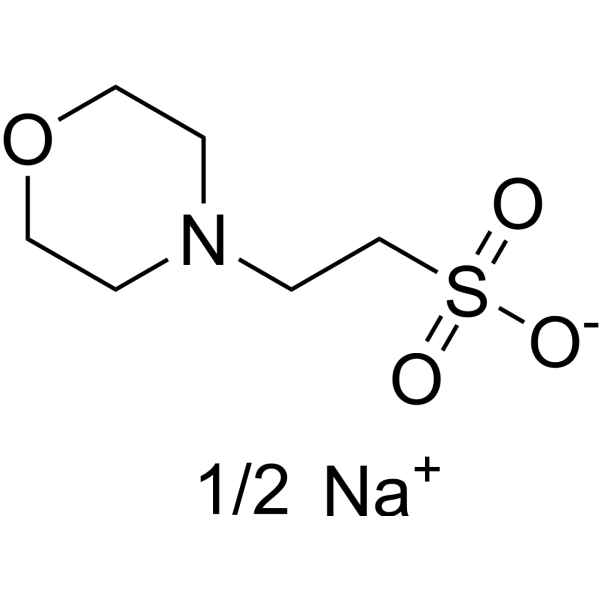
    MES hemisodium
    4 Publications Verification

    2-Morpholinoethanesulphonic acid hemisodium

    Biochemical Assay Reagents Others
    MES (2-Morpholinoethanesulphonic acid) hemisodium is a kind of amphoteric ion buffer, the buffer capacity ranging pH 5.5-7.0. As a Good's buffer, MES hemisodium is widely used in biochemistry and molecular biology experiments, such as cell culture, enzyme activity determination, electrophoresis and protein studies .
    MES hemisodium
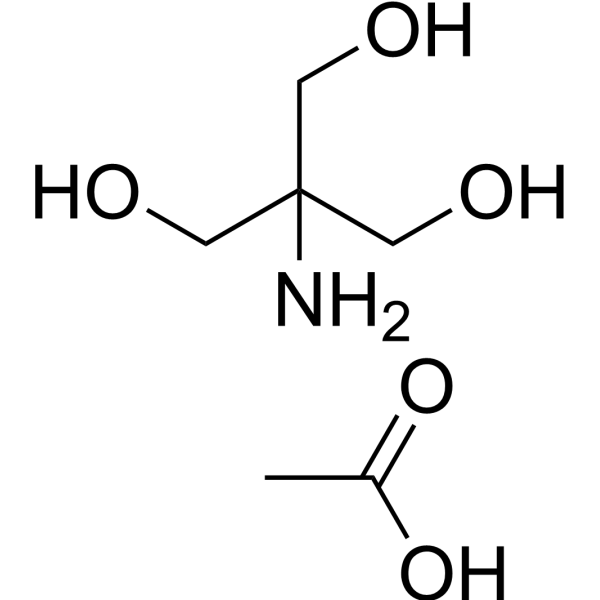
  • HY-D0227B
    THAM acetate
    1 Publications Verification

    Tris acetate; Tris(hydroxymethyl)aminomethane acetate

    Biochemical Assay Reagents Metabolic Disease
    THAM acetate is a low-toxicity amino alcohol buffer, a CO2-consuming proton acceptor that buffers carbon dioxide and acid both in vitro and in vivo. THAM acetate binds protons to form bicarbonate, reduces PaCO2, and induces intracellular alkalization, thereby ameliorating hypercapnia-induced elevation of pulmonary blood vessels and pulmonary arterial pressure. THAM acetate may cause PaCO2 rebound, hypoglycemia, and respiratory depression. THAM acetate removes amniotic epithelium and preserves the basement membrane, but depletes extracellular matrix and reduces the adhesion rate of limbal epithelial cells. THAM acetate can act as a CO2 carrier to enhance the productivity and carbon utilization rate of Scenedesmus obliquus. THAM acetate is a key component of buffer solutions used in various biological, cell culture, biochemical, and molecular biology applications .
    THAM acetate
  • HY-W342092

    Biochemical Assay Reagents Endogenous Metabolite
    1,3,4,6-Tetrachloro-3α,6α-diphenylglycouril is a chemical agent that has the property of inhibiting enzyme activity in organisms. 1,3,4,6-Tetrachloro-3α,6α-diphenylglycouril is used as a potential anti-tumor agent in compound development. 1,3,4,6-Tetrachloro-3α,6α-diphenylglycouril has the effect of regulating cell signaling pathways and can be used to study cell biology. 1,3,4,6-Tetrachloro-3α,6α-diphenylglycouril is considered to be a potent compound that can exert biological activity under specific conditions.
    1,3,4,6-Tetrachloro-3α,6α-diphenylglycouril
  • HY-D0895

    Fluorescent Dye Others
    3,4,5,6-Tetrabromophenolsulfonephthalein is a stain for cell biology .
    3,4,5,6-Tetrabromophenolsulfonephthalein
  • HY-D1886

    Fluorescent Dye Others
    Vari Fluor 647 SE is a fluorescent dye, SE stands for "succinimidyl ester". Vari Fluor 647 SE belongs to the Vari Fluor family of labeling reagents used in cell and molecular biology research. Vari Fluor 647 SE can react with an amino group to form a covalent bond, thereby introducing Vari Fluor 647 dye into the target molecule or cell. Vari Fluor 647 SE is a reactive dye that produces a fluorescent signal after binding to a target molecule or cell.
    Vari Fluor 647 SE
  • HY-P10421

    ERK Cancer
    PKCδ substrate acts as a nuclear transporter of ERK2 and is involved in ERK2 mediated gene activation. PKCδ is involved in the regulation of cell growth, proliferation, cell cycle arrest, and apoptosis by phosphorylating hBVR and other proteins. PKCδ substrate can be used to study the development of diseases, especially cancer biology .
    PKCδ substrate
  • HY-W127628

    Biochemical Assay Reagents Others
    Decyl β-D-glucopyranoside is a nonionic surfactant commonly used in biochemical and molecular biology research. It can be used for the extraction, purification and structural analysis of cell membranes, and is widely used in the fields of proteomics and genetic engineering. In addition, this compound is also used as an auxiliary reagent and dehydrating agent in some biochemical experiments.
    Decyl β-D-glucopyranoside
  • HY-178150

    Wee1 Cancer
    WEE1-IN-14 (Compound 14) is a selective WEE1 inhibitor (IC50: 0.5 nM in L-RB-FEP calculations, 1.0 nM in ADP-Glo kinase assay). Inhibition of Wee1 in cancer cells disrupts the G2-M checkpoint, removes the regulatory controls on the cell cycle, and leads to early onset of mitotic failure followed by apoptosis of tumor cells. Therefore, WEE1-IN-14 is a useful tool for studying cancer biology .
    WEE1-IN-14
  • HY-P1138

    FSVYWAQADR

    Gap Junction Protein Others
    Scrambled 10Panx (FSVYWAQADR) is a random sequence variant of a specific inhibitory peptide 10Panx targeted at the half-channel of Pannexin-1 (Panx1). Scrambled 10Panx is used as a control peptide to determine whether other experimental conditions or peptides act through specific molecular mechanisms. Scrambled 10Panx can be used for research in neurobiology and cell biology .
    Scrambled 10Panx
  • HY-121282B

    Pecazine acetate

    Apoptosis MALT1 Others
    Mepazine acetate (Pecazine acetate) is a drug that has the activity to inhibit the protease activity of MALT1. Mepazine acetate is often used to study the role of MALT1 in biology. Treatment of mouse bone marrow precursor cells with mepazine acetate strongly inhibited RANK ligand (RANKL)-induced osteoclast formation. Mepazine acetate also inhibited the expression of multiple osteoclast markers such as TRAP, feline hepsin K, and calcitonin. The protective effect of mepazine acetate was not affected by MALT1 deficiency. The mechanism of action of mepazine acetate may involve MALT1-independent mechanisms, and this aspect needs to be considered in future studies .
    Mepazine acetate
  • HY-W414447

    DB1

    Biochemical Assay Reagents Others
    Disperse blue 1 is an organic dye. Disperse blue 1 can be used in staining experiments in biology to stain cells and tissues .
    Disperse blue 1
  • HY-174675

    mRNA Cancer
    Human GATA3 mRNA encodes the human GATA binding protein 3 (GATA3) which belongs to the GATA family. GATA3 is an important regulator of T-cell development. It also plays an important role in endothelial cell biology.
    Human GATA3 mRNA

Inquiry Online

Your information is safe with us. * Required Fields.

Salutation


Country or Region *

Applicant Name *


Organization Name *

Department *


Email Address *


Product Name *

Cat. No.


Requested quantity *

Phone Number *


Remarks

Inquiry Online

Inquiry Information

Product Name:
Cat. No.:
Quantity:
MCE Japan Authorized Agent:

