1. Search Result
Search Result
Pathways Recommended: Immunology/Inflammation
Results for "

chronic liver inflammation

" in MedChemExpress (MCE) Product Catalog:

18

Inhibitors & Agonists

2

Screening Libraries

2

Biochemical Assay Reagents

2

Peptides

4

Natural
Products

3

Isotope-Labeled Compounds

Targets Recommended:
Cat. No. Product Name Target Research Areas Chemical Structure
  • HY-14648A
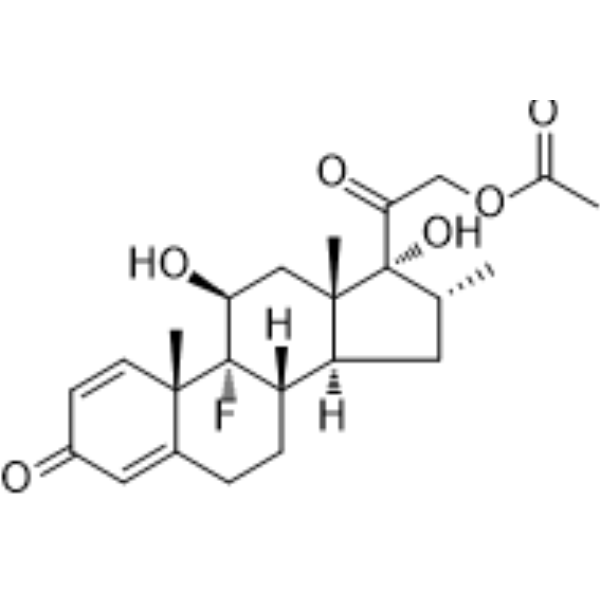
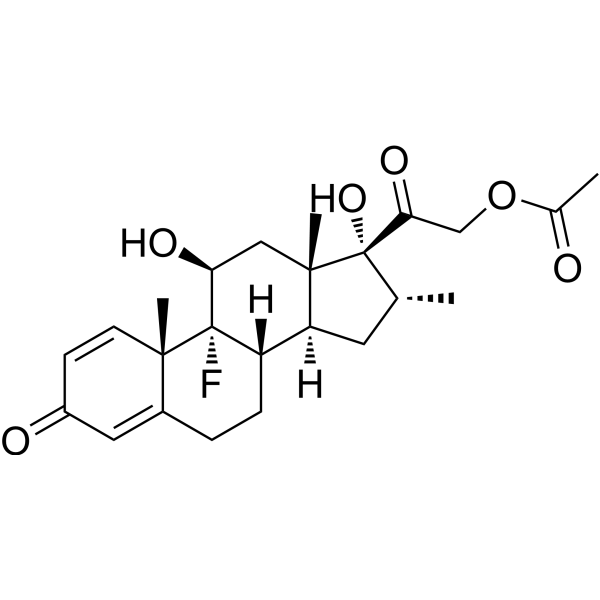
    Dexamethasone acetate
    Maximum Cited Publications
    6 Publications Verification

    Dexamethasone 21-acetate; Hexadecadrol acetate

    Glucocorticoid Receptor Inflammation/Immunology
    Dexamethasone acetate (Dexamethasone 21-acetate) is the acetate form of the glucocorticoid Dexamethasone (HY-14648). Dexamethasone acetate has a longer duration of action than Dexamethasone. Dexamethasone acetate can accumulate at inflammatory sites, in mouse liver and mouse lung via nanostructured lipid carriers. Dexamethasone acetate can be used to prepare topical formulations for studies related to sensorineural hearing loss, γ-carrageenan-induced paw edema, chronic active hepatitis, pulmonary diseases, and inflammation after vitreoretinal surgery .
    Dexamethasone acetate
  • HY-117985B
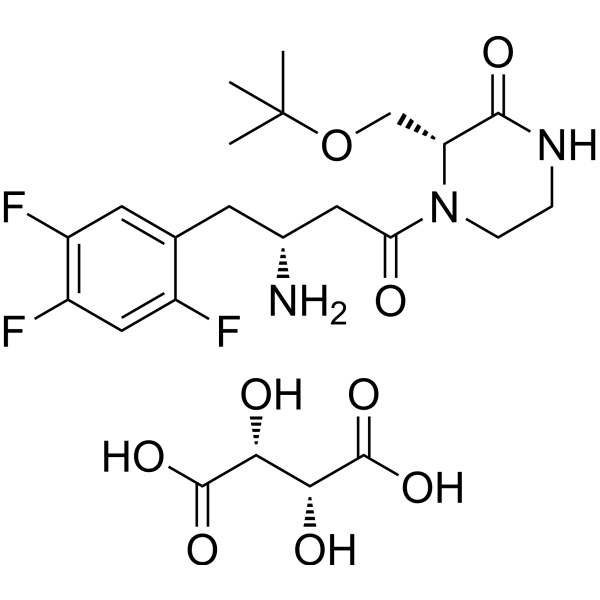
    Evogliptin tartrate
    1 Publications Verification

    DA-1229 tartrate

    Dipeptidyl Peptidase Autophagy Metabolic Disease Inflammation/Immunology
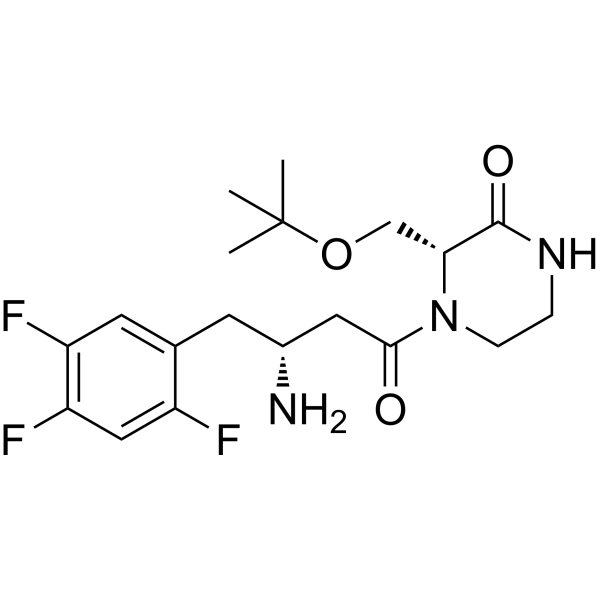
    Evogliptin (DA-1229) tartrate is an orally active DPP4 inhibitor with significant and sustained hypoglycaemic effects in mouse models. Evogliptin tartrate also inhibits the production of inflammatory and fibrotic signals in hepatocytes by inducing autophagy. Evogliptin tartrate can be used in studies of type 2 diabetes, osteoporosis, renal impairment and chronic liver inflammation .
    Evogliptin tartrate
  • HY-W011927

    Bisphenol S; Bis(4-hydroxyphenyl) sulfone

    Estrogen Receptor/ERR Histone Methyltransferase Thyroid Hormone Receptor PI3K Akt mTOR Androgen Receptor Drug Derivative Cardiovascular Disease Neurological Disease Metabolic Disease Inflammation/Immunology Cancer
    4,4'-Sulfonyldiphenol (Bisphenol S; Bis(4-hydroxyphenyl) sulfone), a substitute for Bisphenol A (HY-18260), is widely used in industrial and consumer products. 4,4'-Sulfonyldiphenol is an oally ative estrogen receptor (ER) agonist and can competitively bind to thyroid hormone receptors (TR) with IC50 values for TRα and TRβ are 2650 μM and 2294 μM respectively, thereby affecting breast development and reducing the expression of androgen receptor (AR) in fetal testes. 4,4'-Sulfonyldiphenol promotes the progression of glioblastoma by upregulating the EZH2 mediated PI3K/AKT/mTOR pathway. Under chronic exposure, 4,4'-Sulfonyldiphenol can cause significant lipid deposition and dyslipidemia in the mouse liver by upregulating JunB and Atf3, and has a role in causing obesity at low doses. 4,4'-Sulfonyldiphenol induces intestinal inflammation by altering the intestinal microbiome. 4,4'-Sulfonyldiphenol accelerates the progression of atherosclerosis in zebrafish embryo larvae .
    4,4'-Sulfonyldiphenol
  • HY-N1990
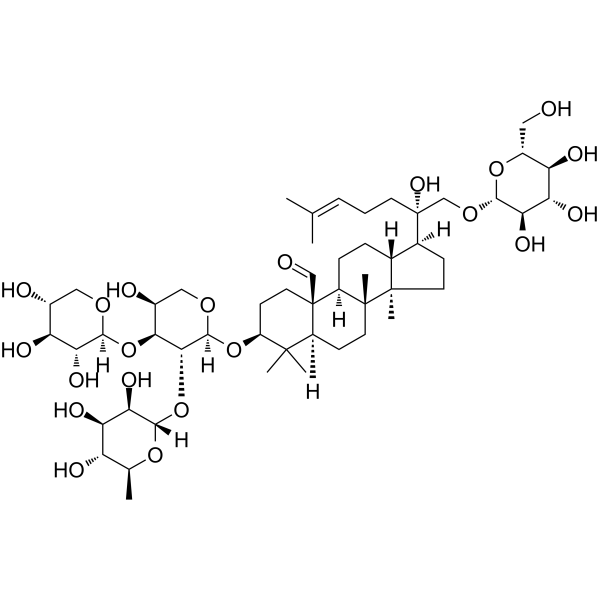
    Gypenoside XLIX
    2 Publications Verification

    PPAR Sirtuin Keap1-Nrf2 Toll-like Receptor (TLR) NF-κB Reactive Oxygen Species (ROS) NOD-like Receptor (NLR) Apoptosis Pyroptosis Autophagy Cardiovascular Disease Neurological Disease Metabolic Disease Inflammation/Immunology
    Gypenoside XLIX is a multifunctional bioactive compound that can be isolated from Gynostemma pentaphyllum, with a Ka value of 1.58 μM for its binding to SIRT1. Gypenoside XLIX acts as a PPAR-α agonist. It inhibits the activation of TLR4-mediated NF-κB signaling pathway by activating the Sirt1/Nrf2 signaling pathway, reduces ROS accumulation, and alleviates hepatic inflammatory injury in mice with sepsis-induced liver disease. Gypenoside XLIX targets SIRT1 to block YAP-NLRP3 activation and improve sepsis-induced cardiomyopathy. Gypenoside XLIX inhibits apoptosis (Apoptosis), pyroptosis (Pyroptosis), autophagy (Autophagy), lipid peroxidation, pro-inflammatory cytokines and anti-inflammatory cytokines. Gypenoside XLIX alleviates sepsis-induced splenic injury by inhibiting inflammation and oxidative stress, and mitigates sepsis-associated encephalopathy by targeting PPAR-α. Gypenoside XLIX prevents acute kidney injury by inhibiting IGFBP7/IGF1R-mediated programmed cell death and inflammation. Gypenoside XLIX inhibits the expression and activity of vascular cell adhesion molecule-1 in cytokine-induced human endothelial cells. Gypenoside XLIX is applicable to research related to acute liver injury, lung injury, cardiomyopathy, acute splenic injury, sepsis-associated encephalopathy, acute kidney injury, atherosclerosis and chronic inflammation .
    Gypenoside XLIX
  • HY-N0444

    Reactive Oxygen Species (ROS) Inflammation/Immunology
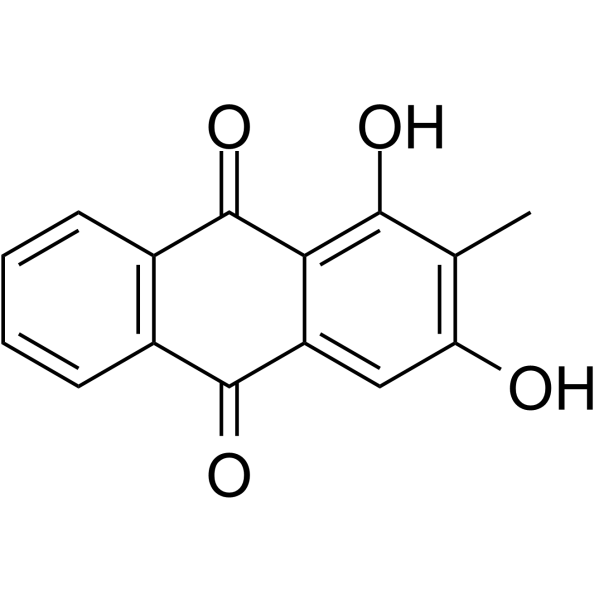
    Rubiadin is an orally active polyketide-derived compound and free radical scavenger that inhibits the activation of the NF-κB pathway. Rubiadin inhibits osteoclast formation, bone resorption, lipid peroxidation, HBV DNA replication and cancer cell proliferation; reduces pro-inflammatory cytokine levels; induces cancer cell apoptosis; and possesses antifungal, antimalarial, antibacterial and anticonvulsant activities. Rubiadin can be used in the research of osteoporosis, acute inflammation, chronic inflammation, carbon tetrachloride-induced liver injury, Alzheimer's disease, breast cancer, iron overload disorders, hepatitis B virus infection, colon cancer, liver cancer, T-lymphocytic leukemia, cervical cancer, diabetic nephropathy, epileptic seizures, fungal infections, malaria and bacterial infections .
    Rubiadin
  • HY-W011641
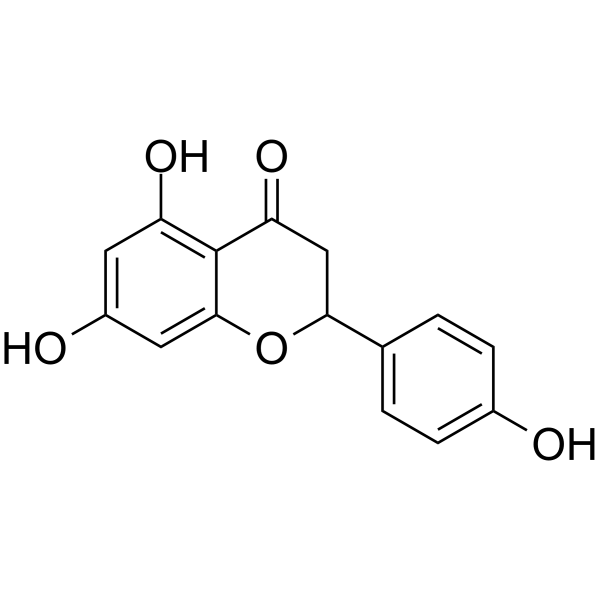
    (±)-Naringenin
    4 Publications Verification

    Potassium Channel Toll-like Receptor (TLR) NF-κB Apoptosis Caspase Cardiovascular Disease Neurological Disease Inflammation/Immunology Cancer
    (±)-Naringenin is an orally available anti-inflammatory agent that can regulate both acute and chronic inflammation responses, while also showing antioxidant, neuroprotective, liver-protective, and anti-cancer effects. (±)-Naringenin promotes vasodilation in endothelial cells by activating BKCa channels in muscle cells. It also exerts protective effects against experimental colitis by inhibiting Toll-like receptor 4/NF-κB signaling, making it useful in studies related to sepsis, fulminant hepatitis, fibrosis, and cancer research .
    (±)-Naringenin
  • HY-145581
    Mitiperstat
    1 Publications Verification

    AZD4831

    Glutathione Peroxidase Cytochrome P450 Cardiovascular Disease Inflammation/Immunology
    Mitiperstat (AZD4831) is an effective oral inhibitor of myeloperoxidase (MPO). Mitiperstat inhibits MPO and thyroid peroxidase (TPO) with IC50s of 1.5 nM and 0.69 μM. Mitiperstat exhibits a weak inhibitory activity against CYP3A4 with an IC50 of 6 μM. Mitiperstat can reduce inflammation and improve microvascular function, and it can be used in studies related to heart failure, preserved or mildly reduced ejection fraction, non-alcoholic fatty liver disease, and chronic obstructive pulmonary disease .
    Mitiperstat
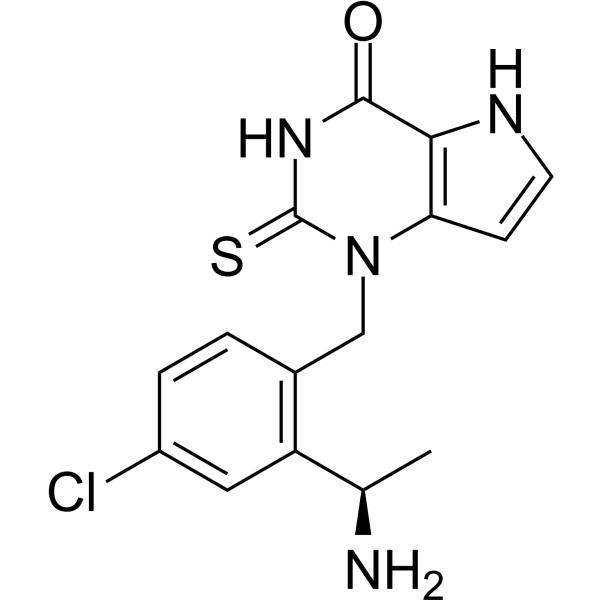
  • HY-168906

    Bradykinin Receptor PI3K Akt TNF Receptor ERK Neurological Disease Inflammation/Immunology
    BI-113823 is an orally active, blood-brain barrier-permeable bradykinin B1 receptor antagonist, with a Ki value of 5.3 nM for human receptors and 13.3 nM for rat receptors. BI-113823 reduces inflammation-induced mechanical hyperalgesia, as well as the mechanical sensitivity of peripheral afferent nerves and spinal nociceptive-specific neurons. BI-113823 alleviates liver fibrosis and portal hypertension, and improves survival in chronic liver disease models. BI-113823 inhibits the activities of monocytes, neutrophils and hepatic stellate cells, as well as the PI3K/Akt signaling pathway. BI-113823 can be used in research related to inflammatory pain, liver fibrosis and portal hypertension .
    BI-113823
  • HY-N13250

    Apoptosis AMPK Elastase Bcl-2 Family Interleukin Related Caspase PI3K Akt SOD Cardiovascular Disease
    Hawthorn Extract is an orally active hawthorn extract. Hawthorn Extract decreases Bax expression and increases Bcl-2 expression in the aorta. Hawthorn Extract regulates the AMPK signaling pathway, induces apoptosis, enhances the hepatic antioxidant system, and ameliorates symptoms of liver injury, inflammation and cancer. Hawthorn Extract reduces plasma levels of pro-inflammatory factors, increases plasma levels of anti-inflammatory adiponectin, and alleviates atherosclerotic plaque lesions in the aorta. Hawthorn Extract improves symptoms associated with chronic heart failure . Hawthorn Extract inhibits FMLP-induced superoxide anion production, Elastase release, ILB4 generation and calcium signaling in neutrophils, and also reduces LPS-induced cytokine production in neutrophils. Hawthorn Extract induces autophagy and inhibits the proliferation of intestinal stem cells. Hawthorn Extract can be used in research related to atherosclerosis, hepatitis, alcoholic liver disease, non-alcoholic fatty liver disease, hepatocellular carcinoma, chronic heart failure and hypotension .
    Hawthorn Extract
  • HY-W011927S
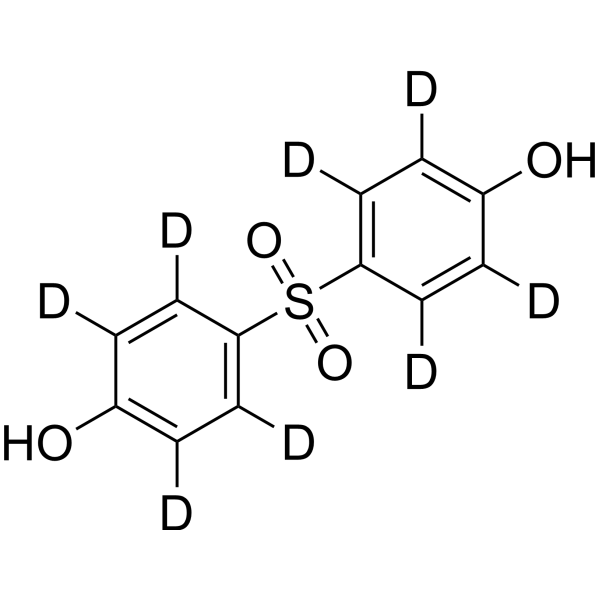
    4,4'-Sulfonyldiphenol-d8
    1 Publications Verification

    Bisphenol S (4,4'-Sulfonyldiphenol)-d8

    Isotope-Labeled Compounds Estrogen Receptor/ERR Histone Methyltransferase Thyroid Hormone Receptor PI3K Akt mTOR Androgen Receptor Cardiovascular Disease Metabolic Disease Inflammation/Immunology Endocrinology Cancer
    4,4'-Sulfonyldiphenol-d8 (Bisphenol S (4,4'-Sulfonyldiphenol)-d8) is the deuterium labeled 4,4'-Sulfonyldiphenol (HY-W011927).4,4'-Sulfonyldiphenol (Bisphenol S; Bis(4-hydroxyphenyl) sulfone), a substitute for Bisphenol A (HY-18260), is widely used in industrial and consumer products. 4,4'-Sulfonyldiphenol is an estrogen receptor (ER) agonist and can competitively bind to thyroid hormone receptors (TR) with IC50 values for TRα and TRβ are 2650 μM and 2294 μM respectively, thereby affecting breast development and reducing the expression of androgen receptor (AR) in fetal testes. 4,4'-Sulfonyldiphenol promotes the progression of glioblastoma by upregulating the EZH2 mediated PI3K/AKT/mTOR pathway. Under chronic exposure, 4,4'-Sulfonyldiphenol can cause significant lipid deposition and dyslipidemia in the mouse liver by upregulating JunB and Atf3, and has a role in causing obesity at low doses. 4,4'-Sulfonyldiphenol induces intestinal inflammation by altering the intestinal microbiome. 4,4'-Sulfonyldiphenol accelerates the progression of atherosclerosis in zebrafish embryo larvae.
    4,4'-Sulfonyldiphenol-d8
  • HY-14648AR

    Dexamethasone 21-acetate (Standard); Hexadecadrol acetate (Standard)

    Reference Standards Glucocorticoid Receptor Inflammation/Immunology
    Dexamethasone acetate (Standard) (Dexamethasone 21-acetate (Standard)) is the analytical standard of Dexamethasone acetate (HY-14648A). This product is intended for research and analytical applications. Dexamethasone acetate (Dexamethasone 21-acetate) is the acetate form of the glucocorticoid Dexamethasone (HY-14648). Dexamethasone acetate has a longer duration of action than Dexamethasone. Dexamethasone acetate can accumulate at inflammatory sites, in mouse liver and mouse lung via nanostructured lipid carriers. Dexamethasone acetate can be used to prepare topical formulations for studies related to sensorineural hearing loss, γ-carrageenan-induced paw edema, chronic active hepatitis, pulmonary diseases, and inflammation after vitreoretinal surgery.
    Dexamethasone acetate (Standard)
  • HY-117985

    DA-1229

    Dipeptidyl Peptidase Autophagy Metabolic Disease Inflammation/Immunology
    Evogliptin (DA-1229) is an orally active DPP4 inhibitor with significant and sustained hypoglycaemic effects in mouse models. Evogliptin also inhibits the production of inflammatory and fibrotic signals in hepatocytes by inducing autophagy. Evogliptin can be used in studies of type 2 diabetes, osteoporosis, renal impairment and chronic liver inflammation .
    Evogliptin
  • HY-P11208C

    GABA Receptor Inflammation/Immunology
    mNLS-CPP-WSTF TFA is the trifluoroacetate salt of mNLS-CPP-WSTF (HY-P11208). mNLS-CPP-WSTF is a nuclear localization signal (NLS)-cell-penetrating peptide based on the mouse WSTF sequence. mNLS-CPP-WSTF significantly inhibits the GABARAP-WSTF interaction, WSTF degradation and inflammatory gene expression. mNLS-CPP-WSTF effectively attenuates chronic inflammation, liver fibrosis and cartilage damage in metabolic-dysfunction-associated steatohepatitis (MASH) and osteoarthritis (OA) mice model. mNLS-CPP-WSTF is promising for research of chronic inflammatory diseases such as MASH and OA .
    mNLS-CPP-WSTF TFA
  • HY-W011927R

    Bisphenol S (Standard); Bis(4-hydroxyphenyl) sulfone (Standard)

    Reference Standards Estrogen Receptor/ERR Histone Methyltransferase Thyroid Hormone Receptor PI3K Akt mTOR Androgen Receptor Drug Derivative Cardiovascular Disease Metabolic Disease Inflammation/Immunology Endocrinology Cancer
    4,4'-Sulfonyldiphenol (Bisphenol S; Bis(4-hydroxyphenyl) sulfone) (Standard) is the analytical standard of 4,4'-Sulfonyldiphenol (HY-W011927). This product is intended for research and analytical applications. 4,4'-Sulfonyldiphenol, a substitute for Bisphenol A (HY-18260), is widely used in industrial and consumer products. 4,4'-Sulfonyldiphenol is an estrogen receptor (ER) agonist and can competitively bind to thyroid hormone receptors (TR) with IC50 values for TRα and TRβ are 2650 μM and 2294 μM respectively, thereby affecting breast development and reducing the expression of androgen receptor (AR) in fetal testes. 4,4'-Sulfonyldiphenol promotes the progression of glioblastoma by upregulating the EZH2 mediated PI3K/AKT/mTOR pathway. Under chronic exposure, 4,4'-Sulfonyldiphenol can cause significant lipid deposition and dyslipidemia in the mouse liver by upregulating JunB and Atf3, and has a role in causing obesity at low doses. 4,4'-Sulfonyldiphenol induces intestinal inflammation by altering the intestinal microbiome. 4,4'-Sulfonyldiphenol accelerates the progression of atherosclerosis in zebrafish embryo larvae.
    4,4'-Sulfonyldiphenol (Standard)
  • HY-P11208

    GABA Receptor Inflammation/Immunology
    mNLS-CPP-WSTF is a nuclear localization signal (NLS)-cell-penetrating peptide based on the mouse WSTF sequence. mNLS-CPP-WSTF significantly inhibits the GABARAP-WSTF interaction, WSTF degradation and inflammatory gene expression. mNLS-CPP-WSTF effectively attenuates chronic inflammation, liver fibrosis and cartilage damage in metabolic-dysfunction-associated steatohepatitis (MASH) and osteoarthritis (OA) mice model. mNLS-CPP-WSTF is promising for research of chronic inflammatory diseases such as MASH and OA .
    mNLS-CPP-WSTF
  • HY-117985A

    DA-1229 hydrochloride

    Dipeptidyl Peptidase Metabolic Disease Endocrinology
    Evogliptin hydrochloride (DA-1229 hydrochloride) is an orally available DPP4 inhibitor with significant and durable hypoglycemic effects in mouse models. Evogliptin hydrochloride also inhibits the generation of inflammatory and fibrotic signals in hepatocytes by inducing autophagy. Evogliptin hydrochloride can be used in the research of type 2 diabetes, osteoporosis, renal impairment and chronic liver inflammation .
    Evogliptin hydrochloride
  • HY-117985S

    DA-1229-d9

    Isotope-Labeled Compounds Autophagy Dipeptidyl Peptidase Metabolic Disease Inflammation/Immunology
    Evogliptin-d9 (DA-1229-d9) is deuterium labeled Evogliptin. Evogliptin (DA-1229) is an orally active DPP4 inhibitor with significant and sustained hypoglycaemic effects in mouse models. Evogliptin also inhibits the production of inflammatory and fibrotic signals in hepatocytes by inducing autophagy. Evogliptin can be used in studies of type 2 diabetes, osteoporosis, renal impairment and chronic liver inflammation .
    Evogliptin-d9
  • HY-W744577

    Dexamethasone 21-acetate-d5; Hexadecadrol acetate-d5

    Isotope-Labeled Compounds Glucocorticoid Receptor Inflammation/Immunology
    Dexamethasone acetate-d5 (Dexamethasone 21-acetate-d5; Hexadecadrol acetate-d5) is the deuterium labeled Dexamethasone acetate (HY-14648A). Dexamethasone acetate (Dexamethasone 21-acetate) is the acetate form of the glucocorticoid Dexamethasone (HY-14648). Dexamethasone acetate has a longer duration of action than Dexamethasone. Dexamethasone acetate can accumulate at inflammatory sites, in mouse liver and mouse lung via nanostructured lipid carriers. Dexamethasone acetate can be used to prepare topical formulations for studies related to sensorineural hearing loss, γ-carrageenan-induced paw edema, chronic active hepatitis, pulmonary diseases, and inflammation after vitreoretinal surgery.
    Dexamethasone acetate-d5

Inquiry Online

Your information is safe with us. * Required Fields.

Salutation


Country or Region *

Applicant Name *


Organization Name *

Department *


Email Address *


Product Name *

Cat. No.


Requested quantity *

Phone Number *


Remarks

Inquiry Online

Inquiry Information

Product Name:
Cat. No.:
Quantity:
MCE Japan Authorized Agent:

