Search Result
Results for "
crystallinity
" in MedChemExpress (MCE) Product Catalog:
10
Biochemical Assay Reagents
6
Isotope-Labeled Compounds
| Cat. No. |
Product Name |
Target |
Research Areas |
Chemical Structure |
-
- HY-B1369A
-
|
N-Formimidoyl thienamycin; MK0787
|
Antibiotic
Bacterial
|
Infection
|
|
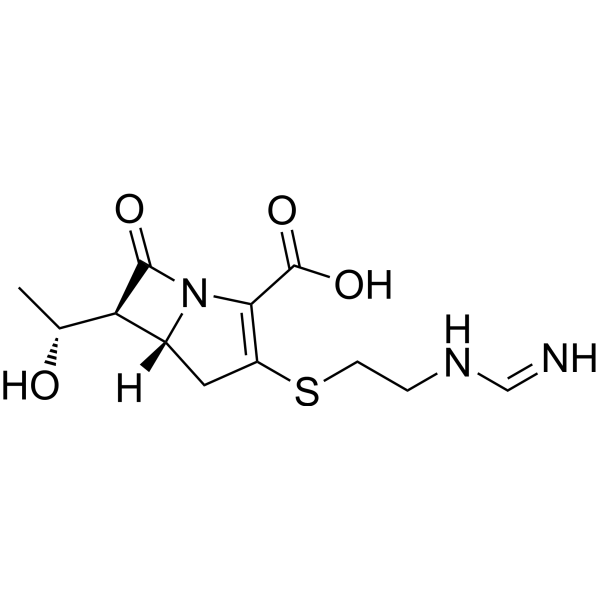
Imipenem (MK0787), a stable crystalline derivative of thienamycin, is an antibiotic and has the excellent activity against a broad range of gram-positive and gram-negative aerobic and anaerobic bacteria. Imipenem can be used for the research of carbapenem-nonsusceptible and P. aeruginosa biofilm infections .
|
-
-
- HY-B1369
-
|
N-Formimidoyl thienamycin monohydrate; MK0787 monohydrate
|
Antibiotic
Bacterial
|
Infection
|
|
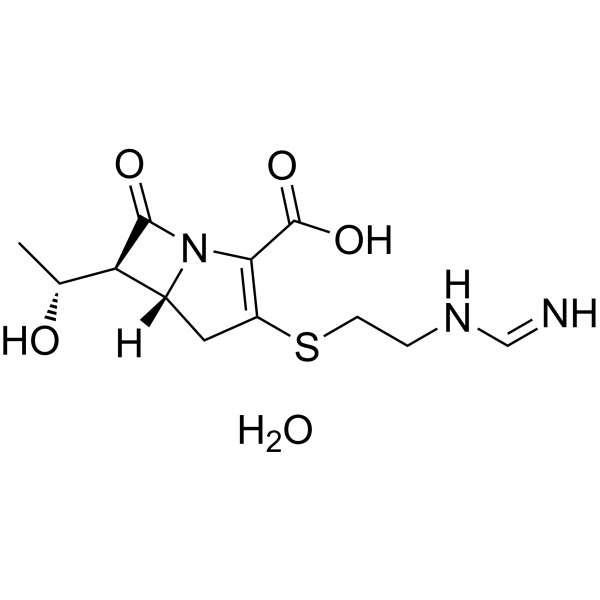
Imipenem monohydrate, a stable crystalline derivative of thienamycin, is an antibiotic and has the excellent activity against a broad range of gram-positive and gram-negative aerobic and anaerobic bacteria. Imipenem monohydrate can be used for the research of carbapenem-nonsusceptible and P. aeruginosa biofilm infections .
|
-
-
- HY-10999A
-
|
GSK-1120212 (DMSO solvate); JTP-74057 (DMSO solvate)
|
MEK
Apoptosis
|
Cancer
|
|
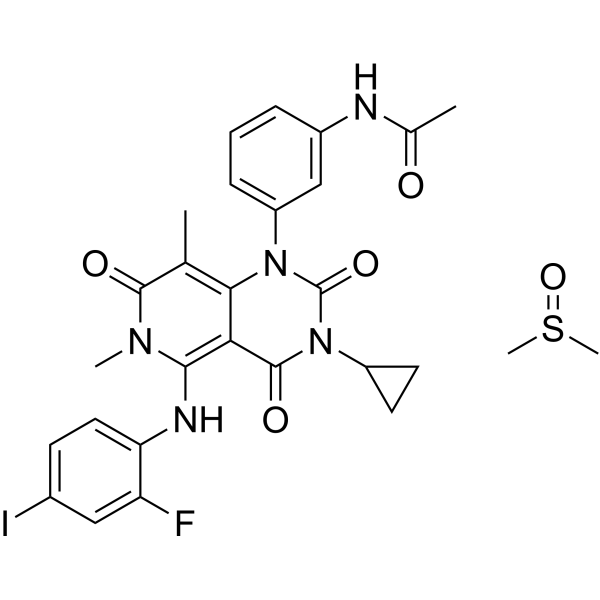
Trametinib (DMSO solvate) (GSK-1120212 (DMSO solvate)) is an orally active MEK inhibitor that inhibits MEK1 and MEK2 with IC50s of about 2 nM. Trametinib (DMSO solvate) activates autophagy and induces apoptosis . This product is in solid form, a DMSO solvate, and a stable crystalline form.
|
-
-
- HY-B1620B
-
-
-
- HY-139323
-
-
-
- HY-100582
-
Ribitol
3 Publications Verification
Adonitol; Adonite
|
Endogenous Metabolite
|
Others
|
|
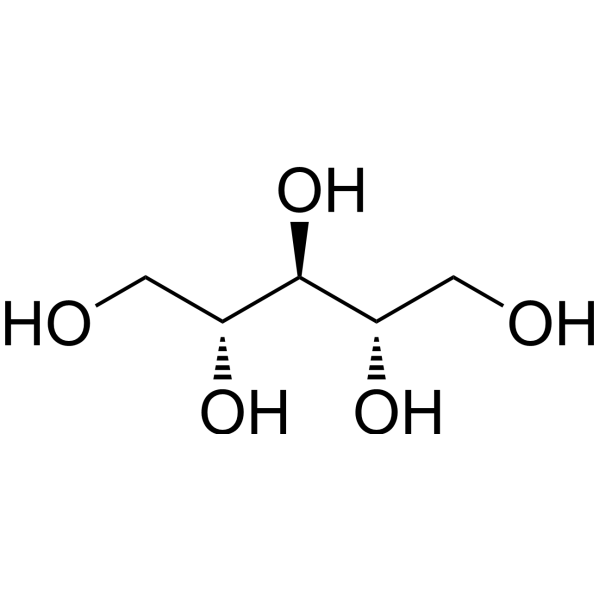
Ribitol is a crystalline pentose alcohol formed by the reduction of ribose. Enhancing the flux of D-glucose to the pentose phosphate pathway in Saccharomyces cerevisiae for the production of D-ribose and ribitol.
|
-
-
- HY-156454
-
|
|
TNF Receptor
|
Inflammation/Immunology
|
|
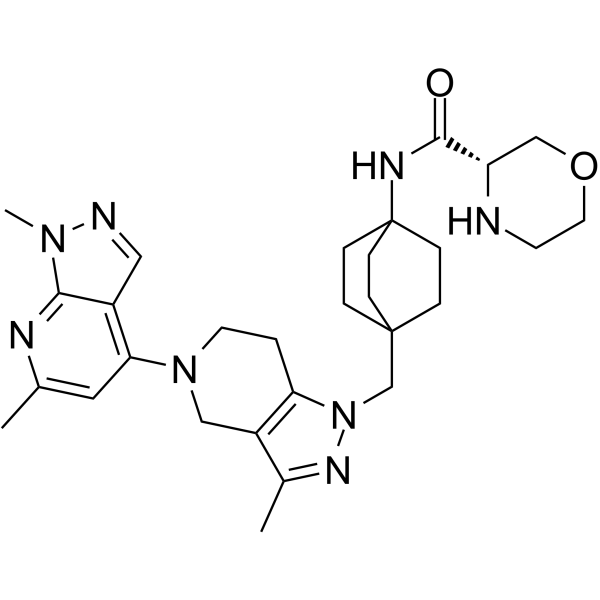
UCB-6876 is a TNFα inhibitor. UCB-6876 specifically binds to the asymmetric crystalline form of TNF-α trimer with a KD of 22 μM. UCB-6876 is applicable to research related to autoimmune diseases (rheumatoid arthritis and Crohn's disease) .
|
-
-
- HY-N7719
-
-
-
- HY-W015300
-
|
Octanedioic acid
|
Endogenous Metabolite
Akt
TGF-β Receptor
p38 MAPK
|
Metabolic Disease
|
|
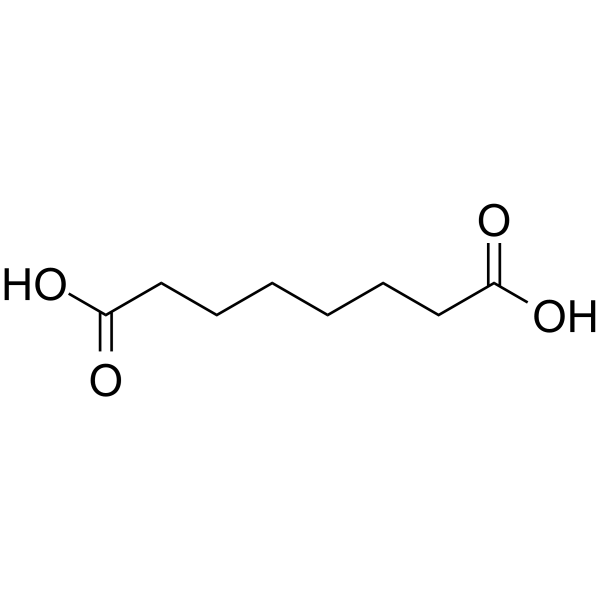
Suberic acid (Octanedioic acid) is an orally active crystalline dibasic acid. Suberic acid activates the Akt signaling pathway and regulates the expression of molecules related to the TGF-β and MAPK signaling pathways. Suberic acid inhibits skin dryness .
|
-
-
- HY-121447
-
|
|
Endogenous Metabolite
|
Metabolic Disease
|
|
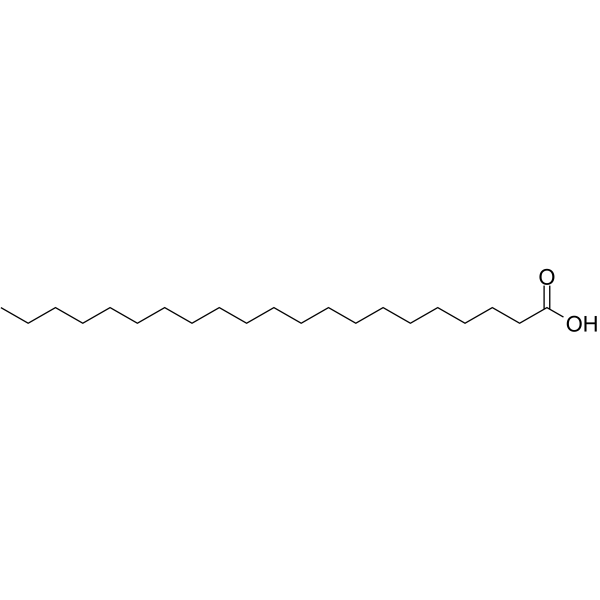
Heneicosanoic acid is an odd-chain saturated fatty acid widely present in human milk, fish, seeds, and cerebrosides in the cell membranes of the nervous system. Heneicosanoic acid can form Langmuir monolayers and is often used as a model to study lipid self-assembly and disassembly processes in biological membranes and drug delivery systems. In the low-temperature L'2 and CS crystalline phases, Heneicosanoic acid undergoes local oscillations, which in turn drive the spontaneous formation and expulsion of micelles and vesicles .
|
-
-
- HY-W012161
-
|
L-Alanyl-L-phenylalanine; H-Ala-Phe-OH
|
Endogenous Metabolite
Drug Intermediate
|
Others
|
|
Alanylphenylalanine (L-Alanyl-L-phenylalanine) is a dipeptide. Alanylphenylalanine forms a mononuclear Au (III) complex through bidentate coordination via its carboxyl oxygen atom and deprotonated amide nitrogen atom .
|
-
-
- HY-W019885A
-
|
Sodium triphosphate pentabasic, 98%
|
Environmental Pollutants
Biochemical Assay Reagents
|
Others
|
|
Sodium tripolyphosphate (STPP), 98% is an inorganic, non-toxic polyphosphate crosslinker, inducer and enhancer. Sodium tripolyphosphate (STPP), 98% induces the formation of unique needle-like microcrystals in sodium alginate-chitosan composite films. Sodium tripolyphosphate (STPP), 98% enhances the DPPH free radical scavenging activity of sodium alginate-chitosan composite films .
|
-
-
- HY-100582R
-
|
Adonitol (Standard); Adonite (Standard)
|
Reference Standards
Endogenous Metabolite
|
Others
|
|
Ribitol (Standard) is the analytical standard of Ribitol. This product is intended for research and analytical applications. Ribitol is a crystalline pentose alcohol formed by the reduction of ribose. Enhancing the flux of D-glucose to the pentose phosphate pathway in Saccharomyces cerevisiae for the production of D-ribose and ribitol.
|
-
-
- HY-B1369R
-
|
N-Formimidoyl thienamycin monohydrate (Standard); MK0787 monohydrate (Standard)
|
Reference Standards
Antibiotic
Bacterial
|
Infection
|
|
Imipenem (monohydrate) (Standard) is the analytical standard of Imipenem (monohydrate). This product is intended for research and analytical applications. Imipenem monohydrate, a stable crystalline derivative of thienamycin, is an antibiotic and has the excellent activity against a broad range of gram-positive and gram-negative aerobic and anaerobic bacteria. Imipenem monohydrate can be used for the research of carbapenem-nonsusceptible and P. aeruginosa biofilm infections .
|
-
-
- HY-N1446A
-
|
|
Endogenous Metabolite
|
Others
|
|
Glycerol Monoleate is a non-toxic, biodegradable, biocompatible, lipophilic glycerol fatty acid ester. Glycerol Monoleate exhibits hemolytic properties. Glycerol Monoleate is combined with bile salts for use as an emulsifier and absorption enhancer. Glycerol Monoleate can be applied in drug delivery systems and in vitro siRNA delivery .
|
-
-
- HY-W250183B
-
|
Polyethylene glycol octadecyl ether (n~20)
|
Environmental Pollutants
Liposome
|
Others
|
|
Polyoxyethylene (20) stearyl ether (Polyethylene glycol octadecyl ether (n~20)) is a PEGylated lipid surfactant. Polyoxyethylene (20) stearyl ether is used in studies on the formation and stabilization of lipid nanoparticles .
|
-
-
- HY-138822
-
|
2,3-DPG pentasodium salt
|
Endogenous Metabolite
|
Cardiovascular Disease
|
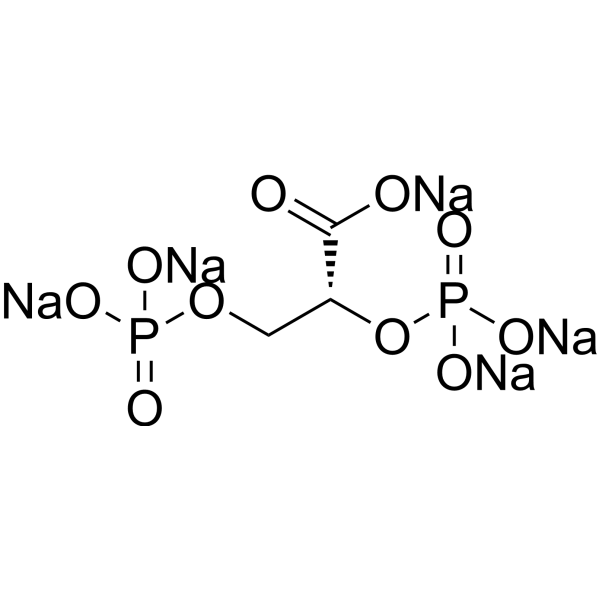
2,3-Diphospho-D-glyceric acid (2,3-DPG) pentasodium salt is a hemoglobin binder and vascular calcification inhibitor that reduces the oxygen affinity of hemoglobin. 2,3-Diphospho-D-glyceric acid pentasodium salt also specifically delays the transformation of colloidal calciprotein particles into crystalline forms, thereby effectively inhibiting vascular smooth muscle cell calcification without affecting the normal formation of osteoid nodules in osteoblast-like cells. 2,3-Diphospho-D-glyceric acid pentasodium salt shows no cytotoxicity to tested cell lines and only weakly interferes with β-hematin formation mediated by glyceryl monopalmitate. 2,3-Diphospho-D-glyceric acid pentasodium salt can be used to study the pathological mechanisms of vascular calcification and malaria-related conditions .
|
-
-
- HY-W016568
-
|
|
Endogenous Metabolite
|
Others
|
|
Isoxanthopterin is a heterocyclic compound belonging to the pteridine family and its activity is mainly reflected in its optical properties. Isoxanthopterin can form a reflective layer in the eyes of animals, enhancing visual function. The main regulatory mechanism of isoxanthopterin involves its ability to form a crystalline structure within organisms, which achieves a high refractive index through specific hydrogen bonding patterns and molecular arrangements. Isoxanthopterin can be used for research in materials science and optical engineering .
|
-
-
- HY-100582S
-
|
Adonitol-1-13C; Adonite-1-13C
|
Isotope-Labeled Compounds
Endogenous Metabolite
|
Others
|
|
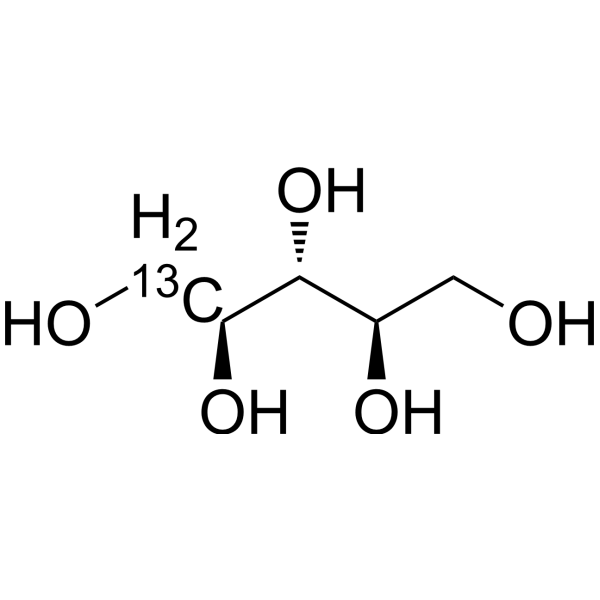
Ribitol-1- 13C is the 13C labeled Ribitol. Ribitol is a crystalline pentose alcohol formed by the reduction of ribose. Enhancing the flux of D-glucose to the pentose phosphate pathway in Saccharomyces cerevisiae for the production of D-ribose and ribitol .
|
-
-
- HY-W018582
-
|
|
Fungal
|
Infection
|
|
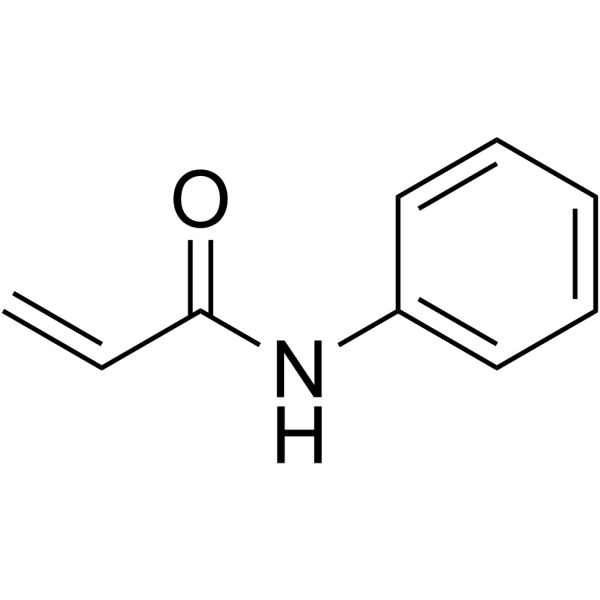
N-Phenylacrylamide is a special polymer showing high affinity with Ochratoxin A, a colorless and crystalline mycotoxin compound. N-Phenylacrylamide can be applied in the field of mycotoxin extraction, and be used for the security research of agricultural commodities and foods made from cereals and grapes .
|
-
-
- HY-W142618
-
|
|
Biochemical Assay Reagents
|
Others
|
|
D-Glucal is an organic compound belonging to the family of aldoses, which are monosaccharides containing an aldehyde functional group. It has a six-carbon structure and is derived from glucose by oxidation of the primary alcohol group at carbon 1 to an aldehyde group. D-Glucal is a white crystalline solid that is soluble in water and has a sweet taste. It is an important intermediate in the chemical synthesis of a wide variety of compounds, including pharmaceuticals, agrochemicals, and natural products. D-Glucal can be converted into other carbohydrate derivatives such as glycosides, glycoconjugates and amino sugars. It also plays a role in the study of carbohydrate chemistry, where it is used as a chiral building block for the synthesis of complex structures.
|
-
-
- HY-W276164
-
|
Sodium stearyl sulfate
|
Biochemical Assay Reagents
|
Others
|
|
Sodium octadecyl sulfate (Sodium stearyl sulfate) is a long-chain alkyl sodium sulfate that functions as an emulsifier, crosslinking agent, and regulator. Sodium octadecyl sulfate has high safety, with a LD50 greater than 3.00 Gm./Kg for both intraperitoneal injection in mice and oral administration in rats. Sodium octadecyl sulfate enhances continuous contraction of the gastrocnemius muscle in frogs and boosts intestinal smooth muscle activity in albino rats. However, Sodium octadecyl sulfate exerts no significant effect on isolated tortoise myocardium and does not alter the conduction function of frog sciatic nerves. Sodium octadecyl sulfate can also be used to coat the surface of starch aggregates, promote crosslinking and increase aggregate size through hydrophobic and electrostatic interactions, and further form a coexistent B-V type crystalline structure with acid-hydrolyzed gelatinized starch, thereby effectively modifying the structure and surface properties of high-starch systems .
|
-
-
- HY-N7719R
-
|
|
Endogenous Metabolite
Reference Standards
Bacterial
Fungal
Parasite
Apoptosis
Reactive Oxygen Species (ROS)
Caspase
HSV
|
Infection
Inflammation/Immunology
Cancer
|
|
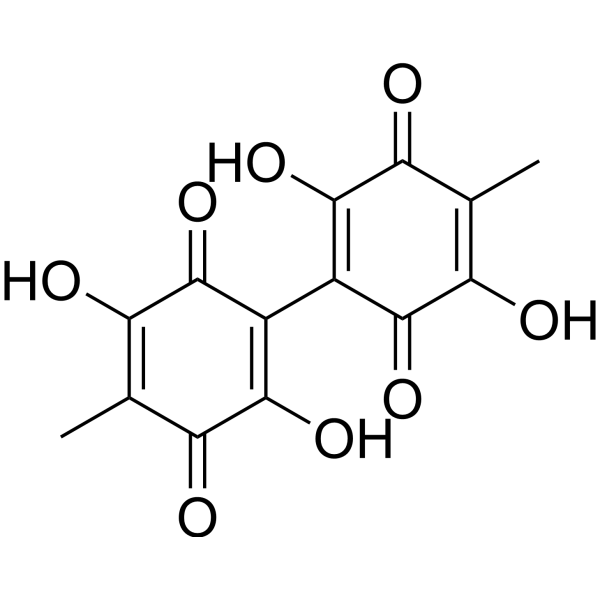
Oosporein (Standard) is the analytical standard of Oosporein (HY-N7719). This product is intended for research and analytical applications. Oosporein is a microbial metabolite and a red crystalline toxin produced by various fungi. Oosporein can promote the reproduction of fungi in host bodies by inhibiting insect immunity, and possesses multiple activities such as antibacterial, antiviral (HSV), and insecticidal effects. Oosporein can inhibit plant growth. In addition, Oosporein can also induce apoptosis, cell membrane damage, oxidative stress, and mitochondrial damage. Oosporein has certain antitumor activity .
|
-
-
- HY-U00007
-
|
Ba 2652; Stilbamidin
|
Fungal
|
Infection
Cancer
|
|
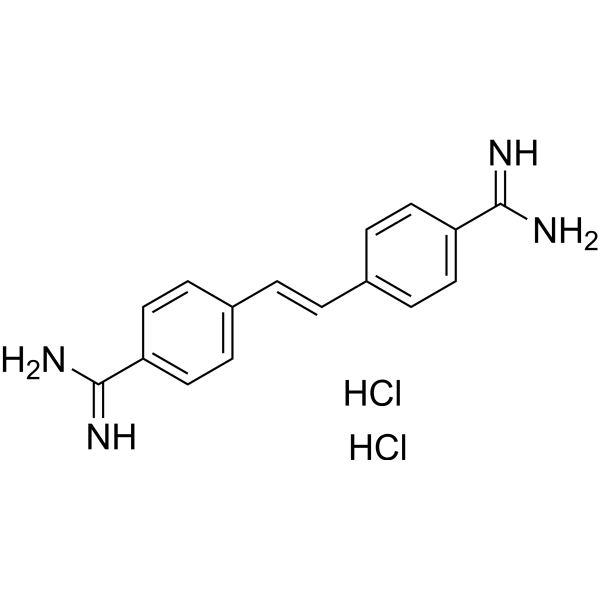
Stilbamidine is a diamidine compound derived from Stilbene and used chiefly in the form of its crystalline isethionate salt in treating various fungal infections.
|
-
-
- HY-Y0927
-
|
5-Hexanolide
|
Biochemical Assay Reagents
|
Others
|
|
δ-Hexalactone (5-Hexanolide) is a cyclic lactone monomer that modulates the crystallinity and biodegradability of poly(ε-caprolactone) (PCL) via copolymerization .
|
-
-
- HY-W127746
-
|
|
Biochemical Assay Reagents
|
Others
|
|
Picrolonic acid is the reagent for the separation of amines as crystalline π-complexes. Pyrrolic acid is an analytical reagent for the determination of calcium, magnesium, lead, strontium and thorium. It is also used for the analysis of alkaloids, tryptophan and phenylalanine.
|
-
-
- HY-P1355A
-
|
|
Calcineurin
Cyclophilin
|
Others
|
|
Cyclosporin A-Derivative 1 (Free base) is a crystalline intermediate derived from the opening of cyclosporin A extracted from patent WO 2013167703 A1. Cyclosporin A is an immunosuppressive agent which can bind to the cyclophilin and inhibit calcineurin.
|
-
-
- HY-W127403
-
|
Cholesteryl trans-9-octadecenoate
|
Biochemical Assay Reagents
|
Others
|
|
Cholesteryl elaidate is an organic compound belonging to the class of esters. It is formed from the reaction between cholesterol and elaidic acid, producing a white crystalline solid with a mildly sweet taste. Cholesteryl elaidate has several applications in the pharmaceutical industry, particularly as a bioactive compound with potential research potential for improving a range of medical conditions, such as high cholesterol and inflammation-related diseases. Additionally, it has potential applications as a food additive to improve texture and stability.
|
-
-
- HY-U00007A
-
|
Ba 2652 dihydrochloride; Stilbamidin dihydrochloride
|
Fungal
|
Infection
Cancer
|
|
Stilbamidine dihydrochloride is a diamidine compound derived from Stilbene and used chiefly in the form of its crystalline isethionate salt in treating various fungal infections.
|
-
-
- HY-W888515
-
|
|
Biochemical Assay Reagents
|
Others
|
|
mPEG-PCL is a biodegradable, biocompatible, and semi-crystalline copolymer having a very low glass transition temperature. mPEG-PCL can be used as synthetic material for biomedical and drug delivery .
|
-
-
- HY-P1355
-
|
|
Calcineurin
Cyclophilin
|
Inflammation/Immunology
|
|
Cyclosporin A-Derivative 1 is a crystalline intermediate derived from the opening of cyclosporin A extracted from patent WO 2013167703 A1. Cyclosporin A is an immunosuppressive agent which can bind to the cyclophilin and inhibit calcineurin.
|
-
-
- HY-15931
-
|
TMBZ-PS
|
Fluorescent Dye
|
Others
|
|
TMB-PS(102062-36-2) is N-(3-sulfopropyl)-3,3',5,5'-tetramenthylbenzidine sodium salt; White - pale yellow crystalline powder, soluble in water, can be used under neutral, acidic and alkaline conditions.
|
-
-
- HY-W768324
-
|
Adonitol-13C5; Adonite-13C5
|
Isotope-Labeled Compounds
Endogenous Metabolite
|
Others
|
|
Ribitol- 13C5 (Adonitol- 13C5) is the 13C-labeled Ribitol (HY-100582). Ribitol is a crystalline pentose alcohol formed by the reduction of ribose. Enhancing the flux of D-glucose to the pentose phosphate pathway in Saccharomyces cerevisiae for the production of D-ribose and ribitol.
|
-
-
- HY-129806
-
|
(+)-Rugulosin
|
Bacterial
Fungal
|
Infection
|
|
Rugulosin is a crystalline colouring matter of Penicillium rugulosum Thom. Rugulosin shows markedly specific antibacterial activity and moderately antifungal activity .
|
-
-
- HY-N13061
-
|
|
Others
|
Neurological Disease
|
|
Nervon is a crystalline cerebroside. Nervon can be used for the research of peripheral neuropathies and megaloblastic anemia caused by vitamin B12 deficiency .
|
-
-
- HY-N3657
-
|
|
Others
|
Others
|
|
Cycloart-23-ene-3β,25-diol is a natural crystalline triterpene .
|
-
-
- HY-N7242
-
|
|
Antibiotic
|
Infection
|
|
Plicacetin is a crystalline antibiotic isolated from the fermentation broth of Streptomyces actinomycetes and is structurally similar to Amicetin (HY-120383) and Bamicetin. .
|
-
-
- HY-118691
-
|
|
COX
|
Others
|
|
BMS-347070 is an inhibitor of COX-2. BMS-347070 can be studied in research on Pluronic®-bassed nano-crystalline drug-polymer solid dispersions .
|
-
-
- HY-176197
-
|
|
IRAK
|
Cancer
|
|
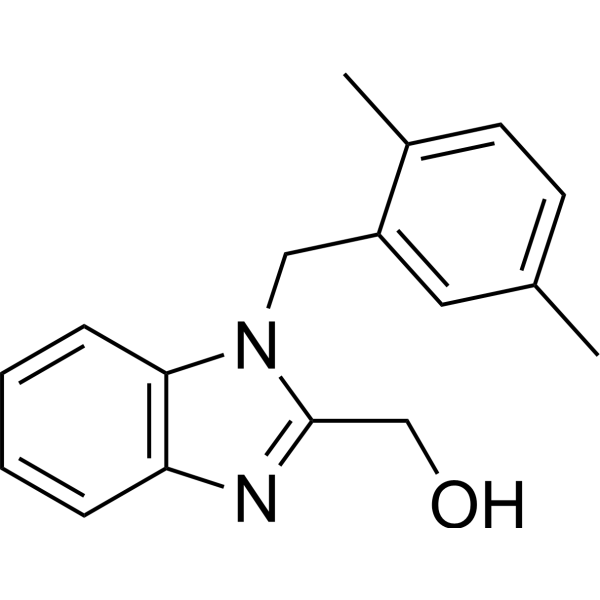
IRAK4-IN-31 (Compound II) is a crystalline IRAK4 inhibitor. IRAK4-IN-31 can be used in myelodysplastic syndrome (MDS) research .
|
-
-
- HY-100582S1
-
|
Adonitol-2-13C; Adonite-2-13C
|
Isotope-Labeled Compounds
Endogenous Metabolite
|
Others
|
Ribitol-2- 13C is the 13C labeled Ribitol. Ribitol is a crystalline pentose alcohol formed by the reduction of ribose. Enhancing the flux of D-glucose to the pentose phosphate pathway in Saccharomyces cerevisiae for the production of D-ribose and ribitol
|
-
-
- HY-100582S2
-
|
Adonitol-3-13C; Adonite-3-13C
|
Isotope-Labeled Compounds
Endogenous Metabolite
|
Others
|
Ribitol-3- 13C is the 13C labeled Ribitol. Ribitol is a crystalline pentose alcohol formed by the reduction of ribose. Enhancing the flux of D-glucose to the pentose phosphate pathway in Saccharomyces cerevisiae for the production of D-ribose and ribitol
|
-
-
- HY-100582S3
-
|
Adonitol-5-13C; Adonite-5-13C
|
Isotope-Labeled Compounds
Endogenous Metabolite
|
Others
|
Ribitol-5- 13C is the 13C labeled Ribitol. Ribitol is a crystalline pentose alcohol formed by the reduction of ribose. Enhancing the flux of D-glucose to the pentose phosphate pathway in Saccharomyces cerevisiae for the production of D-ribose and ribitol
|
-
-
- HY-N7120R
-
|
PGP hydrate (Standard)
|
Reference Standards
Bacterial
Antibiotic
|
Infection
|
|
Penicillin G procaine (hydrate) (Standard) is the analytical standard of Penicillin G procaine (hydrate). This product is intended for research and analytical applications. Penicillin G Procaine hydrate (PGP hydrate), a β-lactam antibiotic, is a crystalline complex produced by chemically combining penicillin G with procaine .
|
-
-
- HY-W015300R
-
|
Octanedioic acid (Standard)
|
Reference Standards
Endogenous Metabolite
|
Metabolic Disease
|
|
Suberic acid (Standard) is the analytical standard of Suberic acid. This product is intended for research and analytical applications. Suberic acid is an orally active crystalline dibasic acid. Suberic acid activates the Akt signaling pathway and regulates the expression of molecules related to the TGF-β and MAPK signaling pathways. Suberic acid inhibits skin dryness .
|
-
-
- HY-W127787
-
|
L-(+)-Tartaric acid sodium hydrate
|
Endogenous Metabolite
|
Others
|
|
L-Tartaric acid (L-(+)-Tartaric acid) sodium hydrate is the enantiomer of D-tartaric acid. L-Tartaric acid (HY-Y0293) is a white crystalline dicarboxylic acid found in many plants, such as grapes, and is one of the main organic acids in wine. L-Tartaric acid sodium hydrate which acts as a flour bulking agent and as a food additive can interact with sodium bicarbonate to produce carbon dioxide .
|
-
-
- HY-W127444
-
|
|
Biochemical Assay Reagents
|
Others
|
|
N,N-Dimethyldodecanamide is an organic compound belonging to amides. It consists of a dodecyl chain attached to a nitrogen atom and two methyl groups, forming a white crystalline solid with a faint waxy odour. N,N-Dimethyldodecanamide has several applications in industrial settings, notably as a solvent, lubricant and surfactant. In addition, it can also be used as an intermediate in the synthesis of various chemicals and drugs.
|
-
-
- HY-158569
-
|
|
Endogenous Metabolite
|
Others
|
|
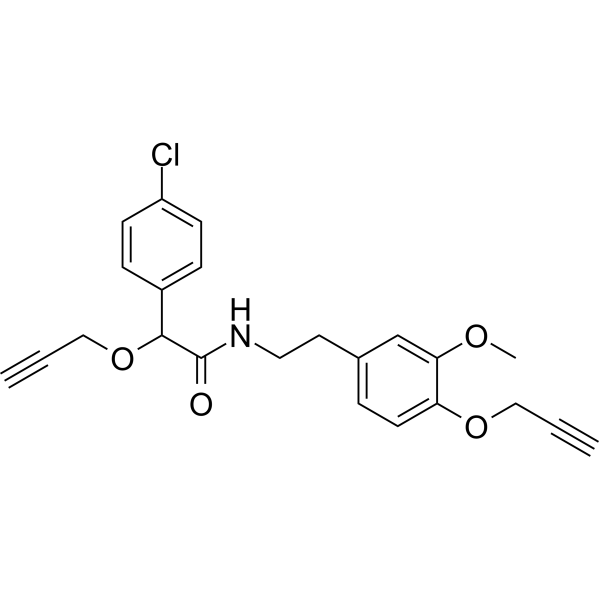
SAR114137 is a highly effective drug with potent biological activity. SAR114137 exhibits altered amorphous content characteristics during physical processing of the crystalline active pharmaceutical ingredient. The amorphous API content of SAR114137 is significantly reduced when processed by different jet grinding techniques. SAR114137 exhibits good chemical stability in pharmaceutical formulations .
|
-
-
- HY-P10661
-
|
|
Biochemical Assay Reagents
|
Others
|
|
L-KYFIL is a pentapeptide that is amorphous on its own. When mixed with D-KYFIL, it transforms from fibrous hydrogels into plate-like networks, resulting in changes in mechanical properties and forming a crystalline state. The mixture can protect L-KYFIL from proteolytic degradation. L-KYFIL can be used to study stereocomplexation behavior of peptide sequences and in the development of biomaterials .
|
-
-
- HY-180176
-
|
|
DNA/RNA Synthesis
|
Cancer
|
|
ALC1-IN-1 (compound 1) is an ALC1 inhibitor in crystalline form that can be used in the research of cancer .
|
-
-
- HY-W075796
-
|
|
Environmental Pollutants
Drug Intermediate
|
Others
|
|
Copper (I) thiocyanate is a monovalent copper pseudohalide that exists in two crystalline forms, α and β, both containing bridging thiocyanate groups. Copper (I) thiocyanate can form coordination complexes with ligands such as triphenylphosphine and pyridine .
|
-
- HY-W127787R
-
|
L-(+)-Tartaric acid sodium hydrate (Standard)
|
Endogenous Metabolite
Reference Standards
|
Others
|
|
Tartaric acid (sodium hydrate) (Standard) is the analytical standard of Tartaric acid (sodium hydrate) (HY-W127787). This product is intended for research and analytical applications. L-Tartaric acid (L-(+)-Tartaric acid) sodium hydrate is the enantiomer of D-tartaric acid. L-Tartaric acid (HY-Y0293) is a white crystalline dicarboxylic acid found in many plants, such as grapes, and is one of the main organic acids in wine. L-Tartaric acid sodium hydrate which acts as a flour bulking agent and as a food additive can interact with sodium bicarbonate to produce carbon dioxide .
|
-
- HY-185451
-
|
|
Herbicide
|
Others
|
|
Herbicidal agent 15 is a uracilpyridine herbicide. Herbicidal agent 15 controls harmful plants and acts on plants, their seeds, and their habitat to manage unwanted vegetation .
|
-
- HY-W093378
-
|
|
Biochemical Assay Reagents
Bacterial
|
Infection
|
|
Silver (I) sulfide is a biochemical reagent. Silver (I) sulfide nanoparticles exert Antibacterial effects against a variety of resistant bacteria, including Gram-positive and Gram-negative bacteria. Silver (I) sulfide can be used in the research of bacterial infections, such as infections caused by Staphylococcus aureus, Streptococcus agalactiae, Escherichia coli and Pseudomonas species .
|
-
- HY-175991S
-
|
Sodium stearyl sulfate sulfate-d37
|
Isotope-Labeled Compounds
Biochemical Assay Reagents
|
Others
|
|
Sodium octadecyl sulfate-d37 (Sodium stearyl sulfate-d37) is the deuterium labeled Sodium octadecyl sulfate (HY-W276164). Sodium octadecyl sulfate (Sodium stearyl sulfate) is a long-chain alkyl sodium sulfate that functions as an emulsifier, crosslinking agent, and regulator. Sodium octadecyl sulfate has high safety, with a LD50 greater than 3.00 Gm./Kg for both intraperitoneal injection in mice and oral administration in rats. Sodium octadecyl sulfate enhances continuous contraction of the gastrocnemius muscle in frogs and boosts intestinal smooth muscle activity in albino rats. However, Sodium octadecyl sulfate exerts no significant effect on isolated tortoise myocardium and does not alter the conduction function of frog sciatic nerves. Sodium octadecyl sulfate can also be used to coat the surface of starch aggregates, promote crosslinking and increase aggregate size through hydrophobic and electrostatic interactions, and further form a coexistent B-V type crystalline structure with acid-hydrolyzed gelatinized starch, thereby effectively modifying the structure and surface properties of high-starch systems .
|
-
| Cat. No. |
Product Name |
Type |
-
- HY-15931
-
|
TMBZ-PS
|
Fluorescent Dye
|
|
TMB-PS(102062-36-2) is N-(3-sulfopropyl)-3,3',5,5'-tetramenthylbenzidine sodium salt; White - pale yellow crystalline powder, soluble in water, can be used under neutral, acidic and alkaline conditions.
|
| Cat. No. |
Product Name |
Type |
-
- HY-B1620B
-
|
PVP K15; Polyvidone K15; Povidone K15
|
Biochemical Assay Reagents
|
|
Polyvinylpyrrolidone K15 is a linear non-ionic polymer devises vigorous bright crystalline layers and has adhesive, cohesive and dispersive properties .
|
-
- HY-W019885A
-
|
Sodium triphosphate pentabasic, 98%
|
Biochemical Assay Reagents
|
|
Sodium tripolyphosphate (STPP), 98% is an inorganic, non-toxic polyphosphate crosslinker, inducer and enhancer. Sodium tripolyphosphate (STPP), 98% induces the formation of unique needle-like microcrystals in sodium alginate-chitosan composite films. Sodium tripolyphosphate (STPP), 98% enhances the DPPH free radical scavenging activity of sodium alginate-chitosan composite films .
|
-
- HY-W250183B
-
|
Polyethylene glycol octadecyl ether (n~20)
|
Biochemical Assay Reagents
|
|
Polyoxyethylene (20) stearyl ether (Polyethylene glycol octadecyl ether (n~20)) is a PEGylated lipid surfactant. Polyoxyethylene (20) stearyl ether is used in studies on the formation and stabilization of lipid nanoparticles .
|
-
- HY-W142618
-
|
|
Biochemical Assay Reagents
|
|
D-Glucal is an organic compound belonging to the family of aldoses, which are monosaccharides containing an aldehyde functional group. It has a six-carbon structure and is derived from glucose by oxidation of the primary alcohol group at carbon 1 to an aldehyde group. D-Glucal is a white crystalline solid that is soluble in water and has a sweet taste. It is an important intermediate in the chemical synthesis of a wide variety of compounds, including pharmaceuticals, agrochemicals, and natural products. D-Glucal can be converted into other carbohydrate derivatives such as glycosides, glycoconjugates and amino sugars. It also plays a role in the study of carbohydrate chemistry, where it is used as a chiral building block for the synthesis of complex structures.
|
-
- HY-W276164
-
|
Sodium stearyl sulfate
|
Biochemical Assay Reagents
|
|
Sodium octadecyl sulfate (Sodium stearyl sulfate) is a long-chain alkyl sodium sulfate that functions as an emulsifier, crosslinking agent, and regulator. Sodium octadecyl sulfate has high safety, with a LD50 greater than 3.00 Gm./Kg for both intraperitoneal injection in mice and oral administration in rats. Sodium octadecyl sulfate enhances continuous contraction of the gastrocnemius muscle in frogs and boosts intestinal smooth muscle activity in albino rats. However, Sodium octadecyl sulfate exerts no significant effect on isolated tortoise myocardium and does not alter the conduction function of frog sciatic nerves. Sodium octadecyl sulfate can also be used to coat the surface of starch aggregates, promote crosslinking and increase aggregate size through hydrophobic and electrostatic interactions, and further form a coexistent B-V type crystalline structure with acid-hydrolyzed gelatinized starch, thereby effectively modifying the structure and surface properties of high-starch systems .
|
-
- HY-W127746
-
|
|
Biochemical Assay Reagents
|
|
Picrolonic acid is the reagent for the separation of amines as crystalline π-complexes. Pyrrolic acid is an analytical reagent for the determination of calcium, magnesium, lead, strontium and thorium. It is also used for the analysis of alkaloids, tryptophan and phenylalanine.
|
-
- HY-W127403
-
|
Cholesteryl trans-9-octadecenoate
|
Biochemical Assay Reagents
|
|
Cholesteryl elaidate is an organic compound belonging to the class of esters. It is formed from the reaction between cholesterol and elaidic acid, producing a white crystalline solid with a mildly sweet taste. Cholesteryl elaidate has several applications in the pharmaceutical industry, particularly as a bioactive compound with potential research potential for improving a range of medical conditions, such as high cholesterol and inflammation-related diseases. Additionally, it has potential applications as a food additive to improve texture and stability.
|
-
- HY-W127787
-
|
L-(+)-Tartaric acid sodium hydrate
|
Biochemical Assay Reagents
|
|
L-Tartaric acid (L-(+)-Tartaric acid) sodium hydrate is the enantiomer of D-tartaric acid. L-Tartaric acid (HY-Y0293) is a white crystalline dicarboxylic acid found in many plants, such as grapes, and is one of the main organic acids in wine. L-Tartaric acid sodium hydrate which acts as a flour bulking agent and as a food additive can interact with sodium bicarbonate to produce carbon dioxide .
|
-
- HY-W127444
-
|
|
Biochemical Assay Reagents
|
|
N,N-Dimethyldodecanamide is an organic compound belonging to amides. It consists of a dodecyl chain attached to a nitrogen atom and two methyl groups, forming a white crystalline solid with a faint waxy odour. N,N-Dimethyldodecanamide has several applications in industrial settings, notably as a solvent, lubricant and surfactant. In addition, it can also be used as an intermediate in the synthesis of various chemicals and drugs.
|
-
- HY-W127787R
-
|
L-(+)-Tartaric acid sodium hydrate (Standard)
|
Biochemical Assay Reagents
|
|
Tartaric acid (sodium hydrate) (Standard) is the analytical standard of Tartaric acid (sodium hydrate) (HY-W127787). This product is intended for research and analytical applications. L-Tartaric acid (L-(+)-Tartaric acid) sodium hydrate is the enantiomer of D-tartaric acid. L-Tartaric acid (HY-Y0293) is a white crystalline dicarboxylic acid found in many plants, such as grapes, and is one of the main organic acids in wine. L-Tartaric acid sodium hydrate which acts as a flour bulking agent and as a food additive can interact with sodium bicarbonate to produce carbon dioxide .
|
| Cat. No. |
Product Name |
Target |
Research Area |
-
- HY-P1355A
-
|
|
Calcineurin
Cyclophilin
|
Others
|
|
Cyclosporin A-Derivative 1 (Free base) is a crystalline intermediate derived from the opening of cyclosporin A extracted from patent WO 2013167703 A1. Cyclosporin A is an immunosuppressive agent which can bind to the cyclophilin and inhibit calcineurin.
|
-
- HY-P4525
-
|
|
Peptides
|
Others
|
|
Ala-Ala-Ala-Ala is a poly-L-alanine (PLA) sequences. PLA is a kind of key element of the crystalline domains of spider dragline and wild silkworm silks .
|
-
- HY-P1355
-
|
|
Calcineurin
Cyclophilin
|
Inflammation/Immunology
|
|
Cyclosporin A-Derivative 1 is a crystalline intermediate derived from the opening of cyclosporin A extracted from patent WO 2013167703 A1. Cyclosporin A is an immunosuppressive agent which can bind to the cyclophilin and inhibit calcineurin.
|
-
- HY-P10661
-
|
|
Biochemical Assay Reagents
|
Others
|
|
L-KYFIL is a pentapeptide that is amorphous on its own. When mixed with D-KYFIL, it transforms from fibrous hydrogels into plate-like networks, resulting in changes in mechanical properties and forming a crystalline state. The mixture can protect L-KYFIL from proteolytic degradation. L-KYFIL can be used to study stereocomplexation behavior of peptide sequences and in the development of biomaterials .
|
| Cat. No. |
Product Name |
Category |
Target |
Chemical Structure |
| Cat. No. |
Product Name |
Chemical Structure |
-
- HY-100582S
-
|
|
|
Ribitol-1- 13C is the 13C labeled Ribitol. Ribitol is a crystalline pentose alcohol formed by the reduction of ribose. Enhancing the flux of D-glucose to the pentose phosphate pathway in Saccharomyces cerevisiae for the production of D-ribose and ribitol .
|
-
-
- HY-W768324
-
|
|
|
Ribitol- 13C5 (Adonitol- 13C5) is the 13C-labeled Ribitol (HY-100582). Ribitol is a crystalline pentose alcohol formed by the reduction of ribose. Enhancing the flux of D-glucose to the pentose phosphate pathway in Saccharomyces cerevisiae for the production of D-ribose and ribitol.
|
-
-
- HY-100582S1
-
|
|
Ribitol-2- 13C is the 13C labeled Ribitol. Ribitol is a crystalline pentose alcohol formed by the reduction of ribose. Enhancing the flux of D-glucose to the pentose phosphate pathway in Saccharomyces cerevisiae for the production of D-ribose and ribitol
|
-
-
- HY-100582S2
-
|
|
Ribitol-3- 13C is the 13C labeled Ribitol. Ribitol is a crystalline pentose alcohol formed by the reduction of ribose. Enhancing the flux of D-glucose to the pentose phosphate pathway in Saccharomyces cerevisiae for the production of D-ribose and ribitol
|
-
-
- HY-100582S3
-
|
|
Ribitol-5- 13C is the 13C labeled Ribitol. Ribitol is a crystalline pentose alcohol formed by the reduction of ribose. Enhancing the flux of D-glucose to the pentose phosphate pathway in Saccharomyces cerevisiae for the production of D-ribose and ribitol
|
-
-
- HY-175991S
-
|
|
|
Sodium octadecyl sulfate-d37 (Sodium stearyl sulfate-d37) is the deuterium labeled Sodium octadecyl sulfate (HY-W276164). Sodium octadecyl sulfate (Sodium stearyl sulfate) is a long-chain alkyl sodium sulfate that functions as an emulsifier, crosslinking agent, and regulator. Sodium octadecyl sulfate has high safety, with a LD50 greater than 3.00 Gm./Kg for both intraperitoneal injection in mice and oral administration in rats. Sodium octadecyl sulfate enhances continuous contraction of the gastrocnemius muscle in frogs and boosts intestinal smooth muscle activity in albino rats. However, Sodium octadecyl sulfate exerts no significant effect on isolated tortoise myocardium and does not alter the conduction function of frog sciatic nerves. Sodium octadecyl sulfate can also be used to coat the surface of starch aggregates, promote crosslinking and increase aggregate size through hydrophobic and electrostatic interactions, and further form a coexistent B-V type crystalline structure with acid-hydrolyzed gelatinized starch, thereby effectively modifying the structure and surface properties of high-starch systems .
|
-
| Cat. No. |
Product Name |
|
Classification |
-
- HY-W250183B
-
|
Polyethylene glycol octadecyl ether (n~20)
|
|
Pegylated Lipids
|
|
Polyoxyethylene (20) stearyl ether (Polyethylene glycol octadecyl ether (n~20)) is a PEGylated lipid surfactant. Polyoxyethylene (20) stearyl ether is used in studies on the formation and stabilization of lipid nanoparticles .
|
Your information is safe with us. * Required Fields.
Inquiry Information
- Product Name:
- Cat. No.:
- Quantity:
- MCE Japan Authorized Agent:

