



Search Result
Results for "
cultured cells
" in MedChemExpress (MCE) Product Catalog:
1
Biochemical Assay Reagents
6
Isotope-Labeled Compounds
| Cat. No. |
Product Name |
Target |
Research Areas |
Chemical Structure |
-
- HY-100558
-
Bafilomycin A1
Maximum Cited Publications
802 Publications Verification
BafA1
|
Proton Pump
Autophagy
Antibiotic
Bacterial
Apoptosis
|
Infection
Cancer
|
|
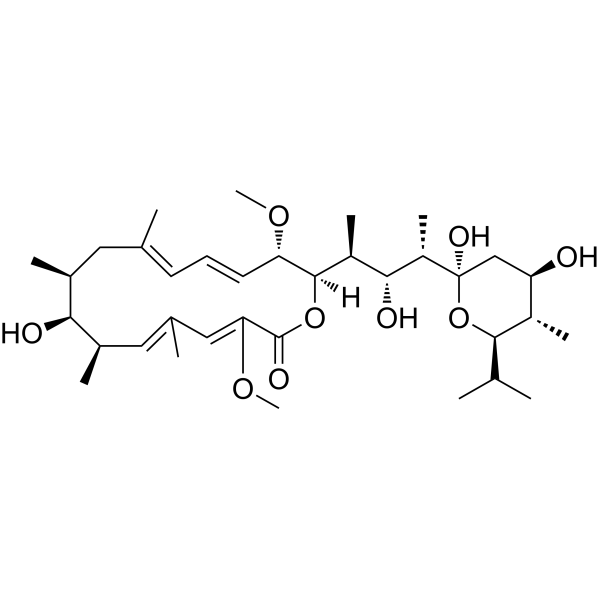
Bafilomycin A1 (BafA1) is a specific and reversible inhibitor of vacuolar H +-ATPase (V-ATPase) with IC50 values of 4-400 nmol/mg. Bafilomycin A1, a macrolide antibiotic, is also used as an autophagy inhibitor at the late stage. Bafilomycin A1 blocks autophagosome-lysosome fusion and inhibits acidification and protein degradation in lysosomes of cultured cells. Bafilomycin A1 induces apoptosis .
|
-
-
- HY-P0128
-
|
Amyloid beta-peptide (25-35); Aβ25-35; β-Amyloid peptide (25-35)
|
Amyloid-β
|
Neurological Disease
|
|
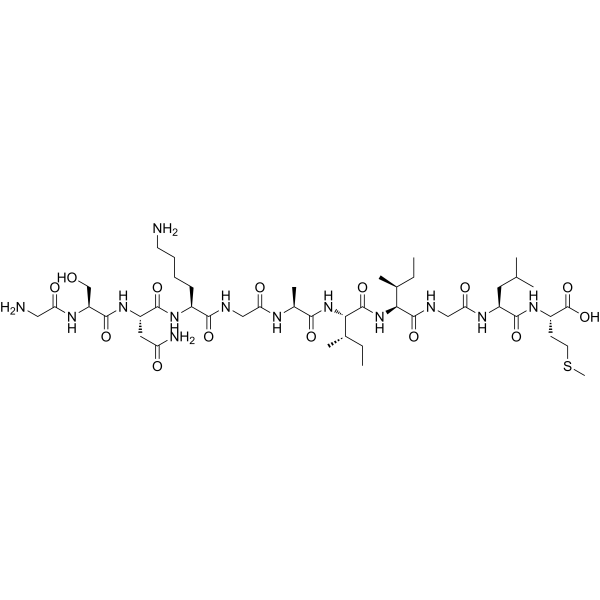
β-Amyloid (25-35) (Amyloid beta-peptide (25-35)) is the fragment Aβ(25-35) of the Alzheimer's amyloid β-peptide, has shown neurotoxic activities in cultured cells .
|
-
-
- HY-101903
-
|
|
FABP
|
Cardiovascular Disease
Metabolic Disease
|
|
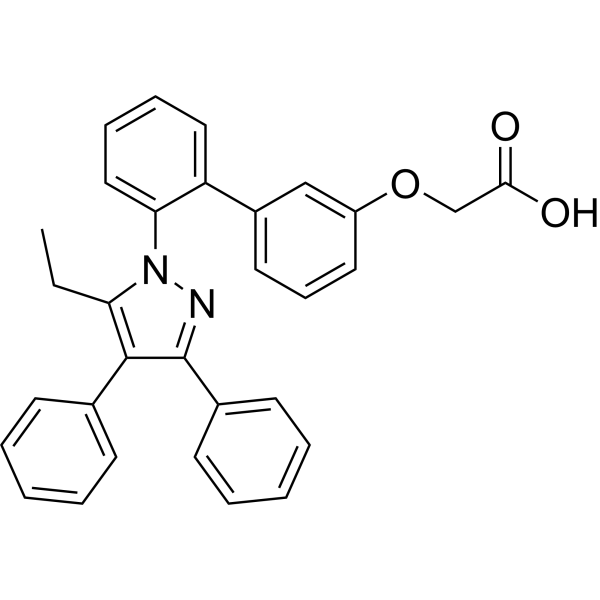
BMS-309403 is a potent, orally active and selective adipocyte fatty acid binding protein (also known as FABP4, aP2) inhibitor with Kis of <2, 250, and 350 nM for FABP4, FABP3, and FABP5, respectively. BMS-309403 interacts with the fatty-acid-binding pocket within the interior of the protein and competitively inhibits the binding of endogenous fatty acids. BMS-309403 improves endothelial function in apolipoprotein E-deficient mice and in cultured human endothelial cells .
|
-
-
- HY-D0974
-
|
Acid Red 52; Kiton Red 620
|
Environmental Pollutants
Fluorescent Dye
|
Others
|
|
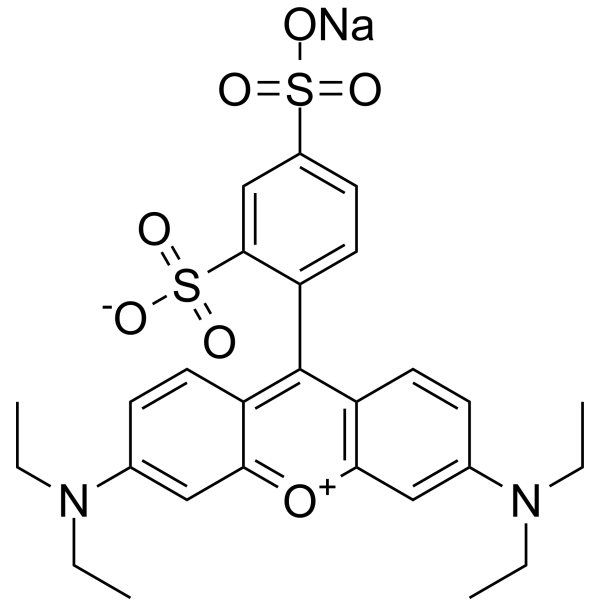
Sulforhodamine B sodium salt is a fluorescent dye with uses spanning from laser-induced fluorescence (LIF) to the quantification of cellular proteins of cultured cells.
|
-
-
- HY-B1119
-
|
|
Environmental Pollutants
Antibiotic
Apoptosis
Bacterial
Fungal
|
Infection
Cancer
|
|
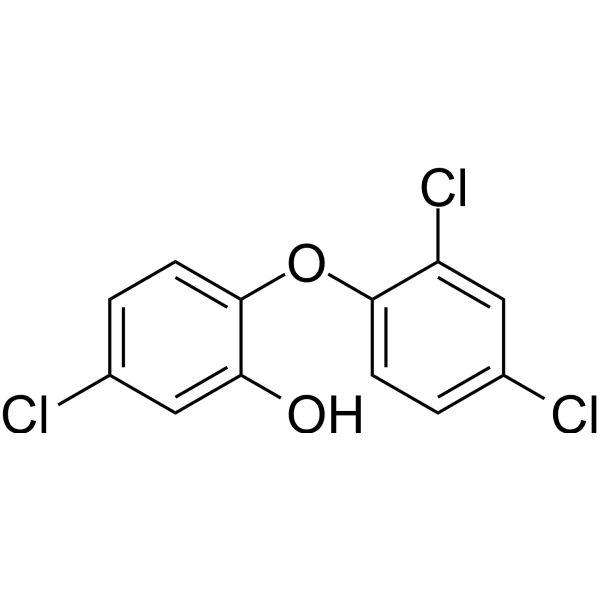
Triclosan is a broad-spectrum antibacterial agent that inhibits bacterial fatty acid synthesis at the enoyl-acyl carrier protein reductase (FabI) step. Triclosan inhibits E. coli enoyl-acyl carrier protein reductase (FabI) and FabI containing a glycine-to-valine substitution at position 93 (FabIG93V) with IC50s of 2 µM and 10 µM, respectively. Triclosan causes apoptotic effect in cultured rat neural stem cells (NSC). Triclosan exacerbates colitis and colitis-associated colorectal tumorigenesis in animal models .
|
-
-
- HY-119358
-
|
|
Reactive Oxygen Species (ROS)
Apoptosis
|
Cardiovascular Disease
Inflammation/Immunology
|
|
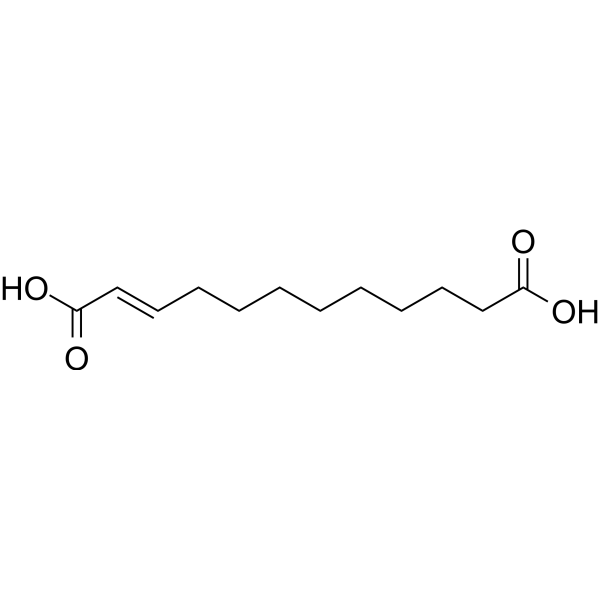
Traumatic Acid is a wound healing agent and a cytokinin (phytohormone). Traumatic Acid enhances the biosynthesis of collagen in cultured human skin fibroblasts. Traumatic Acid inhibits MCF-7 breast cancer cells viability and enhances apoptosis and oxidative stress. Traumatic Acid can be used in studies of cancer, circulatory disorders (including arterial hypertension), and skin diseases associated with oxidative stress and impaired collagen biosynthesis .
|
-
-
- HY-101903A
-
|
|
FABP
|
Cardiovascular Disease
Metabolic Disease
|
|
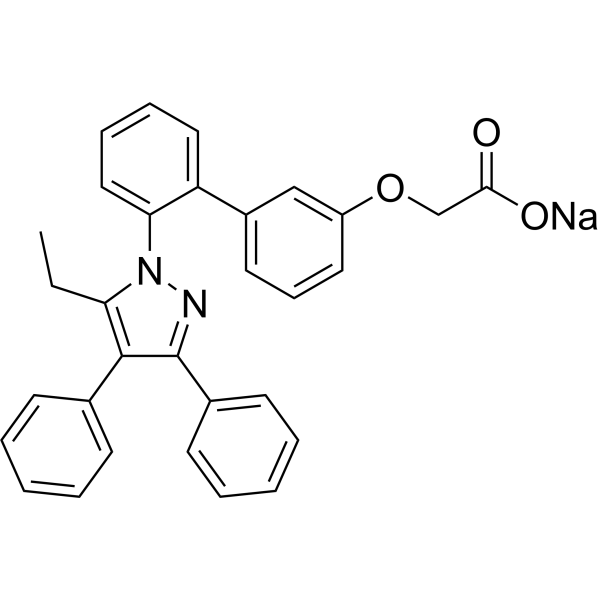
BMS-309403 sodium is a potent, orally active, and selective adipocyte fatty acid binding protein (also known as FABP4, aP2) inhibitor, with Kis of <2, 250, and 350 nM for FABP4, FABP3, and FABP5, respectively. BMS-309403 sodium interacts with the fatty-acid-binding pocket within the interior of the protein and competitively inhibits the binding of endogenous fatty acids. BMS-309403 sodium improves endothelial function in apolipoprotein E-deficient mice and in cultured human endothelial cells .
|
-
-
- HY-P1846
-
|
|
Notch
|
Cancer
|
|
Jagged-1 (188-204) is a fragment of the Jagged-1 (JAG-1) protein with Notch agonist activity. JAG-1 is a Notch ligand highly expressed in cultured and primary multiple myeloma (MM) cells. JAG-1 induces maturation of monocyte-derived human dendritic cells .
|
-
-
- HY-P0128A
-
|
Amyloid beta-peptide (25-35), HFIP-treated; Aβ25-35, HFIP-treated; β-Amyloid peptide (25-35), HFIP-treated
|
Amyloid-β
|
Neurological Disease
|
|
β-Amyloid (25-35) (Amyloid beta-peptide (25-35)), HFIP-treated is a β-Amyloid (25-35) (HY-P0128) treated with HFIP. β-Amyloid (25-35) (Amyloid beta-peptide (25-35)) is the fragment Aβ(25-35) of the Alzheimer's amyloid β-peptide, has shown neurotoxic activities in cultured cells .
|
-
-
- HY-128067
-
|
Hexamethylene amiloride; HMA
|
Sodium Channel
HIV
Apoptosis
|
Infection
Cancer
|
|
5-(N,N-Hexamethylene)-amiloride (Hexamethylene amiloride) derives from an amiloride and is a potent Na +/H + exchanger inhibitor, which decreases the intracellular pH (pHi) and induces apoptosis in leukemic cells. 5-(N,N-Hexamethylene)-amiloride (Hexamethylene amiloride) is also an inhibitor of the HIV-1 Vpu virus ion channel and inhibits mouse hepatitis virus (MHV) replication and human coronavirus 229E (HCoV229E) replication in cultured L929 cells with EC50s of 3.91 μM and 1.34 μM, respectively .
|
-
-
- HY-B0358
-
-
-
- HY-P1846A
-
|
|
Notch
|
Cancer
|
|
Jagged-1 (188-204) TFA is a fragment of the Jagged-1 (JAG-1) protein with Notch agonist activity. JAG-1 is a Notch ligand highly expressed in cultured and primary multiple myeloma (MM) cells. JAG-1 induces maturation of monocyte-derived human dendritic cells .
|
-
-
- HY-B0358A
-
-
-
- HY-107744
-
-
-
- HY-N2488
-
|
7-Demethylsuberosin
|
Calcium Channel
NO Synthase
|
Cardiovascular Disease
Neurological Disease
Inflammation/Immunology
|
|
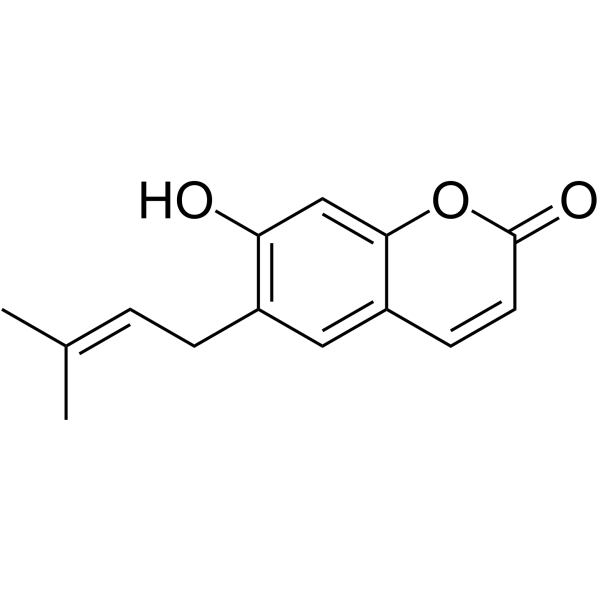
Demethylsuberosin (7-Demethylsuberosin) is a coumarin compound found in Angelica gigas Nakai. Demethylsuberosin exerts antihypertensive effects by inhibiting the L-type CaV1.2 channel. Demethylsuberosin has antioxidant and anti-inflammatory activities. Demethylsuberosin also exhibits neuroprotective activities against glutamate-induced toxicity in primary cultured rat cortical cells .
|
-
-
- HY-W008634
-
|
U-54461; U-54461S; PNU-54461
|
Toll-like Receptor (TLR)
|
Cancer
|
|
Bropirimine (U-54461; U-54461S; PNU-54461) is an orally active TLR7 agonist. Bropirimine inhibits RANKL-induced osteoclast differentiation of mouse bone marrow-derived macrophages (BMMs). Bropirimine exhibits dose-dependent direct inhibitory effects on colony formation of cultured KK-47 and 724 cells. Bropirimine can be used for the study of cancers and bone metabolic disorders such as osteoporosis .
|
-
-
- HY-N0307
-
|
|
Bcl-2 Family
NF-κB
DNA/RNA Synthesis
Apoptosis
|
Cardiovascular Disease
Neurological Disease
|
|
Ciwujianoside B is an orally active, blood-brain barrier penetrable radioprotective agent and memory enhancer. Ciwujianoside B reduces radiation-induced DNA damage, cell cycle arrest and apoptosis, downregulates NF-κB and the Bax/Bcl-2 ratio, and enhances the proliferative capacity of bone marrow cells. Ciwujianoside B enhances object recognition memory in normal mice and induces dendritic extension in primary cultured cortical neurons. Ciwujianoside B can be used in studies related to hematopoietic system radiation injury and memory enhancement .
|
-
-
- HY-B0652
-
-
-
- HY-120986
-
|
(S)-BEL; (S,E)-Bromoenol lactone
|
Phospholipase
|
Inflammation/Immunology
|
|
(S)-Bromoenol lactone ((S)-BEL) is an irreversible, chiral, mechanism-based inhibitor of calcium-independent phospholipase A2β (iPLA2β) that inhibits the vasopressin-induced release of arachidonate from cultured rat aortic smooth muscle (A10) cells with an IC50 of 2 µM .
|
-
-
- HY-123985
-
|
|
Mitochondrial Metabolism
|
Others
|
|
MFN2 agonist-1 (B-A/l) potently stimulates mitochondrial fusion in mitofusin 2 (MFN2)-deficient cells. MFN2 agonist-1 reverses mitochondrial “clumping” (formation of static mitochondrial aggregates) and restores mitochondrial motility in cultured mouse neurons expressing the CMT2A mutant MFN2 T105M.
|
-
-
- HY-148948
-
|
|
NAMPT
|
Neurological Disease
|
|
NAMPT activator-3, a NAT derivative, is a NAMPT activator with an EC50 of 2.6 μM and a KD of 132 nM. NAMPT activator-3 effectively protects cultured cells from FK866 (HY-50876)-mediated toxicity. NAMPT activator-3 exhibits strong neuroprotective efficacy in a chemotherapy-induced peripheral neuropathy (CIPN) mouse model without any overt toxicity .
|
-
-
- HY-121793
-
|
(-)-Roemerine
|
Endogenous Metabolite
5-HT Receptor
mGluR
iGluR
Bacterial
Antibiotic
|
Infection
Neurological Disease
Cancer
|
|
Roemerine is an alkaloid that has been identified from the leaves of Fibraurea recisa Pierre. Roemerine exhibits antibacterial, anticancer, and antidepressant activities, can reverse the multidrug resistance phenotype in cultured cells, and exerts antibacterial effects by regulating the cAMP signaling pathway. Additionally, Roemerine influences neuronal activity by increasing BDNF protein expression and modulating the serotonergic and glutamatergic systems. Roemerine holds promise for research in the fields of cancer, infections, and neurological diseases .
|
-
-
- HY-NP0147
-
|
WGA (Fluorescein)
|
Fluorescent Dye
|
Infection
Neurological Disease
|
|
Wheat Germ Agglutinin (WGA) Fluorescein is a classic fluorescent label that specifically binds to sugar residues such as N-acetylglucosamine, N-acetylneuraminic acid and sialic acid. Wheat Germ Agglutinin Fluorescein performs regionally differential fluorescent staining of the ocular surface epithelial glycocalyx to assess its integrity, and causes no damage to the eye at safe concentrations. Wheat Germ Agglutinin Fluorescein is also used for staining structures including red blood cells, cultured cells, bacteria and pine wood nematodes, and facilitates the isolation of wheat-associated plant-growth-promoting rhizobacterial strains. Wheat Germ Agglutinin Fluorescein can be applied to the detection of ocular glycocalyx integrity and the research of related diseases such as pine wilt disease .
|
-
-
- HY-P0246
-
-
-
- HY-126133
-
|
|
Ras
|
Cardiovascular Disease
Others
|
|
AM-001 is a non-competitive inhibitor of Epac1 that blocks the activation of Rap1, a downstream effector of Epac1, in cultured cells. AM-001 can be used in heart disease-related research .
|
-
-
- HY-18764
-
|
|
PTEN
|
Metabolic Disease
|
|
BpV(pic) potassium hydrate is a PTEN inhibitor with IC50 31 nM. BpV(pic) potassium hydrate is also an insulin simulator that activates insulin receptor kinase in cultured liver cancer cells, stimulates adipogenesis in adipocytes, and inhibits the dephosphorylation of autophosphorylated insulin receptors and epidermal growth factor receptors in rat hepatosomes .
|
-
-
- HY-N5021
-
|
AHSYB
|
Others
|
Neurological Disease
|
|
Anhydrosafflor yellow B (AHSYB) is a quinochalcone C-glycoside isolated from Carthamus tinctorius. Anhydrosafflor yellow B inhibits ADP-induced platelet aggregation, exhibits significant anti-oxidative effects in vitro, and possesses certain activity against H2O2-induced cytotoxicity in cultured PC12 cells and primary neuronal cells .
|
-
-
- HY-103721
-
|
|
Sirtuin
|
Metabolic Disease
Inflammation/Immunology
Cancer
|
|
SIRT6-IN-2 (Compound 5) is a selective and competitive SIRT6 inhibitor (IC50: 34 μM). SIRT6-IN-2 increases acetylation of H3K9 and increases glucose uptake in cultured cells. SIRT6-IN-2 also reduces T cell proliferation. SIRT6-IN-2 has immunosuppressive and chemosensitizing effects .
|
-
-
- HY-123349
-
|
|
Drug Metabolite
|
Cardiovascular Disease
|
|
5α-Hydroxy-6-keto cholesterol is major metabolite of β-epoxide (5α,6β-epoxycholesterol) during direct exposure of intact cultured human bronchial epithelial cells (16-HBE) to ozone. 5α-Hydroxy-6-keto cholesterol inhibits cholesterol synthesis with an IC50 of 350 nM .
|
-
-
- HY-119904
-
|
|
Cholinesterase (ChE)
|
Infection
|
|
Malaoxon is a pesticide metabolite. Malaoxon can induce cellular death in cultured human pulmonary cells. Malaoxon can be used for the research of pulmonary toxicity .
|
-
-
- HY-122672A
-
|
|
FAK
|
Neurological Disease
|
|
Adhesamine diTFA is a dumbbell-shaped molecule that activates the MAPK/FAK pathway. Adhesamine promotes the adhesion and growth of mammalian cells, accelerates the differentiation of primary cultured mouse hippocampal neurons, and enhances their survival rate .
|
-
-
- HY-P1564A
-
|
|
Angiotensin Receptor
|
Others
|
|
[Sar1, Ile8]-Angiotensin II (TFA) is a peptide that has multiple effects on vascular smooth muscle, including contraction of normal arteries and hypertrophy or hyperplasia of cultured cells or diseased vessels.
|
-
-
- HY-116893
-
|
|
HIF/HIF Prolyl-Hydroxylase
MOFs
|
Cancer
|
|
Diethyl bipy55'DC is an inhibitor of collagen proline 4-hydroxylases (CP4Hs) with antifibrotic and anti-metastatic activities. Diethyl bipy55'DC can inhibit CP4H activity in cultured cells at concentrations that do not cause iron deficiency .
|
-
-
- HY-W190976
-
|
5-VINYL-DURD
|
DNA/RNA Synthesis
Apoptosis
|
Cancer
|
|
5-Vinyl-2'-deoxyuridine (5-VINYL-DURD), a thymidine analogue, is incorporated into cellular DNA during DNA replication. 5-Vinyl-2'-deoxyuridine is a click chemistry reagent, it contains an Alkyne group and induces DNA damage leads to apoptosis in human cultured cells .
|
-
-
- HY-135818
-
|
|
Dihydroceramide Desaturase 1 (DES1)
|
Cancer
|
|
XM462 is a dihydroceramide desaturase inhibitor. XM462 produced a mixed-type inhibition (Ki=2 μM) in vitro. XM462 has dihydroceramide desaturase inhibition both in vitro and in cultured cells with IC50 values of 8.2 and 0.78 μM, respectively. XM462 can be used for the research of tumor .
|
-
-
- HY-169342
-
-
-
- HY-W017692
-
|
|
Biochemical Assay Reagents
|
Metabolic Disease
|
|
2-Aminoindan-2-phosphonic acid hydrochloride is a competitive phenylalanine ammonia lyase (PAL) inhibitor that significantly decreases the levels of total phenolic compounds and PheGs in plant cultured cells .
|
-
-
- HY-100547
-
|
|
iGluR
|
Neurological Disease
|
|
IEM-1754, a dicationic adamantane derivative, is a potent blocker of open channels of native ionotropic glutamate receptors including quisqualate-sensitive receptors in insect muscles, NMDAR in cultured rat cortical neurons, and AMPAR in freshly isolated hippocampal cells. IEM-1754 shows anticonvulsant potency in vivo .
|
-
-
- HY-119358R
-
|
|
Reference Standards
Reactive Oxygen Species (ROS)
Apoptosis
|
Cardiovascular Disease
Inflammation/Immunology
|
|
Traumatic Acid (Standard) is the analytical standard of Traumatic Acid. This product is intended for research and analytical applications. Traumatic Acid is a wound healing agent and a cytokinin (phytohormone). Traumatic Acid enhances the biosynthesis of collagen in cultured human skin fibroblasts. Traumatic Acid inhibits MCF-7 breast cancer cells viability and enhances apoptosis and oxidative stress. Traumatic Acid can be used in studies of cancer, circulatory disorders (including arterial hypertension), and skin diseases associated with oxidative stress and impaired collagen biosynthesis[1][2].
|
-
-
- HY-139097
-
|
|
Acyltransferase
|
Others
|
|
C12-Sphingosine is a short-chain Sphingosine homologue. C12-Sphingosine inhibits serine palmitoyltransferase activity in primary cultured cerebellar cells .
|
-
-
- HY-W013214
-
|
|
Endogenous Metabolite
|
Others
|
|
Ethyl arachidonate is a lipophilic esterified form of arachidonic acid (AA) and can be added into dietary regimens or fed to cultured cells as a source of exogenous arachidonate. Ethyl arachidonate is the main species of fatty acid ethyl esters (FAEE) in brain of alcohol-intoxicated subjects .
|
-
-
- HY-N16402
-
|
|
Cytochrome P450
Endogenous Metabolite
|
Cancer
|
|
Aspergillusidone D (Compound 1), a brominated depsidone, is a Aromatase inhibitor with an IC50 of 0.8 μM. Aspergillusidone D can be isolated from fungus Aspergillus unguis cultured in KBr medium. Aspergillusidone D has potent cytotoxicity against cancers cells, such as MOLT-3 cells. Aspergillusidone D can be used for cancers like breast cancer research .
|
-
-
- HY-142088
-
|
|
Endogenous Metabolite
|
Metabolic Disease
|
|
Beauverolide Ka, a cyclotetradepsipeptide, is a metabolite of Beauveria bassiana fungus. Beauverolide Ka stimulates glucose uptake in cultured rat L6 myoblasts at 50 μM. Beauverolide Ka exhibits protecting effects on HEI-OC1 cells at 10 μM and shows dose-dependent activity in both L6 myoblasts and myotubes .
|
-
-
- HY-B0358AR
-
|
|
Reference Standards
Calcium Channel
Sodium Channel
Dopamine Receptor
|
Neurological Disease
|
|
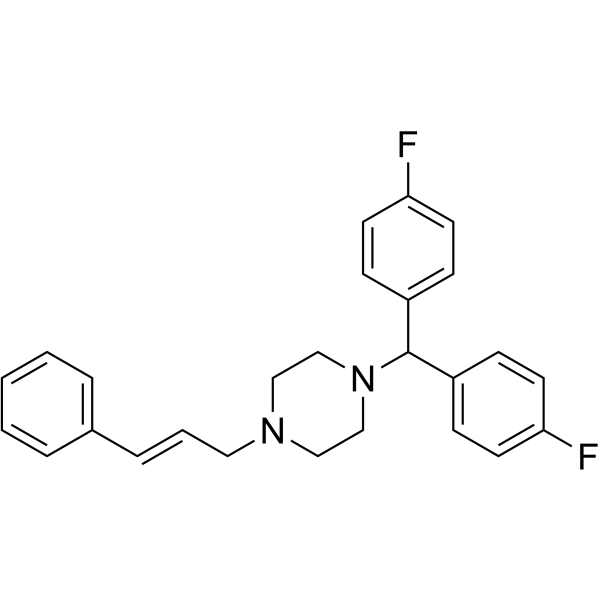
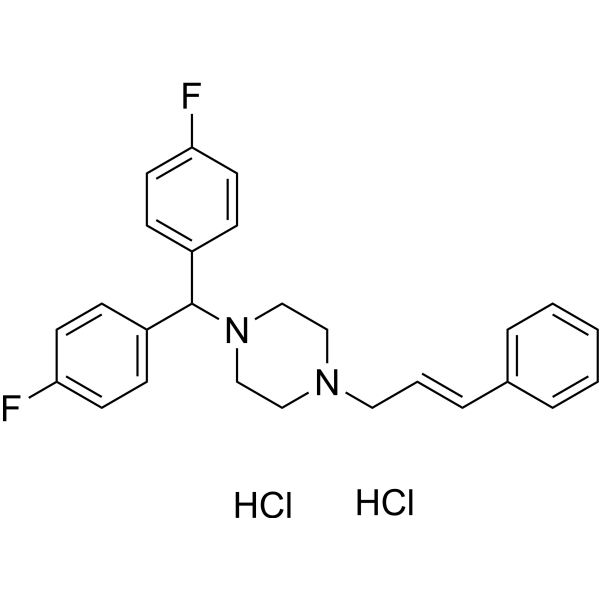
Flunarizine (dihydrochloride) (Standard) is the analytical standard of Flunarizine (dihydrochloride). This product is intended for research and analytical applications. Flunarizine dihydrochloride is a potent dual Na +/Ca 2+ channel (T-type) blocker. Flunarizine dihydrochloride is a D2 dopamine receptor antagonist. Flunarizine dihydrochloride shows anticonvulsive and antimigraine activity, and peripheral vasodilator effects .
|
-
-
- HY-126644
-
|
|
Bacterial
Fungal
|
Infection
Cancer
|
|
Halocyamine B exhibits antimicrobial activity against a variety of bacteria and yeasts. Halocyamine B exhibits cytotoxicity to cultured neural cells of rat fetal brain, mouse neuroblastoma N18 cells, and human hepatoma HepG2 cells .
|
-
-
- HY-N8933
-
|
|
Others
|
Others
|
|
Glucolimnanthin is a plant glucoside that can be isolated from Limnanthes douglasii. Glucolimnanthin can increase metabolic activation of benzo[a]pyrene (B[a]P) in cultured mammalian cells
|
-
-
- HY-136295
-
|
|
Antibiotic
Bacterial
|
Infection
Inflammation/Immunology
|
|
Quinaldopeptin, a quinomycin antibiotic isolated from the culture of Streptoverticillium album strain, is highly active against Gram-positive bacteria and anaerobes and strongly cytotoxic against cultured B16 melanoma cells .
|
-
-
- HY-125202
-
|
|
CDK
DYRK
|
Cancer
|
|
KuWal151 is a CLK1, CLK2 and CLK4 inhibitor with a high selectivity margin towards DYRK kinases. KuWal151 has potent antiproliferative activity in an array of cultured cancer cell lines .
|
-
-
- HY-121452
-
|
|
nAChR
Calcium Channel
|
Cancer
|
|
Migrastatin is a typical Fascin1 inhibitor. Migrastatin is isolated from a cultured broth of Streptomyces sp. MK929-43F1. Migrastatin inhibits tumor cell migration .
|
-
-
- HY-P2082
-
|
|
GnRH Receptor
|
Others
|
|
[D-pGlu1,D-Phe2,D-NaI3,6]-Gn-RH is a gonadotropin-releasing hormone (Gn-RH) agonist that has a dose-dependent inhibitory activity on progesterone secretion from cultured human granulosa cells.
|
-
- HY-118482
-
|
Saurolactam
|
Others
|
Neurological Disease
|
|
Sauristolactam, a natural aristolactam isolated from aerial portions of Saururus chinensis, has significant neuroprotective activity against glutamate-induced toxicity in primary cultured rat cortical cells . Sauristolactam also inhibits the receptor activator of nuclear factor-κB ligand (RANKL)-induced osteoclastogenesis and has the potential to inhibit osteoclast differentiation .
|
-
- HY-B0652S1
-
-
- HY-B0652R
-
|
3-Oxodesogestrel (Standard); 3-keto-Desogestrel (Standard)
|
Drug Metabolite
Reference Standards
Estrogen Receptor/ERR
Progesterone Receptor
Endogenous Metabolite
FKBP
|
Endocrinology
|
|
Etonogestrel (Standard) is the analytical standard of Etonogestrel. This product is intended for research and analytical applications. Etonogestrel (3-Oxodesogestrel), a biologically active metabolite of progestin Desogestrel, binds with high affinity to progesterone receptors and estrogen receptors in the target organs . Etonogestrel induce FKBP51 mRNA and protein expression in cultured human endometrial stromal cells (HESCs) .
|
-
- HY-W975966
-
|
|
Keap1-Nrf2
|
Neurological Disease
|
|
CPDT is an orally active and highly potent inducer of phase 2 enzymes and an activator of Nrf2. The activities of key phase 2 enzymes, including glutathione S-transferase, NAD(P)H:quinone:oxidoreductase 1 and glutamate cysteine synthetase, and levels of glutathione were elevated by CPDT in rat bladder in vivo and in cultured bladder cells in vitro [2].
|
-
- HY-138961
-
|
|
Syk
|
Inflammation/Immunology
|
|
ER-27319, an acridone derivative, is a potent and selective SYK inhibitor, and inhibits the tyrosine phosphorylation of SYK and its activity. ER-27319 inhibits the release of antigen-induced allergic mediators from human and rat mast cells with an IC50 of 10 μM and can be used for study in allergic diseases .
|
-
- HY-D1636
-
|
|
Fluorescent Dye
|
Others
|
|
5-Nitro BAPTA is a calcium chelator, combinded with 2-Me-substituted TM ( as a fluorescent moiety), can be used to form a red fluorescent probe (CaTM-2 AM), for imaging of cytoplasmic Ca 2+ in cultured living cells. 5-Nitro BAPTA is a building block used in the synthesis of Ca 2+ specific chelators, Ca 2+ buffers, and fluorescent Ca 2+ indicators .
|
-
- HY-B0358AS
-
-
- HY-113725
-
|
|
HMG-CoA Reductase (HMGCR)
|
Others
|
|
L 668411 is a β-lactone inhibitor with activity against 3-hydroxy-3-methylglutaryl-CoA synthase and cholesterol biosynthesis. L 668411 inhibits rat liver cytosolic 3-hydroxy-3-methylglutaryl-CoA synthase and [14C] acetate incorporation into sterols in cultured Hep G2 cells, and the inhibition appears to be irreversible in cells but reversible in cultured cells and animals.
|
-
- HY-N9737
-
|
|
Others
|
Neurological Disease
|
|
(−)-Acutumine is a tetracyclic chloroalkaloid that exhibits selective cytotoxicity to cultured human T cells and memory-enhancing properties in the Wistar rat model .
|
-
- HY-N14006
-
|
|
Others
|
Cardiovascular Disease
|
|
Louisianin D is a non-steroidal growth inhibitor of Testosterone-responsive SC 115 cells. Louisianin D potently suppresses the tube formation of cultured vascular endothelical cells in vitro.
|
-
- HY-P5877
-
|
|
PKC
|
Inflammation/Immunology
|
|
PKC(85–92),Myristoylated is a cell permeable myristic acid conjugated PKC peptide activator that enhances NO release in cultured human umbilical vein endothelial cells (HUVECs) .
|
-
- HY-P5888
-
|
Myr‐PKCɛ-
|
PKC
|
Inflammation/Immunology
|
|
PKCε inhibitor peptide,myristoylated (Myr‐PKC -) is a cell permeable myristic acid conjugated PKC peptide inhibitor that attenuates NO release in cultured human umbilical vein endothelial cells (HUVECs) .
|
-
- HY-121931
-
|
|
Lipoxygenase
|
Cancer
|
|
AA863 is a 5-lipoxygenase inhibitor with activity in inhibiting the proliferation of human glioma cells. AA863 exhibits significant and dose-dependent inhibitory effects in monolayer cultured glioma cells with an IC50 of 9.0 micromolar .
|
-
- HY-P2563
-
|
|
Angiotensin Receptor
|
Metabolic Disease
|
|
[Tyr(P)4] Angiotensin II is a peptide that has multiple effects on vascular smooth muscle, including contraction of normal arteries and hypertrophy or hyperplasia of cultured cells or diseased vessels .
|
-
- HY-P1564
-
-
- HY-P10659
-
|
|
EGFR
|
Cancer
|
|
Self-assembling peptide pY1 is a peptide that assemblies around cancer cells and targets EGFR. When co-cultured with Ovalbumin (OVA), pY1 can effectively block the endocytosis of OVA .
|
-
- HY-116392A
-
|
|
Glucosylceramide Synthase (GCS)
|
Cancer
|
|
(−)-L-threo-PDMP hydrochloride is the hydrochloride form of (−)-L-threo-PDMP. L-threo-PDMP is a glucosylceramide synthase (GCS) inhibitor. L-threo-PDMP stimulates the proliferation of cultured aortic smooth muscle cells, and that increases the level of LacCer in B16 melanoma cells .
|
-
- HY-123325
-
|
|
Antibiotic
Bacterial
|
Infection
Cancer
|
|
Kapurimycin A1 is an anbitiotic that can be isolated from Streptomyces. Kapurimycin A1 has a significant inhibitory effect on Gram-positive bacteria, exhibits cytotoxicity to cultured mammalian cells, and shows strong antitumor activity against the mouse leukemia P388 cell line .
|
-
- HY-119904R
-
|
|
Drug Metabolite
Reference Standards
|
Infection
|
|
Malaoxon (Standard) is the analytical standard of Malaoxon. This product is intended for research and analytical applications. Malaoxon is a pesticide metabolite. Malaoxon can induce cellular death in cultured human pulmonary cells. Malaoxon can be used for the research of pulmonary toxicity .
|
-
- HY-106064A
-
|
U 60257B
|
Leukotriene Receptor
|
Inflammation/Immunology
|
|
Piriprost (U-60,257B) potassium is an inhibitor of leukotriene synthesis. Piriprost potassium inhibits the release of both leukotriene and histamine with an IC50 of 0.11 μM from isolated porcine lung cells. Piriprost potassium increases alkaline phosphatase (ALP) activity in cultured endometrial stromal cells .
|
-
- HY-117603
-
|
|
Glucokinase
|
Infection
|
|
CM-10-18 is a potent and orally active inhibitor of both α-glucosidases I and II in vitro and in animals. CM-10-18 inhibits DENV infection of cultured human cells and reduces the peak viremia of DENV in mice .
|
-
- HY-122341
-
|
FR 900840
|
Antibiotic
|
Cancer
|
|
Thrazarine (FR 900840) is an oncology antibiotic that can be produced by Streptomyces coerulescens MH802-fF5. Thrazarine directly inhibits DNA synthesis and tumor cell growth. Thrazarine can specifically induce lysis of tumor cells co-cultured with non-activated macrophages. Thrazarine is used in cancer research .
|
-
- HY-N5208
-
|
|
Others
|
Cancer
|
|
YM-216391 is an antitumor cyclic peptide that can be isolated from the cultured mycelium of Streptomyces nobilis JCM 4274. YM-216391 exhibits potent cytotoxic activity against a variety of human cancer cell lines and can be used in anticancer research .
|
-
- HY-163061
-
|
|
Histamine Receptor
|
Inflammation/Immunology
|
|
Quinotolast is an orally active antiallergic agent. Quinotolast inhibits histamine release from rat peritoneal cells. Quinotolast inhibits cutaneous cromoglycate in guinea pig model. Quinotolast has inhibitory effect on histamine and peptide leukotrienes release from guinea pig lung fragments and mouse cultured mast cells. Quinotolast can be studied in allergy-related research .
|
-
- HY-P1566
-
|
|
HIV
|
Infection
|
|
MPG, HIV related is 27-aa peptide, derived from both the nuclear localisation sequence of SV40 large T antigen and the fusion peptide domain of HIV-1 gp41 and is a potent delivery agent for the generalised delivery of nucleic acids and of oligonucleotides into cultured cells.
|
-
- HY-P3170
-
|
|
Biochemical Assay Reagents
Bacterial
|
Infection
|
|
β-alanine-pyruvate transaminase is an enzyme. Dihydrouracil and dihydrothymine, as nitrogen sources, increase the activity of β-alanine-pyruvate transaminase in cultured B. cepacia cells. The activity of β-alanine-pyruvate transaminase can be measured by tracking the release of L-α-alanine during the reaction .
|
-
- HY-P10692
-
|
|
Interleukin Related
|
Inflammation/Immunology
|
|
HB-107 is a peptide with wound healing properties. HB-107 promotes the proliferation of keratinocytes and increased leukocyte infiltration at the wound site, and it also stimulates cultured endothelial cells to secrete interleukin 8 (IL-8). HB-107 holds potential for research in the fields of wound healing and inflammation .
|
-
- HY-W013214S
-
|
|
Isotope-Labeled Compounds
Endogenous Metabolite
|
Others
|
|
Ethyl arachidonate-d11 is deuterium labeled Ethyl arachidonate. Ethyl arachidonate is a lipophilic esterified form of arachidonic acid (AA) and can be added into dietary regimens or fed to cultured cells as a source of exogenous arachidonate. Ethyl arachidonate is the main species of fatty acid ethyl esters (FAEE) in brain of alcohol-intoxicated subjects .
|
-
- HY-117523
-
|
(Z)-Tyrphostin RG13022
|
EGFR
|
Cancer
|
|
(Z)-RG-13022 is a tyrosine kinase (TK) inhibitor, which inhibits preferentially the TK activity of the EGF receptor and inhibits EGF-stimulated growth of cultured cells. (Z)-RG-13022 exerts an IC50 of 11 μM for DNA synthesis in the HN5 cells, which is 3 times more potent than (E)-RG-13022 (IC50=38 μM). (Z)-RG-13022 can be used for research of breast cancer cells .
|
-
- HY-N15155
-
|
Vitexin 7-glucoside
|
Others
|
Metabolic Disease
|
|
Vitexin 7-O-β-D-glucopyranoside (Vitexin 7-glucoside) is a flavone glycoside found in Beta vulgaris var. cicla. Vitexin 7-O-β-D-glucopyranoside shows a hepatoprotective activity in primary cultured rat hepatocytes with Carbon tetrachloride (CCl4) (HY-Y0298)-induced cell toxicity .
|
-
- HY-108489
-
|
|
Syk
|
Inflammation/Immunology
|
|
ER-27319 (maleate), an acridone derivative, is a potent and selective SKY inhibitor, and inhibits the tyrosine phosphorylation of SYK and its activity. ER-27319 (maleate) inhibits the release of antigen-induced allergic mediators from human and rat mast cells with an IC50 of 10 μM and can be used for study in allergic diseases [1] [2] .
|
-
- HY-P5487
-
|
|
iGluR
|
Others
|
|
GluR23Y is a biological active peptide. (This GluR23Y peptide was used in ELISA cell-surface assay for the insulin-stimulated endocytosis of native AMPA receptors in cultured hippocampal neurons. GluR23Y prevented any insulin-induced reduction. The blockade of insulin action was observed when the GluR23Y peptide was delivered into neurons by fusing it to the membrane transduction domain of HIV-1.)
|
-
- HY-113884
-
|
13(R)-HODE
|
Endogenous Metabolite
|
Metabolic Disease
|
|
13(R)-HODE is the opposite enantiomer of the 13(S)-HODE produced when linoleic acid is incubated with soybean lipoxygenase. The presence of 13(R)-HODE in the supernatants and membranes of cultured bovine endothelial cells has been attributed to COX metabolism.1 13(R)-HODE is a weak (IC50=2.7 μM) inhibitor of U-46619-induced platelet aggregation.
|
-
- HY-137547
-
|
|
Prostaglandin Receptor
|
Metabolic Disease
|
|
20-hydroxy Prostaglandin F2α (20-hydroxy PGF2α) is the ω-oxidation product of PGF2α. Cultured type II alveolar cells from pregnant rabbits metabolize exogenous PGF2α via microsomal cytochrome P450 ω-oxidation, producing 20-hydroxy PGF2α and its 15-hydroxy PGDH metabolites. Cells from male rabbits exhibit only the 15-hydroxy PGDH pathway.
|
-
- HY-W740572
-
|
|
Prostaglandin Receptor
COX
|
Inflammation/Immunology
|
|
O-Desmethyl-N-deschlorobenzoyl indomethacin is a metabolite of the non-steroidal anti-inflammatory drug (NSAID) and COX inhibitor indomethacin (HY-14397). It is formed from indomethacin in isolated rabbit hepatocytes. O-Desmethyl-N-deschlorobenzoyl indomethacin (600 μM) decreases the viability of HL-60 leukemia cells when cultured with glucose oxidase. It has also been used in the synthesis of prostaglandin D2 (HY-101988) receptor antagonists.
|
-
- HY-P991245
-
|
|
EGFR
|
Cancer
|
|
Anti-ERBB3/HER3 (SGP1) is a human monoclonal antibody (mAb) targeting ERBB3/HER3. Anti-ERBB3/HER3 (SGP1) inhibits Neuregulin stimulated growth of cultured breast cancer cells. Anti-ERBB3/HER3 (SGP1) can be used in breast cancer research .
|
-
- HY-100781
-
|
D-APB; D-2-Amino-4-phosphonobutyric acid
|
iGluR
|
Neurological Disease
|
|
D-AP4 (D-APB; D-2-Amino-4-phosphonobutyric acid), a phosphono analogue of glutamate, is an NMDA broad spectrum excitatory amino acid receptor antagonist. D-AP4 also is an agonist for a quisqualate-sensitized AP6 site in hippocampus. D-AP4 inhibits AMPA receptor-stimulated 57Co 2+ influx in cultured cerebellar granule cells (IC50 ≥ 100 μM) .
|
-
- HY-N0307R
-
|
|
Reference Standards
Bcl-2 Family
NF-κB
DNA/RNA Synthesis
Apoptosis
|
Cardiovascular Disease
Neurological Disease
|
|
Ciwujianoside B (Standard) is the analytical standard of Ciwujianoside B. This product is intended for research and analytical applications. Ciwujianoside B is an orally active, blood-brain barrier penetrable radioprotective agent and memory enhancer. Ciwujianoside B reduces radiation-induced DNA damage, cell cycle arrest and apoptosis, downregulates NF-κB and the Bax/Bcl-2 ratio, and enhances the proliferative capacity of bone marrow cells. Ciwujianoside B enhances object recognition memory in normal mice and induces dendritic extension in primary cultured cortical neurons. Ciwujianoside B can be used in studies related to hematopoietic system radiation injury and memory enhancement.
|
-
- HY-B0358R
-
|
|
Reference Standards
Calcium Channel
Sodium Channel
Dopamine Receptor
|
Neurological Disease
|
|
Flunarizine (Standard) is the analytical standard of Flunarizine. This product is intended for research and analytical applications. Flunarizine is a potent dual Na +/Ca 2+ channel (T-type) blocker. Flunarizine is a D2 dopamine receptor antagonist. Flunarizine shows anticonvulsive and antimigraine activity, and peripheral vasodilator effects .
|
-
- HY-N16465
-
|
|
Apoptosis
Reactive Oxygen Species (ROS)
STAT
|
Inflammation/Immunology
|
|
Cinnamtannin D1 is an orally active polyphenolic compound with immunosuppressive activity. Cinnamtannin D1 regulates the balance of Th17/Treg cells by inhibiting AHR expression. Cinnamtannin D1 reduces apoptosis and ROS in INS-1 cells and primary cultured murine islets induced by Palmitic acid (PA) (HY-N0830). Cinnamtannin D1 reduces Th17 cell differentiation via downregulating p-STAT3/RORγt and promotes Treg cell differentiation via upregulating p-STAT5/Foxp3. Cinnamtannin D1 exerts excellent anti-arthritic efficacy in collagen-induced arthritis (CIA) model of mice. Cinnamtannin D1 can be used for the study of rheumatoid arthritis (RA) .
|
-
- HY-107744R
-
-
- HY-N9210
-
|
|
Others
|
Cancer
|
|
1,2,3-Tri-O-methyl-7,8-methyleneflavellagic acid, a ellagic acid derivative of Agrostistachys hookeri, exhibits activity against cultured P-388 lymphocytic leukemia cells .
|
-
- HY-N19314
-
|
|
Endogenous Metabolite
Fungal
|
Cancer
|
|
4-Acetylantroquinonol B is a benzoquinone derivative and a hepatocellular carcinoma cell proliferation inhibitor. 4-Acetylantroquinonol B can be isolated from the mycelia of Antrodia cinnamomea cultured via submerged fermentation. 4-Acetylantroquinonol B exhibits selective activity against hepatocellular carcinoma cells and can be used in hepatocellular carcinoma research .
|
-
- HY-W740009
-
|
|
Drug Metabolite
Prostaglandin Receptor
|
Inflammation/Immunology
|
|
4-Oxoetodolac, Etodolac (HY-76251) metabolite, is an orally active antiinflammatory agent. 4-Oxoetodolac blocks prostaglandin production in cultured chondrocyte cells. 4-Oxoetodolac exhibits slight antiinflammatory activity in a rat adjuvant edema model. 4-Oxoetodolac can be used for the research of inflammation .
|
-
- HY-167655
-
|
|
Androgen Receptor
|
Others
|
|
KF-19418 is a hair follicle stimulator with hair growth promoting activity. KF-19418 stimulates proliferation of cultured hair bulb cells from newborn mice. KF-19418 accelerates hair regrowth in hair-clipped mouse alopecia model following topical application. KF-19418 can be used for the research of alopecia .
|
-
- HY-P11637
-
|
|
Fluorescent Dye
|
Neurological Disease
|
|
Mitochondrial-targeted peptide BP19 is a fluorescent probe for the selective measurement of labile iron in the mitochondriairon. Mitochondrial-targeted peptide BP19 exhibits iron-selective sensing activity with mitochondrial accumulation, reduced fluorescence in iron-loaded cells, and fluorescence reinstatement upon iron chelation. Mitochondrial-targeted peptide BP19 evaluates mitochondrial labile iron levels in cultured fibroblasts with Friedreich's ataxia .
|
-
- HY-180460
-
|
|
Insecticide
|
Others
|
|
SCPI-1 is a potent and competitive mosquito sterol carrier protein-2 (SCP-2) inhibitor (AeSCP-2 IC50 = 0.347 µM; AeSCP-x IC50 = 0.527 µM). SCPI-1 exhibits physiological effects on cholesterol metabolism in cultured insect cells (IC50 of 5.53 µM in Aag-2 cells). SCPI-1 shows insecticidal activity against Aedes aegypti with a LD50 of 4.8 µM .
|
-
- HY-180500
-
|
|
Insecticide
|
Others
|
|
SCPI-3 is a potent and competitive mosquito sterol carrier protein-2 (SCP-2) inhibitor (AeSCP-2 IC50 = 0.159 µM; AeSCP-x IC50 = 0.285 µM). SCPI-3 exhibits physiological effects on cholesterol metabolism in cultured insect cells (IC50 of 3.09 µM in Aag-2 cells). SCPI-3 shows insecticidal activity against Aedes aegypti with a LD50 of 12.3 µM .
|
-
- HY-103721R
-
|
|
Sirtuin
Reference Standards
|
Metabolic Disease
Inflammation/Immunology
Cancer
|
|
SIRT6-IN-2 (Standard) is the analytical standard of SIRT6-IN-2 (HY-103721). This product is intended for research and analytical applications. SIRT6-IN-2 (Compound 5) is a selective and competitive SIRT6 inhibitor (IC50: 34 μM). SIRT6-IN-2 increases acetylation of H3K9 and increases glucose uptake in cultured cells. SIRT6-IN-2 also reduces T cell proliferation. SIRT6-IN-2 has immunosuppressive and chemosensitizing effects .
|
-
- HY-116153
-
|
|
Cholinesterase (ChE)
|
Neurological Disease
|
|
HUHS2002 is a free fatty acid derivative with the ability to enhance α7 cholinergic receptor activity. HUHS2002 enhances whole-cell membrane currents of α7 ACh receptors expressed in Xenopus oocytes in a concentration-dependent manner. The effects of HUHS2002 were blocked in the presence of the Ca2 /calmodulin-dependent protein kinase II (CaMKII) inhibitor KN-93. HUHS2002 activated CaMKII in cultured rodent hippocampal neurons, and this activation was abolished by KN-93. HUHS2002 also partially inhibited the activity of protein phosphatase 1 (PP1) in a cell-free PP1 activity assay .
|
-
- HY-B0708
-
|
1,3,5(10)-Estratriene-3,17β-diol 17-acetate
|
Estrogen Receptor/ERR
|
Endocrinology
|
|
β-Estradiol 17-acetate (1,3,5(10)-Estratriene-3,17β-diol 17-acetate) is a long-acting endogenous estrogen precursor and also a cell viability and proliferation enhancer. β-Estradiol 17-acetate promotes the adhesion and proliferation of freshly isolated and revived female-derived human brain microvascular endothelial cells, and reverses the decreased viability of revived male-derived human brain microvascular endothelial cells. β-Estradiol 17-acetate exerts the microvascular protective effect of estrogen, enabling non-tumor human brain microvascular endothelial cells to be cultured in vitro for 2 months after cryopreservation. β-Estradiol 17-acetate is biotransformed into β-estradiol via hydrolase action in the in vitro skin of humans, hairless dogs, rats and hairless mice .
|
-
- HY-W653962
-
|
|
Isotope-Labeled Compounds
Apoptosis
Antibiotic
Fungal
Bacterial
|
Infection
Cancer
|
|
Triclosan- 13C6 is 13C labeled Triclosan. Triclosan is a broad-spectrum antibacterial agent that inhibits bacterial fatty acid synthesis at the enoyl-acyl carrier protein reductase (FabI) step. Triclosan inhibits E. coli enoyl-acyl carrier protein reductase (FabI) and FabI containing a glycine-to-valine substitution at position 93 (FabIG93V) with IC50s of 2 μM and 10 μM, respectively. Triclosan causes apoptotic effect in cultured rat neural stem cells (NSC). Triclosan exacerbates colitis and colitis-associated colorectal tumorigenesis in animal models .
|
-
- HY-P1856
-
|
|
Insulin Receptor
PDGFR
MAPKAPK2 (MK2)
|
Cardiovascular Disease
Metabolic Disease
Inflammation/Immunology
|
|
Proinsulin C-peptide (human) is a peptide consisting of 31 amino acids that links the A and B chains of proinsulin to ensure its correct folding. Proinsulin C-peptide (human) inhibits the high glucose-induced increase in PDGF-β receptor protein expression and the phosphorylation of p42/p44 MAP kinase. Proinsulin C-peptide (human) increases the deformability of erythrocytes derived from type 1 diabetes, inhibits insulin-induced neointimal thickening, and suppresses the proliferation of rat aortic smooth muscle cells cultured under high-glucose conditions .
|
-
- HY-B1119R
-
|
|
Reference Standards
Bacterial
Fungal
Antibiotic
Apoptosis
|
Infection
Cancer
|
|
Triclosan (Standard) is the analytical standard of Triclosan. This product is intended for research and analytical applications. Triclosan is a broad-spectrum antibacterial agent that inhibits bacterial fatty acid synthesis at the enoyl-acyl carrier protein reductase (FabI) step. Triclosan inhibits E. coli enoyl-acyl carrier protein reductase (FabI) and FabI containing a glycine-to-valine substitution at position 93 (FabIG93V) with IC50s of 2 µM and 10 µM, respectively. Triclosan causes apoptotic effect in cultured rat neural stem cells (NSC). Triclosan exacerbates colitis and colitis-associated colorectal tumorigenesis in animal models .
|
-
- HY-134454
-
|
|
Prolyl Endopeptidase (PREP)
Parasite
|
Infection
|
|
Z-Pro-Pro-CHO is a potent inhibitor of prolyl oligopeptidase (POP), with extremely high affinity for human prolyl oligopeptidase (HsPOP) (IC50=0.012 μM), and it also effectively inhibits the activity of Schistosoma mansoni prolyl oligopeptidase (SmPOP) (IC50=0.16 μM). Z-Pro-Pro-CHO does not block the phosphorylation of ERK or the production of TNF-α or IFN-γ in immune cells from presensitized mice, nor does it induce harmful phenotypes in cultured Schistosoma mansoni schistosomula. Z-Pro-Pro-CHO only partially inhibits epithelial cell wound healing at extremely high concentrations. Z-Pro-Pro-CHO finds wide application in studies related to schistosomiasis .
|
-
- HY-128067R
-
|
Hexamethylene amiloride (Standard); HMA (Standard)
|
Sodium Channel
HIV
Apoptosis
Reference Standards
|
Infection
Cancer
|
|
5-(N,N-Hexamethylene)-amiloride (Standard) is the analytical standard of 5-(N,N-Hexamethylene)-amiloride. This product is intended for research and analytical applications. 5-(N,N-Hexamethylene)-amiloride (Hexamethylene amiloride) derives from an amiloride and is a potent Na+/H+ exchanger inhibitor, which decreases the intracellular pH (pHi) and induces apoptosis in leukemic cells. 5-(N,N-Hexamethylene)-amiloride (Hexamethylene amiloride) is also an inhibitor of the HIV-1 Vpu virus ion channel and inhibits mouse hepatitis virus (MHV) replication and human coronavirus 229E (HCoV229E) replication in cultured L929 cells with EC50s of 3.91 μM and 1.34 μM, respectively .
|
-
- HY-N9752
-
|
|
EBV
|
Infection
|
|
Mogroside II B is a cucurbitane-type glycoside with a sweet taste in water. Mogroside II B inhibits the activation of Epstein Barr virus early antigen (EBV-EA) induced by Phorbol 12-myristate 13-acetate (TPA) (HY-18739). Mogroside II B exerts weak inhibitory effects on the activation of the nitric oxide (NO) donor (NOR1) .
|
-
- HY-101903R
-
|
|
Reference Standards
FABP
|
Cardiovascular Disease
Metabolic Disease
|
|
BMS-309403 (Standard) is the analytical standard of BMS-309403. This product is intended for research and analytical applications. BMS-309403 is a potent, orally active and selective adipocyte fatty acid binding protein (also known as FABP4, aP2) inhibitor with Kis of <2, 250, and 350 nM for FABP4, FABP3, and FABP5, respectively. BMS-309403 interacts with the fatty-acid-binding pocket within the interior of the protein and competitively inhibits the binding of endogenous fatty acids. BMS-309403 improves endothelial function in apolipoprotein E-deficient mice and in cultured human endothelial cells .
|
-
- HY-W747491
-
|
|
Isotope-Labeled Compounds
Antibiotic
Apoptosis
Bacterial
Fungal
|
Infection
Cancer
|
|
Triclosan- 13C12 is 13C labeled Triclosan (HY-B1119). Triclosan is a broad-spectrum antibacterial agent that inhibits bacterial fatty acid synthesis at the enoyl-acyl carrier protein reductase (FabI) step. Triclosan inhibits E. coli enoyl-acyl carrier protein reductase (FabI) and FabI containing a glycine-to-valine substitution at position 93 (FabIG93V) with IC50s of 2 μM and 10 μM, respectively. Triclosan causes apoptotic effect in cultured rat neural stem cells (NSC). Triclosan exacerbates colitis and colitis-associated colorectal tumorigenesis in animal models .
|
-
- HY-101903AR
-
|
|
Reference Standards
FABP
|
Cardiovascular Disease
Metabolic Disease
|
|
BMS-309403 (sodium) (Standard) is the analytical standard of BMS-309403 (sodium). This product is intended for research and analytical applications. BMS-309403 sodium is a potent, orally active, and selective adipocyte fatty acid binding protein (also known as FABP4, aP2) inhibitor, with Kis of <2, 250, and 350 nM for FABP4, FABP3, and FABP5, respectively. BMS-309403 sodium interacts with the fatty-acid-binding pocket within the interior of the protein and competitively inhibits the binding of endogenous fatty acids. BMS-309403 sodium improves endothelial function in apolipoprotein E-deficient mice and in cultured human endothelial cells .
|
-
- HY-Y1010
-
|
Glycidol
|
Drug Isomer
|
Cancer
|
|
Oxiran-2-ylmethanol (Glycidol) is an ester product. Oxiran-2-ylmethanol induces base pair point mutations in bacterial strains and structural chromosome aberrations in cultured cells. Oxiran-2-ylmethanol forms N-(2,3-dihydroxypropyl)valine hemoglobin adducts. Oxiran-2-ylmethanol acts as an animal carcinogen but does not significantly induce micronucleated immature erythrocytes in animal bone marrow. Oxiran-2-ylmethanol enables anionic polymerization to produce linear poly(glycidol). Oxiran-2-ylmethanol can be used for cancer-related research .
|
-
- HY-175780
-
|
|
CD28
IFNAR
TNF Receptor
Interleukin Related
|
Cancer
|
|
CD28-IN-1 (Compound 19MS-5) is a CD28 inhibitor with a KD of 12.48 μM. CD28-IN-1 has a superior binding capacity to CD28 and potently inhibits CD28-B7 interactions. CD28-IN-1 inhibits CD28-driven immune activation and suppresses cytokine (IFN-γ, IL-2 and TNF-α) production in primary human T cells co-cultured with tumor spheroids and human epithelial tissues. CD28-IN-1 can be used for tumor immunity research .
|
-
- HY-114203
-
-
- HY-113273A
-
|
|
P2X Receptor
|
Neurological Disease
|
|
Diadenosine pentaphosphate pentasodium is an agonist and negative modulator of the P2X1 receptor, an endogenous vasoactive purine dinucleotide that can be isolated from platelets. Diadenosine pentaphosphate pentasodium mediates negative regulation of dendrite growth and number by activating homologous and heterologous P2X1 receptors, which triggers a transient and moderate increase in intracellular calcium levels within dendritic growth cones. Diadenosine pentaphosphate pentasodium is widely present in secretory vesicles such as platelets, chromaffin cells and brain synaptosomes, and exhibits selective activity on dendrite growth of cultured hippocampal neurons, inhibiting only dendrite growth without affecting axon growth. Diadenosine pentaphosphate pentasodium has a weaker ability to compete with RcCHAD for binding to polyP than short-chain polyPs .
|
-
- HY-N2457
-
|
(25R)-3β-Hydroxy-5α-spirostan-6-one; 6-Oxotigogenin
|
Reactive Oxygen Species (ROS)
|
Inflammation/Immunology
Cancer
|
|
Laxogenin ((25R)-3β-Hydroxy-5α-spirostan-6-one; 6-Oxotigogenin) is an orally active myostatin (myostatin) inhibitor. Laxogenin promotes myogenesis and enhances the formation and maturation of myotubes. Laxogenin downregulates ROS. When added to the culture medium for cultured meat production, Laxogenin improves the texture, quality and nutritional value of cultured meat. Laxogenin reduces the average number of tumors in a two-stage mouse lung carcinogenesis model. Laxogenin can be used in research related to myogenesis and lung cancer .
|
-
- HY-Y1010R
-
|
Glycidol (Standard)
|
Reference Standards
Drug Isomer
|
Cancer
|
|
Oxiran-2-ylmethanol (Standard) is the analytical standard of Oxiran-2-ylmethanol (Glycidol) (HY-Y1010). This product is intended for research and analytical applications. Oxiran-2-ylmethanol is an ester product. Oxiran-2-ylmethanol induces base pair point mutations in bacterial strains and structural chromosome aberrations in cultured cells. Oxiran-2-ylmethanol forms N-(2,3-dihydroxypropyl)valine hemoglobin adducts. Oxiran-2-ylmethanol acts as an animal carcinogen but does not significantly induce micronucleated immature erythrocytes in animal bone marrow. Oxiran-2-ylmethanol enables anionic polymerization to produce linear poly(glycidol). Oxiran-2-ylmethanol can be used for cancer-related research .
|
-
- HY-12379
-
NS-2028
1 Publications Verification
|
Guanylate Cyclase
|
Inflammation/Immunology
|
|
NS-2028 is a highly selective soluble Guanylyl Cyclase (sGC) inhibitor with IC50 values of 30 nM and 200 nM for basal and NO-stimulated enzyme activity . NS-2028 inhibits soluble Guanylyl Cyclase activity in homogenates of mouse cerebellum and neuronal NO synthase with IC50 values of 17 nM and 20 nM . NS-2028 inhibits 3-morpholino-sydnonimine (SIN-1)-elicited formation of cyclic GMP in human cultured umbilical vein endothelial cells with an IC50 of 30 nM . NS-2028 is commonly used in the research of nitric oxide signaling pathways, it inhibits NO-dependent relaxant responses in non-vascular smooth muscle completely (1 μM) . NS-2028 reduces vascular endothelial growth factor-induced angiogenesis and permeability .
|
-
- HY-Y1010S
-
|
Glycidol-d5
|
Isotope-Labeled Compounds
Drug Isomer
|
Others
|
|
Oxiran-2-ylmethanol-d5 is the deuterium labeled Oxiran-2-ylmethanol (Glycidol) (HY-Y1010). Oxiran-2-ylmethanol is an ester product. Oxiran-2-ylmethanol induces base pair point mutations in bacterial strains and structural chromosome aberrations in cultured cells. Oxiran-2-ylmethanol forms N-(2,3-dihydroxypropyl)valine hemoglobin adducts. Oxiran-2-ylmethanol acts as an animal carcinogen but does not significantly induce micronucleated immature erythrocytes in animal bone marrow. Oxiran-2-ylmethanol enables anionic polymerization to produce linear poly(glycidol). Oxiran-2-ylmethanol can be used for cancer-related research .
|
-
- HY-N0092R
-
|
|
Reference Standards
Adenosine Receptor
Endogenous Metabolite
|
Neurological Disease
Inflammation/Immunology
|
Inosine (Standard) is the analytical standard of Inosine. This product is intended for research and analytical applications. Inosine is an endogenous purine nucleoside produced by catabolism of adenosine. Inosine has anti-inflammatory, antinociceptive, immunomodulatory and neuroprotective effects. Inosine is an agonist for adenosine A1 (A1R) and A2A (A2AR) receptors . In Vitro:Inosine dose-dependently stimulates cAMP production mediated through the A2AR . Inosine dose-dependently induces hA2AR-mediated ERK1/2 phosphorylation . Inosine (100 μM; 24 hours) reduces oxidative stress in MES 23.5 cells cultured with astrocytes . In Vivo:Inosine (10-100 mg/kg; i.p.) exhibits antinociceptive effect in mice .
|
-
- HY-P10400A
-
|
|
Phytohormone
|
Infection
|
|
AtPep1 TFA is an endogenous inducer of innate immune responses. AtPep1 TFA can be isolated from Arabidopsis thaliana leaves. AtPep1 TFA activates the transcription of defensin (PDF1.2), the expression of PROPEP1, the synthesis of hydrogen peroxide (H2O2) near leaf veins, and the alkalization of Arabidopsis suspension cell culture medium. AtPep1 TFA induces the expression of genes encoding defensins and PR-1. AtPep1 TFA is applicable to studies related to Pythium irregulare infection and pathogen infection .
|
-
- HY-165459
-
|
MK-056
|
TRP Channel
|
Infection
Inflammation/Immunology
|
|
KJM429 (MK-056) is a high-affinity ligand for the rat vanilloid receptor rTRPV1 (Ki=30-63 nM) with a unique dual regulatory function. KJM429 acts as a competitive antagonist to inhibit TRPV1 receptor activation induced by Capsaicin (HY-10448), resiniferatoxin, thermal stimulation and weak acid (pH 6.0), and switches to a TRPV1 agonist under strong acid conditions (pH<5.5). KJM429 effectively blocks calcium influx induced by Capsaicin and partial thermal stimulation, and triggers calcium uptake under low pH conditions, with minimal effects on non-TRPV1-mediated calcium signaling. KJM429 can be used for research on the mechanisms of pain-related diseases such as postherpetic neuralgia, diabetic neuropathy, cluster headache, osteoarthritis and pruritus .
|
-
- HY-116538
-
|
trans-10,cis-12 CLA2
|
Endogenous Metabolite
PPAR
NF-κB
Stearoyl-CoA Desaturase (SCD)
Lipase
|
Metabolic Disease
Inflammation/Immunology
Cancer
|
|
(10E,12Z)-Octadeca-10,12-dienoic acid (trans-10,cis-12 CLA2) is an orally active PPARα activator and inhibits adipocyte differentiation. (10E,12Z)-Octadeca-10,12-dienoic acid and its downstream metabolites have various antioxidant and antitumor activities. (10E,12Z)-Octadeca-10,12-dienoic acid can induce proinflammatory cytokines and chemokines, which would lead to decreased adipogenesis and insulin resistance in adipose tissue. (10E,12Z)-Octadeca-10,12-dienoic acid can affect many aspects of milk fat synthesis. (10E,12Z)-Octadeca-10,12-dienoic acid reduces expression of lipogenic enzymes and inhibits the desaturation of fatty acids. (10E,12Z)-Octadeca-10,12-dienoic acid can reduce lipoprotein lipase (LPL) activity in cultured 3T3-L1 adipocytes and enhance triacylglycerol release from these cells. (10E,12Z)-Octadeca-10,12-dienoic acid decreases the expression of hepatic stearoyl-CoA desatyrase mRNA in mice. (10E,12Z)-Octadeca-10,12-dienoic acid is associated with changes in mucosal NF-κB and Cyclin D1 protein levels in mice .
|
-
| Cat. No. |
Product Name |
Type |
-
- HY-D0974
-
|
Acid Red 52; Kiton Red 620
|
Fluorescent Dyes
|
|
Sulforhodamine B sodium salt is a fluorescent dye with uses spanning from laser-induced fluorescence (LIF) to the quantification of cellular proteins of cultured cells.
|
| Cat. No. |
Product Name |
Type |
-
- HY-NP0147
-
|
WGA (Fluorescein)
|
Biochemical Assay Reagents
|
|
Wheat Germ Agglutinin (WGA) Fluorescein is a classic fluorescent label that specifically binds to sugar residues such as N-acetylglucosamine, N-acetylneuraminic acid and sialic acid. Wheat Germ Agglutinin Fluorescein performs regionally differential fluorescent staining of the ocular surface epithelial glycocalyx to assess its integrity, and causes no damage to the eye at safe concentrations. Wheat Germ Agglutinin Fluorescein is also used for staining structures including red blood cells, cultured cells, bacteria and pine wood nematodes, and facilitates the isolation of wheat-associated plant-growth-promoting rhizobacterial strains. Wheat Germ Agglutinin Fluorescein can be applied to the detection of ocular glycocalyx integrity and the research of related diseases such as pine wilt disease .
|
| Cat. No. |
Product Name |
Target |
Research Area |
-
- HY-P0128
-
|
Amyloid beta-peptide (25-35); Aβ25-35; β-Amyloid peptide (25-35)
|
Amyloid-β
|
Neurological Disease
|
|
β-Amyloid (25-35) (Amyloid beta-peptide (25-35)) is the fragment Aβ(25-35) of the Alzheimer's amyloid β-peptide, has shown neurotoxic activities in cultured cells .
|
-
- HY-P1846
-
|
|
Notch
|
Cancer
|
|
Jagged-1 (188-204) is a fragment of the Jagged-1 (JAG-1) protein with Notch agonist activity. JAG-1 is a Notch ligand highly expressed in cultured and primary multiple myeloma (MM) cells. JAG-1 induces maturation of monocyte-derived human dendritic cells .
|
-
- HY-P0128A
-
|
Amyloid beta-peptide (25-35), HFIP-treated; Aβ25-35, HFIP-treated; β-Amyloid peptide (25-35), HFIP-treated
|
Amyloid-β
|
Neurological Disease
|
|
β-Amyloid (25-35) (Amyloid beta-peptide (25-35)), HFIP-treated is a β-Amyloid (25-35) (HY-P0128) treated with HFIP. β-Amyloid (25-35) (Amyloid beta-peptide (25-35)) is the fragment Aβ(25-35) of the Alzheimer's amyloid β-peptide, has shown neurotoxic activities in cultured cells .
|
-
- HY-P1846A
-
|
|
Notch
|
Cancer
|
|
Jagged-1 (188-204) TFA is a fragment of the Jagged-1 (JAG-1) protein with Notch agonist activity. JAG-1 is a Notch ligand highly expressed in cultured and primary multiple myeloma (MM) cells. JAG-1 induces maturation of monocyte-derived human dendritic cells .
|
-
- HY-P1856
-
|
|
Insulin Receptor
PDGFR
MAPKAPK2 (MK2)
|
Cardiovascular Disease
Metabolic Disease
Inflammation/Immunology
|
|
Proinsulin C-peptide (human) is a peptide consisting of 31 amino acids that links the A and B chains of proinsulin to ensure its correct folding. Proinsulin C-peptide (human) inhibits the high glucose-induced increase in PDGF-β receptor protein expression and the phosphorylation of p42/p44 MAP kinase. Proinsulin C-peptide (human) increases the deformability of erythrocytes derived from type 1 diabetes, inhibits insulin-induced neointimal thickening, and suppresses the proliferation of rat aortic smooth muscle cells cultured under high-glucose conditions .
|
-
- HY-P0246
-
-
- HY-P1564A
-
|
|
Angiotensin Receptor
|
Others
|
|
[Sar1, Ile8]-Angiotensin II (TFA) is a peptide that has multiple effects on vascular smooth muscle, including contraction of normal arteries and hypertrophy or hyperplasia of cultured cells or diseased vessels.
|
-
- HY-134454
-
|
|
Prolyl Endopeptidase (PREP)
Parasite
|
Infection
|
|
Z-Pro-Pro-CHO is a potent inhibitor of prolyl oligopeptidase (POP), with extremely high affinity for human prolyl oligopeptidase (HsPOP) (IC50=0.012 μM), and it also effectively inhibits the activity of Schistosoma mansoni prolyl oligopeptidase (SmPOP) (IC50=0.16 μM). Z-Pro-Pro-CHO does not block the phosphorylation of ERK or the production of TNF-α or IFN-γ in immune cells from presensitized mice, nor does it induce harmful phenotypes in cultured Schistosoma mansoni schistosomula. Z-Pro-Pro-CHO only partially inhibits epithelial cell wound healing at extremely high concentrations. Z-Pro-Pro-CHO finds wide application in studies related to schistosomiasis .
|
-
- HY-P2082
-
|
|
GnRH Receptor
|
Others
|
|
[D-pGlu1,D-Phe2,D-NaI3,6]-Gn-RH is a gonadotropin-releasing hormone (Gn-RH) agonist that has a dose-dependent inhibitory activity on progesterone secretion from cultured human granulosa cells.
|
-
- HY-P10400A
-
|
|
Phytohormone
|
Infection
|
|
AtPep1 TFA is an endogenous inducer of innate immune responses. AtPep1 TFA can be isolated from Arabidopsis thaliana leaves. AtPep1 TFA activates the transcription of defensin (PDF1.2), the expression of PROPEP1, the synthesis of hydrogen peroxide (H2O2) near leaf veins, and the alkalization of Arabidopsis suspension cell culture medium. AtPep1 TFA induces the expression of genes encoding defensins and PR-1. AtPep1 TFA is applicable to studies related to Pythium irregulare infection and pathogen infection .
|
-
- HY-P5877
-
|
|
PKC
|
Inflammation/Immunology
|
|
PKC(85–92),Myristoylated is a cell permeable myristic acid conjugated PKC peptide activator that enhances NO release in cultured human umbilical vein endothelial cells (HUVECs) .
|
-
- HY-P5888
-
|
Myr‐PKCɛ-
|
PKC
|
Inflammation/Immunology
|
|
PKCε inhibitor peptide,myristoylated (Myr‐PKC -) is a cell permeable myristic acid conjugated PKC peptide inhibitor that attenuates NO release in cultured human umbilical vein endothelial cells (HUVECs) .
|
-
- HY-P2563
-
|
|
Angiotensin Receptor
|
Metabolic Disease
|
|
[Tyr(P)4] Angiotensin II is a peptide that has multiple effects on vascular smooth muscle, including contraction of normal arteries and hypertrophy or hyperplasia of cultured cells or diseased vessels .
|
-
- HY-P1564
-
-
- HY-P10659
-
|
|
EGFR
|
Cancer
|
|
Self-assembling peptide pY1 is a peptide that assemblies around cancer cells and targets EGFR. When co-cultured with Ovalbumin (OVA), pY1 can effectively block the endocytosis of OVA .
|
-
- HY-P1566
-
|
|
HIV
|
Infection
|
|
MPG, HIV related is 27-aa peptide, derived from both the nuclear localisation sequence of SV40 large T antigen and the fusion peptide domain of HIV-1 gp41 and is a potent delivery agent for the generalised delivery of nucleic acids and of oligonucleotides into cultured cells.
|
-
- HY-P10692
-
|
|
Interleukin Related
|
Inflammation/Immunology
|
|
HB-107 is a peptide with wound healing properties. HB-107 promotes the proliferation of keratinocytes and increased leukocyte infiltration at the wound site, and it also stimulates cultured endothelial cells to secrete interleukin 8 (IL-8). HB-107 holds potential for research in the fields of wound healing and inflammation .
|
-
- HY-P5368
-
|
|
Peptides
|
Others
|
|
[Arg6]-β-Amyloid (1-40), england mutation is a biological active peptide. (Several mutations in the beta amyloid precursor gene cause autosomal dominant Alzheimer's Disease in a number of kindreds. Among them, the English mutation, with His at position 6 replaced with Arg, was reported to accelerate the kinetics of oligomers formation which act as fibril seeds and are more toxic to cultured neuronal cells.)
|
-
- HY-P5487
-
|
|
iGluR
|
Others
|
|
GluR23Y is a biological active peptide. (This GluR23Y peptide was used in ELISA cell-surface assay for the insulin-stimulated endocytosis of native AMPA receptors in cultured hippocampal neurons. GluR23Y prevented any insulin-induced reduction. The blockade of insulin action was observed when the GluR23Y peptide was delivered into neurons by fusing it to the membrane transduction domain of HIV-1.)
|
-
- HY-P11637
-
|
|
Fluorescent Dye
|
Neurological Disease
|
|
Mitochondrial-targeted peptide BP19 is a fluorescent probe for the selective measurement of labile iron in the mitochondriairon. Mitochondrial-targeted peptide BP19 exhibits iron-selective sensing activity with mitochondrial accumulation, reduced fluorescence in iron-loaded cells, and fluorescence reinstatement upon iron chelation. Mitochondrial-targeted peptide BP19 evaluates mitochondrial labile iron levels in cultured fibroblasts with Friedreich's ataxia .
|
-
- HY-K0613
-
|
|
|
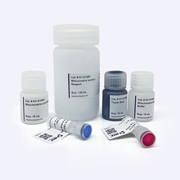
MCE Oil Red O Staining Kit for Cultured Cells consists of Oil Red O staining solution and hematoxylin. It is used to demonstrate fat degeneration and abnormal lipid deposition in cultured cells, particularly when multiple neutral fat droplets are present within the cells. This kit helps in identifying lipid changes and their nature in cultured cells. It is important to note that samples should not be fixed with ethanol-containing fixatives, as ethanol may interfere with lipid staining. The positive staining result for fat typically appears orange-yellow to red, with the exact color depending on the lipid concentration.
|
-
- HY-K1001
-
Maximum Cited Publications
238 Publications Verification
|
|
MCE RIPA Lysis Buffer is one of the most reliable buffers used to lyse cells from both cultured cells and tissues.
|
-
- HY-K1060
-
|
|
|
MCE Mitochondria Isolation Kit for Cultured Cells enables the fast and efficient isolation of intact mitochondria from cells using differential centrifugation.
|
-
- HY-K1012
-
4 Publications Verification
|
|
MCE Serum/Protein-Free Cell Freezing Medium is a complete ready-to-use cryopreservation medium. It is suitable for the cryopreservation of conventional mammalian cells and serum-free cultured cells.
|
-
- HY-K1091A
-
|
|
|
MCE Biotin Apoptosis Detection Kit (TUNEL) can be used to detect apoptosis in cultured cells, as well as in frozen or paraffin sections.
|
-
- HY-K0552
-
4 Publications Verification
|
|
MCE Mycoplasma Detection Kit (PCR) is a diagnostic kit that utilizes the PCR method to detect mycoplasma contamination in biological materials such as cultured cells.
|
-
- HY-K0553
-
|
|
|
MCE Mycoplasma Detection Kit (qPCR) is a diagnostic kit that utilizes the real-time quantitative PCR (qPCR) method to detect mycoplasma contamination in biological materials such as cultured cells.
|
-
- HY-K3001
-
|
|
|
DMEM (Dulbecco's Modified Eagle Medium) is a widely used basal medium for supporting the growth of many different mammalian cells. Cell lines successfully cultured in DMEM include Hela, 293, Cos-7, and PC-12, as well as primary fibroblasts, neurons, glial cells, HUVECs, and smooth muscle cells. The 500 mL is defined as the base specification. All larger sizes correspond to incremental volumes of this base.
|
-
- HY-K3002
-
|
|
|
DMEM/F-12 (Dulbecco's Modified Eagle Medium/Nutrient Mixture F-12) is a widely used basal medium for supporting the growth of many different mammalian cells. Cell successfully cultured in DMEM/F-12 include MDCK, glial cells, fibroblasts, human endothelial cells, etc. The 500 mL is defined as the base specification. All larger sizes correspond to incremental volumes of this base.
|
-
- HY-K3003
-
|
|
|
DMEM (Dulbecco's Modified Eagle Medium) is a widely used basal medium for supporting the growth of many different mammalian cells. Cell lines successfully cultured in DMEM include Hela, 293, Cos-7, and PC-12, as well as primary fibroblasts, neurons, glial cells, HUVECs, and smooth muscle cells, etc. The 500 mL is defined as the base specification. All larger sizes correspond to incremental volumes of this base.
|
-
- HY-K0552A
-
|
|
|
MCE Mycoplasma Detection Plus Kit (PCR) employs polymerase chain reaction (PCR) technology for rapid and sensitive detection of mycoplasma contamination in cultured cells and related biological samples. The kit contains a PCR premix and mycoplasma-specific primers designed against conserved regions of the 16S rRNA gene. Cell culture supernatant or cell lysates can be used directly as templates for specific amplification of mycoplasma DNA, enabling rapid identification of mycoplasma contamination.
|
-
- HY-K3009
-
5 Publications Verification
|
|
MCE 0.25% Trypsin-EDTA (1×), Phenol Red-Free, is prepared by dissolving trypsin powder (a mixture of proteases from porcine pancreas, irradiated and sterilized) and EDTA in a calcium- and magnesium-free balanced salt solution. It is filter-sterilized and can be directly used for the dissociation of cultured cells and tissues. The 100 mL is defined as the base specification. All larger sizes correspond to incremental volumes of this base.
|
| Cat. No. |
Product Name |
Target |
Research Area |
Image |
-
- HY-P991245
-
|
|
EGFR
|
Cancer
|
|
Anti-ERBB3/HER3 (SGP1) is a human monoclonal antibody (mAb) targeting ERBB3/HER3. Anti-ERBB3/HER3 (SGP1) inhibits Neuregulin stimulated growth of cultured breast cancer cells. Anti-ERBB3/HER3 (SGP1) can be used in breast cancer research .
|
-
(5)
| Cat. No. |
Product Name |
Category |
Target |
Chemical Structure |
-
- HY-100558
-
-
-
- HY-119358
-
-
-
- HY-N2488
-
-
-
- HY-N0307
-
-
-
- HY-B0652
-
-
-
- HY-121793
-
-
-
- HY-B0708
-
|
1,3,5(10)-Estratriene-3,17β-diol 17-acetate
|
Structural Classification
Monophenols
Animals
Classification of Application Fields
Phenols
Disease Research Fields
Endocrinology
Steroids
Source Classification
|
Estrogen Receptor/ERR
|
|
β-Estradiol 17-acetate (1,3,5(10)-Estratriene-3,17β-diol 17-acetate) is a long-acting endogenous estrogen precursor and also a cell viability and proliferation enhancer. β-Estradiol 17-acetate promotes the adhesion and proliferation of freshly isolated and revived female-derived human brain microvascular endothelial cells, and reverses the decreased viability of revived male-derived human brain microvascular endothelial cells. β-Estradiol 17-acetate exerts the microvascular protective effect of estrogen, enabling non-tumor human brain microvascular endothelial cells to be cultured in vitro for 2 months after cryopreservation. β-Estradiol 17-acetate is biotransformed into β-estradiol via hydrolase action in the in vitro skin of humans, hairless dogs, rats and hairless mice .
|
-
-
- HY-P0246
-
-
-
- HY-N5021
-
-
-
- HY-114203
-
-
-
- HY-N0092R
-
-
-
- HY-119358R
-
-
-
- HY-W013214
-
-
-
- HY-N16402
-
|
|
Natural Products
Microorganisms
Source Classification
|
Cytochrome P450
Endogenous Metabolite
|
|
Aspergillusidone D (Compound 1), a brominated depsidone, is a Aromatase inhibitor with an IC50 of 0.8 μM. Aspergillusidone D can be isolated from fungus Aspergillus unguis cultured in KBr medium. Aspergillusidone D has potent cytotoxicity against cancers cells, such as MOLT-3 cells. Aspergillusidone D can be used for cancers like breast cancer research .
|
-
-
- HY-142088
-
|
|
Natural Products
Microorganisms
Source Classification
|
Endogenous Metabolite
|
|
Beauverolide Ka, a cyclotetradepsipeptide, is a metabolite of Beauveria bassiana fungus. Beauverolide Ka stimulates glucose uptake in cultured rat L6 myoblasts at 50 μM. Beauverolide Ka exhibits protecting effects on HEI-OC1 cells at 10 μM and shows dose-dependent activity in both L6 myoblasts and myotubes .
|
-
-
- HY-126644
-
-
-
- HY-N8933
-
-
-
- HY-121452
-
-
-
- HY-118482
-
-
-
- HY-B0652R
-
-
-
- HY-N9737
-
-
-
- HY-N14006
-
-
-
- HY-123325
-
-
-
- HY-122341
-
|
FR 900840
|
Microorganisms
Ketones, Aldehydes, Acids
Source Classification
|
Antibiotic
|
|
Thrazarine (FR 900840) is an oncology antibiotic that can be produced by Streptomyces coerulescens MH802-fF5. Thrazarine directly inhibits DNA synthesis and tumor cell growth. Thrazarine can specifically induce lysis of tumor cells co-cultured with non-activated macrophages. Thrazarine is used in cancer research .
|
-
-
- HY-N5208
-
|
|
Natural Products
Microorganisms
Source Classification
|
Others
|
|
YM-216391 is an antitumor cyclic peptide that can be isolated from the cultured mycelium of Streptomyces nobilis JCM 4274. YM-216391 exhibits potent cytotoxic activity against a variety of human cancer cell lines and can be used in anticancer research .
|
-
-
- HY-N15155
-
-
-
- HY-N0307R
-
-
-
- HY-N16465
-
|
|
Phenols
Polyphenols
Plants
Lauraceae
Lindera glauca (Siebold & Zucc.) Blume
Source Classification
|
Apoptosis
Reactive Oxygen Species (ROS)
STAT
|
|
Cinnamtannin D1 is an orally active polyphenolic compound with immunosuppressive activity. Cinnamtannin D1 regulates the balance of Th17/Treg cells by inhibiting AHR expression. Cinnamtannin D1 reduces apoptosis and ROS in INS-1 cells and primary cultured murine islets induced by Palmitic acid (PA) (HY-N0830). Cinnamtannin D1 reduces Th17 cell differentiation via downregulating p-STAT3/RORγt and promotes Treg cell differentiation via upregulating p-STAT5/Foxp3. Cinnamtannin D1 exerts excellent anti-arthritic efficacy in collagen-induced arthritis (CIA) model of mice. Cinnamtannin D1 can be used for the study of rheumatoid arthritis (RA) .
|
-
-
- HY-N9210
-
-
-
- HY-N19314
-
-
-
- HY-N9752
-
-
-
- HY-N2457
-
|
(25R)-3β-Hydroxy-5α-spirostan-6-one; 6-Oxotigogenin
|
Structural Classification
Allium chinense G. Don
Plants
Amaryllidaceae
Steroids
Source Classification
|
Reactive Oxygen Species (ROS)
|
|
Laxogenin ((25R)-3β-Hydroxy-5α-spirostan-6-one; 6-Oxotigogenin) is an orally active myostatin (myostatin) inhibitor. Laxogenin promotes myogenesis and enhances the formation and maturation of myotubes. Laxogenin downregulates ROS. When added to the culture medium for cultured meat production, Laxogenin improves the texture, quality and nutritional value of cultured meat. Laxogenin reduces the average number of tumors in a two-stage mouse lung carcinogenesis model. Laxogenin can be used in research related to myogenesis and lung cancer .
|
-
| Cat. No. |
Product Name |
Chemical Structure |
-
- HY-W747491
-
|
|
|
Triclosan- 13C12 is 13C labeled Triclosan (HY-B1119). Triclosan is a broad-spectrum antibacterial agent that inhibits bacterial fatty acid synthesis at the enoyl-acyl carrier protein reductase (FabI) step. Triclosan inhibits E. coli enoyl-acyl carrier protein reductase (FabI) and FabI containing a glycine-to-valine substitution at position 93 (FabIG93V) with IC50s of 2 μM and 10 μM, respectively. Triclosan causes apoptotic effect in cultured rat neural stem cells (NSC). Triclosan exacerbates colitis and colitis-associated colorectal tumorigenesis in animal models .
|
-
-
- HY-W653962
-
|
|
|
Triclosan- 13C6 is 13C labeled Triclosan. Triclosan is a broad-spectrum antibacterial agent that inhibits bacterial fatty acid synthesis at the enoyl-acyl carrier protein reductase (FabI) step. Triclosan inhibits E. coli enoyl-acyl carrier protein reductase (FabI) and FabI containing a glycine-to-valine substitution at position 93 (FabIG93V) with IC50s of 2 μM and 10 μM, respectively. Triclosan causes apoptotic effect in cultured rat neural stem cells (NSC). Triclosan exacerbates colitis and colitis-associated colorectal tumorigenesis in animal models .
|
-
-
- HY-B0652S1
-
|
|
|
Etonogestrel-d6 is deuterium labeled Etonogestrel. Etonogestrel (3-Oxodesogestrel), a biologically active metabolite of progestin Desogestrel, binds with high affinity to progesterone receptors and estrogen receptors in the target organs . Etonogestrel induce FKBP51 mRNA and protein expression in cultured human endometrial stromal cells (HESCs) .
|
-
-
- HY-B0358AS
-
|
|
|
Flunarizine-d8 dihydrochloride is deuterated labeled Flunarizine dihydrochloride (HY-B0358A). Flunarizine dihydrochloride is a potent dual Na +/Ca 2+ channel (T-type) blocker. Flunarizine dihydrochloride is a D2 dopamine receptor antagonist. Flunarizine dihydrochloride shows anticonvulsive and antimigraine activity, and peripheral vasodilator effects .
|
-
-
- HY-W013214S
-
|
|
|
Ethyl arachidonate-d11 is deuterium labeled Ethyl arachidonate. Ethyl arachidonate is a lipophilic esterified form of arachidonic acid (AA) and can be added into dietary regimens or fed to cultured cells as a source of exogenous arachidonate. Ethyl arachidonate is the main species of fatty acid ethyl esters (FAEE) in brain of alcohol-intoxicated subjects .
|
-
-
- HY-Y1010S
-
|
|
|
Oxiran-2-ylmethanol-d5 is the deuterium labeled Oxiran-2-ylmethanol (Glycidol) (HY-Y1010). Oxiran-2-ylmethanol is an ester product. Oxiran-2-ylmethanol induces base pair point mutations in bacterial strains and structural chromosome aberrations in cultured cells. Oxiran-2-ylmethanol forms N-(2,3-dihydroxypropyl)valine hemoglobin adducts. Oxiran-2-ylmethanol acts as an animal carcinogen but does not significantly induce micronucleated immature erythrocytes in animal bone marrow. Oxiran-2-ylmethanol enables anionic polymerization to produce linear poly(glycidol). Oxiran-2-ylmethanol can be used for cancer-related research .
|
-
| Cat. No. |
Product Name |
|
Classification |
-
- HY-113273A
-
|
|
|
Nucleotide Analogs
Adenine Nucleotide
|
|
Diadenosine pentaphosphate pentasodium is an agonist and negative modulator of the P2X1 receptor, an endogenous vasoactive purine dinucleotide that can be isolated from platelets. Diadenosine pentaphosphate pentasodium mediates negative regulation of dendrite growth and number by activating homologous and heterologous P2X1 receptors, which triggers a transient and moderate increase in intracellular calcium levels within dendritic growth cones. Diadenosine pentaphosphate pentasodium is widely present in secretory vesicles such as platelets, chromaffin cells and brain synaptosomes, and exhibits selective activity on dendrite growth of cultured hippocampal neurons, inhibiting only dendrite growth without affecting axon growth. Diadenosine pentaphosphate pentasodium has a weaker ability to compete with RcCHAD for binding to polyP than short-chain polyPs .
|
Your information is safe with us. * Required Fields.
Inquiry Information
- Product Name:
- Cat. No.:
- Quantity:
- MCE Japan Authorized Agent:

