




Search Result
Results for "
eggs
" in MedChemExpress (MCE) Product Catalog:
14
Biochemical Assay Reagents
5
Isotope-Labeled Compounds
| Cat. No. |
Product Name |
Target |
Research Areas |
Chemical Structure |
-
- HY-W250978
-
|
|
Endogenous Metabolite
|
Cardiovascular Disease
Infection
Inflammation/Immunology
Cancer
|
Ovalbumins (OVA), the main protein found in egg whites, have various biological activities such as anticancer, antihypertensive, antibacterial, antioxidant and immunomodulatory activities. Ovalbumins are the most abundant proteins synthesized in progesterone- or estrogen-treated fallopian tubes and are commonly used as markers to study hormone regulation of gene expression in tissues .
We recommend using Ovalbumin, low endotoxin (HY-W250978A) to establish an asthma model.
|
-
-
- HY-B2237
-
|
|
Bacterial
HIV
|
Infection
|
|
Lysozyme from chicken egg white is a bactericidal enzyme, and it lyses gram-positive bacteria.
Lysozyme from chicken egg white can also be used for the research of HIV infection and pulmonary emphysema .
|
-
-
- HY-125854
-
|
|
Liposome
Cholinesterase (ChE)
Monoamine Oxidase
Apoptosis
|
Neurological Disease
Metabolic Disease
Inflammation/Immunology
|
|
Phosphatidylcholines, egg are a type of phosphatidylcholine that can be isolated and extracted from eggs, primarily present in egg yolks. As a major phospholipid component of cell membranes, Phosphatidylcholines, egg play a key role in providing nutrition and protection to the body. Phosphatidylcholines, egg can inhibit oxidative stress and neurotoxicity, exerting neuroprotective effects. Additionally, Phosphatidylcholines, egg can suppress the lymphatic absorption of cholesterol in the intestine and are also used in research on intestinal lipid absorption .
|
-
-
- HY-B1207
-
-
-
- HY-B2235B
-
|
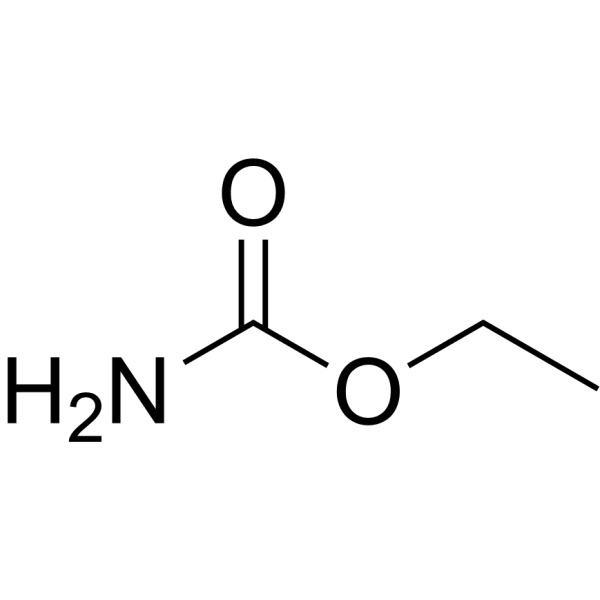
L-α-Phosphatidylcholine (egg yolk, Type XVI-E), 99%, lyophilized powder; 1,2-Diacyl-sn-glycero-3-phosphocholine (egg yolk, Type XVI-E), 99%; egg yolk Lecithins, Type XVI-E, 99%
|
Environmental Pollutants
Biochemical Assay Reagents
Liposome
|
Others
|
|
L-α-Lecithin (egg yolk, Type XVI-E), 99% (L-α-Phosphatidylcholine (egg yolk, Type XVI-E), 99%) is an active biomaterial. L-α-Lecithin (egg yolk, Type XVI-E), 99% forms liposomes with compounds (PF or BA). L-α-Lecithin (egg yolk, Type XVI-E), 99% increases membrane fluidity and affects microemulsion stability and fluorescence intensity stained with Nile red (HY-D0718). L-α-Lecithin (egg yolk, Type XVI-E), 99% It can be used for cell membrane structure research, biological membrane potential research, and liposome research .
|
-
-
- HY-P2232
-
-
-
- HY-W250978A
-
|
|
Biochemical Assay Reagents
|
Inflammation/Immunology
|
|
Ovalbumin, low endotoxin (OVA, low endotoxin), the main protein found in egg whites, have various biological activities such as anticancer, antihypertensive, antibacterial, antioxidant and immunomodulatory activities. Ovalbumins are the most abundant proteins synthesized in progesterone- or estrogen-treated fallopian tubes and are commonly used as markers to study hormone regulation of gene expression in tissues . Ovalbumin, a low endotoxin, can be used to establish an asthma model .
|
-
-
- HY-W096159
-
|
|
Drug Derivative
|
Metabolic Disease
Inflammation/Immunology
|
|
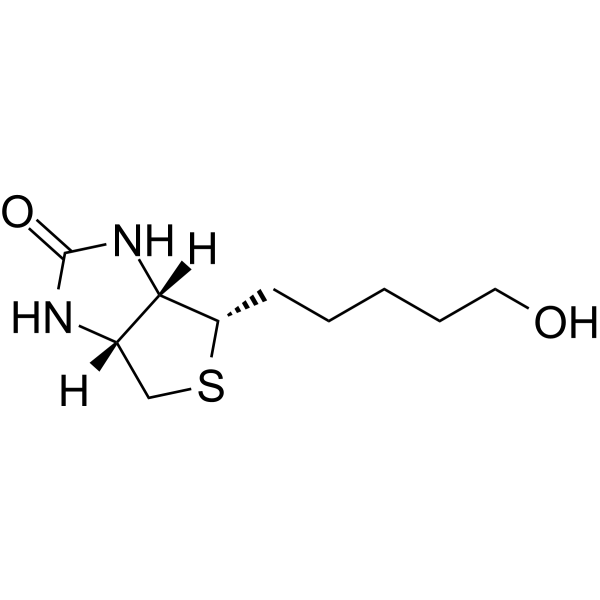
D-Biotinol is an orally active alcohol analogue of D-Biotin (HY-B0511). D-Biotinol can replace D-Biotin to restore the biotin deficiency induced by egg whites in rats. D-Biotinol can be used for the study of biotin deficiency disorders .
|
-
-
- HY-B2235A
-
|
L-α-Phosphatidylcholine (egg yolk), 75%; 1,2-Diacyl-sn-glycero-3-phosphocholine (egg yolk), 75%; egg yolk Lecithins, 75%
|
Environmental Pollutants
Biochemical Assay Reagents
|
Others
Metabolic Disease
|
|
L-α-Lecithin (egg yolk), 75% is a kind of biological materials. L-α-Lecithin (egg yolk), 75% can be used for studying cell membrane structure, biofilm potential, liposome research, etc .
|
-
-
- HY-W116335A
-
|
|
Environmental Pollutants
Biochemical Assay Reagents
|
Inflammation/Immunology
|
|
Dried aluminum hydroxide gel, United States Pharmacopeia (USP) Reference Standard is a commonly used antacid with remarkable compound adhesion and release activity. Dried aluminum hydroxide gel, United States Pharmacopeia (USP) Reference Standard can effectively neutralize gastric acid and relieve stomach discomfort. Dried aluminum hydroxide gel, United States Pharmacopeia (USP) Reference Standard is also often used as an adjuvant in vaccines to enhance immune responses. Dried aluminum hydroxide gel, United States Pharmacopeia (USP) Reference Standard can improve the stability and bioavailability of compounds in preparations .
|
-
-
- HY-P3715
-
|
|
MHC
|
Inflammation/Immunology
|
|
OVA peptide mainly exists in egg white, it is a class I (Kb)-restricted peptide epitope of ovalbumin presented by the class I MHC (major histocompatibility complex) molecule, H-2Kb (class I genes of the mouse MHC). OVA peptide has been widely studied in allergy research .
|
-
-
- HY-B1724
-
|
Perfluorooctyl bromide; 1-Bromoperfluorooctane; PFOB
|
RSV
NF-κB
|
Infection
Inflammation/Immunology
|
|
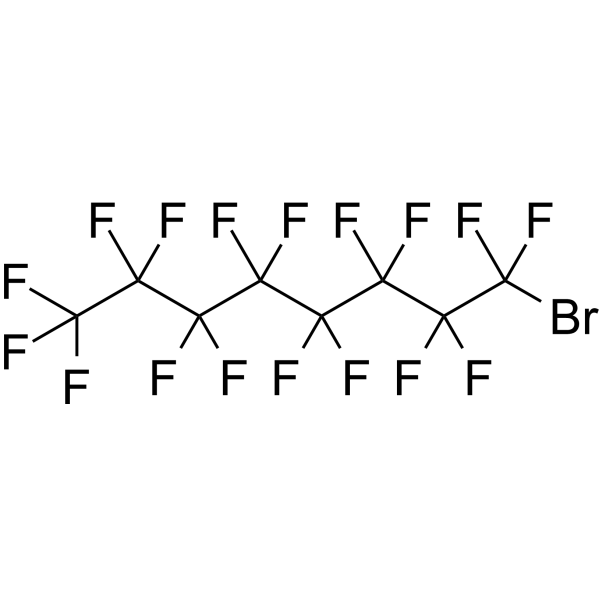
Perflubron (Perfluorooctyl bromide) is a contrast medium for magnetic resonance imaging and sonography. Perflubron inhibits chemokine expression and NF-κB activation. Perflubron can be emulsified with egg phospholipids (EYP) and shows exceptionally fast excretion characteristics. Perflubron has anti-inflammatory, antiviral and cytoprotective effects .
|
-
-
- HY-W001951
-
|
Tetrakis(acetato)dirhodium(II); Rhodium(II) acetate dimer
|
DNA/RNA Synthesis
|
Cancer
|
|
Dirhodium tetraacetate (Tetrakis (acetato) dirhodium (II)) is an anticancer agent. Dirhodium tetraacetate functionally inhibits the activities of DNA polymerase I and RNA polymerase. It also acts as a catalyst and can be used to construct rhodium-based artificial metalloenzymes .
|
-
-
- HY-D0877
-
|
|
Biochemical Assay Reagents
Connexin
|
Others
|
|
TAPS is an aminosulfonate-based lysozyme stabilizer and connexin channel inhibitor. TAPS maintains the native structure of lysozyme in aqueous solution at pH 7.0 and significantly protects it from heat-induced denaturation. TAPS directly inhibits the activity of heteromeric connexin 32/connexin 26 channels (Cx32/Cx26) via its protonated form, and this inhibitory effect is dependent on the presence of connexin 26. TAPS reduces connexin channel-mediated solute exchange in a recombinant liposome system, resulting in a decreased degree of liposome density shift in transport-specific separation assays. TAPS is a critical compound for investigating the structure and function of connexin channels .
|
-
-
- HY-N9599
-
|
|
Fungal
Endogenous Metabolite
Parasite
Insecticide
|
Infection
|
|
Roridin A acts as an inhibitor of pollen development in Arabidopsis thaliana and nematicide. Roridin A is isolated from the fungus Cylindrocarpon sp. Roridin A delays the flowering time of Arabidopsis thaliana, inhibits pollen development and stem elongation, and blocks plant growth. Roridin A induces larval death of the southern root-knot nematode (Meloidogyne incognita) .
|
-
-
- HY-W004546
-
|
|
MOFs
MMP
Parasite
|
Infection
|
|
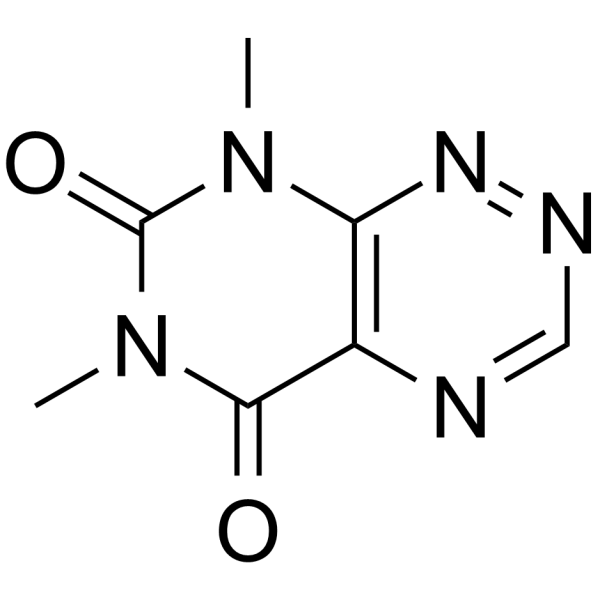
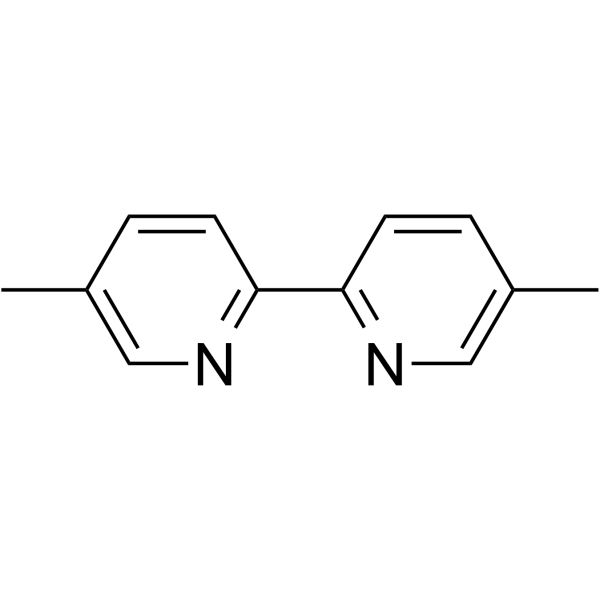
Abametapir is a metalloproteinase (MMP) inhibitor which is able to target metalloproteinases critical to egg hatching and louse development. Abametapir can inhibit hatching of both head and body louse .
|
-
-
- HY-N5139
-
|
Lecithins, egg yolk; Belovo PL 85
|
Cholinesterase (ChE)
Angiotensin-converting Enzyme (ACE)
Bacterial
|
Infection
Neurological Disease
Metabolic Disease
Inflammation/Immunology
|
|
Lecithins, egg (Lecithins, egg yolk; Belovo PL 85) is an orally active natural phospholipid mixture extracted from egg yolks . Lecithins, egg inhibits the activities of acetylcholinesterase (AChE) and angiotensin-converting enzyme (ACE). Lecithins, egg exhibits antibacterial, antioxidant and anti-inflammatory activities, and helps delay cellular senescence. Lecithins, egg enhances nerve conduction, improves memory and cognitive function, and exerts positive effects on delaying neurodegenerative diseases. Lecithins, egg promotes lipid absorption and alleviates diarrhea. Lecithins, egg acts as a high-efficiency drug carrier for the preparation of targeted drug delivery systems such as liposomes .
|
-
-
- HY-107425A
-
|
|
PROTACs
Epigenetic Reader Domain
|
Cancer
|
|
cis-MZ 1 is a cis isomer of meso-zeaxanthin, a xanthophyll carotenoid component of total zeaxanthin measured in serum and egg yolks.cis-MZ 1 is a triphenyltin benzoate that adopts either a tetrahedral monomeric structure (I) or a trans-SnR3O2 polymeric structure (III), with structure determined by a balance of steric and electronic factors .
|
-
-
- HY-B1073
-
|
|
Parasite
|
Infection
|
|
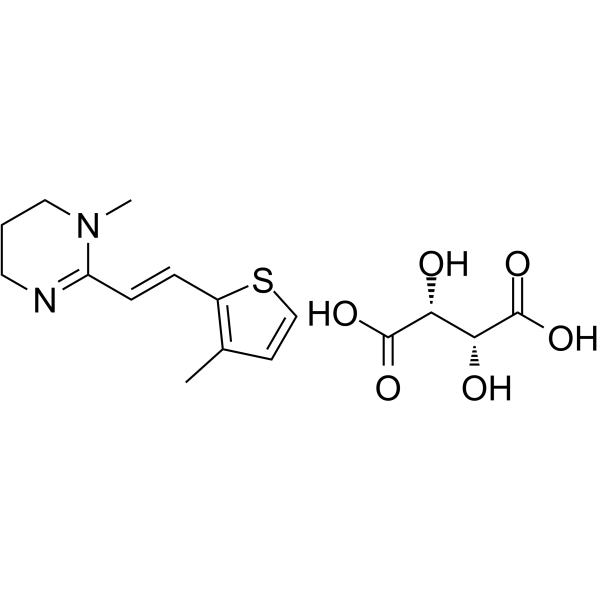
Morantel tartrate is an anthelmintic agent. Sustained-release three-layer composite tablets of Morantel tartrate are administered orally and release after exposure to rumen fluid. Morantel tartrate reduces the fecal egg output and worm burden of gastrointestinal nematodes in Hereford calves. Morantel tartrate is used in research related to gastrointestinal nematode infections .
|
-
-
- HY-17597
-
|
|
Parasite
|
Infection
|
|
Febantel is an oral dewormer used to treat gastrointestinal nematodes in sheep, as well as roundworm and tapeworm infections in poultry and livestock, and it also inhibits the embryonic development of mouse hairworms and whipworm eggs .
|
-
-
- HY-P3302
-
|
|
Bacterial
|
Infection
|
|
Sialylglycopeptide is an orally active glycopeptide found in egg yolk. Sialylglycopeptide inhibits the binding of Salmonella enteritidis and Escherichia coli to intestinal cells, and protects mice from Salmonella infection. Sialylglycopeptide can be used in the research of Salmonella infection .
|
-
-
- HY-NP005
-
|
|
Biochemical Assay Reagents
|
Inflammation/Immunology
|
|
Avidin, chicken egg white is a glycoprotein derived from egg protein. Avidin, chicken egg white has excellent affinity with biotin and is often used in combination with biotin for immunoassays to detect the location of antigens in tissues .
|
-
-
- HY-144018
-
|
|
Liposome
|
Others
|
|
18:1 EPC chloride is a cationic alkylated phospholipid and also an egg yolk phosphatidylcholine. 18:1 EPC chloride can be used in research on liposomes and drug delivery .
|
-
-
- HY-B2009
-
|
|
Environmental Pollutants
Insecticide
|
Others
|
|
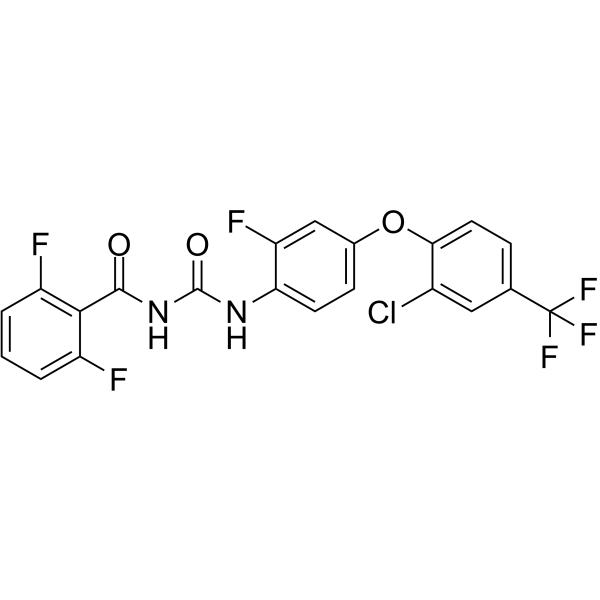
Flufenoxuron is a chitin synthesis inhibitor that is used as a benzoylurea insecticide. Flufenoxuron decreases chitin synthesis, molting, and egg hatching, preventing development in insects .
|
-
-
- HY-15648C
-
GSK-J5
1 Publications Verification
|
Histone Demethylase
Parasite
|
Cancer
|
|
GSK-J5 is a potent inhibitor of Schistosome and worm. GSK-J5 increases schistosomula mortality and adult worm motility and mortality, as well as egg oviposition, in a dose- and time-dependent manner .
|
-
-
- HY-157629
-
|
PAPE; 1-Palmitoyl-2-arachidonoyl PE
|
Reactive Oxygen Species (ROS)
|
Others
|
|
1-Palmitoyl-2-arachidonoyl-sn-glycero-3-PE (PAPE), a compound isolated from egg yolk with antioxidant activity related to the unsaturated fatty acid content, was extracted, purified, and analyzed by various techniques.
|
-
-
- HY-B1207S
-
|
Ethyl carbamate-d5; Carbamic acid ethyl ester-d5; Ethylurethane-d5
|
Bacterial
Parasite
|
Infection
Neurological Disease
Cancer
|
|
Urethane-d5 is the deuterium labeled Urethane. Urethane (Ethyl carbamate), the ethyl ester of carbamic acid, is a byproduct of fermentation found in various food products. Urethane has the ability to suppress bacterial, protozoal, sea urchin egg, and plant tissue growth in vitro .
|
-
-
- HY-145533
-
|
KDN
|
Biochemical Assay Reagents
|
Others
|
|
3-Deoxy-D-glycero-D-galacto-2-nonulosonic acid (KDN) is a type of sialic acid. 3-Deoxy-D-glycero-D-galacto-2-nonulosonic acid can be hydrolyzed by sialidase from the loach (Misgurnus fossilis) .
|
-
-
- HY-B2241A
-
|
Aluminum potassium sulfate dodecahydrate, for cell culture
|
Biochemical Assay Reagents
|
Inflammation/Immunology
|
|
Potassiumalum, for cell culture (Aluminum potassium sulfate dodecahydrate, for cell culture) is an egg white adjuvant. Potassiumalum, for cell culture acts as a mordant to help dyes bind to tissue components, enhancing the staining effect and stability during staining. Potassiumalum, for cell culture can induce allergic reactions in mice. Potassium alum, for cell culture can be used in research for bacterial and tissue staining .
|
-
-
- HY-W059342
-
-
-
- HY-N9496
-
|
|
Insecticide
|
Infection
|
|
Piperitone is as a powerful repellent and antiappetent agent. Piperitone is very toxic to Cymbopogon schoenanthus (C. schoenanthus) adults, newly laid eggs and to neonate larvae. Insecticidal activity .
|
-
-
- HY-B1374S1
-
|
(-)-Florfenicol-d3; SCH-25298-d3
|
Isotope-Labeled Compounds
Bacterial
Antibiotic
|
Infection
|
|
Florfenicol-d3 ((-)-Florfenicol-d3)?is the deuterium labeled Florfenicol. Florfenicol, a commonly used veterinary antibiotic, is currently indicated for bovine respiratory disease, and also used in aquaculture for the control of enteric septicemia in catfish. Florfenicol can induce early embryonic death in eggs, with an LC50 of 1.07 μg/g.
|
-
-
- HY-121473
-
|
|
Antibiotic
Bacterial
Fungal
Parasite
|
Infection
|
|
Aklavin is a structural analog of Aclacinomycin A (HY-N2306) produced by Streptomyces strain A 1165. Aklavin possesses Z-DNA-inducing and stabilizing activities, along with antibiotic, anti-phage and broad-spectrum antimicrobial activities. Aklavin inhibits the proliferation of various viruses (such as influenza virus and poliovirus) and interferes with their nucleoprotein synthesis, while also exhibiting inhibitory effects on staphylococci, mycobacteria and specific fungi. Aklavin blocks phage-induced bacterial lysis by regulating host-parasite interactions. Aklavin shows specific toxicity to fertilized eggs and mice, and does not alter the splicing of the SMN2 gene .
|
-
-
- HY-108960
-
|
|
P2X Receptor
Interleukin Related
|
Neurological Disease
|
|
PPADS is a P2X receptor (P2X Receptor) antagonist and a reversible competitive antagonist of NAADP receptors, with IC50 values of 68 nM (P2X1) and 214 nM (P2X3), respectively. PPADS alleviates pain-related behaviors in the central and peripheral nervous systems of mice after peripheral neuropathy, inhibits the overproduction of IL-1β, IL-6, iNOS and nNOS, and suppresses the hydrolytic activity of extracellular ATPase. PPADS blocks ATP-mediated inward currents on recombinant rat P2X1 and P2X3 receptors, and inhibits purinergic nerve stimulation-induced contraction of rabbit bladder detrusor muscle. PPADS is applicable to research related to neuropathic pain .
|
-
-
- HY-125953
-
|
Ceramide (Egg, Chicken)
|
JNK
p38 MAPK
Phosphatase
Akt
Survivin
CDK
mTOR
Apoptosis
Autophagy
Reactive Oxygen Species (ROS)
|
Neurological Disease
Cancer
|
|
Ceramide (Egg) (Ceramide (Egg, Chicken)) is a ceramide from chicken. Ceramide (Egg) is a sphingomyelin signaling pathway second messenger. Ceramide (Egg) activates PP2A, JNK, p38 MAPK, CAPK, ceramide-activated protein phosphatase, Vav, PKCζ, and SAPK/JNK cascade. Ceramide (Egg) downregulates or inhibits AKT, survivin, CDK2, mTOR, and FLIP. Ceramide (Egg) mediates apoptosis, autophagy, cell cycle arrest, mitochondrial dysfunction, redox state shifts, and ROS generation. Ceramide (Egg) can be used for the research of cancer and neurological disease .
|
-
-
- HY-N9496R
-
|
|
Insecticide
Reference Standards
|
Infection
|
|
Piperitone (Standard) is the analytical standard of Piperitone. This product is intended for research and analytical applications. Piperitone is as a powerful repellent and antiappetent agent. Piperitone is very toxic to Cymbopogon schoenanthus (C. schoenanthus) adults, newly laid eggs and to neonate larvae. Insecticidal activity .
|
-
-
- HY-B1207R
-
|
Ethyl carbamate (Standard); Carbamic acid ethyl ester (Standard); Ethylurethane (Standard)
|
Reference Standards
Bacterial
Parasite
|
Infection
Neurological Disease
Cancer
|
|
Urethane (Standard) is the analytical standard of Urethane. This product is intended for research and analytical applications. Urethane (Ethyl carbamate), the ethyl ester of carbamic acid, is a byproduct of fermentation found in various food products. Urethane has the ability to suppress bacterial, protozoal, sea urchin egg, and plant tissue growth in vitro .
|
-
-
- HY-P11358
-
|
|
Angiotensin-converting Enzyme (ACE)
Acetyl-CoA Carboxylase
Mitochondrial Metabolism
|
Inflammation/Immunology
|
|
IRW is an orally active tripeptide produced from egg white with angiotensin converting enzyme (ACE) inhibitory properties. IRW can prevent high-fat diet (HFD)-induced Non-alcoholic fatty liver disease (NAFLD) by modulating hepatic lipid metabolism and increasing mitochondrial content. IRW decreases hepatic triglyceride content and lipid droplet size. IRW increases the hepatic mitochondrial complexes and citrate synthase activity, phosphorylation of 5’-AMP-activated protein kinase and microsomal triglyceride transfer protein abundance. IRW increases phosphorylated acetyl CoA carboxylase and mitochondrial complexes, IRW can be used for the research of inflammation .
|
-
-
- HY-164412
-
-
-
- HY-174485
-
|
|
mRNA
|
Others
|
|
OVA mRNA encodes the ovalbumin (OVA) protein, a member of the serpin superfamily and the predominant glycoprotein found in egg whites. It is a commonly used antigen for immunization and biochemical studies and is an established model allergen for airway hyper-responsiveness.
|
-
-
- HY-N3085
-
|
|
P-glycoprotein
Apoptosis
|
Metabolic Disease
Cancer
|
|
Phellamurin is a plant flavonone glycoside from the leaves of Phellodendron amurense and inhibits intestinal P-glycoprotein. Phellamurin also inhibits egg laying by Papilio protenor. Phellamurin induces cells apoptosis and has anti-tumor activity .
|
-
-
- HY-106566
-
-
-
- HY-N7698
-
|
|
Biochemical Assay Reagents
|
Others
|
|
Tetra-N-acetylchitotetraose is a linear chitosan oligosaccharide. Tetra-N-acetylchitotetraose is a component of the hpo-chitoo gosacchaπdes (LCOs) secreted from Rhizobia. Tetra-N-acetylchitotetraose is also a substrate for the Rhizobium leguminosarum nodulation protein NodB, a CO deacetylase .
|
-
-
- HY-N12670
-
-
-
- HY-P0245
-
-
-
- HY-W038985
-
|
|
Drug Intermediate
|
Metabolic Disease
|
|
1,3-Oxazolidine-2-thione, a free oxazolidinethione, increases thyroid size and severely depresses hepatic trimethylamine oxidase activity in the brown-egg layers .
|
-
-
- HY-174484
-
|
|
mRNA
|
Others
|
|
OVA mRNA (5moU) encodes the ovalbumin (OVA) protein, a member of the serpin superfamily and the predominant glycoprotein found in egg whites. It is a commonly used antigen for immunization and biochemical studies and is an established model allergen for airway hyper-responsiveness.
|
-
-
- HY-B1374S
-
|
|
Bacterial
Antibiotic
|
Infection
|
|
ent-Florfenicol-d3 is the deuterium labeled Florfenicol. Florfenicol, a commonly used veterinary antibiotic, is currently indicated for the treatment of bovine respiratory disease, and also used in aquaculture for the control of enteric septicemia in catfish. Florfenicol can induce early embryonic death in eggs, with an LC50 of 1.07 μg/g.
|
-
-
- HY-41570
-
|
|
Estrogen Receptor/ERR
|
Cancer
|
|
3-Formylsalicylic acid is a noncompetitive estrone sulfatase inhibitor with an IC50 value of 0.15 mM, a Ki value of 0.12 mM. 3-Formylsalicylic acid shows a low acute toxicity .
|
-
-
- HY-178773
-
|
|
Sirtuin
Apoptosis
|
Infection
|
|
SIRT2-IN-18 (Compound 8) is a SIRT2 inhibitor with IC50s of 5.3 and 12.3 μM for SmSIRT2 and hSIRT2, respectively. SIRT2-IN-18 shows potent antischistosomal activities against both Liberian and Puerto Rican strains of Schistosoma mansoni and reduces schistosomula and adult worm pair viability, pairing, and egg production, with low cytotoxicity in mammalian cells. SIRT2-IN-18 increases histone H3 hyperacetylation and induces cytochrome c-mediated apoptosis .
|
-
- HY-P10785
-
|
|
Bacterial
Antibiotic
|
Infection
|
|
Iturin A-2 is a cyclic lipopeptide discovered in B. subtilis and exhibits inhibitory activity against the plant pathogenic fungus P. expansum (MIC = 8 µg/disk). Iturin A-2 is cytotoxic to MCF-7 and BT474 breast cancer cells, as well as HeLa cervical cancer cells, with IC50 values of 66.81, 95.04, and 77.5 µg/mL, respectively. In greenhouse studies, Iturin A-2 at concentrations of 100 and 300 mg/kg Iturin A-2 reduces the lesion area of southern corn leaf blight caused by B. maydis, and in field studies, concentrations of 300 and 500 mg/kg Iturin A-2 reduce the incidence of the disease. Iturin A-2 (12.5 µg/mL) inhibits cell division, but not nuclear division, in isolated fertilized starfish eggs .
|
-
- HY-W004546R
-
|
|
Reference Standards
MMP
Parasite
|
Infection
|
|
Abametapir (Standard) is the analytical standard of Abametapir. This product is intended for research and analytical applications. Abametapir is a metalloproteinase (MMP) inhibitor which is able to target metalloproteinases critical to egg hatching and louse development. Abametapir can inhibit hatching of both head and body louse .
|
-
- HY-126108A
-
|
|
Lipoxygenase
|
Inflammation/Immunology
|
|
8(S)-HEPE is a monohydroxy fatty acid produced by lipoxygenase oxidation of EPA. It acts to promote hatching of barnacle eggs at 10 nM, although it is not clearly identified as the natural egg hatching factor .
|
-
- HY-N15051
-
|
|
Others
|
Others
|
|
Harveynone can inhibit the formation of Sea urchin eggs Spindle .
|
-
- HY-P1560
-
|
Lysozyme C (46-61) (chicken)
|
Bacterial
|
Infection
|
|
Allergen Gal d 4 (46-61), chicken is a hen egg white lysozyme peptide.
|
-
- HY-W470415
-
|
|
Microtubule/Tubulin
|
Cancer
|
|
Alfalone (compound 9ia) is an antimitotic agent. Alfalone causes cleavage arrest and initiates the formation of tuberculate eggs .
|
-
- HY-126118
-
|
Decachlor
|
Parasite
|
Infection
|
|
Dienochlor (Decachlor) is a miticide that inhibits Mexican bean beetle, Epilachna varivestis Mulsant, from laying eggs on pinto beans .
|
-
- HY-P5624
-
|
|
Bacterial
|
Infection
|
|
Gallin is an antimicrobial peptide derived from egg whites. Gallin inhibits the growth of Escherischia coli at 0.25 μM concentration .
|
-
- HY-121325
-
|
|
Parasite
|
Infection
|
|
Fervenulin has nematicidal activity and inhibits egg hatch and J2 mortality of M. incognita with MICs of 30 μg/mL and 120 μg/mL, respectively .
|
-
- HY-P3710
-
|
|
Calcium Channel
|
Others
|
|
Ser-Ala-alloresact is a sperm activating peptide (SAP). The peptides released from eggs of marine invertebrates play a central role in fertilization .
|
-
- HY-168527
-
|
|
Histone Demethylase
|
Cancer
|
|
Acaricide agent 1 (Compound 7l) is a potent LSD1 inhibitor. LSD1 exhibits excellent acaricidal activity against egg of T. cinnabarinus with a LC50 of 0.0035 mg/L .
|
-
- HY-171985
-
|
|
Biochemical Assay Reagents
|
Others
|
|
DCPD is an amine compound. DCPD has significant embryotoxicity with an ED50 of 0.6 μmol per egg for chick embryos, and it induces embryos deaths and malformations. DCPD can be used for human teratogenesis research .
|
-
- HY-B2009R
-
|
|
Insecticide
Reference Standards
|
Others
|
|
Flufenoxuron (Standard) is the analytical standard of Flufenoxuron. This product is intended for research and analytical applications. Flufenoxuron is a chitin synthesis inhibitor that is used as a benzoylurea insecticide. Flufenoxuron decreases chitin synthesis, molting, and egg hatching, preventing development in insects .
|
-
- HY-B2009S
-
|
|
Isotope-Labeled Compounds
Insecticide
|
Others
|
|
Flufenoxuron-d3 is the deuterium labeled Flufenoxuron (HY-B2009). Flufenoxuron is a chitin synthesis inhibitor that is used as a benzoylurea insecticide. Flufenoxuron decreases chitin synthesis, molting, and egg hatching, preventing development in insects .
|
-
- HY-137089
-
|
20.25-Diazacholesterol dihydrochloride
|
CETP
|
Endocrinology
|
|
Azacosterol (SC-12937) dihydrochloride is a chemosterilant which in-hibits reproduction in the pigeon. Azacosterol (SC-12937) dihydrochloride exerts its inhibitory effect through the blocking of the synthesis of cholesterol, thought to be a vital component in the formation of egg yolks .
|
-
- HY-121709
-
|
Amino-An-Fol
|
Bacterial
Antibiotic
|
Infection
|
|
4-Aminopteroylaspartic acid (Amino-An-Fol) inhibits the growth of psittacosis virus (6BC) in tissue cultures at concentrations which were not toxic. 4-Aminopteroylaspartic acid inhibts growth of meningopneumonitis virus in embryonated eggs or tissue culture .
|
-
- HY-W059342R
-
|
YI-5301 (Standard)
|
Biochemical Assay Reagents
Reference Standards
|
Infection
|
|
Etoxazole (Standard) is the analytical standard of Etoxazole. This product is intended for research and analytical applications. Etoxazole (YI-5301) is an organofluorine insecticide widely used in agriculture. Etoxazole affects the nymphs, eggs, and larvae of spider mites by inhibiting chitin biosynthesis .
|
-
- HY-B1724R
-
|
Perfluorooctyl bromide (Standard); 1-Bromoperfluorooctane (Standard); PFOB (Standard)
|
RSV
NF-κB
Reference Standards
|
Metabolic Disease
Cancer
|
|
Perflubron (Standard) is the analytical standard of Perflubron. This product is intended for research and analytical applications. Perflubron (Perfluorooctyl bromide) is a contrast medium for magnetic resonance imaging and sonography. Perflubron can be emulsified with egg phospholipids (EYP) and shows exceptionally fast excretion characteristics .
|
-
- HY-117044
-
|
|
Endogenous Metabolite
|
Metabolic Disease
|
|
12(R)-HEPE is a monohydroxy fatty acid synthesized from EPA by the eggs of the sea urchin, S. purpuratus.1 The biological activity of 12(R)-HEPE has not been extensively documented, but may be similar to that of 12(R)-HETE.
|
-
- HY-172321
-
|
Nicotinic acid 1,N6-ethenoadenine dinucleotide phosphate sodium
|
Fluorescent Dye
|
Others
|
|
Etheno-NAADP (Nicotinic acid 1,N6-ethenoadenine dinucleotide phosphate) sodium is a fluorescent product of NAADP (HY-103317). Etheno-NAADP sodium could activate Ca 2+ release from sea urchin egg homogenates with an EC50 of 5 µM (Ex/Em = 275/410 nm) .
|
-
- HY-W108381
-
|
|
Parasite
|
Others
|
|
Pyriprole can be used against cat flea. Pyriprole disrupts the flea life cycle through killing of adult fleas before they lay eggs. Pyriprole has residual effect on debris from dog, which results in a decreased ability of cat flea larvae to complete development to the adult stage .
|
-
- HY-157459
-
|
|
Fungal
|
Infection
|
|
SDH-IN-11 (compound A7) is a SDH inhibitor, and shows inhibitory effect on nematode feeding, reproductive ability, and egg hatching. SDH-IN-11 promotes the oxidative stress of nematodes and causes intestinal damage to nematodes. SDH-IN-11 inhibits the activity of succinate dehydrogenase (SDH) in nematodes .
|
-
- HY-126108
-
|
|
Others
|
Metabolic Disease
|
|
(±)8-HEPE is produced by non-enzymatic oxidation of EPA. It contains equal amounts of (±)8-HEPE and 8(R)-HEPE. The ability of (±)8-HEPE to induce hatching of E. modestus and B. balanoides eggs is probably due to the presence of the 8(R) isomer within the racemic mixture.
|
-
- HY-106566R
-
|
Sch 22219 (Standard)
|
Biochemical Assay Reagents
Reference Standards
|
Inflammation/Immunology
|
|
Alclometasone dipropionate (Standard) is the analytical standard of Alclometasone dipropionate. This product is intended for research and analytical applications. Alclometasone dipropionate (Sch 22219) is a steroid compound. Alclometasone dipropionate can be used for the research of dermatitis and skin itch .
|
-
- HY-W751750
-
|
Ethyl carbamate; Carbamic acid ethyl ester; Ethylurethane
|
Isotope-Labeled Compounds
Bacterial
Parasite
|
Infection
Neurological Disease
Cancer
|
|
Urethane- 13C, 15N (Ethyl carbamate- 13C, 15N) is the 13C- and 15N-labeled Urethane (HY-B1207). Urethane (Ethyl carbamate), the ethyl ester of carbamic acid, is a byproduct of fermentation found in various food products. Urethane has the ability to suppress bacterial, protozoal, sea urchin egg, and plant tissue growth in vitro .
|
-
- HY-144098
-
|
|
Parasite
HDAC
|
Others
|
|
HDAC8-IN-2 (compound 5o) is a potent HDAC8 inhibitor, with IC50 values of 0.27 and 0.32 μM for smHDAC8 (Schistosoma mansoni histone deacetylase 8) and hHDAC8, respectively. HDAC8-IN-2 shows significant killing of the schistosome larvae. HDAC8-IN-2 markedly impairs egg laying of adult worm pairs .
|
-
- HY-P10982
-
|
|
Toll-like Receptor (TLR)
|
Inflammation/Immunology
|
|
SjDX5-53 is a selective TLR2 inducer derived from a 3 kDa peptide from Schistosoma japonicum eggs. SjDX5-53 inhibits inflammatory Th1 and Th17 responses by inducing tolerogenic dendritic cells (tolDCs) and promoting the generation of regulatory T cells (Tregs) and their suppressive capacity. SjDX5-53 is primarily used in the treatment of autoimmune and inflammatory diseases such as colitis and psoriasis .
|
-
- HY-145533A
-
|
KDN sodium
|
Endogenous Metabolite
|
Others
|
|
3-Deoxy-D-glycero-D-galacto-2-nonulosonic acid (KDN) sodium is a sialic acid. 3-Deoxy-D-glycero-D-galacto-2-nonulosonic acid sodium protects the oligo/(poly)sialyl chains from exosialidases at nonreducing terminal, and plays a role in egg activation of salmonid fish. 3-Deoxy-D-glycero-D-galacto-2-nonulosonic acid sodium is abundant in fetal cord red blood cells and malignant human ovarian cancer cells .
|
-
- HY-N9503
-
|
|
TRP Channel
Na+/K+ ATPase
Parasite
|
Others
Neurological Disease
Inflammation/Immunology
|
|
Carvacryl acetate is an orally active and brain-penetrant TRPA1 receptor activator and Na +/K +-ATPase activator. Carvacryl acetate modulates GABAergic signaling, alters hippocampal GABA and glutamine levels, reduces lipid peroxidation and nitrite formation, scavenges hydroxyl radicals, and boosts glutathione and antioxidant enzyme activity. Carvacryl acetate inhibits Haemonchus contortus larval hatching, development, adult motility, and fecal egg counts, and induces adult worm structural damage. Carvacryl acetate can be used for the research of intestinal mucositis, gastrointestinal nematode infection, epilepsy, and neurodegenerative diseases .
|
-
- HY-149088
-
|
|
Influenza Virus
|
Infection
|
|
Neuraminidase-IN-16 (Compound 43b) is a potent neuraminidase inhibitor with IC50s of 0.031, 0.15, 0.25, 0.60, 0.63 and 10.08 μM against neuraminidase of H5N1, H5N8, H1N1, H3N2, H5N1-H274Y and H1N1-H274Y, respectively .
|
-
- HY-P11557
-
|
|
Biochemical Assay Reagents
|
Others
|
|
EALQPIHDLADEAISR, derived from egg yolk proteins, is an egg peptide found in both hen eggs and Coturnix japonica eggs. EALQPIHDLADEAISR can be used as a marker peptide for the detection of egg allergens using UHPLC-MS/MS .
|
-
- HY-179192
-
|
|
Biochemical Assay Reagents
|
Others
|
|
10% Egg-Yolk Solution can be added to Egg-Yolk Salt Agar Medium (HY-179191) or egg yolk sodium chloride agar medium for 10% NaCl egg yolk emulsion microbial susceptibility testing.
|
-
- HY-W096159R
-
|
|
Reference Standards
Drug Derivative
|
Metabolic Disease
|
|
D-Biotinol (Standard) is the analytical standard of D-Biotinol (HY-W096159). This product is intended for research and analytical applications. D-Biotinol is an orally effective alcohol analogue of D-Biotin (HY-B0511). D-Biotinol can replace D-biotin to restore the biotin deficiency induced by egg whites in rats. D-Biotinol can be used for the study of biotin deficiency disorders.
|
-
- HY-P11559
-
|
|
Biochemical Assay Reagents
|
Others
|
|
NIGELGVEK, derived from hen egg proteins, shows homology with peptides from Anas platyrhynchos (mallard duck) eggs. NIGELGVEK can be used as a marker peptide for the detection of egg allergens using UHPLC-MS/MS .
|
-
- HY-P11558
-
|
|
Biochemical Assay Reagents
|
Others
|
|
NIPFAEYPTYK, derived from hen egg proteins, shows homology with peptides from Anas platyrhynchos (mallard duck) eggs. NIPFAEYPTYK can be used as a marker peptide for the detection of egg allergens using UHPLC-MS/MS .
|
-
- HY-P11561
-
|
|
Biochemical Assay Reagents
|
Others
|
|
NFLINETAR is a peptide from egg proteins. NFLINETAR can be used as a marker peptide for the detection of egg allergens using UHPLC-MS/MS .
|
-
- HY-P11560
-
|
|
Biochemical Assay Reagents
|
Others
|
|
YLLDLLPAAASHR is a peptide from egg proteins. YLLDLLPAAASHR can be used as a marker peptide for the detection of egg allergens using UHPLC-MS/MS .
|
-
- HY-179191
-
|
|
Biochemical Assay Reagents
|
Others
|
|
Egg-Yolk Salt Agar Medium is a selective isolation medium for Staphylococcus aureus and needs to be used in conjunction with 10% Egg-Yolk Solution (HY-179192) .
|
-
- HY-116720
-
|
|
Biochemical Assay Reagents
|
Endocrinology
|
|
J 2922 is a biochemical agent. J 2922 affects egg hatching and ovarian development in the fall fly (Musca domestica), manifesting as ovarian atrophy and the absence of respiratory columns within the eggs. J 2922-induced female sterility in the fall fly is reversible, with fertility restored during the third gonotrophic cycle .
|
-
- HY-19392
-
|
|
NO Synthase
|
Infection
Cardiovascular Disease
|
|
LA-419 is an orally active nitric oxide (NO) donor. LA-419 can significantly reduce the amount of fecal worm eggs excreted, shorten the duration of egg excretion, and also decrease the number of larvae in the lungs and the number of parasitic females in the intestines in mice infected with S. venezuelensis. LA-419 can reduce the formation of atherosclerosis in apolipoprotein E-deficient mice. LA-419 can be used for the researches of infection and cardiovascular disease .
|
-
- HY-P11556
-
|
|
Biochemical Assay Reagents
|
Others
|
|
LR-13 is a signature peptide identified from the egg white allergen ovalbumin (OVA). LR-13 can be used as a marker peptide for the detection of OVA allergens using UHPLC-MS/MS .
|
-
- HY-W742820
-
|
|
Drug Derivative
|
Others
|
|
Methyl (2E,4Z) -2,4-decadienoate is the major volatile identified from extracts of E. conspersus eggs. It is identified as the major component of the male-produced aggregation pheromone of E. conspersus.
|
-
- HY-180156
-
|
|
Parasite
|
Others
|
|
FM-8007 is a potent acaricide. FM-8007 exhibits broad-spectrum efficacy against Tetranychus cinnabarinus, with LC50 values of 1.1 mg/L for adults, 0.25 mg/L for larvae, and 0.85 mg/L for eggs. FM-8007 also provides sustained field control against Panonychus citri. FM-8007 can be used for integrated pest management (IPM) .
|
-
- HY-N18470
-
|
|
DNA/RNA Synthesis
Apoptosis
Reactive Oxygen Species (ROS)
|
Inflammation/Immunology
|
|
Gadusol is a potent, maternally supplied natural sunscreen. Gadusol is synthesized by the mother during oogenesis and stored in eggs, representing the primary sunscreen mechanism during the early developmental stages of fish. Gadusol directly prevents UVB-induced DNA damage and reduces the generation of ROS thereby avoiding cellular stress and apoptosis. Gadusol does not exert antioxidant functions in zebrafish embryos. Gadusol can be used in studies related to topical photoprotective cosmetics .
|
-
- HY-D2428
-
|
|
Fluorescent Dye
|
Cardiovascular Disease
Infection
Inflammation/Immunology
Cancer
|
|
OVA-PEG-Cy3 is a Cy3 (HY-D0822)-labeled OVA-PEG conjugate. The Cy3 fluorophore is commonly used in applications such as immunolabeling, nucleic acid labeling, fluorescence microscopy, and flow cytometry. The maximum emission wavelength of Cy3 is approximately 562-570 nm. Ovalbumins (OVA), the main protein found in egg whites, have various biological activities such as anticancer, antihypertensive, antibacterial, antioxidant and immunomodulatory activities. Ovalbumins are the most abundant proteins synthesized in progesterone- or estrogen-treated fallopian tubes and are commonly used as markers to study hormone regulation of gene expression in tissues .
|
-
- HY-W727209
-
|
|
Parasite
|
Infection
|
|
Fluazaindolizine is a fluorinated nematicide. Fluazaindolizine induces mortality in second-stage juveniles (J2) of Meloidogyne incognita and Tylenchulus semipenetrans in vitro. Fluazaindolizine impacts plant-parasitic nematode parasitism. Fluazaindolizine can be used for the research of plant-parasitic nematode infestation .
|
-
| Cat. No. |
Product Name |
Type |
-
- HY-D2428
-
|
|
Fluorescent Dye
|
|
OVA-PEG-Cy3 is a Cy3 (HY-D0822)-labeled OVA-PEG conjugate. The Cy3 fluorophore is commonly used in applications such as immunolabeling, nucleic acid labeling, fluorescence microscopy, and flow cytometry. The maximum emission wavelength of Cy3 is approximately 562-570 nm. Ovalbumins (OVA), the main protein found in egg whites, have various biological activities such as anticancer, antihypertensive, antibacterial, antioxidant and immunomodulatory activities. Ovalbumins are the most abundant proteins synthesized in progesterone- or estrogen-treated fallopian tubes and are commonly used as markers to study hormone regulation of gene expression in tissues .
|
| Cat. No. |
Product Name |
Type |
-
- HY-W250978
-
|
|
Biochemical Assay Reagents
|
Ovalbumins (OVA), the main protein found in egg whites, have various biological activities such as anticancer, antihypertensive, antibacterial, antioxidant and immunomodulatory activities. Ovalbumins are the most abundant proteins synthesized in progesterone- or estrogen-treated fallopian tubes and are commonly used as markers to study hormone regulation of gene expression in tissues .
We recommend using Ovalbumin, low endotoxin (HY-W250978A) to establish an asthma model.
|
-
- HY-B2235B
-
|
L-α-Phosphatidylcholine (egg yolk, Type XVI-E), 99%, lyophilized powder; 1,2-Diacyl-sn-glycero-3-phosphocholine (egg yolk, Type XVI-E), 99%; egg yolk Lecithins, Type XVI-E, 99%
|
Biochemical Assay Reagents
|
|
L-α-Lecithin (egg yolk, Type XVI-E), 99% (L-α-Phosphatidylcholine (egg yolk, Type XVI-E), 99%) is an active biomaterial. L-α-Lecithin (egg yolk, Type XVI-E), 99% forms liposomes with compounds (PF or BA). L-α-Lecithin (egg yolk, Type XVI-E), 99% increases membrane fluidity and affects microemulsion stability and fluorescence intensity stained with Nile red (HY-D0718). L-α-Lecithin (egg yolk, Type XVI-E), 99% It can be used for cell membrane structure research, biological membrane potential research, and liposome research .
|
-
- HY-P2232
-
|
Ovotransferrin
|
Biochemical Assay Reagents
|
|
Conalbumin (Ovotransferrin) is an iron-binding protein present in egg white with antibacterial activity. Conalbumin can also be used to induce bronchial asthma. Conalbumin exhibits induced mRNA accumulation in chicken oviduct cells by estrogen and progesterone .
|
-
- HY-W250978A
-
|
|
Biochemical Assay Reagents
|
|
Ovalbumin, low endotoxin (OVA, low endotoxin), the main protein found in egg whites, have various biological activities such as anticancer, antihypertensive, antibacterial, antioxidant and immunomodulatory activities. Ovalbumins are the most abundant proteins synthesized in progesterone- or estrogen-treated fallopian tubes and are commonly used as markers to study hormone regulation of gene expression in tissues . Ovalbumin, a low endotoxin, can be used to establish an asthma model .
|
-
- HY-B2235A
-
|
L-α-Phosphatidylcholine (egg yolk), 75%; 1,2-Diacyl-sn-glycero-3-phosphocholine (egg yolk), 75%; egg yolk Lecithins, 75%
|
Biochemical Assay Reagents
|
|
L-α-Lecithin (egg yolk), 75% is a kind of biological materials. L-α-Lecithin (egg yolk), 75% can be used for studying cell membrane structure, biofilm potential, liposome research, etc .
|
-
- HY-W001951
-
|
Tetrakis(acetato)dirhodium(II); Rhodium(II) acetate dimer
|
Biochemical Assay Reagents
|
|
Dirhodium tetraacetate (Tetrakis (acetato) dirhodium (II)) is an anticancer agent. Dirhodium tetraacetate functionally inhibits the activities of DNA polymerase I and RNA polymerase. It also acts as a catalyst and can be used to construct rhodium-based artificial metalloenzymes .
|
-
- HY-D0877
-
|
|
Biochemical Assay Reagents
|
|
TAPS is an aminosulfonate-based lysozyme stabilizer and connexin channel inhibitor. TAPS maintains the native structure of lysozyme in aqueous solution at pH 7.0 and significantly protects it from heat-induced denaturation. TAPS directly inhibits the activity of heteromeric connexin 32/connexin 26 channels (Cx32/Cx26) via its protonated form, and this inhibitory effect is dependent on the presence of connexin 26. TAPS reduces connexin channel-mediated solute exchange in a recombinant liposome system, resulting in a decreased degree of liposome density shift in transport-specific separation assays. TAPS is a critical compound for investigating the structure and function of connexin channels .
|
-
- HY-NP005
-
|
|
Biochemical Assay Reagents
|
|
Avidin, chicken egg white is a glycoprotein derived from egg protein. Avidin, chicken egg white has excellent affinity with biotin and is often used in combination with biotin for immunoassays to detect the location of antigens in tissues .
|
-
- HY-144018
-
|
|
Biochemical Assay Reagents
|
|
18:1 EPC chloride is a cationic alkylated phospholipid and also an egg yolk phosphatidylcholine. 18:1 EPC chloride can be used in research on liposomes and drug delivery .
|
-
- HY-B2241A
-
|
Aluminum potassium sulfate dodecahydrate, for cell culture
|
Biochemical Assay Reagents
|
|
Potassiumalum, for cell culture (Aluminum potassium sulfate dodecahydrate, for cell culture) is an egg white adjuvant. Potassiumalum, for cell culture acts as a mordant to help dyes bind to tissue components, enhancing the staining effect and stability during staining. Potassiumalum, for cell culture can induce allergic reactions in mice. Potassium alum, for cell culture can be used in research for bacterial and tissue staining .
|
-
- HY-W059342
-
|
YI-5301
|
Biochemical Assay Reagents
|
|
Etoxazole (YI-5301) is an organofluorine insecticide widely used in agriculture. Etoxazole affects the nymphs, eggs, and larvae of spider mites by inhibiting chitin biosynthesis .
|
-
- HY-W059342R
-
|
YI-5301 (Standard)
|
Biochemical Assay Reagents
|
|
Etoxazole (Standard) is the analytical standard of Etoxazole. This product is intended for research and analytical applications. Etoxazole (YI-5301) is an organofluorine insecticide widely used in agriculture. Etoxazole affects the nymphs, eggs, and larvae of spider mites by inhibiting chitin biosynthesis .
|
-
- HY-179192
-
|
|
Biochemical Assay Reagents
|
|
10% Egg-Yolk Solution can be added to Egg-Yolk Salt Agar Medium (HY-179191) or egg yolk sodium chloride agar medium for 10% NaCl egg yolk emulsion microbial susceptibility testing.
|
-
- HY-179191
-
|
|
Biochemical Assay Reagents
|
|
Egg-Yolk Salt Agar Medium is a selective isolation medium for Staphylococcus aureus and needs to be used in conjunction with 10% Egg-Yolk Solution (HY-179192) .
|
| Cat. No. |
Product Name |
Target |
Research Area |
-
- HY-P3715
-
|
|
MHC
|
Inflammation/Immunology
|
|
OVA peptide mainly exists in egg white, it is a class I (Kb)-restricted peptide epitope of ovalbumin presented by the class I MHC (major histocompatibility complex) molecule, H-2Kb (class I genes of the mouse MHC). OVA peptide has been widely studied in allergy research .
|
-
- HY-P3302
-
|
|
Bacterial
|
Infection
|
|
Sialylglycopeptide is an orally active glycopeptide found in egg yolk. Sialylglycopeptide inhibits the binding of Salmonella enteritidis and Escherichia coli to intestinal cells, and protects mice from Salmonella infection. Sialylglycopeptide can be used in the research of Salmonella infection .
|
-
- HY-P11358
-
|
|
Angiotensin-converting Enzyme (ACE)
Acetyl-CoA Carboxylase
Mitochondrial Metabolism
|
Inflammation/Immunology
|
|
IRW is an orally active tripeptide produced from egg white with angiotensin converting enzyme (ACE) inhibitory properties. IRW can prevent high-fat diet (HFD)-induced Non-alcoholic fatty liver disease (NAFLD) by modulating hepatic lipid metabolism and increasing mitochondrial content. IRW decreases hepatic triglyceride content and lipid droplet size. IRW increases the hepatic mitochondrial complexes and citrate synthase activity, phosphorylation of 5’-AMP-activated protein kinase and microsomal triglyceride transfer protein abundance. IRW increases phosphorylated acetyl CoA carboxylase and mitochondrial complexes, IRW can be used for the research of inflammation .
|
-
- HY-P0245
-
-
- HY-P10785
-
|
|
Bacterial
Antibiotic
|
Infection
|
|
Iturin A-2 is a cyclic lipopeptide discovered in B. subtilis and exhibits inhibitory activity against the plant pathogenic fungus P. expansum (MIC = 8 µg/disk). Iturin A-2 is cytotoxic to MCF-7 and BT474 breast cancer cells, as well as HeLa cervical cancer cells, with IC50 values of 66.81, 95.04, and 77.5 µg/mL, respectively. In greenhouse studies, Iturin A-2 at concentrations of 100 and 300 mg/kg Iturin A-2 reduces the lesion area of southern corn leaf blight caused by B. maydis, and in field studies, concentrations of 300 and 500 mg/kg Iturin A-2 reduce the incidence of the disease. Iturin A-2 (12.5 µg/mL) inhibits cell division, but not nuclear division, in isolated fertilized starfish eggs .
|
-
- HY-P4249
-
|
|
Peptides
|
Endocrinology
|
|
Gly-Gly-Arg is a tripeptide, and a “pumping pheromone” released from the hatching eggs. Gly-Gly-Arg induces pleopod pumping activity, with the threshold concentration of 10 nM. Gly-Gly-Arg shows maximum percentage response of 58.3%. Gly-Gly-Arg act as pheromones and controlls larval release in subtidal crustaceans .
|
-
- HY-P1560
-
|
Lysozyme C (46-61) (chicken)
|
Bacterial
|
Infection
|
|
Allergen Gal d 4 (46-61), chicken is a hen egg white lysozyme peptide.
|
-
- HY-P1833
-
|
|
Peptides
|
Neurological Disease
|
|
Egg Laying Hormone, aplysia is a neuropeptide synthesized by the bag cell neurons, which contains 36 amino acids and can stimulate egglaying and ovulation in Aplysia via electrical discharge triggering of neurons. Egg-laying hormone of Aplysia induces a voltage-dependent slow inward current carried by Na' in an identified motoneuron .
|
-
- HY-P5624
-
|
|
Bacterial
|
Infection
|
|
Gallin is an antimicrobial peptide derived from egg whites. Gallin inhibits the growth of Escherischia coli at 0.25 μM concentration .
|
-
- HY-P3710
-
|
|
Calcium Channel
|
Others
|
|
Ser-Ala-alloresact is a sperm activating peptide (SAP). The peptides released from eggs of marine invertebrates play a central role in fertilization .
|
-
- HY-P3778
-
|
|
Peptides
|
Neurological Disease
|
|
γ-bag cell peptide is a peptide. γ-bag cell peptide is located near the N-terminus of the egg laying prohormone, the vesicle is released upon insulin stimulation. γ-bag cell peptide can be used for the research of the central and peripheral nervous systems .
|
-
- HY-P10982
-
|
|
Toll-like Receptor (TLR)
|
Inflammation/Immunology
|
|
SjDX5-53 is a selective TLR2 inducer derived from a 3 kDa peptide from Schistosoma japonicum eggs. SjDX5-53 inhibits inflammatory Th1 and Th17 responses by inducing tolerogenic dendritic cells (tolDCs) and promoting the generation of regulatory T cells (Tregs) and their suppressive capacity. SjDX5-53 is primarily used in the treatment of autoimmune and inflammatory diseases such as colitis and psoriasis .
|
-
- HY-P11557
-
|
|
Biochemical Assay Reagents
|
Others
|
|
EALQPIHDLADEAISR, derived from egg yolk proteins, is an egg peptide found in both hen eggs and Coturnix japonica eggs. EALQPIHDLADEAISR can be used as a marker peptide for the detection of egg allergens using UHPLC-MS/MS .
|
-
- HY-P11559
-
|
|
Biochemical Assay Reagents
|
Others
|
|
NIGELGVEK, derived from hen egg proteins, shows homology with peptides from Anas platyrhynchos (mallard duck) eggs. NIGELGVEK can be used as a marker peptide for the detection of egg allergens using UHPLC-MS/MS .
|
-
- HY-P11558
-
|
|
Biochemical Assay Reagents
|
Others
|
|
NIPFAEYPTYK, derived from hen egg proteins, shows homology with peptides from Anas platyrhynchos (mallard duck) eggs. NIPFAEYPTYK can be used as a marker peptide for the detection of egg allergens using UHPLC-MS/MS .
|
-
- HY-P11561
-
|
|
Biochemical Assay Reagents
|
Others
|
|
NFLINETAR is a peptide from egg proteins. NFLINETAR can be used as a marker peptide for the detection of egg allergens using UHPLC-MS/MS .
|
-
- HY-P11560
-
|
|
Biochemical Assay Reagents
|
Others
|
|
YLLDLLPAAASHR is a peptide from egg proteins. YLLDLLPAAASHR can be used as a marker peptide for the detection of egg allergens using UHPLC-MS/MS .
|
-
- HY-P11556
-
|
|
Biochemical Assay Reagents
|
Others
|
|
LR-13 is a signature peptide identified from the egg white allergen ovalbumin (OVA). LR-13 can be used as a marker peptide for the detection of OVA allergens using UHPLC-MS/MS .
|
| Cat. No. |
Product Name |
Target |
Research Area |
Image |
-
- HY-P990183
-
|
|
Inhibitory Antibodies
|
Others
|
|
Mouse IgG2a (D265A) kappa, isotype control is a mouse-derived IgG2a antibody inhibitor. Mouse IgG2a (D265A) kappa, isotype control reacts with hen egg lysozyme and has low or no specific binding to any mouse sample. Mouse IgG2a (D265A) kappa, isotype control is commonly used as an isotype control .
|
-
(5)
-
- HY-P990182
-
|
|
Inhibitory Antibodies
|
Others
|
|
Mouse IgG2b (LALA-PG) kappa, isotype control is a mouse-derived IgG2b, κ type antibody inhibitor. Mouse IgG2b (LALA-PG) kappa, isotype control reacts with hen egg lysozyme and has low or no specific binding to any mouse sample. Mouse IgG2b (LALA-PG) kappa, isotype control is commonly used as an isotype control .
|
-
(5)
| Cat. No. |
Product Name |
Category |
Target |
Chemical Structure |
-
- HY-B2237
-
-
-
- HY-B1207
-
-
-
- HY-W096159
-
-
-
- HY-N9599
-
-
-
- HY-N9496
-
-
-
- HY-N9496R
-
-
-
- HY-B1207R
-
|
Ethyl carbamate (Standard); Carbamic acid ethyl ester (Standard); Ethylurethane (Standard)
|
Structural Classification
Natural Products
Microorganisms
Source Classification
|
Reference Standards
Bacterial
Parasite
|
|
Urethane (Standard) is the analytical standard of Urethane. This product is intended for research and analytical applications. Urethane (Ethyl carbamate), the ethyl ester of carbamic acid, is a byproduct of fermentation found in various food products. Urethane has the ability to suppress bacterial, protozoal, sea urchin egg, and plant tissue growth in vitro .
|
-
-
- HY-N3085
-
-
-
- HY-N12670
-
-
-
- HY-N15051
-
-
-
- HY-N9503
-
|
|
Structural Classification
Natural Products
Labiatae
Launaea mucronata (Forssk.) Muschl.
Plants
Source Classification
|
TRP Channel
Na+/K+ ATPase
Parasite
|
|
Carvacryl acetate is an orally active and brain-penetrant TRPA1 receptor activator and Na +/K +-ATPase activator. Carvacryl acetate modulates GABAergic signaling, alters hippocampal GABA and glutamine levels, reduces lipid peroxidation and nitrite formation, scavenges hydroxyl radicals, and boosts glutathione and antioxidant enzyme activity. Carvacryl acetate inhibits Haemonchus contortus larval hatching, development, adult motility, and fecal egg counts, and induces adult worm structural damage. Carvacryl acetate can be used for the research of intestinal mucositis, gastrointestinal nematode infection, epilepsy, and neurodegenerative diseases .
|
-
-
- HY-W096159R
-
-
-
- HY-N18470
-
|
|
Structural Classification
Natural Products
Animals
Source Classification
|
DNA/RNA Synthesis
Apoptosis
Reactive Oxygen Species (ROS)
|
|
Gadusol is a potent, maternally supplied natural sunscreen. Gadusol is synthesized by the mother during oogenesis and stored in eggs, representing the primary sunscreen mechanism during the early developmental stages of fish. Gadusol directly prevents UVB-induced DNA damage and reduces the generation of ROS thereby avoiding cellular stress and apoptosis. Gadusol does not exert antioxidant functions in zebrafish embryos. Gadusol can be used in studies related to topical photoprotective cosmetics .
|
-
| Cat. No. |
Product Name |
Chemical Structure |
-
- HY-B1207S
-
|
|
|
Urethane-d5 is the deuterium labeled Urethane. Urethane (Ethyl carbamate), the ethyl ester of carbamic acid, is a byproduct of fermentation found in various food products. Urethane has the ability to suppress bacterial, protozoal, sea urchin egg, and plant tissue growth in vitro .
|
-
-
- HY-B1374S1
-
|
|
|
Florfenicol-d3 ((-)-Florfenicol-d3)?is the deuterium labeled Florfenicol. Florfenicol, a commonly used veterinary antibiotic, is currently indicated for bovine respiratory disease, and also used in aquaculture for the control of enteric septicemia in catfish. Florfenicol can induce early embryonic death in eggs, with an LC50 of 1.07 μg/g.
|
-
-
- HY-B1374S
-
|
|
|
ent-Florfenicol-d3 is the deuterium labeled Florfenicol. Florfenicol, a commonly used veterinary antibiotic, is currently indicated for the treatment of bovine respiratory disease, and also used in aquaculture for the control of enteric septicemia in catfish. Florfenicol can induce early embryonic death in eggs, with an LC50 of 1.07 μg/g.
|
-
-
- HY-B2009S
-
|
|
|
Flufenoxuron-d3 is the deuterium labeled Flufenoxuron (HY-B2009). Flufenoxuron is a chitin synthesis inhibitor that is used as a benzoylurea insecticide. Flufenoxuron decreases chitin synthesis, molting, and egg hatching, preventing development in insects .
|
-
-
- HY-W751750
-
|
|
|
Urethane- 13C, 15N (Ethyl carbamate- 13C, 15N) is the 13C- and 15N-labeled Urethane (HY-B1207). Urethane (Ethyl carbamate), the ethyl ester of carbamic acid, is a byproduct of fermentation found in various food products. Urethane has the ability to suppress bacterial, protozoal, sea urchin egg, and plant tissue growth in vitro .
|
-
| Cat. No. |
Product Name |
|
Classification |
-
- HY-125854
-
|
|
|
Phospholipids
|
|
Phosphatidylcholines, egg are a type of phosphatidylcholine that can be isolated and extracted from eggs, primarily present in egg yolks. As a major phospholipid component of cell membranes, Phosphatidylcholines, egg play a key role in providing nutrition and protection to the body. Phosphatidylcholines, egg can inhibit oxidative stress and neurotoxicity, exerting neuroprotective effects. Additionally, Phosphatidylcholines, egg can suppress the lymphatic absorption of cholesterol in the intestine and are also used in research on intestinal lipid absorption .
|
-
- HY-N5139
-
|
Lecithins, egg yolk; Belovo PL 85
|
|
Emulsifiers
Liposomal Film-forming Agents
Solubilizing Agents
|
|
Lecithins, egg (Lecithins, egg yolk; Belovo PL 85) is an orally active natural phospholipid mixture extracted from egg yolks . Lecithins, egg inhibits the activities of acetylcholinesterase (AChE) and angiotensin-converting enzyme (ACE). Lecithins, egg exhibits antibacterial, antioxidant and anti-inflammatory activities, and helps delay cellular senescence. Lecithins, egg enhances nerve conduction, improves memory and cognitive function, and exerts positive effects on delaying neurodegenerative diseases. Lecithins, egg promotes lipid absorption and alleviates diarrhea. Lecithins, egg acts as a high-efficiency drug carrier for the preparation of targeted drug delivery systems such as liposomes .
|
-
- HY-144018
-
|
|
|
Phospholipids
|
|
18:1 EPC chloride is a cationic alkylated phospholipid and also an egg yolk phosphatidylcholine. 18:1 EPC chloride can be used in research on liposomes and drug delivery .
|
-
- HY-157629
-
|
PAPE; 1-Palmitoyl-2-arachidonoyl PE
|
|
Phospholipids
|
|
1-Palmitoyl-2-arachidonoyl-sn-glycero-3-PE (PAPE), a compound isolated from egg yolk with antioxidant activity related to the unsaturated fatty acid content, was extracted, purified, and analyzed by various techniques.
|
-
- HY-174485
-
|
|
|
mRNA
Antigens
|
|
OVA mRNA encodes the ovalbumin (OVA) protein, a member of the serpin superfamily and the predominant glycoprotein found in egg whites. It is a commonly used antigen for immunization and biochemical studies and is an established model allergen for airway hyper-responsiveness.
|
-
- HY-174484
-
|
|
|
mRNA
Antigens
|
|
OVA mRNA (5moU) encodes the ovalbumin (OVA) protein, a member of the serpin superfamily and the predominant glycoprotein found in egg whites. It is a commonly used antigen for immunization and biochemical studies and is an established model allergen for airway hyper-responsiveness.
|
Your information is safe with us. * Required Fields.
Inquiry Information
- Product Name:
- Cat. No.:
- Quantity:
- MCE Japan Authorized Agent:

