
Search Result
Results for "
glioblastoma stem cells
" in MedChemExpress (MCE) Product Catalog:
1
Biochemical Assay Reagents
2
Isotope-Labeled Compounds
| Cat. No. |
Product Name |
Target |
Research Areas |
Chemical Structure |
-
- HY-16900
-
Rolipram
Maximum Cited Publications
19 Publications Verification
(R,S)-Rolipram; (±)-Rolipram; ZK 62711
|
Bacterial
HIV
Phosphodiesterase (PDE)
Epigenetic Reader Domain
Amyloid-β
|
Infection
Neurological Disease
Cancer
|
|
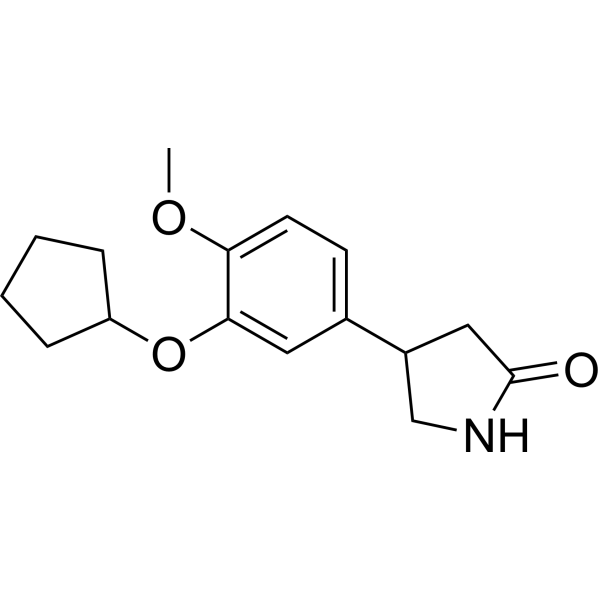
Rolipram is a PDE4 inhibitor, with blood-brain barrier permeability, that reverses β-amyloid-induced learning and memory impairment in rats. Rolipram elevates intracellular cAMP and clevels and regulates the cAMP/CREB signaling pathway, thereby alleviating neuroinflammation and apoptotic responses. Rolipram promotes neuronal differentiation of human bone marrow mesenchymal stem cells and inhibits Methamphetamine- and morphine-induced hyperlocomotion in mice. Rolipram also reduces the viability of glioblastoma stem-like cells and enhances Bevacizumab (HY-P9906)-induced cell death. Rolipram inhibits the expression of proinflammatory cytokines and enhances central noradrenergic transmission. Rolipram is mainly used in studies related to various central nervous system diseases including Alzheimer's disease, major depressive disorder, glioblastoma multiforme, and multiple sclerosis .
|
-
-
- HY-B0106
-
|
UCB L059
|
DNA Methyltransferase
|
Neurological Disease
Cancer
|
|
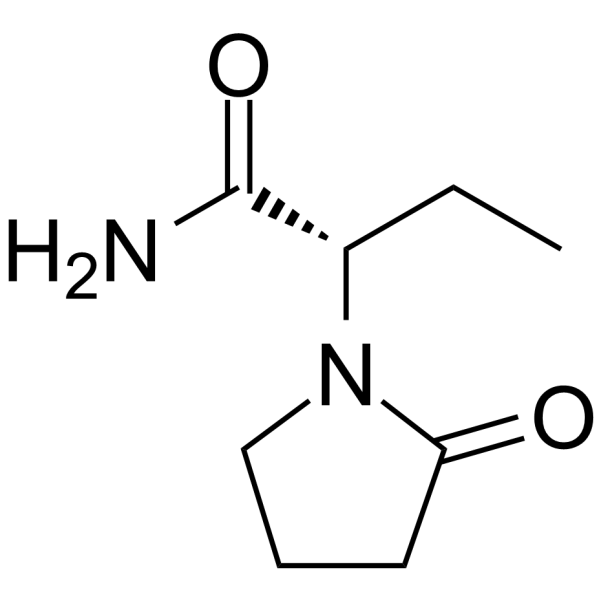
Levetiracetam, an antiepileptic agent, binds the synaptic vesicle protein SV2A. Levetiracetam enhances Temozolomide effect on glioblastoma stem cell proliferation and apoptosis. Levetiracetam modulates HDAC levels ultimately silencing MGMT, thus increasing Temozolomide effectiveness. A chemosensitizer agent .
|
-
-
- HY-16397
-
|
Phenethylbiguanide
|
Mitochondrial Metabolism
AMPK
Apoptosis
Autophagy
mTOR
|
Neurological Disease
Metabolic Disease
Cancer
|
|
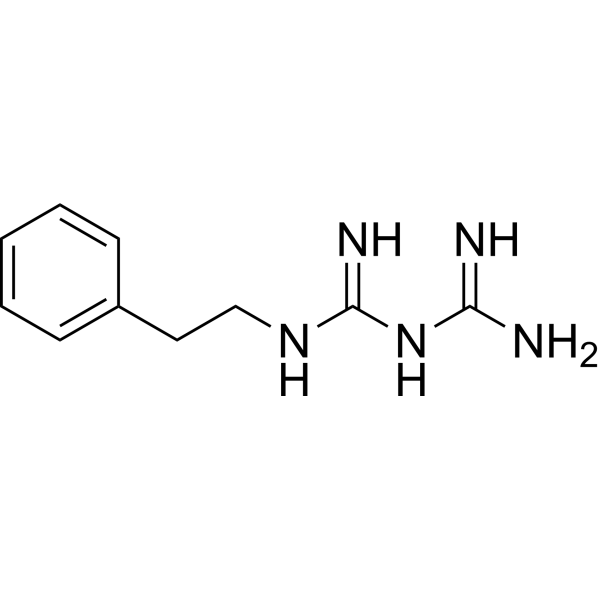
Phenformin (Phenethylbiguanide) is an orally active biguanide hypoglycemic agent. Phenformin inhibits mitochondrial respiratory chain complex I, leading to an increased AMP/ATP ratio, activation of AMPK, and subsequent inhibition of the mTOR pathway, thereby suppressing cell proliferation, inducing apoptosis and autophagy. Phenformin inhibits cancer stem cells (CSCs) and possesses potent antitumor potential .
|
-
-
- HY-103693
-
NAZ2329
3 Publications Verification
|
Phosphatase
|
Cancer
|
|
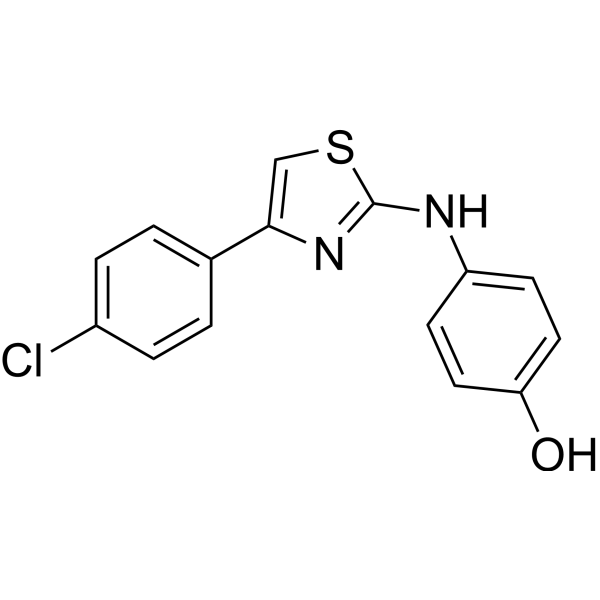
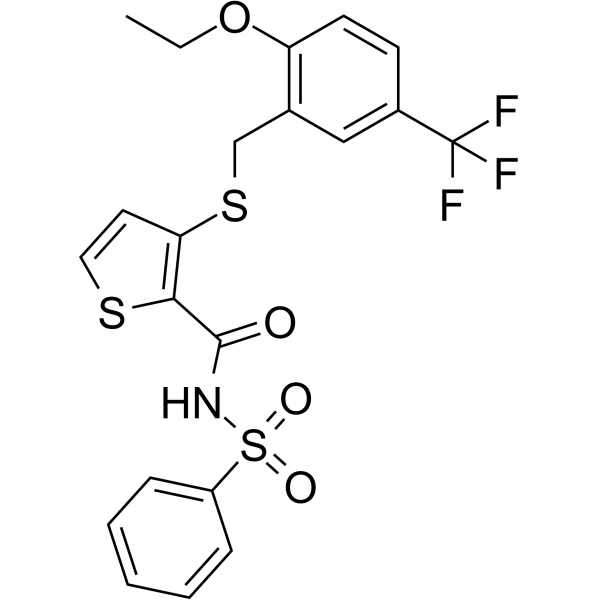
NAZ2329, the first cell-permeable inhibitor of R5 subfamily of receptor-type protein tyrosine phosphatases (RPTPs), allosterically and preferentially inhibits PTPRZ (IC50=7.5 µM for hPTPRZ1) and PTPRG (IC50=4.8 µM for hPTPRG) over other PTPs. NAZ2329 binds to the active D1 domain and more potently inhibits PTPRZ-D1 fragment (IC50 of 1.1 µM) than the whole intracellular (D1 + D2) fragment (IC50 of 7.5 µM). NAZ2329 can effectively inhibit tumor growth of the glioblastoma cells and suppress stem cell-like properties .
|
-
-
- HY-W587427
-
|
|
Endogenous Metabolite
Monocarboxylate Transporter
|
Neurological Disease
Cancer
|
|
D-2-Phosphoglyceric acid trisodium is a glycolysis and gluconeogenesis intermediate with altered levels linked to MCT4-modulated glycolytic pathways. D-2-Phosphoglyceric acid trisodium shows reduced intracellular levels in hypoxic glioblastoma stem cells after MCT4 knockdown. D-2-Phosphoglyceric acid trisodium can be used for the research of glioblastoma .
|
-
-
- HY-10996A
-
|
|
Autophagy
HSP
Apoptosis
Aurora Kinase
Microtubule/Tubulin
Polo-like Kinase (PLK)
|
Neurological Disease
Cancer
|
|
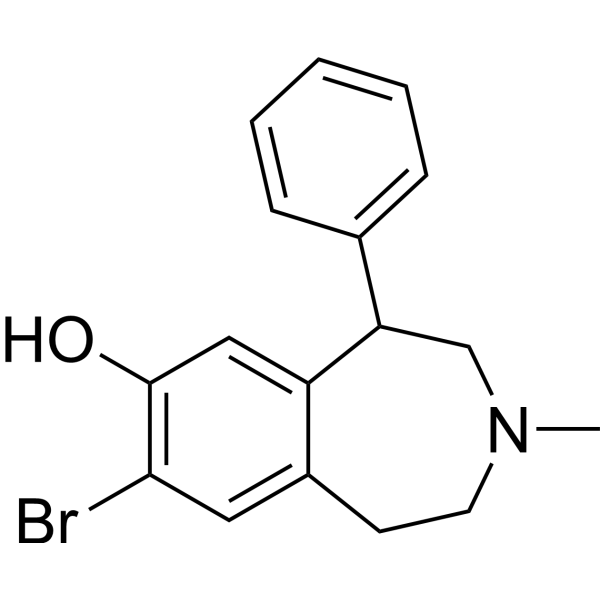
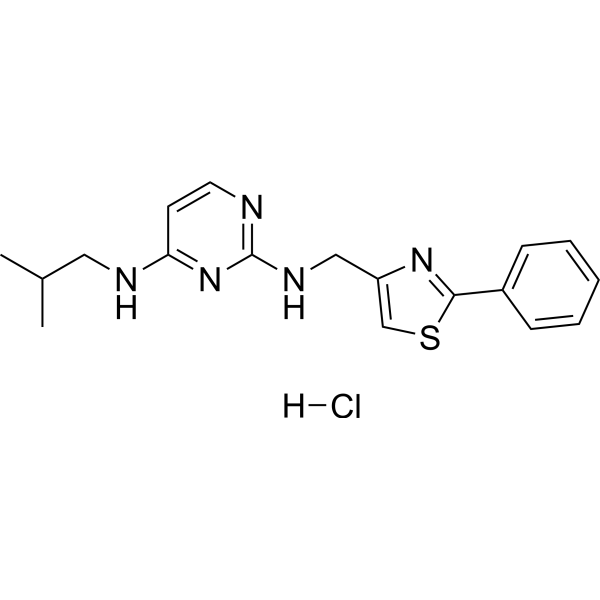
KHS101 is a blood-brain barrier-penetrant anticancer agent that primarily functions by inhibiting HSPD1 (IC50 = 14.4 μM) and TACC3 across different cellular backgrounds. KHS101 promotes the aggregation of HSPD1 with client proteins, destabilizes TACC3, and reduces the levels of TACC3, Aurora A and PLK1. KHS101 induces autophagy, apoptosis, cell cycle exit and neuronal differentiation; it suppresses cancer cell growth, motility, EMT and stemness; it also impairs mitochondrial bioenergetics and glycolysis in glioblastoma cells. KHS101 can be used in research related to glioblastoma multiforme and breast cancer .
|
-
-
- HY-160972
-
|
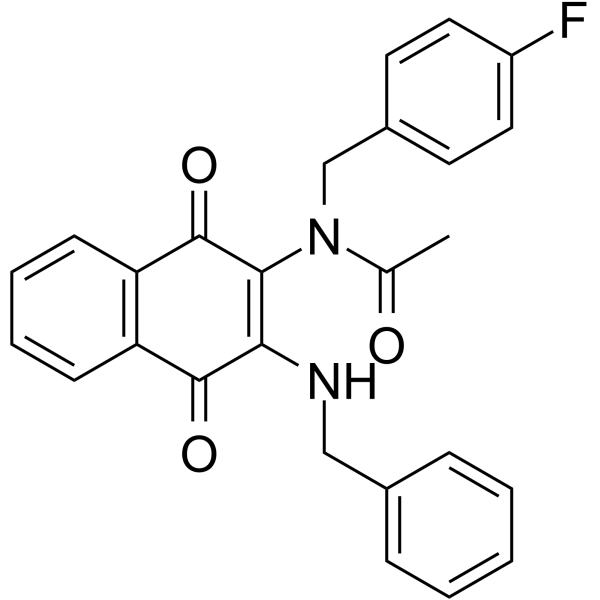
|
LXR
|
Neurological Disease
Cancer
|
|
MM0299 is a selective lanosterol synthase (LSS) inhibitor with an IC50 value of 2.22 μM. MM0299 depletes intracellular cholesterol and acts as a growth inhibitor for glioma stem-like cells. MM0299 exhibits anti-glioblastoma activity. MM0299 is applicable to research related to glioblastoma .
|
-
-
- HY-115630
-
|
|
RIP kinase
Caspase
Apoptosis
|
Cancer
|
|
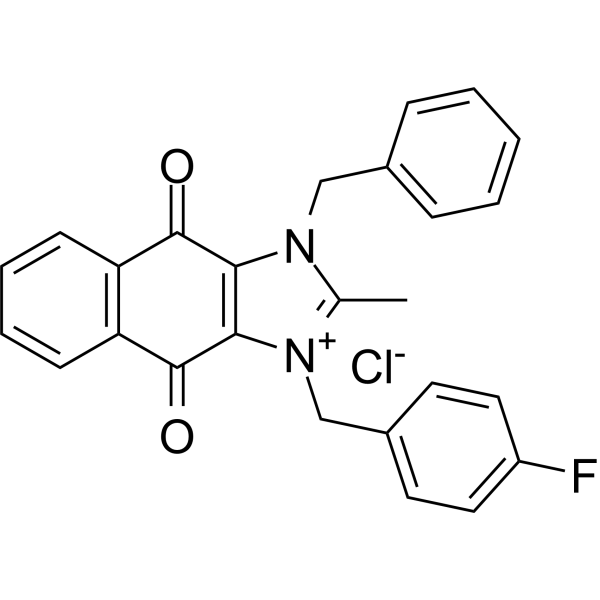
cRIPGBM chloride, an orally active, proapoptotic derivative. cRIPGBM can be generated from glioblastoma multiforme (GBM) cancer stem cells (CSCs). cRIPGBM(chloride) targets to receptor-interacting protein kinase 2 (RIPK2) to induce caspase 1-dependent apoptosis. cRIPGBM(chloride) suppresses the formation of RIPK2/TAK1 (prosurvival complex), and increases the formation of RIPK2/caspase 1 (proapoptotic complex). cRIPGBM(chloride) exerts potent anti-tumor activity in vivo in animal models .
|
-
-
- HY-167851
-
|
|
CXCR
|
Neurological Disease
Cancer
|
|
CCX662 is a selective CXCR7 inhibitor with human IC50 values of 9 nM (buffer) and 18 nM (100% human serum), and rat IC50 of 14 nM (100% rat serum). CCX662 blocks CXCL12 binding to CXCR7, inhibits CXCR4-directed trans-endothelial migration of CXCR4 +/CXCR7 + cells. CCX662 can be used for the research of glioblastoma multiforme .
|
-
-
- HY-17663
-
|
|
PARP
STAT
STING
IFNAR
|
Cancer
|
|
KMR-206 is a PARP7 inhibitor with an IC50 of 13.7 nM. KMR-206 relieves AHR-mediated transcriptional repression and enhances CYP1A1 expression in the presence of TCDD. KMR-206 induces the STING-dependent IFN-β signaling pathway and increases the levels of STAT1, pSTAT1 and nuclear PARP7 in cancer cells. KMR-206 reduces the viability of lung adenocarcinoma cells, enhances radiation-induced immunogenic signals, and induces the production of immunogenic signals in glioblastoma cancer stem cells. KMR-206 destabilizes FRA1 to increase IRF1 levels and promotes the IRF3-CBP/p300 interaction. KMR-206 can be used in studies related to lung adenocarcinoma and glioblastoma .
|
-
-
- HY-122910
-
|
|
Apoptosis
|
Cancer
|
|
RIPGBM is a selective inducer of apoptosis in glioblastoma multiforme (GBM) cancer stem cells (CSCs) with an EC50 of ≤500 nM .
|
-
-
- HY-B0106R
-
|
UCB L059 (Standard)
|
Reference Standards
DNA Methyltransferase
|
Neurological Disease
Cancer
|
|
Levetiracetam (Standard) is the analytical standard of Levetiracetam. This product is intended for research and analytical applications. Levetiracetam, an antiepileptic agent, binds the synaptic vesicle protein SV2A. Levetiracetam enhances Temozolomide effect on glioblastoma stem cell proliferation and apoptosis. Levetiracetam modulates HDAC levels ultimately silencing MGMT, thus increasing Temozolomide effectiveness. A chemosensitizer agent .
|
-
-
- HY-N10631
-
|
|
Endogenous Metabolite
|
Infection
Inflammation/Immunology
Cancer
|
|
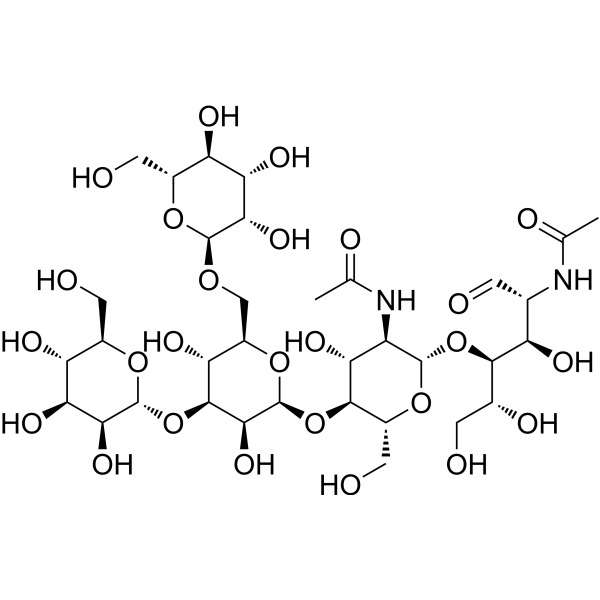
Paucimannose is a mannosidic N-glycan epitope. It acts as a carcinoembryonic antigen, and a marker for cancer, stem cell properties and inflammation. Paucimannose mainly exists in plants and invertebrates. It consists of oligomannose-type N-glycans that preferentially bind to mannose-binding lectin. Paucimannose localizes on the surface of resting cells and translocates upon cell activation. It can be used in studies related to Pseudomonas aeruginosa infection, cancer and pancreatitis .
|
-
-
- HY-152203
-
|
|
Drug Derivative
|
Cancer
|
|
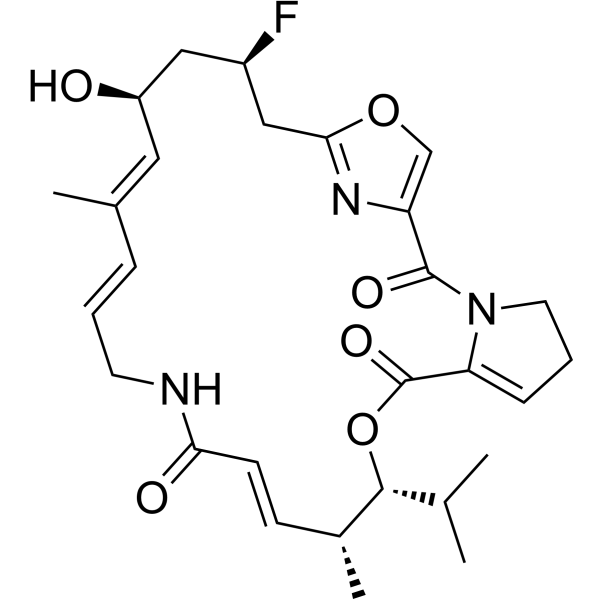
Mitochondrial respiration-IN-2 is the fluorine derivative of Virginiamycin M1 (HY-N6686). Mitochondrial respiration-IN-2 can inhibit mitochondrial translation of glioblastoma stem cells .
|
-
-
- HY-157343
-
|
|
Apoptosis
Mitochondrial Metabolism
Caspase
|
Neurological Disease
Cancer
|
|
GD3 Ganglioside is an Apoptosis inducer and a biomarker for mouse neural stem cells. GD3 Ganglioside expresses in neural stem cells and the subventricular zone of the adult mouse brain. GD3 Ganglioside targets the mitochondrial permeability transition pore complex, induces pore opening, dissipates mitochondrial transmembrane potential, triggers Mitochondrial swelling, releases pro-apoptotic factors, and activates Caspase-9. GD3 Ganglioside is applicable to research related to glioblastoma .
|
-
-
- HY-132865
-
-
-
- HY-157343A
-
|
|
Apoptosis
Mitochondrial Metabolism
Caspase
|
Neurological Disease
Cancer
|
|
GD3 Ganglioside sodium is an Apoptosis inducer and biomarker for mouse neural stem cells. GD3 Ganglioside sodium expresses in neural stem cells and the subventricular zone of the adult mouse brain. GD3 Ganglioside sodium targets the mitochondrial permeability transition pore complex, induces pore opening, dissipates mitochondrial transmembrane potential, triggers Mitochondrial swelling, releases pro-apoptotic factors, and activates Caspase-9. GD3 Ganglioside sodium is applicable to research related to glioblastoma .
|
-
-
- HY-157343B
-
|
|
Apoptosis
Mitochondrial Metabolism
Caspase
|
Neurological Disease
Cancer
|
|
GD3 Ganglioside ammonium is an Apoptosis inducer and biomarker for mouse neural stem cells. GD3 Ganglioside ammonium expresses in neural stem cells and the subventricular zone of the adult mouse brain. GD3 Ganglioside ammonium targets the mitochondrial permeability transition pore complex, induces pore opening, dissipates mitochondrial transmembrane potential, triggers Mitochondrial swelling, releases pro-apoptotic factors, and activates Caspase-9. GD3 Ganglioside ammonium is applicable to research related to glioblastoma .
|
-
-
- HY-B0106S
-
|
UCB L059-d6
|
Isotope-Labeled Compounds
DNA Methyltransferase
|
Neurological Disease
Cancer
|
|
Levetiracetam-d6 is the deuterium labeled Levetiracetam. Levetiracetam, an antiepileptic agent, binds the synaptic vesicle protein SV2A. Levetiracetam enhances Temozolomide effect on glioblastoma stem cell proliferation and apoptosis. Levetiracetam modulates HDAC levels ultimately silencing MGMT, thus increasing Temozolomide effectiveness. A chemosensitizer agent .
|
-
-
- HY-Q66655
-
|
|
DNA/RNA Synthesis
Reactive Oxygen Species (ROS)
|
Neurological Disease
Cancer
|
|
YRDC-IN-1 is a blood-brain barrier-permeable YRDC inhibitor. YRDC is a key enzyme that catalyzes the formation of N 6-threonylcarbamoyladenosine at position 37 of tRNA (t 6A37). YRDC-IN-1 selectively inhibits the translation of ANN codon-enriched FABP7, thereby reducing lipid droplet formation, increasing ROS, and reversing the acquired resistance of GBM to Temozolomide (TMZ) (HY-17364). YRDC-IN-1 can be used for the research of glioblastoma .
|
-
-
- HY-P10782
-
|
|
Peptide-Drug Conjugates (PDCs)
|
Cancer
|
|
Pt(IV)-M13 is a BBB-penetrable Platinum (IV) prodrug-perfluoroaryl macrocyclic peptide conjugate. Pt(IV)-M13 is cytotoxic to glioma stem cells and increases uptake of platinum in the brain. Pt(IV)-M13 can be used in the study of glioblastoma .
|
-
-
- HY-129341
-
|
|
JAK
STAT
c-Myc
|
Neurological Disease
Cancer
|
|
WP1193 is a novel JAK2/STAT3 pathway inhibitor. WP1193 suppresses phosphorylation of JAK2 and STAT3. WP1193 decreases expression of stem cell markers including CD133 and c-myc. WP1193 can be used in the research of glioblastoma .
|
-
-
- HY-10996
-
|
|
HSP
Microtubule/Tubulin
Aurora Kinase
Polo-like Kinase (PLK)
Autophagy
Apoptosis
|
Neurological Disease
Cancer
|
|
KHS101 is a blood-brain barrier-penetrant anticancer agent that primarily functions by inhibiting HSPD1 (IC50 = 14.4 μM) and TACC3 across different cellular backgrounds. KHS101 promotes the aggregation of HSPD1 with client proteins, destabilizes TACC3, and reduces the levels of TACC3, Aurora A and PLK1. KHS101 induces autophagy, apoptosis, cell cycle exit and neuronal differentiation; it suppresses cancer cell growth, motility, EMT and stemness; it also impairs mitochondrial bioenergetics and glycolysis in glioblastoma cells. KHS101 can be used in research related to glioblastoma multiforme and breast cancer .
|
-
-
- HY-16900R
-
|
(R,S)-Rolipram (Standard); (±)-Rolipram (Standard); ZK 62711 (Standard)
|
Reference Standards
Bacterial
HIV
Phosphodiesterase (PDE)
Epigenetic Reader Domain
Amyloid-β
|
Neurological Disease
Cancer
|
|
Rolipram (Standard) is the analytical standard of Rolipram (HY-16900). This product is intended for research and analytical applications. Rolipram is a PDE4 inhibitor, with blood-brain barrier permeability, that reverses β-amyloid-induced learning and memory impairment in rats. Rolipram elevates intracellular cAMP and clevels and regulates the cAMP/CREB signaling pathway, thereby alleviating neuroinflammation and apoptotic responses. Rolipram promotes neuronal differentiation of human bone marrow mesenchymal stem cells and inhibits Methamphetamine- and morphine-induced hyperlocomotion in mice. Rolipram also reduces the viability of glioblastoma stem-like cells and enhances Bevacizumab (HY-P9906)-induced cell death. Rolipram inhibits the expression of proinflammatory cytokines and enhances central noradrenergic transmission. Rolipram is mainly used in studies related to various central nervous system diseases including Alzheimer's disease, major depressive disorder, glioblastoma multiforme, and multiple sclerosis .
|
-
-
- HY-174212
-
|
|
Apoptosis
|
Cancer
|
|
MXC-017 is a blood-brain barrier (BBB)-penetrant apoptosis inducer that directly targets Vimentin (VIM). MXC-017 prevents radiation-induced glioma stem cell (GSC) formation, while promoting G0/G1 cell cycle arrest and apoptosis. MXC-017 exhibits minimal off-target effects and shows no significant cytotoxicity. MXC-017 significantly prolongs median survival when used in combination with radiation therapy in glioblastoma (GBM) mouse models.
|
-
-
- HY-101349
-
|
|
Dopamine Receptor
Apoptosis
Autophagy
PDGFR
ERK
mTOR
|
Neurological Disease
Cancer
|
|
L 741742 is a highly selective and brain-penetrant D4 dopamine receptor antagonist, with Ki values of 3.5 nM, 770 nM and >1700 nM for human D4, D3 and D2 receptors, respectively. L 741742 suppresses PDGFRβ, ERK1/2, and mTOR signaling pathways, and impairs autophagic flux while disrupting lysosomal function.L 741742 induces G0/G1 cell-cycle arrest and apoptosis, promotes neuronal differentiation of normal human neural stem cells, selectively inhibits growth and clonogenic potential of glioblastoma neural stem cells and primary glioblastoma tumor cells, exerts synergistic effects with Temozolomide (TMZ) (HY-17364) against glioblastoma neural stem cells in vitro, and inhibits glioblastoma neural stem cell xenograft growth in immunocompromised mice. L 741742 can be used for the research of schizophrenia and glioblastoma .
|
-
-
- HY-152202
-
|
|
Mitochondrial Metabolism
|
Cancer
|
|
Mitochondrial respiration-IN-3 is the fluorine derivative of Dalfopristin (HY-A0241). Mitochondrial respiration-IN-3 has cell membrane-permeable. Mitochondrial respiration-IN-3 can inhibit mitochondrial translation of glioblastoma stem cells. Mitochondrial respiration-IN-3 can be used in research of cancer .
|
-
-
- HY-161946
-
|
|
DNA/RNA Synthesis
Apoptosis
|
Cancer
|
|
GBM CSCs-IN-1 (Compound (−)-20), a derivative of rocaglate, is a potent inhibitor of glioblastoma stem cells (GBM CSCs) with an EC50 of 45 nM, functioning by targeting the RNA helicase DDX3. Furthermore, GBM CSCs-IN-1 is also capable of inducing apoptosis .
|
-
-
- HY-173369
-
|
|
PROTACs
MAGL
|
Cancer
|
|
PROTAC MAGL degrader-1 is an orally active PROTAC agent that simultaneously targets monoacylglycerol lipase (MAGL) and E3 ubiquitin ligase MDM2. PROTAC MAGL degrader-1 degrades MAGL and inhibits the binding of MDM2 to p53. PROTAC MAGL degrader-1 can partially penetrate the blood-brain barrier (BBB). PROTAC MAGL degrader-1 induces glioblastoma stem cells (GSCs) apoptosis. (E3 ligase ligand: HY-128837; target protein ligand + linker: HY-173370; target protein inhibitor: HY-15249) .
|
-
-
- HY-101349A
-
|
|
Dopamine Receptor
Apoptosis
Autophagy
PDGFR
ERK
mTOR
|
Neurological Disease
Cancer
|
|
L 741742 hydrochloride is a highly selective and brain-penetrant D4 dopamine receptor antagonist, with Ki values of 3.5 nM, 770 nM and >1700 nM for human D4, D3 and D2 receptors, respectively. L 741742 hydrochloride suppresses PDGFRβ, ERK1/2, and mTOR signaling pathways, and impairs autophagic flux while disrupting lysosomal function.L 741742 hydrochloride induces G0/G1 cell-cycle arrest and apoptosis, promotes neuronal differentiation of normal human neural stem cells, selectively inhibits growth and clonogenic potential of glioblastoma neural stem cells and primary glioblastoma tumor cells, exerts synergistic effects with Temozolomide (TMZ) (HY-17364) against glioblastoma neural stem cells in vitro, and inhibits glioblastoma neural stem cell xenograft growth in immunocompromised mice. L 741742 hydrochloride can be used for the research of schizophrenia and glioblastoma .
|
-
-
- HY-132863
-
-
-
- HY-175754
-
|
|
WDR5
|
Cancer
|
|
C3TD078 is a WDR5 WIN site inhibitor with a Ki of 0.03 nM. C3TD078 has potent antiproliferative activity and reduces the stem-cell frequency of cancer stem cells (CSCs). C3TD078 can be used for glioblastoma (GBM) research .
|
-
-
- HY-B0106S1
-
|
UCB L059-d3
|
DNA Methyltransferase
|
Neurological Disease
Cancer
|
|
Levetiracetam-d3 is the deuterium labeled Levetiracetam. Levetiracetam, an antiepileptic agent, binds the synaptic vesicle protein SV2A. Levetiracetam enhances Temozolomide effect on glioblastoma stem cell proliferation and apoptosis. Levetiracetam modulates HDAC levels ultimately silencing MGMT, thus increasing Temozolomide effectiveness. A chemosensitizer agent .
|
-
-
- HY-12772R
-
|
Itraconazole metabolite Hydroxy Itraconazole (Standard); R-63373 (Standard)
|
Reference Standards
Fungal
Drug Metabolite
|
Others
|
|
Levetiracetam (Standard) is the analytical standard of Levetiracetam. This product is intended for research and analytical applications. Levetiracetam, an antiepileptic agent, binds the synaptic vesicle protein SV2A. Levetiracetam enhances Temozolomide effect on glioblastoma stem cell proliferation and apoptosis. Levetiracetam modulates HDAC levels ultimately silencing MGMT, thus increasing Temozolomide effectiveness. A chemosensitizer agent .
|
-
-
- HY-181640
-
|
|
HDAC
Apoptosis
|
Neurological Disease
Cancer
|
|
HDAC1/3-IN-1 is a selective HDAC1/3 inhibitor, with IC50 values of 256 nM and 340.3 nM against HDAC1 and HDAC3, respectively. HDAC1/3-IN-1 increases the SubG1 cell population and promotes apoptosis of glioma cells and glioblastoma stem cells. HDAC1/3-IN-1 can be used in studies related to glioblastoma .
|
-
-
- HY-181639
-
|
|
HDAC
Apoptosis
|
Cancer
|
|
HDAC6-IN-75 is a selective HDAC6 inhibitor with an IC50 of 0.17 nM against HDAC6. HDAC6-IN-75 induces the accumulation of acetylated α-tubulin in glioma cells. HDAC6-IN-75 triggers cell cycle changes, increases the SubG1 cell population, and promotes apoptosis in glioma cells and glioblastoma stem cells. HDAC6-IN-75 is applicable for glioma-related research .
|
-
-
- HY-123933
-
|
|
Glutaminase
|
Neurological Disease
Cancer
|
|
TTGM 5826 is a tissue transglutaminase (tTG) inhibitor with an EC50 of 20 μM. TTGM 5826 stabilizes the open conformation of tTG that exhibits protein cross-linking activity, and acts as a competitive inhibitor of tTG-mediated cross-linking activity. TTGM 5826 inhibits the transformed phenotypes of breast cancer cells, brain cancer cells and glioma stem cells. TTGM 5826 can be used in the research of breast cancer, glioblastoma, pancreatic cancer and glioma stem cell-related tumors .
|
-
-
- HY-16900G
-
|
|
Phosphodiesterase (PDE)
Epigenetic Reader Domain
Amyloid-β
|
Neurological Disease
Inflammation/Immunology
Cancer
|
|
Rolipram GMP is Rolipram (HY-16900) produced by using GMP guidelines. GMP small molecules works appropriately as an auxiliary reagent for cell therapy manufacture. Rolipram is a PDE4 inhibitor, with blood-brain barrier permeability, that reverses β-amyloid-induced learning and memory impairment in rats. Rolipram elevates intracellular cAMP and clevels and regulates the cAMP/CREB signaling pathway, thereby alleviating neuroinflammation and apoptotic responses. Rolipram promotes neuronal differentiation of human bone marrow mesenchymal stem cells and inhibits Methamphetamine- and morphine-induced hyperlocomotion in mice. Rolipram also reduces the viability of glioblastoma stem-like cells and enhances Bevacizumab (HY-P9906)-induced cell death. Rolipram inhibits the expression of proinflammatory cytokines and enhances central noradrenergic transmission. Rolipram is mainly used in studies related to various central nervous system diseases including Alzheimer's disease, major depressive disorder, glioblastoma multiforme, and multiple sclerosis .
|
-
-
- HY-181074
-
|
|
Microtubule/Tubulin
Apoptosis
Bcl-2 Family
|
Neurological Disease
Cancer
|
|
Tubulin polymerization-IN-88 is a tubulin inhibitor that blocks tubulin polymerization, leading to microtubule destabilization and disruption of the mitotic spindle. Tubulin polymerization-IN-88 induces G2/M phase arrest and apoptosis in cancer cells, and inhibits cancer cell migration and self-renewal of cancer stem cells. It exhibits in vitro anti-proliferative activity against cancer cells with selectivity over normal cells. Tubulin polymerization-IN-88 also demonstrates in vivo anti-cancer activity without significant toxicity. Tubulin polymerization-IN-88 is applicable for research on glioblastoma, lung cancer, endometrial cancer, ovarian cancer, and leukemia .
|
-
-
- HY-183250
-
|
|
mTOR
Ribosomal S6 Kinase (RSK)
Akt
DNA-PK
|
Neurological Disease
Cancer
|
|
eALM1137 is a mTOR inhibitor with an IC50 of 4.8 nM. eALM1137 mediates dual inhibition of the mTORC1 and mTORC2 signaling pathways, and inhibits DNA-PK (IC50=77 nM). eALM1137 exhibits antiproliferative and cytostatic activities, and induces G1 cell cycle arrest. eALM1137 is applicable to the research of glioblastoma multiforme .
|
-
-
- HY-103693R
-
|
|
Reference Standards
Phosphatase
|
Cancer
|
|
NAZ2329 (Standard) is the analytical standard of NAZ2329 (HY-103693). This product is intended for research and analytical applications. NAZ2329, the first cell-permeable inhibitor of R5 subfamily of receptor-type protein tyrosine phosphatases (RPTPs), allosterically and preferentially inhibits PTPRZ (IC50=7.5 µM for hPTPRZ1) and PTPRG (IC50=4.8 µM for hPTPRG) over other PTPs. NAZ2329 binds to the active D1 domain and more potently inhibits PTPRZ-D1 fragment (IC50 of 1.1 µM) than the whole intracellular (D1 + D2) fragment (IC50 of 7.5 µM). NAZ2329 can effectively inhibit tumor growth of the glioblastoma cells and suppress stem cell-like properties .
|
-
-
- HY-138195
-
|
|
DNA/RNA Synthesis
Apoptosis
FAK
Src
MMP
Autophagy
|
Cancer
|
|
NEO212 is an orally active, blood-brain barrier permeable conjugate of Temozolomide (TMZ) (HY-17364) and Perillyl Alcohol (POH) (HY-N7000), with potent anticancer activity. NEO212 overcomes classical TMZ resistance and DNA alkylation by depleting MGMT. By inhibiting the FAK/Src signaling pathway, NEO212 reduces the production of MMP2 and MMP9, induces mesenchymal-epithelial transition, and inhibits the migration, invasion and tumor progression of glioma stem cells. NEO212 disrupts autophagy flux to enhance mitochondrial apoptosis; it induces differentiation of acute myeloid leukemia (AML) cells into macrophages and proliferation arrest .
|
-
| Cat. No. |
Product Name |
Type |
-
- HY-16900G
-
|
|
Fluorescent Dyes
|
|
Rolipram GMP is Rolipram (HY-16900) produced by using GMP guidelines. GMP small molecules works appropriately as an auxiliary reagent for cell therapy manufacture. Rolipram is a PDE4 inhibitor, with blood-brain barrier permeability, that reverses β-amyloid-induced learning and memory impairment in rats. Rolipram elevates intracellular cAMP and clevels and regulates the cAMP/CREB signaling pathway, thereby alleviating neuroinflammation and apoptotic responses. Rolipram promotes neuronal differentiation of human bone marrow mesenchymal stem cells and inhibits Methamphetamine- and morphine-induced hyperlocomotion in mice. Rolipram also reduces the viability of glioblastoma stem-like cells and enhances Bevacizumab (HY-P9906)-induced cell death. Rolipram inhibits the expression of proinflammatory cytokines and enhances central noradrenergic transmission. Rolipram is mainly used in studies related to various central nervous system diseases including Alzheimer's disease, major depressive disorder, glioblastoma multiforme, and multiple sclerosis .
|
| Cat. No. |
Product Name |
Type |
-
- HY-16900G
-
|
|
Biochemical Assay Reagents
|
|
Rolipram GMP is Rolipram (HY-16900) produced by using GMP guidelines. GMP small molecules works appropriately as an auxiliary reagent for cell therapy manufacture. Rolipram is a PDE4 inhibitor, with blood-brain barrier permeability, that reverses β-amyloid-induced learning and memory impairment in rats. Rolipram elevates intracellular cAMP and clevels and regulates the cAMP/CREB signaling pathway, thereby alleviating neuroinflammation and apoptotic responses. Rolipram promotes neuronal differentiation of human bone marrow mesenchymal stem cells and inhibits Methamphetamine- and morphine-induced hyperlocomotion in mice. Rolipram also reduces the viability of glioblastoma stem-like cells and enhances Bevacizumab (HY-P9906)-induced cell death. Rolipram inhibits the expression of proinflammatory cytokines and enhances central noradrenergic transmission. Rolipram is mainly used in studies related to various central nervous system diseases including Alzheimer's disease, major depressive disorder, glioblastoma multiforme, and multiple sclerosis .
|
| Cat. No. |
Product Name |
Target |
Research Area |
-
- HY-P10782
-
|
|
Peptide-Drug Conjugates (PDCs)
|
Cancer
|
|
Pt(IV)-M13 is a BBB-penetrable Platinum (IV) prodrug-perfluoroaryl macrocyclic peptide conjugate. Pt(IV)-M13 is cytotoxic to glioma stem cells and increases uptake of platinum in the brain. Pt(IV)-M13 can be used in the study of glioblastoma .
|
| Cat. No. |
Product Name |
Chemical Structure |
-
- HY-B0106S
-
|
|
|
Levetiracetam-d6 is the deuterium labeled Levetiracetam. Levetiracetam, an antiepileptic agent, binds the synaptic vesicle protein SV2A. Levetiracetam enhances Temozolomide effect on glioblastoma stem cell proliferation and apoptosis. Levetiracetam modulates HDAC levels ultimately silencing MGMT, thus increasing Temozolomide effectiveness. A chemosensitizer agent .
|
-
-
- HY-B0106S1
-
|
|
|
Levetiracetam-d3 is the deuterium labeled Levetiracetam. Levetiracetam, an antiepileptic agent, binds the synaptic vesicle protein SV2A. Levetiracetam enhances Temozolomide effect on glioblastoma stem cell proliferation and apoptosis. Levetiracetam modulates HDAC levels ultimately silencing MGMT, thus increasing Temozolomide effectiveness. A chemosensitizer agent .
|
-
| Cat. No. |
Product Name |
Target |
Research Areas |
Chemical Structure |
-
- HY-16900G
-
|
|
Phosphodiesterase (PDE)
Epigenetic Reader Domain
Amyloid-β
|
Neurological Disease
Inflammation/Immunology
Cancer
|
|
Rolipram GMP is Rolipram (HY-16900) produced by using GMP guidelines. GMP small molecules works appropriately as an auxiliary reagent for cell therapy manufacture. Rolipram is a PDE4 inhibitor, with blood-brain barrier permeability, that reverses β-amyloid-induced learning and memory impairment in rats. Rolipram elevates intracellular cAMP and clevels and regulates the cAMP/CREB signaling pathway, thereby alleviating neuroinflammation and apoptotic responses. Rolipram promotes neuronal differentiation of human bone marrow mesenchymal stem cells and inhibits Methamphetamine- and morphine-induced hyperlocomotion in mice. Rolipram also reduces the viability of glioblastoma stem-like cells and enhances Bevacizumab (HY-P9906)-induced cell death. Rolipram inhibits the expression of proinflammatory cytokines and enhances central noradrenergic transmission. Rolipram is mainly used in studies related to various central nervous system diseases including Alzheimer's disease, major depressive disorder, glioblastoma multiforme, and multiple sclerosis .
|
-
Your information is safe with us. * Required Fields.
Inquiry Information
- Product Name:
- Cat. No.:
- Quantity:
- MCE Japan Authorized Agent:

