


147 Results for "

human HeLa cells

" in MedChemExpress (MCE) Product Catalog:
Products (147)

147 Results for "human HeLa cells" in MCE Product Catalog:

8
8 Cited Publications
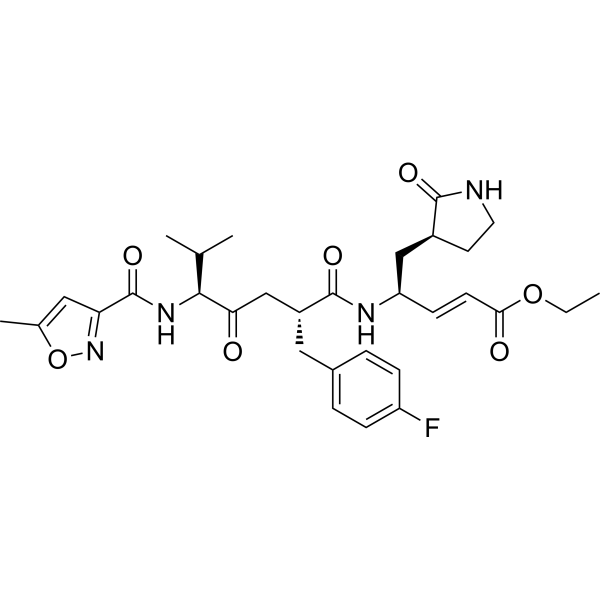
Cat. No.: HY-106161
CAS No.: 223537-30-2
Purity:  99.36%
Synonyms: AG7088
Rupintrivirvr (AG7088), an antiviral agent, is a potent, selective and irreversible inhibitor of human rhinovirus (HRV) 3C protease. Rupintrivirvr inhibits replication of a panel of 48 different HRV serotypes in H1-HeLA and MRC-5 cell protection assays, with a mean EC50 of 0.023 μM. Rupintrivirvr shows immune-modulatory effect .
loading...
    loading...
2
2 Cited Publications
Cat. No.: HY-135416
CAS No.: 98072-47-0
Streptolysin O is a cholesterol-targeting, thiol-activated pore-forming toxin. Streptolysin O binds to cholesterol via its C-terminal domain 4, oligomerizes to form arc-shaped or ring-shaped structures, inserts amphipathic helices into the lipid bilayer, and forms transmembrane β-barrel pores, resulting in cell permeabilization. Streptolysin O enables controllable cell membrane permeabilization, fluorescent probe delivery, and exogenous molecule uptake .
loading...
    loading...
2
2 Cited Publications
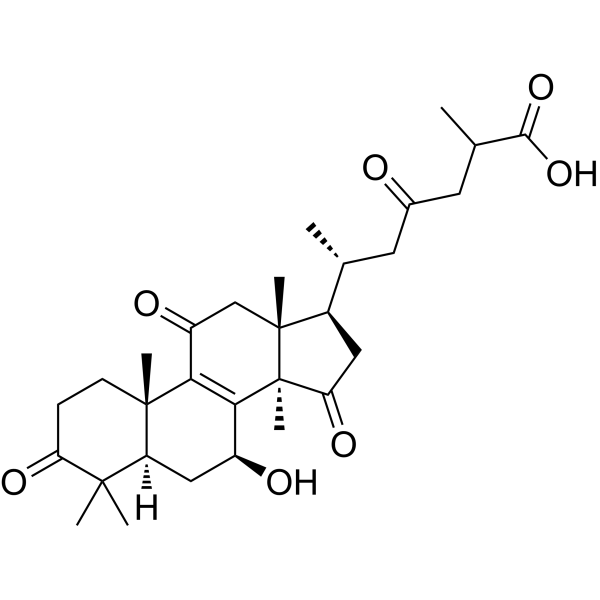
Cat. No.: HY-N1511
CAS No.: 108340-60-9
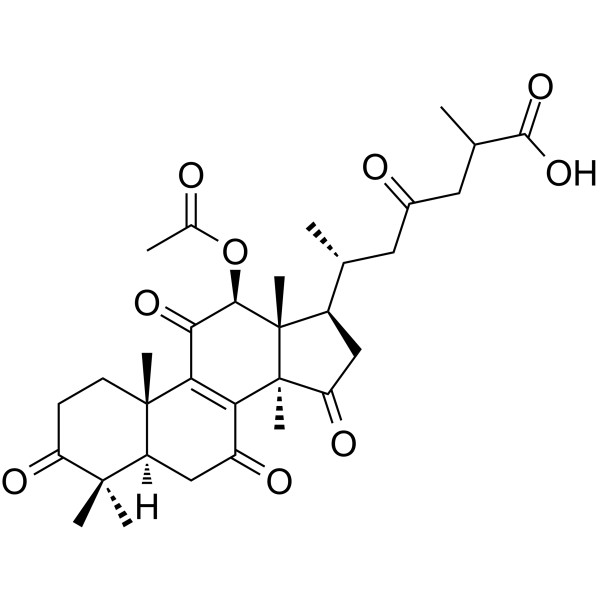
Ganoderic acid D, a highly oxygenated tetracyclic triterpenoid, is the major active component of Ganoderma lucidum. Ganoderic acid D upregulates the protein expression of SIRT3 and induces the deacetylated cyclophilin D (CypD) by SIRT3. Ganoderic acid D inhibits the energy reprogramming of colon cancer cells including glucose uptake, lactate production, pyruvate and acetyl-coenzyme production in colon cancer cells . Ganoderic acid D induces HeLa human cervical carcinoma apoptosis .
loading...
    loading...
2
2 Cited Publications
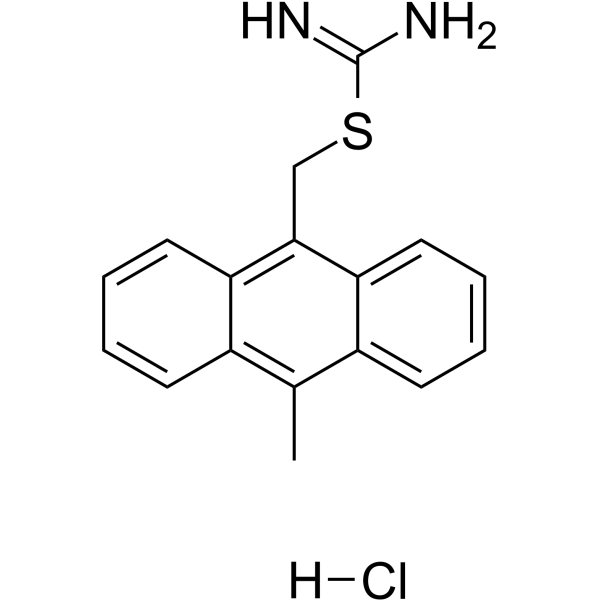
Cat. No.: HY-108638
CAS No.: 59474-01-0
Purity:  99.60%
Synonyms: XI-011 hydrochloride
Target:  

MDM-2/p53 Apoptosis PARP

Research Areas:  

Cancer

NSC 146109 hydrochloride (XI-011 hydrochloride) is a p53 activator and MDMX inhibitor. NSC 146109 hydrochloride inhibits MDMX gene transcription, downregulates MDMX mRNA and protein levels, stabilizes p53 and activates the transcriptional activity of p53. NSC 146109 hydrochloride induces cancer cell apoptosis (apoptosis) and inhibits the growth of transformed cells. NSC 146109 hydrochloride inhibits the growth of xenograft tumors. NSC 146109 hydrochloride can be used in research related to breast cancer and cervical cancer .
loading...
    loading...
2
2 Cited Publications
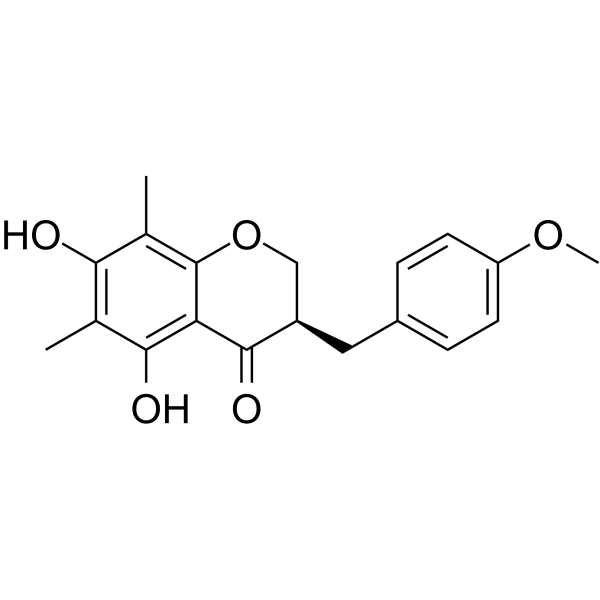
Cat. No.: HY-N2438
CAS No.: 74805-91-7
Methylophiopogonanone B is a homoisoflavonoid compound. Methylophiopogonanone B can be isolated from O. japonicus root. Methylophiopogonanone B promotes Rho activation and Tubulin depolymerization. Methylophiopogonanone B significantly increases GTP-Rho, but not GTP-Rac or GTP-CDC42. Methylophiopogonanone B induces cell morphological change via melanocyte dendrite retraction and stress fiber formation. Methylophiopogonanone B exhibits strong antioxidant activity. Methylophiopogonanone B can be used in the research of cervical cancer .
loading...
    loading...
1
1 Cited Publications
Cat. No.: HY-116424
CAS No.: 1354630-46-8
Purity:  ≥99.0%
Synonyms: Anti-dynamin II
Research Areas:  

Cancer

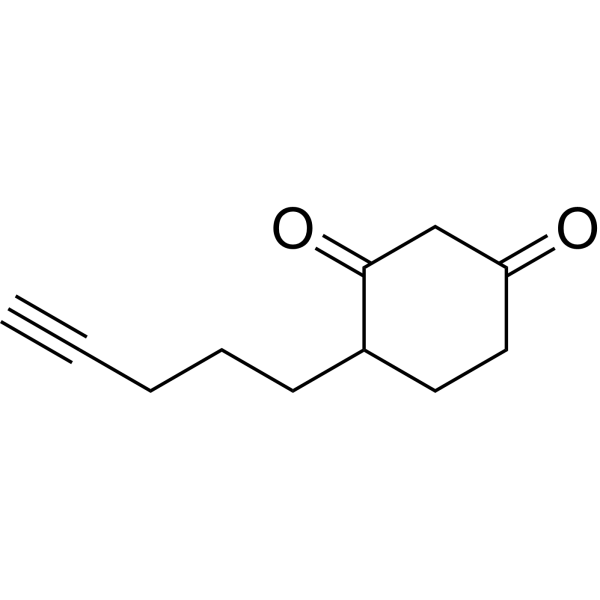
DYn-2 (Anti-dynamin II) is a chemoselective sulfenylated protein probe. DYn-2 binds to sulfenylated proteins with chemoselectivity, enabling the detection of such proteins. DYn-2 can detect differences in intracellular sulfenylation rates. DYn-2 can be used in human cancer research, including studies on breast cancer and lung cancer .
loading...
    loading...
1
1 Cited Publications
Cat. No.: HY-P5354
Target:  

Fluorescent Dye

Research Areas:  

Cardiovascular Disease

FRETS-VWF73, a 73-amino-acid peptide, is a fluorogenic substrate for ADAMTS13 assay (Ex = 340 nm; Em = 450 nm). FRETS-VWF73 is a predictive tool for thrombotic thrombocytopenic purpura .
loading...
    loading...
1
1 Cited Publications
Cat. No.: HY-N6036
CAS No.: 98665-15-7
Ganoderic acid F is a ganoderic acid. Ganoderic acid F exhibits antitumor and antimetastatic activities through inhibition of angiogenesis and alteration of proteins involving cell proliferation and/or cell death, carcinogenesis, oxidative stress, calcium signaling, and endoplasmic reticulum stress .
loading...
    loading...
1
1 Cited Publications
Cat. No.: HY-135416A
CAS No.: 98072-47-0
Purity:  ≥96.0%
Recombinant Streptolysin O is a cholesterol-targeting, thiol-activated pore-forming toxin. Recombinant Streptolysin O binds to cholesterol via its C-terminal domain 4, oligomerizes to form arc-shaped or ring-shaped structures, inserts amphipathic helices into the lipid bilayer, and forms transmembrane β-barrel pores, resulting in cell permeabilization. Recombinant Streptolysin O enables controllable cell membrane permeabilization, fluorescent probe delivery, and exogenous molecule uptake .
loading...
    loading...
1
1 Cited Publications
Cat. No.: HY-N4208
CAS No.: 2230777-09-8
Target:  

Microtubule/Tubulin

Research Areas:  

Cancer

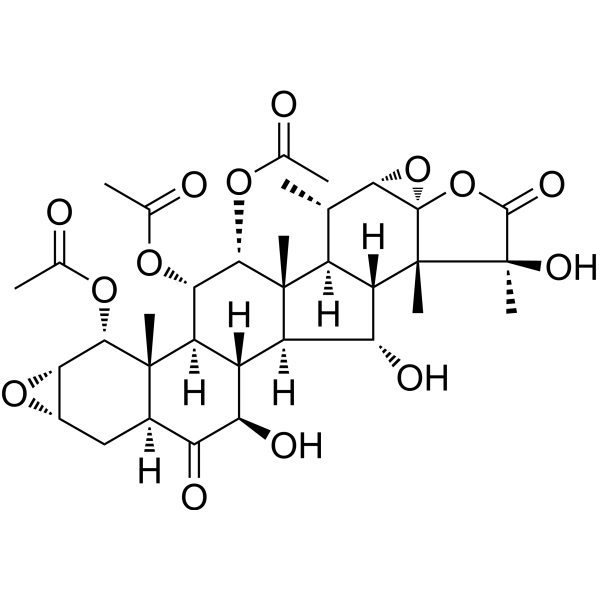
Taccalonolide AJ is a microtubule stabilizer and antiproliferative agent with an IC50 of 4.2 nM against β-tubulin (β-tubulin) D226. Taccalonolide AJ increases cellular microtubule density, induces microtubule bundling, triggers G2/M cell cycle arrest with abnormal mitotic spindles, and inhibits cancer cell proliferation. Taccalonolide AJ can be used in the research of oral cancer, breast cancer, solid tumors, as well as tumors resistant to Paclitaxel (HY-B0015) and Doxorubicin (HY-15142A) .
loading...
    loading...
1
1 Cited Publications
Cat. No.: HY-W039865
CAS No.: 19879-84-6
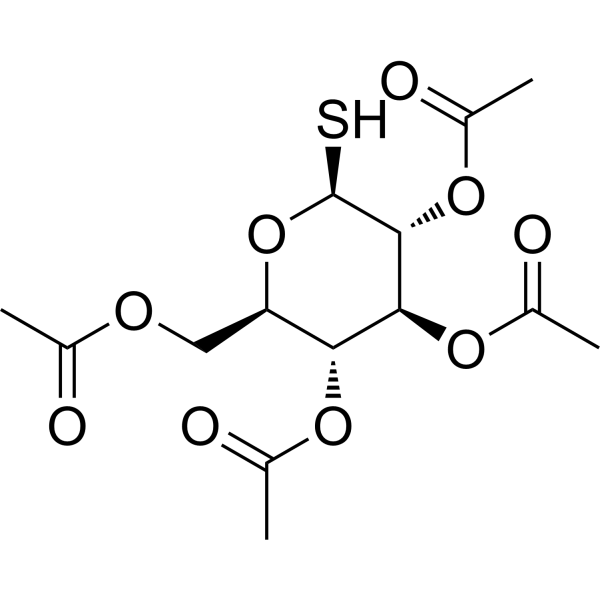
1-Thio-beta-D-glucose tetraacetate exhibits cytotoxicity in cells HeLa and human ocular lens epithelium CECH with IC50s of >250 and >200 μM. 1-Thio-beta-D-glucose tetraacetate reveals moderate anticancer property .
loading...
    loading...
1
1 Cited Publications
Cat. No.: HY-113474
CAS No.: 775-01-9
Purity:  98.56%
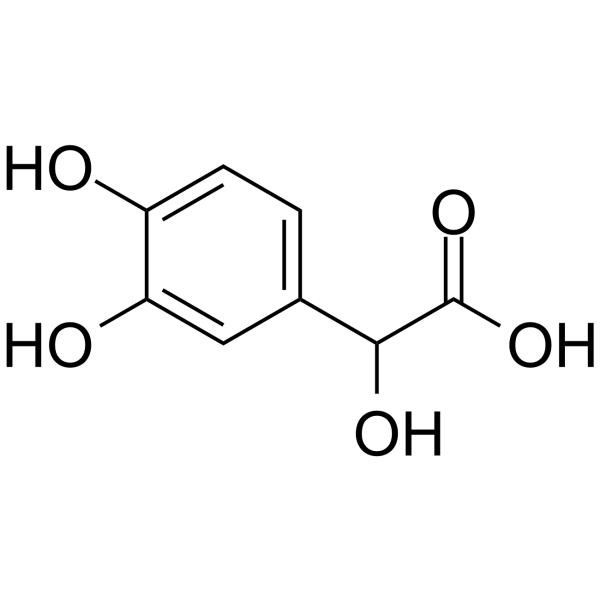
3,4‑Dihydroxymandelic acid is a metabolite of Norepinephrine (HY-13715) with free radical scavenging and antioxidant activities. 3,4-Dihydroxymandelic acid acts as a chemoattractant for enterohaemorrhagic Escherichia coli (EHEC), regulates virulence gene expression and bacterial adhesion to intestinal epithelial cells in a QseC-dependent manner, and targets EHEC to preferred infection sites. 3,4‑Dihydroxymandelic acid can be used in studies related to oxidative stress and enterohaemorrhagic Escherichia coli infection .
loading...
    loading...
1
1 Cited Publications
Cat. No.: HY-14604
CAS No.: 90494-79-4
Purity:  98.57%
Synonyms: SR57746A; SR57746 hydrochloride
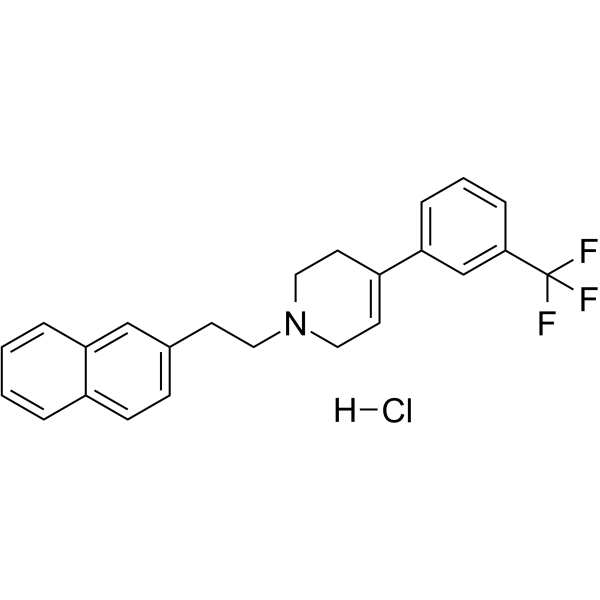
Xaliproden (SR57746) hydrochloride (SR57746A) is an orally active, highly selective 5-HT1A receptor agonist. Xaliproden hydrochloride activates pertussis toxin-sensitive G protein-coupled signaling cascades, as well as the PKC, ERK1/ERK2, Akt and p21 Ras/MEK-1 pathways. Xaliproden hydrochloride also downregulates the JNK/p66/c-Jun signaling pathway, induces phosphorylation of the shc adaptor protein, regulates extracellular dopamine and 5-HT levels, and induces [ 35S]GTPγS labeling in rat brain structures rich in 5-HT1A receptors. Xaliproden hydrochloride exerts neurotrophic, neuroprotective, renoprotective, anti-inflammatory, anti-apoptotic, anti-fibrotic and analgesic effects. Xaliproden hydrochloride also enhances NGF-induced neurite outgrowth, promotes motor neuron survival, attenuates renal tubular injury and inhibits chemotherapy-induced mechanical allodynia, without activating or altering NGF-induced TrkA receptor activation. Xaliproden hydrochloride can be used in the research of motor neuron disease, diabetic nephropathy, chemotherapy-induced peripheral neuropathy, amyotrophic lateral sclerosis, Alzheimer's disease, acute tonic nociceptive pain, inflammatory pain, depression and anxiety .
loading...
    loading...
1
1 Cited Publications
Cat. No.: HY-136248
CAS No.: 174961-75-2
Purity:  96.15%
Synonyms: Tyramide-Cy3
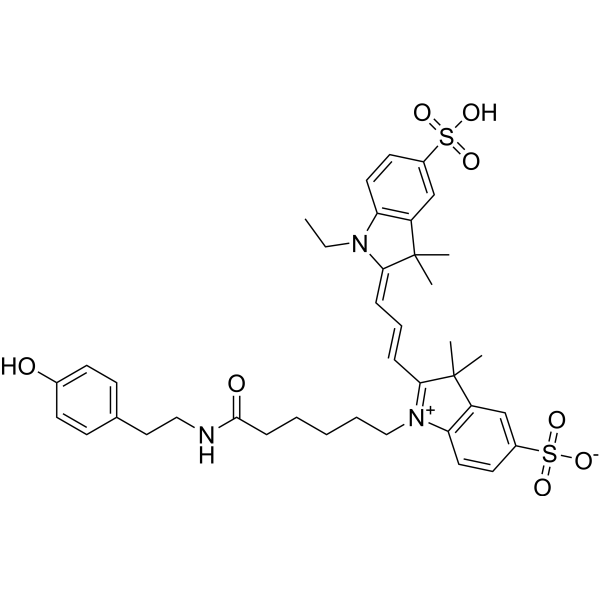
Cyanine 3 Tyramide (Tyramide-Cy3) is an orange fluorescent dye used as a reporter fluorescent substrate for horseradish peroxidase (HRP)-catalyzed deposition, which serves as a signal amplification technique in immunoassays and in situ nucleic acid hybridization .
loading...
    loading...
Cat. No.: HY-N6013
CAS No.: 8015-61-0
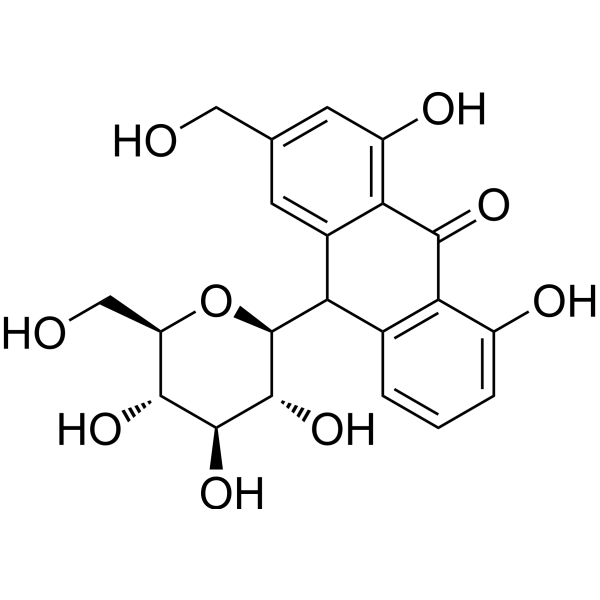
Aloin (mixture of A&B) is an orally active anthraquinone derivative isolated from Aloe vera. Aloin (mixture of A&B) mitigates airway impairment and exerts neuroprotective, anti-inflammatory, antioxidant, antibacterial, antifungal, antiviral and antitumor effects. Aloin (mixture of A&B) inhibits Clostridium histolyticum collagenase, granulocyte matrix metalloproteinases and human 20S proteasome. Aloin (mixture of A&B) upregulates the Nrf2/HO-1 pathway, suppresses the TGF-β/Smad2/3 pathway. Aloin (mixture of A&B) reduces IL-4/IL-5/IL-13 levels, and reverses oxidative stress markers (MDA, SOD, GSH). Aloin (mixture of A&B) can be used for research on chronic ulcers, burns, wounds, inflammatory and degenerative disorders, asthma and neuroblastoma .
loading...
    loading...
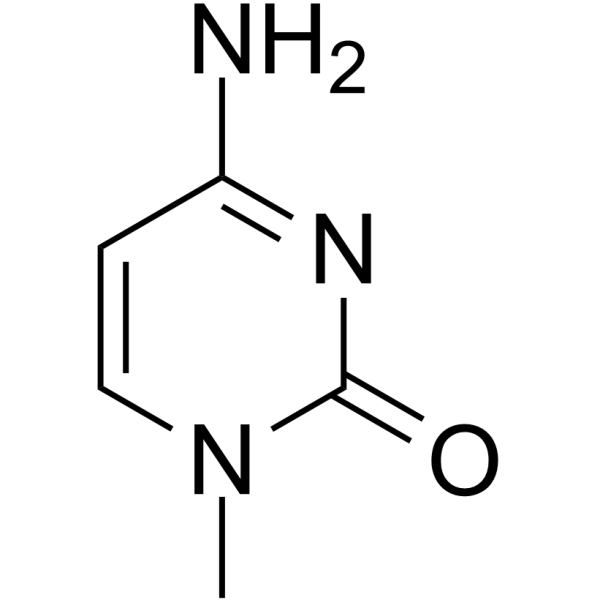
Cat. No.: HY-W006395
CAS No.: 1122-47-0
Research Areas:  

Cancer

1-Methylcytosine is a pyrimidinone that serves as a nucleobase for hachimoji DNA and pairs with isoguanine . 1-Methylcytosine exerts weak antiproliferative activity against cervical cancer cells. 1-Methylcytosine can be used in the research of cervical cancer .
loading...
    loading...
Cat. No.: HY-150364A
CAS No.: 2921918-19-4
Synonyms: RGLS8429 sodium; RG1015 sodium
Target:  

MicroRNA

Research Areas:  

Metabolic Disease

Farabursen sodium (RGLS8429 sodium; RG1015 sodium) is a miR-17 inhibitor. Farabursen sodium inhibits the function of the miR-17 family, relieves the inhibitory effect on miR-17 target genes including PKD1 and PKD2, and increases the level of PC1/2. Farabursen sodium slows the growth of renal cysts, reduces the ratio of kidney weight to body weight, and decreases the cyst index and proliferation index. Farabursen sodium is applicable to research related to autosomal dominant polycystic kidney disease .
loading...
    loading...
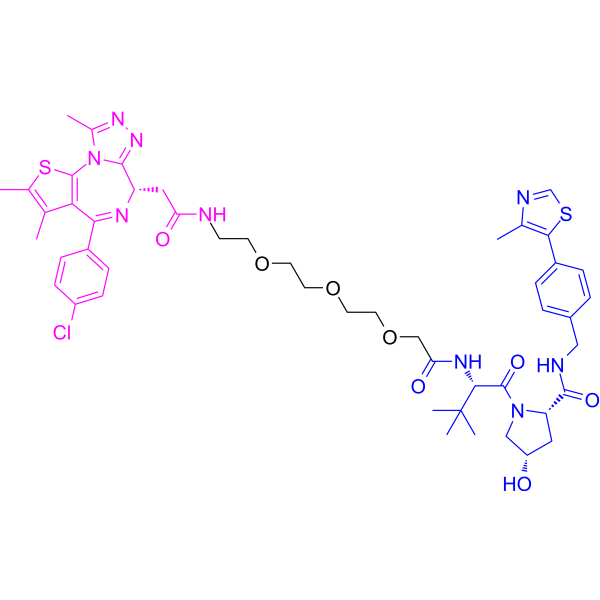
Cat. No.: HY-107425A
CAS No.: 1797406-72-4
Synonyms: MZP-42
Research Areas:  

Cancer

cis-MZ 1 (MZP-42) serves as a negative control for BRD4-targeted PROTAC MZ 1 (HY-107425). cis-MZ 1 can be used in colorectal cancer-related research .
loading...
    loading...
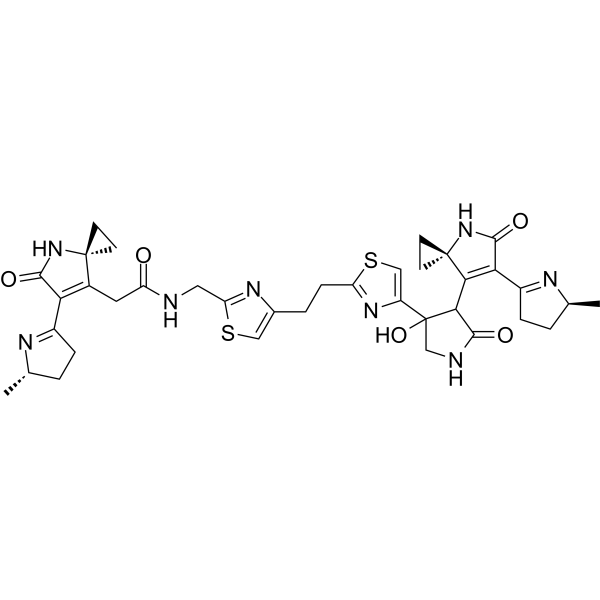
Cat. No.: HY-139621
CAS No.: 2916559-62-9
Research Areas:  

Cancer

Colibactin 742 is a covalently binding DNA-damaging agent targeting DNA, with an IC50 of 5.2 μM against human cervical cancer cells (HeLa). Colibactin 742 covalently binds to DNA, forming interstrand crosslinks (ICLs), activating the Fanconi anemia DNA repair pathway, inducing γH2AX and FANCD2 foci formation and cell cycle arrest, while exacerbating mismatch repair deficiency (MMRd)-related mutations. Colibactin 742 can mimic the genotoxicity of natural Colibactin while avoiding its instability, and is mainly used in colorectal cancer (CRC) related research, including microbial tumorigenesis mechanisms, DNA damage repair pathways, and mutation signature analysis .
loading...
    loading...
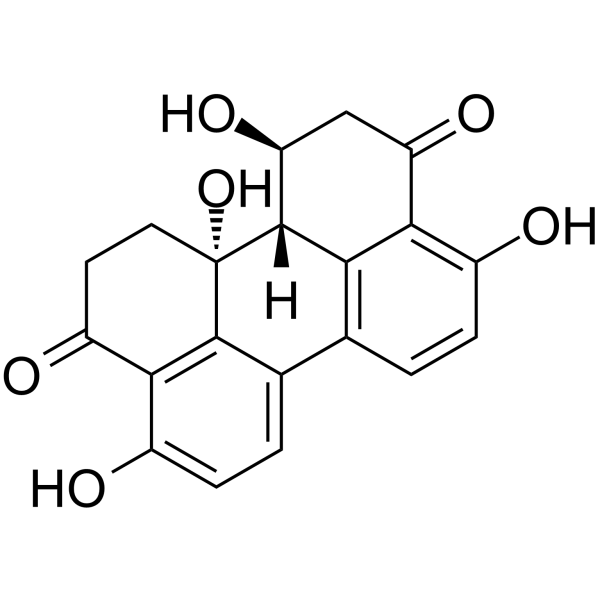
Cat. No.: HY-N6724
CAS No.: 56258-32-3
Synonyms: Dihydroalterperylenol; ATX-I
Altertoxin I (Dihydroalterperylenol; ATX-I) is a quinone mycotoxin with immunosuppressive, mutagenic and anticancer activities. Altertoxin I inhibits LPS (HY-D1056)-mediated NF-κB activation and estrogen-dependent alkaline phosphatase activity. Altertoxin I activates the AhR signaling pathway, induces the expression of CYP 1A1/1A2/1B1 and the enzymatic activity of EROD. Altertoxin I can be used in breast cancer research .
loading...
    loading...

