46 Results for "

hydroxyquinoline

" in MedChemExpress (MCE) Product Catalog:
Products (46)

46 Results for "hydroxyquinoline" in MCE Product Catalog:

16
16 Publications Verification
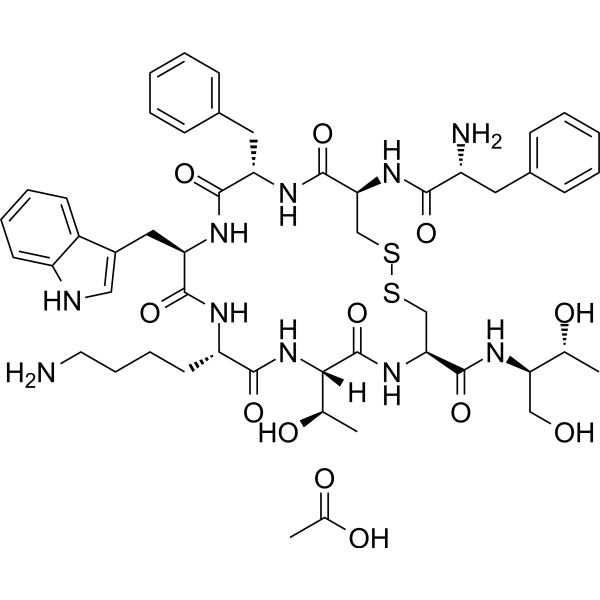
Cat. No.: HY-17365
CAS No.: 79517-01-4
Synonyms: SMS 201-995 acetate
Octreotide acetate, a long-acting synthetic analog of native somatostatin, inhibits growth hormone, glucagon, and insulin more potently.
2
2 Cited Publications
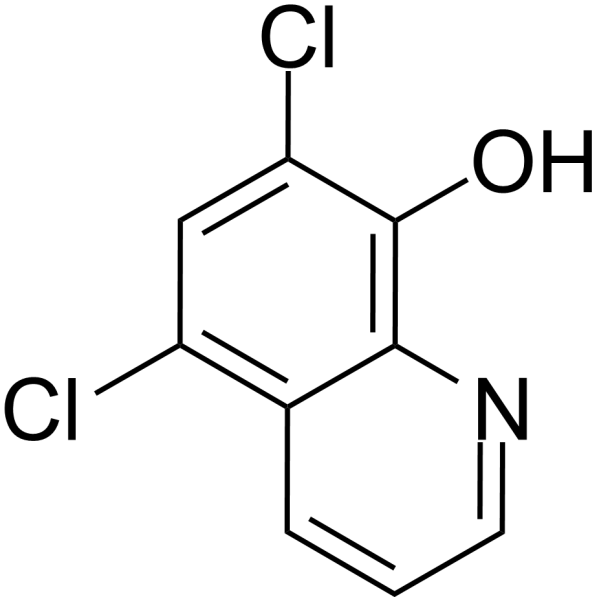
Cat. No.: HY-B0295
CAS No.: 773-76-2
Research Areas:  

Infection

Chloroxine is one of the important 8-hydroxyquinoline derivative. Chloroxine has effective antibacterial, antifungal, antiprotozoal and antiamoebic activities, especially used in treating the intestinal amebiasis. Chloroxine is also used in the treatment of dandruff and seborrheic dermatitis of the scalp .
2
2 Cited Publications
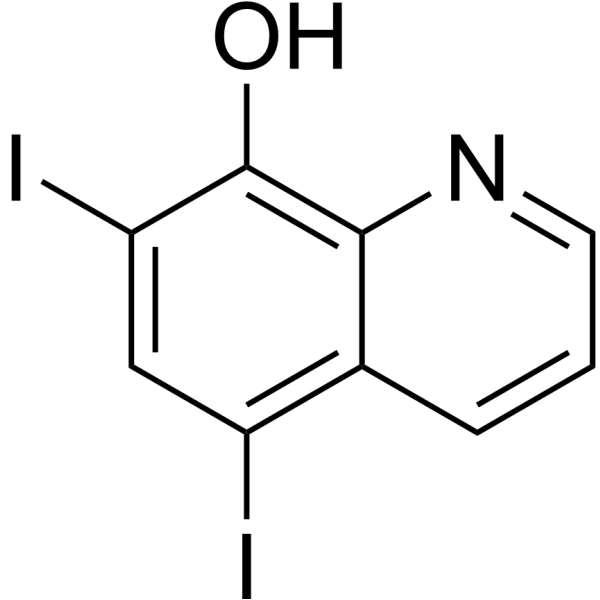
Cat. No.: HY-B1400
CAS No.: 83-73-8
Synonyms: Iodoquinol; 5,7-Diiodo-8-hydroxyquinoline; 5,7-Diiodo-8-quinolinol
Diiodohydroxyquinoline (Iodoquinol, 5,7-Diiodo-8-hydroxyquinoline, 5,7-Diiodo-8-quinolinol) has an orally active and satisfactory antiparasitic properties. Diiodohydroxyquinoline exhibits mutagenic potential in mice and potent anti-SARS-CoV-2 activity with an EC50 value of 1.38 μM in VeroE6 cells. Diiodohydroxyquinoline's antimutagen is ascorbic acid. Diiodohydroxyquinoline is promising for research in inflammationin, testinal amebiasis, amebic liver abscess and chronic nonspecific diarrheas .
2
2 Cited Publications
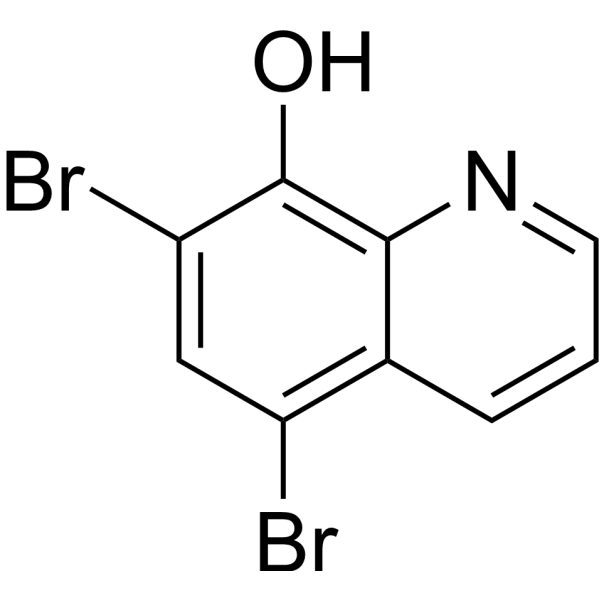
Cat. No.: HY-B1212
CAS No.: 521-74-4
Synonyms: Dibromohydroxyquinoline; 5,7-Dibromo-8-hydroxyquinoline
Research Areas:  

Infection

Broxyquinoline (Dibromohydroxyquinoline) is an effective inhibitor of severe fever with thrombocytopenia syndrome virus (SFTSV) with an IC50 of 5.8 µM. Additionally, Broxyquinoline is an inhibitor of CpACBP1 with an IC50 of 64.9 μM. CpACBP1 is a fatty acyl-CoA binding protein of Cryptosporidium parvum, thus Broxyquinoline has the potential to inhibit parasite growth. Broxyquinoline shows promise for research in the field of infectious diseases .
1
1 Cited Publications
Cat. No.: HY-B1005
CAS No.: 148-24-3
Synonyms: 8-Quinolinol
Research Areas:  

Cancer

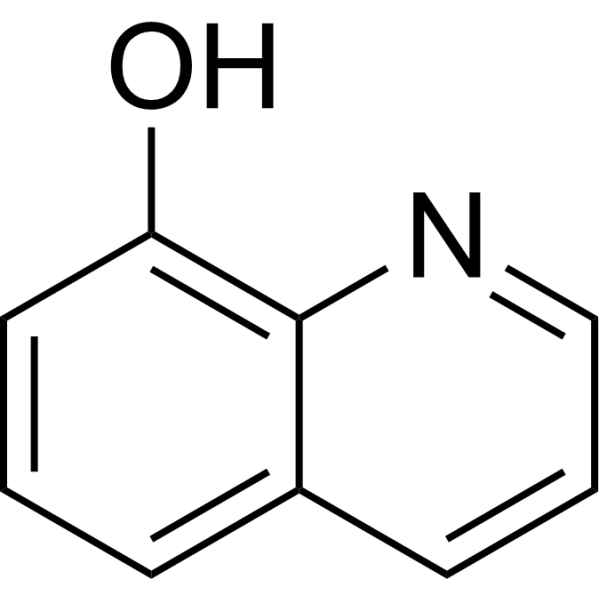
8-Hydroxyquinoline (8-Quinolinol) is a lipophilic metal chelator that can be used as a fungicide .8-Hydroxyquinoline shows the MIC range of 27.56-55.11 μM (4-8 μg/mL) against the clinical isolates of Neisseria gonorrhoeae. 8-Hydroxyquinoline can bind to copper form complexes and transport copper into cells. 8-Hydroxyquinoline increases in the number of micronucleated polychromatic erythrocytes and can also make hair depigmented in mice .
1
1 Cited Publications
Cat. No.: HY-105055
CAS No.: 77327-05-0
Purity:  99.95%
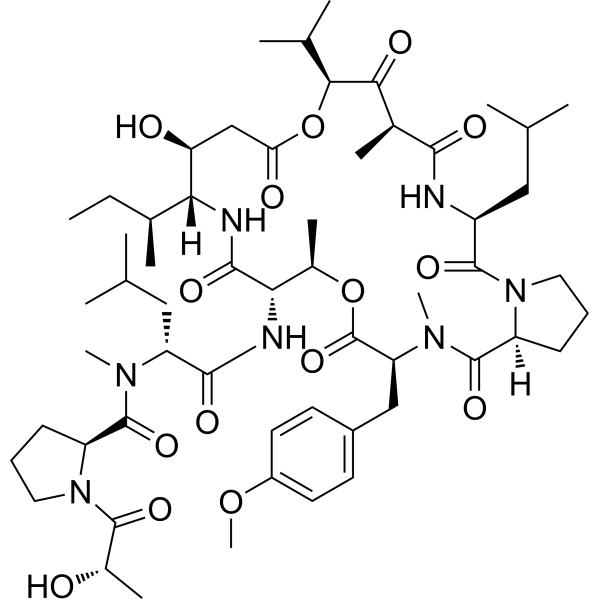
Didemnin B is a depsipeptide extracted from the marine tunicate Trididemnin cyanophorum. Didemnin B can be used for the research of cancer .
1
1 Cited Publications
Cat. No.: HY-15537
CAS No.: 7175-09-9
Purity:  98.02%
Target:  

Parasite Bacterial

Research Areas:  

Infection

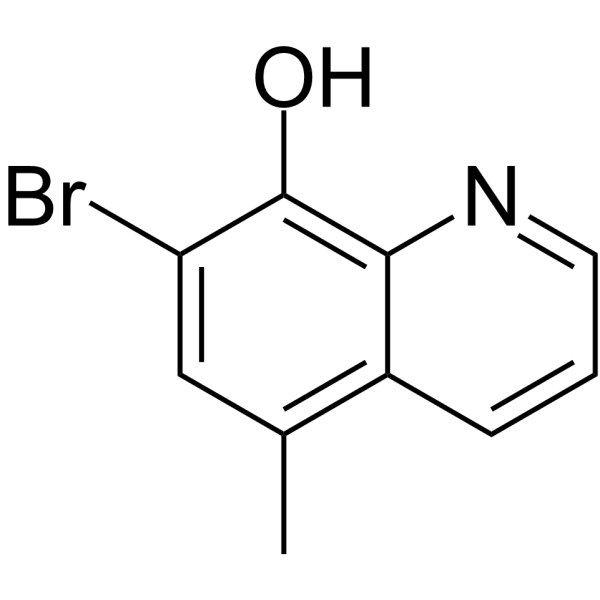
Tilbroquinol is an orally active halogenated hydroxyquinoline antiprotozoal agent, mainly used for anti-amoebic infections . Tilbroquinol targets intestinal protozoa and Entamoeba histolytica to eliminate parasites in the intestinal lumen. Tilbroquinol can be used in research related to intestinal infections, intestinal amoebiasis and hepatic amoebiasis .
1
1 Cited Publications
Cat. No.: HY-W012037
CAS No.: 134-31-6
Synonyms: 8-Quinolinol hemisulfate
Research Areas:  

Infection

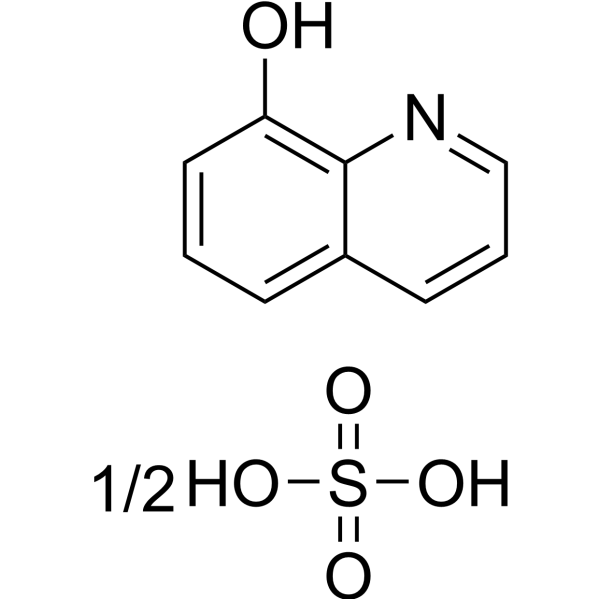
8-Hydroxyquinoline hemisulfate (8-Quinolinol hemisulfate) is a monoprotic bidentate chelating agent, exhibits antiseptic, disinfectant, and pesticide properties, functioning as a transcription inhibitor.
Cat. No.: HY-125586
CAS No.: 21150-22-1
Purity:  ≥96.0%
Research Areas:  

Cancer

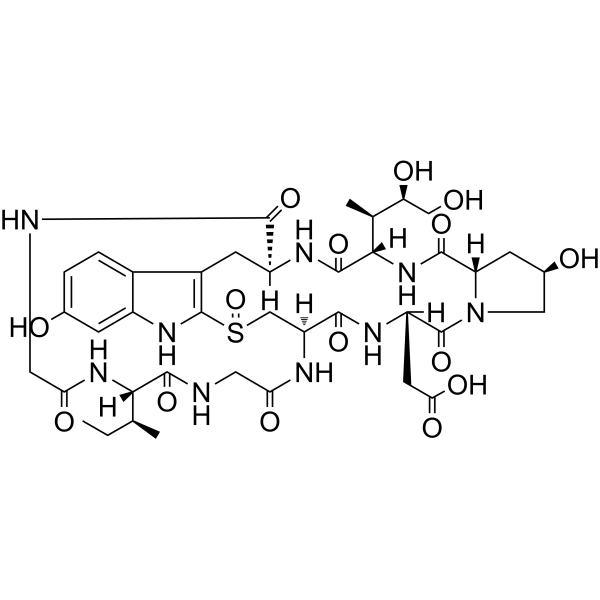
β-Amanitin is a cyclic peptide toxin in the poisonous Amanita phalloides mushroom. β-Amanitin inhibits inhibits eukaryotic RNA polymerase II and III. β-Amanitin inhibits protein synthesis. β-Amanitin can be used as a cytotoxic component of antibody-drug conjugates (ADCs) .
Cat. No.: HY-W001023
CAS No.: 13207-66-4
Synonyms: 5A8HQ; 5AHQ
Target:  

Proteasome NF-κB

Research Areas:  

Cancer

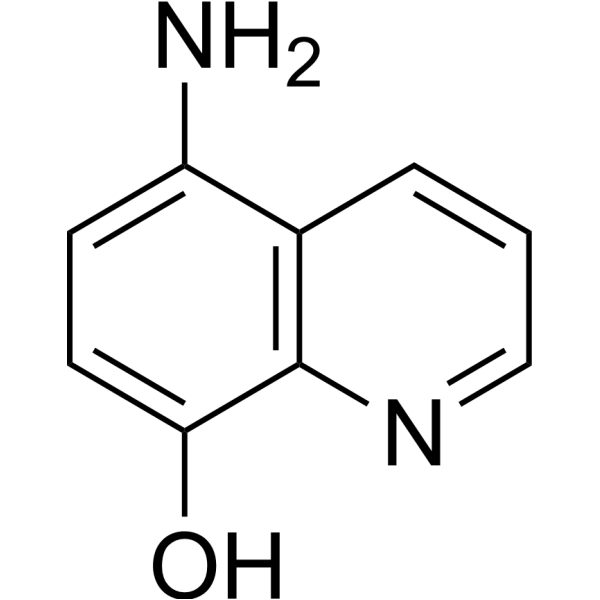
5-Amino-8-hydroxyquinoline (5A8HQ; 5AHQ) is an orally active non-competitive 20S proteasome inhibitor. 5-Amino-8-hydroxyquinoline can inhibit NF-κB activity and induce cancer cells death and shows low cytotoxicity towards normal hematopoietic cells. 5-Amino-8-hydroxyquinoline can be used for the research of cancer, such as leukemia .
Cat. No.: HY-139464
CAS No.: 2022949-46-6
Purity:  99.55%
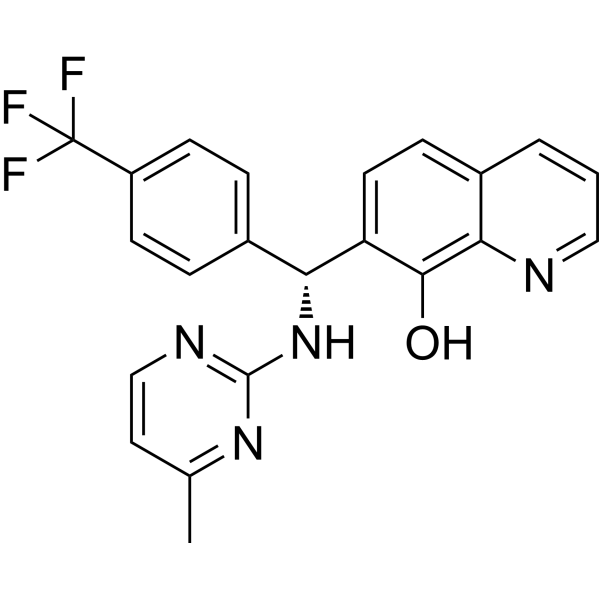
Q134R, a neuroprotective hydroxyquinoline derivative that suppresses nuclear factor of activated T cell (NFAT) signaling. Q134R can across blood-brain barrier. Q134R has the potential for Alzheimer's disease (AD) and aging-related disorders research .
Cat. No.: HY-W005598
CAS No.: 59-31-4
2-Hydroxyquinoline is an inhibitor of α-glucosidase and α-amylase with IC50 values of 64.4 µg/mL and 130.5 µg/mL, respectively. 2-Hydroxyquinoline can be used in the study of diabetes .
Cat. No.: HY-P10447
CAS No.: 103651-09-8
Synonyms: Fengycin IX; SNA-60-367-3
Target:  

Phospholipase Fungal

Research Areas:  

Infection

Plipastatin A1 (Fengycin IX; SNA-60-367-3) is a lipopeptide with phospholipase A2 inhibitory activity. Plipastatin A1 inhibits conidial germination of Botrytis cinerea in vitro and reduces the incidence of gray mold on tomato leaves. Plipastatin A1 is applicable to research related to gray mold [1][2].
Cat. No.: HY-32100
CAS No.: 578-67-6
Synonyms: Quinolin-5(1H)-one
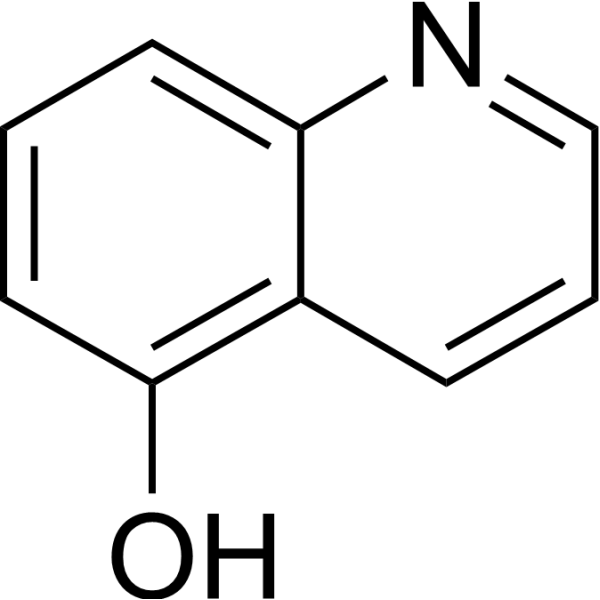
5-Hydroxyquinoline is an organic compound commonly used in certain chemical reactions and biological research. It can be used in the manufacture of dyes, cellulase, oxidants and passivators, etc., and is widely used in the pigment, paint and rubber industries. In addition, the compound is also used as the precursor, intermediate and metal ion complexing agent of certain drugs.
Cat. No.: HY-W008992
CAS No.: 207386-91-2
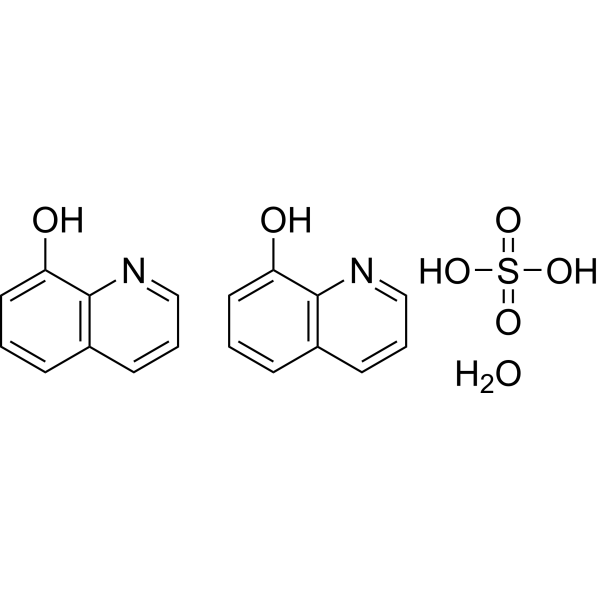
Synonyms: 8-hydroxyquinoline sulfate hydrate
Quinolin-8-ol sulfate hydrate is an organic compound commonly used in dyes and as a raw material for chemical analysis. It can cooperate with metal ions to form dyes, and is widely used in the fields of dyes, printing and textile manufacturing. In addition, the compound also has good toxicity and biocompatibility, and is also used in some medical fields.
Cat. No.: HY-P4755
CAS No.: 282726-24-3
Research Areas:  

Others

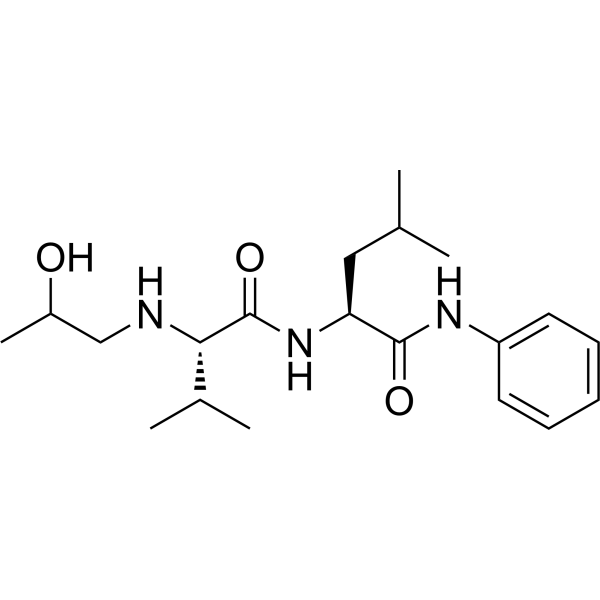
N-((RS)-2-Hydroxy-propyl)-Val-Leu-anilide is a polypeptide composed of L-phenyleline and L-leucine bound to aniline groups. N-((RS)-2-Hydroxy-propyl)-Val-Leu-anilide can be used to quantitatively determine the N-terminal heme adduct formed upon exposure to propylene oxide (PO) .
Cat. No.: HY-W012037R
CAS No.: 134-31-6
Synonyms: 8-Quinolinol hemisulfate (Standard)
Research Areas:  

Infection

8-Hydroxyquinoline (hemisulfate) (Standard) is the analytical standard of 8-Hydroxyquinoline (hemisulfate). This product is intended for research and analytical applications. 8-Hydroxyquinoline hemisulfate (8-Quinolinol hemisulfate) is a monoprotic bidentate chelating agent, exhibits antiseptic, disinfectant, and pesticide properties, functioning as a transcription inhibitor.
Cat. No.: HY-175814
NLRP3-IN-83 is a selective and orally active NLRP3 inflammasome activation inhibitor. NLRP3-IN-83 exhibits good inhibitory IL-1β activity with an IC50 of 1.4 μM by blocking NLRP3, independent of NF-κB signaling. NLRP3-IN-83 only slightly inhibits AIM2 inflammasome pathway, but has no effect on NLRC4 inflammasome. NLRP3-IN-83 prevent cell pyroptosis and exhibits significant anti-inflammatory efficacy in ulcerative colitis model. NLRP3-IN-83 can be used for the study of inflammatory bowel disease (IBD) .
Cat. No.: HY-P3100
CAS No.: 939960-34-6
Target:  

Parasite

Research Areas:  

Infection

Orfamide A is a major metabolite of insecticidal biosurfactant in Pseudomonas sp. F6 and has aphidicidal activity. Orfamide A can be used for aphid control in organic agriculture. Orfamide A exhibits dose-dependent mortality against aphids with an LC50 value of 34.5 μg/mL .
Cat. No.: HY-B1005R
CAS No.: 148-24-3
Synonyms: 8-Quinolinol (Standard)
Research Areas:  

Cancer

8-Hydroxyquinoline (Standard) is the analytical standard of 8-Hydroxyquinoline. This product is intended for research and analytical applications. 8-Hydroxyquinoline (8-Quinolinol) is a lipophilic metal chelator that can be used as a fungicide .8-Hydroxyquinoline shows the MIC range of 27.56-55.11 μM (4-8 μg/mL) against the clinical isolates of Neisseria gonorrhoeae. 8-Hydroxyquinoline can bind to copper form complexes and transport copper into cells. 8-Hydroxyquinoline increases in the number of micronucleated polychromatic erythrocytes and can also make hair depigmented in mice .

