


1. Search Result
Search Result
Results for "

infiltration

" in MedChemExpress (MCE) Product Catalog:

248

Inhibitors & Agonists

1

Screening Libraries

7

Biochemical Assay Reagents

18

Peptides

37

Inhibitory Antibodies

19

Natural
Products

4

Isotope-Labeled Compounds

6

Oligonucleotides

Cat. No. Product Name Target Research Areas Chemical Structure
  • HY-13315
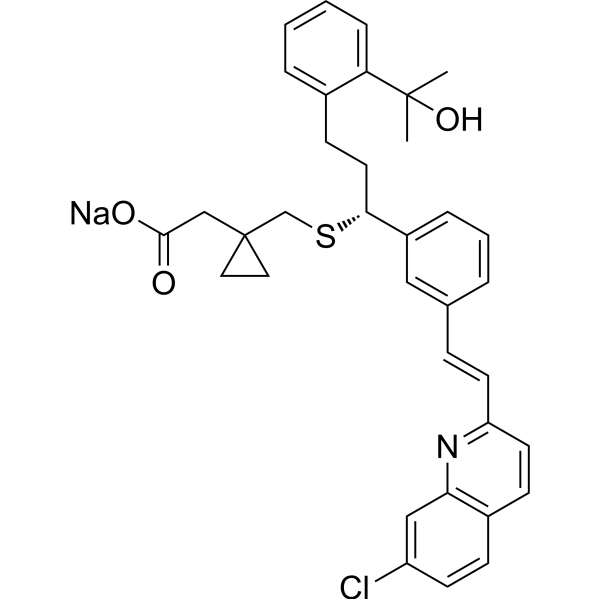
    Montelukast sodium
    10+ Cited Publications

    MK0476

    Leukotriene Receptor Inflammation/Immunology Cancer
    Montelukast sodium (MK0476) is a potent, selective and orally active antagonist of cysteinyl leukotriene receptor 1 (CysLT1). Montelukast sodium can be used for the reseach of asthma and liver injury. Montelukast sodium also has an antioxidant effect in intestinal ischemia-reperfusion injury, and could reduce cardiac damage. Montelukast sodium decreases eosinophil infiltration into the asthmatic airways. Montelukast sodium can also be used for COVID-19 research .
    Montelukast sodium
  • HY-123986
    CTPI-2
    10+ Cited Publications

    Mitochondrial Metabolism Inflammation/Immunology Cancer
    CTPI-2 is a third-generation mitochondrial citrate carrier SLC25A1 inhibitor with a KD of 3.5 μM. CTPI-2 inhibits glycolysis, PPARγ, and its downstream target the glucose transporter GLUT4. CTPI-2 halts salient alterations of NASH reverting steatosis, preventing the evolution to steatohepatitis, reducing inflammatory macrophage infiltration in the liver and adipose tissue, and starkly mitigating obesity induced by a high-fat diet. Antitumor activity .
    CTPI-2
  • HY-150298
    Soquelitinib
    3 Publications Verification

    CPI-818

    Itk Inflammation/Immunology Cancer
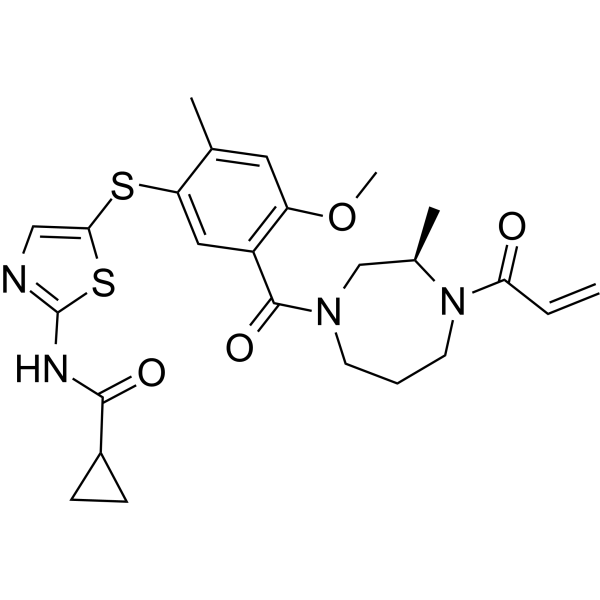
    Soquelitinib (CPI-818) is an orally active and highly selective covalent interleukin-2-inducible kinase (ITK) inhibitor. Soquelitinib is active in six different models of T cell-mediated inflammatory and immune disease, including acute and chronic asthma, pulmonary fibrosis, systemic sclerosis (scleroderma), psoriasis, and acute graft versus host disease with Th2 cytokine product inhibition. Soquelitinib increases tumor infiltration of normal CD8 + cells that possess enhanced T effector function .
    Soquelitinib
  • HY-A0134
    Isoflurane
    Maximum Cited Publications
    17 Publications Verification

    Reactive Oxygen Species (ROS) Cardiovascular Disease Neurological Disease Inflammation/Immunology Endocrinology
    Isoflurane is a volatile anaesthetic. Isoflurane diminishs the effect of ROS activity. Isoflurane suppresses respiration. Isoflurane enables rapid anesthesia induction and emergence. Isoflurane protects against noise-induced hearing loss and tissue damage in mice. Isoflurane protects against renal ischemia and reperfusion injury and modulates leukocyte infiltration .
    Isoflurane
  • HY-13315A
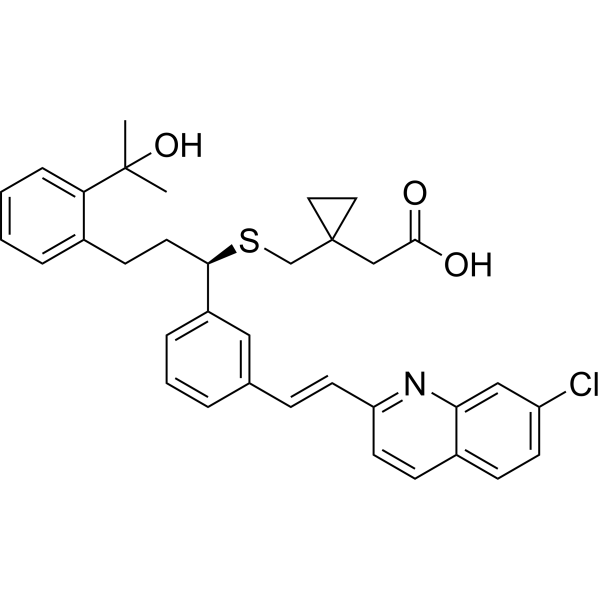
    Montelukast
    10+ Cited Publications

    MK0476 free base

    Leukotriene Receptor Inflammation/Immunology Cancer
    Montelukast (MK0476 free base) is a potent, selective and orally active antagonist of cysteinyl leukotriene receptor 1 (CysLT1). Montelukast can be used for the reseach of asthma and liver injury. Montelukast also has an antioxidant effect in intestinal ischemia-reperfusion injury, and could reduce cardiac damage. Montelukast decreases eosinophil infiltration into the asthmatic airways. Montelukast can also be used for COVID-19 research .
    Montelukast
  • HY-148494

    FLX475

    CCR Inflammation/Immunology Cancer
    Tivumecirnon (FLX475) is an orally active, selective CCR4 antagonist. Tivumecirnon blocks the binding of CCR4 to its ligands, CCL17 and CCL22, thereby reducing Treg infiltration into the tumor microenvironment. Tivumecirnon has antitumor activity .
    Tivumecirnon
  • HY-101283
    HCH6-1
    5 Publications Verification

    Formyl Peptide Receptor (FPR) Inflammation/Immunology
    HCH6-1 is a potent and competitive dipeptide antagonist of Formyl peptide receptor 1 (FPR1). HCH6-1 inhibits chemotaxis, superoxide anion generation, and elastase release in human neutrophils specifically activated by fMLF (an FPR1 agonist). HCH6-1 has protective effects against acute lung injury (ALI) in vivo and can be used for the research of FPR1-involved inflammatory lung diseases .
    HCH6-1
  • HY-P3479

    Insulin Receptor Metabolic Disease
    Insulin (swine) is an orally active insulin derived from pigs. Insulin (swine) when administered orally acts as an antigen to reduce the severity of pancreatic lymphocyte infiltration, but has no metabolic effect on blood glucose levels. Insulin (swine) increases glucose oxidation, stimulates lipogenesis, and lowers blood glucose levels. Insulin (swine) can be used in diabetes research .
    Insulin (swine)
  • HY-P99188
    Carlumab
    4 Publications Verification

    CNTO 888

    CCR Cancer
    Carlumab (CNTO 888) is a human anti-CCL2 (chemokine ligand 2) monoclonal antibody. Carlumab binds and neutralises profibrotic activities of human CCL2. Carlumab inhibits tumor growth by reducing macrophage infiltration and decreasing tumor microvascular density. Carlumab can be used for the research of cancer, suah as prostate cancer .
    Carlumab
  • HY-14277A

    R 50547 hydrochloride

    Histamine Receptor Neurotensin Receptor Integrin Inflammation/Immunology
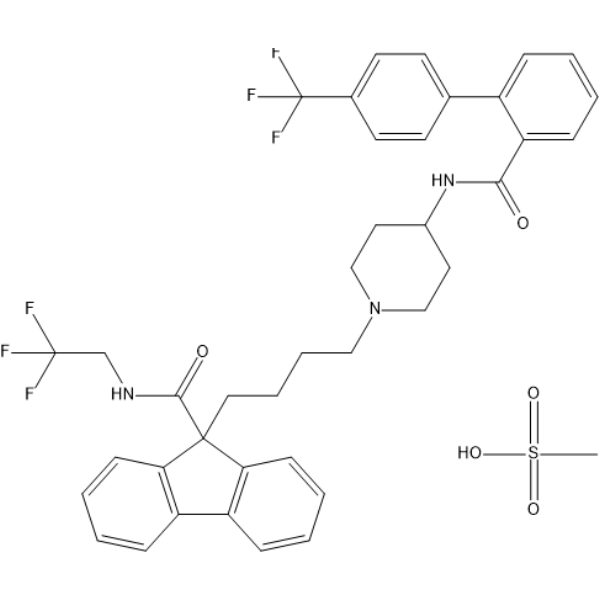
    Levocabastine (R 50547) hydrochloride is a potent and selective histamine H1-receptor antagonist. Levocabastine hydrochloride is also a selective, high affinity neurotensin receptor subtype 2 (NTR2) antagonist, with a Ki of 17 nM for mNTR2. Levocabastine hydrochloride can act as a VLA-4 antagonist, interferes with conjunctival eosinophil infiltration in allergic conjunctivitis (AC) .
    Levocabastine hydrochloride
  • HY-128171
    Diflapolin
    1 Publications Verification

    FLAP Epoxide Hydrolase Inflammation/Immunology
    Diflapolin is a highly active dual 5-lipoxygenase-activating protein (FLAP)/soluble epoxide hydrolase (sEH) inhibitor with marked anti-inflammatory efficacy and high target selectivity. Diflapolin inhibits 5-LOX product formation in intact human monocytes and neutrophils with IC50s?of? 30 and 170?nM, respectively, and suppressed the activity of isolated sEH (IC50=20?nM) .
    Diflapolin
  • HY-108527
    CD1530
    3 Publications Verification

    RAR/RXR Bacterial TGF-beta/Smad β-catenin MMP Reactive Oxygen Species (ROS) Infection Metabolic Disease Endocrinology
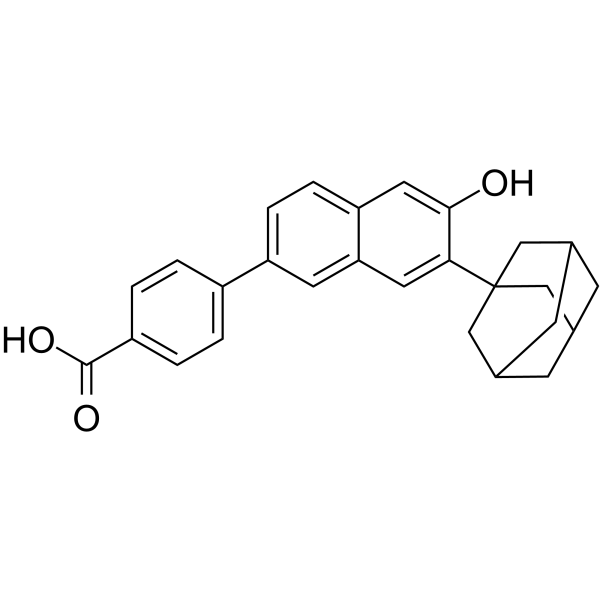
    CD1530 is an orally active, selective RARγ agonist and antibacterial agent. CD1530 reduces Smad1/5/8 phosphorylation and overall Smad levels. CD1530 reduces β-catenin, MMP9 protein, and ROS levels. CD1530 exhibits activities such as inhibiting heterotopic ossification, promoting Achilles tendon healing, and inhibiting muscle fatty infiltration. CD1530 can be used in the research of orthopedic diseases (such as heterotopic ossification, Achilles tendon injury), muscle diseases (such as muscle fatty infiltration-related diseases) .
    CD1530
  • HY-16734A

    MT-1303 hydrochloride

    LPL Receptor Cardiovascular Disease Inflammation/Immunology
    Amiselimod (MT-1303) hydrochloride is converted to its active metabolite Amiselimod phosphate by sphingosine kinases in vivo. Amiselimod hydrochloride is an orally active and high selectivity sphingosine 1-phosphate receptor-1 (S1P1) agonist, designed to reduce the bradycardia effects associated with fingolimod and other S1P receptor modulators. Amiselimod hydrochloride inhibits chronic colitis via inhibiting infiltration of colitogenic Th1 and Th17 cells into the colon. Amiselimod hydrochloride inhibits lupus nephritis by reducing the infiltration of autoreactive T cells into the kidneys. Amiselimod hydrochloride is promising for research of autoimmune diseases .
    Amiselimod hydrochloride
  • HY-N8278
    Dermatan sulphate sodium
    1 Publications Verification

    Thrombin Cardiovascular Disease Inflammation/Immunology
    Dermatan sulphate sodium is an oral active glycosaminoglycan and thrombin inactivator with antithrombotic activity. It selectively catalyzes the heparin cofactor II-mediated inactivation of thrombin without interacting with antithrombin III. Dermatan sulphate sodium promotes stem cell differentiation, exhibits high bioavailability, and alleviates pulmonary fibrosis injury induced by Bleomycin (HY-108345). Dermatan sulphate sodium can be used in research related to cardiovascular diseases, inflammation, and stem cell differentiation .
    Dermatan sulphate sodium
  • HY-13508
    JNJ-7777120
    1 Publications Verification

    Histamine Receptor Inflammation/Immunology
    JNJ-7777120 is a potent and selective histamine H4 receptor antagonist (Ki=4.5 nM). JNJ-7777120 effectively blocks histamine-induced migration of mouse tracheal mast cells from connective tissue to epithelial cells. JNJ-7777120 also significantly blocks neutrophil infiltration in a mouse Zymosan-induced peritonitis model. JNJ-7777120 has a good potential to study antipruritic and anti-inflammatory .
    JNJ-7777120
  • HY-134772

    STAT Cytochrome P450 Inflammation/Immunology
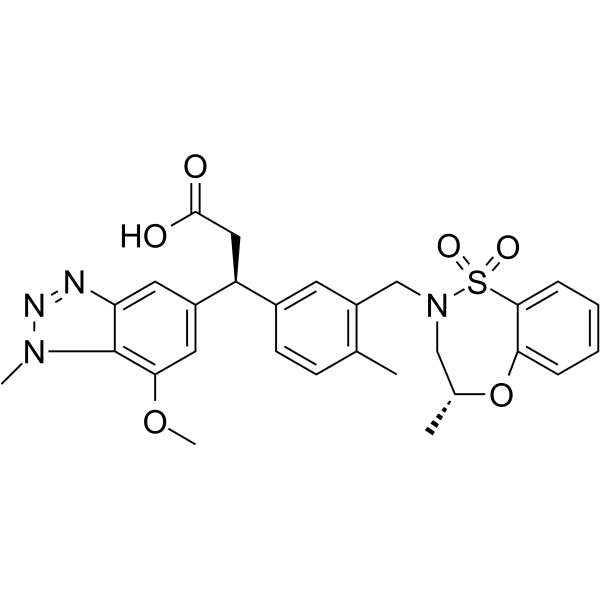
    AS1810722 is an orally active and potent STAT6 inhibitor with an IC50 of 1.9 nM. AS1810722 shows a good profile of CYP3A4 inhibition. AS1810722, a derivative of fused bicyclic pyrimidine, has the potential for allergic diseases such as asthma and atopic diseases research .
    AS1810722
  • HY-P99834

    IAB22M2C; ImaginAb

    Transmembrane Glycoprotein Cancer
    Crefmirlimab (IAB22M2C; ImaginAb) is a humanized CD8-specific single-domain antibody. Conjugation of Crefmirlimab with radioisotopes (e.g., 89Zr) enables tumor immune infiltration assessment, autoimmune disease detection, and immunotherapy response monitoring. Crefmirlimab is applicable for cancer research .
    Crefmirlimab
  • HY-P99259

    FPA 008; Anti-Human CSF1R Recombinant Antibody

    c-Fms Inflammation/Immunology Cancer
    Cabiralizumab (FPA 008) is an anti-CSF1R monoclonal antibody (MAb). Cabiralizumab enhances T cell infiltration and antitumor T cell immune responses. Cabiralizumab inhibits the activation of osteoclasts and blocks bone destruction, and can be used in the research of rheumatoid arthritis (RA). Cabiralizumab can combine with Nivolumab (HY-P9903) for lung cancer research .
    Cabiralizumab
  • HY-P990045

    ALE.F02

    Claudin Endocrinology
    Lixudebart (ALE.F02) is a humanized immunoglobulin G1-kappa, anti-CLDN1 monoclonal antibody. Lixudebart disrupts CLDN1 interactions with CD44 and MMP14, reduces renal macrophage infiltration, epithelial activation, and urinary albumin-to-creatinine ratio, and attenuates glomerulosclerosis. Lixudebart can be used for the research of focal segmental glomerulosclerosis .
    Lixudebart
  • HY-N0352
    Tuberostemonine
    1 Publications Verification

    Parasite Infection
    Tuberostemonine is a stenine alkaloid that can be isolated from Stemona tuberosa and Stemona sessifolia. Tuberostemonine is an antimalarial agent that has inhibitory activity against Ferredoxin-NADP + reductases (FNRs) from Plasmodium falciparum (PfFNR). Tuberostemonine can reduce the number of citric acid-induced coughs in guinea pigs. Tuberostemonine decreases bronchoalveolar lavage fluid (BALF), neutrophil and macrophage infiltration and reduces peribronchial and perivascular inflammatory cell infiltration in mouse model of acute lung inflammation. Tuberostemonine has a level of activity as a feeding deterrent .
    Tuberostemonine
  • HY-B0517A
    Mepivacaine hydrochloride
    1 Publications Verification

    Sodium Channel Neurological Disease
    Mepivacaine hydrochloride binds to specific voltage-gated sodium ion channels in neuronal cell membranes, which inhibits both sodium influx and membrane depolarization .
    Mepivacaine hydrochloride
  • HY-141831

    Phosphodiesterase (PDE) Cancer
    STF-1084 is a specific, cell-impermeable, competitive inhibitor of ENPP1 (Ki = 33 nM). STF-1084 increases extracellular cGAMP concentrations by preventing its degradation by ENPP1, thereby enhancing immune infiltration. STF-1084 acts synergistically with ionizing radiation (IR) and cGAMP to delay tumor progression. STF-1084 can be used to study cancers with low immunogenicity .
    STF-1084
  • HY-P99244

    ILV 094

    Interleukin Related JAK STAT Caspase Bcl-2 Family Inflammation/Immunology
    Fezakinumab (ILV 094) is an anti-IL-22 monoclonal antibody. Fezakinumab inhibits IL-22 signal transduction, and regulates the JAK1/STAT3 pathway as well as apoptotic proteins. Fezakinumab alleviates airway remodeling, alveolar enlargement and inflammatory cell infiltration in lung tissues. Fezakinumab reduces the levels of neutrophils, lymphocytes, eosinophils and macrophages in lung tissues. Fezakinumab can be used in the research of chronic obstructive pulmonary disease and skin diseases .
    Fezakinumab
  • HY-15178

    GRC 3886

    Phosphodiesterase (PDE) Inflammation/Immunology
    Oglemilast (GRC 3886) is a potent and orally active phosphodiesterase-4 (PDE4) inhibitor with an IC50 of 0.5 nM for PDE4D3. Oglemilast inhibits pulmonary cell infiltration, including eosinophilia and neutrophilia in vitro and in vivo. Oglemilast has the potential for inflammatory airway diseases .
    Oglemilast
  • HY-W015445

    p38 MAPK Metabolic Disease
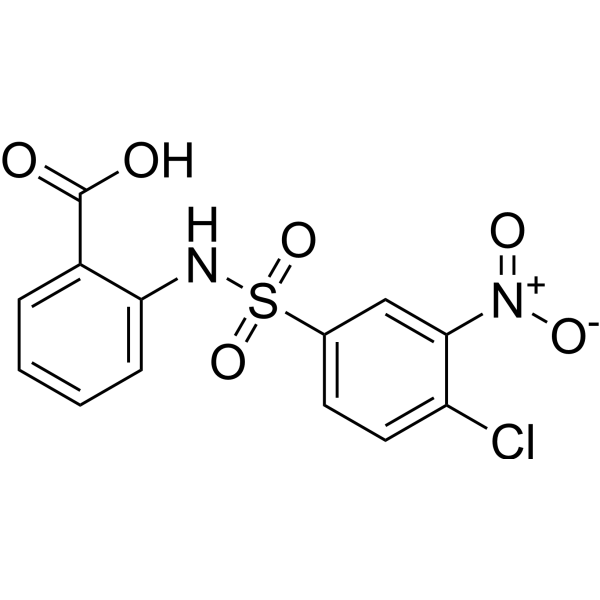
    SD-169 is an orally active ATP-competitive inhibitor of p38α MAPK, with an IC50 of 3.2 nM. SD-169 also weakly inhibits p38β MAPK with an IC50 of 122 nM. SD-169 prevents the development and progression of diabetes by inhibiting T cell infiltration and activation .
    SD-169
  • HY-175802

    HYBI-084

    WDR5 Potassium Channel Inflammation/Immunology Cancer
    HBI-2375 (HYBI-084) is a brain-penetrant WDR5 inhibitor with an IC50 of 4.48 nM. HBI-2375 binds to the WINR5 and disrupts MLL1-WDR5 protein-protein interactions. HBI-2375 inhibits cancer cells proliferation and shows anti-tumor activity in AML mouse models, and increases tumor CD8 + cytotoxic T lymphocyte infiltration. HBI-2375 inhibits hERG with an IC50 of 17 µM .
    HBI-2375
  • HY-P11058

    OVAp

    MHC Cancer
    OVA(250-264) (OVAvac) (OVAp) is an antigen peptide that can be from ovalbumin (OVA) presented by the class I MHC molecule, H-2Kb. OVA(250-264) combined withαMSLN (anti-MSLN antibody) significantly induces antigen-specific CD8 + T cell generation and infiltration for enhancing antitumor efficacy in orthotopic pancreatic cancer mice model. OVA(250-264) can be used for neoantigen vaccine development in pancreatic cancer immunotherapy research .
    OVA(250-264)
  • HY-144088
    ZYF0033
    2 Publications Verification

    HPK1-IN-22

    MAP4K Inflammation/Immunology Cancer
    ZYF0033 is an orally active inhibitor of the hematopoietic progenitor cell kinase HPK1 with an IC50 of less than 10 nM based on the phosphorylation inhibition of MBP protein. ZYF0033 promotes anti-cancer immune responses and reduces phosphorylation of SLP76 (serine 376). ZYF0033 inhibits tumor growth in the 4T-1 syngeneic mouse model and leads to increased intratumoral infiltration of DCs, NK cells, and CD107a +CD8 + T cells, but not T cells, PD-1 +CD8 + T cells, TIM-3 +CD8 + Infiltration of T cells and LAG3 +CD8 + T cells was reduced .
    ZYF0033
  • HY-125039
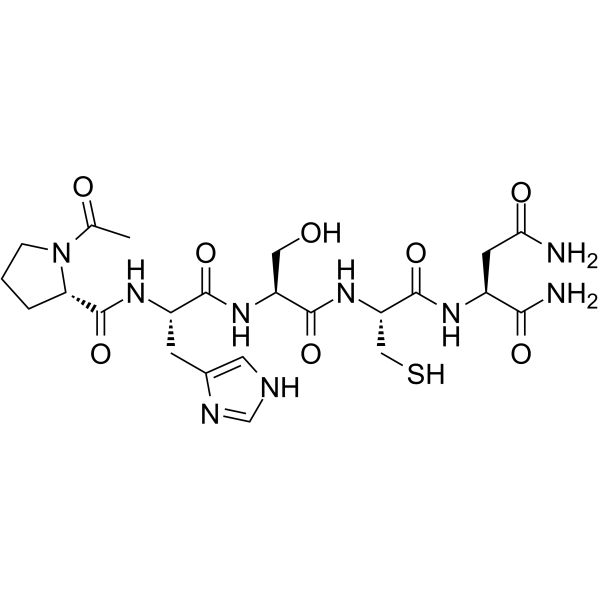
    N-Acetyl lysyltyrosylcysteine amide
    2 Publications Verification

    Glutathione Peroxidase Cardiovascular Disease Neurological Disease
    N-Acetyl lysyltyrosylcysteine amide is a potent, reversible, specific, and non-toxic tripeptide inhibitor of myeloperoxidase (MPO). N-Acetyl lysyltyrosylcysteine amide effectively inhibits MPO generation of toxic oxidants in vivo. N-Acetyl lysyltyrosylcysteine amide reduces neuronal damage and preserves brain tissue and neurological function in the stroked brain. N-Acetyl lysyltyrosylcysteine amide inhibits MPO-dependent hypochlorous acid (HOCl) generation, protein nitration, and LDL oxidation .
    N-Acetyl lysyltyrosylcysteine amide
  • HY-P4047

    Drug Derivative Others
    Cyclo(RGDfK(Mal)) is a pentapeptide. Cyclo(RGDfK(Mal)) improves the attachment and infiltration of human pluripotent stem cells. Cyclo(RGDfK(Mal)) can be used for 3D stem cell culture and expansion .
    Cyclo(RGDfK(Mal))
  • HY-113533

    RvD4

    Bacterial Inflammation/Immunology
    Resolvin D4 (RvD4), a specialized proresolving mediator, can be produced in bioactive levels during S. aureus infection .
    Resolvin D4
  • HY-160768

    Deubiquitinase Inflammation/Immunology Cancer
    OTUB2-IN-1, a specific inhibitor of OTUB2 (KD: ~12 μM), reduces PD-L1 protein expression in tumor cells and inhibits tumor growth by promoting robust intra-tumor infiltration of cytotoxic T lymphocytes (CTL) .
    OTUB2-IN-1
  • HY-150307

    Protein Arginine Deiminase Inflammation/Immunology
    KP-302 (Compound 23) is a selective inhibitor of protein arginine deaminase PAD2 with a Ki of 60 μM. KP-302 also reverses physical disability in the EAE mouse model of multiple sclerosis (MS) and eliminates T cell infiltration in the brain. KP-302 can be studied in research as a disease-modifying agent for MS .
    KP-302
  • HY-105017

    ATL 313; DE 112

    Adenosine Receptor Infection Inflammation/Immunology
    Evodenoson is a selective agonist of the A2A adenosine receptor. Evodenoson’s primary actions include reducing inflammatory responses, decreasing intestinal fluid secretion, edema, tissue damage, and neutrophil infiltration induced by Clostridium difficile toxin A. Evodenoson’s protective effect is achieved by reducing myeloperoxidase (MPO) and adenosine deaminase (ADA) activities, and by lowering the production of tumor necrosis factor-alpha (TNF-α) .
    Evodenoson
  • HY-163719

    PARP Cancer
    PARP7-IN-22 (XLY-1) is a PARP7 inhibitor with an IC50 of 0.6 nM. PARP7-IN-22 (XLY-1) is orally active, enhances type I interferon signaling in vitro, restores type I interferon signaling, promotes T cell infiltration into tumor tissues, and significantly inhibits tumor growth. PARP7-IN-22 shows promise for research in the field of cancer immunotherapy .
    PARP7-IN-22
  • HY-174903

    Itk Inflammation/Immunology
    ITK-IN-6 is a highly potent and selective ITK inhibitor (Kd = 387 nM). ITK-IN-6 directly binds to the ITK kinase domain. ITK-IN-6 blocks the release of pro-inflammatory cytokines and the activation and differentiation of Th2 and Th17 cells. ITK-IN-6 improves asthma progression by reducing inflammatory cell infiltration, mucus and IgE production. ITK-IN-6 significantly inhibits airway inflammation and is used in asthma research .
    ITK-IN-6
  • HY-112742

    Leukotriene Receptor Inflammation/Immunology
    CP-195543 is a potent, selective and orally active leukotriene B4 (LTB4) receptor antagonist with IC50s of 6.8, 37.0 nM for human neutrophils and murine spleen membranes, respectively. CP-195543 blocks CD11b up-regulation. CP-195543 inhibits LTB4-mediated neutrophil infiltration .
    CP-195543
  • HY-N6908

    Bacterial p38 MAPK Apoptosis PARP Bcl-2 Family Caspase Interleukin Related COX PERK JNK NF-κB NO Synthase SOD Infection Neurological Disease Inflammation/Immunology Cancer
    Continentalic acid is a diterpenoid organic acid. Continentalic acid exhibits multiple activities including anti-inflammatory, antioxidant, neuroprotective, antibacterial and antitumor effects. Continentalic acid alleviates oxidative stress, reduces pro-inflammatory cytokine production, inhibits MAPK phosphorylation and neutrophil infiltration, and induces growth inhibition and apoptosis of cancer cells. Continentalic acid can be used in research related to traumatic brain injury, cancer, inflammation and infections .
    Continentalic acid
  • HY-19443

    Histamine Receptor Lipoxygenase Inflammation/Immunology
    UCB-35440 is an orally active histamine H1 receptor antagonist and 5-lipoxygenase inhibitor. UCB-35440 inhibits LTB4 formation in human whole blood and reduces polymorphonuclear cell infiltration in mouse models. UCB-35440 inhibits histamine-stimulated bronchoconstriction and reduces skin inflammation in guinea pigs. UCB-35440 can be used for research on asthma and skin inflammation .
    UCB-35440
  • HY-116953

    LXB4

    Endogenous Metabolite Inflammation/Immunology
    Lipoxin B4 (LXB4) is a structurally distinct product of arachidonic acid metabolism. Lipoxin B4 reduces leukocyte infiltration and mucus secretion in the nasal mucosa and decreases mast cell and eosinophil degranulation in the upper airway. Lipoxin B4 decreases airway inflammation, mucus metaplasia and hyper- responsiveness in the lower airway. Lipoxin B4 shows mucosal protective actions and has the potential for the research of allergic inflammation in the upper and lower airways .
    Lipoxin B4
  • HY-153358A

    HDAC Cancer
    (S)-TNG260 is an isomer of TNG260 (HY-153358). TNG260 is a CoREST selective deacetylase (CoreDAC) inhibitor. TNG260 inhibits HDAC1 with 10-fold selectivity over HDAC3. TNG260 causes HDAC1 inhibition and reverses anti-PD1 resistance driven by STK11 deletion. TNG260 reduces intratumoral infiltration of neutrophils. TNG260 exhibits immune-mediated cell killing.
    (S)-TNG260
  • HY-N14780

    (+)-Pochonin D

    HSP Interleukin Related Enterovirus Infection Inflammation/Immunology Cancer
    Pochonin D ((+)-Pochonin D) is an inhibitor of heat shock protein 90 (Hsp90) with antiviral and anti-inflammatory activities. Pochonin D inhibits Hsp90, affects the homeostasis, folding and assembly processes of viral proteins, and reduces the replication capacity of viruses. Pochonin D reduces the infiltration of inflammatory cells, decreases the secretion of inflammatory cytokines such as TNF-α and IL-1β, and alleviates inflammatory responses. Pochonin D is a promising candidate for research on human rhinovirus (HRV) infection and cancer .
    Pochonin D
  • HY-14277

    R 50547

    Histamine Receptor Neurotensin Receptor Integrin Inflammation/Immunology
    Levocabastine (R 50547) is a potent and selective histamine H1-receptor antagonist. Levocabastine hydrochloride is also a selective, high affinity neurotensin receptor subtype 2 (NTR2) antagonist, with a Ki of 17 nM for mNTR2. Levocabastine can act as a VLA-4 antagonist, interferes with conjunctival eosinophil infiltration in allergic conjunctivitis (AC) .
    Levocabastine
  • HY-13315B

    MK0476 dicyclohexylamine

    Leukotriene Receptor Inflammation/Immunology Cancer
    Montelukast (MK0476) dicyclohexylamine is a potent, selective and orally active antagonist of cysteinyl leukotriene receptor 1 (CysLT1). Montelukast dicyclohexylamine can be used for the reseach of asthma and liver injury. Montelukast dicyclohexylamine also has an antioxidant effect in intestinal ischemia-reperfusion injury, and could reduce cardiac damage. Montelukast dicyclohexylamine decreases eosinophil infiltration into the asthmatic airways. Montelukast dicyclohexylamine can also be used for COVID-19 research .
    Montelukast dicyclohexylamine
  • HY-139874

    CXCR Inflammation/Immunology Cancer
    CXCR2 antagonist 3 (compound 11h) is a potent antagonist of CXC chemokine receptor 2 (CXCR2). CXCR2 antagonist 3 demonstrates double-digit nanomolar potencies against CXCR2 and significantly inhibited neutrophil infiltration into the air pouch. CXCR2 antagonist 3 reduces the infiltration of neutrophils and MDSCs and enhance the infiltration of CD3 + T lymphocytes into the Pan02 tumor tissues .
    CXCR2 antagonist 3
  • HY-109151

    E6007

    Integrin Inflammation/Immunology
    Milategrast is useful as cell adhesion inhibitor or cell infiltration inhibitor. Milategrast in vitro inhibites the adhesion of Jurkat cells to human fibronectin with an IC50 of <5 μM .
    Milategrast
  • HY-16734

    MT-1303

    LPL Receptor Cardiovascular Disease Inflammation/Immunology
    Amiselimod (MT-1303) is converted to its active metabolite Amiselimod phosphate by sphingosine kinases in vivo. Amiselimod is an orally active and high selectivity sphingosine 1-phosphate receptor-1 (S1P1) agonist, designed to reduce the bradycardia effects associated with fingolimod and other S1P receptor modulators. Amiselimod inhibits chronic colitis via inhibiting infiltration of colitogenic Th1 and Th17 cells into the colon. Amiselimod inhibits lupus nephritis by reducing the infiltration of autoreactive T cells into the kidneys. Amiselimodis promising for research of autoimmune diseases .
    Amiselimod
  • HY-15132

    Ser/Thr Protease Inflammation/Immunology
    MOL-6131 is a highly selective, reversible tryptase inhibitor, with a Ki of 45 nM. MOL-6131 significantly reduces the following features of allergic airway inflammation: eosinophil infiltration in lung tissue, goblet cell hyperplasia and mucus occlusion of airways .
    MOL-6131
  • HY-107591B

    IKK Inflammation/Immunology
    PF-184 is a potent and selective IKK-2 inhibitor (IC50: 37 nM) over rhIKK-1, IKKi, and more than 30 tyrosine and serine/threonine kinases. PF-184 can be used in the research of inflammation, such as asthma and chronic obstructive pulmonary disease .
    PF-184
  • HY-172350

    SARS-CoV Virus Protease Interleukin Related Infection
    WEHI-P8 is an orally active SARS-CoV-2 papain-like protease (PLpro) inhibitor with an IC50 of 12 nM and a Kd of 9.0 nM. WEHI-P8 reduces viral load, body weight loss, pulmonary inflammation, immune cell infiltration and pro-inflammatory mediator levels in SARS-CoV-2-infected mice. WEHI-P8 prevents pulmonary hemorrhage, immune cell infiltration, fibrotic remodeling and neuroinflammation, and improves cognitive function in a mouse model of post-acute sequelae of SARS-CoV-2 infection (PASC). WEHI-P8 is applicable for the research of COVID-19 and PASC .
    WEHI-P8

Inquiry Online

Your information is safe with us. * Required Fields.

Salutation


Country or Region *

Applicant Name *


Organization Name *

Department *


Email Address *


Product Name *

Cat. No.


Requested quantity *

Phone Number *


Remarks

Inquiry Online

Inquiry Information

Product Name:
Cat. No.:
Quantity:
MCE Japan Authorized Agent:

