

23 Results for "

inflammatory and immune system diseases

" in MedChemExpress (MCE) Product Catalog:
Products (23)

23 Results for "inflammatory and immune system diseases" in MCE Product Catalog:

5
5 Cited Publications
Cat. No.: HY-108831A
CAS No.: 189261-10-7
Purity:  98.72%
Synonyms: AN100226; BG00002
Natalizumab (Anti-CD49d) (AN100226; BG00002) Solution is a humanized monoclonal IgG4 antibody inhibitor that selectively targets α4 integrin (CD49d), blocking the interaction of integrins such as α4β1 (VLA-4) with vascular cell adhesion molecule VCAM-1, intercellular adhesion molecule ICAM-1, and fibronectin by competitively binding to the α4 subunit. Natalizumab solution inhibits the adhesion, retention, and transendothelial migration of immune cells (such as CD4 + T cells), reducing the infiltration of inflammatory cells into the central nervous system or lesion sites, thereby exerting anti-inflammatory and immunomodulatory activity. Natalizumab (Anti-CD49d) solution is used in the study of relapsing-remitting multiple sclerosis (RRMS) and is also applied in the research of autoimmune or inflammation-related diseases such as Crohn's disease, B-cell lymphoma, and non-infectious uveitis. Natalizumab (Anti-CD49d) can also prevent lymphocytes from entering the central nervous system, thus preventing acute demyelinating relapses .
loading...
    loading...
5
5 Cited Publications
Cat. No.: HY-108831
CAS No.: 189261-10-7
Purity:  99.10%
Natalizumab (AN100226; BG00002) is a humanized monoclonal IgG4 antibody inhibitor that selectively targets α4 integrin (CD49d). It blocks the interaction of integrins such as α4β1 (VLA-4) with vascular cell adhesion molecule VCAM-1, intercellular adhesion molecule ICAM-1, and fibronectin by competitively binding to the α4 subunit. Natalizumab inhibits the adhesion, retention, and transendothelial migration of immune cells (such as CD4 + T cells), reducing the infiltration of inflammatory cells into the central nervous system or lesion sites, thus exerting anti-inflammatory and immunomodulatory activity. Natalizumab is used in the study of relapsing-remitting multiple sclerosis (RRMS) and also has applications in the study of autoimmune or inflammation-related diseases such as Crohn's disease, B-cell lymphoma, and non-infectious uveitis. Natalizumab can also prevent lymphocytes from entering the central nervous system, thereby preventing acute demyelinating relapses .
loading...
    loading...
2
2 Cited Publications
Cat. No.: HY-N10424
CAS No.: 600-76-0
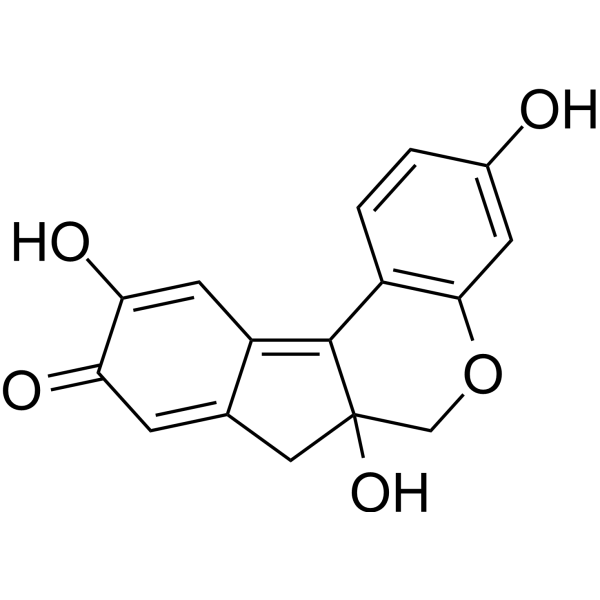
Brazilein is a compound with anti-inflammatory and neuroprotective activities, with an IC50 of 500 μM against guinea pig Na +,K +-ATPase. Brazilein reduces iNOS mRNA expression, thereby inhibiting nitric oxide production in immune cells. Brazilein suppresses inflammatory responses by reducing the mRNA expression of TNF-α and IL-6, but has no effect on IL-1β expression. Brazilein reduces the cerebral infarction volume and improves the neurological function scores of rats with cerebral ischemia-reperfusion injury. Brazilein induces apoptosis of splenic lymphocytes in mice. Brazilein inhibits humoral immune responses in mice, and causes thymus and spleen atrophy as well as body weight loss in mice. Brazilein also possesses antimalarial and antibacterial activities. Brazilein is also a red dye. Brazilein can be used in studies related to the infection, nervous system, cardiovascular system and inflammatory diseases .
loading...
    loading...
1
1 Cited Publications
Cat. No.: HY-122515
CAS No.: 479-66-3
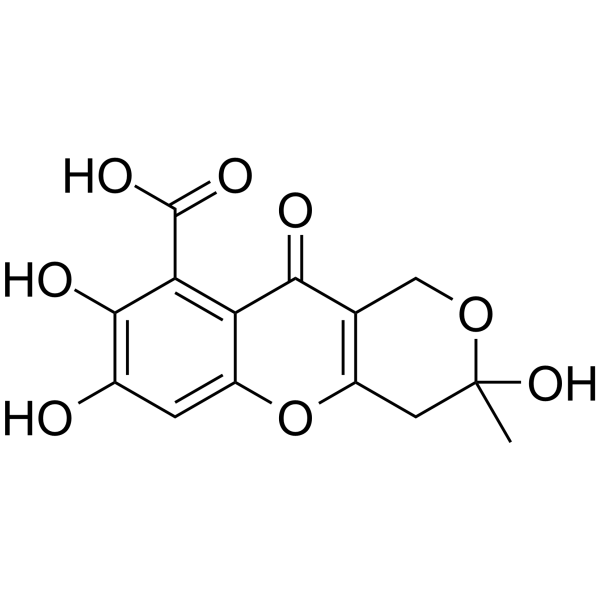
Fulvic Acid is a natural product, which comes from humic substances produced by microorganisms in soil. Fulvic Acid can modulate the immune system, influence the oxidative state of cells, and improve gastrointestinal function. Fulvic Acid has the potential for researching chronic inflammatory diseases, including diabetes .
loading...
    loading...
1
1 Cited Publications
Cat. No.: HY-W040055
CAS No.: 2009-64-5
Synonyms: D-(+)-Neopterin; D-erythro-Neopterin
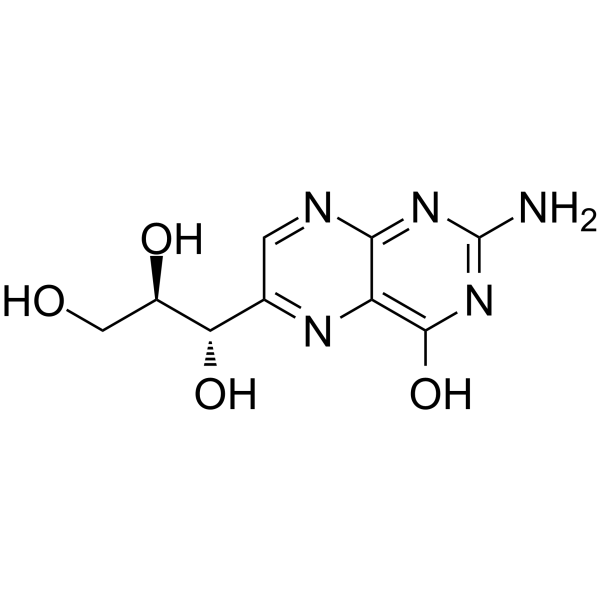
Neopterin is an immune system activator metabolized by GTP and can be produced by activated macrophages. Neopterin has the potential to resist vascular inflammation and atherosclerosis. Neopterin inhibits the phosphorylation of NF-κB and promotes the expression of PPAR-γ, thereby suppressing the inflammatory response of vascular endothelial cells, reducing the formation of macrophage foam cells, and regulating the migration and proliferation of vascular smooth muscle cells. Neopterin can be used in research fields such as cardiovascular diseases (such as atherosclerosis), inflammation-related diseases and tumor immunomonitoring .
loading...
    loading...
Cat. No.: HY-W923189
CAS No.: 106-26-3
Neral is a plant-derived anti-inflammatory, antioxidant and anticancer agent. Neral inhibits the phosphorylation of ERK1/2, p38 MAPK and IκB in macrophages induced by LPS (HY-D1056), suppresses the secretion of TNF-α and IL-6, as well as the expression of pro-IL-1β, iNOS and COX-2 in cells, and reduces the production of ROS in cells. Neral inhibits the activation of the NLRP3 inflammasome, and decreases the activation of caspase-1 and the secretion of IL-1β in mouse macrophages. Neral induces autophagy, and exhibits antiproliferative activity both in in vitro breast cancer cell models and mouse xenograft models. Neral regulates brassinosteroid, jasmonic acid and ethylene signaling pathways, and induces the expression of AP2/ERF-ERF and bHLH family genes in rice roots. Neral acts as a herbicide safener, alleviates the damage induced by Fenoxaprop-P-ethyl (HY-B2013), and promotes the elongation of rice roots. Neral can be used in research related to breast cancer, inflammatory and immune system diseases, and herbicide safeners .
loading...
    loading...
Cat. No.: HY-NP134
Flagellin from S. typhimurium is a potent TLR5 agonist. Flagellin from S. typhimurium activates immune cells and inhibits the activity of melanoma cells. Flagellin from S. typhimurium activates the NF-κB pathway dependent on the TLR5/MyD88/TRAF6 signaling axis in cells. Flagellin from S. typhimurium induces a proinflammatory response in the primary chicken hepatocyte-nonparenchymal cell co-culture system by promoting IL-8 production, inhibiting IL-10 production, and increasing the IFN-γ/IL-10 ratio. Flagellin from S. typhimurium can be used for research on melanoma and inflammatory diseases .
loading...
    loading...
Cat. No.: HY-156641
CAS No.: 2560577-69-5
Purity:  98.62%
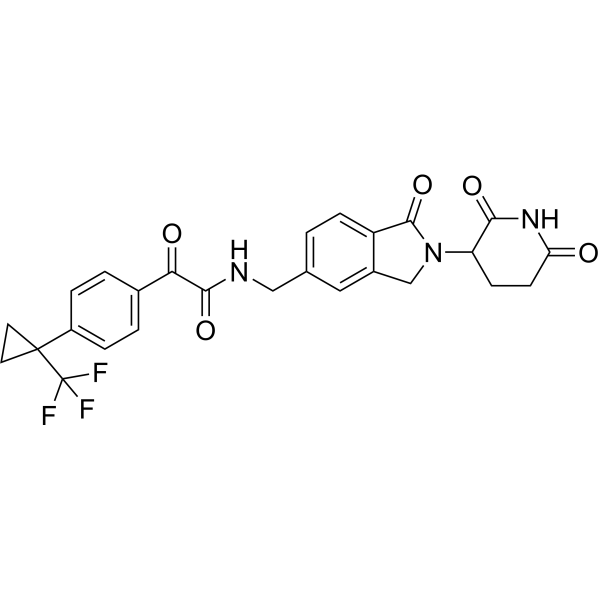
Sontigidomide is a protein molecular glue degrader that can effectively degrade IKZF1/3 and GSPT1 proteins. Sontigidomide can be used to study inflammatory and immune system diseases . GSPT1/IKZF1/3 Molecular Glue Degrader
loading...
    loading...
Cat. No.: HY-157456
CAS No.: 2763831-43-0
Purity:  ≥98.0%
Target:  

RIP kinase

Research Areas:  

Inflammation/Immunology

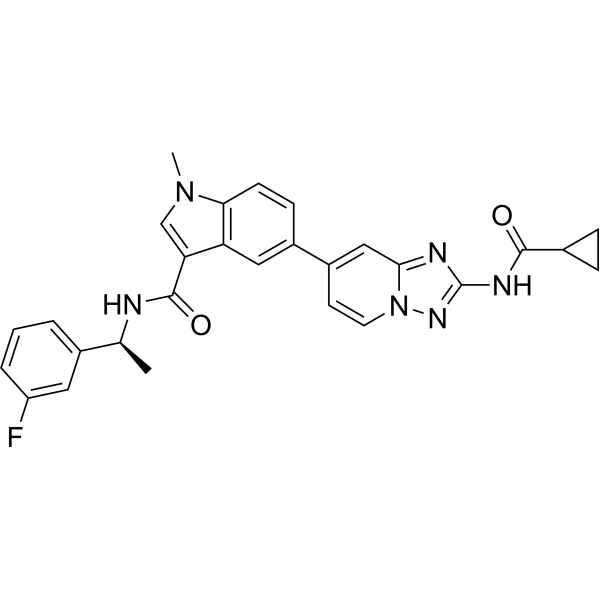
RIPK1-IN-19 is a selective RIPK1 inhibitor (IC50=15 nM). RIPK1-IN-19 does not show obvious activity against RIPK2, RIPK3, and RIPK4. RIPK1-IN-19 displays potent protective activity in TNFα-induced systemic inflammatory response syndrome (SIRS) model and Imiquimod (IMQ)-induced psoriasis model. RIPK1-IN-19 can be used in research on inflammation and immune system diseases .
loading...
    loading...
Cat. No.: HY-124040
CAS No.: 1159724-42-1
Target:  

Integrin

Research Areas:  

Inflammation/Immunology

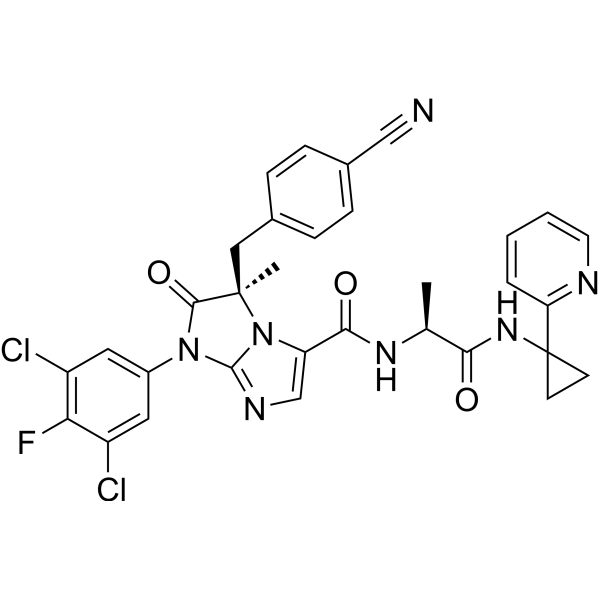
BI-1950 is a lymphocyte function-associated antigen 1 (LFA-1) inhibitor. BI-1950 regulates immune system function through interaction with LFA-1. BI-1950 can be used in the research of inflammatory diseases .
loading...
    loading...
Cat. No.: HY-126560
CAS No.: 877617-45-3
Research Areas:  

Inflammation/Immunology

F-Amidine is a Protein arginine deiminase 4 (PAD4) inhibitor. F-Amidine can be used in the study of inflammatory and immune system diseases (such as rheumatoid arthritis) .
loading...
    loading...
Cat. No.: HY-P991552

Target:  

CD3

AFM15 is a humanized monoclonal antibody inhibitor targeting CD3E. AFM15 can be used to study metabolic and immune system diseases, such as type 1 diabetes and inflammatory bowel disease (IBD) .
loading...
    loading...
Cat. No.: HY-126560A
CAS No.: 877617-46-4
Research Areas:  

Inflammation/Immunology

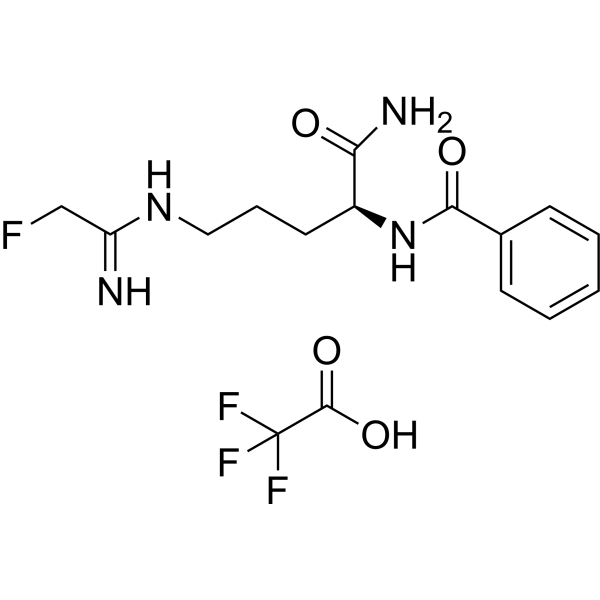
F-Amidine TFA is a Protein arginine deiminase 4 (PAD4) inhibitor. F-Amidine TFA can be used in the study of inflammatory and immune system diseases (such as rheumatoid arthritis) .
loading...
    loading...
Cat. No.: HY-116873
CAS No.: 66934-18-7
Target:  

COX

Research Areas:  

Inflammation/Immunology

Flunoxaprofen is an orally active COX inhibitor. Flunoxaprofen shows anti-inflammatory activity in a rat paw edema model. Flunoxaprofen may be used in research on immune system diseases such as arthritis .
loading...
    loading...
Cat. No.: HY-W014701R
CAS No.: 31519-22-9
1,4-Dihydroxy-2-naphthoic acid (Standard) is the analytical standard for 1,4-Dihydroxy-2-naphthoic acid (HY-W014701). 1,4-Dihydroxy-2-naphthoic acid is an orally active aryl hydrocarbon receptor (AhR) agonist and a bifidogenic growth stimulator. 1,4-Dihydroxy-2-naphthoic acid can improve the motor dysfunction in parkinson's disease (PD) model through AhR-dependent and -independent pathways. 1,4-Dihydroxy-2-naphthoic acid exerts anti-inflammatory effects by regulating the gut microbiota (such as promoting the proliferation of Bifidobacterium) and directly regulating the host immune system. 1,4-Dihydroxy-2-naphthoic acid induces apoptosis through G0/G1 cell cycle arrest in human keratinocyte to inhibit psoriasis .
loading...
    loading...
Cat. No.: HY-L007
8,643 compounds

The immune system is a host defense system comprising many biological structures and processes within an organism that protects against disease. To function properly, an immune system must detect a wide variety of agents, known as pathogens, from viruses to parasitic worms, and distinguish them from the organism's own healthy tissue. Inflammation is also the body's attempt at self-protection to remove harmful stimuli and begin the healing process. It’s part of the body's immune response. The immune system recognizes damaged cells, irritants, and pathogens, and inflammation begins the healing process. Inflammatory abnormalities are a large group of disorders that underlie a vast variety of human diseases. The immune system is often involved with inflammatory disorders, demonstrated in both allergic reactions and some myopathies, with many immune system disorders resulting in abnormal inflammation.

MCE designs a unique collection of 8,643 compounds that are useful tool for Immunology/Inflammation research or autoimmune inflammatory diseases drug discovery.

Cat. No.: HY-L114
1,665 compounds

Inflammation promotes physiological and pathological processes by the activation of the immune system, local vascular system, and various cells within the damaged tissue. Accumulating epidemiological and clinical evidence shows that chronic inflammation is causally linked to various human diseases, including cerebrovascular, cardiovascular, joint, cutaneous, pulmonary, blood, liver, and intestinal diseases as well as diabetes.

Various natural products from Traditional Chinese Medicine (TCM) have been shown to safely suppress proinflammatory pathways and control inflammation-associated disease. MCE designs a unique collection of 1,665 Traditional Chinese Medicine active compounds with anti-inflammatory activity, which are derived from Coptis chinensis, Radix isatidis, Flos Lonicerae, Forsythia suspensa, etc. MCE Anti-inflammatory Traditional Chinese Medicine Active Compound Library is a useful tool for discovery anti-inflammatory drugs from TCM.

Cat. No.: HY-19090
CAS No.: 92454-60-9
FK 409 is a NO donor that can penetrate cell membranes. FK 409 has a vasodilatory effect on bovine retinal arteries. FK 409 alleviates acute-phase inflammation, induces HSP, and mitigates liver transplantation injury in a rat model of orthotopic liver transplantation. FK 409 can be used in research on cardiovascular diseases and liver transplant rejection and inflammatory immune system disorders .
loading...
    loading...
Cat. No.: HY-L212
128 compounds

Neuropeptides are small proteins produced and released by neurons through the regulation of secretory pathways, expressed in neurons and have transmitter or co-transmitter functions, and are used as nerve substrates. Neuropeptides are by far the largest and most diverse signaling molecules in the brain and have been implicated in the development of diseases and drugs. Neuropeptides are involved in inflammatory and immune diseases and have an impact on epithelial, vascular, and connective tissue cells proliferation and tissue repair. Studies have shown that neuropeptides are particularly important when the nervous system is challenged, such as stress, injury, or substance abuse. Substance P is a neuropeptide that acts as a neurotransmitter and neuromodulator in the central nervous system and is currently in clinical research and has been shown to be involved in inflammatory processes and pain.

MCE can provide 128 neuropeptides that can be used for scientific research.

Cat. No.: HY-19086
CAS No.: 122454-69-7
Target:  

COX Lipoxygenase

Research Areas:  

Inflammation/Immunology

SKF-105809 is a dual-action inhibitor of lipoxygenase and COX. SKF-105809 inhibits edema and inflammatory cell infiltration in mouse models of ear, paw, and peritoneum inflammation. SKF-105809 inhibits the production of relevant acute-phase reactive proteins in a mouse model of arthritis. SKF-105809 exhibits analgesic activity in a mouse abdominal contraction test and inhibits ulceration. SKF-105809 can be used in research on inflammatory and immune system diseases such as peritonitis and arthritis .
loading...
    loading...

