


29 Results for "

inflammatory response regulation

" in MedChemExpress (MCE) Product Catalog:
Products (29)

29 Results for "inflammatory response regulation" in MCE Product Catalog:

9
9 Publications Verification
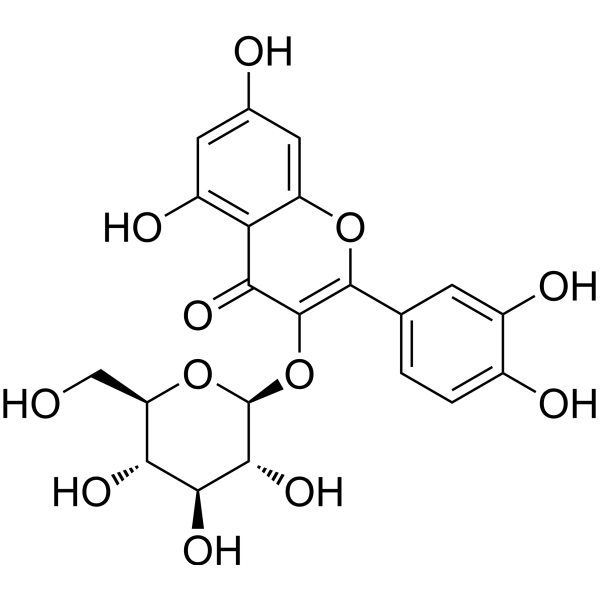
Cat. No.: HY-N1445
CAS No.: 482-35-9
Synonyms: Isoquercetin; Quercetin 3-glucoside
Isoquercetin (Quercetin 3-glucoside) is a naturally occurring polyphenol that has antioxidant, anti-proliferative, and anti-inflammatory properties. Isoquercetin alleviates ethanol-induced hepatotoxicity, oxidative stress, and inflammatory responses via the Nrf2/ARE antioxidant signaling pathway . Isoquercetin regulates the expression of nitric oxide synthase 2 (NO2) via modulating the nuclear factor-κB (NF-κB) transcription regulation system. Isoquercetin has high bioavailability and low toxicity, is a promising candidate agent to prevent birth defects in diabetic pregnancies .
loading...
    loading...
4
4 Cited Publications
Cat. No.: HY-P0119
CAS No.: 320367-13-3
Lixisenatide is a glucagon-like peptide-1 (GLP-1) receptor agonist. Lixisenatide inhibits the inflammatory response through down regulation of pro-inflammatory cytokines, and suppresses of the Akt-MEK1/2 signaling pathway. Lixisenatide can inhibit oxidative stress, mitochondrial dysfunction and apoptosis. Lixisenatide can be used for the researches of inflammation, metabolic disease, neurological disease and cardiovascular disease, such as rheumatoid arthritis, diabetes, Alzheimer's disease and atherosclerosis .
loading...
    loading...
4
4 Cited Publications
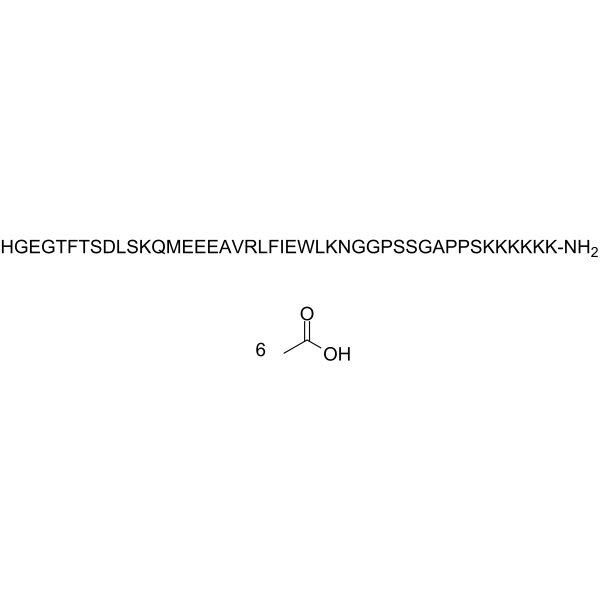
Cat. No.: HY-P0119A
CAS No.: 1997361-87-1
Lixisenatide acetate is a glucagon-like peptide-1 (GLP-1) receptor agonist. Lixisenatide acetate inhibits the inflammatory response through down regulation of pro-inflammatory cytokines, and suppresses of the Akt-MEK1/2 signaling pathway. Lixisenatide acetate can inhibit oxidative stress, mitochondrial dysfunction and apoptosis. Lixisenatide acetate can be used for the researches of inflammation, metabolic disease, neurological disease and cardiovascular disease, such as rheumatoid arthritis, diabetes, Alzheimer's disease and atherosclerosis .
loading...
    loading...
2
2 Cited Publications
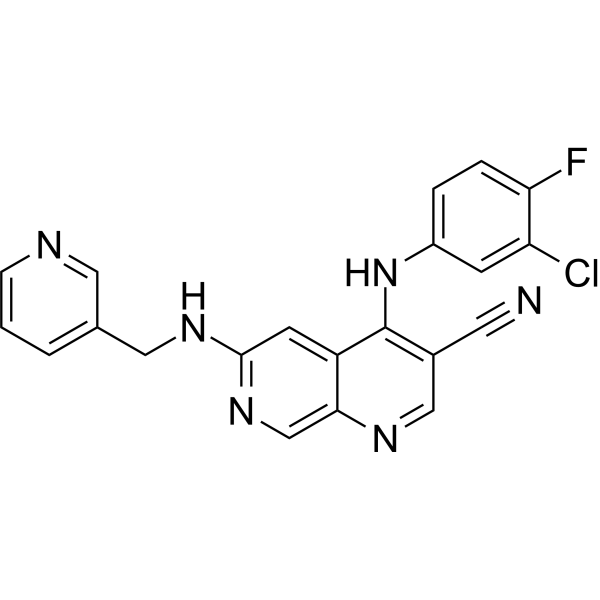
Cat. No.: HY-12358
CAS No.: 871307-18-5
Purity:  99.42%
Research Areas:  

Inflammation/Immunology Cancer

Tpl2 Kinase Inhibitor 1 is a 3-pyridylmethylamino analog, and is a selective Tpl2 inhibitor (IC50=50 nM). Tpl2 consists of COT kinase and MAP3K8. Tpl2 Kinase Inhibitor 1 plays an important role in the regulation of the inflammatory response and the progression of some cancers .
loading...
    loading...
2
2 Cited Publications
Cat. No.: HY-N1445R
CAS No.: 482-35-9
Synonyms: Isoquercetin (Standard); Quercetin 3-glucoside (Standard)
Isoquercetin (Standard) is the analytical standard of Isoquercetin. This product is intended for research and analytical applications. Isoquercetin (Quercetin 3-glucoside) is a naturally occurring polyphenol that has antioxidant, anti-proliferative, and anti-inflammatory properties. Isoquercetin alleviates ethanol-induced hepatotoxicity, oxidative stress, and inflammatory responses via the Nrf2/ARE antioxidant signaling pathway . Isoquercetin regulates the expression of nitric oxide synthase 2 (NO2) via modulating the nuclear factor-κB (NF-κB) transcription regulation system. Isoquercetin has high bioavailability and low toxicity, is a promising candidate agent to prevent birth defects in diabetic pregnancies .
loading...
    loading...
1
1 Cited Publications
Cat. No.: HY-113498
CAS No.: 85187-10-6
Purity:  ≥98.0%
Sphingomyelin is a eukaryotic sphingolipid and one of the major constituents of cell membranes and particularly abundant in the myelin sheath that surrounds neuronal axons. Sphingomyelin plays an important role in cell processes, the regulation of inflammatory responses, and signal transduction. Sphingomyelin metabolism is associated with various central nervous system diseases and Niemann–Pick disease .
loading...
    loading...
1
1 Cited Publications
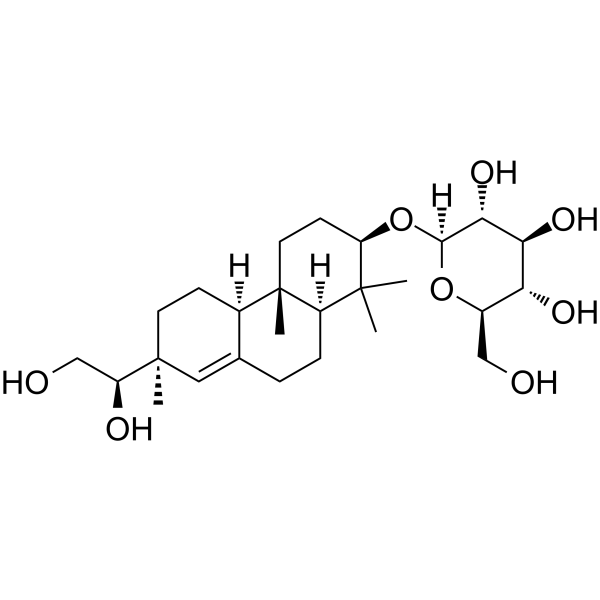
Cat. No.: HY-N6028
CAS No.: 59219-65-7
Darutoside is an orally effective diterpene compound with significant anti-inflammatory, analgesic, wound healing promotion, and immunomodulatory activities. Darutoside reduces edema and pain responses by inhibiting the expression of COX-2 and the migration of inflammatory cells. It regulates macrophage polarization towards the M2 type by inhibiting the NF-κB pathway, alleviating inflammation and promoting wound healing. Through multi-target regulation of metabolic networks, Darutoside significantly alleviates acute gouty arthritis .
loading...
    loading...
1
1 Cited Publications
Cat. No.: HY-W016409
CAS No.: 3943-89-3
Synonyms: Protocatechuic acid ethyl ester
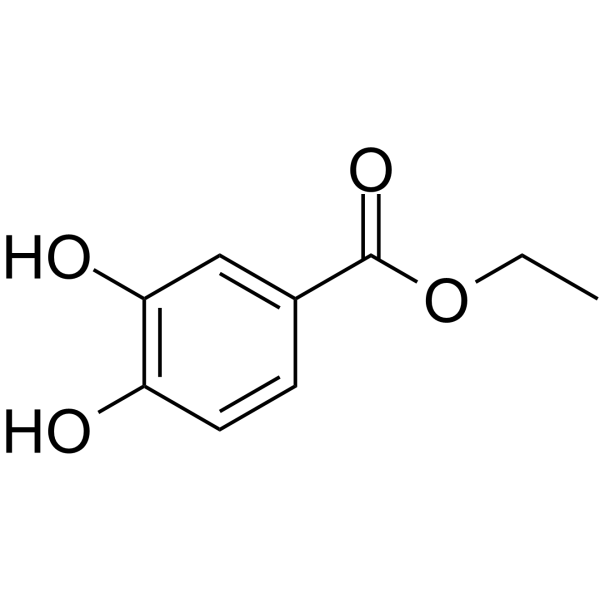
Ethyl 3,4-dihydroxybenzoate (Protocatechuic acid ethyl ester) is an orally effective, blood-brain barrier-permeable, competitive prolyl hydroxylase (PHD) inhibitor that inhibits the hydroxylation modification of hypoxia-inducible factor (HIF) by PHD. Ethyl 3,4-dihydroxybenzoate stabilizes HIF-1α by inhibiting PHD, activates downstream pathways to induce autophagy and apoptosis of tumor cells, and regulates inflammatory responses, inhibits the NF-κB pathway, improves vascular permeability, and promotes osteoblast differentiation. Ethyl 3,4-dihydroxybenzoate has anti-tumor, anti-hypoxic injury, and bone metabolism regulation effects. It can also be used in the research of cardiovascular protection (such as reducing myocardial ischemic damage), bone tissue engineering (promoting osteogenesis/inhibiting osteoclast differentiation), and prevention and treatment of high-altitude cerebral edema .
loading...
    loading...
1
1 Cited Publications
Cat. No.: HY-19995
CAS No.: 349085-82-1
Synonyms: GSK 137647
Research Areas:  

Metabolic Disease

GSK137647A (GSK 137647) is a potent, selective free fatty acid receptor 4 (FFA4) agonist with pEC50 values of 6.3, 6.2, and 6.1 for human, mouse and rat FFA4, and pEC50 values < 4.5 for all three species for FFA1, FFA2, and FFA3, respectively. GSK137647A has anti-inflammatory activity. GSK137647A induces insulin secretion and inhibits epithelial ion transport, GSK137647A is related to regulation of glucose homeostasis and anti-inflammatory response .
loading...
    loading...
1
1 Cited Publications
Cat. No.: HY-N1461
CAS No.: 17238-05-0
Synonyms: (±)-Dihydrodaidzein
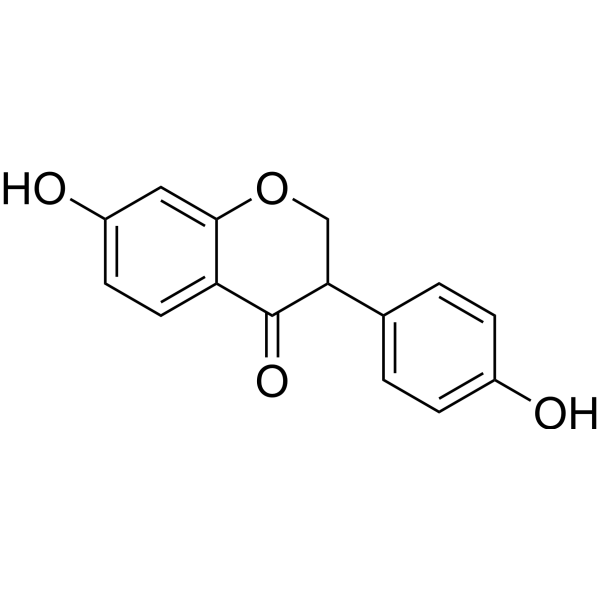
Dihydrodaidzein is a dietary phytoestrogen. Dihydrodaidzein possesses functions including antioxidation, inhibition of DNA oxidative damage, regulation of lipid metabolism and maintenance of intestinal flora stability. Dihydrodaidzein induces apoptosis, regulates immune responses, modulates tumor-related factors, activates the Bmp-2 signaling pathway, inhibits NF-κB and MAPK, and exhibits anti-inflammatory activity. Dihydrodaidzein can be used in research related to cancer, cardiovascular diseases, osteoporosis and inflammatory diseases .
loading...
    loading...
Cat. No.: HY-P3012
CAS No.: 107200-92-0
Cathepsin G is a pH-dependent serine protease. Cathepsin G hydrolyzes diverse synthetic and protein substrates and remodels extracellular matrix. Cathepsin G exerts immunomodulatory effects via recruiting phagocytes, enhancing T cell motility, activating ERK1/2 and p38 MAPK signaling, and mediating PKCζ membrane translocation. Cathepsin G regulates inflammatory responses by cleaving inflammatory mediators. Cathepsin G participates in vascular regulation by converting angiotensin I to angiotensin II. Cathepsin G induces PAR4-dependent platelet activation, facilitates platelet-neutrophil aggregation, and mediates VITT-related NETosis, thrombus formation. Cathepsin G can be used for the research of immune thrombotic thrombocytopenia, cardiovascular disease, and select autoimmune and inflammatory diseases .
loading...
    loading...
Cat. No.: HY-N7064
CAS No.: 256-96-2
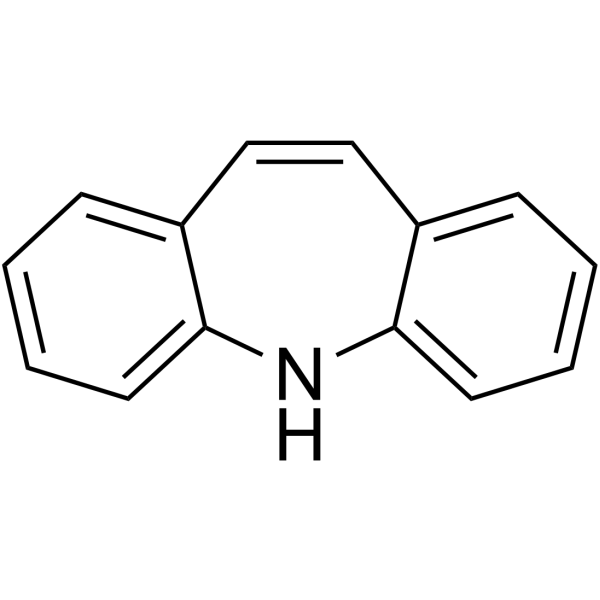
Iminostilbene is a chemical precursor of carbamazepine. Additionally, Iminostilbene is an orally active inhibitor of PKM2 (Pyruvate Kinase M2) and COX2 (Cyclooxygenase-2). Iminostilbene exerts its effects by inhibiting PKM2 and its interaction with HIF-1α and STAT3, reducing COX2 and iNOS expression, and decreasing LPS-induced release of IL-1β, IL-6, TNF-α, and MCP-1, thereby suppressing macrophage-mediated inflammatory responses and improving myocardial ischemia/reperfusion (MI/R) injury. Iminostilbene holds promise for research in inflammation regulation, cardiovascular diseases (such as MI/R injury), and macrophage-mediated immune-related diseases .
loading...
    loading...
Cat. No.: HY-174618
Target:  

mRNA

Research Areas:  

Inflammation/Immunology

Human IL22RA2 mRNA encodes the human interleukin 22 receptor subunit alpha 2 (IL22RA2) protein, a member of the class II cytokine receptor family. IL22RA2 may be important in the regulation of inflammatory response, and has been implicated in the regulation of tumorigenesis in the colon.
loading...
    loading...
Cat. No.: HY-158338
CAS No.: 3034510-10-3
ABHD antagonist 1 possesses ABHD6 (α/β-Hydrolase domain containing 6) inhibitory activity, involving the regulation of biochemical pathways involved in ABHD6, thereby affecting cell function and inflammatory response. ABHD antagonist 1 can be used in pain, neuropathic diseases, inflammatory diseases. Autoimmune diseases, metabolic diseases, and cancer research .
loading...
    loading...
Cat. No.: HY-12358A
CAS No.: 2934185-09-6
Research Areas:  

Inflammation/Immunology Cancer

Tpl2 Kinase Inhibitor 1 hydrochloride is a 3-pyridylmethylamino analog, and is a selective Tpl2 inhibitor (IC50=50 nM). Tpl2 consists of COT kinase and MAP3K8. Tpl2 Kinase Inhibitor 1 hydrochloride plays an important role in the regulation of the inflammatory response and the progression of some cancers .
loading...
    loading...
Cat. No.: HY-N1461R
CAS No.: 17238-05-0
Synonyms: (±)-Dihydrodaidzein (Standard)
Dihydrodaidzein (Standard) ((±)-Dihydrodaidzein (Standard)) is the analytical standard of Dihydrodaidzein (HY-N1461). This product is intended for research and analytical applications. Dihydrodaidzein is a dietary phytoestrogen. Dihydrodaidzein possesses functions including antioxidation, inhibition of DNA oxidative damage, regulation of lipid metabolism and maintenance of intestinal flora stability. Dihydrodaidzein induces apoptosis, regulates immune responses, modulates tumor-related factors, activates the Bmp-2 signaling pathway, inhibits NF-κB and MAPK, and exhibits anti-inflammatory activity. Dihydrodaidzein can be used in research related to cancer, cardiovascular diseases, osteoporosis and inflammatory diseases .
loading...
    loading...
Cat. No.: HY-125387
CAS No.: 1628439-59-7
Target:  

Src

Research Areas:  

Inflammation/Immunology

TOP1210 is a narrow-spectrum tyrosine kinase inhibitor with potent inhibitory activity against P38α, Src, and Syk kinases. TOP1210 effectively reduced proinflammatory cytokines released by peripheral blood monocytes, primary macrophages, HT29 cells, inflammatory cells in ulcerative colitis (UC) biopsies, and myofibroblasts isolated from inflamed colonic UC mucosa. TOP1210 showed significant anti-inflammatory effects in cell experiments and UC biopsies, superior to some selective kinase inhibitors. The multi-kinase inhibition of TOP1210 provides the possibility of obtaining a wider range of therapeutic effects, especially in the regulation of autoimmune responses .
loading...
    loading...
Cat. No.: HY-P0119S
Lixisenatide (Leu- 13C6, 15N) TFA is the 13C- and 15N-labeled Lixisenatide (HY-P0119). Lixisenatide is a glucagon-like peptide-1 (GLP-1) receptor agonist. Lixisenatide inhibits the inflammatory response through down regulation of pro-inflammatory cytokines, and suppresses of the Akt-MEK1/2 signaling pathway. Lixisenatide can inhibit oxidative stress, mitochondrial dysfunction and apoptosis. Lixisenatide can be used for the researches of inflammation, metabolic disease, neurological disease and cardiovascular disease, such as rheumatoid arthritis, diabetes, Alzheimer's disease and atherosclerosis .
loading...
    loading...
Cat. No.: HY-W753956
CAS No.: 3044090-39-0
Iminostilbene-d10 is the deuterium labeled Iminostilbene (HY-N7064). Iminostilbene is a chemical precursor of carbamazepine. Additionally, Iminostilbene is an orally active inhibitor of PKM2 (Pyruvate Kinase M2) and COX2 (Cyclooxygenase-2). Iminostilbene exerts its effects by inhibiting PKM2 and its interaction with HIF-1α and STAT3, reducing COX2 and iNOS expression, and decreasing LPS-induced release of IL-1β, IL-6, TNF-α, and MCP-1, thereby suppressing macrophage-mediated inflammatory responses and improving myocardial ischemia/reperfusion (MI/R) injury. Iminostilbene holds promise for research in inflammation regulation, cardiovascular diseases (such as MI/R injury), and macrophage-mediated immune-related diseases .
loading...
    loading...
Cat. No.: HY-W016409R
CAS No.: 3943-89-3
Synonyms: Protocatechuic acid ethyl ester (Standard)
Ethyl 3,4-dihydroxybenzoate (Standard) (Protocatechuic acid ethyl ester (Standard)) is the analytical standard of Ethyl 3,4-dihydroxybenzoate (HY-W016409). This product is intended for research and analytical applications. Ethyl 3,4-dihydroxybenzoate (Protocatechuic acid ethyl ester) is an orally effective, blood-brain barrier-permeable, competitive prolyl hydroxylase (PHD) inhibitor that inhibits the hydroxylation modification of hypoxia-inducible factor (HIF) by PHD. Ethyl 3,4-dihydroxybenzoate stabilizes HIF-1α by inhibiting PHD, activates downstream pathways to induce autophagy and apoptosis of tumor cells, and regulates inflammatory responses, inhibits the NF-κB pathway, improves vascular permeability, and promotes osteoblast differentiation. Ethyl 3,4-dihydroxybenzoate has anti-tumor, anti-hypoxic injury, and bone metabolism regulation effects. It can also be used in the research of cardiovascular protection (such as reducing myocardial ischemic damage), bone tissue engineering (promoting osteogenesis/inhibiting osteoclast differentiation), and prevention and treatment of high-altitude cerebral edema .
loading...
    loading...

