248 Results for "

intracellular calcium

" in MedChemExpress (MCE) Product Catalog:
Products (248)

248 Results for "intracellular calcium" in MCE Product Catalog:

29
29 Publications Verification
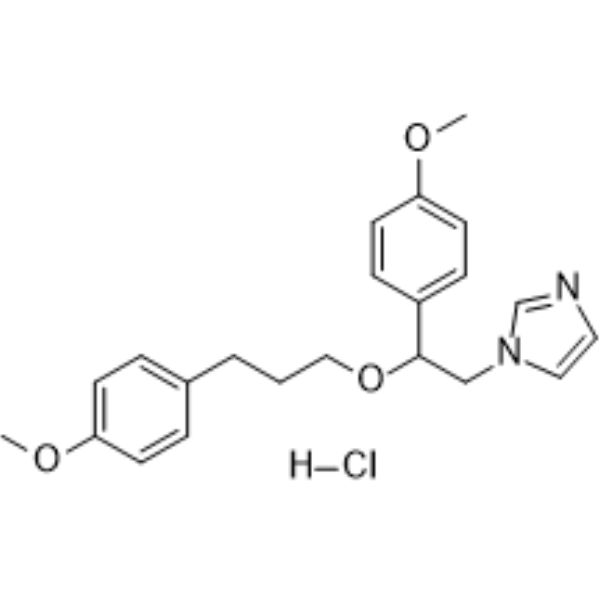
Cat. No.: HY-100001
CAS No.: 130495-35-1
Purity:  ≥99.01%
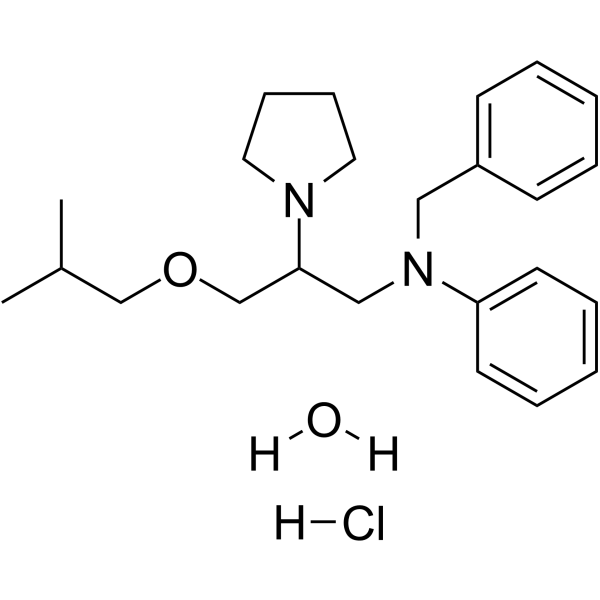
SKF-96365 hydrochloride is a TRPC channel antagonist and store-operated calcium entry (SOCE) inhibitor. SKF-96365 hydrochloride reduces calcium ion influx by inhibiting the activity and expression of TRPC6, STIM1 and Orai1. SKF-96365 hydrochloride inhibits voltage-gated sodium current (cardiac INa/NaV1.5) and slows myocardial conduction. SKF-96365 hydrochloride inhibits phosphorylation/activation of CaMKIIγ and suppresses the downstream AKT signaling pathway. SKF-96365 hydrochloride induces G2/M phase cell cycle arrest, apoptosis and cytoprotective autophagy in colorectal cancer cells. SKF-96365 hydrochloride alleviates allergic rhinitis symptoms by reducing inflammatory cytokine levels. SKF-96365 hydrochloride reduces intracellular calcium overload, inhibits Homer1 expression, prevents nuclear damage and suppresses apoptosis. SKF-96365 hydrochloride inhibits the growth of colorectal cancer xenografts in nude mice . SKF-96365 hydrochloride is applicable to research related to allergic rhinitis, colorectal cancer, Parkinson's disease, persistent spontaneous nociception and hyperalgesia .
loading...
    loading...
29
29 Publications Verification
Cat. No.: HY-125942
CAS No.: 162849-90-3
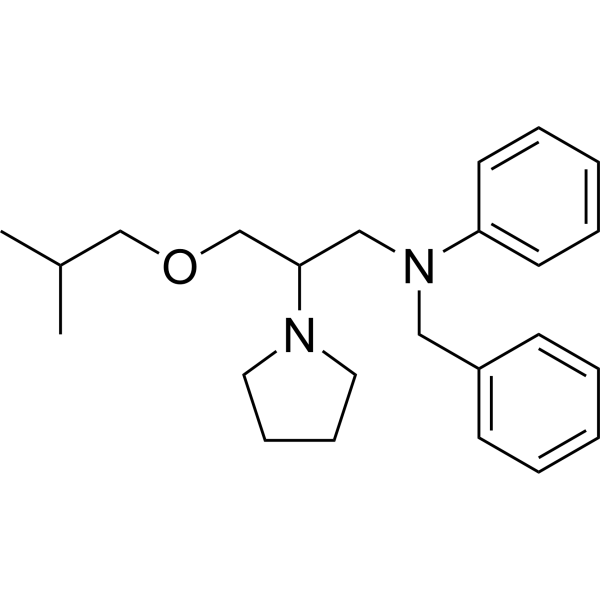
SKF-96365 is a TRPC channel antagonist and store-operated calcium entry (SOCE) inhibitor. SKF-96365 reduces calcium ion influx by inhibiting the activity and expression of TRPC6, STIM1 and Orai1. SKF-96365 inhibits voltage-gated sodium current (cardiac INa/NaV1.5) and slows myocardial conduction. SKF-96365 inhibits phosphorylation/activation of CaMKIIγ and suppresses the downstream AKT signaling pathway. SKF-96365 induces G2/M phase cell cycle arrest, apoptosis and cytoprotective autophagy in colorectal cancer cells. SKF-96365 alleviates allergic rhinitis symptoms by reducing inflammatory cytokine levels. SKF-96365 reduces intracellular calcium overload, inhibits Homer1 expression, prevents nuclear damage and suppresses apoptosis. SKF-96365 inhibits the growth of colorectal cancer xenografts in nude mice . SKF-96365 is applicable to research related to allergic rhinitis, colorectal cancer, Parkinson's disease, persistent spontaneous nociception and hyperalgesia .
loading...
    loading...
26
26 Cited Publications
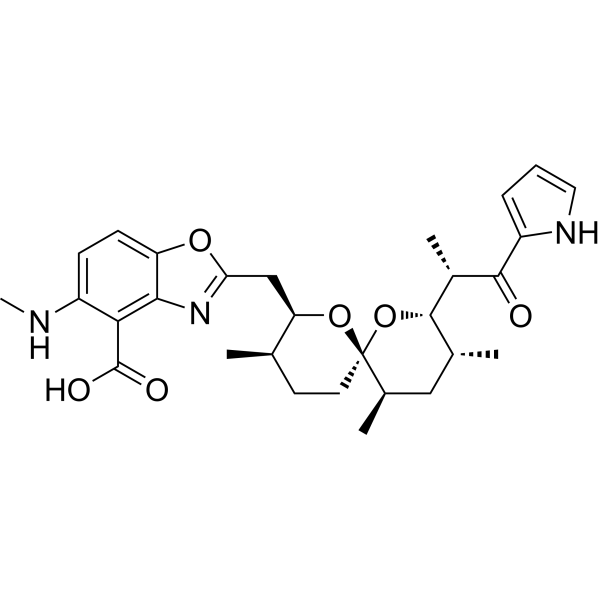
Cat. No.: HY-N6687
CAS No.: 52665-69-7
Synonyms: A-23187; Antibiotic A-23187
Calcimycin (A-23187) is an antibiotic and a unique divalent cation ionophore (like calcium and magnesium). Calcimycin induces Ca 2+-dependent cell death by increasing intracellular calcium concentration. Calcimycin inhibits the growth of Gram-positive bacteria and some fungi. Calcimycin also inhibits the activity of ATPase and uncouples oxidative phosphorylation (OXPHOS) of mammalian cells. Calcimycin induces apoptosis and autophagy .
loading...
    loading...
20
20 Cited Publications
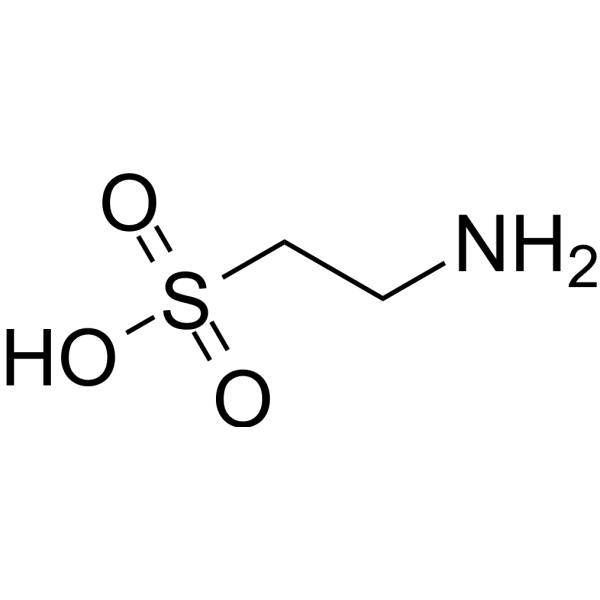
Cat. No.: HY-B0351
CAS No.: 107-35-7
Synonyms: 2-Aminoethanesulfonic acid
Taurine, a sulphur-containing amino acid and an organic osmolyte involved in cell volume regulation, provides a substrate for the formation of bile salts, and plays a role in the modulation of intracellular free calcium concentration. Taurine has the ability to activate autophagy in adipocytes .
loading...
    loading...
20
20 Cited Publications
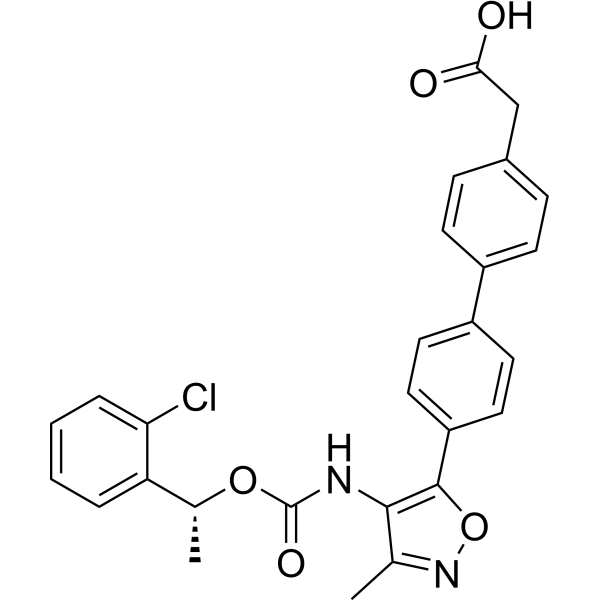
Cat. No.: HY-15277
CAS No.: 1228690-19-4
Purity:  99.86%
Target:  

LPL Receptor

Research Areas:  

Inflammation/Immunology

AM966 is a high affinity, selective, oral LPA1-antagonist, inhibits LPA-stimulated intracellular calcium release (IC50=17 nM).
loading...
    loading...
18
18 Cited Publications
Cat. No.: HY-B1272
CAS No.: 58-28-6
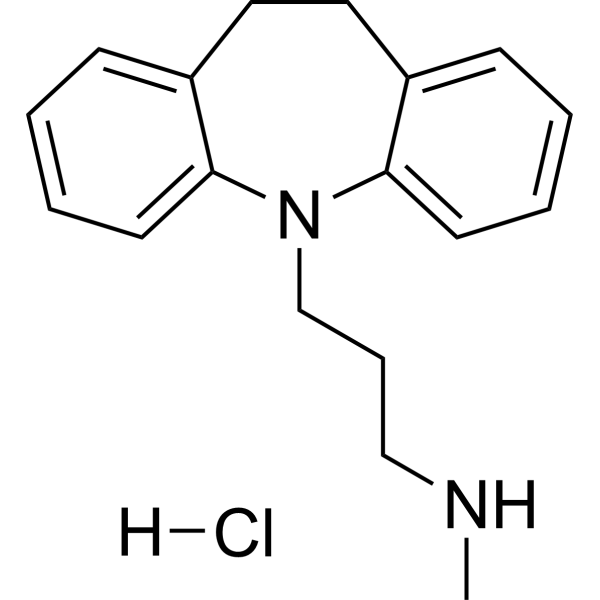
Desipramine hydrochloride is a first-generation tricyclic antidepressant. Desipramine hydrochloride selectively binds to norepinephrine transporter and blocks neuronal norepinephrine reuptake. Desipramine hydrochloride activates MAPK signaling via ERK1/2, JNK, and p38, represses NF-κB and AP-1 activity, and induces apoptosis via ROS elevation, mitochondrial membrane potential reduction, and intracellular calcium increase. Desipramine hydrochloride also shows anyi-inflammatory activity, inhibiting TNF-α production. Desipramine hydrochloride can be used for the research of hepatocellular cancer, inflammation, and neurological diseases .
loading...
    loading...
16
16 Cited Publications
Cat. No.: HY-P1119
CAS No.: 878557-55-2
Research Areas:  

Neurological Disease

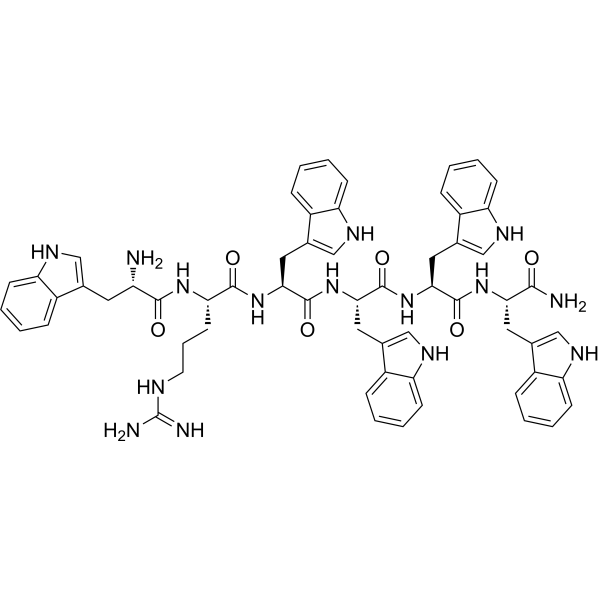
WRW4, a specific formyl peptide receptor-like 1 (FPRL1) antagonist, inhibits WKYMVm binding to FPRL1 with an IC50 of 0.23 μM. WRW4 specifically inhibits the increase in intracellular calcium by the FPRL1 agonists MMK-1, amyloid beta42 (Abeta42) peptide, and F peptide .
loading...
    loading...
14
14 Cited Publications
Cat. No.: HY-18347A
CAS No.: 168626-94-6
Synonyms: YM 087
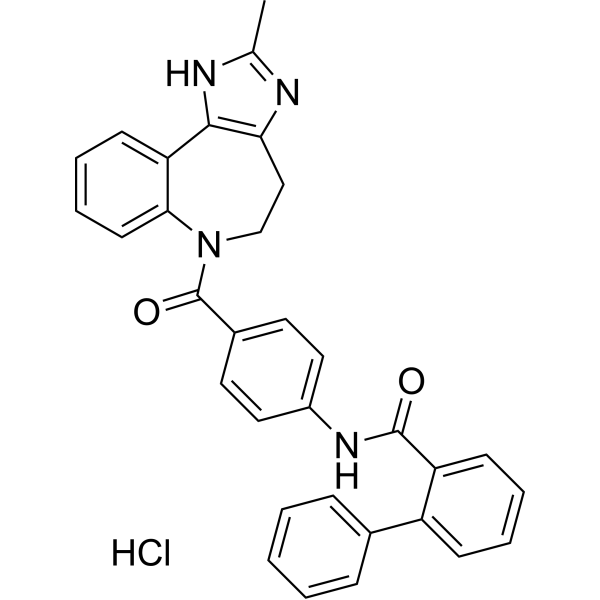
Conivaptan hydrochloride (YM 087) is an orally active dual vasopressin V1a/V2 receptor antagonist with Ki values of 0.48 nM and 3.04 nM for vasopressin V1a receptor and V2 receptor, respectively. Conivaptan hydrochloride competitively and reversibly blocks vasopressin-mediated antidiuresis, vasoconstriction, and cellular hypertrophy, while inhibiting CYP3A4. Conivaptan hydrochloride inhibits vasopressin-induced intracellular calcium, cAMP, and mitogen-activated kinase activation in vascular smooth muscle cells and cardiomyocytes. Conivaptan hydrochloride induces water diuresis while improving hemodynamics in heart failure models, reducing left ventricular end-diastolic pressure, vascular resistance, and organ weight. Conivaptan hydrochloride is used for research on hyponatremia and congestive heart failure .
loading...
    loading...
14
14 Cited Publications
Cat. No.: HY-B0140
CAS No.: 317-34-0
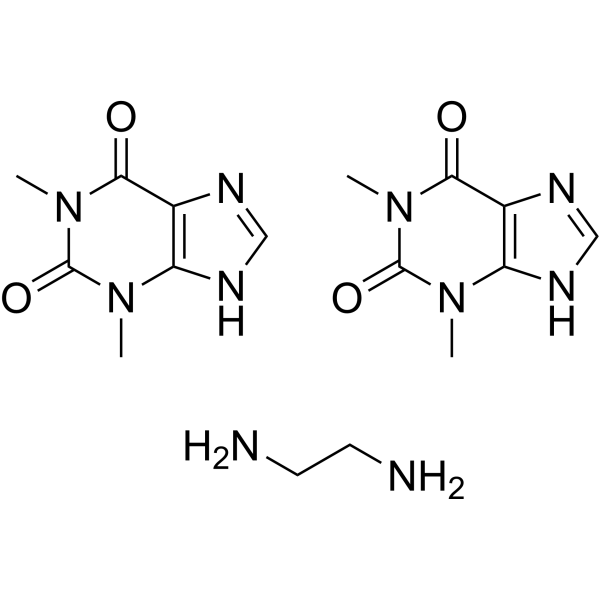
Aminophylline is a competitive phosphodiesterase 3/4 (PDE3/4) inhibitor. Aminophylline also acts as an adenosine receptor antagonist. Aminophylline elevates intracellular cAMP levels via competitive inhibition of PDE3 and PDE4, antagonizes adenosine A1 receptor (ADORA1), regulates intracellular calcium signaling and synaptic vesicle cycling, upregulates the PPAR signaling pathway, and downregulates glutamatergic synaptic pathways simultaneously. Aminophylline can be used in research related to major depressive disorder, epilepsy, asthma, and chronic obstructive pulmonary disease (COPD) .
loading...
    loading...
13
13 Cited Publications
Cat. No.: HY-D0716
CAS No.: 121714-22-5
Synonyms: Fluo-3-pentaacetoxymethyl ester
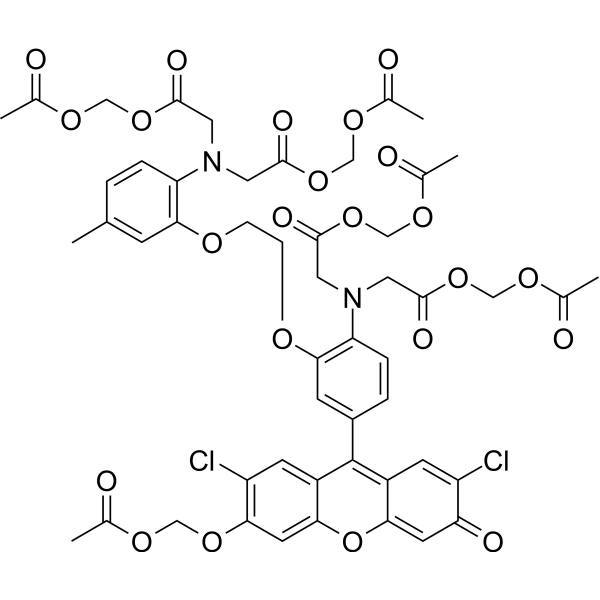
Fluo-3 AM is a fluorecent Ca 2+ chelator, with high affinity for calcium. Fluo-3 AM can specifically identify intracellular calcium ions, with high sensitivity, low cytotoxicity, increased AM acetylmethyl ester can enter the cell well, after being sheared by the intracellular esterase stay in the cell to bind to calcium ions, produce strong fluorescence .
loading...
    loading...
10
10 Cited Publications
Cat. No.: HY-19619
CAS No.: 200933-14-8
Target:  

Phospholipase Apoptosis

Research Areas:  

Cancer

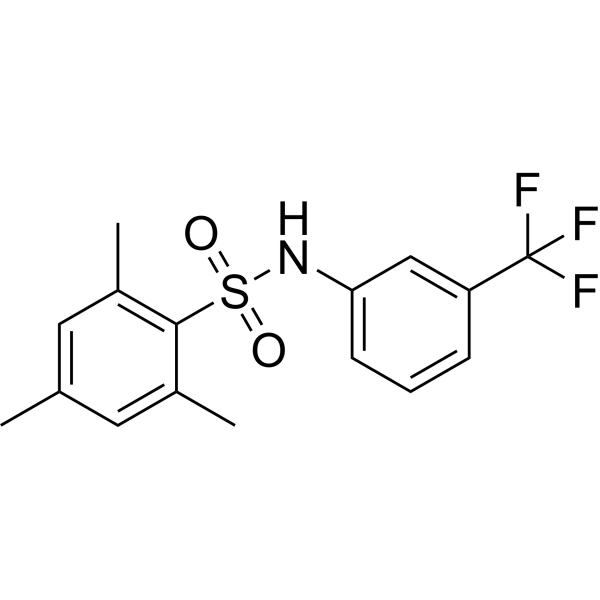
m-3M3FBS is a potent phospholipase C (PLC) activator. m-3M3FBS stimulates superoxide generation in human neutrophils, upregulates intracellular calcium concentration, and stimulates inositol phosphate generation in various cell lines. m-3M3FBS induces monocytic leukemia cell apoptosis .
loading...
    loading...
9
9 Cited Publications
Cat. No.: HY-101897
CAS No.: 108964-32-5
Purity:  99%
Synonyms: Fura-2 Acetoxymethyl ester
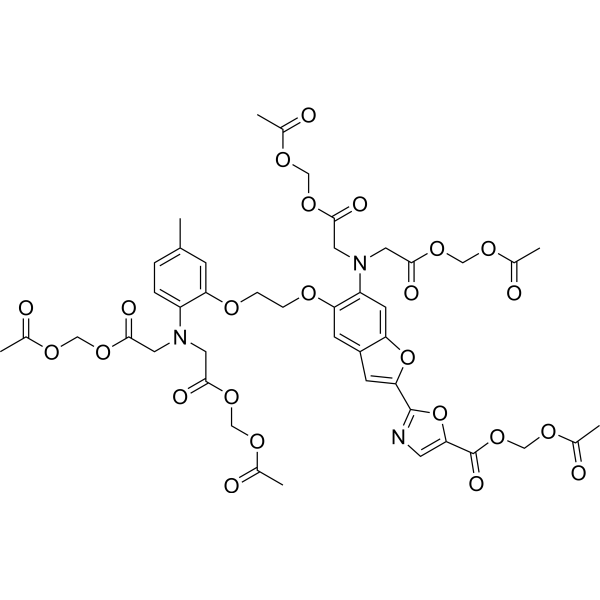
Fura-2 AM is a membrane permeable, intracellular, UV light-excitable and ratiometric fluorescent Ca 2+ (calcium ion) indicator. Fura-2 AM crosses cell membranes and is converted to Fura-2 (HY-D0110A) via cellular esterases. Fura-2 AM can be used to detect calcium in cells.
loading...
    loading...
9
9 Cited Publications
Cat. No.: HY-103315
CAS No.: 68099-86-5
Purity:  99.98%
Synonyms: CERM 1978; Org 5730 hydrochloride
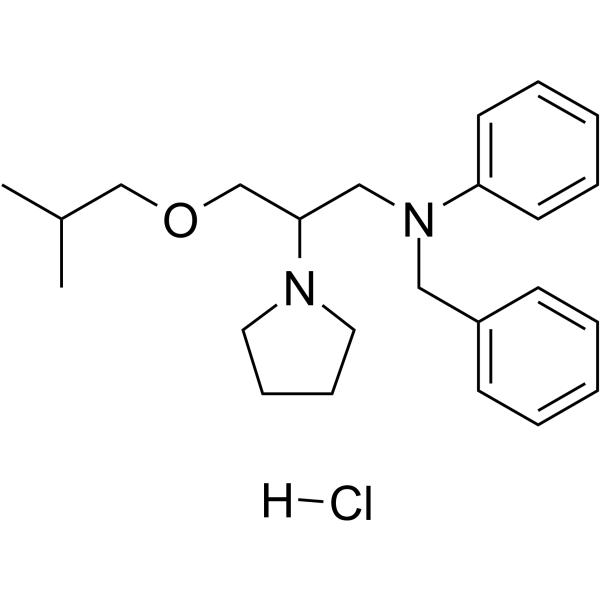
Bepridil hydrochloride (CERM 1978; Org 5730 hydrochloride) is an orally active non-selective calcium channel antagonist with multi-ion channel blocking activity. Bepridil hydrochloride modulates Calmodulin, the 20S proteasome, T-type/L-type calcium channels, cardiac sodium channels, multiple potassium channels, γ-secretase, β-secretase, and mitoKATP/sarcKATP channels. Bepridil hydrochloride acts as a hydroxyl radical scavenger, regulates mitochondrial and intracellular calcium handling, and exerts antiarrhythmic, antianginal, and cardioprotective effects. Bepridil hydrochloride alters amyloid precursor protein processing, reduces β-amyloid and thalamic calcium levels, restores seladin-1/DHCR24 expression, and improves sensorimotor recovery after cerebral ischemia. Bepridil hydrochloride also exhibits potent inhibitory effects on SARS-CoV-2 replication. Bepridil hydrochloride is used in studies related to stable angina, arrhythmias, cerebral ischemia, Alzheimer's disease, and SARS-CoV-2 infection .
loading...
    loading...
9
9 Cited Publications
Cat. No.: HY-16952
CAS No.: 64706-54-3
Synonyms: CERM 1978 free base; Org 5730
Bepridil (CERM 1978 (free base); Org 5730) is an orally active non-selective calcium channel antagonist with multi-ion channel blocking activity. Bepridil modulates Calmodulin, the 20S proteasome, T-type/L-type calcium channels, cardiac sodium channels, multiple potassium channels, γ-secretase, β-secretase, and mitoKATP/sarcKATP channels. Bepridil acts as a hydroxyl radical scavenger, regulates mitochondrial and intracellular calcium handling, and exerts antiarrhythmic, antianginal, and cardioprotective effects. Bepridil alters amyloid precursor protein processing, reduces β-amyloid and thalamic calcium levels, restores seladin-1/DHCR24 expression, and improves sensorimotor recovery after cerebral ischemia. Bepridil also exhibits potent inhibitory effects on SARS-CoV-2 replication. Bepridil is used in studies related to stable angina, arrhythmias, cerebral ischemia, Alzheimer's disease, and SARS-CoV-2 infection .
loading...
    loading...
9
9 Cited Publications
Cat. No.: HY-16952A
CAS No.: 74764-40-2
Synonyms: CERM 1978 hydrate; Org 5730 hydrochloride hydrate
Bepridil hydrochloride hydrate (CERM 1978 hydrate; Org 5730 hydrochloride hydrate) is an orally active non-selective calcium channel antagonist with multi-ion channel blocking activity. Bepridil hydrochloride hydrate modulates Calmodulin, the 20S proteasome, T-type/L-type calcium channels, cardiac sodium channels, multiple potassium channels, γ-secretase, β-secretase, and mitoKATP/sarcKATP channels. Bepridil hydrochloride hydrate acts as a hydroxyl radical scavenger, regulates mitochondrial and intracellular calcium handling, and exerts antiarrhythmic, antianginal, and cardioprotective effects. Bepridil hydrochloride hydrate alters amyloid precursor protein processing, reduces β-amyloid and thalamic calcium levels, restores seladin-1/DHCR24 expression, and improves sensorimotor recovery after cerebral ischemia. Bepridil hydrochloride hydrate also exhibits potent inhibitory effects on SARS-CoV-2 replication. Bepridil hydrochloride hydrate is used in studies related to stable angina, arrhythmias, cerebral ischemia, Alzheimer's disease, and SARS-CoV-2 infection .
loading...
    loading...
5
5 Cited Publications
Cat. No.: HY-N0212
CAS No.: 23496-41-5
Synonyms: Verticine; Dihydroisoimperialine
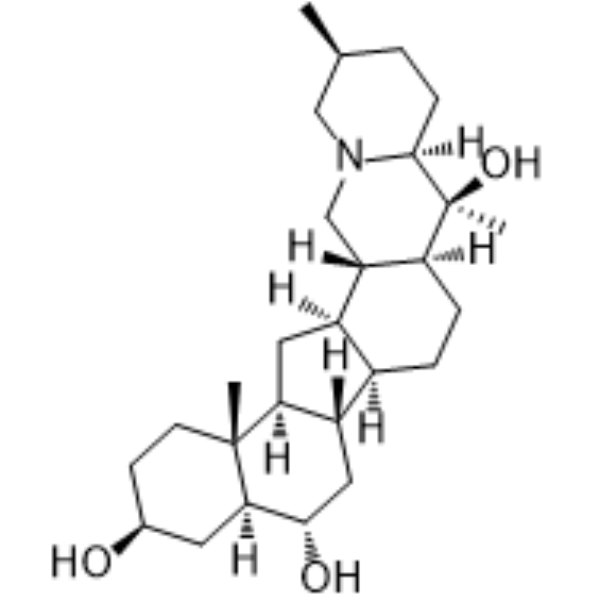
Peimine (Verticine; Dihydroisoimperialine) is an orally active natural product. Peimine has anti-inflammatory, analgesic and cough relieving effects. Peimine can be used in cancer and inflammation related research .
loading...
    loading...
4
4 Cited Publications
Cat. No.: HY-B0023
CAS No.: 123524-52-7
Synonyms: CS 905
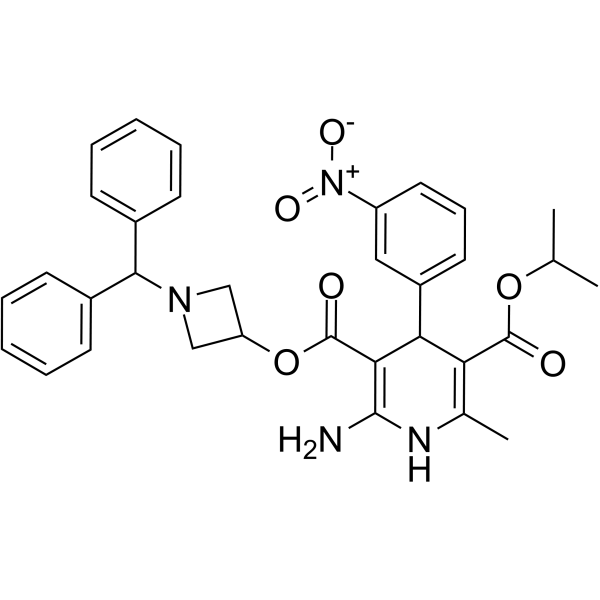
Azelnidipine (CS 905) is a dihydropyridine calcium channel blocker that is effective orally. Azelnidipine inhibits the intracellular calcium ion flow and lower blood pressure by selectively blocking L-type calcium channel on the membrane of vascular smooth muscle. Azelnidipine inhibits esophageal squamous cell carcinoma proliferation by targeting MEK1/2. Azelnidipine also has anti-inflammatory, antioxidant and neuroprotective effects .
loading...
    loading...
4
4 Cited Publications
Cat. No.: HY-124042
CAS No.: 756875-51-1
Purity:  99.27%
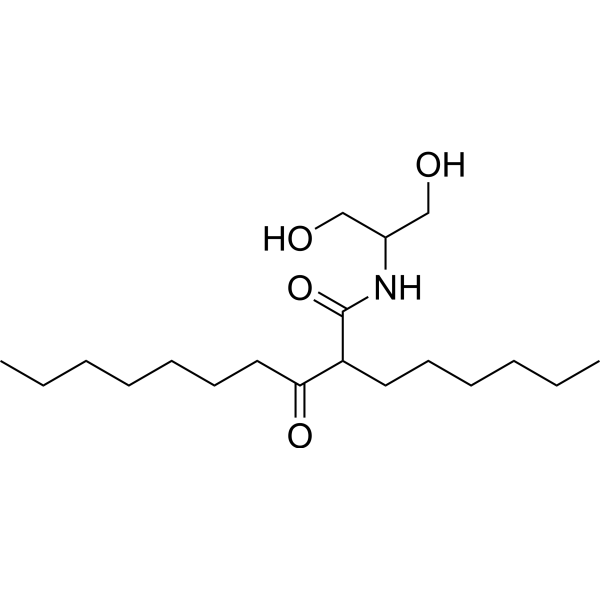
K6PC-5, a ceramide derivative, is a sphingosine kinase 1(SPHK1) activator and elicites a rapid transient increase in intracellular calcium levels. K6PC-5 has the potential for skin diseases involving abnormal keratinocyte, and neurodegeneration and virus infection research .
loading...
    loading...
3
3 Cited Publications
Cat. No.: HY-104015
CAS No.: 1383718-29-3
Purity:  98.16%
Target:  

Calcium Channel

Research Areas:  

Inflammation/Immunology Cancer

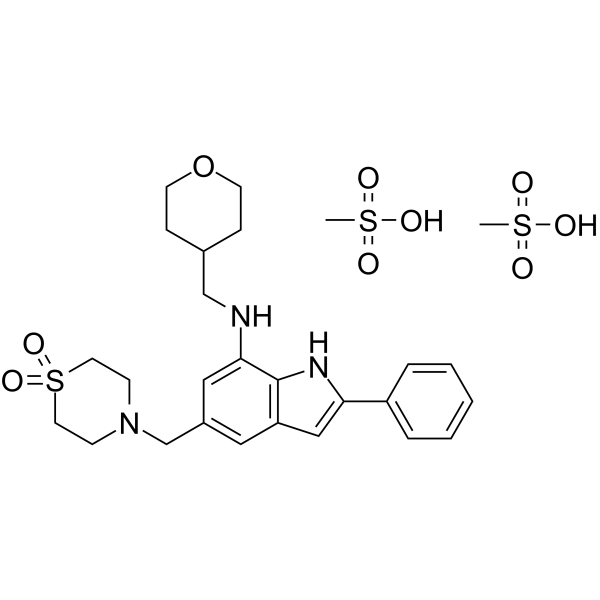
NecroX-5 is a derivative of the NecroX, reduces intracellular calcium concentration, and possesses anti-inflammatory and anti-cancer activity.
loading...
    loading...
3
3 Cited Publications
Cat. No.: HY-B1371
CAS No.: 749-02-0
Synonyms: Spiroperidol
Research Areas:  

Neurological Disease

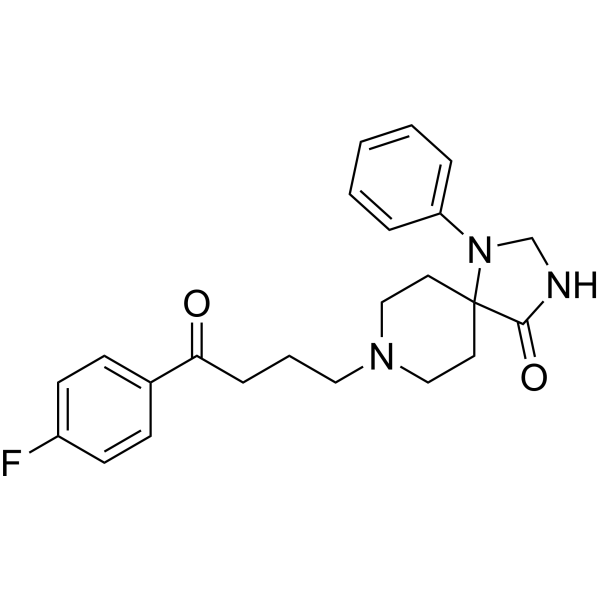
Spiperone (Spiroperidol) is a potent dopamine D2, serotonin 5-HT1A, and serotonin 5-HT2A antagonist. Spiperone is also a labelled ligand for neuroleptic receptors. Spiperone enhances intracellular calcium level and inhibits the Wnt signaling pathway. Spiperone has the potential for the research of neurology diseases .
loading...
    loading...

