Search Result
Results for "
iodine
" in MedChemExpress (MCE) Product Catalog:
11
Biochemical Assay Reagents
1
Isotope-Labeled Compounds
| Cat. No. |
Product Name |
Target |
Research Areas |
Chemical Structure |
-
- HY-B1620
-
|
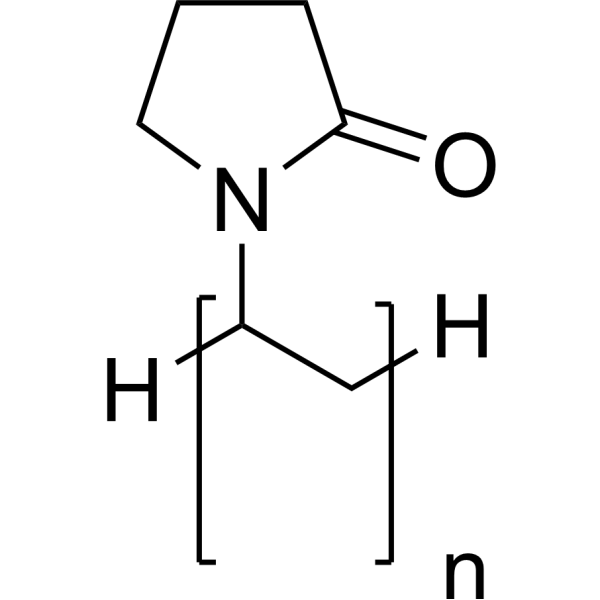
PVP K30; Polyvidone K30; Povidone K30
|
Environmental Pollutants
Biochemical Assay Reagents
|
Infection
|
|
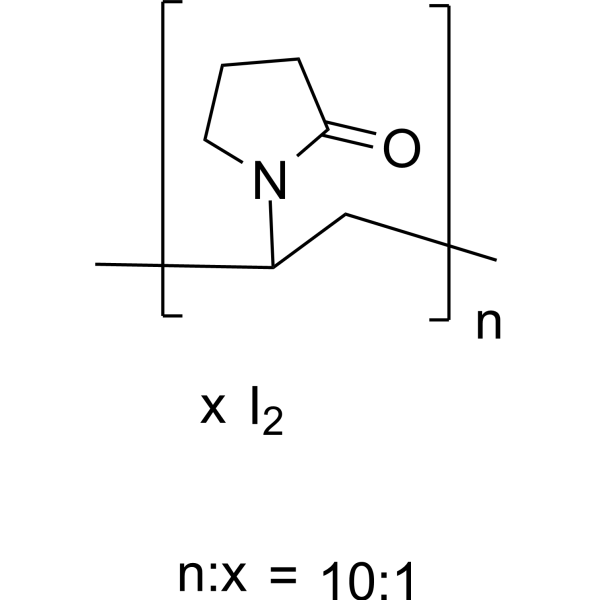
Polyvinylpyrrolidone K30 is a compound which has been widely tested and used in human and veterinary medicine as an effective wound healing accelerator and disinfectant when combined with iodine and other compounds.
|
-
-
- HY-107903
-
|
Thyroglobulin from bovine
|
Biochemical Assay Reagents
|
Cancer
|
|
Thyroglobulin is a 660 kDa, dimeric glycoprotein produced by the follicular cells of the thyroid and used entirely within the thyroid gland. Thyroglobulin acts as a substrate for the synthesis of the thyroid hormones thyroxine (T4) and triiodothyronine (T3), as well as the storage of the inactive forms of thyroid hormone and iodine within the follicular lumen of a thyroid follicle. Thyroglobulin activates Akt kinase activity in FRTL-5 thyroid cell .
|
-
-
- HY-142870
-
|
|
Pyruvate Carboxylase (PC)
Apoptosis
β-catenin
ERK
Wnt
|
Cancer
|
|
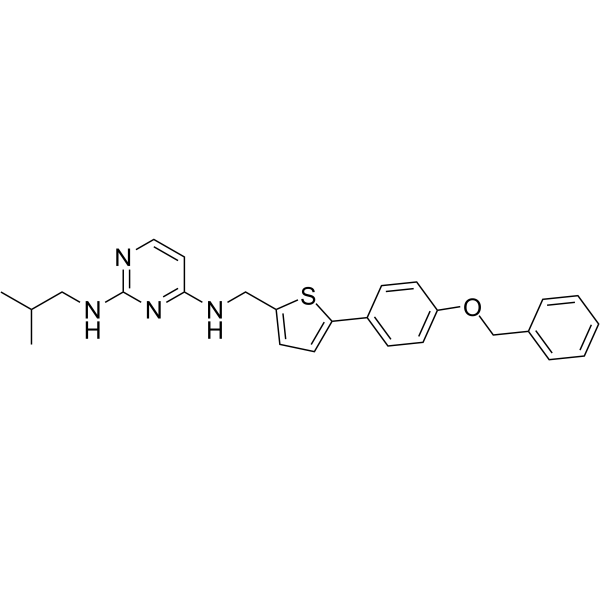
ZY-444 is an anti-cancer agent, targeting pyruvate carboxylase (PC). ZY-444 suppresses the Wnt/β-catenin/Snail signaling pathway by blocking nuclear translocation of β-catenin. ZY-444 selectively inhibits proliferation, migration, and invasion and induces apoptosis in cancer cells. ZY-444 exhibits potent anti-tumor in cancer mouse models. ZY-444 can be used for the study of breast cancer, lung cancer (NSCLC), prostate cancer and iodine-refractory thyroid cancer .
|
-
-
- HY-B1426
-
-
-
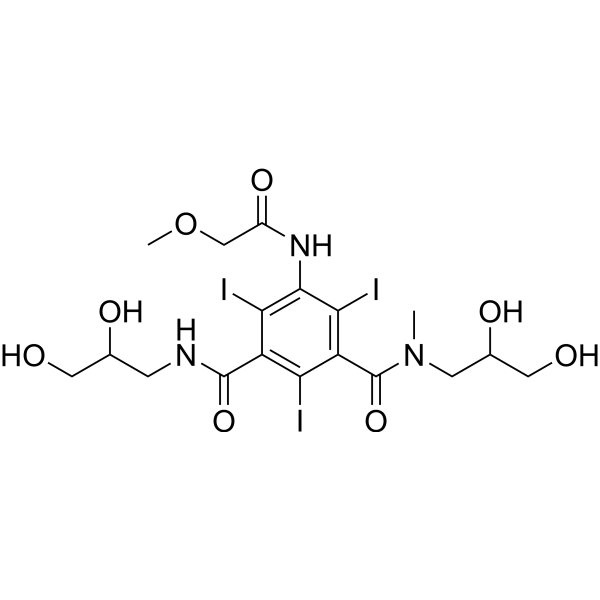
- HY-B1770
-
|
|
Environmental Pollutants
Biochemical Assay Reagents
|
Cardiovascular Disease
Endocrinology
|
|
Sodium Iodide is a compound composed of sodium ions and iodine ions. Sodium Iodide scavenges hydrogen peroxide. Sodium Iodide maintains the level of thyroid hormone T3 through its iodine component. Sodium Iodide protects tissues from oxidative damage and regulates thyroid homeostasis. Sodium Iodide relieves acute myocardial infarction .
|
-
-
- HY-B1620H
-
|
PVP K90; Polyvidone K90; Povidone K90
|
Environmental Pollutants
Biochemical Assay Reagents
|
Infection
|
|
Polyvinylpyrrolidone K90 can be used to prepare drug delivery systems, such as electrospun nanofibrous membranes. Polyvinylpyrrolidone K90 is widely used in human and veterinary medicine as an effective wound healing promoter and disinfectant when combined with iodine and other compounds. In addition, Polyvinylpyrrolidone K90 is also used to stabilize nanosuspensions, interact with the surface of drug crystals, and remain bound to the surface after drying .
|
-
-
- HY-B2234
-
|
iodopovidone
|
Environmental Pollutants
Bacterial
|
Infection
|
|
Povidone iodine (iodopovidone) displays excellent antibacterial activity which can against MRSA and MSSA strains with MICs of 31.25 mg/L and 7.82 mg/L, respectively.
|
-
-
- HY-D0826
-
|
Cyanine2 Succinimidyl Ester (iodine)
|
Fluorescent Dye
|
Others
|
|
Cy2-SE iodine is a CY dye. CY, short for Cyanine, is a compound consisting of two nitrogen atoms connected by an odd number of methyl units. Cyanine compounds have the characteristics of long wavelength, adjustable absorption and emission, high extinction coefficient, good water solubility and relatively simple synthesis . CY dyes are of en used for the labeling of proteins, antibodies and small molecular compounds. For the labeling of protein antibodies, the combination can be completed through a simple mixing reaction. Below, we introduce the labeling method of protein antibody labeling, which has certain reference significance .
|
-
-
- HY-108775A
-
|
Sodium hyposulfite (99%, water≤1.0%)
|
Environmental Pollutants
Biochemical Assay Reagents
COX
Interleukin Related
NF-κB
β-catenin
GSK-3
|
Cardiovascular Disease
Neurological Disease
Inflammation/Immunology
Endocrinology
Cancer
|
|
Sodium thiosulfate is an antioxidant. Sodium thiosulfate inhibits the expression of p-GSK-3β and β-catenin proteins, reduces IL-1β, COX-2, and Iba-1, and inhibits NFκB activation. Sodium thiosulfate promotes angiogenesis, inhibits inflammation, and improves acute lung injury. Sodium thiosulfate also exhibits anti-cancer activity against melanoma. Sodium thiosulfate also exerts renal protective effects. Sodium thiosulfate can be used in the research of osteoarthritis, brain inflammation, cancer (such as breast cancer, melanoma), and kidney disease .
|
-
-
- HY-W016153
-
|
|
Biochemical Assay Reagents
Bacterial
Fungal
|
Infection
|
|
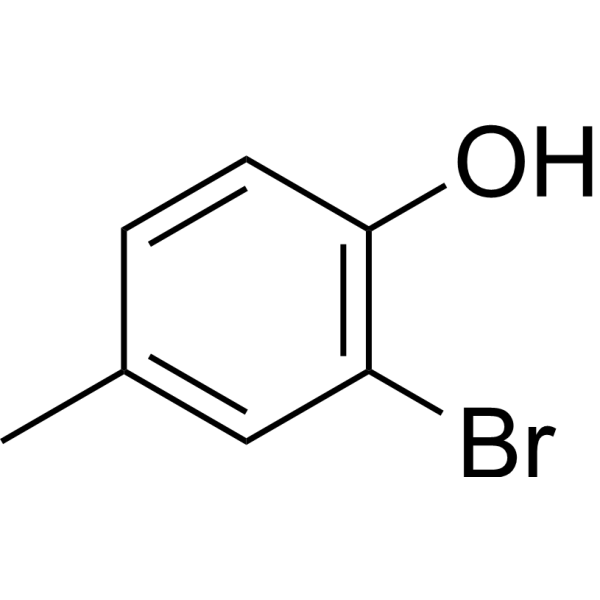
2-Bromo-4-methylphenol is a versatile compound. 2-Bromo-4-methylphenol produces an iodine-like odor in reverse osmosis water and red wine matrices. 2-Bromo-4-methylphenol exhibits antibacterial properties and effectively inhibits the growth of bacteria and fungal. 2-Bromo-4-methylphenol is an important intermediate for a variety of organic compounds .
|
-
-
- HY-B1362
-
-
-
- HY-W094695
-
|
|
Biochemical Assay Reagents
|
Others
|
|
Starch soluble is a biodegradable, highly biocompatible hydrophilic biopolymer nanocarrier. Starch soluble forms complexes with iodine, acts on multiple bacterial targets, and improves the storage stability of iodine. Starch soluble enhances the solubility and dissolution rate of Gefitinib (HY-50895). Starch soluble can be used as a nanocarrier for relevant studies .
|
-
-
- HY-W075603
-
|
2,6-Diiodo-Pyrromethene 546
|
Fluorescent Dye
|
Others
|
|
2,6-Diiodo-BODIPY 493/503 is an F-Bodipy fluorescent dye with diiodo substitution at the (pyrrole) 2,6 position. 2,6-Diiodo-BODIPY 493/503 has a pyrrole iodine substituent that turns it red .
|
-
-
- HY-40145
-
|
|
Drug Intermediate
|
Others
|
|
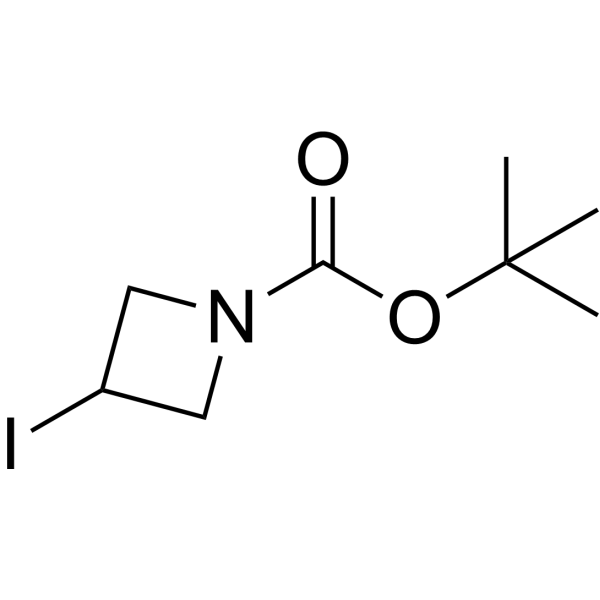
1-Boc-3-iodoazetidine acts as a bifunctional additive for lithium-oxygen (Li-O2) batteries and can be used to enhance the performance of Li-O2 batteries. 1-Boc-3-iodoazetidine is applied in the synthesis of C3-functionalized azetidines and C2-functionalized azetidines via a lithium/iodine exchange or β-elimination/lithiation reaction sequence .
|
-
-
- HY-W145520
-
|
|
Biochemical Assay Reagents
|
Others
|
|
Amylopectin is a branched glucan polymer and one of the two principal components of starch, found in botanical sources including corn, amaranth, and potato .
|
-
-
- HY-N10348
-
|
|
Others
Drug Derivative
|
Endocrinology
|
|
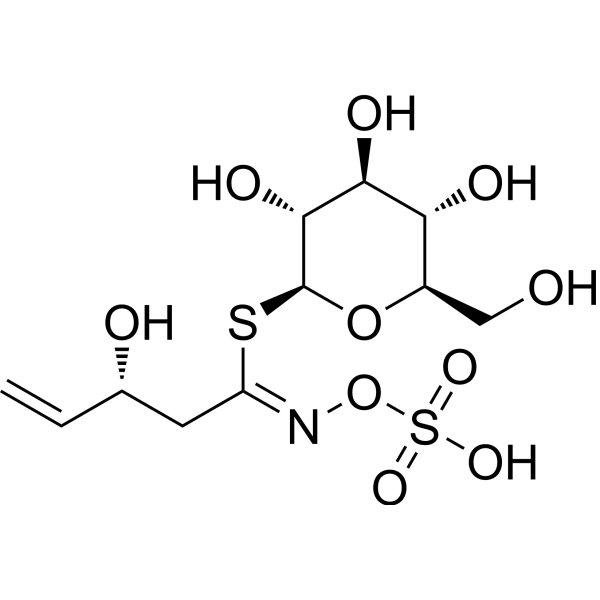
Progoitrin is a sulfur-containing glucosinolate, as well as a naturally occurring orally active thioglycoside. Progoitrin acts as a hepatotoxin and antithyroid agent. Progoitrin is quantitatively converted to goitrin in vivo, including via a gastrointestinal hydrolysis pathway that does not require exogenous myrosinase, thereby blocking the organification of iodine in the thyroid gland and inhibiting the uptake and accumulation of radioactive iodine. Progoitrin can be used in studies related to Graves' disease .
|
-
-
- HY-P99566
-
|
ST2146
|
Transmembrane Glycoprotein
|
Cancer
|
|
Tenatumomab (ST2146) is a murine monoclonal antibody against tenascin-C. And tenascin-C, the large extracellular glycoprotein, is overexpressed in cancer. Tenatumomab has been used for Pretargeted Antibody Guided Radioimmunoresearch (PAGRIT), and delivering radionuclides to tumors via PAGRIT and direct 131Iodine labeling approach .
|
-
-
- HY-D1054
-
|
Cyanine2 (iodine)
|
Fluorescent Dye
|
Others
|
|
Cy2 iodine is a CY dye. CY, short for Cyanine, is a compound consisting of two nitrogen atoms connected by an odd number of methyl units. Cyanine compounds have the characteristics of long wavelength, adjustable absorption and emission, high extinction coefficient, good water solubility and relatively simple synthesis . CY dyes are of en used for the labeling of proteins, antibodies and small molecular compounds. For the labeling of protein antibodies, the combination can be completed through a simple mixing reaction. Below, we introduce the labeling method of protein antibody labeling, which has certain reference significance .
|
-
-
- HY-B1796
-
|
|
Fungal
|
Infection
|
|
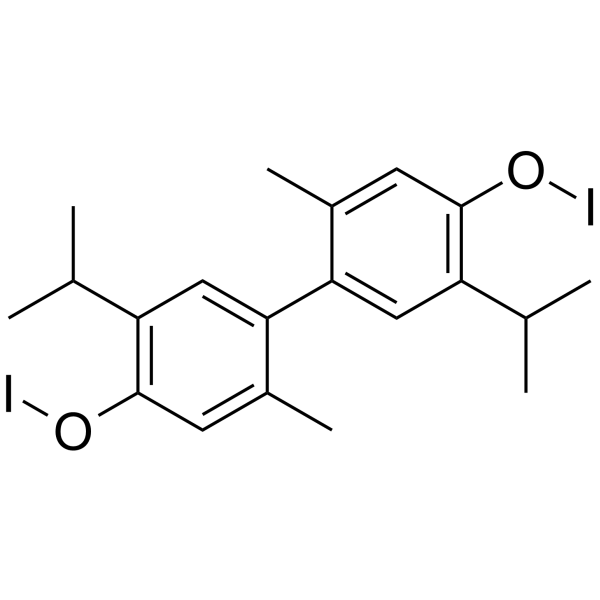
Thymol iodide is an iodine derivative of thymol, serving as a mild preservative and fungicide. Thymol iodide is commonly used as an iodine source in the intensive culture of rotifers. Thymol iodide effectively enables Brachionus "Cayman" rotifers to reach iodine levels similar to those of copepods, and maintains a high iodine content during storage. After 28 days of intrapleural injection of Thymol iodide, it does not enhance the efficacy of inducing pleurodesis in rabbits, nor does it improve the efficacy of talc slurry pleurodesis .
|
-
-
- HY-149132
-
|
DDA
|
LXR
|
Cancer
|
|
Dendrogenin A (DDA) is a ligand for liver X receptor (LXR), that induces the expression of sodium/iodine symporter, and increases iodine uptake. Dendrogenin A induces cell differentiation of MCF-7, and reactivates the function of lactating cells. Dendrogenin A induces the expressions of the TSH receptor, thyroid peroxidase, and thyroglobulin, and affects thyroid hormone generation. Dendrogenin A exhibits cytotoxicity in cancer cell B-CPAP and 8505c with IC50 of 4.1 and 6.2 µM. Dendrogenin A arrests the cell cycle at G0/G1 phase .
|
-
-
- HY-114918
-
|
|
TSH Receptor
|
Endocrinology
|
|
MS438 is a potent thyrotropin receptor (TSHR) agonist with an EC50 of 53 nM. MS438 binds to the serpentine portion of the TSHR. MS438 induces T4 secretion in mice .
|
-
-
- HY-114994
-
|
|
TSH Receptor
|
Endocrinology
|
|
MS437 is a potent TSH receptor (TSHR) stimulator with an EC50 value of 13x10 -8 M. MS437 shows potent activation of Gsα, Gαq and Gα12 and up-regulation of thyroglobulin (Tg), sodium iodine symporter (NIS) and TSHR gene expressions .
|
-
-
- HY-W025438
-
|
|
Nucleoside Antimetabolite/Analog
Drug Intermediate
|
Others
|
|
5’-O-(4,4’-Dimethoxytrityl)-2’-O-methyluridine is a 2'-O-methyluridine derivative bearing a 5'-O-(4,4'-dimethoxytrityl) protecting group.5’-O-(4,4’-Dimethoxytrityl)-2’-O-methyluridine serves as a starting material for synthesis of a conformationally rigid cyclic uridylic acid derivative .
|
-
-
- HY-W002668
-
-
-
- HY-N0224A
-
|
(S)-Goitrin; L-5-Vinyl-2-thiooxazolidone
|
Influenza Virus
|
Metabolic Disease
|
|
Goitrin ((S)-Goitrin), a product of glucosinolate-myrosinase reactions, is a potent inhibitor of thyroid peroxidase. Goitrin can inhibit iodine utilization by the thyroid. Goitrin also exhibits anti-influenza virus (H1N1) activity .
|
-
-
- HY-W053842
-
|
|
Biochemical Assay Reagents
|
Others
|
|
tert-Butyl 3-iodopropylcarbamate is a compound with a t-butyl and a terminal iodine. The iodine (I) is a very good leaving group for nucleophilic substitution reactions. The Boc group can be deprotected under mild acidic conditions to form the free amine.
|
-
-
- HY-117953
-
|
|
Prostaglandin Receptor
|
Endocrinology
|
|
RU 59063 is an N-substituted arylthiohydantoin compound with antiandrogenic activity and high relative binding affinity for the rat androgen receptor. RU 59063 is a nonsteroidal androgen receptor that functions as a radioactive AR radioprobe (Ki: 0.71 nM, rAR) when its trifluoromethyl group is replaced by a similar hydrophobic iodine atom .
|
-
-
- HY-W011079
-
|
|
Nucleoside Antimetabolite/Analog
|
Infection
Cancer
|
|
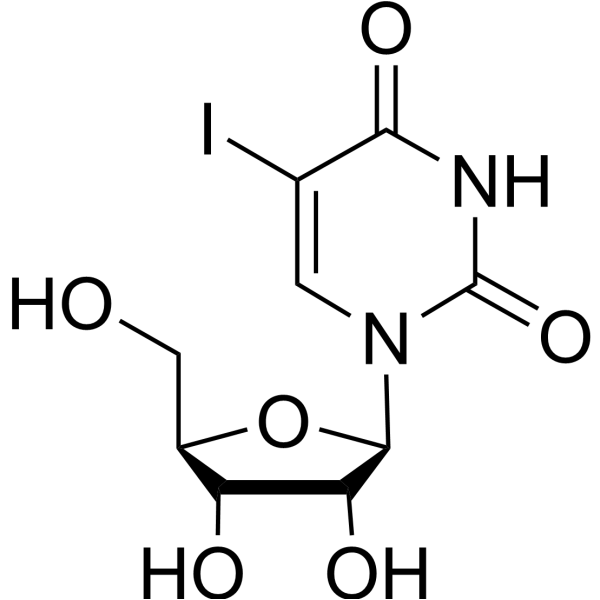
5-Iodouridine is an iodine-containing pyrimidine nucleoside analog. 5-Iodouridine inhibits dihydroorotase with a Ki value of 340 µM. 5-Iodouridine significantly enhances the cell-killing effect of gamma irradiation. 5-Iodouridine can be used in the research of HSV-1 infection and leukemia .
|
-
-
- HY-34619
-
|
|
Biochemical Assay Reagents
|
Others
|
|
[Hydroxy(tosyloxy)iodo]benzene is a versatile reagent for the mild oxidation of aryl iodides at the iodine atom by ligand transfer. [Hydroxy(tosyloxy)iodo]benzene is an effective reagent for the one-step conversion of ketones to the corresponding α-tosyloxy ketones. [Hydroxy(tosyloxy)iodo]benzene is also a Bronsted acid and is expected to catalyze the enolization of ketones .
|
-
-
- HY-130982
-
|
|
E3 Ligase Ligand-Linker Conjugates
|
Cancer
|
|
Lenalidomide-PEG3-iodine is a synthesized E3 ligase ligand-linker conjugate that incorporates the Lenalidomide based cereblon ligand and a 3-unit PEG linker. Lenalidomide-PEG3-iodine can be used in the synthesis of a series of PROTACs, such as SJF620 (HY-133137). SJF620 is a potent PROTAC BTK degrader with a DC50 of 7.9 nM .
|
-
-
- HY-W442078
-
|
|
PROTAC Linkers
|
Cancer
|
|
Iodine-C3-O-C3-PEG-Boc is a PROTAC linker that can be used in the synthesis of PROTACs, such as SJF-8240 (HY-123961) .
|
-
-
- HY-133846
-
|
|
Thyroid Hormone Receptor
|
Cancer
|
|
Iodothiouracil exhibits high selectivity for melanoma, remains stable in the melanin in melanoma cells, and localizes remote secondary metastases of melanoma. Iodothiouracil can be used for melanoma imaging when labeled with iodine-123, and can be used for radiation therapy when labeled with iodine-131 .
|
-
-
- HY-W460133
-
|
|
Biochemical Assay Reagents
|
Others
|
|
tert-Butyl (2-(2-(2-iodoethoxy)ethoxy)ethyl)carbamate is a PEG linker containing a Boc protected amine and an iodine group. The protected amine can be deprotected under mild acidic conditions. Iodine (I) is a very good leaving group for nucleophilic substitution reactions. The hydrophilic PEG spacer increases solubility in aqueous media.
|
-
-
- HY-W586331
-
|
|
Ligands for E3 Ligase
|
Cancer
|
|
Thalidomide-iodo is an iodinated E3 ligase activator. Thalidomide-iodo can be used for further derivitization by substitution of iodine.
|
-
-
- HY-B1362S
-
-
-
- HY-B1362R
-
-
-
- HY-W076313
-
|
|
Ligands for E3 Ligase
|
Cancer
|
|
2-(2,6-Dioxopiperidin-3-yl)-4-iodoisoindoline-1,3-dione is a derivative of Thalidomide with an iodine atom on the benzyl ring
|
-
-
- HY-131556
-
|
p-Iodoamphetamine hydrochloride
|
5-HT Receptor
|
Neurological Disease
|
|
4-Iodoamphetamine (p-Iodoamphetamine) hydrochloride is a halogenated amphetamine featuring an iodine atom at the para position of the phenyl group. 4-Iodoamphetamine hydrochloride selectively induces serotonin release and inhibits reuptake by rat brain synaptosomes.
|
-
-
- HY-B1292R
-
|
Adipiodone (Standard)
|
Reference Standards
|
Others
|
|
Iodipamide (Standard) is the analytical standard of Iodipamide. This product is intended for research and analytical applications. Iodipamide is an iodine-based contrast agent, mainly used for X-ray imaging, particularly for gallbladder and bile duct imaging [1] .
|
-
-
- HY-155446
-
|
|
Hapten
|
Inflammation/Immunology
Cancer
|
|
di-DTPA-LTL is a bivalent hapten based on tyrosine-containing polypeptide design. di-DTPA-LTL has good hydrophilia and biological distribution. di-DTPA-LTL is labeled with 111In (indium) and 131I (iodine). di-DTPA-LTL achieves tumor radioimmunoimaging in primary colorectal cancer patients with CEA by injecting a fixed low dose (5 mg) of bispecific antibody (anti-CEA x, anti-DTPA) and di-DTPA antigen peptide (labeled 111In) into the patients .
|
-
-
- HY-W441271
-
-
-
- HY-14998
-
|
MK 185
|
β-catenin
PPAR
Wnt
|
Endocrinology
|
|
Halofenate, structurally akin to clofibrate, was evaluated in hypertriglyceridemic patients over 6-week periods in a controlled, double-blind crossover trial. It effectively reduced serum triglycerides by 50%, with minimal impact on serum cholesterol levels. Additionally, it lowered serum uric acid by 30% and exhibited uricosuric effects independent of glomerular filtration rate. Halofenate was associated with a significant increase in plasma thyroxine (T4), accompanied by a decrease in protein-bound iodine and T4 by column. In vitro studies confirmed its ability to displace T4 from thyroid-binding proteins, suggesting a thyroxine-displacing effect, which could influence thyroid function in vivo .
|
-
-
- HY-169395
-
|
|
E3 Ligase Ligand-Linker Conjugates
|
Cancer
|
|
(S,R,S)-AHPC-CO-PEG-C2-iodine is an E3 ligase (VHL) ligand-linker conjugate, and can be used for synthesis of PROTACs, such as PROTAC FAK degrader 1 (HY-119932)
|
-
-
- HY-D3448
-
|
|
Fluorescent Dye
|
Others
|
|
8-Anthracene-BODIPY 505/515-di iodine (BDP-1) is an iodine-substituted BODIPY derivative and monomer for synthesis of conjugated porous polymer CPP-1. BODIPY dye is a small molecule dye with strong ultraviolet absorption ability, its fluorescence peak is relatively sharp, and the quantum yield is high (Ex/Em = 505/515 nm) .
|
-
-
- HY-W348170
-
|
|
Biochemical Assay Reagents
|
Others
|
|
tert-Butyl((5-iodopentyl)oxy)dimethylsilane is a silane compound with a terminal iodine group. The trimethylsilane is commonly used for surface modifications. The iodine (I) is a very good leaving group for nucleophilic substitution reactions.
|
-
-
- HY-W248726
-
|
|
Biochemical Assay Reagents
|
Others
|
|
tert-Butyl (6-iodohexyl)carbamate is a six carbon linker containing an iodine group and a t-butyl ester. The iodine (I) acts as a good leaving group for nucleophilic substitution reactions. The t-butyl ester groups can be deprotected under acidic conditions.
|
-
-
- HY-W092078
-
|
|
Biochemical Assay Reagents
|
Others
|
|
tert-Butyl (4-iodobutyl)carbamate is a four carbon linker containing a Boc-protected amino group and an iodine group. The Boc group can be deprotected under mild acidic conditions to form the free amine. Iodine (I) is a very good leaving group for nucleophilic substitution reactions.
|
-
-
- HY-W587533
-
|
|
Drug Intermediate
|
Others
|
|
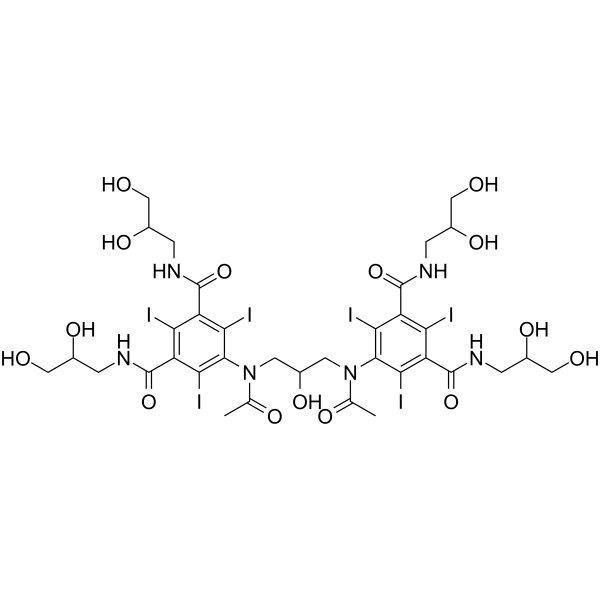
Cyclic iodixanol is a impurity of Iodixanol (HY-B1426). Iodixanol is an iodine-containing non-ionic radiocontrast agent.
|
-
-
- HY-B1292B
-
|
Adipiodone meglumine
|
Biochemical Assay Reagents
|
Others
|
|
Iodipamide (Adipiodone) meglumine is an iodine-based contrast agent, mainly used for X-ray imaging, particularly for gallbladder and bile duct imaging.
|
-
-
- HY-W041657
-
|
5-Iodopyridine-2-carboxylic acid
|
Drug Intermediate
|
Others
|
|
5-Iodopicolinic acid (5-Iodopyridine-2-carboxylic acid) is an organic iodine compound. As an intermediate, 5-Iodopicolinic acid can be used in the synthesis of other active compounds .
|
-
- HY-W251756
-
|
|
Biochemical Assay Reagents
|
Others
|
|
3-(2-Iodoethoxy)prop-1-yne is a crosslinker that can be used in copper catalyzed azide-alkyne Click Chemistry to form a stable triazole linkage with azides. The iodine (I) acts as a good leaving group for nucleophilic substitution reactions.
|
-
- HY-W403732
-
|
|
Biochemical Assay Reagents
|
Others
|
|
8-Iodooct-7-yn-1-ol comprises an iodo-propargyl group attached to a 6-carbon tail with a terminal hydroxyl group. The iodine (I) acts as a good leaving group for nucleophilic substitution reactions. The hydroxyl group enables further derivatization or replacement with other reactive functional groups.
|
-
- HY-W400574
-
|
6-Iodo-1-Hexanol
|
Biochemical Assay Reagents
|
Others
|
|
6-Iodohexan-1-ol (6-Iodo-1-Hexanol) comprises an Iodo group attached to a 6-carbon tail with a terminal hydroxyl group. The hydroxyl group enables further derivatization or replacement with other reactive functional groups. The iodine (I) acts as a good leaving group for nucleophilic substitution reactions.
|
-
- HY-177011
-
|
|
Estrogen Receptor/ERR
|
Cancer
|
|
ERRγ-IN-1 is a ERRγ inhibitor with an IC50 of 0.040 μM. ERRγ-IN-1 activates MAPK (p44/p42) and inhibits the activity of ERRγ. ERRγ-IN-1 significantly increases iodine uptake in anaplastic thyroid carcinoma xenografts and suppresses tumor growth in nude mice. ERRγ-IN-1 is applicable for the research of anaplastic thyroid carcinoma .
|
-
| Cat. No. |
Product Name |
Type |
-
- HY-D0826
-
|
Cyanine2 Succinimidyl Ester (iodine)
|
Fluorescent Dyes
|
|
Cy2-SE iodine is a CY dye. CY, short for Cyanine, is a compound consisting of two nitrogen atoms connected by an odd number of methyl units. Cyanine compounds have the characteristics of long wavelength, adjustable absorption and emission, high extinction coefficient, good water solubility and relatively simple synthesis . CY dyes are of en used for the labeling of proteins, antibodies and small molecular compounds. For the labeling of protein antibodies, the combination can be completed through a simple mixing reaction. Below, we introduce the labeling method of protein antibody labeling, which has certain reference significance .
|
-
- HY-W075603
-
|
2,6-Diiodo-Pyrromethene 546
|
Fluorescent Dyes
|
|
2,6-Diiodo-BODIPY 493/503 is an F-Bodipy fluorescent dye with diiodo substitution at the (pyrrole) 2,6 position. 2,6-Diiodo-BODIPY 493/503 has a pyrrole iodine substituent that turns it red .
|
-
- HY-D1054
-
|
Cyanine2 (iodine)
|
Fluorescent Dyes
|
|
Cy2 iodine is a CY dye. CY, short for Cyanine, is a compound consisting of two nitrogen atoms connected by an odd number of methyl units. Cyanine compounds have the characteristics of long wavelength, adjustable absorption and emission, high extinction coefficient, good water solubility and relatively simple synthesis . CY dyes are of en used for the labeling of proteins, antibodies and small molecular compounds. For the labeling of protein antibodies, the combination can be completed through a simple mixing reaction. Below, we introduce the labeling method of protein antibody labeling, which has certain reference significance .
|
-
- HY-D3448
-
|
|
Fluorescent Dyes
|
|
8-Anthracene-BODIPY 505/515-di iodine (BDP-1) is an iodine-substituted BODIPY derivative and monomer for synthesis of conjugated porous polymer CPP-1. BODIPY dye is a small molecule dye with strong ultraviolet absorption ability, its fluorescence peak is relatively sharp, and the quantum yield is high (Ex/Em = 505/515 nm) .
|
| Cat. No. |
Product Name |
Type |
-
- HY-B1620
-
|
PVP K30; Polyvidone K30; Povidone K30
|
Biochemical Assay Reagents
|
|
Polyvinylpyrrolidone K30 is a compound which has been widely tested and used in human and veterinary medicine as an effective wound healing accelerator and disinfectant when combined with iodine and other compounds.
|
-
- HY-107903
-
|
Thyroglobulin from bovine
|
Biochemical Assay Reagents
|
|
Thyroglobulin is a 660 kDa, dimeric glycoprotein produced by the follicular cells of the thyroid and used entirely within the thyroid gland. Thyroglobulin acts as a substrate for the synthesis of the thyroid hormones thyroxine (T4) and triiodothyronine (T3), as well as the storage of the inactive forms of thyroid hormone and iodine within the follicular lumen of a thyroid follicle. Thyroglobulin activates Akt kinase activity in FRTL-5 thyroid cell .
|
-
- HY-B1770
-
|
|
Biochemical Assay Reagents
|
|
Sodium Iodide is a compound composed of sodium ions and iodine ions. Sodium Iodide scavenges hydrogen peroxide. Sodium Iodide maintains the level of thyroid hormone T3 through its iodine component. Sodium Iodide protects tissues from oxidative damage and regulates thyroid homeostasis. Sodium Iodide relieves acute myocardial infarction .
|
-
- HY-B1620H
-
|
PVP K90; Polyvidone K90; Povidone K90
|
Biochemical Assay Reagents
|
|
Polyvinylpyrrolidone K90 can be used to prepare drug delivery systems, such as electrospun nanofibrous membranes. Polyvinylpyrrolidone K90 is widely used in human and veterinary medicine as an effective wound healing promoter and disinfectant when combined with iodine and other compounds. In addition, Polyvinylpyrrolidone K90 is also used to stabilize nanosuspensions, interact with the surface of drug crystals, and remain bound to the surface after drying .
|
-
- HY-108775A
-
|
Sodium hyposulfite (99%, water≤1.0%)
|
Biochemical Assay Reagents
|
|
Sodium thiosulfate is an antioxidant. Sodium thiosulfate inhibits the expression of p-GSK-3β and β-catenin proteins, reduces IL-1β, COX-2, and Iba-1, and inhibits NFκB activation. Sodium thiosulfate promotes angiogenesis, inhibits inflammation, and improves acute lung injury. Sodium thiosulfate also exhibits anti-cancer activity against melanoma. Sodium thiosulfate also exerts renal protective effects. Sodium thiosulfate can be used in the research of osteoarthritis, brain inflammation, cancer (such as breast cancer, melanoma), and kidney disease .
|
-
- HY-W016153
-
|
|
Biochemical Assay Reagents
|
|
2-Bromo-4-methylphenol is a versatile compound. 2-Bromo-4-methylphenol produces an iodine-like odor in reverse osmosis water and red wine matrices. 2-Bromo-4-methylphenol exhibits antibacterial properties and effectively inhibits the growth of bacteria and fungal. 2-Bromo-4-methylphenol is an important intermediate for a variety of organic compounds .
|
-
- HY-W094695
-
|
|
Biochemical Assay Reagents
|
|
Starch soluble is a biodegradable, highly biocompatible hydrophilic biopolymer nanocarrier. Starch soluble forms complexes with iodine, acts on multiple bacterial targets, and improves the storage stability of iodine. Starch soluble enhances the solubility and dissolution rate of Gefitinib (HY-50895). Starch soluble can be used as a nanocarrier for relevant studies .
|
-
- HY-40145
-
|
|
Biochemical Assay Reagents
|
|
1-Boc-3-iodoazetidine acts as a bifunctional additive for lithium-oxygen (Li-O2) batteries and can be used to enhance the performance of Li-O2 batteries. 1-Boc-3-iodoazetidine is applied in the synthesis of C3-functionalized azetidines and C2-functionalized azetidines via a lithium/iodine exchange or β-elimination/lithiation reaction sequence .
|
-
- HY-W145520
-
|
|
Biochemical Assay Reagents
|
|
Amylopectin is a branched glucan polymer and one of the two principal components of starch, found in botanical sources including corn, amaranth, and potato .
|
-
- HY-W002668
-
|
|
Biochemical Assay Reagents
|
|
5-Bromo-2-iodopyridine is a pyridine derivative containing bromine and iodine, which can be used in the synthesis of other active compounds, such as Lonafarnib .
|
-
- HY-34619
-
|
|
Biochemical Assay Reagents
|
|
[Hydroxy(tosyloxy)iodo]benzene is a versatile reagent for the mild oxidation of aryl iodides at the iodine atom by ligand transfer. [Hydroxy(tosyloxy)iodo]benzene is an effective reagent for the one-step conversion of ketones to the corresponding α-tosyloxy ketones. [Hydroxy(tosyloxy)iodo]benzene is also a Bronsted acid and is expected to catalyze the enolization of ketones .
|
| Cat. No. |
Product Name |
Target |
Research Area |
Image |
-
- HY-P99566
-
|
ST2146
|
Transmembrane Glycoprotein
|
Cancer
|
|
Tenatumomab (ST2146) is a murine monoclonal antibody against tenascin-C. And tenascin-C, the large extracellular glycoprotein, is overexpressed in cancer. Tenatumomab has been used for Pretargeted Antibody Guided Radioimmunoresearch (PAGRIT), and delivering radionuclides to tumors via PAGRIT and direct 131Iodine labeling approach .
|
-
(5)
| Cat. No. |
Product Name |
Category |
Target |
Chemical Structure |
| Cat. No. |
Product Name |
Chemical Structure |
-
- HY-B1362S
-
|
|
|
Iopromide-d3 is the deuterium labeled Iopromide. Iopromide is a non-ionic, monomeric, iodine-based contrast medium for intravascular administration.
|
-
| Cat. No. |
Product Name |
|
Classification |
-
- HY-B1620
-
|
PVP K30; Polyvidone K30; Povidone K30
|
|
Disintegrants
Suspending Agents
|
|
Polyvinylpyrrolidone K30 is a compound which has been widely tested and used in human and veterinary medicine as an effective wound healing accelerator and disinfectant when combined with iodine and other compounds.
|
-
- HY-W025438
-
|
|
|
Nucleoside Analogs
Uridine
|
|
5’-O-(4,4’-Dimethoxytrityl)-2’-O-methyluridine is a 2'-O-methyluridine derivative bearing a 5'-O-(4,4'-dimethoxytrityl) protecting group.5’-O-(4,4’-Dimethoxytrityl)-2’-O-methyluridine serves as a starting material for synthesis of a conformationally rigid cyclic uridylic acid derivative .
|
-
- HY-W011079
-
|
|
|
Nucleoside Analogs
Uridine
|
|
5-Iodouridine is an iodine-containing pyrimidine nucleoside analog. 5-Iodouridine inhibits dihydroorotase with a Ki value of 340 µM. 5-Iodouridine significantly enhances the cell-killing effect of gamma irradiation. 5-Iodouridine can be used in the research of HSV-1 infection and leukemia .
|
Your information is safe with us. * Required Fields.
Inquiry Information
- Product Name:
- Cat. No.:
- Quantity:
- MCE Japan Authorized Agent: