Search Result
Results for "
ischemic heart disease
" in MedChemExpress (MCE) Product Catalog:
1
Biochemical Assay Reagents
2
Isotope-Labeled Compounds
| Cat. No. |
상품명 |
Target |
연구분야 |
Chemical Structure |
-
- HY-B0203A
-
|
R 065824 hydrochloride
|
Adrenergic Receptor
|
Cardiovascular Disease
Endocrinology
Cancer
|
|
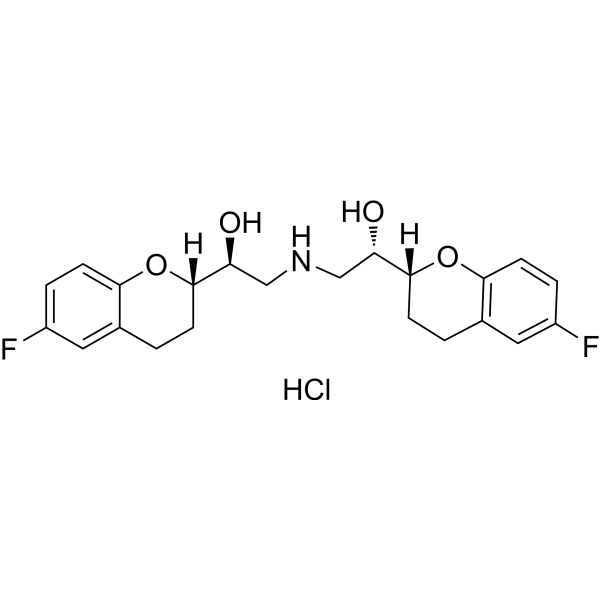
Nebivolol (R 065824) hydrochloride is an orally active beta receptor blocker and has the high beta(1)-receptor affinity.Nebivolol hydrochloride has direct vasodilator properties and adrenergic blocking characteristics. Nebivolol hydrochloride can be used for the research of kinds of diseases such as hypertension, coronary artery disease, congestive heart failure and ischemic heart disease .
|
-
-
- HY-B0203
-
|
R 065824
|
Adrenergic Receptor
|
Cardiovascular Disease
Endocrinology
Cancer
|
|
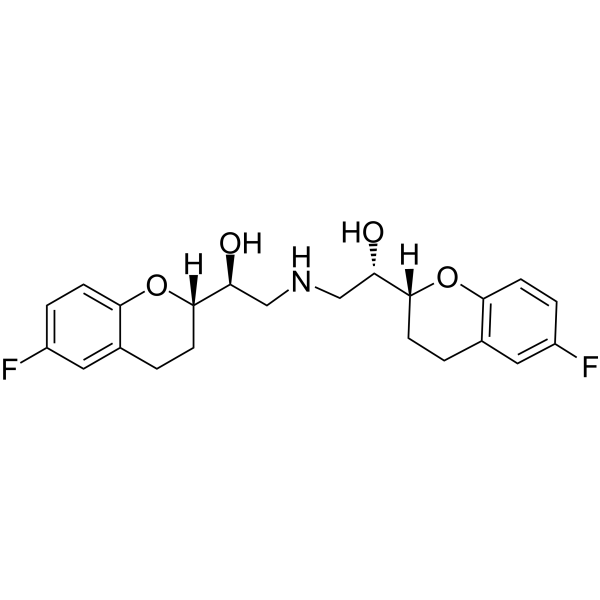
Nebivolol (R 065824) is an orally active beta receptor blocker and has the high beta(1)-receptor affinity. Nebivolol has direct vasodilator properties and adrenergic blocking characteristics. Nebivolol can be used for the research of kinds of diseases such as hypertension, coronary artery disease, congestive heart failure and ischemic heart disease .
|
-
-
- HY-W017540
-
|
|
ATP Synthase
|
Cardiovascular Disease
Neurological Disease
Metabolic Disease
Cancer
|
|
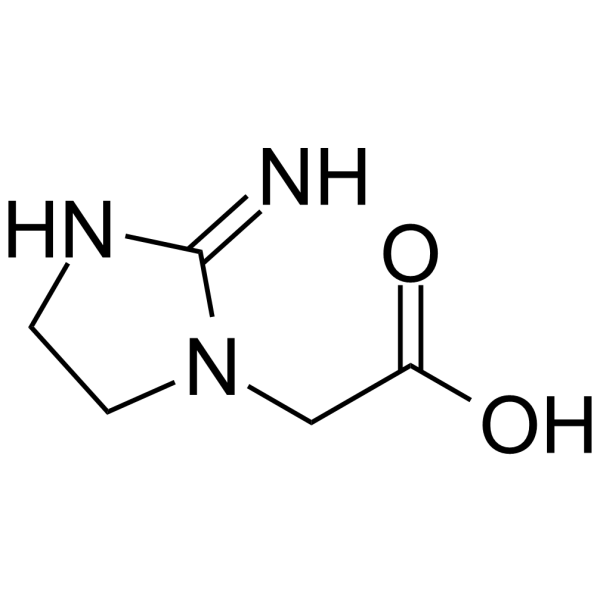
Cyclocreatine, a creatine analogue, acts as a brain-penetrant and potent bioenergetic protective agent by providing high levels of ATP. Cyclocreatine can be phosphorylated and dephosphorylated by creatine kinases. Cyclocreatine suppresses creatine metabolism ameliorating the cognitive, autistic and epileptic phenotype in a mouse model of creatine transporter defciency. Cyclocreatine protects against ischemic injury and enhances cardiac recovery during early reperfusion in dogs and rats. Cyclocreatine decreases plaque-adjacent neuronal dystrophy in TREM2-deficient mice with amyloid-β pathology. Cyclocreatine is proming for research of ischemic heart disease, cardiovascular diseases, Alzheimer’s disease and other neurodegenerative diseases associated with microglial dysfunction, prostate cancer .
|
-
-
- HY-113110
-
|
L-Cysteinylglycine; Cys-Gly; H-Cys-Gly-OH
|
Endogenous Metabolite
Reactive Oxygen Species (ROS)
DNA/RNA Synthesis
|
Cardiovascular Disease
Cancer
|
|
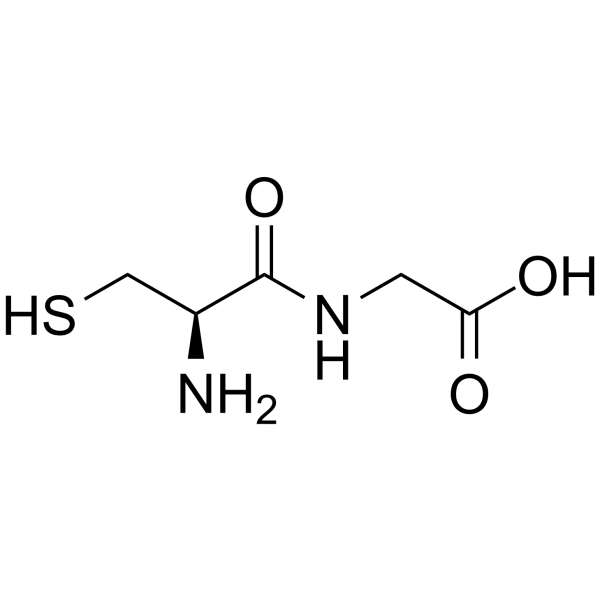
Cysteinylglycine (L-Cysteinylglycine; Cys-Gly) is a dipeptide formed by the peptide bond linkage between cysteine (Cysteine) and glycine (Glycine). Cysteinylglycine is an important metabolic intermediate in the human body, mainly derived from the degradation of glutathione (GSH). Cysteinylglycine reduces ferric iron to ferrous iron, drives the redox cycle of iron, generates reactive oxygen species (ROS), stimulates oxidative reactions, induces lipid peroxidation of human plasma LDL lipoproteins, and causes oxidative damage to DNA bases. Cysteinylglycine can be used as a biomarker to evaluate ischemic heart disease, breast cancer and other conditions .
|
-
-
- HY-101327A
-
|
Corwin hemifumarate; ICI 118587 hemifumarate
|
Adrenergic Receptor
|
Cardiovascular Disease
Neurological Disease
Metabolic Disease
|
|
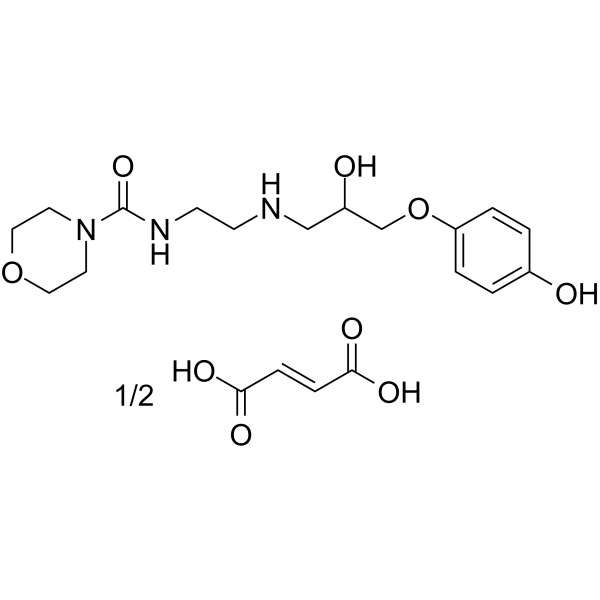
Xamoterol (Corwin; ICI 118587) hemifumarate is an orally active and selective β1-adrenoceptor partial agonist. Xamoterol hemifumarate acts as agonist at low sympathetic tone, antagonist at high sympathetic tone, with context-dependent cardiovascular effects including modulated heart rate, blood pressure, and cardiac output. Xamoterol hemifumarate can be used for the research of heart failure, postural hypotension, and ischemic heart disease .
|
-
-
- HY-168894
-
|
|
Ferroptosis
JAK
STAT
p38 MAPK
AMPK
GSK-3
Apoptosis
HSP
TNF Receptor
|
Cardiovascular Disease
Neurological Disease
Metabolic Disease
Cancer
|
|
CT-1 is a secreted protein belonging to the IL-6 cytokine family. Overexpression of CT-1 enhances cell proliferation, migration and angiogenesis via the ADMA/DDAH pathway. CT-1 inhibits the growth of triple-negative breast cancer cells by simultaneously inducing Ferroptosis in N2-type tumor-associated neutrophils and cancer cells. CT-1 activates the Jak/STAT-3, p42/p44 MAPK and AMPK pathways, and inhibits GSK-3β activity through phosphorylation to induce cardiomyocyte hypertrophy. CT-1 enhances the viability of cardiomyocytes and neurons, reduces cell Apoptosis, induces the expression of heat shock proteins (HSP) and BNP, and inhibits TNF levels. CT-1 exerts anti-tumor activity in mouse models of triple-negative breast cancer. CT-1 improves cognitive impairment in mice. CT-1 is applicable to the research of ischemic heart disease, triple-negative breast cancer, myocardial hypertrophy, Parkinson's disease, hypertensive heart disease, myocardial infarction, acute Chagas cardiomyopathy, high-fat diet-induced cognitive impairment and diabetes-related cognitive impairment .
|
-
-
- HY-N2000
-
|
|
STAT
PI3K
mTOR
Akt
|
Neurological Disease
Inflammation/Immunology
Cancer
|
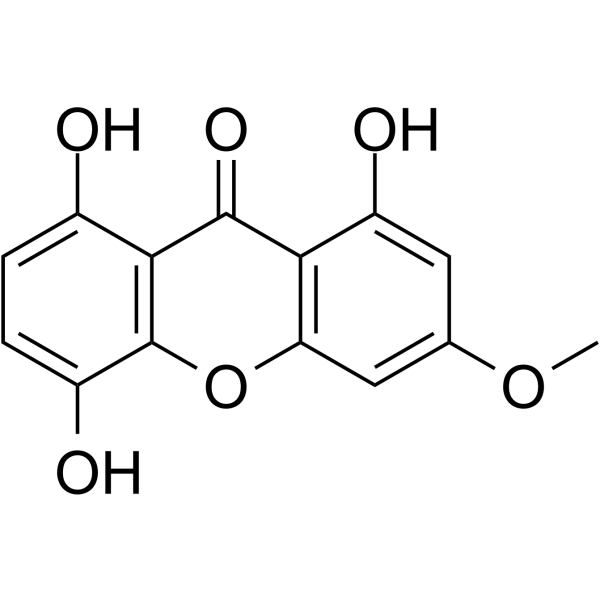
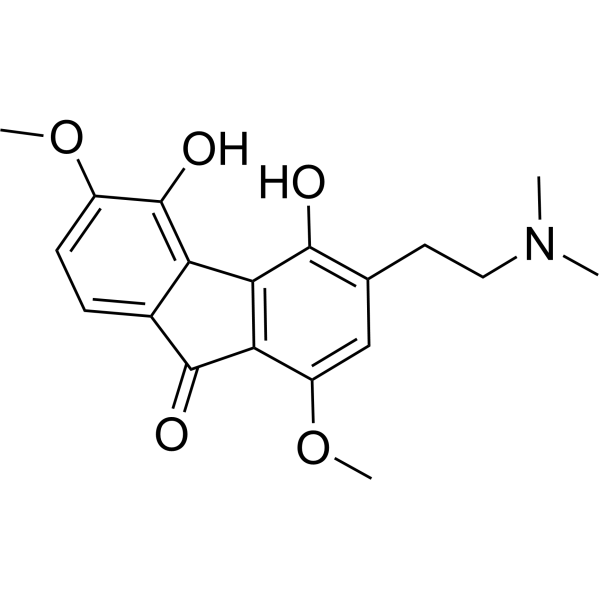
Bellidifolin is an orally active compound with antiproliferative, anti-inflammatory and antioxidant properties. Bellidifolin modulates key signaling pathways including STAT3, PI3K-Akt, mTOR and BRD4, and inhibits the viral protein R (Vpr). Bellidifolin induces cell cycle arrest and apoptosis, exerts significant antifibrotic effects, and protects the heart, liver and nervous system. Bellidifolin is applicable to the research of various diseases such as lung cancer, non-alcoholic fatty liver disease, myocardial hypertrophy and ischemic cranial nerve injury .
|
-
-
- HY-13101
-
|
|
Opioid Receptor
Autophagy
|
Cardiovascular Disease
Neurological Disease
|
|
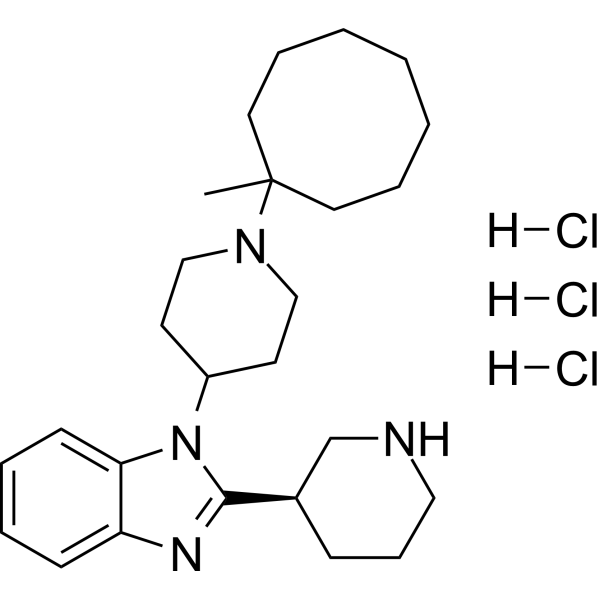
MCOPPB trihydrochloride is a NOP/ORL1 G protein-coupled receptor agonist and autophagy inhibitor that can cross the blood-brain barrier. MCOPPB trihydrochloride clears senescent cells, regulates locomotion, lipid storage and immune responses, and inhibits fibrosis and angiogenesis. MCOPPB trihydrochloride blocks autophagic flux, induces changes in locomotion and lipid storage, and activates the stress-responsive immune transcription network, thereby improving post-infarction cardiac function and exerting anxiolytic effects. MCOPPB trihydrochloride can be applied to research fields such as aging-related diseases and ischemic heart failure .
|
-
-
- HY-W329357
-
|
|
Endogenous Metabolite
|
Cardiovascular Disease
|
|
15:0 Lyso PC is a lysophosphatidylcholine (Lyso PC), a product of phospholipase A2 (PLA2) hydrolysis of phosphatidylcholine (PC) and is involved in cell membrane remodeling and inflammatory signaling. 15:0 Lyso PC demonstrates significant lipid metabolism disturbances in the serum with ischemic heart disease (IHD) and ischemic cardiomyopathy (ICM). 15:0 Lyso PC can be used as a lipid biomarker for cardiovascular disease .
|
-
-
- HY-N16650
-
|
|
Lactate Dehydrogenase
|
Cardiovascular Disease
|
|
Bisadinrone A is a sesquiterpene found in Curcuma longa. Bisadinrone A can inhibit LDH release and shows significant anti-myocardial ischemia-reperfusion injury activity. Bisadinrone A can be used for the research of cardiovascular disease, such as ischemic heart disease .
|
-
-
- HY-N8598
-
|
|
Others
|
Cardiovascular Disease
|
|
Caulophine is a fluoroketone alkaloid isolated from Caulophyllum robustum MAXIM. Caulophine has antioxidant activity and the ability to protect cardiomyocytes from oxidative and ischemic damage, providing potential value for coronary heart disease research .
|
-
-
- HY-113110A
-
|
L-Cysteinylglycine TFA; Cys-Gly TFA; H-Cys-Gly-OH TFA
|
Endogenous Metabolite
Reactive Oxygen Species (ROS)
DNA/RNA Synthesis
|
Cardiovascular Disease
Cancer
|
|
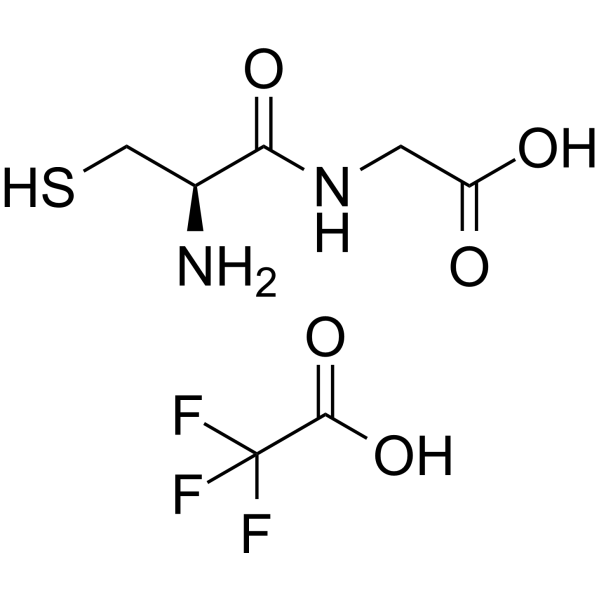
Cysteinylglycine (L-Cysteinylglycine; Cys-Gly) TFA is a dipeptide formed by the peptide bond connection of cysteine and glycine. Cysteinylglycine TFA is an important metabolic intermediate in the human body, mainly derived from the degradation of glutathione (GSH). Cysteinylglycine TFA can reduce trivalent iron to divalent iron, driving the redox cycle of iron, generating reactive oxygen species (ROS), stimulating oxidative reactions, inducing lipid peroxidation in human plasma LDL lipoproteins, and causing oxidative damage to DNA base. Cysteinylglycine TFA can be used as a biomarker to assess ischemic heart disease and breast cancer, etc [1][2][3][4].
|
-
-
- HY-W017540R
-
|
|
Reference Standards
ATP Synthase
|
Cardiovascular Disease
Neurological Disease
Metabolic Disease
Cancer
|
|
Cyclocreatine, a creatine analogue, acts as a brain-penetrant and potent bioenergetic protective agent by providing high levels of ATP. Cyclocreatine can be phosphorylated and dephosphorylated by creatine kinases. Cyclocreatine suppresses creatine metabolism ameliorating the cognitive, autistic and epileptic phenotype in a mouse model of creatine transporter defciency. Cyclocreatine protects against ischemic injury and enhances cardiac recovery during early reperfusion in dogs and rats. Cyclocreatine decreases plaque-adjacent neuronal dystrophy in TREM2-deficient mice with amyloid-β pathology. Cyclocreatine is proming for research of ischemic heart disease, cardiovascular diseases, Alzheimer’s disease and other neurodegenerative diseases associated with microglial dysfunction, prostate cancer .
|
-
-
- HY-101327
-
|
Corwin; ICI 118587
|
Adrenergic Receptor
|
Cardiovascular Disease
Neurological Disease
Metabolic Disease
|
|
Xamoterol (Corwin; ICI 118587) is an orally active and selective β1-adrenoceptor partial agonist. Xamoterol acts as agonist at low sympathetic tone, antagonist at high sympathetic tone, with context-dependent cardiovascular effects including modulated heart rate, blood pressure, and cardiac output. Xamoterol can be used for the research of heart failure, postural hypotension, and ischemic heart disease .
|
-
-
- HY-113110R
-
|
L-Cysteinylglycine (Standard); Cys-Gly (Standard); H-Cys-Gly-OH (Standard)
|
Reference Standards
Endogenous Metabolite
Reactive Oxygen Species (ROS)
DNA/RNA Synthesis
|
Cardiovascular Disease
Cancer
|
|
Cysteinylglycine (Standard) is the analytical standard of Cysteinylglycine. This product is intended for research and analytical applications. Cysteinylglycine is a dipeptide formed by the peptide bond linkage between cysteine (Cysteine) and glycine (Glycine). Cysteinylglycine is an important metabolic intermediate in the human body, mainly derived from the degradation of glutathione (GSH). Cysteinylglycine reduces ferric iron to ferrous iron, drives the redox cycle of iron, generates reactive oxygen species (ROS), stimulates oxidative reactions, induces lipid peroxidation of human plasma LDL lipoproteins, and causes oxidative damage to DNA bases. Cysteinylglycine can be used as a biomarker to evaluate ischemic heart disease, breast cancer and other conditions .
|
-
-
- HY-176333
-
|
|
Adrenergic Receptor
|
Cardiovascular Disease
Endocrinology
|
|
Nebivolol O-β-D-glucuronide is a derivative of Nebivolol (HY-B0203). Nebivolol is an orally active beta receptor blocker and has the high beta(1)-receptor affinity. Nebivolol has direct vasodilator properties and adrenergic blocking characteristics. Nebivolol can be used for the research of kinds of diseases such as hypertension, coronary artery disease, congestive heart failure and ischemic heart disease .
|
-
-
- HY-123721
-
|
AWD-19-166; GS 015
|
Endogenous Metabolite
|
Cardiovascular Disease
|
|
Tiracizine hydrochloride (AWD-19-166) is a Class I antiarrhythmic drug with activity that reduces myocardial contractile function. Tiracizine hydrochloride was studied in patients with ischemic heart disease, showing its effects on the myocardium. Tiracizine hydrochloride reduces myocardial contractility and may have potential use in the management of heart disease .
|
-
-
- HY-B0203AR
-
|
R 065824 hydrochloride (Standard)
|
Reference Standards
Adrenergic Receptor
|
Cardiovascular Disease
Endocrinology
|
|
Nebivolol (hydrochloride) (Standard) is the analytical standard of Nebivolol (hydrochloride). This product is intended for research and analytical applications. Nebivolol (R 065824) hydrochloride is an orally active beta receptor blocker and has the high beta(1)-receptor affinity.Nebivolol hydrochloride has direct vasodilator properties and adrenergic blocking characteristics. Nebivolol hydrochloride can be used for the research of kinds of diseases such as hypertension, coronary artery disease, congestive heart failure and ischemic heart disease .
|
-
-
- HY-161703
-
|
|
Adenosine Deaminase
|
Cardiovascular Disease
|
|
2-Hydroxy-3′-O-methyladenosine is a synthetic intermediate product that can be used in the research of ischemic heart disease, cerebrovascular disease, kidney disease, inflammatory allergies and other diseases. 2-phenylamino-N6,2'-O-dimethyladenosine produced from 2-Hydroxy-3′-O-methyladenosine is an inhibitor of adenosine deaminase with a Ki of 13 nM .
|
-
-
- HY-146925S
-
|
|
Isotope-Labeled Compounds
Endogenous Metabolite
|
Cardiovascular Disease
|
|
15:0 Lyso PC-d5 is deuterium labeled 15:0 Lyso PC (HY-W329357). 15:0 Lyso PC is a lysophosphatidylcholine (Lyso PC), a product of phospholipase A2 (PLA2) hydrolysis of phosphatidylcholine (PC) and is involved in cell membrane remodeling and inflammatory signaling. 15:0 Lyso PC demonstrates significant lipid metabolism disturbances in the serum of patients with ischemic heart disease (IHD) and ischemic cardiomyopathy (ICM). 15:0 Lyso PC can be used as a lipid biomarker for cardiovascular disease.
|
-
-
- HY-164854
-
|
|
Biochemical Assay Reagents
|
Others
|
|
(R)-DOTAGA2 (Compound 7) is a metal chelate ligand. (R)-DOTAGA2 can be used to evaluate blood volume changes in the heart and brain .
|
-
-
- HY-W017540S
-
|
|
Isotope-Labeled Compounds
ATP Synthase
|
Cardiovascular Disease
Neurological Disease
Metabolic Disease
Cancer
|
|
Cyclocreatine- 13C3 is the 13C-labeled Cyclocreatine (HY-W017540). Cyclocreatine, a creatine analogue, acts as a brain-penetrant and potent bioenergetic protective agent by providing high levels of ATP. Cyclocreatine can be phosphorylated and dephosphorylated by creatine kinases. Cyclocreatine suppresses creatine metabolism ameliorating the cognitive, autistic and epileptic phenotype in a mouse model of creatine transporter defciency. Cyclocreatine protects against ischemic injury and enhances cardiac recovery during early reperfusion in dogs and rats. Cyclocreatine decreases plaque-adjacent neuronal dystrophy in TREM2-deficient mice with amyloid-β pathology. Cyclocreatine is proming for research of ischemic heart disease, cardiovascular diseases, Alzheimer’s disease and other neurodegenerative diseases associated with microglial dysfunction, prostate cancer .
|
-
-
- HY-116295
-
|
|
P2Y Receptor
p38 MAPK
Calcium Channel
|
Cardiovascular Disease
|
|
MRS2690 is a selective P2Y14 receptor agonist. MRS2690 inhibits adenylyl cyclase activity, thereby reducing intracellular cAMP levels and mediating concentration-dependent vasoconstriction of porcine coronary arteries. MRS2690 induces intracellular calcium mobilization, activates P38 and stimulates [ 35S]GTPγS binding to RBL-2H3 cell membranes. MRS2690 enhances antigen (NP-BSA)-, C3a-induced β-hexosaminidase (β-Hex) release. MRS2690can be used for ischemic heart disease .
|
-
-
- HY-116295A
-
|
|
P2Y Receptor
p38 MAPK
Calcium Channel
|
Cardiovascular Disease
|
|
MRS2690 disodium is a selective P2Y14 receptor agonist. MRS2690 disodium inhibits adenylyl cyclase activity, thereby reducing intracellular cAMP levels and mediating concentration-dependent vasoconstriction of porcine coronary arteries. MRS2690 disodium induces intracellular calcium mobilization, activates P38 and stimulates [ 35S]GTPγS binding to RBL-2H3 cell membranes. MRS2690 enhances antigen (NP-BSA)-, C3a-induced β-hexosaminidase (β-Hex) release. MRS2690 disodium can be used for ischemic heart disease .
|
-
-
- HY-101327AR
-
|
Corwin hemifumarate (Standard); ICI 118587 hemifumarate (Standard)
|
Adrenergic Receptor
Reference Standards
|
Cardiovascular Disease
Neurological Disease
Metabolic Disease
|
|
Xamoterol hemifumarate (Standard) is the analytical standard of Xamoterol hemifumarate (HY-101327A). This product is intended for research and analytical applications. Xamoterol (Corwin; ICI 118587) hemifumarate is an orally active and selective β1-adrenoceptor partial agonist. Xamoterol hemifumarate acts as agonist at low sympathetic tone, antagonist at high sympathetic tone, with context-dependent cardiovascular effects including modulated heart rate, blood pressure, and cardiac output. Xamoterol hemifumarate can be used for the research of heart failure, postural hypotension, and ischemic heart disease .
|
-
-
- HY-123059A
-
|
(2S,3S)-ICI-118551 hydrochloride
|
Adrenergic Receptor
|
Cardiovascular Disease
|
|
(2S,3S)-Zenidolol ((2S,3S)-ICI-118551) hydrochloride is a β2-adrenergic receptor (β2AR) antagonist with pKi values for β1AR and β2AR of 7.51 and 9.27 respectively. (2S,3S)-Zenidolol hydrochloride can be used in the research of heart failure, ischemic heart disease and hypertension .
|
-
-
- HY-W329357
-
|
|
Biochemical Assay Reagents
|
|
15:0 Lyso PC is a lysophosphatidylcholine (Lyso PC), a product of phospholipase A2 (PLA2) hydrolysis of phosphatidylcholine (PC) and is involved in cell membrane remodeling and inflammatory signaling. 15:0 Lyso PC demonstrates significant lipid metabolism disturbances in the serum with ischemic heart disease (IHD) and ischemic cardiomyopathy (ICM). 15:0 Lyso PC can be used as a lipid biomarker for cardiovascular disease .
|
| Cat. No. |
상품명 |
Target |
Research Area |
-
- HY-113110
-
|
L-Cysteinylglycine; Cys-Gly; H-Cys-Gly-OH
|
Endogenous Metabolite
Reactive Oxygen Species (ROS)
DNA/RNA Synthesis
|
Cardiovascular Disease
Cancer
|
|
Cysteinylglycine (L-Cysteinylglycine; Cys-Gly) is a dipeptide formed by the peptide bond linkage between cysteine (Cysteine) and glycine (Glycine). Cysteinylglycine is an important metabolic intermediate in the human body, mainly derived from the degradation of glutathione (GSH). Cysteinylglycine reduces ferric iron to ferrous iron, drives the redox cycle of iron, generates reactive oxygen species (ROS), stimulates oxidative reactions, induces lipid peroxidation of human plasma LDL lipoproteins, and causes oxidative damage to DNA bases. Cysteinylglycine can be used as a biomarker to evaluate ischemic heart disease, breast cancer and other conditions .
|
-
- HY-113110A
-
|
L-Cysteinylglycine TFA; Cys-Gly TFA; H-Cys-Gly-OH TFA
|
Endogenous Metabolite
Reactive Oxygen Species (ROS)
DNA/RNA Synthesis
|
Cardiovascular Disease
Cancer
|
|
Cysteinylglycine (L-Cysteinylglycine; Cys-Gly) TFA is a dipeptide formed by the peptide bond connection of cysteine and glycine. Cysteinylglycine TFA is an important metabolic intermediate in the human body, mainly derived from the degradation of glutathione (GSH). Cysteinylglycine TFA can reduce trivalent iron to divalent iron, driving the redox cycle of iron, generating reactive oxygen species (ROS), stimulating oxidative reactions, inducing lipid peroxidation in human plasma LDL lipoproteins, and causing oxidative damage to DNA base. Cysteinylglycine TFA can be used as a biomarker to assess ischemic heart disease and breast cancer, etc [1][2][3][4].
|
| Cat. No. |
상품명 |
Category |
Target |
Chemical Structure |
| Cat. No. |
상품명 |
Chemical Structure |
-
- HY-146925S
-
|
|
|
15:0 Lyso PC-d5 is deuterium labeled 15:0 Lyso PC (HY-W329357). 15:0 Lyso PC is a lysophosphatidylcholine (Lyso PC), a product of phospholipase A2 (PLA2) hydrolysis of phosphatidylcholine (PC) and is involved in cell membrane remodeling and inflammatory signaling. 15:0 Lyso PC demonstrates significant lipid metabolism disturbances in the serum of patients with ischemic heart disease (IHD) and ischemic cardiomyopathy (ICM). 15:0 Lyso PC can be used as a lipid biomarker for cardiovascular disease.
|
-
-
- HY-W017540S
-
|
|
|
Cyclocreatine- 13C3 is the 13C-labeled Cyclocreatine (HY-W017540). Cyclocreatine, a creatine analogue, acts as a brain-penetrant and potent bioenergetic protective agent by providing high levels of ATP. Cyclocreatine can be phosphorylated and dephosphorylated by creatine kinases. Cyclocreatine suppresses creatine metabolism ameliorating the cognitive, autistic and epileptic phenotype in a mouse model of creatine transporter defciency. Cyclocreatine protects against ischemic injury and enhances cardiac recovery during early reperfusion in dogs and rats. Cyclocreatine decreases plaque-adjacent neuronal dystrophy in TREM2-deficient mice with amyloid-β pathology. Cyclocreatine is proming for research of ischemic heart disease, cardiovascular diseases, Alzheimer’s disease and other neurodegenerative diseases associated with microglial dysfunction, prostate cancer .
|
-
| Cat. No. |
상품명 |
|
Classification |
-
- HY-161703
-
|
|
|
Nucleoside Analogs
Adenosine
|
|
2-Hydroxy-3′-O-methyladenosine is a synthetic intermediate product that can be used in the research of ischemic heart disease, cerebrovascular disease, kidney disease, inflammatory allergies and other diseases. 2-phenylamino-N6,2'-O-dimethyladenosine produced from 2-Hydroxy-3′-O-methyladenosine is an inhibitor of adenosine deaminase with a Ki of 13 nM .
|
Your information is safe with us. * Required Fields.
Inquiry Information
- 상품명:
- Cat. No.:
- 수량:
- MCE Japan Authorized Agent:

