


65 Results for "

lipoprotein lipids

" in MedChemExpress (MCE) Product Catalog:
Products (65)

65 Results for "lipoprotein lipids" in MCE Product Catalog:

13
13 Publications Verification
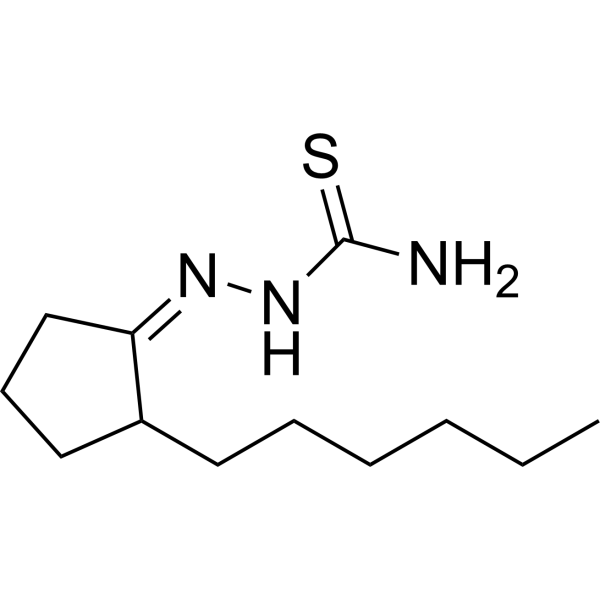
Cat. No.: HY-116767
CAS No.: 321673-30-7
Purity:  99.93%
Synonyms: Block lipid transport-1
Target:  

HCV

BLT-1, a thiosemicarbazone copper chelator, is a selective scavenger receptor B, type 1 (SR-BI) inhibitor. BLT-1 inhibits the transfer of lipids between high-density lipoproteins (HDL) and cells mediated by SR-BI. BLT-1 is a potent HCV entry inhibitor .
loading...
    loading...
7
7 Cited Publications
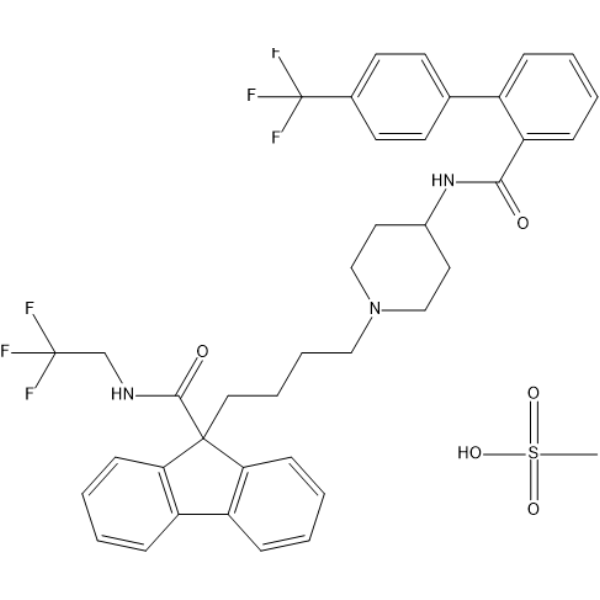
Cat. No.: HY-14668
CAS No.: 202914-84-9
Purity:  99.57%
Synonyms: AEGR-733 mesylate; BMS-201038 mesylate
Lomitapide (AEGR-733; BMS-201038) mesylate is an orally active microsomal triglyceride transfer protein (MTP) inhibitor and a selective mTORC1 inhibitor with lipid-lowering activity and BBB permeability. Lomitapide mesylate significantly reduces plasma LDL levels by blocking the assembly and secretion of very-low-density lipoprotein (VLDL). Lomitapide mesylate inhibits mTORC1 in an ATP-dependent manner, thereby inducing AMPK-independent autophagic cell death and suppressing cancer cell growth and apoptosis. Lomitapide mesylate also enhances tumor infiltration of CD8 + T cells. In addition, Lomitapide mesylate inhibits HDAC, improves endothelial function, effectively alleviates vascular inflammation and oxidative stress, and exerts neuroprotective effects in a cerebral ischemia/reperfusion injury model. Lomitapide mesylate can be used in research on related diseases such as colorectal cancer, breast cancer, melanoma, ischemic stroke, and familial hypercholesterolemia .
loading...
    loading...
4
4 Cited Publications
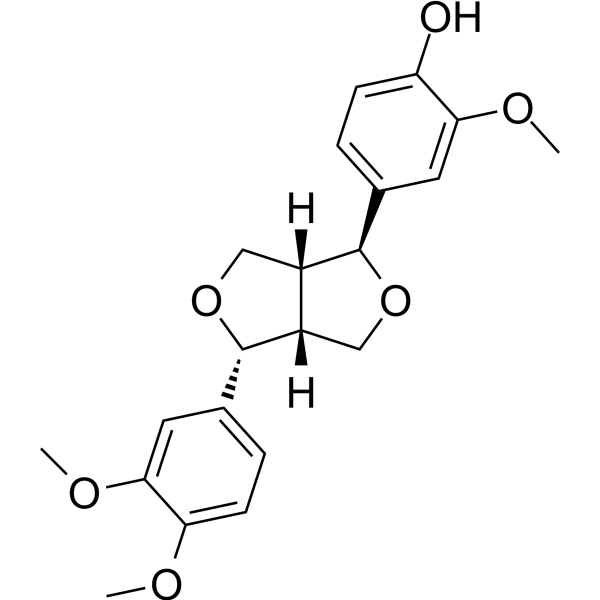
Cat. No.: HY-N0483
CAS No.: 487-39-8
Synonyms: Phillygenol; Epipinoresinol methyl ether; (+)-Phillygenin
Phillygenin (Phillygenol) is an active ingredient from Forsythia with many medicinal properties, such as antioxidant, reducing blood lipid, inhibition of low density lipoprotein oxidation.
loading...
    loading...
2
2 Cited Publications
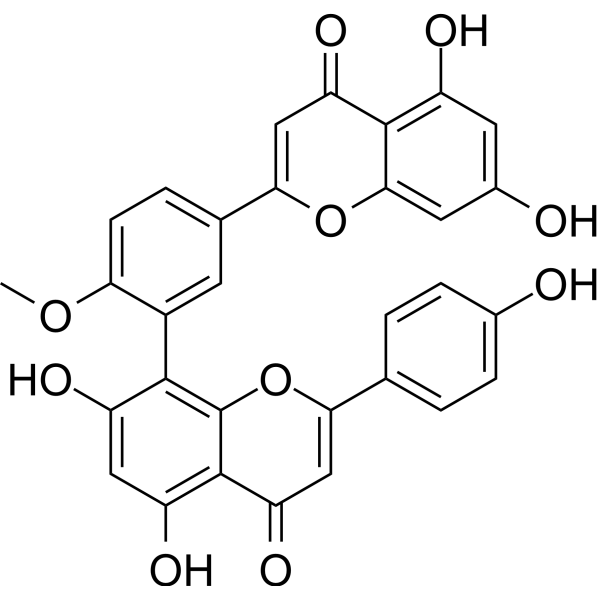
Cat. No.: HY-N2118
CAS No.: 521-32-4
Bilobetin, an active component of Ginkgo biloba, can reduce blood lipids and improve the effects of insulin. Bilobetin ameliorated insulin resistance, increased the hepatic uptake and oxidation of lipids, reduced very-low-density lipoprotein triglyceride secretion and blood triglyceride levels, enhanced the expression and activity of enzymes involved in β-oxidation and attenuated the accumulation of triglycerides and their metabolites in tissues. Bilobetin also increased the phosphorylation, nuclear translocation and activity of PPARα accompanied by elevated cAMP level and PKA activity .
loading...
    loading...
2
2 Cited Publications
Cat. No.: HY-P99646
CAS No.: 2418540-63-1
Synonyms: MEDI6570

Target:  

LOX-1

Gocdacimab (MEDI6570) is a fully human IgG1 monoclonal antibody inhibitor targeting the lectin-like oxidized low-density lipoprotein receptor LOX-1. By binding to LOX-1 and blocking its function, gocdacimab effectively reduces the level of free soluble LOX-1, thereby inhibiting key pathological processes such as lipid accumulation, foam cell formation, and vascular wall inflammation. Gocdacimab can interfere with atherosclerosis-related mechanisms, and it is used for research on atherosclerosis, and type 2 diabetes mellitus .
loading...
    loading...
2
2 Cited Publications
Cat. No.: HY-109523
CAS No.: 143201-11-0
Purity:  99.84%
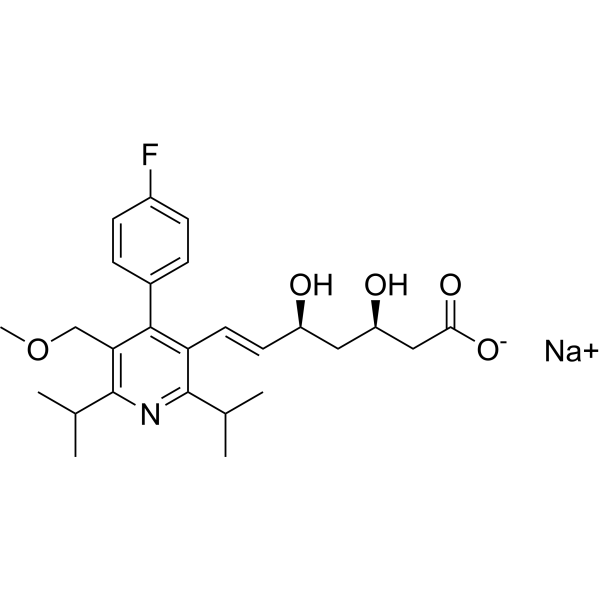
Cerivastatin sodium is a synthetic lipid-lowering agent and a highly potent, well-tolerated and orally active HMG-CoA reductase inhibitor, with a Ki of 1.3 nM/L. Cerivastatin sodium reduces low-density lipoprotein cholesterol levels. Cerivastatin sodium also inhibits proliferation and invasiveness of MDA-MB-231 cells, mainly by RhoA inhibition, and has anti-cancer effect .
loading...
    loading...
1
1 Cited Publications
Cat. No.: HY-N6738
CAS No.: 88899-56-3
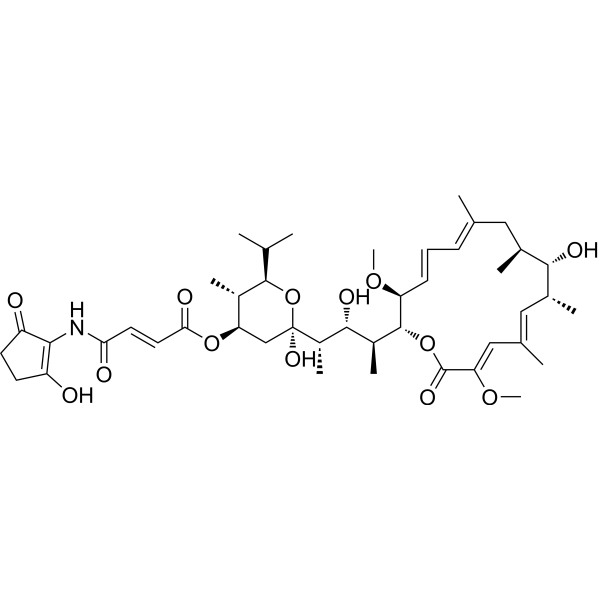
Bafilomycin B1 is a macrolide antibiotic that can be isolated from mycelium of Streptomyces gresuis. Bafilomycin B1 is neuroprotective against Chloroquine (HY-17589A)-induced death. Bafilomycin B1 is a structural analog of Bafilomycin A1 and has the ability to inhibit V-ATPase. Bafilomycin B1 inhibits significantly the oxidized low density lipoprotein (LDL)-induced accumulation of lipid droplets .
loading...
    loading...
Cat. No.: HY-113110
CAS No.: 19246-18-5
Purity:  99.96%
Synonyms: L-Cysteinylglycine; Cys-Gly; H-Cys-Gly-OH
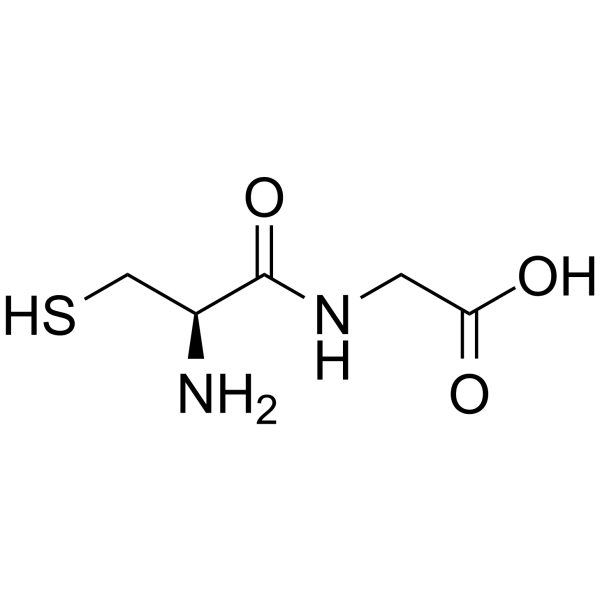
Cysteinylglycine (L-Cysteinylglycine; Cys-Gly) is a dipeptide formed by the peptide bond linkage between cysteine (Cysteine) and glycine (Glycine). Cysteinylglycine is an important metabolic intermediate in the human body, mainly derived from the degradation of glutathione (GSH). Cysteinylglycine reduces ferric iron to ferrous iron, drives the redox cycle of iron, generates reactive oxygen species (ROS), stimulates oxidative reactions, induces lipid peroxidation of human plasma LDL lipoproteins, and causes oxidative damage to DNA bases. Cysteinylglycine can be used as a biomarker to evaluate ischemic heart disease, breast cancer and other conditions .
loading...
    loading...
Cat. No.: HY-N0594
CAS No.: 14259-55-3
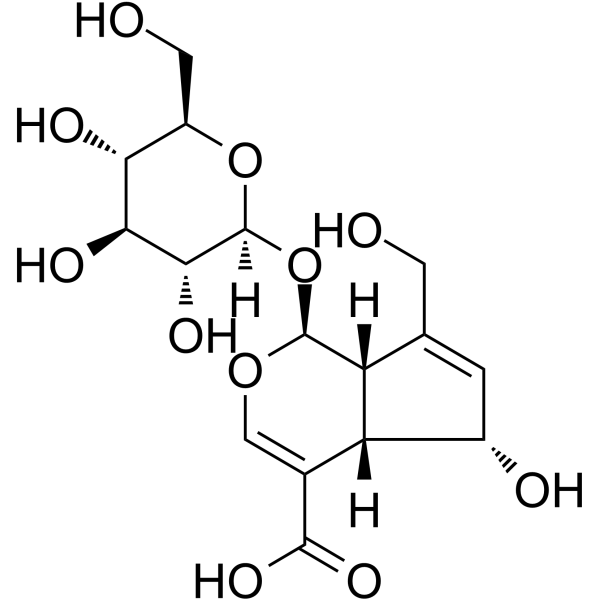
Deacetylasperulosidic Acid is an orally active antioxidant. Deacetylasperulosidic Acid exerts a definite in vivo antioxidant effect and alleviates oxidative stress injury by enhancing SOD activity. In atopic dermatitis models, Deacetylasperulosidic Acid corrects Th2-skewed immune imbalance and reduces allergy-related factors; in immunosuppression models, it activates cellular immunity, enhances NK cell activity and IL-2 production. Deacetylasperulosidic Acid can be used in the research of atopic dermatitis .
loading...
    loading...
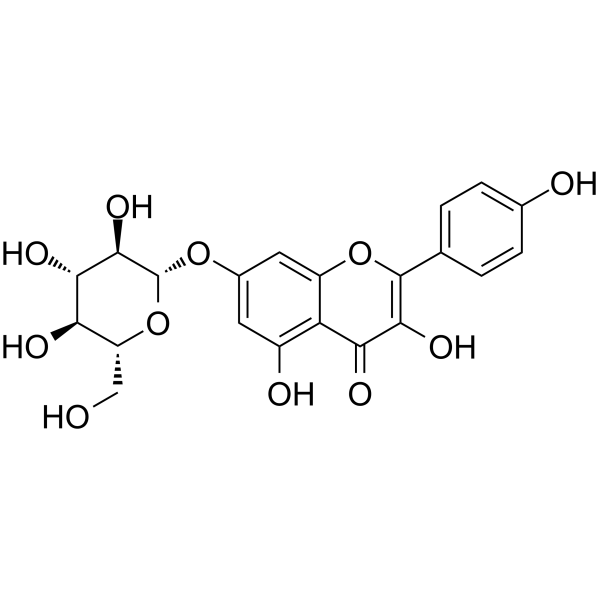
Cat. No.: HY-N0627
CAS No.: 16290-07-6
Kaempferol-7-O-β-D-glucopyranoside is a flavonoid glycoside. Kaempferol-7-O-β-D-glucopyranoside exists in the root bark of Cudrania tricuspidata. Kaempferol-7-O-β-D-glucopyranoside inhibits Cu 2+-induced lipid peroxidation of low-density lipoprotein. Kaempferol-7-O-β-D-glucopyranoside possesses antioxidant activity and scavenges DPPH free radicals .
loading...
    loading...
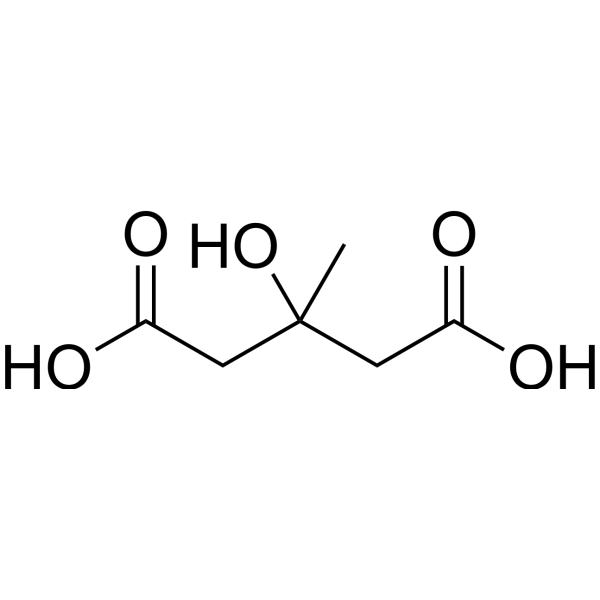
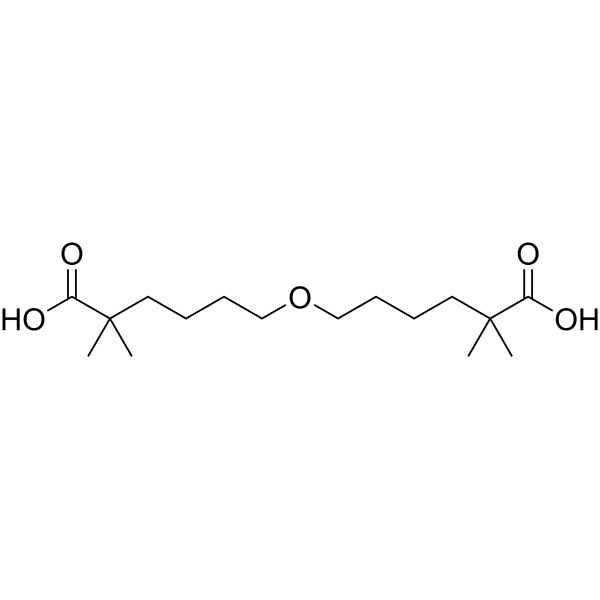
Cat. No.: HY-B1189
CAS No.: 503-49-1
Synonyms: Dicrotalic acid; 3-Hydroxy-3-methylglutaric acid
Meglutol is a lipid-lowering agent. Meglutol can reduces cholesterol, triglycerides, serum β-lipoprotein, and phospholipids, and inhibits the activity of HMG-CoA reductase (a rate-limiting enzyme in cholesterol biosynthesis). Meglutol can induce significant lipid oxidative damage in brain tissue. It is promising for research in the field of cardiovascular diseases and metabolic diseases .
loading...
    loading...
Cat. No.: HY-P99505
CAS No.: 2226654-05-1
Synonyms: COR-001; MEDI-5117; MEDI-5117; NN-6018; WBP-216
Ziltivekimab (COR-001) is a fully human monoclonal antibody and also an IL-6 inhibitor. Ziltivekimab significantly reduces inflammatory biomarkers and Lipoprotein (a) in chronic kidney disease patients with systemic inflammation. Ziltivekimab does not increase pro-atherosclerotic lipid levels. Ziltivekimab is used in studies related to atherosclerotic thrombotic diseases and chronic kidney disease .
loading...
    loading...
Cat. No.: HY-106539
CAS No.: 182815-44-7
Purity:  ≥95.0%
Colesevelam hydrochloride is an orally active bile acid sequestrant, lipid-lowering agent, and glycemic control agent. Colesevelam hydrochloride binds bile acids in the gastrointestinal tract to form nonabsorbable complexes, interrupts enterohepatic recirculation and increases fecal bile acid elimination. Colesevelam hydrochloride modulates FXR, TGR5, and Cyp7a1 activity and triggers cAMP signaling and GLP-1 release. Colesevelam hydrochloride alters hepatic lipid and glucose metabolism, suppresses hepatic glycogenolysis, reduces hepatic triglyceride and cholesterol levels, and increases LDL-C (low-density lipoprotein cholesterol) clearance. Colesevelam hydrochloride can be used for the research of type 2 diabetes mellitus, hypercholesterolemia, and alcohol-related liver disease .
loading...
    loading...
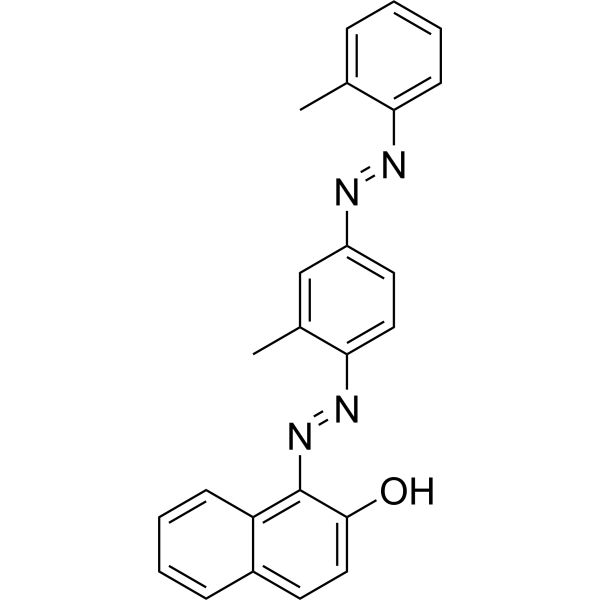
Cat. No.: HY-D0932
CAS No.: 85-83-6
Synonyms: Solvent Red 24; C.I. 26105
Sudan IV is an agonist of the aryl hydrocarbon receptor (AhR) that activates downstream signaling pathways and induces CYP1A1 expression. Sudan IV promotes CYP1A1 gene transcription by activating AhR-ARNT heterodimers and binding to exogenous response elements (XREs) on DNA, thereby enhancing drug metabolizing enzyme activity. Sudan IV can be used to study the toxicity mechanisms of industrial dyes and the effects of interactions with serum proteins (such as bovine serum albumin (BSA)) on their distribution in vivo. Sudan IV is a fat-soluble diazo dye that can be used to stain lipids, triglycerides, and lipoproteins on frozen sections .
loading...
    loading...
Cat. No.: HY-P2752
CAS No.: 9004-02-8
Synonyms: LPL
Target:  

Endogenous Metabolite

Research Areas:  

Metabolic Disease Cancer

Lipoprotein lipase, Pseudomonas sp (LPL) is a multifunctional enzyme from adipose tissue, heart and skeletal muscle, islets and macrophages. Lipoprotein lipase promotes normal lipoprotein metabolism, delivery and utilization of tissue-specific substrates. Lipoprotein lipase catalyzes the rate-limiting step of lipids in blood circulation .
loading...
    loading...
Cat. No.: HY-109567
CAS No.: 183293-82-5
Purity:  99.91%
Synonyms: PD-72953
Target:  

LDLR

Gemcabene (PD-72953), a first-in-class lipid-lowering agent, lowers low-density lipoprotein cholesterol (LDL-C), decreases triglycerides, and raises high-density lipoprotein cholesterol (HDL-C) and lowers pro-inflammatory acute-phase protein, C-reactive protein (CRP), exerting anti-inflammatory activity .
loading...
    loading...
Cat. No.: HY-116175
CAS No.: 156635-05-1
Purity:  99.44%
Target:  

LDLR

Research Areas:  

Metabolic Disease

BIBB 515 is a potent, selective and orally active 2,3-oxidosqualene cyclase (OSC) inhibitor with ED50 values of 0.2-0.5 mg/kg and 0.36-33.3 mg/kg in rats and mice (1-5 hours), respectively. BIBB 515 exerts lipid-lowering effect mainly by inhibiting the production of low-density lipoprotein (LDL) .
loading...
    loading...
Cat. No.: HY-162562
CAS No.: 930017-01-9
Target:  

PCSK9

E28362 is an orally active lipid-lowering agent and a selective PCSK9 antagonist. E28362 blocks the interaction between PCSK9 and LDLR, and induces PCSK9 degradation via the ubiquitin-proteasome pathway. E28362 significantly increases the levels of cell surface and total LDLR proteins, enhances low-density lipoprotein uptake, thereby effectively reducing plasma lipids, hepatic cholesterol and triglyceride levels. E28362 shows no obvious cytotoxicity at high concentrations, and significantly attenuates atherosclerotic lesions in animal models. E28362 is an important molecule in research of hyperlipidemia and atherosclerosis .
loading...
    loading...
Cat. No.: HY-165029
CAS No.: 17708-90-6
Synonyms: PLPC
Target:  

Liposome

1-Palmitoyl-2-linoleoyl-sn-glycero-3-PC (PLPC) is a phosphatidylcholine phospholipid. 1-Palmitoyl-2-linoleoyl-sn-glycero-3-PC and oxidized derivatives serve as models for investigating lipid peroxidation, membrane structure, and phospholipase A2 activity. 1-Palmitoyl-2-linoleoyl-sn-glycero-3-PC can be applied in research on atherosclerosis, oxidative stress, and the properties of lipid bilayers .
loading...
    loading...
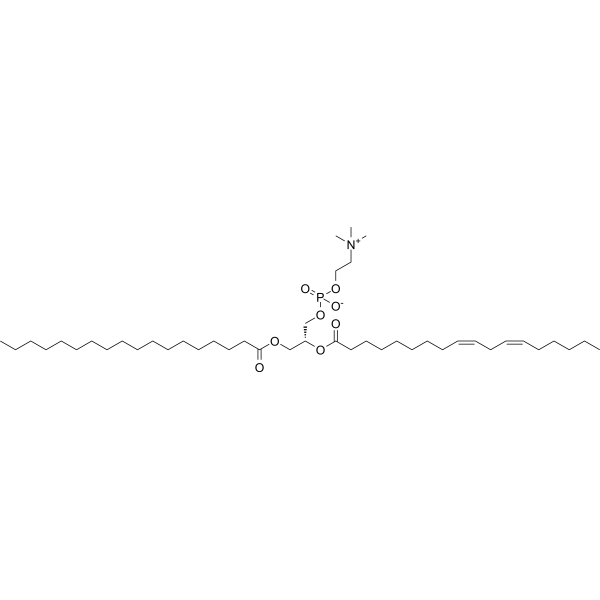
Cat. No.: HY-126359
CAS No.: 27098-24-4
Purity:  ≥98.0%
Synonyms: SLPC; 18:0-18:2 PC
1-Stearoyl-2-linoleoyl-sn-glycero-3-phosphocholine (SLPC; 18:0-18:2 PC) is an endogenous phospholipid marker molecule in the glycerophospholipid metabolic pathway. 1-Stearoyl-2-linoleoyl-sn-glycero-3-phosphocholine is a core component of the phospholipid bilayer of biological membranes and a key responsive lipid for radiation injury and cardiometabolic diseases. 1-Stearoyl-2-linoleoyl-sn-glycero-3-phosphocholine constitutes the phospholipid bilayers of cell membranes and high-density lipoprotein (HDL), and regulates the core activity of lipoprotein functional homeostasis. The content of 1-Stearoyl-2-linoleoyl-sn-glycero-3-phosphocholine in mouse serum shows a significant dose-dependent decrease with increasing ionizing radiation dose, and its level in human HDL also decreases significantly in metabolic syndrome. 1-Stearoyl-2-linoleoyl-sn-glycero-3-phosphocholine can serve as a biological dosimeter marker for ionizing radiation injury, and is used for rapid and accurate assessment of radiation absorbed dose in exposed individuals. 1-Stearoyl-2-linoleoyl-sn-glycero-3-phosphocholine can also act as a lipidomics research target for cardiometabolic diseases such as lipid metabolic syndrome and early-onset coronary heart disease .
loading...
    loading...

