67 Results for "

lps-induced inflammation

" in MedChemExpress (MCE) Product Catalog:
Products (67)

67 Results for "lps-induced inflammation" in MCE Product Catalog:

9
9 Publications Verification
Cat. No.: HY-N0625A
CAS No.: 36052-37-6
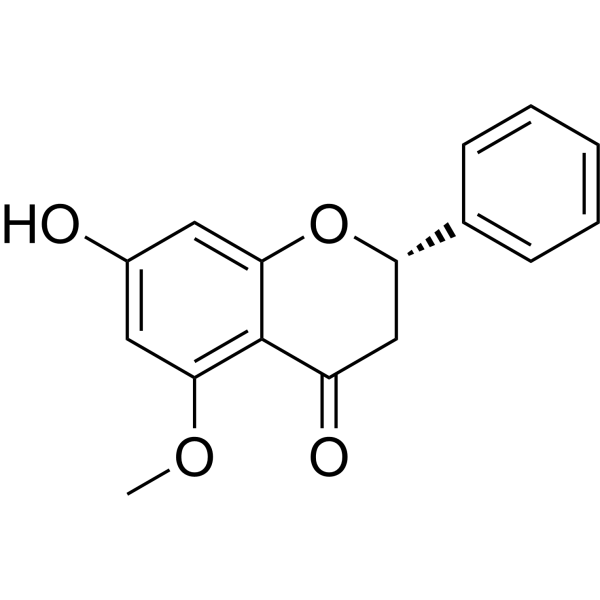
Alpinetin is a flavonoid isolated from cardamom and possesses antitumor, antiinflammation, hepatoprotective, cardiovascular protective, lung protective, antibacterial, antiviral, neuroprotective properties. Alpinetin inhibits lipopolysaccharide (LPS)-induced inflammation, activates PPAR-γ, activates Nrf2, and inhibits TLR4 expression to protect LPS-induced renal injury .
loading...
    loading...
4
4 Cited Publications
Cat. No.: HY-N2259
CAS No.: 19431-84-6
Synonyms: (+)-Curcumenol
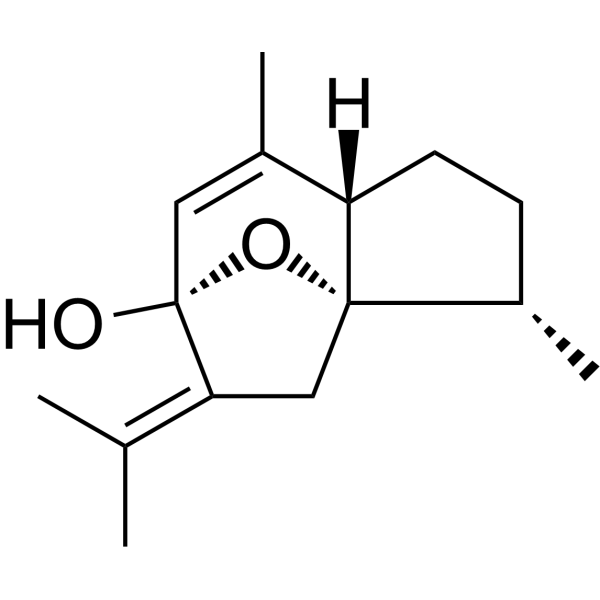
Curcumenol ((+)-Curcumenol) is a natural compound with oral efficacy, exhibiting an IC50 of 12.6 μM and a Ki of 10.8 μM against human CYP3A4. Curcumenol inhibits TNFα-induced phosphorylation/degradation of IκBα, phosphorylation/nuclear translocation of NF-κB p65, as well as the upregulation of MMP3, MMP9, MMP13, TRAF3, IL1RL1, TNFα and IL-1β. Curcumenol suppresses LPS-induced phosphorylation of Akt and p38 MAPK, as well as the production of pro-inflammatory mediators/proteins, and downregulates the SLC7A11/NF-κB/TGF-β pathway. Curcumenol binds to and inhibits the activation of Fyn and Lyn, blocks the function of downstream FcεRI signaling components, and reduces the release of allergic mediators/cytokines. Curcumenol upregulates the expression of KDM6B, and promotes chondrocyte proliferation and cartilage repair. Curcumenol induces ferroptosis and apoptosis, regulates the EMT process, and inhibits tumor growth and metastasis of triple-negative breast cancer. Curcumenol possesses anti-inflammatory, neuroprotective, antioxidant, antitumor, antiviral and hepatoprotective activities. Curcumenol can be used in research related to intervertebral disc degeneration, cancer, inflammation, central nervous system neurodegenerative diseases, allergic reactions and knee osteoarthritis .
loading...
    loading...
3
3 Cited Publications
Cat. No.: HY-W015490
CAS No.: 130-15-4
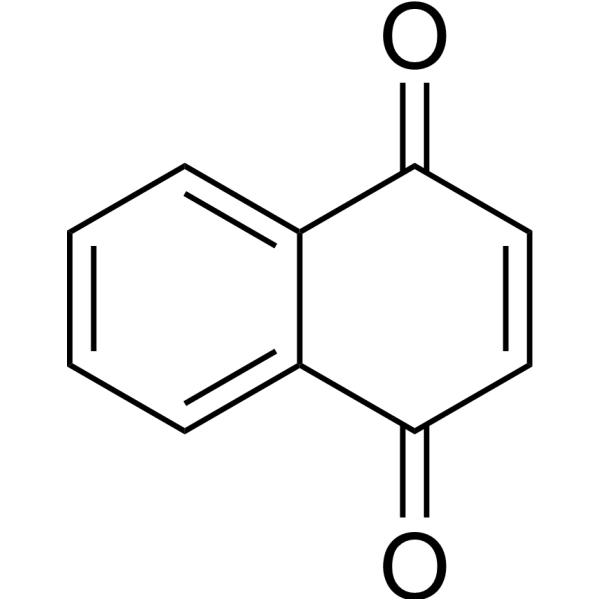
1,4-Naphthoquinone is an inhibitor with broad-spectrum inhibitory activity targeting DNA polymerase, NF-κB and monoamine oxidase (MAO-A/B), with antibacterial and anti-biofilm efficacy. 1,4-Naphthoquinone is a competitive inhibitor of MAO-B (Ki=1.4 μM) and a non-competitive inhibitor of MAO-A (Ki=7.7 μM). 1,4-Naphthoquinone inhibits DNA polymerase pol α, β, γ, δ, ε, λ with IC50 ranging from 5.57-128 μM. 1,4-Naphthoquinone inhibits tumor cell proliferation, induces apoptosis and necrosis, and has anti-angiogenic and anti-inflammatory activities by inducing oxidative stress, depleting glutathione (GSH), inhibiting DNA polymerase-mediated DNA synthesis and blocking NF-κB nuclear translocation. 1,4-Naphthoquinone can be used in anti-bacterial , anti-tumor and anti-inflammatory studies, including inhibition of melanoma and colon cancer cell growth and endothelial cell function, as well as LPS-induced inflammation models .
loading...
    loading...
2
2 Cited Publications
Cat. No.: HY-N0493
CAS No.: 520-12-7
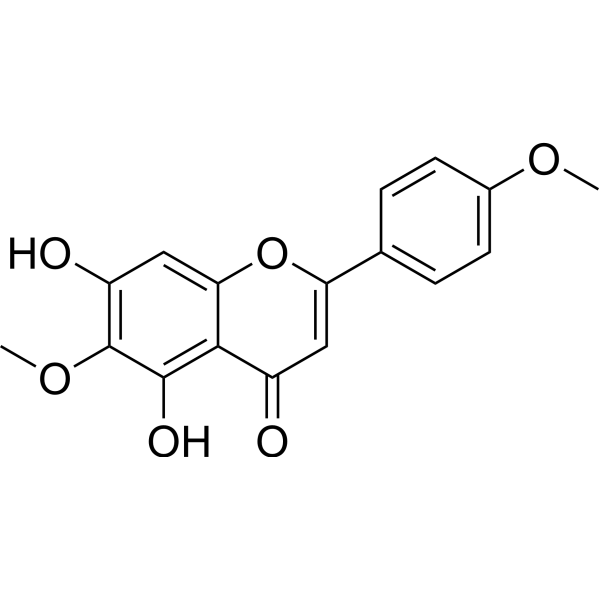
Pectolinarigenin is an orally active dual inhibitor of COX-2/5-LOX with anti-inflammatory, antioxidant, antitumor and neuroprotective activities. Pectolinarigenin exerts neuroprotective and anti-inflammatory effects on astrocyte inflammation via the NFκB and MAPK pathways. Pectolinarigenin inhibits LPS-induced phosphorylation of ERK1/2, N-FκB and p38MAPK, directly inhibits the enzymatic activity or binding of COX-2, 5-LOX and HIF-1α, and reduces the level of XIAP. Pectolinarigenin modifies Keap1 to promote nuclear accumulation of Nrf2, induces ARE-mediated antioxidant enzyme expression, and possesses direct free radical scavenging activity. Pectolinarigenin reduces the release of NO, proinflammatory mediators and leukotrienes, and increases the level of IL-10. Pectolinarigenin induces G2/M cell cycle arrest, apoptosis (Apoptosis) and autophagy (Autophagy) via the PI3K/AKT/mTOR signaling pathway. Pectolinarigenin reduces renal crystal deposition and inhibits melanin synthesis. Pectolinarigenin inhibits inflammation and alleviates allergy in mouse models of inflammation. Pectolinarigenin alleviates renal injury, inflammation and oxidative stress in mice by inhibiting HIF-1α activity. Pectolinarigenin can be used for the research of neurodegenerative diseases, inflammatory/allergic diseases, calcium oxalate nephrocalcinosis, gastric cancer, melasma, post-inflammatory diseases and chloasma .
loading...
    loading...
2
2 Cited Publications
Cat. No.: HY-170621
CAS No.: 2958649-56-2
STAT1/3-IN-1 is a potent STAT1/3 inhibitor with potent anti-inflammatory effect. STAT1/3-IN-1 inhibits phosphorylation and nuclear translocation of STAT1/3 to modulate microglial inflammation, reduces LPS (HY-D1056)-induced pro-inflammatory cytokines (NO, IL-1β, IL-6, and TNF-α) and inflammatory mediators (iNOS, COX-2). STAT1/3-IN-1 exhibits low toxicity in mice. STAT1/3-IN-1 can be used for the research of neuroinflammation .
loading...
    loading...
1
1 Cited Publications
Cat. No.: HY-W011474
CAS No.: 24034-73-9
Target:  

NF-κB

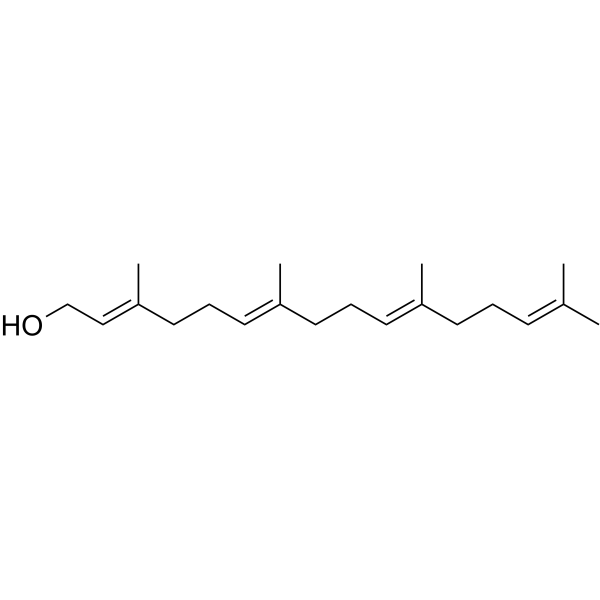
Geranylgeraniol is an orally acitve vitamin K2 sub-type, an intermediate of the mevalonate pathway. Geranylgeraniol targets NF-kB signaling pathway and could alleviate LPS-induced microglial inflammation in animal model .
loading...
    loading...
Cat. No.: HY-W047187
CAS No.: 117405-51-3
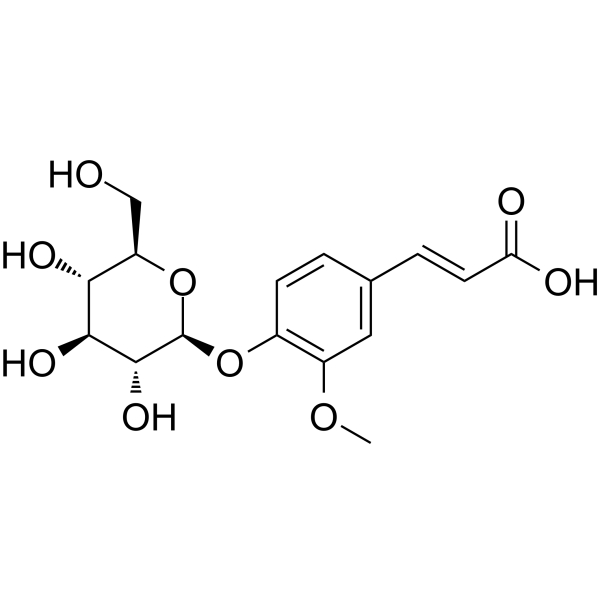
Lavandoside is an ABTS ?+ free radical scavenger and a moderate inhibitor of xanthine oxidase (XO), with an IC50 of 71.6 μM for inhibiting NO production in LPS-induced macrophages. Lavandoside exerts its antioxidant and potential anti-inflammatory effects by directly scavenging free radicals and inhibiting XO activity, a mechanism related to the hydroxyl groups in its molecular structure. Lavandoside can be isolated from lavender and can be used in the development of natural antioxidants and in research on oxidative stress-related diseases and inflammation-related diseases .
loading...
    loading...
Cat. No.: HY-123936
CAS No.: 2055101-86-3
Purity:  98.30%
SR12343 is a IKK/NF-κB inhibitor and a mimetic of the NF-κB essential modulator (NEMO)-binding domain (NBD). SR12343 inhibits TNF-α- and LPS-induced NF-κB activation by blocking the interaction between IKKβ and NEMO. SR12343 suppresses LPS-induced acute pulmonary inflammation in mice. SR12343 extends the healthspan of naturally aged and accelerated aging mice. SR12343 can be used for research on inflammatory and degenerative diseases .
loading...
    loading...
Cat. No.: HY-107352
CAS No.: 95399-71-6
Purity:  99.89%
Synonyms: Fosinoprilat; Fosinoprilic acid; SQ 27519
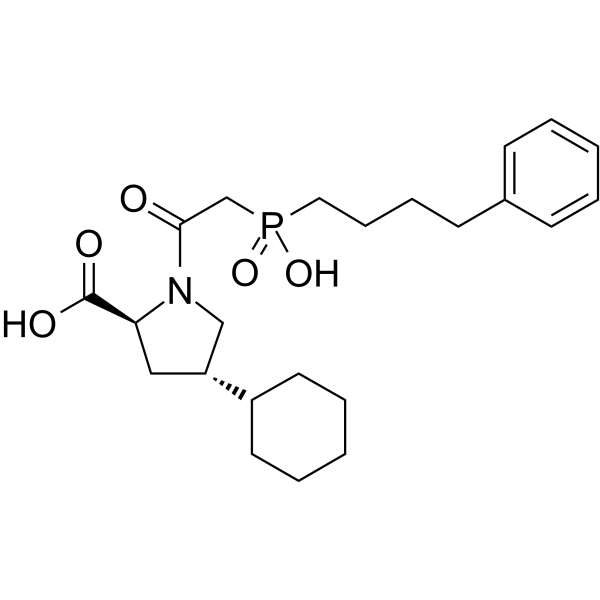
Fosfenopril (Fosinoprilat) is a potent angiotensin converting enzyme (ACE) inhibitor. Fosfenopril alleviates lipopolysaccharide (LPS)-induced inflammation by inhibiting TLR4/NF-κB signaling in monocytes .
loading...
    loading...
Cat. No.: HY-N13250
Hawthorn Extract is an orally active hawthorn extract. Hawthorn Extract decreases Bax expression and increases Bcl-2 expression in the aorta. Hawthorn Extract regulates the AMPK signaling pathway, induces apoptosis, enhances the hepatic antioxidant system, and ameliorates symptoms of liver injury, inflammation and cancer. Hawthorn Extract reduces plasma levels of pro-inflammatory factors, increases plasma levels of anti-inflammatory adiponectin, and alleviates atherosclerotic plaque lesions in the aorta. Hawthorn Extract improves symptoms associated with chronic heart failure . Hawthorn Extract inhibits FMLP-induced superoxide anion production, Elastase release, ILB4 generation and calcium signaling in neutrophils, and also reduces LPS-induced cytokine production in neutrophils. Hawthorn Extract induces autophagy and inhibits the proliferation of intestinal stem cells. Hawthorn Extract can be used in research related to atherosclerosis, hepatitis, alcoholic liver disease, non-alcoholic fatty liver disease, hepatocellular carcinoma, chronic heart failure and hypotension .
loading...
    loading...
Cat. No.: HY-N3201
CAS No.: 630057-39-5
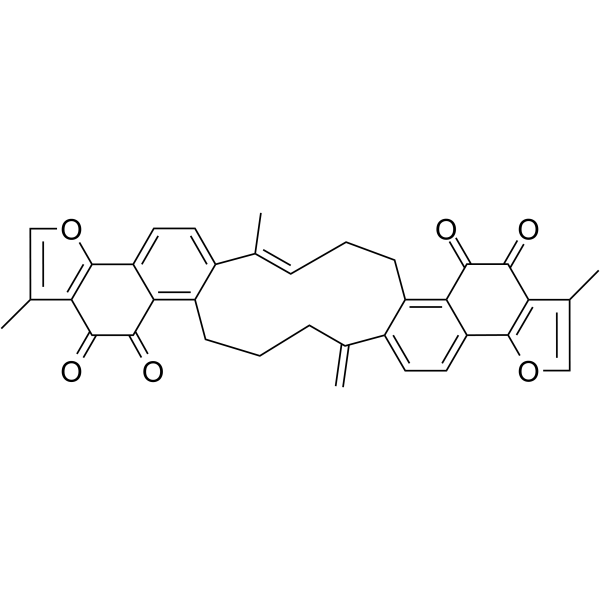
Neoprzewaquinone (NEO) is an orally active phenanthraquinone derivative isolated from Salvia miltiorrhiza Bunge. Neoprzewaquinone A inhibits IL-15Rα, blocks the ROCK2/STAT3 pathway to impair the migration and invasion abilities of triple-negative breast cancer cells; induces apoptosis of hepatocellular carcinoma cells by inhibiting the PI3K-AKT pathway; suppresses LPS-induced inflammation via binding to TLR4/MD2, and inhibits IL-15-induced proliferation, migration and phagocytosis of microglial cells; protects osteoblasts from mitochondrial dysfunction and apoptosis in diabetic osteoporosis by activating PRKD2 and the ELF5/PRKD2/PI3K/AKT/mTOR axis. Neoprzewaquinone A can be used in the research of diseases including rheumatoid arthritis, hepatocellular carcinoma, diabetic osteoporosis and triple-negative breast cancer .
loading...
    loading...
Cat. No.: HY-W010253
CAS No.: 538-32-9
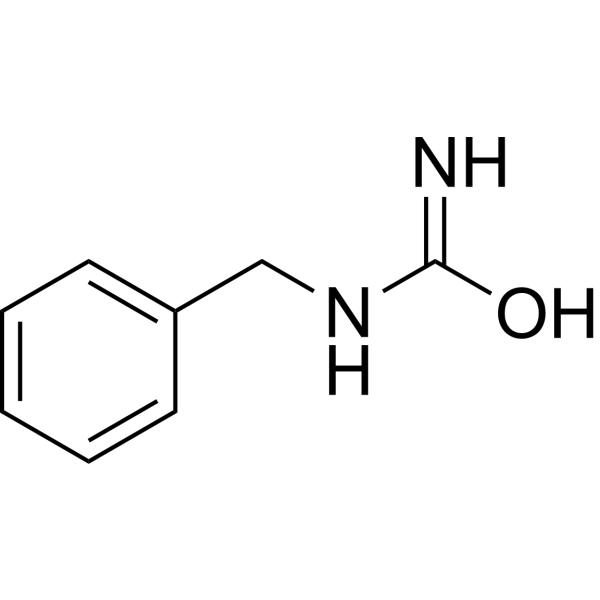
Benzylurea is an anti-inflammatory agent. Benzylurea inhibits LPS (HY-D1056)-induced upregulation of MTCH2 expression and regulates pathways associated with mitochondrial function, inflammation and cell survival. Benzylurea alleviates LPS-induced proliferation inhibition and apoptosis of periodontal ligament fibroblasts, as well as the release of proinflammatory cytokines. Benzylurea can be used in studies related to periodontitis .
loading...
    loading...
Cat. No.: HY-N8884
CAS No.: 82344-82-9
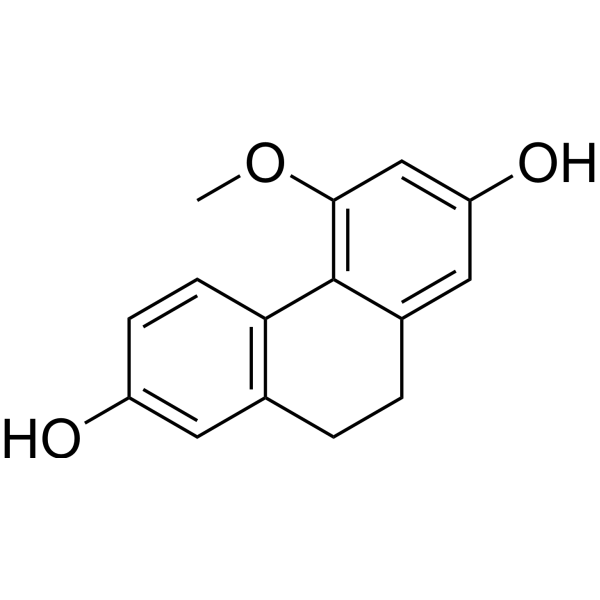
Coelonin is a dihydrophenanthrene with anti-inflammation activity. Coelonin inhibits LPS-induced PTEN phosphorylation. Coelonin inhibits NF-κB activation and p27Kip1 degradation by regulating the PI3K/AKT pathway negatively. Coelonin can inhibit IκBα phosphorylation and degradation and increases the expression of IκBα protein .
loading...
    loading...
Cat. No.: HY-W015490S
CAS No.: 26473-08-5
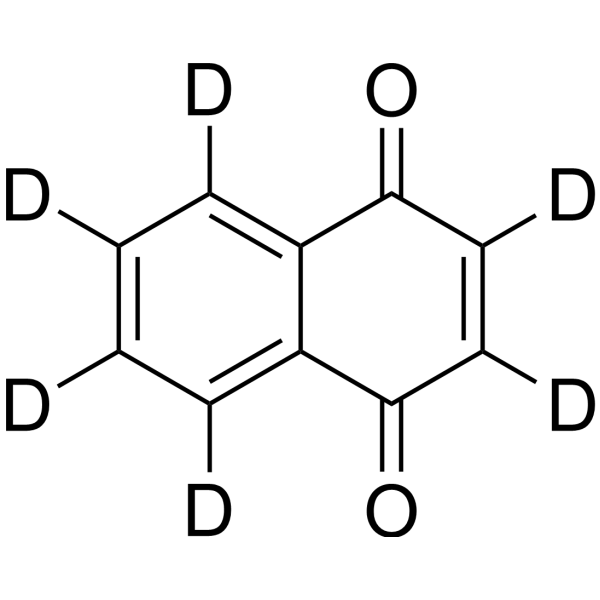
1,4-Naphthoquinone-d6 is the deuterium labeled 1,4-Naphthoquinone. 1,4-Naphthoquinone is an inhibitor with broad-spectrum inhibitory activity targeting DNA polymerase, NF-κB and monoamine oxidase (MAO-A/B), with antibacterial and anti-biofilm efficacy. 1,4-Naphthoquinone is a competitive inhibitor of MAO-B (Ki=1.4 μM) and a non-competitive inhibitor of MAO-A (Ki=7.7 μM). 1,4-Naphthoquinone inhibits DNA polymerase pol α, β, γ, δ, ε, λ with IC50 ranging from 5.57-128 μM. 1,4-Naphthoquinone inhibits tumor cell proliferation, induces apoptosis and necrosis, and has anti-angiogenic and anti-inflammatory activities by inducing oxidative stress, depleting glutathione (GSH), inhibiting DNA polymerase-mediated DNA synthesis and blocking NF-κB nuclear translocation. 1,4-Naphthoquinone can be used in anti-bacterial , anti-tumor and anti-inflammatory studies, including inhibition of melanoma and colon cancer cell growth and endothelial cell function, as well as LPS-induced inflammation models .
loading...
    loading...
Cat. No.: HY-W011474R
CAS No.: 24034-73-9
Geranylgeraniol (Standard) is the analytical standard of Geranylgeraniol. This product is intended for research and analytical applications. Geranylgeraniol is an orally acitve vitamin K2 sub-type, an intermediate of the mevalonate pathway. Geranylgeraniol targets NF-kB signaling pathway and could alleviate LPS-induced microglial inflammation in animal model [4].
loading...
    loading...
Cat. No.: HY-N1433
CAS No.: 1802-12-6
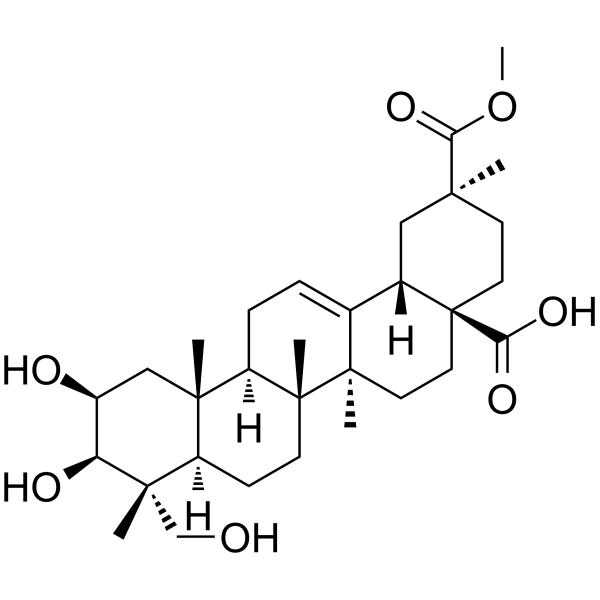
Phytolaccagenin is a triterpenoid saponin aglycone, Antifungal agent, vasodilator, antihypertensive agent, and anti-inflammatory agent. Phytolaccagenin activates vascular and cardiac Muscarinic receptors, blocks cardiac β-adrenergic receptors, and inhibits voltage-dependent calcium channels in blood vessels. Phytolaccagenin inhibits the growth of Candida albicans and Cryptococcus neoformans. Phytolaccagenin induces vasodilation, produces negative inotropic and negative chronotropic effects, reduces mean arterial pressure, and inhibits LPS-induced inflammation. Phytolaccagenin exhibits enhanced antihypertensive effects in high salt-induced hypertensive rats. Phytolaccagenin can be used in the research of candidiasis, cryptococcosis, hypertension, and inflammation-related diseases .
loading...
    loading...
Cat. No.: HY-N8559
CAS No.: 40738-40-7
Aloesone is an orally active phenolic heptaketide natural product that can cross the blood-brain barrier. Aloesone inhibits LPS-induced oxidative stress, inflammation, M1 polarization and apoptosis in RAW264.7 macrophages by reducing ROS production and NO release, and downregulating the mRNA expression of iNOS, IL-1β and TNF-α. Aloesone also inhibits glutamate-induced neuronal damage and pentylenetetrazol (PTZ)-induced seizures by activating c-SRC .
loading...
    loading...
Cat. No.: HY-156959
CAS No.: 19683-98-8
Target:  

JAK TRP Channel MetAP

Research Areas:  

Infection Inflammation/Immunology

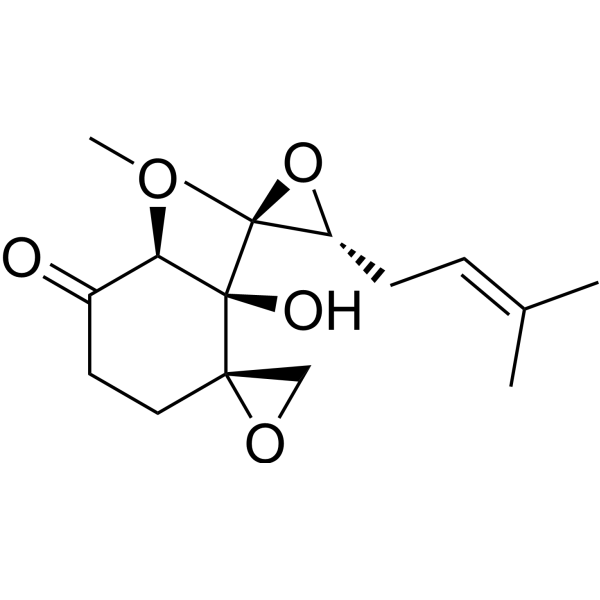
Ovalicin is a multi-target inhibitor that targets MetAP2, HRH2, JAK2 and TRPV1, with anti-inflammatory and anti-atopic dermatitis activities. Ovalicin covalently binds to MetAP2 to inhibit its function, thereby blocking the replication of Enterocytozoon bieneusi and Vittaforma corneae. Ovalicin alleviates intestinal injury and prolongs survival in infected mouse models, without showing obvious hepatorenal toxicity. Ovalicin attenuates LPS-induced calcium influx, reduces the infiltration of macrophages and mast cells in the skin, and regulates the expression of inflammation-related genes such as IL-31, effectively relieving allergic symptoms in mouse models. Ovalicin can be used for the research of microsporidiosis and atopic dermatitis .
loading...
    loading...
Cat. No.: HY-N7064
CAS No.: 256-96-2
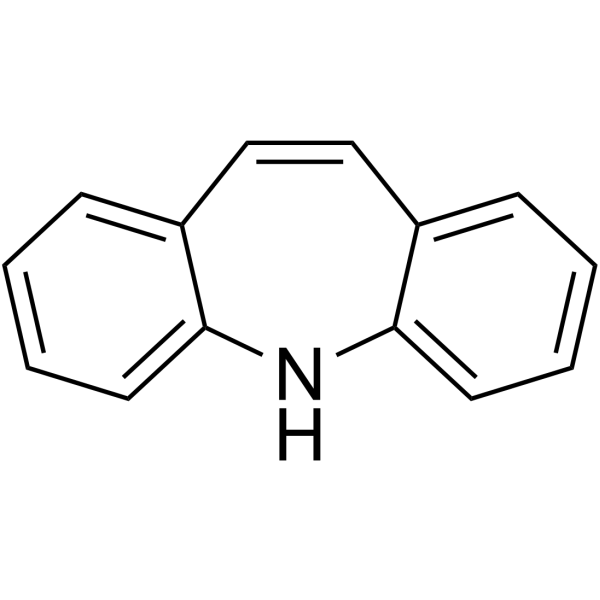
Iminostilbene is a chemical precursor of carbamazepine. Additionally, Iminostilbene is an orally active inhibitor of PKM2 (Pyruvate Kinase M2) and COX2 (Cyclooxygenase-2). Iminostilbene exerts its effects by inhibiting PKM2 and its interaction with HIF-1α and STAT3, reducing COX2 and iNOS expression, and decreasing LPS-induced release of IL-1β, IL-6, TNF-α, and MCP-1, thereby suppressing macrophage-mediated inflammatory responses and improving myocardial ischemia/reperfusion (MI/R) injury. Iminostilbene holds promise for research in inflammation regulation, cardiovascular diseases (such as MI/R injury), and macrophage-mediated immune-related diseases .
loading...
    loading...
Cat. No.: HY-141439
CAS No.: 936475-62-6
TBE 31 is an orally active Keap1/Nrf2 pathway activator and NQO1 inducer with a Dm value of 1.1 nM for NQO1. TBE 31 binds to cysteine residues of Keap1, inhibits ubiquitination and degradation of Nrf2, thereby activating the expression of ARE-dependent genes. TBE 31 induces cytoprotective enzymes including NQO1 and GST isoforms, promotes Nrf2 accumulation, and upregulates Nrf2-regulated genes related to antioxidation and lipid metabolism. TBE 31 inhibits pro-inflammatory responses, formation of AFB1-DNA adducts, endoplasmic reticulum stress, cell apoptosis (apoptosis), hepatic fibrosis, oxidative stress, and the expression of ChREBP. TBE 31 reduces the number of tumors in a mouse model of ultraviolet-induced skin carcinogenesis. TBE 31 enhances nerve growth factor-induced neurite outgrowth. TBE 31 attenuates LPS-induced serum TNF-α levels and immobility time in mice. TBE 31 can be used in research related to liver cancer, skin cancer, inflammation-related depression, and non-alcoholic steatohepatitis .
loading...
    loading...

