1. Search Result
Search Result
Results for "

medulloblastoma

" in MedChemExpress (MCE) Product Catalog:

38

Inhibitors & Agonists

1

Inhibitory Antibodies

2

Natural
Products

Cat. No. Product Name Target Research Areas Chemical Structure
  • HY-17423
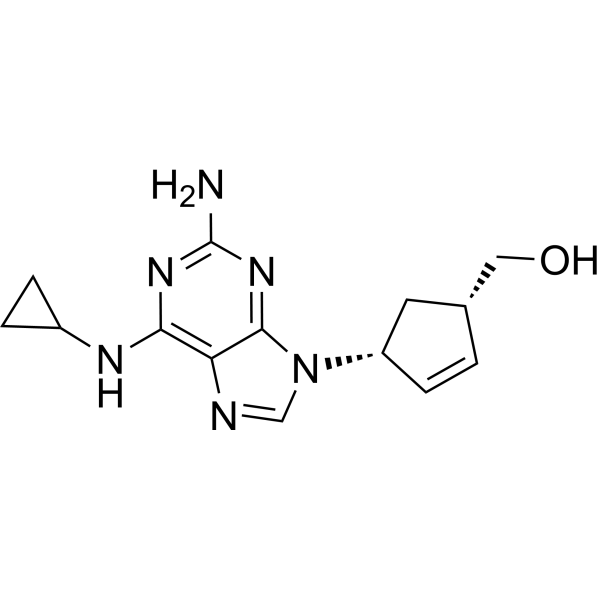
    Abacavir
    5 Publications Verification

    HIV Reverse Transcriptase Telomerase Apoptosis Infection Cancer
    Abacavir is an orally active and competitive nucleoside reverse transcriptase inhibitor. Abacavir can inhibits the replication of HIV. Abacavir shows anticancer activity in prostate cancer cell lines. Abacavir can trespass the blood-brain-barrier and suppresses telomerase activity .
    Abacavir
  • HY-17595
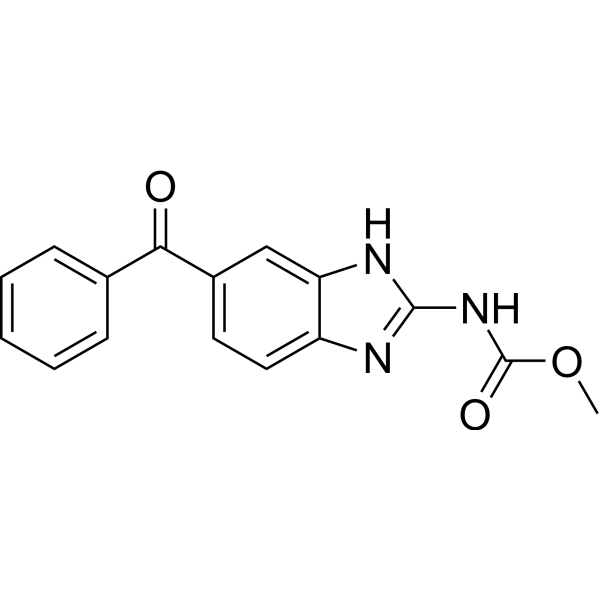
    Mebendazole
    Maximum Cited Publications
    8 Publications Verification

    Parasite Apoptosis Microtubule/Tubulin Infection Cancer
    Mebendazole is a highly effective, broad-spectrum antihelmintic against nematode infestations. Mebendazole also exhibits inhibitory effect against glioblastoma multiforme (GBM), inhibits Hedgehog pathway and tubulin polymerization. Mebendazole is orally active and can cross CNS penetration .
    Mebendazole
  • HY-17423A
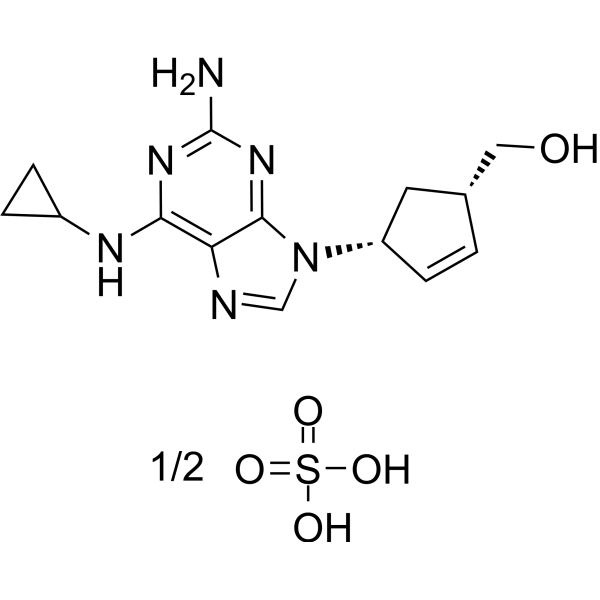
    Abacavir sulfate
    5 Publications Verification

    Abacavir Hemisulfate; ABC sulfate

    Reverse Transcriptase HIV Telomerase Apoptosis Infection Cancer
    Abacavir sulfate (Abacavir Hemisulfate) is a competitive, orally active nucleoside reverse transcriptase inhibitor. Abacavir sulfate can inhibits the replication of HIV. Abacavir sulfate shows anticancer activity in prostate cancer cell lines. Abacavir sulfate can trespass the blood-brain-barrier and suppresses telomerase activity .
    Abacavir sulfate
  • HY-120929
    BI8622
    4 Publications Verification

    E1/E2/E3 Enzyme c-Myc Inflammation/Immunology Cancer
    BI8622 is a specific inhibitor of the ubiquitin ligase HUWE1 with an IC50 of 3.1 μM. BI8622 can decrease the protein expression levels of c-myc and glycolytic markers as well as immune modulatory markers after HUWE1 inhibition in triple-negative breast cancer (TNBC) cell lines. BI8622 significantly protects against cisplatin (HY-17394)-induced acute kidney injury (AKI). BI8622 significantly reduces the growth of multiple myeloma (MM) cell lines and induces cell cycle arrest. BI8622 can prevent HUWE1-dependent TTBK2 ubiquitination. BI8622 can be studied in research for various diseases including medulloblastoma, acute kidney injury, breast cancer and MM .
    BI8622
  • HY-N0247
    Saikosaponin B1
    2 Publications Verification

    Hedgehog Smo STAT Interleukin Related TNF Receptor Inflammation/Immunology Cancer
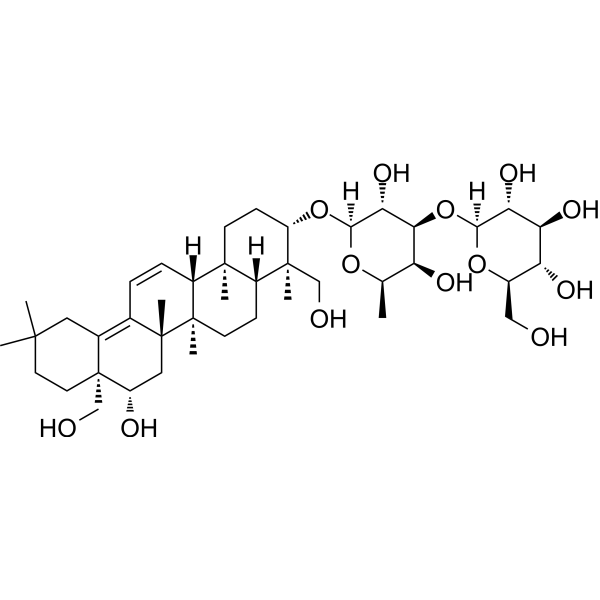
    Saikosaponin B1 is a bioactive constituent of Radix Bupleuri. Saikosaponin B1 is an agonist of the 5-HT2C receptor with an EC50 of 147.41 μM. Saikosaponin B1 inhibits the Hedgehog (Hh) signaling pathway by targeting the transmembrane protein SMO. Sailosaponin B1 can reduce liver fibrosis. Saikosaponin B1 has anti-cancer activities thus can be studies in research for cancers such as Medulloblastoma (MB) .
    Saikosaponin B1
  • HY-179078

    OLIG2 Apoptosis Caspase PARP Neurological Disease Cancer
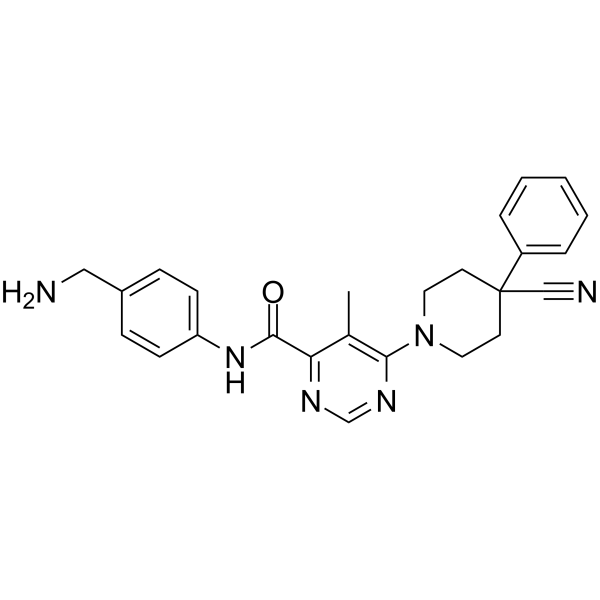
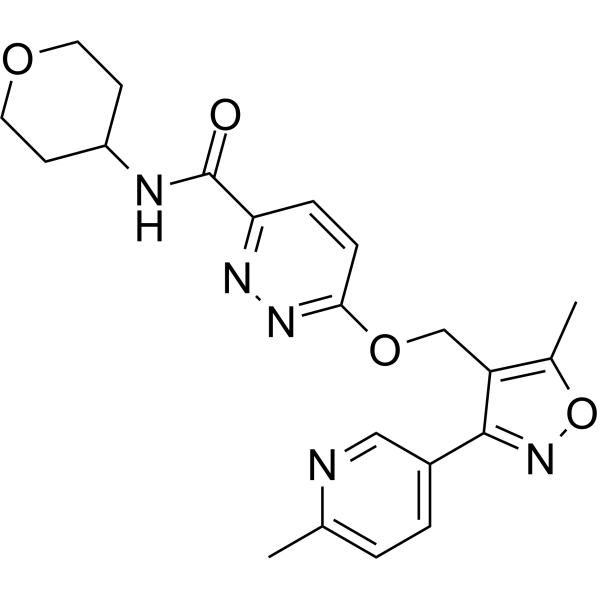
    CT-179 is a brain-penetrant and orally active OLIG2 inhibitor with a human IC50 of 1250 nM. CT-179 disrupts OLIG2 dimerization, phosphorylation, and DNA binding, blocking OLIG2-driven transcription. CT-179 induces G2/M phase arrest and increases G0 population. CT-179 induces apoptosis by reducing anti-apoptotic proteins and increasing cleaved caspase-3 and cleaved PARP. CT-179 can be used for the research of subgroup medulloblastoma .
    CT-179
  • HY-132806

    RG-7816; RO-7017773

    GABA Receptor Neurological Disease
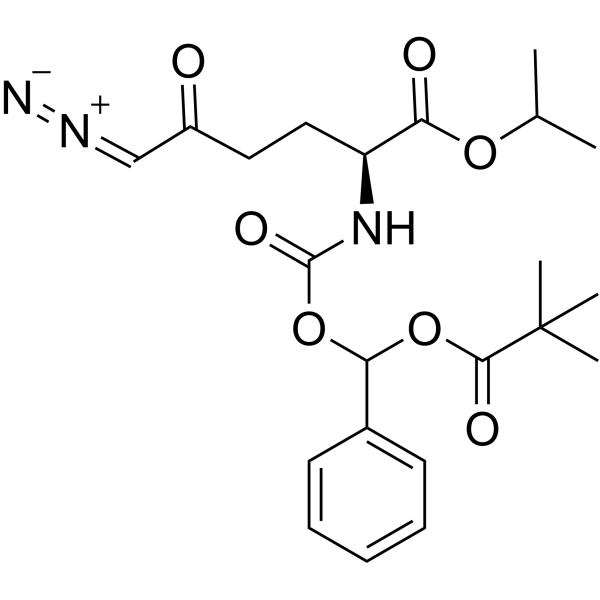
    Alogabat is a positive allosteric modulator (PAM) and agonist (Ki <100 nM) of the GABAA α5 receptor, targeting the α5β3γ2 subunit with a Ki of 8.7 nM. Alogabat increases the expression level of α5β3γ2 in oocytes (1.97-fold). GABAA has been implicated in cognitive impairment associated with central nervous system (CNS) disorders, brain cancer (including brain tumors such as medulloblastoma), and can be used in the study of mild cognitive impairment (MCI), amnestic MCI (aMCI), age-associated memory impairment (AAMI), age-related cognitive decline (ARCD), dementia, Alzheimer's disease (AD), prodromal AD, post-traumatic stress disorder (PTSD), schizophrenia, bipolar disorder, amyotrophic lateral sclerosis (ALS), cognitive impairment associated with cancer treatment, mental retardation, Parkinson's disease (PD), autism spectrum disorder, fragile X, Rett syndrome, obsessive-compulsive behavior, and substance addiction .
    Alogabat
  • HY-172762

    HDAC Molecular Glues Histone Demethylase Cancer
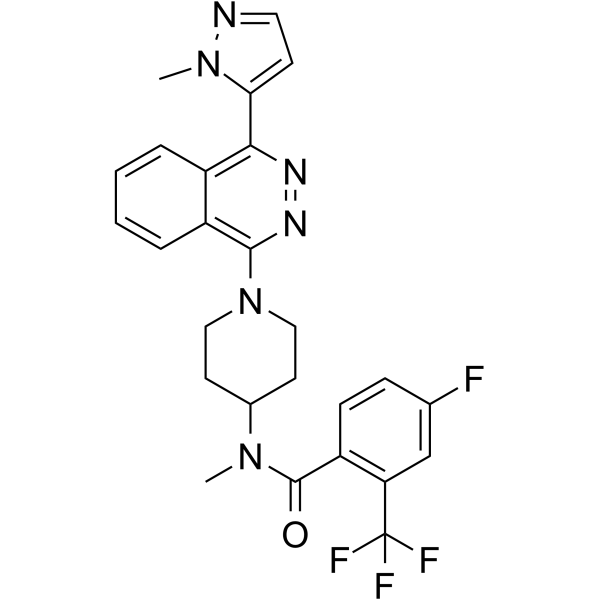
    S234984 is a molecular glue degrader. S234984 forms a stable ternary complex with wild-type KBTBD4 E3 ligase and HDAC2 to drive neomorphic ubiquitination and degradation of CoREST1 and LSD1. S234984 can be used for the research of medulloblastoma .
    S234984
  • HY-156278

    Apoptosis Autophagy Cancer
    FB49 is a highly selective inhibitor of Bcl-2-associated athanogene 3 (BAG3), with the Ki of 45 μM. FB49 inhibits the cell growth in human tumoral cells, but has no toxicity in human peripheral mononuclear cells. FB49 block cell cycle in G1 phase and to induce apoptosis as well as autophagy in medulloblastoma HD-MB03 treated cells .
    FB49
  • HY-158059

    Hedgehog Cancer
    DS-1-38 is an EYA1 antagonist that blocks Sonic Hedgehog (SHH) signaling. EYA1 is a haloacid dehalogenase phosphatase and transcription factor that regulates tumorigenesis and proliferation in SHH medulloblastoma (SHH-MB) .
    DS-1-38
  • HY-176875

    Molecular Glues Cancer
    CoREST/LSD1 degrader-1 (Compound 4) is a molecular glue degrader targeting the KBTBD4 E3 ubiquitin ligase. CoREST/LSD1 degrader-1 is promising for research of KBTBD4-mutant driven cancers (e.g., medulloblastoma) and epigenetic dysregulation disorders .
    CoREST/LSD1 degrader-1
  • HY-17595R

    Reference Standards Parasite Apoptosis Microtubule/Tubulin Infection Cancer
    Mebendazole (Standard) is the analytical standard of Mebendazole. This product is intended for research and analytical applications. Mebendazole is a highly effective, broad-spectrum antihelmintic against nematode infestations. Mebendazole also exhibits inhibitory effect against glioblastoma multiforme (GBM), inhibits Hedgehog pathway and tubulin polymerization. Mebendazole is orally active and can cross CNS penetration .
    Mebendazole (Standard)
  • HY-119331

    Apoptosis Cancer
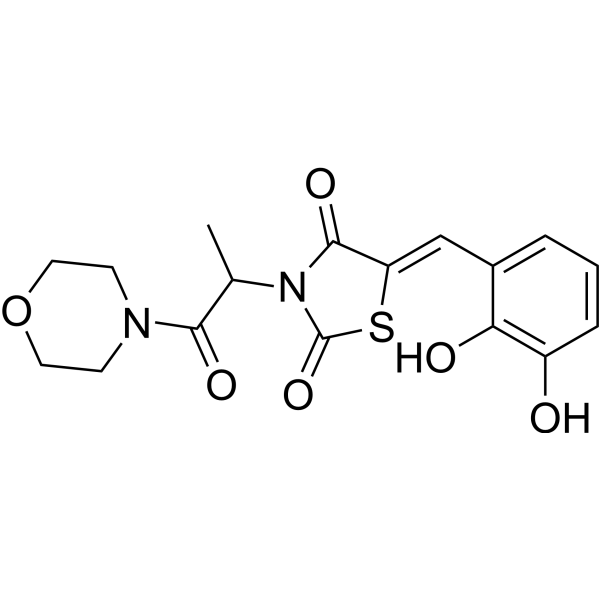
    CFM-5 inhibits CARP-1/CCAR1-APC-2 interaction with an IC50 value of 0.75 μM. CFM-5 inhibits medulloblastoma (MB) cell proliferation and induces apoptosis .
    CFM-5
  • HY-170900

    PROTACs Epigenetic Reader Domain c-Myc MDM-2/p53 Neurological Disease Cancer
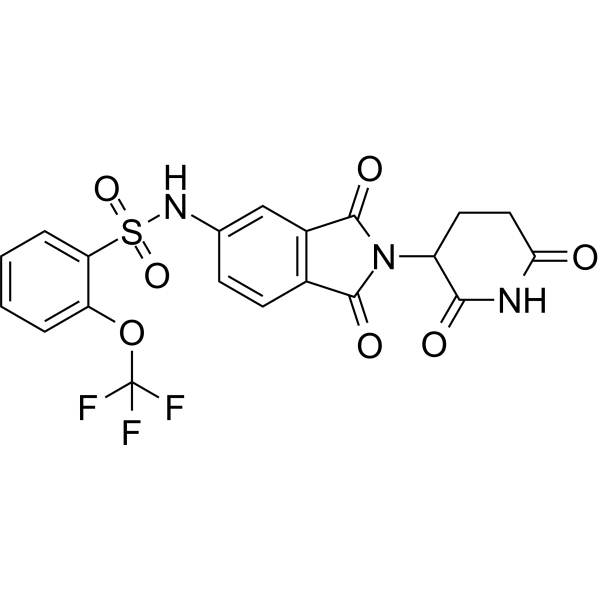
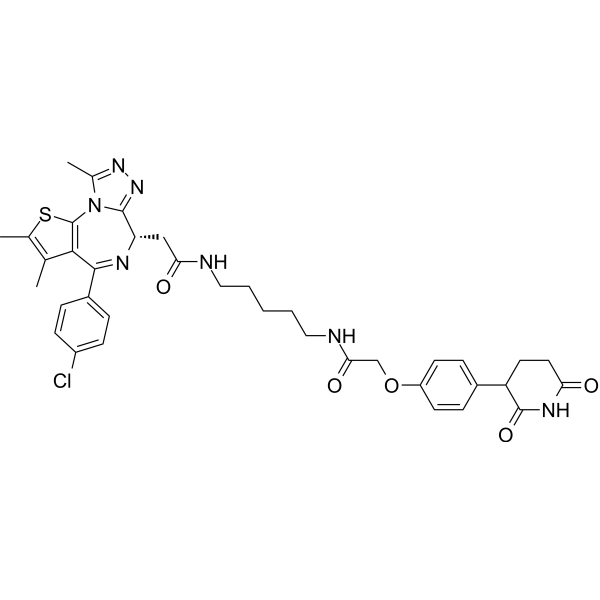
    SJ44236 is a BET PROTAC degrader with activity against BRD2, BRD3 and BRD4 (DC50 = 127 pM). SJ44236 induces ubiquitination and proteasomal degradation by forming a ternary complex with BET proteins and CRBN-DDB1. SJ44236 downregulates c-Myc, upregulates p53 and reduces cancer cell viability. SJ44236 can be used for the research of leukemia and medulloblastoma .
    SJ44236
  • HY-107408

    Hedgehog Gli Metabolic Disease Cancer
    SANT 2 is a potent Hh-signaling pathway antagonist. SANT 2 interferes with the expression of Gli1. SANT 2 causes developmental delay in medaka embryos. SANT 2 has the potential for the research of several malignancies including Gorlin syndrome (a disorder predisposing to basal cell carcinoma, medulloblastoma and rhabdomyosarcoma), prostate, pancreatic and breast cancers .
    SANT 2
  • HY-150564

    Smo Hedgehog Cancer
    SMO-IN-2 is a potent smoothened (SMO) inhibitor with an IC50 value of 123.4 nM for hedgehog (Hh) signaling pathway. SMO-IN-2 has antiproliferative activity against human medulloblastoma cell line Daoy. Anticancer activity .
    SMO-IN-2
  • HY-150567

    Smo Hedgehog Cancer
    SMO-IN-3 (compound 12a) is a potent smoothened (SMO) inhibitor with an IC50 value of 34.09 nM for hedgehog (Hh) signaling pathway. SMO-IN-3 has antiproliferative activity against human medulloblastoma cell line Daoy. Anticancer activity .
    SMO-IN-3
  • HY-119607

    DYRK Cancer
    DYRKi is an inhibitor of DYRK1 and DYRK1B with IC50 values of 3.7 µM and 90 nM, respectively, which is used as a potent antagonist of Hh/Gli signaling. DYRKi impairs SMO-dependent and SMO-independent oncogenic GLI activity in human medulloblastoma cells. DYRKi is promising for research of HH/GLI-associated cancers .
    DYRKi
  • HY-N0247R

    Reference Standards Smo Cancer
    Saikosaponin B1 (Standard) is the analytical standard of Saikosaponin B1. This product is intended for research and analytical applications. Saikosaponin B1 is a bioactive constituent of Radix Bupleuri. Saikosaponin B1 is an agonist of the 5-HT2C receptor with an EC50 of 147.41 μM. Saikosaponin B1 inhibits the Hedgehog (Hh) signaling pathway by targeting the transmembrane protein SMO. Sailosaponin B1 can reduce liver fibrosis. Saikosaponin B1 has anti-cancer activities thus can be studies in research for cancers such as Medulloblastoma (MB) .
    Saikosaponin B1 (Standard)
  • HY-14115

    Hedgehog Cancer
    Hedgehog IN-10 (compound 24) is a potent Hedgehog inhibitor. Hedgehog IN-10 exhibits significant antitumor effect .
    Hedgehog IN-10
  • HY-143877

    HDAC Cancer
    NN-390 is a potent and selective HDAC6 inhibitor, with an IC50 of 9.8 nM. NN-390 penetrates the blood-brain barrier (BBB). NN-390 shows study potential in metastatic Group 3 MB (medulloblastoma) .
    NN-390
  • HY-176056

    Hedgehog Gli Epigenetic Reader Domain Cancer
    Hedgehog IN-9 (Compound 1) is a Hedgehog inhibitor. Hedgehog IN-9 prevents GLI1 expression and enhances cellular BRD2 protein levels. Hedgehog IN-9 inhibits growth of medulloblastoma spheroid cells and can be used for synthesis of photoaffinity labeling probe .
    Hedgehog IN-9
  • HY-153499

    Smo Cancer
    SMO-IN-4 (Compound 24) is a potent and orally active smoothened antagonist (IC50: 24 nM). SMO-IN-4 has antitumor activity .
    SMO-IN-4
  • HY-17423B
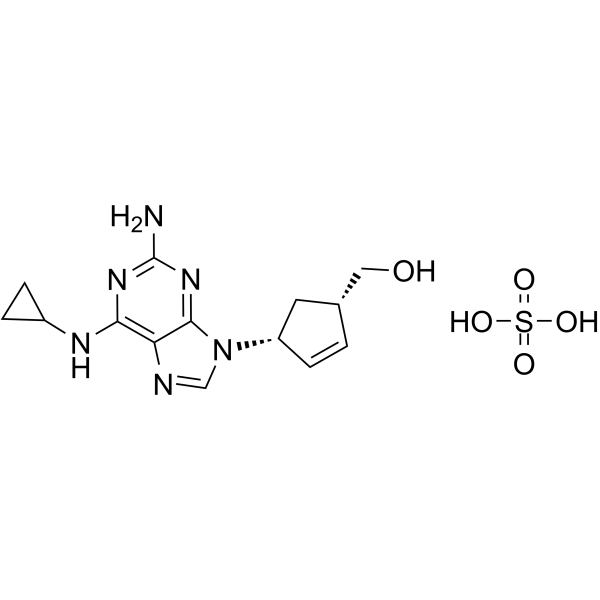
    Abacavir monosulfate
    5 Publications Verification

    HIV Reverse Transcriptase Telomerase Apoptosis Infection Cancer
    Abacavir monosulfate is a competitive, orally active nucleoside reverse transcriptase inhibitor. Abacavir monosulfate can inhibits the replication of HIV. Abacavir monosulfate shows anticancer activity in prostate cancer cell lines. Abacavir monosulfate can trespass the blood-brain-barrier and suppresses telomerase activity .
    Abacavir monosulfate
  • HY-17423E

    HIV Apoptosis Reverse Transcriptase Telomerase Infection Cancer
    Abacavir hydrochloride is a competitive, orally active nucleoside reverse transcriptase inhibitor. Abacavir hydrochloride can inhibits the replication of HIV. Abacavir hydrochloride shows anticancer activity in prostate cancer cell lines. Abacavir hydrochloride can trespass the blood-brain-barrier and suppresses telomerase activity .
    Abacavir hydrochloride
  • HY-17423R

    Reference Standards HIV Reverse Transcriptase Telomerase Apoptosis Infection Cancer
    Abacavir (Standard) is the analytical standard of Abacavir. This product is intended for research and analytical applications. Abacavir is an orally active and competitive nucleoside reverse transcriptase inhibitor. Abacavir can inhibits the replication of HIV. Abacavir shows anticancer activity in prostate cancer cell lines. Abacavir can trespass the blood-brain-barrier and suppresses telomerase activity .
    Abacavir (Standard)
  • HY-17423AR

    Abacavir Hemisulfate (Standard); ABC sulfate (Standard)

    Reference Standards Reverse Transcriptase HIV Telomerase Apoptosis Infection
    Abacavir (sulfate) (Standard) is the analytical standard of Abacavir (sulfate). This product is intended for research and analytical applications. Abacavir sulfate (Abacavir Hemisulfate) is a competitive, orally active nucleoside reverse transcriptase inhibitor. Abacavir sulfate can inhibits the replication of HIV. Abacavir sulfate shows anticancer activity in prostate cancer cell lines. Abacavir sulfate can trespass the blood-brain-barrier and suppresses telomerase activity .
    Abacavir sulfate (Standard)
  • HY-162372

    Hedgehog Smo Cancer
    Hedgehog IN-6 (Compound Q29) is a Hedgehog (Hh) inhibitor that can be used in cancer research. Hedgehog IN-6 inhibits the hedgehog (Hh) pathway by binding to the cysteine-rich domain (CRD) of Smoothened (Smo) and blocking its cholesterization .
    Hedgehog IN-6
  • HY-E70609

    PI3K Inflammation/Immunology Cancer
    PIK3CG Recombinant Human Active Lipid Kinase belongs to PI3K enzyme family that is directly regulated by Gβγ and Ras in the G protein coupled receptor (GPCR) pathway. PIK3CG has the function of regulating cellular inflammation and immunity. PIK3CG is also a potential target for the treatment of a few malignant tumors such as acute lymphoblastic leukemia, medulloblastoma, claudin-low breast cancer (CLBC) and Kaposi sarcoma .
    PIK3CG Recombinant Human Active Lipid Kinase
  • HY-155991

    Apoptosis Cancer
    RUNX-IN-2 (Compound Conjugate 3) covalently binds to the RUNX-binding sequences, and inhibits the binding of RUNX proteins to their target sites. RUNX-IN-2 induces the p53-dependent apoptosis and inhibits cancer cell growth. RUNX-IN-2 inhibits tumor growth in PANC-1 xenograft mice. RUNX-IN-2 has high alkylation efficiency and specificity .
    RUNX-IN-2
  • HY-137985

    Stachybotrydial; F 1839M; Stachybotrydial

    HSV Virus Protease Infection
    Mer-NF5003F (Stachybotrydial; F 1839M), a sesquiterpene isolated from Stachybotrys, inhibits avian medulloblastoma virus (AMV) protease (IC50=7.8 μM). Mer-NF5003F inhibits sialyltransferase 6N (ST6N), ST3O, and ST3N (IC50=0.61, 6.7, and 10 μg/mL, respectively), and fucosyltransferase (IC50=11.3 μg/mL). Mer-NF5003F has in vitro activity against herpes simplex virus HSV-1 (IC50=4.32 μg/mL) and multidrug-resistant Plasmodium falciparum K1 strain (IC50=0.85 μg/mL).
    Mer-NF5003F
  • HY-182433

    Wee1 Neurological Disease Cancer
    CJM061 is a WEE1 kinase inhibitor with a target IC50 of 2.8 nM. CJM061 acts as a sensitizer and exhibits synergistic effects with Cisplatin (HY-17394) in medulloblastoma cells. CJM061 can be used for the research of medulloblastoma .
    CJM061
  • HY-129980A

    Neurological Disease Cancer
    NPC-15437 is a selective PKC inhibitor with an IC50 of 19 µM. NPC-15437 competitively inhibits phorbol ester- (Ki of 5 µM) and phosphatidylserine-induced (Ki of 12 µM) PKC activity. NPC-15437 does not inhibits cAMP-dependent or calcium/calmodulin-dependent protein kinases. NPC-15437 augments TRAIL-induced cell death in non-small cell lung cancer and medulloblastoma cells. NPC-15437 can be used for the research of non-small cell lung cancer, medulloblastoma, and neurological disease .
    NPC-15437
  • HY-P992055

    AIIB2

    Integrin Caspase Apoptosis Neurological Disease Cancer
    Anti-ITGB1 Antibody (AIIB2) is a monoclonal antibody targeting integrin-β1 (integrin-β1). Anti-ITGB1 Antibody blocks the binding of the ITGB1 subunit to type I collagen ligands, and abrogates the adhesion of cancer cells to type I collagen-coated surfaces. Anti-ITGB1 Antibody inhibits the proliferation and induces apoptosis of human osteosarcoma cells by activating caspase-3 and regulating apoptosis-related proteins. Anti-ITGB1 Antibody is applicable to research related to osteosarcoma and medulloblastoma .
    Anti-ITGB1 Antibody
  • HY-182721

    PI4K Hedgehog Cancer
    Pipinib is an ATP-competitive and selective phosphatidylinositol 4-kinase IIIb (PI4KB) inhibitor with an IC50 of 2.2 μM. Pipinib reduces intracellular PI4P levels. Pipinib inhibits GLI-mediated transcription, the expression of Hedgehog target genes, and blocks the trafficking of Smoothened to cilia. Pipinib can be used in the research of basal cell carcinoma and medulloblastoma .
    Pipinib
  • HY-181442

    Casein Kinase Survivin Epigenetic Reader Domain Akt Apoptosis Caspase MDM-2/p53 Neurological Disease Cancer
    CK2-TN03 is an ATP-competitive casein kinase 2 (CK2) inhibitor, with an IC50 of 165 nM and a Ki of 20 nM. CK2-TN03 inhibits CK2-mediated survivin activation and reduces CK2-dependent phosphorylation levels of BRD4/MYCN and AKT1. CK2-TN03 exerts anti-neuroblastoma effects by inhibiting survivin, leading to mitotic catastrophe and apoptosis of cancer cells. CK2-TN03 can be used in studies related to neuroblastoma .
    CK2-TN03
  • HY-177990

    STAT MMP Apoptosis Cancer
    STAT3-IN-52 (Compound 9) is a selective and orally active signal transducer and activator of transcription 3 (STAT3) inhibitor. STAT3-IN-52 binds to the pY705 site of STAT3 (Ki = 440 nM), blocking the phosphorylation and dimerization of STAT3. STAT3-IN-52 shows strong cytotoxicity against various cancer cells, such as breast cancer MDA-MB-231 (IC50 = 0.7 μM), medulloblastoma UW426, pancreatic cancer BKPC3 cells. STAT3-IN-52 can induce cell apoptosis, inhibit the STAT3 nuclear transport and DNA binding activity and downregulate the expression of the STAT3 target gene MMP9. STAT3-IN-52 can be used for research related to STAT3 abnormal activation in cancer .
    STAT3-IN-52
  • HY-183666

    nAChR Serotonin Transporter Neurological Disease
    NS3956 is a blood-brain barrier-permeable human α4β2-nicotinic acetylcholine receptor (nAChR) agonist (Ki = 0.36 nM). NS3956 induces dopamine release, produces analgesic effects, modulates rotational behavior in 6-OHDA-lesioned rats, and potentiates the effects of SSRI/SNRI in the forced swim test in mice. NS3956 can be used in research related to depression, Parkinson's disease, and acute pain .
    NS3956

Inquiry Online

Your information is safe with us. * Required Fields.

Salutation


Country or Region *

Applicant Name *


Organization Name *

Department *


Email Address *


Product Name *

Cat. No.


Requested quantity *

Phone Number *


Remarks

Inquiry Online

Inquiry Information

Product Name:
Cat. No.:
Quantity:
MCE Japan Authorized Agent:

