
1. Search Result
Search Result
Pathways Recommended: Immunology/Inflammation
Results for "

metastasis and inflammation

" in MedChemExpress (MCE) Product Catalog:

29

Inhibitors & Agonists

1

Screening Libraries

1

Biochemical Assay Reagents

4

Peptides

1

Inhibitory Antibodies

10

Natural
Products

1

Isotope-Labeled Compounds

2

Oligonucleotides

Cat. No. Product Name Target Research Areas Chemical Structure
  • HY-N0155
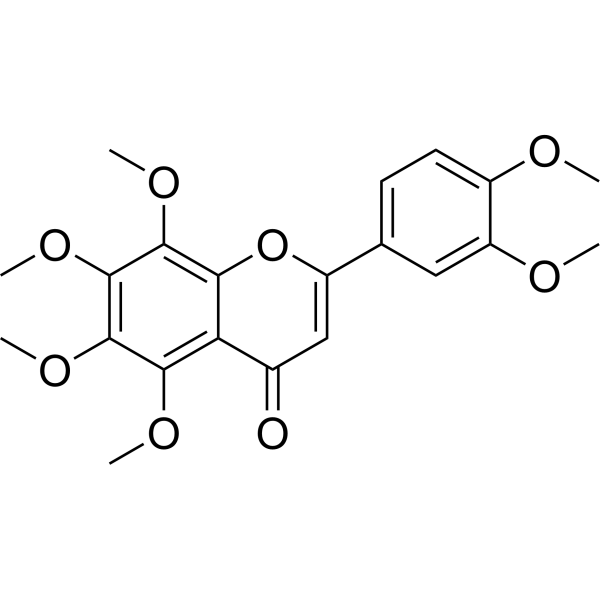
    Nobiletin
    Maximum Cited Publications
    27 Publications Verification

    ROR Reactive Oxygen Species (ROS) Apoptosis Autophagy Neurological Disease Inflammation/Immunology Cancer
    Nobiletin is a poly-methoxylated flavone from the citrus peel that improves memory loss. Nobiletin is a retinoid acid receptor-related orphan receptors (RORs) agonist. Nobiletin can reduce reactive oxygen species (ROS) levels in differentiated C2C12 myotubes and has anti-inflammation and anti-cancer properties, including anti-angiogenesis, anti-proliferation, anti-metastasis and induced apoptosis .
    Nobiletin
  • HY-N0171
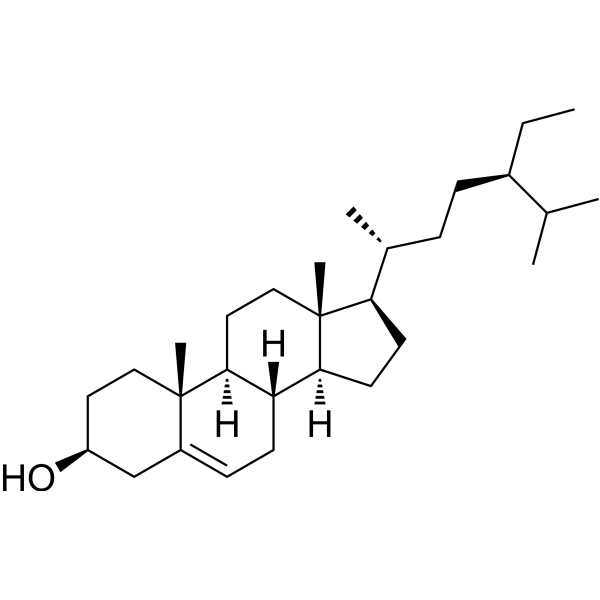
    Beta-Sitosterol (purity>80%)
    20+ Cited Publications

    Apoptosis Endogenous Metabolite Cardiovascular Disease Inflammation/Immunology Cancer
    Beta-Sitosterol (purity≥80%) is orally active. Beta-Sitosterol exhibits multiple activities, including anti-inflammatory, anticancer, antioxidant, antimicrobial, antidiabetic, antioxidant enzyme, and analgesic. Beta-Sitosterol inhibits inflammation and impaired adipogenesis in bovine mammary epithelial cells by reducing levels of ROS, TNF-α, IL-1β, and NF-κB p65 and restoring the activity of the HIF-1α/mTOR signaling pathway. Beta-Sitosterol induces apoptosis in cancer cells through ROS-mediated mitochondrial dysregulation and p53 activation. Beta-Sitosterol exerts its anticancer effects in cancer cells by activating caspase-3, caspase-8, and caspase-9, mediating PARP inactivation, MMP loss, altered Bcl-2-Bax ratio, and cytochrome c release. Beta-Sitosterol modulates macrophage polarization and reduces rheumatoid inflammation in mice. Beta-Sitosterol inhibits tumor growth in multiple mouse cancer models. Beta-Sitosterol can be used in the research of arthritis, lung cancer, breast cancer and other cancers, diabetes, etc .
    Beta-Sitosterol (purity>80%)
  • HY-A0096
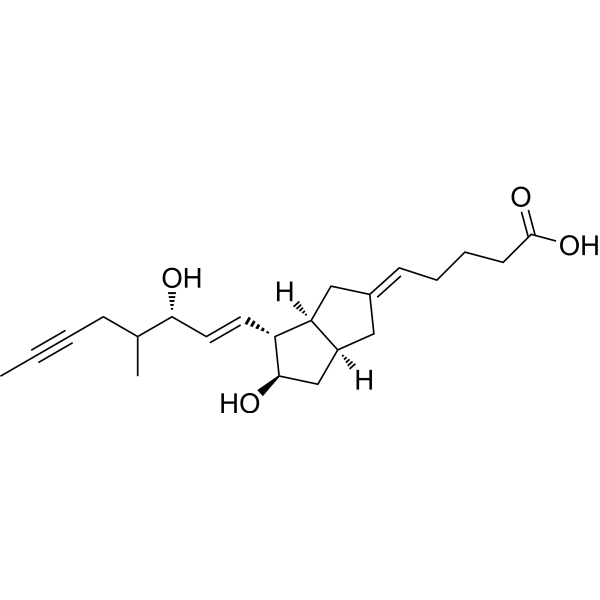
    Iloprost
    5 Publications Verification

    Ciloprost; ZK 36374

    Prostaglandin Receptor Endogenous Metabolite Cardiovascular Disease Endocrinology Cancer
    Iloprost (ZK 36374; Ciloprost) is a prostacyclin (PGI2) analogue, involves in embryo development and inflammation improvement, and inhibits tumor metastasis. Iloprost can be used for peripheral vascular research .
    Iloprost
  • HY-108910
    Chymotrypsin
    2 Publications Verification

    EC 3.4.21.1; Chymotrypsin A

    Toll-like Receptor (TLR) NF-κB MMP Others Inflammation/Immunology
    Chymotrypsin (EC 3.4.21.1; Chymotrypsin A) is an orally effective inhibitor targeting molecules such as TLR4, NF-κB, MMP-1, TNF-α, IL-1β, and IL-6. Chymotrypsin downregulates the TLR4/NF-κB signaling pathway, inhibiting the release of inflammatory factors, reducing cell infiltration and tissue damage. It also reduces the expression of tumor cell adhesion molecules (such as CD44 and CD54) and can be specifically detected by fluorescent probes (such as NBD-3). Chymotrypsin has anti-inflammatory, hepatoprotective, joint damage-reducing, liver protection against lipotoxicity, and anti-tumor metastasis functions. It can be used in research on diseases such as rheumatoid arthritis, non-alcoholic fatty liver disease, and melanoma metastasis. Chymotrypsin can be used in studies of inflammation, edema, and expectoration .
    Chymotrypsin
  • HY-N2389
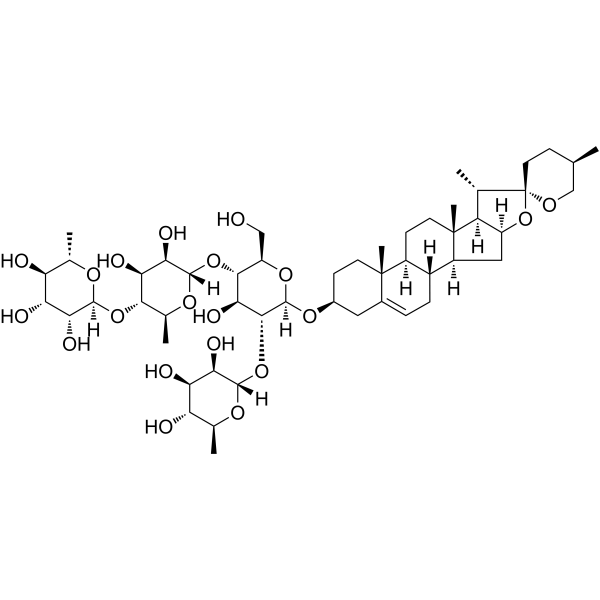
    Formosanin C
    5 Publications Verification

    Apoptosis Autophagy Ferroptosis NF-κB Fungal Infection Inflammation/Immunology Cancer
    Formosanin C is a diosgenin saponin with multiple biological activities. Formosanin C possesses multiple anti-tumor mechanisms, including inducing apoptosis and autophagy, blocking the cell cycle, inhibiting metastasis and inducing ferroptosis. Formosanin C can inhibit the NF-κB signaling pathway to exert anti-inflammatory effects, and enhance the activity of immune cells. Formosanin C exhibits the inhibiting effect against C. albicans. Formosanin C can be used for the study of anti-inflammation, antifungal anti and anti-cancer (including lung cancer, liver cancer, breast cancer and colorectal cancer, etc.) .
    Formosanin C
  • HY-N0554
    Escin IA
    1 Publications Verification

    HIV Protease Monoamine Oxidase Infection Inflammation/Immunology Cancer
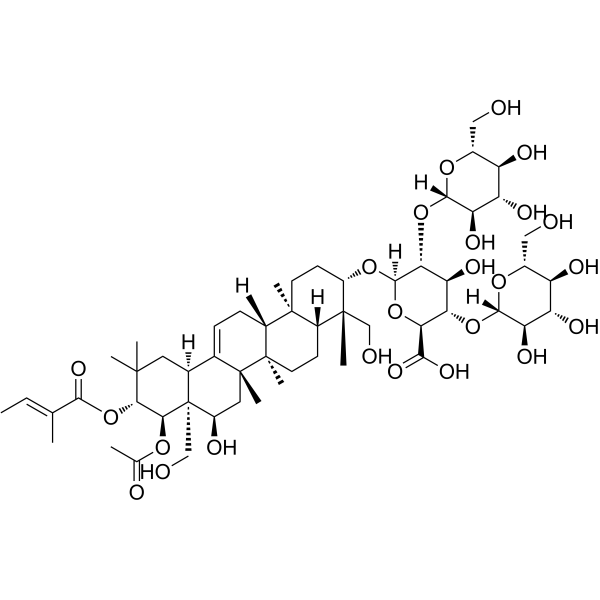
    Escin IA is an oral LOXL2 inhibitor and EMT inhibitor, with selectivity for LOXL2-expressing cells. Escin IA suppresses invasion, migration, and metastasis of breast cancer cells, and acts as the primary anti-TNBC metastasis constituent of Aesculus chinensis Bunge fruit saponin fraction. Escin IA can be used for the research of triple-negative breast cancer, acute inflammation, and ethanol-induced gastric mucosal lesions .
    Escin IA
  • HY-147041
    Selvigaltin
    1 Publications Verification

    GB1211

    Galectin Inflammation/Immunology Cancer
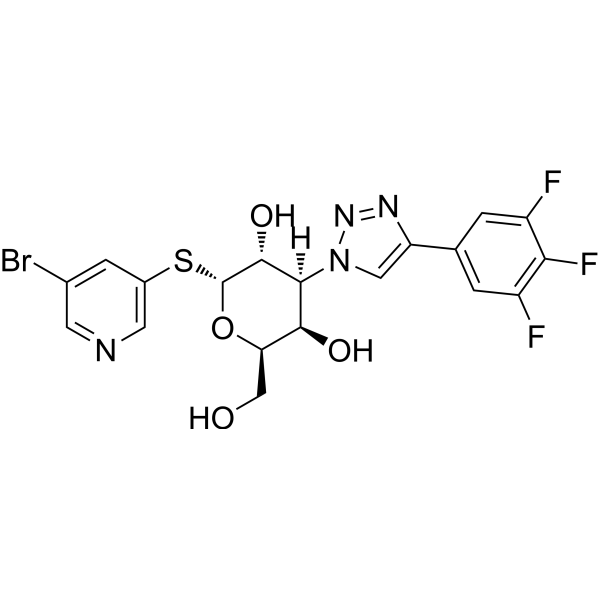
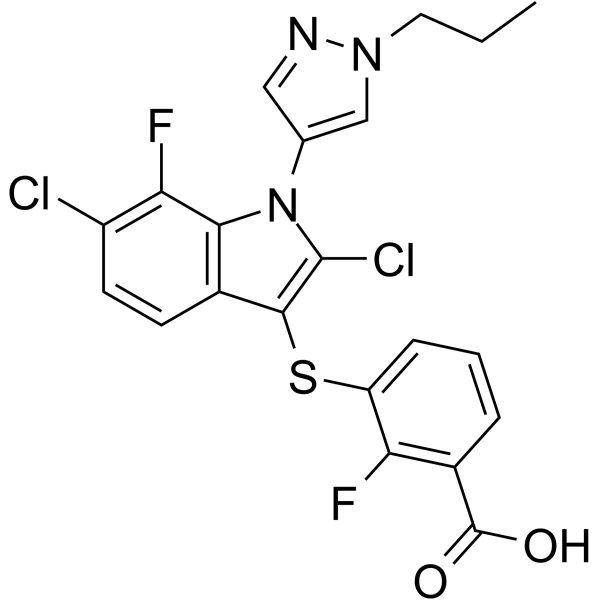
    Selvigaltin (GB1211) is an orally active galectin-3 small molecule inhibitor with an IC50 value of 12 nM in rabbits, showing anti-tumor activity. Selvigaltin decreases galectin-3 levels in the liver and reduces biomarkers of liver function (AST, ALT, bilirubin), inflammation (cells foci) and fibrosis (PSR, SHG), as well as decreasing the mRNA and protein expression of several key inflammation and fibrosis biomarkers (IL6, TGFβ3, SNAI2, collagen). Selvigaltin restores T-cell activity and induces less tumors and metastasis .
    Selvigaltin
  • HY-P99781

    MLN-1202

    CCR Inflammation/Immunology Cancer
    Plozalizumab (MLN-1202) is a humanized anti-CCR2 IgG1 monoclonal antibody. Plozalizumab blocks the recruitment of myeloid cells to the tumor microenvironment by inhibiting the CCL2/CCR2 axis. In addition, Plozalizumab also ameliorates synovial inflammation in rheumatoid arthritis. Plozalizumab can be used in the research of malignant melanoma and bone metastasis-related cancers. Recommended isotype control: Human IgG1 kappa, Isotype Control (HY-P99001) .
    Plozalizumab
  • HY-108910A
    Chymotrypsin (MS grade)
    2 Publications Verification

    EC 3.4.21.1 (MS grade); Chymotrypsin A (MS grade)

    Toll-like Receptor (TLR) NF-κB MMP Others Inflammation/Immunology
    Chymotrypsin (EC 3.4.21.1; Chymotrypsin A) (MS grade) is an orally effective inhibitor targeting molecules such as TLR4, NF-κB, MMP-1, TNF-α, IL-1β, and IL-6. Chymotrypsin (MS grade) downregulates the TLR4/NF-κB signaling pathway, inhibits the release of inflammatory factors, reduces cell infiltration and tissue damage, and also reduces the expression of tumor cell adhesion molecules (such as CD44 and CD54). It can also be specifically detected by fluorescent probes (such as NBD-3). Chymotrypsin (MS grade) has anti-inflammatory, hepatoprotective, joint damage-reducing, liver protection against lipotoxicity, and anti-tumor metastasis functions, and can be used in the research of diseases such as rheumatoid arthritis, non-alcoholic fatty liver disease, and melanoma metastasis. Chymotrypsin (MS grade) can be used in studies of inflammation, edema, and expectoration .
    Chymotrypsin (MS grade)
  • HY-145561

    BLD-0409; PAT-409

    Phosphodiesterase (PDE) LPL Receptor Inflammation/Immunology Cancer
    Cudetaxestat (BLD-0409; PAT-409) is an orally active and noncompetitive autotaxin (ATX) inhibitor. Cudetaxestat inhibits the activity of ATX, reduces the production of LPA, and thereby blocks the signal transduction of the ATX-LPA axis. Cudetaxestat can still maintain nanomolar-level biochemical efficacy even when the concentration of the LPC substrate increases. Cudetaxestat can be used for the study of various diseases related to LPA including fibrosis, tumor metastasis, inflammation and autoimmune diseases, etc .
    Cudetaxestat
  • HY-17357

    AHR 9434; AL 6515

    COX Prostaglandin Receptor Neurological Disease Inflammation/Immunology Endocrinology Cancer
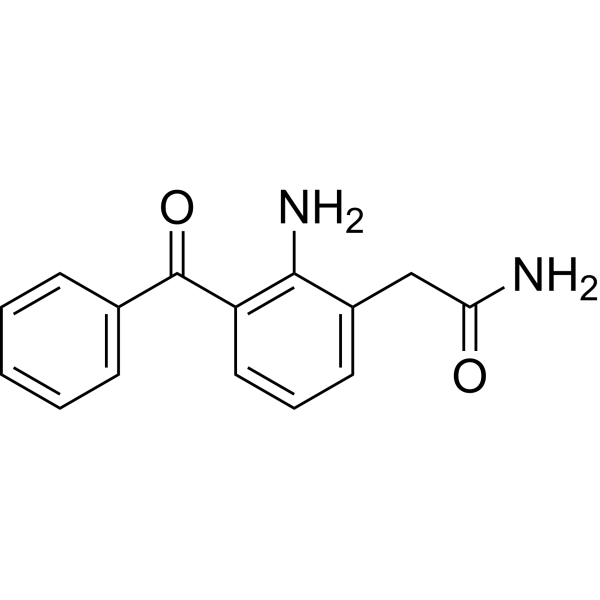
    Nepafenac (AHR 9434; AL 6515), a nonsteroidal anti-inflammatory agent, is a topically administered COX-2 inhibitor with an IC50 of 0.12 μM. Nepafenac exhibits only weak COX-1 inhibitory activity (IC50 = 64.3 μM). Nepafenac possesses unique prodrug properties, which enable it to rapidly convert into the active metabolite Amfenac (HY-17479) in the ocular tissues, thereby achieving high concentrations in the retina and choroid. Nepafenac reduces inflammation and pain by inhibiting the activity of cyclooxygenase (COX) enzymes and thereby decreasing the production of prostaglandin PGE. Nepafenac can delay the metastasis of uveal melanoma (UM) in rabbit eyes. Nepafenac is mainly used for pain management and inflammation control after ophthalmic surgeries .
    Nepafenac
  • HY-101481

    COX Apoptosis MEK ERK PPAR AMPK NF-κB Interleukin Related TNF Receptor STAT Wnt Neurological Disease Inflammation/Immunology Cancer
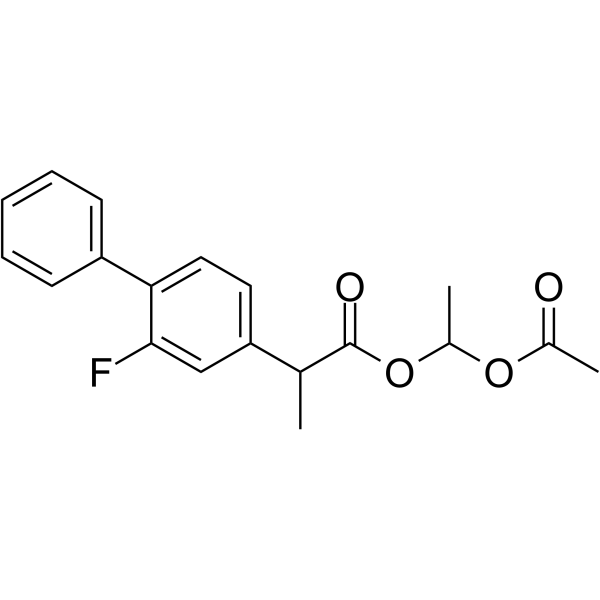
    Flurbiprofen axetil is a non-selective COX inhibitor and a nonsteroidal anti-inflammatory agent with anti-inflammatory and analgesic effects. Flurbiprofen axetil inhibits basal-like breast cancer metastasis by inhibiting the MEK/ERK signaling pathway. Flurbiprofen axetil can promote neuroprotection after focal cerebral ischemia in rats by partially activating PPAR-γ. Flurbiprofen axetil alleviates cerebral ischemia/reperfusion injury by reducing inflammation in a transient global cerebral ischemia/reperfusion rat model. Flurbiprofen axetil can alleviate inflammatory responses and cognitive function in a mild cognitive impairment (MCI) SD rat model through the AMPKα/NF-κB signaling pathway .
    Flurbiprofen axetil
  • HY-136990

    p38 MAPK Cancer
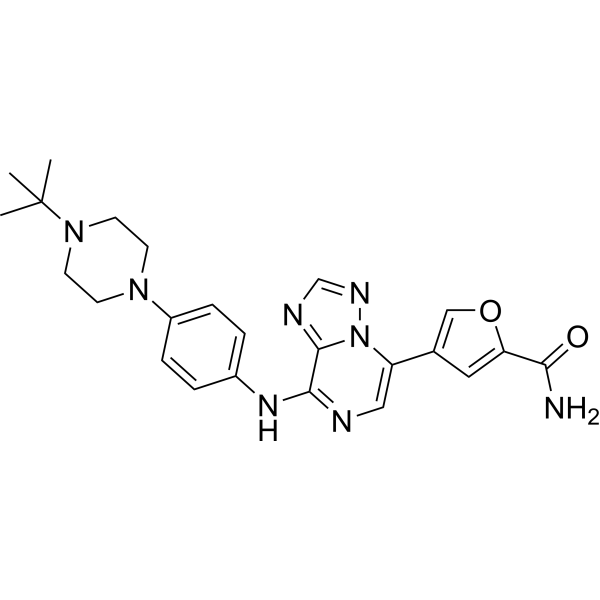
    GLPG0259 is a ATP-competitive inhibitor of MAPK-activated protein kinase 5 (MK5) with oral activity. GLPG0259 reduces inflammation and bone destruction in a mouse model of collagen-induced arthritis. GLPG0259 also inhibited the metastasis of prostate cancer (PCa) cells .
    GLPG0259
  • HY-N7700A
    Guluronic acid sodium
    1 Publications Verification

    G2013 sodium

    VEGFR Toll-like Receptor (TLR) COX NO Synthase NF-κB MMP Inflammation/Immunology Cancer
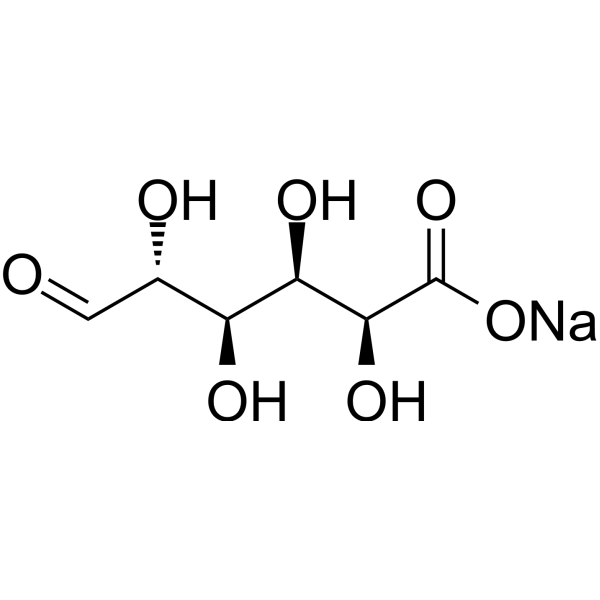
    Guluronic acid (G2013) sodium is an orally active oxidative stress regulator and anti-inflammatory agent that exerts pharmacological effects by down-regulating various pro-inflammatory and oxidative stress-related genes (such as TLR4, NF-κB, iNOS, etc.) and inhibiting the activities of COX-2, MMPs and VEGF. Low-dose Guluronic acid sodium up-regulates the expression of immunoregulatory genes SHIP1 and SOCS1, thereby effectively inhibiting cancer-related inflammation, tumor angiogenesis, cell adhesion and metastasis, while reducing the accumulation of immunosuppressive cells. Guluronic acid sodium significantly prolongs the survival time of tumor-bearing hosts within a concentration range without direct cytotoxicity, demonstrating favorable safety. Guluronic acid sodium has involved in the research of multiple sclerosis, ankylosing spondylitis, breast cancer and other inflammatory diseases .
    Guluronic acid sodium
  • HY-N7700

    G2013

    MMP COX VEGFR Toll-like Receptor (TLR) NF-κB NO Synthase Inflammation/Immunology Cancer
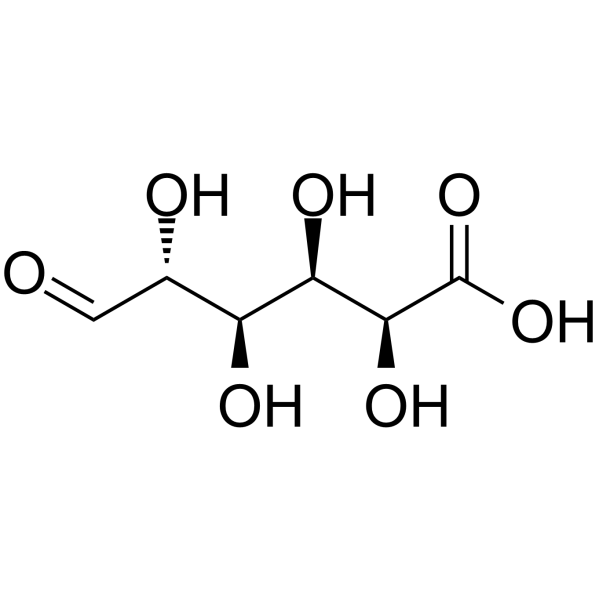
    Guluronic acid (G2013) is an orally active oxidative stress regulator and anti-inflammatory agent that exerts pharmacological effects by down-regulating various pro-inflammatory and oxidative stress-related genes (such as TLR4, NF-κB, iNOS, etc.) and inhibiting the activities of COX-2, MMPs and VEGF. Low-dose Guluronic acid up-regulates the expression of immunoregulatory genes SHIP1 and SOCS1, thereby effectively inhibiting cancer-related inflammation, tumor angiogenesis, cell adhesion and metastasis, while reducing the accumulation of immunosuppressive cells. Guluronic acid significantly prolongs the survival time of tumor-bearing hosts within a concentration range without direct cytotoxicity, demonstrating favorable safety. Guluronic acid has involved in the research of multiple sclerosis, ankylosing spondylitis, breast cancer and other inflammatory diseases .
    Guluronic acid
  • HY-17357S

    AHR-9434-d5; AL-6515-d5

    Isotope-Labeled Compounds COX Prostaglandin Receptor Neurological Disease Inflammation/Immunology Endocrinology Cancer
    Nepafenac-d5 (AHR-9434-d5; AL-6515-d5) is the deuterium labeled Nepafenac (HY-17357). Nepafenac, a nonsteroidal anti-inflammatory agent, is a topically administered COX-2 inhibitor with an IC50 of 0.12 μM. Nepafenac exhibits only weak COX-1 inhibitory activity (IC50 = 64.3 μM). Nepafenac possesses unique prodrug properties, which enable it to rapidly convert into the active metabolite Amfenac (HY-17479) in the ocular tissues, thereby achieving high concentrations in the retina and choroid. Nepafenac reduces inflammation and pain by inhibiting the activity of cyclooxygenase (COX) enzymes and thereby decreasing the production of prostaglandin PGE. Nepafenac can delay the metastasis of uveal melanoma (UM) in rabbit eyes. Nepafenac is mainly used for pain management and inflammation control after ophthalmic surgeries.
    Nepafenac-d5
  • HY-P10862

    Exosomes Virus Protease Infection Cancer
    AH-D peptide is a brain-penetrant antiviral agent disrupting highly curved lipid membranes. AH-D peptide exhibits broad-spectrum antiviral activity against ZIKV, Dengue virus, Chikungunya virus, yellow fever virus and Japanese encephalitis virus, with
    IC50
    values of 11.9, 12.5, 35.7, 206 and 136 nM, respectively. AH-D peptide reduces the viral load in the brain, suppresses inflammation, protects neurons, and does not damage the blood brain barrier. AH-D peptide restores antitumor immunity by decreasing circulating PD-L1 + exosomes, reducing intratumoral immunosuppressive cells (regulatory T cells, myeloid-derived suppressor cells), and enhancing T cell function. AH-D peptide inhibits membrane-enveloped viruses and cancer cell metastasis in vivo. AH-D peptide exhibits no immunogenicity and has negligible effects on normal tissues. AH-D peptide can be used for research in Zika virus and other mosquito-borne viruses, cancer immunotherapy and metastasis .
    AH-D peptide
  • HY-N7694
    Isotoosendanin
    1 Publications Verification

    TGF-β Receptor JAK STAT Apoptosis Inflammation/Immunology Cancer
    Isotoosendanin is an orally active TGFβR1 inhibitor and abrogating its kinase activity (IC50 = 6732 nM). Isotoosendanin inhibits the JAK/STAT3 signaling pathway by directly targeting SHP-2, enhancing its stability, and reducing its ubiquitination. Isotoosendanin inhibits TGF-β-induced reduces the migration, invasion, and metastasis in triple-negative breast cancer (TNBC) cells. Isotoosendanin exhibits anti-tumor efficacy in TNBC xenograft models and A549 xenograft tumors. Isotoosendanin exhibits significant anti-inflammatory effects in acetic acid-induced vascular permeability and λ-carrageenan-induced hind paw edema tests. Isotoosendanin can be used for the study of non-small cell lung cancer (NSCLC), TNBC and inflammation .
    Isotoosendanin
  • HY-N16409

    MMP Caspase Inflammation/Immunology Cancer
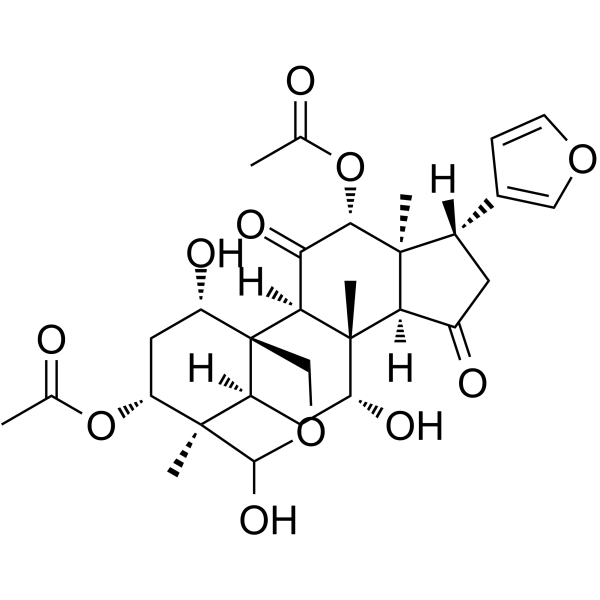
    Berkeleyamide C is a selective matrix metalloproteinase-3 (MMP-3) and caspase-1 inhibitor. Berkeleyamide C blocks MMP-3-mediated tumor cell invasion and metastasis, as well as the abnormal activation of inflammation and apoptosis related to caspase-1. Berkeleyamide C is promising for research of cancers and inflammation-related diseases .
    Berkeleyamide C
  • HY-A0096R

    Ciloprost (Standard); ZK 36374 (Standard)

    Reference Standards Prostaglandin Receptor Endogenous Metabolite Endocrinology Cancer
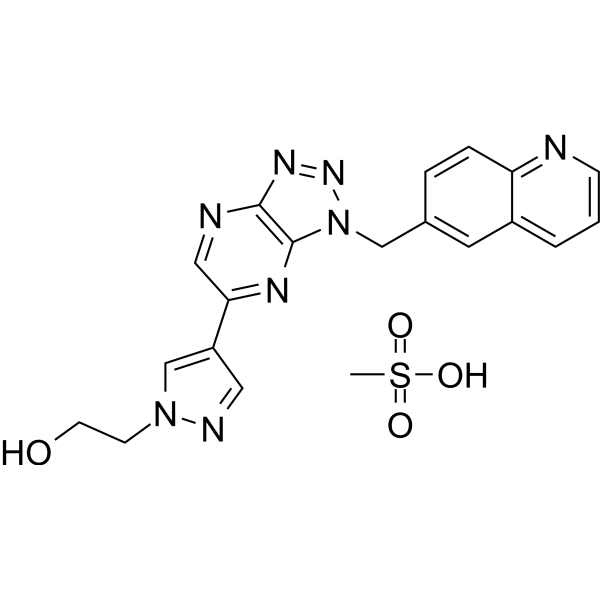
    Iloprost (Standard) is the analytical standard of Iloprost. This product is intended for research and analytical applications. Iloprost (ZK 36374; Ciloprost) is a prostacyclin (PGI2) analogue, involves in embryo development and inflammation improvement, and inhibits tumor metastasis. Iloprost can be used for peripheral vascular research .
    Iloprost (Standard)
  • HY-P2496

    Endothelin Receptor Fluorescent Dye NF-κB COX Prostaglandin Receptor Apoptosis TNF Receptor Interleukin Related MMP Cardiovascular Disease Inflammation/Immunology Cancer
    Endothelin 1 (swine, human), Alexa Fluor 488-labeled is an Endothelin-1 conjugated with Alexa Fluor 488 (HY-D1304). Endothelin-1 is an endogenous vasoconstrictor and agonist of ETA/ETB receptor. Endothelin 1 (swine, human) exerts effects including promoting mitosis, angiogenesis, tumor invasion and metastasis, and inhibiting apoptosis. Endothelin 1 (swine, human) induces inflammation and oxidative stress by activating the NF-κB pathway. Endothelin 1 (swine, human), Alexa Fluor 488-labeled is specifically designed for fluorescence imaging, flow cytometry or receptor localization studies, and can be used in research related to sepsis, atherosclerosis, systemic inflammatory response syndrome, cancer and congestive heart failure .
    Endothelin 1 (swine, human), Alexa Fluor 488-labeled
  • HY-P2153

    Integrin Inflammation/Immunology Cancer
    Maraciclatide is a synthetic molecule that binds with high affinity to αvβ3 and αvβ5 integrins via the RGD peptide. Maraciclatide can be used to detect bone metastasis, breast tumors, vascular disease and rheumatoid arthritis in animal models. Maraciclatide can be studied in research on angiogenesis and inflammation .
    Maraciclatide
  • HY-173420

    Drug Derivative Cardiovascular Disease Endocrinology Cancer
    15-Keto Iloprost is a C-15 oxidized derivative of Iloprost (HY-A0096). Iloprost (ZK 36374) is a prostacyclin (PGI2) analogue, involves in embryo development and inflammation improvement, and inhibits tumor metastasis .
    15-Keto Iloprost
  • HY-N0155R

    Reference Standards ROR Reactive Oxygen Species (ROS) Apoptosis Autophagy Neurological Disease Inflammation/Immunology Cancer
    Nobiletin (Standard) is the analytical standard of Nobiletin. This product is intended for research and analytical applications. Nobiletin is a poly-methoxylated flavone from the citrus peel that improves memory loss. Nobiletin is a retinoid acid receptor-related orphan receptors (RORs) agonist. Nobiletin can reduce reactive oxygen species (ROS) levels in differentiated C2C12 myotubes and has anti-inflammation and anti-cancer properties, including anti-angiogenesis, anti-proliferation, anti-metastasis and induced apoptosis .
    Nobiletin (Standard)
  • HY-P5352

    CD44 Inflammation/Immunology Cancer
    Hyaluronan-IN-1 (Pep-1) is a Hyaluronan inhibitor with a Kd value of 1.65 μM. Hyaluronan-IN-1 blocks CD44-dependent cell adhesion. Hyaluronan-IN-1 inhibits cell adhesion to hyaluronan substrates. Hyaluronan-IN-1 suppresses the development of contact hypersensitivity in mice by blocking the homing process of inflammatory cells to the skin. Hyaluronan-IN-1 also inhibits responses during the sensitization phase. Hyaluronan-IN-1 reduces lung metastasis of melanoma and prolongs the survival of mice. Hyaluronan-IN-1 can be used in research related to contact hypersensitivity, chronic skin inflammation, and melanoma .
    Hyaluronan-IN-1
  • HY-173419

    5-cis-15(R)-Ciloprost; 5-cis-15(R)-ZK 36374

    Drug Isomer Prostaglandin Receptor Endocrinology Cancer
    5-cis-15(R)-Iloprost (5-cis-15(R)-Ciloprost) is the C-5 cis-isomer and 15(R)-epimer of Iloprost (HY-A0096). Iloprost is a prostacyclin (PGI2) analogue, involves in embryo development and inflammation improvement, and inhibits tumor metastasis. Iloprost can be used for peripheral vascular research .
    5-cis-15(R)-Iloprost
  • HY-174730

    mRNA Inflammation/Immunology
    Human CXCL12 mRNA encodes the human C-X-C motif chemokine ligand 12 (CXCL12) protein, a stromal cell-derived alpha chemokine member of the intercrine family. CXCL12 functions as the ligand for the G-protein coupled receptor, chemokine (C-X-C motif) receptor 4, and plays a role in many diverse cellular functions, including embryogenesis, immune surveillance, inflammation response, tissue homeostasis, and tumor growth and metastasis.
    Human CXCL12 mRNA
  • HY-17357R

    AHR 9434 (Standard); AL 6515 (Standard)

    Reference Standards COX Prostaglandin Receptor Neurological Disease Inflammation/Immunology Endocrinology Cancer
    Nepafenac (AHR 9434; AL 6515) (Standard) is the analytical standard of Nepafenac (HY-17357). This product is intended for research and analytical applications. Nepafenac, a nonsteroidal anti-inflammatory agent, is a topically administered COX-2 inhibitor with an IC50 of 0.12 μM. Nepafenac exhibits only weak COX-1 inhibitory activity (IC50 = 64.3 μM). Nepafenac possesses unique prodrug properties, which enable it to rapidly convert into the active metabolite Amfenac (HY-17479) in the ocular tissues, thereby achieving high concentrations in the retina and choroid. Nepafenac reduces inflammation and pain by inhibiting the activity of cyclooxygenase (COX) enzymes and thereby decreasing the production of prostaglandin PGE. Nepafenac can delay the metastasis of uveal melanoma (UM) in rabbit eyes. Nepafenac is mainly used for pain management and inflammation control after ophthalmic surgeries.
    Nepafenac (Standard)
  • HY-101481R

    Reference Standards COX Apoptosis MEK ERK PPAR AMPK NF-κB Interleukin Related TNF Receptor STAT Wnt Neurological Disease Inflammation/Immunology Cancer
    Flurbiprofen axetil (Standard) is the analytical standard of Flurbiprofen axetil. This product is intended for research and analytical applications. Flurbiprofen axetil is a non-selective COX inhibitor and a nonsteroidal anti-inflammatory agent with anti-inflammatory and analgesic effects. Flurbiprofen axetil inhibits basal-like breast cancer metastasis by inhibiting the MEK/ERK signaling pathway. Flurbiprofen axetil can promote neuroprotection after focal cerebral ischemia in rats by partially activating PPAR-γ. Flurbiprofen axetil alleviates cerebral ischemia/reperfusion injury by reducing inflammation in a transient global cerebral ischemia/reperfusion rat model. Flurbiprofen axetil can alleviate inflammatory responses and cognitive function in a mild cognitive impairment (MCI) SD rat model through the AMPKα/NF-κB signaling pathway .
    Flurbiprofen axetil (Standard)

Inquiry Online

Your information is safe with us. * Required Fields.

Salutation


Country or Region *

Applicant Name *


Organization Name *

Department *


Email Address *


Product Name *

Cat. No.


Requested quantity *

Phone Number *


Remarks

Inquiry Online

Inquiry Information

Product Name:
Cat. No.:
Quantity:
MCE Japan Authorized Agent:

