From 11:00 pm to 12:00 pm EST ( 8:00 pm to 9:00 pm PST ) on January 6th, the website will be under maintenance. We are sorry for the inconvenience. Please arrange your schedule properly.
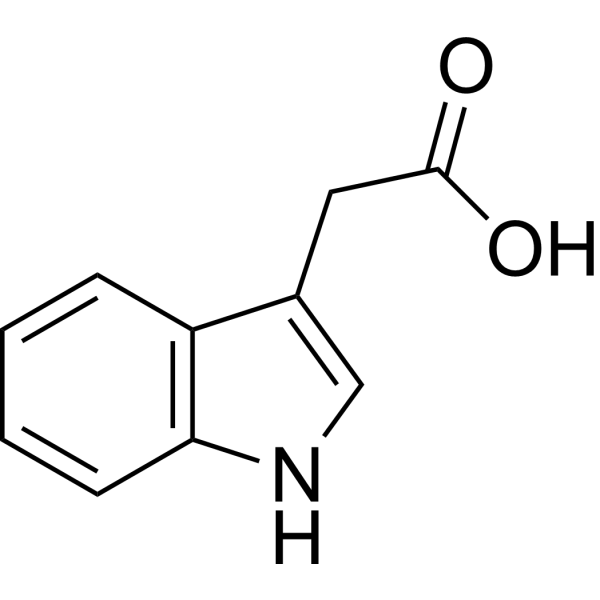
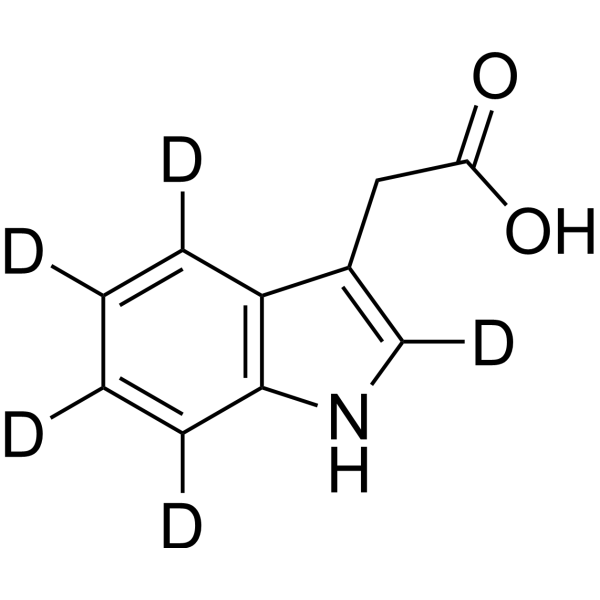
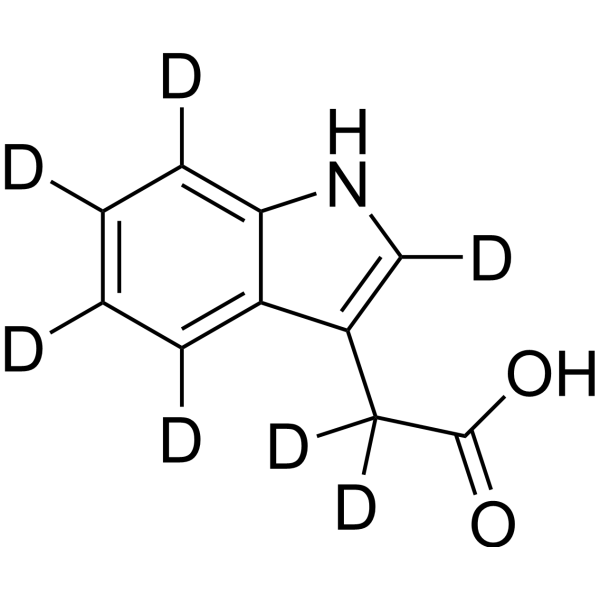
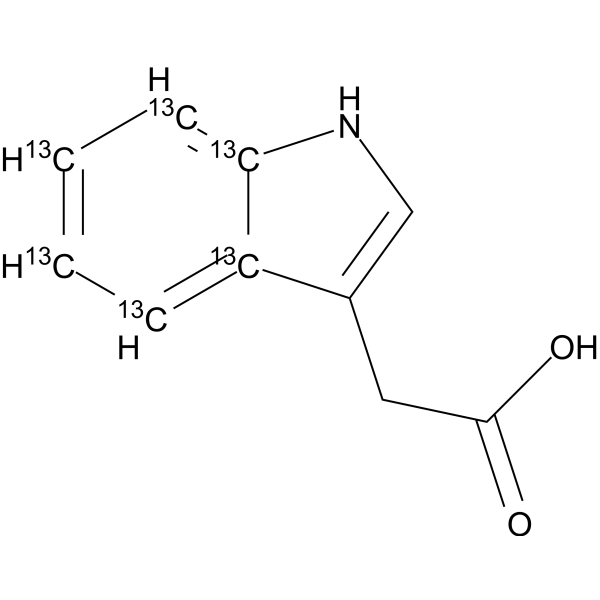
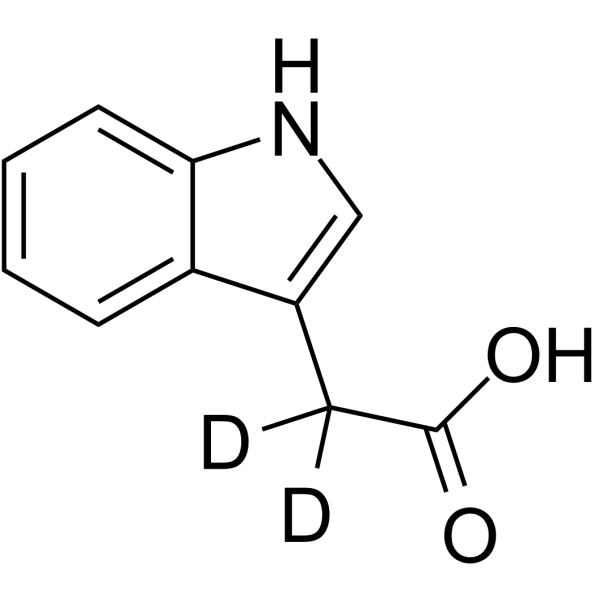
3-Indoleacetic acid is is an IAA hormone and growth regulator that can promote plant nutritional growth through processes such as cell expansion, differentiation, morphogenesis, and organogenesis .
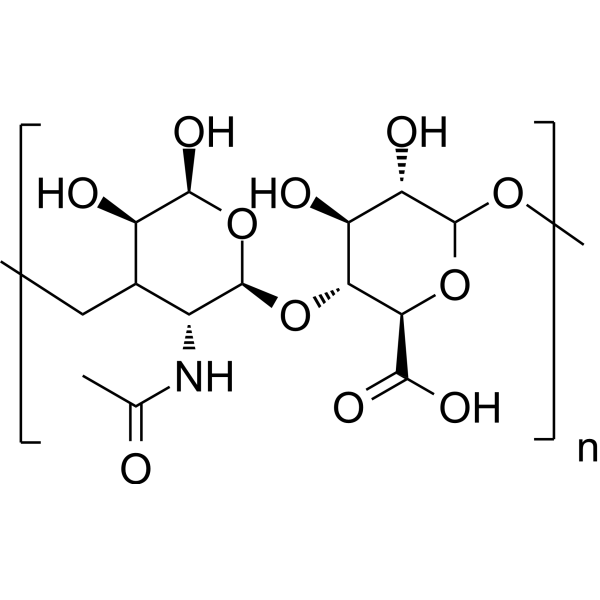
Hyaluronic acid is a biopolymer composed of repeating units of disaccharides with various applications. Hyaluronic acid is a major component of the extracellular matrix (ECM). Hyaluronic acid is synthesized at the plasma membrane. Increased hyaluronic acid levels are associated with tumor cell growth, adhesion, migration, invasion and angiogenesis in digestive cancers. Hyaluronic acid participates in tissue remodeling and rapid cell proliferation in some physiological processes including embryonic morphogenesis and wound-healing. Hyaluronic acid activates the PI3K-Akt signaling. Hyaluronic acid acts as a regulator of cancer-associated lymphangiogenesis. Hyaluronic acid also enhances cell invasion and angiogenesis by promoting proteolytic MMP-9 binding to cell surface or stimulating MMP-9 binding to cell surface. Hyaluronic acid can be used as drug delivery for sodium butyrate to improve the anti-proliferative activity on breast cancer cell line. Hyaluronic acid can be studied in joint diseases, wound healing and cancer .
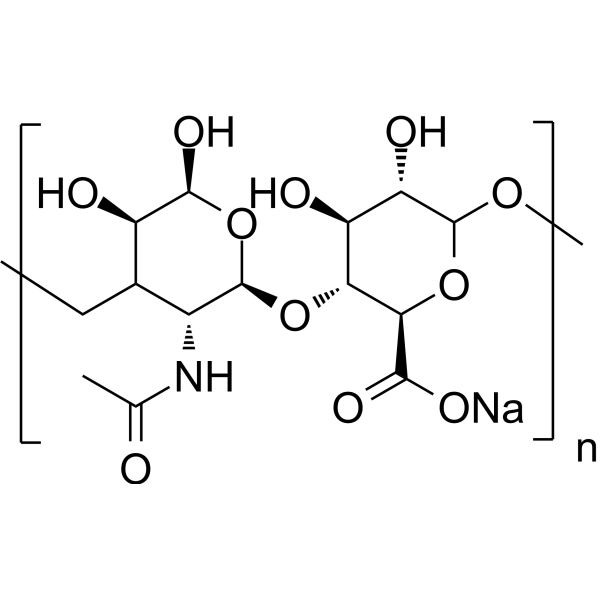
Hyaluronic acid sodium (Sodium hyaluronate) is a biopolymer composed of repeating units of disaccharides with various applications. Hyaluronic acid sodium is a major component of the extracellular matrix (ECM). Hyaluronic acid sodium is synthesized at the plasma membrane. Increased hyaluronic acid sodium levels are associated with tumor cell growth, adhesion, migration, invasion and angiogenesis in digestive cancers. Hyaluronic acid sodium participates in tissue remodeling and rapid cell proliferation in some physiological processes including embryonic morphogenesis and wound-healing. Hyaluronic acid sodium activates the PI3K-Akt signaling. Hyaluronic acid sodium acts as a regulator of cancer-associated lymphangiogenesis. Hyaluronic acid sodium also enhances cell invasion and angiogenesis by promoting proteolytic MMP-9 binding to cell surface or stimulating MMP-9 binding to cell surface. Hyaluronic acid sodium can be used as drug delivery for sodium butyrate to improve the anti-proliferative activity on breast cancer cell line. Hyaluronic acid sodium can be studied in joint diseases, wound healing and cancer .
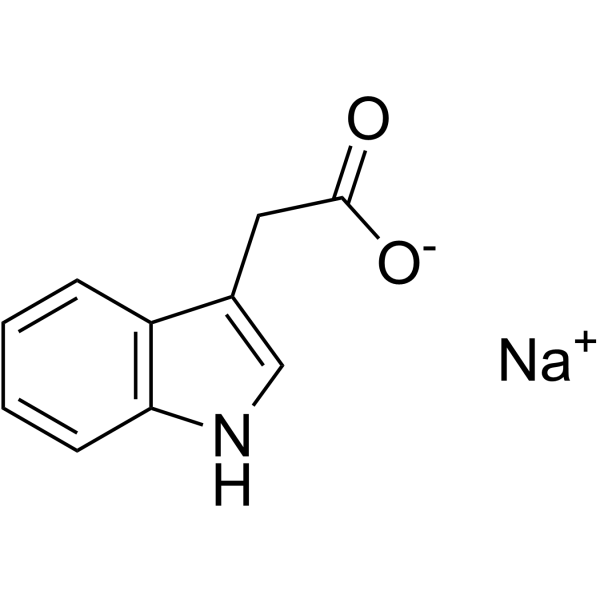
3-Indoleacetic acid (Indole-3-acetic acid) sodium is an IAA hormone and growth regulator that can promote plant nutritional growth through processes such as cell expansion, differentiation, morphogenesis, and organogenesis .
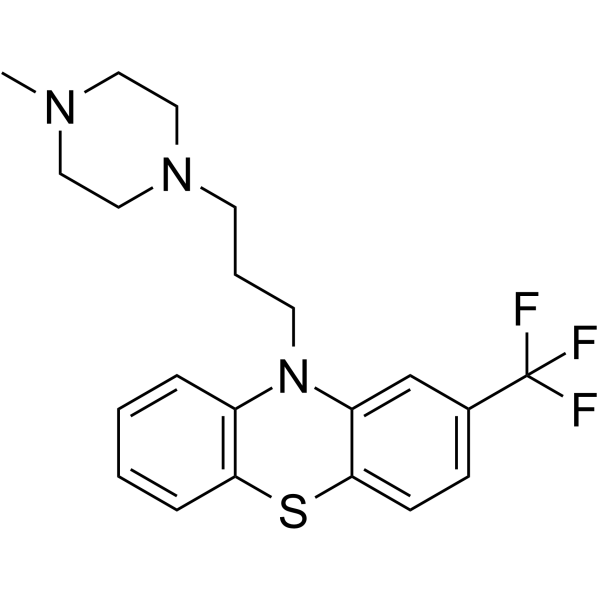
Trifluoperazine, an antipsychotic agent, acts by blocking central dopamine receptors. Trifluoperazine is a potent α1-adrenergic receptor antagonist. Trifluoperazine is a potent NUPR1 inhibitor exerting anticancer activity. Trifluoperazine is a calmodulin inhibitor, and also inhibits P-glycoprotein. Trifluoperazine can be used for the research of schizophrenia. Trifluoperazine acts as a reversible inhibitor of influenza virusmorphogenesis .
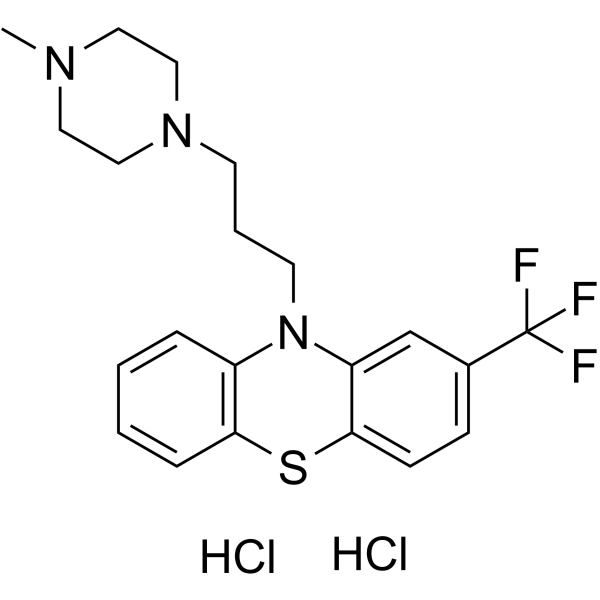
Trifluoperazine dihydrochloride, an antipsychotic agent, acts by blocking central dopamine receptors. Trifluoperazine dihydrochloride is a potent α1-adrenergic receptor antagonist. Trifluoperazine dihydrochloride is a potent NUPR1 inhibitor exerting anticancer activity. Trifluoperazine dihydrochloride is a calmodulin inhibitor, and also inhibits P-glycoprotein. Trifluoperazine dihydrochloride can be used for the research of schizophrenia. Trifluoperazine dihydrochloride acts as a reversible inhibitor of influenza virusmorphogenesis .
Hyaluronic acid sodium (MW 200-1560) is a biopolymer composed of repeating disaccharide units, with a molecular weight of 200-1560. Hyaluronic acid sodium is a major component of the extracellular matrix (ECM). It is synthesized on the plasma membrane. Hyaluronic acid sodium exerts its effects by binding to receptors CD44 and RHAMM. Hyaluronic acid sodium activates PI3K-Akt signaling. Hyaluronic acid sodium also enhances cell invasion and angiogenesis by promoting or stimulating the binding of proteolytic MMP-9 to the cell surface. Elevated hyaluronic acid levels are associated with tumor cell growth, adhesion, migration, invasion, and angiogenesis in digestive system cancers. Hyaluronic acid sodium is involved in tissue remodeling and rapid cell proliferation in several physiological processes, including embryonic morphogenesis and wound healing. Hyaluronic acid sodium can be used as a regulator of cancer-associated lymphangiogenesis. Hyaluronic acid sodium can be used as a drug delivery carrier for sodium butyrate, enhancing its anti-proliferative activity against breast cancer cell lines. Hyaluronic acid sodium can lubricate the corneal endothelium. Hyaluronic acid sodium can improve tissue hydration and enhance the resistance of cells to mechanical damage. Hyaluronic acid sodium has been conjugated with antibodies to ensure that the active compound continues to exert its effects at the site of inflammation. Hyaluronic acid sodium can be used in research in the fields of osteoarthritis, ophthalmology, cosmetic dermatology, oncology, and liver diseases .
Hyaluronic acid, low endotoxin (Hyaluronan, low endotoxin) is a biopolymer composed of repeating disaccharide units containing low levels of endotoxin. Hyaluronic acid is a major component of the extracellular matrix (ECM). It is synthesized on the plasma membrane. Hyaluronic acid exerts its effects by binding to receptors CD44 and RHAMM. Hyaluronic acid activates PI3K-Akt signaling. Hyaluronic acid also enhances cell invasion and angiogenesis by promoting or stimulating the binding of proteolytic MMP-9 to the cell surface. Elevated hyaluronic acid levels are associated with tumor cell growth, adhesion, migration, invasion, and angiogenesis in digestive system cancers. Hyaluronic acid is involved in tissue remodeling and rapid cell proliferation in several physiological processes, including embryonic morphogenesis and wound healing. Hyaluronic acid can be used as a regulator of cancer-associated lymphangiogenesis. Hyaluronic acid can be used as a drug delivery carrier for sodium butyrate, enhancing its anti-proliferative activity against breast cancer cell lines. Hyaluronic acid can lubricate the corneal endothelium. Hyaluronic acid can improve tissue hydration and enhance the resistance of cells to mechanical damage. Hyaluronic acid has been conjugated with antibodies to ensure that the active compound continues to exert its effects at the site of inflammation. Hyaluronic acid can be used in research in the fields of osteoarthritis, ophthalmology, cosmetic dermatology, oncology, and liver diseases .
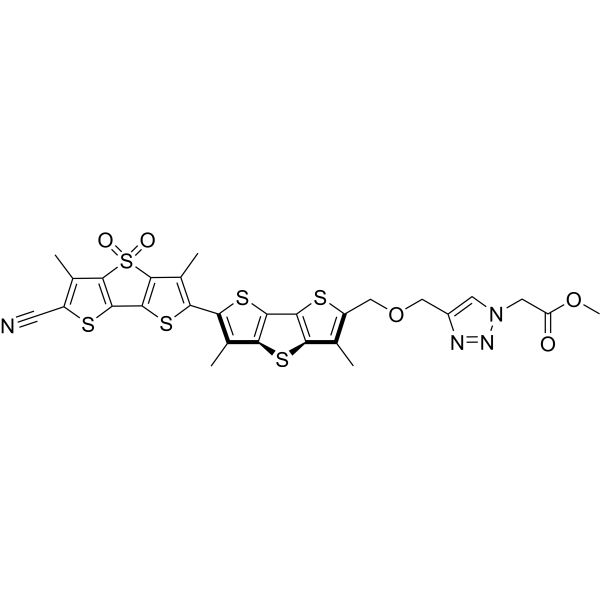
Flipper-TR 5 is a Flipper probe containing a terminal carboxylate for retention on the plasma membrane. Flipper-TR 5 selectively labels the cytoplasmic membrane, and exhibits excellent mechanical sensitivity, negligible cytotoxicity and controllable phototoxicity .
Hyaluronic acid sodium (MW 800kDa) is a biopolymer composed of repeating units of disaccharides with various applications. Hyaluronic acid sodium is a major component of the extracellular matrix (ECM). Hyaluronic acid sodium is synthesized at the plasma membrane. Increased hyaluronic acid sodium levels are associated with tumor cell growth, adhesion, migration, invasion and angiogenesis in digestive cancers. Hyaluronic acid sodium participates in tissue remodeling and rapid cell proliferation in some physiological processes including embryonic morphogenesis and wound-healing. Hyaluronic acid sodium activates the PI3K-Akt signaling. Hyaluronic acid sodium acts as a regulator of cancer-associated lymphangiogenesis. Hyaluronic acid sodium also enhances cell invasion and angiogenesis by promoting proteolytic MMP-9 binding to cell surface or stimulating MMP-9 binding to cell surface. Hyaluronic acid sodium can be used as drug delivery for sodium butyrate to improve the anti-proliferative activity on breast cancer cell line. Hyaluronic acid sodium can be studied in joint diseases, wound healing and cancer .
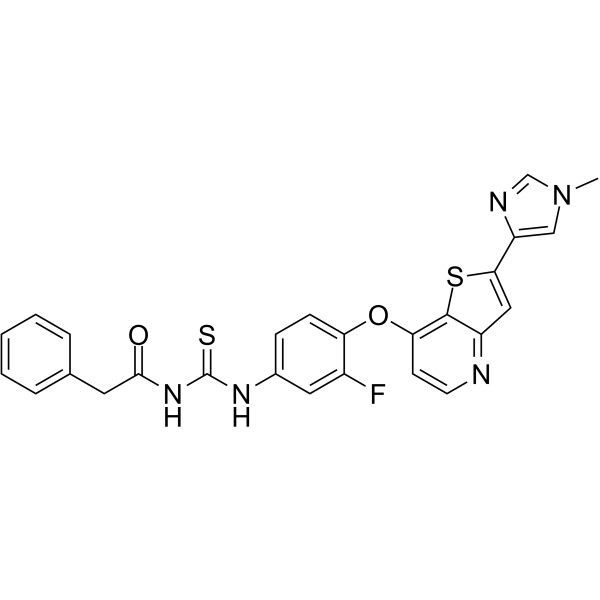
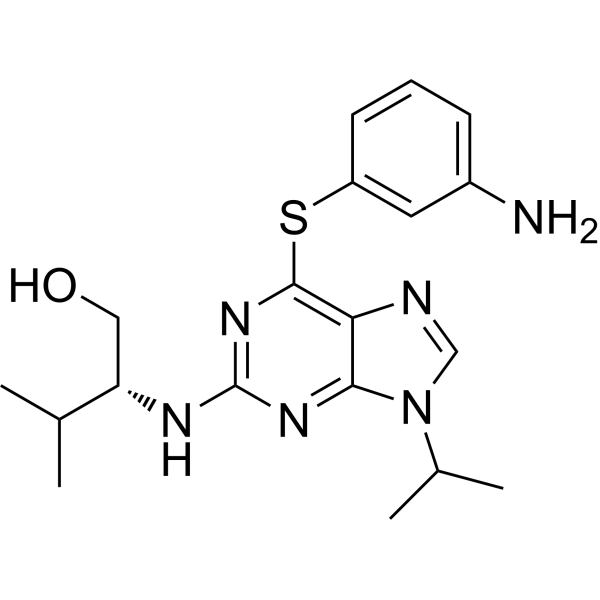
MGCD-265 analog is a potent and oral active inhibitor of c-Met and VEGFR2 tyrosine kinases, with IC50s of 29 nM and 10 nM, respectively. MGCD-265 analog has significant antitumor activity .
3-Indoleacetic acid (Standard) is the analytical standard of 3-Indoleacetic acid. This product is intended for research and analytical applications. 3-Indoleacetic acid is is an IAA hormone and growth regulator that can promote plant nutritional growth through processes such as cell expansion, differentiation, morphogenesis, and organogenesis .
Trifluoperazine dimaleate, an antipsychotic agent, acts by blocking central dopamine receptors. Trifluoperazine dimaleate is a potent α1-adrenergic receptor antagonist. Trifluoperazine dimaleate is a potent NUPR1 inhibitor exerting anticancer activity. Trifluoperazine dimaleate is a calmodulin inhibitor, and also inhibits P-glycoprotein. Trifluoperazine dimaleate can be used for the research of schizophrenia. Trifluoperazine dimaleate acts as a reversible inhibitor of influenza virusmorphogenesis .
Trifluoperazine (dihydrochloride) (Standard) is the analytical standard of Trifluoperazine (dihydrochloride). This product is intended for research and analytical applications. Trifluoperazine dihydrochloride, an antipsychotic agent, acts by blocking central dopamine receptors. Trifluoperazine dihydrochloride is a potent α1-adrenergic receptor antagonist. Trifluoperazine dihydrochloride is a potent NUPR1 inhibitor exerting anticancer activity. Trifluoperazine dihydrochloride is a calmodulin inhibitor, and also inhibits P-glycoprotein. Trifluoperazine dihydrochloride can be used for the research of schizophrenia. Trifluoperazine dihydrochloride acts as a reversible inhibitor of influenza virus morphogenesis .
AHR activator 1 is an aryl hydrocarbon receptor activator with activity regulating fibroblast growth factor-2 (FGF2)-induced branching morphogenesis. AHR activator 1 prevents the formation of cellular branches by inhibiting AHR signaling. AHR activator 1 also associates with adhesion of dissociated linkers, suggesting the importance of dissociated linkers in the inhibition of branching by AHR agonists. Studies of AHR activator 1 reveal its functional role in mammary gland morphogenesis and play a role in inhibiting FGF-induced invasion .
Mouse Hand2 mRNA encodes the mouse heart and neural crest derivatives expressed 2 (Hand2) protein, which is essential for cardiac morphogenesis, particularly for the formation of the right ventricle and of the aortic arch arteries.
Human KDR mRNA encodes the human kinase insert domain receptor (KDR) protein, a receptor of vascular endothelial growth factor (VEGF). KDR functions as the main mediator of VEGF-induced endothelial proliferation, survival, migration, tubular morphogenesis and sprouting.
Human HGF mRNA encodes the human hepatocyte growth factor (HGF) protein, a protein that binds to the hepatocyte growth factor receptor to regulate cell growth, cell motility and morphogenesis in numerous cell and tissue types. It also plays a role in angiogenesis, tumorogenesis, and tissue regeneration.
3-Indoleacetic acid (Standard) is the analytical standard of 3-Indoleacetic acid. This product is intended for research and analytical applications. 3-Indoleacetic acid is is an IAA hormone and growth regulator that can promote plant nutritional growth through processes such as cell expansion, differentiation, morphogenesis, and organogenesis .
GSK494581A is a specific ligand for human GPR55 (pEC50 of 6.8) and also acts as an inhibitor of glycine transporter subtype 1 (GlyT1). GSK494581A may regulate pain signaling, bone morphogenesis, and vascular endothelial cell formation by binding to GPR55 .
Human FGF8 mRNA encodes the human fibroblast growth factor 8 (FGF8) protein, a member of the fibroblast growth factor (FGF) family. FGF family members possess broad mitogenic and cell survival activities, and are involved in a variety of biological processes, including embryonic development, cell growth, morphogenesis, tissue repair, tumor growth and invasion.
Human FGF7 mRNA encodes the human fibroblast growth factor 7 (FGF7) protein, a member of the fibroblast growth factor (FGF) family. FGF family members possess broad mitogenic and cell survival activities, and are involved in a variety of biological processes, including embryonic development, cell growth, morphogenesis, tissue repair, tumor growth and invasion.
Human FGF9 mRNA encodes the human fibroblast growth factor 9 (FGF9) protein, a member of the fibroblast growth factor (FGF) family. FGF family members possess broad mitogenic and cell survival activities, and are involved in a variety of biological processes, including embryonic development, cell growth, morphogenesis, tissue repair, tumor growth and invasion.
Trifluoperazine-d3 (dihydrochloride) is deuterium labeled Trifluoperazine (dihydrochloride). Trifluoperazine dihydrochloride, an antipsychotic agent, acts by blocking central dopamine receptors. Trifluoperazine dihydrochloride is a potent α1-adrenergic receptor antagonist. Trifluoperazine dihydrochloride is a potent NUPR1 inhibitor exerting anticancer activity. Trifluoperazine dihydrochloride is a calmodulin inhibitor, and also inhibits P-glycoprotein. Trifluoperazine dihydrochloride can be used for the research of schizophrenia. Trifluoperazine dihydrochloride acts as a reversible inhibitor of influenza virus morphogenesis .
Trifluoperazine (dihydrochloride) (Standard) is the analytical standard of Trifluoperazine (dihydrochloride). This product is intended for research and analytical applications. Trifluoperazine dihydrochloride, an antipsychotic agent, acts by blocking central dopamine receptors. Trifluoperazine dihydrochloride is a potent α1-adrenergic receptor antagonist. Trifluoperazine dihydrochloride is a potent NUPR1 inhibitor exerting anticancer activity. Trifluoperazine dihydrochloride is a calmodulin inhibitor, and also inhibits P-glycoprotein. Trifluoperazine dihydrochloride can be used for the research of schizophrenia. Trifluoperazine dihydrochloride acts as a reversible inhibitor of influenza virus morphogenesis .
Human MET mRNA encodes the human MET proto-oncogene, receptor tyrosine kinase (MET) protein, a member of the receptor tyrosine kinase family. MET regulates many physiological processes including proliferation, scattering, morphogenesis and survival.
Mouse Mef2c mRNA encodes the mouse myocyte enhancer factor 2C (Mef2c) protein, a transcription activator which binds specifically to the MEF2 element present in the regulatory regions of many muscle-specific genes. Mef2c controls cardiac morphogenesis and myogenesis, and is also involved in vascular development, neurogenesis and the development of cortical architecture.
Flipper-TR 5 is a Flipper probe containing a terminal carboxylate for retention on the plasma membrane. Flipper-TR 5 selectively labels the cytoplasmic membrane, and exhibits excellent mechanical sensitivity, negligible cytotoxicity and controllable phototoxicity .
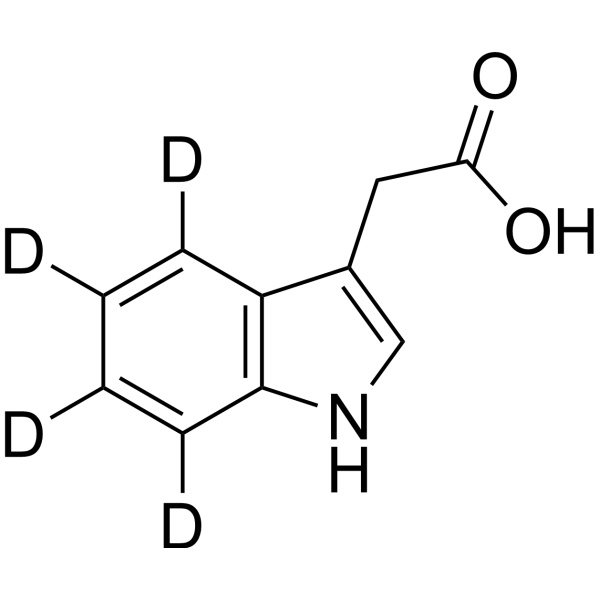
3-Indoleacetic acid is is an IAA hormone and growth regulator that can promote plant nutritional growth through processes such as cell expansion, differentiation, morphogenesis, and organogenesis .
Hyaluronic acid is a biopolymer composed of repeating units of disaccharides with various applications. Hyaluronic acid is a major component of the extracellular matrix (ECM). Hyaluronic acid is synthesized at the plasma membrane. Increased hyaluronic acid levels are associated with tumor cell growth, adhesion, migration, invasion and angiogenesis in digestive cancers. Hyaluronic acid participates in tissue remodeling and rapid cell proliferation in some physiological processes including embryonic morphogenesis and wound-healing. Hyaluronic acid activates the PI3K-Akt signaling. Hyaluronic acid acts as a regulator of cancer-associated lymphangiogenesis. Hyaluronic acid also enhances cell invasion and angiogenesis by promoting proteolytic MMP-9 binding to cell surface or stimulating MMP-9 binding to cell surface. Hyaluronic acid can be used as drug delivery for sodium butyrate to improve the anti-proliferative activity on breast cancer cell line. Hyaluronic acid can be studied in joint diseases, wound healing and cancer .
Hyaluronic acid, low endotoxin (Hyaluronan, low endotoxin) is a biopolymer composed of repeating disaccharide units containing low levels of endotoxin. Hyaluronic acid is a major component of the extracellular matrix (ECM). It is synthesized on the plasma membrane. Hyaluronic acid exerts its effects by binding to receptors CD44 and RHAMM. Hyaluronic acid activates PI3K-Akt signaling. Hyaluronic acid also enhances cell invasion and angiogenesis by promoting or stimulating the binding of proteolytic MMP-9 to the cell surface. Elevated hyaluronic acid levels are associated with tumor cell growth, adhesion, migration, invasion, and angiogenesis in digestive system cancers. Hyaluronic acid is involved in tissue remodeling and rapid cell proliferation in several physiological processes, including embryonic morphogenesis and wound healing. Hyaluronic acid can be used as a regulator of cancer-associated lymphangiogenesis. Hyaluronic acid can be used as a drug delivery carrier for sodium butyrate, enhancing its anti-proliferative activity against breast cancer cell lines. Hyaluronic acid can lubricate the corneal endothelium. Hyaluronic acid can improve tissue hydration and enhance the resistance of cells to mechanical damage. Hyaluronic acid has been conjugated with antibodies to ensure that the active compound continues to exert its effects at the site of inflammation. Hyaluronic acid can be used in research in the fields of osteoarthritis, ophthalmology, cosmetic dermatology, oncology, and liver diseases .
3-Indoleacetic acid (Standard) is the analytical standard of 3-Indoleacetic acid. This product is intended for research and analytical applications. 3-Indoleacetic acid is is an IAA hormone and growth regulator that can promote plant nutritional growth through processes such as cell expansion, differentiation, morphogenesis, and organogenesis .
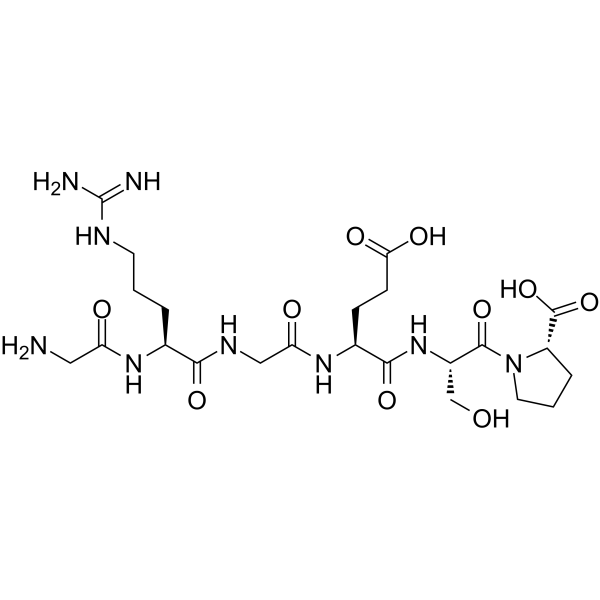
GRGESP is a collagen gel contraction inhibitor. GRGESP inhibits the spreading of human fibroblasts inside collagen gels and markedly decreased gel contraction. GRGDSP can be used for the research of connective tissue morphogenesis .
Hyaluronic acid is a biopolymer composed of repeating units of disaccharides with various applications. Hyaluronic acid is a major component of the extracellular matrix (ECM). Hyaluronic acid is synthesized at the plasma membrane. Increased hyaluronic acid levels are associated with tumor cell growth, adhesion, migration, invasion and angiogenesis in digestive cancers. Hyaluronic acid participates in tissue remodeling and rapid cell proliferation in some physiological processes including embryonic morphogenesis and wound-healing. Hyaluronic acid activates the PI3K-Akt signaling. Hyaluronic acid acts as a regulator of cancer-associated lymphangiogenesis. Hyaluronic acid also enhances cell invasion and angiogenesis by promoting proteolytic MMP-9 binding to cell surface or stimulating MMP-9 binding to cell surface. Hyaluronic acid can be used as drug delivery for sodium butyrate to improve the anti-proliferative activity on breast cancer cell line. Hyaluronic acid can be studied in joint diseases, wound healing and cancer .
Hyaluronic acid sodium (Sodium hyaluronate) is a biopolymer composed of repeating units of disaccharides with various applications. Hyaluronic acid sodium is a major component of the extracellular matrix (ECM). Hyaluronic acid sodium is synthesized at the plasma membrane. Increased hyaluronic acid sodium levels are associated with tumor cell growth, adhesion, migration, invasion and angiogenesis in digestive cancers. Hyaluronic acid sodium participates in tissue remodeling and rapid cell proliferation in some physiological processes including embryonic morphogenesis and wound-healing. Hyaluronic acid sodium activates the PI3K-Akt signaling. Hyaluronic acid sodium acts as a regulator of cancer-associated lymphangiogenesis. Hyaluronic acid sodium also enhances cell invasion and angiogenesis by promoting proteolytic MMP-9 binding to cell surface or stimulating MMP-9 binding to cell surface. Hyaluronic acid sodium can be used as drug delivery for sodium butyrate to improve the anti-proliferative activity on breast cancer cell line. Hyaluronic acid sodium can be studied in joint diseases, wound healing and cancer .
3-Indoleacetic acid (Indole-3-acetic acid) sodium is an IAA hormone and growth regulator that can promote plant nutritional growth through processes such as cell expansion, differentiation, morphogenesis, and organogenesis .
3-Indoleacetic acid (Standard) is the analytical standard of 3-Indoleacetic acid. This product is intended for research and analytical applications. 3-Indoleacetic acid is is an IAA hormone and growth regulator that can promote plant nutritional growth through processes such as cell expansion, differentiation, morphogenesis, and organogenesis .
YTFE protein is a diiron-containing molecule that is crucially involved in the repair of iron-sulfur clusters under oxidative and nitrosative stress conditions. As a homodimer, YTFE plays a key role in mitigating damage to iron-sulfur clusters, a process necessary to maintain the integrity and function of various proteins within cells. YTFE Protein, E.coli (GST) is the recombinant E. coli-derived YTFE protein, expressed by E. coli , with N-GST labeled tag.
CMG-2/ANTXR2 is essential for cell adhesion and communication with laminin and the extracellular matrix. It exhibits specific binding to laminin, emphasizing its role in laminin-dependent cellular processes. CMG-2/ANTXR2 Protein, Mouse (HEK293, His) is the recombinant mouse-derived CMG-2/ANTXR2 protein, expressed by HEK293 , with C-His labeled tag.
CMG-2/ANTXR2 is essential for cellular interactions with laminin and the extracellular matrix. As a receptor for the protective antigen (PA) of B. anthracis, it undergoes heptamerization upon PA binding. The complex is internalized through a clathrin-dependent pathway, and in the endosomal membrane (pH < 7), it rearranges to form a pore, facilitating the entry of other components of anthrax toxin into the cytoplasm. CMG-2/ANTXR2 Protein, Human (HEK293, Fc) is the recombinant human-derived CMG-2/ANTXR2 protein, expressed by HEK293 , with C-hFc labeled tag.
CMG-2/ANTXR2 is essential for cell adhesion and communication with laminin and the extracellular matrix. It exhibits specific binding to laminin, emphasizing its role in laminin-dependent cellular processes. CMG-2/ANTXR2 Protein, Mouse (HEK293, Fc) is the recombinant mouse-derived CMG-2/ANTXR2 protein, expressed by HEK293 , with C-hFc labeled tag.
Trifluoperazine-d3 (dihydrochloride) is deuterium labeled Trifluoperazine (dihydrochloride). Trifluoperazine dihydrochloride, an antipsychotic agent, acts by blocking central dopamine receptors. Trifluoperazine dihydrochloride is a potent α1-adrenergic receptor antagonist. Trifluoperazine dihydrochloride is a potent NUPR1 inhibitor exerting anticancer activity. Trifluoperazine dihydrochloride is a calmodulin inhibitor, and also inhibits P-glycoprotein. Trifluoperazine dihydrochloride can be used for the research of schizophrenia. Trifluoperazine dihydrochloride acts as a reversible inhibitor of influenza virus morphogenesis .
Hyaluronic acid is a biopolymer composed of repeating units of disaccharides with various applications. Hyaluronic acid is a major component of the extracellular matrix (ECM). Hyaluronic acid is synthesized at the plasma membrane. Increased hyaluronic acid levels are associated with tumor cell growth, adhesion, migration, invasion and angiogenesis in digestive cancers. Hyaluronic acid participates in tissue remodeling and rapid cell proliferation in some physiological processes including embryonic morphogenesis and wound-healing. Hyaluronic acid activates the PI3K-Akt signaling. Hyaluronic acid acts as a regulator of cancer-associated lymphangiogenesis. Hyaluronic acid also enhances cell invasion and angiogenesis by promoting proteolytic MMP-9 binding to cell surface or stimulating MMP-9 binding to cell surface. Hyaluronic acid can be used as drug delivery for sodium butyrate to improve the anti-proliferative activity on breast cancer cell line. Hyaluronic acid can be studied in joint diseases, wound healing and cancer .
Mouse Hand2 mRNA encodes the mouse heart and neural crest derivatives expressed 2 (Hand2) protein, which is essential for cardiac morphogenesis, particularly for the formation of the right ventricle and of the aortic arch arteries.
Human KDR mRNA encodes the human kinase insert domain receptor (KDR) protein, a receptor of vascular endothelial growth factor (VEGF). KDR functions as the main mediator of VEGF-induced endothelial proliferation, survival, migration, tubular morphogenesis and sprouting.
Human HGF mRNA encodes the human hepatocyte growth factor (HGF) protein, a protein that binds to the hepatocyte growth factor receptor to regulate cell growth, cell motility and morphogenesis in numerous cell and tissue types. It also plays a role in angiogenesis, tumorogenesis, and tissue regeneration.
Human FGF8 mRNA encodes the human fibroblast growth factor 8 (FGF8) protein, a member of the fibroblast growth factor (FGF) family. FGF family members possess broad mitogenic and cell survival activities, and are involved in a variety of biological processes, including embryonic development, cell growth, morphogenesis, tissue repair, tumor growth and invasion.
Human FGF7 mRNA encodes the human fibroblast growth factor 7 (FGF7) protein, a member of the fibroblast growth factor (FGF) family. FGF family members possess broad mitogenic and cell survival activities, and are involved in a variety of biological processes, including embryonic development, cell growth, morphogenesis, tissue repair, tumor growth and invasion.
Human FGF9 mRNA encodes the human fibroblast growth factor 9 (FGF9) protein, a member of the fibroblast growth factor (FGF) family. FGF family members possess broad mitogenic and cell survival activities, and are involved in a variety of biological processes, including embryonic development, cell growth, morphogenesis, tissue repair, tumor growth and invasion.
Human MET mRNA encodes the human MET proto-oncogene, receptor tyrosine kinase (MET) protein, a member of the receptor tyrosine kinase family. MET regulates many physiological processes including proliferation, scattering, morphogenesis and survival.
Mouse Mef2c mRNA encodes the mouse myocyte enhancer factor 2C (Mef2c) protein, a transcription activator which binds specifically to the MEF2 element present in the regulatory regions of many muscle-specific genes. Mef2c controls cardiac morphogenesis and myogenesis, and is also involved in vascular development, neurogenesis and the development of cortical architecture.
Inquiry Online
Your information is safe with us. * Required Fields.
Western blot analysis of extracts from THP-1(lane 2(20μg), Jurkat (lane 3(20μg) and NIH3T3(lane 4(20μg) using FOXO1A (HY-P80132) Rabbit mAb. Proteins were transferred
to a PVDF membrane and blocked with 5% non-fat milk in TBST for 2 hour at room temperature. The primary antibody (1/1000) and Loading control antibody (Beta Actin, HY-P80438, 1/10000) was
used in 5% non-fat milk in TBST at 4°C overnight. Goat Anti-Mouse/Rabbit IgG-HRP Secondary Antibody (1/10000) was used for 1 hour at room temperature.
Western blot analysis of extracts from THP-1(lane 2(20μg), Jurkat (lane 3(20μg) and NIH3T3(lane 4(20μg) using FOXO1A (HY-P80132) Rabbit mAb. Proteins were transferred
to a PVDF membrane and blocked with 5% non-fat milk in TBST for 2 hour at room temperature. The primary antibody (1/1000) and Loading control antibody (Beta Actin, HY-P80438, 1/10000) was
used in 5% non-fat milk in TBST at 4°C overnight. Goat Anti-Mouse/Rabbit IgG-HRP Secondary Antibody (1/10000) was used for 1 hour at room temperature.
Western blot analysis of extracts from THP-1(lane 2(20μg), Jurkat (lane 3(20μg) and NIH3T3(lane 4(20μg) using FOXO1A (HY-P80132) Rabbit mAb. Proteins were transferred
to a PVDF membrane and blocked with 5% non-fat milk in TBST for 2 hour at room temperature. The primary antibody (1/1000) and Loading control antibody (Beta Actin, HY-P80438, 1/10000) was
used in 5% non-fat milk in TBST at 4°C overnight. Goat Anti-Mouse/Rabbit IgG-HRP Secondary Antibody (1/10000) was used for 1 hour at room temperature.
Western blot analysis of extracts from THP-1(lane 2(20μg), Jurkat (lane 3(20μg) and NIH3T3(lane 4(20μg) using FOXO1A (HY-P80132) Rabbit mAb. Proteins were transferred
to a PVDF membrane and blocked with 5% non-fat milk in TBST for 2 hour at room temperature. The primary antibody (1/1000) and Loading control antibody (Beta Actin, HY-P80438, 1/10000) was
MedchemExpress Validation 03
Western blot analysis of extracts from THP-1(lane 2(20μg), Jurkat (lane 3(20μg) and NIH3T3(lane 4(20μg) using FOXO1A (HY-P80132) Rabbit mAb. Proteins were transferred
MedchemExpress Validation 04
Western blot analysis of extracts from THP-1(lane 2(20μg), Jurkat (lane 3(20μg) and NIH3T3(lane 4(20μg) using FOXO1A (HY-P80132) Rabbit mAb. Proteins were transferred
to a PVDF membrane and blocked with 5% non-fat milk in TBST for 2 hour at room temperature. The primary antibody (1/1000) and Loading control antibody (Beta Actin, HY-P80438, 1/10000) was
used in 5% non-fat milk in TBST at 4°C overnight. Goat Anti-Mouse/Rabbit IgG-HRP Secondary Antibody (1/10000) was used for 1 hour at room temperature.
MedchemExpress Validation
Western blot analysis of extracts from THP-1(lane 2(20μg), Jurkat (lane 3(20μg) and NIH3T3(lane 4(20μg) using FOXO1A (HY-P80132) Rabbit mAb. Proteins were transferred
to a PVDF membrane and blocked with 5% non-fat milk in TBST for 2 hour at room temperature. The primary antibody (1/1000) and Loading control antibody (Beta Actin, HY-P80438, 1/10000) was
used in 5% non-fat milk in TBST at 4°C overnight. Goat Anti-Mouse/Rabbit IgG-HRP Secondary Antibody (1/10000) was used for 1 hour at room temperature.
Western blot analysis of extracts from THP-1(lane 2(20μg), Jurkat (lane 3(20μg) and NIH3T3(lane 4(20μg) using FOXO1A (HY-P80132) Rabbit mAb. Proteins were transferred
to a PVDF membrane and blocked with 5% non-fat milk in TBST for 2 hour at room temperature. The primary antibody (1/1000) and Loading control antibody (Beta Actin, HY-P80438, 1/10000) was
used in 5% non-fat milk in TBST at 4°C overnight. Goat Anti-Mouse/Rabbit IgG-HRP Secondary Antibody (1/10000) was used for 1 hour at room temperature.
MedchemExpress Validation
Western blot analysis of extracts from THP-1(lane 2(20μg), Jurkat (lane 3(20μg) and NIH3T3(lane 4(20μg) using FOXO1A (HY-P80132) Rabbit mAb. Proteins were transferred
to a PVDF membrane and blocked with 5% non-fat milk in TBST for 2 hour at room temperature. The primary antibody (1/1000) and Loading control antibody (Beta Actin, HY-P80438, 1/10000) was
used in 5% non-fat milk in TBST at 4°C overnight. Goat Anti-Mouse/Rabbit IgG-HRP Secondary Antibody (1/10000) was used for 1 hour at room temperature.
MedchemExpress Validation
Western blot analysis of extracts from THP-1(lane 2(20μg), Jurkat (lane 3(20μg) and NIH3T3(lane 4(20μg) using FOXO1A (HY-P80132) Rabbit mAb. Proteins were transferred
to a PVDF membrane and blocked with 5% non-fat milk in TBST for 2 hour at room temperature. The primary antibody (1/1000) and Loading control antibody (Beta Actin, HY-P80438, 1/10000) was
used in 5% non-fat milk in TBST at 4°C overnight. Goat Anti-Mouse/Rabbit IgG-HRP Secondary Antibody (1/10000) was used for 1 hour at room temperature.
MedchemExpress Validation
Western blot analysis of extracts from THP-1(lane 2(20μg), Jurkat (lane 3(20μg) and NIH3T3(lane 4(20μg) using FOXO1A (HY-P80132) Rabbit mAb. Proteins were transferred
to a PVDF membrane and blocked with 5% non-fat milk in TBST for 2 hour at room temperature. The primary antibody (1/1000) and Loading control antibody (Beta Actin, HY-P80438, 1/10000) was
used in 5% non-fat milk in TBST at 4°C overnight. Goat Anti-Mouse/Rabbit IgG-HRP Secondary Antibody (1/10000) was used for 1 hour at room temperature.
MedchemExpress Validation
Western blot analysis of extracts from THP-1(lane 2(20μg), Jurkat (lane 3(20μg) and NIH3T3(lane 4(20μg) using FOXO1A (HY-P80132) Rabbit mAb. Proteins were transferred
to a PVDF membrane and blocked with 5% non-fat milk in TBST for 2 hour at room temperature. The primary antibody (1/1000) and Loading control antibody (Beta Actin, HY-P80438, 1/10000) was
used in 5% non-fat milk in TBST at 4°C overnight. Goat Anti-Mouse/Rabbit IgG-HRP Secondary Antibody (1/10000) was used for 1 hour at room temperature.
MedchemExpress Validation
Western blot analysis of extracts from THP-1(lane 2(20μg), Jurkat (lane 3(20μg) and NIH3T3(lane 4(20μg) using FOXO1A (HY-P80132) Rabbit mAb. Proteins were transferred
to a PVDF membrane and blocked with 5% non-fat milk in TBST for 2 hour at room temperature. The primary antibody (1/1000) and Loading control antibody (Beta Actin, HY-P80438, 1/10000) was
used in 5% non-fat milk in TBST at 4°C overnight. Goat Anti-Mouse/Rabbit IgG-HRP Secondary Antibody (1/10000) was used for 1 hour at room temperature.
MedchemExpress Validation
Western blot analysis of extracts from THP-1(lane 2(20μg), Jurkat (lane 3(20μg) and NIH3T3(lane 4(20μg) using FOXO1A (HY-P80132) Rabbit mAb. Proteins were transferred
to a PVDF membrane and blocked with 5% non-fat milk in TBST for 2 hour at room temperature. The primary antibody (1/1000) and Loading control antibody (Beta Actin, HY-P80438, 1/10000) was
used in 5% non-fat milk in TBST at 4°C overnight. Goat Anti-Mouse/Rabbit IgG-HRP Secondary Antibody (1/10000) was used for 1 hour at room temperature.
MedChemExpress values your privacy and your trust is important to us. We use cookies to enhance your website experience. Some cookies are necessary to run the website.
Privacy and Cookie Policy

