Search Result
Results for "
multikinase
" in MedChemExpress (MCE) Product Catalog:
4
Isotope-Labeled Compounds
| Cat. No. |
Product Name |
Target |
Research Areas |
Chemical Structure |
-
- HY-10201
-
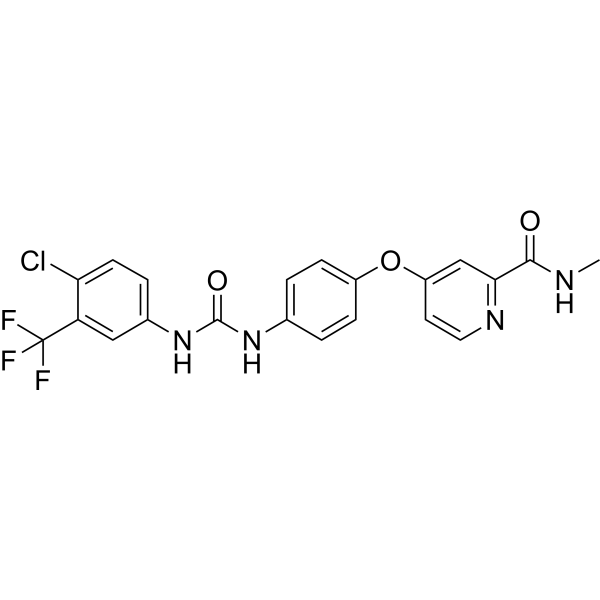
Sorafenib
Maximum Cited Publications
283 Publications Verification
Bay 43-9006
|
Raf
VEGFR
FLT3
Autophagy
Apoptosis
STAT
Akt
MMP
Cadherin
p38 MAPK
ERK
MEK
PI3K
PARP
Bcl-2 Family
|
Infection
Neurological Disease
Metabolic Disease
Inflammation/Immunology
Cancer
|
|
Sorafenib (Bay 43-9006) is a potent oral active multikinase inhibitor. Sorafenib blocks autophosphorylation and activity of receptor tyrosine kinases (VEGFR-2, VEGFR-3) and RAF family kinases, thereby suppressing the RAF/MEK/ERK and PI3K/Akt pathways, inhibiting STAT3 phosphorylation, and selectively inhibiting the MAPK pathway in cancer cells. Sorafenib induces cell cycle arrest, autophagy, apoptosis, and PARP cleavage, reduces Bcl-2, Bcl-XL, cyclin D1 levels, and activates Bak and Bax. Sorafenib inhibits tumor growth and metastasis in mouse and rat models. Sorafenib can be used for cancer research, such as colon, breast, non-small-cell lung cancer (NSCLC), ovarian, pancreatic, melanoma, colorectal and hepatocellular carcinoma .
|
-
-
- HY-10201A
-
|
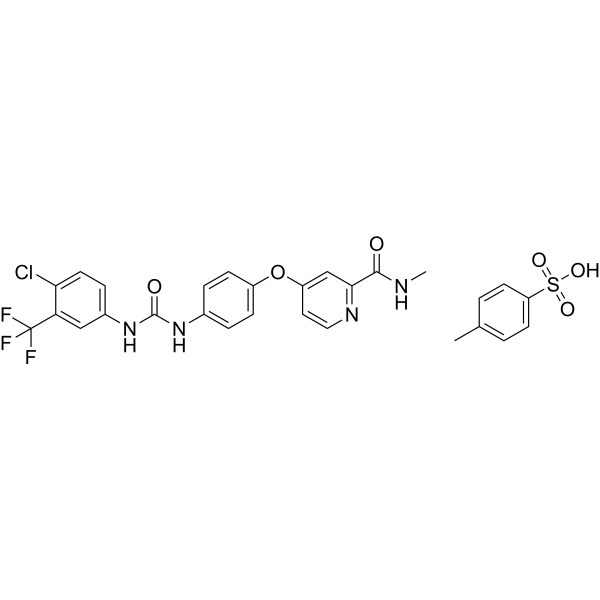
Bay 43-9006 tosylate
|
Raf
VEGFR
FLT3
Autophagy
Apoptosis
STAT
Akt
MMP
Cadherin
p38 MAPK
ERK
MEK
PI3K
PARP
Bcl-2 Family
|
Infection
Neurological Disease
Metabolic Disease
Inflammation/Immunology
Cancer
|
|
Sorafenib (Bay 43-9006) tosylate is a potent oral active multikinase inhibitor. Sorafenib blocks autophosphorylation and activity of receptor tyrosine kinases (VEGFR-2, VEGFR-3) and RAF family kinases, thereby suppressing the RAF/MEK/ERK and PI3K/Akt pathways, inhibiting STAT3 phosphorylation, and selectively inhibiting the MAPK pathway in cancer cells. Sorafenib tosylate induces cell cycle arrest, autophagy, apoptosis, and PARP cleavage, reduces Bcl-2, Bcl-XL, cyclin D1 levels, and activates Bak and Bax. Sorafenib tosylate inhibits tumor growth and metastasis in mouse and rat models. Sorafenib tosylate can be used for cancer research, such as colon, breast, non-small-cell lung cancer (NSCLC), ovarian, pancreatic, melanoma, colorectal and hepatocellular carcinoma .
|
-
-
- HY-12037A
-
|
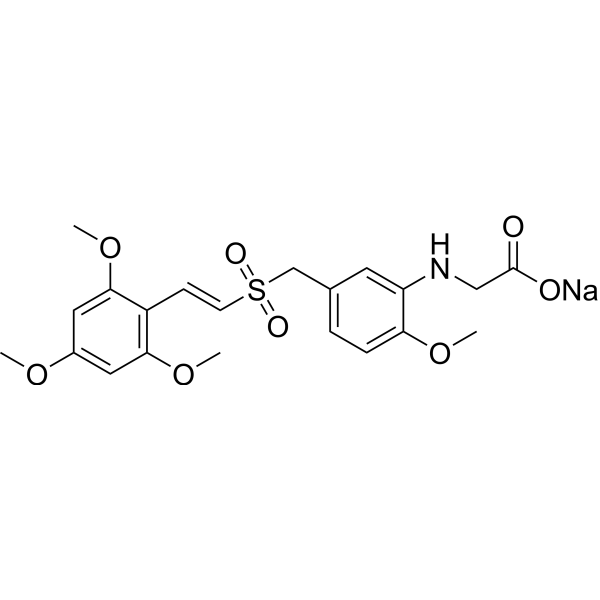
ON-01910
|
Polo-like Kinase (PLK)
PI3K
Apoptosis
|
Cancer
|
|
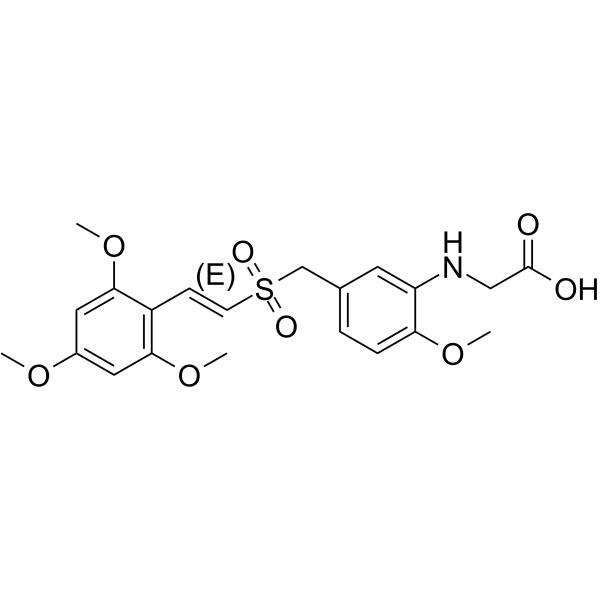
Rigosertib (ON-01910) is a multi-kinase inhibitor and a selective anti-cancer agent, which induces apoptosis by inhibition the PI3 kinase/Akt pathway, promots the phosphorylation of histone H2AX and induces G2/M arrest in cell cycle . Rigosertib is a selective and non-ATP-competitive inhibitor of PLK1 with an IC50 of 9 nM .
|
-
-
- HY-109019
-
|
CM082; X-82
|
VEGFR
PDGFR
|
Cardiovascular Disease
Cancer
|
|
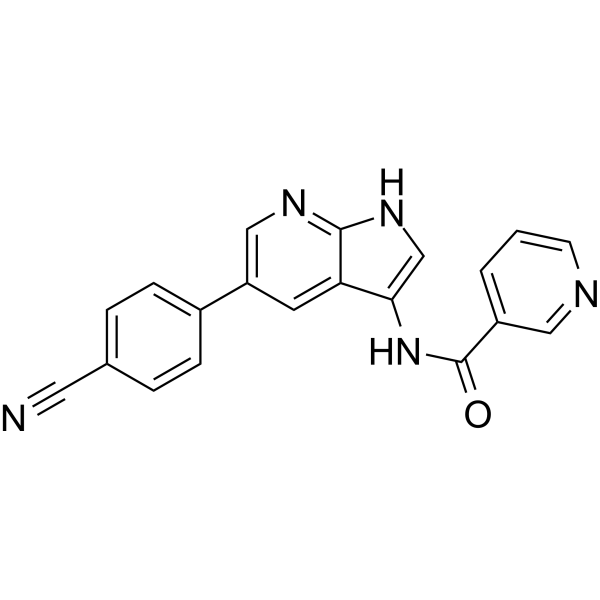
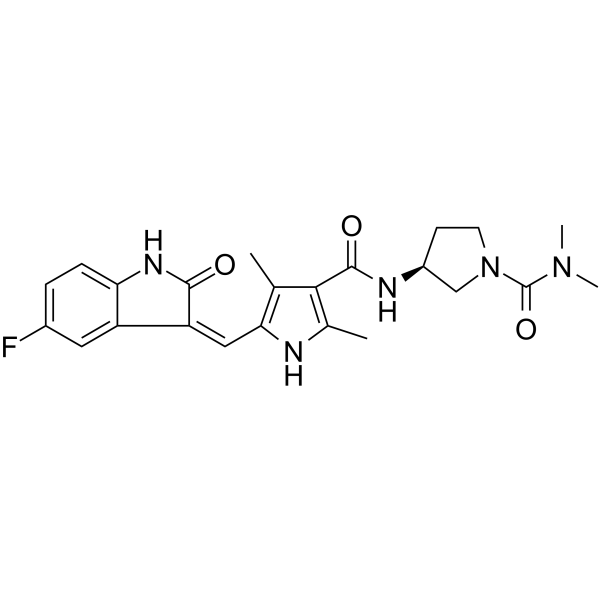
Vorolanib (CM082) is an orally active, potent multikinase VEGFR/PDGFR inhibitor. Vorolanib is a potent ATP-binding cassette (ABC) transporter inhibitor. Vorolanib is an angiogenesis inhibitor and has antitumor activity combined with ZD1839 (HY-50895) .
|
-
-
- HY-130665
-
|
|
PROTACs
CDK
|
Cancer
|
|
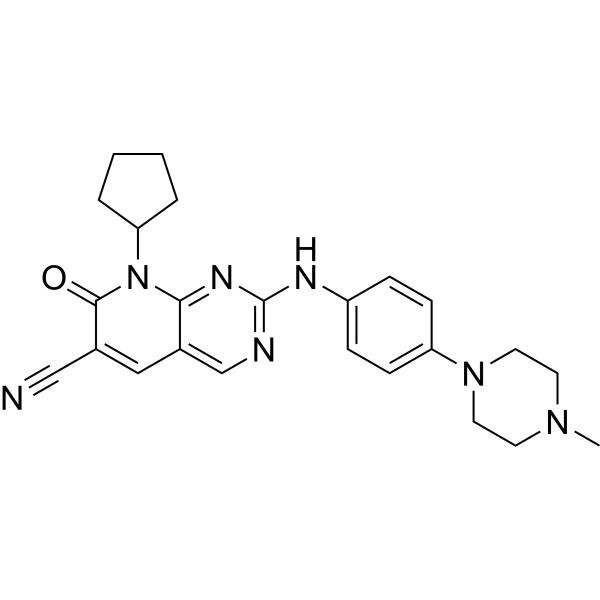
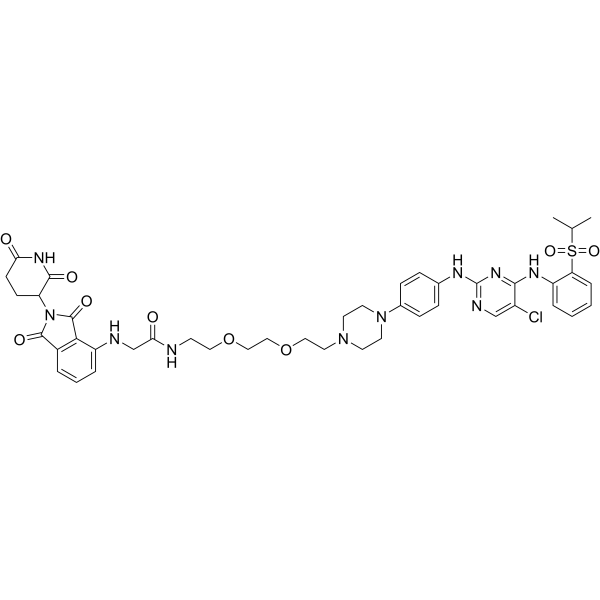
TL12-186 is a Cereblon-dependent multi-kinase PROTAC degrader. Multi-kinases include CDK, BTK, FLT3, Aurora kinases, TEC, ULK, ITK, et al. TL12-186 inhibits CDK2/cyclin A (IC50=73 nM) and CDK9/cyclin T1 (IC50=55 nM) .
|
-
-
- HY-12624
-
|
ON123300
|
CDK
AMPK
PDGFR
|
Cancer
|
|
Narazaciclib (ON123300), a strong and brain-penetrant multi-kinase inhibitor, inhibits CDK4 (IC50=3.9 nM), Ark5 (IC50=5 nM), PDGFRβ (IC50=26 nM), FGFR1 (IC50=26 nM), RET (IC50=9.2 nM), and FYN (IC50=11 nM). Single agent Narazaciclib causes a dose-dependent suppression of phosphorylation of Akt as well as activation of Erk in brain tumors . Narazaciclib inhibits CDK6 with an IC50 of 9.82 nM .
|
-
-
- HY-101963
-
-
-
- HY-16265
-
-
-
- HY-10371
-
|
LKB1/AAK1 dual inhibitor
|
Pim
|
Cancer
|
|
Pim1/AKK1-IN-1 is a potent multi-kinase inhibitor with Kd values of 35 nM/53 nM/75 nM/380 nM for Pim1/AKK1/MST2/LKB1 respectively, and also inhibits MPSK1 and TNIK.
|
-
-
- HY-175476
-
|
|
IPK Superfamily
|
Cancer
|
|
UNC7437 is a inositol phosphate multikinase (IPMK) inhibitor, with an IC50 value of 26.2 nM. UNC7437 exhibits anti-proliferative activity against glioblastoma cells. UNC7437 decreases the accumulation of InsP4, InsP5, and InsP6 in cells. UNC7437 can be used for the study of TEN-negative glioblastoma models .
|
-
-
- HY-109084
-
|
CT-707
|
FAK
|
Cancer
|
|
Conteltinib (CT-707) is a multi-kinase inhibitor targeting FAK, ALK, and Pyk2. Conteltinib exerts significant inhibitory effect on FAK with an IC50 of 1.6 nM .
|
-
-
- HY-10201S
-
|
Donafenib; Bay 43-9006-d3
|
Raf
VEGFR
FLT3
Ferroptosis
Autophagy
Apoptosis
|
Cancer
|
|
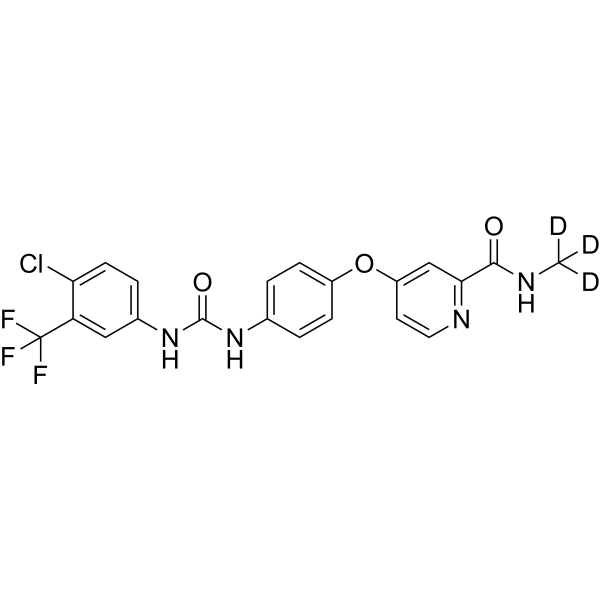
Sorafenib-d3 (Donafenib), a deuterated compound of Sorafenib, is the first deuterium-generation tumor suppressor small molecule. Sorafenib is a multikinase inhibitor IC50s of 6 nM, 20 nM, and 22 nM for Raf-1, B-Raf, and VEGFR-3, respectively .
|
-
-
- HY-10943
-
GNF-7
2 Publications Verification
|
Bcr-Abl
Ack1
|
Cancer
|
|
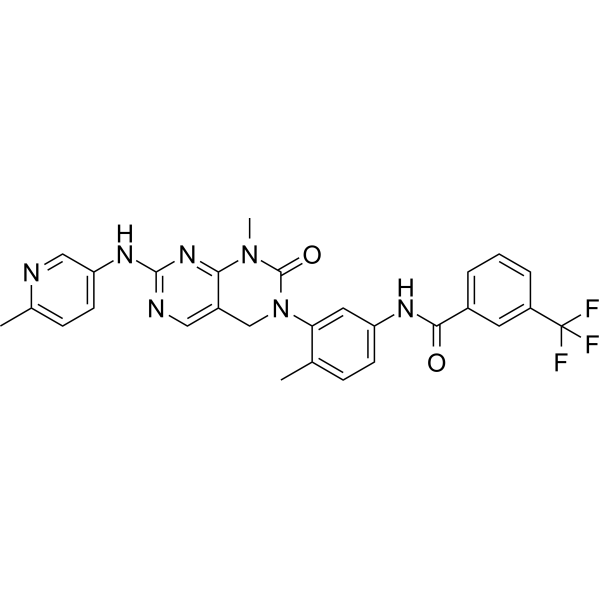
GNF-7 is a multikinase inhibitor. GNF-7 is a Bcr-Abl inhibitor, with IC50s of 133 nM and 61 nM for Bcr-Abl WT and Bcr-Abl T315I, respectively. GNF-7 also possesses inhibitory activity against both ACK1 (activated CDC42 kinase 1) and GCK (germinal center kinase) with IC50s of 25 nM and 8 nM, respectively. GNF-7 can be used for the research of hematologic malignancies .
|
-
-
- HY-107447
-
|
N-Deshydroxyethyl BMS-354825
|
Drug Metabolite
Target Protein Ligand-Linker Conjugates
|
Inflammation/Immunology
Cancer
|
|
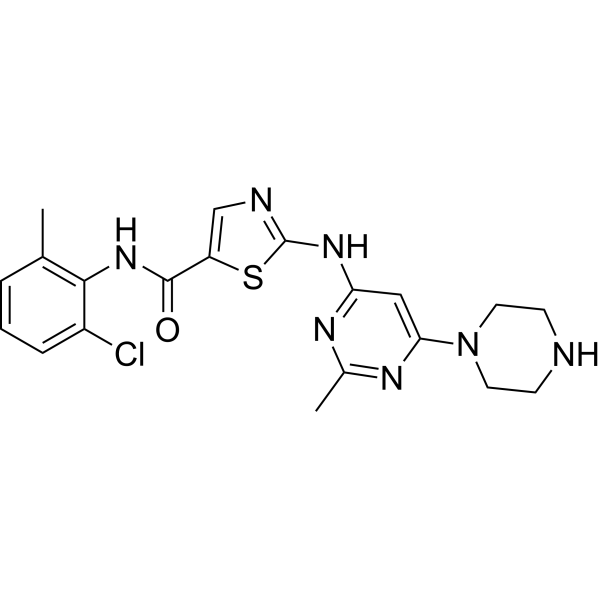
N-Deshydroxyethyl Dasatinib (N-Deshydroxyethyl BMS-354825) is a metabolite of Dasatinib, Dasatinib is a multi-kinase inhibitor that potently inhibits Bcr-Abl, Src family and platelet-derived growth factor receptor kinases. N-Deshydroxyethyl Dasatinib can be used in cancer and immune disease research .
|
-
-
- HY-12037
-
|
ON-01910 sodium
|
Polo-like Kinase (PLK)
PI3K
Apoptosis
|
Cancer
|
|
Rigosertib sodium (ON-01910 sodium) is a multi-kinase inhibitor and a selective anti-cancer agent, which induces apoptosis by inhibition the PI3K/Akt pathway, promotes the phosphorylation of histone H2AX and induces G2/M arrest in cell cycle . Rigosertib sodium is a selective and non-ATP-competitive inhibitor of PLK1 with an IC50 of 9 nM .
|
-
-
- HY-155163
-
|
|
Anaplastic lymphoma kinase (ALK)
ROS Kinase
FAK
Apoptosis
|
Cancer
|
|
APG-2449 is an orally active inhibitor for BCL-2 and multikinase (ALK/FAK/ROS1) with potent antitumor activities. APG-2449 reduces cell viability and enhances apoptosis in acute myeloid leukemia cells in vitro. APG-2449 decreases activation of FAK and its downstream effectors. APG-2449 can be studied in research for mesothelioma tumor, non-small cell lung cancer, ovarian cancer, hematologic and solid malignancies .
|
-
-
- HY-103032
-
|
|
PDGFR
c-Kit
Bcr-Abl
|
Cancer
|
|
Multi-kinase inhibitor 1 is a potent multi-kinase inhibitor. Multi-kinase inhibitor 1 has the potential for diseases or disorders associated with abnormal or deregulated tyrosine kinase activity, particularly diseases associated with the activity of PDGF-R, c-Kit and Bcr-abl .
|
-
-
- HY-13737
-
R1530
1 Publications Verification
|
Apoptosis
VEGFR
FGFR
Mitosis
|
Cancer
|
|
R1530 is a highly potent, orally active, dual-acting mitosis/angiogenesis inhibitor, with anti-tumor and anti-angiogenic activities. R1530 is a multikinase inhibitor which binds to 31 kinases with Kd values of <500 nM. R1530 inhibits VGFR2 and FGFR1 with IC50 of 10 nM and 28 nM, respectively. R1530 triggers apoptosis (mitotic catastrophe) or senescence .
|
-
-
- HY-13072
-
|
AS-703569; R-763
|
Aurora Kinase
Bcr-Abl
Akt
STAT
FLT3
|
Cancer
|
|
Cenisertib (AS-703569) is an ATP-competitive multi-kinase inhibitor that blocks the activity of Aurora-kinase-A/B, ABL1, AKT, STAT5 and FLT3. Cenisertib induces major growth-inhibitory effects by blocking the activity of several different molecular targets in neoplastic mast cells (MC). Cenisertib inhibits tumor growth in xenograft models of pancreatic, breast, colon, ovarian, and lung tumors and leukemia .
|
-
-
- HY-137341
-
|
|
PROTACs
YTHDF
|
Cancer
|
|
SK-3-91 is a PROTAC-type multi-kinase degrader that can jointly induce the degradation of the largest number of unique kinases (more than 125 unique kinases). SK-3-91 induces protein degradation through the ubiquitin biotinylation (E-STUB) pathway. SK-3-91 degrades YTHDF2. SK-3-91 inhibits cell proliferation and induces morphological changes. (Pink: TAE648 ligand (HY-169396); Blue: E3 ligase ligand (HY-131717); Black: Linker (HY-140819). The E3 ligase ligand and linker can form a conjugate (HY-169397)) .
|
-
-
- HY-167832
-
|
|
JNK
SGK
ROCK
Tau Protein
MMP
DNA/RNA Synthesis
Pyruvate Kinase
NF-κB
COX
NO Synthase
Reactive Oxygen Species (ROS)
|
Neurological Disease
Cancer
|
|
PT109 is an orally active, blood-brain barrier permeable multi-kinase inhibitor. By inhibiting PTBP1, PT109 promotes the switch of pyruvate kinase isoform from PKM2 to PKM1, thereby effectively inhibiting the proliferation and migration of glioblastoma multiforme and inducing its reprogramming into oligodendrocytes. PT109 also targets and regulates key signaling molecules such as JNK, SGK1, GSK3β to exert neuroprotective effects including promoting neurogenesis, inducing synapse formation and alleviating neuroinflammation. In Alzheimer's disease models, PT109 exhibits significant efficacy in improving spatial learning ability, along with excellent in vivo pharmacokinetic properties. PT109 can be used to investigate metabolic reprogramming of glioblastoma multiforme and neuroprotective mechanisms of Alzheimer's disease .
|
-
-
- HY-112412
-
|
|
PDGFR
|
Neurological Disease
|
|
PDGFR Tyrosine kinase-IN-1, a multikinase inhibitor, inhibits PDGFR, EGFR, FGFR, PKA, and PKC, respectively. PDGFR Tyrosine kinase-IN-1 can be used for the research of amyotrophic lateral sclerosis .
|
-
-
- HY-15769
-
|
Janex 3
|
RET
VEGFR
EGFR
|
Cancer
|
|
WHI-P180 (Janex 3) is a multi-kinase inhibitor; inhibits RET, KDR and EGFR with IC50s of 5 nM, 66 nM and 4 μM, respectively.
|
-
-
- HY-120590
-
|
SKLB1028
|
EGFR
FLT3
Bcr-Abl
|
Cancer
|
|
Ruserontinib (SKLB1028) is an orally active multikinase inhibitor of EGFR, FLT3 and Abl, with an IC50 value of 55 nM for human FLT3, and has antitumor activity .
|
-
-
- HY-15732
-
|
JNJ-26483327
|
EGFR
|
Cancer
|
|
BGB-102 is a potent multi-kinase inhibitor against EGFR, HER2, and HER4 with IC50s of 9.6 nM, 18 nM and 40.3 nM, respectively.
|
-
-
- HY-10201S2
-
|
Bay 43-9006-13C,d3
|
Raf
VEGFR
FLT3
Autophagy
Apoptosis
Ferroptosis
|
Cancer
|
|
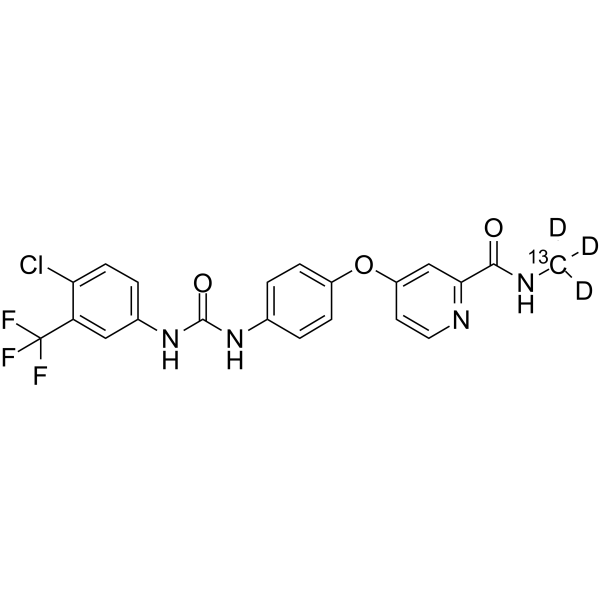
Sorafenib- 13C,d3 is the 13C- and deuterium labeled Sorafenib. Sorafenib (Bay 43-9006) is a potent and orally active Raf inhibitor with IC50s of 6 nM and 20 nM for Raf-1 and B-Raf, respectively. Sorafenib is a multikinase inhibitor with IC50s of 90 nM, 15 nM, 20 nM, 57 nM and 58 nM for VEGFR2, VEGFR3, PDGFRβ, FLT3 and c-Kit, respectively. Sorafenib induces autophagy and apoptosis. Sorafenib has anti-tumor activity. Sorafenib is a ferroptosis activator .
|
-
-
- HY-10201R
-
|
Bay 43-9006 (Standard)
|
Reference Standards
Raf
VEGFR
FLT3
Autophagy
Apoptosis
Ferroptosis
|
Cancer
|
|
Sorafenib (Standard) is the analytical standard of Sorafenib. This product is intended for research and analytical applications. Sorafenib (Bay 43-9006) is a potent and orally active Raf inhibitor with IC50s of 6 nM and 20 nM for Raf-1 and B-Raf, respectively. Sorafenib is a multikinase inhibitor with IC50s of 90 nM, 15 nM, 20 nM, 57 nM and 58 nM for VEGFR2, VEGFR3, PDGFRβ, FLT3 and c-Kit, respectively. Sorafenib induces autophagy and apoptosis. Sorafenib has anti-tumor activity. Sorafenib is a ferroptosis activator .
|
-
-
- HY-19897
-
|
|
FLT3
VEGFR
|
Cancer
|
|
4SC-203 is a potent multikinase inhibitor with potential antineoplastic activity. 4SC-203 selectively FLT3/STK1, FLT3 mutated forms, and VEGFRs .
|
-
-
- HY-18507
-
-
-
- HY-160765
-
|
APS-8-100-2
|
Wnt
Apoptosis
|
Cancer
|
|
WNTinib (APS-8-100-2) is a multi-kinase inhibitor that selectively antagonizes β-catenin (CTNNB1) mutated hepatocellular carcinoma (HCC). WNTinib downregulates oncogenicWntsignaling by inhibiting KIT/MAPK and downstream EZH2 activation .
|
-
-
- HY-13645
-
|
|
VEGFR
c-Kit
PDGFR
|
Cancer
|
|
Henatinib is an orally active small-molecule multikinase inhibitor that has demonstrated broad and potent antitumor activities. Henatinib inhibits the activity of VEGFR-2, c-kit, PDGFR with IC50 values of 0.6 nM, 3.3 nM and 41.5 nM, respectively. Henatinib significantly inhibits VEGFR-2 phosphorylation and its downstream signal pathway in human umbilical vein endothelial cells (HUVECs) .
|
-
-
- HY-107417
-
|
|
VEGFR
MEK
FLT3
PDGFR
ERK
|
Cancer
|
|
Hypothemycin, a fungal polyketide, is a multikinase inhibitor with Kis of 10/70 nM, 17/38 nM, 90 nM, 900 nM/1.5 μM, and 8.4/2.4 μM for VEGFR2/VEGFR1, MEK1/MEK2, FLT-3, PDGFRβ/PDGFRα, and ERK1/ERK2, respectively .
|
-
-
- HY-10201S1
-
|
Bay 43-9006-d4
|
Raf
VEGFR
FLT3
Ferroptosis
Autophagy
Apoptosis
|
Cancer
|
|
Sorafenib-d4 (Bay 43-9006-d4) is the deuterium labeled Sorafenib. Sorafenib is a multikinase inhibitor IC50s of 6 nM, 20 nM, and 22 nM for Raf-1, B-Raf, and VEGFR-3, respectively.
|
-
-
- HY-137340
-
|
|
PROTACs
Casein Kinase
|
Cancer
|
|
WH-10417-099 is a CRBN-based PROTAC multi-kinase degrader that induces the degradation of the maximum number of unique kinases (over 125 unique kinases, such as CSNK1E and PI3Kγ) simultaneously. WH-10417-099 induces protein degradation via the ubiquitin biotinylation (E-STUB) pathway, exhibits synergistic effects with SB-405483 (HY-W1135319). The E3 ligase ligand and linker of WH-10417-099 can form the conjugate Pomalidomide 4'-PEG5-acid (HY-131647) .
|
-
-
- HY-137343
-
-
-
- HY-15769A
-
|
Janex 3 hydrochloride
|
RET
VEGFR
EGFR
|
Cancer
|
|
WHI-P180 (Janex 3) is a multi-kinase inhibitor; inhibits RET, KDR and EGFR with IC50s of 5 nM, 66 nM and 4 μM, respectively.
|
-
-
- HY-124067
-
|
|
IKK
JAK
STAT
NF-κB
|
Cancer
|
|
EC-70124 is an orally active multikinase inhibitor targeting IKKβ and JAK2. EC-70124 blocks IkB phosphorylation and STAT3 (Tyr705) activation, suppressing NF-κB nuclear translocation and STAT3 transcriptional activity. EC-70124 reduces tumor growth and cancer stem cell (CSC) populations in prostate cancer cells and xenograft models. EC-70124 is promising for research of prostate cancer .
|
-
-
- HY-13072R
-
|
AS-703569 (Standard); R-763 (Standard)
|
Aurora Kinase
Bcr-Abl
Akt
STAT
FLT3
Reference Standards
|
Cancer
|
|
Cenisertib (Standard) is the analytical standard of Cenisertib. This product is intended for research and analytical applications. Cenisertib (AS-703569) is an ATP-competitive multi-kinase inhibitor that blocks the activity of Aurora-kinase-A/B, ABL1, AKT, STAT5 and FLT3. Cenisertib induces major growth-inhibitory effects by blocking the activity of several different molecular targets in neoplastic mast cells (MC). Cenisertib inhibits tumor growth in xenograft models of pancreatic, breast, colon, ovarian, and lung tumors and leukemia .
|
-
-
- HY-168114
-
|
|
FLT3
PDGFR
VEGFR
|
Cancer
|
|
Multi-kinase inhibitor 3 (compound 12) is a potent and orally active multikinase inhibitor with IC50 values of 1.59, 1.23, 1.19, 0.59, 0.22, 1.15 nM for FLT1/VEGFR1, KDR/VEGFR2, FLT4/VEGFR3, FLT3, PDGFRα, PDGFRβ, respectively. Multi-kinase inhibitor 3 shows antiproliferative activity. Multi-kinase inhibitor 3 shows anticancer activity .
|
-
-
- HY-168115
-
|
|
FLT3
PDGFR
|
Cancer
|
|
Multi-kinase inhibitor 4 (compound 14) is an orally active inhibitor of FLT1, KDR, FLT3, FLT4, PDGFRα, PDGFRβ, with IC50s of 1.97 nM, 1.04 nM, 0.33 nM, 1.44 nM, 0.18 nM, 0.89 nM. Multi-kinase inhibitor 4 plays an important role in cancer research .
|
-
-
- HY-171146
-
|
|
FLT3
Bcr-Abl
RET
PDGFR
MNK
|
Cancer
|
|
HSN748 is a Ponatinib (HY-12047) analogue and a multikinase inhibitor. HSN748 has inhibitory activity on FLT3, ABL1, RET, PDGFRα/β, MNK1, MNK2 and other kinases. HSN748 can inhibit the growth of chronic myeloid leukemia and acute myeloid leukemia cell lines and can be used in the study of leukemia .
|
-
-
- HY-149415
-
|
|
RET
FGFR
VEGFR
c-Kit
c-Met/HGFR
PDGFR
Raf
|
Cancer
|
|
Multi-kinase-IN-5 (compound 15c) is a promising multi-kinase inhibitory agent. Multi-kinase-IN-5 inhibits a panel of protein kinases (RET, KIT, cMet, VEGFR1,2, FGFR1, PDGFR and BRAF), showing % inhibition of 74%, 31%, 62%, 40%, 73%, 74%, 59%, and 69%, respectively, and IC50 of 1.287, 0.117 and 1.185 μM against FGFR1, VEGFR, and RET kinases, respectively .
|
-
-
- HY-175477
-
|
|
DAPK
DYRK
PDGFR
IPK Superfamily
|
Cancer
|
|
UNC9750 is an inositol phosphate multikinase (IPMK) inhibitor with IC50 values of 31.6 and 374 nM for IPMK and IP6K2, respectively.. UNC9750 inhibits cellular accumulation of InsP5, the direct product of IPMK kinase activity, while having no effect on either InsP6 or InsP7 levels. UNC9750 has ≥ 75% inhibition of four kinases (DAPK1, DYRK1B, PDGFR, and KDR). UNC9750 can be used for the study of glioblastoma .
|
-
-
- HY-161595
-
|
|
CDK
GSK-3
|
Cancer
|
|
CDK5-IN-4 (compound 4) is a potent multikinase type-II inhibitor targeting CDK5, with an IC50 of 9.8 μM. CDK5-IN-4 also inhibits GSK-3α, GSK-3β, CDK9, and CDK2, with IC50 values of 0.98, 4.00, 1.76, and 6.24 μM, respectively. CDK5-IN-4 can be used for glioblastoma research .
|
-
-
- HY-156470
-
|
|
Trk Receptor
Anaplastic lymphoma kinase (ALK)
c-Kit
EGFR
Pim
Casein Kinase
Checkpoint Kinase (Chk)
CDK
Apoptosis
|
Cancer
|
|
Multi-kinase-IN-6 (compound 10e) is a multikinase inhibitor that shows good enzyme inhibitory activity against TrkA, ALK2, c-KIT, EGFR, PIM1, CK2α, CHK1, and CDK2. Multi-kinase-IN-6 reveals antiproliferative activity against MCF7, HCT116 and EKVX with IC50 values of 3.36 μM, 1.40 μM and 3.49 μM, respectively. Multi-kinase-IN-6 shows cell cycle arrest at the G1/S phase and G1 phase in MCF7 and HCT116 cells with good apoptotic effect .
|
-
-
- HY-178142
-
|
|
EGFR
VEGFR
Trk Receptor
CDK
FAK
Akt
GSK-3
Apoptosis
Caspase
Bcl-2 Family
|
Cancer
|
|
Multi-kinase-IN-7 is a multikinase inhibitor with IC50s of 2.19, 2.95, 3.59 and 9.31 μM against EGFR, VEGFR2, TrKA and CDK2, respectively. Multi-kinase-IN-7 shows moderate and weaker activity against FAK, AKT1, GSK3β and CDK5 with IC50 values of 6.3, 9.2, 11.7 and 23.4 μM, respectively. Multi-kinase-IN-7 displays broad spectrum antiproliferative potential against NCI cancer cell lines. Multi-kinase-IN-7 induces cell cycle arrest, apoptosis and necrosis. Multi-kinase-IN-7 Inhibitor can be used for the study of breast cancer .
|
-
-
- HY-18507A
-
-
-
- HY-158027
-
|
|
Raf
VEGFR
FGFR
|
Cancer
|
B-Raf IN 17 (Compound 8e) is a potent and orally active type II multi-kinase inhibitor. B-Raf IN 17 exhibits potent cellular-level suppression of BRAFWT, VEGFR-2, and FGFR-1 in A375 cell line, with IC50 values of 0.02, 0.18 and 1.65 μM, respectively. B-Raf IN 17 can be used for the research of cancer .
|
-
-
- HY-107447R
-
|
N-Deshydroxyethyl BMS-354825 (Standard)
|
Drug Metabolite
Reference Standards
|
Inflammation/Immunology
Cancer
|
|
N-Deshydroxyethyl Dasatinib (Standard) is the analytical standard of N-Deshydroxyethyl Dasatinib. This product is intended for research and analytical applications. N-Deshydroxyethyl Dasatinib (N-Deshydroxyethyl BMS-354825) is a metabolite of Dasatinib, Dasatinib is a multi-kinase inhibitor that potently inhibits Bcr-Abl, Src family and platelet-derived growth factor receptor kinases. N-Deshydroxyethyl Dasatinib can be used in cancer and immune disease research[1][2].
|
-
-
- HY-145715
-
|
|
E3 Ligase Ligand-Linker Conjugates
|
Cancer
|
|
Azido-PEG2-VHL is a multikinase degrader which can be used in the synthesis of PROTACs . Azido-PEG2-VHL is a click chemistry reagent, it contains an Azide group and can undergo copper-catalyzed azide-alkyne cycloaddition reaction (CuAAc) with molecules containing Alkyne groups. It can also undergo strain-promoted alkyne-azide cycloaddition (SPAAC) reactions with molecules containing DBCO or BCN groups.
|
-
- HY-13072B
-
|
AS-703569 benzoate; R-763 benzoate
|
Aurora Kinase
Bcr-Abl
Akt
STAT
FLT3
|
Cancer
|
|
Cenisertib (AS-703569) benzoate is an ATP-competitive multi-kinase inhibitor that blocks the activity of Aurora-kinase-A/B, ABL1, AKT, STAT5 and FLT3. Cenisertib benzoate induces major growth-inhibitory effects by blocking the activity of several different molecular targets in neoplastic mast cells (MC). Cenisertib benzoate inhibits tumor growth in xenograft models of pancreatic, breast, colon, ovarian, and lung tumors and leukemia .
|
-
- HY-144316
-
|
|
Cholinesterase (ChE)
GSK-3
|
Neurological Disease
|
|
ZLWH-23 is a selective AChE inhibitor (IC50=0.27 μM) with GSK-3β inhibitory property (IC50=6.78 μM). ZLWH-23 possesses selectivity for AChE over BChE (IC50=20.82 μM) and for GSK-3β over multi-kinases. ZLWH-23 has the potential for the research of Alzheimer's disease .
|
-
- HY-108417
-
|
|
STAT
JAK
Bcr-Abl
|
Cancer
|
|
Debio 0617B, a multi-kinase inhibitor, reduces maintenance and self-renewal of primary human AML CD34 + stem/progenitor cells. Debio 0617B has a unique profile targeting key kinases upstream of STAT3/STAT5 signaling such as JAK, SRC, ABL, and class III/V receptor tyrosine kinases (TKs). Debio 0617B has documented efficacy in STAT3-driven solid tumors .
|
-
- HY-169216
-
|
|
EGFR
VEGFR
CDK
|
Cancer
|
|
Multi-target kinase inhibitor 3 (compund 6i) is a multi-kinase target inhibitor with anticancer activity. Multi-target kinase inhibitor 3 inhibits EGFR, HER2, VEGFR-2, and CDK2 with IC50s of 0.063 μM, 0.054 μM, 0.119 μM, and 0.448 μM, respectively. Multi-target kinase inhibitor 3 has a good inhibitory effect on breast cancer cells MCF-7, with an IC50 of 6.10 μM .
|
-
- HY-10201AR
-
|
Bay 43-9006 tosylate (Standard)
|
Reference Standards
Raf
VEGFR
FLT3
Autophagy
Ferroptosis
Apoptosis
|
Cancer
|
|
Sorafenib tosylate (Standard) is the analytical standard of Sorafenib tosylate. This product is intended for research and analytical applications. Sorafenib tosylate (Bay 43-9006 tosylate) is a potent and orally active Raf inhibitor with IC50s of 6 nM and 20 nM for Raf-1 and B-Raf, respectively. Sorafenib tosylate is a multikinase inhibitor with IC50s of 90 nM, 15 nM, 20 nM, 57 nM and 58 nM for VEGFR2, VEGFR3, PDGFRβ, FLT3 and c-Kit, respectively. Sorafenib tosylate induces autophagy and apoptosis. Sorafenib Tosylate has anti-tumor activity. Sorafenib tosylate is a ferroptosis activator .
|
-
- HY-10201S4
-
|
Donafenib tosylate; Bay 43-9006-d3 tosylate
|
Isotope-Labeled Compounds
Raf
VEGFR
FLT3
Autophagy
Apoptosis
Ferroptosis
|
Cancer
|
|
Sorafenib-d3 (Donafenib-d3) tosylate is the deuterium labeled Sorafenib (HY-10201). Sorafenib is a potent and orally active Raf inhibitor with IC50s of 6 nM and 20 nM for Raf-1 and B-Raf, respectively. Sorafenib-d3tosylate is a multikinase inhibitor with IC50s of 90 nM, 15 nM, 20 nM, 57 nM and 58 nM for VEGFR2, VEGFR3, PDGFRβ, FLT3 and c-Kit, respectively. Sorafenib-d3tosylate induces autophagy and apoptosis. Sorafenib-d3tosylate has anti-tumor activity. Sorafenib is a ferroptosis activator .
|
-
- HY-125387
-
|
|
Src
|
Inflammation/Immunology
|
|
TOP1210 is a narrow-spectrum tyrosine kinase inhibitor with potent inhibitory activity against P38α, Src, and Syk kinases. TOP1210 effectively reduced proinflammatory cytokines released by peripheral blood monocytes, primary macrophages, HT29 cells, inflammatory cells in ulcerative colitis (UC) biopsies, and myofibroblasts isolated from inflamed colonic UC mucosa. TOP1210 showed significant anti-inflammatory effects in cell experiments and UC biopsies, superior to some selective kinase inhibitors. The multi-kinase inhibition of TOP1210 provides the possibility of obtaining a wider range of therapeutic effects, especially in the regulation of autoimmune responses .
|
-
- HY-103032R
-
|
|
Reference Standards
PDGFR
c-Kit
Bcr-Abl
|
Cancer
|
|
Multi-kinase inhibitor 1 (Standard) is the analytical standard of Multi-kinase inhibitor 1 (HY-103032). This product is intended for research and analytical applications. Multi-kinase inhibitor 1 is a potent multi-kinase inhibitor. Multi-kinase inhibitor 1 has the potential for diseases or disorders associated with abnormal or deregulated tyrosine kinase activity, particularly diseases associated with the activity of PDGF-R, c-Kit and Bcr-abl .
|
-
- HY-167854
-
|
|
Aurora Kinase
Apoptosis
IGF-1R
|
Cancer
|
|
KW-2450 Free base is a potent multikinase inhibitor targeting Aurora A and B kinases, demonstrating significant antitumor activity against triple-negative breast cancer (TNBC). KW-2450 Free base effectively reduces cell viability, promotes apoptosis, and inhibits colony formation and mammosphere formation in TNBC cells. KW-2450 Free base significantly suppresses the growth of TNBC xenografts, leading to tetraploid accumulation followed by apoptosis or the survival of octaploid cells. KW-2450 Free base enhances the efficacy of combination therapy with the MEK inhibitor selumetinib, resulting in a synergistic antitumor effect in TNBC models. KW-2450 Free base also acts as an orally bioavailable inhibitor of IGF-1R and IR tyrosine kinases, contributing to its potential antineoplastic activity by inhibiting tumor cell proliferation and inducing apoptosis.
|
-
- HY-121708
-
|
|
c-Kit
|
Cancer
|
|
KI-328 is a novel inhibitor targeting KIT kinase that has selective activity against some KIT mutant kinases commonly found in acute myeloid leukemia (AML). KI-328 showed specificity for KIT kinase in in vitro kinase assays and inhibited the growth of wild-type (Wt) and mutant KIT-expressing cells, but had lower activity against D816V-KIT. Comparative analysis of the inhibitory effects of several potent KIT inhibitors on the growth of multiple mutant KIT-expressing cells showed that the multi-kinase inhibitors had comparable activity against D816V-KIT as against other mutant KITs; however, heat shock protein 90 (HSP90) inhibitors showed significant activity against D816V-KIT, inhibiting the growth of D816V-KIT-expressing cells at concentrations that did not affect the growth of other mutant KIT-expressing cells. These results suggest that potent KIT inhibitors have different activities against different types of KIT mutant kinases. Therefore, in clinical development, KIT inhibitors need to validate their activity against multiple types of KIT mutant kinases.
|
-
- HY-13645A
-
|
|
VEGFR
c-Kit
PDGFR
|
Cancer
|
|
Henatinib maleate is an orally active small-molecule multikinase inhibitor that has demonstrated broad and potent antitumor activities. Henatinib maleate inhibits the activity of VEGFR-2, c-kit, PDGFR with IC50 values of 0.6 nM, 3.3 nM and 41.5 nM, respectively. Henatinib maleate significantly inhibits VEGFR-2 phosphorylation and its downstream signal pathway .
|
-
- HY-180779
-
|
|
Ras
|
Neurological Disease
|
|
SR-1815 is a small molecule multi-kinase inhibitor. SR-1815, through mechanisms such as splicing regulation effectively restores the SynGAP protein to normal levels in the disease model with Syngap1 haploinsufficiency, thereby correcting the functional abnormalities at the synaptic and neuronal network levels caused by the deficiency of this gene. SR-1815 can be used for the study of brain diseases .
|
-
- HY-179375
-
|
|
CDK
Aurora Kinase
|
Cancer
|
|
LCI133 is afirst-in-class,nanomolar-potent, selective multikinase inhibitor targeting CDK4/6/9 and AURKA/B (IC50 = 4.7/10.2/4.1 nM and 2.8/10.6 nM). LCI133 induces S/G2 cell-cycle arrest and robust apoptosis in MYCN-amplified neuroblastoma BE(2)-C cells. LCI133 demonstrates significant antitumor efficacy in a BE(2)-C neuroblastoma xenograft model .
|
-
- HY-101963R
-
-
- HY-18909
-
|
|
Src
Bcr-Abl
Pyk2
p38 MAPK
c-Kit
|
Others
|
|
Multi-kinase-IN-11 (Compound 1a) is a DFG-out conformation-targeted multi-kinase inhibitor, including SRC, LCK, ABL, PYK2, CSK, HCK, P38 and C-KIT. Multi-kinase-IN-11 serves as a scaffold for the preparation of fluorescently labeled binding probes and affinity matrices .
|
-
- HY-109019R
-
|
CM082 (Standard); X-82 (Standard)
|
Reference Standards
VEGFR
PDGFR
|
Cardiovascular Disease
Cancer
|
|
Vorolanib (Standard) is the analytical standard of Vorolanib (HY-109019). This product is intended for research and analytical applications. Vorolanib (CM082) is an orally active, potent multiKinase VEGFR/PDGFR inhibitor. Vorolanib is a potent ATP-binding cassette (ABC) transporter inhibitor. Vorolanib is an angiogenesis inhibitor and has antitumor activity combined with ZD1839 (HY-50895) .
|
-
- HY-181046
-
|
|
α-synuclein
Bcr-Abl
GSK-3
DYRK
LRRK2
Microtubule/Tubulin
|
Neurological Disease
|
|
Multi-kinase-IN-14 is an orally active and blood-brain barrier-permeable multi-kinase inhibitor. Multi-kinase-IN-14 reduces the excessive phosphorylation of α-synuclein by inhibiting four kinases (ABL1, DYRK1A, GSK3β, and LRRK2) and stabilizing microtubules. Multi-kinase-IN-14 is applicable for research on neurodegenerative diseases such as Parkinson’s disease and Alzheimer’s disease .
|
-
- HY-180892
-
|
|
Calcium Channel
Cholinesterase (ChE)
|
Neurological Disease
|
|
Multi-kinase-IN-10 (Compound IIIk) is a multi-kinase inhibitor. Multi-kinase-IN-10 exhibits significant calcium channel blocking activity, with its IC50 being 26.67 μM. Multi-kinase-IN-10 is a potent dual cholinesterase inhibitor, with its IC50 values for hAChE and hBuChE being 0.304 μM and 1.033 μM respectively. Multi-kinase-IN-10 has antioxidant and neuroprotective activities, and shows significant anti-amnesia activity. Multi-kinase-IN-10 can be used for research on Alzheimer's disease .
|
-
- HY-10371R
-
|
LKB1/AAK1 dual inhibitor (Standard)
|
Reference Standards
Pim
|
Cancer
|
|
Pim1/AKK1-IN-1 (Standard) is the analytical standard of Pim1/AKK1-IN-1 (HY-10371). This product is intended for research and analytical applications. Pim1/AKK1-IN-1 is a potent multi-kinase inhibitor with Kd values of 35 nM/53 nM/75 nM/380 nM for Pim1/AKK1/MST2/LKB1 respectively, and also inhibits MPSK1 and TNIK.
|
-
| Cat. No. |
Product Name |
Category |
Target |
Chemical Structure |
-
- HY-107417
-
|
|
Monophenols
Microorganisms
Antifungal
Macrolide Antibiotics
Classification of Application Fields
Antibiotics
Phenols
Disease Research
Disease Research Fields
Source Classification
Cancer
|
VEGFR
MEK
FLT3
PDGFR
ERK
|
|
Hypothemycin, a fungal polyketide, is a multikinase inhibitor with Kis of 10/70 nM, 17/38 nM, 90 nM, 900 nM/1.5 μM, and 8.4/2.4 μM for VEGFR2/VEGFR1, MEK1/MEK2, FLT-3, PDGFRβ/PDGFRα, and ERK1/ERK2, respectively .
|
-
| Cat. No. |
Product Name |
Chemical Structure |
-
- HY-10201S
-
1 Publications Verification
|
|
Sorafenib-d3 (Donafenib), a deuterated compound of Sorafenib, is the first deuterium-generation tumor suppressor small molecule. Sorafenib is a multikinase inhibitor IC50s of 6 nM, 20 nM, and 22 nM for Raf-1, B-Raf, and VEGFR-3, respectively .
|
-
-
- HY-10201S2
-
1 Publications Verification
|
|
Sorafenib- 13C,d3 is the 13C- and deuterium labeled Sorafenib. Sorafenib (Bay 43-9006) is a potent and orally active Raf inhibitor with IC50s of 6 nM and 20 nM for Raf-1 and B-Raf, respectively. Sorafenib is a multikinase inhibitor with IC50s of 90 nM, 15 nM, 20 nM, 57 nM and 58 nM for VEGFR2, VEGFR3, PDGFRβ, FLT3 and c-Kit, respectively. Sorafenib induces autophagy and apoptosis. Sorafenib has anti-tumor activity. Sorafenib is a ferroptosis activator .
|
-
-
- HY-10201S1
-
|
|
|
Sorafenib-d4 (Bay 43-9006-d4) is the deuterium labeled Sorafenib. Sorafenib is a multikinase inhibitor IC50s of 6 nM, 20 nM, and 22 nM for Raf-1, B-Raf, and VEGFR-3, respectively.
|
-
-
- HY-10201S4
-
|
|
|
Sorafenib-d3 (Donafenib-d3) tosylate is the deuterium labeled Sorafenib (HY-10201). Sorafenib is a potent and orally active Raf inhibitor with IC50s of 6 nM and 20 nM for Raf-1 and B-Raf, respectively. Sorafenib-d3tosylate is a multikinase inhibitor with IC50s of 90 nM, 15 nM, 20 nM, 57 nM and 58 nM for VEGFR2, VEGFR3, PDGFRβ, FLT3 and c-Kit, respectively. Sorafenib-d3tosylate induces autophagy and apoptosis. Sorafenib-d3tosylate has anti-tumor activity. Sorafenib is a ferroptosis activator .
|
-
| Cat. No. |
Product Name |
|
Classification |
-
- HY-145715
-
|
|
|
Azide
|
|
Azido-PEG2-VHL is a multikinase degrader which can be used in the synthesis of PROTACs . Azido-PEG2-VHL is a click chemistry reagent, it contains an Azide group and can undergo copper-catalyzed azide-alkyne cycloaddition reaction (CuAAc) with molecules containing Alkyne groups. It can also undergo strain-promoted alkyne-azide cycloaddition (SPAAC) reactions with molecules containing DBCO or BCN groups.
|
-
- HY-125387
-
|
|
|
Alkynes
|
|
TOP1210 is a narrow-spectrum tyrosine kinase inhibitor with potent inhibitory activity against P38α, Src, and Syk kinases. TOP1210 effectively reduced proinflammatory cytokines released by peripheral blood monocytes, primary macrophages, HT29 cells, inflammatory cells in ulcerative colitis (UC) biopsies, and myofibroblasts isolated from inflamed colonic UC mucosa. TOP1210 showed significant anti-inflammatory effects in cell experiments and UC biopsies, superior to some selective kinase inhibitors. The multi-kinase inhibition of TOP1210 provides the possibility of obtaining a wider range of therapeutic effects, especially in the regulation of autoimmune responses .
|
Your information is safe with us. * Required Fields.
Inquiry Information
- Product Name:
- Cat. No.:
- Quantity:
- MCE Japan Authorized Agent:

