
1. Search Result
Search Result
Pathways Recommended: Stem Cell/Wnt Cell Cycle/DNA Damage
Results for "

myeloma cell lines

" in MedChemExpress (MCE) Product Catalog:

31

Inhibitors & Agonists

6

Inhibitory Antibodies

2

Natural
Products

Cat. No. Product Name Target Research Areas Chemical Structure
  • HY-128586
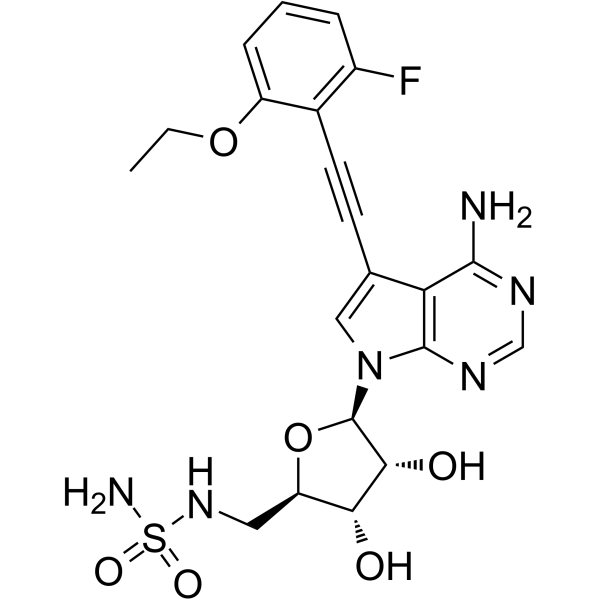
    TAS4464
    Maximum Cited Publications
    9 Publications Verification

    Apoptosis Carbonic Anhydrase NEDD8-activating Enzyme Cancer
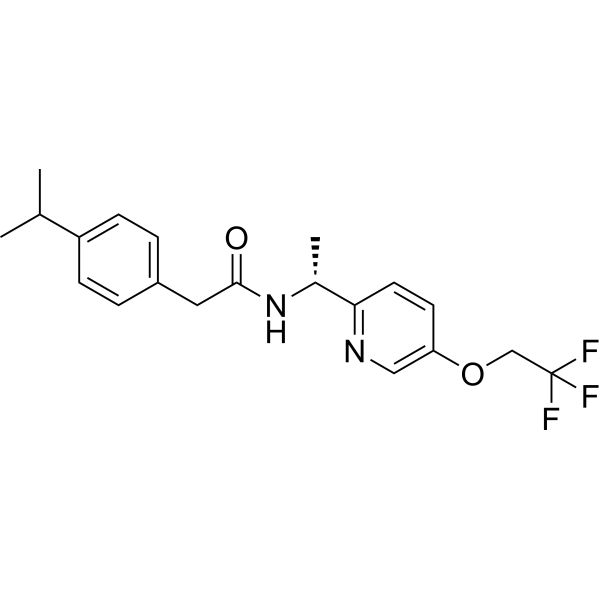
    TAS4464 is a long-acting, highly selective covalent inhibitor targeting NEDD8-activating enzyme (NAE) (IC50=0.955 nM), and also inhibits CAII with an IC50 of 0.73 μM, which is less potent than MLN4924 (HY-70062). The IC50 values of TAS4464 against other E1 enzymes UAE and SAE are 449 nM and 1280 nM, respectively. TAS4464 targets NEDD8 in an ATP-dependent manner to inhibit NAE, blocks the neddylation pathway, causes accumulation of CRL ubiquitin ligase substrates (such as CDT1, p27, phosphorylated IκBα), and further induces tumor cell apoptosis. TAS4464 exhibits antiproliferative and cytotoxic effects, and has broad-spectrum antitumor activity against various hematologic and solid tumor cell lines as well as patient-derived tumor cells. TAS4464 has a wide selcetive window, without obvious toxicity. TAS4464 can be used in the research of hematologic malignancies (leukemia, lymphoma, multiple myeloma, etc.) and solid tumors (small cell lung cancer, colorectal cancer, sarcoma, endometrial cancer, ovarian cancer, etc.) .
    TAS4464
  • HY-120929
    BI8622
    4 Publications Verification

    E1/E2/E3 Enzyme c-Myc Inflammation/Immunology Cancer
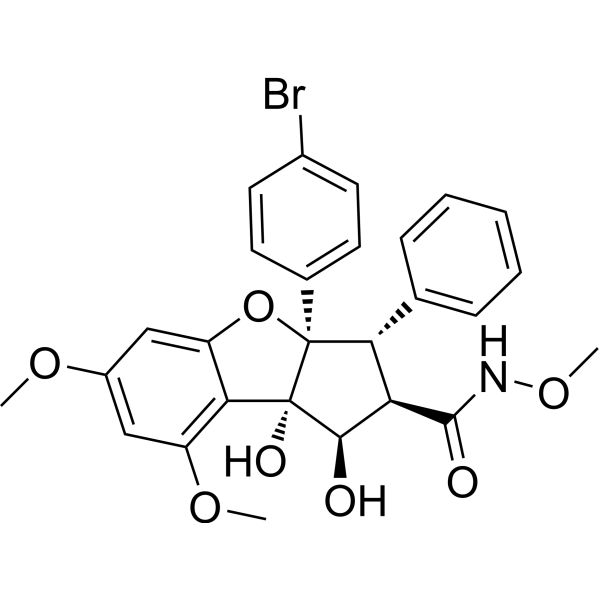
    BI8622 is a specific inhibitor of the ubiquitin ligase HUWE1 with an IC50 of 3.1 μM. BI8622 can decrease the protein expression levels of c-myc and glycolytic markers as well as immune modulatory markers after HUWE1 inhibition in triple-negative breast cancer (TNBC) cell lines. BI8622 significantly protects against cisplatin (HY-17394)-induced acute kidney injury (AKI). BI8622 significantly reduces the growth of multiple myeloma (MM) cell lines and induces cell cycle arrest. BI8622 can prevent HUWE1-dependent TTBK2 ubiquitination. BI8622 can be studied in research for various diseases including medulloblastoma, acute kidney injury, breast cancer and MM .
    BI8622
  • HY-P991155

    JNJ-79635322; JNJ-5322

    CD3 TNF Receptor Cancer
    Ramantamig (JNJ-79635322) is a humanized monoclonal antibody targeting human CD3ε, GPRC5D, and TNFRSF17 (BCMA). Ramantamig binds to BCMA and GPRC5D on multiple myeloma cells, binds to CD3ε on T cells, forms immunological synapses, and enables T-cell-mediated cytotoxicity. Ramantamig activates T cells concomitantly with inducing myeloma cell cytotoxicity, with no nonspecific T-cell activation in the absence of target myeloma cells. Ramantamig carries mutations to reduce interaction with Fc receptors and disrupt protein A binding of monomeric and homodimerized chains. Ramantamig can be used for the research of multiple myeloma .
    Ramantamig
  • HY-P99798

    AMG 420; BI-836909

    CD3 Cancer
    Pacanalotamab (AMG 420; BI-836909) is a bispecific T-cell engager (BiTE) targeting to BCMA and CD3E. BCMA refers to B cell maturation antigen, as Pacanalotamab redirecting T cells to BCMA expressing cells on the cell surface. Pacanalotamab conducts T-cell redirected lysis of human multiple myeloma (MM) cell lines .
    Pacanalotamab
  • HY-P990980

    CND-106; EMB-06

    CD3 Inflammation/Immunology Cancer
    Cizutamig (CND-106) is a bispecific T-cell engager targeting BCMA and CD3. Cizutamig exhibits immunostimulatory and anti-tumor activities. Cizutamig can be used in research related to relapsed or refractory multiple myeloma and systemic lupus erythematosus .
    Cizutamig
  • HY-153916
    TCRS-417
    1 Publications Verification

    T417

    HOXA DNA/RNA Synthesis NEKs Neurological Disease Inflammation/Immunology Cancer
    TCRS-417 (T417) is a small-molecular inhibitor for PBX1. TCRS-417 can directly block PBX1-binding to DNA (IC50 = 6.58 μM), and affects PBX1 transcription. TCRS-417 is able to hammer out the stemness traits of Carboplatin (HY-17393)-resistant (CR) cells to revert to a differentiated status through tacking PBX1 signaling cascade. TCRS-417 significantly suppresses self-renewal and proliferation of cancer cells expressing high levels of PBX1. TCRS-417 can decrease the mRNA levels of FOXM1, NEK2, and E2F2 in cancer cell lines. TCRS-417 is selectively toxic against chr1q-amp myeloma and solid tumor cells .
    TCRS-417
  • HY-101096

    MK-8998; CX-8998; JZP385

    Calcium Channel Neurological Disease Cancer
    Suvecaltamide (MK-8998) is a selective T-type calcium channel inhibitor with oral efficacy. Suvecaltamide exhibits no cytotoxicity in myeloma cell lines and does not affect the antitumor efficacy of Bortezomib (BTZ). Suvecaltamide reverses BTZ-induced peripheral neuropathy (CIPN) in mouse and rat models, and helps inhibit myeloma growth .
    Suvecaltamide
  • HY-128586A
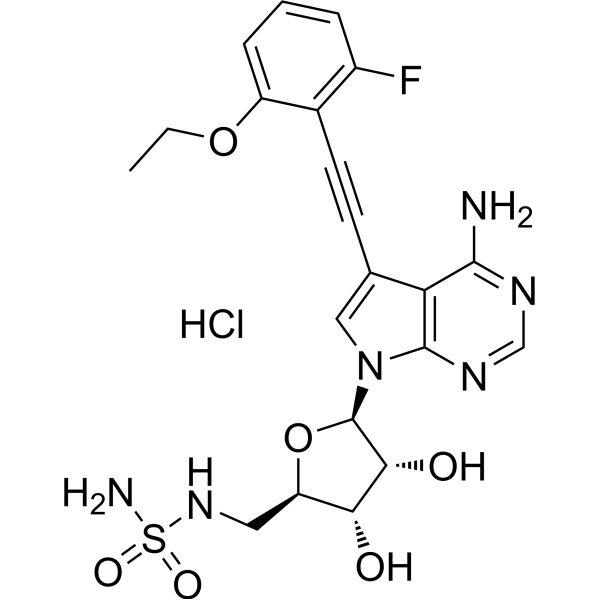
    TAS4464 hydrochloride
    Maximum Cited Publications
    9 Publications Verification

    NEDD8-activating Enzyme Carbonic Anhydrase Apoptosis Cancer
    TAS4464 hydrochloride is a long-acting, highly selective covalent inhibitor targeting NEDD8-activating enzyme (NAE) (IC50=0.955 nM), and also inhibits CAII with an IC50 of 0.73 μM, which is less potent than MLN4924 (HY-70062). The IC50 values of TAS4464 hydrochloride against other E1 enzymes UAE and SAE are 449 nM and 1280 nM, respectively. TAS4464 hydrochloride targets NEDD8 in an ATP-dependent manner to inhibit NAE, blocks the neddylation pathway, causes accumulation of CRL ubiquitin ligase substrates (such as CDT1, p27, phosphorylated IκBα), and further induces tumor cell apoptosis. TAS4464 hydrochloride exhibits antiproliferative and cytotoxic effects, and has broad-spectrum antitumor activity against various hematologic and solid tumor cell lines as well as patient-derived tumor cells. TAS4464 hydrochloride has a wide therapeutic window, without obvious toxicity. TAS4464 hydrochloride can be used in the research of hematologic malignancies (leukemia, lymphoma, multiple myeloma, etc.) and solid tumors (small cell lung cancer, colorectal cancer, sarcoma, endometrial cancer, ovarian cancer, etc.) .
    TAS4464 hydrochloride
  • HY-15241

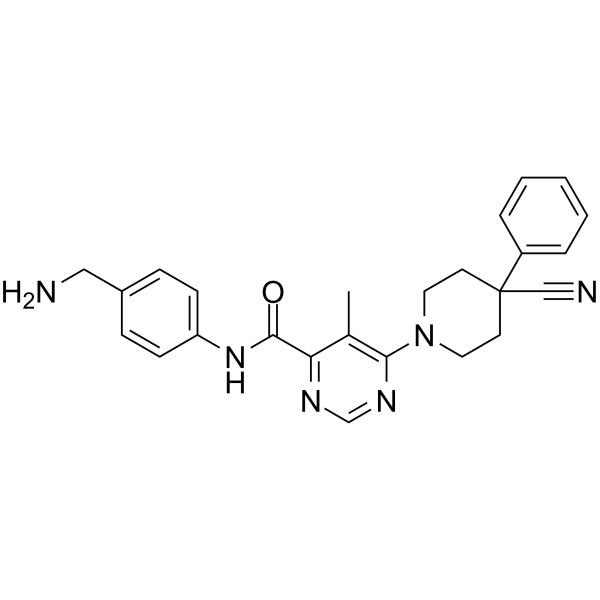
    LCQ-195; AT9311

    CDK Cancer
    NVP-LCQ195 (LCQ-195) is an inhibitor of CDK1/2/3/5/9. NVP-LCQ195 induces cell cycle arrest and eventual apoptotic cell death of multiple myeloma (MM) cells. NVP-LCQ195 triggers decreased amplitude of transcriptional signatures related to oncogenesis, drug resistance and stem cell renewal in MM cell lines .
    NVP-LCQ195
  • HY-119271

    SDS-1-021

    c-Myc Apoptosis Cancer
    CMLD010509 (SDS-1-021) is a highly specific inhibitor of the oncogenic translation program supporting multiple myeloma (MM)-including key oncoproteins such as MYC, MDM2, CCND1, MAF, and MCL-1. CMLD010509 (SDS-1-021) shows an IC50 below 10 nM for most MM cell lines and induces apoptosis. CMLD010509 (SDS-1-021) is a potent and selective translation inhibitor through an eIF4E phosphorylation-independent mechanism .
    CMLD010509
  • HY-117987

    N-(Hydroxymethyl)thalidomide

    Nuclear Factor of activated T Cells (NFAT) NF-κB Reactive Oxygen Species (ROS) Cancer
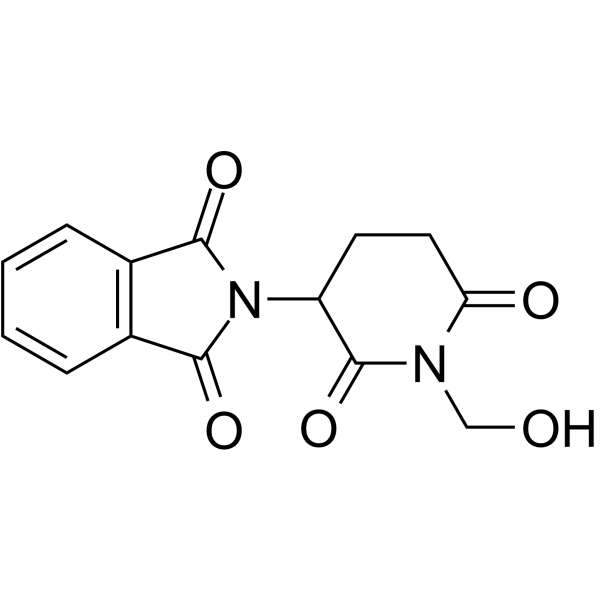
    CPS-11 (N-(Hydroxymethyl)thalidomide) a Thalidomide (HY-14658) analogue, is a potent anti-cancer agent. CPS-11 inhibits NF-κB, activates NFAT, and repress cytokine expression through elevated ROS. CPS-11 exhibits a wider activity spectrum and higher potency against MM (multiple myeloma) cell lines .
    CPS-11
  • HY-175164

    Apoptosis c-Myc Cancer
    SVC112 is a translation elongation inhibitor that prevents the cyclic dissociation of EF2 from the ribosome, thereby inhibiting the elongation step of translation. SVC112 shows activity in growth inhibition among cancer cell lines of various origins (acute myeloid leukemia (AML), multiple myeloma (Myeloma), colorectal cancer (CRC), and head and neck squamous cell carcinoma (HNSCC)). SVC112 preferentially impedes ribosomal processing of mRNAs, and decreaseds CSC-related proteins including Myc and Sox2. SVC112 induces apoptosis in hematologic cancer cell lines, while phosphorylation of c-Myc correlates with sensitivity to SVC112 in colorectal cancer cell lines. SVC112 inactivates HNSCC stem cells in vitro and prevents the regrowth of HNSCC tumor xenografts in mice. SVC112 can be used for the study of HNSCC .
    SVC112
  • HY-172614

    RK-552

    Histone Methyltransferase Apoptosis Cancer
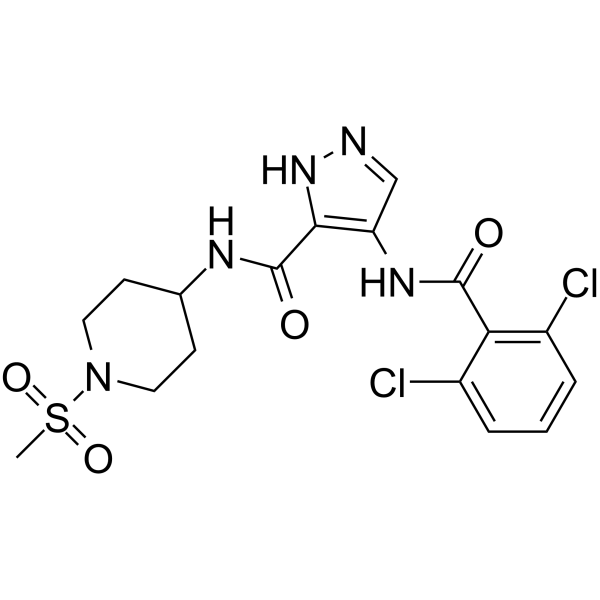
    RK-0080552 (RK-552) is a NSD2 inhibitor with an IC50 of 0.11 μM, and it exhibits selectivity over histone methyltransferases G9a (IC50: 1.2 μM) and SET7/9 (IC50: >50 μM). RK-0080552 functionally inhibits NSD2 histone methyltransferase activity, reduces the dimethylation level of histone H3 lysine 36, suppresses IRF4 transcription, induces apoptosis and triggers cell death. RK-0080552 inhibits the growth of xenograft tumors and prolongs host survival. RK-0080552 is available for the research of multiple myeloma .
    RK-0080552
  • HY-108420
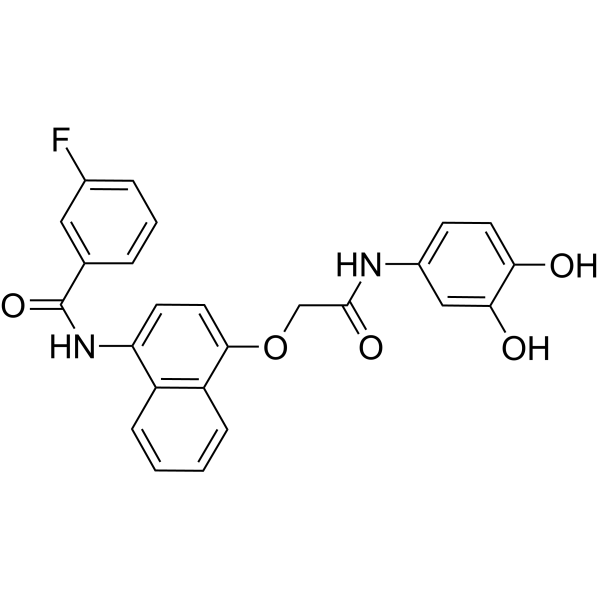
    INK4C-IN-2
    1 Publications Verification

    CDK Cancer
    INK4C-IN-2 is a p18 INK4C inhibitor. NK4C-IN-2 promotes hematopoietic stem cells (HSCs) division by inhibiting INK4C and activating CDK4/6, with an ED50 of 5.21 nM. INK4C-IN-2 shows no cytotoxic to normal 32D cells, HSCs, leukemia cell lines and myeloma cell lines .
    INK4C-IN-2
  • HY-160843

    Apoptosis Cancer
    N-ω-chloroacetyl-L-ornithine (NCAO) is a potent reversible competitive ornithine decarboxylase (ODC) inhibitor that exerts cytotoxic and antiproliferative effects on tumor cell lines with EC50 values ranging from 1 to 50.6 µM. NCAO induces tumor cell Apoptosis and inhibits tumor cell migration in vitro. NCAO also exhibits a potent antitumor activity against both solid and ascitic tumors in a mouse model using the myeloma (Ag8) cell line. NCAO is promising for research of antitumor agents .
    NCAO
  • HY-13312A

    IGF-1R Insulin Receptor Akt Apoptosis Cancer
    GTx-134 is a dual insulin-like growth factor 1 receptor/insulin receptor (IGF-1R/IR) inhibitor with an IC50 values for IGF-1R and IR of 97 and 187 nM respectively. GTx-134 inhibits the autophosphorylation of IGF-1R and its downstream signaling pathway (Akt), thereby blocking the proliferation and survival signals of tumor cells. GTx-134 has broad-spectrum inhibitory activity against multiple myeloma cell lines and can induce apoptosis in sensitive cells. GTx-134 significantly inhibits tumor growth in mice with MM1.S cell transplantation. GTx-134 works in synergy with existing therapies (such as protease preparations, immunomodulators). GTx-134 can be used in high-risk myeloma research .
    GTx-134
  • HY-174445

    PROTACs Histone Methyltransferase Apoptosis Cancer
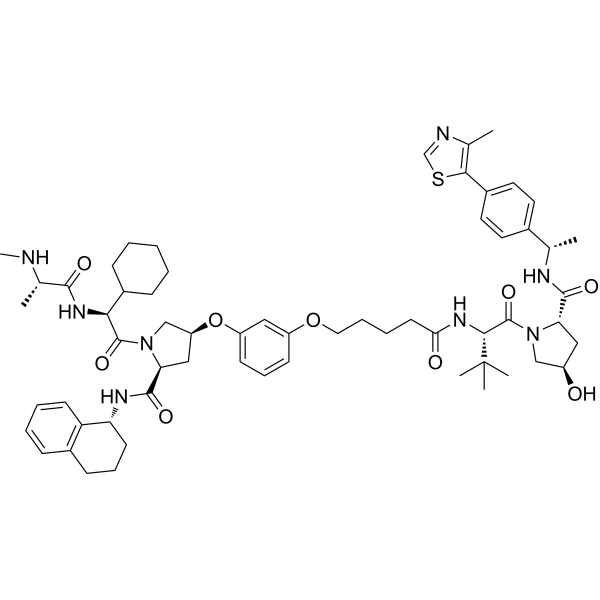
    C199 is a PROTAC degrader targeting PRMT4 (DC50 = 106 nM). C199 shows high selectivity for PRMT4 over other protein arginile methyltransferases. C199 exhibits strong cell degradation ability. C199 induces apoptosis in MM cell lines. C199 efficiently clears PRMT4 protein via the VHL-proteasome pathway. C199 has a relatively long half-life and shows strong anti-multiple myeloma (MM) tumor activity (Pink: Target protein ligand (HY-111109); Blue: E3 ligase ligand (HY-112078), E3 ligase ligand + linker (HY-174474); black: Linker) .
    C199
  • HY-15901

    mTOR Cancer
    LGB321 is an inhibitor of PIM2-dependent multiple myeloma cell lines, effectively inhibiting proliferation and key signaling pathways such as mTOR-C1 and phosphorylation of BAD .
    LGB321
  • HY-118427

    Parasite Endogenous Metabolite Infection Cancer
    Asterriquinol D dimethyl ether is a fungal metabolite, which can inhibit mouse myeloma NS-1 cell lines with an IC50 of 28 μg/mL. Asterriquinol D dimethyl ether also inhibits Tritrichomonas foetus .
    Asterriquinol D dimethyl ether
  • HY-117087

    Phosphatase PANoptosis Cancer
    K103 is an inhibitor discovered from the screen that is an analog of the serotonin antagonist benzazocine. K103 exhibited inhibition of SHIP homologues, labelling it a pan-SHIP1/2 inhibitor, but the molecule had no effect on another 5' inositol phosphatase, OCRL. In line with the "two PIPs hypothesis", the molecule exhibited significant anti-tumour effects against a variety of cell lines, particularly breast cancer cells. Additional studies with K103 revealed that inhibition of SHIP1/2 in multiple myeloma cells resulted in G2/M cell cycle arrest followed by extensive apoptosis via activation of the caspase cascade. K103 fits the commonly used small molecule agent property profile, but while this work was being conducted, it was discovered that K103 caused psychoactive effects in mice, which limited the utility of the molecule in vivo. Therefore, certain synthetic studies were conducted on this tryptamine to identify the features that needed to be present in the molecule to maintain pan-SHIP1/2 inhibition in order to design an inhibitor with favourable pharmacodynamic properties and an improved side effect profile.
    K103
  • HY-117520

    Proteasome Cancer
    FV-162 is a potent, orally active and irreversible proteasome inhibitor. FV-162 exhibits cytotoxic to human myeloma cell lines and primary myeloma cells. FV-162 inhibits tumor growth in a myeloma xenograft mouse model. FV-162 can be used for myeloma research .
    FV-162
  • HY-125490

    Debromoshermilamine A

    Others Cancer
    Shermilamine B, a pyridoacridine alkaloid, exhibits potent anticancer activity in multiple myeloma cell lines .
    Shermilamine B
  • HY-155557

    Apoptosis Cancer
    Anti-inflammatory agent 45 (compound 2v) is an anticancer agent with direct inhibitory effects on the growth of different blood cancers including leukemia, lymphoma and myeloma cell lines. Anti-inflammatory agent 45 induces apoptosis and inhibits NO production in HL60 leukemia cells (IC50=14.7 μM) .
    Anti-inflammatory agent 45
  • HY-P991462

    CD38 Cancer
    GBR-1342 is a human bispecific antibody (bsAb) targeting CD38 & CD3. GBR-1342 inhibits the activity of Daudi, RAJI, RPMI8226, IM-9, and NCI-H929 cancer cell lines. GBR-1342 can be used in myeloma research .
    GBR-1342
  • HY-P991555

    TNF Receptor Apoptosis Cancer
    XmAb5485 is an Fc-engineered humanized anti-CD40 monoclonal antibody with high affinity to Fc-γ receptors. XmAb5485 induces potent antibody-dependent cell-mediated cytotoxicity (ADCC) and antibody-dependent cellular phagocytosis (ADCP) against tumor cells. XmAb5485 inhibits proliferation and induces apoptosis of tumor cells. XmAb5485 shows highly cytotoxic against lymphoma, leukemia and multiple myeloma cell lines as well as primary cancer cells .
    XmAb5485
  • HY-161841

    FGFR Cancer
    Antitumor agent-177 (compound 57), a non-steroidal NSC12 derivative, shows potent FGF2 binding affinity with a Kd of 24 μM by SPR. Antitumor agent-177 significantly inhibits the formation of HSPG/FGF2/FGFR1 ternary complexes. Antitumor agent-177 inhibits FGFR activation and exerts a potent anti-tumor activity on multiple myeloma (MM) cell lines in vitro and in vivo .
    Antitumor agent-177
  • HY-E70719

    FGFR Cancer
    FGFR3 activating mutations are drivers of malignancy in several human tissues, including bladder, lung, cervix, and blood. FGFR3 K650E is a mutant of FGFR3 that may be present in multiple myeloma cell lines. FGFR3 K650E Recombinant Human Active Protein Kinase is a recombinant FGFR3 K650E protein that can be used to study FGFR3 K650E-related functions .
    FGFR3 K650E Recombinant Human Active Protein Kinase
  • HY-161250

    PROTACs Cancer
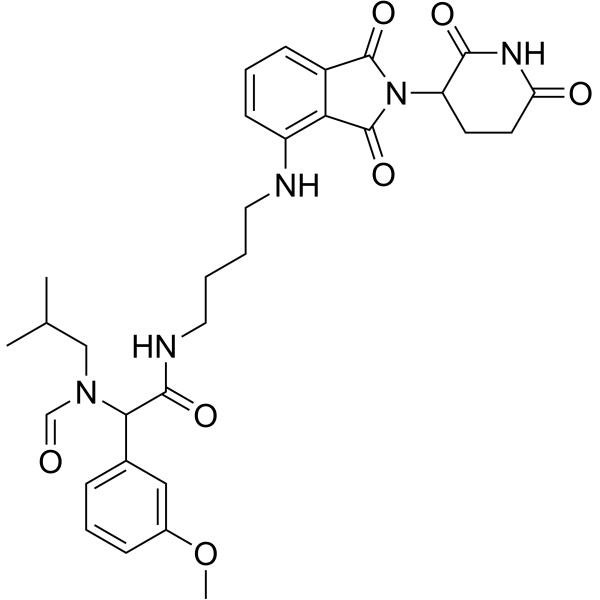
    Pomalidomide-NH-PEG6-amide-C2-CPI-1612 (compound 22 (dCE-1)) is a CBP/EP300 degrader, which contains a CRBN ligands Pomalidomide, a 24-atom linker with 6 PEG units and a HAT inhibitor CPI-1612. Pomalidomide-NH-PEG6-amide-C2-CPI-1612 exhibits antiproliferative effects in cells multiple myeloma cells LP1 (with a DC50 of 1.2 μM), MM1S and various cancer cell lines, especially the leukemia cells .
    Pomalidomide-NH-PEG6-amide-C2-CPI-1612
  • HY-119271A

    (-)-SDS-1-021

    c-Myc Apoptosis Cancer
    (-)-CMLD010509 ((-)-SDS-1-021) is an isomer of CMLD010509 (SDS-1-021) (HY-119271). CMLD010509 (SDS-1-021) is a highly specific inhibitor of the oncogenic translation program supporting multiple myeloma (MM)-including key oncoproteins such as MYC, MDM2, CCND1, MAF, and MCL-1. CMLD010509 (SDS-1-021) shows an IC50 below 10 nM for most MM cell lines and induces apoptosis. CMLD010509 (SDS-1-021) is a potent and selective translation inhibitor through an eIF4E phosphorylation-independent mechanism .
    (-)-CMLD010509
  • HY-101096R

    MK-8998 (Standard); CX-8998 (Standard); JZP385 (Standard)

    Calcium Channel Reference Standards Neurological Disease Cancer
    Suvecaltamide (Standard) is the analytical standard of Suvecaltamide (HY-101096). This product is intended for research and analytical applications. Suvecaltamide (MK-8998) is a selective T-type calcium channel inhibitor with oral efficacy. Suvecaltamide exhibits no cytotoxicity in myeloma cell lines and does not affect the antitumor efficacy of Bortezomib (BTZ). Suvecaltamide reverses BTZ-induced peripheral neuropathy (CIPN) in mouse and rat models, and helps inhibit myeloma growth .
    Suvecaltamide (Standard)
  • HY-P992483

    Transmembrane Glycoprotein Cancer
    VIS832 is an anti-CD138 monoclonal antibody. VIS832 induces antibody-dependent cellular cytotoxicity. VIS832 inhibits the growth of disseminated multiple myeloma tumors in vivo. VIS832 exerts anti-tumor effects on multiple myeloma in combination with Lenalidomide (HY-A0003) or Bortezomib (HY-10227). VIS832 can be used in research related to multiple myeloma .
    VIS832

Inquiry Online

Your information is safe with us. * Required Fields.

Salutation


Country or Region *

Applicant Name *


Organization Name *

Department *


Email Address *


Product Name *

Cat. No.


Requested quantity *

Phone Number *


Remarks

Inquiry Online

Inquiry Information

Product Name:
Cat. No.:
Quantity:
MCE Japan Authorized Agent:

