

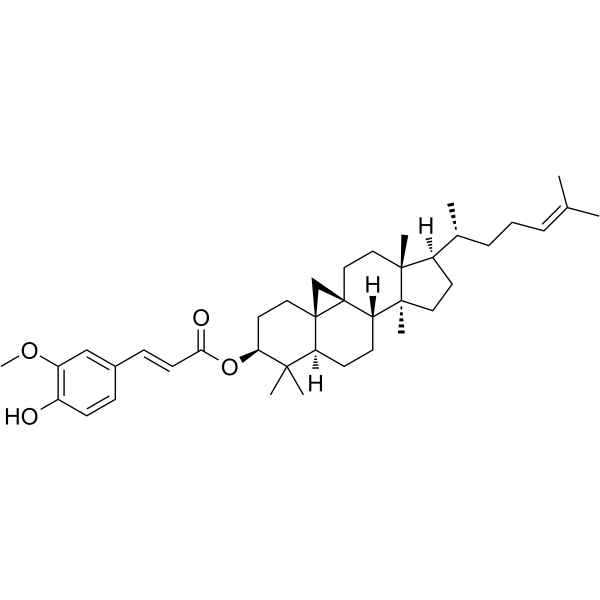
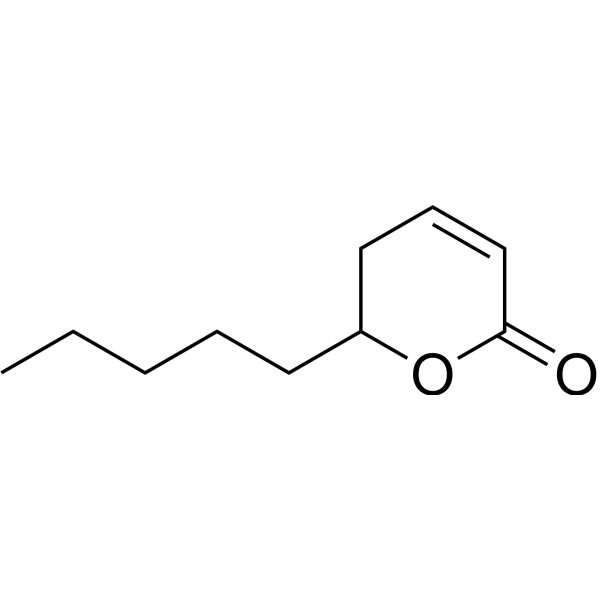

1. Search Result
Search Result
Results for "

natural cytotoxicity

" in MedChemExpress (MCE) Product Catalog:

103

Inhibitors & Agonists

5

Peptides

17

Inhibitory Antibodies

64

Natural
Products

15

Recombinant Proteins

2

Isotope-Labeled Compounds

4

Antibodies

2

Oligonucleotides

Cat. No. 상품명 Target 연구분야 Chemical Structure
  • HY-P9977
    Amivantamab
    3 Publications Verification

    JNJ-61186372

    EGFR Inflammation/Immunology Cancer
    Amivantamab (JNJ-61186372) is a human EGFR-MET bispecific antibody with immune anticancer activity. Amivantamab inhibits ligand binding, promotes endocytosis and degradation of receptor-antibody complexes, and induces Fc-dependent cytokinesis in macrophages and antibody-dependent cytotoxicity in natural killer cells .
    Amivantamab
  • HY-P99055

    TNF Receptor Inflammation/Immunology Cancer
    Urelumab, a fully human, non-ligand binding, CD137 agonist IgG4 monoclonal antibody, enhances T-cell and natural killer-cell antitumor activity, and may enhance cytotoxic activity of Rituximab (HY-P9913). Urelumab can be used for the research of diffuse large B-cell lymphoma (DLBCL), follicular lymphoma (FL), and other types of non-Hodgkin lymphoma (NHL) .
    Urelumab
  • HY-P99361

    PDL192; ABT-361; Anti-TNFRSF12A/TWEAKR/CD266 Reference Antibody (enavatuzumab)

    TNF Receptor Cancer
    Enavatuzumab (PDL192; ABT-361) is a humanized IgG1 monoclonal antibody targeting the receptor of TNF-like weak inducer of apoptosis (TWEAK). TWEAK (Fn14; TNFRSF12A), the natural ligand of the TWEAK receptor (TweakR), stimulates multiple cellular responses. Enavatuzumab induces tumor growth inhibition through direct TweakR signaling and antibody dependent cell-mediated cytotoxicity (ADCC). Enavatuzumab can actively recruits and activates myeloid effectors to kill tumor cells. Enavatuzumab inhibits the growth of various human TweakR-positive cancer cell lines and xenografts in vitro and in vivo .
    Enavatuzumab
  • HY-P9965

    HuLuc 63; PDL 063; BMS 901608

    Transmembrane Glycoprotein Cancer
    Elotuzumab (HuLuc 63) is an IgG1 monoclonal antibody targeting the SLAMF7 receptor. Elotuzumab exerts antitumor activity by activating natural killer cells and inducing antibody-dependent cell-mediated cytotoxicity. Elotuzumab can be combined with Lenalidomide (HY-A0003), Dexamethasone (HY-14648), etc., for the research of tumors such as multiple myeloma .
    Elotuzumab
  • HY-117371

    (-)-Hemiasterlin; Milnamide B

    ADC Payload Cancer
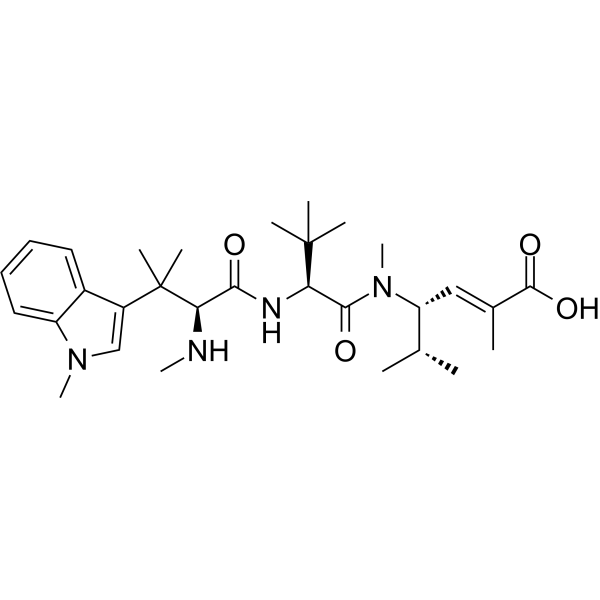
    Hemiasterlin ((-)-Hemiasterlin) is an antimitotic marine natural product with potent anticancer effects. Hemiasterlin can be used as a cytotoxic payload (ADC Cytotoxin) in antibody-drug conjugates (ADCs) .
    Hemiasterlin
  • HY-N1318
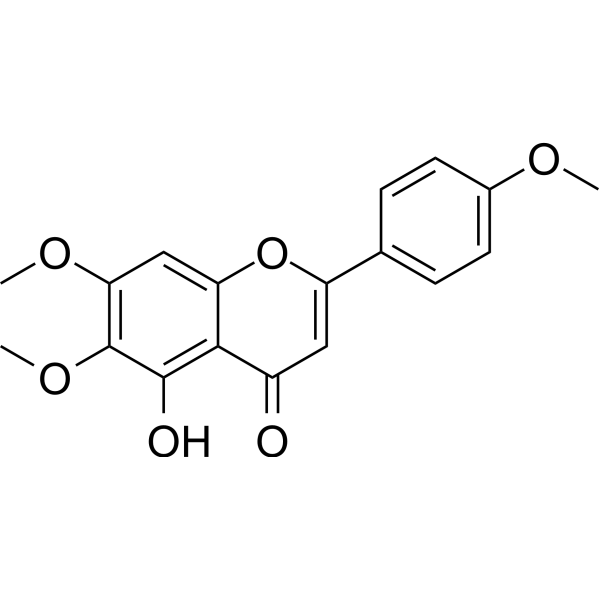
    Salvigenin
    Maximum Cited Publications
    6 Publications Verification

    Psathyrotin

    Autophagy Apoptosis ROS Kinase Neurological Disease Inflammation/Immunology Cancer
    Salvigenin is a natural polyphenolic compound, with neuroprotective effect. Salvigenin has antitumor cytotoxic and immunomodulatory properties. Salvigenin inhibits H2O2-induced cell apoptosis .
    Salvigenin
  • HY-N0591
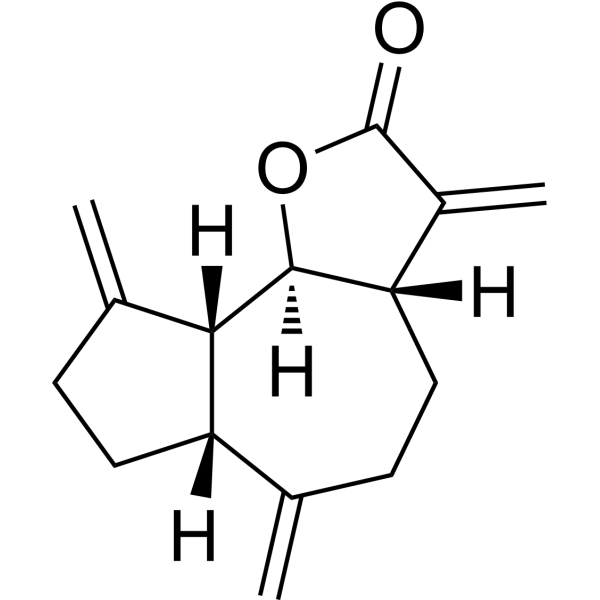
    Dehydrocostus Lactone
    2 Publications Verification

    (-)-Dehydrocostus lactone; Epiligulyl oxide

    Bacterial Apoptosis p38 MAPK NF-κB MAPKAPK2 (MK2) Akt NO Synthase Interleukin Related Caspase Infection Inflammation/Immunology Cancer
    Dehydrocostus Lactone ((-)-Dehydrocostus lactone) is a natural sesquiterpene that can be isolated from Saussurea lappa. Dehydrocostus Lactone has multiple activities such as anti-inflammatory, antibacterial, anti-tumor, and immunomodulatory effects. Dehydrocostus Lactone has an MIC of 2 µg/mL against Mycobacterium tuberculosis. Dehydrocostus Lactone can also inhibit the killing activity of cytotoxic T lymphocytes and induce apoptosis in tumor cells .
    Dehydrocostus Lactone
  • HY-160421

    Apoptosis Inflammation/Immunology Cancer
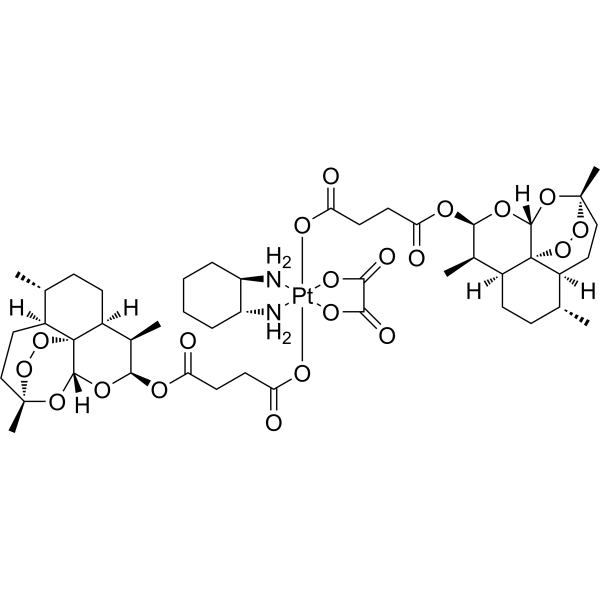
    TREM2-IN-1 (OPA) is a TREM2 inhibitor derived from oxaliplatin and artesunate. TREM2-IN-1 can relieves immunosuppressive tumor microenvironment and enhancing chemical anticancer efficiency. TREM2-IN-1 deters the tumor growth in mice models bearing MC38 colorectal tumor by reducing the number of CD206 + and CX3CR1 + immunosuppressive macrophages. TREM2-IN-1 also promotes the expansion and infiltration of immunostimulatory dendritic, cytotoxic T and natural killer cells .
    TREM2-IN-1
  • HY-Y0493

    HOOBt

    STAT HIV Infection Cancer
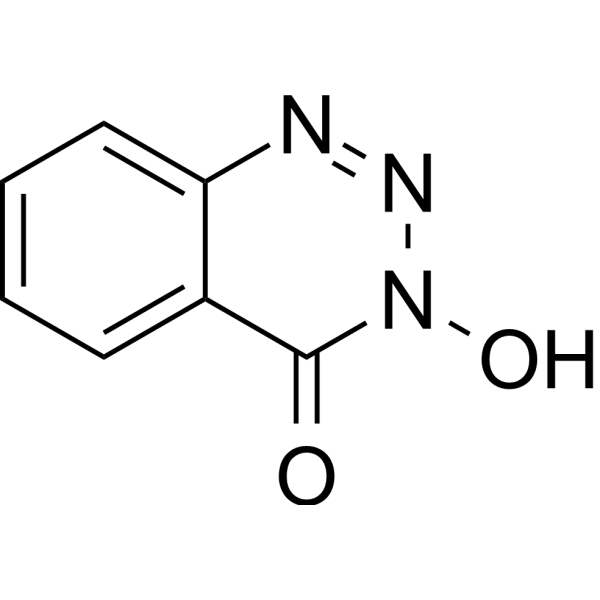
    HODHBt (HOOBt) inhibits STAT5-SUMO interaction by blocking SUMOylation of phosphorylated STAT5. HODHBt enhances the magnitude of IL-15 signaling and significantly increases the natural killer (NK) cell cytotoxicity phenotype and function and the generation of cytokine-induced memory-like (CIML) natural killer (NK) cells. HODHBt can be used for research of HIV-infection and cancer .
    HODHBt
  • HY-125098
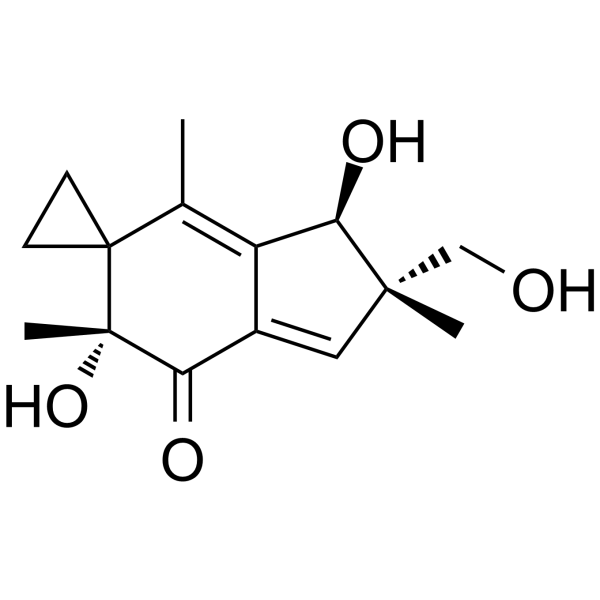
    Illudin S
    1 Publications Verification

    DNA Alkylator/Crosslinker Apoptosis Infection Cancer
    Illudin S, a cytotoxic Illudin, is a natural sesquiterpene with strong anti-tumour and antiviral activities. Illudin S has genotoxic activities. Illudin S blocks the G1-S phase interface of the cell cycle in human leukemia cells .
    Illudin S
  • HY-N2228

    (-)-EGCG-3''-O-ME

    Others Inflammation/Immunology Cancer
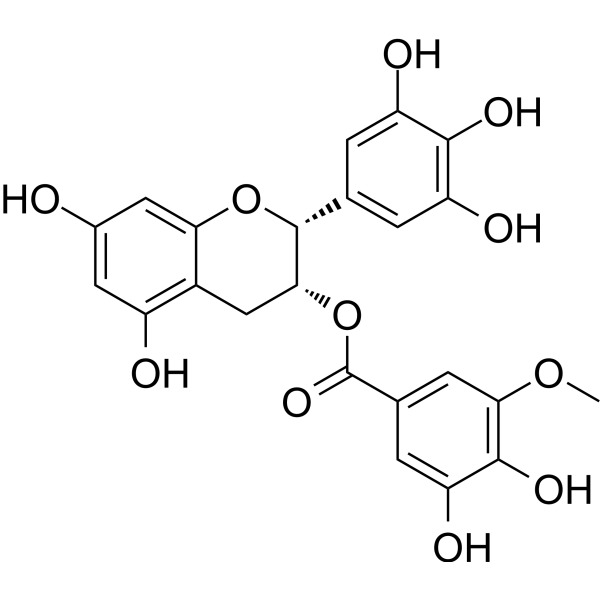
    (-)-Epigallocatechin-3-(3''-O-methyl) gallate ((-)-EGCG-3''-O-ME) is a natural product that can be isolated from the tea leaf, with strong antioxidative activity. (-)-Epigallocatechin-3-(3''-O-methyl) gallate has a strong cytotoxic activity for rat cancer cells .
    (-)-Epigallocatechin-3-(3''-O-methyl) gallate
  • HY-172240

    TU2218 free base

    Anaplastic lymphoma kinase (ALK) VEGFR Inflammation/Immunology Cancer
    Tosposertib (TU2218 free base) is an ALK5/VEGFR2 dual inhibitor (IC50 = 1.2 nM/4.9 nM). Tosposertib directly restores the activity of damaged cytotoxic T lymphocytes (CTLs) and natural killer cells inhibited by TGFβ and suppresses the activity and viability of regulatory T cells. Tosposertib can be used for the study of melanoma and colon cancer .
    Tosposertib
  • HY-N7933

    ALKANE C24

    Apoptosis Inflammation/Immunology
    Tetracosane (ALKANE C24) is a natural product that can be found in Acrostichum aureum. Tetracosane hows cytotoxicity and induces Apoptosis. Tetracosane has the potential for the research of peptic ulcer .
    Tetracosane
  • HY-P99167

    HCD122

    TNF Receptor Cancer
    Lucatumumab (HCD122) is a fully human anti-CD40 antagonist monoclonal antibody, which blocks CD40/CD40L-mediated signaling. Lucatumumab efficiently mediates antibody-dependent cell-mediated cytotoxicity (ADCC) and clearance of tumor cells, can be used for refractory lymphomas, CLL and multiple myeloma research .
    Lucatumumab
  • HY-P9977A

    EGFR Cancer
    Amivantamab (FUT8-KO) is an anti-EGFR-MET monoclonal antibody expressed by CHO cells with the fucosyltransferase 8 gene (FUT8) knocked out. Fucose deficiency enhances the ADCC effect of the antibody. Amivantamab (FUT8-KO) inhibits ligand binding, promotes endocytosis and degradation of receptor-antibody complexes, and induces Fc-dependent cytokinesis in macrophages and antibody-dependent cytotoxicity in natural killer cells .
    Amivantamab (FUT8-KO)
  • HY-N4202

    Environmental Pollutants Insecticide Apoptosis p38 MAPK Neurological Disease Inflammation/Immunology Cancer
    Dihydrorotenone is an insecticide and irreversible inhibitor of mitochondrial complex I. Dihydrorotenone may induce Parkinson's disease. Dihydrorotenone induces apoptosis in human plasma cells by triggering endoplasmic reticulum stress and activating the p38 signaling pathway. The oral LD50 of dihydrorotenone in rats is approximately 2.5 g/kg. Dihydrorotenone exhibits insecticide activity and cytotoxicity to plasma cells. Dihydrorotenone can be used to establish animal models of Parkinson's disease, safety assessment of natural pesticides, and potential cancer chemoprevention studies .
    Dihydrorotenone
  • HY-N6954
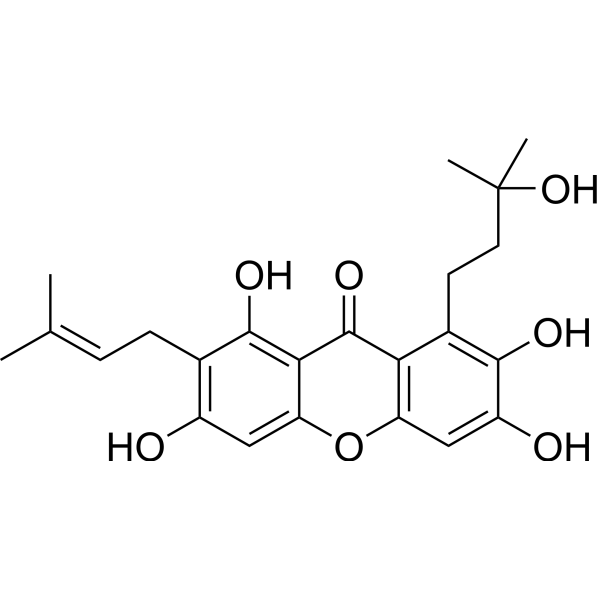
    Garcinone C
    2 Publications Verification

    ATM/ATR STAT CDK Hedgehog Inflammation/Immunology Cancer
    Garcinone C, a xanthone derivative, is a natural compound extracted from Garcinia oblongifolia that is used as an anti-inflammatory, astringency and granulation-promoting medicine, and has potential cytotoxic effects on certain cancers. Garcinone C stimulates the expression levels of ATR and 4E-BP1, arrests the cell cycle, inhibits cell viability of the human Nasopharyngeal carcinoma (NPC) cell lines CNE1, CNE2, HK1 and HONE1 in a time‑ and dose‑dependent manner through inhibition of Hedgehog signaling pathway. Garcinone C is orally active .
    Garcinone C
  • HY-N0446

    ADC Payload Cancer
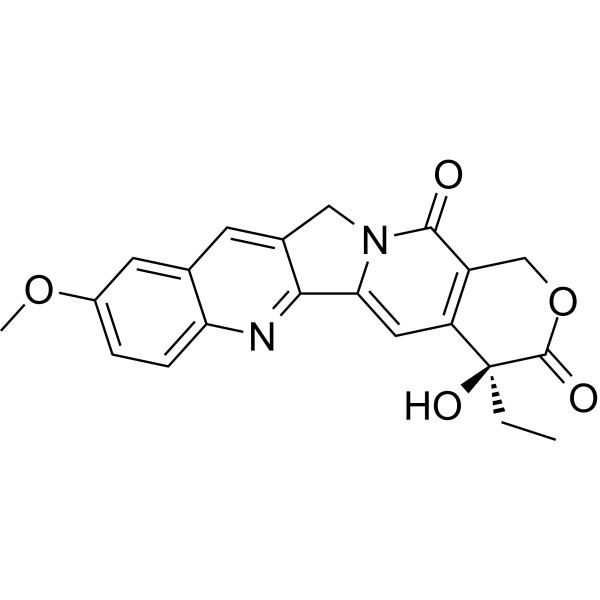
    10-Methoxycamptothecin is a natural bioactive derivative of camptothecin (CPT) isolated from Camptotheca acuminata, and has been confirmed to possess high anti-cancer properties. 10-Methoxycamptothecin has higher cytotoxicity than 10-hydroxycamptothecin by testing antitumor activity against 2774 cell lines .
    10-Methoxycamptothecin
  • HY-N3057

    Others Cancer
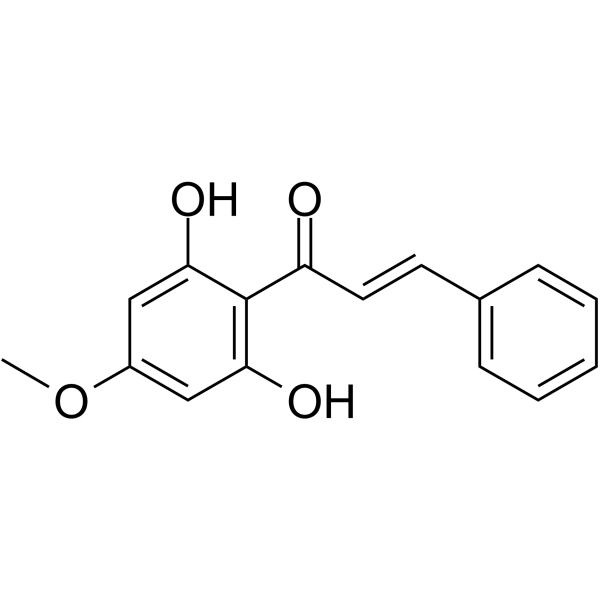
    Pinostrobin chalcone is found to be potent natural cytotoxic compounds against MDA-MB-231 and HT-29 colon cancer cell lines(IC50 = 20.42±2.23 and 22.51±0.42 μg/mL) .
    Pinostrobin chalcone
  • HY-P99622

    IMC-20D7S

    Tyrosinase Cancer
    Flanvotumab (IMC-20D7S) is a human monoclonal antibody targeting to tyrosinase-related protein (TYRP1), specifically expressed in melanocytes and melanoma cells. Flanvotumab acts function via natural killing-mediated antibody-dependent cell-mediated cytotoxicity (ADCC). Flanvotumab has potent anti-tumor activity and good tolerance .
    Flanvotumab
  • HY-P990178

    C-type Lectin-like Receptors (CTLRs) Infection Others Metabolic Disease Inflammation/Immunology Cancer
    Anti-Mouse NKG2D/CD314 Antibody (CX5) is a rat-derived IgG1 κ type antibody inhibitor, targeting to mouse NKG2D/CD314. Anti-Mouse NKG2D/CD314 Antibody (CX5) reduces cytotoxicity of natural killer cells. Anti-Mouse NKG2D/CD314 Antibody (CX5) can be used for the researches of cancer, infection, inflammation, immunology and metabolic disease, such as colitis and diabetes .
    Anti-Mouse NKG2D/CD314 Antibody (CX5)
  • HY-W024604

    4,4-Dimethylcyclopent-2-enone

    Others Cancer
    4,4-Dimethyl-2-cyclopenten-1-one, a natural compound from Apocyniveneti Folium, displays higher tumor-specific cytotoxicity .
    4,4-Dimethyl-2-cyclopenten-1-one
  • HY-N11519

    Others Cancer
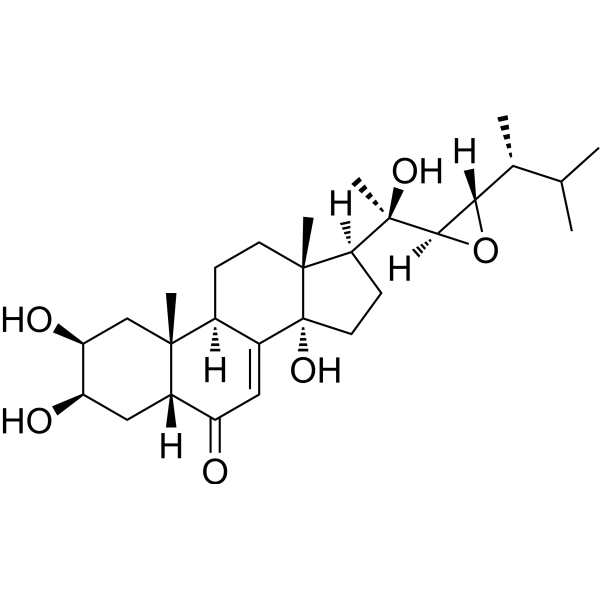
    Polyporusterone C (Compound 3) is a natural product that can be isolated from Polyporus umbellatus. Polyporusterone C shows cytotoxic activities with IC50s of 37, 26 and 42 μg/mL against L-1210 cells at 3, 5 and 7 days, respectively .
    Polyporusterone C
  • HY-174736

    mRNA Inflammation/Immunology
    Human CD70 mRNA encodes the human CD70 molecule (CD70) protein, a cytokine that belongs to the tumor necrosis factor (TNF) ligand family. CD70 induces proliferation of costimulated T cells, enhances the generation of cytolytic T cells, and contributes to T cell activation. It is also reported to play a role in regulating B-cell activation, cytotoxic function of natural killer cells, and immunoglobulin sythesis.
    Human CD70 mRNA
  • HY-P10563

    BHV-1100

    CD38 Cancer
    Noraramtide (BHV-1100) is an antibody recruitment molecule. Noraramtide can specifically bind to CD38 molecules to recruit natural killer (NK) cells. Noraramtide enhances the ability of NK cells to kill tumor cells through antibody-dependent cellular cytotoxicity (ADCC). This mechanism allows NK cells to more effectively recognize and eliminate tumor cells while avoiding mutual killing between NK cells. Noraramtide can be used for the study of autologous cancer immunity .
    Noraramtide
  • HY-N4012

    3-Indoleglyoxamide

    Others Others
    Indole-3-glyoxylamide (Compound 4) is a type of indole alkaloid. Indole-3-glyoxylamide shows no significant cytotoxic activity against Hela, Ishikawa, and MGC-803 cells .
    Indole-3-glyoxylamide
  • HY-N1155

    Others Cardiovascular Disease
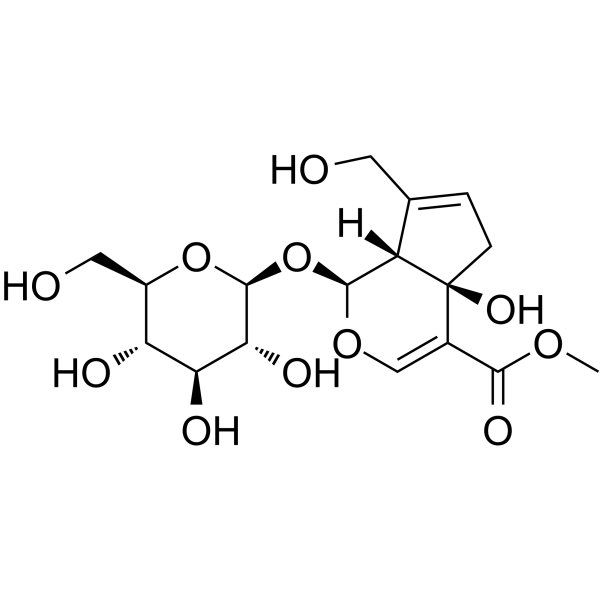
    Theviridoside is a natural iridoid glucoside found in the leaves of Cerbera odollam, it has cytotoxicity.
    Theviridoside
  • HY-N3430

    AF33

    Others Cancer
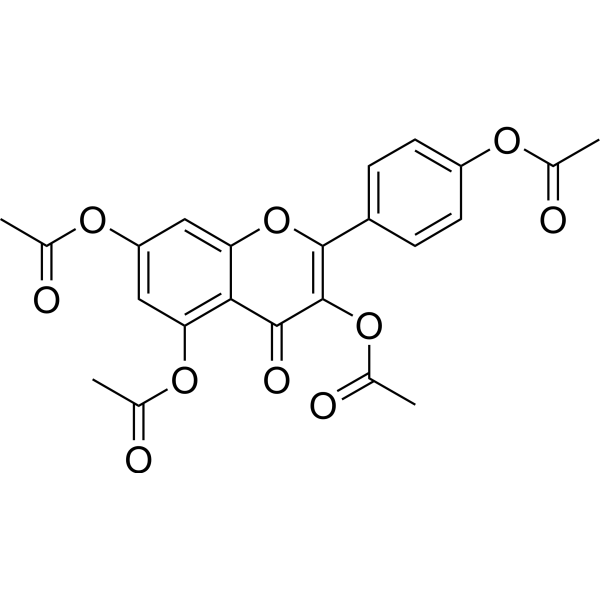
    Kaempferol tetraacetate (AF33) is a natural product. Kaempferol tetraacetate shows cytotoxicity .
    Kaempferol tetraacetate
  • HY-W010533

    Drug Intermediate Others
    (E)-2-Methyl-2-pentenoic acid is the component can be used to synthesize the cytotoxic natural product Lactimidomycin .
    (E)-2-Methyl-2-pentenoic acid
  • HY-N8679

    Endogenous Metabolite Cancer
    Physalin C is a natural product that can be found in physalis angulata. Physalin C shows cytotoxic activities against MCF-7 and HepG2 cells .
    Physalin C
  • HY-129144

    TNF Receptor Cancer
    Dihydrodehydrodiconiferyl alcohol (compound 2) is a kind of neolignan. Dihydrodehydrodiconiferyl alcohol can be isolated from Anogeissus acuminata. Dihydrodehydrodiconiferyl alcohol has specific cytotoxic activity on melanoma cancer cell line .
    Dihydrodehydrodiconiferyl alcohol
  • HY-N15199

    Others Cancer
    Schisanlactone A is a natural triterpenoid compound. Schisanlactone A has moderate cytotoxicity, with its IC50 value being 63.3 μM against KB cells. Schisanlactone A does not possess antibacterial or tyrosinase inhibitory activities. Schisanlactone A can be used for the study of oral epidermoid carcinoma .
    Schisanlactone A
  • HY-N7205

    Others Cancer
    Glaucocalyxin D is a ent-kauranoid-type diterpenoid that can be isolated from Rabdosia japonica. Glaucocalyxin D shows cytotoxicity against various human tumor cell lines. Glaucocalyxin D can be used for cancer research .
    Glaucocalyxin D
  • HY-W391625

    (Rac)-Epiligulyl oxide

    Fungal Cancer
    (Rac)-Dehydrocostus Lactone ((Rac)-Epiligulyl oxide) is a natural product with antiparasitic activity. (Rac)-Dehydrocostus Lactone can significantly inhibit the growth of Trypanosoma brucei rhodesiense. (Rac)-Dehydrocostus Lactone exhibits a broad spectrum of biological effects, including anti-inflammatory, anticancer, antiviral and antimicrobial activities. (Rac)-Dehydrocostus Lactone also has antifungal, antioxidant, antidiabetic, antiulcer and antihelminthic effects. (Rac)-Dehydrocostus Lactone exhibits different IC(50) values in cytotoxicity tests and has a high selectivity index .
    (Rac)-Dehydrocostus Lactone
  • HY-175604

    PD-1/PD-L1 Cancer
    SCL-1 is an orally active anti-PD-1/PD-L1 inhibitor. SCL-1 can inhibit PD-1/PD-L1 binding. SCL-1 increases T cells, B cells and natural killer cells. SCL-1 exerts strong tumor growth inhibitory effects that were mediated by effector T-cell induction inside tumors and the up-regulated expression of long non-coding RNAs as neoantigens leading to cytotoxic T lymphocyte activation. SCL-1 can be used for the research of cancer, such as triple-negative breast cancer .
    SCL-1
  • HY-133220A

    Others Cancer
    Guajadial F is a natural product that can be found in Psidium guajava. Guajadial F shows cytotoxicity .
    Guajadial F
  • HY-N12524

    Bacterial Infection Cancer
    Cyclo(prolyltyrosyl) is a natural compound that can be found in various microorganisms and marine sponges. Cyclo(prolyltyrosyl) has antibacterial, phytotoxic and cytotoxic properties .
    Cyclo(prolyltyrosyl)
  • HY-N7173

    Parasite Infection
    7-Methoxy-β-carboline-1-propionic acid (compound 46) is a cytotoxic and antimalarial compound. 7-Methoxy-β-carboline-1-propionic acid can be extracted from the roots of Eurycoma longifolia .
    7-Methoxy-β-carboline-1-propionic acid
  • HY-N1912

    Others Cancer
    Andropanolide is a natural product that exerts cytotoxicity toward carcinoma cells and significantly inhibits the overproduction of nitric oxide (NO) in Lipopolysaccharides (HY-D1056) (LPS)-stimulated RAW264.7 macrophages .
    Andropanolide
  • HY-N1318R

    Psathyrotin (Standard)

    Reference Standards Autophagy Apoptosis ROS Kinase Neurological Disease Inflammation/Immunology Cancer
    Salvigenin is a natural polyphenolic compound, with neuroprotective effect. Salvigenin has antitumor cytotoxic and immunomodulatory properties. Salvigenin inhibits H2O2-induced cell apoptosis .
    Salvigenin (Standard)
  • HY-P990719

    XmAb24306

    Interleukin Related Inflammation/Immunology Cancer
    Efbalropendekin Alfa (XmAb24306) is an IL-15/IL-15 receptor alpha complex fused to a heterodimeric Fc domain (IL15/IL15Rα-Fc). Efbalropendekin Alfa increases direct and antibody-dependent cellular cytotoxicity (ADCC)-mediated human natural killer (NK) cell cytotoxicity in vitro .
    Efbalropendekin alfa
  • HY-N0763R

    Isopsoralen (Standard)

    Reference Standards Apoptosis Virus Protease Cancer
    Angelicin (Standard) is the analytical standard of Angelicin. This product is intended for research and analytical applications. Angelicin is a natural tricyclic aromatic hydrocarbon compound that is structurally related to psoralen and has anti-cancer, anti-inflammatory, anti-viral and other activities. Cytotoxic, IC50: 49.56 μM; inhibits MHV-68, IC50: 5.39 μg/ml (28.95 μM).
    Angelicin (Standard)
  • HY-N9170

    Drug Derivative Cancer
    Lup-20(29)-ene-3β,11β-diol is a natural triterpenoid with anticancer effects. Lup-20(29)-ene-3β,11β-diol exhibits significant cytotoxic activity against HeLa with an IC50 value of 28.5 μM .
    Lup-20(29)-ene-3β,11β-diol
  • HY-129149

    HMG-CoA Reductase (HMGCR) Metabolic Disease
    Ganoderic acid SZ is a natural product with 3-hydroxy-3-methylglutaryl-CoA reductase inhibitory activity. Ganoderic acid SZ shows stronger activity than the positive control atorvastatin in inhibiting HMG-CoA reductase. Ganoderic acid SZ exhibits significant inhibition of yeast-derived α-glucosidase with IC50 values achieved at very low concentrations. Ganoderic acid SZ also exhibits cytotoxicity against K562 cells with IC?? values in the range of 10-20 μM .
    Ganoderic acid SZ
  • HY-N16580

    Others Cancer
    (+)-Lariciresinol 9′-p-Coumarate is a type of lignan. (+)-Lariciresinol 9′-p-Coumarate exhibits inhibitory activity against leukemia and other tumor cell lines .
    (+)-Lariciresinol 9′-p-coumarate
  • HY-P11340

    MHC Infection Inflammation/Immunology
    VMAPRTLFL is a 9-mer peptide derived from the signal peptide of HLA-G and can serve as a peptide ligand for HLA-E. VMAPRTLFL plays a crucial role in regulating the functions of adaptive natural killer (NK) cells. Specifically, VMAPRTLFL enriches FcεRγ - adaptive NK cells, upregulates the expression of CD25, and enhances their proliferative activity, antibody-dependent cellular cytotoxicity (ADCC), and IFN-γ release. VMAPRTLFL can be used in research related to human cytomegalovirus (HCMV) infection, transplant rejection, and pregnancy immunity .
    VMAPRTLFL
  • HY-N8088

    Others Cancer
    Neolancerin is a natural product with weak cytotoxic activity against HL-60 cells .
    Neolancerin
  • HY-156186

    Others Cancer
    Anticancer agent 160 (Compound 6) is a natural product derived from Parthenium hysterophorus. Anticancer agent 160 is cytotoxic to HCT-116 cells, IC50=5.0 μM .
    Anticancer agent 160
  • HY-122948

    Others Cancer
    Isogambogenic acid is a natural product that can be isolated from Resina Garciniae. Isogambogenic acid has cytotoxicity to cancer cell lines with IC50 values of 0.4327-5.942 μmol/L .
    Isogambogenic acid
  • HY-N8317

    Others Cancer
    Rubicordifolin is a natural product that can be isolated from Rubia cordifolia. Rubicordifolin inhibits the growth of sarcoma ascites in mice. Rubicordifolin has significant cytotoxic activity both in vitro and in vivo .
    Rubicordifolin

온라인 문의

Your information is safe with us. * Required Fields.

호칭


Country or Region *

고객명 *


회사명 *

Department *


메일주소 *


상품명 *

Cat. No.


Requested quantity *

전화번호 *


비고

온라인 문의

Inquiry Information

상품명:
Cat. No.:
수량:
MCE Japan Authorized Agent:

