1. Search Result
Search Result
Pathways Recommended: MAPK/ERK Pathway
Results for "

necroptosis pathway

" in MedChemExpress (MCE) Product Catalog:

33

Inhibitors & Agonists

3

Screening Libraries

7

Natural
Products

4

Isotope-Labeled Compounds

Cat. No. Product Name Target Research Areas Chemical Structure
  • HY-100573
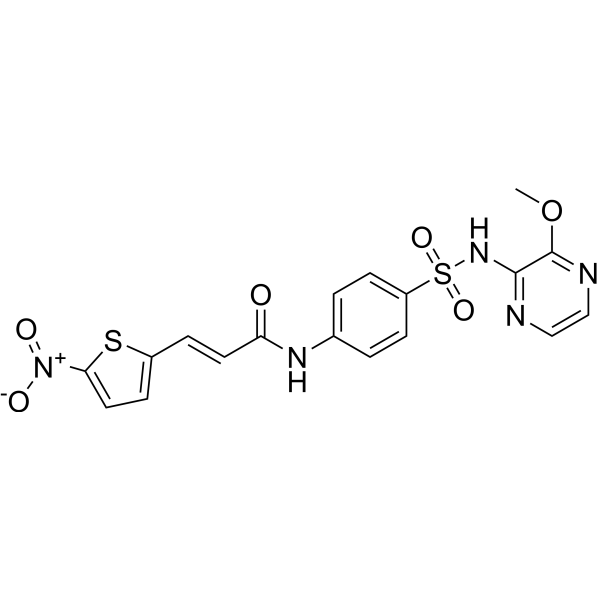
    Necrosulfonamide
    Maximum Cited Publications
    139 Publications Verification

    Mixed Lineage Kinase Necroptosis Pyroptosis Caspase NOD-like Receptor (NLR) Keap1-Nrf2 TNF Receptor Interleukin Related NO Synthase Heme Oxygenase (HO) Cardiovascular Disease Neurological Disease Metabolic Disease Inflammation/Immunology Endocrinology
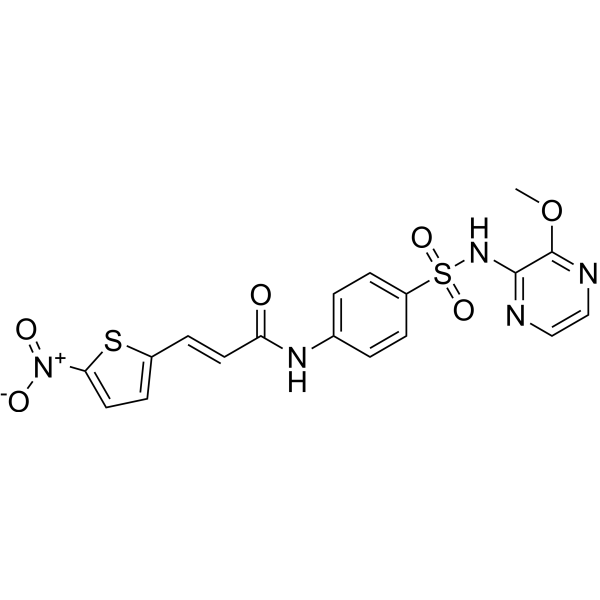
    Necrosulfonamide is a MLKL and Gasdermin D (GSDMD) inhibitor, capable of separately inhibiting necroptosis and pyroptosis of cells. Necrosulfonamide does not affect the activation of upstream signals, but specifically inhibits the downstream executor oligomerization step. Necrosulfonamide reduces the expression of the key kinases NLRP3 and caspase-1 involved in necroptosis and pyroptosis, activate the Nrf2 pathway and the downstream antioxidant enzymes, and also downregulates a variety of inflammatory factors. Necrosulfonamide plays significant roles in various diseases such as neurodegenerative diseases (such as Parkinson’s disease), tissue damage and ischemia-reperfusion injury, inflammatory bowel disease, osteoarthritis and fracture repair, and hair loss by regulating two important programmed necrosis pathways .
    Necrosulfonamide
  • HY-17363
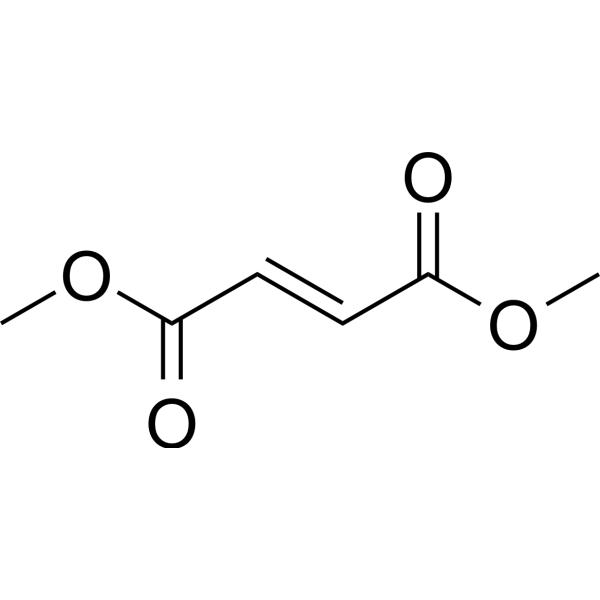
    Dimethyl fumarate
    Maximum Cited Publications
    56 Publications Verification

    Keap1-Nrf2 Reactive Oxygen Species (ROS) HIV Autophagy Endogenous Metabolite Infection Neurological Disease Inflammation/Immunology Cancer
    Dimethyl fumarate (DMF) is an orally active and brain-penetrant Nrf2 activator and induces upregulation of antioxidant gene expression. Dimethyl fumarate induces necroptosis in colon cancer cells through GSH depletion/ROS increase/MAPKs activation pathway, and also induces cell autophagy. Dimethyl fumarate can be used for multiple sclerosis research .
    Dimethyl fumarate
  • HY-14909
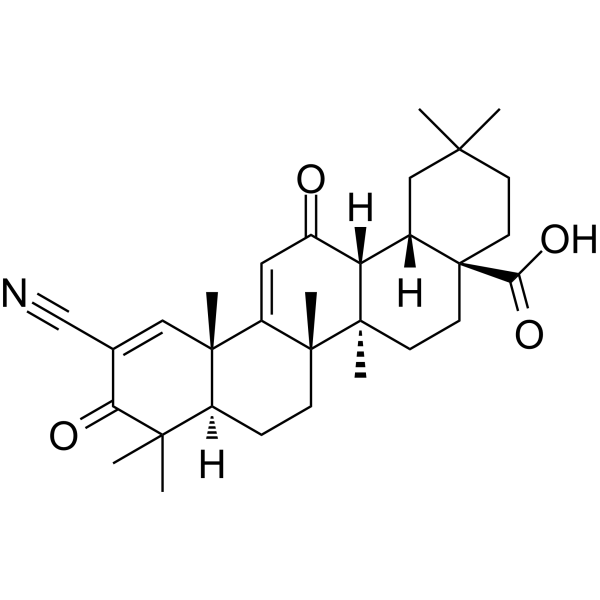
    Bardoxolone
    20+ Cited Publications

    CDDO; RTA 401

    Keap1-Nrf2 NF-κB SARS-CoV Apoptosis Reactive Oxygen Species (ROS) Glutathione Peroxidase Necroptosis Infection Neurological Disease Inflammation/Immunology Cancer
    Bardoxolone (CDDO; RTA 401) is a Nrf2 activator. Bardoxolone shows anti-SARS-CoV-2 3CLpro with IC50 of 27.99 μM. Bardoxolone activates the Nrf2 pathway and inhibits the NF-κB pathway. Bardoxolone can induce cells differentiation, apoptosis and shows antiproliferative activity against cancer cells. Bardoxolone can increase ROS and decrease intracellular GSH levels. Bardoxolone inhibits Z-VAD-FMK (HY-16658B)-induced necroptosis. Bardoxolone can be used for the research of cancer, inflammation and infection, such as SARS-CoV infection and glioblastoma .
    Bardoxolone
  • HY-18768
    NCT-501
    5 Publications Verification

    Aldehyde Dehydrogenase (ALDH) Akt β-catenin Necroptosis Cancer
    NCT-501 is a reversible, non-competitive, selective, blood-brain barrier-permeable ALDH1A1 inhibitor with an IC50 of 40 nM. NCT-501 inhibits the AKT-β-catenin signaling pathway, induces necroptosis in nasopharyngeal carcinoma cells, suppresses their proliferation and inhibits stem cell spheroid formation. NCT-501 can be used in research related to nasopharyngeal carcinoma, esophageal squamous cell carcinoma and malignant tumors .
    NCT-501
  • HY-W010201
    Citronellol
    2 Publications Verification

    (±)-Citronellol; (±)-β-Citronellol

    Environmental Pollutants Necroptosis Autophagy Fungal Reactive Oxygen Species (ROS) ERK Atg8/LC3 TNF Receptor Apoptosis PI3K p62 Cardiovascular Disease Neurological Disease Cancer
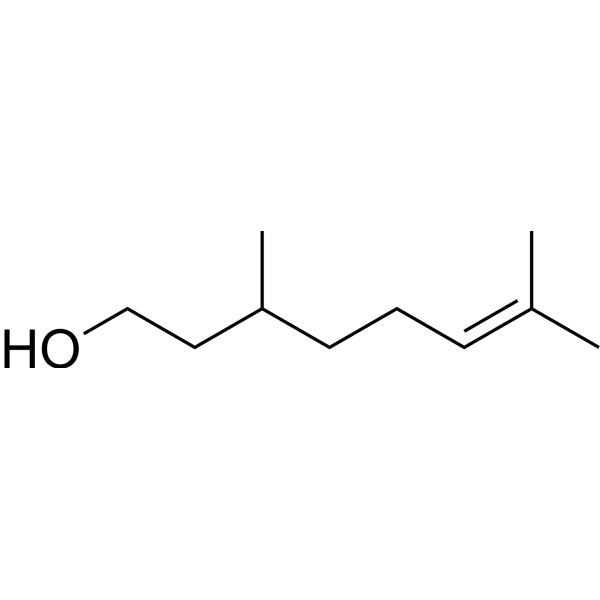
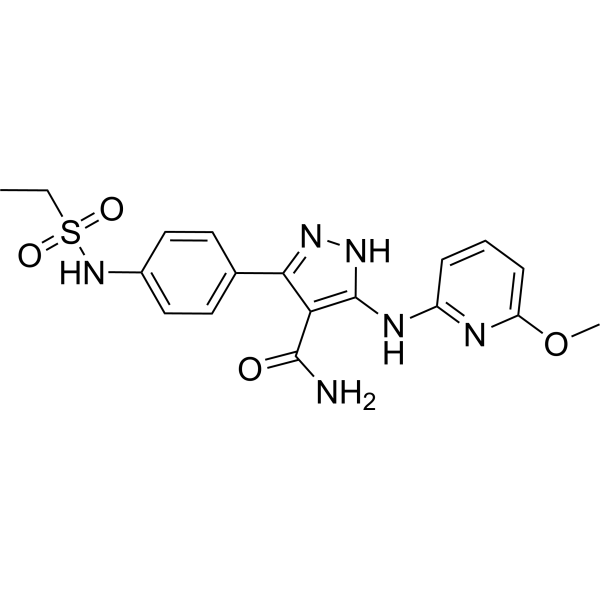
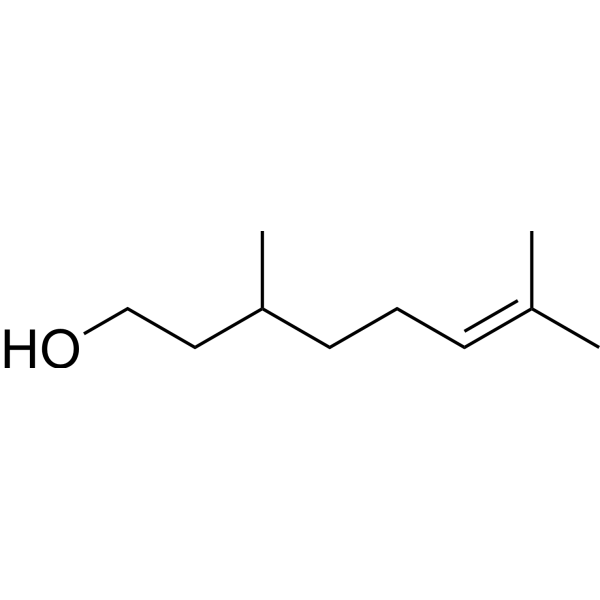
    Citronellol ((±)-Citronellol) is an orally active inducer of apoptosis. Citronellol can prevent oxidative stress, mitochondrial dysfunction, and apoptosis in the SH-SY5Y cell Parkinson's disease model induced by 6-OHDA by regulating the ROS-NO, MAPK/ERK, and PI3K/Akt signaling pathways. Citronellol can induce necroptosis in human lung cancer cells through the TNF-α pathway and accumulation of ROS. Citronellol can reduce the levels of LC-3 and p62 to regulate the autophagy pathway, inhibit oxidative stress and neuroinflammation, and thus have neuroprotective effects on Parkinson's rats. Citronellol exhibits anti-fungal activity against Trichophyton rubrum by inhibiting ergosterol synthesis .
    Citronellol
  • HY-144828
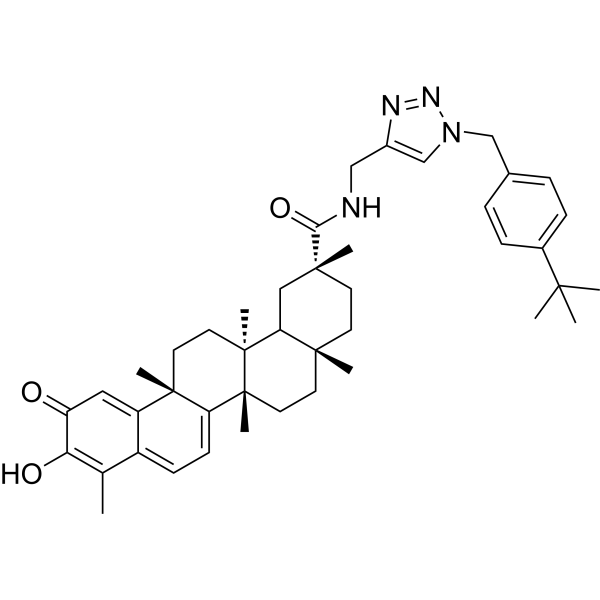
    RIP1/RIP3/MLKL activator 1
    5+ Cited Publications

    RIP kinase Mixed Lineage Kinase Necroptosis Cancer
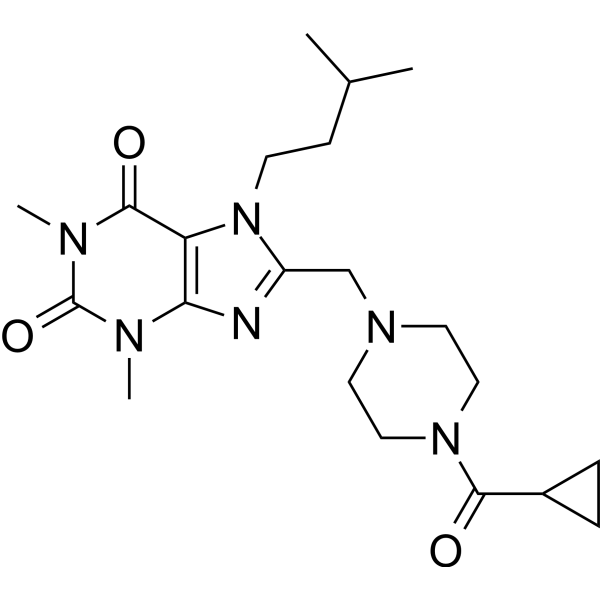
    RIP1/RIP3/MLKL activator 1 (Compound 6i) is a potent anti-glioma agent. RIP1/RIP3/MLKL activator 1 induces necroptosis through RIP1/RIP3/MLKL pathway. RIP1/RIP3/MLKL activator 1 exerts acceptable BBB permeability .
    RIP1/RIP3/MLKL activator 1
  • HY-N1535
    Ponicidin
    4 Publications Verification

    Rubescensine B

    RIP kinase Apoptosis Reactive Oxygen Species (ROS) JAK STAT PI3K Akt Sirtuin Necroptosis Amyloid-β Neurological Disease Cancer
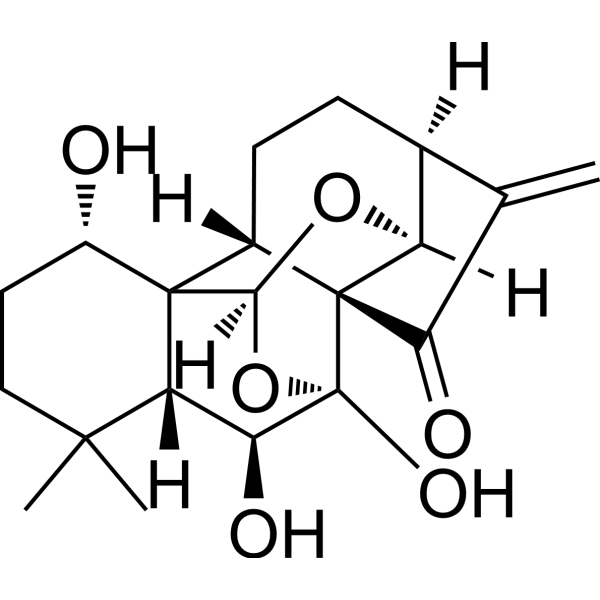
    Ponicidin (Rubescensine B) is an orally active RIPK1 inhibitor with a Kd value of 135 nM. Ponicidin inhibits the JAK2/STAT3 pathway to induce apoptosis, activates the PI3K/Akt pathway, upregulates SIRT1 expression, alleviates oxidative stress, suppresses inflammatory responses and necroptosis, and blocks cell cycle progression. Ponicidin induces ROS production to exert antiproliferative and antiviral effects, while also improving cognitive function and reducing plaque deposition. Ponicidin can be used in studies related to hepatocellular carcinoma, Alzheimer's disease, and gastric cancer .
    Ponicidin
  • HY-N0660

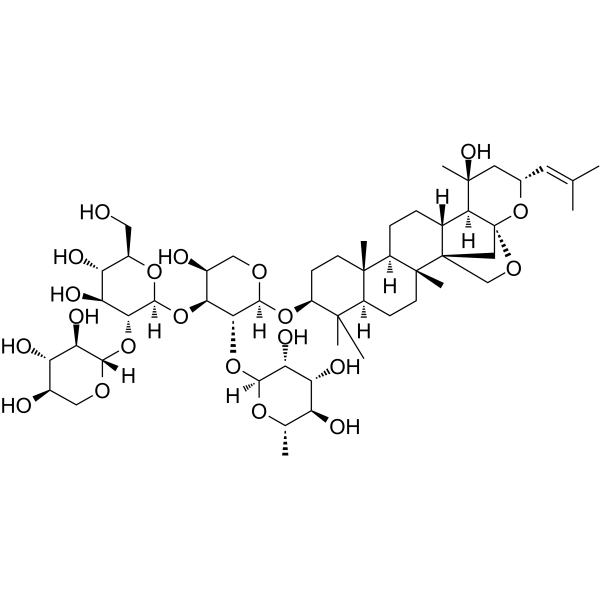
    Apoptosis PARP Caspase AMPK Autophagy VEGFR Keap1-Nrf2 STING 11β-HSD Ferroptosis PI3K Akt p38 MAPK ERK Neurological Disease Metabolic Disease Inflammation/Immunology Cancer
    Jujuboside B is a bioactive saponin component isolated from Ziziphi Spinosae Semen (sour jujube seed), with oral efficacy and blood-brain barrier permeability. Jujuboside B induces acute leukemia cell death and drives necroptosis apoptosis by activating the RIPK1/RIPK3/MLKL pathway. Jujuboside B upregulates the expression of NOXA, PARP and caspase-3, activates AMPK, inhibits the proliferation of breast cancer cells, and induces cell apoptosis and autophagy. Jujuboside B inhibits angiogenesis and tumor growth by blocking the VEGFR-2 signaling pathway. Jujuboside B alleviates liver injury in mice by regulating the Nrf2-STING signaling pathway . Jujuboside B alleviates liver injury by regulating anti-inflammatory responses and downregulating the expression of 11β-HSD2. Jujuboside B induces ferroptosis and overcomes radioresistance in non-small cell lung cancer via the PPARγ-ATF3-Gpx4 signaling pathway. Jujuboside B exerts inhibitory effects on platelet aggregation. Jujuboside B inhibits febrile seizures by suppressing the activity of AMPA receptors. Jujuboside B reverses chronic unpredictable mild stress-promoted tumor progression by blocking the PI3K/Akt and MAPK/ERK pathways and dephosphorylating CREB signaling. Jujuboside B is applicable to related studies on acute leukemia, breast cancer, PM2.5-induced lung injury, hepatotoxicity, liver injury, colorectal cancer, non-small cell lung cancer, thromboembolic diseases, cardiovascular diseases associated with high platelet aggregation, febrile seizures, and depressive-like phenotypes .
    Jujuboside B
  • HY-100573A
    (E/Z)-Necrosulfonamide
    1 Publications Verification

    Mixed Lineage Kinase Necroptosis Pyroptosis Caspase NOD-like Receptor (NLR) Keap1-Nrf2 TNF Receptor Interleukin Related NO Synthase Heme Oxygenase (HO) Cardiovascular Disease Neurological Disease Metabolic Disease Inflammation/Immunology Endocrinology
    (E/Z)-Necrosulfonamide is a racemic compound of Necrosulfonamide (HY-100573). Necrosulfonamide is a MLKL and Gasdermin D (GSDMD) inhibitor, capable of separately inhibiting necroptosis and pyroptosis of cells. Necrosulfonamide does not affect the activation of upstream signals, but specifically inhibits the downstream executor oligomerization step. Necrosulfonamide reduces the expression of the key kinases NLRP3 and caspase-1 involved in necroptosis and pyroptosis, activate the Nrf2 pathway and the downstream antioxidant enzymes, and also downregulates a variety of inflammatory factors. Necrosulfonamide plays significant roles in various diseases such as neurodegenerative diseases (such as Parkinson’s disease), tissue damage and ischemia-reperfusion injury, inflammatory bowel disease, osteoarthritis and fracture repair, and hair loss by regulating two important programmed necrosis pathways.
    (E/Z)-Necrosulfonamide
  • HY-17363S1

    Autophagy HIV Keap1-Nrf2 Endogenous Metabolite Reactive Oxygen Species (ROS) Cancer
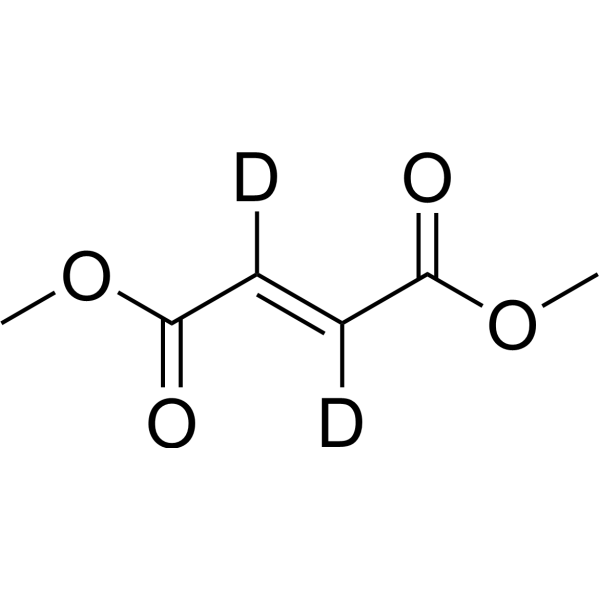
    Dimethyl fumarate-d2 is the deuterium labeled Dimethyl fumarate . Dimethyl fumarate (DMF) is an orally active and brain-penetrant Nrf2 activator and induces upregulation of antioxidant gene expression. Dimethyl fumarate induces necroptosis in colon cancer cells through GSH depletion/ROS increase/MAPKs activation pathway, and also induces cell autophagy. Dimethyl fumarate can be used for multiple sclerosis research .
    Dimethyl fumarate-d2
  • HY-108636

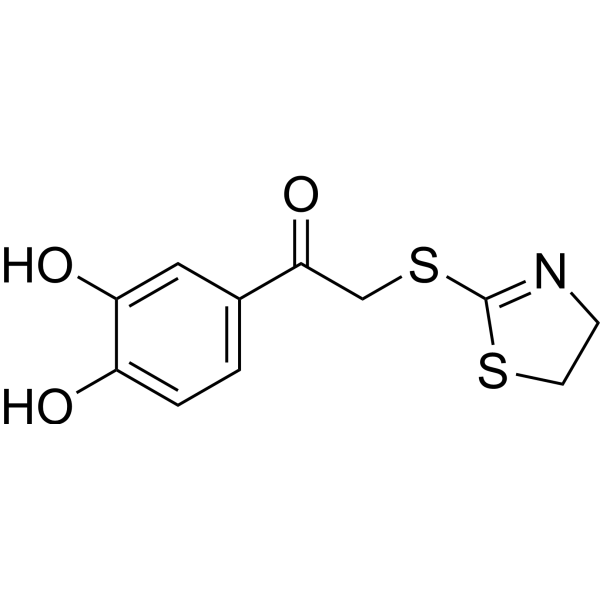
    MDM-2/p53 RIP kinase Mixed Lineage Kinase Reactive Oxygen Species (ROS) Necroptosis Cancer
    RETRA is a RIPK1/RIPK3/MLKL and p73 activator. RETRA mediates plasma membrane disruption, induces ROS accumulation, triggers early mitochondrial hyperpolarization, and synergistically drives necroptosis. RETRA inhibits cancer cells carrying mutant p53 via a p73-dependent salvage pathway. RETRA can be used in research related to cervical cancer and cancers with mutant p53 .
    RETRA
  • HY-100573S

    Isotope-Labeled Compounds Mixed Lineage Kinase Necroptosis Pyroptosis Caspase NOD-like Receptor (NLR) Keap1-Nrf2 TNF Receptor Integrin NO Synthase Heme Oxygenase (HO) Cardiovascular Disease Neurological Disease Metabolic Disease Inflammation/Immunology Endocrinology
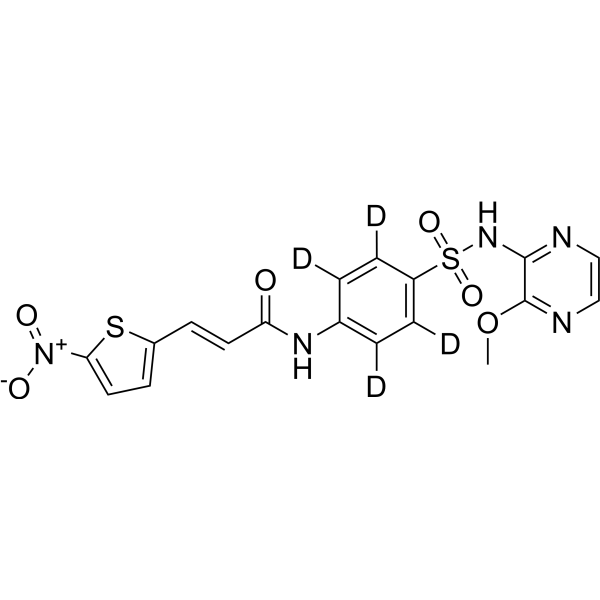
    Necrosulfonamide-d4 is the deuterium labeled Necrosulfonamide (HY-100573). Necrosulfonamide is a MLKL and Gasdermin D (GSDMD) inhibitor, capable of separately inhibiting necroptosis and pyroptosis of cells. Necrosulfonamide does not affect the activation of upstream signals, but specifically inhibits the downstream executor oligomerization step. Necrosulfonamide reduces the expression of the key kinases NLRP3 and caspase-1 involved in necroptosis and pyroptosis, activate the Nrf2 pathway and the downstream antioxidant enzymes, and also downregulates a variety of inflammatory factors. Necrosulfonamide plays significant roles in various diseases such as neurodegenerative diseases (such as Parkinson’s disease), tissue damage and ischemia-reperfusion injury, inflammatory bowel disease, osteoarthritis and fracture repair, and hair loss by regulating two important programmed necrosis pathways.
    Necrosulfonamide-d4
  • HY-17363R

    Reference Standards Keap1-Nrf2 Reactive Oxygen Species (ROS) HIV Autophagy Endogenous Metabolite Infection Neurological Disease Inflammation/Immunology Cancer
    Dimethyl fumarate (Standard) is the analytical standard of Dimethyl fumarate. This product is intended for research and analytical applications. Dimethyl fumarate (DMF) is an orally active and brain-penetrant Nrf2 activator and induces upregulation of antioxidant gene expression. Dimethyl fumarate induces necroptosis in colon cancer cells through GSH depletion/ROS increase/MAPKs activation pathway, and also induces cell autophagy. Dimethyl fumarate can be used for multiple sclerosis research .
    Dimethyl fumarate (Standard)
  • HY-W010201R
    Citronellol (Standard)
    2 Publications Verification

    (±)-Citronellol (Standard); (±)-β-Citronellol (Standard)

    Reactive Oxygen Species (ROS) Reference Standards ERK PI3K TNF Receptor Atg8/LC3 p62 Apoptosis Necroptosis Autophagy Fungal Cardiovascular Disease Neurological Disease Cancer
    Citronellol (Standard) is the analytical standard of Citronellol. Citronellol (Standard) is an orally active inducer of apoptosis. Citronellol (Standard) can prevent oxidative stress, mitochondrial dysfunction, and apoptosis in the SH-SY5Y cell Parkinson's disease model induced by 6-OHDA by regulating the ROS-NO, MAPK/ERK, and PI3K/Akt signaling pathways. Citronellol (Standard) can induce necroptosis in human lung cancer cells through the TNF-α pathway and accumulation of ROS. Citronellol (Standard) can reduce the levels of LC-3 and p62 to regulate the autophagy pathway, inhibit oxidative stress and neuroinflammation, and thus have neuroprotective effects on Parkinson's rats. Citronellol (Standard) exhibits anti-fungal activity against Trichophyton rubrum by inhibiting ergosterol synthesis .
    Citronellol (Standard)
  • HY-173185

    RIP kinase Necroptosis Inflammation/Immunology
    RIP1-IN-1 is an orally active RIP1 inhibitor with strong RIP1 binding affinity (Kd: 110 nM). RIP1-IN-1 exhibits strong anti-necroptosis activity. RIP1-IN-1 effectively inhibits the formation of necrosomes by blocking the phosphorylation of RIP1, RIP3 and MLKL signaling pathways. RIP1-IN-1 inhibits necroptosis and can be used in the study of acute liver injury .
    RIP1-IN-1
  • HY-178163

    Ferroptosis Necroptosis RIP kinase Reactive Oxygen Species (ROS) Mixed Lineage Kinase Inflammation/Immunology
    Zharp1-163 is a dual inhibitor of ferroptosis and necroptosis. Zharp1-163 effectively blocks ferroptosis by reducing reactive oxygen species (ROS) levels and inhibits necroptosis by potently and selectively targeting RIPK1 kinase activity (KD = 240 nM; IC50 = 406.1 nM). Zharp1-163 inhibits the cellular activation of RIPK1, RIPK3 and MLKL in response to necroptotic stimulation. Zharp1-163 markedly attenuates TNF-α (HY-P1875)-induced systemic inflammatory syndrome, including the prevention of TNF-α-induced mortality and hypothermia in mice. Zharp1-163 significantly alleviates acute kidney injury associated with both necroptosis and ferroptosis in models induced by Cisplatin (HY-17394) and ischemia-reperfusion. Zharp1-163 can be used for the study of diseases associated with cell death pathways, such as kidney disease .
    Zharp1-163
  • HY-168640

    Autophagy Necroptosis RIP kinase Cancer
    RIP3 activator 1 (compound C8) is a potent RIP3 activator. RIP3 activator 1 inhibits cell growth. RIP3 activator 1 induces necroptosis through the RIP3/p62/Keap1 signaling pathway. RIP3 activator 1 increases the protein expression of p-MLKL. RIP3 activator 1 induces autophagy. RIP3 activator 1 increases accumulation of LC3-II and p62 protein expression .
    RIP3 activator 1
  • HY-178464

    RIP kinase Mixed Lineage Kinase Necroptosis Neurological Disease Inflammation/Immunology
    RIPK1-IN-34 is a selective, brain-penetrant RIPK1 inhibitor (IC50 = 126.70 nM) with almost no inhibitory effect on RIPK3 (IC50 > 10, 000 nM). RIPK1-IN-34 offers substantial neuroprotection by inhibiting the phosphorylation of RIPK1, RIPK3, and mixed lineage kinase domain-like pseudokinase (MLKL) within the necroptosis pathway. RIPK1-IN-34 shows the neuroprotective effect in a rat middle cerebral artery occlusion (MCAO) model. RIPK1-IN-34 can be used for the study of anti-acute ischemic stroke (AIS) .
    RIPK1-IN-34
  • HY-179386

    PARP Histone Methyltransferase Apoptosis Pyroptosis Necroptosis Reactive Oxygen Species (ROS) PANoptosis Cancer
    PARP1/EZH2-IN-1 is a selective PARP1 and EZH2 dual inhibitor. PARP1/EZH2-IN-1 has IC50s of 28 nM, 414 nM and 74 nM for PARP1, PARP2 and EZH2, respectively. PARP1/EZH2-IN-1 inhibits the proliferation and migration of TNBC cells (triple-negative breast Cancer cells). PARP1/EZH2-IN-1 induces PANoptosis (Apoptosis, Pyroptosis and Necroptosis), increases the level of reactive oxygen species (ROS), and activates related inflammatory pathways. PARP1/EZH2-IN-1 can be used in triple-negative breast cancer research .
    PARP1/EZH2-IN-1
  • HY-146757

    RIP kinase Inflammation/Immunology
    RIPK1-IN-13 (Compound 8) is a potent inhibitor of RIPK1 with an IC50 value of 1139 nM. RIPK1-IN-13 blocks the activation of the necroptosis pathway via the inhibition of RIPK1. RIPK1-IN-13 has the potential for the research of inflammation diseases .
    RIPK1-IN-13
  • HY-156920

    Necroptosis RIP kinase Inflammation/Immunology Cancer
    VDX-111 is an analog of vitamin D. VDX-111 exhibits cytotoxicity in ovarian cancer cells through upregulation of RIPK1/RIPK3 pathway and induction of necroptosis. VDX-111 promotes expressions of cytokines and exhibits antitumor activity in mouse model .
    VDX-111
  • HY-W010201S

    (±)-Citronellol-d6; (±)-β-Citronellol-d6

    Reactive Oxygen Species (ROS) Isotope-Labeled Compounds Cancer
    Citronellol-d6 is deuterated labeled Citronellol (HY-W010201). Citronellol ((±)-Citronellol) is an orally active inducer of apoptosis. Citronellol can prevent oxidative stress, mitochondrial dysfunction, and apoptosis in the SH-SY5Y cell Parkinson's disease model induced by 6-OHDA by regulating the ROS-NO, MAPK/ERK, and PI3K/Akt signaling pathways. Citronellol can induce necroptosis in human lung cancer cells through the TNF-α pathway and accumulation of ROS. Citronellol can reduce the levels of LC-3 and p62 to regulate the autophagy pathway, inhibit oxidative stress and neuroinflammation, and thus have neuroprotective effects on Parkinson's rats. Citronellol exhibits anti-fungal activity against Trichophyton rubrum by inhibiting ergosterol synthesis .
    Citronellol-d6
  • HY-176219

    Bcl-2 Family Apoptosis Necroptosis Cancer
    Bcl-2-IN-23 (compound 5) is a selective inhibitor targeting Bcl-2. The IC50 of Bcl-2-IN-23 in HTB-140, HeLa and SW620 cells is 25.7-33.7 μM. Bcl-2-IN-23 can non-covalently competitively bind to Bcl-2 protein, significantly reduce its expression, and induce late apoptosis and necroptosis of cancer cells. Bcl-2-IN-23 enhances the sensitivity of cancer cells to apoptosis and reduces the release of IL-6 inflammatory factors by disrupting the Bcl-2-mediated mitochondrial apoptosis inhibition pathway. Bcl-2-IN-23 can be used for anti-apoptosis research of malignant tumors such as melanoma, cervical cancer, and colorectal cancer .
    Bcl-2-IN-23
  • HY-181073

    Apoptosis Necroptosis NF-κB p38 MAPK Neurological Disease Cancer
    Apoptosis/necroptosis inducer 1 is an orally active and brain-penetrant apoptosis and necroptosis inducer. Apoptosis/necroptosis inducer 1 induces mitochondria-dependent (intrinsic pathway) apoptosis. Apoptosis/necroptosis inducer 1 induces necroptosis by activating the TNF-α/NF-κB/MAPK signaling pathway. Apoptosis/necroptosis inducer 1 exhibits antiproliferative activity in glioblastoma cell lines and multiple solid tumor types. Apoptosis/necroptosis inducer 1 inhibits growth of orthotopic glioblastoma in animal models and improves survival rate. Apoptosis/necroptosis inducer 1 can be used for the research of glioblastoma .
    Apoptosis/necroptosis inducer 1
  • HY-W162436

    Polo-like Kinase (PLK) Akt Apoptosis Necroptosis Autophagy Cancer
    MCC1019 is a selective PLK1 PBD inhibitor with an IC50 of 16.4 μmol/L. MCC1019 inactivates the AKT signaling pathway in cancer cells, and induces Apoptosis, Necroptosis and Autophagy. MCC1019 exhibits anticancer activity against lung cancer and prostate cancer .
    MCC1019
  • HY-183052

    RIP kinase Inflammation/Immunology
    RIPK3-IN-7 is a RIPK3 inhibitor that suppresses the RIPK3-mediated necroptosis pathway. RIPK3-IN-7 can be used for research on necroptosis and inflammation-related diseases .
    RIPK3-IN-7
  • HY-100573R

    Mixed Lineage Kinase Reference Standards Necroptosis Pyroptosis Caspase NOD-like Receptor (NLR) Keap1-Nrf2 TNF Receptor Interleukin Related NO Synthase Heme Oxygenase (HO) Cardiovascular Disease Neurological Disease Metabolic Disease Inflammation/Immunology Endocrinology
    Necrosulfonamide (Standard) is the analytical standard of Necrosulfonamide (HY-100573). This product is intended for research and analytical applications. Necrosulfonamide is a MLKL and Gasdermin D (GSDMD) inhibitor, capable of separately inhibiting necroptosis and pyroptosis of cells. Necrosulfonamide does not affect the activation of upstream signals, but specifically inhibits the downstream executor oligomerization step. Necrosulfonamide reduces the expression of the key kinases NLRP3 and caspase-1 involved in necroptosis and pyroptosis, activate the Nrf2 pathway and the downstream antioxidant enzymes, and also downregulates a variety of inflammatory factors. Necrosulfonamide plays significant roles in various diseases such as neurodegenerative diseases (such as Parkinson’s disease), tissue damage and ischemia-reperfusion injury, inflammatory bowel disease, osteoarthritis and fracture repair, and hair loss by regulating two important programmed necrosis pathways .
    Necrosulfonamide (Standard)
  • HY-181596

    RIP kinase Mixed Lineage Kinase Apoptosis Inflammation/Immunology
    WJH-C19 is an orally active RIPK1 inhibitor with an IC50 of 5.7 nM. WJH-C19 inhibits the RIPK1/RIPK3/MLKL signaling axis, blocks RIPK1 phosphorylation, suppresses the phosphorylation of downstream RIPK3 and MLKL, disrupts necrosome formation, and exhibits protective effects against necroptosis (Apoptosis) in multiple cell lines. WJH-C19 ameliorates symptoms of inflammatory bowel disease in a mouse colitis model by regulating the necroptosis pathway. WJH-C19 alleviates inflammation and bone destruction in a mouse model of rheumatoid arthritis. WJH-C19 is applicable to research related to inflammatory bowel disease and rheumatoid arthritis .
    WJH-C19
  • HY-181996

    Btk Caspase Apoptosis PARP Cancer
    BTK-IN-47 (Compound 9e) is a covalent, selective BTK inhibitor with an IC50 of 5.15 nM against BTK. BTK-IN-47 inhibits the BTK signaling pathway, induces cell cycle arrest, and activates the canonical Caspase-dependent Apoptotic pathway (promoting the cleavage of Caspase-3, Caspase-7 and PARP), without inducing necroptosis, pyroptosis or ferroptosis. BTK-IN-47 exerts dose-dependent antiproliferative activity against hematologic tumor cell lines. BTK-IN-47 exhibits dose-dependent in vivo antitumor activity in a Ramos cell xenograft model in BALB/c nude mice. BTK-IN-47 can be used for the research of hematologic malignancies .
    BTK-IN-47
  • HY-W010201S1

    (±)-Citronelloll-d3; (±)-β-Citronelloll-d3

    Isotope-Labeled Compounds Fungal PI3K Apoptosis ERK Autophagy TNF Receptor Reactive Oxygen Species (ROS) Atg8/LC3 Necroptosis p62 Cardiovascular Disease Neurological Disease Cancer
    Citronellol-d3 ( (±)-Citronelloll-d3) is the deuterium labeled Citronellol (HY-W010201). Citronellol ((±)-Citronellol) is an orally active inducer of apoptosis. Citronellol can prevent oxidative stress, mitochondrial dysfunction, and apoptosis in the SH-SY5Y cell Parkinson's disease model induced by 6-OHDA by regulating the ROS-NO, MAPK/ERK, and PI3K/Akt signaling pathways. Citronellol can induce necroptosis in human lung cancer cells through the TNF-α pathway and accumulation of ROS. Citronellol can reduce the levels of LC-3 and p62 to regulate the autophagy pathway, inhibit oxidative stress and neuroinflammation, and thus have neuroprotective effects on Parkinson's rats. Citronellol exhibits anti-fungal activity against Trichophyton rubrum by inhibiting ergosterol synthesis .
    Citronellol-d3
  • HY-181129

    DNA/RNA Synthesis IFNAR Apoptosis Necroptosis Cancer
    ADAR1i-124 is an A-to-I RNA editing inhibitor by inhibiting the catalytic activities of both ADAR1p150 and ADAR1p110. ADAR1i-124 activates type I interferon (IFN) and ZBP1 pathways and dose-dependently inhibits viability across different types of cancer cell lines. ADAR1i-124 can induce cells apoptosis and necroptosis. ADAR1i-124 can be used for the research of cancer, such as cutaneous melanoma and ovarian cancer .
    ADAR1i-124
  • HY-180806

    RIP kinase Apoptosis Cardiovascular Disease Neurological Disease
    RIPK1-IN-39 (compound 2) is a potent and selective RIPK1 inhibitor (IC50 = 69.40 nM) exhibiting >100-fold selectivity over RIPK3 (IC50 = 6946 nM). RIPK1-IN-39 protects HT-22 and HT-29 cells from necroptosis by inhibiting the phosphorylation and activation of the RIPK1-RIPK3-MLKL pathway. RIPK1-IN-39 demonstrates neuroprotective effects in a rat model of middle cerebral artery occlusion (MCAO). RIPK1-IN-39 can be used for acute ischemic stroke (AIS) research .
    RIPK1-IN-39
  • HY-N0660R

    Reference Standards ERK p38 MAPK Akt PI3K 11β-HSD STING VEGFR Ferroptosis Autophagy Apoptosis Keap1-Nrf2 Caspase PARP AMPK Neurological Disease Metabolic Disease Inflammation/Immunology Cancer
    Jujuboside B (Standard) is the analytical standard of Jujuboside B. This product is intended for research and analytical applications. Jujuboside B is a bioactive saponin component isolated from Ziziphi Spinosae Semen (sour jujube seed), with oral efficacy and blood-brain barrier permeability. Jujuboside B induces acute leukemia cell death and drives necroptosis apoptosis by activating the RIPK1/RIPK3/MLKL pathway. Jujuboside B upregulates the expression of NOXA, PARP and caspase-3, activates AMPK, inhibits the proliferation of breast cancer cells, and induces cell apoptosis and autophagy. Jujuboside B inhibits angiogenesis and tumor growth by blocking the VEGFR-2 signaling pathway. Jujuboside B alleviates liver injury in mice by regulating the Nrf2-STING signaling pathway . Jujuboside B alleviates liver injury by regulating anti-inflammatory responses and downregulating the expression of 11β-HSD2. Jujuboside B induces ferroptosis and overcomes radioresistance in non-small cell lung cancer via the PPARγ-ATF3-Gpx4 signaling pathway. Jujuboside B exerts inhibitory effects on platelet aggregation. Jujuboside B inhibits febrile seizures by suppressing the activity of AMPA receptors. Jujuboside B reverses chronic unpredictable mild stress-promoted tumor progression by blocking the PI3K/Akt and MAPK/ERK pathways and dephosphorylating CREB signaling. Jujuboside B is applicable to related studies on acute leukemia, breast cancer, PM2.5-induced lung injury, hepatotoxicity, liver injury, colorectal cancer, non-small cell lung cancer, thromboembolic diseases, cardiovascular diseases associated with high platelet aggregation, febrile seizures, and depressive-like phenotypes.
    Jujuboside B (Standard)

Inquiry Online

Your information is safe with us. * Required Fields.

Salutation


Country or Region *

Applicant Name *


Organization Name *

Department *


Email Address *


Product Name *

Cat. No.


Requested quantity *

Phone Number *


Remarks

Inquiry Online

Inquiry Information

Product Name:
Cat. No.:
Quantity:
MCE Japan Authorized Agent:

