
Search Result
Results for "
non-small cell lung cancer cell lines
" in MedChemExpress (MCE) Product Catalog:
1
Biochemical Assay Reagents
1
Isotope-Labeled Compounds
| Cat. No. |
Product Name |
Target |
Research Areas |
Chemical Structure |
-
- HY-N0162
-
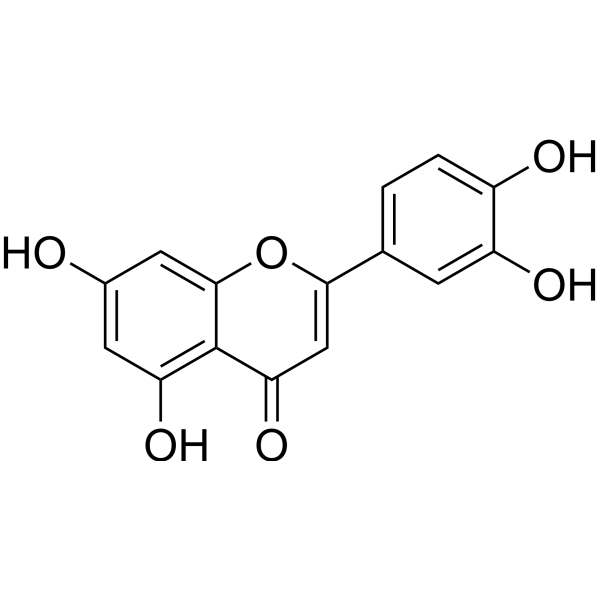
Luteolin
Maximum Cited Publications
89 Publications Verification
Luteoline; Luteolol; Digitoflavone
|
Keap1-Nrf2
Apoptosis
Autophagy
Endogenous Metabolite
|
Inflammation/Immunology
Cancer
|
|
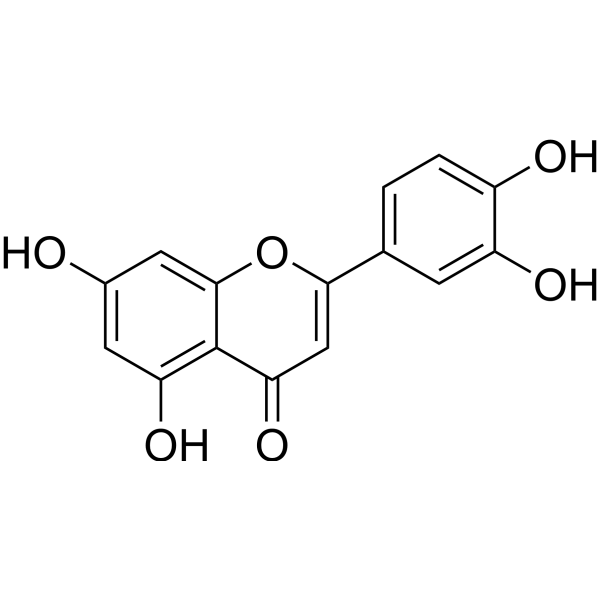
Luteolin (Luteoline), a flavanoid compound, is a potent Nrf2 inhibitor. Luteolin has anti-inflammatory, anti-cancer properties, including the induction of apoptosis and cell cycle arrest, and the inhibition of metastasis and angiogenesis, in several cancer cell lines, including human non-small lung cancer cells .
|
-
-
- HY-156002
-
|
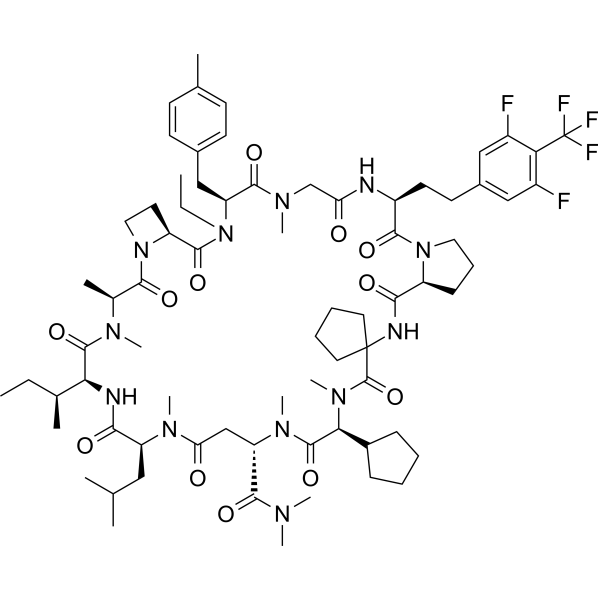
Paluratide
|
Ras
ERK
|
Cancer
|
|
LUNA18 is an orally-available cyclic peptide KRAS and ERK inhibitor. LUNA18 phosphorylates ERK and AKT and decreases cell proliferation in RAS-mutated cancer cells. LUNA18 exhibits RAS signal inhibition and potent anti-cancer activities through inhibiting interaction between RAS and guanine nucleotide exchange factors (GEFs) in a mouse xenograft model. LUNA18 shows significant cellular efficacy against cell lines with KRAS genetic alterations, such as colon cancer, stomach cancer, non-small cell lung cancer and pancreaticcancer .
|
-
-
- HY-156617A
-
|
SHR169265
|
ADC Payload
Topoisomerase
|
Cancer
|
(αR)-Cyclopropaneacetamide-Exatecan (SHR169265) is a DNA Topoisomerase I inhibitor with enhanced membrane permeability (with an IC50 of 1.34 μM against the human DNA Topoisomerase I). (αR)-Cyclopropaneacetamide-Exatecan exerts cytotoxic effects by inhibiting the enzymatic activity of Topoisomerase I, and this anticancer effect is independent of the expression level of HER2. (αR)-Cyclopropaneacetamide-Exatecan is an ADC Cytotoxin derived from Exatecan (HY-13631), which can be used in research related to advanced cancers such as breast cancer, gastric cancer, colorectal cancer and non-small cell lung cancer .
|
-
-
- HY-101984
-
|
|
Nucleoside Antimetabolite/Analog
Adenosine Receptor
Akt
SARS-CoV
|
Infection
Cancer
|
|
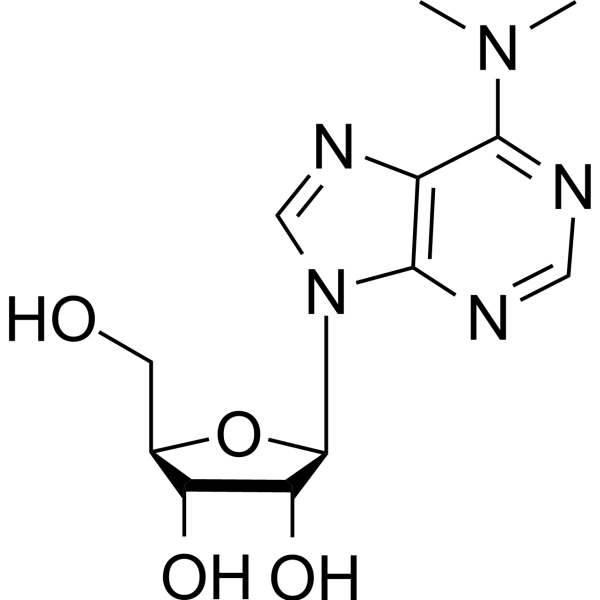
N6,N6-Dimethyladenosine, a modified ribonucleoside, is an endogenous A3 adenosine receptor ligand. N6,N6-Dimethyladenosine is an AKT inhibitor with antitumor effects. N6, N6-Dimethyladenosine targets SARS-CoV-2 entry protein ADAM17. N6, N6-Dimethyladenosine robustly inhibits AKT signaling in a variety of non-small cell lung cancer cell lines .
|
-
-
- HY-145729
-
|
AZD9150
|
STAT
Apoptosis
|
Cancer
|
|
Danvatirsen (AZD9150) is an antisense oligonucleotide targeting STAT3. Danvatirsen reduces the viability and promotes apoptosis of leukemia cell lines. Danvatirsen inhibits the expression of endogenous STAT3 and its downstream target genes, and reduces the proliferation and tumorigenicity of neuroblastoma and lymphoma cells. Danvatirsen inhibited tumor growth in mouse models of neuroblastoma, lymphoma, and non-small cell lung cancer. Danvatirsen achieves STAT3 mRNA and protein depletion in a mouse model of epidermoid carcinoma. Danvatirsen can be used in research related to lymphoma, myelodysplastic syndrome, acute myeloid leukemia, neuroblastoma and non-small cell lung cancer .
|
-
-
- HY-10325
-
|
EKI-785; WAY-EKI 785
|
EGFR
Apoptosis
|
Endocrinology
Cancer
|
|
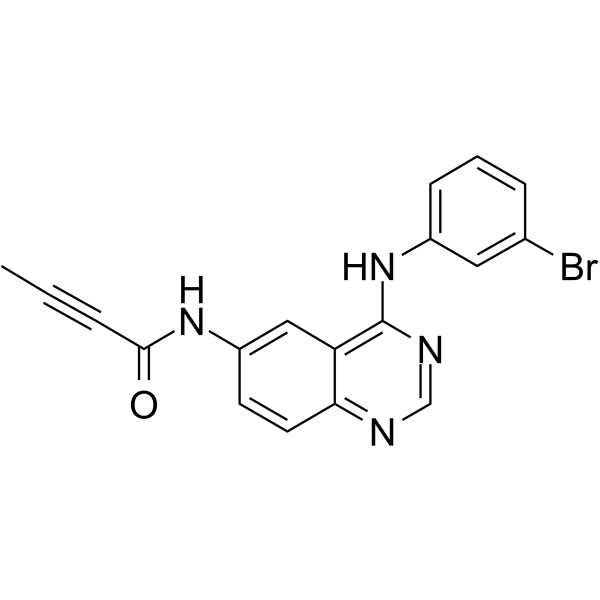
CL-387785 (EKI-785; WAY-EKI 785) is an orally active EGFR inhibitor with an IC50 of 370 pM. CL-387785 inhibits EGF-stimulated EGFR autophosphorylation with an IC50 of approximately 5 nM. CL-387,785 exerts selective inhibition on cell lines overexpressing EGFR or c-erbB-2, whereas it shows weak inhibitory effects on cell lines with low expression of these two receptors. CL-387785 effectively induces cell cycle arrest and apoptosis. CL-387785 can be used for the research of non-small cell lung cancer and autosomal recessive polycystic kidney disease .
|
-
-
- HY-N0162R
-
|
Luteoline(Standard); Luteolol(Standard); Digitoflavone (Standard)
|
Reference Standards
Keap1-Nrf2
Apoptosis
Autophagy
Endogenous Metabolite
|
Inflammation/Immunology
Cancer
|
|
Luteolin (Standard) is the analytical standard of Luteolin. This product is intended for research and analytical applications. Luteolin (Luteoline), a flavanoid compound, is a potent Nrf2 inhibitor. Luteolin has anti-inflammatory, anti-cancer properties, including the induction of apoptosis and cell cycle arrest, and the inhibition of metastasis and angiogenesis, in several cancer cell lines, including human non-small lung cancer cells .
|
-
-
- HY-157229
-
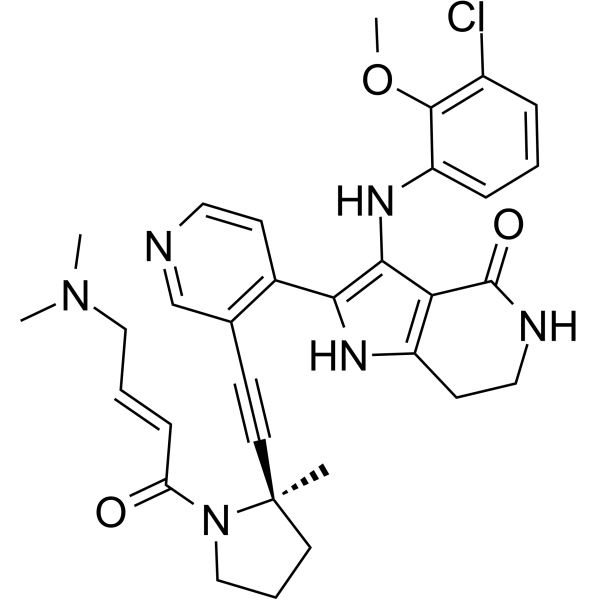
STX-721
1 Publications Verification
|
EGFR
ERK
|
Cancer
|
|
STX-721 is an orally active, irreversible, covalent EGFR exon 20 insertion (ex20ins) inhibitor that selectively targets ex20ins-mutant dynamic protein states. STX-721 potently inhibits the kinase activity of EGFR ex20ins mutants (NPG, ASV, SVD). STX-721 inhibits phosphorylation of EGFR (pEGFR Y1068) and downstream ERK (pERK Thr202/Tyr204), and suppresses proliferation of ex20ins-mutant Ba/F3 cells and human NSCLC cell lines (NCI-H2073 ASV KI, CUTO-14 ASV). STX-721 induces tumor regression in EGFR ex20ins-mutant PDX/CDX models. STX-721 can be used for the study of non-small cell lung cancer (NSCLC) harboring EGFR or HER2 ex20ins mutations .
|
-
-
- HY-145729A
-
|
AZD9150 sodium
|
STAT
Apoptosis
|
Cancer
|
|
Danvatirsen sodium (AZD9150 sodium) is an antisense oligonucleotide targeting STAT3. Danvatirsen sodium reduces the viability and promotes apoptosis of leukemia cell lines. Danvatirsen sodium inhibits the expression of endogenous STAT3 and its downstream target genes, and reduces the proliferation and tumorigenicity of neuroblastoma and lymphoma cells. Danvatirsen sodium inhibited tumor growth in mouse models of neuroblastoma, lymphoma, and non-small cell lung cancer. Danvatirsen sodium achieves STAT3 mRNA and protein depletion in a mouse model of epidermoid carcinoma. Danvatirsen sodium can be used in research related to lymphoma, myelodysplastic syndrome, acute myeloid leukemia, neuroblastoma and non-small cell lung cancer .
|
-
-
- HY-W303895
-
|
|
Keap1-Nrf2
Apoptosis
Autophagy
Endogenous Metabolite
|
Others
Cancer
|
|
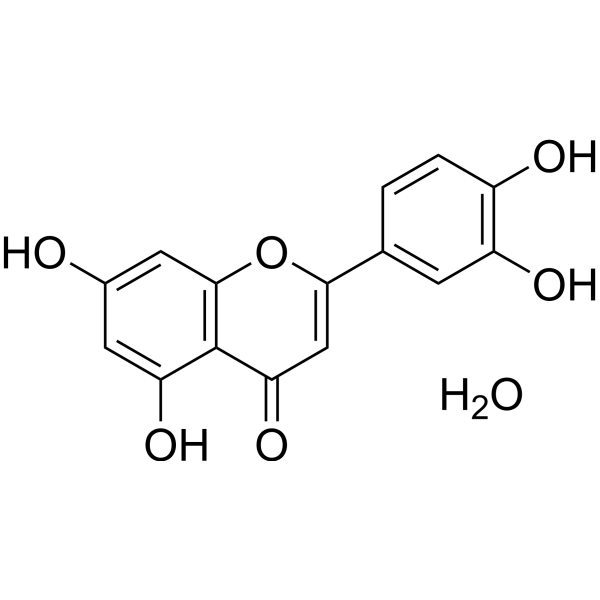
Luteolin (monohydrate) is the monohydrate of Luteolin. Luteolin (Luteoline), a flavonoid, is also a potent Nrf2 inhibitor. Luteolin has anti-inflammatory and anticancer properties, induces apoptosis and cell cycle arrest in multiple human cancer cell lines, including non-small lung cancer cells, and inhibits cell metastasis and angiogenesis .
|
-
-
- HY-19637
-
|
|
Topoisomerase
|
Cancer
|
|
SW044248 is a non-canonical topoisomerase I inhibitor, and selectively toxic for certain non-small cell lung cancer (NSCLC) cell lines.
|
-
-
- HY-110335
-
|
|
ROCK
|
Cancer
|
|
OXA-06 hydrochloride is an ATP-competitive ROCK inhibitor that blocks anchorage-dependent growth and invasion of non-small cell lung cancer cell lines. OXA-06 hydrochloride inhibits cofilin phosphorylation but does not stimulate apoptosis .
|
-
-
- HY-149040
-
|
(S)-OBI-3424; (S)-TH-3424; AST-3424
|
17β-HSD
|
Cancer
|
|
Odafosfamide ((S)-OBI-3424) is a highly selective prodrug bis-alkylating agent activated by aldehyde-keto reductase 1C3 (AKR1C3(). Odafosfamide is highly cytotoxic to cell lines with high AKR1C3 expression. Odafosfamide exhibits antitumor activity in a variety of tumors with high AKR1C3 expression (such as liver cancer, non-small cell lung cancer, and leukemia). Odafosfamide can be used in cancer research .
|
-
-
- HY-101984R
-
|
|
Reference Standards
Nucleoside Antimetabolite/Analog
Adenosine Receptor
Akt
SARS-CoV
|
Infection
Cancer
|
|
N6,N6-Dimethyladenosine (Standard) is the analytical standard of N6,N6-Dimethyladenosine (HY-101984). This product is intended for research and analytical applications. N6,N6-Dimethyladenosine, a modified ribonucleoside, is an endogenous A3 adenosine receptor ligand. N6,N6-Dimethyladenosine is an AKT inhibitor with antitumor effects. N6, N6-Dimethyladenosine targets SARS-CoV-2 entry protein ADAM17. N6, N6-Dimethyladenosine robustly inhibits AKT signaling in a variety of non-small cell lung cancer cell lines.
|
-
-
- HY-142094
-
|
|
Histone Methyltransferase
|
Cancer
|
|
NSD3-IN-2 is a potent NSD3 inhibitor with an IC50 value of 17.97 μM. NSD3-IN-2 inhibits the growth and proliferation of non-small cell lung cancer cell lines H460, H1299 and H1650 with anti-cancer activity .
|
-
-
- HY-143466
-
|
|
FAK
ULK
AMPK
Apoptosis
Autophagy
|
Cancer
|
|
ULK1-IN-2 (compound 3s) is a potent ULK1 inhibitor. ULK1-IN-2 shows highest cytotoxic effect against cancer cell lines, with IC50 of 1.94 μM in A549. ULK1-IN-2 can induce apoptosis and simultaneously block autophagy, and can be used to study NSCLC (Non-small cell lung cancer) .
|
-
-
- HY-101522
-
|
|
EGFR
BMX Kinase
Btk
MEK
|
Cancer
|
|
CHMFL-EGFR-202 is a potent, irreversible inhibitor of epidermal growth factor receptor (EGFR) mutant kinase, with IC50s of 5.3 nM and 8.3 nM for drug-resistant mutant EGFR T790M and WT EGFR kinases, respectively. CHMFL-EGFR-202 exhibits ~10-fold selectivity for EGFR L858R/T790M against the EGFR wild-type in cells. CHMFL-EGFR-202 adopts a covalent “DFG-in-C-helix-out” inactive binding conformation with EGFR, with strong antiproliferative effects against EGFR mutant-driven nonsmall-cell lung cancer (NSCLC) cell lines .
|
-
-
- HY-147802
-
|
|
EGFR
Apoptosis
|
Cancer
|
|
EGFR-IN-59 (Compound 8c) is a EGFR inhibitor (IC50=190 nM) and apoptosis inducer. EGFR-IN-59 exhibits cytotoxicity against non-small lung cancer cell lines (A549) and normal lung fibroblasts (WI38) with IC50s of 8.62 and 52.6 µM, respectively. EGFR-IN-59 can be used for the research of various cancers such as non-small cell lung cancer (NSCLC), head and neck cancer, breast cancer and colorectal cancer .
|
-
-
- HY-105522
-
|
Tetraplatin; NSC 363812
|
Drug Derivative
|
Cancer
|
|
Ormaplatin (Tetraplatin) is a Platinum (HY-W096169D) analog with anticancer activity. Ormaplatin demonstrates cytotoxic activity in Cisplatin (HY-17394)-sensitive cell lines in vitro and in vivo. Ormaplatin can be used for non-small cell lung, colon, and breast cancer research .
|
-
-
- HY-105369
-
|
|
Anaplastic lymphoma kinase (ALK)
Apoptosis
|
Cancer
|
|
KF-20444 is an orally active ALK inhibitor with blood-brain barrier penetration. KF-20444 exhibits strong inhibitory activity against ALK fusion proteins (EML4-ALK) and ALK resistance mutations (including L1196M, G1202R, and F1174L). KF-20444 effectively suppresses the phosphorylation of ALK in ALK-driven cancer cell lines, thereby inhibiting cancer cell proliferation and inducing apoptosis. KF-20444 demonstrates anti-tumor efficacy in mouse models bearing ALK-positive non-small cell lung cancer (NSCLC) or neuroblastoma. KF-20444 can be used for the study of ALK-driven malignancies .
|
-
-
- HY-178057
-
|
|
EGFR
Akt
Anaplastic lymphoma kinase (ALK)
Apoptosis
|
Cancer
|
|
EGFR-IN-176 is an orally active and ATP-competitive EGFR mutant inhibitor (particularly C797S-mediated EGFR triple mutant). EGFR-IN-176 effectively inhibits subsequent AKT signaling and induces apoptosis in Ba/F3 and PC-9 cells expressing EGFR 19del/T790M/C797S and EGFR L858R/T790M/C797S. EGFR-IN-176 selectively inhibits EGFR signaling in cell lines harboring EGFR triple mutation and shows no inhibitory effect against A431 cells that express wild-type EGFR. EGFR-IN-176 can effectively inhibit the enzymatic activity of ALK (IC50 < 0.5 nM). EGFR-IN-176 can be used for the study of non-small cell lung cancer (NSCLC) .
|
-
-
- HY-162098
-
|
|
PROTACs
Microtubule/Tubulin
Apoptosis
|
Cancer
|
|
PROTAC tubulin-Degrader-1 is a α/β/β3-tubulin PROTAC degrader. PROTAC tubulin-Degrader-1 exhibits potent anti-proliferative activity against multiple human tumor cell lines. PROTAC tubulin-Degrader-1 induces G2/M phase arrest and apoptosis and inhibits colony formation in A549 and A549/Taxol cells. PROTAC tubulin-Degrader-1demonstrates potent anti-tumor efficacy in A549 and A549/Taxol (Taxol-resistant) xenograft model. PROTAC tubulin-Degrader-1 can be used for the study of non-small cell lung cancer (NSCLC). (Pink: Tubulin ligand (HY-N2146), Blue: CRBN Ligand (HY-10984), Black: Linker (HY-N6056)) .
|
-
-
- HY-174088
-
|
|
CDK
Discoidin Domain Receptor
Apoptosis
Reactive Oxygen Species (ROS)
DNA/RNA Synthesis
|
Cancer
|
|
CDK4/6/BRD4-IN-2 (Compound PJ2) is a dual inhibitor of CDK4/6 and BRD4 with IC50 values for CDK4, CDK6, BRD4 (BD1), and BRD4 (BD2) of 168.75, 292.45, 23.17, and 3.12 nM respectively. CDK4/6/BRD4-IN-2 has a strong inhibitory effect on non-small cell lung cancer (NSCLC) cell lines. CDK4/6/BRD4-IN-2 induces cell cycle arrest, senescence and apoptosis through ROS-mediated DNA damage. CDK4/6/BRD4-IN-2 can also effectively inhibit the migration and invasion of NCI-H358 cells. CDK4/6-IN-2 can be used for the study of KRAS-mutated NSCLC .
|
-
-
- HY-121352
-
|
|
Drug Derivative
|
Cancer
|
|
Kibdelone C is a hexacyclic tetrahydroxanthone natural product and anticancer agent with sub-nanomolar GI50 activity against human SR leukemia and SN12C renal carcinoma cell lines. Kibdelone C disrupts the actin cytoskeleton in human cancer cells, leading to cell contraction and actin stress fiber formation, without direct actin binding, actin polymerization effects, topoisomerase I/II inhibition, or DNA binding. Kibdelone C can be used for the research of leukemia, and renal cell carcinoma .
|
-
-
- HY-169514
-
|
|
Trk Receptor
|
Cancer
|
|
TrkA-IN-8 (Compound 2) is a TrkA inhibitor with a Kd value of 3.3 µM. RTKs-IN-1 exhibits concentration-dependent inhibition of cell proliferation in lung cancer cell lines. RTKs-IN-1 holds potential for research in non-small cell lung cancer .
|
-
-
- HY-N13164
-
|
|
PI3K
Akt
Apoptosis
|
Cancer
|
Polygalacin D3 is a triterpenoid saponin compound that can be extracted from the roots of the balloon flower. Polygalacin D3 can inhibit the proliferation of non-small cell lung cancer (NSCLC) cell lines by blocking the PI3K/Akt pathway, and it induces cell cycle arrest and cell apoptosis .
|
-
-
- HY-143247
-
|
|
Microtubule/Tubulin
|
Cancer
|
|
Tubulin polymerization-IN-2 is a potent anticancer agent targeting to β-tubulin with an IC50 value of 0.92 μM. Tubulin polymerization-IN-2 shows promising activity against various leukemia, non-small lung, renal, prostate, and breast cancer cell lines .
|
-
-
- HY-N15614
-
|
|
Others
|
Cancer
|
|
Cassamine is a diterpenoid compound that can be isolated from the bark of Erythrophleum fordii. Cassamine exhibits certain cytotoxicity against non-small cell lung cancer cell lines, with IC50 values of 3.4, 2.1, and 1.9 μM against A549, NCI-H1975, and NCI-H1299, respectively. Cassamine has antitumor activity and can be used in the research of lung cancer and other tumors .
|
-
-
- HY-155522
-
|
|
Carbonic Anhydrase
|
Cancer
|
|
WES-1 (Compound 8g) is an inhibitor of carbonic anhydrase IX (Ki: 55.9 μM). WES-1 has broad spectrum anti-proliferative activity against the cancer cells, such as leukemia (K-562 and MOLT-4), non-small cell lung cancer (NCI–H460), colon cancer (HCT 116 and HCT-15) and melanoma (LOX IMVI) cell lines .
|
-
-
- HY-172881
-
|
|
Pyruvate Kinase
|
Cancer
|
|
PKM2-IN-10 (Compound 16) is a PKM2 inhibitor. PKM2-IN-10 inhibits the proliferation of A549 and HCC1833 cell lines with IC50 of 3.36 μM and 9.20 μM, respectively. PKM2-IN-10 exhibits antitumor activity in human non-small cell lung cancer (NSCLC) and mouse lung adenocarcinoma models. PKM2-IN-10 can be used in lung cancer research .
|
-
-
- HY-12965B
-
|
|
TAM Receptor
|
Cancer
|
|
(Z)-S49076 hydrochloride is an orally active inhibitor of MET and AXL that blocks the downstream signaling of these receptors both in vitro and in vivo, inhibiting the proliferation and migration of tumor cells and suppressing tumor growth in xenograft models. (Z)-S49076 hydrochloride is capable of overcoming the resistance to epidermal growth factor receptor (EGFR) tyrosine kinase inhibitors (TKIs) due to MET amplification in Erlotinib (HY-50896)-resistant cell lines both in vitro and in vivo. (Z)-S49076 hydrochloride can be used for research in non-small cell lung cancer (NSCLC) .
|
-
-
- HY-175297
-
|
|
VEGFR
EGFR
|
Cancer
|
|
EGFR T790M/VEGFR-2-IN-1 (Compound 6) is a dual EGFR T790M mutant (IC50=0.26 μM) and VEGFR-2 (IC50=0.95 μM) inhibitor. EGFR T790M/VEGFR-2-IN-1 blocks tumor cell proliferation and angiogenesis signaling pathways. EGFR T790M/VEGFR-2-IN-1 exhibits potent cytotoxicity against multiple cancer cell lines (HCT116, MCF-7, HepG2, A549; IC50=5.35-9.90 μM). EGFR T790M/VEGFR-2-IN-1 is promising for research of non-small cell lung cancer and solid tumors .
|
-
-
- HY-172733S
-
|
|
Isotope-Labeled Compounds
Histone Methyltransferase
|
Cancer
|
|
PRMT5-MTA-IN-3-d3 (compound P22) is the deuterium labeled PRMT5-MTA-IN-3 (HY-172733). PRMT5-MTA-IN-3-d3 is an orally active PRMT5-MTA inhibitor. PRMT5-MTA-IN-3-d3 has antiproliferative effects on HTC116-MTAP del and wild type colorectal cancer HCT-116 cell lines, with IC50 values of 6 nM and 961 nM, respectively. PRMT5-MTA-IN-3-d3 has anticancer effects, especially for MTAP-deficient tumors, such as non-small cell lung cancer (NSCLC), pancreatic cancer .
|
-
-
- HY-170438
-
|
|
EGFR
|
Cancer
|
|
EGFR-IN-139 (compound PD 18) is an epidermal growth factor receptor (EGFR) inhibitor, with IC50s of 12.88 (wild type), 10.84 (L858R/T790M), 42.68 (L858R/T790M/C797S) nM, respectively. EGFR-IN-139 displays strong anticancer activity against A549 and H1975 cancer cell lines, which are highly expressed EGFR. EGFR-IN-139 has a strong selectivity to cancer cells. EGFR-IN-139 can be used for nonsmall cell lung cancer (NSCLC) research[1].
|
-
-
- HY-P990716
-
|
AZD7789
|
PD-1/PD-L1
Tim3
|
Inflammation/Immunology
|
|
Sabestomig (AZD7789) is a monovalent bispecific antibody targeting PD-1 and TIM-3. Sabestomig binds to PD-1 and an epitope in the TIM-3 IgV domain outside the phosphatidylserine-binding cleft, thereby precisely regulating immune responses. Sabestomig promotes IL-2 production, efferocytosis and cross-presentation of tumor antigens, and enhances the release of anti-tumor T cell cytokines, cytotoxicity, and secretion of IFN-γ. Sabestomig inhibits the growth of solid tumors, prolongs the duration of tumor suppression, and significantly enhances anti-tumor responses following anti-PD-1 therapy. Sabestomig has been used in studies related to non-small cell lung cancer and classical Hodgkin lymphoma .
|
-
-
- HY-N16507
-
|
|
Microtubule/Tubulin
|
Cancer
|
|
Bruceoside D is a cytotoxic quassinoid glucoside found in Brucea javanica. Bruceoside D is a microtubule polymerization inhibitor. Bruceoside D demonstrates inhibitory activity against leukemia (CCRF-CEM), non-small cell lung cancer (A549), and ovarian cancer (OVCAR-3) cell lines. Bruceoside D is promising for research of cancers .
|
-
-
- HY-100424
-
|
|
PI3K
Akt
|
Cancer
|
|
PI3K-IN-63 is a selective PI3Kα inhibitor with a Ki of 0.35 nM against human targets. PI3K-IN-63 inhibits the phosphorylation of AKT at the S473 site in cellular assays. PI3K-IN-63 reduces the viability of non-small cell lung cancer cell lines carrying PIK3CA mutations. PI3K-IN-63 can be used in studies related to non-small cell lung cancer .
|
-
-
- HY-181166
-
|
|
EGFR
Apoptosis
|
Cancer
|
|
EGFR-IN-194 is a potent EGFR tyrosine kinase inhibitor with an IC50 of 54.3 nM against human EGFR. EGFR-IN-194 induces apoptosis, inhibits migration in cancer cells, selectively promotes invasion in cancer cells, and exhibits antiproliferative effects across multiple cancer cell lines. EGFR-IN-194 can be used for the research of prostate adenocarcinoma, non-small cell lung carcinoma, breast carcinoma, chronic myeloid leukemia .
|
-
-
- HY-10325R
-
|
EKI-785 (Standard); WAY-EKI 785 (Standard)
|
Reference Standards
EGFR
Apoptosis
|
Endocrinology
Cancer
|
|
CL-387785 (EKI-785; WAY-EKI 785) (Standard) is the analytical standard of CL-387785 (HY-10325). This product is intended for research and analytical applications. CL-387785 is an orally active EGFR inhibitor with an IC50 of 370 pM. CL-387785 inhibits EGF-stimulated EGFR autophosphorylation with an IC50 of approximately 5 nM. CL-387,785 exerts selective inhibition on cell lines overexpressing EGFR or c-erbB-2, whereas it shows weak inhibitory effects on cell lines with low expression of these two receptors. CL-387785 effectively induces cell cycle arrest and apoptosis. CL-387785 can be used for the research of non-small cell lung cancer and autosomal recessive polycystic kidney disease.
|
-
-
- HY-181687
-
|
|
HSP
CDK
|
Cancer
|
|
Hsp90-IN-46 is a Hsp90 inhibitor. Hsp90-IN-46 exhibits broad-spectrum antiproliferative activity against tumor cell lines. Hsp90-IN-46 inhibits breast cancer cell proliferation by reducing colony formation and downregulating the proliferation marker Ki-67. Hsp90-IN-46 inhibits Hsp90 and its ATPase activity, downregulates the downstream substrate oncoproteins HER2 and CDK4, and moderately induces the heat shock response. Hsp90-IN-46 shows significant antitumor activity in a mouse model of triple-negative breast cancer tumor xenografts. Hsp90-IN-46 can be used for research on various cancers including triple-negative breast cancer, leukemia, non-small cell lung cancer, colon cancer, ovarian cancer, renal cancer, prostate cancer .
|
-
-
- HY-182064
-
|
|
EGFR
NO Synthase
COX
NF-κB
Interleukin Related
Apoptosis
|
Cancer
|
|
EGFR-IN-206 is an orally active EGFR inhibitor. EGFR-IN-206 inhibits the phosphorylation of the key tumor growth protein EGFR, and suppresses the proliferation, migration and invasion of EGFR triple-mutant tumor cell lines. EGFR-IN-206 downregulates the expression of inflammation-related proteins iNOS, COX-2 and NF-κB (p65). EGFR-IN-206 promotes the secretion of NO. EGFR-IN-206 reduces the secretion of IL-6. EGFR-IN-206 induces apoptosis (apoptosis) of EGFR triple-mutant tumor cells. EGFR-IN-206 exerts antitumor activity in EGFR triple-mutant mice. EGFR-IN-206 is applicable to the research of non-small cell lung cancer .
|
-
-
- HY-182745
-
|
|
VEGFR
Apoptosis
|
Cancer
|
|
VEGFR-2-IN-85 is a strong VEGFR-2 inhibitor, with an IC50 value of 0.23 μM. VEGFR-2-IN-85 exhibits potent cytotoxic activity against multiple cancer cell lines with minimal toxicity toward normal cells. VEGFR-2-IN-85 also impairs cancer cell migration, likely through modulation of the VEGFR-2/p-Akt pathway. VEGFR-2-IN-85 can induce apoptosis through modulation of Caspase-3, Bax and Bcl-2. VEGFR-2-IN-85 arrests cell cycle at the G2/M phase and has anti-angiogenic activity. VEGFR-2-IN-85 is a targeted radiosensitizer enhancing radiation-induced cytotoxicity. VEGFR-2-IN-85 can be used for research on cancers such as non-small cell lung cancer, breast cancer, and liver cancer .
|
-
-
- HY-179585
-
|
|
Apoptosis
|
Cancer
|
|
DD-CIP2 is a DNA damage and apoptosis inducer. DD-CIP2 demonstrates effective anti-proliferative activity against multiple cancer cell. DD-CIP2 modulates the DNA damage response pathway, triggering robust DNA damage, cell cycle arrest, and apoptosis in vitro. DD-CIP2 demonstrates significant anti-tumor efficacy in vivo at well-tolerated doses, without substantial toxicity. DD-CIP2 exhibits superior cytotoxic potency against a broad panel of blood-and solid-tumor-derived cancer cell lines independent of their BRCA1/2 status. DD-CIP2 can be used for small-cell lung cancer (SCLC) and non small-cell lung cancer (NSCLC) research .
|
-
-
- HY-179499
-
|
|
PROTACs
Histone Methyltransferase
Apoptosis
|
Cancer
|
|
PROTAC EZH2 Degrader-9 is orally active EZH2 PROTAC degrader degrading EZH2 via the ubiquitin-proteasome pathway. PROTAC EZH2 Degrader-9 downregulates PRC2 core subunits and potent inhibition of H3K27me3 without affecting common CRBN neosubstrates while it was selective over GSp'T1 and ikZF1/3. PROTAC EZH2 Degrader-9 exhibits potent antiproliferative activity against multiple cancer cell lines by inducing cell cycle and apoptosis. PROTAC EZH2 Degrader-9 reverses PRC2-mediated gene silencing and inhibiting EZH2 non-catalytic target gene activation. PROTAC EZH2 Degrader-9 can be used for leukemia, lymphoma, and non-small cell lung cancer research .
|
-
-
- HY-12299G
-
|
Dual LCK/SRC inhibitor
|
Src
|
Cancer
|
|
WH-4-023 GMP is WH-4-023 (HY-12299) produced by using GMP guidelines. GMP small molecules works appropriately as an auxiliary reagent for cell therapy manufacture. WH-4-023 (Dual LCK/SRC inhibitor) is a Lck/Src dual target inhibitor with functions in stem cell maintenance and differentiation regulation. WH-4-023 blocks epithelial-mesenchymal transition, supports the self-renewal of porcine embryonic stem cells, and inhibits their differentiation into mesoderm and endoderm. WH-4-023 is a key component of 3i/LAF medium, and enables the stable establishment and long-term maintenance of porcine pre-gastrulation epiblast stem cell lines. Removal of WH-4-023 reduces the expression of pluripotency factors in porcine and human extended pluripotent stem cells. WH-4-023 can be applied to relevant studies such as non-small cell lung cancer resistant to EGFR-TKIs .
|
-
-
- HY-181890
-
|
|
Glutaminase
|
Cancer
|
|
TRG-192 is a potent and selective glutaminase (GLS) inhibitor with an IC50 of 68 nM. TRG-192 inhibits intracellular glutamate levels. TRG-192 is applicable to related research on non-small cell lung cancer .
|
-
-
- HY-185075
-
|
LY4050784
|
SWI/SNF Complex
|
Cancer
|
|
FHD-909 (LY4050784) is an orally active and selective SMARCA2 (BRM) ATPase inhibitor. FHD-909 potently inhibits purified BRM ATPase with an IC50 of 0.0025 μM and exhibits 35.69-fold selectivity for BRM over purified SMARCA4 (BRG1) ATPase. FHD-909 induces synthetic lethality, suppresses cell proliferation, modulates target gene expression, and achieves remarkable tumor growth inhibition and regression in SMARCA4-mutant cancer cells and xenograft models. FHD-909 can be used for the research of SMARCA4/BRG1-mutant cancers, advanced solid tumors, and BAF complex-related disorders .
|
-
-
- HY-181947
-
|
|
Indoleamine 2,3-Dioxygenase (IDO)
|
Cancer
|
|
IDO1-IN-33 (Compound YC-16) is a IDO1 inhibitor (with an IC50 of 0.18 μM for IDO1 in HeLa cells). IDO1-IN-33 acts as an apo-IDO1 inhibitor by slowly and competitively displacing heme from mature holo-IDO1 and rapidly binding to the heme-binding site of immature apo-IDO1, without altering the expression level of IDO1. IDO1-IN-33 can be used for the research of hepatocellular carcinoma, non-small cell lung cancer, triple-negative breast cancer, and cervical cancer .
|
-
-
- HY-186086
-
|
|
Ras
|
Cancer
|
|
RM-041 is a selective, orally active KRAS G13C (ON) inhibitor that forms a covalent complex with KRAS G13C (ON) and Cyclophilin A. RM-041 blocks the binding of RAS effector proteins via steric hindrance, and then covalently binds to Cys-13 to form an irreversible inhibitory complex, thereby inhibiting the proliferation of KRAS G13C mutant cancer cells. RM-041 induces regression of KRAS G13C tumors in cellular and xenograft tumor models. RM-041 exerts a synergistic effect when combined with upstream node inhibitors (such as SHP2 inhibitors). RM-041 can be used for the research of non-small cell lung cancer .
|
-
| Cat. No. |
Product Name |
Type |
-
- HY-12299G
-
|
Dual LCK/SRC inhibitor
|
Fluorescent Dyes
|
|
WH-4-023 GMP is WH-4-023 (HY-12299) produced by using GMP guidelines. GMP small molecules works appropriately as an auxiliary reagent for cell therapy manufacture. WH-4-023 (Dual LCK/SRC inhibitor) is a Lck/Src dual target inhibitor with functions in stem cell maintenance and differentiation regulation. WH-4-023 blocks epithelial-mesenchymal transition, supports the self-renewal of porcine embryonic stem cells, and inhibits their differentiation into mesoderm and endoderm. WH-4-023 is a key component of 3i/LAF medium, and enables the stable establishment and long-term maintenance of porcine pre-gastrulation epiblast stem cell lines. Removal of WH-4-023 reduces the expression of pluripotency factors in porcine and human extended pluripotent stem cells. WH-4-023 can be applied to relevant studies such as non-small cell lung cancer resistant to EGFR-TKIs .
|
| Cat. No. |
Product Name |
Type |
-
- HY-12299G
-
|
Dual LCK/SRC inhibitor
|
Biochemical Assay Reagents
|
|
WH-4-023 GMP is WH-4-023 (HY-12299) produced by using GMP guidelines. GMP small molecules works appropriately as an auxiliary reagent for cell therapy manufacture. WH-4-023 (Dual LCK/SRC inhibitor) is a Lck/Src dual target inhibitor with functions in stem cell maintenance and differentiation regulation. WH-4-023 blocks epithelial-mesenchymal transition, supports the self-renewal of porcine embryonic stem cells, and inhibits their differentiation into mesoderm and endoderm. WH-4-023 is a key component of 3i/LAF medium, and enables the stable establishment and long-term maintenance of porcine pre-gastrulation epiblast stem cell lines. Removal of WH-4-023 reduces the expression of pluripotency factors in porcine and human extended pluripotent stem cells. WH-4-023 can be applied to relevant studies such as non-small cell lung cancer resistant to EGFR-TKIs .
|
| Cat. No. |
Product Name |
Target |
Research Area |
-
- HY-156002
-
|
Paluratide
|
Ras
ERK
|
Cancer
|
|
LUNA18 is an orally-available cyclic peptide KRAS and ERK inhibitor. LUNA18 phosphorylates ERK and AKT and decreases cell proliferation in RAS-mutated cancer cells. LUNA18 exhibits RAS signal inhibition and potent anti-cancer activities through inhibiting interaction between RAS and guanine nucleotide exchange factors (GEFs) in a mouse xenograft model. LUNA18 shows significant cellular efficacy against cell lines with KRAS genetic alterations, such as colon cancer, stomach cancer, non-small cell lung cancer and pancreaticcancer .
|
| Cat. No. |
Product Name |
Target |
Research Area |
Image |
-
- HY-P990716
-
|
AZD7789
|
PD-1/PD-L1
Tim3
|
Inflammation/Immunology
|
|
Sabestomig (AZD7789) is a monovalent bispecific antibody targeting PD-1 and TIM-3. Sabestomig binds to PD-1 and an epitope in the TIM-3 IgV domain outside the phosphatidylserine-binding cleft, thereby precisely regulating immune responses. Sabestomig promotes IL-2 production, efferocytosis and cross-presentation of tumor antigens, and enhances the release of anti-tumor T cell cytokines, cytotoxicity, and secretion of IFN-γ. Sabestomig inhibits the growth of solid tumors, prolongs the duration of tumor suppression, and significantly enhances anti-tumor responses following anti-PD-1 therapy. Sabestomig has been used in studies related to non-small cell lung cancer and classical Hodgkin lymphoma .
|
-
(5)
| Cat. No. |
Product Name |
Category |
Target |
Chemical Structure |
-
- HY-N0162
-
-
-
- HY-101984
-
-
-
- HY-N0162R
-
-
-
- HY-101984R
-
|
|
Microorganisms
Source Classification
|
Reference Standards
Nucleoside Antimetabolite/Analog
Adenosine Receptor
Akt
SARS-CoV
|
|
N6,N6-Dimethyladenosine (Standard) is the analytical standard of N6,N6-Dimethyladenosine (HY-101984). This product is intended for research and analytical applications. N6,N6-Dimethyladenosine, a modified ribonucleoside, is an endogenous A3 adenosine receptor ligand. N6,N6-Dimethyladenosine is an AKT inhibitor with antitumor effects. N6, N6-Dimethyladenosine targets SARS-CoV-2 entry protein ADAM17. N6, N6-Dimethyladenosine robustly inhibits AKT signaling in a variety of non-small cell lung cancer cell lines.
|
-
-
- HY-N13164
-
-
-
- HY-N15614
-
|
|
Alkaloids
Erythrophleum fordii Oliv.
Leguminosae
Other Alkaloids
Plants
Source Classification
|
Others
|
|
Cassamine is a diterpenoid compound that can be isolated from the bark of Erythrophleum fordii. Cassamine exhibits certain cytotoxicity against non-small cell lung cancer cell lines, with IC50 values of 3.4, 2.1, and 1.9 μM against A549, NCI-H1975, and NCI-H1299, respectively. Cassamine has antitumor activity and can be used in the research of lung cancer and other tumors .
|
-
-
- HY-N16507
-
-
| Cat. No. |
Product Name |
Chemical Structure |
-
- HY-172733S
-
|
|
|
PRMT5-MTA-IN-3-d3 (compound P22) is the deuterium labeled PRMT5-MTA-IN-3 (HY-172733). PRMT5-MTA-IN-3-d3 is an orally active PRMT5-MTA inhibitor. PRMT5-MTA-IN-3-d3 has antiproliferative effects on HTC116-MTAP del and wild type colorectal cancer HCT-116 cell lines, with IC50 values of 6 nM and 961 nM, respectively. PRMT5-MTA-IN-3-d3 has anticancer effects, especially for MTAP-deficient tumors, such as non-small cell lung cancer (NSCLC), pancreatic cancer .
|
-
| Cat. No. |
Product Name |
|
Classification |
-
- HY-145729
-
|
AZD9150
|
|
Antisense Oligonucleotides
|
|
Danvatirsen (AZD9150) is an antisense oligonucleotide targeting STAT3. Danvatirsen reduces the viability and promotes apoptosis of leukemia cell lines. Danvatirsen inhibits the expression of endogenous STAT3 and its downstream target genes, and reduces the proliferation and tumorigenicity of neuroblastoma and lymphoma cells. Danvatirsen inhibited tumor growth in mouse models of neuroblastoma, lymphoma, and non-small cell lung cancer. Danvatirsen achieves STAT3 mRNA and protein depletion in a mouse model of epidermoid carcinoma. Danvatirsen can be used in research related to lymphoma, myelodysplastic syndrome, acute myeloid leukemia, neuroblastoma and non-small cell lung cancer .
|
-
- HY-145729A
-
|
AZD9150 sodium
|
|
Antisense Oligonucleotides
|
|
Danvatirsen sodium (AZD9150 sodium) is an antisense oligonucleotide targeting STAT3. Danvatirsen sodium reduces the viability and promotes apoptosis of leukemia cell lines. Danvatirsen sodium inhibits the expression of endogenous STAT3 and its downstream target genes, and reduces the proliferation and tumorigenicity of neuroblastoma and lymphoma cells. Danvatirsen sodium inhibited tumor growth in mouse models of neuroblastoma, lymphoma, and non-small cell lung cancer. Danvatirsen sodium achieves STAT3 mRNA and protein depletion in a mouse model of epidermoid carcinoma. Danvatirsen sodium can be used in research related to lymphoma, myelodysplastic syndrome, acute myeloid leukemia, neuroblastoma and non-small cell lung cancer .
|
| Cat. No. |
Product Name |
Target |
Research Areas |
Chemical Structure |
-
- HY-12299G
-
|
Dual LCK/SRC inhibitor
|
Src
|
Cancer
|
|
WH-4-023 GMP is WH-4-023 (HY-12299) produced by using GMP guidelines. GMP small molecules works appropriately as an auxiliary reagent for cell therapy manufacture. WH-4-023 (Dual LCK/SRC inhibitor) is a Lck/Src dual target inhibitor with functions in stem cell maintenance and differentiation regulation. WH-4-023 blocks epithelial-mesenchymal transition, supports the self-renewal of porcine embryonic stem cells, and inhibits their differentiation into mesoderm and endoderm. WH-4-023 is a key component of 3i/LAF medium, and enables the stable establishment and long-term maintenance of porcine pre-gastrulation epiblast stem cell lines. Removal of WH-4-023 reduces the expression of pluripotency factors in porcine and human extended pluripotent stem cells. WH-4-023 can be applied to relevant studies such as non-small cell lung cancer resistant to EGFR-TKIs .
|
-
Your information is safe with us. * Required Fields.
Inquiry Information
- Product Name:
- Cat. No.:
- Quantity:
- MCE Japan Authorized Agent:

