1. Search Result
Search Result
Results for "

occupancy

" in MedChemExpress (MCE) Product Catalog:

27

Inhibitors & Agonists

3

Screening Libraries

1

Peptides

4

Inhibitory Antibodies

1

Click Chemistry

Cat. No. Product Name Target Research Areas Chemical Structure
  • HY-P990774

    ASP-7266; TRAB-1; UPB-101

    Interleukin Related Inflammation/Immunology
    Verekitug (ASP-7266; TRAB-1; UPB-101) is a human monoclonal antibody targeting the thymic stromal lymphopoietin receptor (TSLPR), with a mean half-life of approximately 20 days. At doses of Verekitug ≥100 mg, complete and sustained TSLPR-specific occupancy is achieved, and the antibody does not bind to IL-7Rα. By inhibiting TSLP-driven inflammatory responses, Verekitug blocks TSLP-induced cell proliferation and TARC expression, while reducing fractional exhaled NO levels, blood eosinophil counts, and levels of IL-5 and IgE. Verekitug significantly improves scores for nasal polyps, nasal congestion and olfactory dysfunction, with favorable safety and good tolerability; potential adverse reactions include headache, upper respiratory tract infection, sinusitis and nasopharyngitis. Verekitug is used in relevant studies on asthma, chronic rhinosinusitis with nasal polyps and chronic obstructive pulmonary disease .
    Verekitug
  • HY-128522

    Ras Cancer
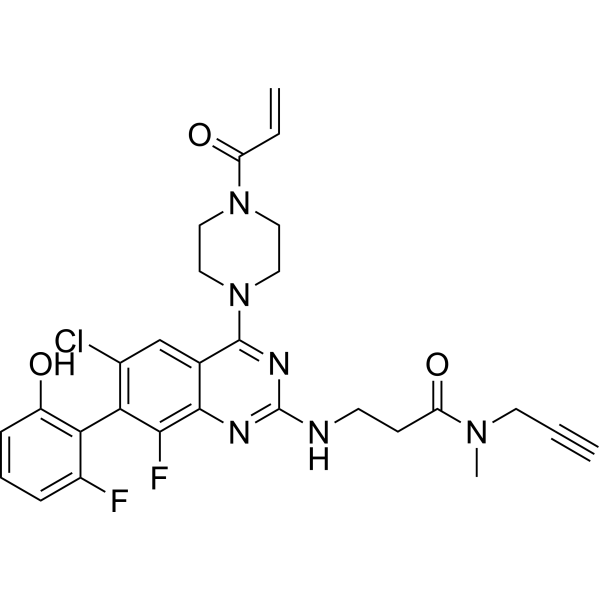
    ARS-1323-alkyne is a covalent inhibitor probe that covalently binds to the Switch-II pocket (S-IIP) of the KRAS G12C mutant protein. ARS-1323-alkyne visualizes the covalent modification of KRAS G12C and quantitatively measures the binding efficiency of the inhibitor to the target. ARS-1323-alkyne can be used to validate the target occupancy of KRAS G12C inhibitors and the synergistic mechanism of combination therapy .
    ARS-1323-alkyne
  • HY-10351A

    NAD-​299 hydrochloride

    5-HT Receptor Neurological Disease
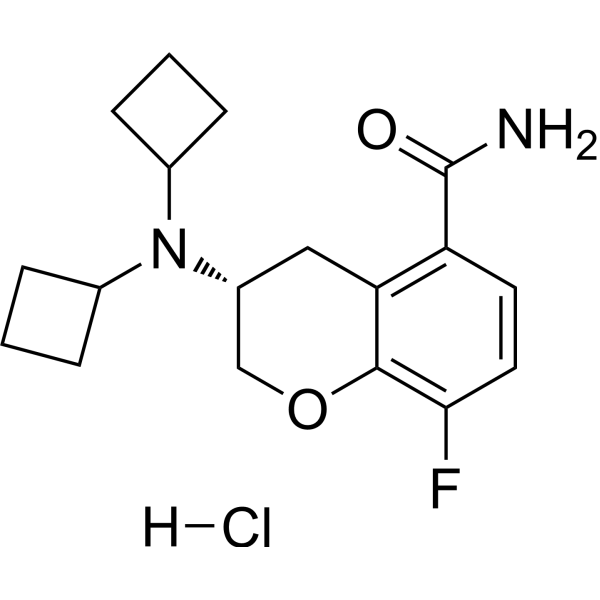
    Robalzotan hydrochloride (NAD-​299 hydrochloride) is a potent and selective 5-Hydroxytryptamine 1A (5-HT1A) inhibitor. Robalzotan hydrochloride increases the firing rate of 5-HT cells. Robalzotan hydrochloride induces 5-HT1A receptor occupancy. Robalzotan hydrochloride has the potential for the research of a cholinergic deficit in the central -nervous system .
    Robalzotan hydrochloride
  • HY-135714

    EKZ-001

    HDAC Microtubule/Tubulin Neurological Disease Cancer
    Bavarostat (EKZ-001) is a blood-brain barrier-permeable, potent HDAC6 inhibitor and PET radiotracer, with an IC50 as low as 17 nM against human HDAC6. Bavarostat can be labeled with 18F and used as a probe to map HDAC6 distribution and measure target occupancy in the brains of non-human primates. Bavarostat also selectively modulates tubulin acetylation, but not histone acetylation. Bavarostat is applicable for research on Alzheimer's disease, other neurodegenerative disorders, and cancers .
    Bavarostat
  • HY-162350

    Epigenetic Reader Domain Apoptosis Cancer
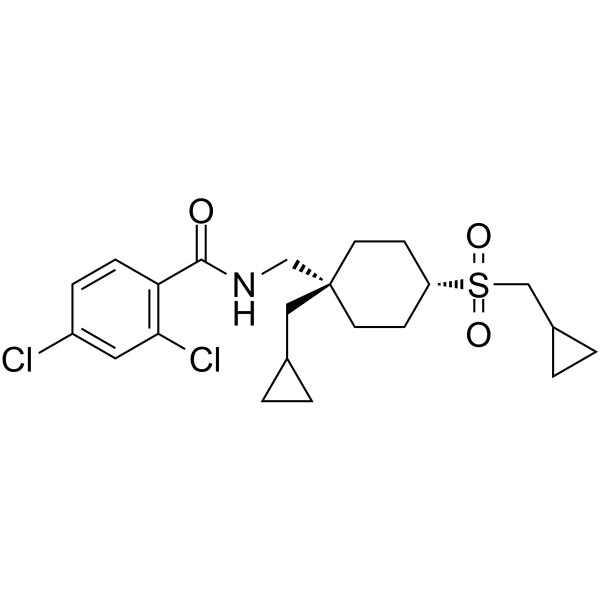
    TDI-11055 is a selective and orally active eleven-nineteen leukemia (ENL) inhibitor, which displaces ENL from chromatin by blocking its YEATS domain interaction with acylated histones. TDI-11055 inhibits ENL and AF9 YEATS domains with IC50 values of 50 nM and 70 nM, respectively, and no activity against GAS41 or YEATS2. TDI-11055 decreases chromatin occupancy of ENL-associated complexes, impairs transcription elongation, suppresses key oncogenic gene expression programs, and induces differentiation. TDI-11055 can be used for the research of acute myeloid leukemia .
    TDI-11055
  • HY-106584

    Clospipramine

    Drug Derivative Dopamine Receptor 5-HT Receptor Neurological Disease
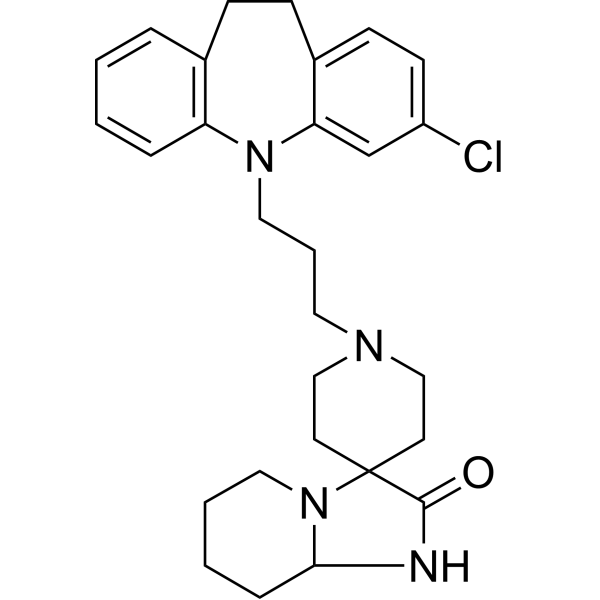
    Mosapramine (Clospipramine) is an orally active antipsychotic agent and one of the metabolites of Clocapramine (HY-B2073) after oral absorption. Mosapramine exerts its effects by specifically binding to striatal dopamine D2 receptors and frontal lobe 5-HT2 receptors, with a D2/5-HT2 receptor occupancy ratio of 7.4. Mosapramine induces typical neuropharmacological responses in rat brain regions, including extrapyramidal symptoms, hyperprolactinemia, increased salivation, constipation, and upregulated Fos protein expression. Mosapramine also features a reduced incidence of weight loss. Mosapramine is applicable to research related to schizophrenia .
    Mosapramine
  • HY-164710

    b-LMB

    CRM1 Others
    Biotinylated leptomycin B is a compound used to quantify nuclear export protein 1 (XPO1) occupancy and is used to study the interaction of SINE compounds with XPO1 and the response of cancer cells to related compounds.
    Biotinylated leptomycin B
  • HY-122142A

    S-2366 hydrochloride

    APC Factor XI Biochemical Assay Reagents Others
    Pyr-Pro-Arg-pNA (S2366) hydrochloride is a chromogenic peptide substrate for Factor XI and Activated protein C (APC). Pyr-Pro-Arg-pNA hydrochloride can induce noncompetitive inhibition of factor XI activation through occupancy of the active site of the factor XIa-light chain. Pyr-Pro-Arg-pNA hydrochloride can be used for measurement of APC amidolytic activity .
    Pyr-​Pro-​Arg-​pNA hydrochloride
  • HY-169838

    Biochemical Assay Reagents Others
    WYneC can specifically bind to sulfinylated proteins in living cells and then react with fluorescent probes containing azide groups for detection. In the field of redox biology, WYneC can also be used to determine the occupancy of S-sulfinylation sites or as a carrier to deliver substances to mitochondria .
    WYneC
  • HY-169093

    PROTACs Epigenetic Reader Domain Apoptosis Cancer
    MS41 is a selective eleven-nineteen leukemia (ENL) PROTAC degrader, with DC50s of 3.50 nM (MV4;11), 2.84 nM (SEMK2), 3.03 nM (Jurkat), and 26.58 nM (KASUMI1), respectively. MS41 effectively inhibits the growth of ENL-dependent leukemia cells, induces G1 cell cycle arrest and increases apoptosis. MS41 reduces the chromatin occupancy of ENL-associated transcription elongation machinery, and suppresses oncogenic gene expression and leukemia progression. Red: ENL ligand (HY-169094). Black: linker (HY-W105744). Blue: VHL ligand (HY-112078) .
    MS41
  • HY-P10978

    PD-1/PD-L1 Cancer
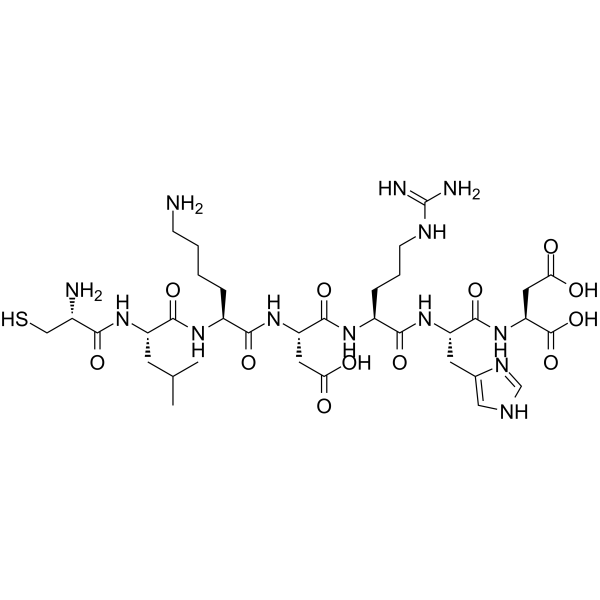
    NK224 is a peptide-based radiotracer targeting human PD-L1, with dual-radionuclide ( 68Ga and 18F) labeling compatibility enabled by the NOTA chelator. NK224 exhibits high binding affinity to PD-L1, with an IC50 value of 2.45 nM. NK224 visualizes intrapatient tumor heterogeneity and dynamically monitors PD-L1 target occupancy during immunotherapy. NK224 can be used for the study of non-small cell lung cancer (NSCLC) .
    NK224
  • HY-10351

    NAD-​299

    5-HT Receptor Neurological Disease
    Robalzotan (NAD-​299) is a potent and selective 5-Hydroxytryptamine 1A (5-HT1A) inhibitor. Robalzotan increases the firing rate of 5-HT cells. Robalzotan induces 5-HT1A receptor occupancy. Robalzotan has the potential for the research of a cholinergic deficit in the central -nervous system .
    Robalzotan
  • HY-122142

    S-2366

    APC Factor XI Biochemical Assay Reagents Others
    Pyr-Pro-Arg-pNA (S2366) is a chromogenic peptide substrate for Factor XI and Activated protein C (APC). Pyr-Pro-Arg-pNA can induce noncompetitive inhibition of factor XI activation through occupancy of the active site of the factor XIa-light chain. Pyr-Pro-Arg-pNA can be used for measurement of APC amidolytic activity .
    Pyr-​Pro-​Arg-​pNA
  • HY-128656

    Histamine Receptor Neurological Disease Endocrinology
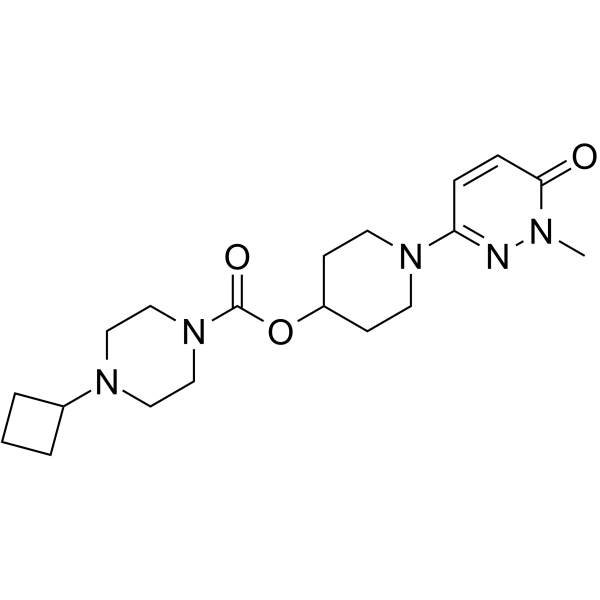
    LML134 (compound 18b) is an orally active and high selective Histamine 3 receptor (H3R) inverse agonist with Kis of 0.3 nM and 12 nM for hH3R cAMP and hH3R bdg. LML134 penetrates the brain rapidly, leading to high H3R occupancy, and disengages its target with a fast kinetic profile. LML134 has the potential for excessive sleep disorders .
    LML134
  • HY-P991084

    PD-1/PD-L1 Cancer
    TQB-2858 is a bifunctional fusion protein composed of a monoclonal antibody against PD-L1 fused with the extracellular domain of TGF-β receptor. TQB-2858 has a high affinity for PD-L1, TGF-β1, and TGF-β3 and exhibited high PD-L1 target occupancy. TQB-2858 can be used for the study of osteosarcoma and alveolar soft part sarcoma (ASPS) .
    TQB-2858
  • HY-12193

    Histamine Receptor Others
    A-349821 is a histamine H3 receptor antagonist characterized as a radioligand ([3H]-A-349821) for in vivo receptor occupancy assessment. In rats, [3H]-A-349821 penetrated the brain, showing higher levels in the cortex compared to the cerebellum, indicating selective H3 receptor binding. Its cortical occupancy was saturable, correlating with in vitro binding data. Inhibition studies with ABT-239 and other H3 antagonists showed dose-dependent reductions in receptor occupancy, matching blood levels associated with cognitive efficacy in preclinical models. [3H]-A-349821 thus serves as a valid tracer for H3 receptor occupancy, aiding in the development and clinical interpretation of H3 receptor antagonists .
    A-349821
  • HY-145057

    Fluorescent Dye Cancer
    PP-biotin is an irreversible, biotin-labeled probe .
    PP-biotin
  • HY-14568

    GlyT Neurological Disease
    DCCCyB is an orally bioavailable, potent, and selective inhibitor of GlyT1. DCCCyB demonstrates excellent in vivo occupancy of GlyT1 transporters in rhesus monkey .
    DCCCyB
  • HY-P991556

    TNF Receptor Cancer
    TQB2916 is a humanized IgG2 monoclonal antibody agonist targeting CD40. TQB2916 has a significant antitumor activity with CD40 occupancy and immune activation. TQB2916 can be used for advanced solid tumors and lymphomas research .
    TQB2916
  • HY-114162B

    SNDX-50469 mesylate

    Epigenetic Reader Domain Apoptosis Cancer
    VTP50469 mesylate is a potent, and selective Menin-MLL1 inhibitor that effectively targets MLL-rearranged and NPM1c+ leukemia. VTP50469 mesylate selectively kills cell lines with MLL rearrangements and NPM1c+ mutations. VTP50469 mesylate displaces Menin from protein complexes and inhibits MLL's chromatin occupancy at specific genes, leading to significant changes in gene expression, differentiation, and apoptosis. VTP50469 demonstrates dramatic reductions in leukemia burden in patient-derived xenograft models of MLL-r acute myeloid leukemia and MLL-r acute lymphoblastic leukemia, with some mice remaining disease-free for over a year post-treatment.
    VTP50469 mesylate
  • HY-116062A

    Histone Methyltransferase Neurological Disease
    JNJ-7925476 is a triple reuptake inhibitor that selectively and potently inhibits the activity of the serotonin transporter (SERT), norepinephrine transporter (NET), and dopamine transporter (DAT). JNJ-7925476 is rapidly absorbed into the blood and its concentration in the brain is 7-fold higher than that in plasma. The occupancy ED(50) values of JNJ-7925476 for SERT, NET, and DAT in the rat brain are 0.18, 0.09, and 2.4 mg/kg, respectively. JNJ-7925476 rapidly induces a significant increase in the levels of extracellular serotonin, dopamine, and norepinephrine in the rat cerebral cortex in a dose-dependent manner. JNJ-7925476 exhibits potent antidepressant-like activity in the mouse tail suspension test. These results suggest that JNJ-7925476 has in vivo efficacy in biochemical and behavioral models of depression .
    JNJ-7925476
  • HY-165093

    1-Arachidin-2-olein-3-palmitin; TG(20:0/18:1/16:0)

    Others Others
    1-Arachidoyl-2-oleoyl-3-palmitoyl-rac-glycerol (1-Arachidin-2-olein-3-palmitin) is a triglyceride characterized by regioisomerism by silver ion HPLC/MS. The method can be applied to the analysis of complex samples of vegetable oils and animal fats, and the results show that plant and animal fats have different preferences for fatty acid occupancy at the sn-2 position.
    1-Arachidoyl-2-oleoyl-3-palmitoyl-rac-glycerol
  • HY-W471288

    AP-1 Neurological Disease
    JPC0661 is a direct and allosteric ΔFOSB inhibitor. JPC0661 inhibits the binding of ΔFOSB/JUND and ΔFOsB to DNA with IC50 values in the micromolar range (9-52 uM), directly inhibits ΔFOSB-mediated transcription with IC50 of 0.82 μM in vitro. JPC0661 significantly reduces ΔFOSB occupancy at genomic AP1 sites in vivo. JPC0661 binds to a novel groove outside the DNA-binding cleft of ΔFOSB and disrupt the formation of the ΔFOSB/JUND-DNA complex. JPC0661 can be used for Alzheimer's disease research .
    JPC0661
  • HY-B0368B

    Beta-lactamase Antibiotic Bacterial Infection Inflammation/Immunology
    D-Captopril is a NDM-1 inhibitor and a competitive BlaB inhibitor, with an IC50 value of 21.8 µM against NDM-1 and a Ki of 70-100 µM against BlaB. D-Captopril synergistically reduces the minimum inhibitory concentration of Meropenem (HY-13678) against NDM-1-expressing bacteria. D-Captopril binds to BcII via its thiolate sulfur atom and carboxylate group, altering metal ion occupancy and modulating Cd 2+ binding affinity. D-Captopril can be used in the research of neonatal meningitis, sepsis and bacterial infections .
    D-Captopril
  • HY-181065

    Epigenetic Reader Domain Cancer
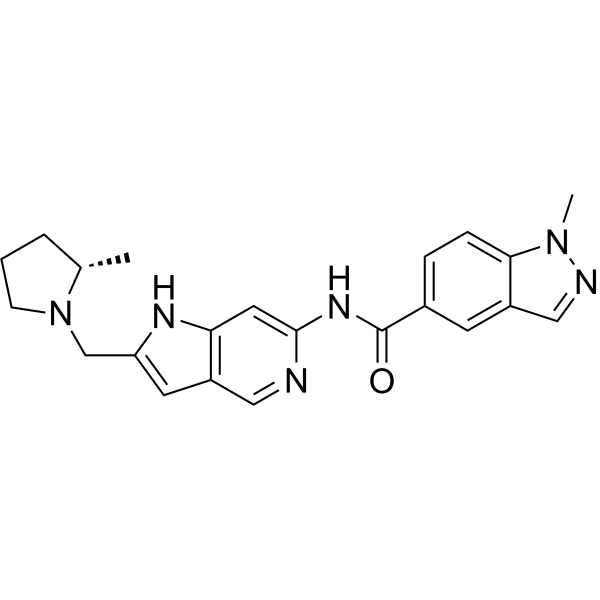
    LS-170 is a YEATS2 YEATS domain inhibitor with an IC50 of 0.14 μM. LS-170 displays selectivity for the YEATS2 YEATS domain over other YEATS domain family members and other epigenetic 'reader' and 'eraser' proteins. LS-170 reduces chromatin occupancy of the Ada-two-A-containing (ATAC) complex, decreases ATAC-dependent histone acetylation levels, and downregulates expression of ATAC-governed genes. LS-170 suppresses tumor growth in a lung cancer mouse model. LS-170 can be used for the research of non-small cell lung cancer .
    LS-170
  • HY-P992448

    PD-1/PD-L1 Cancer
    RC98 is a monoclonal antibody targeting programmed cell death ligand 1 (PD-L1) and acts as a selective PD-L1 inhibitor. RC98 binds specifically to human and cynomolgus monkey PD-L1. RC98 blocks the interaction between PD-L1 and its receptor PD-1 to reverse T-cell inactivation mediated by PD-1/PD-L1 signaling. RC98 enhances the cytotoxic T-lymphocyte-mediated anti-tumor immune response against PD-L1-expressing tumor cells. RC98 can be used for the research of tumor immunity and solid tumors .
    RC98
  • HY-165444

    NGD-913

    GABA Receptor Neurological Disease
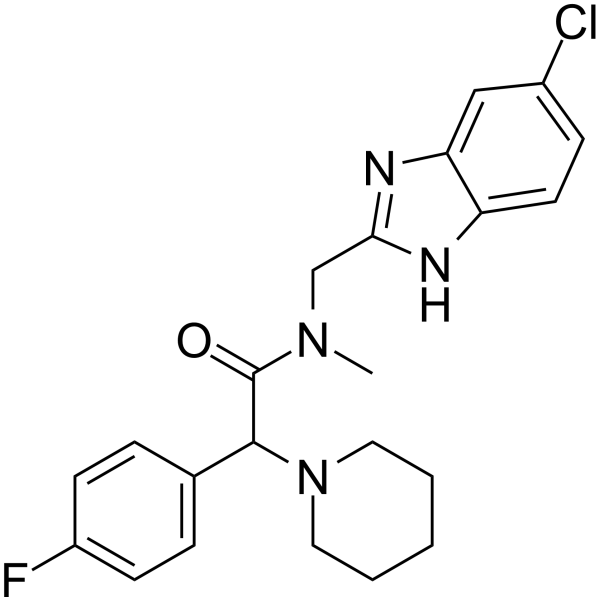
    CP-615003 is a potent and subtype-selective partial agonist of GABAA receptor (GABAA receptor) (Ki = 1.1 μM). CP-615003 is mainly converted into the active metabolite CP-900725 through oxidative deamination in monkeys and humans, and the latter also has GABAA receptor affinity. CP-615003 is a substrate of P-glycoprotein (P-gp/MDR1), resulting in severe limitation of its penetration into the central nervous system (CNS). CP-615003 can be used for the study of CNS-related indications .
    CP-615003

Inquiry Online

Your information is safe with us. * Required Fields.

Salutation


Country or Region *

Applicant Name *


Organization Name *

Department *


Email Address *


Product Name *

Cat. No.


Requested quantity *

Phone Number *


Remarks

Inquiry Online

Inquiry Information

Product Name:
Cat. No.:
Quantity:
MCE Japan Authorized Agent:

