1. Search Result
Search Result
Results for "

officinale

" in MedChemExpress (MCE) Product Catalog:

43

Inhibitors & Agonists

36

Natural
Products

2

Isotope-Labeled Compounds

Cat. No. Product Name Target Research Areas Chemical Structure
  • HY-14615
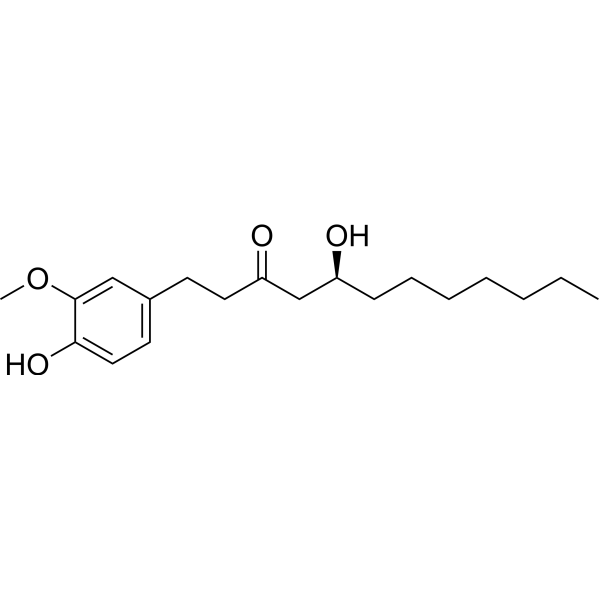
    [6]-Gingerol
    Maximum Cited Publications
    13 Publications Verification

    (S)-(+)-[6]Gingerol

    AMPK Apoptosis Cancer
    [6]-Gingerol is an active compound isolated from Ginger (Zingiber officinale), exhibits a variety of biological activities including anticancer, anti-inflammation, and anti-oxidation.
    [6]-Gingerol
  • HY-14616
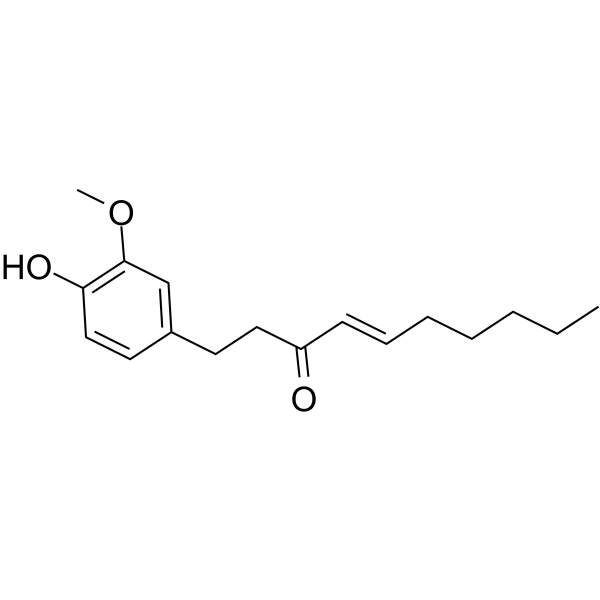
    Shogaol
    10+ Cited Publications

    [6]-Shogaol; 6-Shogaol

    Autophagy Cancer
    Shogaol ([6]-Shogaol), an active compound isolated from Ginger (Zingiber officinale Rosc), exhibits a variety of biological activities including anticancer, anti-inflammation, and anti-oxidation.
    Shogaol
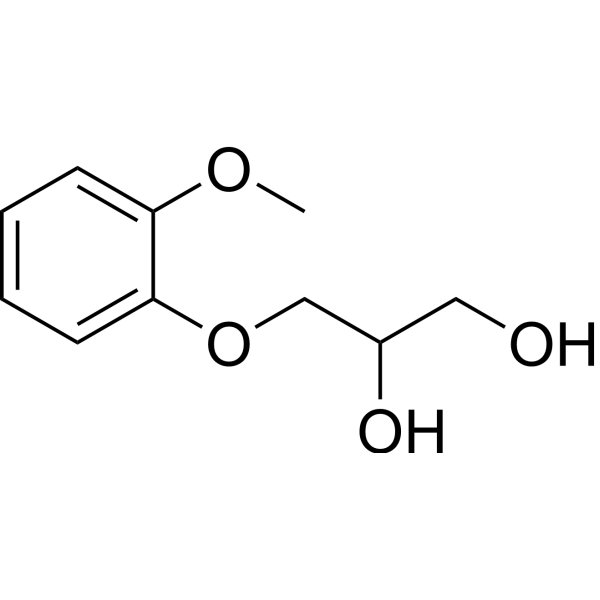
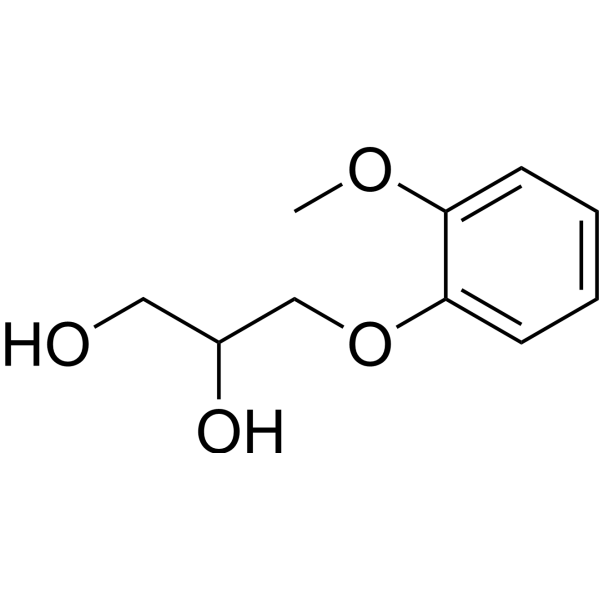
  • HY-B0264

    Guaiacol glyceryl ether; Guaiphenesin; Glycerol guaiacolate

    Mucin Neurological Disease Inflammation/Immunology
    Guaifenesin (Guaiacol glyceryl ether), a constituent of guaiac resin from the wood of Guajacum officinale Linné, is an expectorant. Guaifenesin can alleviate cough discomfortby increasing sputum volume and decreasing its viscosity, thereby promoting effective cough .
    Guaifenesin
  • HY-14621
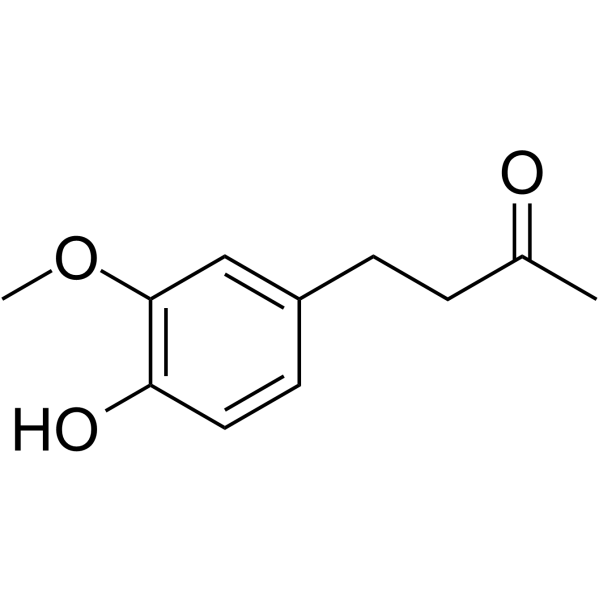
    Zingerone
    5+ Cited Publications

    Vanillylacetone; Gingerone

    Environmental Pollutants NF-κB Neurological Disease Metabolic Disease Inflammation/Immunology Cancer
    Zingerone (Vanillylacetone) is a nontoxic methoxyphenol isolated from Zingiber officinale, with potent anti-inflammatory, antidiabetic, antilipolytic, antidiarrhoeic, antispasmodic and anti-tumor properties . Zingerone alleviates oxidative stress and inflammation, down-regulates NF-κB mediated signaling pathways . Zingerone acts as an anti-mitotic agent, and inhibits the growth of neuroblastoma cells . Zingerone can cross the blood-brain barrier (BBB) .
    Zingerone
  • HY-N0447
    8-Gingerol
    5 Publications Verification

    TRP Channel Bacterial Apoptosis Autophagy STAT PERK EGFR PI3K Akt mTOR Caspase MMP Infection Cardiovascular Disease Inflammation/Immunology Cancer
    8-Gingerol can be found in the rhizome of ginger (Z. officinale) and has oral bioactivity. It activates TRPV1, with an EC50 value of 5.0 µM. 8-Gingerol inhibits COX-2 and also suppresses the growth of H. pylori in vitro. Additionally, 8-Gingerol exhibits anticancer, antioxidant, and anti-inflammatory properties by inhibiting the epidermal growth factor receptor (EGFR) and modulating its downstream STAT3/ERK pathway to suppress the proliferation, migration, and invasion of colorectal cancer cells. 8-Gingerol also exerts immunosuppressive effects by inhibiting oxidative stress, inducing cell cycle arrest, promoting apoptosis, and regulating autophagy. Furthermore, 8-Gingerol has cardioprotective effects. 8-Gingerol is promising for research in the fields of cancer, infection, immunosuppression, and cardiovascular diseases.
    8-Gingerol
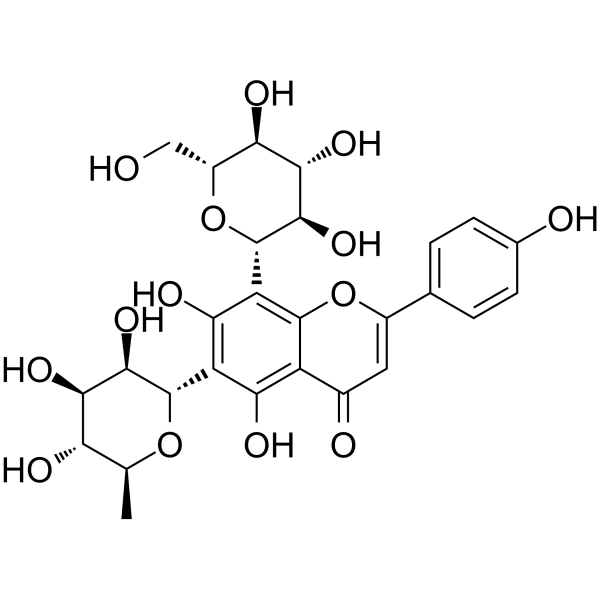
  • HY-N6895

    Cholinesterase (ChE) Inflammation/Immunology
    Violanthin is isolated from the stems of Dendrobium officinale, has potent antioxidant and antibacterial activities. Violanthin inhibits acetylcholinesterase (AChE) with an IC50 value of 79.80 μM .
    Violanthin
  • HY-14615R
    [6]-Gingerol (Standard)
    1 Publications Verification

    (S)-(+)-[6]Gingerol (Standard)

    Reference Standards AMPK Apoptosis Cancer
    -Gingerol (Standard) is the analytical standard of -Gingerol. This product is intended for research and analytical applications. -Gingerol is an active compound isolated from Ginger (Zingiber officinale), exhibits a variety of biological activities including anticancer, anti-inflammation, and anti-oxidation.
    [6]-Gingerol (Standard)
  • HY-N2434
    [10]-Shogaol
    5 Publications Verification

    COX Interleukin Related NF-κB Parasite Infection Inflammation/Immunology Cancer
    [10]-Shogaol is an orally active antioxidant. [10]-Shogaol can be extracted from ginger (Zingiber officinale). [10]-Shogaol1 inhibits COX-2 with an IC50 value of 7.5 μM. [10]-Shogaol inhibits the production of proinflammatory cytokines (IL-1β, IL-6). [10]-Shogaol inhibits NF-κB phosphorylation. [10]-Shogaol has anti-inflammatory effects. [10]-Shogaol has anticancer effects against Docetaxel (HY-B0011)-resistant prostate cancer. [10]-Shogaol exhibits larvicidal activity against L5 larvae of Angiostrongylus cantonensis .
    [10]-Shogaol
  • HY-N6896
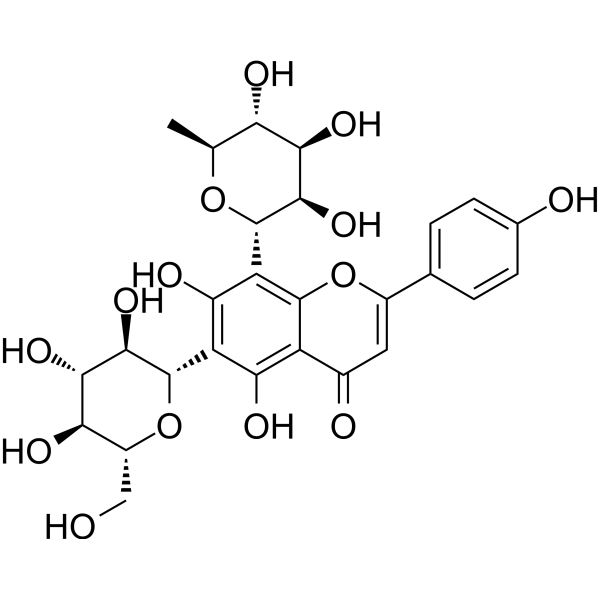
    Isoviolanthin
    1 Publications Verification

    TGF-beta/Smad PI3K Akt mTOR MMP Histone Demethylase Endocrinology Cancer
    Isoviolanthin is a flavonoid glycoside. Isoviolanthin can be extracted from Dendrobium officinale. Isoviolanthin has a strong affinity for binding to KDM6B, CHAC2, ESCO2, and IPO4. Isoviolanthin decreases MMP-2 and MMP-9. Isoviolanthin inhibits TGF-β/Smad and PI3K/Akt/mTOR signaling pathways. Isoviolanthin increases Fhl3 expression. Isoviolanthin has cytoprotective effects. Isoviolanthin has anticancer activity against hepatocellular carcinoma .
    Isoviolanthin
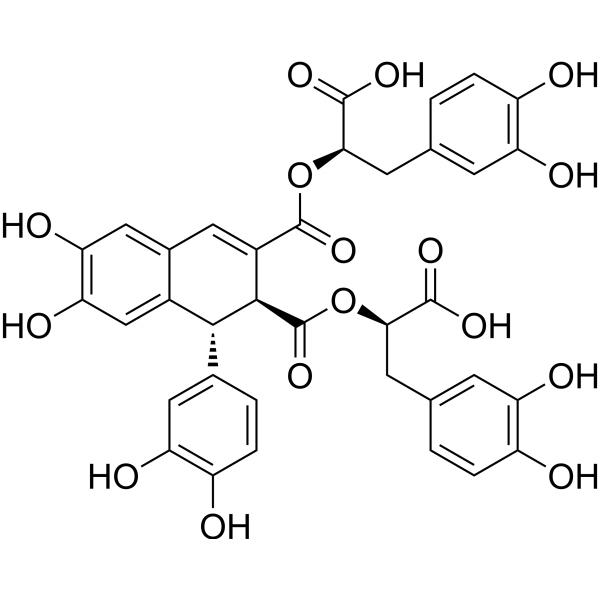
  • HY-N6880A

    HIV Infection Neurological Disease
    (-)-Rabdosiin is a novel phenolic marker, found from Symphytum officinale L. (-)-Rabdosiin shows antioxidant, neuroprotective or anti-HIV activities .
    (-)-Rabdosiin
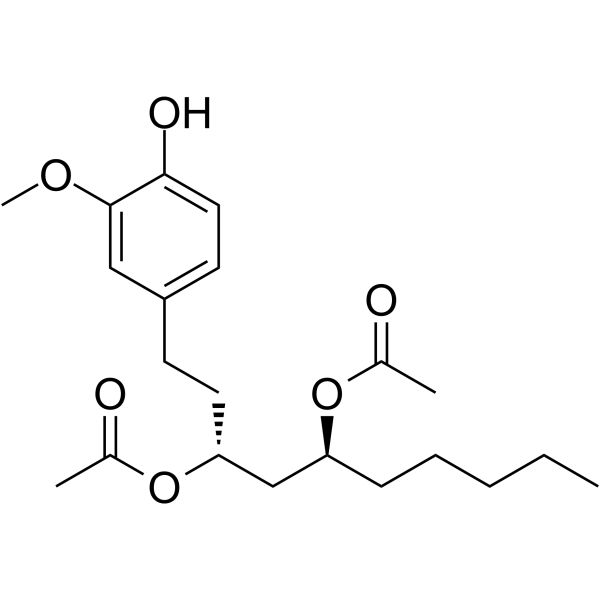
  • HY-133865
    Diacetoxy-6-gingerdiol
    1 Publications Verification

    Interleukin Related Metabolic Disease Inflammation/Immunology
    Diacetoxy-6-gingerdiol is a gingerol isolated with anti-inflammatory and antioxidant effects, which is found in the dichloromethane extract of rhizomes of ginger (Zingiber officinale Roscoe). Diacetoxy-6-gingerdiol protects the extracellular matrix of nucleus pulposus cells and ameliorates intervertebral disc degeneration by inhibiting the IL-1β-mediated NLRP3 pathway .
    Diacetoxy-6-gingerdiol
  • HY-W1000105

    (E)-3,7-Dimethylocta-2,6-dienal

    TNF Receptor Interleukin Related ERK JNK IKK COX NO Synthase Reactive Oxygen Species (ROS) Inflammation/Immunology
    Geranial is an aromatic compound. It can be isolated from the fruits of Litsea cubeba Lour and the rhizomes of ginger (Zingiber officinale). Geranial inhibits LPS-induced phosphorylation of ERK1/2, JNK1/3 and IκB in macrophages. It suppresses the secretion of IL-1β, TNF-α and IL-6, as well as the expression of pro-IL-1β, iNOS and COX-2. Geranial increases ROS. It can be used in the research of inflammatory diseases .
    Geranial
  • HY-14616R
    Shogaol (Standard)
    1 Publications Verification

    [6]-Shogaol (Standard); 6-Shogaol (Standard)

    Reference Standards Autophagy Cancer
    Shogaol (Standard) is the analytical standard of Shogaol. This product is intended for research and analytical applications. Shogaol ( -Shogaol), an active compound isolated from Ginger (Zingiber officinale Rosc), exhibits a variety of biological activities including anticancer, anti-inflammation, and anti-oxidation.
    Shogaol (Standard)
  • HY-B0264R

    Guaiacol glyceryl ether(Standard); Guaiphenesin(Standard); Glycerol guaiacolate (Standard)

    Reference Standards Others Neurological Disease Inflammation/Immunology
    Guaifenesin (Standard) is the analytical standard of Guaifenesin. This product is intended for research and analytical applications. Guaifenesin (Guaiacol glyceryl ether), a constituent of guaiac resin from the wood of Guajacum officinale Linné, is an expectorant. Guaifenesin can alleviate cough discomfortby increasing sputum volume and decreasing its viscosity, thereby promoting effective cough .
    Guaifenesin (Standard)
  • HY-W711045

    Drug Derivative Others
    Deoxygeraniol, a monoterpenoid, has been reported in Camellia sinensis, Magnolia sieboldii, and Zingiber officinale. It is commonly used as an intermediate in the synthesis of fragrances or flavorings.
    Deoxygeraniol
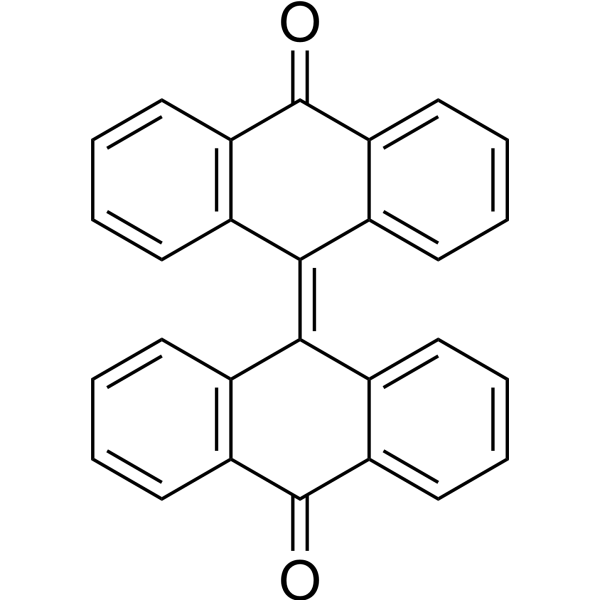
  • HY-136504

    Dianthrone

    Others Others
    Bianthrone (Dianthrone) is a natural product that can be isolated from Rheum officinale Baill. Bianthrone is a potential toxic marker of Polygonum multiflorum Thunb .
    Bianthrone
  • HY-N16553

    Others Inflammation/Immunology
    (3R,5S)-[4]-Gingerdiol (compound 32) is a gingerdiol from Zingiber officinale. (3R,5S)-[4]-Gingerdiol can be used for anti-inflammatory research .
    (3R,5S)-[4]-Gingerdiol
  • HY-N16519

    Fungal Infection
    [6]-Gingerdiol is an antifungal agent. [6]-Gingerdiol can be isolated from Zingiber officinale. [6]-Gingerdiol shows antifungal activity against M. gypseum with a MLC value of 422 μg/mL.
    [6]-Gingerdiol
  • HY-109088

    trans-6-Shogaol; (E)-[6]-Shogaol

    Drug Derivative Cancer
    Enexasogaol (trans-6-Shogaol; (E)-[6]-Shogaol) is the derivative of Shogaol (HY-14616) found in Ginger (Zingiber officinale Rosc). Enexasogaol can be used for the research of cancer .
    Enexasogaol
  • HY-122927

    Others Cancer
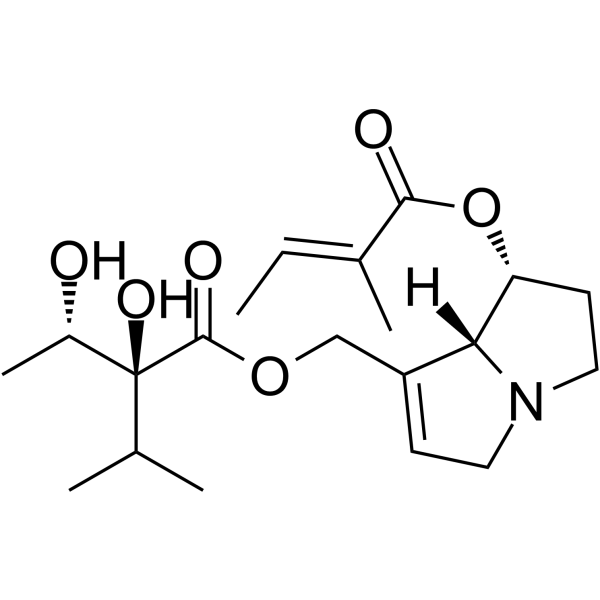
    Symphytine is a pyrrolizidine alkaloid isolated from Symphytum officinale and has carcinogenicity .
    Symphytine
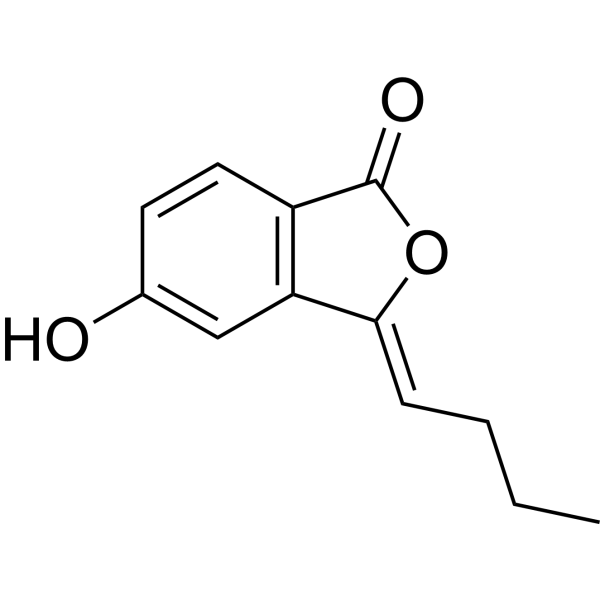
  • HY-N1285

    Others Others
    Senkyunolide C is a natural product, that can be isolated from the rhizome of Cnidium officinale .
    Senkyunolide C
  • HY-N9092

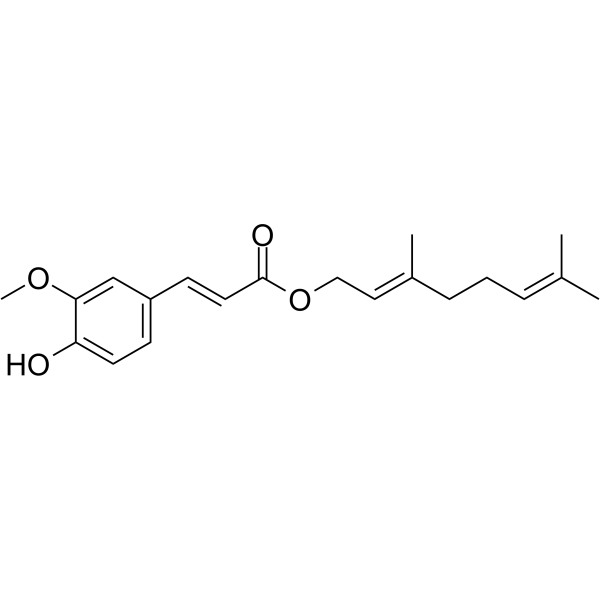
    (E)-geranylferulic acid

    NO Synthase Infection Inflammation/Immunology
    Geranyl ferulate ((E)-geranylferulic acid), isolated from Zingiber officinale, exhibits inhibitory effect on the production of nitric oxide (NO) .
    Geranyl ferulate
  • HY-N16501

    Others Others
    (3S,5S)-[4]-Gingerdiol is a phenylalkanoid can be found in Zingiber officinale .
    (3S,5S)-[4]-Gingerdiol
  • HY-N13114

    Others Others
    8-Gingerdione can be isolated from ginger (Zingiber officinale). 8-Gingerdione has no significant inhibitory effect on the production of inflammatory factors NO, TNF-α, and IL-6.
    8-Gingerdione
  • HY-B0264S

    Guaiacol glyceryl ether-d3; Guaiphenesin-d3; Glycerol guaiacolate-d3

    Isotope-Labeled Compounds Neurological Disease Inflammation/Immunology
    Guaifenesin-d3 is the deuterium labeled Guaifenesin. Guaifenesin (Guaiacol glyceryl ether), a constituent of guaiac resin from the wood of Guajacum officinale Linné, is an expectorant. Guaifenesin can alleviate cough discomfortby increasing sputum volume and decreasing its viscosity, thereby promoting effective cough .
    Guaifenesin-d3
  • HY-B0264S1

    Isotope-Labeled Compounds Neurological Disease Inflammation/Immunology
    Guaifenesin-d5 is the deuterium labeled Guaifenesin. Guaifenesin (Guaiacol glyceryl ether), a constituent of guaiac resin from the wood of Guajacum officinale Linné, is an expectorant. Guaifenesin can alleviate cough discomfortby increasing sputum volume and decreasing its viscosity, thereby promoting effective cough. Guaifenesin also has narcotic effect .
    Guaifenesin-d5
  • HY-N9891

    12-DHGD

    NO Synthase Interleukin Related Inflammation/Immunology
    12-Dehydrogingerdione is an inhibitor of NO Synthase. 12-Dehydrogingerdione signi?cantly inhibits LPS-stimulated production of NO, IL-6 and PGE2 in Raw 264.7 cells .
    12-Dehydrogingerdione
  • HY-N0447R

    Reference Standards TRP Channel Bacterial Infection Inflammation/Immunology Cancer
    8-Gingerol (Standard) is the analytical standard of 8-Gingerol. This product is intended for research and analytical applications. 8-Gingerol, found in the rhizomes of ginger (Z. officinale) with oral bioavailability, activates TRPV1, with an EC50 of 5.0 μM. 8-Gingerol inhibits COX-2, and inhibits the growth of H. pylori in vitro .
    8-Gingerol (Standard)
  • HY-14621R

    Vanillylacetone (Standard); Gingerone (Standard)

    Reference Standards NF-κB Metabolic Disease Inflammation/Immunology Cancer
    Zingerone (Standard) is the analytical standard of Zingerone. This product is intended for research and analytical applications. Zingerone (Vanillylacetone) is a nontoxic methoxyphenol isolated from Zingiber officinale, with potent anti-inflammatory, antidiabetic, antilipolytic, antidiarrhoeic, antispasmodic and anti-tumor properties . Zingerone alleviates oxidative stress and inflammation, down-regulates NF-κB mediated signaling pathways . Zingerone acts as an anti-mitotic agent, and inhibits the growth of neuroblastoma cells .
    Zingerone (Standard)
  • HY-134635R

    Bacterial Fungal HIV Infection Neurological Disease Cancer
    Dehydrozingerone (Standard) is the analytical standard of Dehydrozingerone. This product is intended for research and analytical applications. Dehydrozingerone (Compound 10), a structural half analogue of Curcumin (HY-N0005), is a phenolic compound with antibacterial, anticancer, antioxidant, anti-Alzheimer’s and antifungal activity, which is isolated from ginger (Zingiber officinale) rhizomes. Dehydrozingerone shows moderate inhibitory activities on the secretion of HBsAg in HepG 2 cells with an IC50 value of 0.50 mM .
    Dehydrozingerone (Standard)
  • HY-N6896R

    Reference Standards TGF-beta/Smad PI3K Akt mTOR MMP Histone Demethylase Endocrinology Cancer
    Isoviolanthin (Standard) is the analytical standard of Isoviolanthin (HY-N6896). This product is intended for research and analytical applications. Isoviolanthin is a flavonoid glycoside. Isoviolanthin can be extracted from Dendrobium officinale. Isoviolanthin has a strong affinity for binding to KDM6B, CHAC2, ESCO2, and IPO4. Isoviolanthin decreases MMP-2 and MMP-9. Isoviolanthin inhibits TGF-β/Smad and PI3K/Akt/mTOR signaling pathways. Isoviolanthin increases Fhl3 expression. Isoviolanthin has cytoprotective effects. Isoviolanthin has anticancer activity against hepatocellular carcinoma .
    Isoviolanthin (Standard)
  • HY-N2434R

    Reference Standards COX Interleukin Related NF-κB Parasite Infection Inflammation/Immunology Cancer
    -Shogaol (Standard) is the analytical standard of -Shogaol (HY-N2434). This product is intended for research and analytical applications. [10]-Shogaol is an orally active antioxidant. [10]-Shogaol can be extracted from ginger (Zingiber officinale). [10]-Shogaol1 inhibits COX-2 with an IC50 value of 7.5 μM. [10]-Shogaol inhibits the production of proinflammatory cytokines (IL-1β, IL-6). [10]-Shogaol inhibits NF-κB phosphorylation. [10]-Shogaol has anti-inflammatory effects. [10]-Shogaol has anticancer effects against Docetaxel (HY-B0011)-resistant prostate cancer. [10]-Shogaol exhibits larvicidal activity against L5 larvae of Angiostrongylus cantonensis .
    [10]-Shogaol (Standard)
  • HY-N18375

    Drug Derivative Others
    7-Gingerdiol is a ginger phenol found in Zingiber officinale rhizomes .
    7-Gingerdiol
  • HY-N10792

    Others Others
    Methyl diacetoxy-6-gingerdiol is a nature product that could be isolated form the rhizomes of Zingiber officinale .
    Methyl diacetoxy-6-gingerdiol
  • HY-N17725

    Others Others
    (3S,5S)-5'-Methoxyoctahydrocurcumin (Compound 13) is a diarylheptanoid that can be found in the dried rhizoma of Zingiber officinale Roscoe .
    (3S,5S)-5'-Methoxyoctahydrocurcumin
  • HY-N2434A

    5-HT Receptor Neurological Disease
    (E)-[10]-Shogaol is a 5-HT1A receptor partial agonist found in Zingiber officinale, with a Ki of 5.84 μM. (E)-[10]-Shogaol may be used in research on anxiety and depression .
    (E)-[10]-Shogaol
  • HY-120912A

    Drug Isomer Others
    (E/Z)-Gingerenone A (Compound 42) is a diarylheptanoid compound. (E/Z)-Gingerenone A is isolated from the rhizomes of Zingiber officinale Rosc .
    (E/Z)-Gingerenone A
  • HY-N17300

    Drug Derivative Others
    Dendroside G is a natural product that can be found in Dendrobium officinale.
    Dendroside G
  • HY-N2671

    Others Others
    5-Epilithospermoside is a Alkaloids product that can be isolated from the roots of Lithospermum officinale. .
    5-Epilithospermoside
  • HY-N15733

    Others Others
    5-Methoxy-[8]-gingerol is a compound that can be isolated from ginger (Zingiber officinale) .
    5-Methoxy-[8]-gingerol
  • HY-N17465

    Interleukin Related Others
    Dendronobiloside D is a sesquiterpene glycoside that can be isolated from Dendrobium officinale. Dendronobiloside D is an immunosuppressant that promotes the differentiation of CD4 + T cells into Treg cells .
    Dendronobiloside D
  • HY-N9243

    Others Others
    5-Hydroxy-1,7-bis(4-hydroxyphenyl)heptan-3-yl acetate is a Phenols product that can be isolated from the rhizomes of Zingiber officinale .
    5-Hydroxy-1,7-bis(4-hydroxyphenyl)heptan-3-yl acetate
  • HY-100187

    (±)-[6]-Gingerol

    Drug Isomer Cancer
    (Rac)-[6]-Gingerol is a natural product. (Rac)-[6]-Gingerol can be isolated from rhizomes of Z. officinale. (Rac)-[6]-Gingerol shows moderate anticancer activity against lung cancer, ovarian cancer, melanoma, and colon cancer .
    (Rac)-[6]-Gingerol

Inquiry Online

Your information is safe with us. * Required Fields.

Salutation


Country or Region *

Applicant Name *


Organization Name *

Department *


Email Address *


Product Name *

Cat. No.


Requested quantity *

Phone Number *


Remarks

Inquiry Online

Inquiry Information

Product Name:
Cat. No.:
Quantity:
MCE Japan Authorized Agent: