31 Results for "

plant pathogen inhibitor

" in MedChemExpress (MCE) Product Catalog:
Products (31)

31 Results for "plant pathogen inhibitor" in MCE Product Catalog:

1
1 Cited Publications
Cat. No.: HY-N0704
CAS No.: 55576-66-4
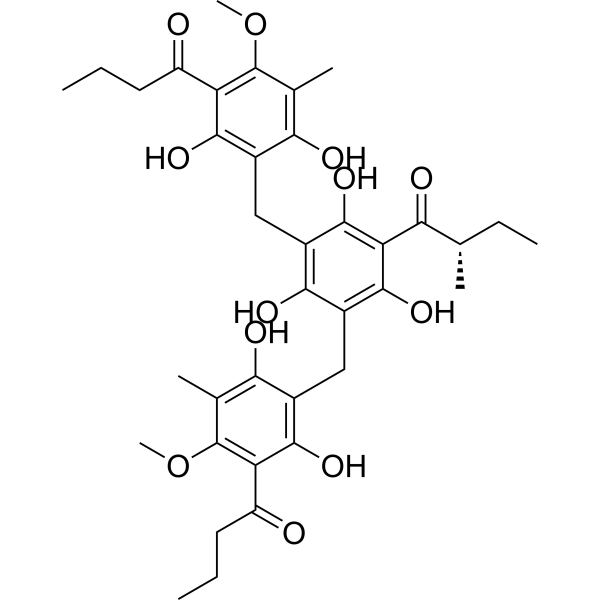
Agrimol B, a polyphenol, is an orally active and potent SIRT1 activator. Agrimol B shows anti-adipogenic and anticancer activity. Agrimol B shows antibacterial activity against plant pathogens. Agrimol B dramatically inhibits 3T3-L1 adipocyte differentiation by reducing PPARγ, C/EBPα, FAS, UCP-1, and apoE expression. The action of Agrimol B on the cancer cells is likely derived from its effect on c-MYC, SKP2 and p27 .
loading...
    loading...
Cat. No.: HY-N11420
CAS No.: 62251-96-1
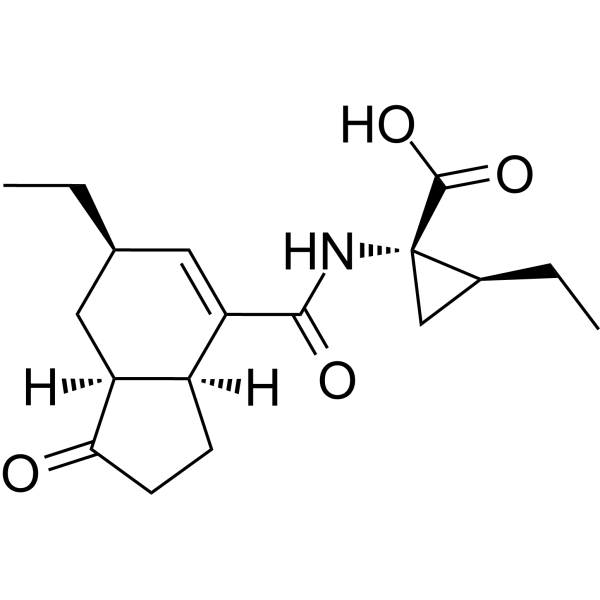
Coronatine is a plant growth regulator that mimicks the jasmonic acid-isoleucine conjugate (JA-Ile), targets the jasmonic acid receptor COI1, activates the jasmonic acid signaling pathway, thereby inhibiting salicylic acid (SA)-dependent defense responses. Coronatine antagonizes the stomatal closure, induces plant cell necrosis and chlorosis, interfers with plant hormone balance, thereby promoting pathogen infection .
loading...
    loading...
Cat. No.: HY-122464
CAS No.: 77026-92-7
Target:  

Herbicide

Research Areas:  

Others

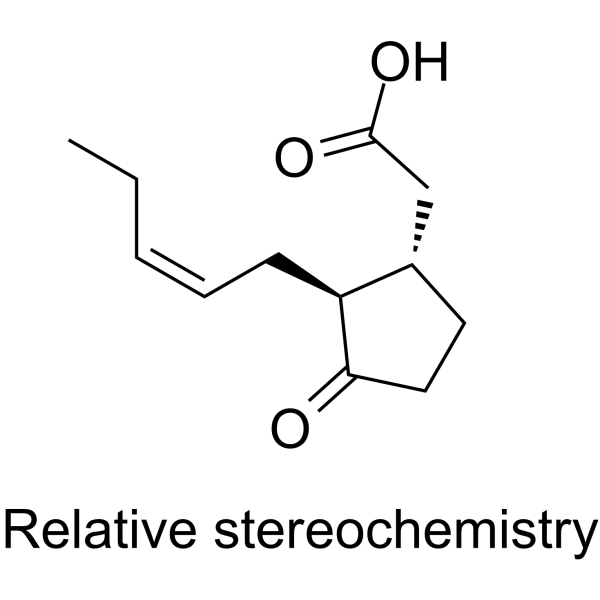
(±)-Jasmonic acid is an endogenous growth regulator closely related to plant resistance to abiotic stresses, used to activate defense responses to wounding, herbivory, and pathogen attacks. (±)-Jasmonic acid does not play an independent regulatory role, but works in a complex signaling network with other plant hormone signaling pathways. In addition, (±)-Jasmonic acid can also reduce chlorophyll levels in green and etiolated barley leaf segments and inhibit the elongation of rice seedlings .
loading...
    loading...
Cat. No.: HY-P1938
CAS No.: 2854-40-2
Target:  

Bacterial

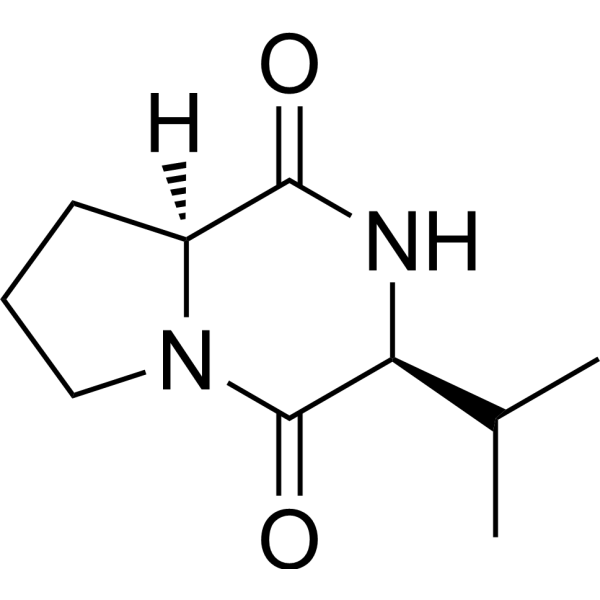
Cyclo(L-Pro-L-Val) is an antimicrobial and anti-inflammatory agent. Cyclo(L-Pro-L-Val) has toxic activity against plant pathogens such as R. fascians LMG 3605, and its potency may be comparable to that of Chloramphenicol (HY-B0239). Cyclo(L-Pro-L-Val) can inhibit the phosphorylation of IKKα, IKKβ, NF-κB, etc., and the activation of iNOS and COX-2, thereby exerting anti-inflammatory activity. Cyclo(L-Pro-L-Val) can be used in the research of biopesticides in the agricultural field, as well as in the research of inflammation-related diseases .
loading...
    loading...
Cat. No.: HY-116214
CAS No.: 121552-61-2
Purity:  99.36%
Synonyms: CGA-219417
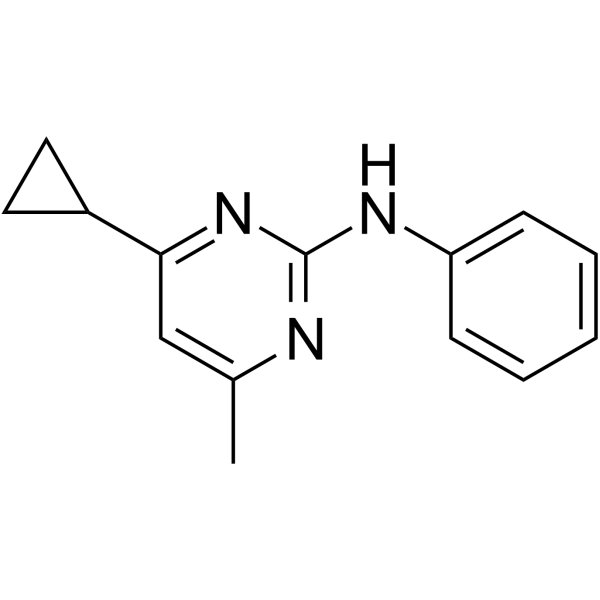
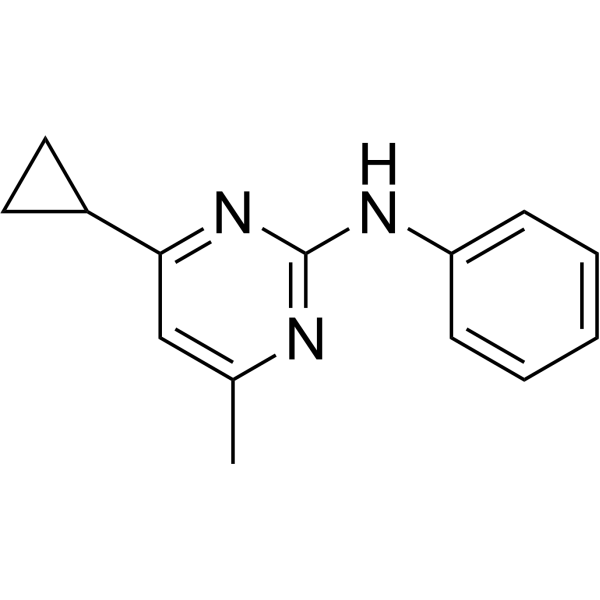
Cyprodinil (CGA-219417) is a broad-spectrum anilinopyrimidine fungicide and an activator of the aryl hydrocarbon receptor. Cyprodinil also has anti-androgenic and androgenic activities. Cyprodinil can inhibit the biosynthesis of methionine in plant-pathogenic fungi and protect fruits and vegetables from a variety of pathogens .
loading...
    loading...
Cat. No.: HY-114979
CAS No.: 25683-07-2
Purity:  99.90%
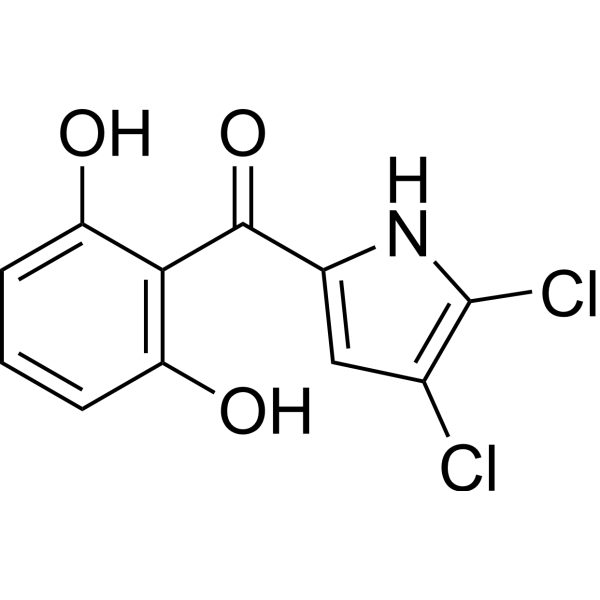
Pyoluteorin is an antibiotic that inhibits Oomycete fungi, including the plant pathogen Pythium ultimum, and suppresses plant diseases caused by this fungus . Pyoluteorin induces human triple-negative breast cancer MDA-MB-231 cells apoptosis in vitro. Pyoluteorin can be used for the research of human triple-negative breast cancer .
loading...
    loading...
Cat. No.: HY-117089
CAS No.: 112281-77-3
Purity:  96.98%
Research Areas:  

Infection

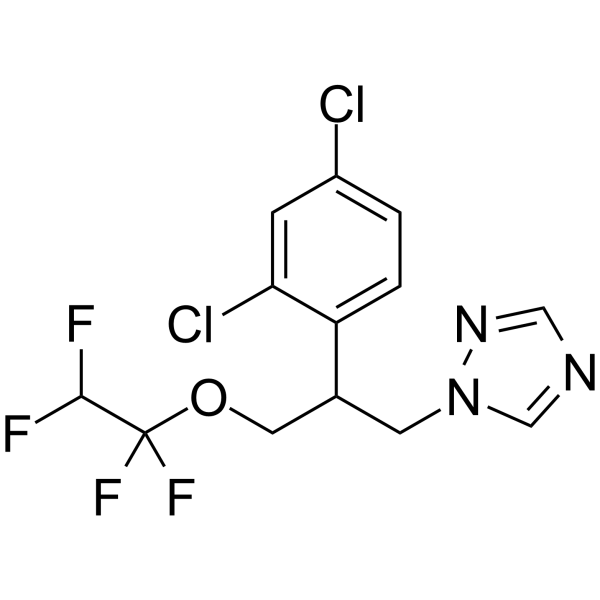
Tetraconazole is a selective irreversible inhibitor of 14-α-sterol demethylase (CYP51) with antifungal activity. Tetraconazole competitively binds to the enzyme to block fungal ergosterol synthesis, resulting in cell membrane damage. The EC50 of tetraconazole against wheat pathogens is 0.382-0.802 mg/L, and the EC50 against onion root tip meristem cell growth is 6.7 mg/L, and (R)-(+)-Tetraconazole is 1.49-1.98 times more active than (S)-(-)-Tetraconazole. Tetraconazole can also induce oxidative stress and chromosomal aberrations in plant cells .
loading...
    loading...
Cat. No.: HY-N6243
CAS No.: 475-00-3
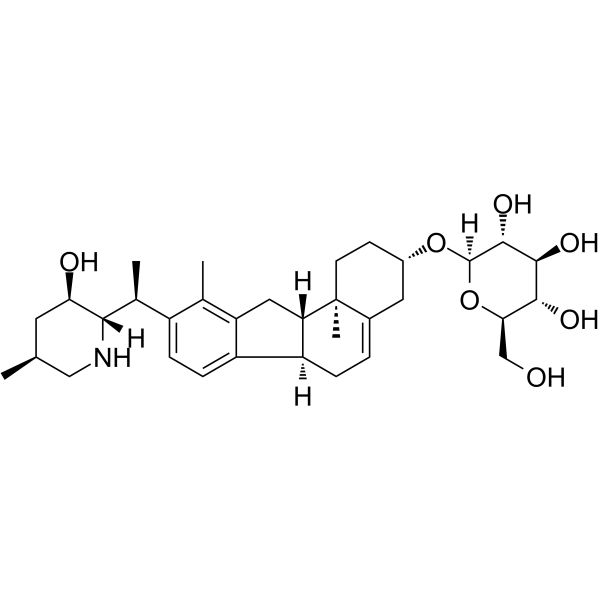
Veratrosine is a Trihydroxynapthalene reductase (THR) inhibitor and fungal plant pathogen inhibitor. Veratrosine interacts with THR, an enzyme in the DHN melanin biosynthesis pathway of Curvularia lunata. Veratrosine can be used for the research of leaf blight of rice, brown spot of rice, and blast disease of foxtail millet .
loading...
    loading...
Cat. No.: HY-116541
CAS No.: 135158-54-2
Purity:  99.77%
Synonyms: ASM
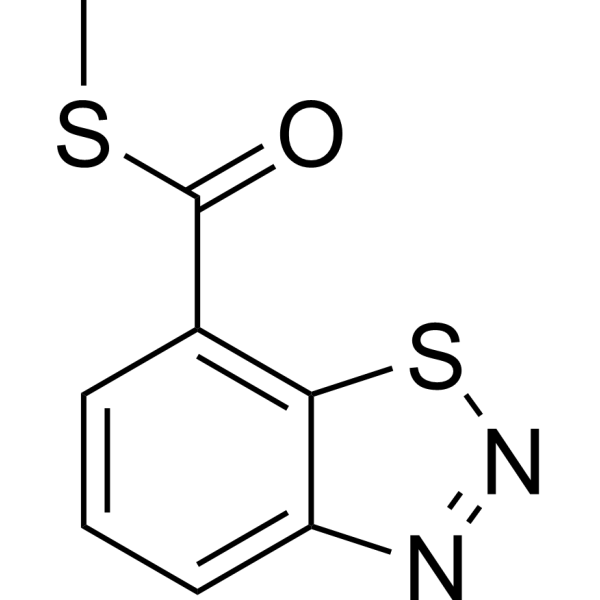
Acibenzolar-S-methyl (ASM) is a synthetic analog of Salicylic acid (HY-B0167) and a plant activator. Acibenzolar‑S‑methyl induces increased activities of defense-related enzymes such as peroxidase and chitinase, activates stomatal defense responses and PR defense gene expression, induces the production of ROS, triggers local and systemic acquired resistance, and inhibits the proliferation of bacterial and fungal pathogens in plants. Acibenzolar‑S‑methyl can be used in studies related to plant infection .
loading...
    loading...
Cat. No.: HY-118448
CAS No.: 2161-86-6
Purity:  99.27%
Research Areas:  

Infection

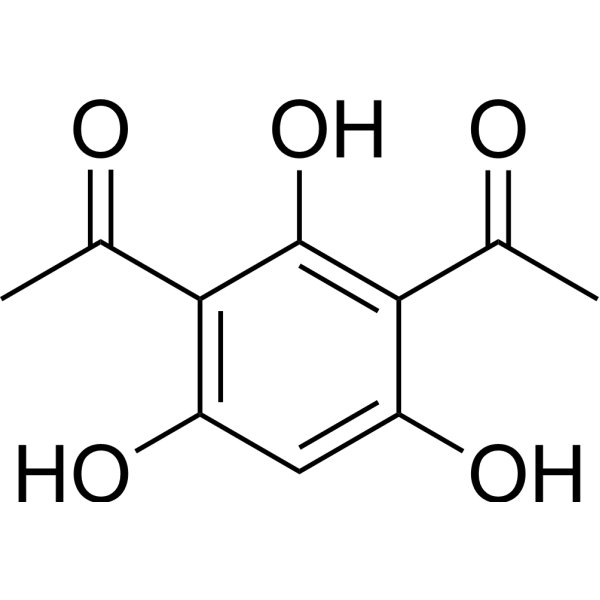
2,4-Diacetylphloroglucinol is a polyketide antibiotic produced by Pseudomonas fluorescens. 2,4-Diacetylphloroglucinol exhibits broad-spectrum toxicity against various organisms such as bacteria, fungi, oomycetes, and nematodes. 2,4-Diacetylphloroglucinol can also inhibit plant pathogens and affect the root development of tomato seedlings .
loading...
    loading...
Cat. No.: HY-137990
CAS No.: 3774-64-9
Purity:  97.75%
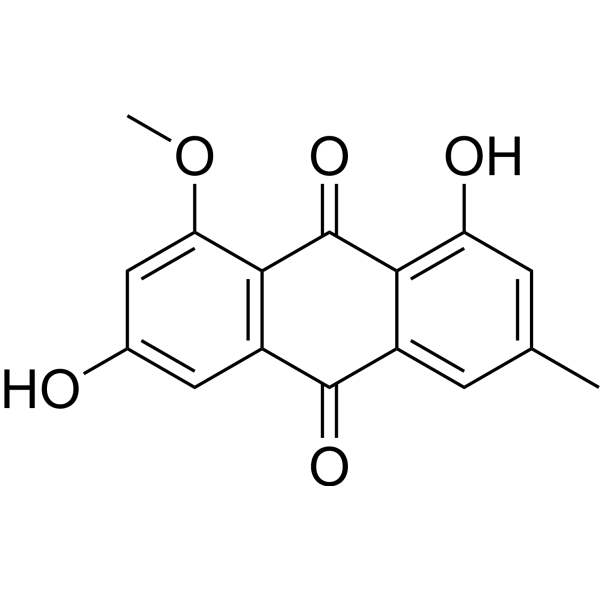
Questin is an anthraquinone compound and antibacterial agent. Questin can be isolated from marine-derived fungi and plants. Questin inhibits Cdc25B phosphatase. Questin exhibits antibacterial activity against V. harveyi, V. anguillarum, V. cholerae, and V. parahemolyticus with MIC values of 31.25 µg/mL, 62.5 µg/mL, 62.5 µg/mL, and 125 µg/mL. Questin displays antiprotozoal activity against the animal protozoan pathogen Tritrichomonas foetus, with a MIC of 12.5 µg/mL. Questin has anticancer activity against lung and colon cancer .
loading...
    loading...
Cat. No.: HY-116541R
CAS No.: 135158-54-2
Synonyms: ASM (Standard)
Acibenzolar-S-methyl (Standard) (ASM (Standard)) is the analytical standard of Acibenzolar-S-methyl (HY-116541). This product is intended for research and analytical applications. Acibenzolar-S-methyl (ASM) is a synthetic analog of Salicylic acid (HY-B0167) and a plant activator. Acibenzolar‑S‑methyl induces increased activities of defense-related enzymes such as peroxidase and chitinase, activates stomatal defense responses and PR defense gene expression, induces the production of ROS, triggers local and systemic acquired resistance, and inhibits the proliferation of bacterial and fungal pathogens in plants. Acibenzolar‑S‑methyl can be used in studies related to plant infection .
loading...
    loading...
Cat. No.: HY-W042216
CAS No.: 515-74-2
Synonyms: Sodium 4-aminobenzenesulfonate
Target:  

Fungal

Research Areas:  

Infection

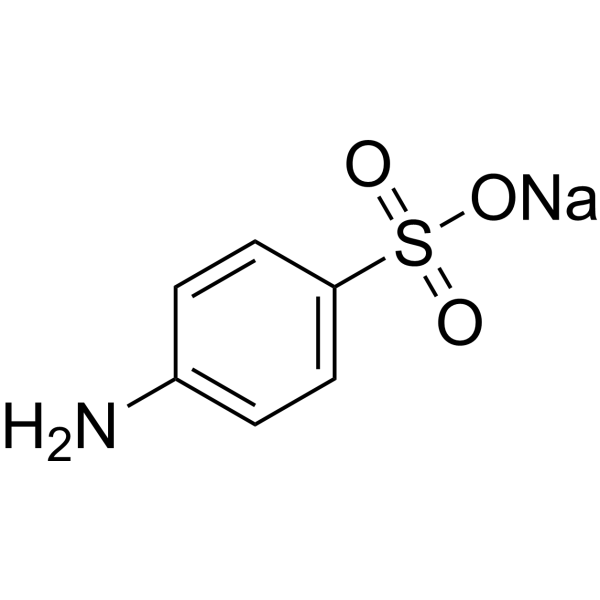
Sodium Sulphanilate (Sodium 4-aminobenzenesulfonate) is a folic acid synthetase inhibitor and antifungal agent, as well as a structural analog of p-aminobenzoic acid, that competitively inhibits folate biosynthesis in fungal pathogens. Sodium Sulphanilate induces host disease resistance via changes in amino acid profiles, reduces chlorophyll content in peanut leaves at high concentrations, and controls rust diseases in various plant species. Sodium Sulphanilate is applicable to studies related to peanut rust .
loading...
    loading...
Cat. No.: HY-116214R
CAS No.: 121552-61-2
Synonyms: CGA-219417 (Standard)
Cyprodinil (Standard) (CGA-219417 (Standard)) is the analytical standard of Cyprodinil (HY-116214). This product is intended for research and analytical applications. Cyprodinil (CGA-219417) is a broad-spectrum anilinopyrimidine fungicide and an activator of the aryl hydrocarbon receptor. Cyprodinil also has anti-androgenic and androgenic activities. Cyprodinil can inhibit the biosynthesis of methionine in plant-pathogenic fungi and protect fruits and vegetables from a variety of pathogens.
loading...
    loading...
Cat. No.: HY-149492
CAS No.: 2889356-55-0
Target:  

Phosphatase Fungal

Research Areas:  

Infection

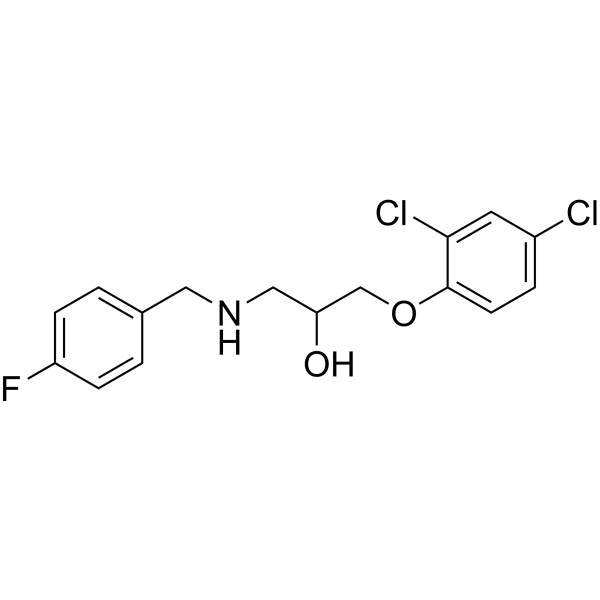
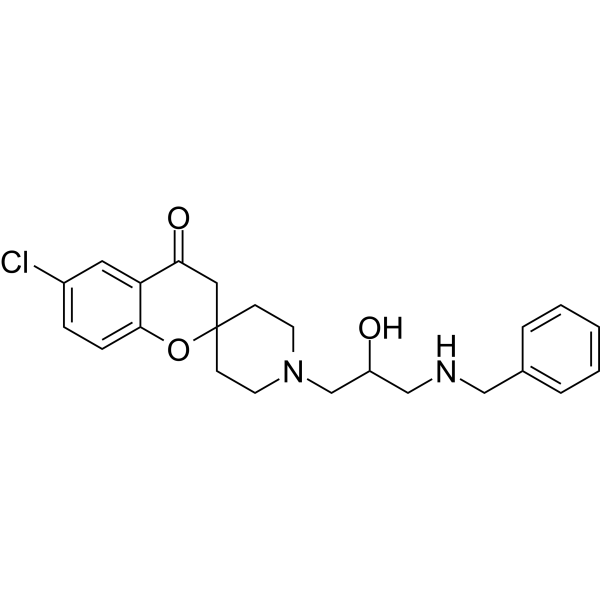
Phosphatase-IN-1 (compound II-8), a propranolol (HY-B0573B) derivative, is a phosphatidate phosphatase (Pah) inhibitor. Phosphatase-IN-1 can binds to MoPah1, with an affinity constant of 19.8 μM. Phosphatase-IN-1 inhibits growth of plant pathogens and shows anti-fungal ability. Phosphatase-IN-1 is not toxic to rice seedlings and wheat heads .
loading...
    loading...
Cat. No.: HY-N12475
CAS No.: 54878-25-0
Solavetivone is a Sesquiterpenoid phytoalexin and Antifungal agent. Solavetivone is isolated from stress-challenged potato plants. Solavetivone is hydroxylated by sesquiterpenoid phytoalexin hydroxylase (SPH/CYP76A2L). Solavetivone helps solanaceous plants defend against pathogens, damages plant cells after pathogen threat, and inhibits mycelial growth of Rhizoctonia solani. Solavetivone is applicable to studies related to Rhizoctonia solani infection .
loading...
    loading...
Cat. No.: HY-W403633
CAS No.: 32377-88-1
Target:  

Bacterial

Research Areas:  

Infection

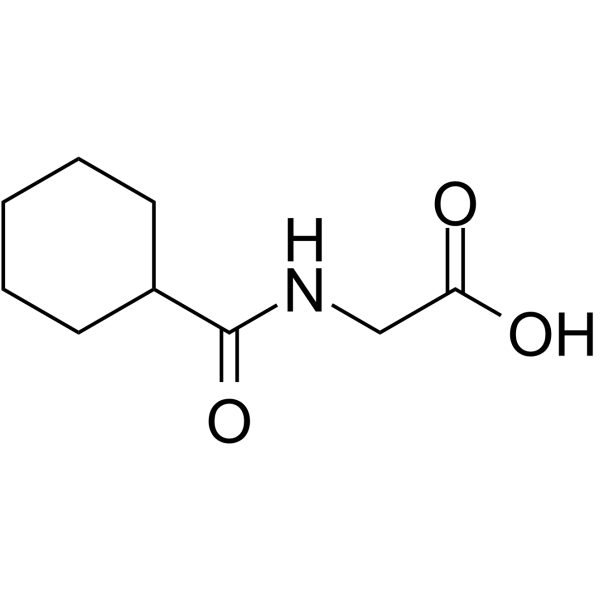
Hexahydrohippuric acid is a metabolite of Shikimate acid in both liver and kidney, under microbial metabolism effect. Hexahydrohippuric acid is made of cyclohexane carboxylic acid and glycinamide, and shows antibacterial activity .
loading...
    loading...
Cat. No.: HY-125511
CAS No.: 128252-98-2
Target:  

Fungal

Chaetoviridin A exhibits antifungal activity against several plants pathogen, inhibits growth of Verticillium dahliae through cell necrosis and mycelial deformation, and thus improves sensitivity of V. dahliae to stress, increases the emergence rate and plant height of cotton .
loading...
    loading...
Cat. No.: HY-N2805
CAS No.: 58865-88-6
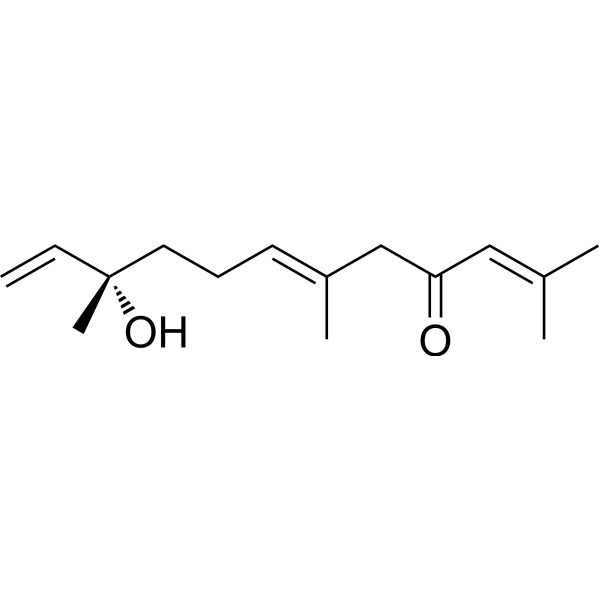
9-Oxonerolidol is a farnesane-type sesquiterpenoid with anti-pathogens activity. 9-Oxonerolidol can be isolated from Chiliadenus lopadusanus. 9-Oxonerolidol acts as a post-infectional inhibitor from plants, and inhibits Gram+ and Gram? bacteria resistant to the antibiotic .
loading...
    loading...
Cat. No.: HY-149983
CAS No.: 2930013-56-0
Target:  

Bacterial

Research Areas:  

Infection

Antibacterial agent 141 (Compound B14) has antibacterial activity against four plant pathogens Xoo, Xac, Psa and Cmm, with an EC50 value of 1.28 μM. Antibacterial agent 141 can inhibit the formation of cell membrane and change cell permeability.
loading...
    loading...

