380 Results for "

primary human

" in MedChemExpress (MCE) Product Catalog:
Products (380)

380 Results for "primary human" in MCE Product Catalog:

65
65 Publications Verification
Cat. No.: HY-15648F
CAS No.: 1797983-09-5
Purity:  99.01%
Target:  

Histone Demethylase

Research Areas:  

Cancer

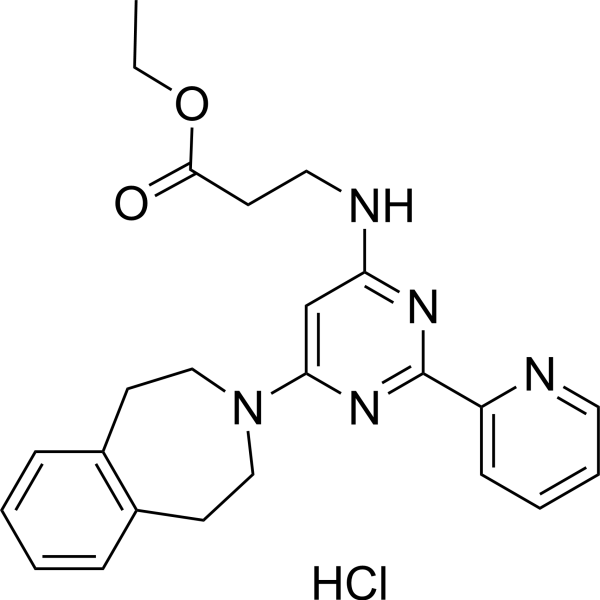
GSK-J4 hydrochloride is a potent dual inhibitor of H3K27me3/me2-demethylases JMJD3/KDM6B and UTX/KDM6A with IC50s of 8.6 and 6.6 μM, respectively. GSK-J4 hydrochloride inhibits LPS-induced TNF-α production in human primary macrophages with an IC50 of 9 μM. GSK-J4 hydrochloride is a cell permeable proagent of GSK-J1 .
loading...
    loading...
65
65 Publications Verification
Cat. No.: HY-15648B
CAS No.: 1373423-53-0
Purity:  99.64%
Research Areas:  

Cancer

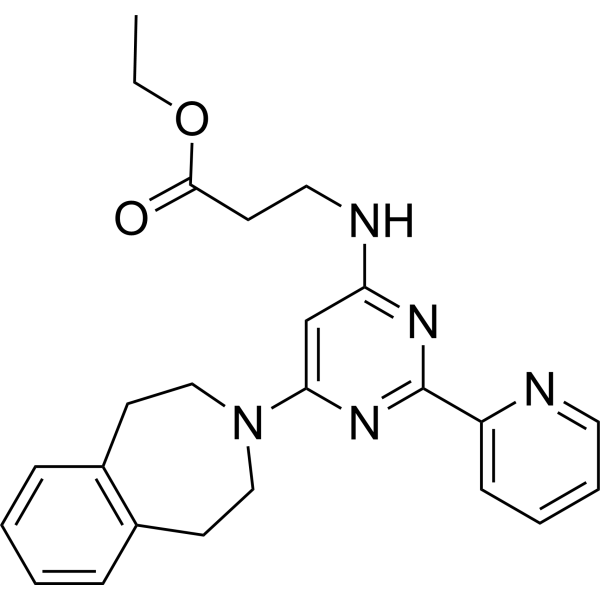
GSK-J4 is a potent dual inhibitor of H3K27me3/me2-demethylases JMJD3/KDM6B and UTX/KDM6A with IC50s of 8.6 and 6.6 μM, respectively. GSK-J4 inhibits LPS-induced TNF-α production in human primary macrophages with an IC50 of 9 μM. GSK J4 is a cell permeable proagent of GSK-J1 . GSK-J4 induces endoplasmic reticulum stress-related apoptosis .
loading...
    loading...
22
22 Cited Publications
Cat. No.: HY-111964
CAS No.: 2189684-44-2
Purity:  98.44%
Synonyms: GS-6207
Target:  

HIV

Research Areas:  

Infection

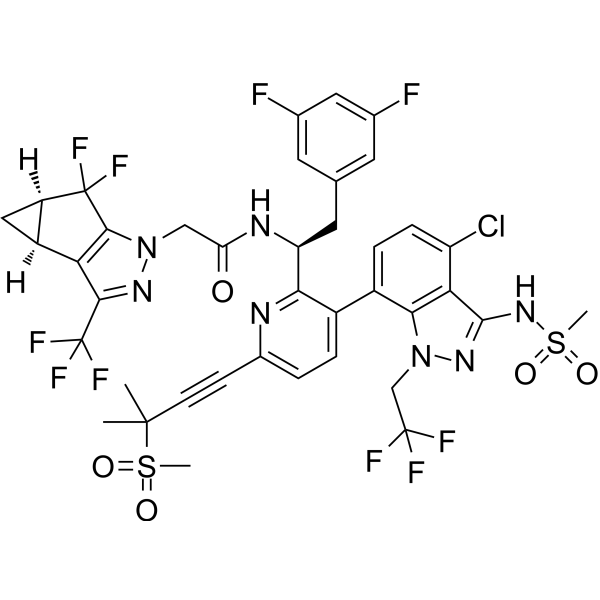
Lenacapavir (GS-6207) is an HIV-1 capsid inhibitor. Lenacapavir binds to the interface between capsid hexamers and CA monomers, disrupts capsid assembly and viral maturation, inhibits nuclear translocation of HIV-1 DNA, interferes with CA-mediated protein-protein interactions, reduces the formation of 2-LTR circles and pre-integration proviruses, induces aberrant capsids, and decreases the production of mature HIV-1. Lenacapavir exhibits activity against a variety of HIV-1 subtypes and clinical isolates. Lenacapavir is applicable to research related to human immunodeficiency virus type 1 (HIV-1) infection .
loading...
    loading...
22
22 Cited Publications
Cat. No.: HY-111964A
CAS No.: 2283356-12-5
Synonyms: GS-6207 sodium
Target:  

HIV

Research Areas:  

Infection

Lenacapavir (GS-6207) sodium is an HIV-1 capsid inhibitor. Lenacapavir sodium binds to the interface between capsid hexamers and CA monomers, disrupts capsid assembly and viral maturation, inhibits nuclear translocation of HIV-1 DNA, interferes with CA-mediated protein-protein interactions, reduces the formation of 2-LTR circles and pre-integration proviruses, induces aberrant capsids, and decreases the production of mature HIV-1. Lenacapavir sodium exhibits activity against a variety of HIV-1 subtypes and clinical isolates. Lenacapavir sodium is applicable to research related to human immunodeficiency virus type 1 (HIV-1) infection .
loading...
    loading...
19
19 Cited Publications
Cat. No.: HY-P1846
CAS No.: 219127-21-6
Target:  

Notch

Research Areas:  

Cancer

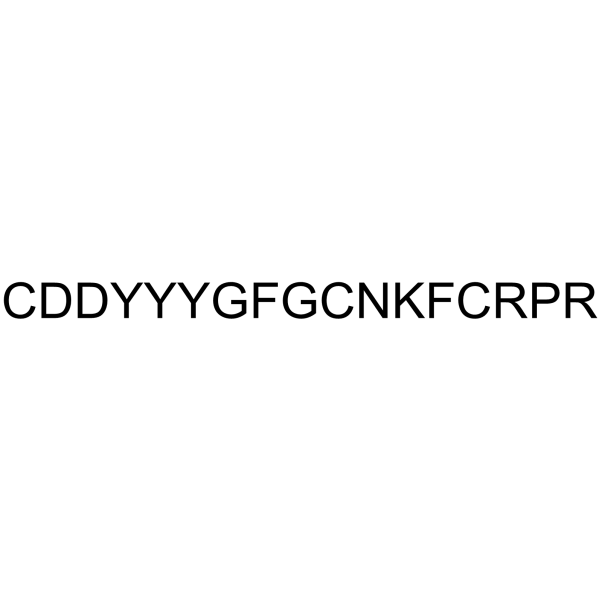
Jagged-1 (188-204) is a fragment of the Jagged-1 (JAG-1) protein with Notch agonist activity. JAG-1 is a Notch ligand highly expressed in cultured and primary multiple myeloma (MM) cells. JAG-1 induces maturation of monocyte-derived human dendritic cells .
loading...
    loading...
19
19 Cited Publications
Cat. No.: HY-P1846A
Target:  

Notch

Research Areas:  

Cancer

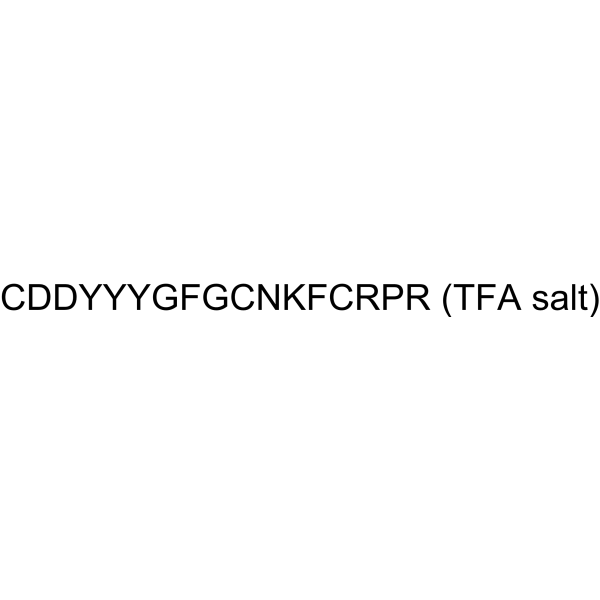
Jagged-1 (188-204) TFA is a fragment of the Jagged-1 (JAG-1) protein with Notch agonist activity. JAG-1 is a Notch ligand highly expressed in cultured and primary multiple myeloma (MM) cells. JAG-1 induces maturation of monocyte-derived human dendritic cells .
loading...
    loading...
13
13 Cited Publications
Cat. No.: HY-16643
CAS No.: 1345982-69-5
Synonyms: GSK2330672
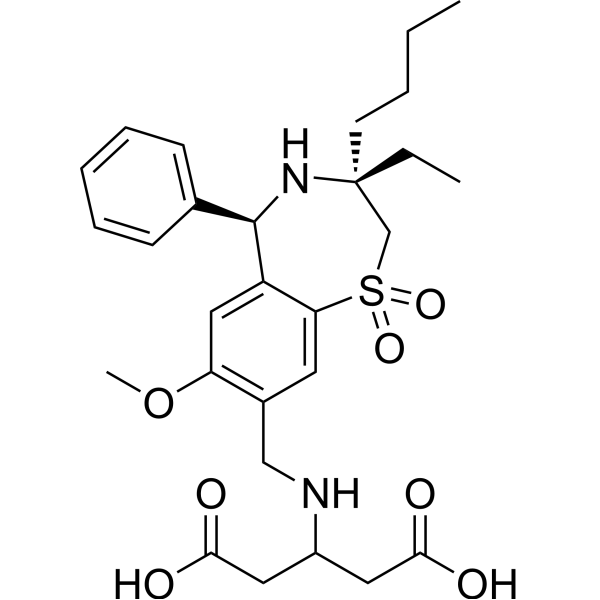
Linerixibat (GSK2330672) is a highly potent, nonabsorbable and orally active apical sodium-dependent bile acid transporter (ASBT) inhibitor with an IC50 of 42 nM human ASBT. Linerixibat can be used as lipid-lowering agent. Linerixibat has the potential for type 2 diabetes and Primary Biliary Cholangitis treatment .
loading...
    loading...
11
11 Cited Publications
Cat. No.: HY-B1777
CAS No.: 71-44-3
Synonyms: NSC 268508; Neuridine
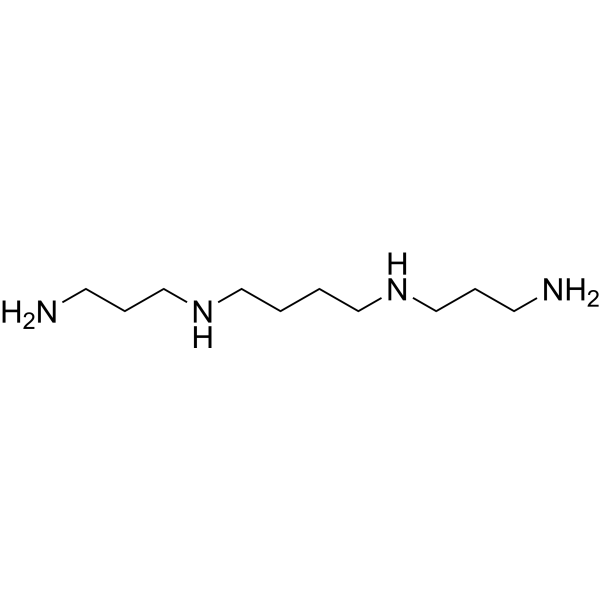
Spermine is a natural antioxidant and anti-inflammatory agent. Spermine is known to inhibit some bacterial cultures, especially strains of Staphylococcus aureus. Spermine can reversibly inhibits DNA synthetic response, mixed lymphocyte response and the induction of cytolytic lymphocyte response in primary cultures of murine spleen cells. Spermine is a polyamine nitric oxide donor that can provide nitric oxide to platelets and inhibit platelet activation to a certain extent concentration-dependently. Spermine occurs in mammalian tissues, plants, bacteria, ribosomes and bacteriophage. Spermine inhibits primary human embryo lung fibroblasts in vitro .
loading...
    loading...
11
11 Cited Publications
Cat. No.: HY-B1777A
CAS No.: 306-67-2
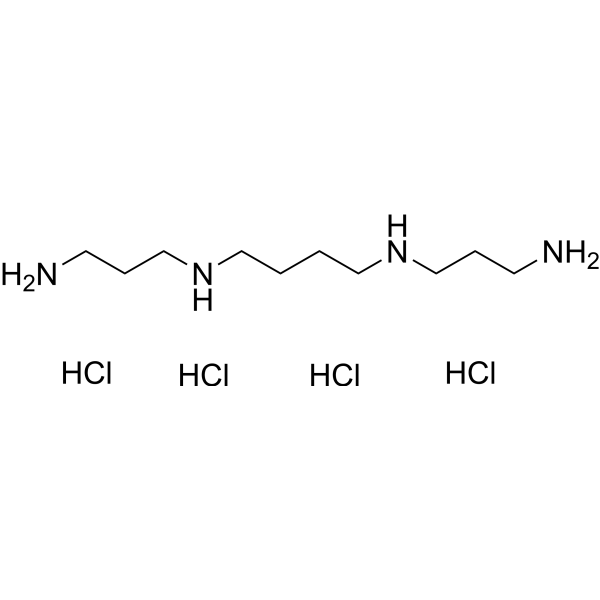
Spermine tetrahydrochloride is a polyamine nitric oxide donor that can provide nitric oxide to platelets and inhibit platelet activation to a certain extent concentration-dependently. Spermine tetrahydrochloride occurs in mammalian tissues, plants, bacteria, ribosomes and bacteriophage. Spermine tetrahydrochloride inhibits primary human embryo lung fibroblasts in vitro. Spermine is a natural antioxidant and anti-inflammatory agent. Spermine is known to inhibit some bacterial cultures, especially strains of Staphylococcus aureus. Spermine induces neurotoxicity in the striarum dose-dependently. Spermine can reversibly inhibits DNA synthetic response, mixed lymphocyte response and the induction of cytolytic lymphocyte response in primary cultures of murine spleen cells .
loading...
    loading...
9
9 Cited Publications
Cat. No.: HY-N2334
CAS No.: 640-79-9
Synonyms: Chenodeoxycholylglycine
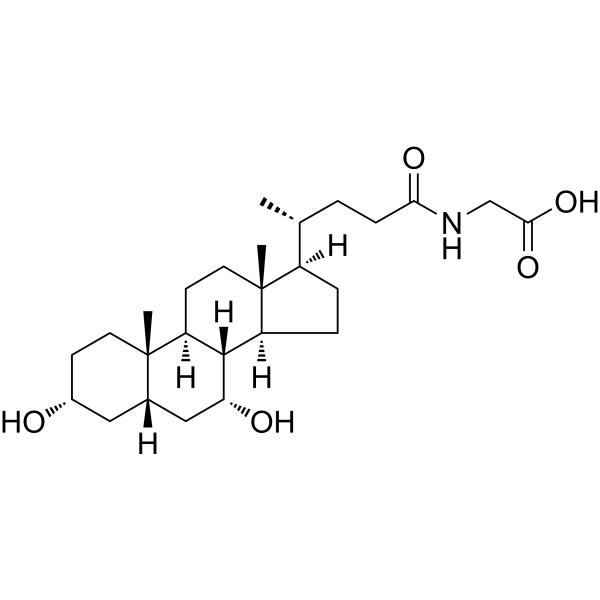
Glycochenodeoxycholic acid (Chenodeoxycholylglycine) is a relatively toxic bile salt generated in the liver from chenodeoxycholic acid and glycine. Glycochenodeoxycholic acid inhibits Autophagosome formation and impairs lysosomal function by inhibiting lysosomal proteolysis and increasing lysosomal pH in human normal liver cells, leading to the Apoptosis of human hepatocyte cells. Glycochenodeoxycholic acid induces stemness and chemoresistance via activating STAT3 signaling pathway in hepatocellular carcinoma cells (HCC). Glycochenodeoxycholic acid is promising for research in the field of cholestasis desease, hepatocellular carcinoma and primary sclerosing cholangitis (PSC) .
loading...
    loading...
9
9 Cited Publications
Cat. No.: HY-N2334A
CAS No.: 16564-43-5
Synonyms: Chenodeoxycholylglycine sodium salt; Sodium glycochenodeoxycholate
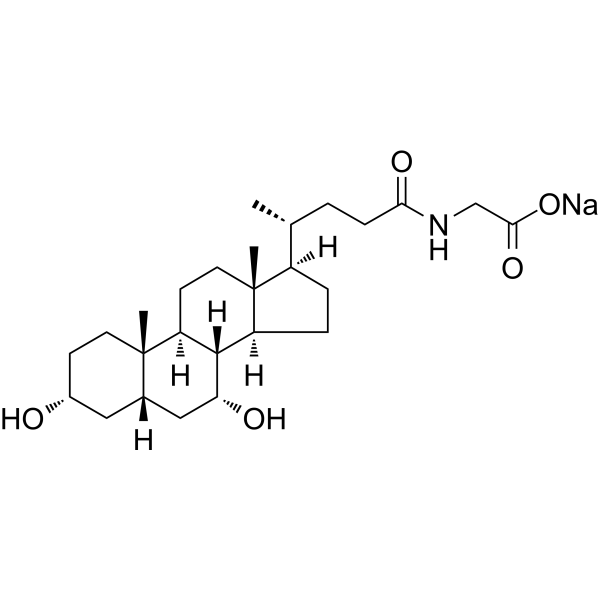
Glycochenodeoxycholic acid sodium salt (Sodium glycochenodeoxycholate) is a relatively toxic bile salt generated in the liver from chenodeoxycholic acid and glycine. Glycochenodeoxycholic acid sodium salt inhibits Autophagosome formation and impairs lysosomal function by inhibiting lysosomal proteolysis and increasing lysosomal pH in human normal liver cells, leading to the Apoptosis of human hepatocyte cells. Glycochenodeoxycholic acid sodium salt induces stemness and chemoresistance via activating STAT3 signaling pathway in hepatocellular carcinoma cells (HCC). Glycochenodeoxycholic acid sodium salt is promising for research in the field of cholestasis desease, hepatocellular carcinoma and primary sclerosing cholangitis (PSC) .
loading...
    loading...
8
8 Cited Publications
Cat. No.: HY-12341
CAS No.: 1532593-30-8
Purity:  98.11%
Synonyms: ML355
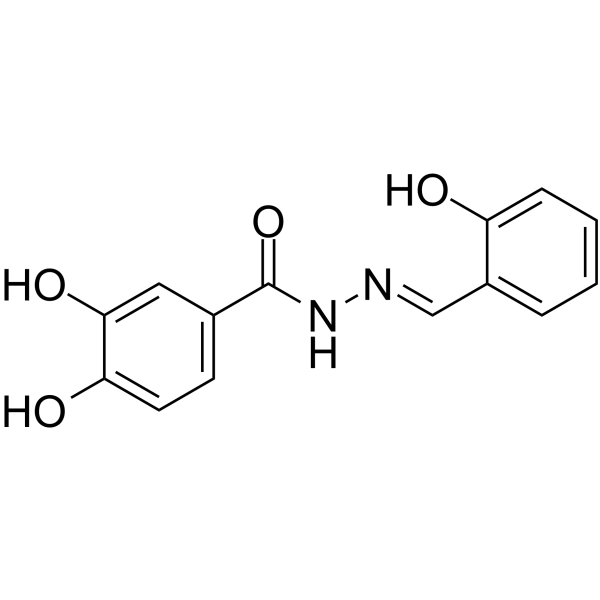
Onvoloxastat (ML355) is an orally active selective 12-LOX inhibitor with an IC50 of 0.34 μM. Onvoloxastat inhibits platelet activation by blocking thrombin- or thromboxane A2-induced phosphorylation of Akt, PI3K and Erk1/2. At low doses (1-20 μM), it mainly acts by reducing ROS levels, while at high doses (50 μM), it functions via activating the cAMP pathway. Onvoloxastat can be used in research related to thrombosis and diabetes .
loading...
    loading...
4
4 Cited Publications
Cat. No.: HY-135474
CAS No.: 304481-60-5
Purity:  99.67%
Research Areas:  

Others

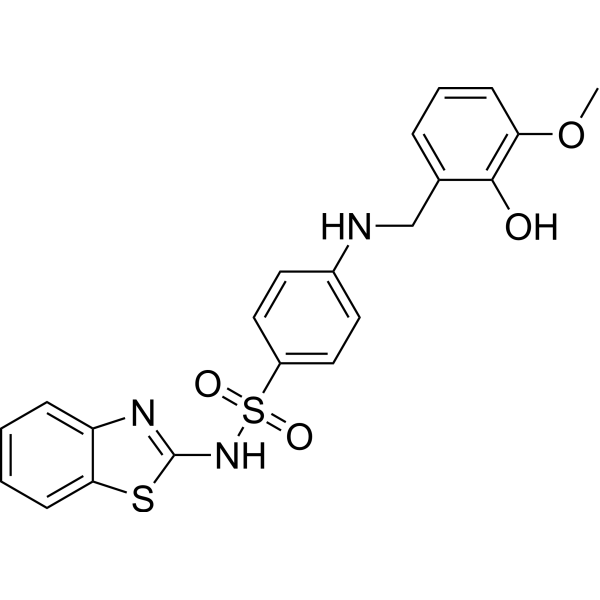
KM91104 is a cell-permeable V-ATPase a3-b2 inhibitor (IC50 = 2.3 µM). KM91104 reduces the metabolic activity, cell proliferation capacity and V-ATPase subunit protein expression levels of primary human hepatic stellate cells, increases intracellular ATP levels and decreases cytoplasmic pH. KM91104 reduces TLR4 expression on the surface of oligodendrocyte precursor cells, blocks the ENV-TLR4 interaction, and reverses oligodendrocyte myelination defects induced by ENV protein .
loading...
    loading...
4
4 Cited Publications
Cat. No.: HY-16276
CAS No.: 928134-65-0
Synonyms: LCI699
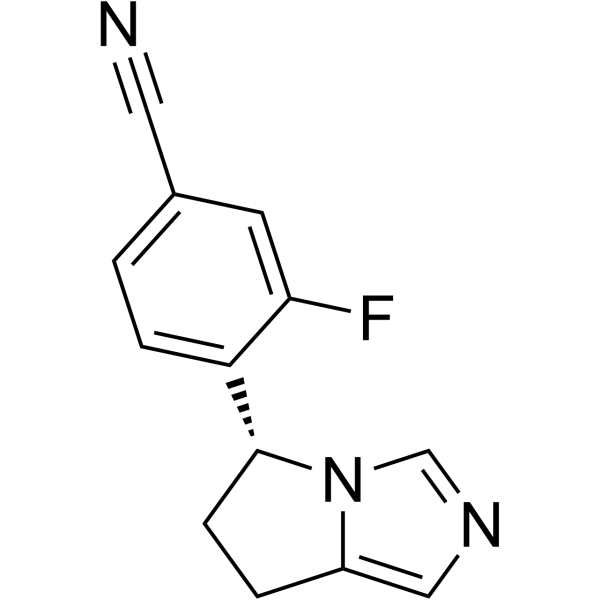
Osilodrostat (LCI699) is a potent, orally active11β-hydroxylase (CYP11B1) inhibitor with an IC50 value of 35 nM. Osilodrostat is a potent, orally aldosterone synthase (CYP11B2) inhibitor with IC50 values of 0.7 nM and 160 nM for human aldosterone synthase and rat aldosterone synthase, respectively. Osilodrostat inhibits aldosterone and corticosterone synthesis. Osilodrostat has blood pressure lowering ability. Osilodrostat can be used for research of Cushing syndrome (CS) .
loading...
    loading...
4
4 Cited Publications
Cat. No.: HY-16276A
CAS No.: 1315449-72-9
Synonyms: LCI699 phosphate
Research Areas:  

Cardiovascular Disease Cancer

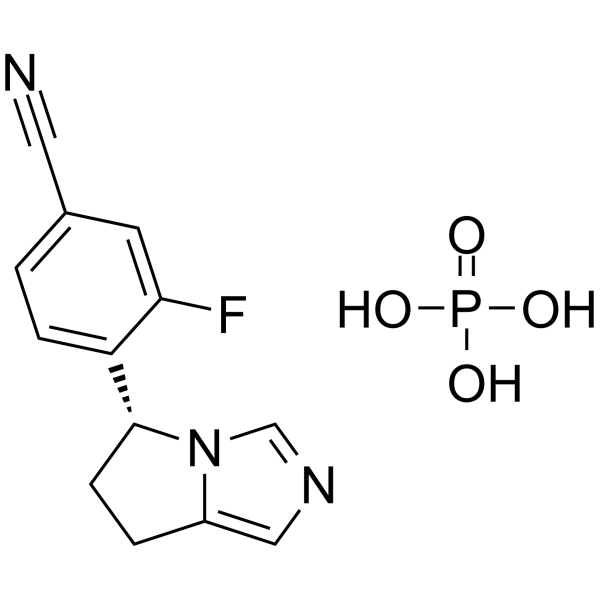
Osilodrostat (LCI699) phosphate is a potent, orally active11β-hydroxylase (CYP11B1) inhibitor with an IC50 value of 35 nM. Osilodrostat phosphate is a potent, orally aldosterone synthase (CYP11B2) inhibitor with IC50 values of 0.7 nM and 160 nM for human aldosterone synthase and rat aldosterone synthase, respectively. Osilodrostat phosphate inhibits aldosterone and corticosterone synthesis. Osilodrostat phosphate has blood pressure lowering ability. Osilodrostat phosphate can be used for research of Cushing syndrome (CS) .
loading...
    loading...
4
4 Cited Publications
Cat. No.: HY-107574
CAS No.: 17328-16-4
Purity:  98.03%
TC-E 5003 is a selective protein arginine methyltransferase 1 (PRMT1) inhibitor with an IC50 of 1.5 µM against hPRMT1. TC-E 5003 modulates the lipopolysaccharide (LPS) (HY-D1056)-induced AP-1 and NF-κB signaling pathways with anti-inflammatory properties. TC-E 5003 also upregulates the expression of Ucp1 and Fgf21, activates protein kinase A signaling and lipolysis in primary subcutaneous adipocytes from both mouse and humans. TC-E 5003 is promising for research of obesity and associated metabolic disorders, oxidative stress, inflammation and cancers .
loading...
    loading...
4
4 Cited Publications
Cat. No.: HY-125913
CAS No.: 618-39-3
Target:  

Ser/Thr Protease

Research Areas:  

Inflammation/Immunology

Benzamidine is a competitive protease inhibitor that blocks the hydrolytic cleavage of glucagon by plasmin, trypsin and thrombin. Benzamidine effectively inhibits the degradation of glucagon by relevant proteases during the collection, storage and analysis of human plasma and blood samples. During in vivo metabolism, Benzamidine undergoes N-hydroxylation and produces multiple metabolites, exhibiting characteristics of delayed excretion or biphasic elimination. Benzamidine only induces slight single-strand DNA breaks at high concentrations and shows no significant genotoxic potential overall. Benzamidine may interfere with the detection of some glucagon antisera, but does not affect key antigen-antibody affinity at specific concentrations. Benzamidine can be used as a stabilizer in glucagon radioimmunoassays to ensure the accuracy and recovery rate of detection results .
loading...
    loading...
3
3 Cited Publications
Cat. No.: HY-B0607
CAS No.: 104206-65-7
Synonyms: NTBC; Nitisone; SC0735
Target:  

HPPD

Research Areas:  

Metabolic Disease

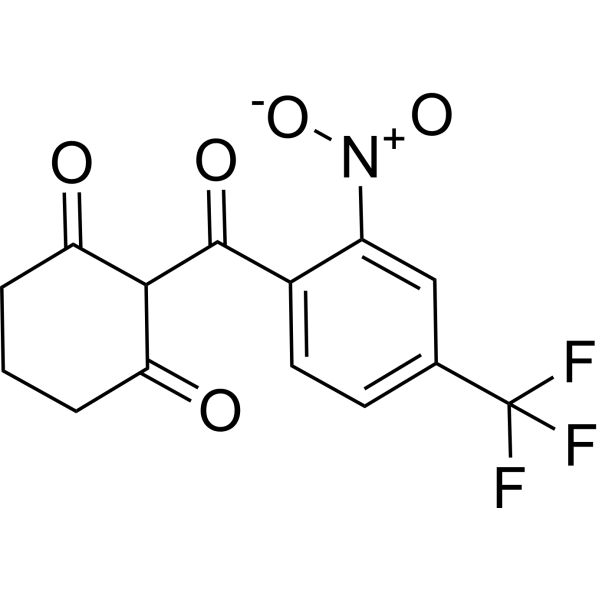
Nitisinone is an orally active, competitive and reversible 4-hydroxyphenylpyruvate dioxygenase (4-HPPD) inhibitor with an IC50 of 173 nM. Nitisinone promotes tyrosine accumulation in a dose-dependent manner. nitisinone can be used in studies of hereditary tyrosinemia type 1 (HT-1) (a rare genetic disorder) and albinism .
loading...
    loading...
3
3 Cited Publications
Cat. No.: HY-12784A
CAS No.: 152-53-4
Purity:  99.93%
Synonyms: Chlorguanide triazine hydrochloride
Research Areas:  

Infection Cancer

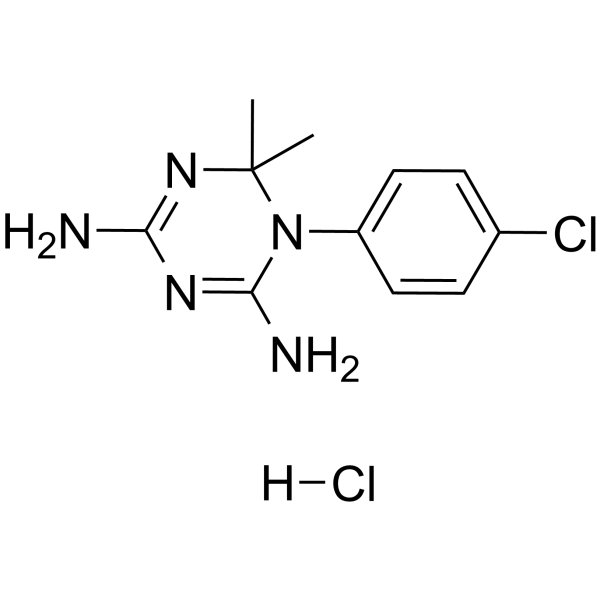
Cycloguanil (Chlorguanide triazine) hydrochloride is a dihydrofolate reductase (DHFR) inhibitor with an IC50 of 10.8 μM against human DHFR. Cycloguanil hydrochloride blocks the folate metabolic pathway, thereby affecting nucleotide synthesis and interfering with DNA replication. Cycloguanil inhibits DHFR in Plasmodium and is thus used in malaria research. Cycloguanil hydrochloride also potently inhibits DHFR in human cancer cells and blocks the transcriptional activity of STAT3, thereby exhibiting anticancer activity .
loading...
    loading...
3
3 Cited Publications
Cat. No.: HY-B1178
CAS No.: 486-56-6
Synonyms: (-)-Cotinine; (S)-Cotinine; NIH-10498
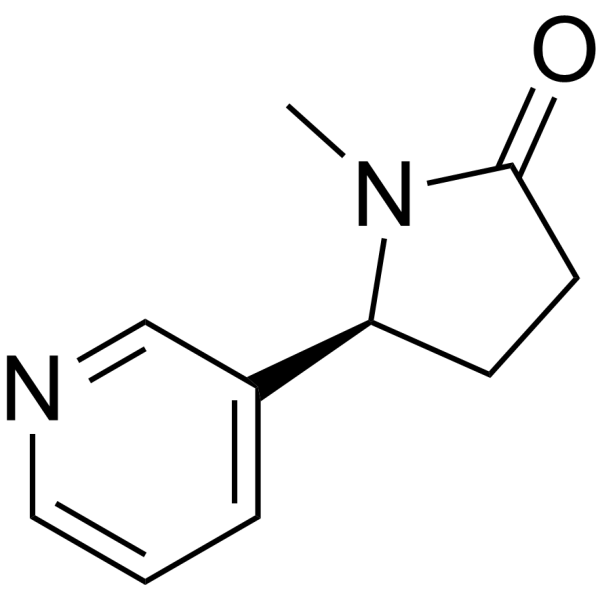
Cotinine ((-)-Cotinine) is an orally active alkaloid found in tobacco and is the primary metabolite of nicotine. Cotinine is metabolized by CYP2A13 into trans-3'-hydroxycotinine. Cotinine is used as a biomarker to measure exposure to tobacco smoke components. Cotinine has vasodepressor activity. The mixture of cotinine and nicotine (Nicotine) has antiproliferative activity against pterygium. (S)-(-)-Cotinine activates nicotinic acetylcholine receptors (nAChR) in a calcium-dependent manner, leading to the release of dopamine (Dopamine, HY-B0451). Cotinine ((-)-Cotinine) is used in research related to cardiovascular and inflammatory diseases .
loading...
    loading...

