
1. Search Result
Search Result
Results for "

pylori

" in MedChemExpress (MCE) Product Catalog:

96

Inhibitors & Agonists

5

Biochemical Assay Reagents

3

Peptides

39

Natural
Products

4

Recombinant Proteins

4

Isotope-Labeled Compounds

Cat. No. Product Name Target Research Areas Chemical Structure
  • HY-B2196
    Gastric mucin
    3 Publications Verification

    Antibiotic Bacterial Infection Metabolic Disease
    Gastric mucin is a glycoprotein with natural antibiotic function. Gastric mucin against Helicobacter pylori infection. Gastric mucin effectively scavenges hydroxyl radical. Gastric mucin play a major role in the protection of the gastrointestinal tract from acid, proteases, pathogenic microorganisms, and mechanical trauma .
    Gastric mucin
  • HY-100007
    Vonoprazan
    Maximum Cited Publications
    6 Publications Verification

    TAK-438 free base

    Proton Pump Bacterial Endocrinology Cancer
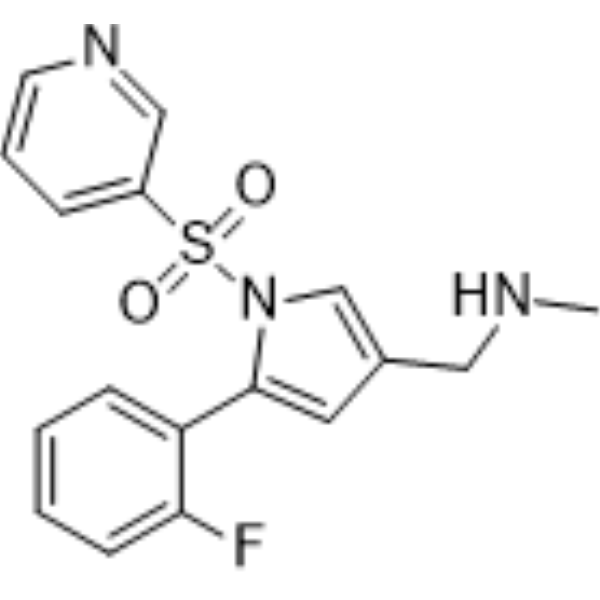
    Vonoprazan (TAK-438 free base), a proton pump inhibitor (PPI), is a potent and orally active potassium-competitive acid blocker (P-CAB), with antisecretory activity. Vonoprazan inhibits H +,K +-ATPase activity in porcine gastric microsomes with an IC50 of 19 nM at pH 6.5. Vonoprazan is developed for the research of acid-related diseases, such as gastroesophageal reflux disease and peptic ulcer disease. Vonoprazan can be used for eradication of Helicobacter pylori .
    Vonoprazan
  • HY-113365

    4-Cholesten-3-one

    Endogenous Metabolite Infection Metabolic Disease
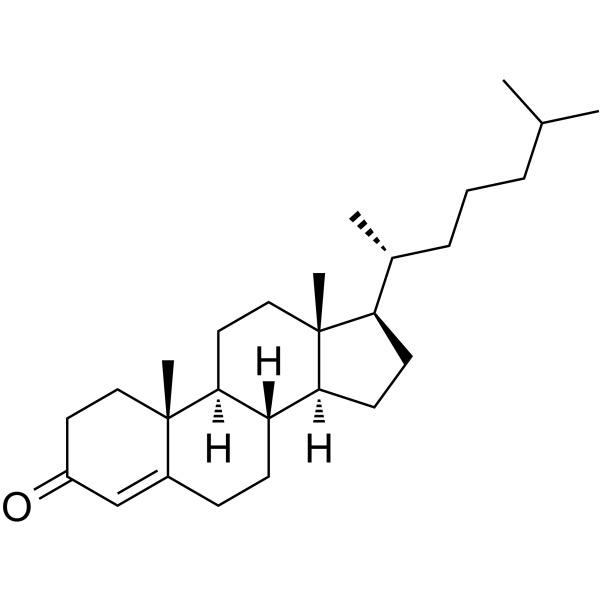
    Cholestenone (4-cholesten-3-one) is an orally available antimicrobial agent that is metabolized primarily in the liver as an intermediate oxidation product of cholesterol. Cholestenone inhibits human dermal fibroblast migration and fights Helicobacter pylori infection in vitro and in mouse models by inhibiting cholesterol-α-D-glucopyranoside (CGL). Cholestenone also alleviates metabolic disorders caused by obesity in db/db mice .
    Cholestenone
  • HY-W015551

    (E)-Dec-2-enal

    Bacterial Reactive Oxygen Species (ROS) Infection
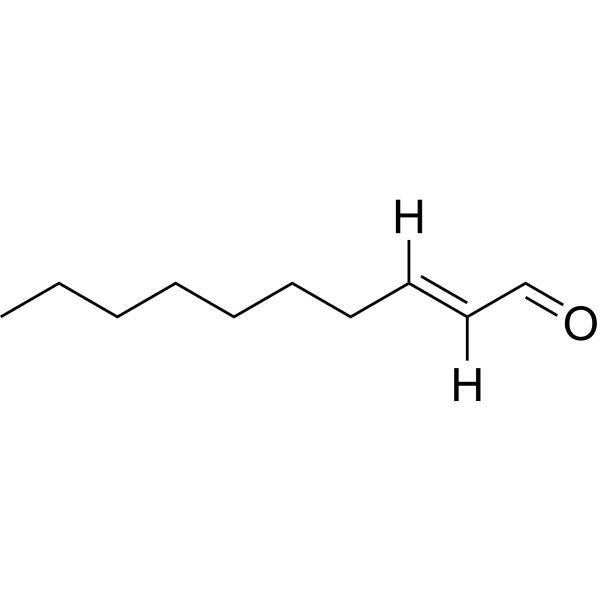
    trans-2-Decenal ((E)-Dec-2-enal) acts as a urease inhibitor and antibacterial agent against Helicobacter pylori, with an IC50 of 9.484 μg/mL against Helicobacter pylori urease. trans-2-Decenal reduces the urease activity of Helicobacter pylori, and possesses antibacterial, bactericidal, anti-biofilm and anti-migratory activities. It alters the morphology of Helicobacter pylori, induces bacterial rupture, inhibits biofilm formation, reduces the number of mature biofilms and impairs the migratory capacity of Helicobacter pylori. trans-2-Decenal disrupts the cell wall integrity of Phytophthora capsici, damages membrane integrity and permeability, triggers intracellular reactive oxygen species (ROS) accumulation, decreases glutathione levels and disrupts the mitochondrial membrane potential of Phytophthora capsici. trans-2-Decenal is applicable to studies related to Helicobacter pylori and plant diseases induced by and Phytophthora capsici .
    trans-2-Decenal
  • HY-16102

    Antibiotic Bacterial Infection
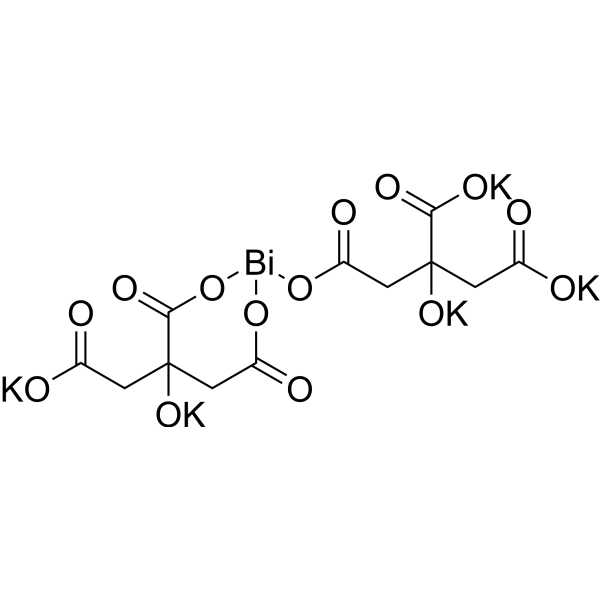
    Bismuth subcitrate potassium is a compound bismuth salt with oral activity. Bismuth subcitrate potassium has antibacterial activity and can inhibit the growth of Campylobacter pyloridis with a MIC50 of 8 μg/mL. Bismuth subcitrate potassium can be used in the study of gastrointestinal diseases infected by Campylobacter pyloridis .
    Bismuth subcitrate potassium
  • HY-N0447
    8-Gingerol
    5 Publications Verification

    TRP Channel Bacterial Apoptosis Autophagy STAT PERK EGFR PI3K Akt mTOR Caspase MMP Infection Cardiovascular Disease Inflammation/Immunology Cancer
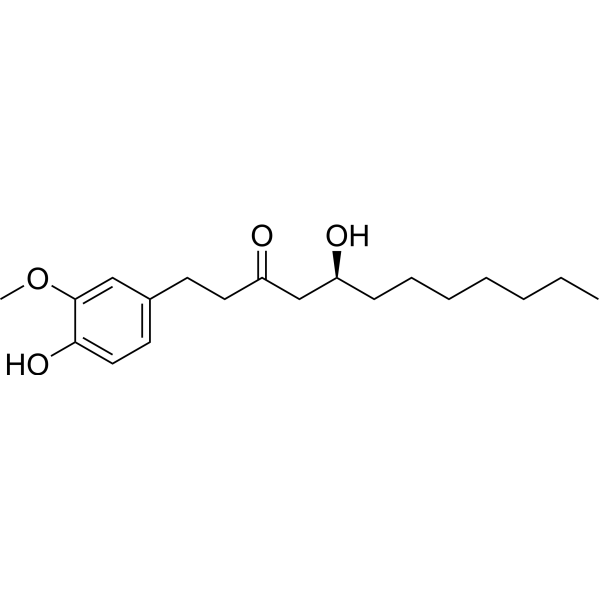
    8-Gingerol can be found in the rhizome of ginger (Z. officinale) and has oral bioactivity. It activates TRPV1, with an EC50 value of 5.0 µM. 8-Gingerol inhibits COX-2 and also suppresses the growth of H. pylori in vitro. Additionally, 8-Gingerol exhibits anticancer, antioxidant, and anti-inflammatory properties by inhibiting the epidermal growth factor receptor (EGFR) and modulating its downstream STAT3/ERK pathway to suppress the proliferation, migration, and invasion of colorectal cancer cells. 8-Gingerol also exerts immunosuppressive effects by inhibiting oxidative stress, inducing cell cycle arrest, promoting apoptosis, and regulating autophagy. Furthermore, 8-Gingerol has cardioprotective effects. 8-Gingerol is promising for research in the fields of cancer, infection, immunosuppression, and cardiovascular diseases.
    8-Gingerol
  • HY-126387

    Bacterial Antibiotic Penicillin-binding protein (PBP) Infection
    Moenomycin complex is a class of antibacterial agents and PBP inhibitors, with Kd values ranging from 94 nM to 1690 nM against various bacterial PBPs. Moenomycin complex inhibits bacterial growth by blocking the transglycosylase activity of class A penicillin-binding proteins (PBPs). Moenomycin complex is used in the research of bacterial infections .
    Moenomycin complex
  • HY-N5048

    6'-O-Galloyl paeoniflorin

    NF-κB ERK JNK Nuclear Factor of activated T Cells (NFAT) Keap1-Nrf2 PI3K Akt Reactive Oxygen Species (ROS) Apoptosis DNA/RNA Synthesis Infection Neurological Disease Metabolic Disease Inflammation/Immunology
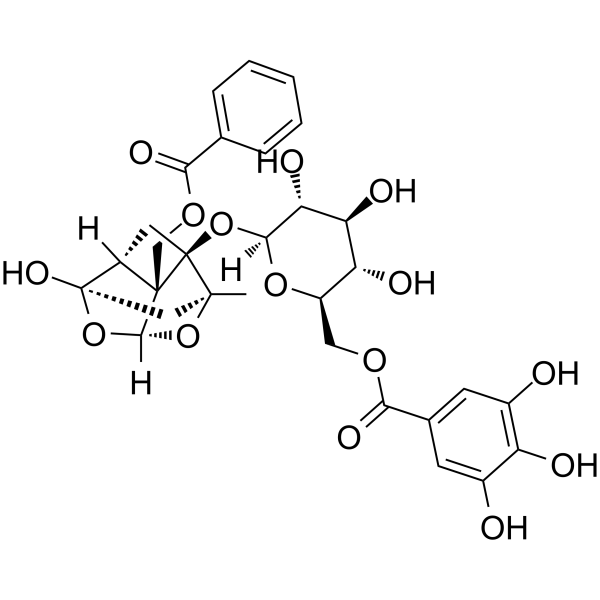
    Galloylpaeoniflorin (6'-O-Galloyl paeoniflorin) is an orally active galloylated derivative of Paeoniflorin (HY-N0293) found in peony roots with various anti-inflammatory and antioxidant activities. Galloylpaeoniflorin suppresses RANKL-induced activation of ERK, JNK, c-Fos, c-Jun, and NFATc1, and reduces osteoclast-specific gene expression. Galloylpaeoniflorin activates Nrf2 and PI3K/Akt pathways, inhibits NF-κB activation, and scavenges ROS to reduce oxidative DNA, lipid, and protein damage. Galloylpaeoniflorin attenuates neuroinflammation, inhibits apoptosis, reduces Helicobacter pylori-induced gastric mucosa injury and UVB-induced cell damage. Galloylpaeoniflorin can be used for the research of osteoporosis, gastritis, ischemic stroke and skin diseases .
    Galloylpaeoniflorin
  • HY-144300

    TNP-2198

    Bacterial Infection
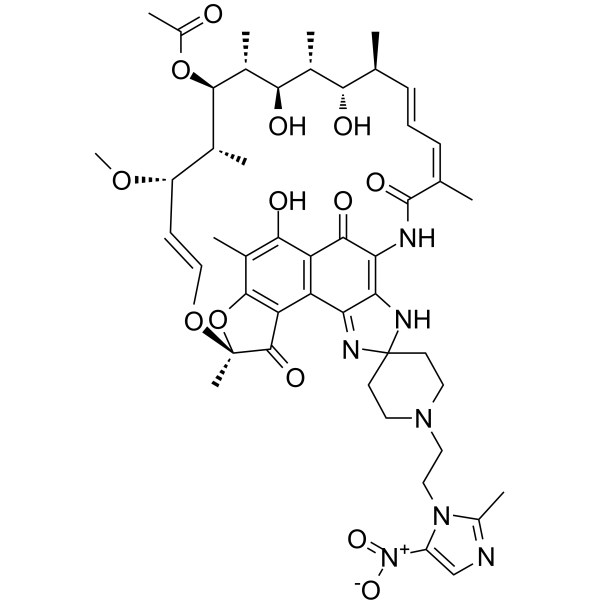
    Rifasutenizol (TNP-2198) is a dual-targeted antibacterial agent that has a good antibacterial effect on Helicobacter pylori infection. Rifasutenizol can be used in the study of microaerophilic and anaerobic bacterial infections .
    Rifasutenizol
  • HY-W004294

    Environmental Pollutants Bacterial Interleukin Related Infection Inflammation/Immunology Endocrinology
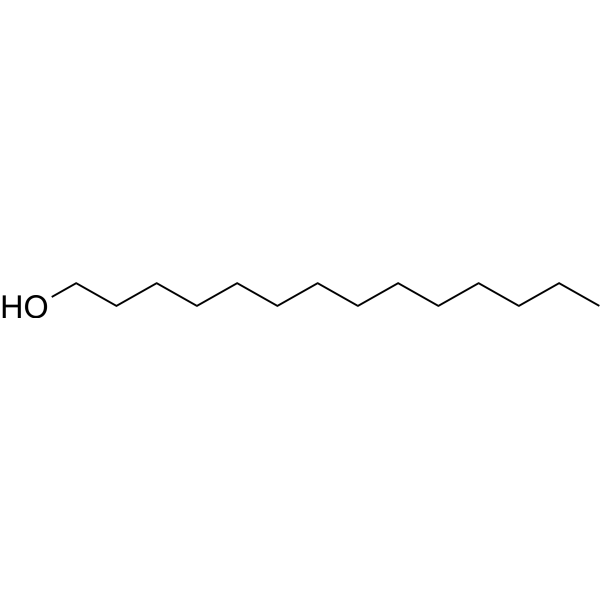
    1-Tetradecanol is a straight-chain saturated fatty alcohol and antibacterial agent. 1-Tetradecanol can be isolated from Myristica fragrans. 1-Tetradecanol possesses antibacterial and anti-inflammatory (periodontitis) activity .
    1-Tetradecanol
  • HY-105088

    MSI 78 free base

    Bacterial Infection Cancer
    Pexiganan (MSI 78) is an orally active antimicrobial peptide with broad-spectrum bactericidal. Pexiganan disrupts bacterial cell membranes, induces peptidoglycan damage and cell lysis. Pexiganan TFA can be used for the research of bacterial infection .
    Pexiganan
  • HY-W003467

    Drug Metabolite Bacterial Infection Inflammation/Immunology
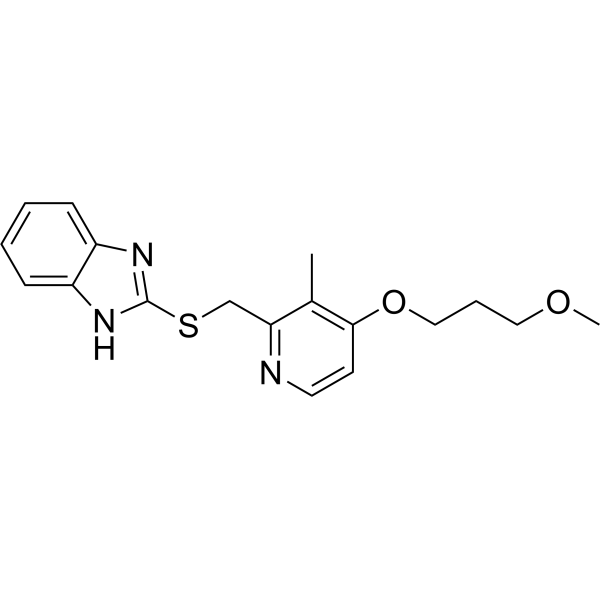
    Rabeprazole Sulfide is a sulfide metabolite of Rabeprazole (HY-B0656). Rabeprazole Sulfide inhibits Helicobacter pylori motility. Rabeprazole Sulfide can be used for the research of Helicobacter pylori infection .
    Rabeprazole Sulfide
  • HY-N7067
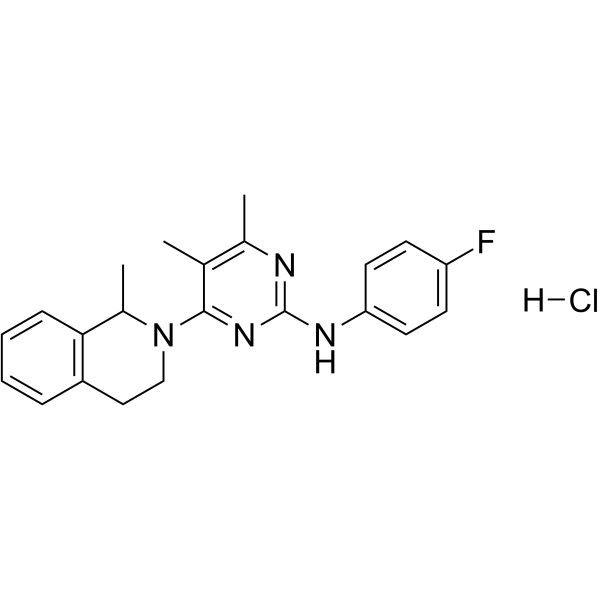
    Revaprazan hydrochloride
    2 Publications Verification

    Proton Pump Bacterial COX NF-κB ERK Akt Infection Inflammation/Immunology
    Revaprazan hydrochloride is reversible proton pump inhibitor. Revaprazan hydrochloride can inhibit gastric acid secretion and protect gastric mucosa. Revaprazan hydrochloride can inhibit IkappaB-alpha degradation as well as Akt inactivation, resulting in attenuation of H. pylori-induced COX-2 expression. Revaprazan hydrochloride can be used for the researches of infection and inflammmation, such as H. pylori-infected gastric inflammation and gastric ulcer .
    Revaprazan hydrochloride
  • HY-N0207
    Patchouli alcohol
    2 Publications Verification

    Environmental Pollutants Bacterial Infection Inflammation/Immunology Cancer
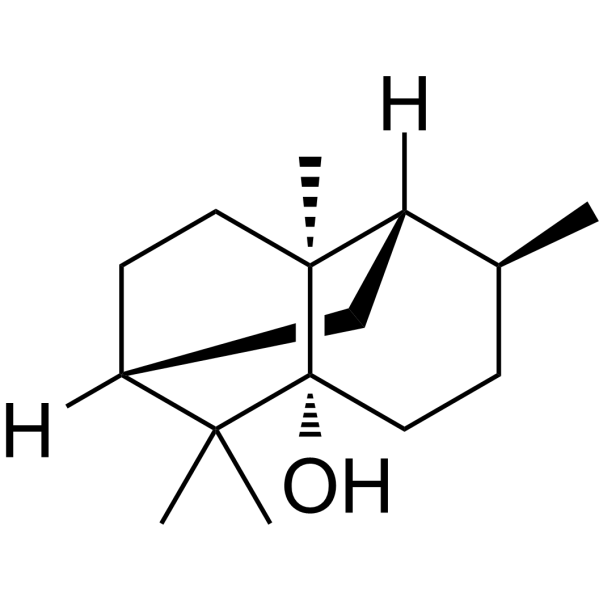
    Patchouli alcohol is a natural tricyclic sesquiterpene, exhibits anti-Helicobacter pylori, anti-inflammatory and antioxidant properties .
    Patchouli alcohol
  • HY-100956

    Bacterial Urease Infection Metabolic Disease
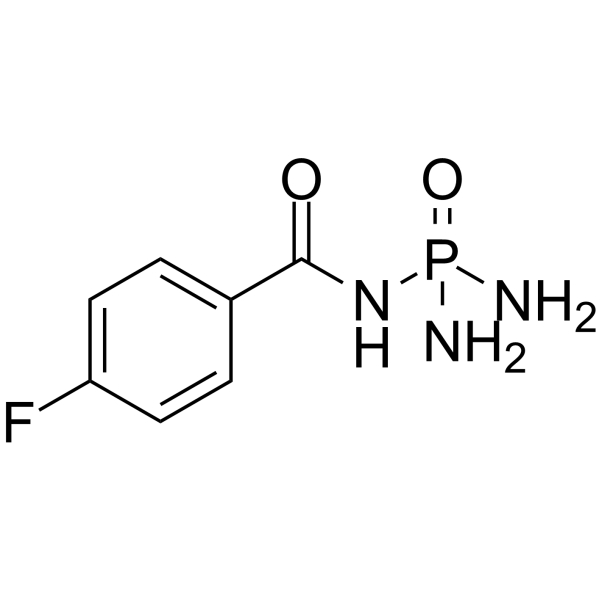
    Flurofamide is an effective bacterial urease inhibitor and antibacterial agent. Flurofamide inhibits urease and partially inhibits the chemotactic activity of Helicobacter pylori strain CPY3401. Flurofamide inhibits the growth of Ureaplasma urealyticum. Flurofamide reduces blood ammonia. Flurofamide can be used in the research of infectious urinary stones .
    Flurofamide
  • HY-N2040
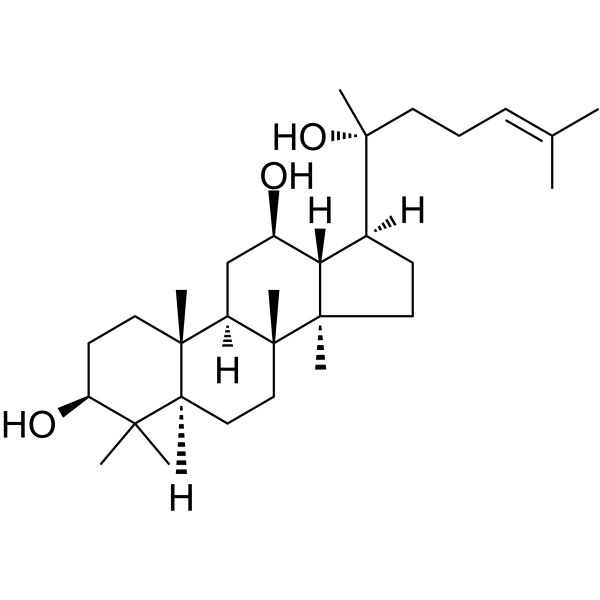
    (20R)-Protopanaxadiol
    1 Publications Verification

    Bacterial Interleukin Related Infection Inflammation/Immunology Cancer
    (20R)-Protopanaxadiol is a metabolite of ginsenosides. (20R)-Protopanaxadiol has anti-inflammatory and antibacterial activities, but shows no significant cytotoxicity against tumor cell lines. In addition, (20R)-Protopanaxadiol can inhibit the uptake of 2-deoxy-D-glucose (2-DG) .
    (20R)-Protopanaxadiol
  • HY-118877
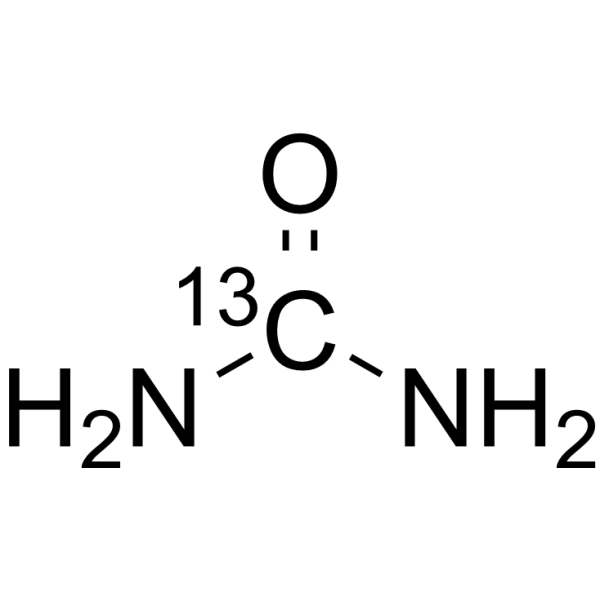
    Urea-13C
    1 Publications Verification

    Carbonyl diamide-13C

    Isotope-Labeled Compounds Infection
    Urea- 13C is the 13C labelled urea. The Urea- 13C breath test ( 13C-UBT) is one of the best methods for the diagnosis of Helicobacter pylori infection .
    Urea-13C
  • HY-B0643
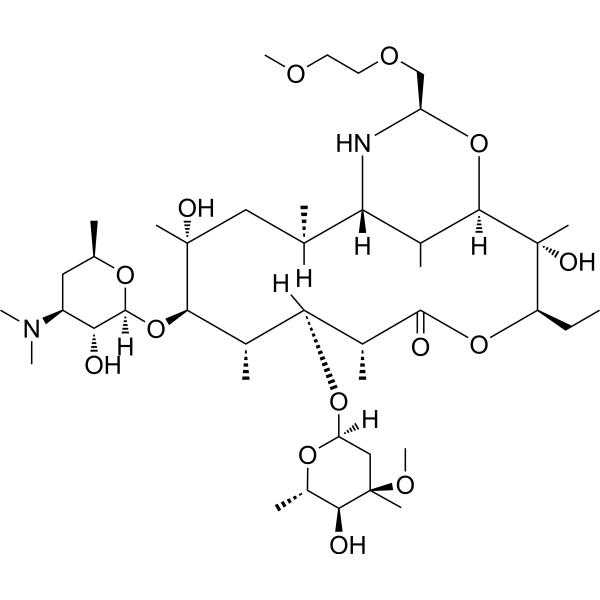
    Dirithromycin
    1 Publications Verification

    LY237216

    Bacterial Antibiotic Infection
    Dirithromycin (LY237216), a derivative of Erythromycin, is a potent and orally active semi-synthetic macrolide antibiotic. Dirithromycin is active against gram-positive bacteria, Legionella spp., Helicobacter pylori, and Chlamydia trachomatis .
    Dirithromycin
  • HY-122267

    trans-Clovamide

    Reactive Oxygen Species (ROS) Bacterial Influenza Virus Apoptosis Neurological Disease Inflammation/Immunology
    Clovamide (trans-Clovamide), a natural phenolic compound, is a potent antioxidant. Clovamide is an excellent ROS and oxygen radical scavenger. Clovamide also has anti-inflammatory and neuroprotective effects . Clovamide is an anti-microbial with activity against the human pathogens influenza A subtype H5N1, Trypanosoma evansi, and Heliobacter pylori .
    Clovamide
  • HY-105099

    KRM-1648; ABI-1648

    Antibiotic DNA/RNA Synthesis Bacterial Infection Inflammation/Immunology
    Rifalazil (KRM-1648; ABI-1648), a rifamycin derivative, inhibits the bacterial DNA-dependent RNA polymerase and kills bacterial cells by blocking off the β-subunit in RNA polymerase . Rifalazil (KRM-1648; ABI-1648) is an antibiotic, exhibits high potency against mycobacteria, gram-positive bacteria, Helicobacter pylori, C. pneumoniae and C. trachomatis with MIC values from 0.00025 to 0.0025 μg/ml . Rifalazil (KRM-1648; ABI-1648) has the potential for the treatment of Chlamydia infection, Clostridium difficile associated diarrhea (CDAD), and tuberculosis (TB) .
    Rifalazil
  • HY-N3386

    Bacterial Infection
    Licoricone is an flavonoid extracted from licorice, exhibits anti-helicobacter pylori activity against the CLAR and AMOX-resistant strain as well as four CLAR (AMOX)-sensitive strains .
    Licoricone
  • HY-148706

    STAT Infection Cancer
    STAT3-IN-17 is a moderate STAT3 inhibitor (IC50=0.7 μM; HEK-Blue IL-6), with antiproliferative activity in HeLa cells. STAT3-IN-17 has good pharmacokinetic characteristics. STAT3-IN-17 also inhibits pyruvate-ferredoxin oxidoreductase (PFOR), and inhibits Helicobacter pylori .
    STAT3-IN-17
  • HY-E70058

    α-1-3,4 FucT; Hp3/4FT

    Endogenous Metabolite Metabolic Disease
    alpha-1,3/4-Fucosyltransferase (α1,3/4FucT) (EC 2.4.1.65) (Hp3/4FT) can be found in Helicobacter pylori. alpha-1,3/4-Fucosyltransferase (α1,3/4FucT) catalyzes fucose transfer from donor GDP-beta-l-fucose to the GlcNAc .
    α-1-3,4 Fucosyltransferase, helicobacter pylori
  • HY-120536
    HPi1
    1 Publications Verification

    Bacterial Infection
    HPi1 is a potent, selective and orally active antimicrobial against Helicobacter pylori with an IC50 of 0.24 μM and an MIC of 0.08-0.16 μg/mL. HPi1 is inactive against other bacteria, including the gut commensals Lactobacillus casei, Lactobacillus reuteri, and Bifidobacterium longum .
    HPi1
  • HY-N2452

    GLP Receptor Cardiovascular Disease Infection Metabolic Disease
    Cochinchinenin C is a GLP-1R agonist that binds to the extracellular domain of the receptor via hydrophobic interactions and hydrogen bonds, and promotes glucose-dependent insulin secretion from pancreatic β-cells. Cochinchinenin C also increases intracellular cAMP and ATP levels. At low concentrations, Cochinchinenin C binds to human serum albumin, alters its microenvironment, and induces dominant static fluorescence quenching. Cochinchinenin C shows almost no cytotoxicity to pancreatic β-cells, and exerts a synergistic effect with Loureirin A (HY-N1505) when binding to human serum albumin. Cochinchinenin C has been widely used in studies of type 2 diabetes, Helicobacter pylori infection, thrombotic diseases, and other conditions .
    Cochinchinenin C
  • HY-106789

    CS-684

    Bacterial Infection Inflammation/Immunology Cancer
    Plaunotol is an orally active acyclic diterpene alcohol. Plaunotol has antibacterial activity against Helicobacter pylori which causes peptic ulcer . Plaunotol inhibits tumor angiogenesis and cell proliferation. Plaunotol induces apoptosis by activation of caspase 8 and caspase 9 pathways. Plaunotol is a potential anticancer agent against colon cancer .
    Plaunotol
  • HY-100007A
    Vonoprazan hydrochloride
    Maximum Cited Publications
    6 Publications Verification

    TAK-438 hydrochloride

    Proton Pump Bacterial Infection Endocrinology Cancer
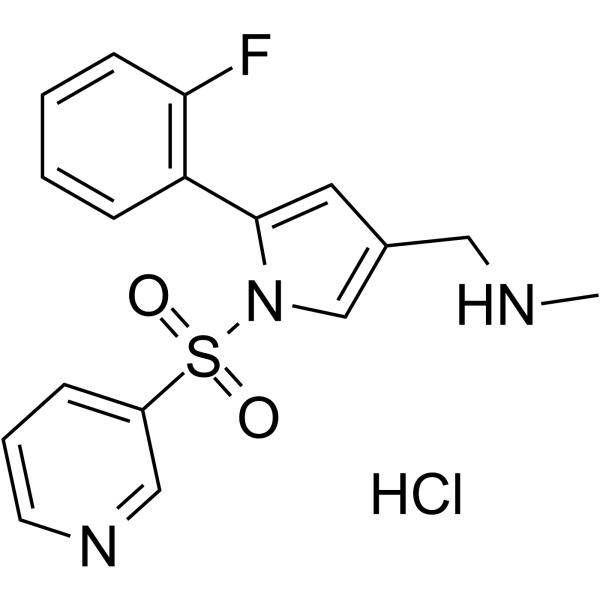
    Vonoprazan hydrochloride, a proton pump inhibitor (PPI), is a potent and orally active potassium-competitive acid blocker (P-CAB), with antisecretory activity. Vonoprazan hydrochloride inhibits H +,K +-ATPase activity in porcine gastric microsomes with an IC50 of 19 nM at pH 6.5. Vonoprazan hydrochloride is developed for the research of acid-related diseases, such as gastroesophageal reflux disease and peptic ulcer disease. Vonoprazan hydrochloride can be used for eradication of Helicobacter pylori .
    Vonoprazan hydrochloride
  • HY-E70064A

    Hp3FT

    Glycosyltransferase Others
    Helicobacter pylori alpha-1,3-fucosyltransferase (Hp3FT) catalyzes the glycosyl addition of fucose from the donor GDP-fucose to the acceptor N-acetyllactosamine .
    Helicobacter pylori alpha-1,3-fucosyltransferase
  • HY-121851

    SB 641257

    Proton Pump Bacterial COX NF-κB ERK Akt Infection Inflammation/Immunology
    Revaprazan (SB 641257) is reversible proton pump inhibitor. Revaprazan can inhibit gastric acid secretion and protect gastric mucosa. Revaprazan can inhibit IkappaB-alpha degradation as well as Akt inactivation, resulting in attenuation of H. pylori-induced COX-2 expression. Revaprazan can be used for the researches of infection and inflammmation, such as H. pylori-infected gastric inflammation and gastric ulcer .
    Revaprazan
  • HY-B0693A

    Histamine Receptor SARS-CoV Bacterial Infection Metabolic Disease Cancer
    Ranitidine bismuth citrate is a potent, selective and orally active histamine H2-receptor antagonist that inhibits gastric secretion. Ranitidine bismuth citrate antagonizes Histamine (HY-B1204)-induced increases of the guinea-pig isolated rat atrium and Histamine-induced relaxations of the rat isolated uterine horn, with pA2 values of 7.2 and 6.95, respectively. Ranitidine bismuth citrate has selectivity for SARS-CoV-2-infected cells. Ranitidine bismuth citrate also has anti-Helicobacter pylori infection. Ranitidine bismuth citrate inhibits breast tumor development and spread in mice .
    Ranitidine bismuth citrate
  • HY-141488

    Galβ1-3GlcNAc

    Endogenous Metabolite Endocrinology
    Lacto-N-biose I (Galβ1-3GlcNAc), as an endogenous metabolite, is an acceptor for the α1,2-fucosyltransferase enzyme from Helicobacter pylori .
    Lacto-N-biose I
  • HY-127072

    Antibiotic Bacterial Infection Inflammation/Immunology Cancer
    Amicoumacin A is an orally active antibiotic. Amicoumacin A targets bacterial ribosomes and inhibits bacterial translation by stabilizing the interaction between mRNA and ribosomes. Amicoumacin A induces cancer cell death by targeting eukaryotic ribosomes. Amicoumacin A exhibits anti-inflammatory and anti-ulcer activities, inhibits carrageenan-induced paw edema, and prevents stress-induced gastric ulcers. Amicoumacin A inhibits the growth of Gram-positive bacteria, Salmonella spp., Shigella spp., Helicobacter pylori, and methicillin-resistant Staphylococcus aureus. Amicoumacin A can be used in the research of lung cancer, breast cancer, bacterial infections, inflammatory edema and gastric ulcers [2] .
    Amicoumacin A
  • HY-N11054

    Bacterial Infection
    Psoracorylifol B is a Helicobacter pylori inhibitor with MICs of both 12.5 μg/mL against H. pylori ATCC 43504 and H. pylori SS1 .
    Psoracorylifol B
  • HY-B0691A

    TA-2711

    Reactive Oxygen Species (ROS) Bacterial Apoptosis Infection
    Ecabet sodium (TA-2711) is currently applied to some gastrointestinal disease by inhibiting the ROS production and improving Helicobacter pylori eradication . Ecabet sodium reduces apoptosis .
    Ecabet sodium
  • HY-N2192
    Swertianolin
    1 Publications Verification

    Bacterial p38 MAPK NF-κB NO Synthase Reactive Oxygen Species (ROS) Infection Neurological Disease Inflammation/Immunology
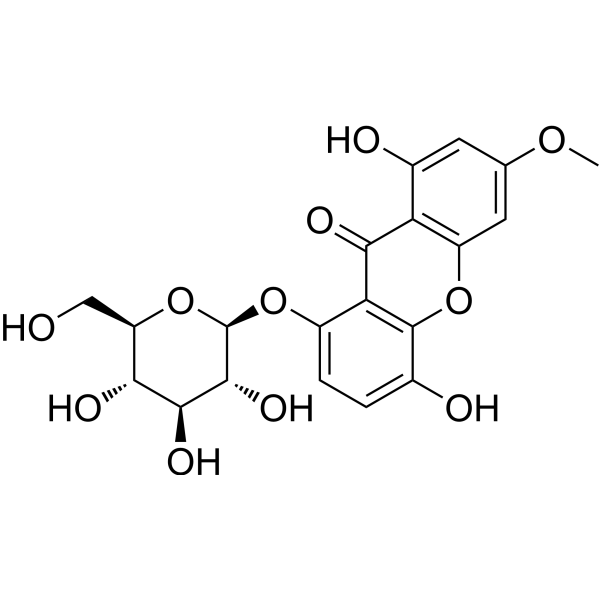
    Swertianolin is a xanthone glycoside. Swertianolin can be isolated from plants of the Gentianaceae family (e.g., Gentiana campestris and Swertia punicea). Swertianolin inhibits p38 phosphorylation and NF-κB activation, and reduces NO and ROS production. Swertianolin exhibits anti-Helicobacter pylori activity with an IC50 of 6.1 μM and a minimum bactericidal concentration of 91.7 μM. Swertianolin modulates immune function in sepsis. Swertianolin is useful in the research of diseases such as Alzheimer's disease, hepatitis B, Helicobacter pylori infection, and sepsis .
    Swertianolin
  • HY-106959

    (8S)-8-Fluoroerythromycin A; P-0501A

    Antibiotic Bacterial Infection
    Flurithromycin ((8S)-8-Fluoroerythromycin A) is an orally active broad spectrum antibiotic. Flurithromycin can be used in the research of bacterial infections .
    Flurithromycin
  • HY-N9530

    Acyltransferase Angiotensin Receptor Bacterial Infection Cardiovascular Disease Metabolic Disease
    1-Methyl-2-[(4Z,7Z)-4,7-tridecadienyl]-4(1H)-quinolone, a quinolone alkaloid, is a diacylglycerol acyltransferase inhibitor and angiotensin II receptor blocker, with IC50s of 20.1 μM and 34.1 μM, respectively. 1-Methyl-2-[(4Z,7Z)-4,7-tridecadienyl]-4(1H)-quinolone shows potent anti-Helicobacter pylori activity with the MIC of 10 μg/mL .
    1-Methyl-2-[(4Z,7Z)-4,7-tridecadienyl]-4(1H)-quinolone
  • HY-N15548

    Armeniaspirole A

    Bacterial Infection
    Armeniaspirol A (Armeniaspirole A) is an antibacterial agent targeting Helicobacter pylori cell membranes. Armeniaspirol A induces membrane permeabilization, cytoplasmic leakage, and biofilm inhibition/eradication. Armeniaspirol A is promising for research of H. pylori infection .
    Armeniaspirol A
  • HY-24547

    Phospholipase Infection
    HpFabZ-IN-1 (Compound 1) is an inhibitor of the key enzyme FabZ in the Helicobacter pylori fatty acid synthesis pathway, with its IC50 value being 39.8 µM. HpFabZ-IN-1 does not possess antibacterial activity .
    HpFabZ-IN-1
  • HY-N3142

    Bacterial Infection
    Oleuropeic acid 8-O-glucoside is a terpenic compound, that can be isolated from twigs with leaves of Juniperus communis var. depressa. Oleuropeic acid 8-O-glucoside shows antibacterial activity against three strains of Helicobacter pylori (NCTC11637, NCTC11916, and OCO1), with MIC of 100 μg/mL all .
    Oleuropeic acid 8-O-glucoside
  • HY-100007R

    TAK-438 (Standard)

    Reference Standards Proton Pump Bacterial Endocrinology
    Vonoprazan (Standard) is the analytical standard of Vonoprazan. This product is intended for research and analytical applications. Vonoprazan (TAK-438 free base), a proton pump inhibitor (PPI), is a potent and orally active potassium-competitive acid blocker (P-CAB), with antisecretory activity. Vonoprazan inhibits H +,K +-ATPase activity in porcine gastric microsomes with an IC50 of 19 nM at pH 6.5. Vonoprazan is developed for the research of acid-related diseases, such as gastroesophageal reflux disease and peptic ulcer disease. Vonoprazan can be used for eradication of Helicobacter pylori .
    Vonoprazan (Standard)
  • HY-105088A

    MSI 78

    Bacterial Infection
    Pexiganan (MSI 78) acetate is an orally active antimicrobial peptide with broad-spectrum bactericidal. Pexiganan TFA disrupts bacterial cell membranes, induces peptidoglycan damage and cell lysis. Pexiganan acetate can be used for the research of bacterial infection .
    Pexiganan acetate
  • HY-108421

    Bacterial Infection
    Xinjiachalcone A is an active principle of Glycyrrhiza inflata Batalin. Xinjiachalcone A shows both a low MIC and a strong bactericidal activity against H. pylori, with MIC values ranged from 12.5 to 50 µM for seventeen H. pylori strains .
    Xinjiachalcone A
  • HY-W140555

    Biochemical Assay Reagents Bacterial Infection
    5,7-Dimethoxyphthalide, a dimethoxy derivative of phthalide, can undergo nucleophilic substitution reactions with functionalized long-chain alkyl iodides. 5,7-Dimethoxyphthalide acts as a synthetic building block to prepare anti-Helicobacter pylori products including CJ molecule and sporotricale methyl ether. 5,7-Dimethoxyphthalide can be utilized for relevant researches on Helicobacter pylori infection and structure-activity relationship (SAR) .
    5,7-Dimethoxyphthalide
  • HY-167653

    Histamine Receptor Bacterial Infection
    FR-145715 is a histamine H2 receptor antagonist, with specific anti-Helicobacter pylori activities. FR-145715 can be used for the research of gastric lesions .
    FR-145715
  • HY-169823

    Bacterial Drug Derivative Infection
    BAS-118 is a benzamide derivative with antibacterial activity. The MIC50, MIC90 and MIC ranges of BAS-118 for 100 randomly selected isolates of Helicobacter pylori are ≤0.003, 0.013 and ≤0.003-0.025 mg/L, respectively. BAS-118 is promising for research of anti-H. pylori agent .
    BAS-118
  • HY-117760

    Bacterial Endogenous Metabolite Infection
    Spirolaxine is a plant growth inhibitor and possess significant anti-Helicobacter pylori activity. Spirolaxine exhibits cholesterol-lowering activity .
    Spirolaxine
  • HY-162149

    Bacterial Infection
    Urease-IN-12 (compound 5e) is a competitive urease inhibitor (IC50: 0.35 μM) with the potential to inhibit gastritis and peptic ulcer caused by Helicobacter pylori .
    Urease-IN-12
  • HY-N10820

    Bacterial Infection
    Psoracorylifol C is a natural product. Psoracorylifol C has important activity against Helicobacter pylori. Psoracorylifol C can be isolated from the seeds of Psoralea corylifolia .
    Psoracorylifol C
  • HY-161860

    Bacterial Cancer
    Antibacterial agent 233 (Compound 7c) exhibits inhibitory efficacy against Helicobacter pylori with MIC of 0.4-1.6 μg/mL. Antibacterial agent 233 inhibits jack bean urease (IC50 is 0.27 μg/mL), changes the permeability of H. pylori cell membrane, causes the leakage of cellular contents. Antibacterial agent 233 exhibits metabolic stability in whole blood and artificial gastric fluid. Antibacterial agent 233 exhibits antitumor efficacy against U2OS in mice .
    Antibacterial agent 233

Inquiry Online

Your information is safe with us. * Required Fields.

Salutation


Country or Region *

Applicant Name *


Organization Name *

Department *


Email Address *


Product Name *

Cat. No.


Requested quantity *

Phone Number *


Remarks

Inquiry Online

Inquiry Information

Product Name:
Cat. No.:
Quantity:
MCE Japan Authorized Agent:

