1. Search Result
Search Result
Results for "

rat liver hepatocytes

" in MedChemExpress (MCE) Product Catalog:

23

Inhibitors & Agonists

1

Biochemical Assay Reagents

6

Natural
Products

1

Click Chemistry

Targets Recommended:
Cat. No. Product Name Target Research Areas Chemical Structure
  • HY-50662
    A-769662
    Maximum Cited Publications
    42 Publications Verification

    AMPK Metabolic Disease
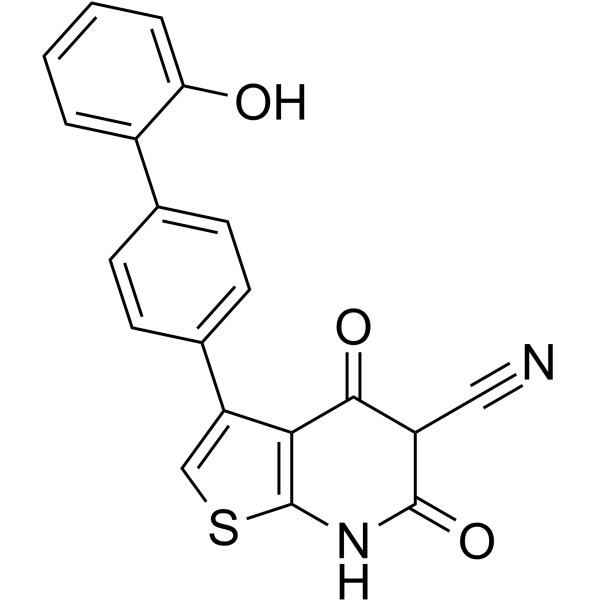
    A-769662 is a AMP-activated protein kinase (AMPK) activator. A-769662 inhibits the function of the 26S proteasome by an AMPK-independent mechanism and leads to cell cycle arrest. A-769662 directly stimulates partially purified rat liver AMPK (EC50 = 0.8 μM) and inhibits fatty acid synthesis in primary rat hepatocytes (IC50 = 3.2 μM). A-769662 can alleviate the symptoms of metabolic diseases such as type 2 diabetes .
    A-769662
  • HY-113422

    Endogenous Metabolite Glucocorticoid Receptor Inflammation/Immunology
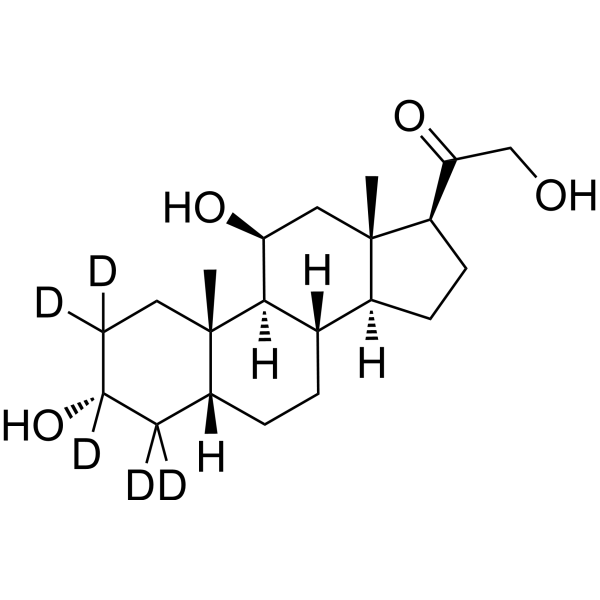
    Tetrahydrocorticosterone is a glucocorticoid. One of its active forms, 5α-Tetrahydrocorticosterone (HY-113364), exerts its effects by binding to the GC receptor and inhibiting inflammatory processes. Tetrahydrocorticosterone is naturally synthesized by the adrenal glands and plays a key role in regulating the metabolism of carbohydrates, proteins and fats .
    Tetrahydrocorticosterone
  • HY-NP181
    Testosterone/BSA
    1 Publications Verification

    Biochemical Assay Reagents Others
    Testosterone/BSA, a conjugate of Testosterone (HY-113415) and bovine serum albumin (BSA), acts as a nuclear transporter and cytoplasmic accumulator. Testosterone/BSA can enter the nuclei of rat testicular spermatocytes, spermatids and rat liver endothelial cells, while the antigenicity of BSA remains intact. Testosterone/BSA accumulates in the cytoplasm of rat hepatocytes in granular form. Testosterone/BSA can be used to investigate the membrane-initiated or non-genomic activities of steroid hormones .
    Testosterone/BSA
  • HY-156259

    Acyltransferase Inflammation/Immunology
    PF-07202954 is an orally active, highly selective DGAT2 inhibitor with an IC50 of 10 nM against human DGAT2 and an IC50 of 17 nM against rat DGAT2. PF-07202954 reduces triglyceride synthesis, decreases hepatic triglyceride content and plasma triglyceride levels, inhibits de novo lipogenesis, and suppresses the hepatic SREBP signaling pathway as well as the expression of SREBP target genes. PF-07202954 is applicable to research related to non-alcoholic steatohepatitis .
    PF-07202954
  • HY-N7436

    Glutathione S-transferase Cancer
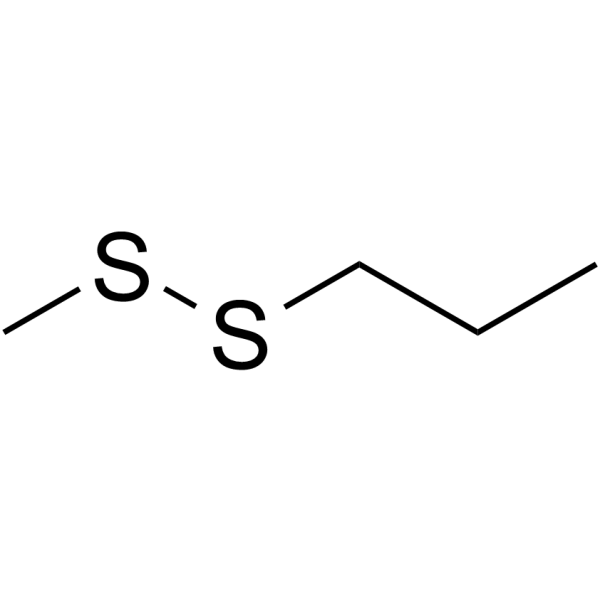
    Methyl propyl disulfide is an orally administrable volatile sulfide present in onions. Methyl propyl disulfide reduces the activity of spermine N'1-acetyltransferase (SAT), inhibits cell proliferation, and decreases the induction of placental glutathione S-transferase (GST-P)-positive hepatocyte foci in rat livers. Methyl propyl disulfide can be used in studies related to the mechanism of hepatocarcinogenesis .
    Methyl propyl disulfide
  • HY-19400

    DPH-153893

    HIV Protease HIV Cytochrome P450 Infection
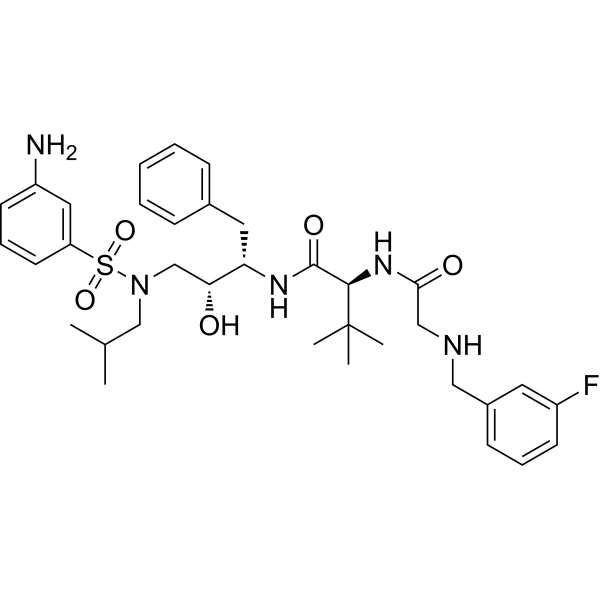
    DPC-681 (DPH-153893) is an orally active HIV inhibitor. DPC-681 inhibits HIV protease activity and inhibits wild-type and mutant HIV replication. DPC-681 can be used for the research of HIV infection .
    DPC-681
  • HY-B1588
    Carbenoxolone
    5+ Cited Publications

    Amyloid-β Gap Junction Protein Neurological Disease Metabolic Disease
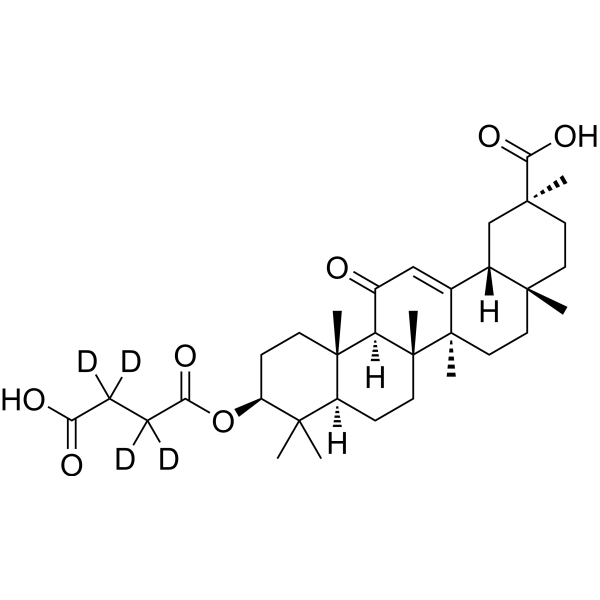
    Carbenoxolone is a blood-brain barrier-permeable Pannexin1 inhibitor, gap junction (Gap junction) blocker, and β-amyloid 42 inhibitor. Carbenoxolone modulates voltage-gated currents of wild-type and mutant Panx1, and inhibits stimulus-activated Panx1 channel function. Carbenoxolone interacts with stable residues of β-amyloid 42 peptides, fibrils and oligomers, thereby inhibiting their aggregation. Carbenoxolone alleviates liver fibrosis. Carbenoxolone exerts neuroprotective and nootropic effects. Carbenoxolone can be used in studies related to Alzheimer's disease and liver fibrosis .
    Carbenoxolone
  • HY-176274

    Fatty Acid Synthase (FASN) Stearoyl-CoA Desaturase (SCD) Reactive Oxygen Species (ROS) Interleukin Related TNF Receptor SOD LDLR Glutathione Peroxidase Metabolic Disease Inflammation/Immunology
    FASN/SCD-IN-1 is a Silybin (HY-N0779A) derivative, an orally active inhibitor of Fatty Acid Synthase (FASN)/Stearoyl-CoA Desaturase (SCD). FASN/SCD-IN-1 has shown in vitro activity in inhibiting lipid deposition, reducing FASN and SCD transcriptional levels, and exhibiting antioxidant, anti-inflammatory, and anti-fibrotic activities. FASN/SCD-IN-1 has demonstrated significant hepatoprotective effects in a rat model of acute liver injury. FASN/SCD-IN-1 ameliorates the pathological features of MASH liver, including steatosis, inflammation, and fibrosis in a mouse model of myeloproliferative steatohepatitis (MASH). FASN/SCD-IN-1 can be used to study MASH .
    FASN/SCD-IN-1
  • HY-108614

    Phosphorylase Metabolic Disease
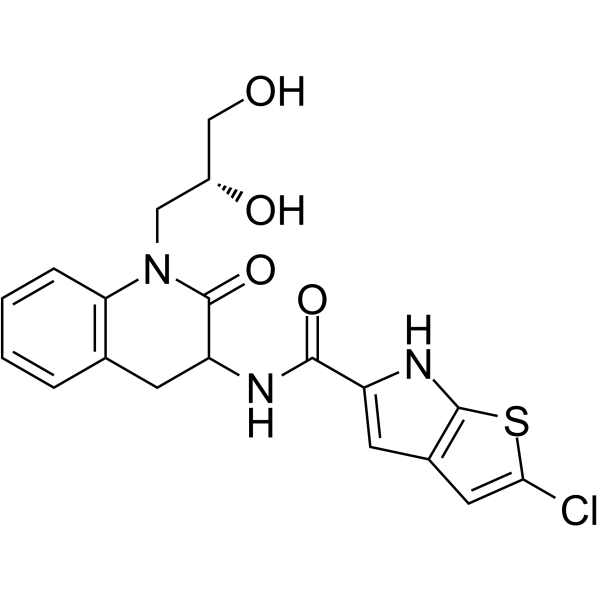
    GPi688 is a potent and orally active glycogen phosphorylase (GPa) inhibitor with IC50s of 19 nM, 61 nM and 12 nM for human liver GPa, rat liver GPa and human skeletal muscle GPa, respectively . GPi688 can inhibit glucagons-mediated glucose output in rat primary hepatocytes. GPi688 can be used for researching glucagon-mediated hyperglycaemia .
    GPi688
  • HY-173391

    4-HNE-GSH TFA

    Drug Metabolite Metabolic Disease
    4-Hydroxy nonenal glutathione (4-HNE-GSH) TFA is the primary metabolite of 4-Hydroxy-2-nonenal. 4-Hydroxy nonenal glutathionea TFA is a marker of oxidative stress in rat liver and hepatocytes. 4-Hydroxy nonenal glutathione TFA efficiently prevents formation of DNA adducts with 4-Hydroxy-2-nonenal in human cells .
    4-Hydroxy nonenal glutathione TFA
  • HY-N13159

    Others Inflammation/Immunology
    Goodyeroside A is a glycoside compound derived from the plant Goodyera that exhibits significant hepatoprotective activity. It can inhibit liver damage induced by carbon tetrachloride (HY-Y0298) in primary cultured rat hepatocytes .
    Goodyeroside A
  • HY-19109

    Leukotriene Receptor Others
    RG-7152 is a tetrazolyl-substituted leukotriene D4 receptor antagonist that can induce peroxisomal β-oxidation and peroxisome bifunctional enzymes (PBEs) in hepatocytes in various animal models. It has been shown to significantly increase PBE levels and β-oxidation activity in rat and mouse liver homogenates, while smaller effects were observed in guinea pigs and monkeys and no effect in dogs. In vitro studies have also shown that it can induce PBEs comparable to clofibric acid, indicating its potential as a peroxisome proliferator .
    RG-7152
  • HY-N17882A

    Drug Derivative Metabolic Disease
    Hydroxysaikosaponin D is a hepatocytoprotective saponin found in the roots of Bupleurum scorzonerifolium WILLD. Hydroxysaikosaponin D inhibits D-galactosamine-induced cytotoxicity in primary cultured rat hepatocytes. Hydroxysaikosaponin D mitigates D-galactosamine/LPS-induced liver injury in mice. Hydroxysaikosaponin D can be used for the research of liver injury .
    Hydroxysaikosaponin D
  • HY-N15464

    Aldehyde Dehydrogenase (ALDH) Metabolic Disease
    Antihepatotoxic agent-1 is a cerebroside present in Lycium chinense Fruits with antihepatotoxic activity. Antihepatotoxic agent-1 exerts a protective effect by blocking the release of alanine aminotransferase and sorbitol dehydrogenase from primary cultured rat hepatocytes intoxicated with carbon tetrachloride. Antihepatotoxic agent-1 can be used in studies related to liver injury .
    Antihepatotoxic agent-1
  • HY-N18038

    Drug Metabolite Infection
    Zoxamide metabolite 1 (Compound M1) is a monodechlorinated Zoxamide (HY-120921) metabolite. Zoxamide metabolite 1 undergoes dechlorination most plausibly at the reactive α-chloro ketone position .
    Zoxamide metabolite 1
  • HY-119578

    Cytochrome P450 Cancer
    Imiprothrin is an inducer that induces CYP1A2 and metallothionein 1a, with significant genotoxicity and cytotoxicity. In rat hepatocytes, Imiprothrin initiates detoxification responses by triggering the overexpression of these two genes. Imiprothrin induces chromosomal aberrations and micronucleus formation in rat bone marrow cells, and causes DNA damage in hepatocytes. Imiprothrin triggers oxidative stress in rats, leading to lipid peroxidation, excessive reactive oxygen species production and redox imbalance, which in turn impairs liver and kidney functions and causes tissue damage. Imiprothrin inhibits weight gain in mice, and even causes high mortality in female mice at high doses. However, it shows no carcinogenicity in rat experiments; among relevant indicators, aspartate aminotransferase and total protein are identified as sensitive toxicity biomarkers .
    Imiprothrin
  • HY-183267

    Aminopeptidase Cancer
    ERAP1-IN-4 is an orally acvtive endoplasmic reticulum aminopeptidase 1 (ERAP1) inhibitor with a pIC50 of 7.9 and an LLE of 5.3. ERAP1-IN-4 inhibits hydrolysis of peptide substrates by ERAP1, with high activity against Allotype1 and Allotype2. ERAP1-IN-4 reduced efficacy against other allotypes, and modulates ERAP1-mediated peptide processing to inhibit antigenic epitope presentation. ERAP1-IN-4 can be used for the research of cancer[1].
    ERAP1-IN-4
  • HY-W714300

    Fungal Infection
    Nuarimol is a fungicide used for plant protection in agriculture. Nuarimol is a phenobarbital-type inducer of hepatic drug-metabolizing enzymes. It triggers transient but robust regenerative hepatocyte proliferation accompanied by hepatomegaly by causing reversible hepatocellular injury .
    Nuarimol
  • HY-182248

    ST1326 chloride

    Carnitine Palmitoyltransferase (CPT) Acyltransferase Metabolic Disease
    Teglicar chloride (ST1326 chloride) is an orally active, reversible, mixed-type, selective inhibitor of hepatic carnitine palmitoyltransferase I (L-CPT I), with an IC50 of 1.1 μM against rat L-CPT I. Teglicar chloride reduces serum glucose levels. Teglicar chloride exhibits antiketotic activity in normal fasted rats. Teglicar chloride can be used in research related to type 2 diabetes and ketoacidosis .
    Teglicar chloride
  • HY-W237019

    Bacterial Infection
    3-Ethoxybenzamide is an alkoxybenzamide compound with antibacterial activity and a FtsZ inhibitor that can cross the blood-brain barrier. 3-Ethoxybenzamide distributes widely and rapidly in vivo, rapidly reaches equilibrium between various tissues and blood, and is linearly taken up by hepatocytes. 3-Ethoxybenzamide is completely dependent on hepatic microsomal oxidation for clearance, with salicylamide as its major metabolite. 3-Ethoxybenzamide can be used for the study of bacterial infections .
    3-Ethoxybenzamide
  • HY-112481

    Inflammation/Immunology
    IKK2-IN-5 is a selective IKK-2 inhibitor with an IC50 of 0.025 μM. IKK2-IN-5 inhibits the production of TNF-α in LPS (HY-D1056)-stimulated human peripheral blood mononuclear cells. IKK2-IN-5 exhibits extremely low cytotoxicity against human peripheral blood mononuclear cells .
    IKK2-IN-5
  • HY-182697

    Cannabinoid Receptor Metabolic Disease
    RTICBM-74 is a blood-brain barrier-permeable, selective CB1 allosteric modulator with IC50 values of 23 nM (calcium mobilization assay) and 153 nM ([ 35S]GTPγS assay). RTICBM-74 inhibits CB1 receptor signaling. RTICBM-74 reduces alcohol intake in rats. RTICBM-74 can be used for the research of alcohol use disorder .
    RTICBM-74
  • HY-183709

    Sodium Channel Neurological Disease
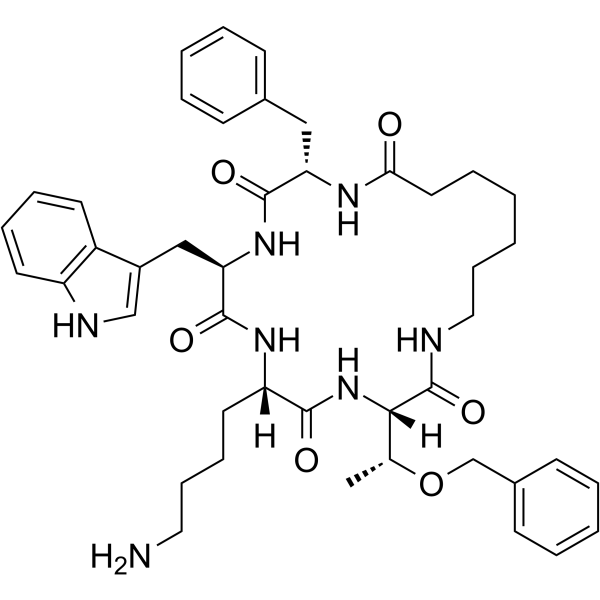
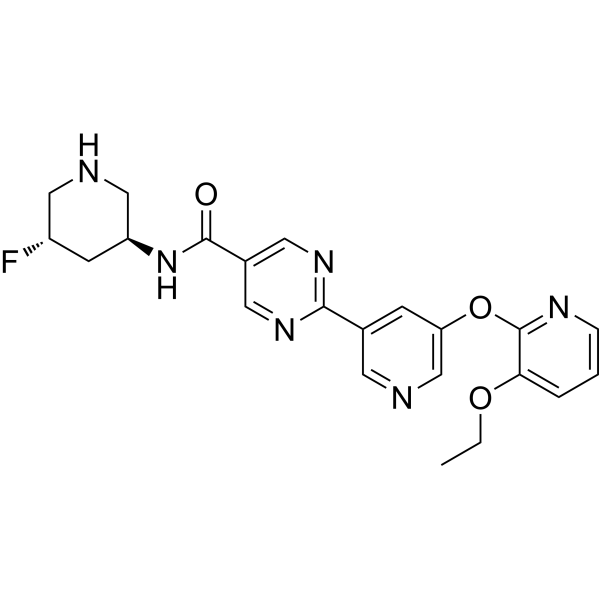
    Nav1.8-IN-24 is a voltage-gated sodium channel Nav1.8 inhibitor with pIC50 values of 7.4 (resting state) and 7.5 (inactivated state), and it exhibits high selectivity for NaV1.1-1.7 subtypes. Nav1.8-IN-24 possesses in vitro safety and drug interaction profiles. Nav1.8-IN-24 can be used for the research of acute pain and chronic neuropathic pain .
    Nav1.8-IN-24

Inquiry Online

Your information is safe with us. * Required Fields.

Salutation


Country or Region *

Applicant Name *


Organization Name *

Department *


Email Address *


Product Name *

Cat. No.


Requested quantity *

Phone Number *


Remarks

Inquiry Online

Inquiry Information

Product Name:
Cat. No.:
Quantity:
MCE Japan Authorized Agent:

