

1. Search Result
Search Result
Results for "

section

" in MedChemExpress (MCE) Product Catalog:

52

Inhibitors & Agonists

19

Fluorescent Dyes

12

Biochemical Assay Reagents

3

Peptides

8

MCE Kits

1

Inhibitory Antibodies

2

Natural
Products

1

Isotope-Labeled Compounds

1

Oligonucleotides

Cat. No. Product Name Target Research Areas Chemical Structure
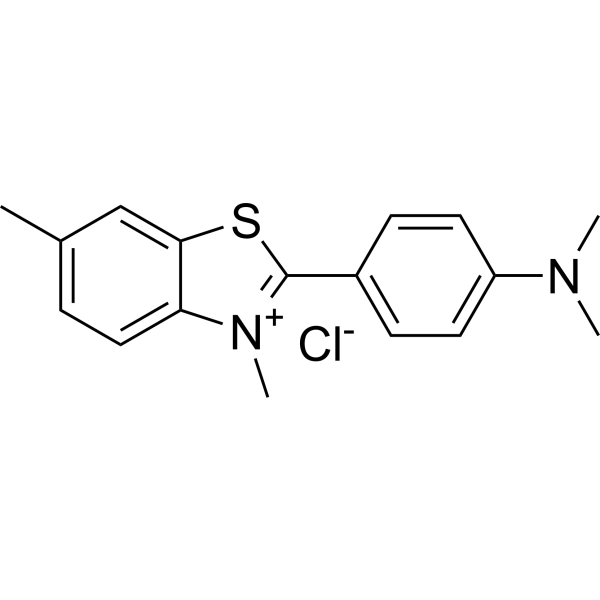
  • HY-D0218
    Thioflavin T
    Maximum Cited Publications
    30 Publications Verification

    Basic Yellow 1

    Amyloid-β Others
    Thioflavin T is a cationic Benzothiazole dye that shows enhanced fluorescence upon binding to amyloid in tissue sections. Excitation max.: ~385 nm (free); ~450 nm (bound); Emission max.: ~445 nm (free); ~485 nm (bound) .
    Thioflavin T
  • HY-P9999

    RG6102; RO-7126209

    Amyloid-β Neurological Disease
    Trontinemab (RG6102) is a brain-penetrant, anti-amyloid, bispecific and humanizedized IgG1-κ antibody, targeting to plaques and transferrin receptor 1 (TFR1). Trontinemab binds to fibrillar as well as plaques triggering plaque clearance by engaging immune cells on Alzheimer disease (AD) brain sections. Trontinemab also shows specific affinity to cynomolgus and human TFR1 .
    Trontinemab
  • HY-D1627
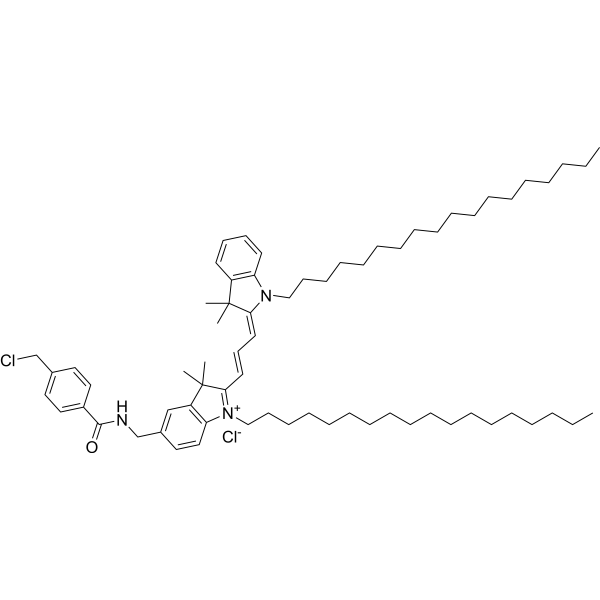
    CellTracker CM-DiI
    3 Publications Verification

    CM-DiI

    Fluorescent Dye Others
    CellTracker CM-DiI (CM-DiI) is a lipophilic fluorochrome that can be used for tracking the migration of lymphocytes. CellTracker CM-DiI is feasible to detect labeled cells in histological sections (excitation 553 nm; emission 570 nm) .
    CellTracker CM-DiI
  • HY-D0236
    Congo Red
    4 Publications Verification

    Fluorescent Dye Others
    Congo Red is an azo dye. Congo Red (CR) binding been used as a diagnostic test for the presence of amyloid in tissue sections.
    Congo Red
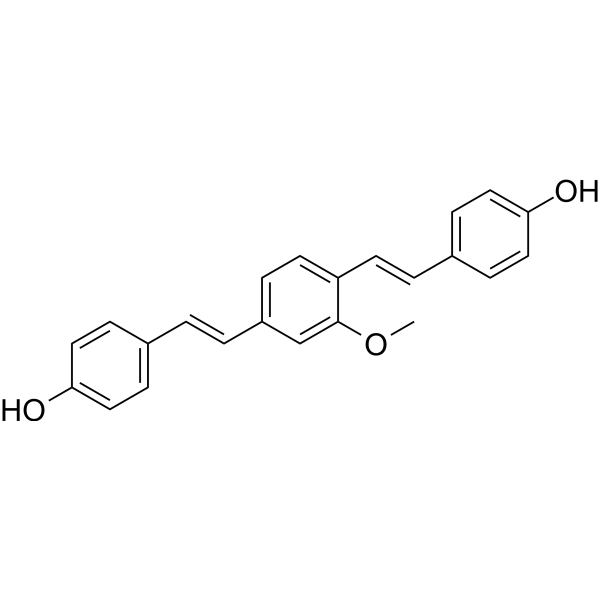
  • HY-103240
    Methoxy-X04
    5 Publications Verification

    Amyloid-β Others
    Methoxy-X04 is a fluorescent dye that crosses the blood-brain barrier and selectively binds to beta-pleated sheets found in dense core amyloid Aβ plaques. Methoxy-X04 retains in vitro binding affinity for amyloid b (Ab) fibrils (Ki= 26.8 nM). Methoxy-X04 is fluorescent and stains plaques, tangles, and cerebrovascular amyloid in postmortem sections of AD brain with good specificity .
    Methoxy-X04
  • HY-W017894

    Biochemical Assay Reagents Others
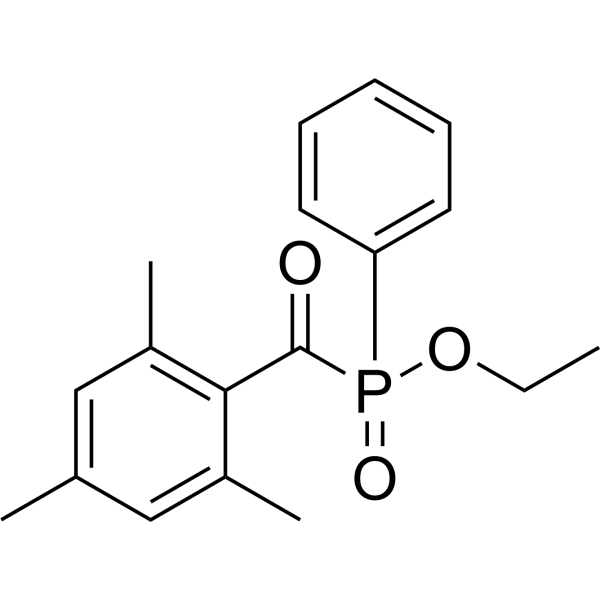
    TPO-L is a photoinitiator for the 3D printing of resin that promotes two-photon induced polymerization. The two-photon absorption cross-section spectrum of Lucirin TPO-L shows a maximum of 1.2 GM at 610 nm. Despite its small two-photon absorption cross-section, Lucirin TPO-L exhibits high polymerization quantum yields .
    TPO-L
  • HY-118907

    Fluorescent Dye Others
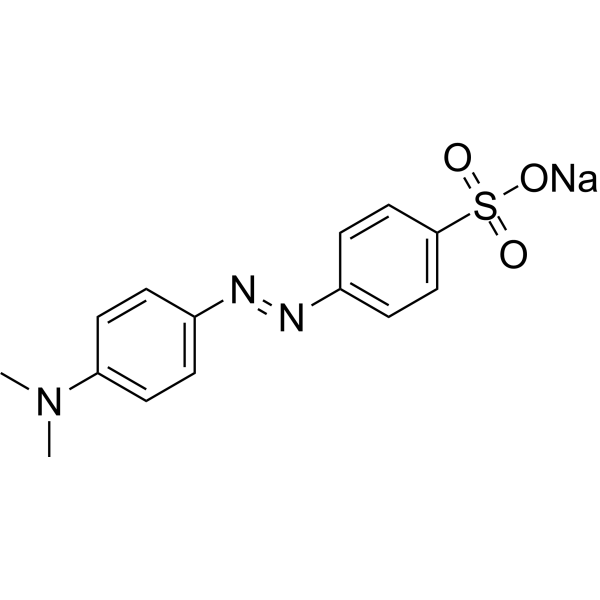
    Methyl Orange is a soluble azo dye commonly used as an acid-base indicator and for staining cells and tissue sections, as well as for dyeing textiles. Methyl Orange appears red at a pH of 3.1 and changes to bright yellow as the pH increases to 4.4. Methyl Orange (500 mg/L) exhibits cytotoxicity and can cause DNA damage .
    Methyl Orange
  • HY-D0932

    Solvent Red 24; C.I. 26105

    Environmental Pollutants Biochemical Assay Reagents Cytochrome P450 Aryl Hydrocarbon Receptor Metabolic Disease
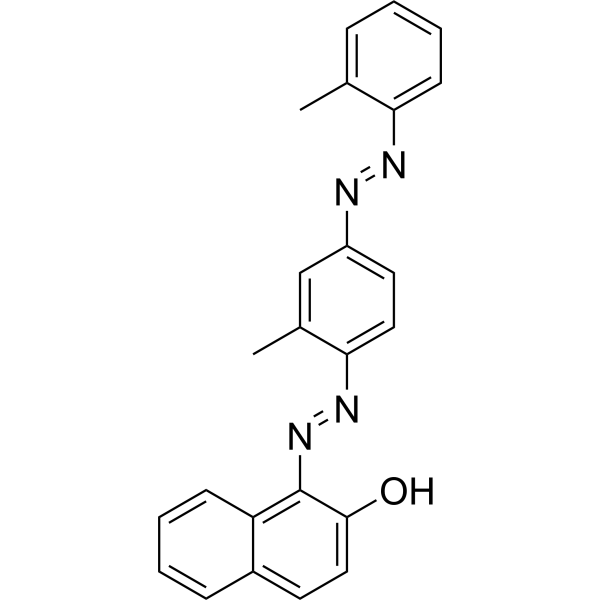
    Sudan IV is an agonist of the aryl hydrocarbon receptor (AhR) that activates downstream signaling pathways and induces CYP1A1 expression. Sudan IV promotes CYP1A1 gene transcription by activating AhR-ARNT heterodimers and binding to exogenous response elements (XREs) on DNA, thereby enhancing drug metabolizing enzyme activity. Sudan IV can be used to study the toxicity mechanisms of industrial dyes and the effects of interactions with serum proteins (such as bovine serum albumin (BSA)) on their distribution in vivo. Sudan IV is a fat-soluble diazo dye that can be used to stain lipids, triglycerides, and lipoproteins on frozen sections .
    Sudan IV
  • HY-DY3004

    Biochemical Assay Reagents Others
    Frozen Section Embedding Medium is a water-soluble mixture of polyethylene glycol and polyvinyl alcohol, widely used in immunohistochemistry experiments. Frozen Section Embedding Medium supports tissue during frozen sectioning, increasing tissue continuity and reducing wrinkling and fragmentation.
    Frozen Section Embedding Medium
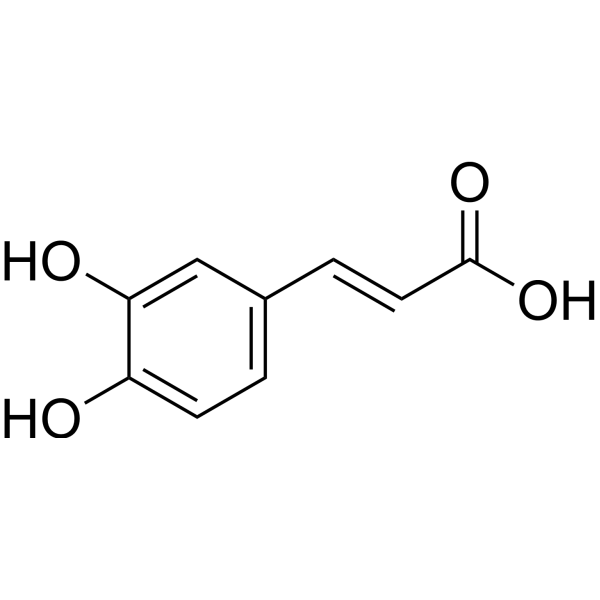
  • HY-121231

    Others Others
    trans-Caffeic acid is a growth stimulator that enhances the elongation growth of coleoptile sections .
    trans-Caffeic acid
  • HY-W010341

    Biochemical Assay Reagents Others
    2-Pyridinecarbohydrazide is a versatile heterocyclic building block widely used in medicinal chemistry and coordination chemistry, and it finds extensive applications in various synthetic fields. 2-Pyridinecarbohydrazide reacts with the reducing end of carbohydrates to enhance mass spectrometry ionization efficiency, enabling isomer-specific identification of monosaccharides, disaccharides, ketoses/aldoses, and quantitative mass spectrometry imaging of biological tissues .
    2-Pyridinecarbohydrazide
  • HY-DY1049

    Amyloid-β Others
    Thioflavin T (solution) is a cationic Benzothiazole dye that shows enhanced fluorescence upon binding to amyloid in tissue sections. Excitation max.: ~385 nm (free) ; ~450 nm (bound) ; Emission max.: ~445 nm (free) ; ~485 nm (bound) .
    Solvent and Concentration: Sterile water: 10 mM
    The 1 mL volume is defined as the base specification. All larger sizes correspond to incremental volumes of this base.
    Thioflavin T (solution)
  • HY-W129513

    Biochemical Assay Reagents Others
    Sorbitan monopalmitate is a food-grade, non-ionic emulsifier that exhibits oral activity. Sorbitan monopalmitate functions as a crystallization modifier, promoting the aggregation of spherical mango butter crystals, introducing lattice defects, and regulating the crystallization rate of mango butter. Sorbitan monopalmitate serves as a component of precursor vesicle gels, enabling the controlled and sustained release of drugs and facilitating the preparation of stable transdermal delivery formulations .
    Sorbitan monopalmitate
  • HY-NP070

    LTL

    Inflammation/Immunology
    Lotus tetragonolobus lectin (LTL) is a plant lectin that specifically recognizes and binds to α-L-fucopyranosyl residues, a sugar structure serving as the key terminal glycosyl group of human blood type O antigen (H antigen). Lotus tetragonolobus lectin exerts macrophage migration inhibitory activity in monomeric form. Lotus tetragonolobus lectin labels and identifies renal proximal tubular epithelial cells to evaluate histopathological changes of sepsis-induced acute kidney injury. Lotus tetragonolobus lectin is applicable to studies in glycobiology, immunology and renal pathology .
    Lotus tetragonolobus lectin
  • HY-78035

    Methylmaleic anhydride

    Biochemical Assay Reagents Others
    Citraconic anhydride (Methylmaleic anhydride) is a derivative of maleic anhydride (HY-Z0060) and novel antigen retrieval solution. Citraconic anhydride reversibly blocks protein amino groups, stabilizing specific enzymes and improving their catalytic performance. Citraconic anhydride reacts with free amino groups on proteins (especially lysine residues), converting positively charged NH3 + into carboxyl groups, thereby disrupting methylene bridge crosslinks caused by Formaldehyde during antigen retrieval. Citraconic anhydride functionalizes Isotactic polypropylene. Citraconic anhydride precisely responds to pH changes to achieve reversible modification. Citraconic anhydride is irritating to skin and eyes .
    Citraconic anhydride
  • HY-D1542

    Fluorescent Dye Cancer
    Mucicarmine is used in the histological visualization of acid mucopolysaccharides in tissue sections. Mucicarmine can identify mucin (deep rose), which is useful in determining the mucin positive cancer (such as liver carcinoma) .
    Mucicarmine
  • HY-W106322

    Biochemical Assay Reagents Others
    Methyl nadic anhydride is an epoxy resin embedding agent used for embedding biological tissue sections.
    Methyl nadic anhydride
  • HY-D2344

    3-Benzothiazole-daphnetin

    Fluorescent Dye Others
    3-BTD (3-Benzothiazole-daphnetin) is a Catechol-O-methyltransferase (COMT) two-photon fluorescence probe. 3-BTD can also be used for biological imaging of endogenous COMT in living cells and tissue sections .
    3-BTD
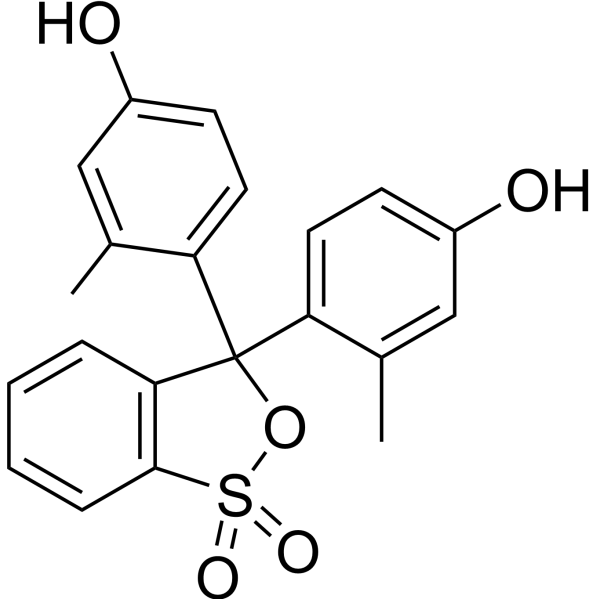
  • HY-D0252

    Fluorescent Dye Others
    m-Cresol purple is a pH indicator dye with large cross section and halochromic property in neutral pH range .
    m-Cresol purple
  • HY-143237

    Phosphodiesterase (PDE) Others
    ATX inhibitor 11 (compound 13c) is a potent ATX (autotaxin) inhibitor, with an IC50 of 2.7 nM. ATX inhibitor 11 can typically alleviate the severity of fibrosis tissues and effectively reduce the deposition of fibrotic biomarker α-SMA in mice fibrosis model. ATX inhibitor 11 can be used for lung fibrosis research .
    ATX inhibitor 11
  • HY-DY1045

    Amyloid-β Neurological Disease
    Methoxy-X04 (solution) is a fluorescent dye that crosses the blood-brain barrier and selectively binds to beta-pleated sheets found in dense core amyloid Aβ plaques. Methoxy-X04 retains in vitro binding affinity for amyloid b (Ab) fibrils (Ki= 26.8 nM). Methoxy-X04 is fluorescent and stains plaques, tangles, and cerebrovascular amyloid in postmortem sections of AD brain with good specificity .
    Solvent and concentration: DMSO: 5 mg/mL
    Methoxy-X04 (solution)
  • HY-W250143

    Biochemical Assay Reagents Others
    Toluidine blue (ZnCl2) is a basic thiazine dye commonly used as a biological stain for microscopy. It has a deep bluish-purple color and is commonly used to stain nucleic acids such as DNA and RNA, as well as to stain mast cells, cartilage, and other connective tissues. Toluidine blue (ZnCl2) stains the acidic components of these tissues, such as sulfated or carboxylated mucopolysaccharides. It is frequently used in histology, cytology, and pathology applications to aid in the diagnosis of various diseases and conditions. The dye is usually applied to tissue sections prior to microscopic examination and can be differentiated using an acidic alcohol solution. Toluidine blue (ZnCl2) is a relatively simple and inexpensive stain with good reproducibility, making it a popular choice for many laboratories.
    Toluidine blue (ZnCl2)
  • HY-D0932R

    Solvent Red 24 (Standard); C.I. 26105 (Standard)

    Biochemical Assay Reagents Aryl Hydrocarbon Receptor Cytochrome P450 Reference Standards Metabolic Disease
    Sudan IV (Standard) (Solvent Red 24 (Standard)) is the analytical standard of Sudan IV (HY-D0932). This product is intended for research and analytical applications. Sudan IV is an agonist of the aryl hydrocarbon receptor (AhR) that activates downstream signaling pathways and induces CYP1A1 expression. Sudan IV promotes CYP1A1 gene transcription by activating AhR-ARNT heterodimers and binding to exogenous response elements (XREs) on DNA, thereby enhancing drug metabolizing enzyme activity. Sudan IV can be used to study the toxicity mechanisms of industrial dyes and the effects of interactions with serum proteins (such as bovine serum albumin (BSA)) on their distribution in vivo. Sudan IV is a fat-soluble diazo dye that can be used to stain lipids, triglycerides, and lipoproteins on frozen sections.
    Sudan IV (Standard)
  • HY-121231R

    Others Reference Standards Others
    trans-Caffeic acid (Standard) is the analytical standard of trans-Caffeic acid. This product is intended for research and analytical applications. trans-Caffeic acid is a growth stimulator that enhances the elongation growth of coleoptile sections .
    trans-Caffeic acid (Standard)
  • HY-P11501

    Amyloid-β Biochemical Assay Reagents Neurological Disease
    AAKLVFF is an oligopeptide capable of self-assembling into nanotubes. AAKLVFF can be derived from the core section of β-amyloid. AAKLVFF becomes the first methanol compatible LC alignment medium for residual dipolar coupling measurement .
    AAKLVFF
  • HY-103188

    Adenosine Receptor Neurological Disease
    PD81723 is an adenosine receptor binding enhancer. PD81723 enhances the inhibition of exogenous adenosine in a dose-dependent manner in hippocampal brain sections .
    PD81723
  • HY-P3502B

    Complement System Inflammation/Immunology
    Zilucoplan (PEG2) is a Zilucoplan (HY-P3502) derivative, where the linker section replaces PEG24 by PEG2. Zilucoplan is a potent complement component 5 (C5) inhibitor .
    Zilucoplan (PEG2)
  • HY-122785

    Fungal Infection
    Fusapyrone is a broad-spectrum antifungal metabolite first isolated from Fusarium species. It has been investigated for use in the control of postharvest crop diseases such as inhibiting the growth of ochratoxin-producing strains of Aspergillus section Nigri in wine grapes.
    Fusapyrone
  • HY-D0236R

    Fluorescent Dye Reference Standards Others
    Congo Red (Standard) is the analytical standard of Congo Red. This product is intended for research and analytical applications. Congo Red is an azo dye. Congo Red (CR) binding been used as a diagnostic test for the presence of amyloid in tissue sections.
    Congo Red (Standard)
  • HY-D2971

    Fluorescent Dye Autophagy Neurological Disease
    NCIC-VIS is a lysosome-targeted, viscosity-sensitive two-photon near-infrared fluorescent probe. NCIC-VIS has a rigid structure that can restrict molecular torsion, thereby increasing the fluorescence quantum yield and two-photon absorption cross-section. NCIC-VIS enables real-time imaging of the autophagy process in cells .
    NCIC-VIS
  • HY-W342930

    Acid Red 17

    Biochemical Assay Reagents Others
    Bordeaux Red (Acid Red 17) is a redox indicator that can be used for cytoplasm staining, such as spleen, testis, and liver slice staining. Bordeaux Red is a kind of biological materials or organic compounds that are widely used in life science research .
    Bordeaux Red
  • HY-150971

    Pyroptosis Cancer
    ICy-Q is a quinone oxidoreductase 1 (NQO-1)-activated near-infrared (NIR) reagent which can react with NQO-1 to release the reduction product ICy-OH. ICy-OH selectively induces pancreatic cancer cell death through the pyroptosis pathway. ICy-Q can be used as an effective tool for rapid and accurate diagnosis of intraoperative pathological sections .
    ICy-Q
  • HY-P1318

    Opioid Receptor Neurological Disease
    Ac-RYYRIK-NH2 is a potent and partial agonist on ORL1 transfected in CHO cells (Kd=1.5 nM) and behaves as a endogenous ligand of ORL1. Ac-RYYRIK-NH2 is a specific antagonist for the activation of G protein and competitively antagonizes the stimulation of [ 35S]-GTPgS binding to G proteins by nociceptin/orphanin FQ (noc/OFQ) in membranes and sections of rat brain .
    Ac-RYYRIK-NH2
  • HY-P1318A

    Opioid Receptor Neurological Disease
    Ac-RYYRIK-NH2 TFA is a potent and partial agonist on ORL1 transfected in CHO cells (Kd=1.5 nM) and behaves as a endogenous ligand of ORL1. Ac-RYYRIK-NH2 is a specific antagonist for the activation of G protein and competitively antagonizes the stimulation of [ 35S]-GTPgS binding to G proteins by nociceptin/orphanin FQ (noc/OFQ) in membranes and sections of rat brain .
    Ac-RYYRIK-NH2 TFA
  • HY-136675

    Fluorescent Dye Others
    ASMI is a ratiometric, two-photon excited fluorescent probe, composed of a highly two-photon active and biocompatible merocyanine fluorophore and an acrylate moiety as a thiol reactive site. ASMI is able to selectively detect and monitor mitochondrial Cys with rapid responsiveness, imaging living cells and intact tissues with high contrast and brightness at a depth of 150 μm. The two-photon action cross section (Φσmax) of ASMI is 65.2 GM, corresponding to an excitation wavelength (λex) of 740 nm.
    ASMI
  • HY-118907R

    Fluorescent Dye Reference Standards Others
    Methyl Orange (Standard) is the analytical standard of Methyl Orange. This product is intended for research and analytical applications. Methyl Orange is a soluble azo dye commonly used as an acid-base indicator and for staining cells and tissue sections, as well as for dyeing textiles. Methyl Orange appears red at a pH of 3.1 and changes to bright yellow as the pH increases to 4.4. Methyl Orange (500 mg/L) exhibits cytotoxicity and can cause DNA damage .
    Methyl Orange (Standard)
  • HY-D0932S

    Solvent Red 24-d6; C.I. 26105-d6

    Isotope-Labeled Compounds Biochemical Assay Reagents Aryl Hydrocarbon Receptor Cytochrome P450 Metabolic Disease
    Sudan IV-d6 (Solvent Red 24-d6) is the deuterium labeled Sudan IV(HY-D0932). Sudan IV is an agonist of the aryl hydrocarbon receptor (AhR) that activates downstream signaling pathways and induces CYP1A1 expression. Sudan IV promotes CYP1A1 gene transcription by activating AhR-ARNT heterodimers and binding to exogenous response elements (XREs) on DNA, thereby enhancing drug metabolizing enzyme activity. Sudan IV can be used to study the toxicity mechanisms of industrial dyes and the effects of interactions with serum proteins (such as bovine serum albumin (BSA)) on their distribution in vivo. Sudan IV is a fat-soluble diazo dye that can be used to stain lipids, triglycerides, and lipoproteins on frozen sections .
    Sudan IV-d6
  • HY-D0992

    Peridinin-chlorophyll-protein complex

    Fluorescent Dye Cancer
    PerCP is a peridinin-chlorophyll protein complex derived from the dinoflagellate *Glenodinium*, suitable for immunofluorescence staining of formalin-fixed, paraffin-embedded human tumor sections. As a red fluorescent dye, PerCP enables clear differentiation between antibody-bound tumor regions and yellow-green autofluorescence of tissues. PerCP allows simultaneous observation of tissue morphology without counterstaining. PerCP can be used in cancer research (Ex/Em = 482/677 nm) .
    PerCP
  • HY-182668

    Biochemical Assay Reagents Others
    EDTA Antigen Retrieval Solution, 50× is a commonly used antigen retrieval solution that can effectively remove cross-links between proteins caused by aldehyde fixation reagents, fully exposing antigenic epitopes in samples such as paraffin sections. It can be used for antigen retrieval in samples such as paraffin sections and frozen sections after fixation with paraformaldehyde, formaldehyde, or other aldehyde reagents.
    EDTA Antigen Retrieval Solution, 50×
  • HY-182667

    Biochemical Assay Reagents Others
    Citrate Antigen Retrieval Solution, 50× is a commonly used antigen retrieval solution that can be used for antigen retrieval in paraffin sections, frozen sections, and other samples fixed with paraformaldehyde, formaldehyde, or other aldehyde reagents.
    Citrate Antigen Retrieval Solution, 50×
  • HY-182698

    Biochemical Assay Reagents Others
    Tris Antigen Retrieval Solution, 10×, pH 9.0, is composed of Tris, trace amounts of Tween20, etc. It can effectively remove cross-links between proteins caused by aldehyde fixation reagents, fully expose antigenic epitopes in paraffin sections and other samples, and can be used for antigen retrieval after paraffin sections, frozen sections and other samples are fixed with paraformaldehyde, formaldehyde or other aldehyde reagents.
    Tris Antigen Retrieval Solution, 10×, pH 9.0
  • HY-182593

    Biochemical Assay Reagents Others
    Arabic Gum Solution, 10%, is a thickener composed of gum arabic, deionized water, preservatives, etc., commonly used for mounting tissue sections.
    Arabic Gum Solution, 10%
  • HY-182593A

    Biochemical Assay Reagents Others
    Arabic Gum Solution, 25%, is a thickener composed of gum arabic, deionized water, preservatives, etc., commonly used for mounting tissue sections.
    Arabic Gum Solution, 25%
  • HY-182593B

    Biochemical Assay Reagents Others
    Arabic Gum Solution, 35%, is a thickener composed of gum arabic, deionized water, preservatives, etc., commonly used for mounting tissue sections.
    Arabic Gum Solution, 35%
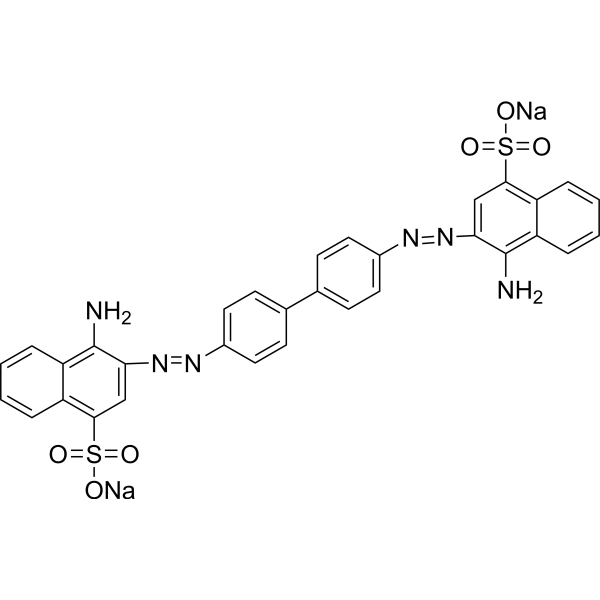
  • HY-112572

    Biochemical Assay Reagents Others
    Bisdisulizole disodium is an organic chromophore with large near UV absorption cross section. Solutions of Bisdisulizole disodium dissolved in polar solvents show a strong, broad UV absorption feature centered at 340 nm .
    Bisdisulizole disodium
  • HY-P2782A

    Endogenous Metabolite Metabolic Disease
    Chloramphenicol Acetyltransferase, Escherichia coli is a bacterial enzyme that detoxifies the antibiotic chloramphenicol and is responsible for chloramphenicol resistance in bacteria. Chloramphenicol Acetyltransferase, Escherichia coli covalently attaches an acetyl group from acetyl-CoA to chloramphenicol, which prevents chloramphenicol from binding to ribosomes. A histidine residue, located in the C-terminal section of Chloramphenicol Acetyltransferase, Escherichia coli, plays a central role in its catalytic mechanism.
    Chloramphenicol Acetyltransferase, Escherichia coli
  • HY-W713888

    Fluorescent Dye Others
    Aniline blue diammonium is a component of commonly used polychrome stains. Aniline blue diammonium is used to stain collagen fibers in tissue sections using Masson′s trichrome protocol for staining multiple components. Collagen is stained blue by this method. The dye is suitable for selective staining of callose in plant specimens and staining histones for assessing nuclear maturity. Aniline blue diammonium is used in Gomori′s one-step trichrome stain and Mallory′s connective tissue stain for tissue including kidney and intestine.
    Aniline blue diammonium
  • HY-D3430

    Fluorescent Dye Amyloid-β Neurological Disease
    PTPA-QM is a low-cytotoxicity protein probe that can be used for live-cell imaging and tissue section staining (Lys. Ex/Em = 385/615 nm). PTPA-QM can intercalate into the β-sheet layered structure of β-amyloid fibrils, form intermolecular interactions with amino acid residues, restrict intramolecular rotation and trigger fluorescence activation for imaging purposes. PTPA-QM is applicable to Alzheimer's disease-related research. Maximum excitation/emission wavelength: 448/605 nm .
    PTPA-QM
  • HY-103240R

    Reference Standards Amyloid-β Others
    Methoxy-X04 (Standard) is the analytical standard of Methoxy-X04 (HY-103240). This product is intended for research and analytical applications. Methoxy-X04 is a fluorescent dye that crosses the blood-brain barrier and selectively binds to beta-pleated sheets found in dense core amyloid Aβ plaques. Methoxy-X04 retains in vitro binding affinity for amyloid b (Ab) fibrils (Ki= 26.8 nM). Methoxy-X04 is fluorescent and stains plaques, tangles, and cerebrovascular amyloid in postmortem sections of AD brain with good specificity .
    Methoxy-X04 (Standard)
  • HY-W700204

    Dopamine Receptor Neurological Disease
    N-(p-Aminophenethyl) spiperone is a selective D2-like dopamine receptor antagonist. N-(p-Aminophenethyl) spiperone binds to the ligand recognition sites of functional D2 and D3 dopamine receptors. N-(p-Aminophenethyl) spiperone serves as a research tool compound for labeling, localizing and identifying D2 and D3 dopamine receptors .
    N-(p-Aminophenethyl)spiperone

Inquiry Online

Your information is safe with us. * Required Fields.

Salutation


Country or Region *

Applicant Name *


Organization Name *

Department *


Email Address *


Product Name *

Cat. No.


Requested quantity *

Phone Number *


Remarks

Inquiry Online

Inquiry Information

Product Name:
Cat. No.:
Quantity:
MCE Japan Authorized Agent:

