

46 Results for "

simulated wastewater

" in MedChemExpress (MCE) Product Catalog:
Products (46)

46 Results for "simulated wastewater" in MCE Product Catalog:

3
3 Cited Publications
Cat. No.: HY-B1335
CAS No.: 67-43-6
Synonyms: Diethylenetriaminepentaacetic acid; DTPA
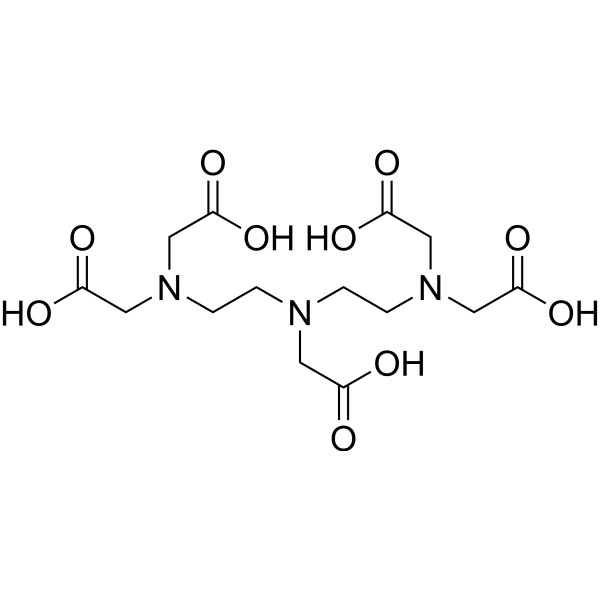
Pentetic acid (Diethylenetriaminepentaacetic acid) is an orally active compound with biodegradability used to construct magnetic adsorbent, which can simultaneously remove heavy metal and dye from complex wastewater. Pentetic acid can form strong metal complexes, which prevents metal ions from catalysing the decomposition of peroxygen chemicals, especially hydrogen peroxide .
loading...
    loading...
2
2 Cited Publications
Cat. No.: HY-D0256
CAS No.: 1937-37-7
Synonyms: Chlorazol Black E; Ferristatin II disodium; C.I. 30235
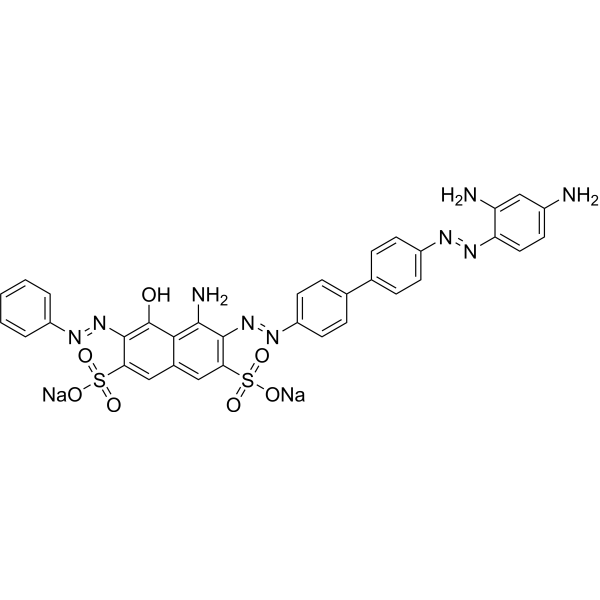
Direct Black 38 (Chlorazol Black E) is a benzidine-based azo dye, a substrate of Enterococcus gallinarum, and is mainly used for textile dyeing. Direct Black 38 is biodegradable after being reduced by microbial enzymes (such as Enterococcus gallinarum azoreductase), breaking the azo bonds and releasing benzidine and 4-aminobiphenyl. Direct Black 38 can be used in environmental toxicology, wastewater treatment and carcinogenicity studies, but its metabolite benzidine is listed as a human carcinogen .
loading...
    loading...
Cat. No.: HY-Y0801
CAS No.: 303-07-1
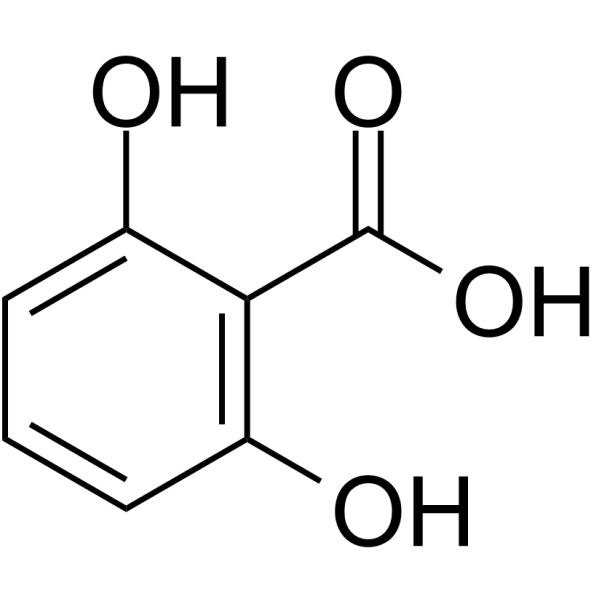
2,6-Dihydroxybenzoic acid is an aromatic compound containing phenolic hydroxyl groups and carboxyl groups, and it is a secondary metabolite of Salicylic acid (HY-B0167). 2,6-Dihydroxybenzoic acid is also present in olive oil wastewater .
loading...
    loading...
Cat. No.: HY-152086
CAS No.: 1453028-33-5
Target:  

Dynamin

Research Areas:  

Cardiovascular Disease

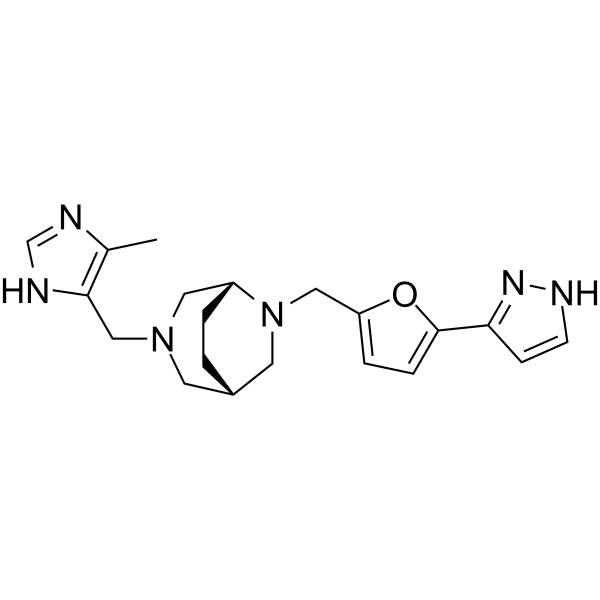
DRP1i27 is a potent inhibitor of human Drp1 (dynamin-related protein 1). DRP1i27 binds to the GTPase site of Drp1, with hydrogen bonds to Gln34 and Asp218. DRP1i27 targets Drp1-mediated mitochondrial fission in cell line models and protects against simulated ischemia-reperfusion injury .
loading...
    loading...
Cat. No.: HY-135712
CAS No.: 1936-15-8
Synonyms: Acid Orange GG
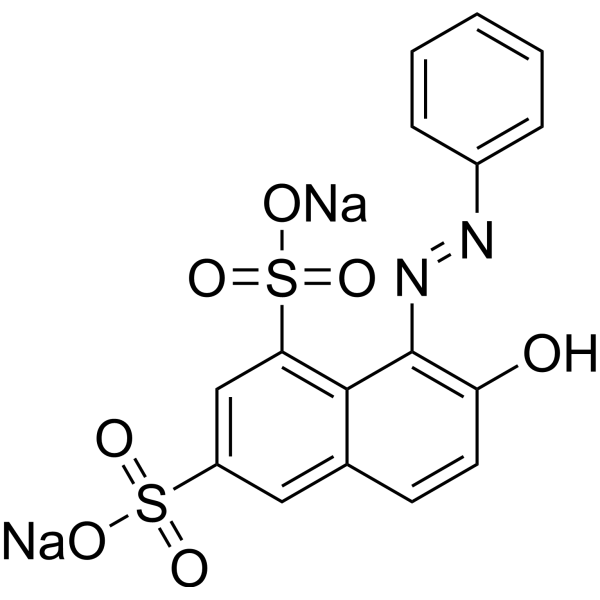
Orange G is an azo dye commonly found in textile wastewater and is mainly used for textile dyeing. Orange G has a coloring function and can give textiles a specific color. The stability and potential hazards of Orange G in the environment are often used to study the removal effects of various wastewater treatment technologies on difficult-to-degrade organic pollutants, especially the degradation of azo dyes. Related research focuses on how to destroy the azo bond of Orange G through chemical, physical or biological methods to achieve harmless treatment to solve the problem of textile wastewater pollution .
loading...
    loading...
Cat. No.: HY-E70385
CAS No.: 9031-79-2
Target:  

Endogenous Metabolite

Research Areas:  

Others

Oxalate Oxidase, or oxalate oxidase, catalyzes the oxidation of oxalic acid to hydrogen peroxide and carbon dioxide in the presence of oxygen. Oxalate Oxidase can be found in a variety of plants (such as barley) and microorganisms and can be used to treat wastewater and filtrates containing oxalic acid .
loading...
    loading...
Cat. No.: HY-132188
CAS No.: 114995-15-2
Manganese peroxidase is a heme protein that oxidizes Mn2+ to Mn3+. Manganese peroxidase catalyzes plant lignin de-polymerization. Manganese peroxidase can be used for the biodegradation of hazardous environmental contaminants, and especially for dye wastewater decolorization .
loading...
    loading...
Cat. No.: HY-152086A
Purity:  98.63%
Target:  

Dynamin

Research Areas:  

Cardiovascular Disease

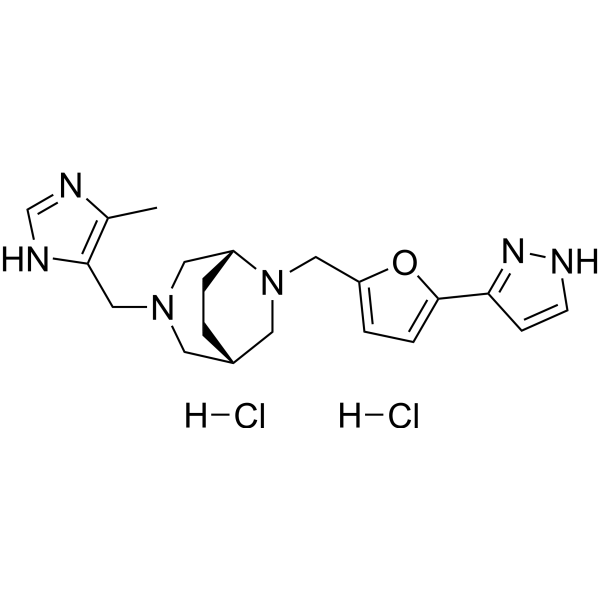
DRP1i27 dihydrochloride is a potent inhibitor of human Drp1 (dynamin-related protein 1). DRP1i27 dihydrochloride binds to the GTPase site of Drp1, with hydrogen bonds to Gln34 and Asp218. DRP1i27 dihydrochloride targets Drp1-mediated mitochondrial fission in cell line models and protects against simulated ischemia-reperfusion injury .
loading...
    loading...
Cat. No.: HY-W010795
CAS No.: 4368-51-8
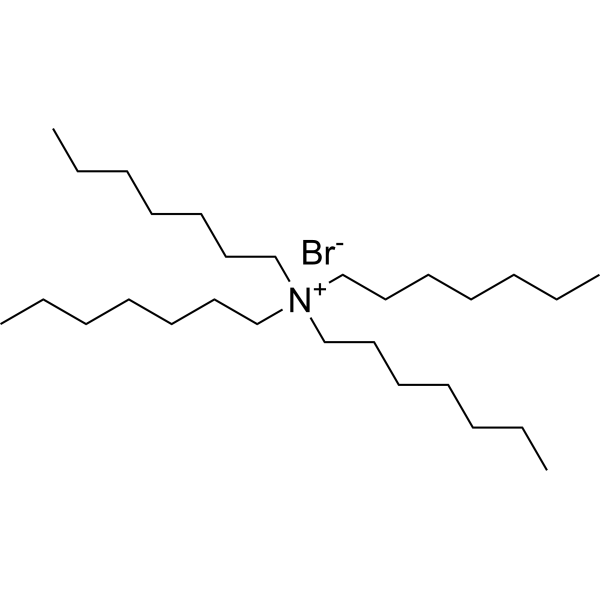
Tetraheptylammonium bromide (>98%,BC) (THAB) is a quaternary ammonium compound commonly used as a phase transfer catalyst in organic synthesis reactions, especially those involving charged species or polar reagents. It can facilitate the transfer of reactants between two immiscible phases, such as water and organic solvents, by forming stable ion pairs. In addition, THAB is used as a surfactant, and as an additive in various products such as cosmetics, pharmaceuticals, and detergents. Due to THAB's ability to form complexes with these ions, its potential use in the removal of heavy metal ions from wastewater was also investigated.
loading...
    loading...
Cat. No.: HY-W035361
CAS No.: 1066-51-9
(Aminomethyl)phosphonic acid is used as a phosphonate agent in wastewater treatment .
loading...
    loading...
Cat. No.: HY-128443
CAS No.: 122-19-0
Purity:  ≥98.0%
Synonyms: BDMSAC
Research Areas:  

Others

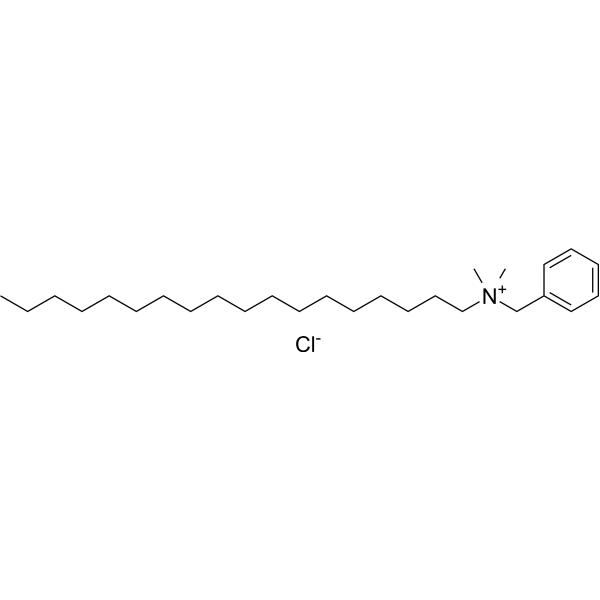
Benzyldimethylstearylammonium chloride (BDMSAC) is a quaternary ammonium cationic surfactant and a mixed-type corrosion inhibitor. Benzyldimethylstearylammonium chloride adsorbs onto the surface of cold-rolled steel through a combined effect of physisorption and chemisorption, forming a hydrophobic protective barrier that blocks active sites and restricts the diffusion of corrosive media, while simultaneously inhibiting the anodic iron dissolution reaction and the cathodic hydrogen evolution reaction, and reducing the corrosion rate in acidic media. Benzyldimethylstearylammonium chloride is used in research related to various fields such as fungicides, wastewater treatment, and detergents .
loading...
    loading...
Cat. No.: HY-21200
CAS No.: 375-92-8
Synonyms: 1-Perfluoroheptanesulfonic acid; Perfluoroheptanesulphonic acid; PFHpS
Target:  

PPAR

Perfluoroheptanesulfonic acid (1-Perfluoroheptanesulfonic acid; Perfluoroheptanesulphonic acid; PFHpS) is a per- and polyfluoroalkyl substance (PFAS) that penetrates the skin and induces systemic toxicity and immunotoxicity. Perfluoroheptanesulfonic acid reduces the expression of PPARδ in liver tissue; it induces hepatocyte hypertrophy and necrosis in liver tissue and alters serum biochemical markers associated with liver injury. Perfluoroheptanesulfonic acid upregulates genes related to fatty acid metabolism, cell necrosis and inflammation, reduces the relative weights of the spleen and thymus, suppresses humoral immune responses, and alters the composition of immune cell subsets in the spleen and skin. The plasma concentration of Perfluoroheptanesulfonic acid correlates with food intake. Perfluoroheptanesulfonic acid and perfluorooctanesulfonic acid exhibit synchronous pulse events in influent samples from wastewater treatment plants. Perfluoroheptanesulfonic acid can be used in studies related to liver injury and immune system damage .
loading...
    loading...
Cat. No.: HY-125947
CAS No.: 14206-58-7
Purity:  99.16%
Target:  

Drug Metabolite

Research Areas:  

Others

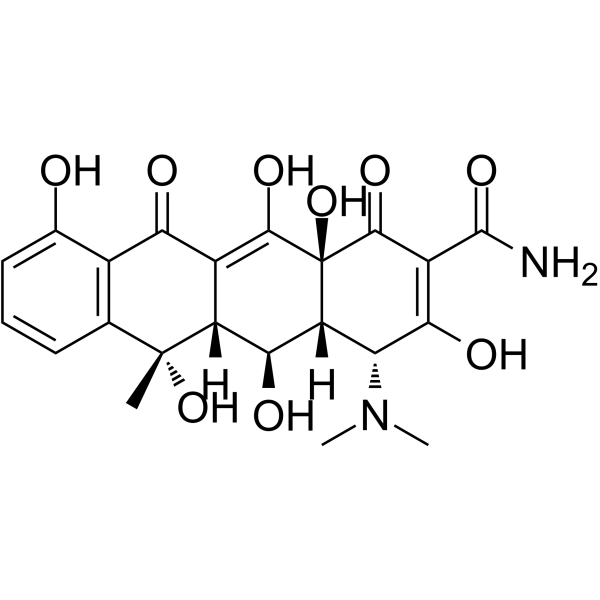
4-Epioxytetracycline, the degradation product of Oxytetracycline (OTC), can be found in swine manure compost and wastewater .
loading...
    loading...
Cat. No.: HY-41588
CAS No.: 10343-06-3
2,3,4,6-Tetra-O-acetyl-D-glucopyranose, 96% can be used in simulated glycosylation experiments.
loading...
    loading...
Cat. No.: HY-W582564
CAS No.: 36703-61-4
Synonyms: Ethylenediaminetetraacetic acid copper disodium tetrahydrate
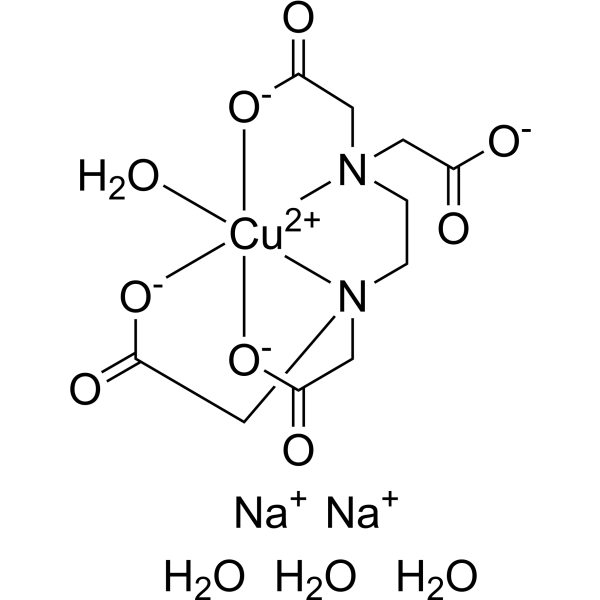
Cu(Ⅱ)-EDTA disodium tetrahydrate, a typical contaminant in industrial wastewater, is an EDTA-complexed heavy metal. Cu(Ⅱ)-EDTA disodium tetrahydrate can be used in research on the recovery of heavy metal resources from mixed wastewater .
loading...
    loading...
Cat. No.: HY-W674169
CAS No.: 30334-69-1
Synonyms: FBSA
Research Areas:  

Others

Perfluorobutanesulfonamide (FBSA) is a per- and polyfluoroalkyl substance, which can be found as contaminant in wastewater .
loading...
    loading...
Cat. No.: HY-126386A
CAS No.: 9032-75-1
Research Areas:  

Others

Pectinase, aspergillus aculeatus is a pectin-degrading enzyme with the activity of catalyzing the decomposition of pectin into galacturonic acid. Pectinase, aspergillus aculeatus can be applied in a variety of industrial fields, including juice extraction and clarification, vegetable oil extraction, wine clarification, cocoa and coffee fermentation, paper bleaching, plant fiber degumming, cotton bioscouring, bioenergy production, wastewater treatment, and use as a poultry feed additive to reduce feed viscosity .
loading...
    loading...
Cat. No.: HY-131314
CAS No.: 15935-54-3
Target:  

Drug Metabolite

Research Areas:  

Others

Ibuprofen carboxylic acid is the metabolite of Ibuprofen (HY-78131), that has high concentrations in wastewater and water environments, and disappears fast during biodegradation, compared to the other ibuprofen metabolite .
loading...
    loading...
Cat. No.: HY-W040184
CAS No.: 80526-82-5
Synonyms: TMAHS
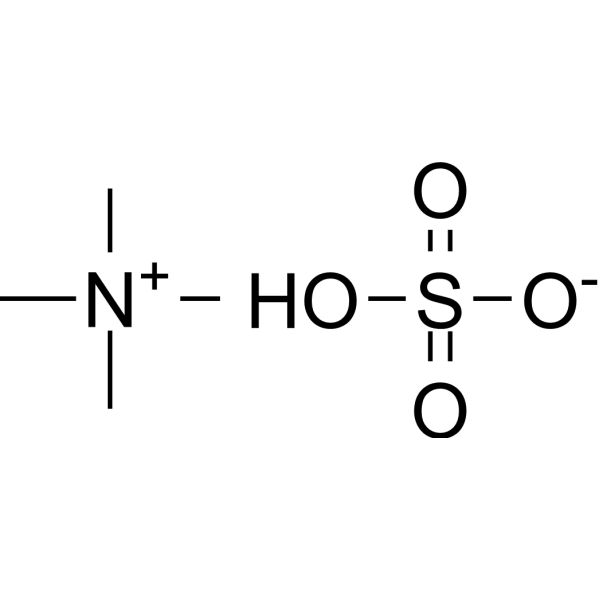
Tetramethylammonium hydrogensulfate, sometimes abbreviated as TMAHS, is a quaternary ammonium salt commonly used as a catalyst and phase transfer agent in chemical reactions, especially in organic synthesis. In addition, it is used as an electrolyte additive in electrochemical and rechargeable batteries. TMAHSs have also been investigated for their potential use in various applications such as wastewater treatment, gas separation, and fuel cells.
loading...
    loading...
Cat. No.: HY-E70193
CAS No.: 37341-53-0
Synonyms: KerA
Research Areas:  

Others

Keratinase (KerA) is an orally active proteolytic enzyme that specifically degrades keratin, and it is mainly secreted by microorganisms such as bacteria, fungi and actinomycetes. Keratinase degrades keratin via reducing disulfide bond cross-links and cleaving peptide bonds, and it can also degrade infectious prion proteins. Keratinase can improve the nutritional bioavailability of keratin-based feed, and it can also be applied in various fields including depilation, proteolytic cleaning, organic fertilizer precursor preparation, cosmetics, bioenergy production, wastewater decolorization, biomolecule extraction, bioremediation, textile biopretreatment and feed processing .
loading...
    loading...

