1. Search Result
Search Result
Results for "

submicromolar

" in MedChemExpress (MCE) Product Catalog:

51

Inhibitors & Agonists

1

Fluorescent Dye

1

Peptides

1

Natural
Products

2

Isotope-Labeled Compounds

1

Click Chemistry

Cat. No. Product Name Target Research Areas Chemical Structure
  • HY-10844
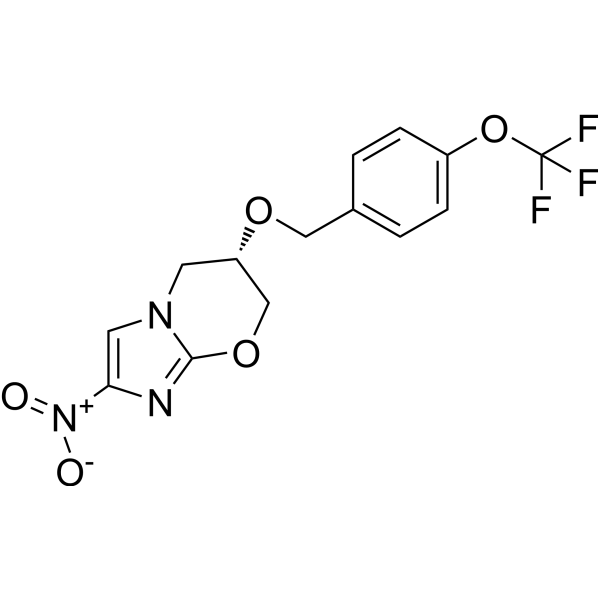
    Pretomanid
    Maximum Cited Publications
    11 Publications Verification

    PA-824; (S)-PA 824

    Bacterial Antibiotic Infection Cancer
    Pretomanid (PA-824) is an antibiotic used for the research of multi-drug-resistant tuberculosis affecting the lungs. Pretomanid exhibits a sub-micromolar MIC against M. tuberculosis (MTB). The MIC values of PA-824 against a panel of MTB pan-sensitive and Rifampin mono-resistant clinical isolates range from 0.015 to 0.25 μg/mL.
    Pretomanid
  • HY-15611

    CRM1 Cancer
    KPT-185 is an orally bioavailable and selective inhibitor of CRM1 and displays potent antiproliferative properties at submicromolar concentrations (IC50=100-500 nM), induces apoptosis, cell-cycle arrest, and myeloid differentiation in AML cell lines and patient blasts .
    KPT-185
  • HY-128341

    ERK Cardiovascular Disease Cancer
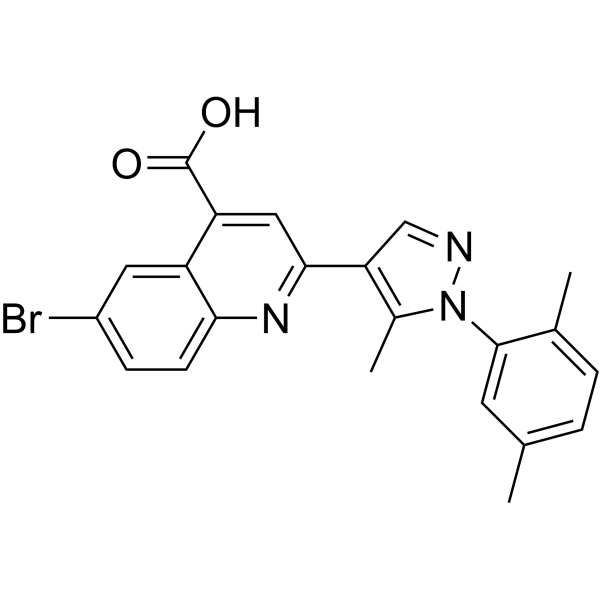
    ERK5-IN-2 is an orally active, sub-micromolar, selective ERK5 inhibitor with IC50s of 0.82 μM, 3 μM for ERK5 and ERK5 MEF2D, respectively. ERK5-IN-2 does not interact with the BRD4 bromodomain. ERK5-IN-2 suppresses both tumor xenograft growth and basic fibroblast growth factor (bFGF) driven Matrigel plug angiogenesis .
    ERK5-IN-2
  • HY-120072
    PF-3450074
    5 Publications Verification

    PF-74

    HIV Infection
    PF-3450074 (PF-74) is a specifical inhibitor of HIV-1 capsid protein (CA) and displays a broad-spectrum inhibition of HIV isolates with submicromolar potency (EC50=8-640 nM). PF-3450074 (PF-74) acts at an early stage of HIV-1 infection, inhibits viral replication by directly competing with the binding of CPSF6 and NUP153, and blocks the uncoating, assembly, and the reverse transcription steps of the viral life cycle . CPSF6: nuclear host factors cleavage and polyadenylation specific factor 6; NUP153: nucleoporin 153.
    PF-3450074
  • HY-111192
    IPR-803
    3 Publications Verification

    Ser/Thr Protease Cancer
    IPR-803 is a potent inhibitor of the uPAR·uPA protein-protein interaction (PPI). IPR-803 binds directly to uPAR with sub-micromolar affinity. IPR-803 displays anti-tumor activity .
    IPR-803
  • HY-12993
    RSV604
    2 Publications Verification

    A-60444

    RSV Infection
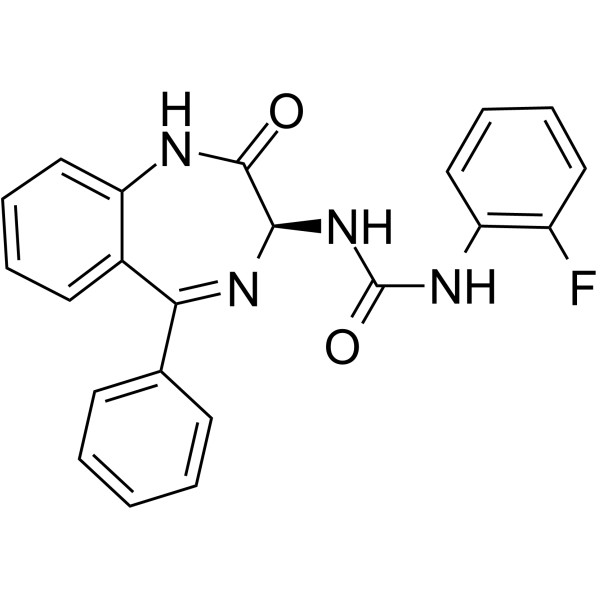
    RSV604 (A-60444) is an inhibitor of respiratory syncytial virus (RSV) replication. RSV604 targets the nucleocapsid protein, with a Kd of 1.6 μM. RSV604 displays submicromolar activity against numerous clinical isolates of both the A and B subtypes of RSV (average EC50s=0.8 μM) .
    RSV604
  • HY-133119

    Bacterial Infection
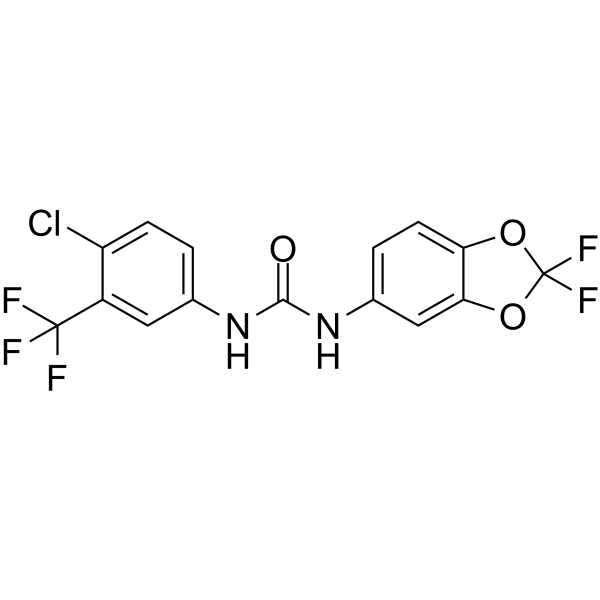
    PK150, an analogue of Sorafenib, shows oral bioavailability and antibacterial activity against several pathogenic strains at submicromolar concentrations. PK150 inhibits Gram-positive Methicillin-sensitive S. aureus (MSSA), Methicillin-resistant S. aureus (MRSA), Vancomycin intermediate S. aureus (VISA) with MICs of 0.3, 0.3-1, 0.3 μM, respectively .
    PK150
  • HY-118607

    Potassium Channel Parasite Infection
    VU041 is a first submicromolar-affinity inhibitor of Anopheles (An.) gambiae and Aedes (Ae.) aegypti inward rectifier potassium 1 (Kir1) channels with IC50 values of 2.5 μM and 1.7 μM, respectively. VU041 inhibits appreciably is mammalian Kir2.1 (IC50 of 12.7 μM), and has less inhibitory effect on mammalian Kir1.1, Kir4.1, Kir6.2/SUR1, and Kir7.1. VU041 also induces impaired Malpighian tubule function .
    VU041
  • HY-144290

    GSK-3 DYRK Neurological Disease
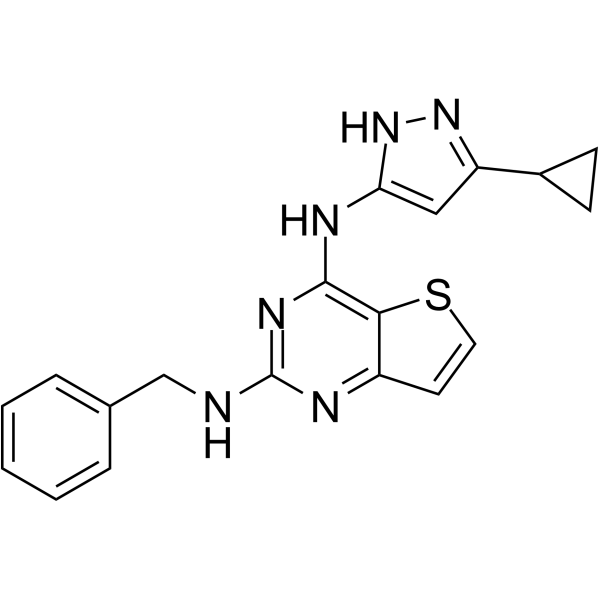
    ARN25068 is a sub-micromolar inhibitor of the three protein kinases, GSK-3β, FYN and DYRK1A to tackle tau hyperphosphorylation .
    ARN25068
  • HY-178317

    PARP Apoptosis Infection Inflammation/Immunology Cancer
    OUL312 is a potent PARP10 inhibitor (IC50 = 20 nM), showing more than 75-fold greater selectivity for PARP15 (IC50 = 1500 nM). OUL312 is also at least 18-fold higher than all other human enzymes in the family. OUL312 has a good ADME profile, is able to enter cells, is not toxic, and effectively rescues human cells from PARP10-induced apoptosis at sub-micromolar concentrations. OUL312 can be used for the study of cervical cancer .
    OUL312
  • HY-153738

    ERK Cancer
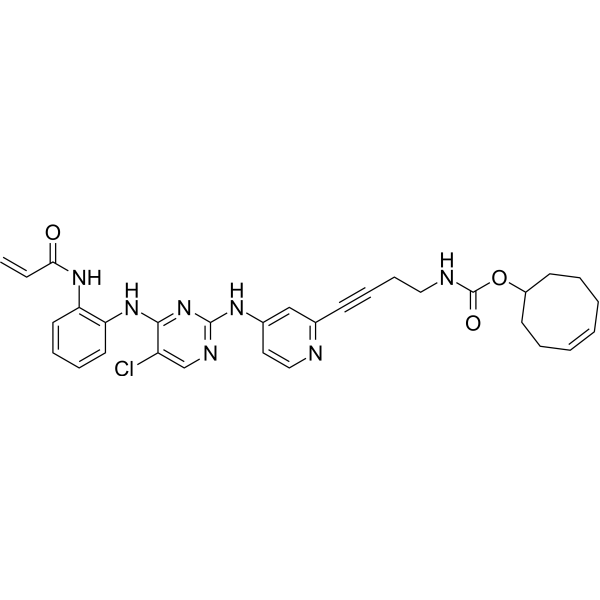
    ERK1/2 inhibitor 9 (Probe 1) is a covalent ERK1/2 inhibitor. ERK1/2 inhibitor 9 shows sub-micromolar activity in cells (A375 GI50=0.47 μM). ERK1/2 inhibitor 9 causes the downregulation of phospho-ERK1/2. ERK1/2 inhibitor 9 tagged trans-cyclo-octene (TCO) and Tz-Thalidomide (tetrazine tagged Thalidomide) can form the corresponding ERK-CLIPTAC to elicit degradation of ERK1/2 .
    ERK1/2 inhibitor 9
  • HY-U00037

    PLA 725

    Phospholipase Inflammation/Immunology
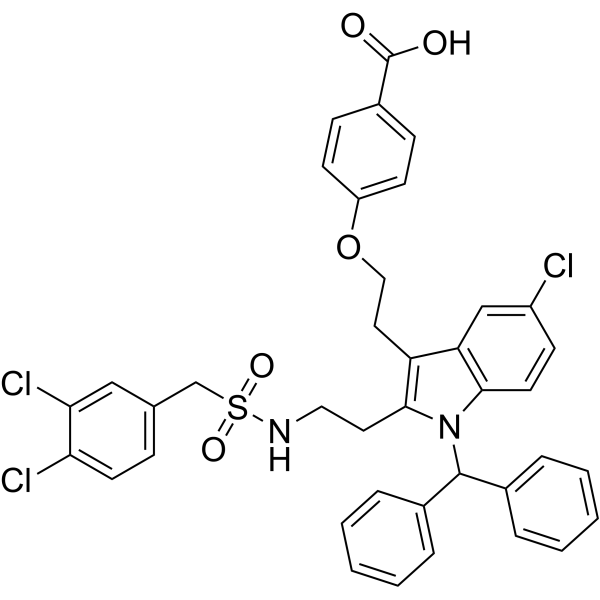
    Ecopladib is a sub-micromolar inhibitor of cytosolic phospholipase A2α (cPLA2α), with IC50s of 0.15 μM and 0.11 μM in the GLU micelle and rat whole blood assays, respectively.
    Ecopladib
  • HY-13465
    VCH-916
    1 Publications Verification

    HCV Infection
    VCH-916 is a thiophene derivative and non-nucleoside inhibitor of HCV NS5B polymerase with sub-micromolar IC50 values versus genotype 1a and 1b replicons. VCH-916 binds to Thumb Site II. VCH-916 can be used for the research of hepatitis c virus (hcv) infection .
    VCH-916
  • HY-10844R

    PA-824 (Standard); (S)-PA 824 (Standard)

    Reference Standards Bacterial Antibiotic Infection Cancer
    Pretomanid (Standard) is the analytical standard of Pretomanid. This product is intended for research and analytical applications. Pretomanid (PA-824) is an antibiotic used for the research of multi-drug-resistant tuberculosis affecting the lungs. Pretomanid exhibits a sub-micromolar MIC against M. tuberculosis (MTB). The MIC values of PA-824 against a panel of MTB pan-sensitive and Rifampin mono-resistant clinical isolates range from 0.015 to 0.25 μg/mL.
    Pretomanid (Standard)
  • HY-10844S1

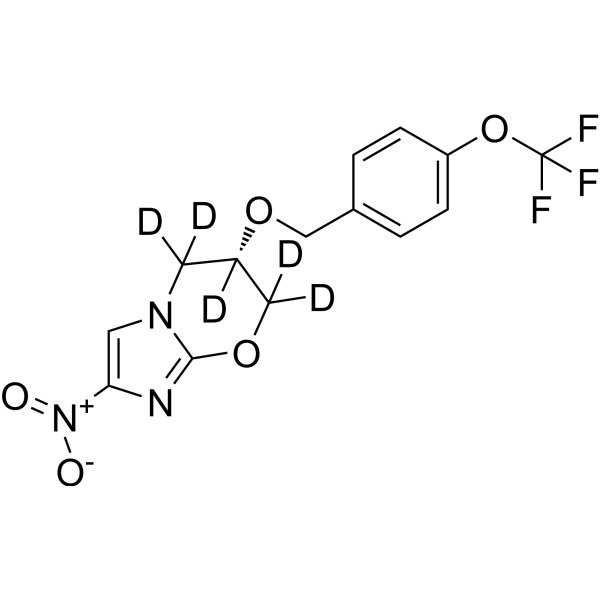
    PA-824-d5; (S)-PA 824-d5

    Antibiotic Bacterial Isotope-Labeled Compounds Infection Cancer
    Pretomanid-d5 is deuterated labeled Pretomanid (HY-10844). Pretomanid (PA-824) is an antibiotic used for the research of multi-drug-resistant tuberculosis affecting the lungs. Pretomanid exhibits a sub-micromolar MIC against M. tuberculosis (MTB). The MIC values of PA-824 against a panel of MTB pan-sensitive and Rifampin mono-resistant clinical isolates range from 0.015 to 0.25 μg/mL.
    Pretomanid-d5
  • HY-161356

    DNA/RNA Synthesis SARS-CoV Infection
    BPR3P0128 is an orally active, non-nucleoside RNA-dependent RNA polymerase (RdRp) inhibitor that has been shown to inhibit the activity of various SARS-CoV-2 variants. The EC50 for SARS-CoV-2 and HCoV-229E are 0.62 μM and 0.14 μM. BPR3P0128 demonstrates effective anti-pancoronavirus activity within the submicromolar range. PR3P0128 shows synergistic antiviral activity when combined with Remdesivir (HY-104077) .
    BPR3P0128
  • HY-157728

    E1/E2/E3 Enzyme Inflammation/Immunology
    ML307 is a potent, sub-micromolar, first-in-class Ubc13 enzyme activity inhibitor with an IC50 of 781 nM. ML307 has the potential for immunomodulation and inflammation research .
    ML307
  • HY-113734

    Aldehyde Dehydrogenase (ALDH) Others
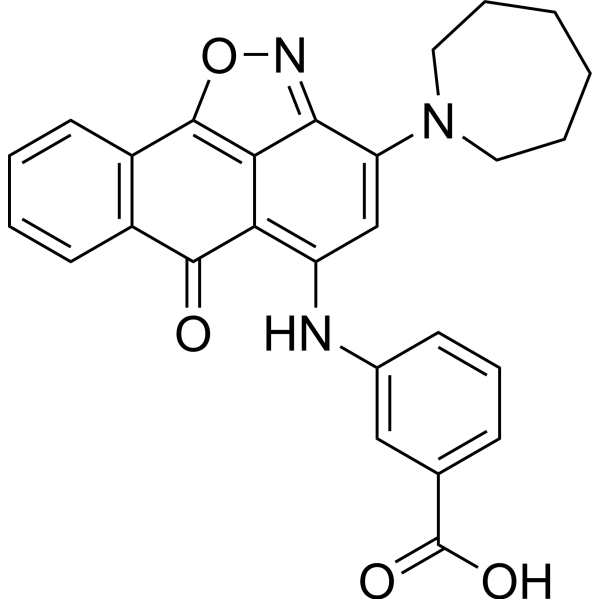
    CM026 is a selective aldehyde dehydrogenase 1A1 inhibitor with submicromolar inhibitory activity against aldehyde dehydrogenase 1A1. Its inhibitory mechanism is related to binding to the aldehyde binding pocket and utilizing a unique glycine residue. It can be used as a chemical tool to study the role of this enzyme in disease.
    CM026
  • HY-10844S

    Isotope-Labeled Compounds Bacterial Antibiotic Infection Cancer
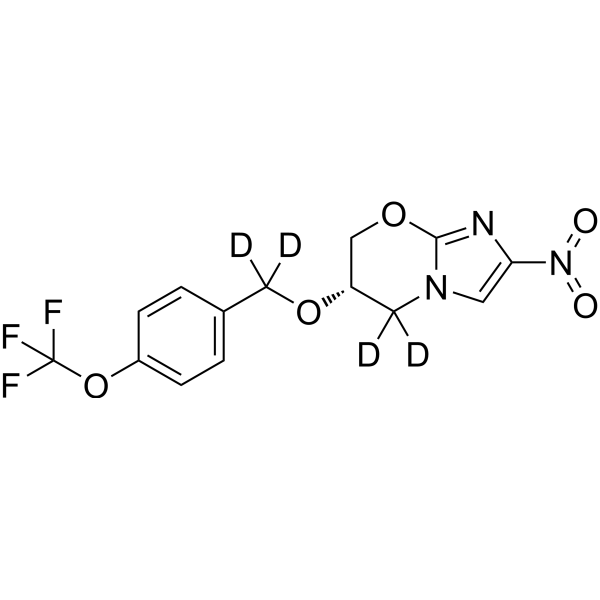
    Pretomanid-d4 is the deuterium labeled Pretomanid. Pretomanid (PA-824) is an antibiotic used for the research of multi-drug-resistant tuberculosis affecting the lungs. Pretomanid exhibits a sub-micromolar MIC against M. tuberculosis (MTB). The MIC values of PA-824 against a panel of MTB pan-sensitive and Rifampin mono-resistant clinical isolates range from 0.015 to 0.25 μg/mL .
    Pretomanid-d4
  • HY-112363

    RP107

    CDK GSK-3 ERK JNK CFTR Inflammation/Immunology Cancer
    Aloisine A (RP107) is a a potent cyclin-dependent kinase (CDK) inhibitor with IC50s of 0.15 μM, 0.12 μM, 0.4 μM, 0.16 μM for CDK1/cyclin B, CDK2/cyclin A, CDK2/cyclin E, CDK5/p35, respectively. Aloisine A ininhibits GSK-3α (IC50=0.5 μM) and GSK-3β (IC50=1.5 μM). Aloisine A stimulates wild-type CFTR and mutated CFTR, with submicromolar affinity by a cAMP-independent mechanism. Aloisine A has the potential for CFTR-related diseases, including cystic fibrosis research .
    Aloisine A
  • HY-128207

    Orphan Nuclear Receptor Cancer
    SID7970631, as an isoquinolinone analog, is a potent and selective submicromolar SF-1 inhibitor (IC50=255 nM). SID7970631 can be used for the research of cancer .
    SID7970631
  • HY-W018811

    Bacterial Infection
    Antibacterial agent 268 (Compound 10e) is an antibacterial agent with antimycobacterial properties. Antibacterial agent 268 shows high anti-bacterial properties at sub-micromolar values (MIC=0.44-0.07 μM) .
    Antibacterial agent 268
  • HY-121647

    Parasite Others
    Nopol is a quinoline derivative based on nopol that has inhibitory activity against the asexual blood stage of Plasmodium falciparum. Derivatives with different structures have different activities against different Plasmodium strains, and some derivatives have submicromolar EC50 values in specific strains.
    Nopol
  • HY-176230

    DNA Methyltransferase Cancer
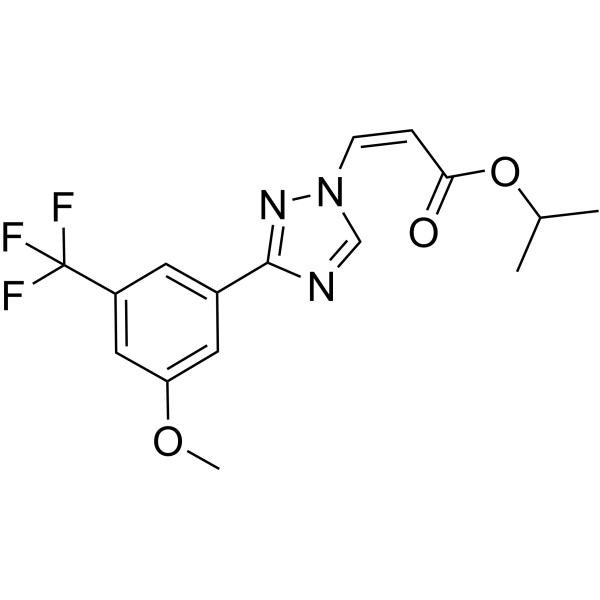
    DNMT-IN-5 is a stable and efficient DNA methyltransferase (DNMT) inhibitor with high stability and high activity with an IC50 of 0.78 nM. DNMT-IN-5 exhibits sub-micromolar DNMT3A inhibitory activity, upregulates the expression of DNMT-targeted genes, impairs cell proliferation, and triggers a critical cell cycle arrest. DNMT-IN-5 can be used for the study of p53-depleted colorectal cancer .
    DNMT-IN-5
  • HY-178692

    JNK Neurological Disease Inflammation/Immunology Cancer
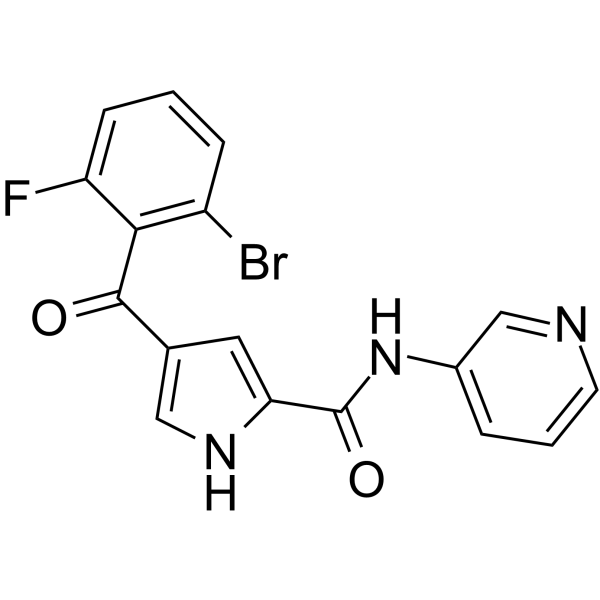
    JNK-IN-25 is a potent and selective JNK1/2/3 inhibitor with IC50 values of 1.54 (JNK1), 1.99 (JNK2), and 0.75 nM (JNK3), respectively. JNK-IN-25 inhibits phosphorylation of c-Jun in cells via covalently bonding with the conserved cysteine of JNK1/2/3. JNK-IN-25 can be used for research of  cancer, inflammatory and neurodegenerative diseases .
    JNK-IN-25
  • HY-132905

    Parasite Infection
    Antileishmanial agent-2 shows submicromolar antileishmanial activity (IC50 = 0.29 μM) and a very high selectivity index with respect to mammalian cells.
    Antileishmanial agent-2
  • HY-N8857

    Reactive Oxygen Species (ROS) Others
    Parvifolixanthone A is a xanthone compound that can be isolated from Garcinia parvifolia. Parvifolixanthone A exhibits antioxidant activity with IC50 of submicromolar level (0.18–0.38 μM) .
    Parvifolixanthone A
  • HY-139823A

    Histone Methyltransferase Others
    PRMT5-IN-11 is a promising structure-dependent inhibition of the protein methyltransferase PRMT5:MEP50 complex in the (sub)micromolar range.
    PRMT5-IN-11
  • HY-168262

    Parasite Infection
    Antitrypanosomal agent 22 (compound 13) is a nitrothienylazine compound with trypanosomaticidal efficacy. Antitrypanosomal agent 22 shows leishmanicidal and trypanocidal with in vitro submicromolar activities, and devoid of toxicity on mammalian cells are uncovered .
    Antitrypanosomal agent 22
  • HY-P3426

    Beta-secretase Cancer
    BACE1-IN-10 is a potent BACE1 Inhibitor. BACE1-IN-10 shows sub-micromolar activity against recombinant BACE1 (rBACE1) .
    BACE1-IN-10
  • HY-141844

    HDAC Cancer
    HDAC/BET-IN-1 displays submicromolar inhibitory activity against HDAC1 and 6 (IC50 = 0.163 μM and 0.067 μM), and BRD4 (Ki = 0.076 μM), and possess potent antileukemia activity.
    HDAC/BET-IN-1
  • HY-172146

    CDK Cancer
    CDK4/6-IN-24 (Compound A) is the inhibitor for CDK4/6. CDK4/6-IN-24 exhibits board-spectrum antitumor activity that inhibits multi cancer cells with IC50 of submicromolar levels .
    CDK4/6-IN-24
  • HY-139364

    PGE synthase Others
    mPGES1-IN-4 (compound 32) is a polysubstituted pyrimidine compound and a submicromolar PGE2 production inhibitor. It exerts its anti-inflammatory effect mainly by inhibiting mPGES-1 and has a significant inhibitory effect on the acute inflammation model in vivo.
    mPGES1-IN-4
  • HY-139365

    PGE synthase Others
    mPGES1-IN-5 (compound 18) is a polysubstituted pyrimidine compound and a submicromolar PGE2 production inhibitor. It exerts its anti-inflammatory effect mainly by inhibiting mPGES-1 and has a significant inhibitory effect on the acute inflammation model in vivo.
    mPGES1-IN-5
  • HY-146702

    Bacterial Thymidylate Synthase Infection
    MtTMPK-IN-8 (compound 27) is a moderate M. tuberculosis thymidylate kinase (MtbTMPK) inhibitor. MtTMPK-IN-8 has sub-micromolar activity against mycobacteria (MICs = 0.78~9.4 μM) without significant cytotoxicity. MtTMPK-IN-8 can be used for researching tuberculosis .
    MtTMPK-IN-8
  • HY-146701

    Bacterial Thymidylate Synthase Infection
    MtTMPK-IN-7 (compound 26) is a moderate M. tuberculosis thymidylate kinase (MtbTMPK) inhibitor with an IC50 value of 47 μM. MtTMPK-IN-7 has sub-micromolar activity against mycobacteria (MICs = 2.3~4.7 μM) without significant cytotoxicity. MtTMPK-IN-7 can be used for researching tuberculosis .
    MtTMPK-IN-7
  • HY-146703

    Bacterial Thymidylate Synthase Infection
    MtTMPK-IN-9 (compound 28) is a moderate M. tuberculosis thymidylate kinase (MtbTMPK) inhibitor with an IC50 value of 48 μM. MtTMPK-IN-9 has sub-micromolar activity against mycobacteria (MICs = 6.25~9.4 μM) without significant cytotoxicity. MtTMPK-IN-9 can be used for researching tuberculosis .
    MtTMPK-IN-9
  • HY-170313

    GLUT Apoptosis Reactive Oxygen Species (ROS) Cancer
    GLUT-1-IN-4 (Compound 13) is the p53 protein-dependent inhibitor for GLUT-1 glucose transporter. GLUT-1-IN-4 inhibits the proliferation of multiple cancer cells with IC50 in submicromolar levels. GLUT-1-IN-4 arrests the cell cycle, stimulates oxidative stress, and induces apoptosis .
    GLUT-1-IN-4
  • HY-144648

    SARS-CoV Infection
    Mpro/PLpro-IN-1 (Compound 29) is a potent inhibitor of M pro/PL pro. Mpro/PLpro-IN-1 is a dual acting SARS-CoV-2 proteases inhibitor featuring micromolar inhibitory potency versus M pro (IC50 = 1.72 μM) and submicromolar potency versus PL pro (IC50 = 0.67 μM) .
    Mpro/PLpro-IN-1
  • HY-126250

    Phosphodiesterase (PDE) Parasite Infection Inflammation/Immunology
    NPD1335 is a Trypanosoma brucei phosphodiesterase B1 (TbrPDEB1) inhibitor with submicromolar activities against T. brucei parasites. NPD1335 displays a greatly improved cytotoxicity profile. NPD1335 increases intracellular cAMP levels and results in the distortion of the cell cycle and cell death . NPD-1335 is a click chemistry reagent, it contains an Alkyne group and can undergo copper-catalyzed azide-alkyne cycloaddition (CuAAc) with molecules containing Azide groups.
    NPD-1335
  • HY-161732

    Bcl-2 Family Cancer
    GQN-B37-E is a potent selective binder and inhibitor of MCL-1. GQN-B37-E binds to the BH3-domain-binding pocket in MCL-1. GQN-B37-E exhibits binding affinity for MCL-1 at the submicromolar range (Ki = 0.6 μM) without apparent binding to BCL-2 or BCL-XL .
    GQN-B37-E
  • HY-163746

    Cholinesterase (ChE) Neurological Disease
    BuChE-IN-11 (Compound 3b-1) is an selective BuChE inhibitor with an IC50 of 0.44 μM for hBuChE. BuChE-IN-11 has high blood-brain barrier permeability and exhibits strong antioxidant activity due to its free radical scavenging properties. BuChE-IN-11 interacts with the choline binding site, acetyl binding site, and peripheral anionic site, exhibiting submicromolar BuChE inhibitory activity and preventing β-amyloid (Aβ) self-aggregation. BuChE-IN-11 holds promise for research in the field of Alzheimer's disease .
    BuChE-IN-11
  • HY-183860

    Plasminogen/Plasmin Others
    Pefabloc PL is a plasmin inhibitor with submicromolar-range inhibitory activity against the trypsin-like serine protease plasmin .
    Pefabloc PL
  • HY-182348

    Parasite Infection
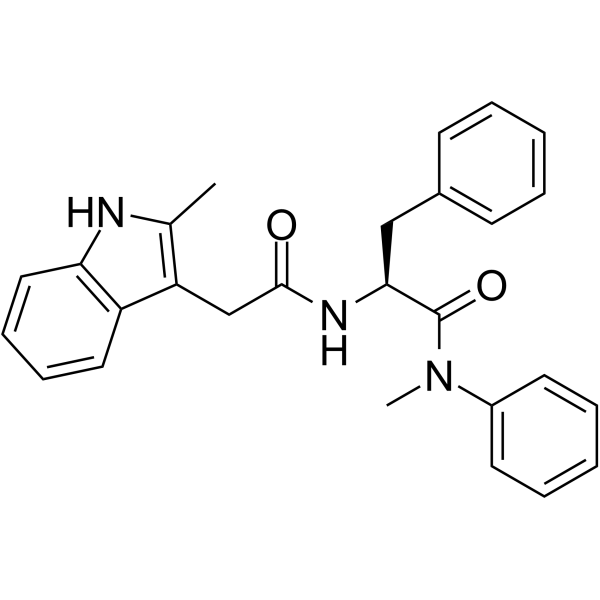
    LSPN959 is a slow-acting indole peptidomimetic antiplasmodial agent with submicromolar activity against the Plasmodium falciparum 3D7 strain. LSPN959 does not inhibit plastid-dependent isoprenoid biosynthesis. The combination of LSPN959 with Artesunate (HY-N0193) exhibits an additive effect against Plasmodium falciparum. LSPN959 can be used in malaria research .
    LSPN959
  • HY-181750

    Amino Acid Derivatives Neurological Disease
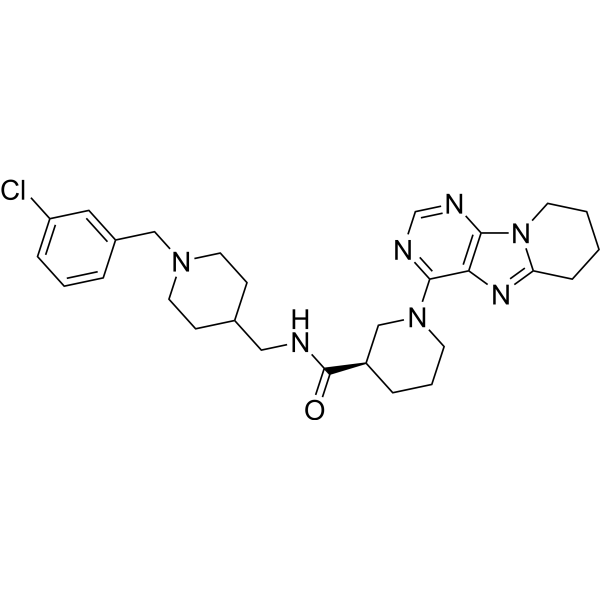
    NAT8L-IN-2 (compound 4u) is a submicromolar NAT8L inhibitor based on an N-acylated (piperidin-3-ylmethyl)-1,2,4-oxadiazole scaffold, with an IC50 value of 0.4 μM against NAT8L. NAT8L-IN-2 can be used for the research of canavan disease .
    NAT8L-IN-2
  • HY-182347

    Parasite Infection
    LSPN954 (compound 4i) is an indole-based peptidomimetic antiplasmodial agent that exhibits submicromolar activity against both sensitive and multidrug-resistant *Plasmodium falciparum* strains, with low cytotoxicity to human cells and a high selectivity index. LSPN954 shows slow-acting inhibitory activity, allowing the initial development of *Plasmodium* followed by morphological changes, and its activity is independent of the inhibition of plastid-dependent isoprenoid biosynthesis. LSPN954 can be used in malaria research .
    LSPN954
  • HY-124388

    Phosphodiesterase (PDE) Inflammation/Immunology
    PDE4-IN-20 is a selective submicromolar phosphodiesterase-4 (PDE4) inhibitor with anti-TNF-α properties. PDE4-IN-20 exhibits significant biological activity in vitro and in vivo. The mechanism of action of PDE4-IN-20 is supported by molecular modeling studies, which reveal its binding mode with PDE4. PDE4-IN-20 was optimized in further conformational analysis and showed pharmacological characteristics similar to those of known PDE4 inhibitors .
    PDE4-IN-20
  • HY-182894

    Virus Protease SARS-CoV Infection
    MR1-114 is an orally active SARS-CoV-2 papain-like protease (PLpro) inhibitor with an IC50 of 0.037 μM. As a broad-spectrum inhibitor, MR1-114 maintains submicromolar activity against SARS-CoV-2 Delta, Omicron B.1.1.529 and Omicron BA.5 variants, with EC50 values of 0.18 μM, 0.39 μM and 0.20 μM, respectively. MR1-114 can be used for the research of coronavirus disease 2019 (SARS-CoV-2 infection) .
    MR1-114
  • HY-182927

    Others Cancer
    KLHL12 ligand-1 is a KLHL12 Kelch domain ligand with a Ki of 0.33 μM, Ka of 0.33 μM, submicromolar binding affinity, and selective binding over KEAP1/KLHL19. KLHL12 ligand-1 binds in the substrate cleft of KLHL12, with its 4-methyl group forming a CH-π interaction with Tyr334. KLHL12 ligand-1 binds to cellular KLHL12 in permeabilized and intact cells, and has solvent-exposed positions suitable for modification to create PROTACs. KLHL12 ligand-1 can be used for the research of cancer .
    KLHL12 ligand-1
  • HY-182924

    PROTACs Enterovirus Infection
    Jun15702 is a PROTAC degrader targeting the capsid protein VP1 of enterovirus D68. Jun15702 recruits the Cereblon (CRBN) E3 ligase and activates the ubiquitin-proteasome pathway. Jun15702 inhibits viral entry and exerts inhibitory effects during the early, middle and late stages of viral replication. Jun15702 exhibits antiviral activity against multiple wild-type enterovirus D68 strains, and also shows submicromolar antiviral activity against the Pleconaril (HY-19952)-resistant enterovirus D68 variant rMO-VP1 F159V. Jun15702 can be used in studies related to enterovirus D68 (EV-D68) infection .
    Jun15702

Inquiry Online

Your information is safe with us. * Required Fields.

Salutation


Country or Region *

Applicant Name *


Organization Name *

Department *


Email Address *


Product Name *

Cat. No.


Requested quantity *

Phone Number *


Remarks

Inquiry Online

Inquiry Information

Product Name:
Cat. No.:
Quantity:
MCE Japan Authorized Agent:

